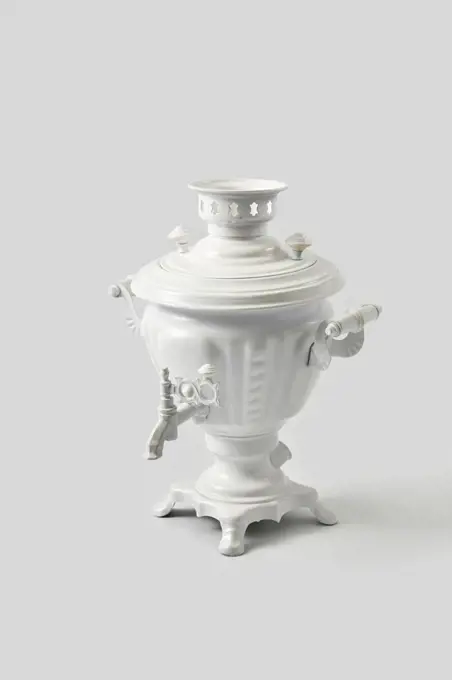
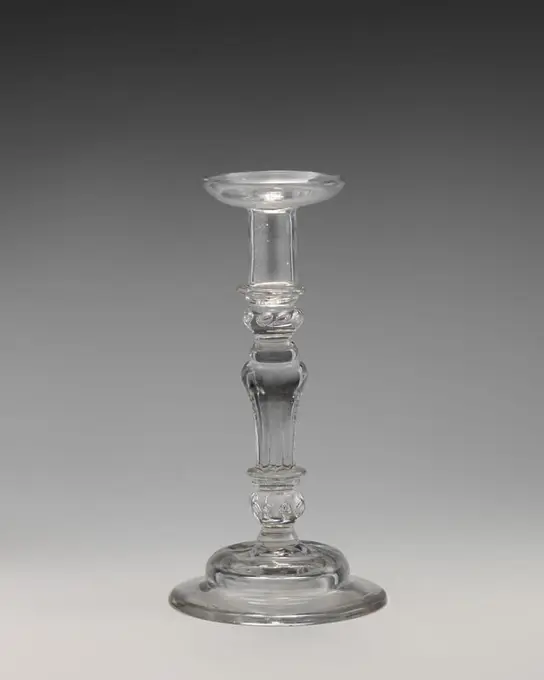
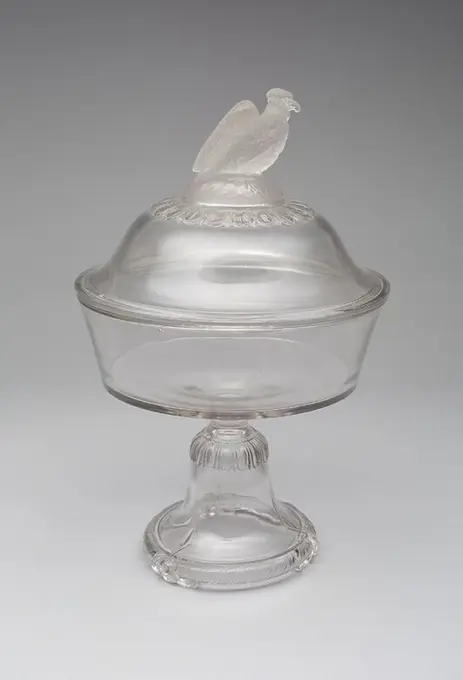
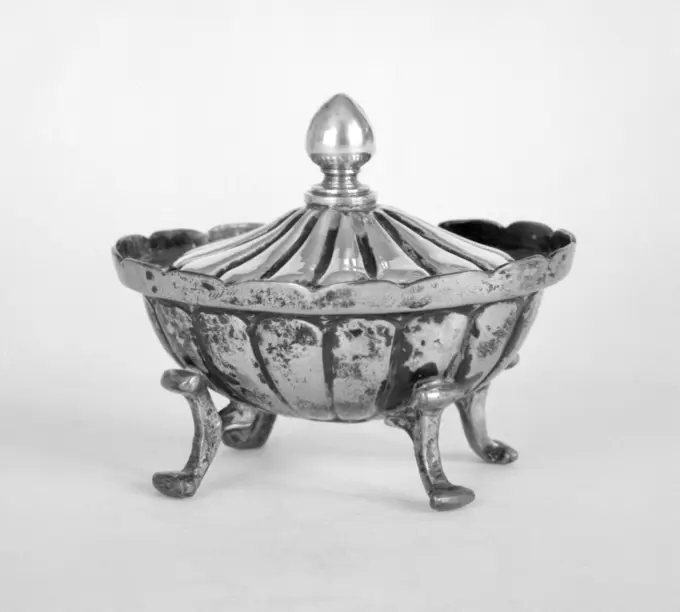
Elegant Drinking Vessels

A variety of finely crafted bowls and goblets made of silver and glass, highlighting intricate details and historical significance.
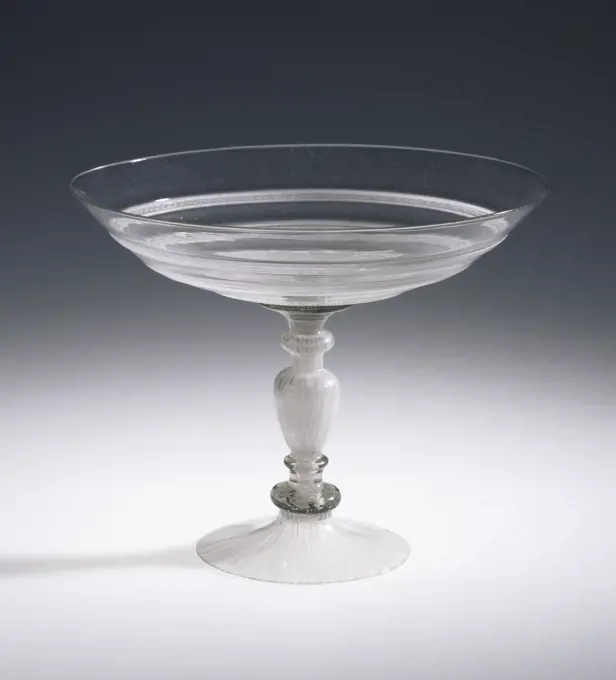
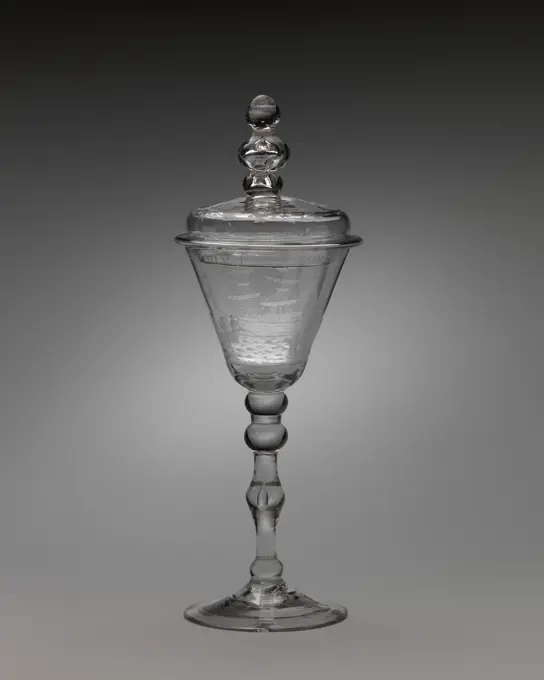
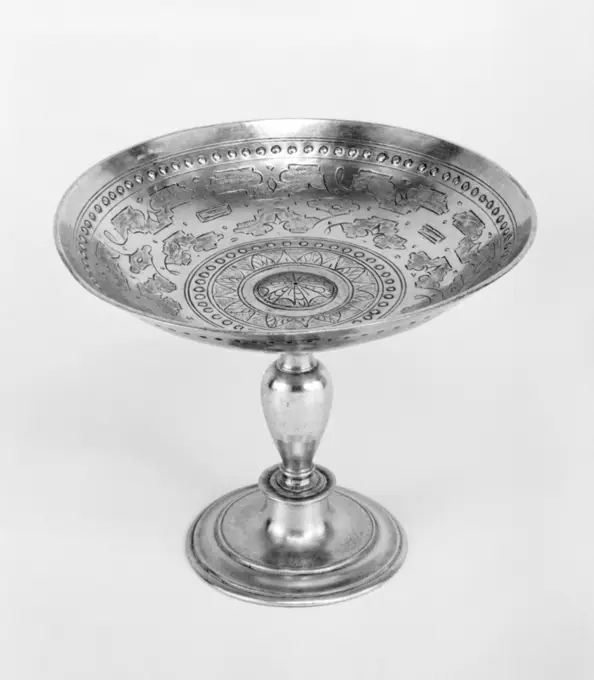
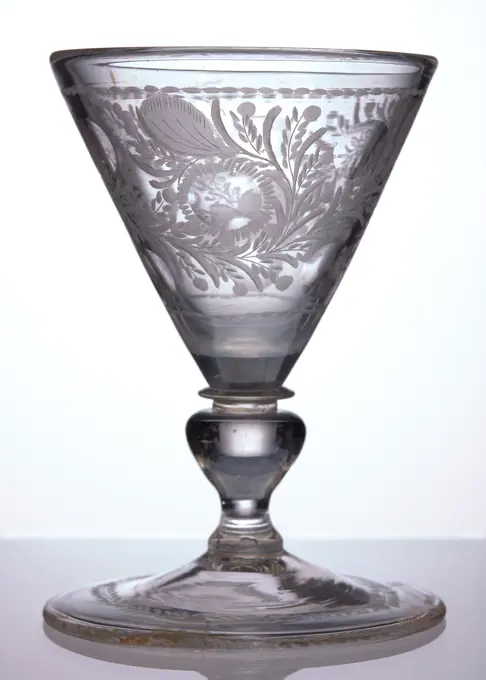
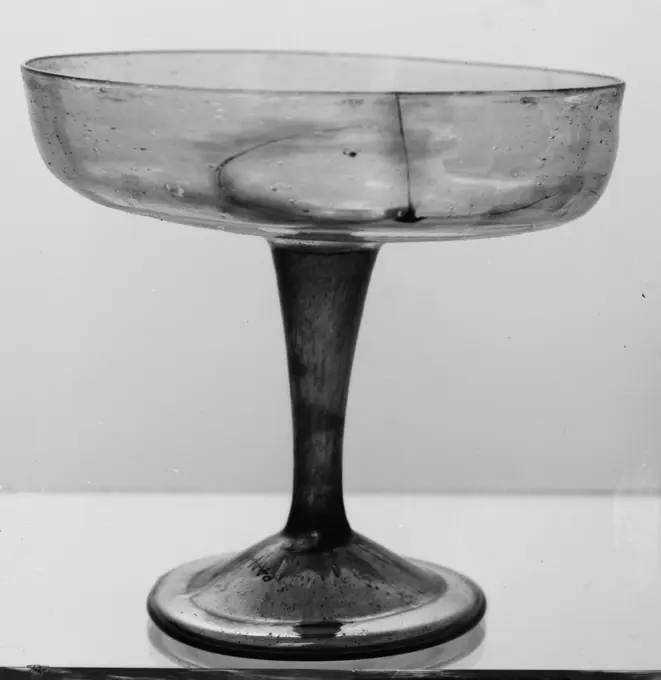
Stemmed Filigrana Wineglass (Tazza); Venice, Veneto, Italy; late 16th - early 17th century; Free- and mold-blown colorless (pinkish-gray) glass with lattimo canes; 12.1 x 17.5 cm (4 3,4 x 6 7,8 in.)
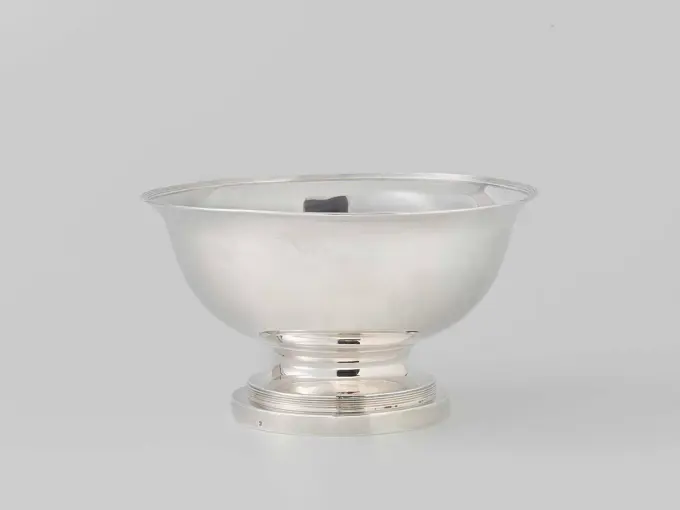
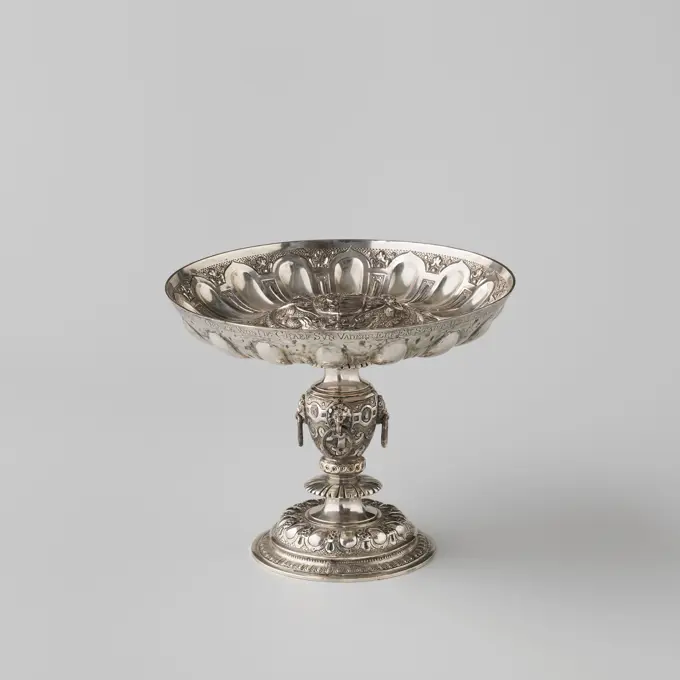
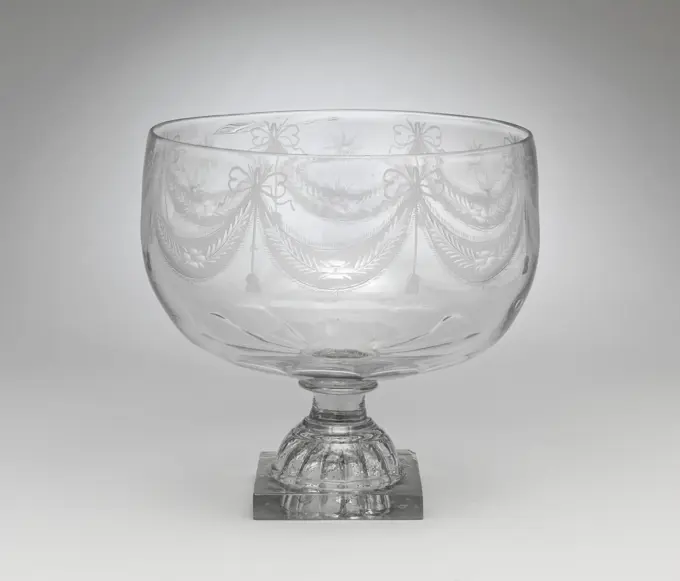
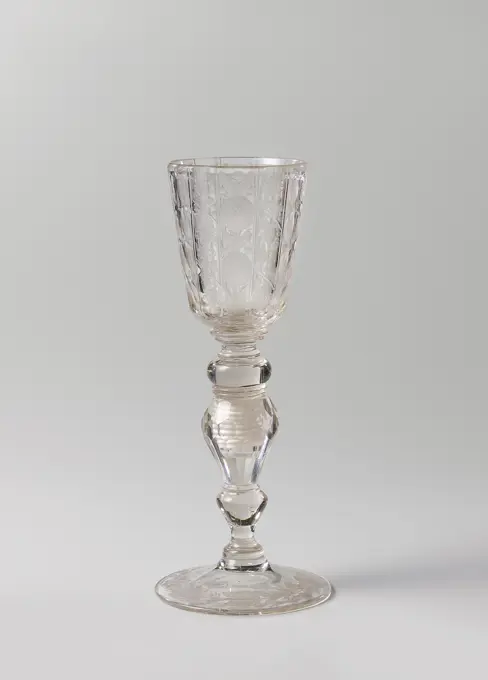
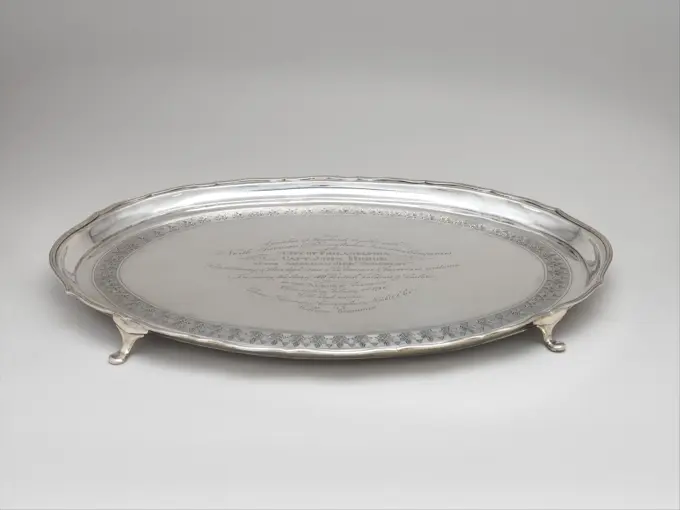
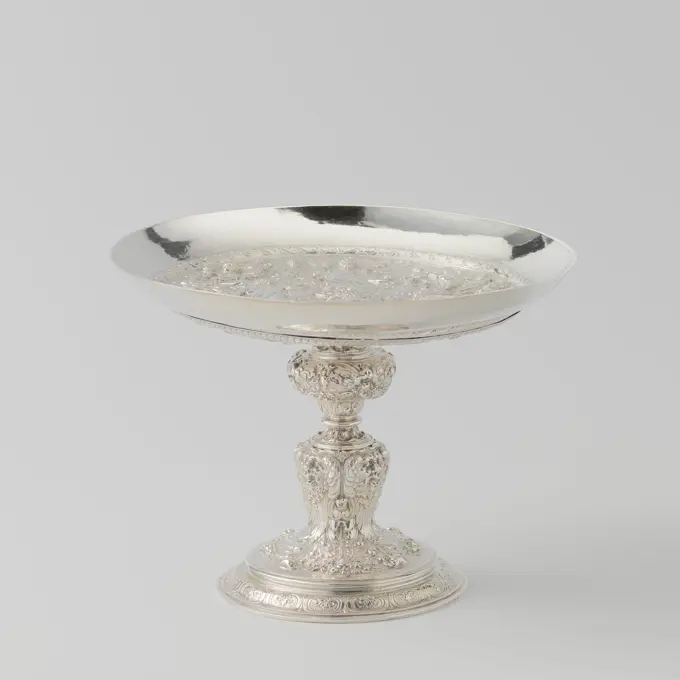
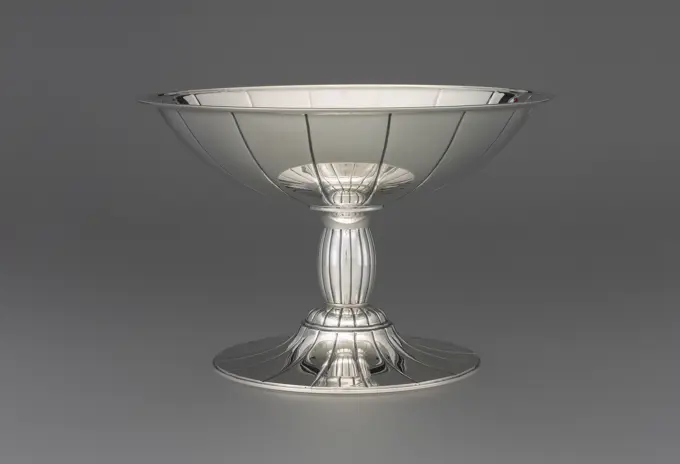
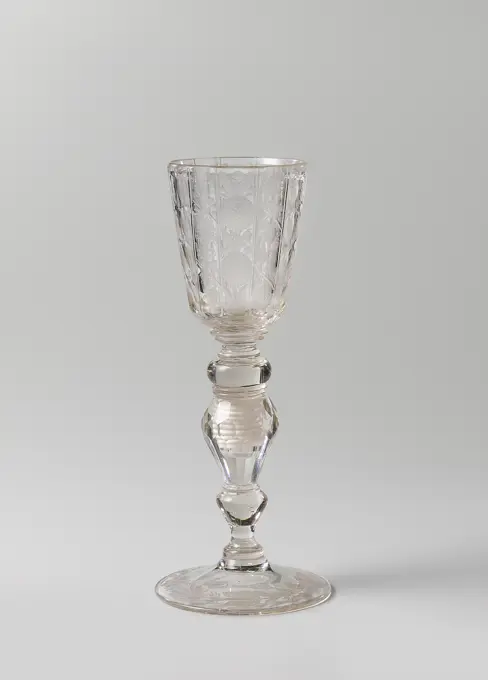
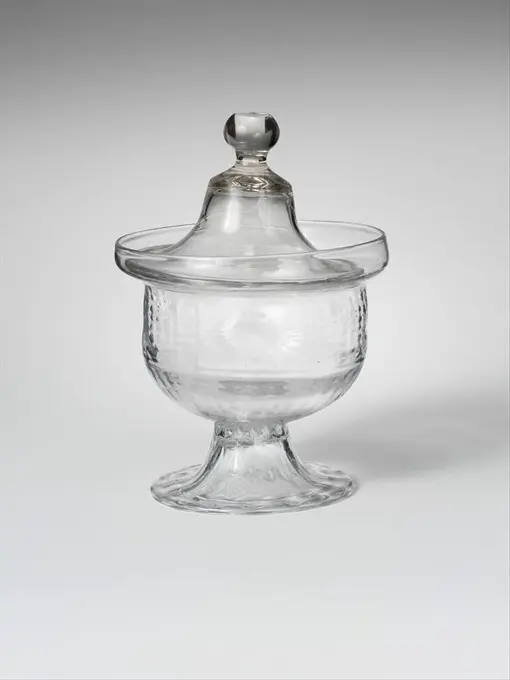
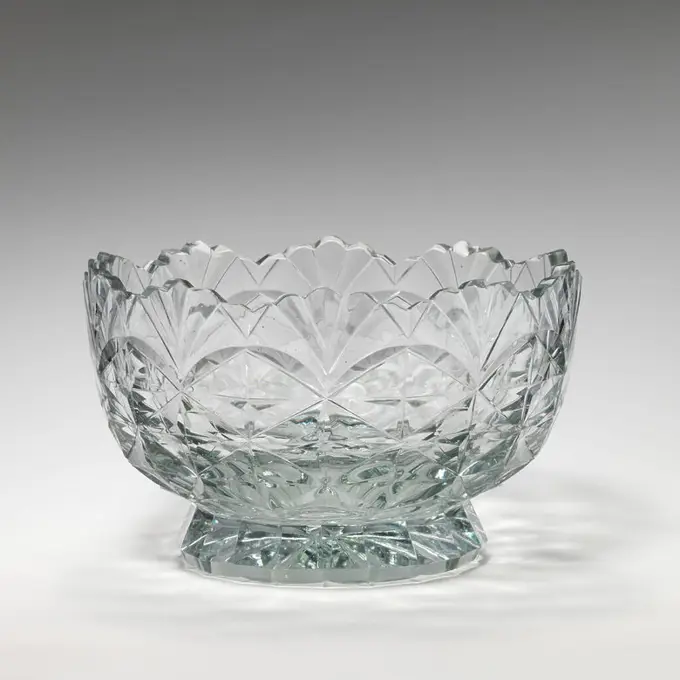
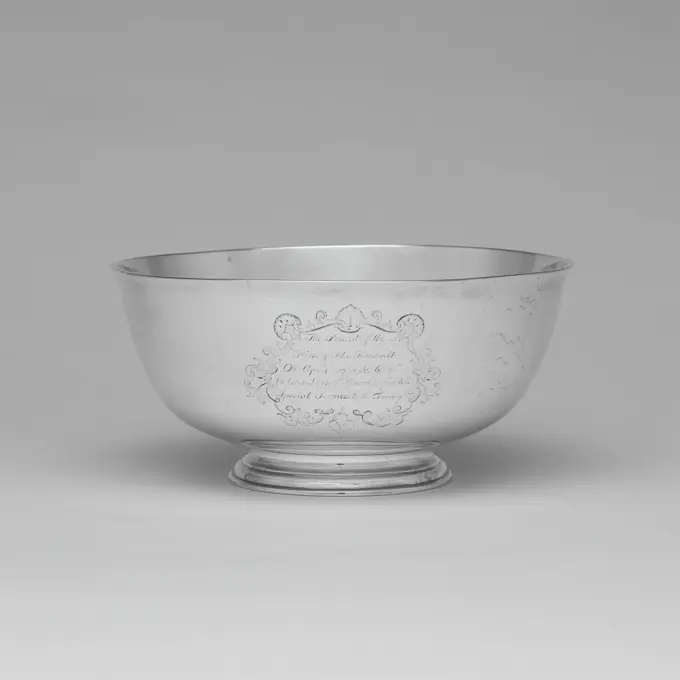
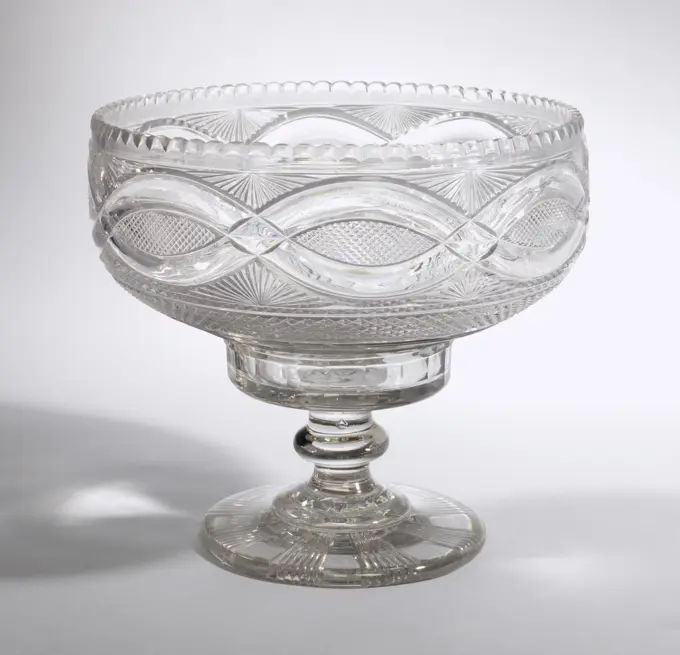
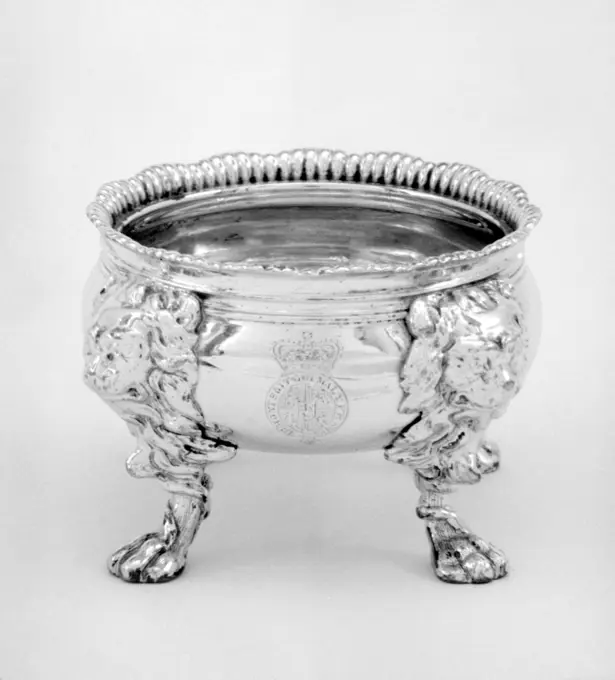
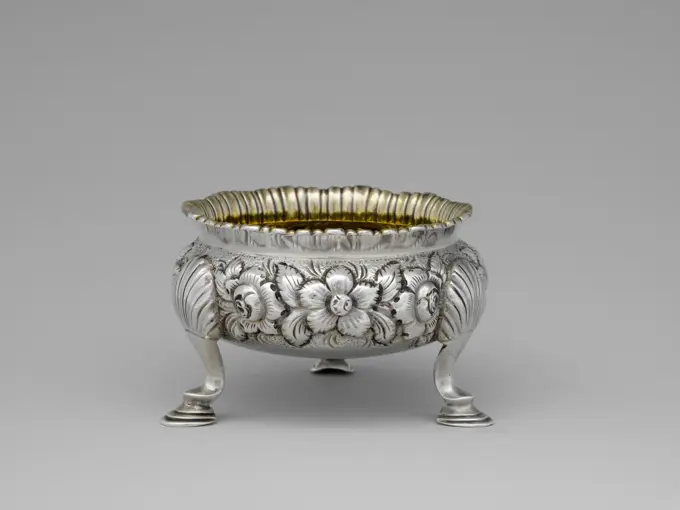
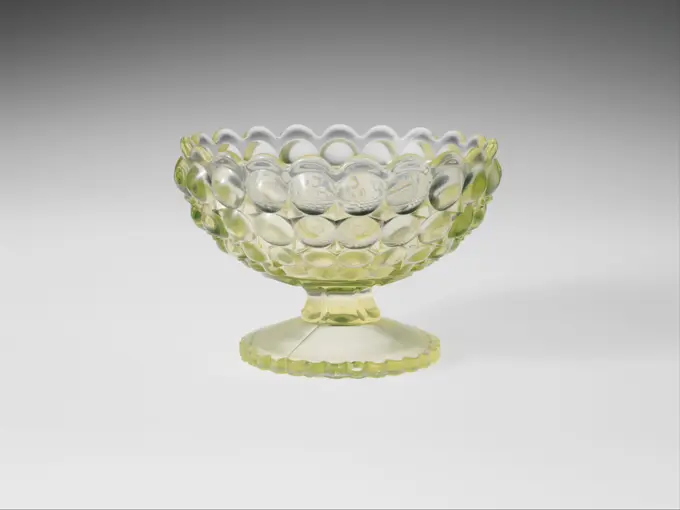
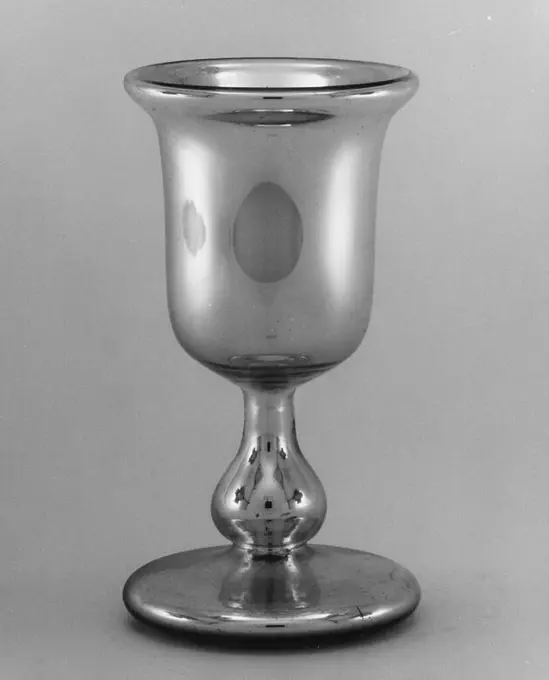
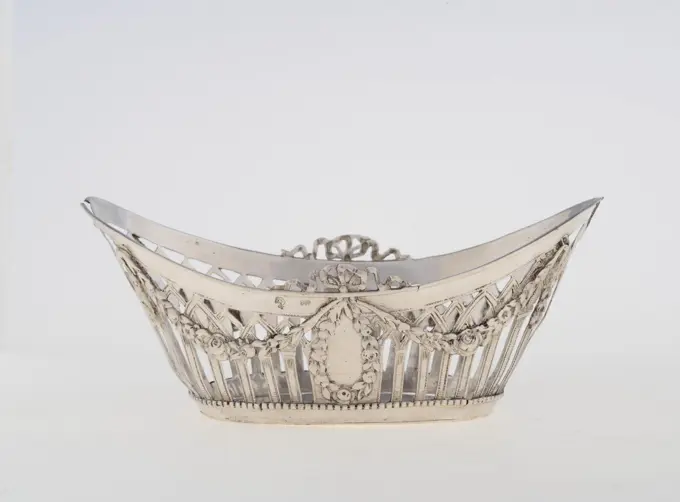
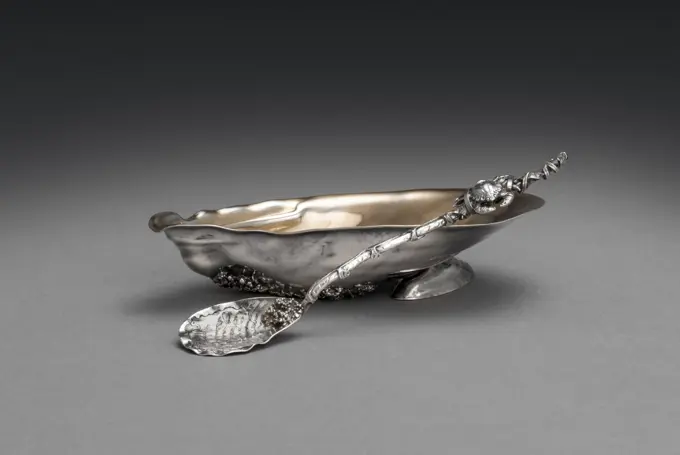
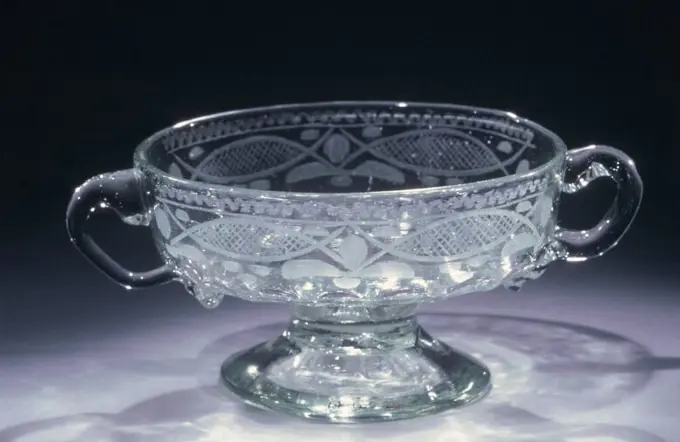
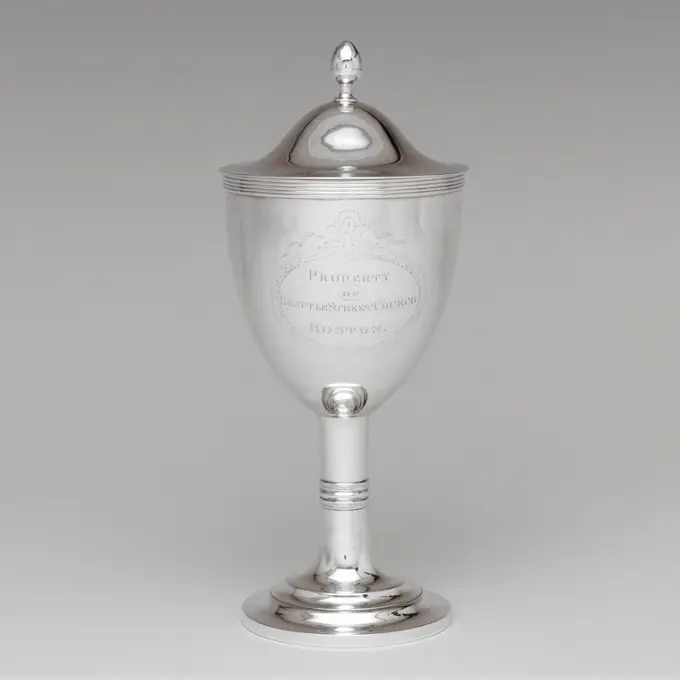
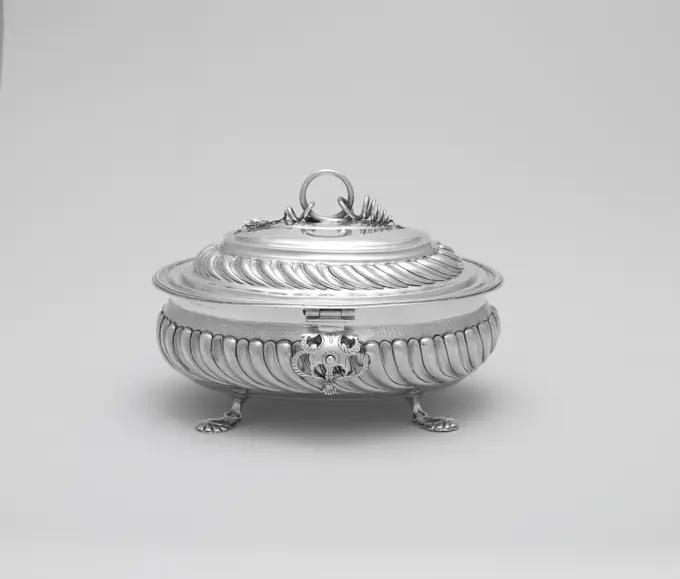
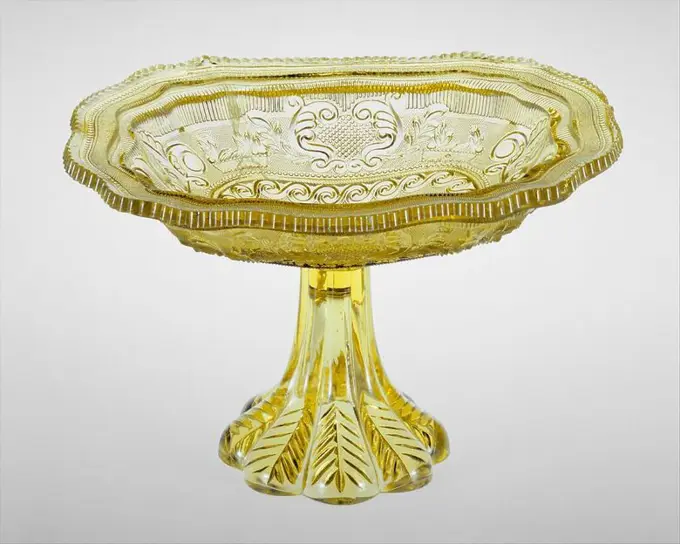
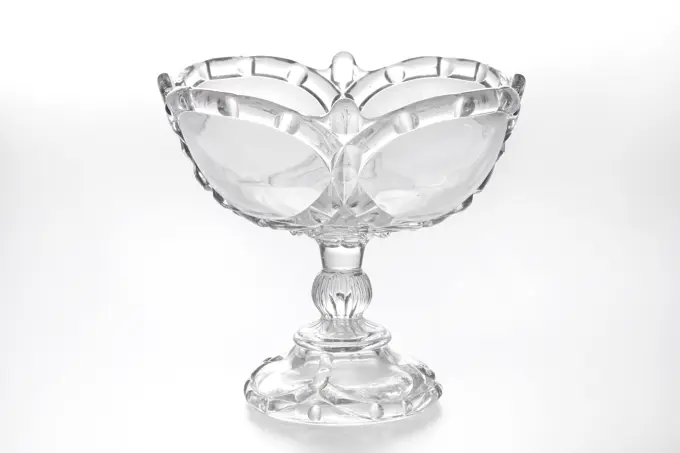
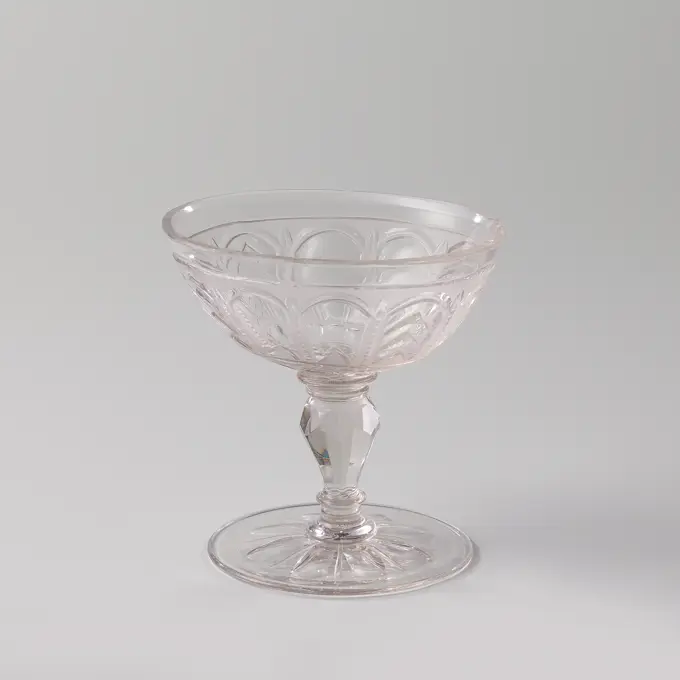
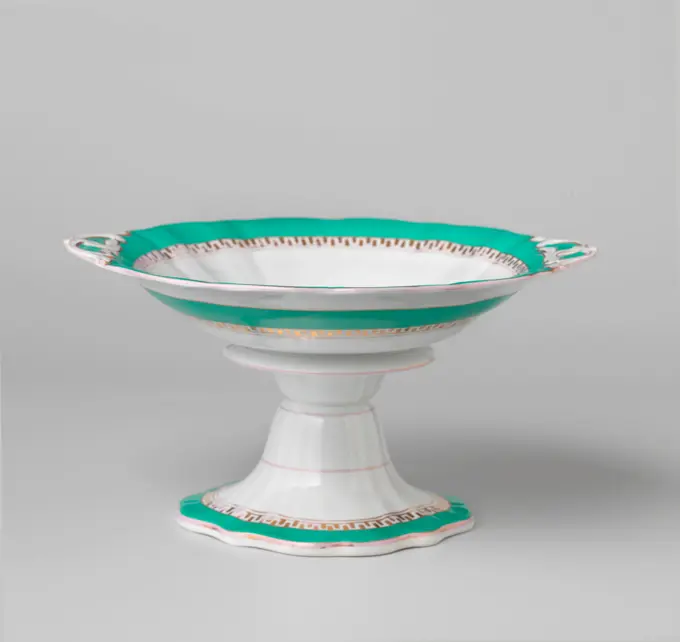
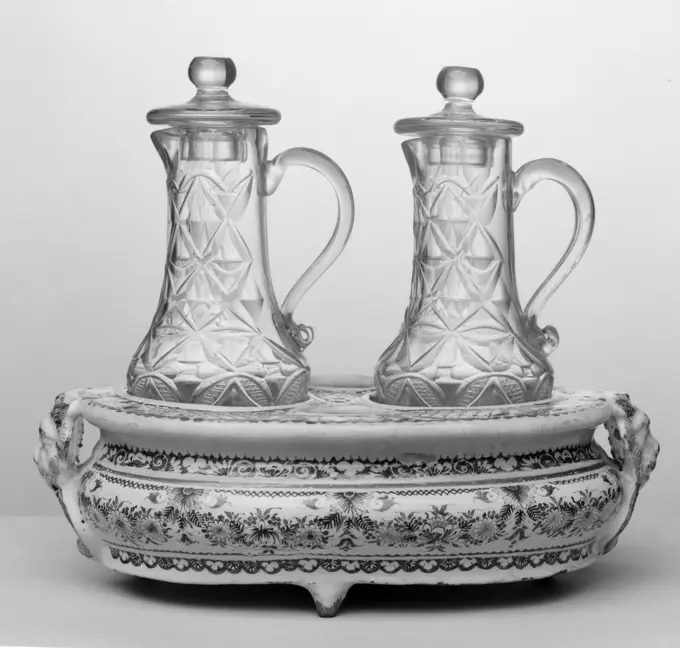
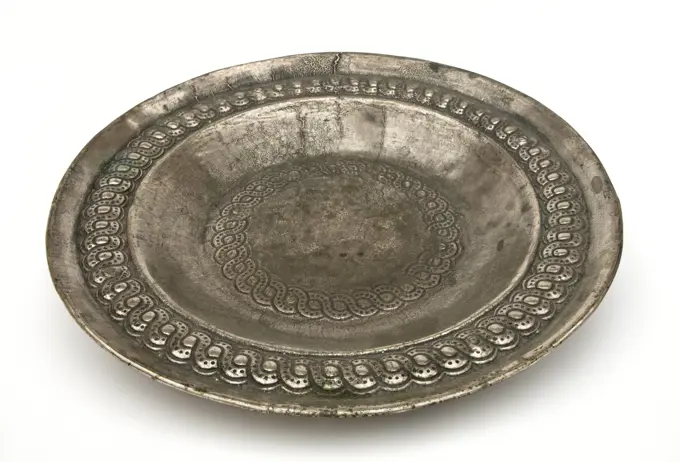
Drinking bowl with the captivity of Willem Courten in March 1568. Drinking bowl on foot of driven silver. The scale is fully engraved inside with a representation of a man behind bars in the middle, surrounded by branches with flower vases and birds. The outer edge includes an inscription.Rinse bowl, round, with fillet edges. The round bowl has a vaulted foot that rests on a straight-handed basis with a straight bottom edge. The bowl has a vaulted wall. Filet edges are applied along the bottom edge of the foot and inside along the top edge of the bowl.Covered Bowl and Stand 1825-1875 Lunéville. Glass . Baccarat Glassworks (Maker)Galvanoplastic reproduction of a drinking bowl with the Wapen van Zierikzee, fa. Elkington & Co., 1881 Galvanoplastic reproduction of a drinking bowl with a driven shield with carriers with the weapon of Zierikzee on the flat; the baluster -shaped trunk with lion heads with rings; With inscription and dated 1674. London copper (metal). silver (metal) Galvanoplastic reproduction of a drinking bowl with a driven shield with carriers with the weapon of Zierikzee on the flat; the baluster -shaped trunk with lion heads with rings; With inscription and dated 1674. London copper (metal). silver (metal)Covered Diamond-Engraved Armorial Marriage Goblet 1695-1714 England. Diamond-engraved lead glass .Punchbowl 1810-20 Bakewell, Page & Bakewell. Punchbowl 20769Salt. England. Date: 1715-1745. Dimensions: 10.2 cm (4 in.). Glass. Origin: England. Museum: The Chicago Art Institute, Chicago, USA.Jar with sunflowers, vines and circles, anonymous, c. 1700 - c. 1725 Vaulted foot. The trunk has a smooth and a facet -cut baluster, a knot and seven discs. Conical, faceted chalice with facet cuts, rounded underside. The trunk consists of two screwed parts. On the underside of the chalice a stylized leaf branch, on which three vertical tires, each composed of a strip with two sunflowers between two strips with grapes. The three tires are separated from each other by narrow strips with four circles. A continuous flower branch on the foot. Bohemia glass grinding / glassblowing Vaulted foot. The trunk has a smooth and a facet -cut baluster, a knot and seven discs. Conical, faceted chalice with facet cuts, rounded underside. The trunk consists of two screwed parts. On the underside of the chalice a stylized leaf branch, on which three vertical tires, each composed of a strip with two sunflowers between two strips with grapes. The three tires are separated from each other by narrow strips Snake glass with ground chalice, anonymous, c. 1690 - c. 1700 Conical foot with turned around. The trunk made up of a ribbed thread, bent in the form of eight, with two times two perpendicular wings of ribbed and twisted threads, trimmed with a pinched comb ornament. Vertically ribbed chalice, part of the chalice has been scrapped. England glass glassblowing Conical foot with turned around. The trunk made up of a ribbed thread, bent in the form of eight, with two times two perpendicular wings of ribbed and twisted threads, trimmed with a pinched comb ornament. Vertically ribbed chalice, part of the chalice has been scrapped. England glass glassblowingStemmed Filigrana Wineglass (Tazza); Venice, Veneto, Italy; late 16th - early 17th century; Free- and mold-blown colorless (pinkish-gray) glass with lattimo canes; 12.1 x 17.5 cm (4 3,4 x 6 7,8 in.)Pledge glass with cover 18th century British, Newcastle with Dutch engraving. Pledge glass with cover. British, Newcastle with Dutch engraving. 18th century. Glass. GlassDouble box with ornaments, anonymous, c. 1725 - c. 1750 Double box of clear, colorless glass. On the chalice little deeply incised ornaments. Decorated a drinking glass in the same way on top of the lid instead of the button. Bohemia glass grinding / glassblowing Double box of clear, colorless glass. On the chalice little deeply incised ornaments. Decorated a drinking glass in the same way on top of the lid instead of the button. Bohemia glass grinding / glassblowingChampagne Glass 1695-1725 Nuremberg. Glass .Sweetmeat glass, Glass, Ireland, ca. 1800-20, glasswares, Decorative Arts, Sweetmeat glassSugar bowl 1810-30 Benjamin Bakewell & Co.. Sugar bowl. American. 1810-30. Blown and engraved glass. Made in Pittsburgh, Pennsylvania, United StatesCompote with Lid in the Pioneer Pattern c 1876-1886 Philadelphia. Pressed glass . Gillinder and Sons (Manufacturer)Tray 1796 Christian Wiltberger American This tray was presented by the merchants of Philadelphia to Captain John Hodge of the American ship Sedgeley in honor of his daring rescue at sea of 160 sailors, soldiers, and passengers from the British transport ship Aurora on February 2, 1796. The tray was accompanied by a silver tankard (1971.99.1), which descended together in the Hodge family.. Tray 8794Tazza (footed drinking cup) with a Gathering of the Olympian Gods, Aelbert Verhaer (attributed to), 1602 Round drinking bowl on the foot of driven silver. At the bottom a representation of a meeting of Olympic gods. On the cover plate three cartouches, mountain landscapes with rivers, buildings and figures. Master sign: shield with three windows. Utrecht silver (metal) Round drinking bowl on the foot of driven silver. At the bottom a representation of a meeting of Olympic gods. On the cover plate three cartouches, mountain landscapes with rivers, buildings and figures. Master sign: shield with three windows. Utrecht silver (metal)Crockery, low foot cut ", glass of Venice. Around 1500. Object of art. Museum of Fine Arts in the city of Paris, Petit Palais. 24096-9 Anonymous, cut, art, low foot, dishes, Venice glassCompote. Designer Erik Magnussen, Danish, 1884-1961 Manufacturer: Gorham Manufacturing Company, American, founded 1831Bowl with sunflowers, vines and circles. Vaulted foot. The trunk has a smooth and a facet cut baluster, a knot and seven discs. Conical, facet cut chalice with facet cut, rounded bottom. The strain consists of two screwed parts. At the bottom of the chalice a stylized leaf branch, on which three vertical tires, each composed of a strip with two sunflowers between two strips with grapes. The three tires are separated from each other by narrow strips with four circles. On the basis of a continuous flower branch."Jumbo"/Elephant pattern covered compote on pedestal. Attributed to Canton Glass Company; Canton, Ohio. Date: 1883-1885. Dimensions: 33 × 20.3 cm (13 × 8 in.). Glass. Origin: United States. Museum: The Chicago Art Institute, Chicago, USA.Covered Sugar Bowl. Culture: American. Dimensions: H. 5 in. (12.7 cm). Date: 1820-40. Museum: Metropolitan Museum of Art, New York, USA.They weigh;  19th century (1801-00-00-1900-00-00);Bowl. Culture: British or Irish. Dimensions: Overall: 5 × 7 7/8 in. (12.7 × 20 cm). Date: early 19th century. Museum: Metropolitan Museum of Art, New York, USA.Bowl -Wineglass. UnknownTazza early 17th century B. B.. Tazza 191908Punch Bowl ca. 1750 Adrian Bancker Punch, a heady concoction of spirits, water, citrus, sugar, and spices, was especially fashionable in England, where trade with the West Indies ensured ample supplies of rum, sugar, and spices. The beverage enjoyed considerable popularity in the American colonies as well. This punch bowl reflects a keen awareness of contemporary English silver, particularly in its engraved symmetrical cartouche of shells and foliate vines. As noted in the inscription, it was made for prominent New York merchant Christopher Bancker (1695-1763) as a gift from the heirs of John Roosevelt (1689-1750), to whom the Bancker family was related by marriage. Bancker was also the older brother of Adrian Bancker, the silversmith commissioned to make the bowl.. Punch Bowl 781Bowl -Compote - Starflower pattern Burlington Glass Works Burlington Glass WorksBowl 1800-1830 British (American market). Bowl. British (American market). 1800-1830. Earthenware, lusterware. Made in Staffordshire, EnglandBowl (Ireland); glassSugar Bowl ca. 1760 Philip Syng Jr.. Sugar Bowl 822Sauce Tureen and Cover from the Hood Service. Paul Storr; English, 1771-1844; London, England. Date: 1807-1808. Dimensions: 17.8 × 22.9 × 13 cm (7 × 9 × 5 1/8 in.). Sterling silver. Origin: England. Museum: The Chicago Art Institute, Chicago, USA.Decanter. Culture: American. Dimensions: H. 7 3/8 in. (18.7 cm). Maker: Bakewell, Page & Bakewell (1808-1882). Date: ca. 1826-35.One of a pair (its mate is in the Philadelphia Museum of Art), this decanter features elaborate cut decoration. It is distinguished by a sulphide portrait of Benjamin Franklin on the front. A difficult technique developed in Europe, a high-fired ceramic material is embedded into a bubble of glass, which is then deflated so the image is surrounded by glass. Highly fashionable in France, sulphide portrait decoration was first produced in America by the Pittsburgh firm Bakewell, Page, and Bakewell in 1825 in an effort to compete with European glass manufacturers. The Museum has two glass tumblers with sulphide portraits embedded in their bases, one depicting George Washington (1984.152), the other Lafayette (1947.44). Museum: Metropolitan Museum of Art, New York, USA.Salt 1780-1825 American. Salt 6965Set of four saltcellars ca. 1735 Paul de Lamerie British. Set of four saltcellars 202055Chalip glass with a show of a rose, anonymous, 1708 Straight tribe. Bowl -shaped chalice. The trunk mounted on a diabolo -shaped salt barrel of silver, standing on three bulbs and decorated with driven flower vines. On the chalice a rose with a butterfly and a dragonfly. glassblower: EnglandNorthern Netherlandssilversmith: Haarlem glass. silver (metal) glassblowing Straight tribe. Bowl -shaped chalice. The trunk mounted on a diabolo -shaped salt barrel of silver, standing on three bulbs and decorated with driven flower vines. On the chalice a rose with a butterfly and a dragonfly. glassblower: EnglandNorthern Netherlandssilversmith: Haarlem glass. silver (metal) glassblowingGoblet 1775-1799 England. Glass .Goblet with Cover 1730-1740 Schleswig. Glass .Standing Cup, c. 1725. Germany, Silesia, 18th century. Glass; overall: 27.3 x 7 cm (10 3/4 x 2 3/4 in.); base: 9.3 x 9.8 cm (3 11/16 x 3 7/8 in.).Salt (one of a pair) early 19th century Irish or British. Salt (one of a pair). Irish or British. early 19th century. Glass. GlassSpoon stand ca. 1760 Meissen Manufactory German. Spoon stand 206391Dish with cover and liner 1774-76 Jacques-Nicolas Roettiers. Dish with cover and liner 206606Salt ca. 1835 Andrew Ellicott Warner. Salt 7095Compote -A large (A) and two small (B and C) Oval Terrines in Louis XVI style, Philippus Priee, 1773 A large (A) and two small (B and C) Oval Terrines in Louis XVI style decorated with driven cannelures, garlands wrapped with ribbons, appliqued festons and pearl edges. Each terrine has a lid with a button and stands on four legs. All terrines marked under soil: Middelburg; Annual letter K - 1773; mt. P above prie = Philippus prié; crowned o = release stitches; ax = tax inspection. Terrine BK-1995-14-B is engraved on the inside with N: 1. Note: All terrines have an inner box. Middelburg silver (metal) A large (A) and two small (B and C) Oval Terrines in Louis XVI style decorated with driven cannelures, garlands wrapped with ribbons, appliqued festons and pearl edges. Each terrine has a lid with a button and stands on four legs. All terrines marked under soil: Middelburg; Annual letter K - 1773; mt. P above prie = Philippus prié; crowned o = release stitches; ax = tax inspection. Terrine BK-1995-Silver Cup of the Society 'The Metal Cross', J.M. Van Kempen & Son, 1863 goblet Silver jar in the shape of a flat dish on a shaft consisting of an anchor, around which a water -spy -like fantasy fish and the anchor chain are wrinkled. Against the bottom of the dish a Jacobs shell and a cross surrounded by an oak branch and a branch with orange apples. The stamp -shaped base is cut by a cable and a belt with buckle, on which the inscription is engraved. Marked with the Meterert sign of Van Kempen, 1st content of large works after 1814 and miner -head. The case and certificate in the inventory are no longer present. Voorschoten silver (metal). gilding (material) gilding / casting / soldering / striking (metalworking)  Shimonoseki, Street ofSauce Dish ca. 1888 Richards and Hartley Flint Glass Co.. Sauce Dish 7189Goblet. Culture: American. Dimensions: H. 7 9/16 in. (19.2 cm); Diam. 4 1/8 in. (10.5 cm). Maker: New England Glass Company (American, East Cambridge, Massachusetts, 1818-1888). Date: 1855-70. Museum: Metropolitan Museum of Art, New York, USA.Tazza 1600-1625 Venice. Glass .Cup unknownPorringer 1725-35 Samuel Vernon. Porringer. American. 1725-35. Silver. Made in Newport, Rhode Island, United StatesGoblet with cover, J. en L. Lobmeyr, c. 1880 - c. 1900 Cup with lid, on four -lobe Konian base with baluster -shaped scanned trunk with discs, tulip -shaped chalice, curved lid with a high -scanning button. On the chalice, a woman is engraved twice on a swing, a shared weapon with half an eagle on the left and three double palmets and a love couple with a cupid. . Marked on the foot JLW (J and L Lobmeyr Wien) Vienna glass glassblowing Cup with lid, on four -lobe Konian base with baluster -shaped scanned trunk with discs, tulip -shaped chalice, curved lid with a high -scanning button. On the chalice, a woman is engraved twice on a swing, a shared weapon with half an eagle on the left and three double palmets and a love couple with a cupid. . Marked on the foot JLW (J and L Lobmeyr Wien) Vienna glass glassblowingBasket;  19th century (1860-00-00-1880-00-00);Narragansett Salt Cellar and Spoon, 1884. Gorham Manufacturing Company (American, founded 1831). Handwrought sterling silver, partially gilt; overall: 2.8 x 12.3 x 6.1 cm (1 1/8 x 4 13/16 x 2 3/8 in.). This small salt dish and spoon reflect the late 19th-century interest in incorporating naturalistic details into the design of useful pieces-in this instance probably inspired by Japanese examples.Creampot ca. 1782 Elias Davis. Creampot 2669Bowl. Dimensions: H. 2 in. (5.1 cm); Diam. 3 1/2 in. (8.9 cm). Date: 1775-1820. Museum: Metropolitan Museum of Art, New York, USA.Wine Cup ca. 1800 Joseph Foster By the end of the eighteenth century the traditional bell-shaped wine cup on baluster stem had evolved into an even more restrained model. Here, the ovoid body, horizontal ribbed ornament, and bright-cut engraving reflect the neoclassical idiom. Tall, cylindrical stems on stepped, circular bases and domed covers with acorn finials accentuate the verticality and dignity of this vessel and its mate (33.120.232a, b), which were made around 1800 for Bostons Brattle Street Church. The mark of Joseph Foster, the pair's maker, appears on a considerable quantity of Boston-area church plate.. Wine Cup 7889Sugar Box ca. 1710 Probably John Coney Only ten casket-form sugar boxes of colonial American manufacture are known.. Sugar Box 7999Compote. Culture: American. Dimensions: 6 x 9 x 10 3/4 in. (15.2 x 22.9 x 27.3 cm). Date: 1835-45. Museum: Metropolitan Museum of Art, New York, USA.Compote - Nova Scotia Crown Pattern Lamont Glass Company Lamont Glass CompanyCovered vase China. Covered vase 61972CupTraditional samovar tea kettle on white backgroundTaperstick. Culture: British. Dimensions: Height: 7 in. (17.8 cm). Date: ca. 1740. Museum: Metropolitan Museum of Art, New York, USA."Old Abe"/Frosted Eagle pattern compote. Attributed to the Crystal Glass Company; American, 1870-1888; Bridgeport, Ohio. Date: 1880-1890. Dimensions: 20.3 × 31.8 cm (8 × 12 1/2 in.). Glass. Origin: United States. Museum: The Chicago Art Institute, Chicago, USA.Flip Glass, late 1700s. America, 18th century. Glass; diameter: 11.2 cm (4 7/16 in.); overall: 26 x 8.5 cm (10 1/4 x 3 3/8 in.); container: 16 cm (6 5/16 in.).Lid of a large jar, anonymous, c. 1750 - c. 1760 Vaulted lid with dome -shaped elevation, crowned with a pledged lid button with an air bubble, consisting of three knots and a massive, spherical end. A engraved leaf ornament on the lid. Germany glass glassblowing Vaulted lid with dome -shaped elevation, crowned with a pledged lid button with an air bubble, consisting of three knots and a massive, spherical end. A engraved leaf ornament on the lid. Germany glass glassblowingPlate Manufacturer Elkington & Co. British 19th century, after 16th century original This electrotype is after a sixteenth-century original in the Victoria and Albert Museum, London, at the time of reproduction.Oval-shaped salt bowl with cover 19th-20th century Italian. Oval-shaped salt bowl with cover 206241. Wing glass on flat foot with beaten edge. Hollow, ribbed and twisted baluster-shaped strain with three nodi. On both sides a wing in the shape of a sea horse of colorless and blue glass. Wide, six-spectable chalice, in which a hollow, ribbed globe of blue glass is attached to the bottom.Vase. Wilhelm Wagenfeld; German, b. 1900. Date: 1935-1945. Dimensions: 9.5 x 15.2 cm (3 3/4 x 6 in.). Glass. Origin: Germany. Museum: The Chicago Art Institute, Chicago, USA.Scale on foot, with arches and stars. Flat, facet cut foot. Facet cut, baluster-shaped strain with four discs. Wide, oval chalice with facet cut bottom. On the chalice a continuous pattern of arches under a bright, cut bond with stars. This type of glass mainly served for serving sweets.Tazza probably 17th century French or Spanish. Tazza. French or Spanish. probably 17th century. Glass. GlassFooted Dish. Culture: American. Dimensions: H. 2 5/8 in. (6.7 cm); Diam. 3 3/4 in. (9.5 cm). Maker: Richards and Hartley Flint Glass Co. (ca. 1870-1890). Date: ca. 1888. Museum: Metropolitan Museum of Art, New York, USA.Wine cistern. Culture: British, Birmingham, after British, London original. Dimensions: Overall: 39 1/2 × 65 × 36 5/8 in., 320 lb. (100.3 × 165.1 × 93 cm, 145.2 kg). Maker: After an original by Charles Frederich Kandler (active 1735, died 1778). Manufacturer: Elkington & Co. (British, Birmingham, 1829-1963). Date: ca. 1880.This is an electrotype reproduction of the magnificent silver wine cistern commissioned by the English banker and silversmith Henry Jernegan (ca. 1688-1745/6) for his client Littleton Pointz Meynell (ca. 1695-1752) who was desirous to have the "largest and finest silver cistern that ever was or could be..." A first sketch of the design honoring the wine god Bacchus was done by the antiquarian and engraver George Vertue (1684-1756) and the wax models for the figures were executed by the Flemish-born English sculptor John Michael Rysbrack (1694-1770). The actual cistern, now in the Hermitage Museum, St. Petersburg, was the work of the silversmith Charles Frederick KanSauce Dish ca. 1888 Richards and Hartley Flint Glass Co.. Sauce Dish 7186. This tureen and stand bear the alliance coat of arms of Baron Assueer Jan Torck and Eusebia Jacoba de Rode van Heeckeren, who were married in 1758. This couple was closely acquainted with the stadtholder and his consort. The imposing tureen, an early example of NeoclassicalHague silver, affords a good impression of the art at and around the stadtholders court.Basket (one of a pair) 1729-30 Paul de Lamerie British. Basket (one of a pair) 202054Goblet ca. 1815 Anthony Rasch. Goblet 4127Scale on foot, round, with a green edge and golden Greek band, Petrus Regout, c. 1865 Scale on foot of earthenware, round, sculpted, with green edge and golden Greek band. Maastricht earthenware Scale on foot of earthenware, round, sculpted, with green edge and golden Greek band. Maastricht earthenwareSweetmeat Dish. Cristallerie de Gallé (France, Nancy, active 1874-1935)Emile Gallé (France, Nancy, 1846-1904). France, Nancy, circa 1880. Furnishings; Serviceware. Glass, enamel, giltVase;  20th century (1900-00-00-2000-00-00);purchaseButterThree-Part Garniture 1795-1805 England. Glass . Waterford GlasshouseBowl 1744/45 George Wickes The arms of William Anne Capel (1732-1799), fourth Earl of Essex, are engraved at the center of this bowl, which was probably part of a tea set. The small scale of the cast and applied shell decoration is characteristic of Wickes's Rococo work.. Bowl. British, London. 1744/45. Silver-gilt. Metalwork-SilverGlassPorringer ca. 1700 John Allen. Porringer 6649Cup 1785-1800 Chinese, possibly for British market. Cup. Chinese, possibly for British market. 1785-1800. Hard-paste porcelain. Ceramics-Porcelain-ExportBowl 1825-40 Chinese. Bowl. Chinese. 1825-40. Porcelain. Made in Canton, Guangdong, ChinaTinsmith: Johannes Daniël Druy, Chalice-shaped bowl with engraved text on round base CHURCH FEAST DUTCH PORT, bowl scale scale, cast Round hollow foot passing into narrow high stem cup-shaped bowl mark in foot on bottom of the trunk: angel with palm branch in oval above banderol in which Druy metalworker Delfshaven church guardian religion church supper church dish protestantism collection religious ceremony ceremony RotterdamBasket-shaped bowl, 18th-19th century, 5 1/4 x 8 1/4 x 6 1/2in. (13.3 x 21 x 16.5cm), Glass, England, 18th-19th centuryPlate, 18th century, in the manner of William Will, American, 8 1/4 x 8 1/4 x 1/2 in. (20.96 x 20.96 x 1.27 cm), Pewter, United States, 18th centuryPlate 1765 Jean Chaslon. Plate 200212Presentation vase in silver honoring Daniel Webster ,Salt barrel with driven fish, shells and marine animals, Claes Baardt, 1689 Pull -shaped salt barrel of silver. Fish, shells and marine animals are on the foot. On top of a weapon and a Banderolle with the name Catarina Gaeijkema and the year 1689. Bolsward silver (metal) Pull -shaped salt barrel of silver. Fish, shells and marine animals are on the foot. On top of a weapon and a Banderolle with the name Catarina Gaeijkema and the year 1689. Bolsward silver (metal)Cruet stand with cruets ca. 1705-20 French, Rouen Faience, or tin-glazed and enameled earthenware, first emerged in France during the sixteenth century, reaching widespread usage among elite patrons during the seventeenth and early eighteenth centuries, prior to the establishment of soft-paste porcelain factories. Although characterized as more provincial in style than porcelain, French faience was used at the court of Louis XIV as part of elaborate meals and displays, with large-scale vessels incorporated into the Baroque garden designs of Versailles. Earlier examples of French faience attest to the strong influence of maiolica artists from Italy. Later works demonstrate the ways in which cities such as Nevers, Rouen, Lyon, Moustiers, and Marseille developed innovative vessel shapes and decorative motifs prized among collectors throughout Europe. While faience can be created from a wide mixture of clays, it is foremost distinguished by the milky opaque white color achieved by the addiAntiker Silberteller Antiker Silberteller Antique silver plate, isolated on white Copyright: xZoonar.com/MartinaxI.xMeyerx 511835