Elegant Drinking Vessels

A variety of finely crafted bowls and goblets made of silver and glass, highlighting intricate details and historical significance.
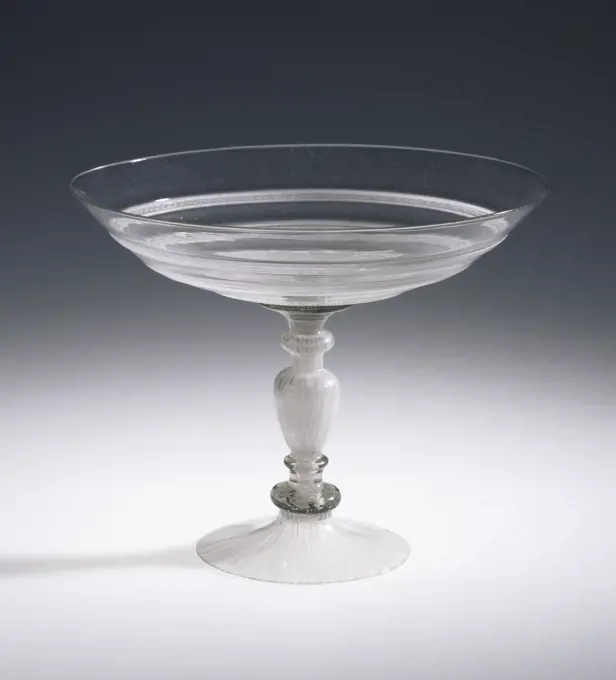
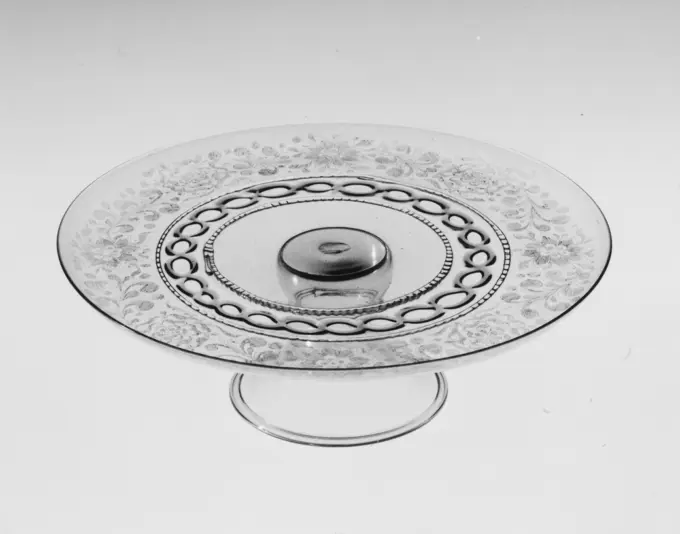
Stemmed Filigrana Wineglass (Tazza); Venice, Veneto, Italy; late 16th - early 17th century; Free- and mold-blown colorless (pinkish-gray) glass with lattimo canes; 12.1 x 17.5 cm (4 3,4 x 6 7,8 in.)
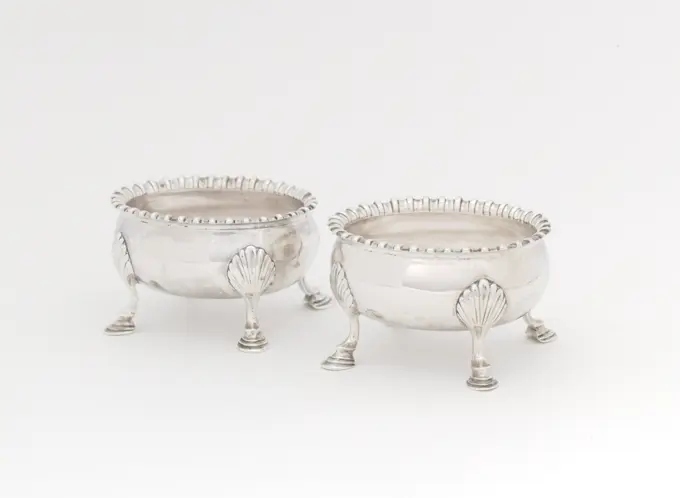
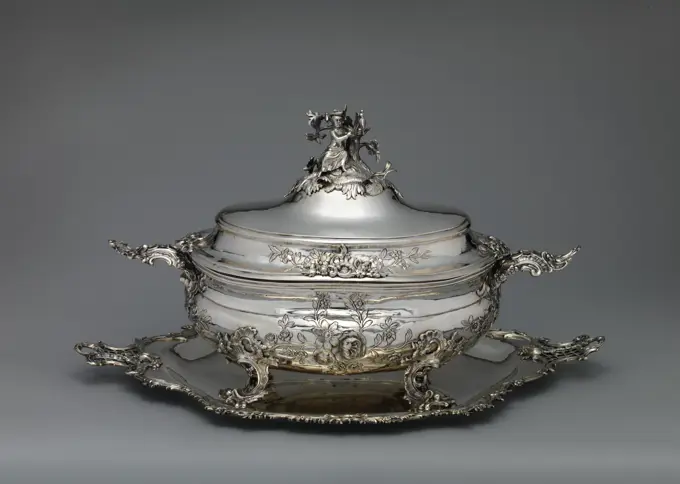
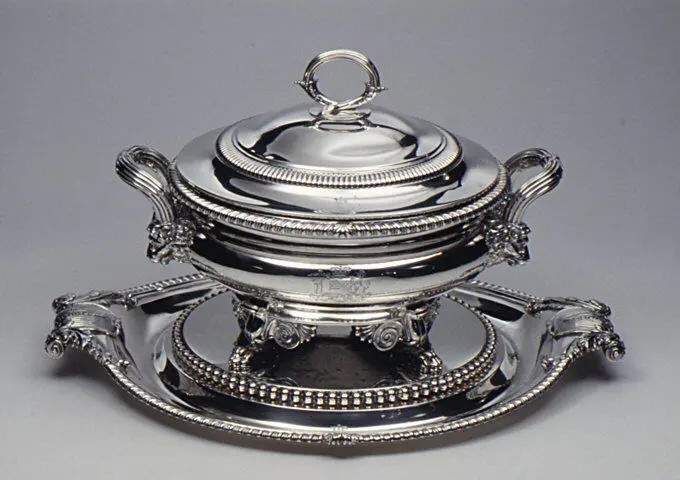
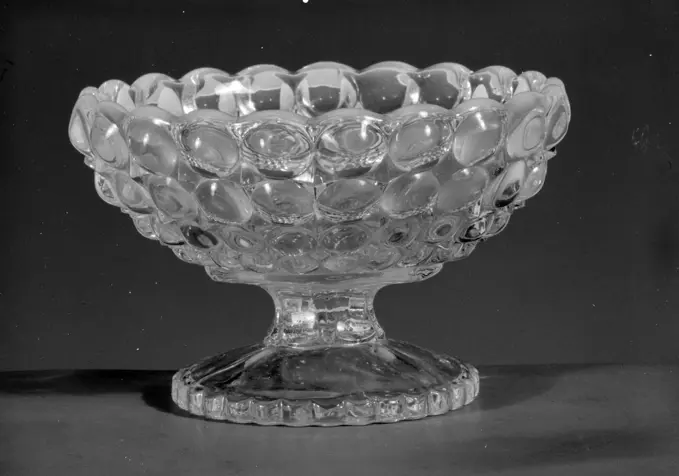
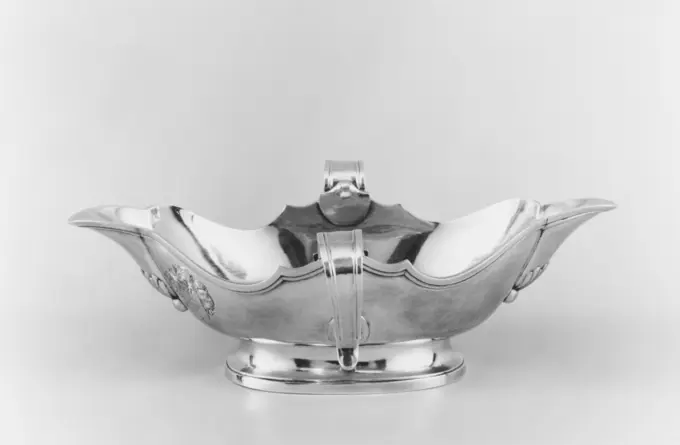
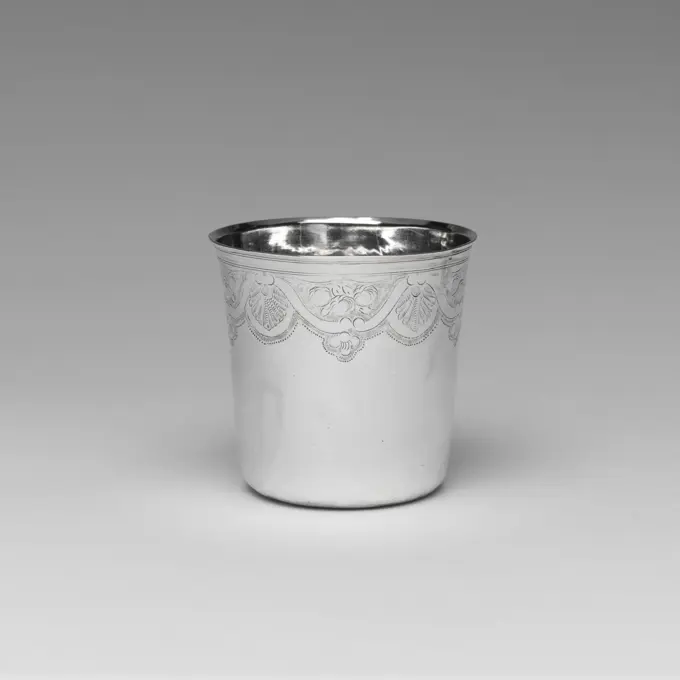
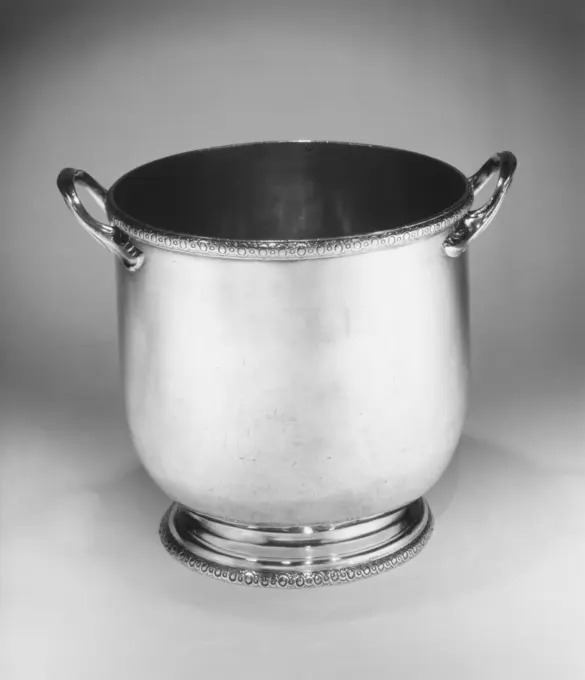
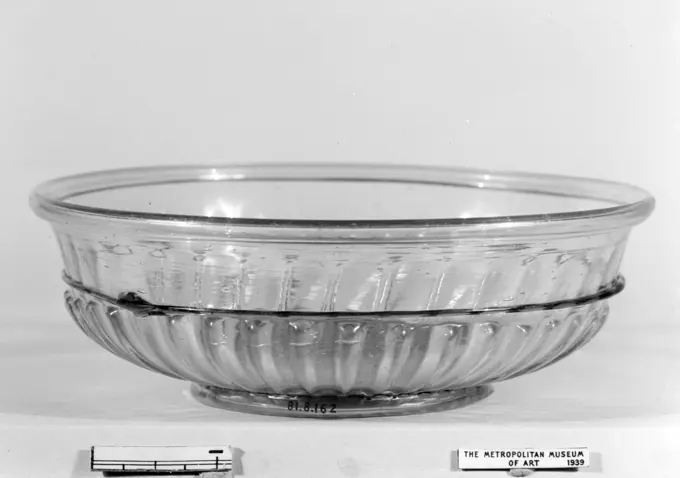
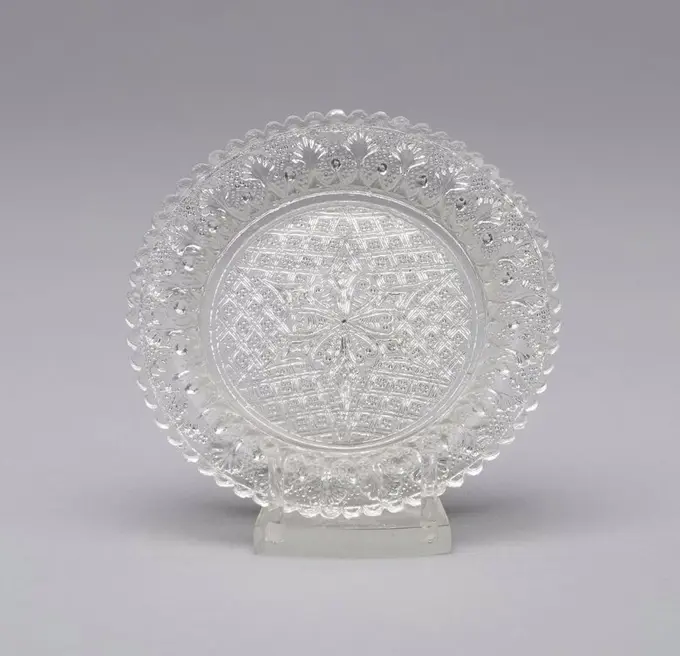
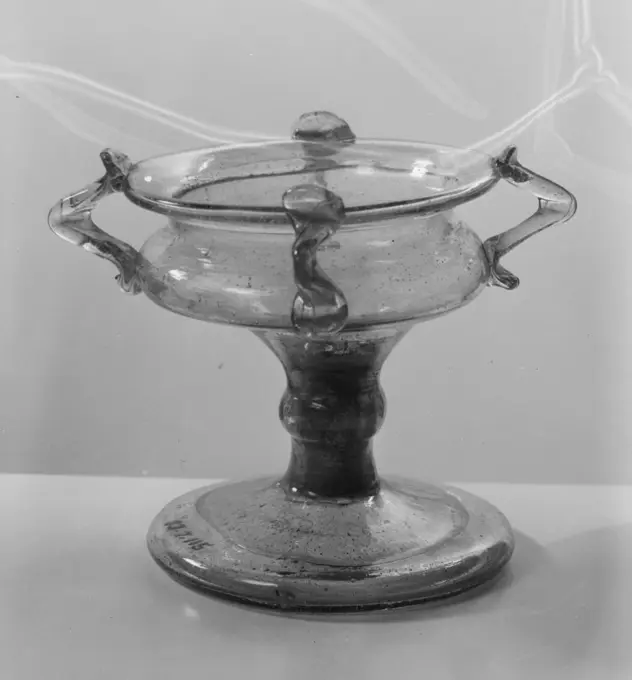
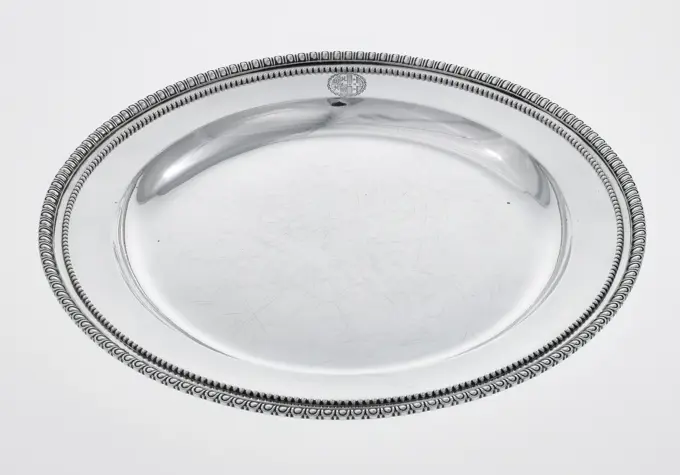
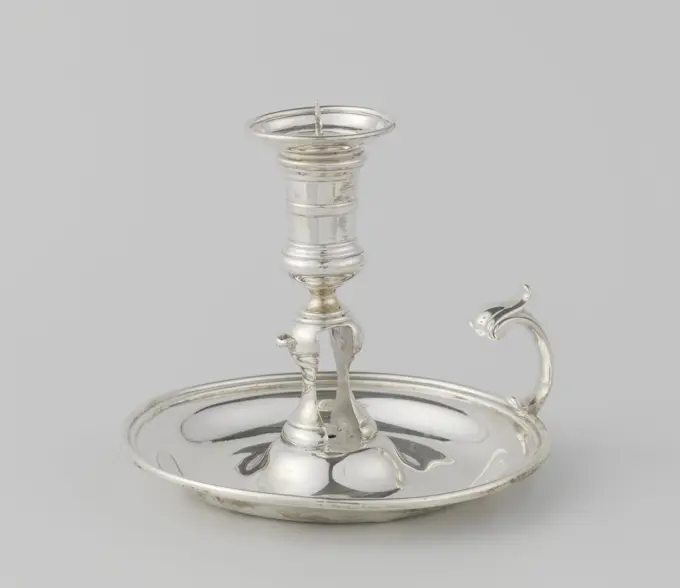
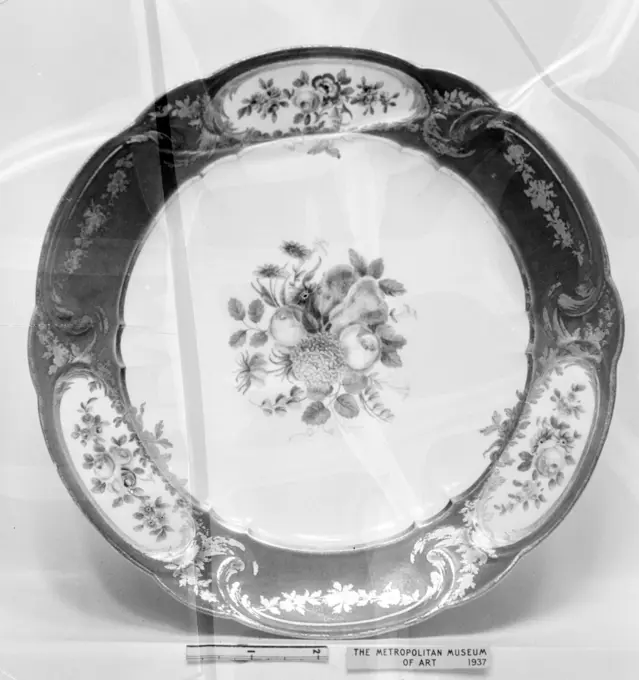
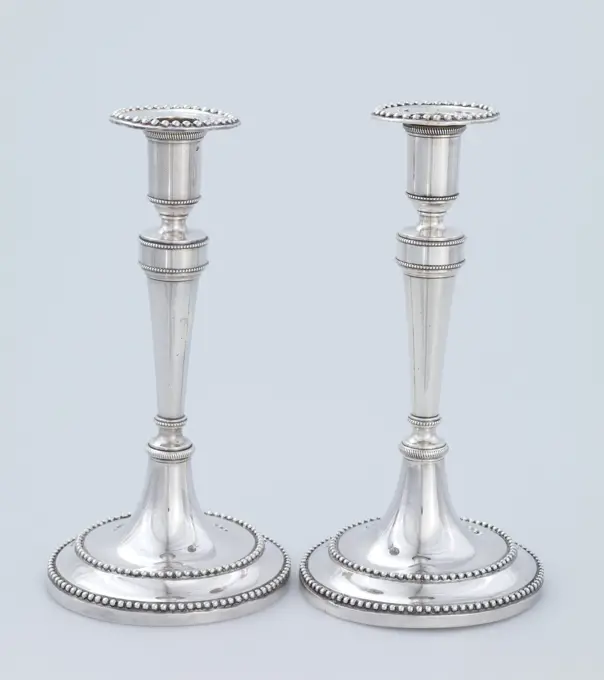
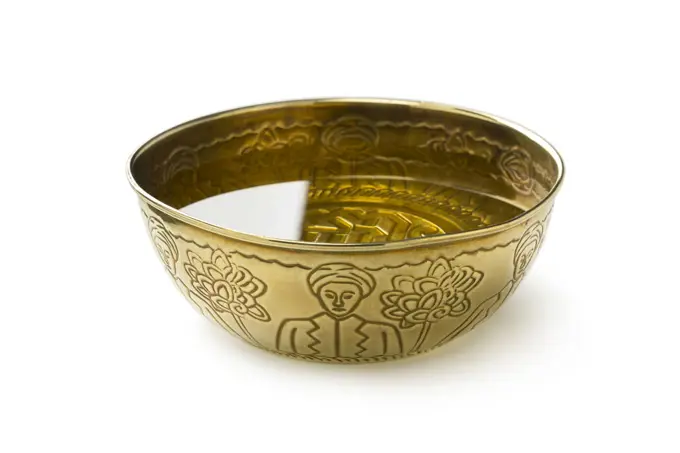
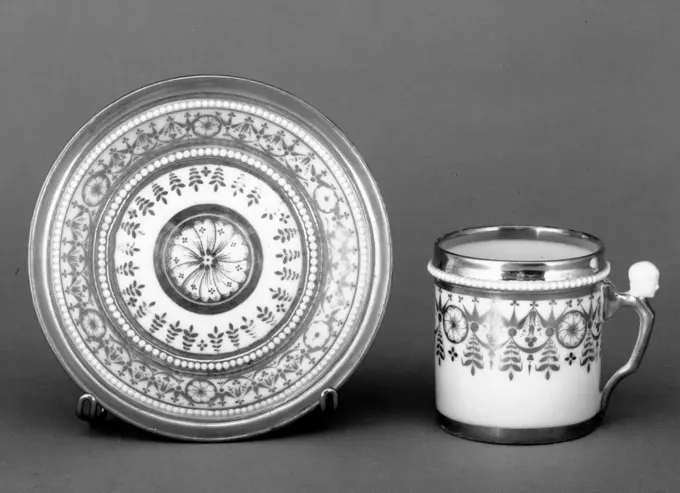
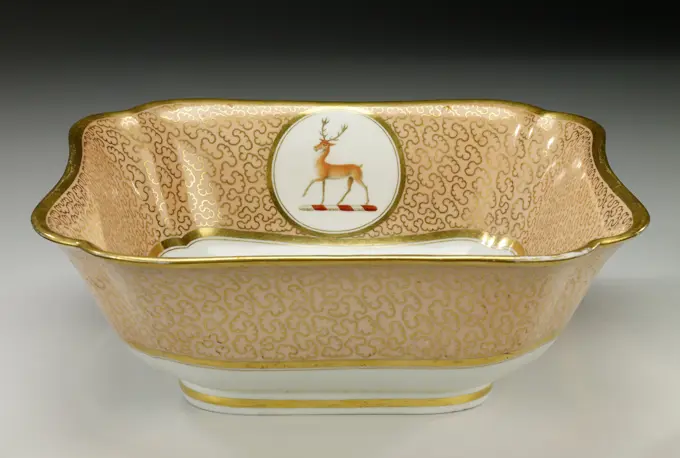
Pierre Langlois, Bouillon Cup, c. 1800, silver.Pair of Salts c 1765-1785 Philadelphia. Silver . Thomas ShieldsLid, anonymous, c. 1700 - c. 1799 Vaulted lid, crowned with a welded lid button, consisting of two knots, two discs and a spherical end. Netherlands (possibly) glass glassblowing Vaulted lid, crowned with a welded lid button, consisting of two knots, two discs and a spherical end. Netherlands (possibly) glass glassblowingStanding cup with cover ca. 1730 German, Silesia. Standing cup with cover. German, Silesia. ca. 1730. Glass. Glass. Candlestick of silver. The square, profiled, rejuvenating foot has beveled corners and tranquility on a straight-wide basis. In the flat top there is a round floor from which it also rises round, rubbed by a ring articulated top. The baluster-shaped strain and the vase-shaped candle holder, both re-square with beveled corners and both rich are profiled.Cup with cover Italian, Venice (Murano) 19th century View more. Cup with cover. Italian, Venice (Murano). 19th century. Glass. GlassOld phan on white backgroundTureen and stand 1769-71 Bernhard Heinrich Weyhe A précis of how the precious metal silver could be transformed into a superior work of art by an artistic and imaginative mind, this tureen is a product of eighteenth-century Augsburg, undisputedly the foremost center of gold- and silversmithing in central Europe at the time. The sophisticated play of textures, daring juxtaposition of plain and lightcatching areas with detailed Rococo decoration, and whimsical sculptural elements reflect the commanding originality of the Augsburg artisans, particularly Bernhard Heinrich Weyhe, the maker of this piece and the leading Augsburg master. The touch of exotic chinoiserie in the pagoda-shaped outline of the tureens lid, so en vogue at the time, exemplifies Weyhes contributions to the Rococo style, which helped to define its interpretation in southern Germany. His creations are also famous for their highly sculptural finials. On this one, an elegant young woman in hunting costume holds a hoodedBox, oval, decorated with driven flowers, Ludolf Harmen Drooghstraedt (attributed to), 1657 The oval box with arched, hinged lid rests on three legs of soft ornaments. Profiled edges walk along the top and top of the box. The lid has a flat, smooth edge that collects something slightly. On the lid is an empty shield framed by Week Ornament. The entire lid is driven with flowers around it: from the middle of the clockwise a garden anjer, a trumpet narcis, a garden anemone, a rose and a tulip, a poetry narcis, a rose, a lily, an iris, an incomparabilis (narcis), a tulip, two roses , a trumpetnarcis, a garden anemone and a tulip. The wall of the box is also driven with flowers: a rose, a garden anemone, a garden anjer with poetry narcis, a trumpet narcis, a tulip, a white lily, a tulip, a garden anemone, a lily, a poetry narcis, a rose, a small trumpetnarcis And a big rose with a button. Amsterdam silver (metal) The oval box with arched, hinged lid rests on three legs of soft ornaments. PFooted Bowl 1850-70 Possibly New England Glass Company. Footed Bowl. American. 1850-70. Pressed glass. Made in East Cambridge, Massachusetts, United StatesCircular Basin with Theatrical Masks. UnknownCondiment Set. Rebecca Emes; English, active c. 1808, d. 1828; Edward Barnard; English, 1785-1861. Date: 1809. Dimensions: Tray: 20.3 × 14.3 cm (8 × 5 5/8 in.); Pot: 7.6 × 9.5 cm (3 × 3 3/4 in.). Silver. Origin: England. Museum: The Chicago Art Institute, Chicago, USA.Covered Two-HandledUrn.  Maker: Fletcher and Gardiner, American, 1808-1836Oil and vinegar set as a ink set (), Anonymous, 1726 Oil and vinegar set as an ink set. The chassis incorporated in the middle rests on four raised legs. Master sign: Flower on Steel. Haarlem silver (metal) Oil and vinegar set as an ink set. The chassis incorporated in the middle rests on four raised legs. Master sign: Flower on Steel. Haarlem silver (metal)Sugar Bowl and Lid (part of a set) Made 1900 Providence. Silver . Gorham Manufacturing CompanyJoseph Richardson, Jr. and Nathaniel Richardson, Footed Bowl, c. 1790, silver.Cake basket ca. 1795 Samuel Kirkby and Co.. Cake basket 191834Photography of the glass cup with the Polish Saxon coat of arms (I) unknownPresenter magazine Van Zilver, Willem Schiff, 1764 - 1765 Silver presentation sheet, square with beveled corners, standing on four volute -shaped legs decorated with tifles. Profiled upright edge with a cast ornament of a shell between tendrils on the corners and in the middle of the sides. In the middle, the monogram RL is engraved under a royal hat. Possibly Rudolf Vorst Lobkowitz (born 1840) or Rechteren Limpurg. The monogram ca 1850 applied. Nijmegen silver (metal) Silver presentation sheet, square with beveled corners, standing on four volute -shaped legs decorated with tifles. Profiled upright edge with a cast ornament of a shell between tendrils on the corners and in the middle of the sides. In the middle, the monogram RL is engraved under a royal hat. Possibly Rudolf Vorst Lobkowitz (born 1840) or Rechteren Limpurg. The monogram ca 1850 applied. Nijmegen silver (metal)Filigree basket with a handle. unknown, authorSoup tureen with cover and stand 1806-8 Paul Storr British This serene, imposingly large object shows the superb craftsmanship and personal style of Paul Storr before he joined the firm of Rundell, Bridge & Rundell in 1807. He is sometimes called the last of the goldsmiths. He was apprenticed to Andrew Fogelberg, a Swedish silversmith working in London, and his early work often reflected the elegant austerity of his master. In 1796, he set up his workshop and sale premises in Air Street, a turning off Piccadilly, and soon had a large and fashionable clientele. In 1807, however, Philip Rundell persuaded him to take charge of his workshop in Dean Street not far from Piccadilly but in Soho, an artists' and artisan's district. While the form of the soup tureen is entirely European, all the decorative elements are taken from classical sourceslions' head finials below the handles, edgings of convex flutes (gadroons), acanthus leaves on the handles of the underdish, and the very Roman large Wine fountain and cooler, Alger Mensma (attributed to), 1731 The oval cooling barrel has two ears with hinged handles. The foot rests with a hollow profile on the low, straightforward base. It is made up of a convex band and a constricted part on which the barrel rests. The band is decorated all around with eight imposed motifs, alternately a culot and a shell. The barrel consists of a convex abdomen and a slightly widened, slightly constricted upper part that runs wide to the scalloped upper edge that has four segment -shaped swivels in which glasses can be hung. These are separated from the upright lobes, wide on the sides and narrow on the front and back. A profile edge has been imposed along the top edge. The handles built from C and S-Voluten are decorated with leaf voltuits and curling lips. The ears have deepened, raned sides; The handles have beveled corners. Two reliefs were imposed above each other on the front of the barrel. On the upper one is the crowned weapon of the RepuPair of vases with covers Lane Delph ca. 1820-40Lid of a jar, anonymous, c. 1750 - c. 1775 Vaulted lid, crowned lid button, consisting of a spherical button with a row of air bubbles and a rod -shaped end with three bars. On the lid an engraved leaf garland. Netherlands (possibly) glass glassblowing Vaulted lid, crowned lid button, consisting of a spherical button with a row of air bubbles and a rod -shaped end with three bars. On the lid an engraved leaf garland. Netherlands (possibly) glass glassblowingFooted Dish ca. 1888 Richards and Hartley Flint Glass Co.. Footed Dish. American. ca. 1888. Pressed colorless and opalescent glass. Made in Tarentum, Pennsylvania, United StatesCup early 18th century probably Southern German. Cup 206293Scottish quaich isolated on the white backgroundLobed Cup and Stand with Floral Sprays and Lotus Leaves 1135-1165 Korea. Celadon-glazed stoneware with underglaze molded, carved, and incised decoration .Compote.  Manufacturer: Gorham Manufacturing Company, American, founded 1831Retailer: Ball, Black and Company, New York, active ca. 1851-76Sauceboat 1773-74 Paul-David Bazille. Sauceboat 200072Waza on the skeleton; Harman & Co ltd (London; company z 1909/10 (1909-00-00-1910-00-00);Plate 1756-57 Nicolas-Clément Valliêres. Plate 200343Decanter. Culture: American. Dimensions: H. 9 1/4 in. (23.5 cm). Date: 1815-40. Museum: Metropolitan Museum of Art, New York, USA.Egg cup 1724-25 Nicolas Haudry. Egg cup 200148Circular Basin with Theatrical Masks; Europe (); 16th century; Italian marble; 150 cm (59 1,16 in.)Candlestick, Tin-glazed earthenware, Eight-sided candlestick on domed base, rising to flattened cushion knop, tall shaft, turned-over lip; painted in underglaze blue on white with floral and lambrequin patterns on base, diaper motif on knop, 8 panels of floral/leaf pattern on shaft, scroll border on lip; rectangular hole on side under lip., Delft, Netherlands, 1688-1713, ceramics, Decorative Arts, CandlestickCup, Adam van Vianen (I), 1625 Cup of gilded silver, in the form of a shell. The high foot is composed of two wrestling Meermanen. A mermaid with a double tail dives over the top edge, in which her arms gradually pass. Utrecht silver (metal) gilding Cup of gilded silver, in the form of a shell. The high foot is composed of two wrestling Meermanen. A mermaid with a double tail dives over the top edge, in which her arms gradually pass. Utrecht silver (metal) gildingPair of Wine Coolers. Paul Storr (England, London, 1771-1844)Rundell, Bridge & Rundell (England, London, active 1789-1843). England, 1810-1811. Furnishings; Serviceware. SilverTumbler 1789 Denis Colombier This French tumbler was owned by Elias Hasket Derby, a merchant in Salem, Massachusetts. Derby ordered twelve matching tumblers from Boston silversmith Paul Revere (58.3.1-.4).. Tumbler 385Bowl KorzecBowl And Stand (Ireland); glassCup (part of a service) 1750-60 Chinese, for British market. Cup (part of a service) 201038BowlZig-Zag Small Dish; Designed by Max Snischek (Austrian, 1891 - 1968); Manufactured by J. & L. Lobmeyr GmbH (Austria); Austria; mouth blown crystal, cut and polishedVase ca. 1863 Wood and Hughes The mid-nineteenth century witnessed an efflorescence of creativity in the American silver industry, fueled by the burgeoning middle classs increasing demand for refined luxury goods. Silversmiths devoted considerable time and creative energy to generating an endless variety of new designs and patterns. During the 1860s and 1870s silver flatware ornamented with portrait medallions inspired by antique coins and cameos enjoyed widespread popularity, with virtually every American silversmith producing their own proprietary "medallion" pattern. The New York firm of Wood and Hughes, one of the finest and largest manufacturers of American silver, created numerous flatware patterns during the second half of the nineteenth century, including several different medallion patterns, one of which has been modified to serve as the handles of this vase. Together the handles and the exquisitely chased classical head on the vases body attest to the prevailing fascinationCup with cover ("Permoser Cup") third quarter 18th century S.W., Dresden. Cup with cover ("Permoser Cup") 202367Saltcellar 1780-1825 American or British. Saltcellar 6969Two bottle coolers 1766 Zacharias Deichman the Elder These wine coolers are part of a set of at least nine (as recorded in 1907) belonging to the so-called Czarskoe Selo service, named after one of the numerous imperial summer residences around Saint Petersburg. The foliate loop handles still represent the naturalistic influence of Rococo decoration, whereas the restrained form and narrow guilloche borders announce the dawn of Neoclassicism.. Two bottle coolers 206898Bowl first half 16th century Italian, Venice (Murano) During the Renaissance, Venetian glassmakers, working on the island of Murano, were celebrated across Europe for their fine and sparkling work. Called cristallo” emulating the clarity of rock crystal, in the hands of the most skilled glassblowers the medium could be delightfully manipulated, variously stretched paper-thin flat, or playfully twisted, or blown into molds with spectacular patterns.. Bowl. Italian, Venice (Murano). first half 16th century. Glass. GlassPair of candlesticks. These candlesticks with acanthus leaves, medallions and festoons were inspired by a design by Paris artist Jean François Forty that was published around 1780. This type of short candlestick was probably intended for a dressing or gaming table.Miniature candlestick (one of a pair) 1828-29 Henry Flavelle. Miniature candlestick (one of a pair). Henry Flavelle. Irish, Dublin. 1828-29. Silver. Metalwork-Silver-MiniatureCompote ca. 1860 William Gale and Son. Compote 2217Cup plate. American; Sandwich, Massachusetts. Date: 1830-1835. Dimensions: diam. 8.9 cm (3 1/2 in.). Pressed glass. Origin: Sandwich. Museum: The Chicago Art Institute, Chicago, USA.Imitation of an East Greek Kylix. UnknownSaltcellar () 18th century Spanish, Valencia. Saltcellar (). Spanish, Valencia. 18th century. Glass. GlassCovered Dish. Culture: American. Dimensions: Overall: 6 3/8 x 11 7/8 x 7 1/8 in. (16.2 x 30.2 x 18.1 cm); 41 oz. 10 dwt. (1290.2 g)Body: 3 11/16 in. (9.4 cm); 29 oz. 10 dwt. (918.3 g)Cover: 2 13/16 x 7 1/4 x 5 3/8 in. (7.1 x 18.4 x 13.7 cm); 11 oz. 19 dwt. (371.9 g). Maker: John T. Vansant Manufacturing Company (1881-92). Date: ca. 1883. Museum: Metropolitan Museum of Art, New York, USA.Image about the glass, its manufacture and history, with motifs of finished glass, manufacturing process and craft.Pan c 1825 Kent. Mold-blown glass . Artist unknown. Servants would go around with ewers and basins at the beginning and end of formal dinners. Water waspoured from the ewer over the hands of the distinguished guests, and the dirty water was caught in the basin. This ewer and basin were the property of Vlissingen. The citys coat of arms - a crowned bottle - and its motto are engraved in the centre of the basin.Nappy - Beaded Grape PatternCake stand - 1883 pattern Diamond Glass Company Limited, 1890-1902 Diamond Glass Company Limited, 1890-1902Dish (one of a graduated set of seven) 1741-42 Paul de Lamerie British. Dish (one of a graduated set of seven). British, London. 1741-42. Silver. Metalwork-SilverBowl early 19th century British or Irish. Bowl. British or Irish. early 19th century. Glass. GlassTin wine mug with decorations from tin with decorationsCaster and cover, glass, copper, silver, Pear-shaped body, cut with drapery swags and flat vertical flutes; silver- plated cap with perforations, Ireland, ca. 1810, glasswares, Decorative Arts, Caster and coverSilversmith: Rudolph Sondag, Salt container: silver holder on legs with blue glass tray, salt barrel tableware holder silver glass, cast Oval bowl on four goat legs, blue glass cut inside tray (). Symmetrical openwork wall with upper body of acanthus tendrils and rocailles applied bead edge along top edge bottom underside (debossed) servingServing plate from the Williams-Wynn service, one of a pair, 1773, Robert Adam; Silversmith: John Carter, Scottish / British, Scottish, 1728-1792, 15/16 x 13 1/16 x 13 1/16 in. (2.38 x 33.18 x 33.18 cm), Silver, 18th century, In his monumental publication Works in Architecture, Robert Adam illustrated his work at 20 St. James's Square in London, the townhouse of Sir Watkins Williams-Wynn. Adam designed every aspect of its highly influential interior, including all furnishings, to create a total work of art inspired by archeological motifs. These plates belong to the elaborate dinner service Adam designed for 20 St. James Square. Whether serving meats during the second course at dinner, or on display along the sideboard, these plates were made to reflect the spare elegance of the interior.Pipe carve of silver with four bent paws on leaf of mahogany. Inner box of red copper. Leaf on four bollases .. Oval Pipe Cup of Silver with red copper inner bin, on a mahogany leaf. The komfoor rests on four curved legs. The leaf rests on four basic paws. The inner box, the komfoor and the leaf, are connected to each other by a silver nut.Tazza 17th century Italian (Venice) or façon de Venise, northern European. Tazza 461233Blaker van Zilver, on Korte Stam, Anonymous, 1748 - 1749 Blaker consisting of a bowl -shaped leaf with a short trunk and cylindrical candle holder. A loose bowl -shaped fat catcher fits in the candle holder. Marked and dated. This includes a damper inv. no. (BK-15629-B) and a snout scissors inv. No. (BK-15629-C). The Hague silver (metal) casting Blaker consisting of a bowl -shaped leaf with a short trunk and cylindrical candle holder. A loose bowl -shaped fat catcher fits in the candle holder. Marked and dated. This includes a damper inv. no. (BK-15629-B) and a snout scissors inv. No. (BK-15629-C). The Hague silver (metal) castingBell-shaped cup with a crucifixion scene, anonymous, c. 1780 Bell -shaped head of porcelain with a straight wall, painted on the glaze in black and gold. On the outside a representation of the crucifixion with the two Maria's; the soil with a twig; A band with a decorative pattern on the inner edge. A chip in the edge and a crack in the wall. Part of a tea set. European performance in Encre de Chine. China porcelain. glaze. gold (metal) painting / gilding / vitrification Bell -shaped head of porcelain with a straight wall, painted on the glaze in black and gold. On the outside a representation of the crucifixion with the two Maria's; the soil with a twig; A band with a decorative pattern on the inner edge. A chip in the edge and a crack in the wall. Part of a tea set. European performance in Encre de Chine. China porcelain. glaze. gold (metal) painting / gilding / vitrificationPresentation cup, 1723, 7 3/4 x 10 x 5 3/4 in. (19.69 x 25.4 x 14.61 cm), Silver, Ireland, 18th centuryDrinking Glass. Italy, Venice, circa 1550-1650. Furnishings; Serviceware. GlassBasket; enameled tôleCandlesticks, 1600s. China, Ming dynasty (1368-1644). Glazed porcelain with metal rims; overall: 32.4 cm (12 3/4 in.).Plate (Assiette à palmes) (1 of 102) (part of a service) ca. 1775 Sèvres Manufactory French. Plate (Assiette à palmes) (1 of 102) (part of a service). French, Sèvres. ca. 1775. Soft-paste porcelain. Ceramics-PorcelainPaul de Lamerie, Inkstand, 1730-32, silver.Spoon, c. 1725. Germany, Augsburg(), 18th century. Gold; overall: 19.1 cm (7 1/2 in.).Nappy - Maple Leaf PatternCake basket, 1724-1725, Paul de Lamerie, English, (born Holland), 1688-1751, 3 x 10 3/4 in. (7.62 x 27.31 cm), Silver, England, George ICandlestick, one of a pair, c. 1790, GV; Artist: BB, Italian, (name and dates unknown), 10 1/2 x 5 1/2 x 5 1/2 in. (26.7 x 13.97 x 13.97 cm), Silver, Italy, 18th centurySilver elongated, scalloped pillbox, pillbox peppermint box box holder silver, forced engraved Rectangular patterned base. Increased lid and bottom with stronger introduction. Saved: store medicine drugWilliam Peaston, Salver, 1752/53, silver.Set of four saucers 1693-94 John Ruslen. Set of four saucers 204997ChangepurseCann. Charles Le Roux; American, 1689-1745; New York, New York. Date: 1710-1730. Dimensions: 9.5 × 10.8 × 7.3 cm (3 3/4 × 4 1/4 × 2 7/8 in.). Silver. Origin: United States. Museum: The Chicago Art Institute, Chicago, USA.Samuel Vernon, Porringer, c. 1710-20, silver.Single gold colored metal Hammam water bowl isolated on white backgroundUnknown German or Austrian manufactory, Cup and Saucer, early 20th century, hard-paste porcelain.Ancient metal jug in oriental style in antique marketSalad bowl, c. 1810, Worcester Porcelain Works (a.k.a. Royal Worcester Porcelain Company), Worcester, England, est. 1751, 3 3/4 x 10 11/16 x 10 11/16 in. (9.53 x 27.15 x 27.15 cm), Glazed porcelain, England, 19th century, This square salad bowl form was commonly made in China for export to the European market in the 1790s. At about the same time, England introduced protective tariffs on imported porcelain, paving the way for English manufacturers such as Worcester to fill consumer demand by producing their own versions of Chinese export forms. This in turn forced the Chinese into the American market and led to the ascension of domestic English porcelain.