Elegant Glass Decanters and Goblets

A variety of exquisite glass decanters and goblets, showcasing intricate designs and craftsmanship, ideal for decorative and dining settings.
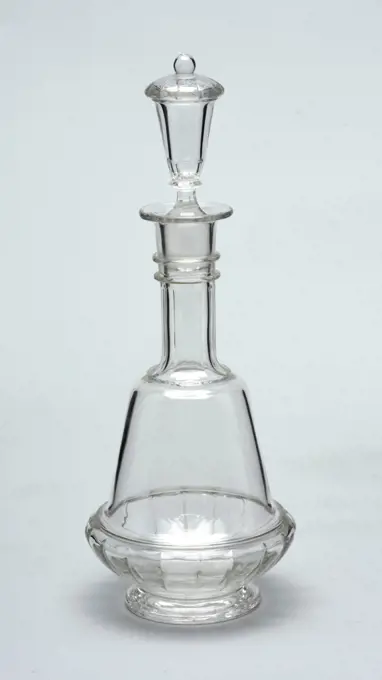
No. 176, Ludwig Lobmeyr, Austrian, 1829 - 1917, J. & L. Lobmeyr GmbH, Vienna, Austria, founded ca. 1935, Mouth-blown crystal, hand-cut and polished, Mouth-blown crystal decanter with stopper, hand-cut and polished., ca. 1880, glasswares, Decorative Arts, Wine decanter with stopper, Wine decanter with stopper
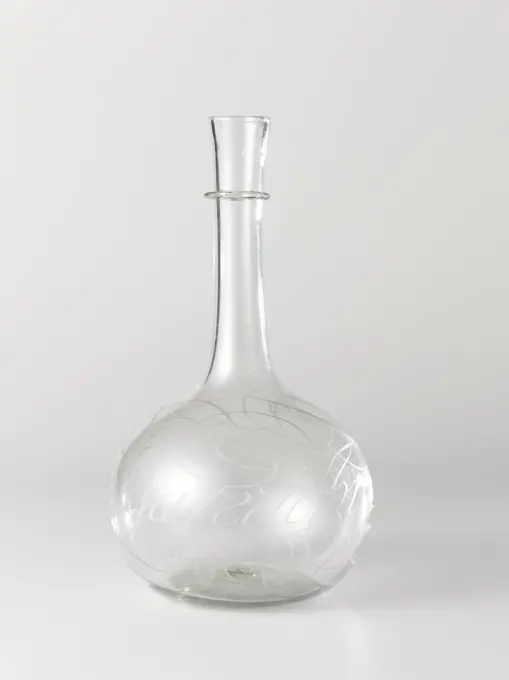
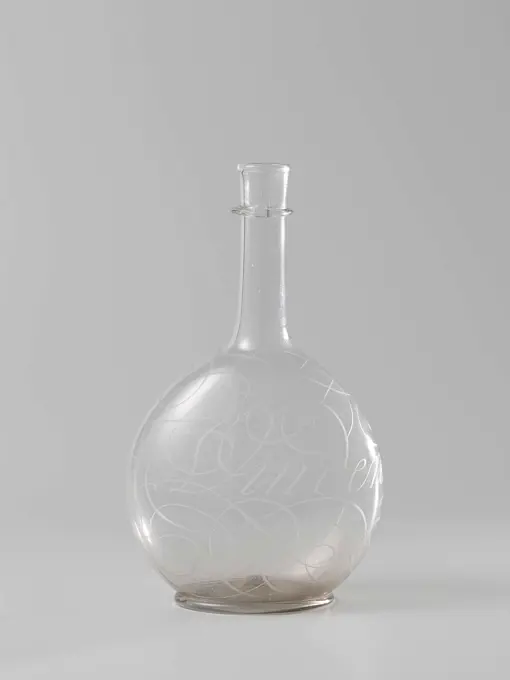
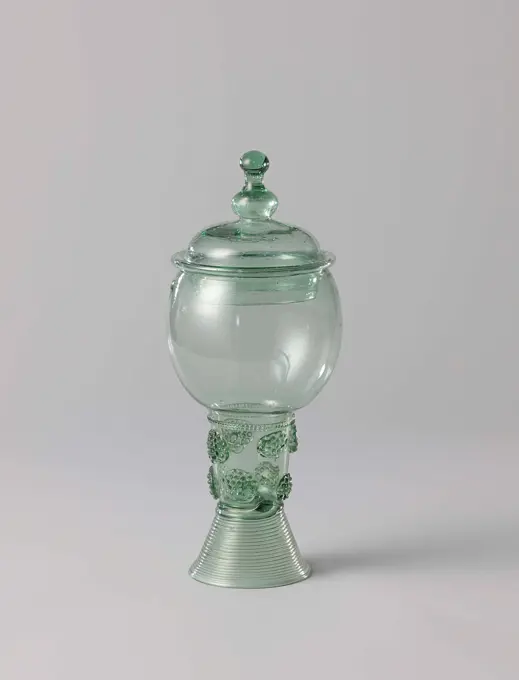
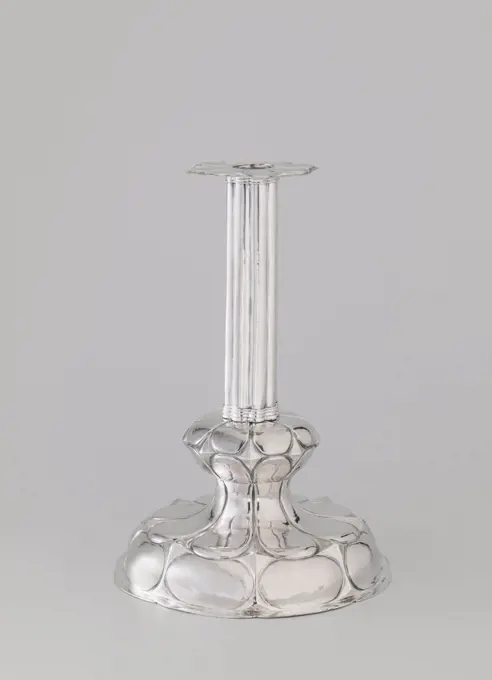
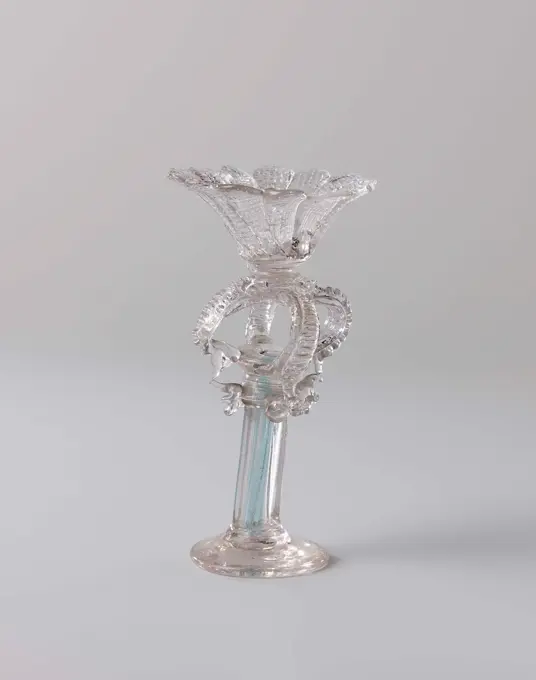
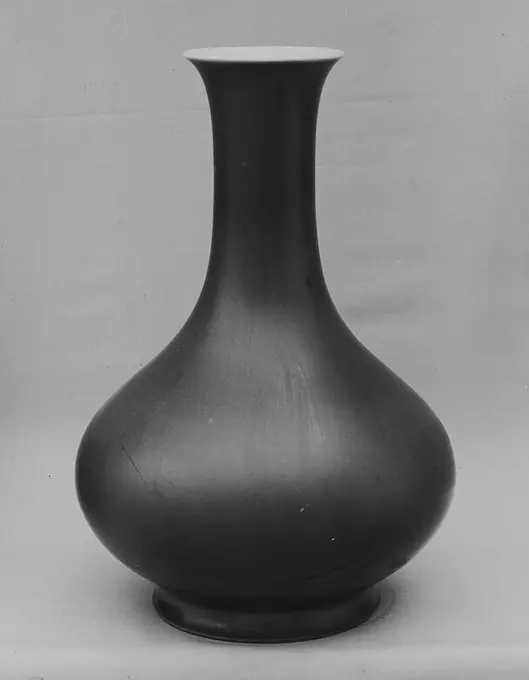
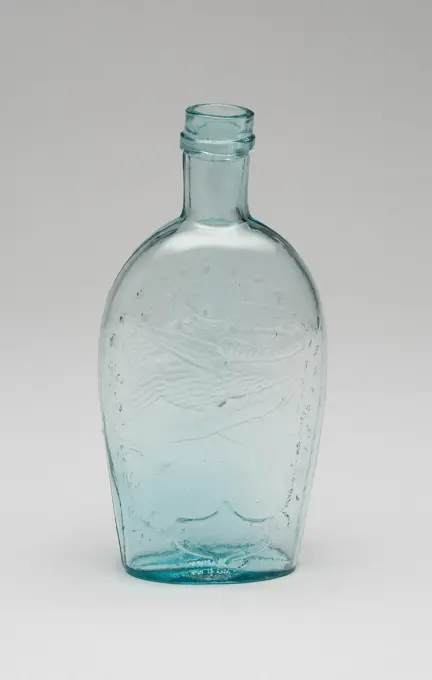
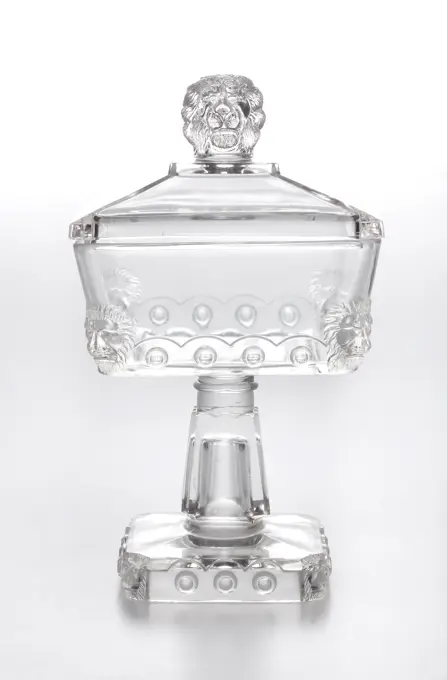
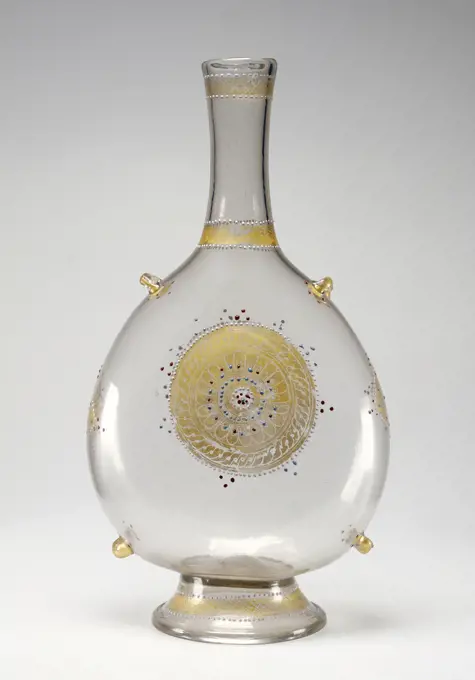
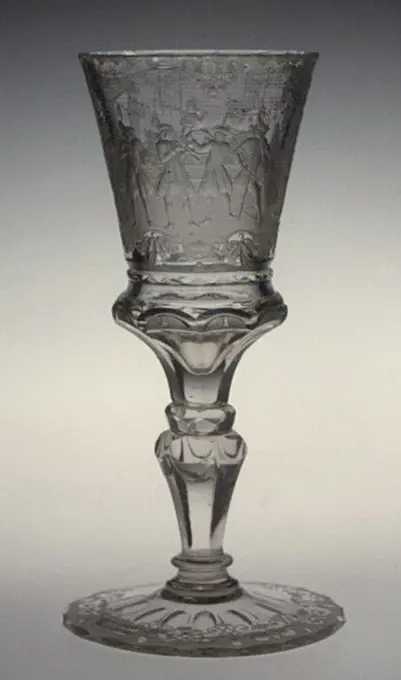
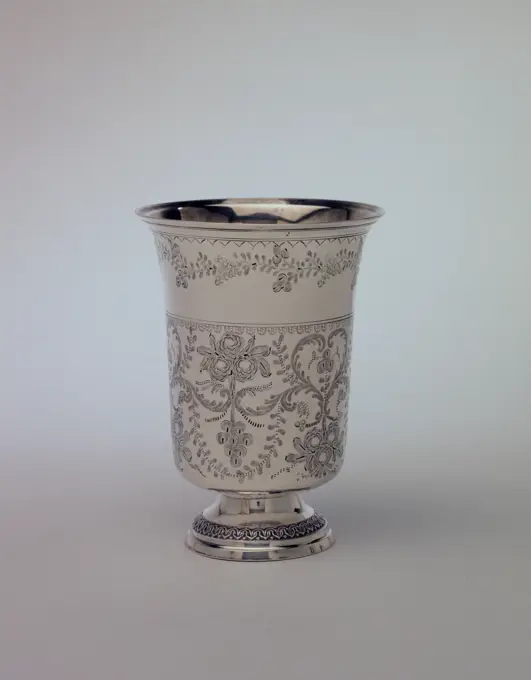
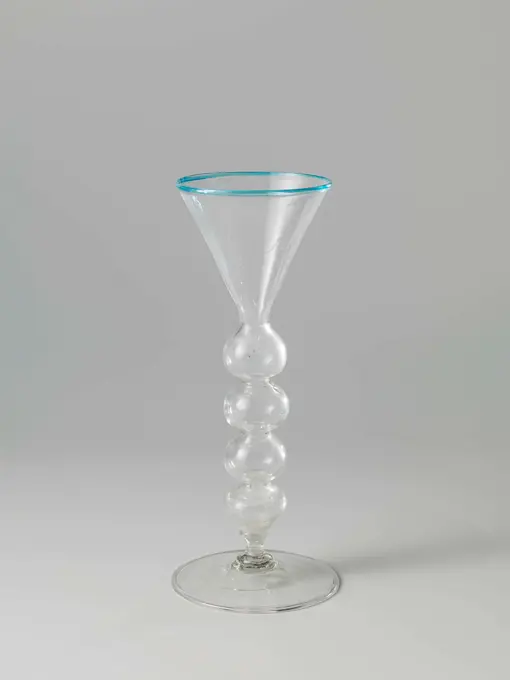
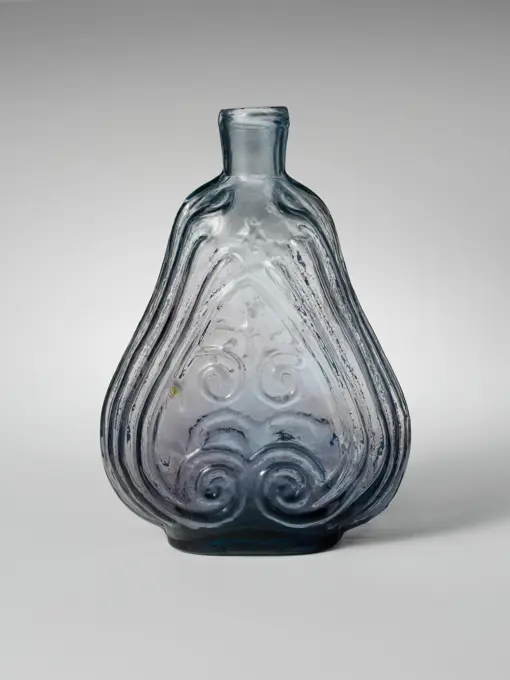
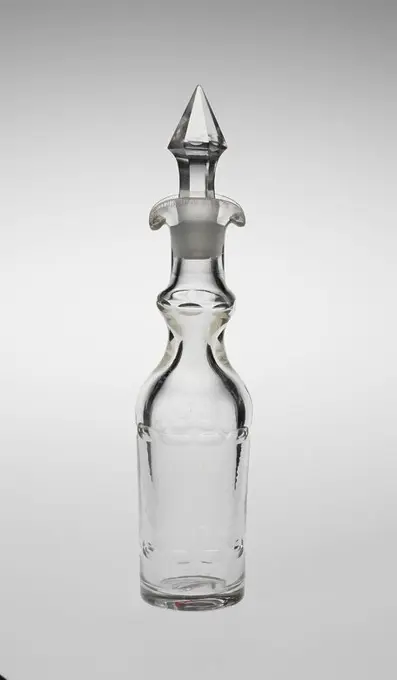
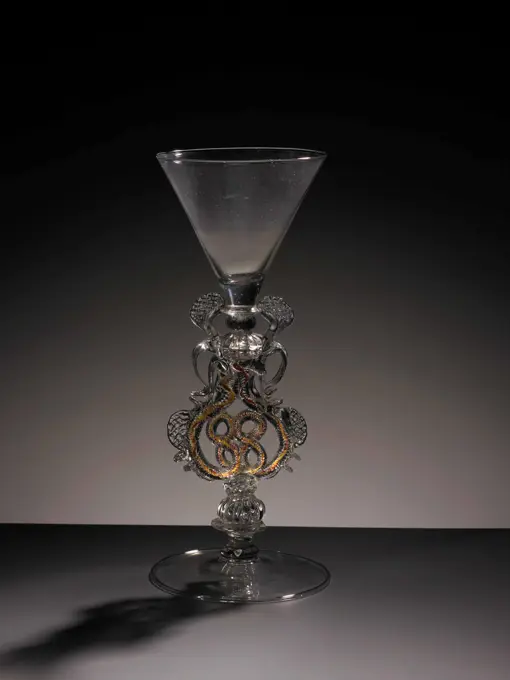
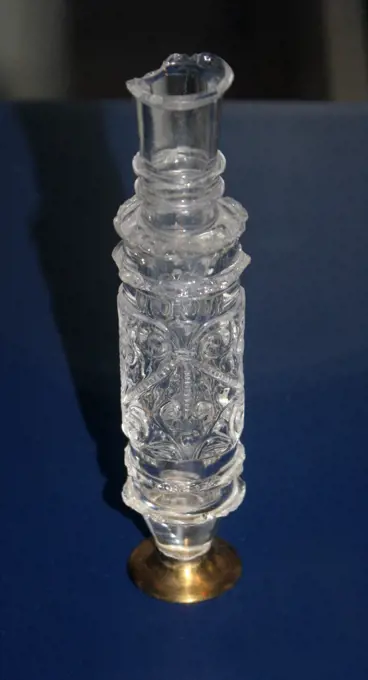
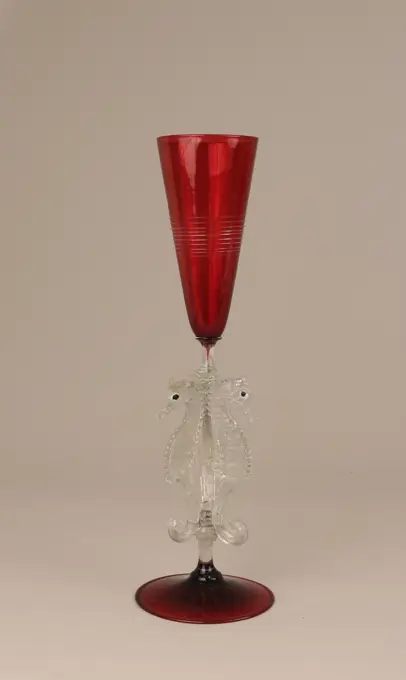
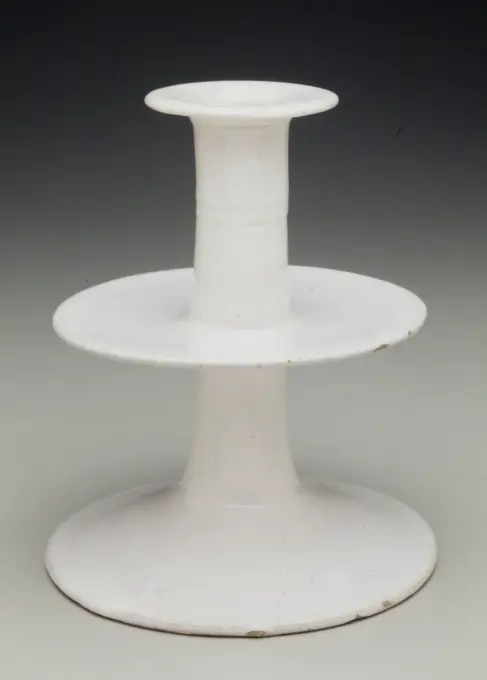
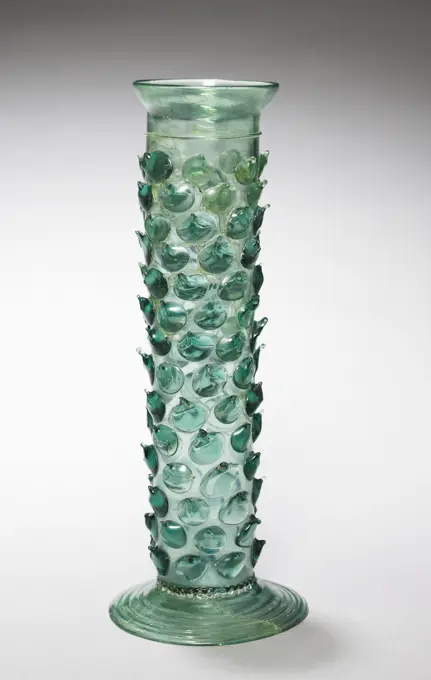
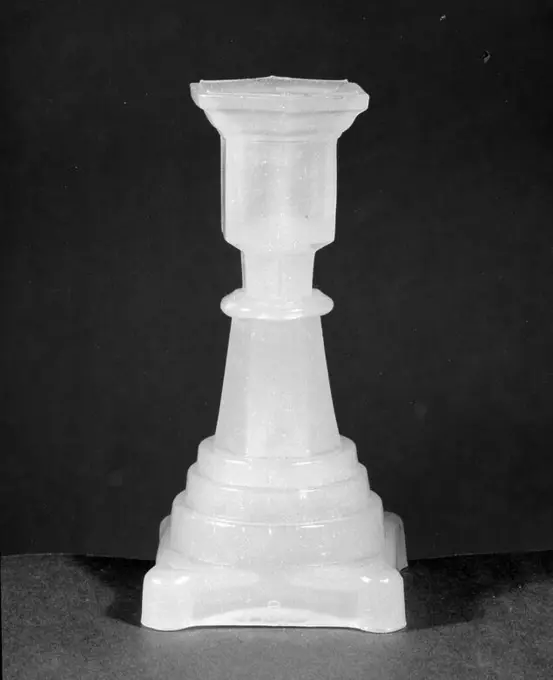
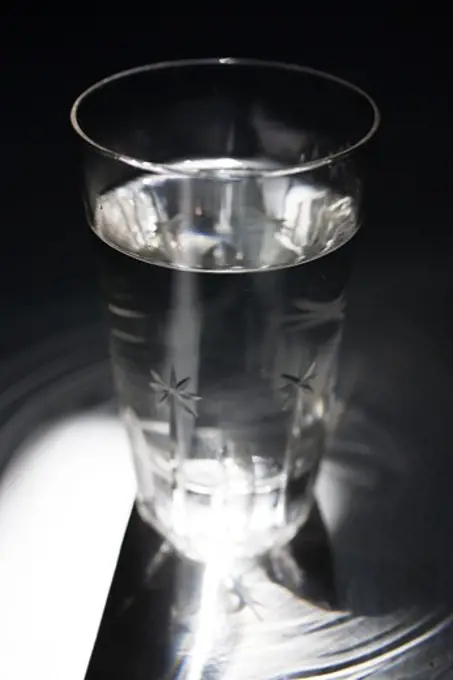
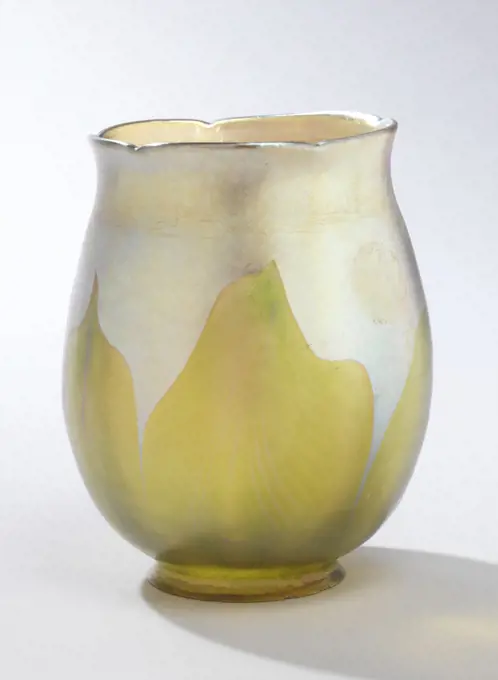
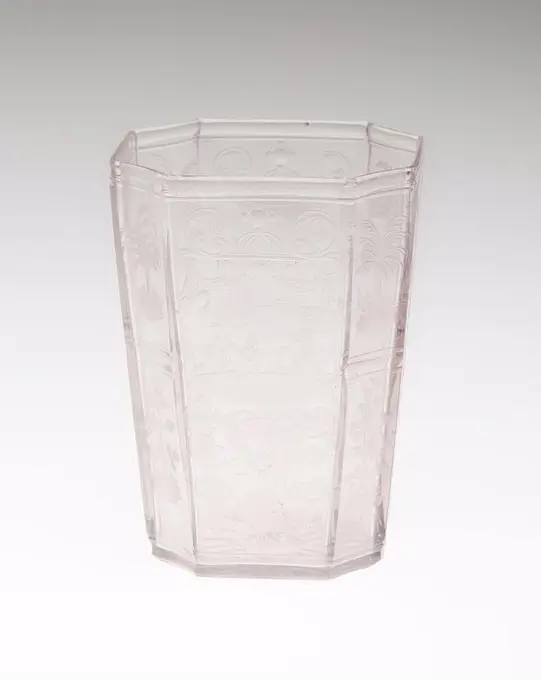
No. 176 Wine Decanter With Stopper; Designed by Ludwig Lobmeyr (Austrian, 1829 - 1917); Manufactured by J. & L. Lobmeyr GmbH (Austria); Austria; mouth-blown crystal, hand-cut and polishedNo. 2, Josef Lobmeyr Senior, Austrian, 1792 - 1855, J. & L. Lobmeyr GmbH, Vienna, Austria, founded ca. 1935, Mouth-blown crystal, faceted and relief-prismatic-cut and polished, Mouth-blown crystal wine decanter, faceted and relief-prismatic-cut and polished., Austria, ca. 1835, glasswares, Decorative Arts, Wine decanter with stopper, Wine decanter with stopperGoblet with Cover. Germany, Schleswig. Date: 1730-1740. Dimensions: 23.5 x 7.5 cm (9 1/4 x 2 15/16 in.). Glass. Origin: Schleswig. Museum: The Chicago Art Institute, Chicago, USA.Single candlestick. Bandau, Johann Georg I (fl. 1768-1816), goldsmithBottle with the inscription: Na-Trachten.werken Kragten, Anonymous, 1679 Light soul inserted. Spherical body, long slender neck with imposed ring around the neck. On the body the calligraphy inscription: Na-Trachten. Works. At the bottom of the bottom is 'Noit Work will continue to be on several, then no one does not and dare to exist'. Around the pontil brand 'Willem van Heemskerk æs. 66 '. Anno 1679. glassblower: Low CountriesLeiden glass glassblowing Light soul inserted. Spherical body, long slender neck with imposed ring around the neck. On the body the calligraphy inscription: Na-Trachten. Works. At the bottom of the bottom is 'Noit Work will continue to be on several, then no one does not and dare to exist'. Around the pontil brand 'Willem van Heemskerk æs. 66 '. Anno 1679. glassblower: Low CountriesLeiden glass glassblowingDecanter with stopper (one of a pair). Culture: British. Dimensions: Height: 12 in. (30.5 cm). Date: late 18th century. Museum: Metropolitan Museum of Art, New York, USA.No. 238 Rum Flacon With Stopper; Designed by Josef Hoffmann (Austrian, b. Moravia, 1870-1956); Manufactured by J. & L. Lobmeyr GmbH (Austria); Austria; blown crystalDecanter and Stopper. United States, 1825-1845. Furnishings; Serviceware. Blown glassNo. 176, Ludwig Lobmeyr, Austrian, 1829 - 1917, J. & L. Lobmeyr GmbH, Vienna, Austria, founded ca. 1935, Mouth-blown crystal, hand-cut and polished, Mouth-blown crystal decanter with stopper, hand-cut and polished., ca. 1880, glasswares, Decorative Arts, Wine decanter with stopper, Wine decanter with stopperJar late 18th century British. Jar. British. late 18th century. Glass. GlassBottle. The inscription, which translates as When wine enters, reason departs’, warns of the consequences of over indulgence. Van Heemskerk kept this bottle in his own possession, together with a large portion of his work. His glass collection remained in the family well into the 18th century and was auctioned in Leiden in 1771.Roemer with two rows of braam buds. Roemer with inserted bottom on high, conical, spun base from a wire. The spherical chalice as a whole blown up with the trunk that is busy with two rows of braam buds. The transition from the chalice to the trunk indicated by a ribbed wire.Maker Unknown, Cruet, c. 1900-20, colorless glass.Candlestick, anonymous, c. 1700 - c. 1800 Vaulted base with trunk with four nodes. Cylindrical candle holder with fat catcher and outstanding edge. The foot with a ring cut oval between lines, the trunk and the candle holder faceted. Bohemia glass glassblowing / grinding Vaulted base with trunk with four nodes. Cylindrical candle holder with fat catcher and outstanding edge. The foot with a ring cut oval between lines, the trunk and the candle holder faceted. Bohemia glass glassblowing / grindingOld Abe/Frosted Eagle pattern covered compote on pedestal c 1880-1890 Ohio. Glass . Crystal Glass Company (Manufacturer)probably Boston and Sandwich Glass Works, Decanter and Stopper, c. 1825-40, mold-blown glass.Decanter.   Maker: Boston and Sandwich Glass Works, American, 1826-88VaseFlask (USA); glassOld Oil Lamp Old oil lamp on an isolated studio background Copyright: xZoonar.com/AndreyxSkatx 14788656Maker Unknown, Decanter, 1775-99, mold blown glass.Vase, Favrile glass, Gold cylindrical vase with six knubby-toed foot., USA, ca. 1900, glasswares, Decorative Arts, VaseBottle. Niemcy Południowe, creator, Tyrol, creatorCruet Stand (Bottle), 1700s(). France, bottle and cover old, but probably not original, 18th Century(). Silver and glass; overall: 17.5 cm (6 7/8 in.).Lid of a jar. Vaulted lid with dome-shaped increase, crowned with articulated lid knob, consisting of a faceted button and a faceted, pear-shaped end. On the lid, a engraved stylized flower garland.Ice-glass Beaker; Façon de Venise, Netherlands; late 16th or early 17th century; Free-blown colorless (slightly green) glass with gilding and applied decoration; 21.4 cm (8 7,16 in.)Candlestick with stem and a curved base with eight ovals and Godron, Anonymous, 1668Trunk fragment flute glass with hollow knob in the stem, pontilemark, flute glass glass soil found glass, blown in shape Flute glass Slight discolouration due to irisation. Part of trunk with hollow duck-shaped ball Double collar underneath. Foot with soul and pontilemark. Clear and colorless glass archeology Valckensteyn Poortugaal Albrandswaard drink beverage wine beer serve Soil discovery: castle Valckensteyn in Poortugaal now Albrandswaard 1961-1962.High foot scale, in the shape of a flower. Light conical foot. Straight trunk with a light blue wire. Four ribbed loops wear the flower-shaped chalice.probably Boston and Sandwich Glass Works, Cream Pitcher, c. 1826-40, colorless lead glass.Vase. Culture: China. Dimensions: H. 11 1/2 in. (29.2 cm). Museum: Metropolitan Museum of Art, New York, USA.Flask c 1860-1875 Pittsburgh. Glass . Artist unknownVase, Blown glass, Tall cylindrical body tapering towards neck, wide flat lip with turned-up rim; amethyst colored glass. Hyacinth, Great Britain, ca. 1800, glasswares, Decorative Arts, VaseCastor Bottle 1800-1860 American. Castor Bottle 1482Lamp, Johannes Hendrik Bing, 1847 Standing lamp on a round profiled foot. The trunk is baluster -shaped and profiled. The lamp has a stone cap. The lamp is marked: Mt. = H.J. Bing and a sword. Amsterdam silver (metal). glass. alabaster (mineral) Standing lamp on a round profiled foot. The trunk is baluster -shaped and profiled. The lamp has a stone cap. The lamp is marked: Mt. = H.J. Bing and a sword. Amsterdam silver (metal). glass. alabaster (mineral)Cup with a coverCompote - Lion pattern Richards & Hartley Glass Company Richards & Hartley Glass CompanyLid of a cup, c. 1799 - c. 1899 Lid of a jar with small bent edge of support and bent curve. Facetted hollow button, with congestion and conical striker. Engraving work with twice a combination of crossed olive and palm branches. Originally does not belong to BK-NM-10754-111-A  glass Lid of a jar with small bent edge of support and bent curve. Facetted hollow button, with congestion and conical striker. Engraving work with twice a combination of crossed olive and palm branches. Originally does not belong to BK-NM-10754-111-A  glassPilgrim Flask; Venice, Veneto, Italy; late 15th or early 16th century; Free-blown colorless (slightly pink) glass with gold leaf, enamel, and applied decoration; 37.6 × 20 cm (14 13,16 × 7 7,8 in.)Tumbler 1800-1860 American. Tumbler 9034Vase 19th century Japan. Vase. Japan. 19th century. Clay covered with a namako glaze (Takatori ware). Edo (1615-1868) or Meiji period (1868-1912). CeramicsYellow with bees, Gallé, Emile Gallé, French, 1846 - 1904, Glass, Ovoid footed vase with honey-colored depiction of honeycomb pattern and bees. Rim with overflowing honey”., France, late 19th-early 20th century, glasswares, Decorative Arts, Vase, VaseGlass carafe with water18th Century glass candlestick. Dated 1740JugStanding cup with cover 1725-30 German, Silesia. Standing cup with cover 195836Vase Zbigniew Horbowy, Huta Gospodarcza SzczytnaCarafe with grape vines and birds, anonymous, c. 1850 - c. 1875 Carafe with two ears, the belly ribbed and engraved with grape vines and birds. Netherlands glass glassblowing Carafe with two ears, the belly ribbed and engraved with grape vines and birds. Netherlands glass glassblowing. Silver cone-shaped damper. Awarded with a profiled button. At the bottom of a handle.AJLC Berger. "Cup". Money. 1811-1819. Museum of Fine Arts of the City of Paris, Petit Palais. 74382-29 Money, silverware, gobletKelkglas with a hollow stem with baluster and three dumplings. Kelkglas with flat foot with folded edge. The strain made from a hollow baluster and three balls is in open connection with the funnel-shaped chalice, which is deposited with a blue wire.Scroll flask 1840-50 American. Scroll flask 3705CanBottle. Dimensions: Overall: 7 3/4 in., 220 Grams (19.7 cm, 7.073 Troy Ounces)Base diameter: 1 5/8 in. (4.1 cm)Other (Height without stopper): 6 1/8 in. (15.6 cm). Date: 1700-1800. Museum: Metropolitan Museum of Art, New York, USA.Bottle probably 18th-19th century. Bottle 444764. Round candlestick from smooth silver consisting of a foot, a short strain and a candle holder. The foot is filled with lead. Signature and dated. Note: This candlestick is part of a set of four. See inv.nrs. (BK-1989-10-B and BK-1992-29-A and B).Glass flask 3rd century A.D. Roman Colorless.Plain, ground rim; funnel-shaped neck, with horizontal indent around base; piriform body; small, slightly concave bottom.On neck and body, bands of horizontal cut lines, arranged singly, in pairs, and in groups; three bands on neck and six on body.Body complete, but broken on neck, with part of rim and neck missing, and some internal cracks in body; pinprick and elongated bubbles, and blowing striations; patches of soil encrustation, milky weathering, and iridescence on interior.. Glass flask. Roman. 3rd century A.D.. Glass; blown and cut. Late Imperial. GlassBottle. Roman; Levant or Syria. Date: 100 BC-1 BC. Dimensions: H. 9.2 cm (3 5/8 in.); diam. 5.1 cm (2 in.). Glass, blown technique. Origin: Syria. Museum: The Chicago Art Institute, Chicago, USA. Author: ANCIENT ROMAN.Vase 17th century Spanish, Almería Multihandled vases first appeared in Almería in the sixteenth century. The form probably descended from ceramic vessels and Syrian mosque lamps.. Vase. Spanish, Almería. 17th century. Glass. Glass. Wing glass on flat foot with beaten edge. The stem made up of a ribbed nod, above which, between two nodi, a rod-lined rod with yellow, red and white wires, ending in two serpent heads. Two pinched combs. Funnel shaped chalice.Rock crystal containers, Egypt, probably Cairo 975-1050. Many rock crystals objects were small containers for precious substances such as perfumes. Some are cylindrical, others have a flattened, egg shaped form. The plant designs were inspired by earlier work done in Iraq under the Abbasid dynasty, probably at Basra.PitcherCup with seahorse stem 1860-75 Dr. Antonio Salviati Company Along with establishing a company that specialized in colorful glass mosaics for architecture, Salviati opened a workshop for blown glass that gained renown for the fanciful creatures incorporated into varied designs. Seahorses, stallions, dragons, and other exotic creatures formed the stems of cups, bows and candlesticks.. Cup with seahorse stem. Italian, Venice (Murano). 1860-75. Glass. GlassVase with cover and base 18th century China. Vase with cover and base 44115Candlestick, Bernardus Coolhaas, 1728 Silver candlestick, on a square, profiled foot. The trunk is baluster -shaped. A weapon between two lions is engraved on the foot. Zutphen silver (metal) Silver candlestick, on a square, profiled foot. The trunk is baluster -shaped. A weapon between two lions is engraved on the foot. Zutphen silver (metal)Jug. United States, probably New Jersey, 19th century. Furnishings; Serviceware. GlassCandlestick, c. 1680, 6 7/8 x 5 3/4 x 5 3/4 in. (17.5 x 14.6 x 14.6 cm), Tin-glazed earthenware, England, 17th centuryBottle, Anonymous, 1684NursingBottleTall Beaker with Prunts (Stangenglas), late 1400s. Germany, late 15th century. Green glass; overall: 25.9 cm (10 3/16 in.).Joseph Richardson, Jr. and Nathaniel Richardson, Creampot, c. 1770, silver.Flask c 1850 Baltimore. Glass . Baltimore Glass WorksRoemer with two rows of braam buds. Roemer with inserted soil on concave, spun base from a wire. The kick-shaped chalice, as one completely blown with the strain, which is busy with two rows of braam buds. The transition from the chalice to the trunk indicated by a ribbed wire.Lid of a jar. Faceted lid with oval, faceted button on a disc. On the lid, engraved leaf ornaments.Pear-Shaped Bottle Vase With a Red Glaze. Bottle-shaped vase of porcelain with a pear-shaped body and long, cylindrical neck, covered with a monochrome red glaze. Within the foot edge and the lip edge white glazed. Monochromes.Saltcellar 1780-1825 American. Saltcellar 6966Pear-Shaped Bottle Vase With a Red Glaze. Bottle-shaped vase of porcelain with a pear-shaped body, covered with a monochrome red glaze. Within the foot edge and the lip edge white glazed. Monochromes.Canister (one of three). Edward Workman; Irish, active 1699-1722; Dublin, Ireland. Date: 1704-1706. Dimensions: H. 19.7 cm (7 3/4 in.). Silver. Origin: Dublin. Museum: The Chicago Art Institute, Chicago, USA.Glass perfume bottle. Culture: Roman. Dimensions: H.: 7 1/4 in. (18.4 cm)Diam.: 2 1/2 x 1 1/8 in. (6.4 x 2.9 cm). Date: 2nd-3rd century A.D..Colorless with blue green tinge.Tubular rim, folded out, down, round, and in, with top pressed flat around mouth; tall cylindrical neck, expanding downwards; rounded shoulder; bell-shaped body with concave side; broad, concave bottom.Intact; some elongated bubbles; slight dulling, most of surfaces covered with iridescent weathering. Museum: Metropolitan Museum of Art, New York, USA.Pair ofCandlesticks.   Maker: The Kalo Shop, American, 1900-1970Wine Glass. England. Date: 1755-1765. Dimensions: H. 14.3 cm (5 5/8 in.). Glass. Origin: England. Museum: The Chicago Art Institute, Chicago, USA.CandlestickCandlestick. Culture: American. Dimensions: H. 5 1/16 in. (12.9 cm). Date: 1840-60. Museum: Metropolitan Museum of Art, New York, USA.Camel-Back Wine Bottle 18th century Thick glass bottles such as this example were used for transporting liquids across distances. The thickness of the body rendered them sturdy and virtually unbreakable. A unique feature of such bottles is that they were not intended to stand on a surface but were packed, perhaps in saddle bags, and carried on the back of an animal such as a camel, horse or a donkey.. Camel-Back Wine Bottle. 18th century. Glass. Made in Iran, Shiraz. GlassGlass of water, close-upFive lamp shades, Louis Comfort Tiffany, (American, 1848-1933), Favrile glass, (a) Flower bud form glass shade for sconce. Over-all iridescent finish with green, yellow, orange tones predominating. Green veined, pointed leaf forms rise from base. Out-curving lip with five indentations giving lip slightly lobed outline. (b, c, d, and e) Same basic shapes, colors, free forms of leaves varying slightly. Color variation most noticeable in (c) where color is darker., USA, 1907, glasswares, Decorative Arts, Five lamp shadesPET bottleCupCandlestick.  Manufacturer: Boston and Sandwich Glass Works, American, 1826-88Hurricane Shade ca. 1800 British or Irish. Hurricane Shade. British or Irish. ca. 1800. Glass. Possibly made in Ireland; Possibly made in EnglandVase with high slender neck and two ears, decorated in relief with twigs and flowers, Villeroy & Boch Ceramic Werke K.G., c. 1905 Vase with flattened convex, high slender neck and two ears of English pottery, decorated in relief with twigs and flowers. Painted in blue and gray -green under a transparent lead glaze. Metling mastery earthenware. lead glaze Vase with flattened convex, high slender neck and two ears of English pottery, decorated in relief with twigs and flowers. Painted in blue and gray -green under a transparent lead glaze. Metling mastery earthenware. lead glazeBeaker. Bohemia, Czech Republic. Date: 1715-1725. Dimensions: 11.1 × 7.6 × 6.4 cm (4 3/8 × 3 × 2 1/2 in.). Glass. Origin: Bohemia. Museum: The Chicago Art Institute, Chicago, USA.Hobble; Netherlands; 2. PO. 16th century - 1 after. XVII century (1550-00-00-1650-00-00);Pair of Candlesticks 1801-1900 United States. The dark green color of these candlesticks is one of the rarest in glass; it was achieved by adding a high amount of iron oxide to the molten material.. Pressed glass . Boston and Sandwich Glass CompanyEwer probably 18th-19th century. Ewer 443104Sweden, Glasriket, Kingdom of Glass historical glass making region, Boda, Boda Glasbruk former glass factory, details of locally made glassLaboratory glassware with tape measuresMiniature Double Gourd-Shaped Vase With Flower Sprays. Miniature calf-shaped vase with a slightly spreading neck, painted in underglaze blue. A flower branch (aster) and loose twigs on the abdomen. Blue White.Vessel for jam with lid;  19th century (1801-00-00-1900-00-00);Flask (one of a pair) 18th century German, Augsburg. Flask (one of a pair) 231607