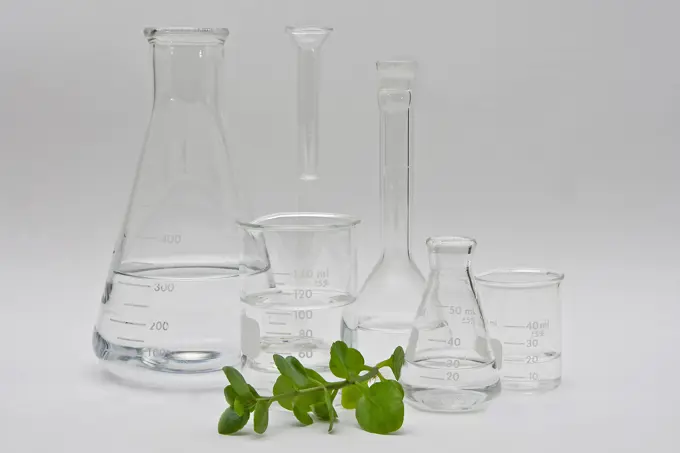
Elegant Glass Decanters and Goblets

A variety of exquisite glass decanters and goblets, showcasing intricate designs and craftsmanship, ideal for decorative and dining settings.
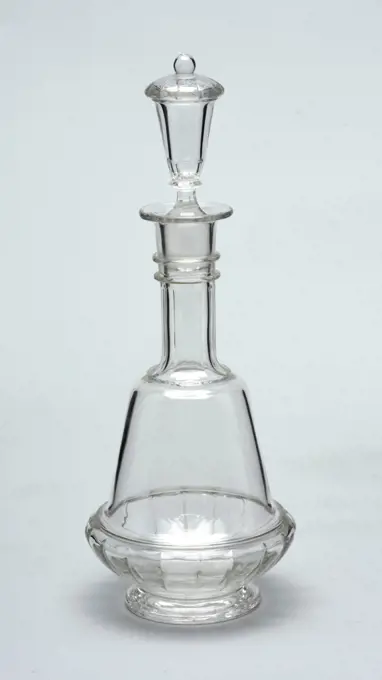
No. 176, Ludwig Lobmeyr, Austrian, 1829 - 1917, J. & L. Lobmeyr GmbH, Vienna, Austria, founded ca. 1935, Mouth-blown crystal, hand-cut and polished, Mouth-blown crystal decanter with stopper, hand-cut and polished., ca. 1880, glasswares, Decorative Arts, Wine decanter with stopper, Wine decanter with stopper
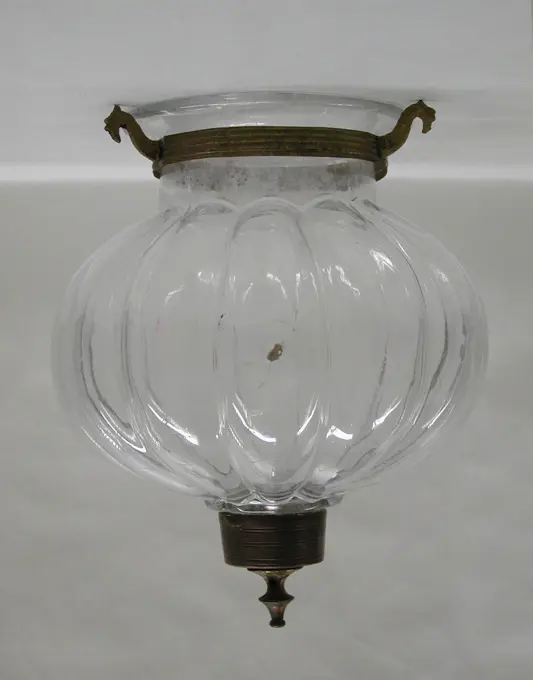
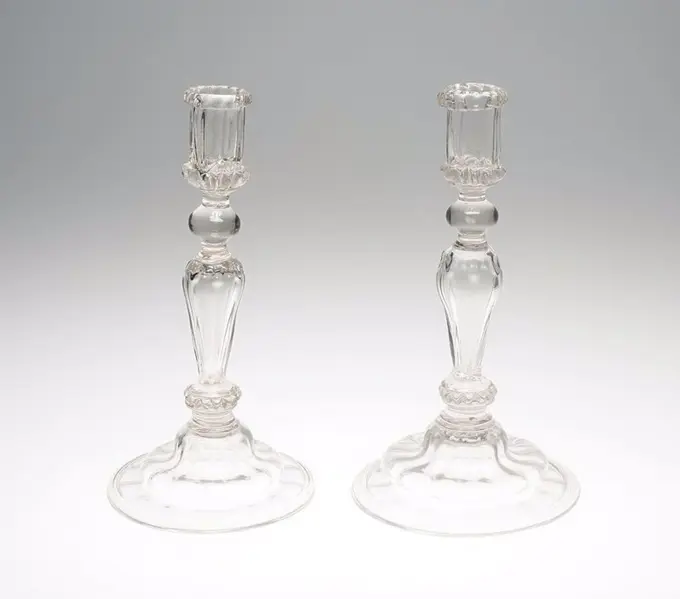
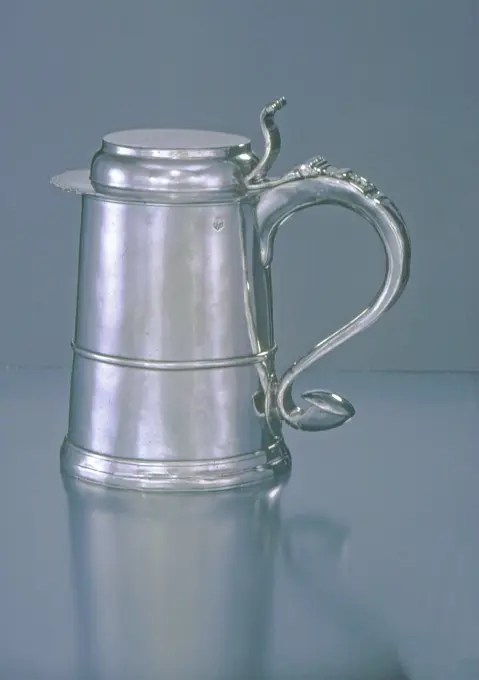
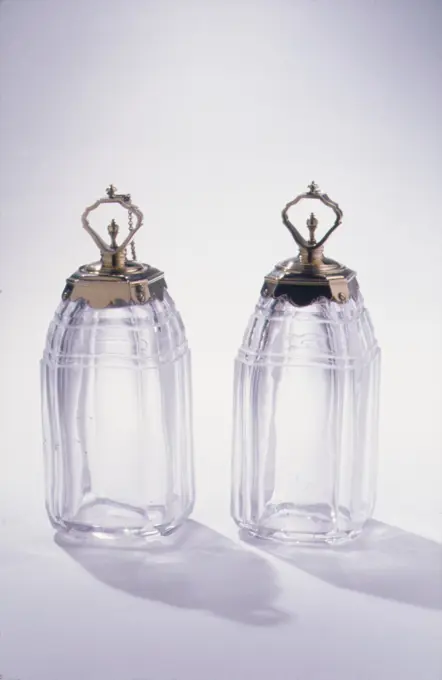
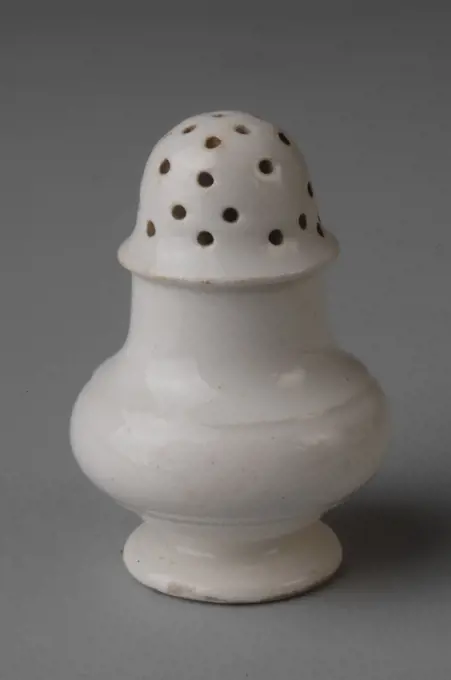
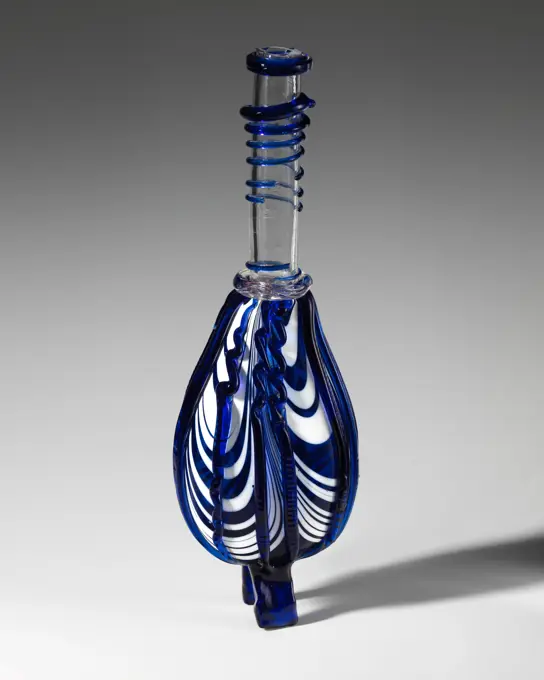
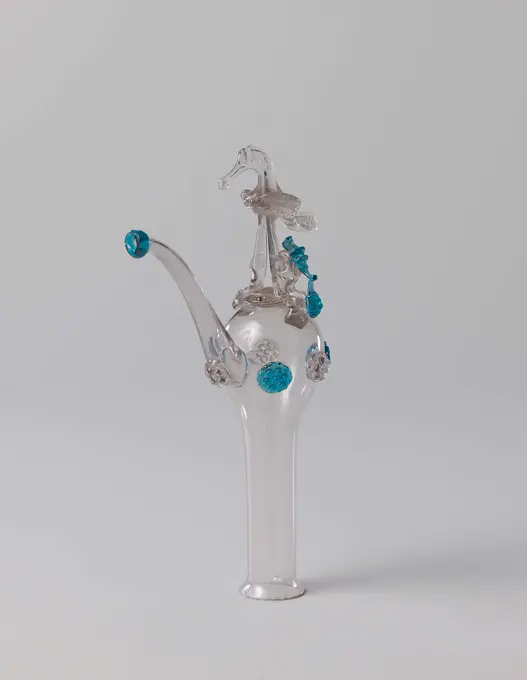
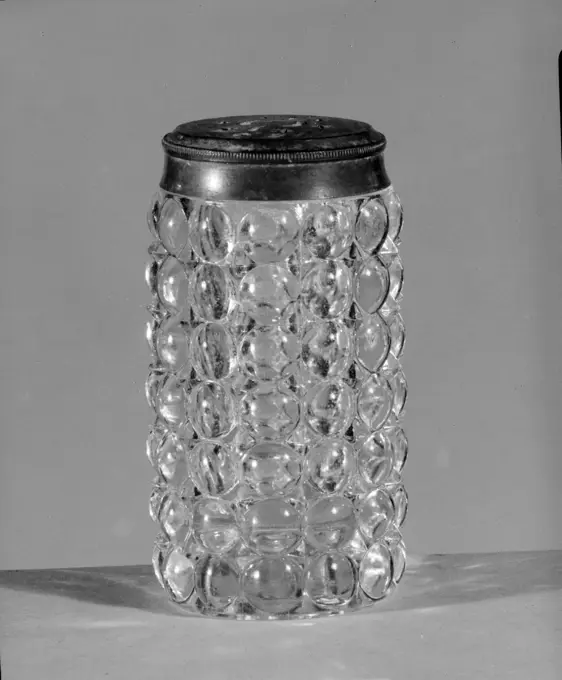
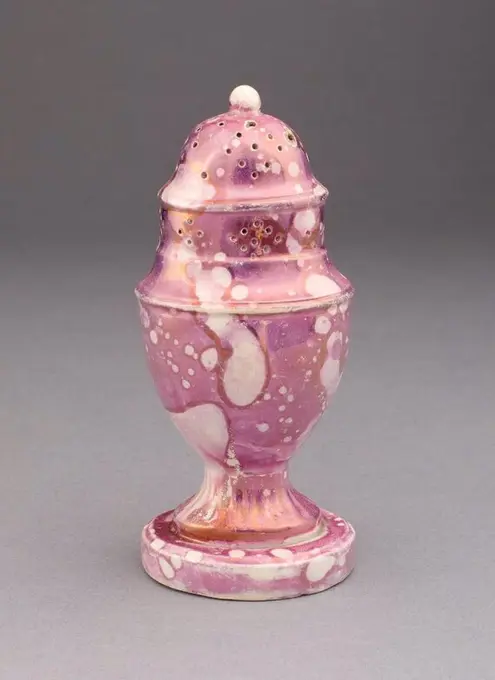
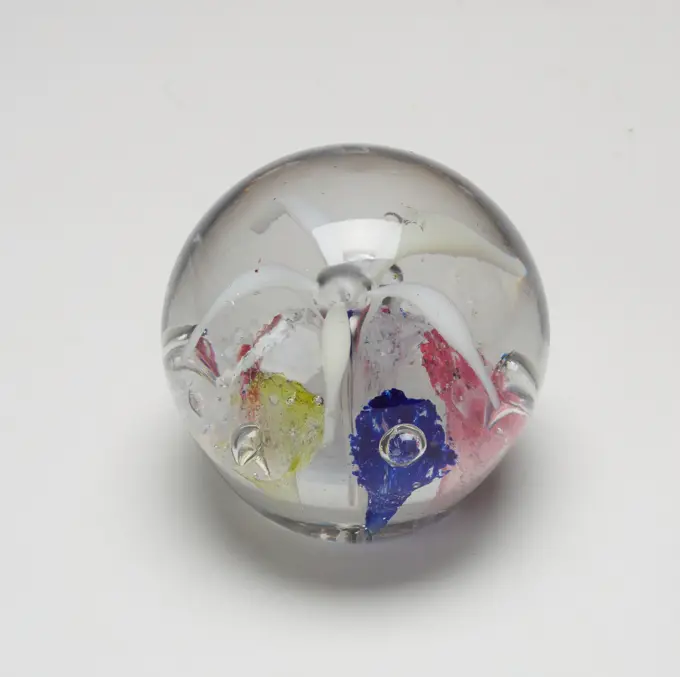
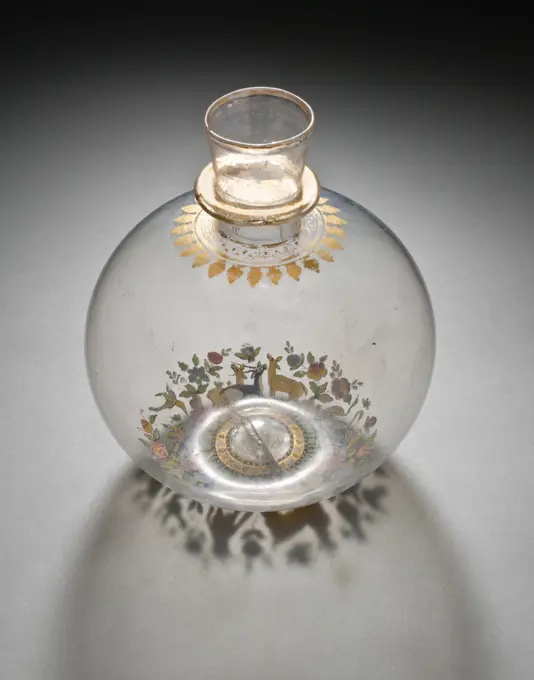
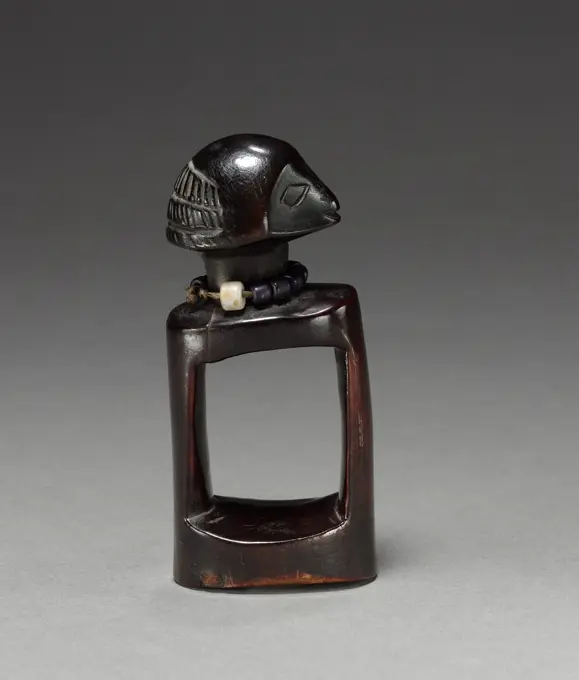
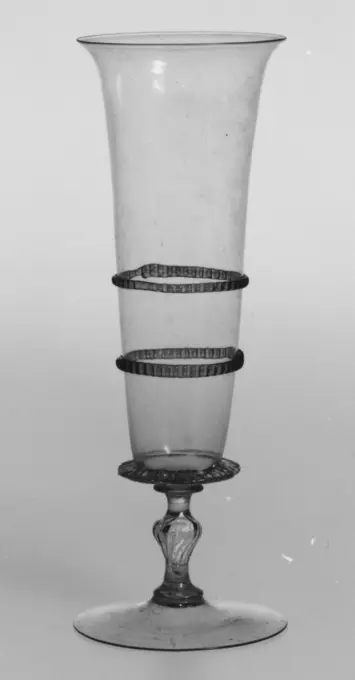
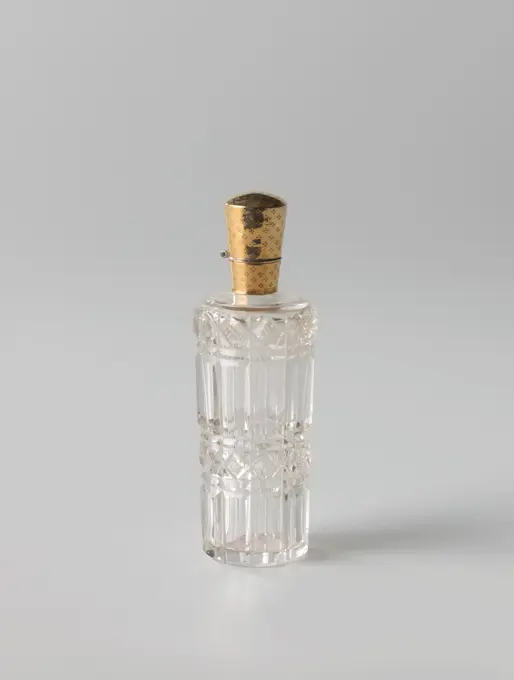
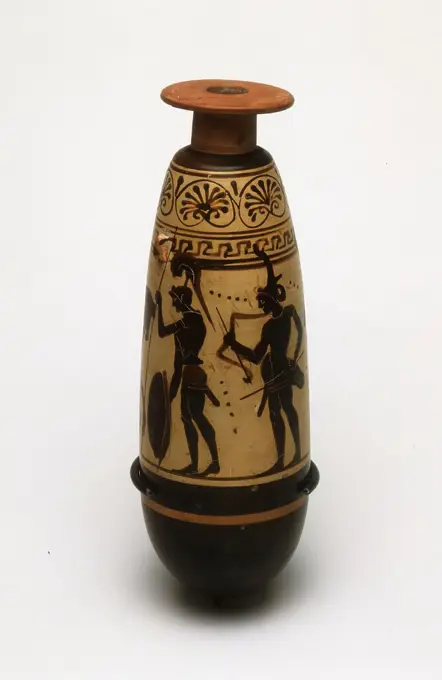
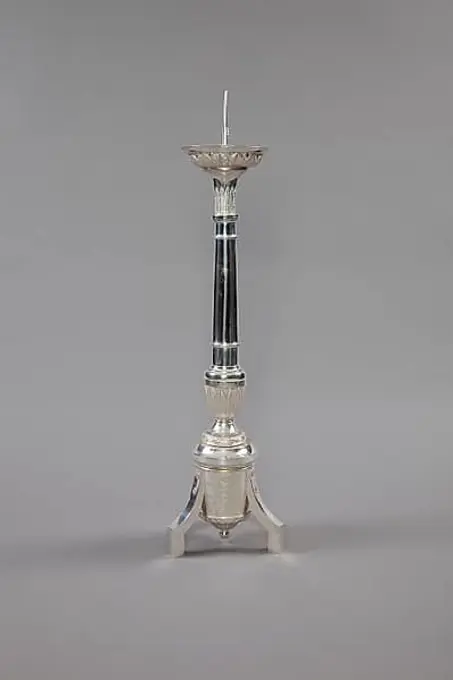
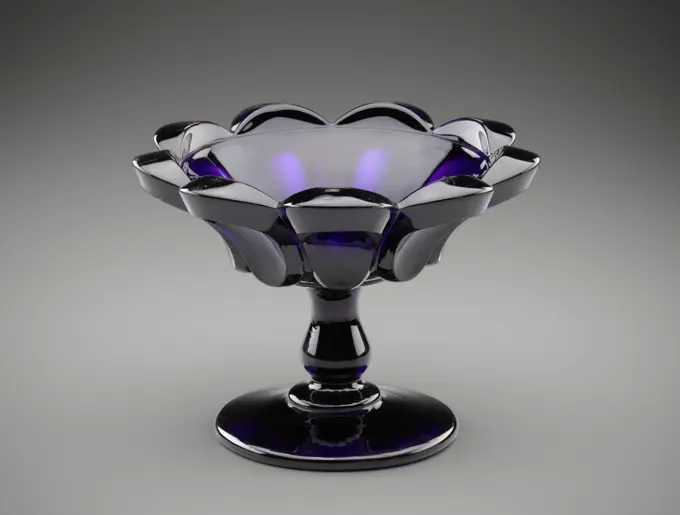
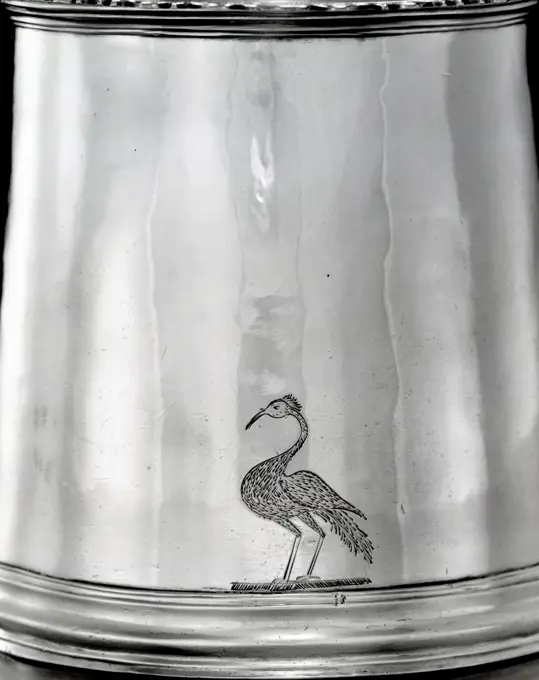
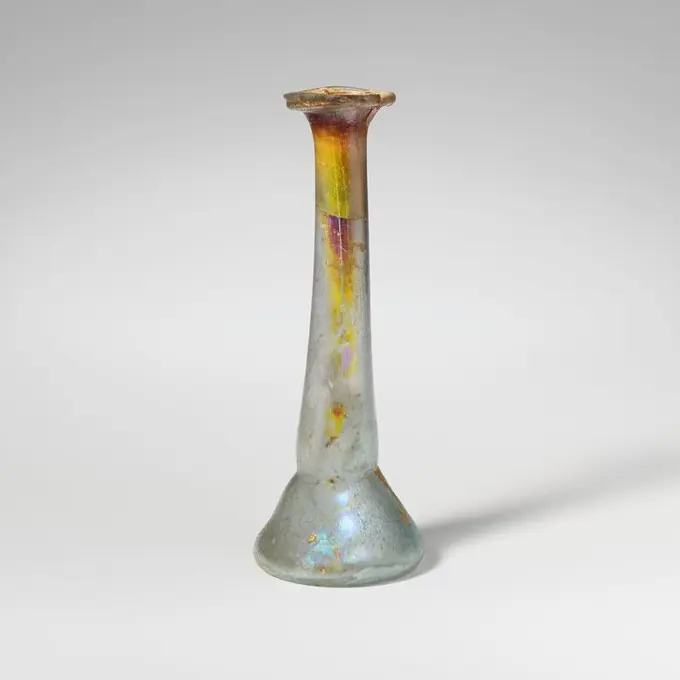
Glass perfume bottle. Culture: Roman. Dimensions: 3 1/2in. (8.9cm)Other: 1 1/4in. (3.2cm)Diam. of rim: 13/16 in. (2 cm). Date: 2nd-3rd century A.D..Translucent pale blue green.Uneven rim, folded out, over, and in; small, flaring mouth; cylindrical neck, expanding downward and tooled in around base; squat, conical body; pushed-in bottom.Intact; some bubbles; dulling, pitting, iridescence, with patches of creamy weathering. Museum: Metropolitan Museum of Art, New York, USA.Hanging lamp 17th century Italian, Venice (Murano) During the Renaissance, Venetian glassmakers, working on the island of Murano, were celebrated across Europe for their fine and sparkling work. Called cristallo” emulating the clarity of rock crystal, in the hands of the most skilled glassblowers the medium could be delightfully manipulated, variously stretched paper-thin flat, or playfully twisted, or blown into molds with spectacular patterns.. Hanging lamp 208824Pitcher.   Maker: William Boch and Brothers, American, 1844-1857Taperstick (one of a pair). Culture: British. Dimensions: 6 1/8 × 3 1/4 in. (15.6 × 8.3 cm). Date: ca. 1775.This taperstick is one of a pair with 64.101.1034. Museum: Metropolitan Museum of Art, New York, USA.. Funnel-shaped chalice under a strain, made up of a ribbed grind in curls laid tube with a blue ornament. At the location of the foot a silver atmosphere with a die.Pair ofBeakers.   Maker: Samuel Danforth, American, 1774-1816Double gourd bottle 19th century China. Double gourd bottle. China. 19th century. Porcelain with turqoise glaze (Jingdezhen ware). Qing dynasty (1644-1911). CeramicsBowl And Cover (China); rock crystal; 22.2h cm x 17.2d cm x 24.8w cmTwo Candlesticks. France. Date: 1725-1750. Dimensions: H. 31.1 cm (12 1/4 in.). Glass. Origin: France. Museum: The Chicago Art Institute, Chicago, USA.Ewer (Iran); blown glass, applied blown glass decorationTankard.   Maker: Joseph Goldthwaite, American, 1706-1780Perfume bottle (one of six) (part of a set) 1728-30 Louis Mailly. Perfume bottle (one of six) (part of a set) 206443White glazed miniature earthenware salt spreader, salt spreader salt barrel crockery holder miniature toy relaxing agent model ceramics earthenware glaze cork, baked White salt spreader printed balustead shaped with scatterings Cork in filling hole 1868 Sibilla van Embden playing serving kitchenBellows model late 18th-early 19th century British, probably Nailsea. Bellows model. British, probably Nailsea. late 18th-early 19th century. Glass. GlassBottle probably 18th-19th century. Bottle 443126Wine bottle 1720 Japan. Wine bottle 45904Nutmeg Grater (England); Made by Thomas Phipps, James Phipps II, Edward Robinson II; silver, steel, brass; L x W x D (with cap open): 14 x 5 x 3 cm (5 1/2 x 1 15/16 x 1 3/16 in.)Goblet c 1849-1858 Bennington. Earthenware . Lyman, Fenton & Co.Candlestick - Desmarais & Robitaille Desmarais & Robitaille. Comet cup with inserted soil. Ribbed stand ring. Cylindrical body with a ribbed wire on one-four of the height. Below that three corrugated wires made of blue glass, ending in clawsSiphon. Siphon or lever. The body consists of a tube that widens globally and then turns into a long neck in a long mouth bird head. At the bottom of the sphere a large spout is turned on with a blue cherry, on top of the globe two small wings of blue and colorless glass, on the globe and the bottom of the spout three blue and three colorless bramnopsPair Of Chambersticks With Snuffers (England); silverSalt Caster ca. 1888 Richards and Hartley Flint Glass Co.. Salt Caster. American. ca. 1888. Pressed yellow glass. Made in Tarentum, Pennsylvania, United StatesSalt or Pepper. England, Sunderland. Date: 1810-1820. Dimensions: H. 12.7 cm (5 in.). Lead-glazed earthenware with lustre decoration. Origin: Sunderland. Museum: The Chicago Art Institute, Chicago, USA.Bottle 17th century French. Bottle 186476Paperweight, 19th century, Ravenna Glass Co., Ohio, 3 1/2 x 3 1/2 x 3 1/2 in. (8.89 x 8.89 x 8.89 cm), Glass, United States, 19th centuryLazio Viterbo Viterbo Museo Civico51. Hutzel, Max 1960-1990 Views of paintings (Middle Ages through 18th c.), frescoes, a tabernacle, coffin, sculpture reliefs, portal fragments, busts, sculpture, tapestry found in the Pinacoteca, Second floor gallery and Second floor cloister sequences. Antiquities: Many views of Etruscan and Roman fragments, sculpture, sarcophagi, pottery, masks, jewelry and other objects found in the Storeroom sequence (inventory numbers on back of prints), and the Cloister, Second floor Cloister, Valle Giulia, Sala Romana and Sala Etrusca sequences. General Notes: There are eight separate numerical sequences for this location. The cloister as an architectural structure, rather than museum site, is documented in the record and file for S. Maria della Verita, Cloister, all views of which are stored in Medieval core collection. Five views from the Museo Civico Second floor cloister sequence are stored in Medieval. German-born photographer and scholar Max Hutzel (1911-Double Cosmetic Tube with Three-tiered Handle, 5th century, 11 9/16 x 3 7/8 x 2 1/2 in. (29.37 x 9.84 x 6.35 cm), Blown blue-green glass, Roman Empire, 5th centuryCologne Bottles withStoppers.   Maker: Sterling E. Dorflinger, American  Maker: Dorflinger Glass Works, American, 1852-1921Candlestick (one of a set of six) Portuguese 18th centuryEwer probably 18th-19th century. Ewer. probably 18th-19th century. Glass; molded. Attributed to Iran. GlassHookah Base. India, Uttar Pradesh, Awadh, Lucknow, circa 1725-1775. Tools and Equipment; hookahs. Clear glass with polychrome enamel and gildingCase For Guitar Case for guitar on isolated studio background Copyright: xZoonar.com/AndreyxSkatx 7780203Divination Implement, late 1800s-early 1900s. Central Democratic Republic of the Congo, Luba people. Wood, glass beads, and natural fiber; overall: 11.4 x 3.4 x 4.8 cm (4 1/2 x 1 5/16 x 1 7/8 in.).VaseVase with multicolor décor. Porcelain vase with multicolor pte-sur-Pte Décor in green, yellow, purple and rose. The mouth edge is green, the foot edge purple. Mounted with: two stamps in green: E. Colonna and Monogram ANB for Art Nouveau Bing, both in rectangle, including the word leuconoe and the figure 2. Inserted 500.Pair ofvasesHanging inArrow Point, 1700s. Japan, Edo period (1615-1868). Steel; overall: 24 cm (9 7/16 in.); head: 7.2 cm (2 13/16 in.).Wineglass 17th century Façon de Venise, northern European (possibly the Lowlands). Wineglass 461227Bottle with top early 19th century German. Bottle with top. German. early 19th century. Glass, pewter. GlassHobnail bowl. Culture: American. Dimensions: Dimensions unavailable. Maker: Probably Hobbs, Brockunier and Company (1863-1891). Date: after 1886. Museum: Metropolitan Museum of Art, New York, USA.Water bottles as healthy drink conceptBOTIJA DE CUELLO ANCHO Y MUY ALTO CON DOS ASAS - BARRO BLANCO A LA SAL. Location: ALFARERIA. Agost. Alicante. SPAIN.Water bottles as healthy drink conceptPVC Urine Pot India Asia Copyright: xHarixMahidhar/DinodiaxPhotoxCup with ear, the body cylindrical with vertical ridges, anonymous, c. 1675 - c. 1699 Cup of clear colorless glass, cylindrical in shape, vertically ribbed, with widened soil stabbed in, and turned on ending in curl. Amsterdam (possibly)Haarlem (possibly) glass Cup of clear colorless glass, cylindrical in shape, vertically ribbed, with widened soil stabbed in, and turned on ending in curl. Amsterdam (possibly)Haarlem (possibly) glassCaster (Lanceur), c. 1732- 1738. Saint Cloud Porcelain Factory (French). Soft-paste porcelain, silver mount; overall: 21.9 cm (8 5/8 in.).Toddy lifter (syphon), Cut glass, Long faceted neck, faceted knop middle and at end, 3 triple prism cut rings double bubbled base, the top one faceted the lower diamond cut; holes at both ends., Ireland or England, 18th-19th century, glasswares, Decorative Arts, Toddy lifter (syphon)Mug; Karlsthal (Huta Szk 1770-1790 (1770-00-00-1790-00-00);Beaker 18th century probably Spanish. Beaker 187279John Tarantino, Vase, c 1936 Vase19th century courting LampPepper castor ca. 1740-60 British, Staffordshire. Pepper castor. British, Staffordshire. ca. 1740-60. Salt-glazed stoneware. Ceramics-PotteryButter dish - Lion pattern Richards & Hartley Glass Company Richards & Hartley Glass CompanyBottle of cut glass, cylindrical, with golden stop, c. 1400 - c. 1950 Flacon of cut glass, cylindrical, with golden stop.  glass. gold (metal) Flacon of cut glass, cylindrical, with golden stop.  glass. gold (metal)Alabastron (Container for Scented Oil). Greek; Athens; Attributed to the Diosphos Painter. Date: 500 BC-480 BC. Dimensions: 16.2 × 6 × 6 cm (6 3/8 × 2 3/8 × 2 3/8 in.). Terra-cotta, decorated in the black-figure on white ground technique. Origin: Athens. Museum: The Chicago Art Institute, USA.Swan-Neck Bottle (Ashkdan). Dimensions: H. 13 3/4 in. (34.9 cm)Max. diam 4 9/16 in. (11.6 cm). Date: 19th century.The distinct tear-shaped opening at the top of this amber-toned bottle was carefully tooled while the glass was still molten, and flows into a thin, curvilinear neck, before expanding to a globular body resting on a low foot. The visual resemblance to the curved and attenuated neck of a swan has inspired the name of these types of bottles, but according to folklore, these bottles were used as "containers for tears," (ashkdan) meant to collect the sorrows of wives separated from their husbands. Museum: Metropolitan Museum of Art, New York, USA.Bottle. The inscription translates as: Never tire to good aspire’.Altar candlesticks, goldsmithing and textile art from the 16th to the 20th century, St., Sankt, SaintTall Beaker 1845-1880 Bohemia. Glass; blown, cut, stained red and engraved .Compote, LeafPatternJames Mince and William Hodgkins II, Tea Canister, 1788/89, silver.Paperweight, 20th century, New Jersey Glass Co., 3 1/2 x 3 1/8 x 3 1/8 in. (8.89 x 7.94 x 7.94 cm), Glass, United States, 20th centuryHumpen and cover. unknown, glass worksPumpkin-shaped bottle with plugs. Acquired by the artist on the Paris World Fair 1900Tankard.   Maker: Philip Goelet, 1701-1748SaltSet of Ceramic tableware, craft products on wood background. Set of Ceramic tablewarePure chemistry Clean and clear chemistry for cosmetic beauty products clear liquids in a variety of bottles and flasks on a white background and a plant in the front Copyright: xZoonar.com/PaulxHakimatax 1976736Brown bottle of gasoline on a garden table