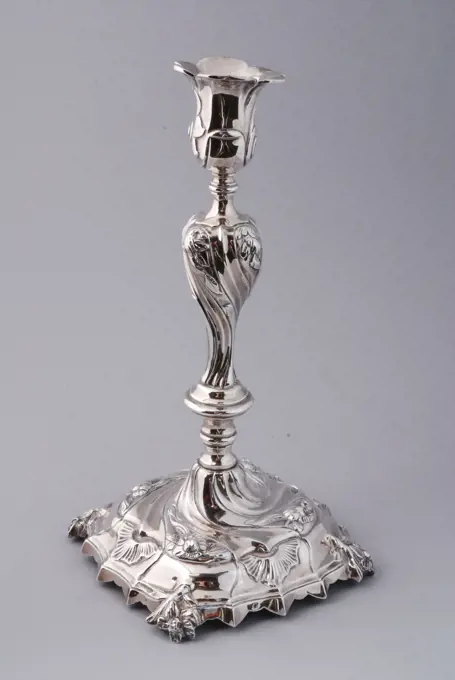
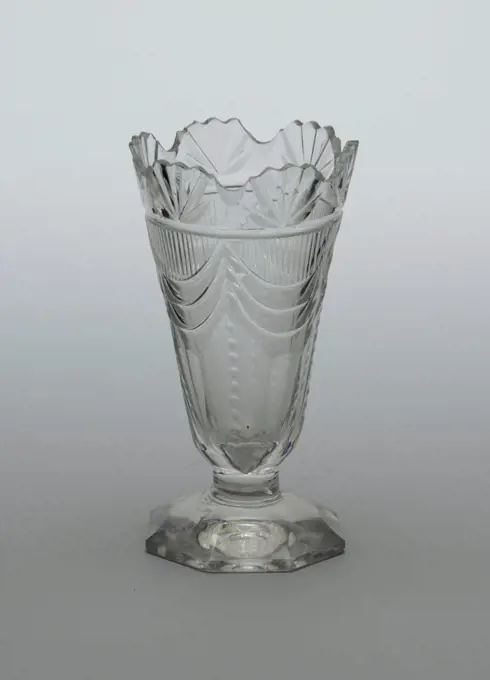
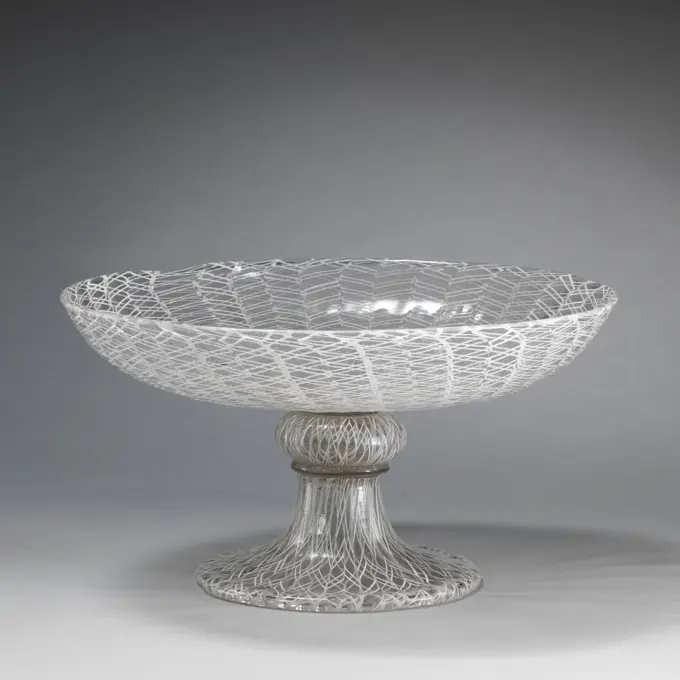
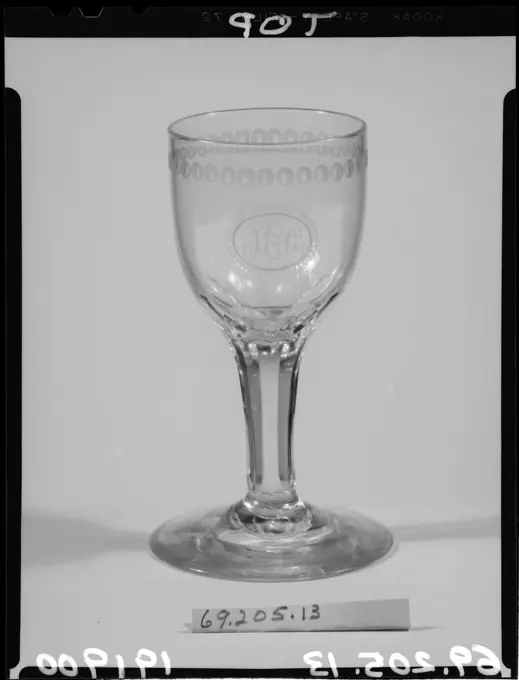
Elegant Glass Goblets

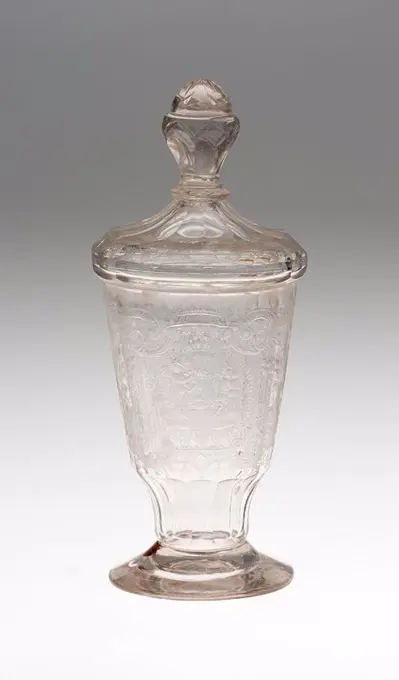
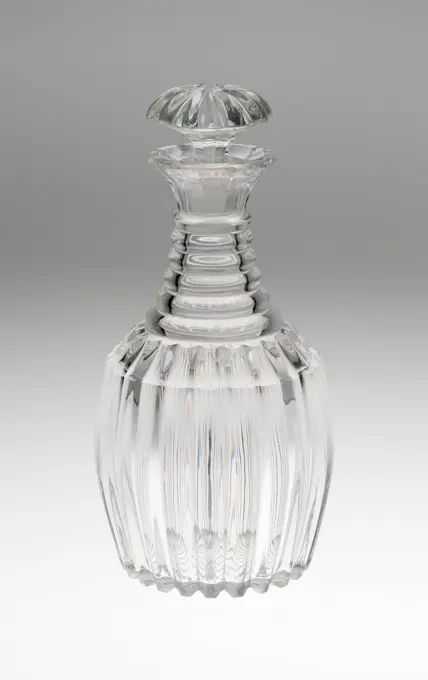
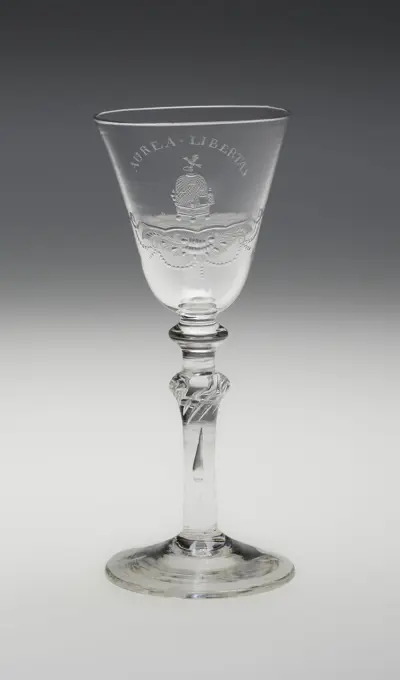
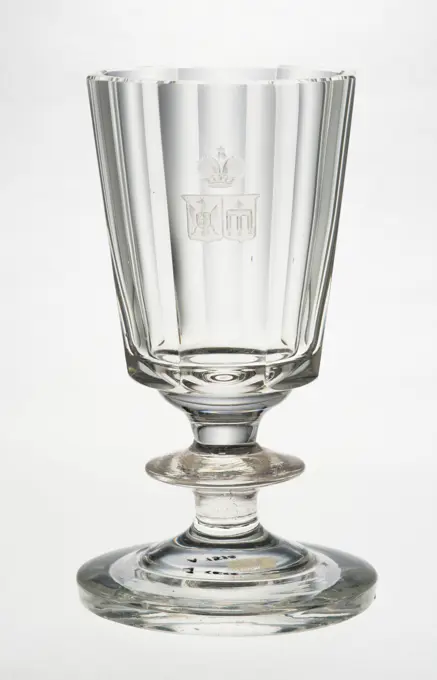
A collection of delicate glass goblets showcasing intricate designs and historical motifs. The transparency and craftsmanship highlight their artistic value and heritage.
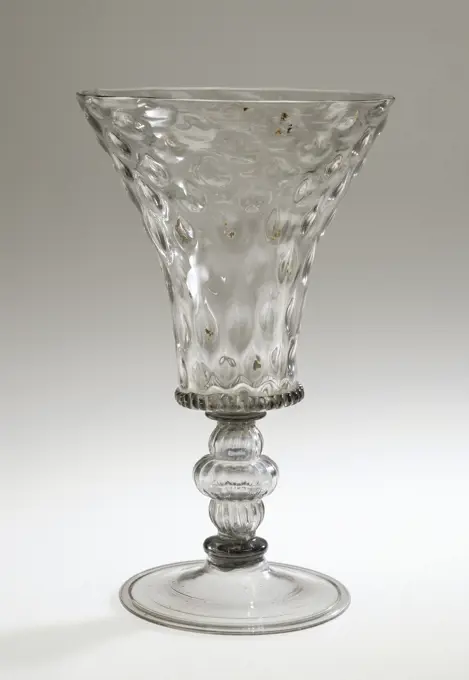
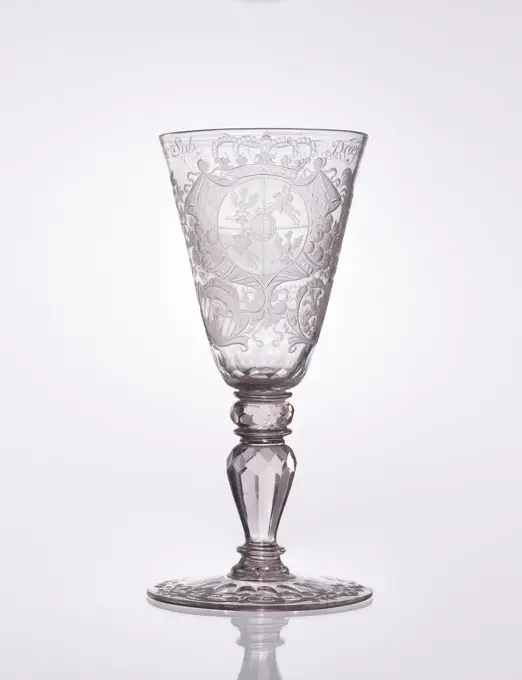
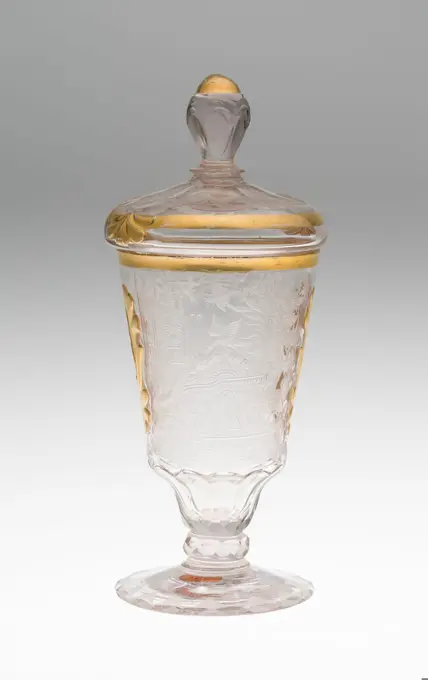
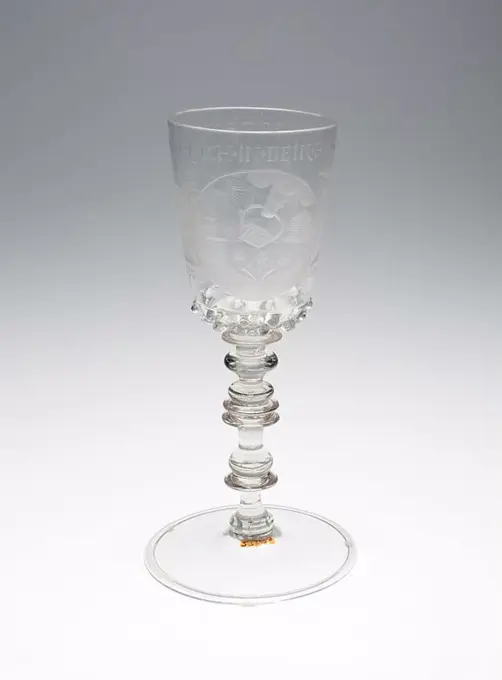
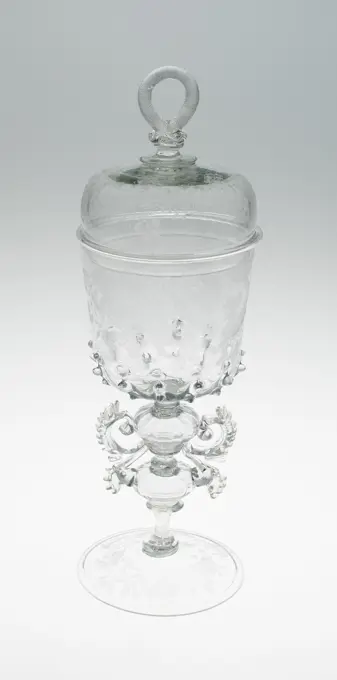
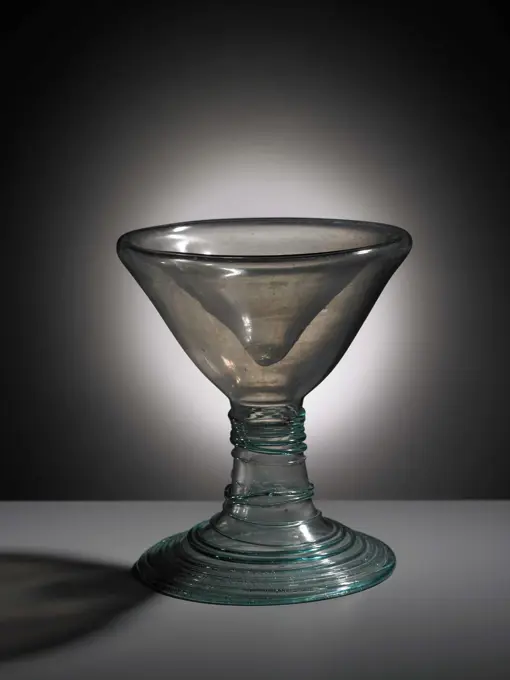
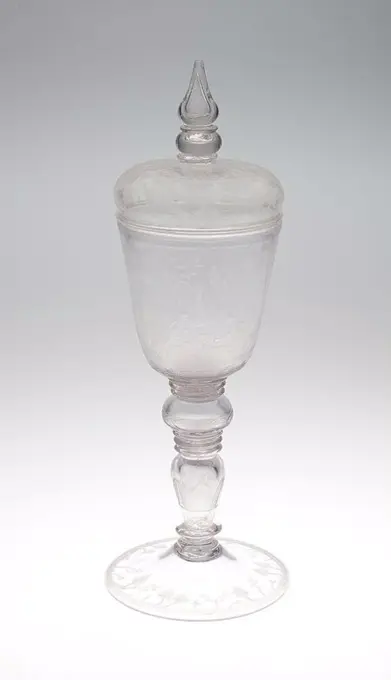
Goblet; Façon de Venise, possibly the Glashütte of Sebastian Höchstetter (Austrian, active 1540 - 1569); Hall, Austria; 1540 - 1560; Free- and mold-blown colorless (purplish-gray) glass with gilding and cold painted and applied decoration; 25.4 x 16.4 cm (10 x 6 7,16 in.)
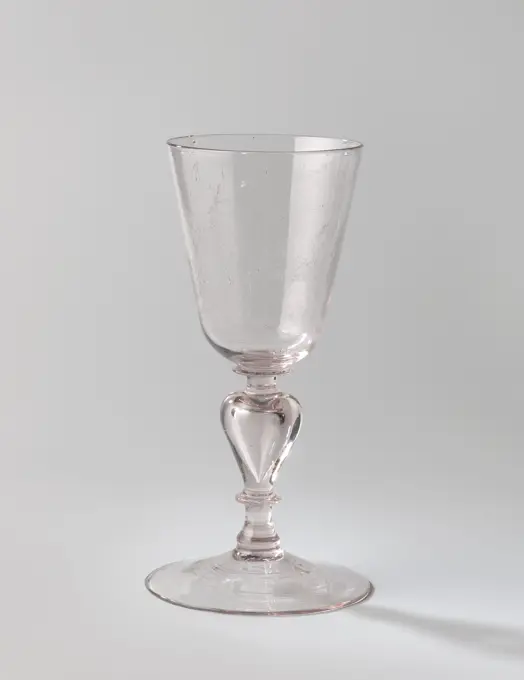
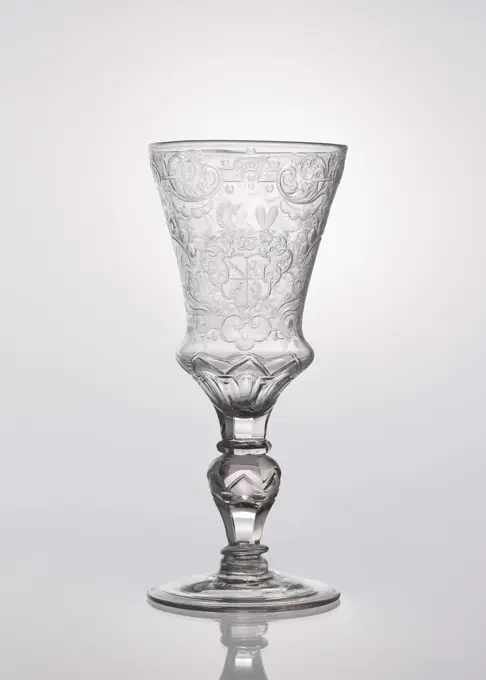
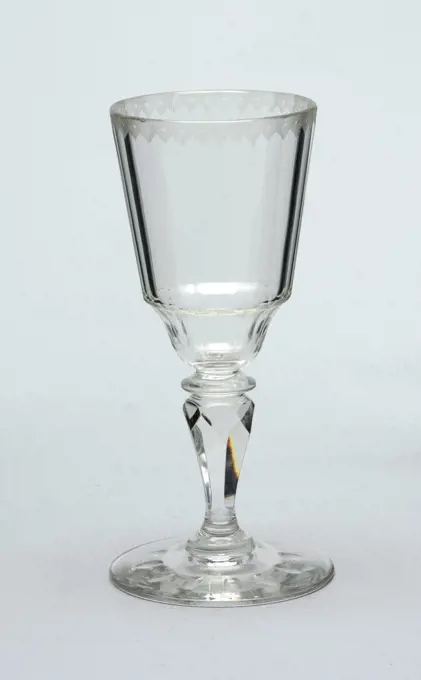
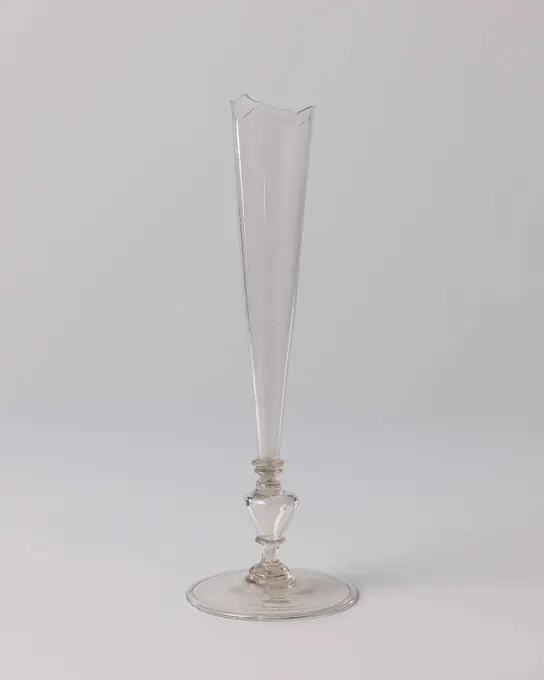
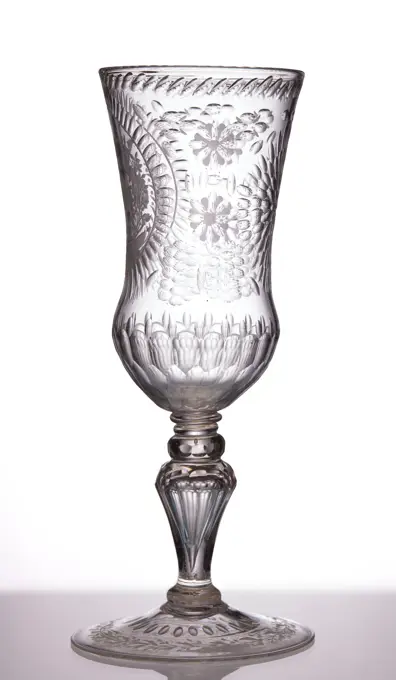
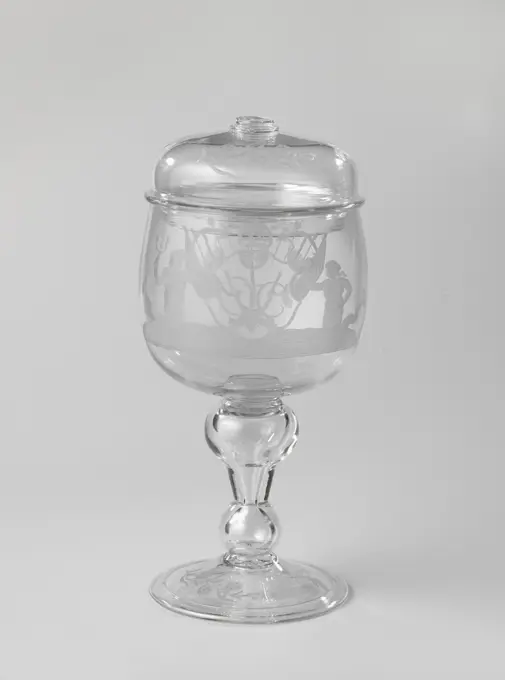
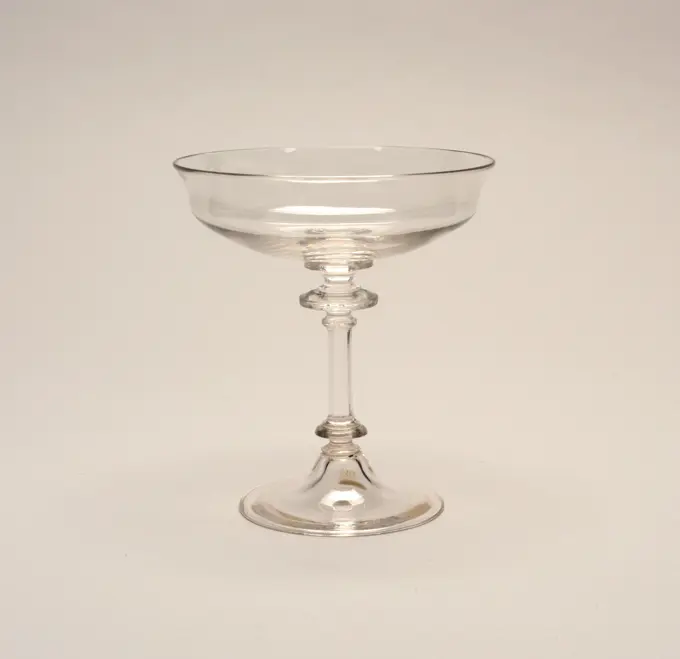
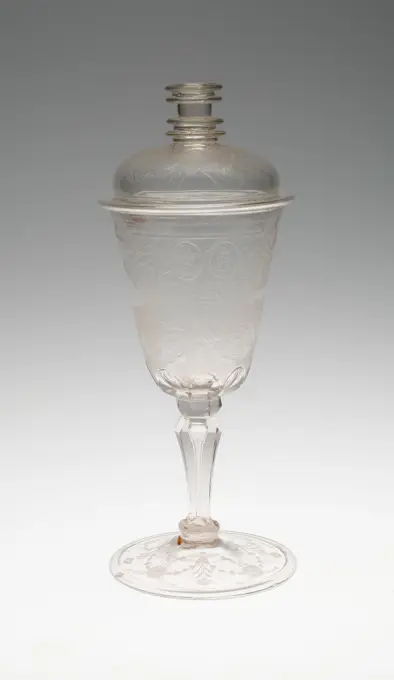
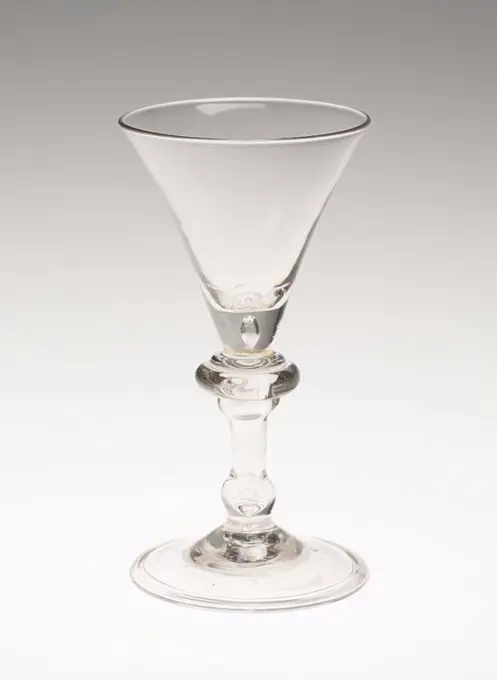
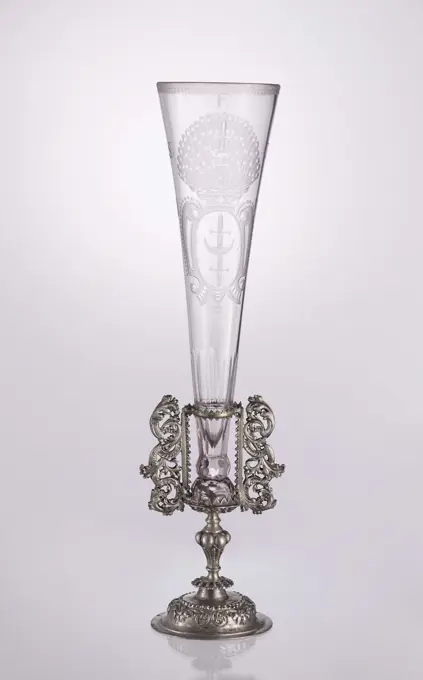
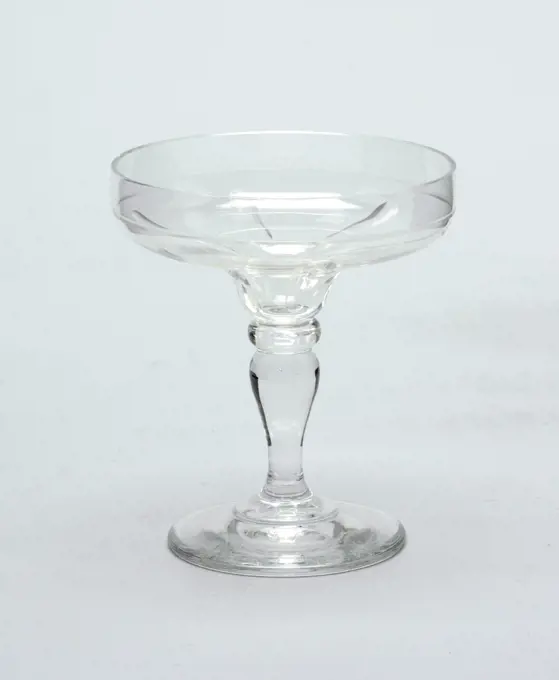
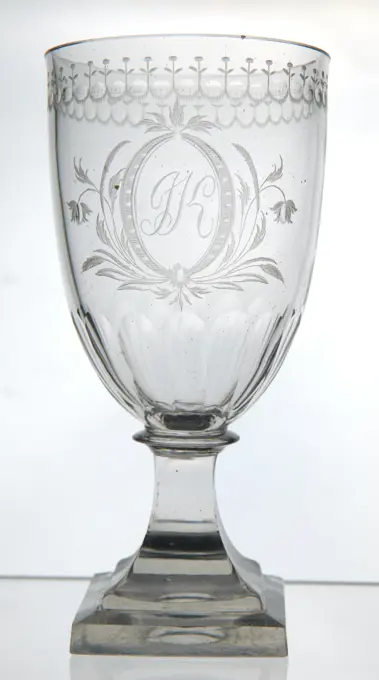
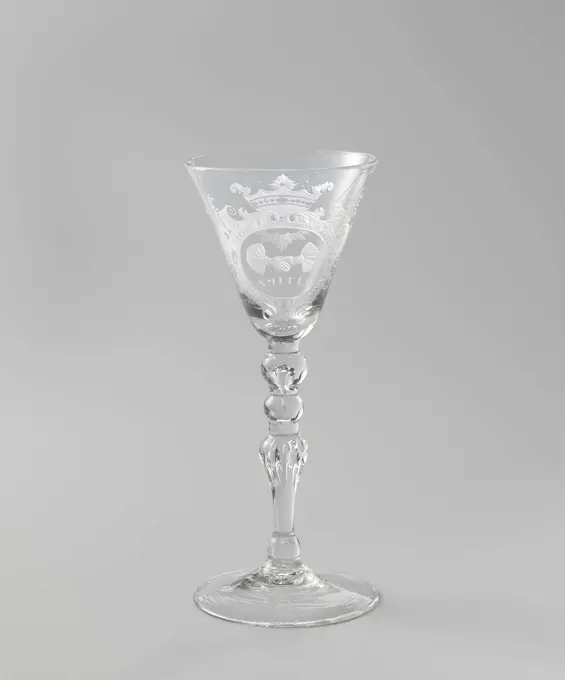
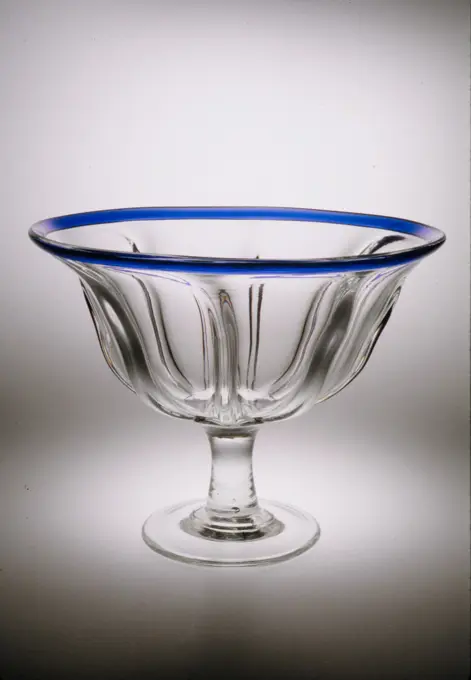
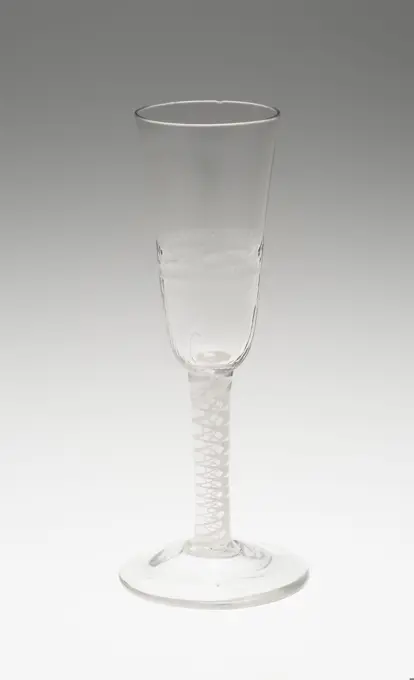
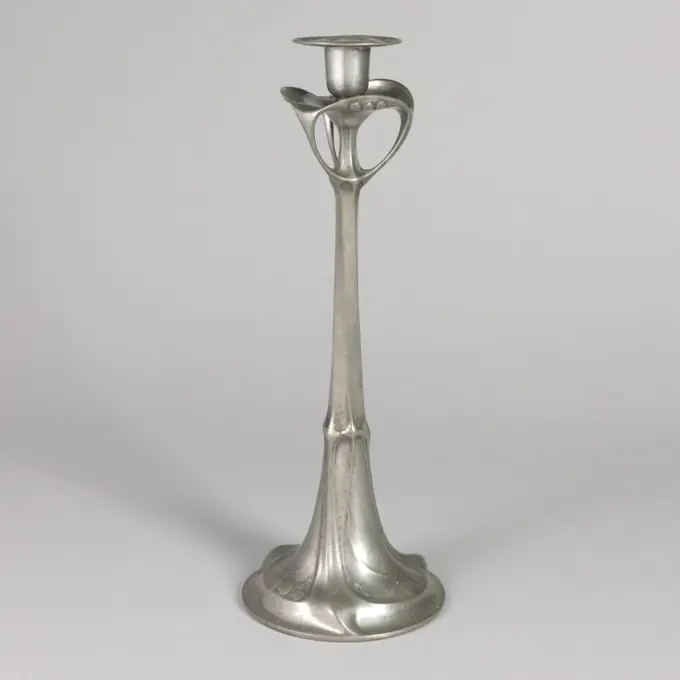
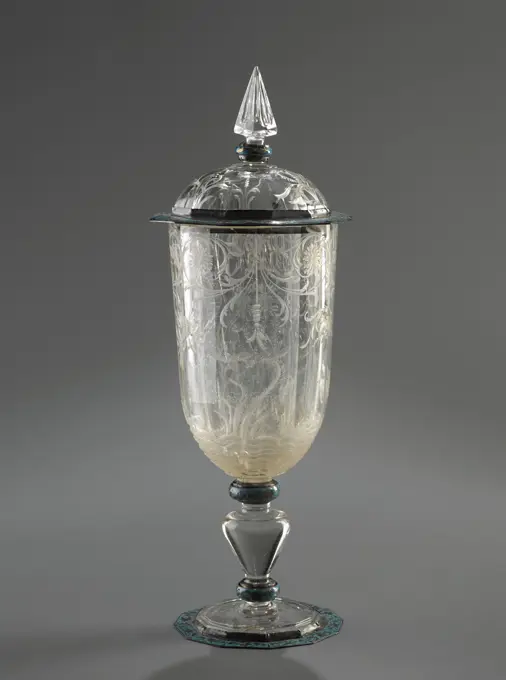
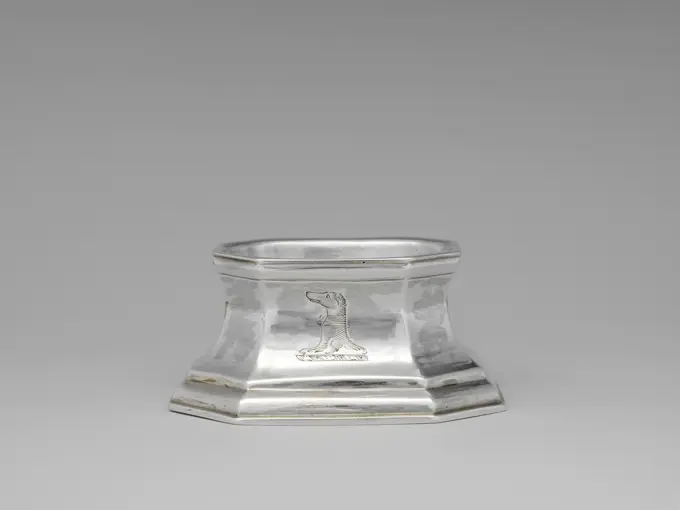
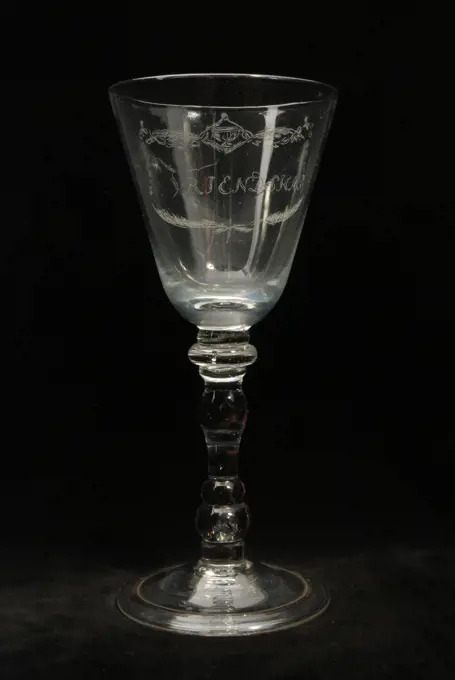
Goblet; Façon de Venise, possibly the Glashütte of Sebastian Höchstetter (Austrian, active 1540 - 1569); Hall, Austria; 1540 - 1560; Free- and mold-blown colorless (purplish-gray) glass with gilding and cold painted and applied decoration; 25.4 x 16.4 cm (10 x 6 7,16 in.)Goblet with two men smoking. Stipple-engravings consist of nothing more than configurations of tiny dots. When the dots are close together, as in the faces of the peasants on this goblet, they create a lighter field. Set further apart, as in the clothing of the peasant with the pipe in his mouth, the eye reads this as a darker area.Jar with sunflowers, leaf vines and circles, c. 1725 - c. 1750 Vaulted foot. Holle, Facet Sleep Baluster Tribe with a knot and seven discs. Conical chalice with rounded soil. On the chalice, between two continuous, stylized leaf vines, narrow diagonal tires with alternating two sunflowers and three circles with leaf vines. Bohemia glass grinding / glassblowing Vaulted foot. Holle, Facet Sleep Baluster Tribe with a knot and seven discs. Conical chalice with rounded soil. On the chalice, between two continuous, stylized leaf vines, narrow diagonal tires with alternating two sunflowers and three circles with leaf vines. Bohemia glass grinding / glassblowingWine glass with a galloping horse, anonymous, 1795 Conical foot. Balus -shaped trunk with a wreath of air bubbles. Funnel -shaped chalice rounded at the bottom. A galloping horse on the chalice. Above show a banderolle with the motto aurea libertas (the golden freedom). On the downside, in diamondgravure, the following poem: gelyk we 't Ros, gesture in lives by wolf, seeing sweeks on the glass; Must without Zorge and Vry van Pyn, the Goldness Vryheid by us!. glassblower: EnglandNorthern Netherlands glass glassblowing Conical foot. Balus -shaped trunk with a wreath of air bubbles. Funnel -shaped chalice rounded at the bottom. A galloping horse on the chalice. Above show a banderolle with the motto aurea libertas (the golden freedom). On the downside, in diamondgravure, the following poem: gelyk we 't Ros, gesture in lives by wolf, seeing sweeks on the glass; Must without Zorge and Vry van Pyn, the Goldness Vryheid by us!. glassblower: EnglandNorthern Netherlands glass glassblowingCup; Dresden (glassworks; 1699-Post 1756); 2. Exercise of the 18th century (1725-00-00-1745-00-00);August III (King of Poland - 1696-1763), Herbs, souvenirs, rulersBokaal with a landscape with a donkey, two goats and a goat, anonymous, c. 1835 - In or Before 1849 Light conical foot. Hollow, baluster -shaped trunk with two discs. Funnel -shaped chalice rounded at the bottom, on which a landscape is engraved with a donkey, two lying goats and a lying goat. Under the donkey the signature and the year J. Wolff 1862, where the 8 can also be read as a six. glassblower: Low CountriesNetherlands glass glassblowing Light conical foot. Hollow, baluster -shaped trunk with two discs. Funnel -shaped chalice rounded at the bottom, on which a landscape is engraved with a donkey, two lying goats and a lying goat. Under the donkey the signature and the year J. Wolff 1862, where the 8 can also be read as a six. glassblower: Low CountriesNetherlands glass glassblowingKelkglas with six-spectable chalice with Lattimo wires. Flat foot with beaten edge. Hollow, baluster-shaped strain, blown in the form with two bird-like creatures under a grinding edge. Sixly chalice, decorated at the bottom with a band Lattimo wires.Bokaal with the weapon of Anna van Hannover, c. 1737 - c. 1750 Flat. Baluster tribe with a bubble. Klock -shaped chalice with solid, rounded bottom in which an air bubble. On the chalice the crowned weapon of Anna van Hannover. Glassblower: Saksennorthern Netherlands glass glassblowing Flat. Baluster tribe with a bubble. Klock -shaped chalice with solid, rounded bottom in which an air bubble. On the chalice the crowned weapon of Anna van Hannover. Glassblower: Saksennorthern Netherlands glass glassblowingChalice glass with ashesian chalice with lattimo wires, anonymous, c. 1550 - c. 1600 Flat base with turned around. Hollow, baluster -shaped tribe, blown in the form with two bird -like creatures under a grunt edge. Zeslobbish chalice, decorated at the bottom with a band Lattimo wires. Venice glass glassblowing Flat base with turned around. Hollow, baluster -shaped tribe, blown in the form with two bird -like creatures under a grunt edge. Zeslobbish chalice, decorated at the bottom with a band Lattimo wires. Venice glass glassblowingWine glass with the arms of Alkmaar, anonymous, c. 1750 - c. 1775 Slightly curved foot. Baluster tribe with buttons, a disc and air bubbles. Conical chalice with rounded soil. On the chalice an engraved representation of two collapsed hands. On the downside the coat of arms of Alkmaar between branches and ornament work. glassblower: Low CountriesNorthern Netherlands glass glassblowing  Alkmaar Slightly curved foot. Baluster tribe with buttons, a disc and air bubbles. Conical chalice with rounded soil. On the chalice an engraved representation of two collapsed hands. On the downside the coat of arms of Alkmaar between branches and ornament work. glassblower: Low CountriesNorthern Netherlands glass glassblowing  AlkmaarGoblet. Kotlina Jeleniogórska (ośrodek rytownictwa ; ca 1600- ), glass engraver, Weiberberge (huta szkła ; post 1702-ante 1754), creator, Weissbach (huta szkła ; 1617-ante 1754), creatorGoblet with Peasant Dancers and Musicians 1675-1699 Netherlands. Glass . Willem MooleyserNo. 107, Ludwig Lobmeyr, Austrian, 1829 - 1917, J. & L. Lobmeyr GmbH, Vienna, Austria, founded ca. 1935, Mouth-blown crystal, facet-cut and polished, Mouth-blown crystal, elaborately facet-cut and polished, 1868, glasswares, Decorative Arts, Rhine wine glass, Rhine wine glassWine Glass 1870-90 Adams and Company. Wine Glass. American. 1870-90. Pressed yellow glass. Made in Pittsburgh, Pennsylvania, United StatesChalip glass with two collapsed hands and the inscription: .t. Glaasie van Vrintschap, Anonymous, c. 1725 - c. 1750 Chalk glass on curved foot. Balus -shaped trunk with tear. Funnel -shaped chalice, on which a crowned medallion is engraved with the wheel with two beaten hands of a sun. On the downside, along the mouth edge the inscription: .t. Glymet of Vrintschap. glassblower: Low CountriesNorthern Netherlands glass glassblowing Chalk glass on curved foot. Balus -shaped trunk with tear. Funnel -shaped chalice, on which a crowned medallion is engraved with the wheel with two beaten hands of a sun. On the downside, along the mouth edge the inscription: .t. Glymet of Vrintschap. glassblower: Low CountriesNorthern Netherlands glass glassblowingCelery vase. Culture: American. Dimensions: H. 7 11/16 in. (19.5 cm); Diam. 5 1/4 in. (13.3 cm). Maker: Possibly Bakewell, Page & Bakewell (1808-1882) or; Bakewell, Page & Bakewells (1827-1832). Date: 1820-30.The cut decoration on this vase and on the nearby decanter and compote is a variation on the strawberry diamond-and-fan pattern, the most popular cut-glass pattern in the United States in the early nineteenth century. All of these pieces emulate the richly cut tablewareof the Anglo-Irish tradition. Museum: Metropolitan Museum of Art, New York, USA.Goblet. Saxony, Germany. Date: 1775-1799. Dimensions: H. 27.9 cm (11 in.). Glass. Origin: Saxony. Museum: The Chicago Art Institute, Chicago, USA.Goblet with Portrait. Christopher Dorsch (Germany, 1676-1732). Bohemia (now Czech Republic), circa 1712. Furnishings; Serviceware. Engraved glassJar with sunflowers and towers, anonymous, c. 1725 - c. 1750 Vaulted foot. Baluster tribe with two knots, three discs and a tear -shaped bubble. Conical chalice with rounded soil. Sunflowers and towers on the chalice. Bohemia glass glassblowing Vaulted foot. Baluster tribe with two knots, three discs and a tear -shaped bubble. Conical chalice with rounded soil. Sunflowers and towers on the chalice. Bohemia glass glassblowingChampagne glass 18th century British. Champagne glass. British. 18th century. Glass. GlasspurchaseCup with coverKelkglas with the arms of the Beuningen family. Kelkglas of clear, colorless glass. Flat foot. The twisted, baluster-shaped strain has a red spiral, a bubble and three mereses. The funnel-shaped chalice has a rounded soil. On the chalice, in a cartouche consisting of volutes with matted surfaces with dots and circles, surrounded by leafwork, is an oval medallion with the crowned family crest of beuningen, flanked by two branches that are tied to each other at the bottom. Along the mouth edge a band with symmetrical leafwork and flower branches.Wine Glass and Cover 1735-1745 Schleswig. Glass; engraved and gilt decoration .. Small cup with lobed foot and trumpet-shaped chalice.Goblet 1847 England. Glass .Flute glass. Flat foot with beaten edge. The stem made up of a hollow Baluster and a disc. Funnel shaped chalice. One third of the chalice is missing.Kelkglas on square foot crossing leaf garlands and stars. Kelkglas on square foot and short stem. Chalice decorated with intersecting leaf garlands and star shapes.GlassRummer late 18th century British. Rummer. British. late 18th century. Glass. GlassWine glass, anonymous, in or after 1690 - c. 1700 Flat base with turned around. Balus -shaped trunk with two discs. Conical chalice with rounded soil. On the chalice the crowned weapon of King-Stadhouder Willem III, worn by two unicorns. On the other side the inscription 'God bles the kingh'. On the foot flower branches. glassblower: Low CountriesNorthern Netherlands glass glassblowing Flat base with turned around. Balus -shaped trunk with two discs. Conical chalice with rounded soil. On the chalice the crowned weapon of King-Stadhouder Willem III, worn by two unicorns. On the other side the inscription 'God bles the kingh'. On the foot flower branches. glassblower: Low CountriesNorthern Netherlands glass glassblowingSweetmeat Dish 1725-1735 Germany. Glass .Sweetmeat Glass. England. Date: 1785-1795. Dimensions: 8.7 cm (3 7/16 in.). Glass. Origin: England. Museum: The Chicago Art Institute, Chicago, USA.Goblet. Germany, Nuremberg. Date: 1735-1745. Dimensions: 24.1 x 8.3 cm (9 1/2 x 3 1/4 in.). Glass. Origin: Nuremberg. Museum: The Chicago Art Institute, Chicago, USA.. Base. Baluster trunk with four buttons. Conical chalice with rounded soil. On the chalice the engraved representation of two sitting women and the inscription: Clenasi by D.jonge Jüffroüwe.Standing cup with cover early 18th century German, Silesia. Standing cup with cover. German, Silesia. early 18th century. Glass. GlassSlinger glass with bell-shaped chalice. Slinger glass with conical foot and a ballustroid tribe. In the trunk opask white garlands around white network spiral. Bell-shaped chalice.Przeszo Przyszoci unknownLid of jar, with the weapon of Batavia and the VOC monogram. Foot and lid with leaf ornament. The lid knob is missing.No. 103 Champagne Cup; Designed by Theophil Hansen; Manufactured by J. & L. Lobmeyr GmbH (Austria); Austria; mouth-blown crystal, cut and polished ornamentsGoblet with Cover 1701-1713 Thuringia. Glass .Chalip glass with the weapon of the Republic of the Seven Provinciën, Anonymous, c. 1760 - c. 1780 Conical foot. Balus -shaped, facet -cut trunk with two knots. Conical, chalice rounded at the bottom. On the chalice, in a frame of Rococo ornament, the crowned weapon of the Republic of the Seven Provinces, flanked by two lions passant Guardant. Under the weapon rocailles and flower vines. Englandglassblower: Southern NetherlandsThe Hague glass grinding / glassblowing Conical foot. Balus -shaped, facet -cut trunk with two knots. Conical, chalice rounded at the bottom. On the chalice, in a frame of Rococo ornament, the crowned weapon of the Republic of the Seven Provinces, flanked by two lions passant Guardant. Under the weapon rocailles and flower vines. Englandglassblower: Southern NetherlandsThe Hague glass grinding / glassblowingKelkglas with an enclosed currency and monogram RGB. Conical foot with beaten edge. The strain composed of a hollow knot between two composite flat knots. In the knot is a silver coin from George Louis van Brunswijk-Lüneburg (1660-1727), dated 1714, recorded. The funnel-shaped chalice with thickened bottom and air bloids. On the chalice the crowned monogram RGB flanked by two bay branches boven to the bottom. On the other side, on a ground with grass, two lions support a crown with a front leg and with the other a double-headed, rolled up snake.Wine glass, one of a set of ten, c. 1920, 8 1/4 x 3 1/4 in. (20.96 x 8.26 cm), Aventurine glass, Italy, 20th centuryWing glass with bell -shaped chalice with octagonal border, anonymous, c. 1550 - c. 1650 Wing glass on flat base, hollow, ribbed and twisted baluster -shaped trunk. A wing in the shape of a seahouses of blue and colorless glass on both sides. Above a flat disc a bell -shaped chalice that runs into an octagonal border. Venice glass glassblowing Wing glass on flat base, hollow, ribbed and twisted baluster -shaped trunk. A wing in the shape of a seahouses of blue and colorless glass on both sides. Above a flat disc a bell -shaped chalice that runs into an octagonal border. Venice glass glassblowingBeaker with the Three Magi, Egbert Loessinck (attributed to), 1652 - 1653 Silver cup with braided spine chain at the foot. On the cup engraved, the figures of the three kings in cartouches of lobe ornament interspersed by Fruit Hoverers. Groningen silver (metal) Silver cup with braided spine chain at the foot. On the cup engraved, the figures of the three kings in cartouches of lobe ornament interspersed by Fruit Hoverers. Groningen silver (metal)Goblet with Cover 1680-1690 Netherlands. Glass .Wine Glass. England. Date: 1715-1725. Dimensions: 10.8 cm (4 1/4 in.). Glass. Origin: England. Museum: The Chicago Art Institute, Chicago, USA.Wine Glass 1715-1725 England. Glass .Chalip glass with the weapons of the Van Loon and Backer families, Anonymous, 1752 Vaulted foot. Slim baluster tribe with buttons and air bubbles. Chalice and foot edge. Conical chalice on one side decorated with a drilled decoration: on a rocaille frame, in which the signature S.I. Sang, a tree stands on a ground; On either side of the tree the weapons of Loon and Backer, above which a cord with brushes. Above the whole a spell band on which: "I wish that lyduyns are fragging field, to joy" to Van Loon and Backer. glassblower: Low CountriesAmsterdam glass glassblowing  Hemstede Vaulted foot. Slim baluster tribe with buttons and air bubbles. Chalice and foot edge. Conical chalice on one side decorated with a drilled decoration: on a rocaille frame, in which the signature S.I. Sang, a tree stands on a ground; On either side of the tree the weapons of Loon and Backer, above which a cord with brushes. Above the whole a spell band on which: "I wish that lyduyns are fragging field, to joy" BeerGlassFlute. Naliboki (huta szkła ; 1722-1862), creatorGlass from a Place Setting, c. 1890-1920. Probably America, late 19th-early 20th century. Glass; overall: 17.8 x 9 cm (7 x 3 9/16 in.).Compote - Nova Scotia Diamond RayCup;  1920-39 (1920-00-00-1939-00-00);No. 104, Ludwig Lobmeyr, Austrian, 1829 - 1917, J. & L. Lobmeyr GmbH, Vienna, Austria, founded ca. 1935, Mouth-blown crystal, cut and polished, Mouth-blown crystal, deeply-cut and polished, 1865, glasswares, Decorative Arts, Champagne cup, Champagne cupCup;  1920-39 (1920-00-00-1939-00-00);Cup; Wakayama, Yoshikatsu, Kuhn & Komor (Sreber label; 1869-1919); beginning of the 20th century (1901-00-00-1910-00-00);Bowl early 19th century British or Irish. Bowl. British or Irish. early 19th century. Glass. GlassGoblet Commemorating Queen Caroline. England. Date: 1815-1825. Dimensions: 13 × 9.5 cm (5 1/8 × 3 3/4 in.). Glass. Origin: England. Museum: The Chicago Art Institute, Chicago, USA.. Glass; blown and stipple engravedCupUrn (one of a pair). Culture: Irish. Dimensions: Height: 11 3/4 in. (29.8 cm). Date: 1800-1815. Museum: Metropolitan Museum of Art, New York, USA.Urn ca. 1835 American. Urn 9170. translation of inscription: FriendshipCompote ca. 1845-75 American Listen to experts illuminate this artwork's story Listen Play or pause #3850. Compote Supported by Bloomberg Philanthropies We're sorry, the transcript for this audio track is not available at this time. We are working to make it available as soon as possible.. Compote 15594Toasting Ale Glass 1755-1765 England. Glass .. Seasonal barrel on wide, low foot, undervantage into a straight trunk. A blue-green wire is wounded around the foot and trunk. The funnel-shaped chalice, blown to one piece with the strain, is double-walled by the input of the topGlass on foot ", glass of Venice. Anonymous, 16th century. Object of art. Museum of Fine Arts in the city of Paris, Petit Palais. 24096-6 On foot, anonymous, art, glass, Venice objectCompote -Punch bowl late 18th century British. Punch bowl. British. late 18th century. Glass. GlassStanding cup with cover ca. 1710 Bohemian. Standing cup with cover. Bohemian. ca. 1710. Glass. GlassCandlestick Candlestick, 1900-1902; Designed by Hugo Leven (German, 1874-1956); Manufactured by J. P. Kayser & Sohn (Germany); pewterCup of ice glass. Cup of ice glass with inserted bottom. Ribbed stand ring made of clear glass. Cup-shaped body, on which three mascarons and three small studs are arranged at the height. Remnants of gildings on the studs and along the top edge.Covered Goblet (Pokal) with a Bear Hunt. Germany, Nuremberg. Date: 1680-1700. Dimensions: H. 38.1 cm (15 in.). Glass. Origin: Nuremberg. Museum: The Chicago Art Institute, Chicago, USA.Hot Water or Claret Jug. Makers: Matthew Boulton & John FothergillStanding cup 1745-46 German, Silesia. Standing cup. German, Silesia. 1745-46. Glass. GlassAleGlassCordial glass, from a set of four, c. 1865, New England Glass Company (), American (Cambridge, Massachusetts), American (Cambridge, Massachusetts), H.4 x Dia.2 in., Lead glass, United States, 19th centuryCup with cover;  1 PO. XVII century (1600-00-00-1650-00-00);Schaffgotschów - collection, waves, festiences (ornament), plant ornamentations, insects, dragonflies, purchase (provenance)Salt 1730-40 Jacob Hurd American. Salt 8807Chalice glass engraved with cartouche with FRIENDSHIP, wineglass drinking glass drinking utensils tableware holder glass lead glass, gram free blown and formed diamond engraving Chalice glass (from 1725-1750) in clear colorless lead glass Pontil mark under round hollow ascending foot with rim folded down. On three convex knots (middle with trapped air bubble) solid light baluster stem closed with three stacked knots Bottom rounded funnel-shaped chalice with fire-rounded edge. Diamond engraving (from the period 1800-1820) on calyx: FRIENDSHAP at the bottom framed by crowns at the top by leaves with an urn-shaped vase Diamond engraving on calyx: FRIENDSHAP (NB with misspelling) serving friendshipBeaker (Sweden); Made by Isak Sauer (Active, 1750 - 1777); parcel-gilt silverGoblet with Cover. Germany, Schleswig. Date: 1725-1735. Dimensions: 17.8 x 7 cm (7 x 2 3/4 in.). Glass. Origin: Schleswig. Museum: The Chicago Art Institute, Chicago, USA.Claret Decanter 1800-1825 Sussex. Glass .Kelkglas on the 25-year marriage of Leendert Balbian and Elizabeth Everaars. Kelkglas of clear, colorless glass, with engraved representation of two hands above an altar on which two burning hearts lie. On the other side of the glass, a text is engraved: to commitment // van den // 25 a wedding day // van // Leendert Balbian // En // Elizabeth Everaars // celebrated in Rotterdam // den August 16. // 1764.Wine Glass 1745-1755 England. GlassGlass;  around 1840 (1830-00-00-1850-00-00);Candlestick ca. 1810. Candlestick 1291Silversmith: Anthony Huijs, Silver candlestick decorated with floral motifs, candlestick candlestick candleholder silver, cast Set of two identical silver candlesticks decorated with floral motifs foot underside; Huys is illuminated at every corner (knocked in)Sweetmeat glass, Glass, Ireland, ca. 1800-20, glasswares, Decorative Arts, Sweetmeat glassTazza ca. 1850 Italian, Venice (Murano). Tazza. Italian, Venice (Murano). ca. 1850. Glass. GlassBeker Met Drie Insnoeringen, Rheinische Glashütten-AG, c. 1880 - c. 1885 Flat. Funnel -shaped chalice with three crafts in the lower half. The Köln Ehrenfeld brand is etched in the soil. Ehrenfeld glass glassblowing Flat. Funnel -shaped chalice with three crafts in the lower half. The Köln Ehrenfeld brand is etched in the soil. Ehrenfeld glass glassblowingSugarBowl.  Maker: Simeon Soumaine, American, born England, baptized 1685-ca. 1750Scrolling design with griffin and a bear's mask 1868 Dr. Antonio Salviati Company The confronted heads of the griffin and boars in gold introduced into the acanthus-scroll decoration may refer to a marriage of two families who bore these emblems as armorial crests.. Scrolling design with griffin and a bear's mask 186189Finger bowl and plate. Culture: American. Dimensions: H. 2 1/2 in. (6.4 cm); Diam. 5 in. (12.7 cm). Maker: C. Dorflinger and Sons (American, White Mills, Pennsylviania, 1881-1921). Date: 1891.This finger bowl and plate (1988.391.2b), both engraved with a finely detailed Great Seal of the United States, were probably part of the 520-piece service ordered in 1891 by President Benjamin Harrison. Their cut design, in the "Russian" pattern, was one of the most intricate available and defined the era of such richly cut glass. Museum: Metropolitan Museum of Art, New York, USA.Standing cup, Silver, Square openwork base on four ball feet. Domed foot, hourglass-shaped stem and bell-shaped cup decorated with engraved and stippled scenes of rabbit-hunting dogs among large flowers and foliage. On edge of cup repoussé band of vertical ovals., Stockholm, Sweden, 1818, metalwork, Decorative Arts, Standing cupDecanter.   Maker: Boston and Sandwich Glass Works, American, 1826-88Wineglass 1810-30 American. Wineglass. American. 1810-30. Blown and cut glass. Probably made in United StatesNappy - Queen Victoria pattern Burlington Glass Works Burlington Glass Works