Elegant Glassware

Artistic glassware featuring intricate designs and engravings. Refined shapes with historical context, showcasing fine craftsmanship in glass art.

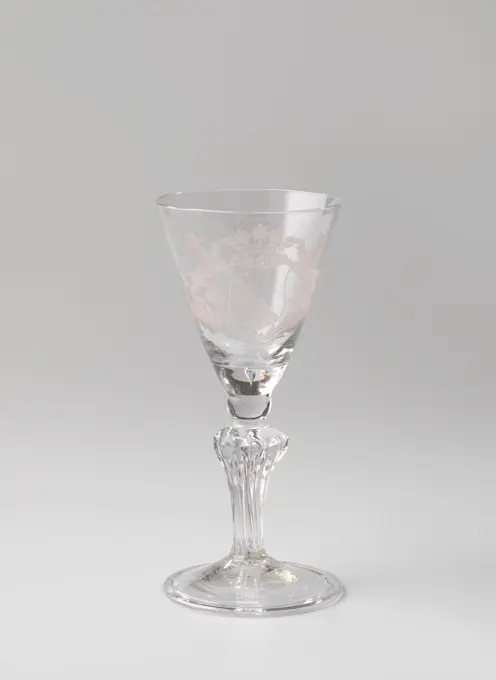
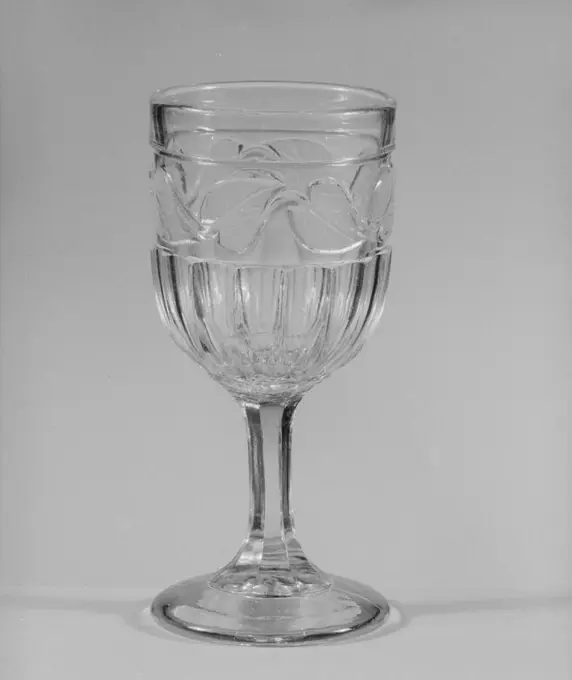
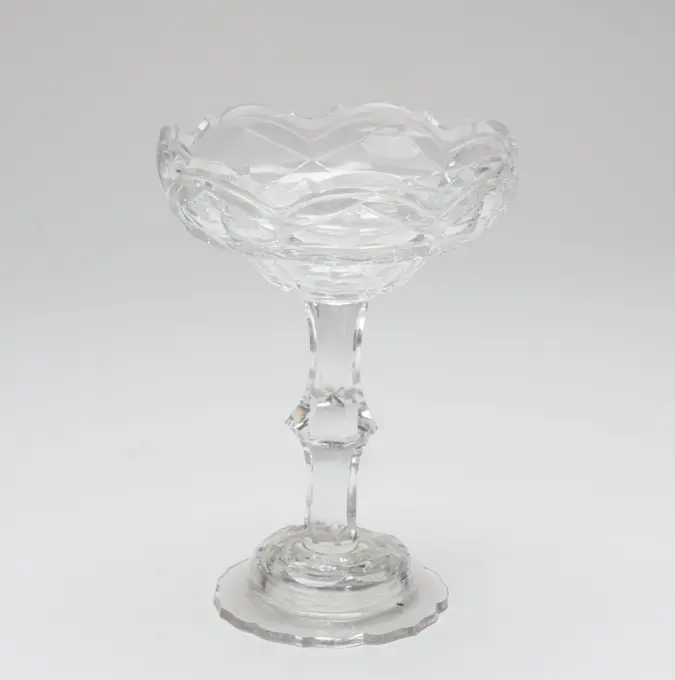
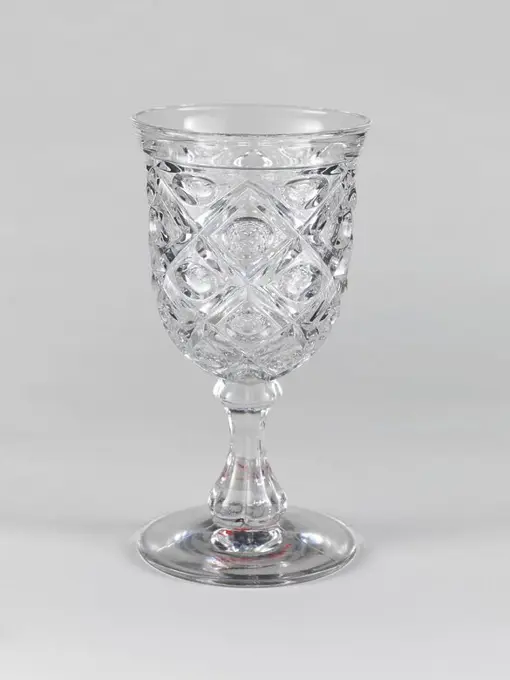
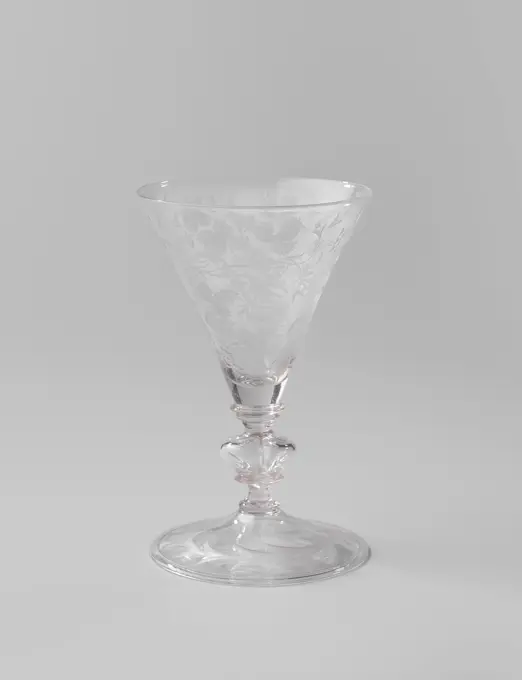
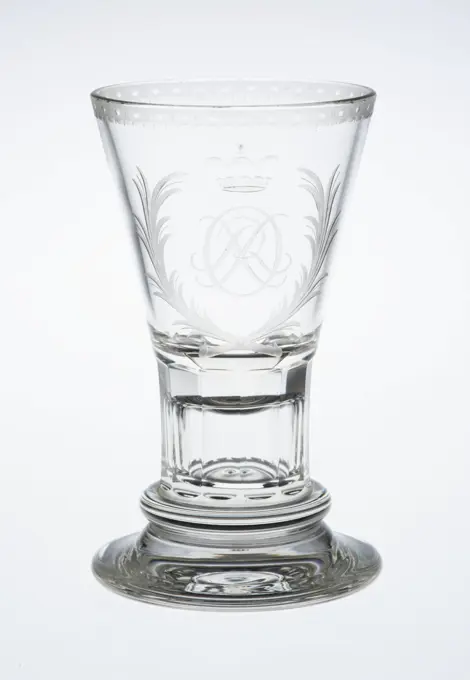
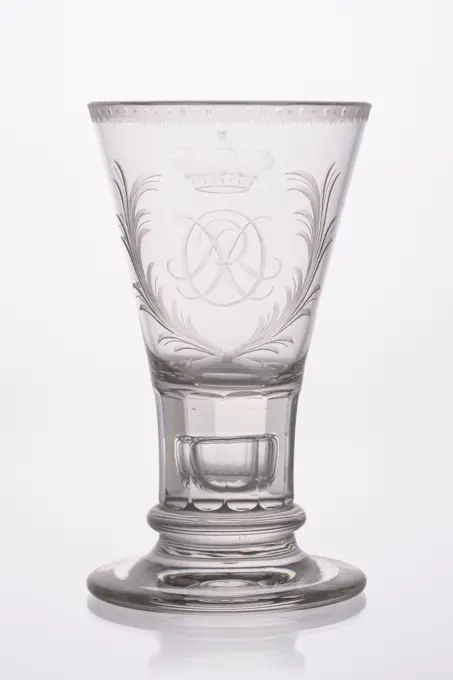
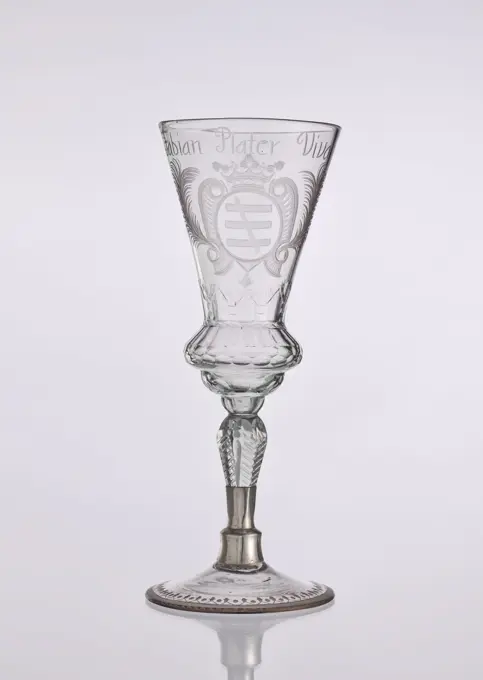
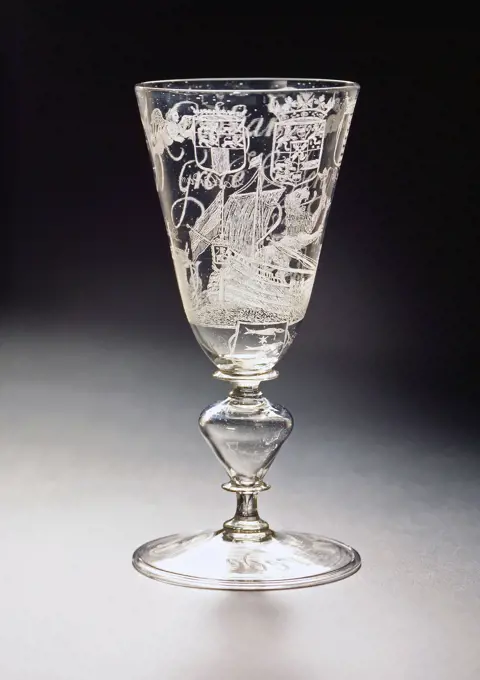
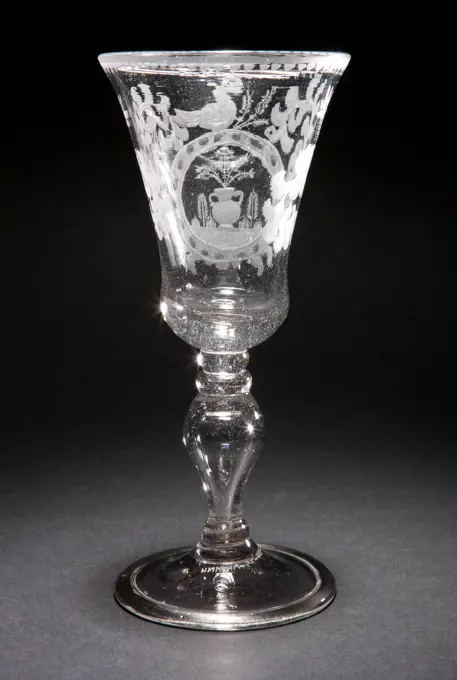
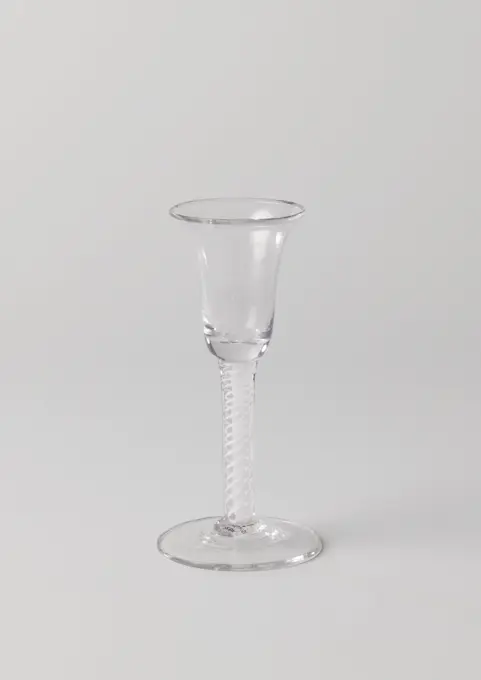
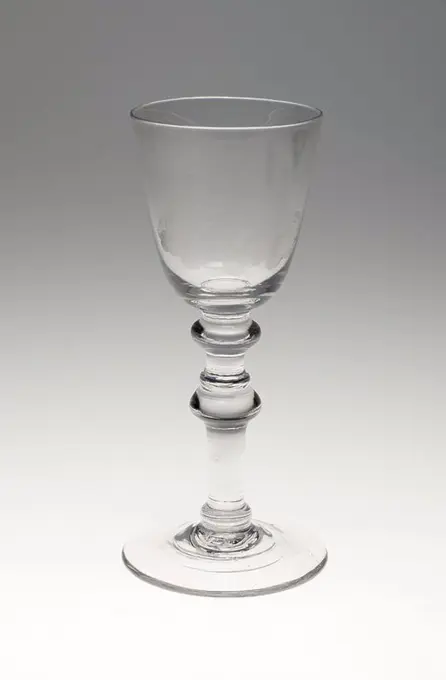
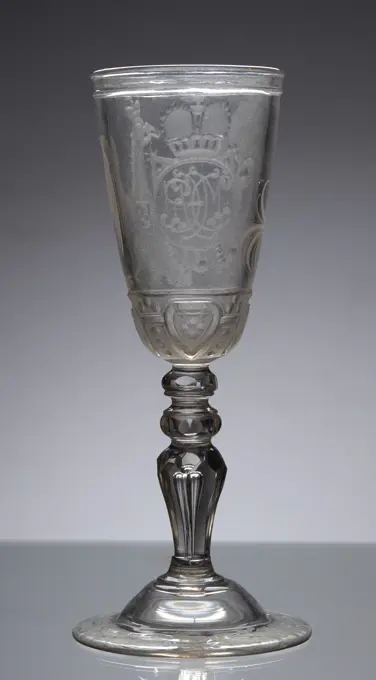
Bokaal with the weapon of Willem IV, Anonymous, c. 1725 goblet Bokaal with flat foot. Balus -shaped trunk with three knots. Funnel -shaped chalice with massive bottom. On the chalice the crowned weapon of Stadholder Prince William IV (1711-1751) flanked by an orange branch on the right side and a palm branch on the left. Both branches are tied together under the weapon. glassblower: EnglandNorthern Netherlands glass glassblowing
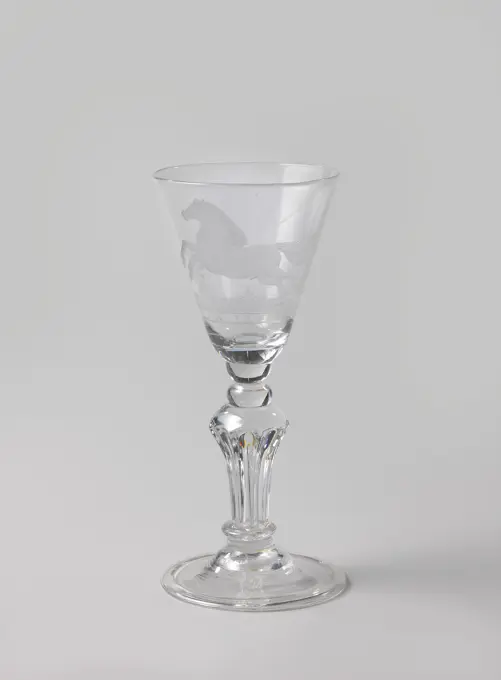
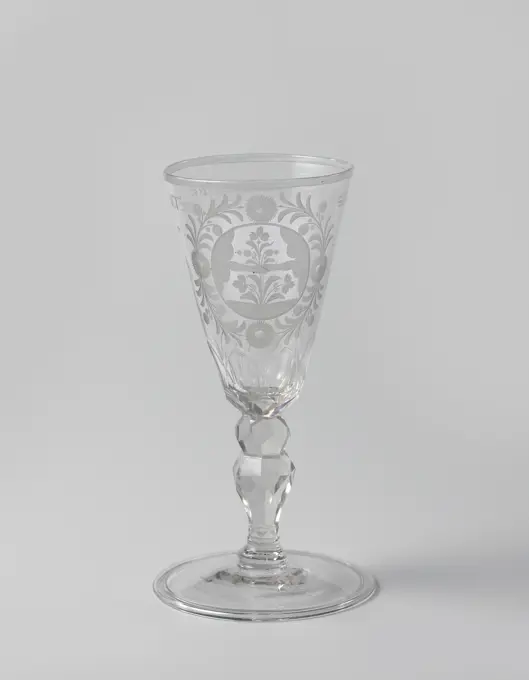
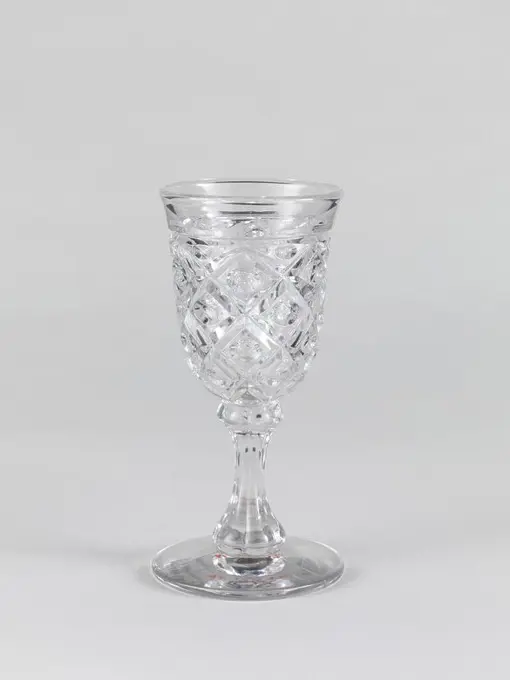
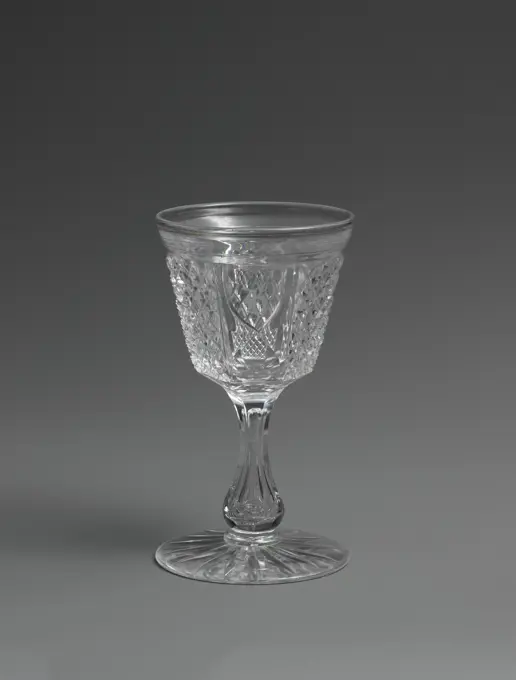
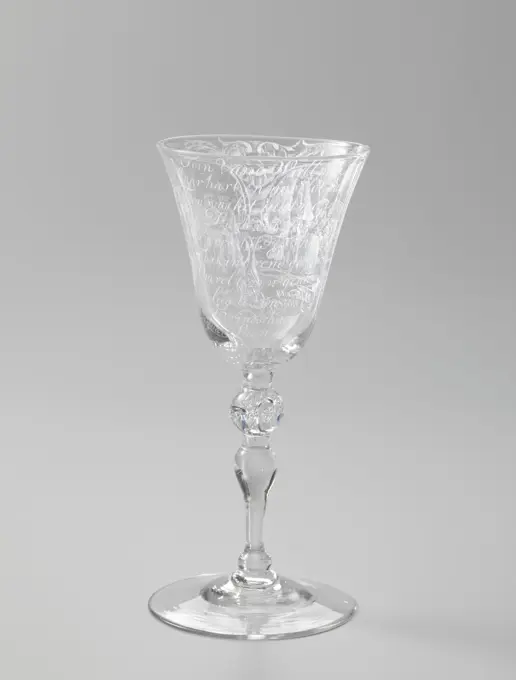
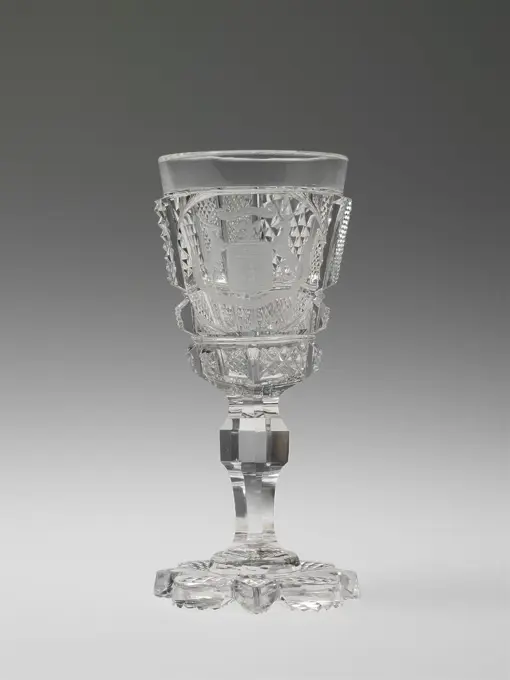
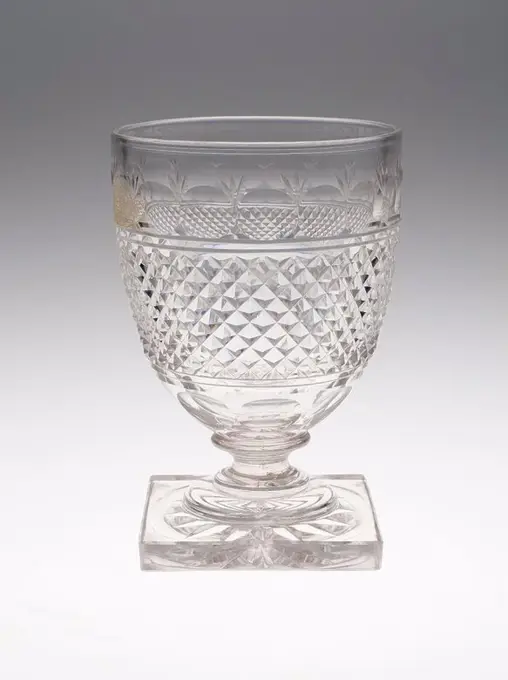
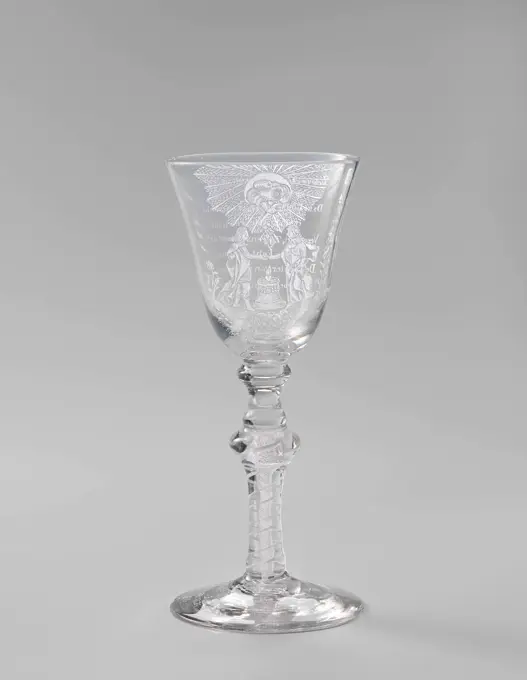
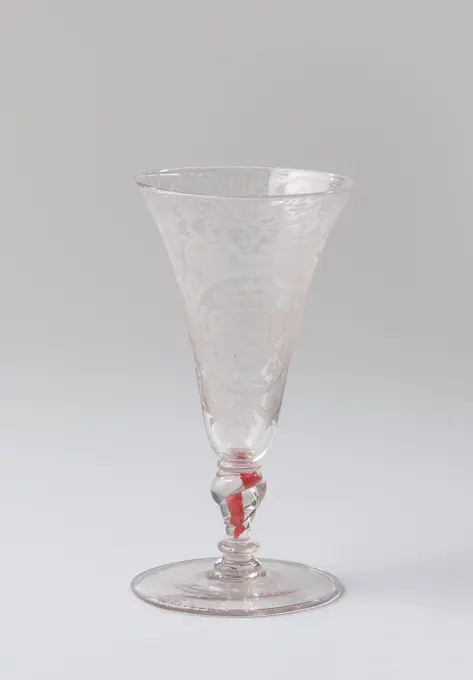
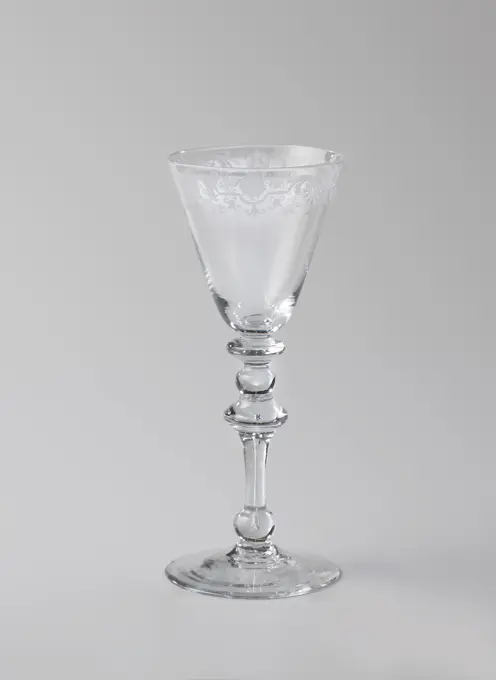
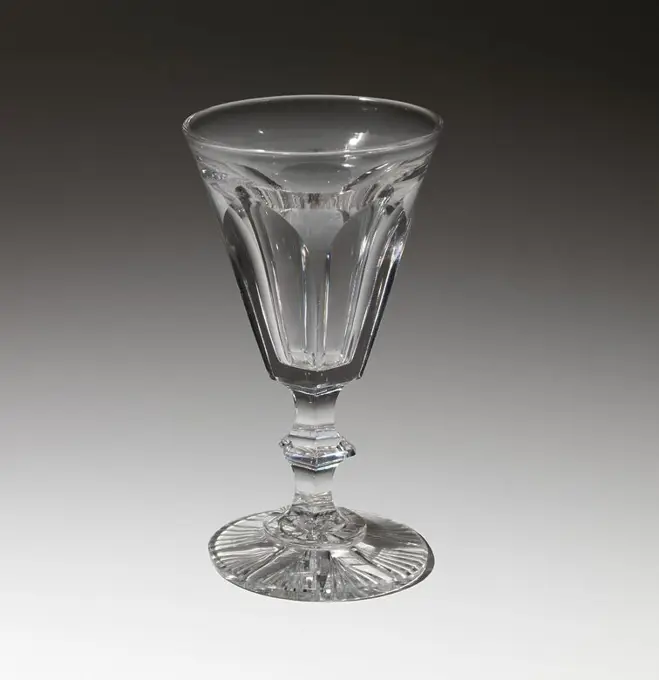
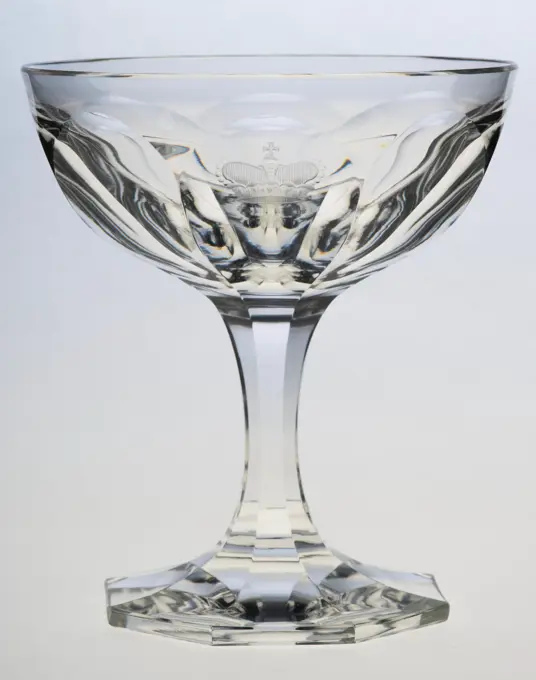
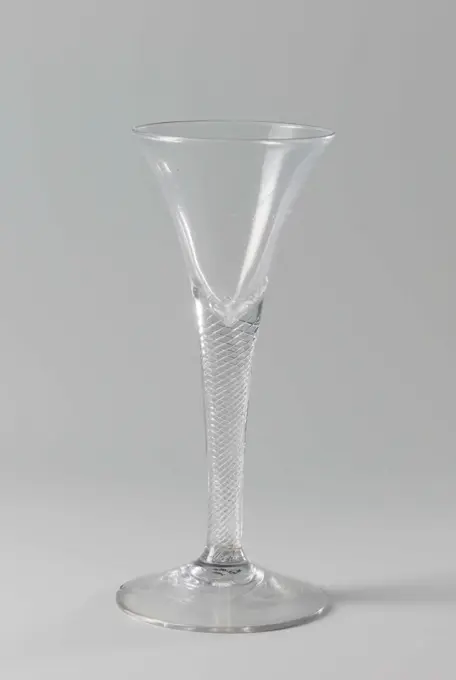
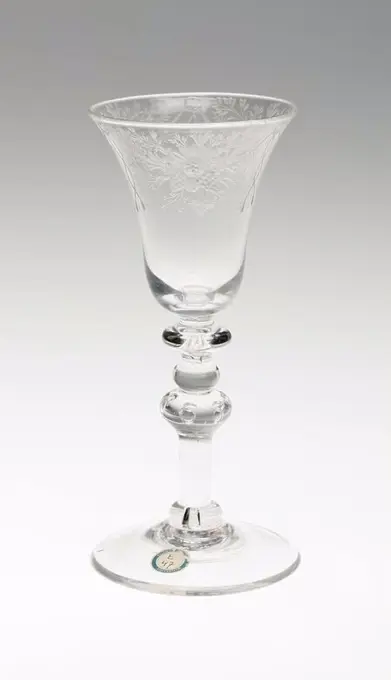
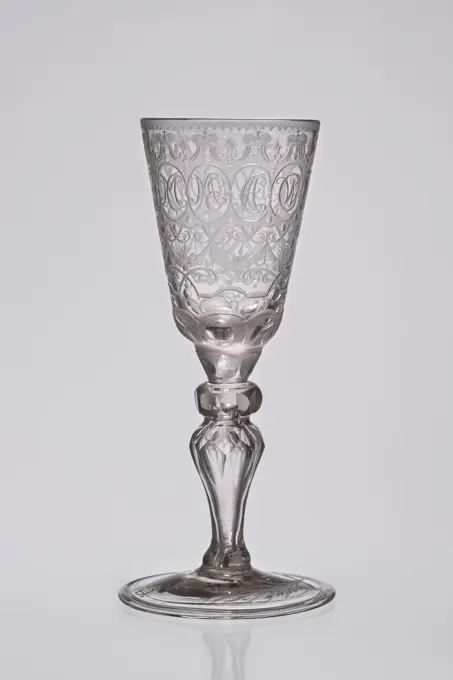
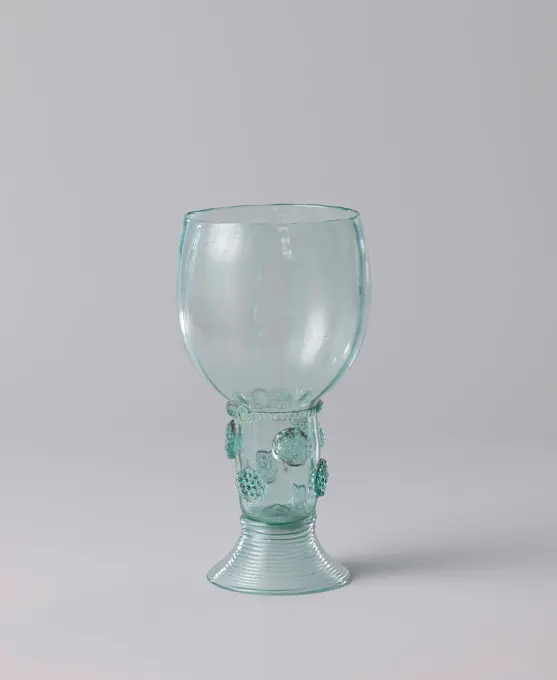
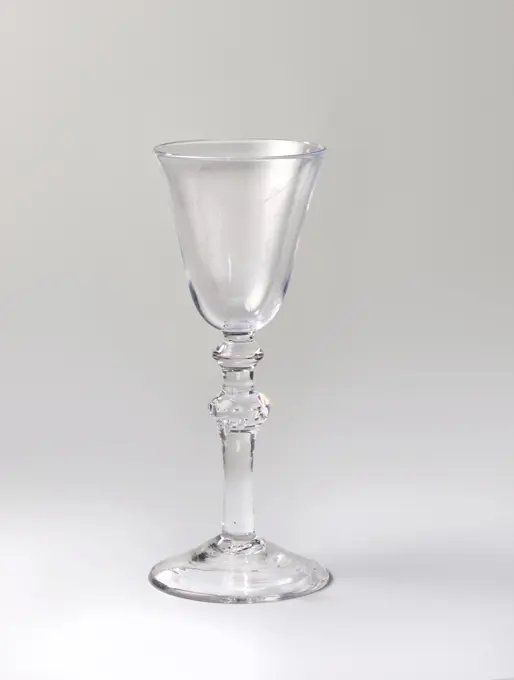
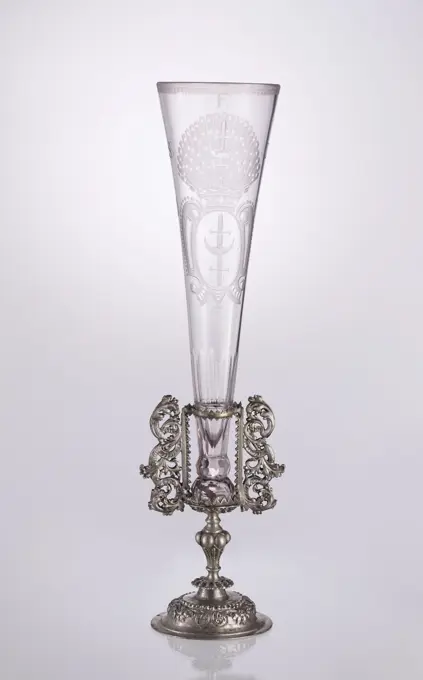
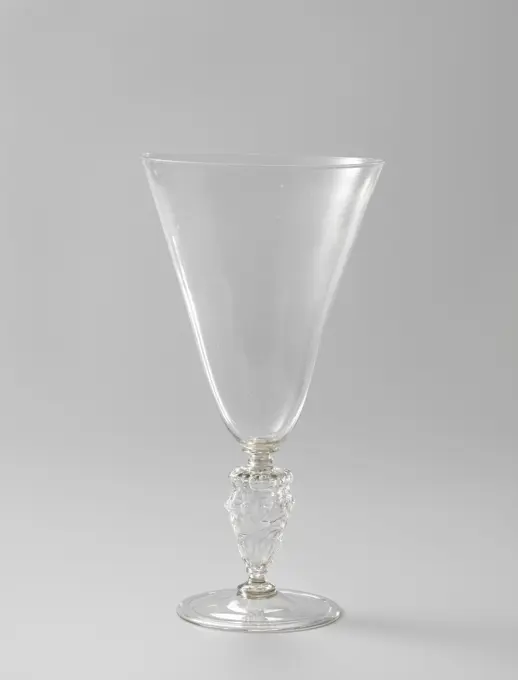
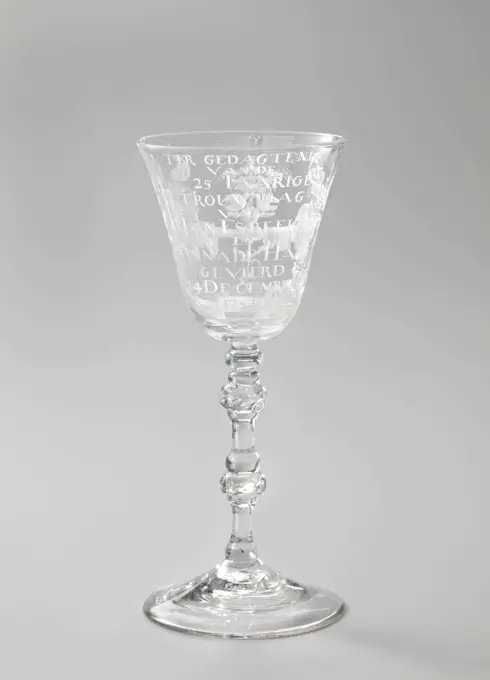
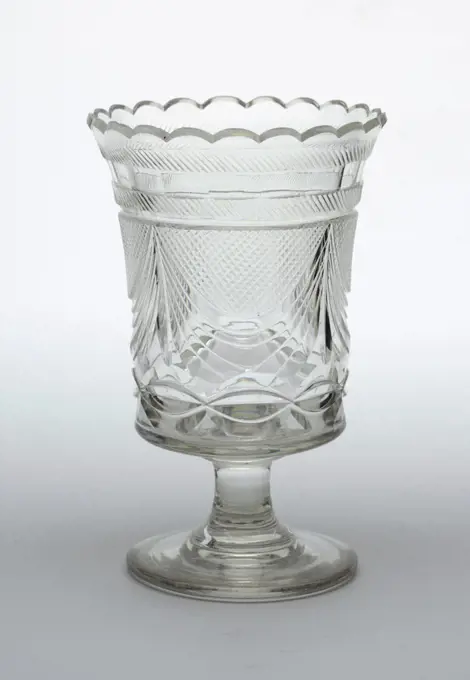
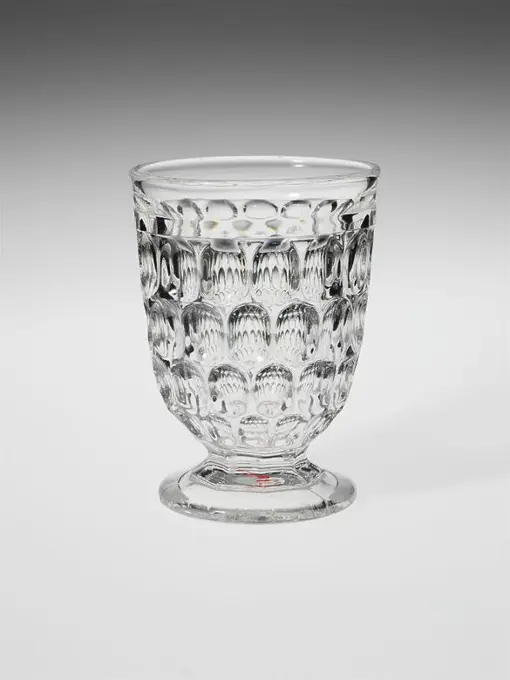
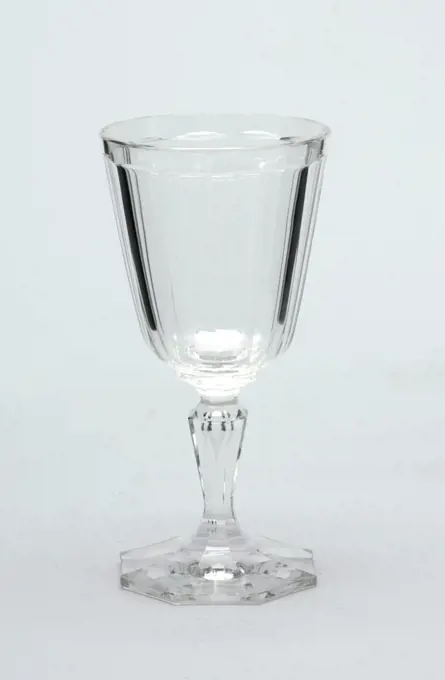
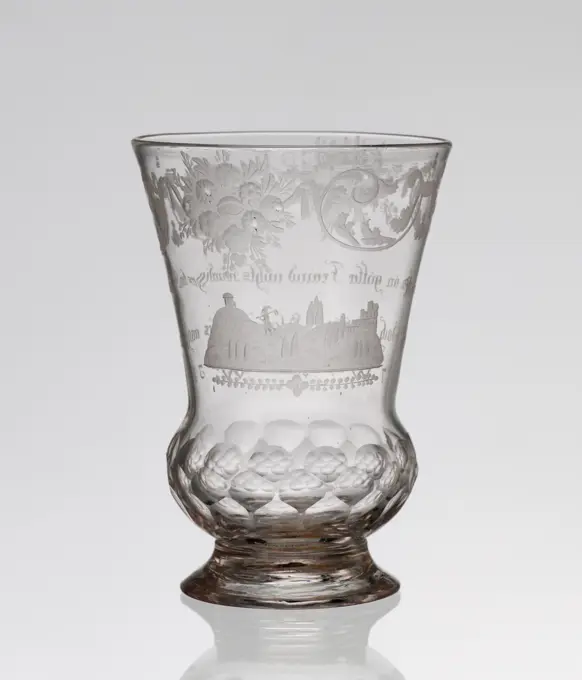
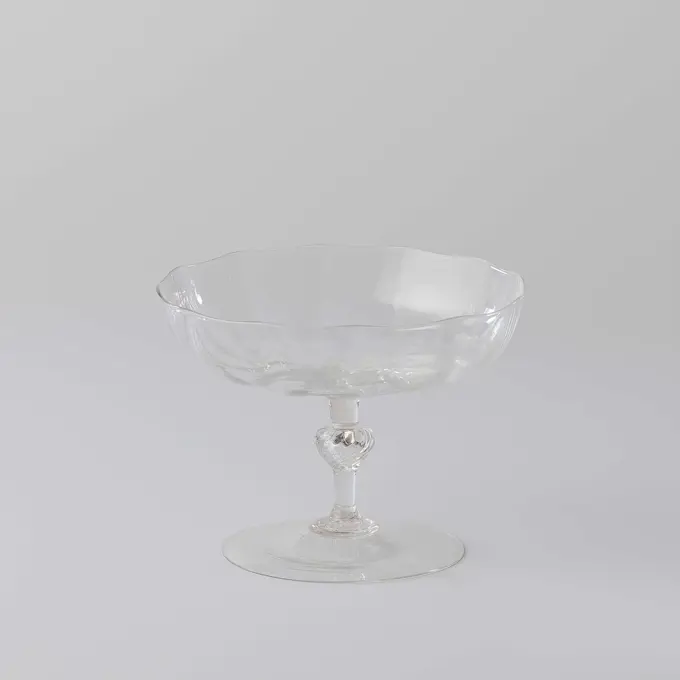
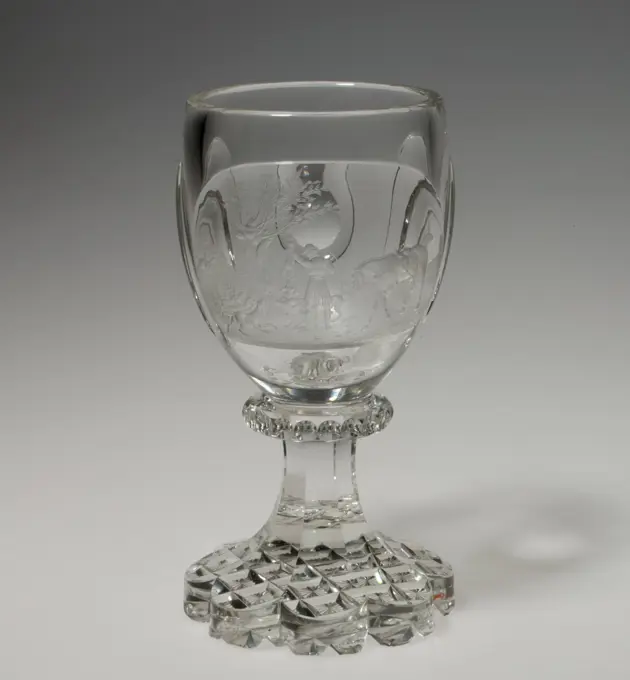
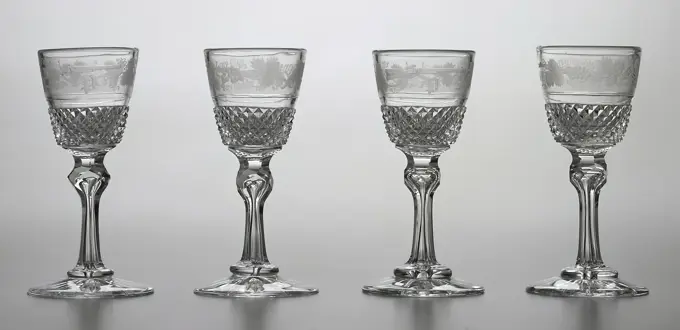
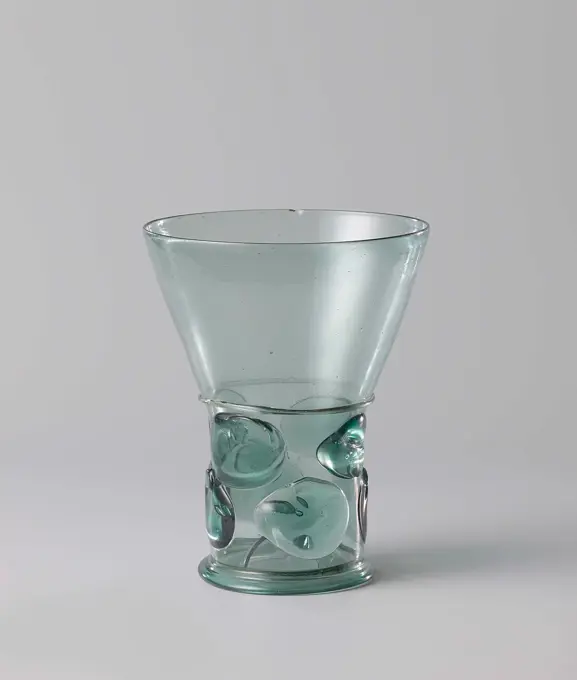
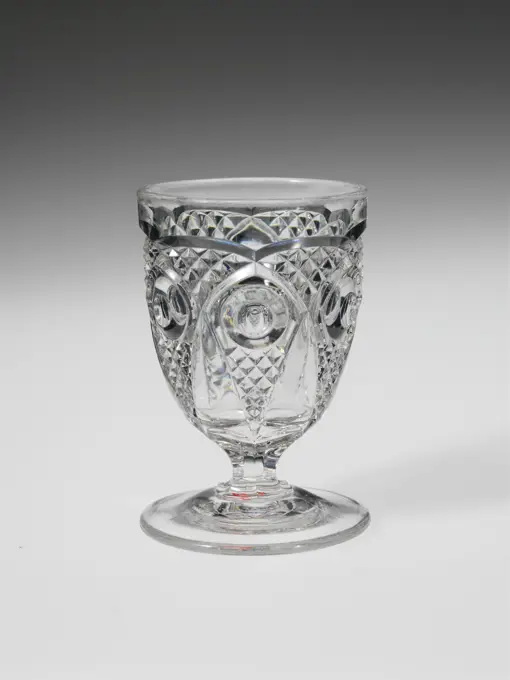
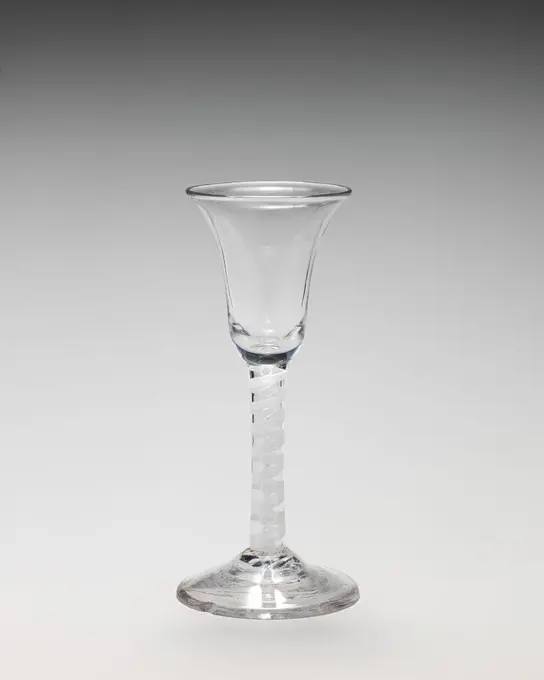
Kelkglas with two rosettes. Conical foot. Baluster trunk with unless knot. On the chalice two engraved rosettes with six leaves.Bokaal with the weapon of Willem IV, Anonymous, c. 1725 goblet Bokaal with flat foot. Balus -shaped trunk with three knots. Funnel -shaped chalice with massive bottom. On the chalice the crowned weapon of Stadholder Prince William IV (1711-1751) flanked by an orange branch on the right side and a palm branch on the left. Both branches are tied together under the weapon. glassblower: EnglandNorthern Netherlands glass glassblowingGoblet 1825-1850 France. Glass with gold decoration .Wine glass with a depiction of the alliance between the Batavian Republic and the French Republic, anonymous, c. 1795 Conical foot. Smooth, broadening tribe, transferring to a curved chalice. On the Kelk an allegory on the alliance between the Batavian and the French Republic, closed on May 16, 1795. In a landscape with trees, the Dutch virgin with lance and freedom hat is sitting. She hands over a palm branch to an elegant dressed young man who symbolizes the French Republic. Behind the Virgin is the head of the Batavian lion, behind the young man, the Gallische Haan walks with a laurel wreath in the beak. Between them in a bundle of Fasces, to the right of the Virgin is a garden vase on a pedestal. Above the representation the all -seeing eye of God with a jet wreath. glassblower: EnglandNorthern Netherlands glass glassblowing Conical foot. Smooth, broadening tribe, transferring to a curved chalice. On the Kelk an allegory on the alliance between the Batavian and the French Republic,Bagic with two jocked hands and the inscription: the good friendship. Vaulted foot. Baluster trunk with an elongated bubble and one large and two small buttons. On the light conical chalice, two hands cut within a crowned cartouche as well as the words: the good friendship. Lid with flower decoration.Chalice glass with funnel -shaped chalice, anonymous, c. 1725 - c. 1750 Chalice glass with conical base with a hollow rim turned. On a cuff a low cylinder -shaped trunk transferred to a high, funnel -shaped, slightly flared chalice. England glass glassblowing Chalice glass with conical base with a hollow rim turned. On a cuff a low cylinder -shaped trunk transferred to a high, funnel -shaped, slightly flared chalice. England glass glassblowingChalice glass with two putti on clouds, anonymous, c. 1770 - c. 1780 Conical foot. Balus -shaped trunk with a wreath of air bubbles, two knots. Conical chalice rounded at the bottom. On the chalice two putti on clouds, one with a triangel, the other with a rocket. Above the image a banderolle with the text joy. Glassblower: Englanddrudet glass glassblowing Conical foot. Balus -shaped trunk with a wreath of air bubbles, two knots. Conical chalice rounded at the bottom. On the chalice two putti on clouds, one with a triangel, the other with a rocket. Above the image a banderolle with the text joy. Glassblower: Englanddrudet glass glassblowingBokaal with a horse and the inscription: Aurea Libertas, Anonymous, c. 1725 - c. 1750 goblet Bokaal with clock -like curved foot. Hexagonal stam with two buttons and a disc. On the conical chalice an engraved representation of a horse and the inscription: Aurea Libertas. glassblower: EnglandNorthern Netherlands glass grinding / glassblowingCup with two committed hands and the inscription: the fluff is shifting. Flat foot. Faceted baluster trunk with two buttons. Conical chalice with faceted, rounded soil. On the chalice, in a round medallion surrounded by four leafy branches, interconnected by four round flowers, two joined hands, which emerged from clouds, for a blooming plant. On either side of the medallion, along the mouth edge the text: the fluff.Chalip glass with the coat of arms of the city of Utrecht, Anonymous, c. 1725 - c. 1750 Chalice glass made of clear, colorless glass, with the crowned weapon of the city of Utrecht. glassblower: EnglandNorthern Netherlands glass glassblowing Chalice glass made of clear, colorless glass, with the crowned weapon of the city of Utrecht. glassblower: EnglandNorthern Netherlands glass glassblowingWine glass. Culture: American. Dimensions: H. 4 5/16 in. (11 cm). Date: 1850-60.With the development of new formulas and techniques, glass-pressing technology had improved markedly by the late 1840s. By this time, pressed tablewares were being produced in large matching sets and innumerable forms. During the mid-1850s, colorless glass and simple geometric patterns dominated. Catering to the demand for moderately-priced dining wares, the glass industry in the United States expanded widely, and numerous factories supplied less expensive pressed glassware to the growing market. At the Exhibition of the Industry of All Nations at New York's Crystal Palace in 1853, for example, the New England Glass Company exhibited 130 pieces of one design, "consisting of bowls, tumblers, champagnes, wines, and jelly glasses." This object belongs to one such service. Although the glass manufactory is not known, the glassware is very typical of the large services that were very popular with America's middWine Glass, c. 1765, 6 1/2 in. (16.5 cm), Glass, England, 18th centuryWine Glass 1720-1755 Netherlands. Glass .Wine Glass 1795 England. Glass; cut and stipple engraved .Medium drinking vessel ca. 1855 Brooklyn Flint Glass Company This drinking glass is one of three (2015.459.2-.4) graduated sizes of glasses made for a large luxury table service. In addition to the glasses, the Museum has a compote and a decanter from the same service (69.257, 2015.459.1a, b). Dating to the mid-19th century, the service represents a moment when dining patterns were evolving, and fine tables were set with a proliferation of glassware for different functions. A Gothic-style H” is prominently engraved on each piece of glass. The service descended in the family of Johns Hopkins (1795-1873), prominent businessman, entrepreneur, abolitionist, and philanthropist of Baltimore, Maryland. Hopkins may have purchased the service for use in his country estate, Clifton, outside of Baltimore, which he extensively renovated into an Italianate mansion in 1858. It is known that he enjoyed entertaining there, welcoming family, friends and dignitaries, including the Prince of Wales (lateGoblet with Hunting Scene, Glass, Bucket bowl, outward sloping, stem with bladed knop rising from flat circular foot with pontil depression. The bowl wheel engraved with initials R E K” in rectangular frame centered on wreath of flowers and grain sprays; on other side: within a frame, a mounted horseman riding left in silhouette with hounds in panel below and birds in flight above. Leafy tree to right at panel’s edge., England, 19th century, glasswares, Decorative Arts, goblet, gobletGoblet 1725-1775 Saxony. Glass .Wine glass commemorating the wedding and birthday of Elisabeth van de Wall, anonymous, 1742 Konical foot with pontil brand. The trunk made up of a baluster and a nodus, in which air bubbles are stabbed. Light concave bent chalice with rounded underside. Two performances are engraved on the chalice on the chalice: a midwife with a child on your lap in a maternity room and second an allegorical performance at the marriage suggested by a man and a woman in an altar, an angel with a burning torch and a God with a column and a staff. Under the performance with the maternity room is the date '21 February 1705 'and under the allegorical show the date '21 .febru.1729'. There is the following poem between the two performances: then Van de Wall with stone, her heart and nutshelled, then it was with a day that she was veriaard. Now that party is being brought around, to be full, to have been donated, and to be drunk empty, out of vrindsey, in case ', from stone and Van de Wall. H. Zweerts.1742 AmWineglass. Culture: American. Dimensions: H. 5 in. (12.7 cm). Maker: Dorflinger Glass Works (1865-1881). Date: 1876.This wine glass is one of thirty-eight and a matching decanter made by the Dorflinger Glass Company for the 1876 Centennial Exposition in Philadelphia, for which the company received a certificate of award. Museum: Metropolitan Museum of Art, New York, USA.Jar with lid, with the inscription: Vreede and Vryheid, Anonymous, c. 1670 - c. 1700 Flat base with turned around. Hollow baluster tribe with a disk. Vaulted lid with a spherical button. On the conical chalice the calligraphy inscription: Vreede and Vryheid. The monogram AMVS on the bottom of the foot. glassblower: Low CountriesNorthern Netherlands glass glassblowing Flat base with turned around. Hollow baluster tribe with a disk. Vaulted lid with a spherical button. On the conical chalice the calligraphy inscription: Vreede and Vryheid. The monogram AMVS on the bottom of the foot. glassblower: Low CountriesNorthern Netherlands glass glassblowingGoblet. England. Date: 1815-1835. Dimensions: 14.5 × 9.8 cm (5 11/16 × 3 7/8 in.). Glass. Origin: England. Museum: The Chicago Art Institute, Chicago, USA.Goblet. England. Date: 1775-1799. Dimensions: 14 × 8.4 cm (5 1/2 × 3 5/16 in.). Glass. Origin: England. Museum: The Chicago Art Institute, Chicago, USA.Wineglass 18th century British. Wineglass. British. 18th century. Glass. GlassWine Glass. Culture: American. Dimensions: H. 3 7/8 in. (9.8 cm); Diam. 1 3/4 in. (4.4 cm). Date: 1850-70. Museum: Metropolitan Museum of Art, New York, USA.Glass, from a syllabub set, 1750-1780, Unknown Anglo-Irish, 4 x 2 7/8 x 2 7/8 in. (10.16 x 7.3 x 7.3 cm) (approximately), Lead and non-lead glass, England or Ireland, 18th centuryBokaal with climbing Dutch Lion and the inscription: Vreede and Vrijheijd, Anonymous, c. 1725 - c. 1750 Bokaal of sharpened glass, on which a climbing Dutch lion with sword and bundle of arrow, surrounded by a flower wreath. With inscription: Vreede and freedom. Glassblower: Saksennorthern Netherlands glass glassblowing Bokaal of sharpened glass, on which a climbing Dutch lion with sword and bundle of arrow, surrounded by a flower wreath. With inscription: Vreede and freedom. Glassblower: Saksennorthern Netherlands glass glassblowingGoblet. Culture: American. Dimensions: H. 6 3/4 in. (17.1 cm); Diam. 3 1/2 in. (8.9 cm). Date: 1850-60.With the development of new formulas and techniques, glass-pressing technology had improved markedly by the late 1840s. By this time, pressed tablewares were being produced in large matching sets and innumerable forms. During the mid-1850s, colorless glass and simple geometric patterns dominated. Catering to the demand for moderately-priced dining wares, the glass industry in the United States expanded widely, and numerous factories supplied less expensive pressed glassware to the growing market. At the Exhibition of the Industry of All Nations at New York's Crystal Palace in 1853, for example, the New England Glass Company exhibited 130 pieces of one design, "consisting of bowls, tumblers, champagnes, wines, and jelly glasses." This object belongs to one such service. Although the glass manufactory is not known, the glassware is very typical of the large services that were very popuTwisted stem glass with a wedding scene. translation of inscription: Thus Gods blessings from the clouds / pour down on you. / Where Love kindles your heart, / and thaltar vows your hand. / United be the issue from / a wedlock sweet and true, / The splendour of your / name, the / glory of the FatherlandJelly Glass 1750-1775 England. Glass .Wineglass 1750-1800 British, probably Bristol. Wineglass. British, probably Bristol. 1750-1800. Glass. Glass. Slinger glass with conical foot and lightly flared tribe. In the multiple air spiral strain. Stam continuously in trumpet-shaped chalice.Chalice glass with vines, birds and grapes, anonymous, c. 1675 - c. 1700 Chalice glass with conical foot. Hollow baluster tribe with four discs. On the conical chalice the presentation of vineyards, birds and grape bunches. glassblower: Low CountriesNorthern Netherlands glass glassblowing Chalice glass with conical foot. Hollow baluster tribe with four discs. On the conical chalice the presentation of vineyards, birds and grape bunches. glassblower: Low CountriesNorthern Netherlands glass glassblowingChalip glass with the coat of arms of the Van Beuningen family, Anonymous, c. 1700 - c. 1725 Chalice glass made of clear, colorless glass. Flat. The twisted, baluster -shaped trunk has a red spiral, a bubble and three Mereses. The funnel -shaped chalice has a rounded bottom. On the chalice, in a cartouche consisting of volutes with matted surfaces with dots and circles, surrounded by leaf work, there is an oval medallion with the crowned family crest of Beuningen, flanked by two branches that are bound together at the bottom. Along the mouth edge a band with symmetrical leaf work and flower branches. Glassblower: BOHEME DEPTION (POSSIBLY) glass glassblowing Chalice glass made of clear, colorless glass. Flat. The twisted, baluster -shaped trunk has a red spiral, a bubble and three Mereses. The funnel -shaped chalice has a rounded bottom. On the chalice, in a cartouche consisting of volutes with matted surfaces with dots and circles, surrounded by leaf work, there is an oval medallion wi. Conical foot. Breached in facets of tribe, undervantage in a curved chalice. On the chalice an alliance weapon hanging with a ribbon on a crown, and is stopped by two putti on clouds; The left with a key in hand and a dog at the feet, and the judge with freedom staff and hat. It, heraldic, right weapon, with two poles, has not been identified. The left arm, from the Herlaar family, is fortunate, in 1 and 4 three-crowned lion heads, in 2 and 3 a double-granted crossbar.Claret Glass 1800-1825 Sussex. Glass .Glass; Lobmeyr, J. & L. (Vienna; 1823-); 1920-39 (1920-00-00-1939-00-00);Glass; Lobmeyr, J. & L. (Vienna; 1823-); 1920-39 (1920-00-00-1939-00-00);Chalice glass with an ornament edge, c. 1740 - c. 1750 Conical foot. Balus -shaped trunk with four knots and an extended bubble. Funnel -shaped chalice with rounded bottom. On the chalice, along the mouth edge, a symmetrical ornament edge composed of band work, volutes, tendrils, clocks and rosettes. glassblower: Low CountriesNorthern Netherlands glass glassblowing Conical foot. Balus -shaped trunk with four knots and an extended bubble. Funnel -shaped chalice with rounded bottom. On the chalice, along the mouth edge, a symmetrical ornament edge composed of band work, volutes, tendrils, clocks and rosettes. glassblower: Low CountriesNorthern Netherlands glass glassblowingWine glass. Culture: American. Dimensions: 4 7/8 in. (12.4 cm); Diam . 2 7/8 (7.3 cm). Manufacturer: Jersey Glass Company of George Dummer (1824-1862). Date: 1824-35. Museum: Metropolitan Museum of Art, New York, USA.Cup;  1920-39 (1920-00-00-1939-00-00);Cup;  1920-39 (1920-00-00-1939-00-00);. Slinger glass with conical foot and lightly flared tribe. In the multiple air spiral strain. Stam continuously in trumpet-shaped chalice.Sling glass with bell -shaped calyx, anonymous, c. 1750 - c. 1775 Slinger glass with flat foot and straight trunk. In the trunk, white garlands swinging around, white network spiral. Bell -shaped chalice. England glass glassblowing Slinger glass with flat foot and straight trunk. In the trunk, white garlands swinging around, white network spiral. Bell -shaped chalice. England glass glassblowingWine Glass. England, Newcastle upon Tyne. Date: 1740-1750. Dimensions: 17.8 × 8.3 cm (7 × 3 1/4 in.). Glass. Origin: England. Museum: The Chicago Art Institute, Chicago, USA.Cup; Non -like Lona Huta; 3. W. 18th century (1750-00-00-1775-00-00);Wineglass 17th century Italian, Venice (Murano) During the Renaissance, Venetian glassmakers, working on the island of Murano, were celebrated across Europe for their fine and sparkling work. Called cristallo” emulating the clarity of rock crystal, in the hands of the most skilled glassblowers the medium could be delightfully manipulated, variously stretched paper-thin flat, or playfully twisted, or blown into molds with spectacular patterns.. Wineglass 186097Berkmeier with three rows of flat studs, anonymous, c. 1800 - Before 1875 Flat, spun from a wire. Inserted soil. The light concave chalice blown as a whole with the trunk, which is set with three rows of flat studs. The transition from the chalice to trunk indicated by a ribbed thread. Germany glass glassblowing Flat, spun from a wire. Inserted soil. The light concave chalice blown as a whole with the trunk, which is set with three rows of flat studs. The transition from the chalice to trunk indicated by a ribbed thread. Germany glass glassblowingGlass; Lobmeyr, J. & L. (Vienna; 1823-); 1920-39 (1920-00-00-1939-00-00);Chalip glass with trunk in the form of a Posthoorn, Anonymous, c. 1725 - c. 1775 Vaulted foot with turned around. Stam in the shape of a Waldhoorn. Conical chalice with rounded soil. On the chalice an engraved representation of a rider who blows on a Posthoorn in front of a city wall. Bohemia glass glassblowing Vaulted foot with turned around. Stam in the shape of a Waldhoorn. Conical chalice with rounded soil. On the chalice an engraved representation of a rider who blows on a Posthoorn in front of a city wall. Bohemia glass glassblowingSlinger glass with trumpet -shaped chalice, anonymous, c. 1750 - c. 1775 Slinger glass with conical foot and straight, light concave tribe. In the trunk a multiple opaque white pendulum around a double white spiral, turning into a trumpet -shaped chalice. England glass glassblowing Slinger glass with conical foot and straight, light concave tribe. In the trunk a multiple opaque white pendulum around a double white spiral, turning into a trumpet -shaped chalice. England glass glassblowingRoemer with two rows of braam buds. Roemer with inserted soil on concave, spun base from a wire. The egg-shaped chalice with light ribs, as a whole blown with the trunk that is busy with two rows of braam buds. The transition from the chalice to the trunk is indicated by a ribbed wire.. translation of inscription: bind and uniteChalk glass with two shaking boys, Anonymous, 1770 Vaulted foot. Baluster tribe with a knot and air bubbles. Conical chalice rounded at the bottom. On the chalice, in a landscape with trees, two boys who shake hands. The left boy has a filled glass. Above the show a banderolle with the text: friendship. On the downside a second Banderolle with the text: Present done to the scourge of the VVVVV Den 10 Feb 1770 Joh Colla. glassblower: EnglandThe Hague glass glassblowing Vaulted foot. Baluster tribe with a knot and air bubbles. Conical chalice rounded at the bottom. On the chalice, in a landscape with trees, two boys who shake hands. The left boy has a filled glass. Above the show a banderolle with the text: friendship. On the downside a second Banderolle with the text: Present done to the scourge of the VVVVV Den 10 Feb 1770 Joh Colla. glassblower: EnglandThe Hague glass glassblowingFlute; Naliboki (glassworks; 1722-1862); approx. 18th century (1740-00-00-1760-00-00);Antoni Jan (1844-1934) - collections, arrows, coats of arms, monograms, purchase (provenance)Glass; Non -like Lona Huta; 2. PO. 18th century (1750-00-00-1800-00-00);Presentation vase New England Glass Company American 1843 Depictions of glasshouses on glassworks are rare. The engraving on this important presentation vase depicts the New England Glass Company with the chimneys of its three furnacestwo for glass and one for lead. The inscription “From / Henry Whitney / to / Thomas Leighton / East Cambridje / August 1843 / A token of grateful remembrance” highlights two notable figures of the New England Glass Company, Henry Whitney and Thomas Leighton. The vase was presented to Leighton on Whitney’s retirement from the firm in 1843.Cup; Naliboki (glassworks; 1722-1862), Urzecze (Huta Zwierciadlana; 1737-1846); before 1742 (1730-00-00-1742-00-00);Patek Stanisław, Piotrowski Adam Marian, Dar (provenance), HerbyChalip glass, funnel -shaped with unadorned cylindrical trunk and round foot, Anonymous, 1800 - 1900 Chalip glass, funnel -shaped with unadorned cylindrical trunk and round foot.  glass Chalip glass, funnel -shaped with unadorned cylindrical trunk and round foot.  glassGoblet, anonymous, c. 1575 - c. 1650 Glass à la façon de Venise. Flat base with turned around. Hollow baluster tribe. Baluster in mold with maskerons and two rosettes blown. High, conical chalice. Netherlands glass glassblowing Glass à la façon de Venise. Flat base with turned around. Hollow baluster tribe. Baluster in mold with maskerons and two rosettes blown. High, conical chalice. Netherlands glass glassblowingWineglass 18th century British. Wineglass. British. 18th century. Glass. GlassKelkglas on the 25th anniversary of Jan Esbeek and Anna de Haas. Vaulted foot. The baluster-shaped strain with two assembled buttons, three buttons and two tires with air bubbles. The conical chalice has a rounded soil. On the chalice, between seed beads with flower branches and leaf refines, above a fountain with a water-sping child and for a crowned anchor with two tortoal pigs, two hands intervened from clouds under a radiant sun and a burning heart. On the other side of the glass the inscription: to commitment // of the // 25 Ianig // Weddingdag // van // Ian Esbeek // En // Annade Haas // celebrated // December 4 // 1752.Sweetmeat glass, Glass, Double ogee-shaped bowl, ribbed, on tall multi-knopped stem; domed, ribbed base, folded over at edge; pontil mark base., England, 1750-75, glasswares, Decorative Arts, Sweetmeat glassVase, glass, Tall straight sides slightly flared at scalloped top rim, flat bottom, tall spool stem on flat circular base; sides cut with large swags with small diamonds above and a row of losenges below, under rim has a row of facets with blazes on each side., Waterford, Ireland, ca. 1783-99, glasswares, Decorative Arts, VaseWillem Mooleyser (), Wineglass with diamond engraving containing, among others, coat of arms Oranje and 't Welvaren van de Grote Visserey, Rotterdam, wineglass drinking glass drinkware tableware holder glass, goblet h 14,0, blown engraved round foot folded rim hollow baluster two knots chalice 't Welvaren of the Grote Visserey Rotterdam Brielle Delft Enkhuijsen Schiedam (diamond engraving chalice) heraldry seafaring herring fishing herring fishing Rotterdam Brielle Den Briel Delft Enkhuizen SchiedamTumbler 1850-70 Bakewell, Pears and Company. Tumbler 3777Tumbler. Culture: American. Dimensions: H. 4 3/8 in. (11.1 cm). Maker: Bakewell, Pears and Company (1836-1882). Date: 1850-70. Museum: Metropolitan Museum of Art, New York, USA.Slinger glass with bell-shaped chalice. Slinger glass with flat foot and straight trunk. In the trunk opask white garlands around white network spiral. Bell-shaped chalice.No. 98, Ludwig Lobmeyr, Austrian, 1829 - 1917, J. & L. Lobmeyr GmbH, Vienna, Austria, founded ca. 1935, Mouth-blown crystal, faceted cut and polished, Mouth-blown crystal wine glass, elaborately facet-cut and polished, with precisely planned bubble in the stem., 1865, glasswares, Decorative Arts, White wine glass, White wine glassGlass; Non -like Lona Huta; 1733 (1733-00-00-1733-00-00);CupBerkemeyer with four rows of prunts, anonymous, c. 1575 - c. 1625 Stand ring pulled out in drops. Inserted soil. Cylindrical shaft blown on one piece with conical chalice. Four rows of Doornnoppen on shaft. The transition from the chalice to the shaft indicated by a smooth, double thread. Germany glass glassblowing Stand ring pulled out in drops. Inserted soil. Cylindrical shaft blown on one piece with conical chalice. Four rows of Doornnoppen on shaft. The transition from the chalice to the shaft indicated by a smooth, double thread. Germany glass glassblowingDish on foot with flower branches, anonymous, c. 1725 - c. 1750 Flat base, baluster -shaped, facets -sharpened trunk, four -lobe, oval chalice with four flower branches in red, blue, white and gilded, a gilded piping along the top edge. Silesia glass glassblowing Flat base, baluster -shaped, facets -sharpened trunk, four -lobe, oval chalice with four flower branches in red, blue, white and gilded, a gilded piping along the top edge. Silesia glass glassblowingTazza. Light conical foot. Massive baluster-shaped, preserved trunk. Low chalice with nozzle optically blown ribs.Kelkglas with funnel-shaped chalice. Kelkglas with flat foot. Lightly flared strain with a tear-shaped bubble. Funnel shaped chalice.Goblet ca. 1840 Dominik Bimann The taste for engraved glass, which accounted for a part of German and Austrian glass production throughout the eighteenth century, fell away toward the end of the century. However, engraving on glass did continue in the first half of the nineteenth century, especially for private clients by self-employed artisans. Dominik Biemann was one of the best of these. He was trained as a glass engraver with the wheel at Karkachov, then in Austrian Silesia (modern Czechoslovakia), until 1825. He later worked in Prague, where in the sixteenth century engraving on glass had been attempted for the first time in Europe since the Roman period. Based in Prague, Biemann made himself available to receive orders for portraits and other special commissions during the season at the fashionable spa-resort of Franzenbad, where he settled in 1828. The silver cover of this goblet (1982.97.10b) is hallmarked for Vienna, 1854. The invention of the daguerreotype diminished interestRoemer with two rows of Braamnoppen, Anonymous, c. 1750 - c. 1810 Roemer with inserted bottom on high, concave, spun from a wire. The spherical chalice and the trunk, which is occupied with two rows of blackberry naps, are blown separately. The transition from the chalice to the trunk is indicated by a ribbed thread Netherlands glass glassblowing Roemer with inserted bottom on high, concave, spun from a wire. The spherical chalice and the trunk, which is occupied with two rows of blackberry naps, are blown separately. The transition from the chalice to the trunk is indicated by a ribbed thread Netherlands glass glassblowingGoblet. Zechlin (huta szkła ; 1736-1890), creatorCordial glass, from a set of four, c. 1865, New England Glass Company (), American (Cambridge, Massachusetts), American (Cambridge, Massachusetts), H.4 x Dia.2 in., Lead glass, United States, 19th centuryVleugelglas, anonymous, c. 1800 - before 1860 Flat, foot with a red edge. Hollow, baluster -shaped trunk on which two flowers of Rose, Blue and White Glass and two curved wings with a comb ornament. Flat knot, bowl -shaped chalice with red edge. Venice glass glassblowing Flat, foot with a red edge. Hollow, baluster -shaped trunk on which two flowers of Rose, Blue and White Glass and two curved wings with a comb ornament. Flat knot, bowl -shaped chalice with red edge. Venice glass glassblowingGlass; Lobmeyr, J. & L. (Vienna; 1823-); 1920-39 (1920-00-00-1939-00-00);Goblet 1755-1765 England .Kelkglas with a mill and the inscription: the prudent of the Molakery. Kelkglas of bright, colorless glass, with conical foot. The baluster-shaped strain has three nodi. The funnel-shaped chalice has a round bottom. On the chalice an engraved representation of a mill in a meadow with two farmers, one of which saws a shelf and shifts the other. Along the mouth edge, left and right of the mill, the inscription: the prudent of the Molas Maakery.Compote - Maple Leaf PatternBerkenmeier with two rows of flat studs. Berkenmeier with outstretched bottom, spun base from a wire. The funnel-shaped chalice as a whole blown out with the trunk, which is busy with two rows very large, flat studs. The transition from the chalice to the trunk indicated by a smooth wire.Communion set, Dirk Wor (attributed to), 1736 Silver of silver. Decorated with Louis XIV ornamented edges with palmets, chalices, leaf, grid and band work. With appliqued weapon from Philip Diodati. Dordrecht silver (metal) Silver of silver. Decorated with Louis XIV ornamented edges with palmets, chalices, leaf, grid and band work. With appliqued weapon from Philip Diodati. Dordrecht silver (metal)Egg Cup 1860-70 New England Glass Company. Egg Cup 3522Wine Glass empty wine glass on white background Copyright: xZoonar.com/YannxPoirierx 1811359Sling glass with bell -shaped calyx, anonymous, c. 1750 - c. 1775 Sling glass with flat foot and trembled stem. In the stem Opening White Slingers around White network spiral. Bell -shaped chalice England glass glassblowing Sling glass with flat foot and trembled stem. In the stem Opening White Slingers around White network spiral. Bell -shaped chalice England glass glassblowingWine Glass. England or Netherlands. Date: 1790-1800. Dimensions: 19.1 × 7.6 cm (7 1/2 × 3 in.). Glass; blown and stipple engraved. Origin: England. Museum: The Chicago Art Institute, Chicago, USA.Glass;  1920-39 (1920-00-00-1939-00-00);Beaker 1750-1799 Spain. Glass .Miniature goblet early 19th century German. Miniature goblet. German. early 19th century. Glass. GlassWineglass. Culture: British. Dimensions: Overall (confirmed): 6 3/16 × 2 3/4 × 2 3/4 in. (15.7 × 7 × 7 cm). Date: 1750-1800. Museum: Metropolitan Museum of Art, New York, USA.Claret Glass. Attributed to Jersey Glass Company; American, 1824-62; Jersey City, New Jersey. Date: 1820-1845. Dimensions: 10.2 × 5.7 × 6.4 cm (4 × 2 1/4 × 2 1/2 in.). Blown glass. Origin: New Jersey. Museum: The Chicago Art Institute, Chicago, USA.CupBeaker ca. 1743-45 Johann Jakob Bruglocher II German. Beaker 231602Vetro a reticello goblet 1595-1605 Venice. The spiraling white opaque latticework in the glass of this goblet, called filigrana (filigree) or reticello (network), was a technique developed in Murano, a small island located off the coast of Venice devoted to glasswork. This effect was achieved by rolling a mass of clear molten glass over white glass canes or small rods and blowing it into a tube. Then a second tube fused with white canes tilted in an alternate direction was blown into the walls of the first and formed into the finished goblet. On close inspection of the walls of the goblet, tiny air bubbles are found between each crossing white cane, permanently trapped between the two layers.Murano dominated the European luxury glass market in the sixteenth and seventeenth centuries. Reticello goblets like this were highly sought by nobles to decorate their feasting tables, signifying their wealth and good taste.. Glass .Przeszo Przyszoci Huta enamel in NalibokiPlace Setting, c. 1890-1920. Probably America, late 19th-early 20th century. Glass; overall: 20.3 x 9.6 cm (8 x 3 3/4 in.).Vase pleat Bar, Agnieszka, Crystal Glass Huta Julia