Elegant Glassware

Artistic glassware featuring intricate designs and engravings. Refined shapes with historical context, showcasing fine craftsmanship in glass art.

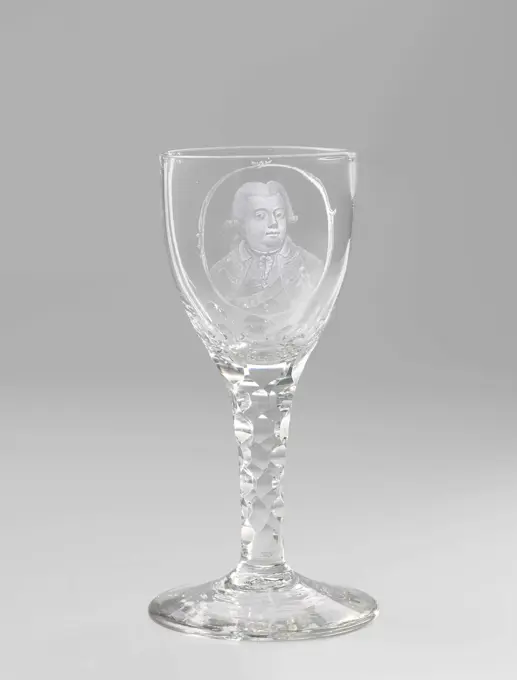
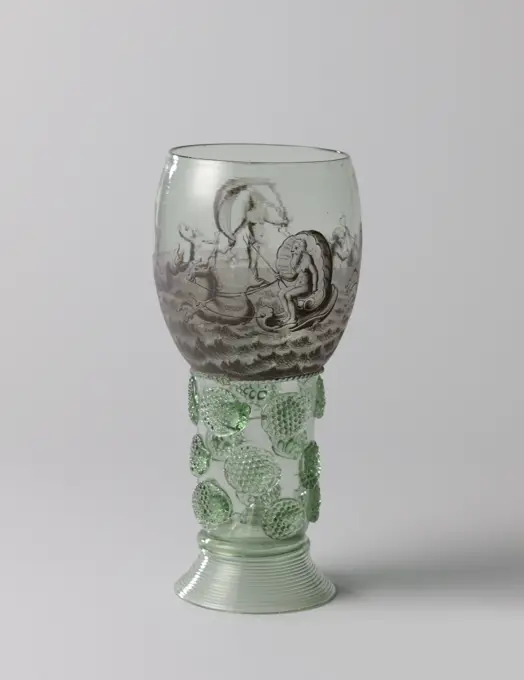
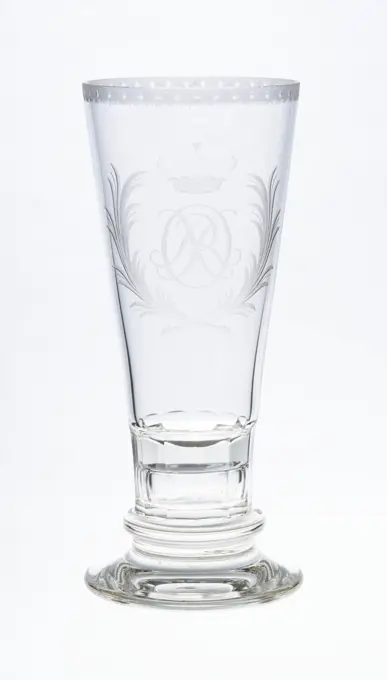
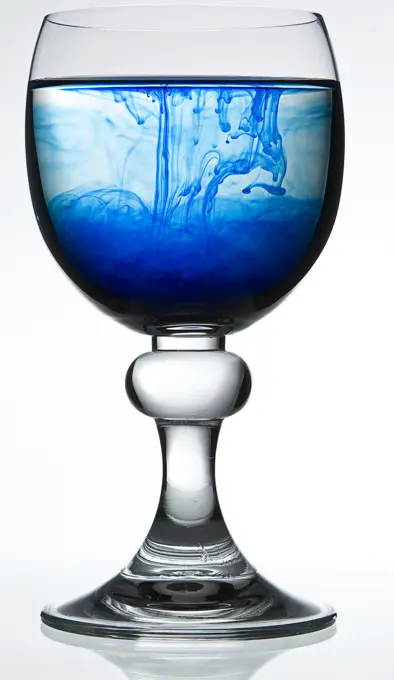
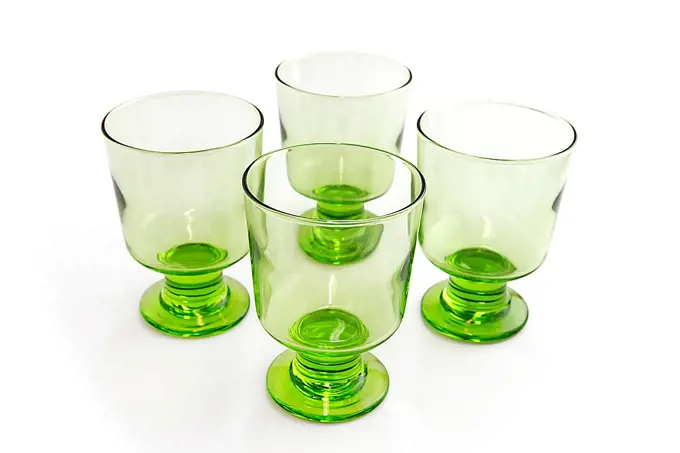
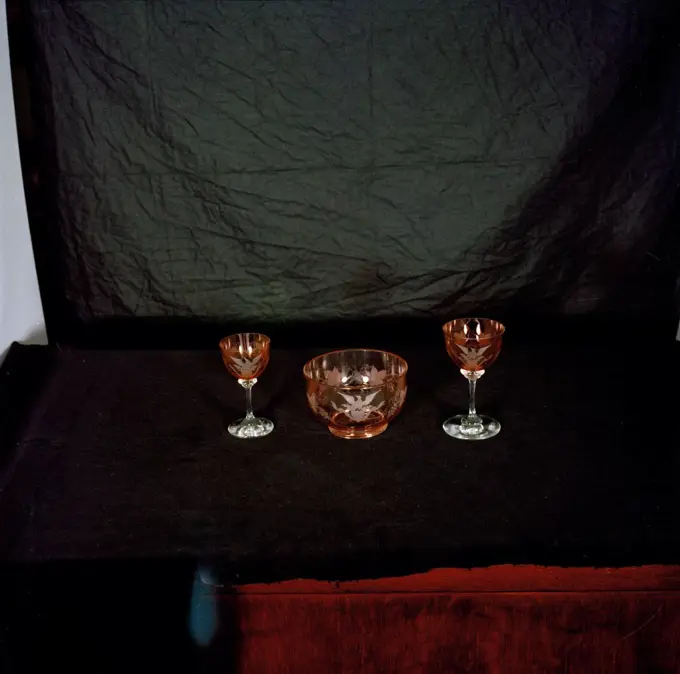
Bokaal with the weapon of Willem IV, Anonymous, c. 1725 goblet Bokaal with flat foot. Balus -shaped trunk with three knots. Funnel -shaped chalice with massive bottom. On the chalice the crowned weapon of Stadholder Prince William IV (1711-1751) flanked by an orange branch on the right side and a palm branch on the left. Both branches are tied together under the weapon. glassblower: EnglandNorthern Netherlands glass glassblowing
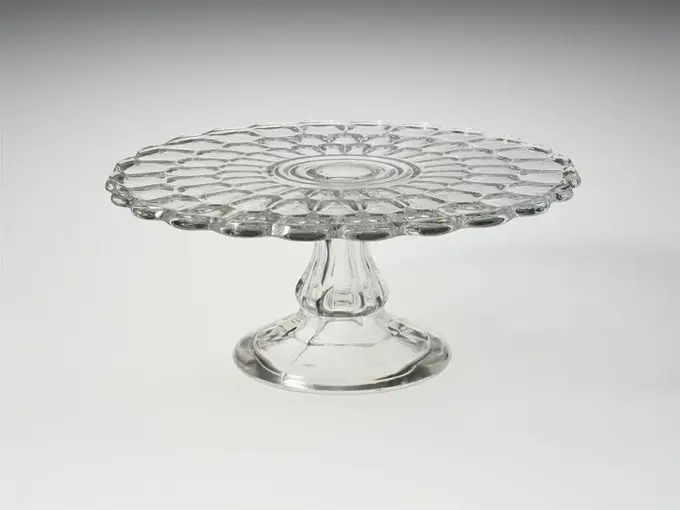
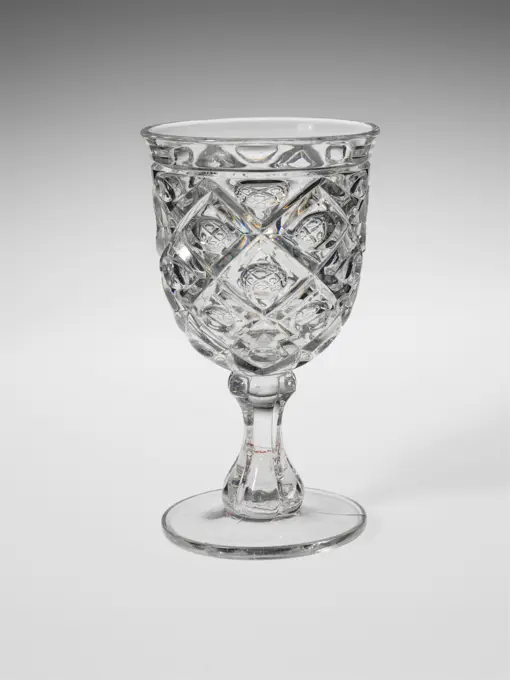
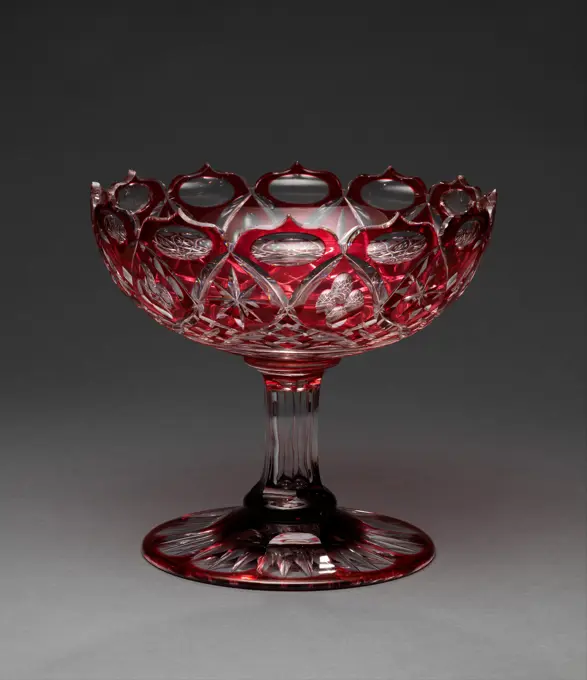
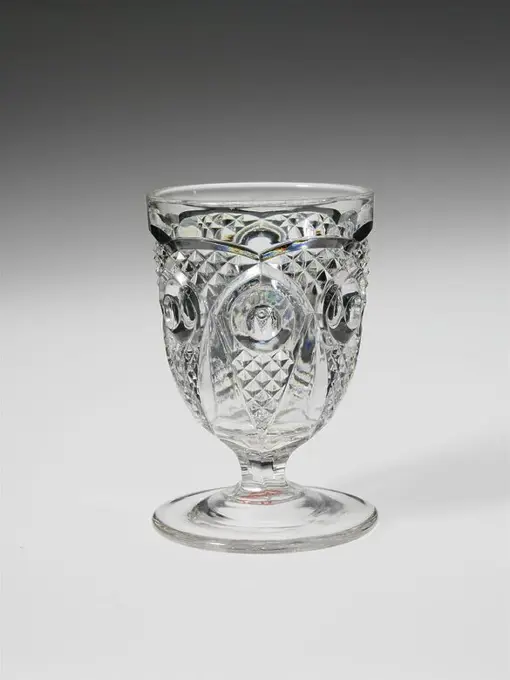
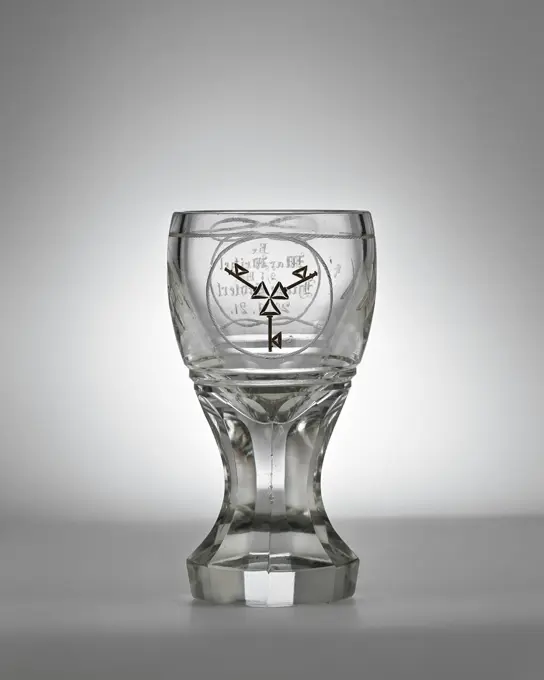
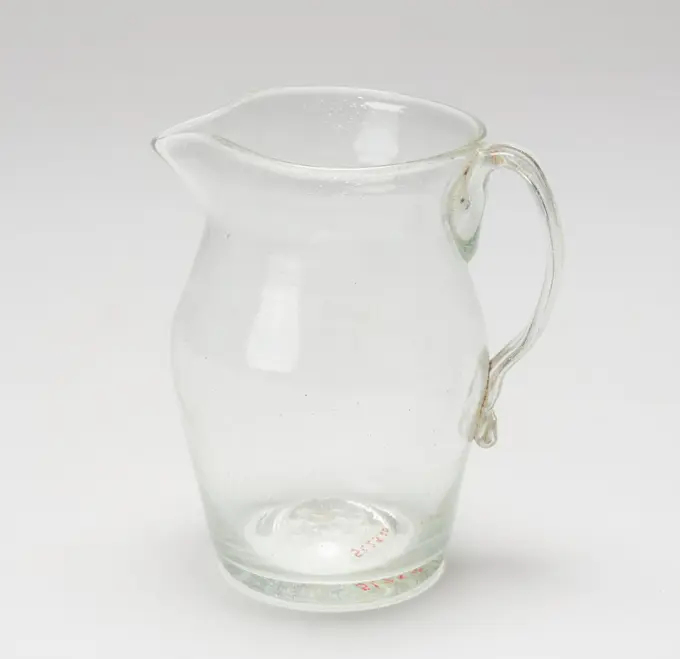
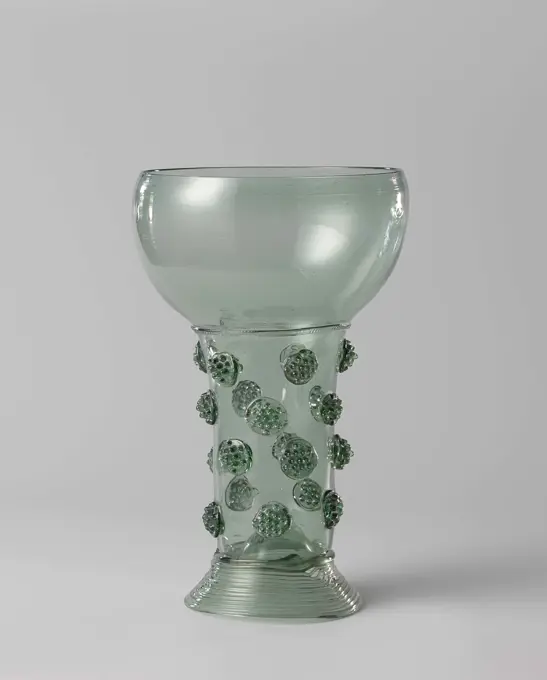
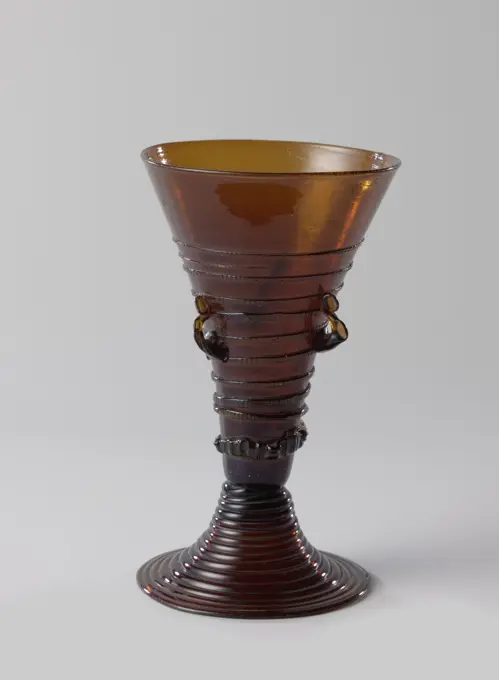
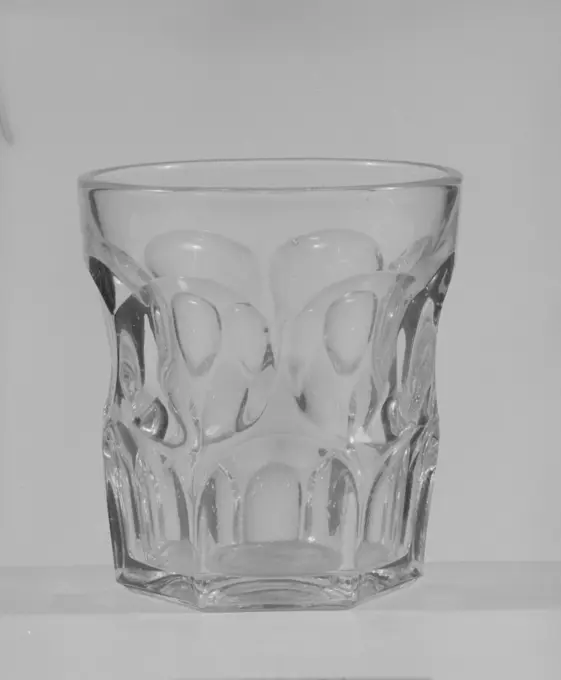
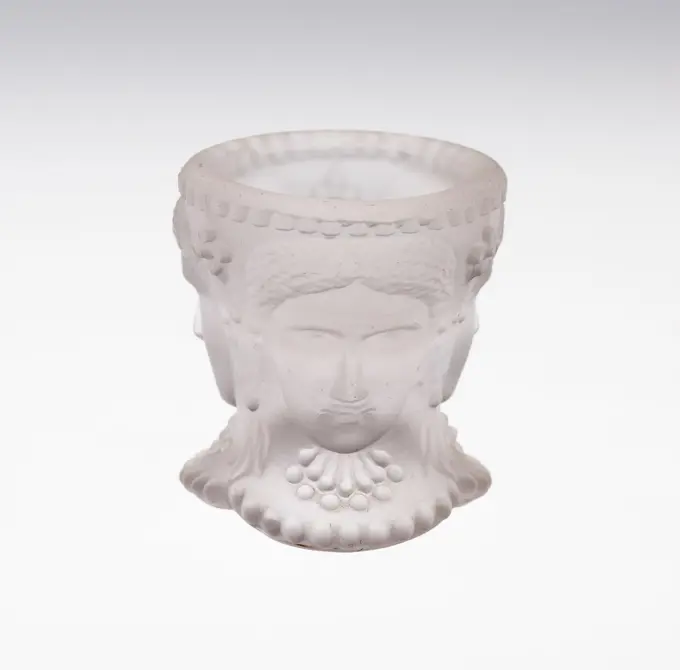
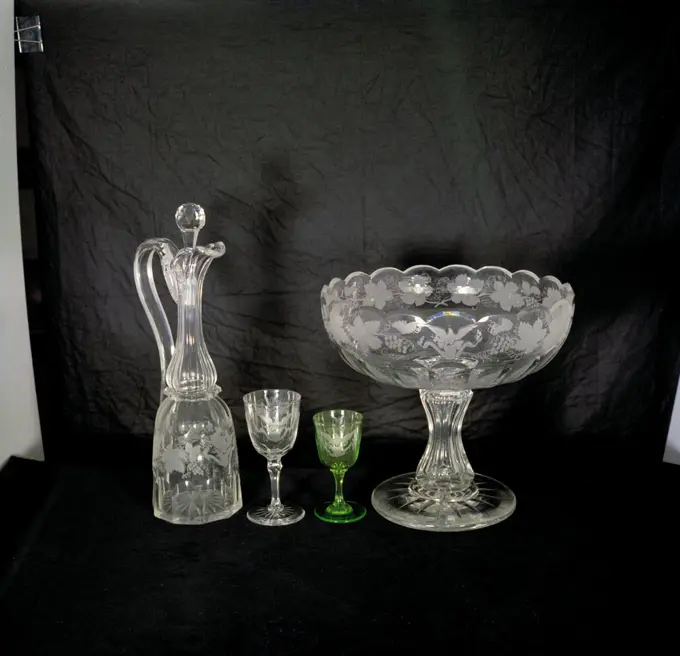
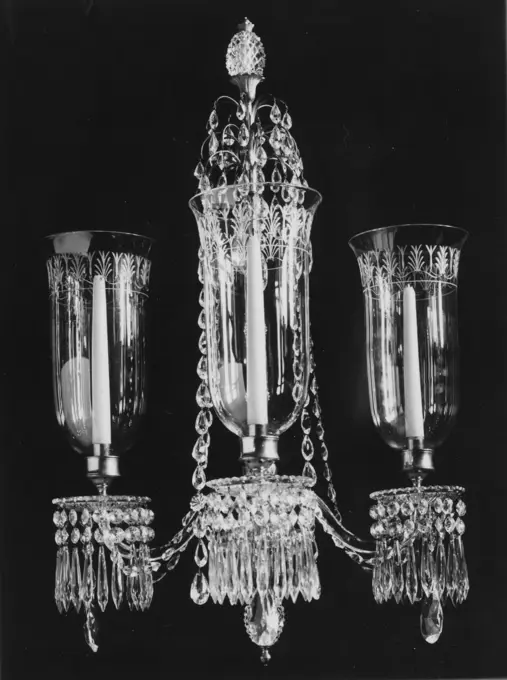
Danaids (Danaïdes) Vase. Designed by René Lalique (French, 1860-1945); Manufactured by Lalique et Cie (French, founded 1885). Date: 1926. Dimensions: 18.4 x 14.3 cm (7 1/4 x 5 5/8 in.). Glass; colorless, opalescent, mold pressed and acid etched. Origin: Paris. Museum: The Chicago Art Institute, Chicago, USA.Wineglass late 17th-first half 18th century possibly Bohemian. Wineglass. possibly Bohemian. late 17th-first half 18th century. Glass. GlassWing glass, anonymous, c. 1650 - c. 1700 Flat. The trunk made up of a rod with a white spiral laid in loops. Combing three white squeezed. Flat disc under a tulip -shaped chalice with optically blown vertical ribs. Netherlands glass glassblowing Flat. The trunk made up of a rod with a white spiral laid in loops. Combing three white squeezed. Flat disc under a tulip -shaped chalice with optically blown vertical ribs. Netherlands glass glassblowingCake Stand. Culture: American. Dimensions: H. 4 1/8 in. (10.5 cm); Diam. 9 3/4 in. (24.8 cm). Maker: Bakewell, Pears and Company (1836-1882). Date: 1850-70. Museum: Metropolitan Museum of Art, New York, USA.Goblet 1850-60 American With the development of new formulas and techniques, glass-pressing technology had improved markedly by the late 1840s. By this time, pressed tablewares were being produced in large matching sets and innumerable forms. During the mid-1850s, colorless glass and simple geometric patterns dominated. Catering to the demand for moderately-priced dining wares, the glass industry in the United States expanded widely, and numerous factories supplied less expensive pressed glassware to the growing market. At the Exhibition of the Industry of All Nations at New Yorks Crystal Palace in 1853, for example, the New England Glass Company exhibited 130 pieces of one design, "consisting of bowls, tumblers, champagnes, wines, and jelly glasses." This object belongs to one such service. Although the glass manufactory is not known, the glassware is very typical of the large services that were very popular with Americas middle class in the nineteenth century.. Goblet 4099Masonic cup. unknown, authorGlass;  1920-39 (1920-00-00-1939-00-00);Glass;  around 1850 (1840-00-00-1860-00-00);Water glass, from a set of four, c. 1830, 5 1/4 x 3 1/4 x 3 1/4 in. (13.34 x 8.26 x 8.26 cm), Cut glass, France (), 19th centurySherry glass, from a set of four, c. 1830, 4 1/4 x 2 3/8 x 2 3/8 in. (10.8 x 6.03 x 6.03 cm), Cut glass, France (), 19th centuryGoblet 1870-90 Challinor, Taylor and Company. Goblet. American. 1870-90. Pressed purple marble glass. Made in Tarentum, Pennsylvania, United StatesCompote 1855-70 Probably New England Glass Company. Compote 667455Drinking Glass. Italy, Venice, circa 1550-1650. Furnishings; Serviceware. GlassKelkglas with trumpet-shaped base. Chalice glass with trumpet-shaped base with beaten edge. Baluster-shaped, hollow, baluster-shaped strain with two discs. Fully shaped, wide chalice.Egg Cup. Culture: American. Dimensions: H. 4 in. (10.2 cm); Diam. 2 5/8 in. (6.7 cm). Maker: New England Glass Company (American, East Cambridge, Massachusetts, 1818-1888). Date: 1860-70. Museum: Metropolitan Museum of Art, New York, USA.CupGlass;  1920-39 (1920-00-00-1939-00-00);. Conical foot. Breading, faceted trunk, accomplished in a curved chalice. On the chalice, in a picture frame of Rococo ornament, a portrait of Stadholder Prince Willem V (1748-1806). At the foot D: Wolff 1796.Maso cup;  around 1900 (1895-00-00-1905-00-00);Germany, the key (Masonic symbol), Freemasonry, FreemasonryPitcher, 18th-19th century, 5 x 4 1/4 x 3in. (12.7 x 10.8 x 7.6cm), Glass, United States, 18th-19th centuryTumbler second quarter 18th century Bohemian. Tumbler. Bohemian. second quarter 18th century. Glass. GlassKiddush cups (for drinking wine at Jewish festivals or the Sabbath.) Dutch c1850.Glass; Unfolded author, indefinite Lona Huta; 2 after. XVII century (1650-00-00-1700-00-00);genre scenesTumbler. Culture: American. Dimensions: H. 3 1/16 in. (7.8 cm); Diam. 2 13/16 in. (7.1 cm). Date: ca. 1825. Museum: Metropolitan Museum of Art, New York, USA.Standing cup with cover early 18th century German, Silesia. Standing cup with cover. German, Silesia. early 18th century. Glass. GlassA wine glass standing on a reflective surface.Various wine glasses standing on a reflective surface.Glass; Lobmeyr, J. & L. (Vienna; 1823-); 1920-39 (1920-00-00-1939-00-00);Roemer with four rows of braam buds. Large grummer with inserted bottom on low, conical, spun base from a wire. The commercial chalice as a whole blown the trunk, which is busy with four rows of braam buds. The transition from the chalice to the trunk indicated by a ribbed wireWing glass with funnel -shaped chalice, anonymous, c. 1600 - c. 1700 Wing glass on a flat base with overflowed edge. The trunk made up of a ribbed nodus, above which, between two nodi, a rod set in loops with yellow, red and white threads, ending in two serpent heads. Two pinched comb on both sides. Funnel -shaped chalice. Low Countries glass glassblowing Wing glass on a flat base with overflowed edge. The trunk made up of a ribbed nodus, above which, between two nodi, a rod set in loops with yellow, red and white threads, ending in two serpent heads. Two pinched comb on both sides. Funnel -shaped chalice. Low Countries glass glassblowingPrzeszo Przyszoci Huta Uarzecko NalibockieGoblet. Drezno (huta szkła ; 1699-post 1756), glass worksRoemer with a seascape with mythological figures, anonymous, c. 1650 - c. 1700 Spun from a wire, light concave foot. Inserted soil. The tribe, which is set with three staggered rows of flat bars, is blown as a whole with the egg -shaped chalice. A ribbed thread indicates the transition from tribe to chalice. On the chalice is painted around a seascape with mythological figures: Neptune with his trident is sitting in a shell, which is pulled by a hippocampus, half horse, half fish; Fortuna balancing on the Globe, the bulging sail stretched between her arms spread; Two tritons, one on a dolphin, the other on a sea drug and a putto with three hippocampi. Northern Netherlands glass glassblowing Spun from a wire, light concave foot. Inserted soil. The tribe, which is set with three staggered rows of flat bars, is blown as a whole with the egg -shaped chalice. A ribbed thread indicates the transition from tribe to chalice. On the chalice is painted around a seascape with mythological figuresEgg Cup Egg Cup; Manufactured by Sèvres Porcelain Manufactory (France); porcelain, goldWine Glass, 1750-1799. England, 18th century. Glass; diameter: 4.8 cm (1 7/8 in.); overall: 13.7 x 7.2 cm (5 3/8 x 2 13/16 in.).No. 126, Ludwig Lobmeyr, Austrian, 1829 - 1917, J. & L. Lobmeyr GmbH, Vienna, Austria, founded ca. 1935, Mouth-blown crystal, hand-painted gold, Mouth-blown crystal finger bowl with engraved 'R', hand-painted with gold rims., Austria, ca. 1870, glasswares, Decorative Arts, Finger bowl, Finger bowlWing glass with scale -shaped chalice, anonymous, c. 1800 - c. 1900 Conical foot. Hollow baluster -shaped trunk with two wings of blue glass with colorless squeezed comb ornament. Scale -shaped chalice. The edge of the foot and chalice shot with a blue glass wire. Venice glass glassblowing Conical foot. Hollow baluster -shaped trunk with two wings of blue glass with colorless squeezed comb ornament. Scale -shaped chalice. The edge of the foot and chalice shot with a blue glass wire. Venice glass glassblowing. Vaulted foot. Baluster trunk with buttons and a disc. Conical chalice with solid floor and air bubbles. On the chalice a village scene above which a banderole with: 'Rijnsaterwoude'.Tumbler ca. 1888 Richards and Hartley Flint Glass Co.. Tumbler 9153Ringelbeker, anonymous, c. 1800 - before 1860 Concave, spun from a wire. Funnel -shaped chalice, around which a ribbed thread is laid spiral. Halverweg De Kelk three eyes. Germany glass glassblowing Concave, spun from a wire. Funnel -shaped chalice, around which a ribbed thread is laid spiral. Halverweg De Kelk three eyes. Germany glass glassblowingTumbler 1830-70 American With the development of new formulas and techniques, glass-pressing technology had improved markedly by the late 1840s. By this time, pressed tablewares were being produced in large matching sets and innumerable forms. During the mid-1850s, colorless glass and simple geometric patterns dominated. Catering to the demand for moderately-priced dining wares, the glass industry in the United States expanded widely, and numerous factories supplied less expensive pressed glassware to the growing market. At the Exhibition of the Industry of All Nations at New Yorks Crystal Palace in 1853, for example, the New England Glass Company exhibited 130 pieces of one design, "consisting of bowls, tumblers, champagnes, wines, and jelly glasses." This object belongs to one such service. Although the glass manufactory is not known, the glassware is very typical of the large services that were very popular with Americas middle class in the nineteenth century.. Tumbler 9097Glass; Lobmeyr, J. & L. (Vienna; 1823-); 1920-39 (1920-00-00-1939-00-00);Vintage red vase, late 19th century, shape of flower on stem with opening in frilly edgeTumbler 1830-70 American With the development of new formulas and techniques, glass-pressing technology had improved markedly by the late 1840s. By this time, pressed tablewares were being produced in large matching sets and innumerable forms. During the mid-1850s, colorless glass and simple geometric patterns dominated. Catering to the demand for moderately-priced dining wares, the glass industry in the United States expanded widely, and numerous factories supplied less expensive pressed glassware to the growing market. At the Exhibition of the Industry of All Nations at New Yorks Crystal Palace in 1853, for example, the New England Glass Company exhibited 130 pieces of one design, "consisting of bowls, tumblers, champagnes, wines, and jelly glasses." This object belongs to one such service. Although the glass manufactory is not known, the glassware is very typical of the large services that were very popular with Americas middle class in the nineteenth century.. Tumbler. American. Small cup. Memmert, Gustav (fl. 1890-1930), goldsmiths companySalt 1800-1899 Europe. Glass .Chalip glass with Hebrew inscription, Anonymous, 1856 Zeslobbish, faceted foot. Stam consisting of a faceted disk. Funnel -shaped chalice rounded at the bottom, sharpened with a band of olives under an etched band with the Hebrewian inscription in red. Between the beginning and end of the text a red medallion, in a wreath of flower ranks, below the signature and year DHDC 1856. glassblower: BohemenAmsterdam glass grinding / etching / glassblowing Zeslobbish, faceted foot. Stam consisting of a faceted disk. Funnel -shaped chalice rounded at the bottom, sharpened with a band of olives under an etched band with the Hebrewian inscription in red. Between the beginning and end of the text a red medallion, in a wreath of flower ranks, below the signature and year DHDC 1856. glassblower: BohemenAmsterdam glass grinding / etching / glassblowingGlass; Lobmeyr, J. & L. (Vienna; 1823-); 1920-39 (1920-00-00-1939-00-00);Kelkglas with a portrait of Willem IV. Conical foot. Baluster-shaped strain with a tear-shaped air bubble and two wreaths air bubbles, two buttons. Conical, rugged on the bottom. On the chalice, in a rectangular field with curved top, a bust of Stadholder Prince Willem IV (1711-51) in harness with a branch with two orange windows. On the right a helmet with open visor and a banderle with Honi Soit Qu (I Mal Y) PE (NSE). Left behind the prince scepter and sword. Signed under the show A: Schouman. Fec = 1750.Twelve glasses with the figure of Louis-Philippe ". Cristal. Paris, Museum of romantic life. Threatening art, crown, crystal, royal emblem, dishes, glassLiquor bottle and high stem glass filled with clear liquid Liquor bottle and high stem glass filled with clear liquid Copyright: xZoonar.com/BorisxZerwannx 6945900Glass; Lobmeyr, J. & L. (Vienna; 1823-); 1920-39 (1920-00-00-1939-00-00);Tankard ca. 1700 Jeremiah Dummer. Tankard 8195No. 98 Water Glass; Designed by Ludwig Lobmeyr (Austrian, 1829 - 1917); Manufactured by J. & L. Lobmeyr GmbH (Austria); Austria; mouth-blown crystal, faceted cut and polishedTumbler. Culture: American. Dimensions: H. 4 1/8 in. (10.5 cm); Diam. 3 1/8 in. (7.9 cm). Maker: Richards and Hartley Flint Glass Co. (ca. 1870-1890). Date: ca. 1888. Museum: Metropolitan Museum of Art, New York, USA.Beaker ca. 1815 Bohemian. Beaker. Bohemian. ca. 1815. Glass. GlassWineglass late 19th century Italian, Venice (Murano). Wineglass. Italian, Venice (Murano). late 19th century. Glass. GlassTumbler after 1886 Probably Hobbs, Brockunier and Company. Tumbler 9075Tumbler 1830-70 New England Glass Company With the development of new formulas and techniques, glass-pressing technology had improved markedly by the late 1840s. By this time, pressed tablewares were being produced in large matching sets and innumerable forms. During the mid-1850s, colorless glass and simple geometric patterns dominated. Catering to the demand for moderately-priced dining wares, the glass industry in the United States expanded widely, and numerous factories supplied less expensive pressed glassware to the growing market. At the Exhibition of the Industry of All Nations at New Yorks Crystal Palace in 1853, for example, the New England Glass Company exhibited 130 pieces of one design, "consisting of bowls, tumblers, champagnes, wines, and jelly glasses." This object belongs to one such service. Although the glass manufactory is not known, the glassware is very typical of the large services that were very popular with Americas middle class in the nineteenth century.. TuCup with the Dutch lion and the weapons of the Seven United Provinces. Large, conical water glass. Deeply incised the generality lion surrounded by weapons of the delegated regions. Within a cartouche, around weapons, a ship and the words: Vivat Negotio. Then a monogram a weapon (Frisian) and a warrior with arrow bundle.Tumbler 1780-1820. Tumbler. 1780-1820. Glass with engraved decoration. Probably made in Bohemia, Czech RepublicCzarka;  1. PO. 20th century (1901-00-00-1950-00-00);Beer glasses isolated on the white backgroundStem Cup China. Stem Cup 52940Water being poured into Glass against White BackgroundGlass; Lobmeyr, J. & L. (Vienna; 1823-); 1920-39 (1920-00-00-1939-00-00);Vaas given to Willem Drees on the occasion of his 65th birthday, Anonymous, c. 1951 vase Round high vase. Front: a curled W under which date. Reverse: an image of the Ridderzaal and under a logo. Tiens -cornered foot. Netherlands glass engraving  The HagueWein Kristallglas geschliffen aus Ajka *** Wine Crystal glass polished from Ajka 1033902579Close-up of two gold-striped wine-glassesGlass;  1920-39 (1920-00-00-1939-00-00);Glass; Weissbach (Glassworks; 1617-1754), workshop of the Master of Glass Kouli (CA 1700); around 1690-1700 (1680-00-00-1700-00-00);Beer glasses isolated on the white backgroundDrinking Glass. Italy, Venice, circa 1550-1650. Furnishings; Serviceware. GlassChina and crystal used in the White House. Decanter, wineglass, and compote engraved with a pattern of grapes and grapevines, and a version of the United States coat of arms. The glassware was originally ordered by President Andrew Jackson in 1829 from Bakewell, Page, Bakewell and was added to by successive Presidents until 1853. The green wineglass was most likely purchased by President James K. Polk in 1845 to supplement the Jackson-pattern glassware set.glass isolated on a white background                                    Poll photo collection. Glass. Three antique glasses. January 1, 1937Sconce 1810-20 British or Irish. Sconce. British or Irish. 1810-20. Cut glass, gilt bronze. Possibly made in Ireland; Possibly made in EnglandGoblet (Rummer): Celebrating Ships, Colonies, and Commerce. England, probably Southwick. Date: 1825-1835. Dimensions: H. 20.6 cm (8 1/8 in.). Glass. Origin: England. Museum: The Chicago Art Institute, Chicago, USA.Inkwell - The Maze Morton's Morton'sGlass; Lobmeyr, J. & L. (Vienna; 1823-); 1920-39 (1920-00-00-1939-00-00);Poisonned water wine glass on white background filled with water and blue colorant representing poison Copyright: xZoonar.com/YannxPoirierx 1812047Crystal: French Cut, Gilded & Etched Antiques-Housewares Beer glasses isolated on the white backgroundA mug and a glassSmall Beaker, 1785, 3 1/2 x 2 3/4 x 2 3/4 in. (8.9 x 6.99 x 6.99 cm), Glass, enamel, Switzerland, 18th centuryArt Nouveau mug. Bruckmann & Söhne (Heilbronn ; wytwórnia złotnicza ; 1805-1973), goldsmiths companyArt Nouveau small cup. Schöllkopf, A. (fl. 1910-1919), goldsmiths companyFour matching green gobletsDouble-Walled Beaker 1800-1820 Russia. Glass; colorless, double-walled, blown, cut, enameled and gilded, encasing cut and painted paper .set with different empty glasses and mugs on white background"Autumn Crocus" Vase ca. 1900 Emile Gallé French Having learned glassmaking as a child by watching his father blow glass objects for the family's retail shop in Nancy, Gallé continued his studies in Weimar, Paris, and London. By 1874 he had become artistic director of his father's prosperous business and had begun to produce art glass in his own factory. During the 1880s and 1890s he made vast quantities of production-line lamps, vases, and tableware while developing original techniques for creating and decorating unique glass vessels, including marqueterie de verre, a technique inspired by inlaid decoration, or marquetry, in wood. Gallé pressed shaped pieces of hot glass into the pliable body of an object as it was being made; once the flat surface had cooled, it could be engraved, carved, or embellished with additional applications of glass. A student of botany and an enthusiastic gardener, Gallé was particularly taken with the naturalism of Art Nouveau; the elongated purple crocusesChina and crystal used in the White House. Dessert-wine glass, finger bowl, and claret glass engraved with a pattern of grapes and grapevines, and a version of the United States coat of arms. The glassware was most likely ordered in 1849, 1850, or 1853 to supplement the glassware originally ordered by President Andrew Jackson in 1829 from Bakewell, Page, Bakewell. rnrnVASO Y PLATO DE XAVIER NOGUES. ESCENA CAMPESINA. MUSEO DEL DISEÑO DE BARCELONA. S.XX.