Elegant Glassware

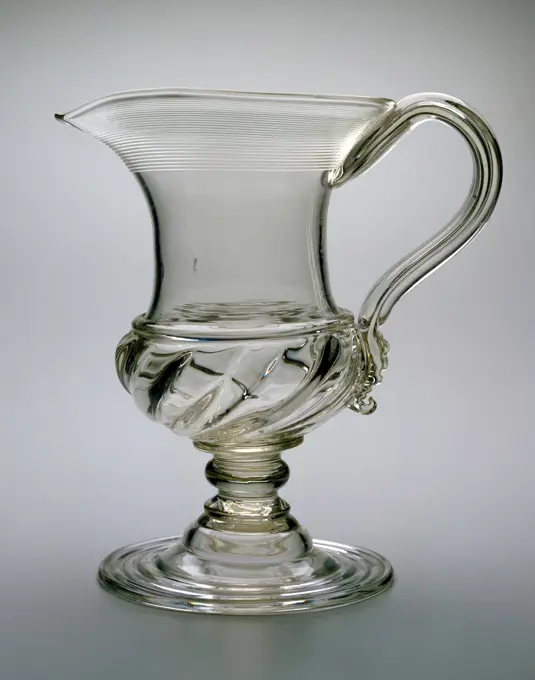
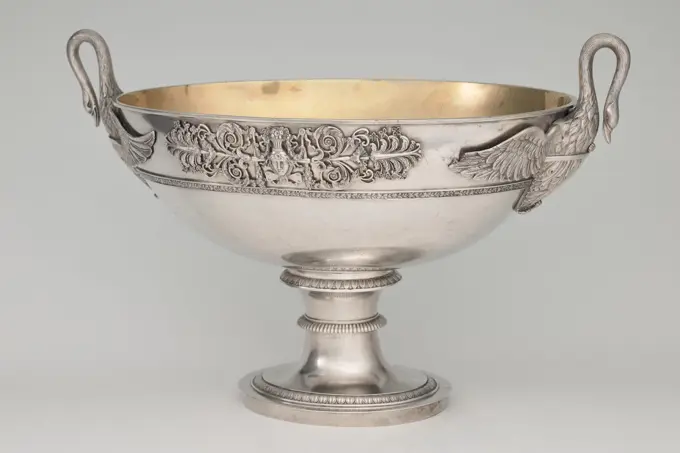
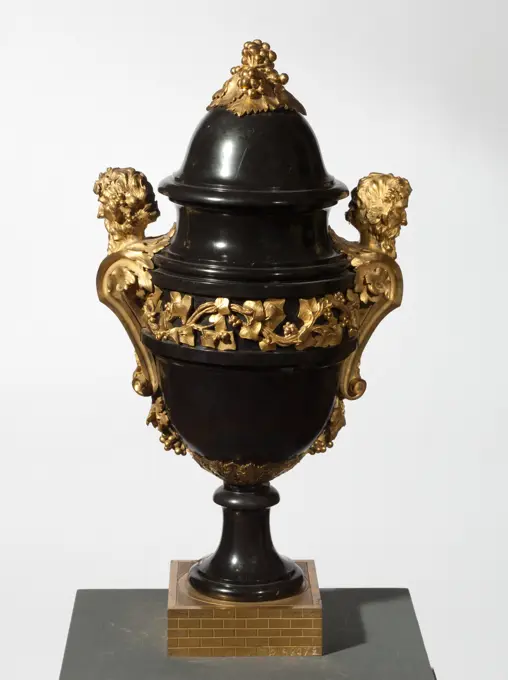
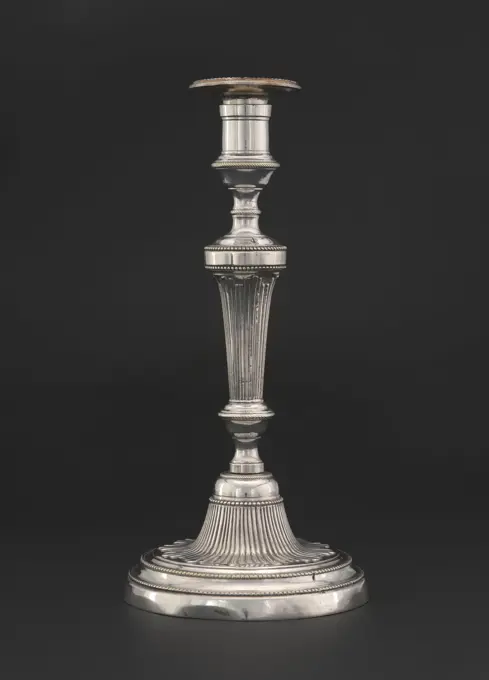
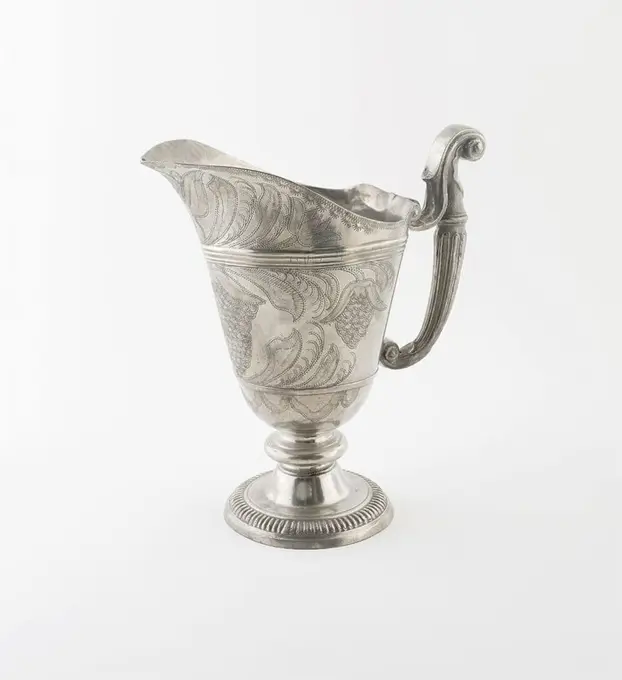
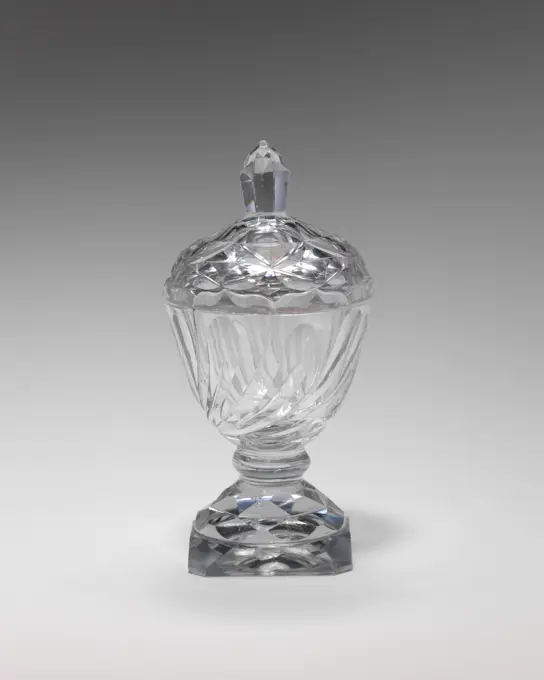
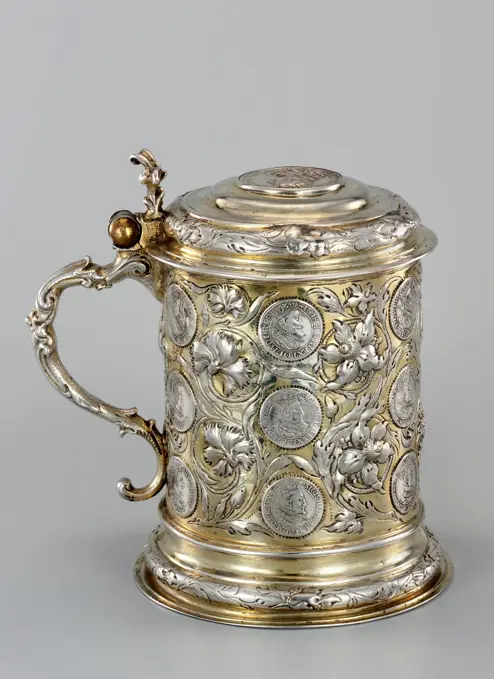
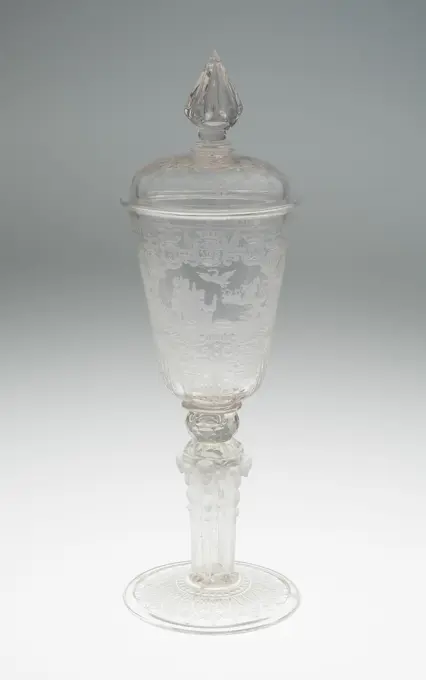
A collection of ornate glassware including goblets, vases, and candlesticks, showcasing intricate designs and craftsmanship from the 19th century.

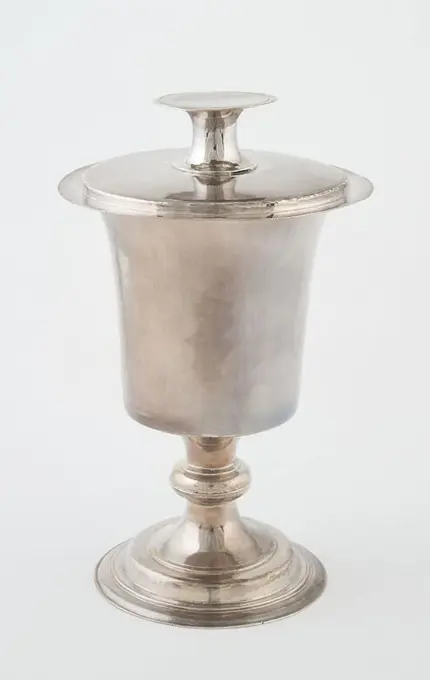
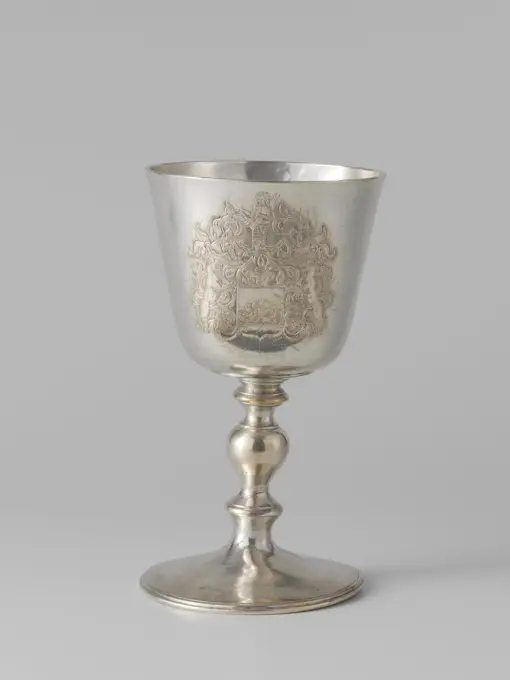
Bokaal of the Schuttersgilde in Leiden, Cornelis van Dijk, 1711 Bokaal of silver from the captains of the Schuttersgilde in Leiden from the years 1710-1712. For the chalice, in addition to the city coat of arms held by lions, their coats of arms, imposed and provided with captions: Jan des Tombe, Cornelis van der Meer, Johan Meerman, Daniel van de Velde, Frans van Kerkhem, Gerard de Bye, Cornelis van Bancem, Nicolaas Teding of Berkhout. The chamber base is caught in a rose edge and acanthus leaves. Around the lid, crowned by a leaf button: cracks, band and leaf work and weapon trophies. The foot surrounded by a kner edge is high in the middle and wears a band work decorations with cullots. On the vase-shaped nodus leaf and knot motifs on a grid. Delft silver (metal)   Leiden Bokaal of silver from the captains of the Schuttersgilde in Leiden from the years 1710-1712. For the chalice, in addition to the city coat of arms held by lions, their coats of arms, imposed and provided with capti
Bokaal of the Schuttersgilde in Leiden, Cornelis van Dijk, 1711 Bokaal of silver from the captains of the Schuttersgilde in Leiden from the years 1710-1712. For the chalice, in addition to the city coat of arms held by lions, their coats of arms, imposed and provided with captions: Jan des Tombe, Cornelis van der Meer, Johan Meerman, Daniel van de Velde, Frans van Kerkhem, Gerard de Bye, Cornelis van Bancem, Nicolaas Teding of Berkhout. The chamber base is caught in a rose edge and acanthus leaves. Around the lid, crowned by a leaf button: cracks, band and leaf work and weapon trophies. The foot surrounded by a kner edge is high in the middle and wears a band work decorations with cullots. On the vase-shaped nodus leaf and knot motifs on a grid. Delft silver (metal) Leiden Bokaal of silver from the captains of the Schuttersgilde in Leiden from the years 1710-1712. For the chalice, in addition to the city coat of arms held by lions, their coats of arms, imposed and provided with capti
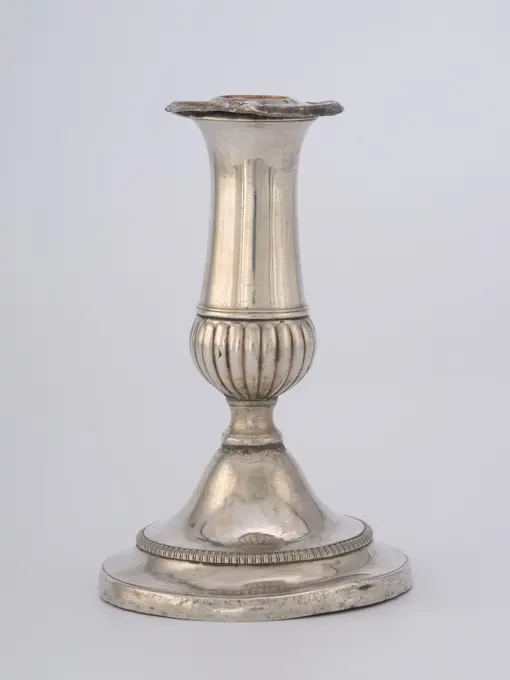
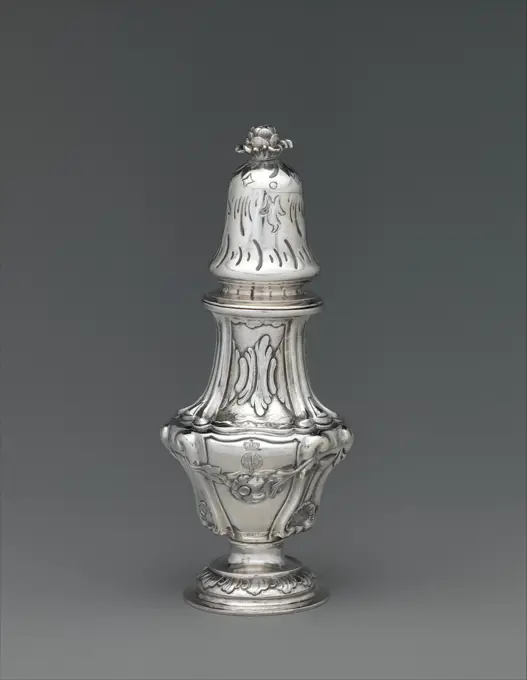
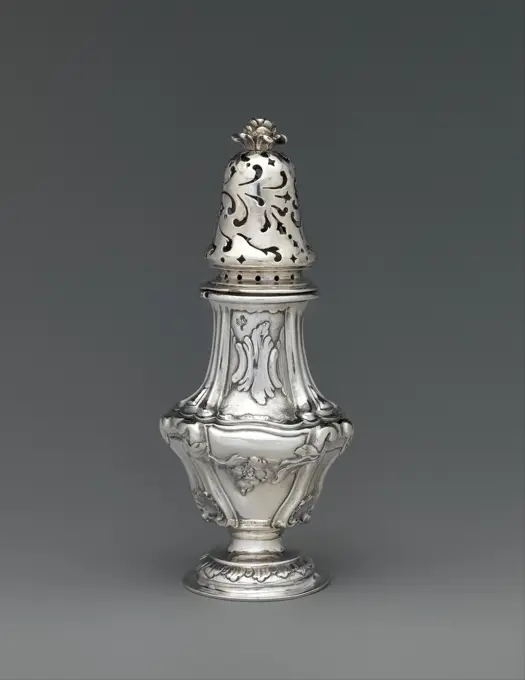
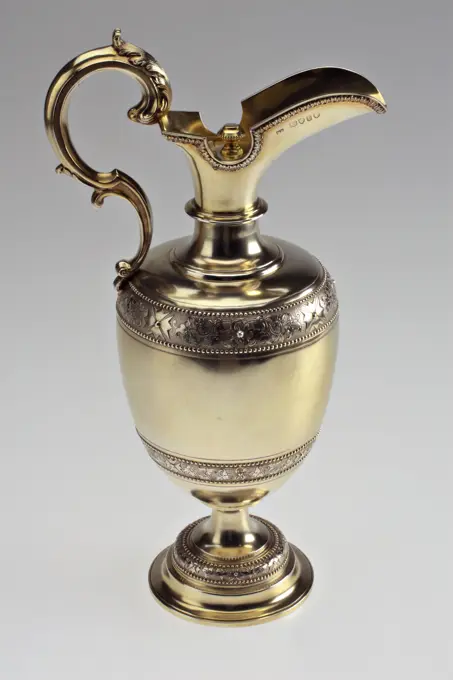
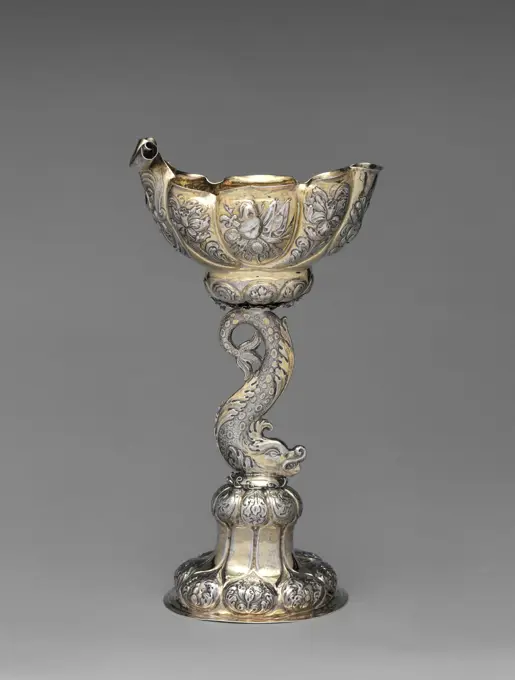
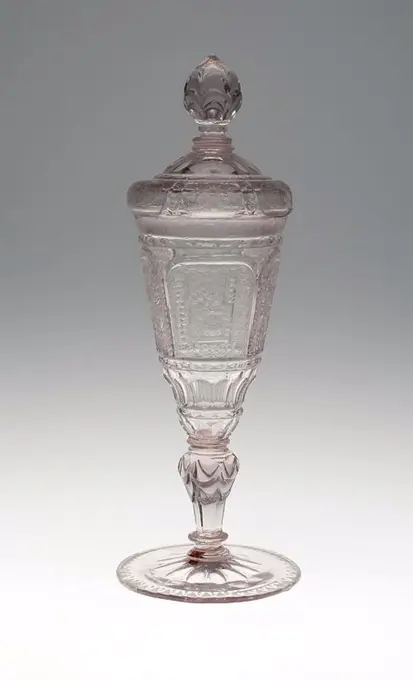
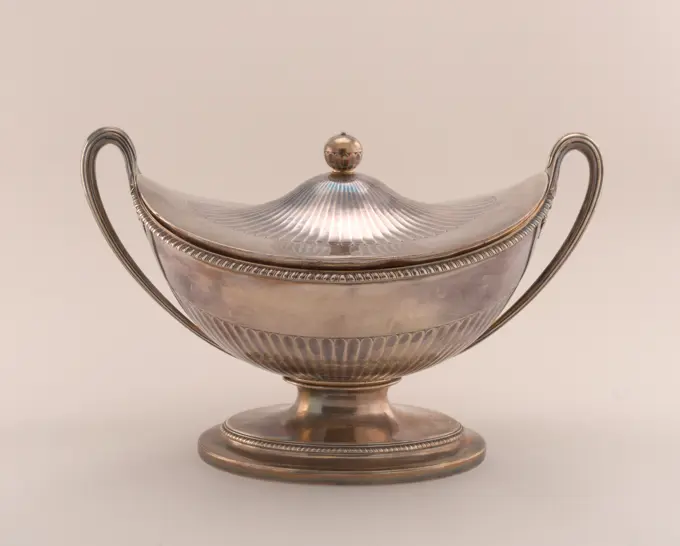
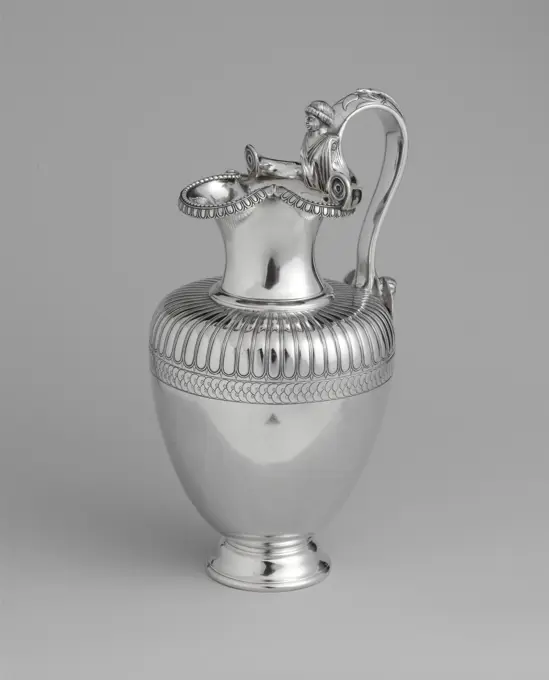
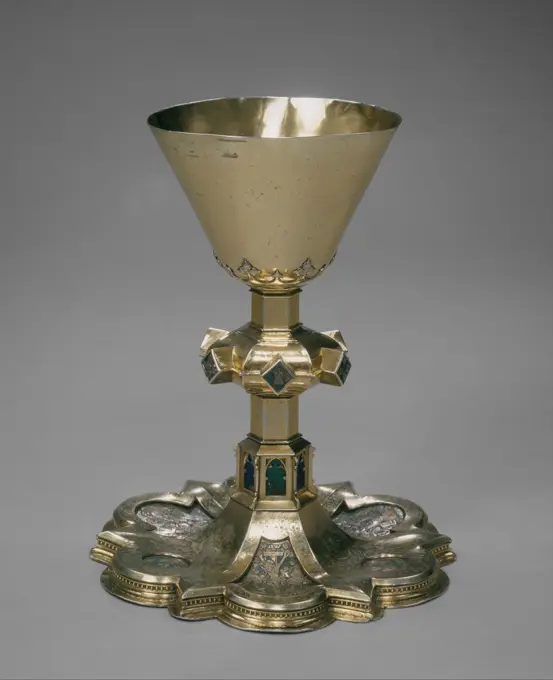
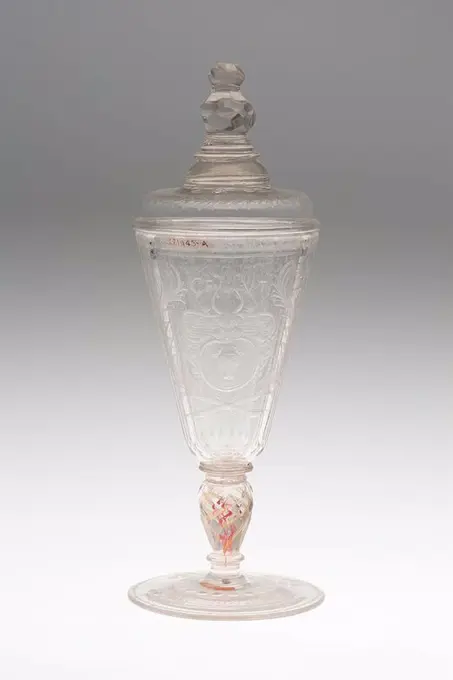
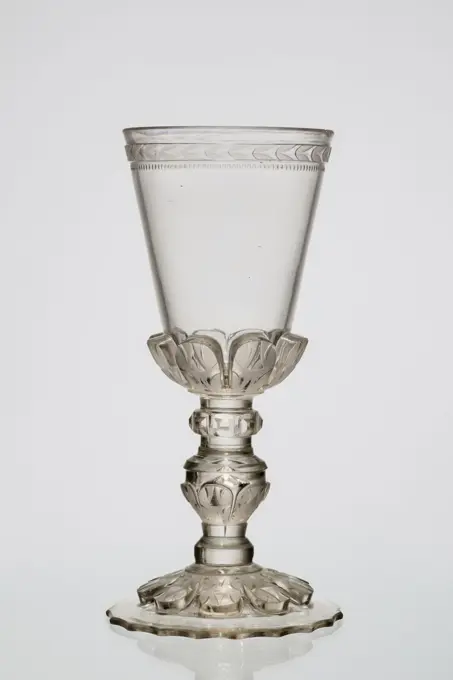
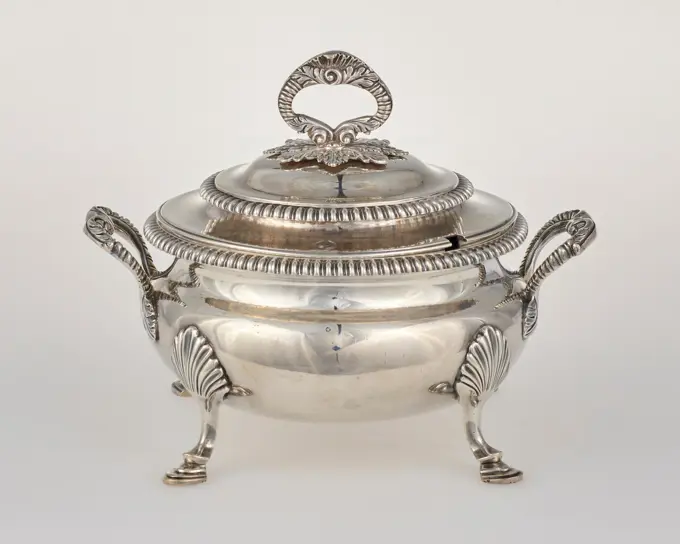
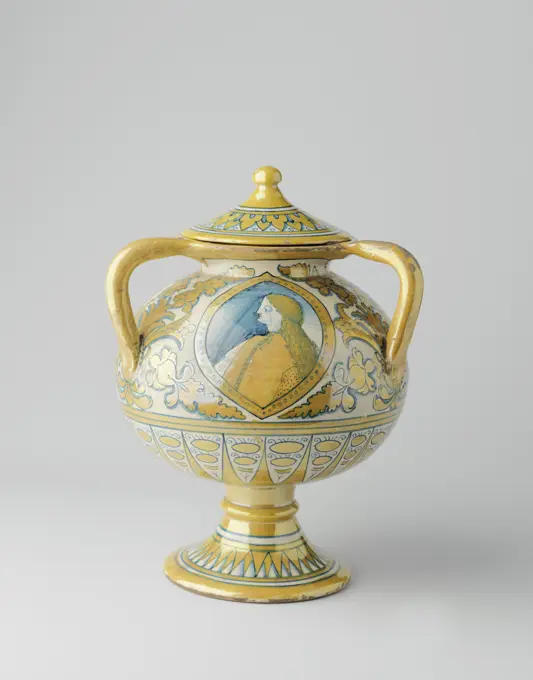
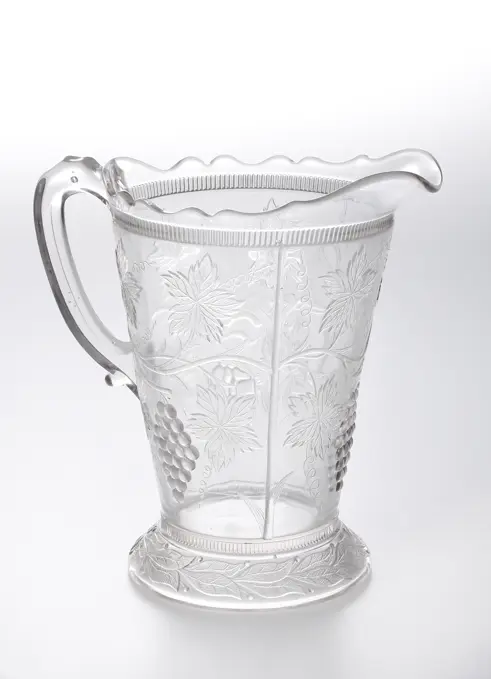
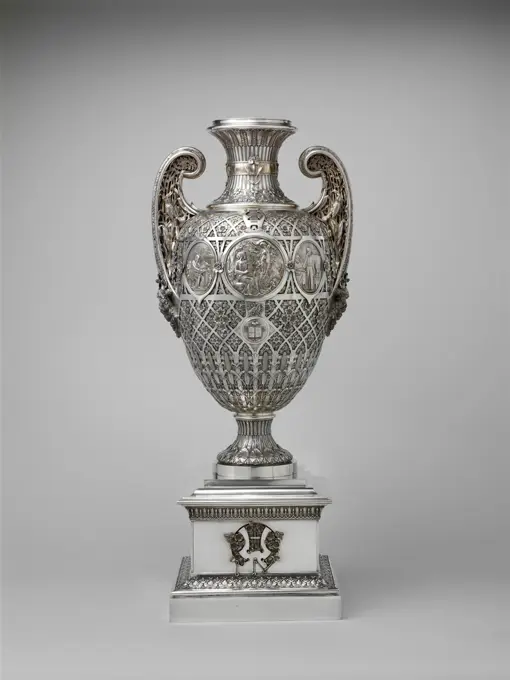
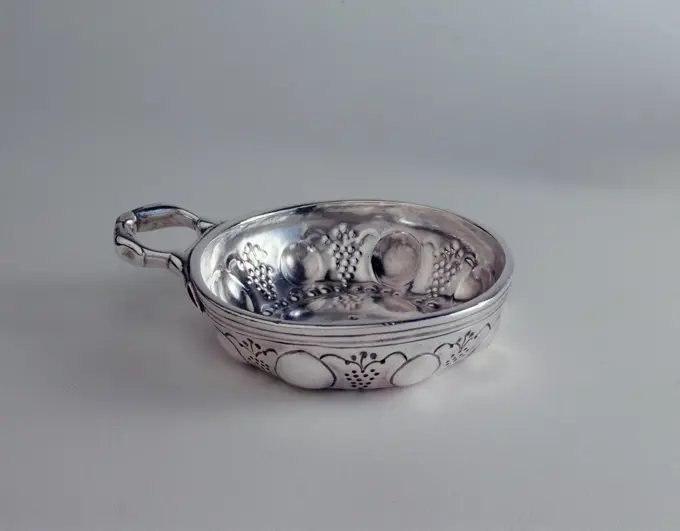
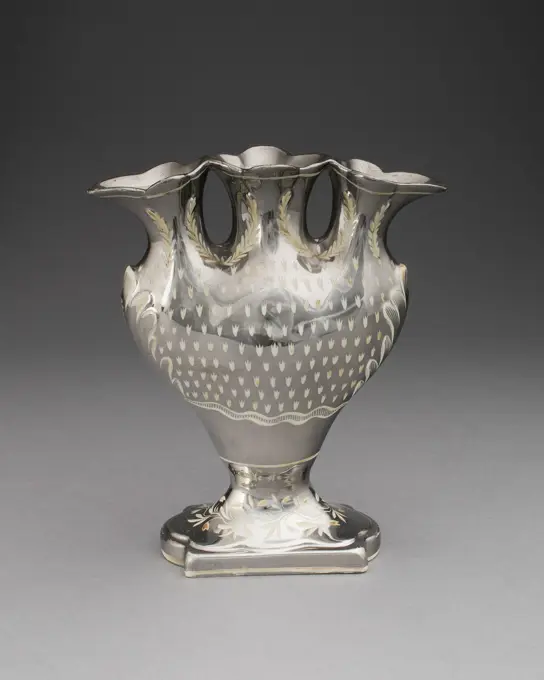
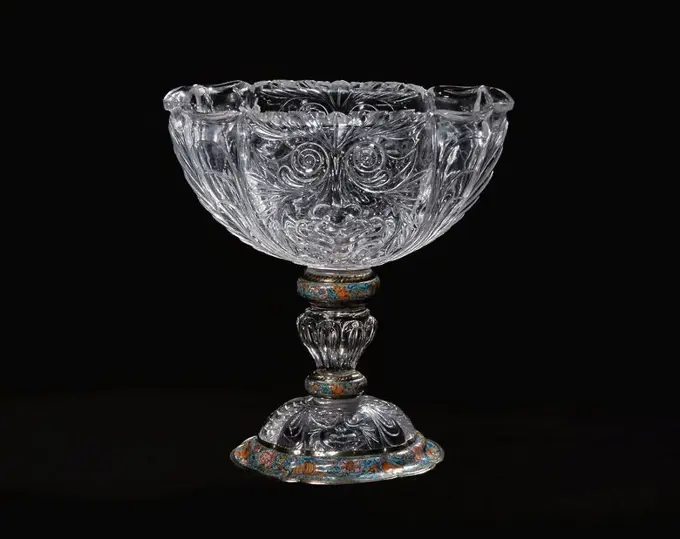
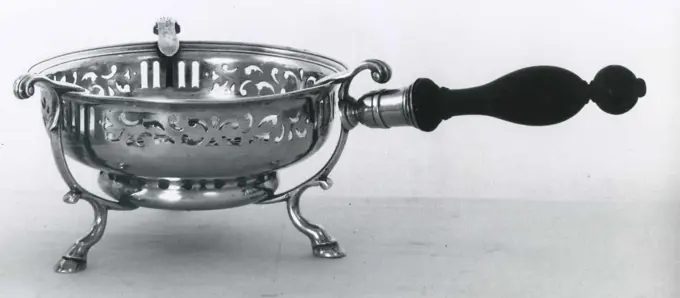
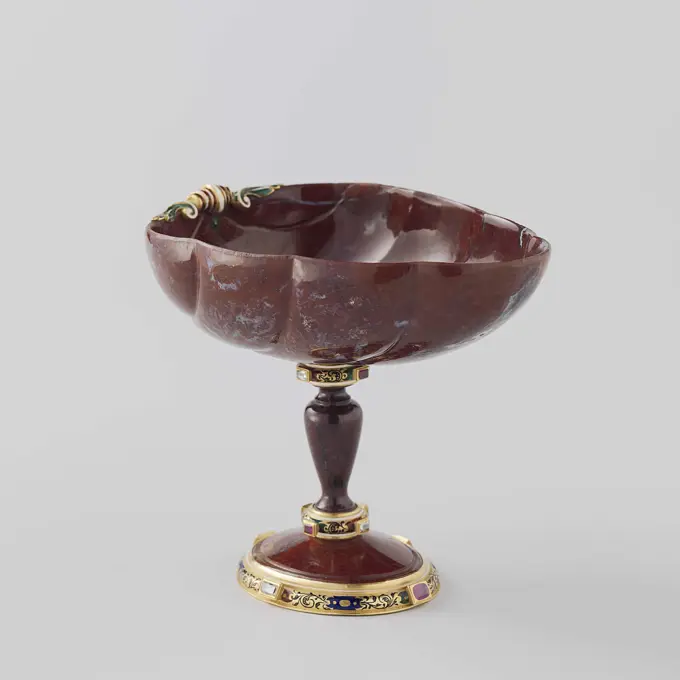
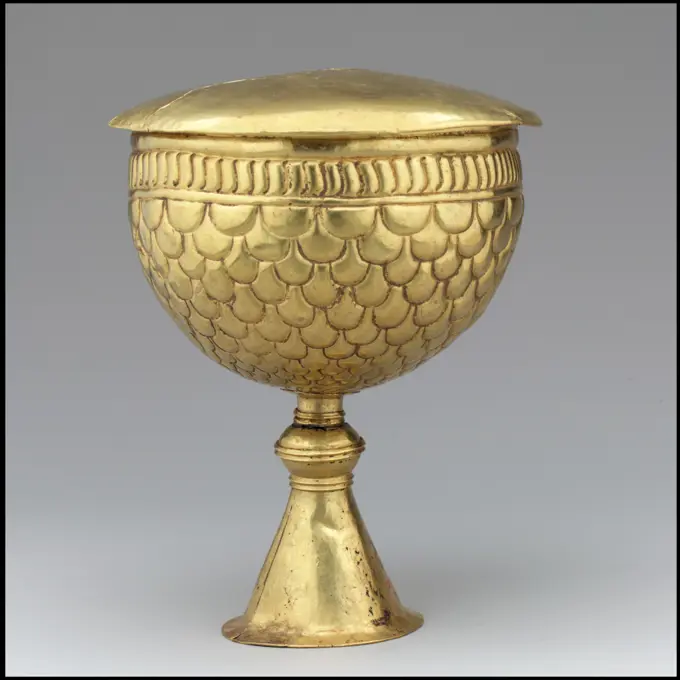
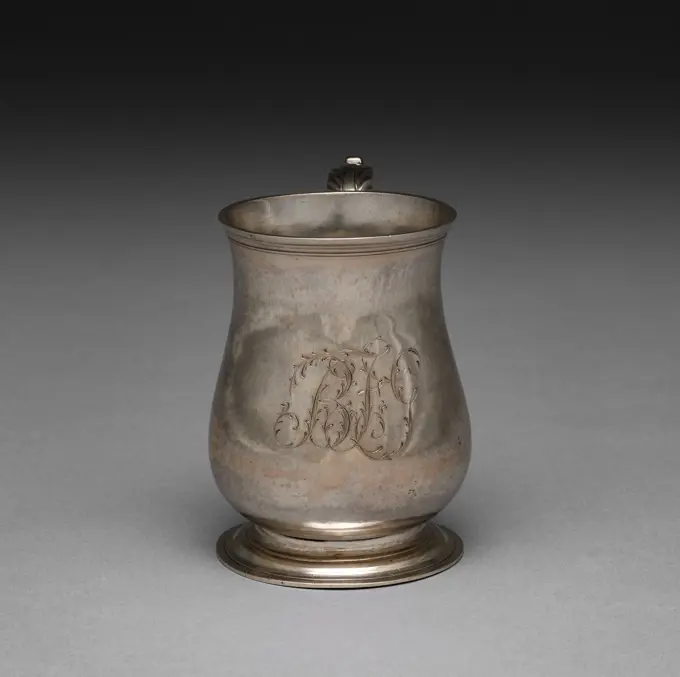
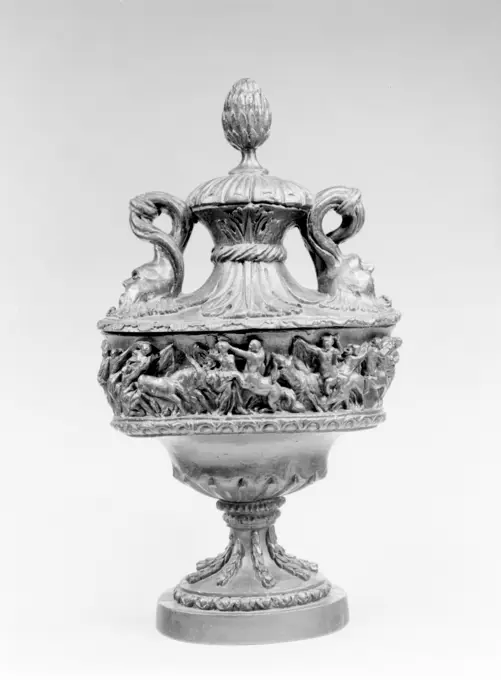
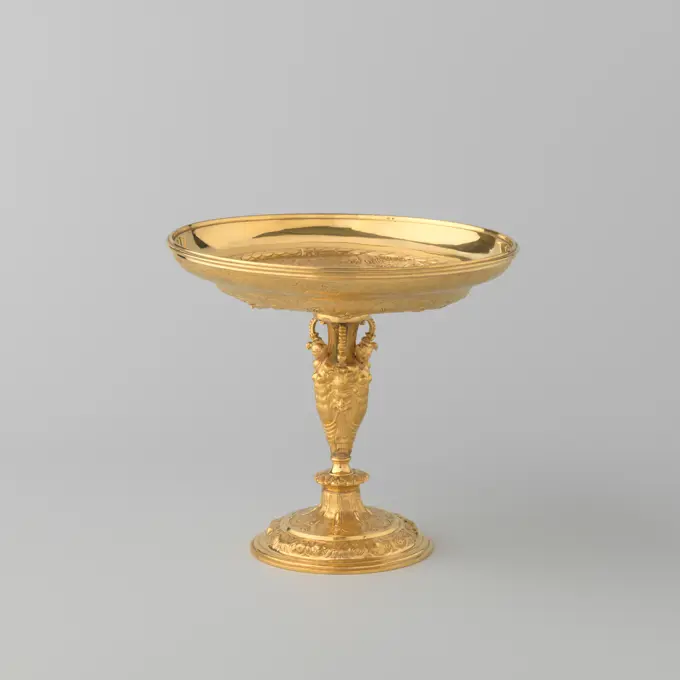
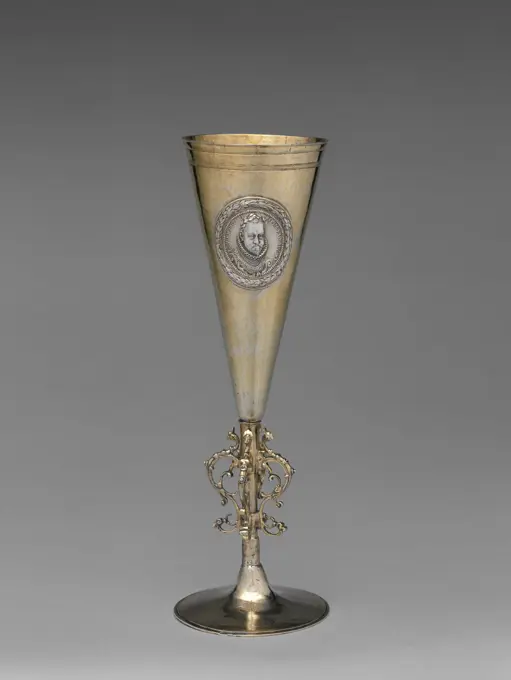
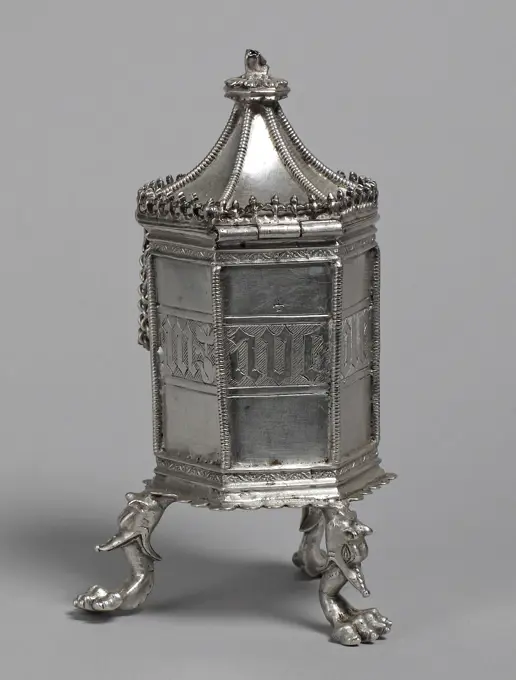
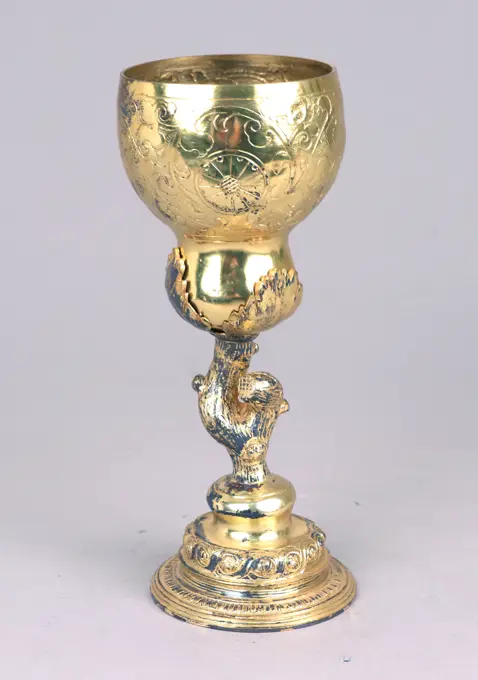
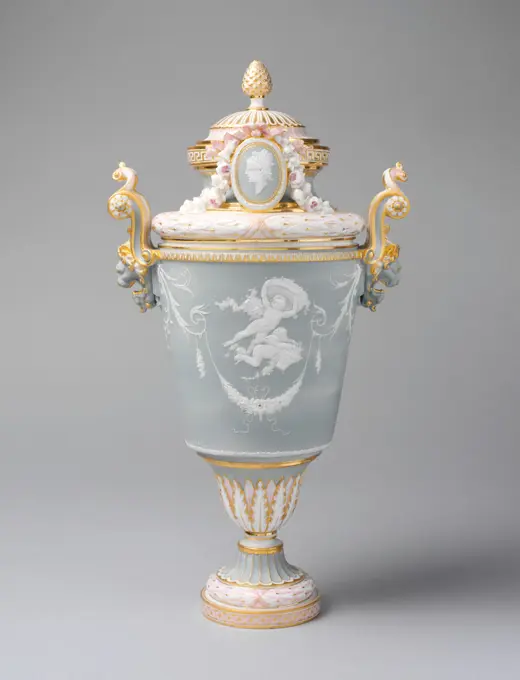
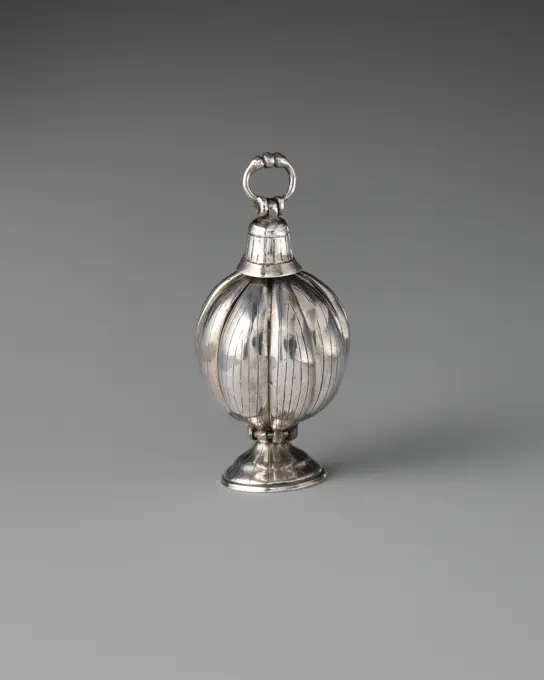
Cock lid with lid, with a hunting scene, anonymous, c. 1850 - c. 1875 Vaulted, faceted lid with overhanging edge and a facet cut, baluster -shaped button, ending in a point. On the lid a deer, a stork and a dog surrounded by rocaille eagle. Bohemia glass glassblowing / grinding / gilding Vaulted, faceted lid with overhanging edge and a facet cut, baluster -shaped button, ending in a point. On the lid a deer, a stork and a dog surrounded by rocaille eagle. Bohemia glass glassblowing / grinding / gildingDouble-Handled Filigrana Vase. UnknownCandlestick;  1. PO. 19th century (1830-00-00-1850-00-00);Candlestick;  1. PO. 19th century (1801-00-00-1850-00-00);Goblet with Cover 1745-1755 Silesia. Glass . Christopher Gottfried SchneiderMustard pot ca. 1765 Josephus Pasperger I Sugar was a rare commodity in the eighteenth century and often surrounded by ceremony. The sugar caster, acc. no. 2010.110.59a, b, with its pierced domed lid, forms a matching pair with the mustard pot, 2010.110.60, with its hinged lid and a slot for a ladle. Sets like this one were very rare on the European continent, which may indicate that the goldsmith or patron was familiar with English silver, where these types were more common. Italian and Austrian Baroque architecture clearly inspired the powerful, bulging outline of this vessel. The engraved arms refer to the family of the Princes of Reuss (Younger Line).LiteratureMarc Rosenberg. Der goldschmiede Merkzeichen. 3rd ed. 4 vols. Frankfurt am Main, 1922-28, no. 9409.Elemér Kőszeghy. Magyarországi ötvösjegyek a középkortól 1867-ig / Merkzeichen der Goldschmiede Ungarns vom Mittelalter bis 1867. Budapest, 1936, no. 477b maker’s mark; mentioned as being part of the Prince Heinrich Reuss ColleCaster ca. 1765 Josephus Pasperger I Sugar was a rare commodity in the eighteenth century and often surrounded by ceremony. The sugar caster, acc. no. 2010.110.59a, b, with its pierced domed lid, forms a matching pair with the mustard pot, 2010.110.60, with its hinged lid and a slot for a ladle. Sets like this one were very rare on the European continent, which may indicate that the goldsmith or patron was familiar with English silver, where these types were more common. Italian and Austrian Baroque architecture clearly inspired the powerful, bulging outline of this vessel. The engraved arms refer to the family of the Princes of Reuss (Younger Line).LiteratureMarc Rosenberg. Der goldschmiede Merkzeichen. 3rd ed. 4 vols. Frankfurt am Main, 1922-28, no. 9409.Elemér Kőszeghy. Magyarországi ötvösjegyek a középkortól 1867-ig / Merkzeichen der Goldschmiede Ungarns vom Mittelalter bis 1867. Budapest, 1936, no. 477b maker’s mark; mentioned as being part of the Prince Heinrich Reuss CollectionAltar vase Falck, GeorgeBokaal of the Schuttersgilde in Leiden, Cornelis van Dijk, 1711 Bokaal of silver from the captains of the Schuttersgilde in Leiden from the years 1710-1712. For the chalice, in addition to the city coat of arms held by lions, their coats of arms, imposed and provided with captions: Jan des Tombe, Cornelis van der Meer, Johan Meerman, Daniel van de Velde, Frans van Kerkhem, Gerard de Bye, Cornelis van Bancem, Nicolaas Teding of Berkhout. The chamber base is caught in a rose edge and acanthus leaves. Around the lid, crowned by a leaf button: cracks, band and leaf work and weapon trophies. The foot surrounded by a kner edge is high in the middle and wears a band work decorations with cullots. On the vase-shaped nodus leaf and knot motifs on a grid. Delft silver (metal)   Leiden Bokaal of silver from the captains of the Schuttersgilde in Leiden from the years 1710-1712. For the chalice, in addition to the city coat of arms held by lions, their coats of arms, imposed and provided with captiSugar Urn with Cover, c. 1811-1825. Harvey Lewis (American, 1835). Silver; overall: 24.3 x 18.5 cm (9 9/16 x 7 5/16 in.).Ewer - Goldsmith's Alliance Goldsmith's AllianceJar with lid, with the portrait of Charles VI, Anonymous, c. 1712 - c. 1714 Vaulted foot. Holle, Facet cut, Balus -shaped trunk with three buttons and three writing. The conical chalice has a rounded bottom. The vaulted lid has a pointed crown on a button and two writing. On the chalice the portrait of Emperor Charles VI van Habsburg (1685-1740) in an oval medallion. He carries the Insignia of the Golden Fleece. To his left a crown. On the other side, in an oval medallion the text: Vivat/ Carolus/ III/ Rex/ Hisspa/ Niae. To the left of the portrait two drums with drum sticks, on the right a crowned helmet with closed sights above two crossed swords. Around the performances Symmetrical War Trophies in the midst of leaf vines. The last also on the lid. Bohemia glass grinding / glassblowing Vaulted foot. Holle, Facet cut, Balus -shaped trunk with three buttons and three writing. The conical chalice has a rounded bottom. The vaulted lid has a pointed crown on a button and two writing. On tPitcher, 1812-1820, Thomas Caines; Manufacturer: New England Glass Company, American (Boston, MA), American (Boston, MA), 9 5/8 in. (24.45 cm), Glass, United States, 19th centurySoup vase; Next, Ludwik (1800 -1838); 1820-30 (1820-00-00-1830-00-00);Simulated vase. Polished basalt, chiseled and gilded bronze. 1775. Paris, Carnavalet museum. Polished basalt, bronze chisel, gilding, gilding, sheet sheet, handle, vase, vase simulated, 18th 18th 18th 18th 18th 18th centurySamovar. Radke, Emil (fl. 1830-ca 1867), goldsmithCandlestick;  1. PO. 19th century (1850-00-00-1850-00-00);Standing cup ca. 1670 Georgius May I The dolphin, symbol of a long life, is also an attribute of Venus, goddess of love, as is the shell which is evoked by the form of the wine bowl. In ancient mythology, the dolphin is also a companion of Bacchus, god of wine and erotic ecstasy (Wolfram Koeppe. Die Lemmers-Danforth Sammlung Wetzlar. Heidelberg, 1992, pp. 444 and 452, nos. GO 11, GO 33; Wolfram Koeppe. "Möbel und Schaustücke" in Liselotte von der Pfalz. Madame am Hofe des Sonnenkönigs. Exh. cat. Heidelberg, 1996, pp. 188 and 263). The cups form and imagery allude to the dangers of living in a war-torn region and celebrate love and a long, prosperous journey through life. The sophisticated program and quality of the craftsmanship suggest that the maker traveled through South Germany, where comparable vessels were made in Ulm and Augsburg. LiteratureMagnificent Silver / Magnifique Orfèvrerie. Sale cat., Christies, Geneva, April 27, 1976, p. 13, no. 20.Judit H. Kolba. Hungarian Silver: Goblet with Cover. Germany, Schleswig. Date: 1725-1735. Dimensions: 25.4 x 9.2 cm (10 x 3 5/8 in.). Glass. Origin: Schleswig. Museum: The Chicago Art Institute, Chicago, USA.Soup Tureen And Cover (England); Made by John Wakelin, William Taylor, Wakelin and Taylor; silver; 21 x 33 x 20.3 cm (8 1/4 x 13 x 8 in.), 60 KG (132 1/4 lb.)Ewer ca. 1890 Giacinto Melillo. Ewer 231226Brandewijnkom. Brandy bowl of silver with a high, octagonal, engraved cuppa and two horizontal, cast roller-ears. Master's sign: Crowned jerk.Wineglass 1860-75 Dr. Antonio Salviati Company. Wineglass. Italian, Venice (Murano). 1860-75. Glass. GlassWater Pitcher. Possibly Lucerne, Switzerland. Date: 1743. Dimensions: 25.4 x 12.7 x 25.4 cm (10 x 5 x 10 in.). Pewter. Origin: Lucerne. Museum: The Chicago Art Institute, Chicago, USA.Urn with cover or salt late 18th-early 19th century British or Irish. Urn with cover or salt. British or Irish. late 18th-early 19th century. Glass. GlassVase on pedestal, with a menagerie between leaf and flower vines, anonymous, c. 1850 - c. 1900 Large vase on a hollow base, with a profiled base and a cylindrical body. Klock -shaped base, which passes through a short trunk to an egg -shaped chalice with a bent edge. The pedestal and vase decorated with a menagerie between leaf and flower vines. Bohemen (possibly) glass glassblowing Large vase on a hollow base, with a profiled base and a cylindrical body. Klock -shaped base, which passes through a short trunk to an egg -shaped chalice with a bent edge. The pedestal and vase decorated with a menagerie between leaf and flower vines. Bohemen (possibly) glass glassblowingCave mug with the medal of Fryderyk Wilhelm;  PO PO. 17th century (0-00-00-0-00-00);The Krasińskie Ordination Library (Warsaw - 1844-1944) - collection, Museum of the Krasiński Ordinance (Warsaw - 1860-1944) - collection, baroque (style), flowers, numismaticsGoblet (Pokal) with Herm Stem 1734 Western Germany .Decanter with Stopper, 18th-19th century, 10 3/4 x 4 1/4 x 4 1/4in. (27.3 x 10.8 x 10.8cm), Glass, United States, 18th-19th century. It was customary at weddings to mete out warnings against licentiousness. The swine was a symbol of lust (and by extension adultery), and the one surmounting the lid of this wedding cup is kept under control with a chain. The theme is elaborated on the body of the cup in two biblical scenes from the Parable of the Prodigal Son: he squandered all his money in a brothel and subsequently became a swineherd.Pitcher, Enameled tôle, wood, a) Urn-shaped coffee pot, on cabriole legs with flat, turned feet, faucet, ring handles held in lion-masks. B) flat lid with steeple finial. C) triangular stand with concave sides, with circular holder for heating arrangement, Black with landscape and other decorations in gilt and colors., England, ca. 1800, metalwork, Decorative Arts, PitcherCovered Goblet (Pokal) with Musicians. Silesia, Poland. Date: 1730-1740. Dimensions: H. 29.8 cm (11 3/4 in.). Blown and molded glass with engraved decoration. Origin: Silesia. Museum: The Chicago Art Institute, Chicago, USA.Mug 1825-50 Jones, Low and Ball. Mug. American. 1825-50. Silver. Made in Boston, Massachusetts, United StatesChalice ca. 1380-90 Catalan The method of mounting recti-curvilinear enamel plaques seen here is particular to goldsmiths work in Catalonia. The larger plaques represent the Betrayal, the Carrying of the Cross, and the Crucifixion. The heads stippled above the circular roundels are a fine example of this metalwork technique, which rarely was used in Spanish art.. Chalice. Catalan. ca. 1380-90. Silver, silver gilt, translucent enamels. Made in Barcelona, Catalonia, Spain. Metalwork-SilverGoblet with Cover. Germany. Date: 1700-1725. Dimensions: 15.9 x 7.8 cm (6 1/4 x 3 1/16 in.). Glass. Origin: Germany. Museum: The Chicago Art Institute, Chicago, USA.Bishop of Galcerán Chalice of Vilanova, 14th century. Museum: MUSEO DE LA CATEDRAL DE URGELL.Cup; Zchlin (Huta Szk A; 1736-1890), Potsdam (Huta Szk 2. W. 18th century (1725-00-00-1750-00-00);Cup with cover 1746-57 Cup made by Claude Charvet. Cup with cover 199380Roemer with lid, with two rows of braam buds. Roemer with inserted bottom on high, conical, spun base from a wire. The spherical chalice as a whole blown up with the trunk that is busy with two rows of braam buds. The transition from the chalice to the trunk indicated by a ribbed wire. Vaulted lid with a solid button constructed from two nodi.Close-up of a coffee pot, USAAnonymous, covered cut in celadon (dummy title), 1701. Green celadon of China. Carnavalet museum, history of Paris.Sauce tureen, one of a pair, c. 1822, Joseph Craddock; Maker: William Reid, English, 6 x 7 1/2 x 6 in. (15.24 x 19.05 x 15.24 cm), Silver, England, George IVFooted Bowl (Coppa). UnknownVase with three ears and a lid, multi-colored painted with pointed ovals in which man's portraits, and flower and leaf vines, anonymous, c. 1510 - c. 1525 Spherical vase of multicolored painted majolica, on a high base. The vase has three ears and a lid. On the belly, three spits-ovals are painted within which a portrait of a man with long hair desired to left. Flower and leaf vines are painted between the ovals. The vase is painted in yellow luster and in blue (outlines) on white. Confuse earthenware. tin glaze. lead glaze majolica Spherical vase of multicolored painted majolica, on a high base. The vase has three ears and a lid. On the belly, three spits-ovals are painted within which a portrait of a man with long hair desired to left. Flower and leaf vines are painted between the ovals. The vase is painted in yellow luster and in blue (outlines) on white. Confuse earthenware. tin glaze. lead glaze majolicaKalkbak, anonymous, c. 1699 - c. 1799 Lime tray of silver. Used to be used by official visits in Makassar (Ujung Pandang) of local princes and queens. With lime striker (BK-NM-12232-D-2). Sulawesi (possibly) silver (metal) Lime tray of silver. Used to be used by official visits in Makassar (Ujung Pandang) of local princes and queens. With lime striker (BK-NM-12232-D-2). Sulawesi (possibly) silver (metal). .Cup with handles early 19th century Bohemian. Cup with handles 196045Goldsmith's art, Italy, 15th-16th century. Bucket shaped holy water font. Lombard manufacture.Cann.   Maker: Shepherd and Boyd, American, active 1806-30Jar with lid, made for the couple of Johan van Borssele van der Hoge and Anna Margaretha Elisabeth ConinckLid of urn. Vaulted lid of biscuit.Chalice and Paten. London, England. Date: 1639. Dimensions: H. 27.3 cm (10 3/4 in.). Silver. Origin: London. Museum: The Chicago Art Institute, Chicago, USA.Berkemeyer. A Berkemeyer is a wine glass with a wide, low stem and a flaring conical bowl. Its form is thought to derive from wooden beakers carved from birch. The prunts on the stem (blobs of molten glass applied to the surface) afforded a better grip. At a time when forks were not in common use and people often had greasyfingers, this was not a superfluous luxury.Vase in the form of an archaic bronze vessel mid-18th century China. Vase in the form of an archaic bronze vessel. China. mid-18th century. Porcelain with relief ornament under light brown glaze, and gilt (Jingdezhen ware). Qing dynasty (1644-1911), Qianlong period (1736-95). CeramicsCup with lid, with hunting performance. Bowl with lid, with three buttons in the trunk, the middle with a red spiral. Chalice divided into the round in boxes in which cut a hunting performance. Lid with decoration, the button contains a red spiral.Flowerpot with representation of Bacchus, Silenus and three Bacchantes, Anonymous, c. 1680 - c. 1720 Lead flower vase in classic urn shape with two S-shaped ears on either side in the form of a hippocamp. The vase is built on a round base with acanthus leaves, a nodus consisting of a bayer wreath and a lobed edge that supports the vase body. The body is made up of an edge of acanthus leaves, a laurel wreath, a wide frieze with an identical bacchic representation on either side with a drunken silen, supported by a young bacchantes and with three bacchans. Above this Frisian a narrower edge with 'Egg and Dart' relief and a changed edge of symmetrical acanthus leaves at the end. The vase has a loose, zinc inner bucket. Netherlands lead (metal). zinc casting Lead flower vase in classic urn shape with two S-shaped ears on either side in the form of a hippocamp. The vase is built on a round base with acanthus leaves, a nodus consisting of a bayer wreath and a lobed edge that supports the vasWater pitcher - Nova Scotia Grape & Vine PatternWooden ring chestnut. Wooden ring chestnut thase between cuppa and bin, gold dyed.Cock from Bokaal, Gebrüder Lorenz, c. 1920 - c. 1940 Oval and circles on lid. Steinschönau glass glassblowing / grinding Oval and circles on lid. Steinschönau glass glassblowing / grindingConfectioner;  19th century (1801-00-00-1900-00-00);Cup from the Dutch Fort by St. George d'Elmina, Anonymous, 1638 cup Cup (Supper Cup) Of silver, on baluster-shaped tribe and round, faint-fed foot. The chalice is decorated with the coat of arms of El Mina: a coat of arms with a helmet and helmet mark containing an elephant. Mastert sign: WS including a star, in shield. London silver (metal) engraving coat of arms (as symbol of the state, etc.) (+ city; municipal) Afrika. Ghana. ElminaThe Bryant Vase 1876 Designed by James Horton Whitehouse To honor the poet and newspaper editor William Cullen Bryant (1794-1878) on his eightieth birthday, a group of his friends commissioned a commemorative Vase of original design and choice workmanship” that would embody.. the lessons of [his literary and civic career.” Its design, which combines Renaissance Revival sensibilities with those of the Aesthetic movement, consists of a Greek vase form ornamented with symbolic imagery and motifs. The fretwork of American flora covering the body of the vase, including apple branches and blossoms, represents the beauty and wholesome quality of Bryant’s poetry, while the scenes in the oval medallions allude to his life and works. From the moment the commission was announced until well after its completion, the vase was widely publicized and celebrated. After it was presented to Bryant in 1876, Tiffany & Co. displayed it at the Centennial Exhibition in Philadelphia. The following year, theKastanjevaas decorated with griffins, porcelain factory aan den Amstel, c. 1810 vase Chestnut cheese decorated with griffins. NetherlandsRoemer with three rows of raspberry prunts. The Netherlands or Germany, c. 1675-1700glassFrançois Bourguignon. "Taste-vin". Money. 1757-1758. Museum of Fine Arts of the City of Paris, Petit Palais. 74385-5 Silver, silverware, bottleneck, TastevinFlower Vase Made 1810-1820 Staffordshire. Lead-glazed earthenware with lustre decoration .. .Wine cup, 20th century, 6 5/16 x 3 1/4 x 3 1/4 in. (16.03 x 8.26 x 8.26 cm), Brass, Israel (), 20th centuryMaker Unknown, Toy tureen, Cover, and Stand, colorless lead glass.Johann Daniel Mayer / 'Rock crystal cup with carved masks'. 1662 - 1675. Rock crystal / Hyaline quartz, Enamel, Gold, Silver-gilt. Museum: Museo del Prado, Madrid, España.Compote 1815-30 French. Compote 2221Lidded Tureen, Liner and Stand (one of a pair). Thomas Germain (French, 1673 - 1748, master 1720)Vase with cobalt blue überfang with sharpened decoration, anonymous, c. 1850 Square, gilded bronze base and trunk in neo -Renaissance style with gray -veined marble intermediate piece. Trumpet -shaped chalice made of clear colorless glass with a cobalt blue überfang, dragged away in windows, fish blowing and circles. Scalloped upper edge. France (possibly) Glass. Foot: Marble (Rock). Foot: Bronze (Metal) glassblowing / gilding Square, gilded bronze base and trunk in neo -Renaissance style with gray -veined marble intermediate piece. Trumpet -shaped chalice made of clear colorless glass with a cobalt blue überfang, dragged away in windows, fish blowing and circles. Scalloped upper edge. France (possibly) Glass. Foot: Marble (Rock). Foot: Bronze (Metal) glassblowing / gildingCandlestick of gilded bronze with twisted trunk and candle holder, decorated with volute and leaf-shaped rocaille ornaments., Anonymous, c. 1735 - c. 1745 Candlestick of gilded bronze. The base, the twisted trunk and the candle holder are decorated with volute and leaf-shaped rocaille ornaments. See also: BK-NM-12286-A. France bronze (metal) gilding Candlestick of gilded bronze. The base, the twisted trunk and the candle holder are decorated with volute and leaf-shaped rocaille ornaments. See also: BK-NM-12286-A. France bronze (metal) gildingStanding Cup And Lid (Germany); Made by Lorenz Tittecke, (German, act. Nuremberg, 1597-1626) (German); parcel-gilt repoussé and chased raised silverChafingDish.   Maker: Jacob Hurd, American, 1702-1758Claret Glass 1850-70. Claret Glass 2073Sugar Urn with Cover (lid), c. 1811-1825. Harvey Lewis (American, 1835). Silver;Komfoor, Willem van Strant, 1737 Komfoor on a baluster -shaped tribe, ending in a tripod. The bowl of the grower is wide clock -shaped and has a serrated edge on which three supports are attached to the boiler. The KUMFoor is marked: stk. = Amsterdam, Jrl. = C (1737) and Mt. = Willem van Strant. A boiler is stored at the Komfoor (invon. BK-NM-11177-128-A). Amsterdam silver (metal) Komfoor on a baluster -shaped tribe, ending in a tripod. The bowl of the grower is wide clock -shaped and has a serrated edge on which three supports are attached to the boiler. The KUMFoor is marked: stk. = Amsterdam, Jrl. = C (1737) and Mt. = Willem van Strant. A boiler is stored at the Komfoor (invon. BK-NM-11177-128-A). Amsterdam silver (metal). Bulbous chunks of jasper were found in Bohemia. They were considered wonders of nature and exported to other European artistic centres. The Italian cutter of this coupe followed the shape of the mineral: its natural curvature is continued in the handle in gold.No. 196 Sorbet Cup; Designed by Ludwig Lobmeyr (Austrian, 1829 - 1917); Manufactured by J. & L. Lobmeyr GmbH (Austria); Austria; mouth-blown crystalGold Goblet and Cover () 700s Avar or Byzantine This goblet may in fact be a Byzantine export, though the foot of the cup does not conform to the standard shape of Byzantine chalices.The AvarsThe Avars were a nomadic tribe of mounted warriors from the Eurasian steppe. The Byzantine emperor Justinian negotiated with them in the sixth century to protect the Empire’s northern border along the Black Sea. Emboldened by their subjugation of numerous tribes, they unsuccessfully attempted to seize the Empire’s capital, Constantinople. They remained a scourge of both Byzantium and the Western kingdoms until Charlemagne defeated them through a series of campaigns in the 790s and early 800s.All the money and treasure that the Avars had been years amassing was seized, and no war in which the Franks have ever engaged.. brought them such riches and such booty. Up to that time the Avars had passed for a poor people, but so much gold and silver was found.. that one may well think that the Franks took. This ewer is part of a group of objects found in French, Austrian, and German royal collections. They have now been linked to members of the celebrated Miseroni family of lapidaries, who produced such objects crafted from gemstone in Milan around 1600.Compote 1876-85 Bryce Brothers. Compote 2229Galvanoplastic reproduction of a cup with lid with representation of a bacchanal. Galvanoplastic reproduction of a cup with lid with driven representation of a bacchanal and armorini; The lid is crowned by a bust of Floris V. gilded.Paul de Lamerie, Coffee or Hot-Water Jug, 1749/50, silver and leather.Cann, c. 1778. Zachariah Brigden (American, 1734-1787). Silver; with handle: 13.4 x 14.2 cm (5 1/4 x 5 9/16 in.). "Cann" is an old term for a drinking cup with a handle.Kastanjevaas decorated with griffins, porcelain factory aan den Amstel, c. 1810 vase Chestnut cheese decorated with griffins. NetherlandsVase with cover 19th century, after 16th century original British, after Italian original This electrotype is after a sixteenth-century original in the Botkine collection, St. Petersburg, at the time of reproduction.. Vase with cover 186635Galvanoplastic reproduction of a Tazza with representation of Diana and Aktaeon. Galvanoplastic reproduction of a Tazza. DA stem made up of three half-depths separated by maskons; The scale is decorated with tape work, masquerons and fruit and has the main performance Diana and Aktaeon. Gold plated.Conical cup ca. 1640 Pál Zilahy The plaquette on this cup commemorates Holy Roman Emperor Rudolph II (1552-1612), the great Habsburg collector, who amassed a legendary Kunstkammer (art chamber). He chose Prague as his main residence, transforming the city into a politically tolerant and vibrant artistic center. For this vessel, the goldsmith translated the highly refined conical shape of a sharply tapering glass goblet into an alluring silver cup.LiteratureImportant English, Irish and Continental Silver. Sale cat., Sothebys, New York, April 16, 1996, n.p., no. 91.ReferencesA cup with a similarly adorned stem was sold by Dr. Fischer Kunstauktionen in Heilbronn, November 27, 2010, no. 1007.Elemér Kőszeghy. Magyarországi ötvösjegyek a középkortól 1867-ig / Merkzeichen der Goldschmiede Ungarns vom Mittelalter bis 1867. Budapest, 1936, no. 997 [makers mark.[Wolfram Koeppe 2015. Conical cup 237053. Light conical foot with cut decoration. Faceted disc, multi-faceted, conical chalice. In facets cut lid with pointed, also faceted button. On the chalice, top a stylized edge leaves, in gold leaf and engraved a fountain with a water-spitting dolphin for a balustrade with garden vases, a Galante Scene and a Chinese garden wall on which a basket of flowers. In the lid a medallion of windows surrounded by a stylized leaf drink. A kit edge approx. 1 cm below the edge of the chalice and around the medallion.Pharmacy canister, c. 1770, Ceramics (Series pebbles, yellow crockery, decorated with scroll motifs, garlands of flowers and leaves, green, cup shape, with lid), manufactured by Alcora (Castellón), Height: 24.5 cm. Museum: Museo Fundación Francisco Godia, Barcelona, Cataluña, España.Compote and Cover 1845-1855 Bristol. Glass .Hexagonal Olearium 15th-16th century Portuguese (). Hexagonal Olearium. Portuguese (). 15th-16th century. Silver. Metalwork-SilverStanding cup 19th century, after 17th century original Elkington & Co. British This electrotype is after a seventeenth-century original, at time of reproduction in the Treasury of the Patriarch, Moscow.. Standing cup. British, Birmingham, after British, London original. 19th century, after 17th century original. Silver on base metal. Metalwork-ElectrotypeVase And Pedestal (France); Manufactured by Niderviller pottery and porcelain manufactory; porcelain, overglaze enameling and gildingVase with cover (vase parent) 1883-85 Modeled by Albert-Ernest Carrier-Belleuse French Sèvres porcelains were presented by the French government to members of the American committee that organized the erection of the Statue of Liberty. Among them was Richard Butler, who received this one.. Vase with cover (vase parent) 188777Pomander 17th century Italian. Pomander. Italian. 17th century. Silver. Metalwork-SilverChalice 15th century Spanish. Chalice 464345 Spanish, Chalice, 15th century, Enamel, silver gilt, Overall: 11 1/2 x 7 1/8 x 7 1/4 in. (29.2 x 18.1 x 18.4 cm) cup diameter: 4 9/16 in. (11.6 cm). The Metropolitan Museum of Art, New York. Gift of J. Pierpont Morgan, 1917 (17.190.365)