Elegant Glassware

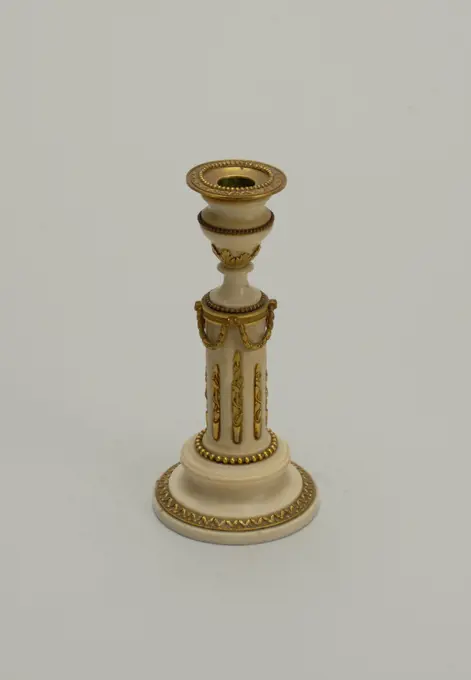
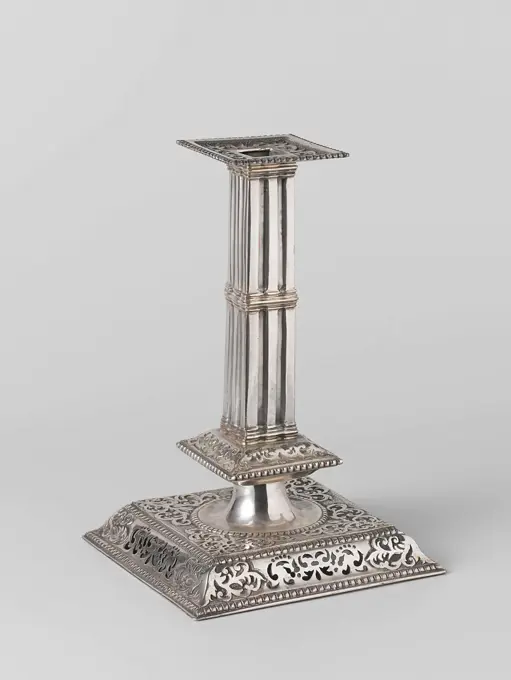
A collection of ornate glassware including goblets, vases, and candlesticks, showcasing intricate designs and craftsmanship from the 19th century.

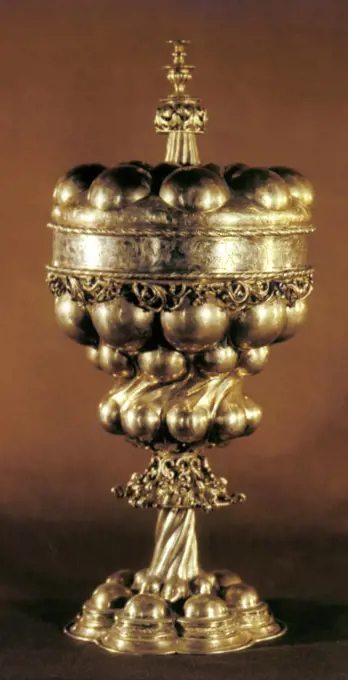
Bokaal of the Schuttersgilde in Leiden, Cornelis van Dijk, 1711 Bokaal of silver from the captains of the Schuttersgilde in Leiden from the years 1710-1712. For the chalice, in addition to the city coat of arms held by lions, their coats of arms, imposed and provided with captions: Jan des Tombe, Cornelis van der Meer, Johan Meerman, Daniel van de Velde, Frans van Kerkhem, Gerard de Bye, Cornelis van Bancem, Nicolaas Teding of Berkhout. The chamber base is caught in a rose edge and acanthus leaves. Around the lid, crowned by a leaf button: cracks, band and leaf work and weapon trophies. The foot surrounded by a kner edge is high in the middle and wears a band work decorations with cullots. On the vase-shaped nodus leaf and knot motifs on a grid. Delft silver (metal)   Leiden Bokaal of silver from the captains of the Schuttersgilde in Leiden from the years 1710-1712. For the chalice, in addition to the city coat of arms held by lions, their coats of arms, imposed and provided with capti
Bokaal of the Schuttersgilde in Leiden, Cornelis van Dijk, 1711 Bokaal of silver from the captains of the Schuttersgilde in Leiden from the years 1710-1712. For the chalice, in addition to the city coat of arms held by lions, their coats of arms, imposed and provided with captions: Jan des Tombe, Cornelis van der Meer, Johan Meerman, Daniel van de Velde, Frans van Kerkhem, Gerard de Bye, Cornelis van Bancem, Nicolaas Teding of Berkhout. The chamber base is caught in a rose edge and acanthus leaves. Around the lid, crowned by a leaf button: cracks, band and leaf work and weapon trophies. The foot surrounded by a kner edge is high in the middle and wears a band work decorations with cullots. On the vase-shaped nodus leaf and knot motifs on a grid. Delft silver (metal) Leiden Bokaal of silver from the captains of the Schuttersgilde in Leiden from the years 1710-1712. For the chalice, in addition to the city coat of arms held by lions, their coats of arms, imposed and provided with capti
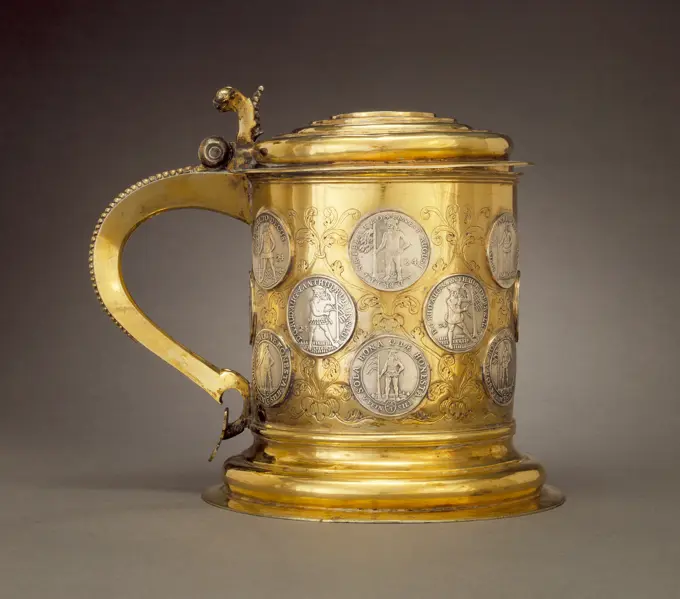
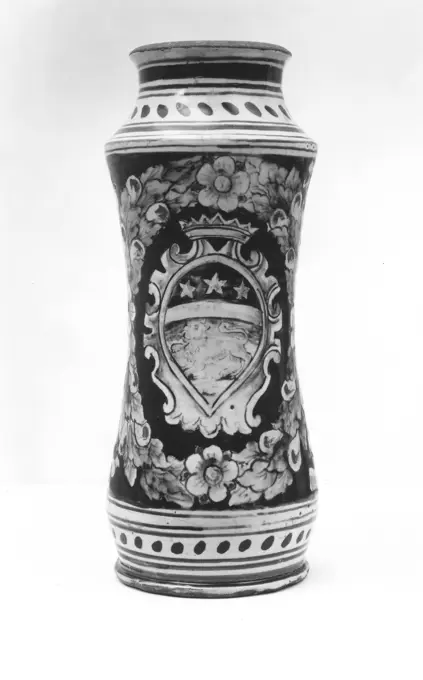
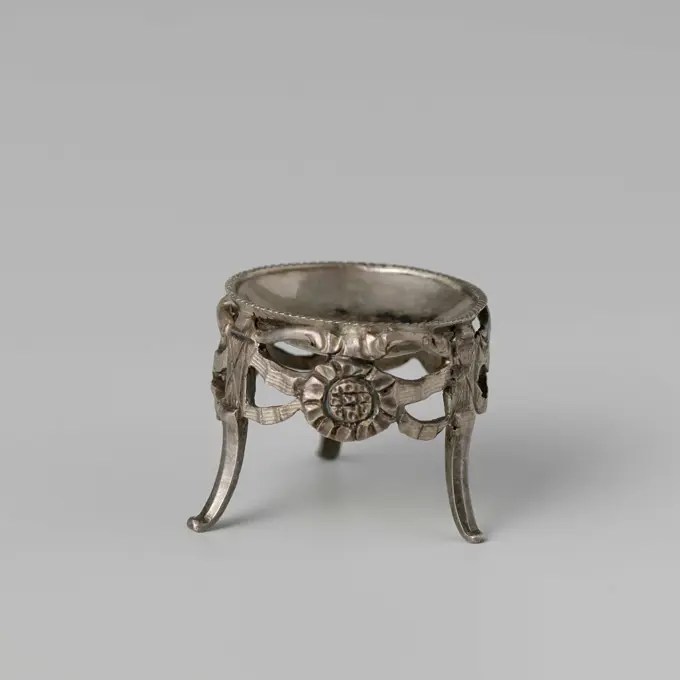
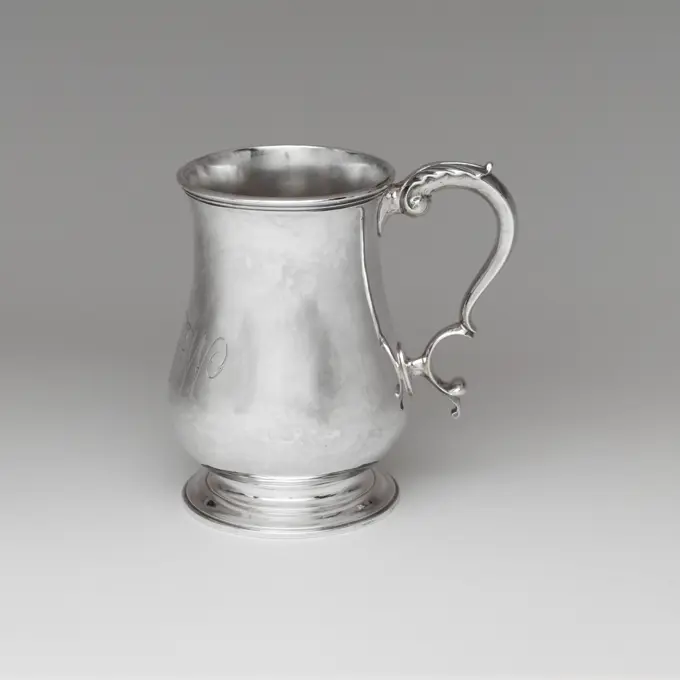
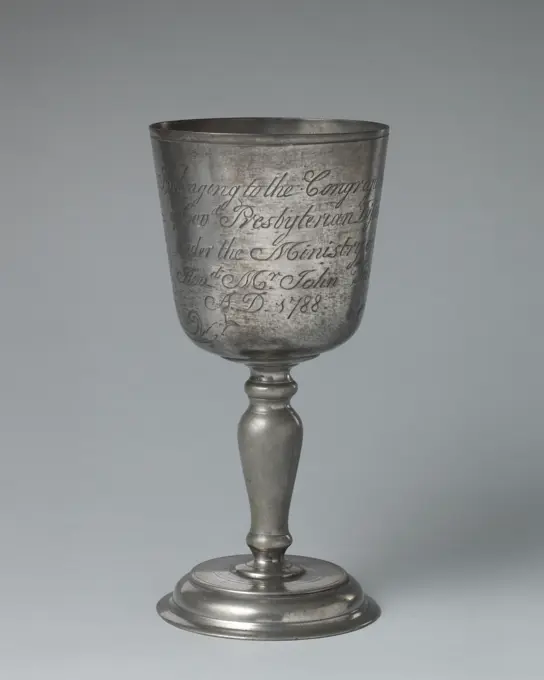
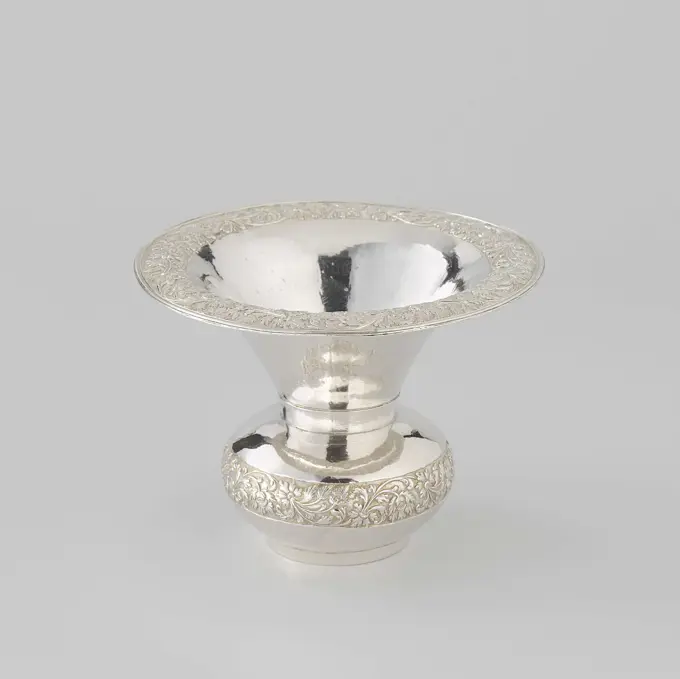
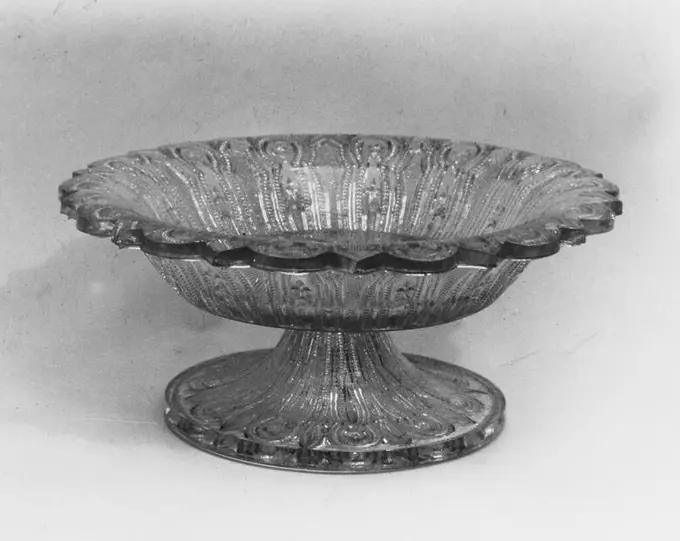
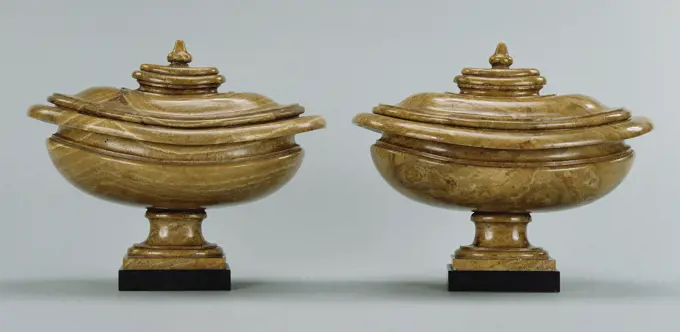
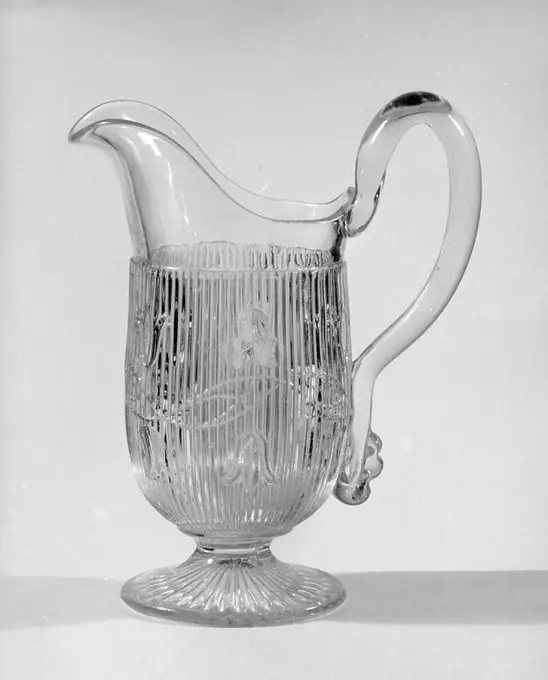
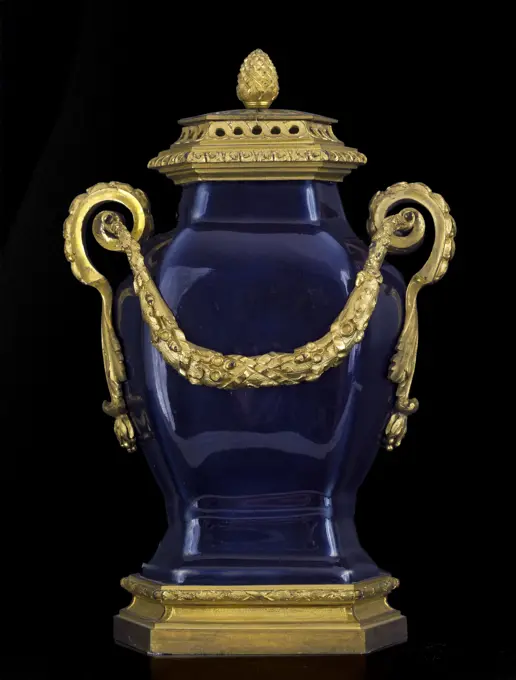
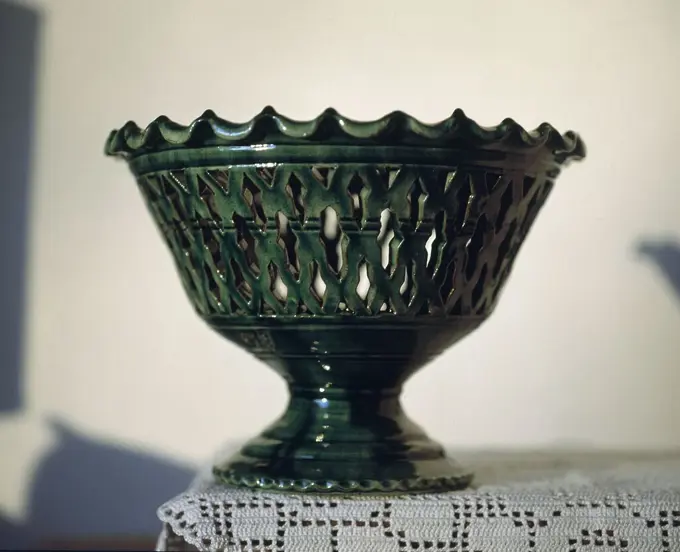
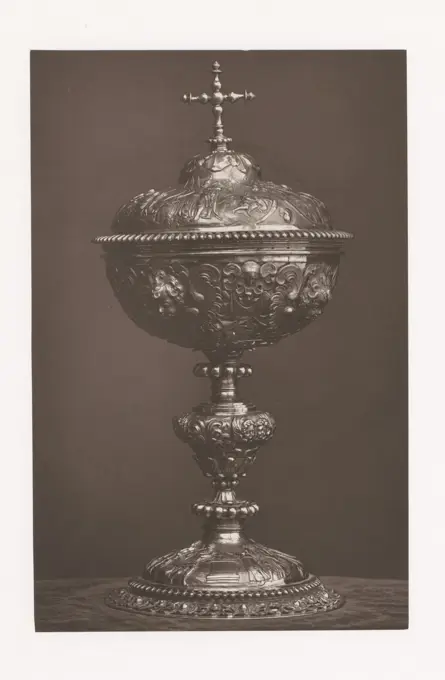
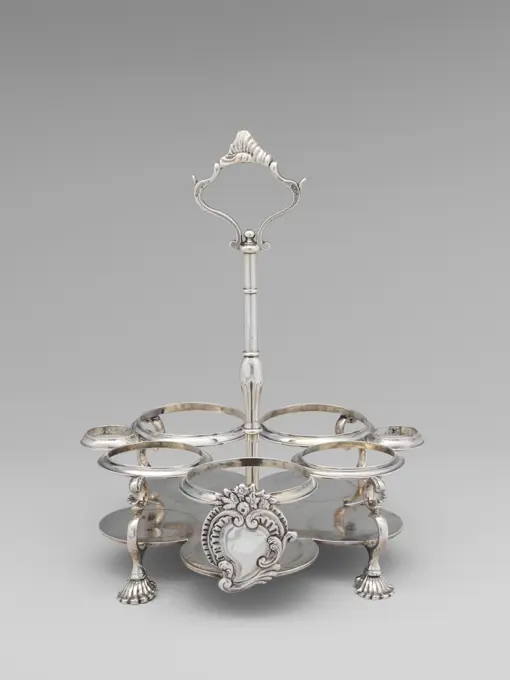
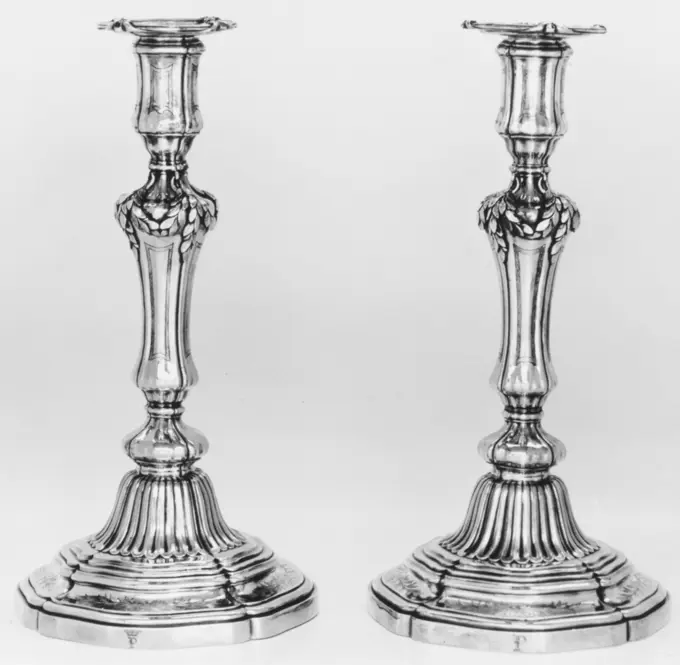
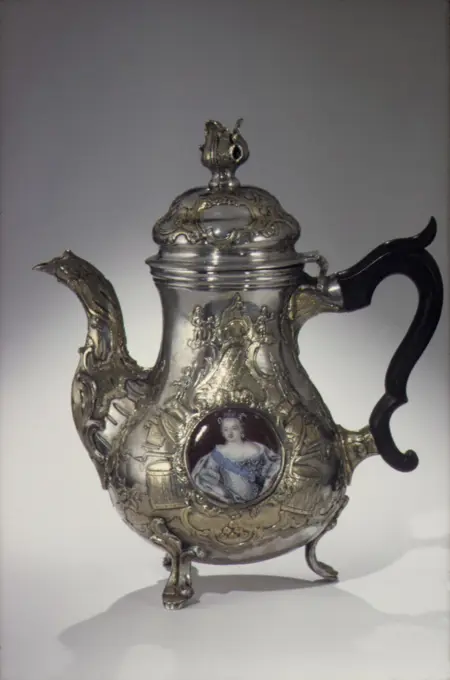
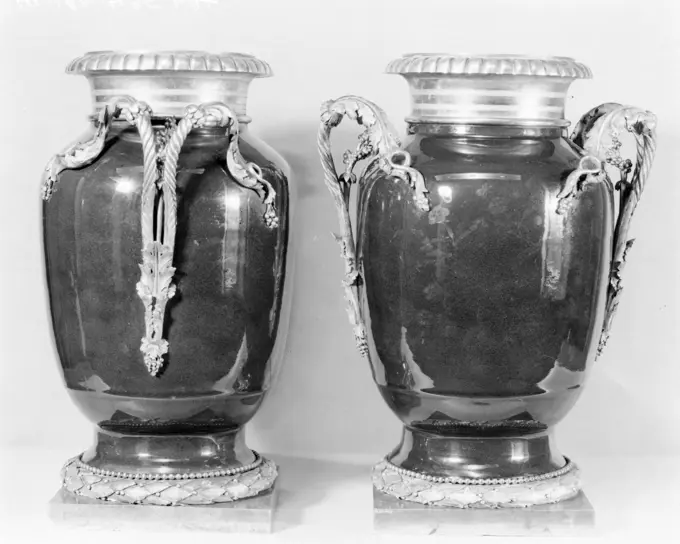
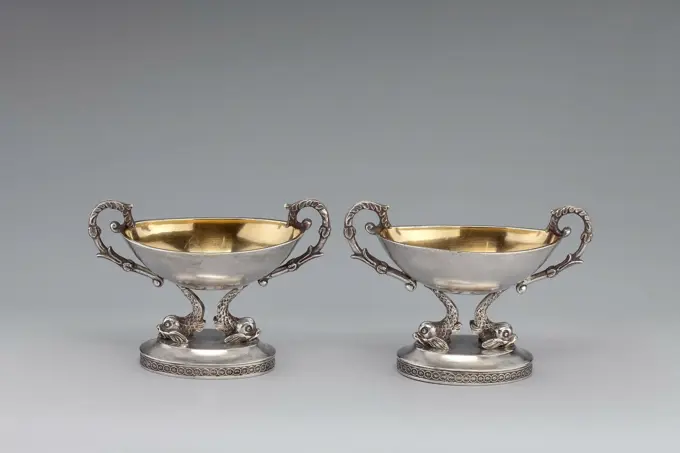
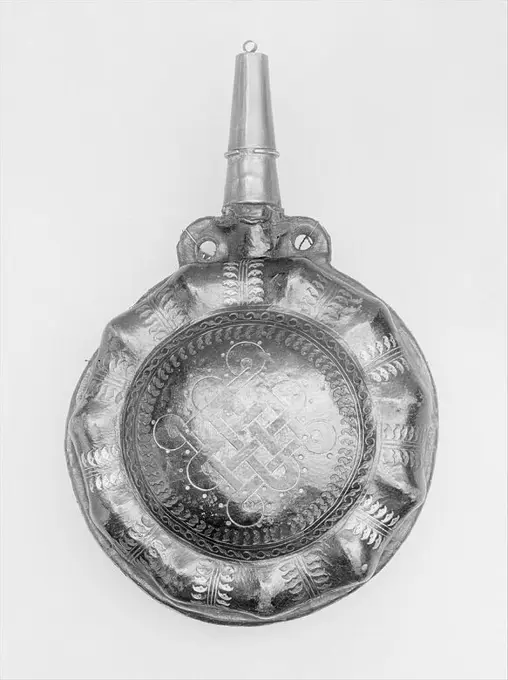
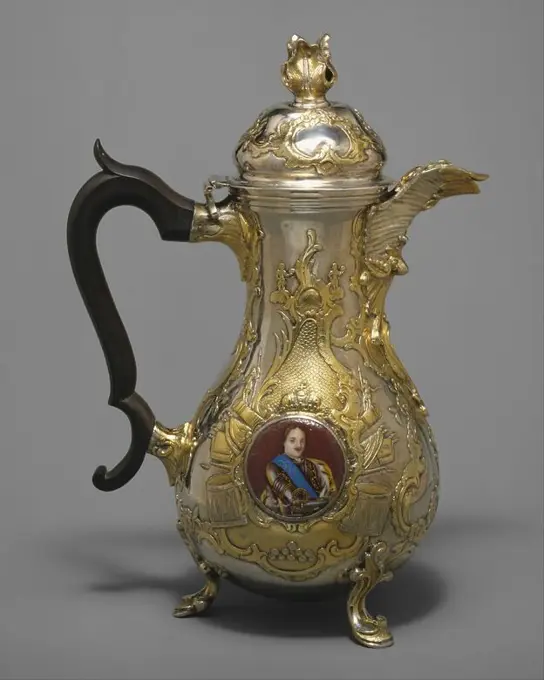
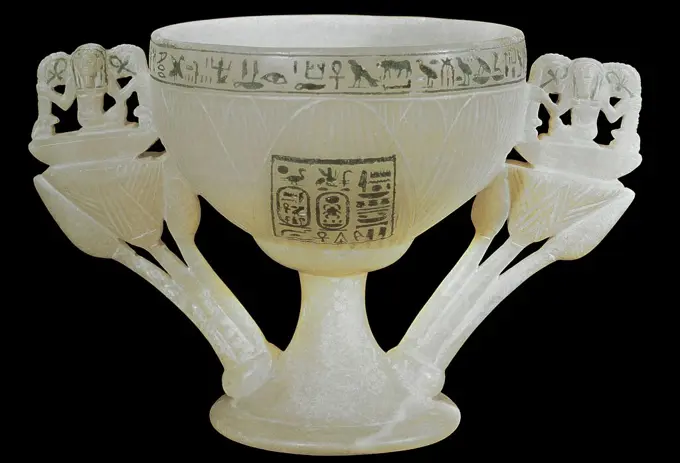
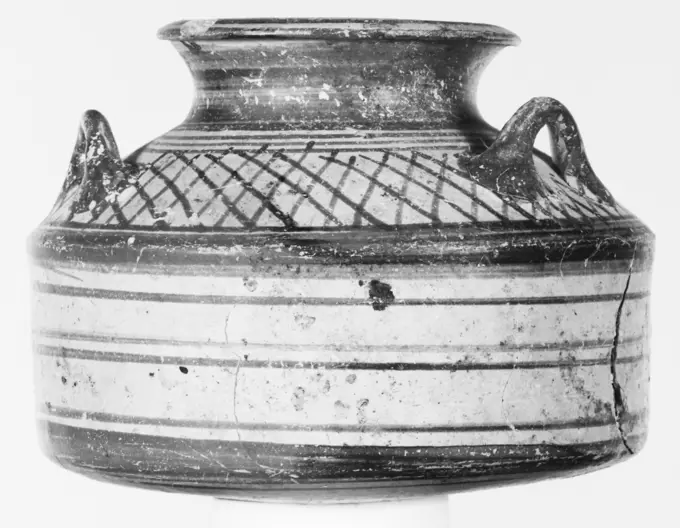
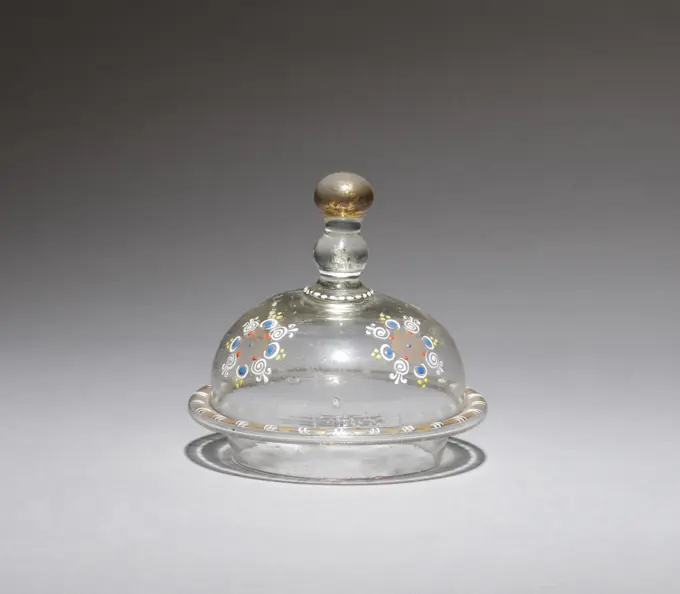
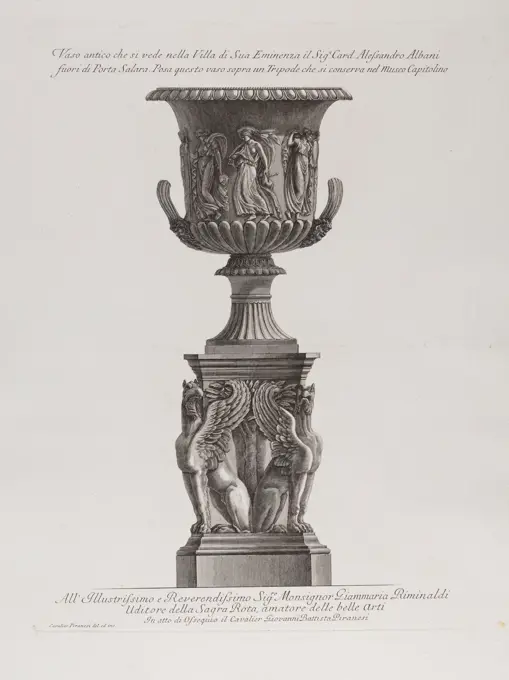
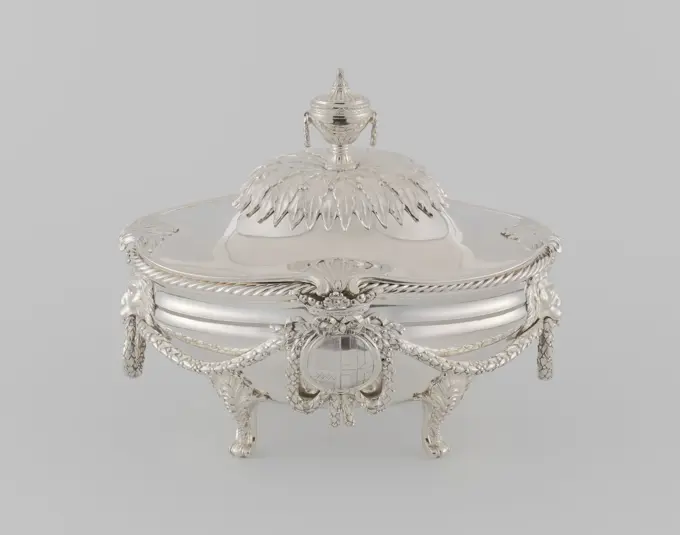
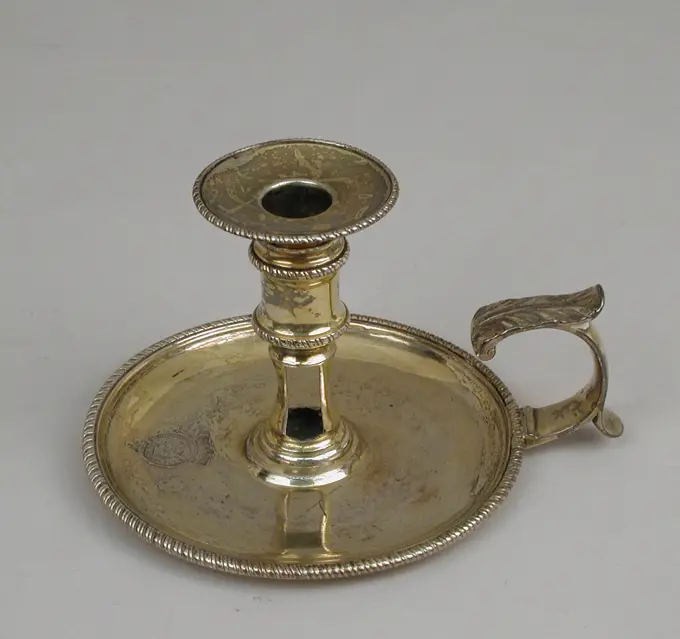
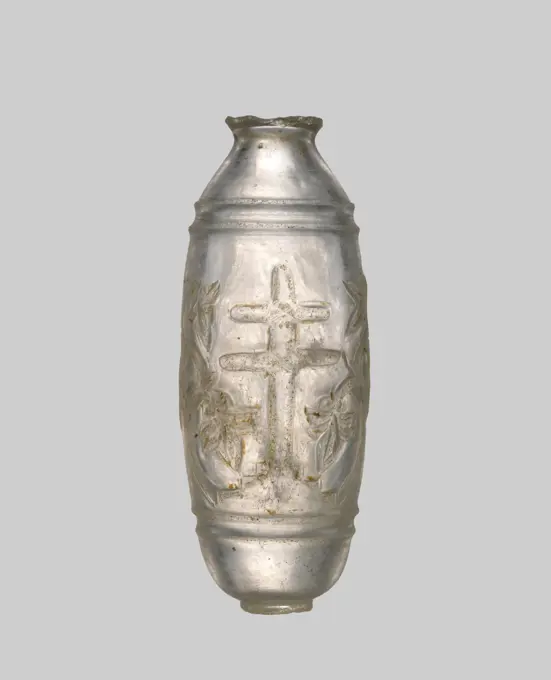
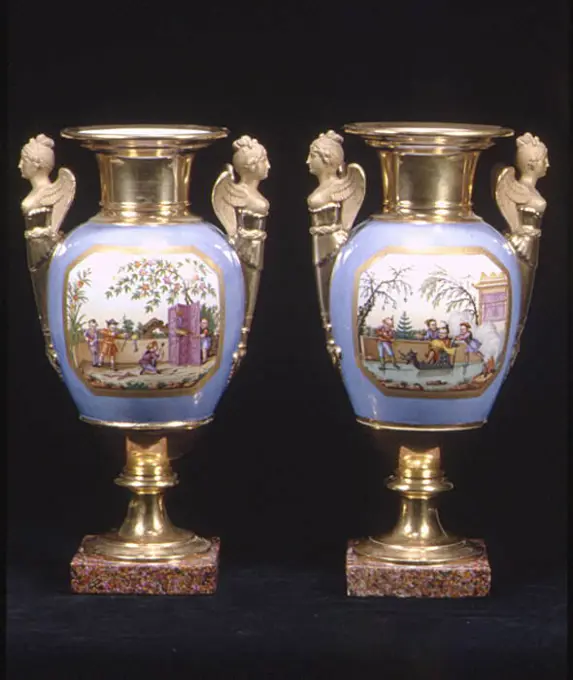
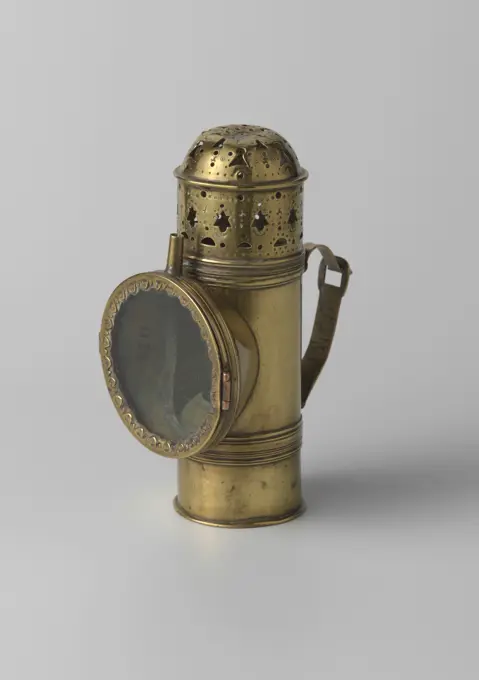
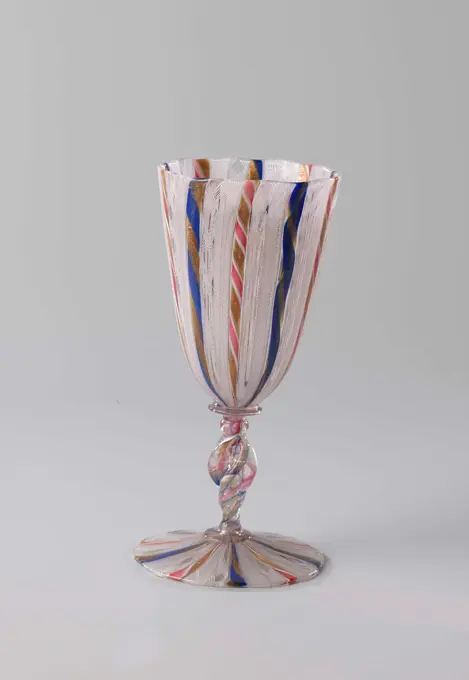
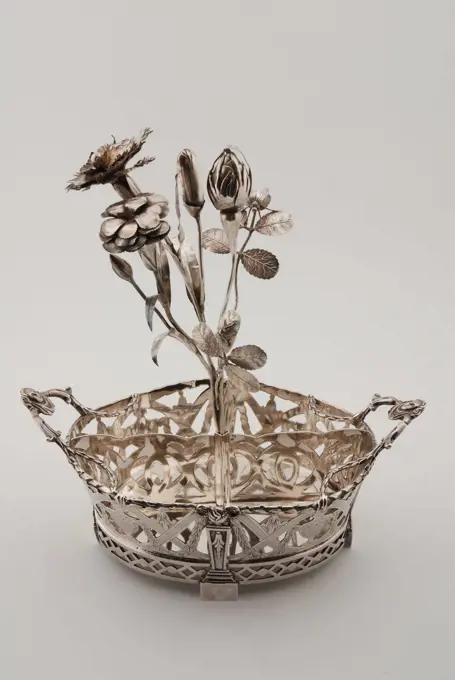
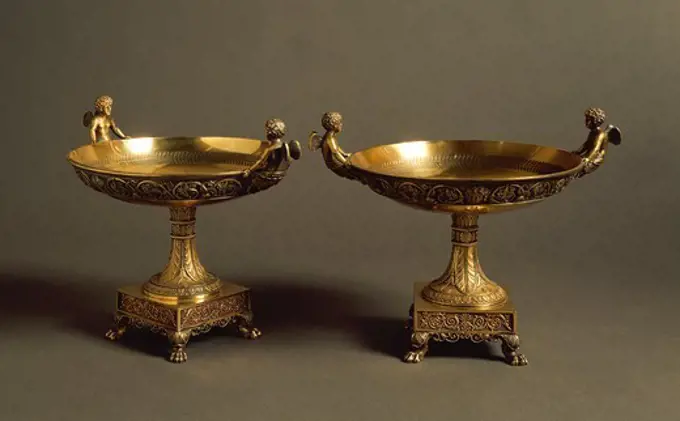
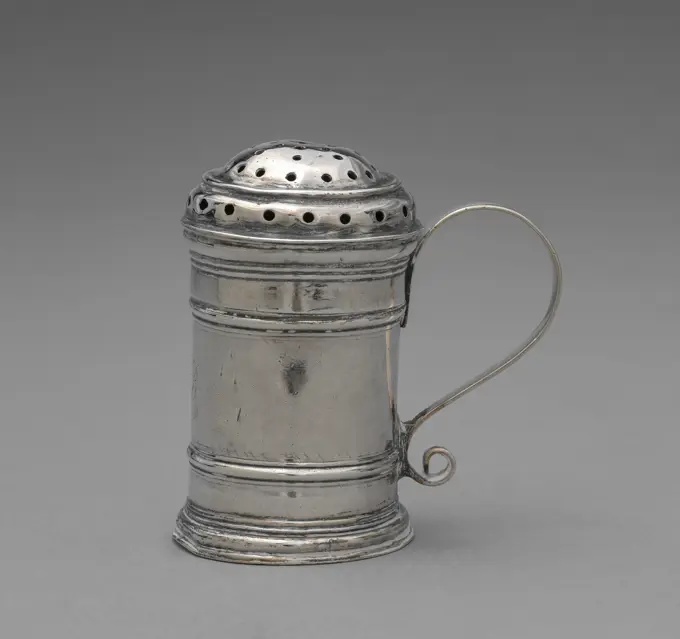
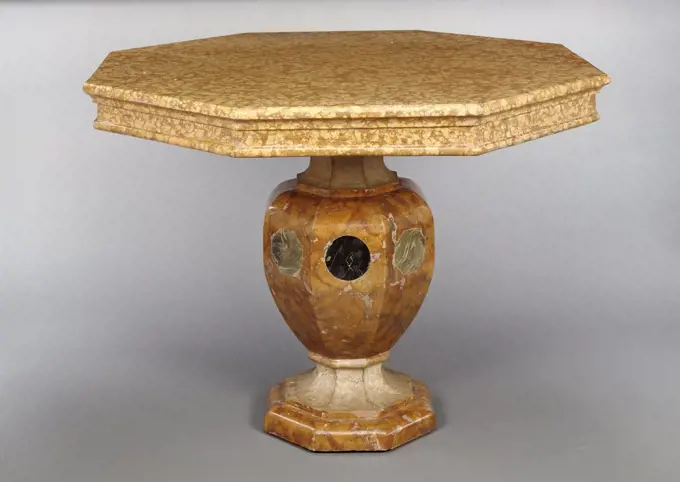
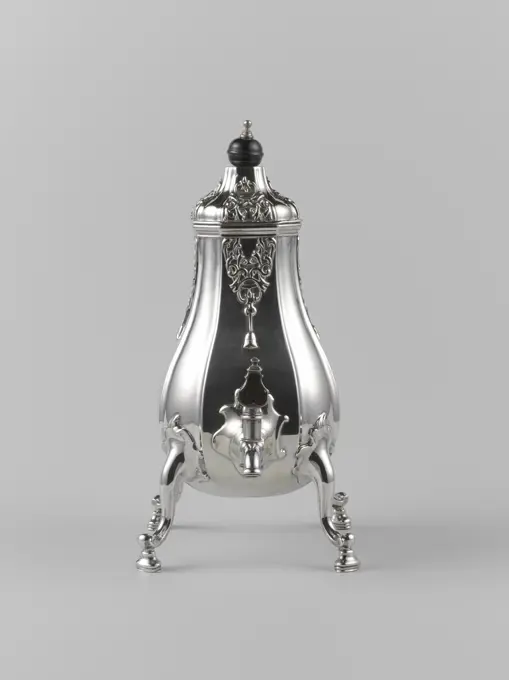
Vase mounts (one of a pair) 1850-51 L.H.R., London. Vase mounts (one of a pair). British, London. 1850-51. Silver gilt. Metalwork-SilverStamp with the coat of arms JastrzębiecMaker's Mark WC crowned, rosette below, probably William Carter, Caster, 1672/73, silver.AJLC Berger. "Cup". Money. 1811-1819. Museum of Fine Arts of the City of Paris, Petit Palais. 74382-24 Money, silverware, gobletSilver goblet. Russian 17th century. MetalWaste Bowl ca. 1810 American. Waste Bowl 9736Tankard Set with Coins. Andreas Junge I (Germany, North Germany, Konigsberg, 1686-1757). North Germany, Königsberg, circa 1750. Furnishings; Serviceware. Silver, silver giltCandlestick, Bernardus Coolhaas, 1728 Silver candlestick, on a square, profiled foot. The trunk is baluster -shaped. A weapon between two lions is engraved on the foot. Zutphen silver (metal) Silver candlestick, on a square, profiled foot. The trunk is baluster -shaped. A weapon between two lions is engraved on the foot. Zutphen silver (metal)Vase ca. 1831-35 French This vase is part of a pair that feature two views of the New York City region copied from a portfolio of prints entitled "Views in New York and Its Environs" (1831-34). This vase, shows lower Manhattan seen from the East River side of Governor's Island. The other (17.144.1) entitled "Elysian Fields, Hoboken," portrays a New Jersey park located directly opposite New York City that became a popular spot in the early nineteenth century.. Vase 9501Cover for a Tea Caddy, 1713. Thomas Ash (British). Silver; overall: 11.5 cm (4 1/2 in.); base: 5 x 7.5 cm (1 15/16 x 2 15/16 in.).. Round tobacco basin on three legs, which are attached under the top edge. On the inside of the body supports the loose copper inner container on an excellent edge.Pitcher 1828-68 Designed by Charles A. Cornwall. Pitcher 5786Parts of a surtout de table. Dated 19th CenturyUrn (one of a pair) 1775-85 Chinese, for European market. Urn (one of a pair) 201026Renaissance style gold inlaid steel amphora. Old XIX century engraved illustration from La Ilustracion Española y Americana 1894Apothecary jar (albarello) late 16th or early 17th century Italian. Apothecary jar (albarello) 460268Salt barrel. Salt barrel on three outs of curved legs. Between the legs is an open-worked edge consisting of flowers and ribbons. The salt vessel has not been marked. The salt barrel includes an identical salt barrel.Cann 1775-1800 American. Cann. American. 1775-1800. Silver. Possibly made in Mid-Atlantic, United States; Possibly made in New England, United StatesChalice 1788 Scottish The inscription on this chalice indicates that it and a pewter flagon (65.199.4) belonged to the same congregation under the ministry of John Fairly.. Chalice. Scottish. 1788. Pewter. Metalwork-Pewter. Kwispoor whose second identical copy (BK-1994-75-B). Smooth stand ring with a spherical belly above it and upwards very widely flared neck with folded flat edge. The belly and the edge are driven with flower and leaf refines. Three silver brands. Indonesia, second half of 17th, first half of the 18th century.Compote. Culture: American. Dimensions: H. 2 5/8 in. (6.7 cm); Diam. 6 1/8 in. (15.6 cm). Date: 1830-35. Museum: Metropolitan Museum of Art, New York, USA.Water Pipe Top 18th century. Water Pipe Top 444595Pair of Vases; Italy; early 17th century; Golden alabaster (alabastro dorato) with paragone marble bases;Cup;  KON. XVIIIW. (1780-00-00-1795-00-00);Cream Jug (England); Designed by Joseph Angell III (English, ca.1816-ca.1891); silver; Overall: 16.6 x 12 x 10 cm (6 9/16 x 4 3/4 x 3 15/16 in.)Pitcher. Culture: American. Dimensions: H. 6 3/4 in. (17.1 cm). Date: 1850-70. Museum: Metropolitan Museum of Art, New York, USA.Anonymous. Vase mounted. Céladon, golden bronze, 1770-1785. Paris, Cognacq-Jay museum. 78926-18 Anse, blue, bronze gilded, ceramic, ceramic, lid, gilding, pine cone, vase monte, 18th 18th 18th 18th 18th 18th 18 centuryFRUTERO VIDRADO EN VERDE - ARTE POPULAR. Location: ALFARERIA. JAEN. SPAIN.Tours, Blaise, Gabriel, Ciborium of precious metal, set up during the Exposition Rétrospective of 1873 in Tours, France, photomechanical print, page, photos, photographically illustrated books, height 196 mm, width 126 mm, French, 1827 - 1897-09-04, maker, manufacturer, 1873 - 1873, paper, Woodbury typeCup, 1700 - 1800  Cup-shaped cup on a foot ring, outside black enforced, inside (fire) gilt suassa. Upper edge slightly sculpted with five vertical ridges from edge to foot ring. On the outside five rectangular cartouches with cut decoration in gilded relief of branches with leaves and flowers, birds and one cartouche with palm branches and fruits. On the outside along the top edge a horizontal band with carved decoration. Wear -shaped ears are clank on both sides, getting out of two sides on the bottom. Ears are stylized branches, partly smooth and round, which split in two, with (flower) buds and flowers on top. Tonkin . casting  Vietnam. Canton. Small grumbler with inserted bottom on conical, spun base from a wire. The spherical chalice as a whole blown with the trunk that is busy with three bramnopsMug 1707-8 John Martin Stockar. Mug 185945Chamber candlestick or taperstick 1811-12 Rebecca Emes. Chamber candlestick or taperstick. British, London. 1811-12. Silver. Metalwork-SilverWhale Oil Lamp 1830-40. Whale Oil Lamp. 1830-40. Pressed and free-blown lead glassCzarka;  1. PO. 19th century (1830-00-00-1850-00-00);Sugar bowl with cover (part of a service) 1790-1800 Chinese, probably for British market. Sugar bowl with cover (part of a service) 201082Coffeepot (part of a set) 1773 Johan Henrik Blom Finish The service (47.51.1-.5) is thought to have been given by Empress Catherine II to Count Pyotr Rumiantsev, governor of the Ukraine and leader of the victorious Russian forces in the war with Turkey (1768-74). Enamel portraits on the utensils depict the imperial line from Peter the Great to Catherine II to her son, later Paul I. Facing are: Catherine II on the coffeepot, the empress Elizabeth on the teapot, the empress Anna on the bowl, Peter III on the cream jug, and Catherine I on the sugar-box lid. The shape and decoration recall silver utensils made in northern Germany, especially Berlin. German silver was highly esteemed in Russia, where a large German artistic community had influenced the transmission of Western forms since the time of Peter the Great. The goldsmith, born in Vyborg at the Gulf of Finland, might also have spent time in northern Germany during his journey years.Wolfram Koeppe, 2003. Coffeepot (part of a set) Pitcher.   Maker: John H. Connor, American, active ca. 1833-38Cruet Stand 1765-76 Myer Myers American Quintessentially rococo is this frame to hold condiment containers for the dinner table. Sugar, pepper, and other spices would have been dispensed from silver casters and oil and vinegar from glass cruets. Most silver cruet stands used in America were imported from England and were equipped, as is this New York example, with a central openwork handle, shell feet, and an asymmetrical cartouche for an engraved armorial or script monogram.. Cruet Stand 2749Cup (part of a service) 1800-1830 J. Spode. Cup (part of a service) 187944 Factory: J. Spode, Cup (part of a service), 18001830, Soft-paste porcelain, Height: 2 1/4 in. (5.7 cm). The Metropolitan Museum of Art, New York. Gift of Rev. W. P. Eigenbrodt, 1894 (94.5.1)Covered Porringer Porringer; France; pewterRELICARIO DE PLATA - SIGLO XVII. Location: CONVENTO DE LAS CLARISAS / MUSEO DE ARTE SACRO. MONFORTE DE LEMOS. LUGO. SPANIEN.Tripot Covered Bowl Shaped Like An Ancient Ritual Vessel. Lid of porcelain cover bowl, covered with a monochrome green, gray glaze. Covered with geometric motifs and 'taotie' masks in relief; Three openwork boxes. Monochromes.Pair of candlesticks 1762-64 Jacques Roettiers. Pair of candlesticks 200083Waste Bowl 1835-45 Robert and William Wilson. Waste Bowl 9746Egg Cups And Stand (England); mahogany, probable pear beech ()Teapot (part of a set) 1773 Johan Henrik Blom Finish The service (47.51.1-.5) is thought to have been given by Empress Catherine II to Count Pyotr Rumiantsev, governor of the Ukraine and leader of the victorious Russian forces in the war with Turkey (1768-74). Enamel portraits on the utensils depict the imperial line from Peter the Great to Catherine II to her son, later Paul I. Facing are: Catherine II on the coffeepot, the empress Elizabeth on the teapot, the empress Anna on the bowl, Peter III on the cream jug, and Catherine I on the sugar-box lid. The shape and decoration recall silver utensils made in northern Germany, especially Berlin. German silver was highly esteemed in Russia, where a large German artistic community had influenced the transmission of Western forms since the time of Peter the Great. The goldsmith, born in Vyborg at the Gulf of Finland, might also have spent time in northern Germany during his journey years.Wolfram Koeppe, 2003. Teapot (part of a set) 199793ButterCooler.  Manufacturer: William Ellis Tucker, American, 1800-1832 Manufacturer: Tucker and Hulme, American, active 1828-1829 Manufacturer: Tucker and Hemphill, American, active 1831-38 Manufacturer: Joseph Hemphill, American, 1770-1842Two-HandledVase. Honorand: Gilbert du Motier, Marquis de Lafayette, French, 1757-1834Honorand: Charles Cornwallis, British, 1738-1805Sugar Bowl 1800-1830 Hugh Wishart. Sugar Bowl. American. 1800-1830. Silver. Made in New York, New York, United StatesCup and Cover early 20th century (original dated 16th century) Hungarian. Cup and Cover 463220One of a pair of lamps. Culture: China. Dimensions: H. 17 1/8 in (43.5 cm). Date: mid-18th century.The removable sides of the lamps are jade plaques in carved wood frames, each inscribed at the top with a group of nine characters that can be read in any order. The various readings are transcribed in the middle of the plaques in different fanciful "archaic" scripts, with a note at the bottom giving the supposed source and date of each particular script. The main frame of the lamps are of zitan, a fine grained hardwood, and the ornaments are of boxwood an ivory.(One of a pair; see 20015.500.5.2). Museum: Metropolitan Museum of Art, New York, USA.Pair of vases 18th century Chinese with French mounts. Pair of vases. Chinese with French mounts. 18th century. Hard-paste porcelain; gilt-bronze mounts. Metalwork-Gilt BronzeSilver oil and vinegar. The oval container has legs in the form of grape bunches. The open -worked bottle holders are decorated with garlands, Francois Marcus Simons, 1803 Oil and vinegar. Oval container with a profiled border ending in leaf shapes along concave base. Paws in the form of grape bunches. A-Jour edited bottle holders with garlands and bell-shaped motifs. Between the bottles a column in the form of Tuscan column, crowned with amphora. At the base two wreaths with grape vines for the silver stopping the bottles of sharpened crystal. The Hague, 1803, Frans Simons. Brands on soil. The Hague silver (metal). crystal (lead glass) Oil and vinegar. Oval container with a profiled border ending in leaf shapes along concave base. Paws in the form of grape bunches. A-Jour edited bottle holders with garlands and bell-shaped motifs. Between the bottles a column in the form of Tuscan column, crowned with amphora. At the base two wreaths with grape vines for the silver stopping the bottleHandbell, Jan Diederik Pont, 1757 Table bell made of silver. Engraved with rocaille motifs. Engraved on the inside of the bell: Matthes Hoijer. Amsterdam silver (metal) Table bell made of silver. Engraved with rocaille motifs. Engraved on the inside of the bell: Matthes Hoijer. Amsterdam silver (metal)Pair of salt cellars on dolphins. Lilpop (Warszawa ; firma złotnicza ; fl. 1820-1851), goldsmiths companyPowder Flask. Culture: Italian, possibly Venice. Dimensions: H. 10 in. (25.4 cm); W. 6 1/4 in. (15.9 cm); D. 3 3/4 in. (9.5 cm); Wt. 9.1 oz. (258 g). Date: 16th century. Museum: Metropolitan Museum of Art, New York, USA.Vase. Culture: American. Dimensions: H. 6 1/4 in. (15.9 cm). Date: 1860-80. Museum: Metropolitan Museum of Art, New York, USA.Pair of candlesticks, Jan van Cloon (attributed to), before 1730 Silver candlestick, on a square foot. Decorated with leaf Appliqué and openwork rank motifs. Square trunk and fat catchers. Batavia silver (metal) Silver candlestick, on a square foot. Decorated with leaf Appliqué and openwork rank motifs. Square trunk and fat catchers. Batavia silver (metal)Love Cup 1900 New York City. Silver and copper . Tiffany and CompanyBeaker probably ca. 1790 Carl Gustaf Malmborg. Beaker 189079Vase, crystal staircase, c. 1885 - C. 1890 Vase of colorless glass. Round bottom, dragged away pontil brand and matt cut edge. Flattened, bent body. Rounded shoulder, transferred to a short neck in the form of an oval four -pass. The top edge is flattened. On the body in polychrome enamel and gilt, a medallion with a standing mouse that hits a frog with a carrot. Under the medallion, sharpened, etched and in polychrome email, a lake, surrounded by trees. On the downside a second medallion, also sharpened, etched and painted in polychrome email, with a mountain landscape with a river and a bridge on which three figures run. Three crossed goose springs above the medallion. Marked in gold on the soil 'Escalier de Cristal'. The vase includes a pedestal of gilded bronze (). A ear of gilded bronze () With a dragon head and cloud motifs in Chinese style on both sides. Paris glass. bronze (metal). gilding (material) grinding / etching / gilding Vase of colorless glass. Round bottom, dragged awCoffeepot (part of a set). Artist: After a painting by Pietro Rotari (Italian, Verona 1707-1762 St. Petersburg). Culture: Russian, St. Petersburg. Dimensions: Height: 10 1/4 in. (26 cm). Maker: Johan Henrik Blom (Finnish, master 1766, died 1805). Date: 1773.The service (47.51.1-.5) is thought to have been given by Empress Catherine II to Count Pyotr Rumiantsev, governor of the Ukraine and leader of the victorious Russian forces in the war with Turkey (1768-74). Enamel portraits on the utensils depict the imperial line from Peter the Great to Catherine II to her son, later Paul I. Facing are: Catherine II on the coffeepot, the empress Elizabeth on the teapot, the empress Anna on the bowl, Peter III on the cream jug, and Catherine I on the sugar-box lid. The shape and decoration recall silver utensils made in northern Germany, especially Berlin. German silver was highly esteemed in Russia, where a large German artistic community had influenced the transmission of Western forms since theCandlestick; brassMiniature waiter 1739/40 John Le Sage British. Miniature waiter. British, London. 1739/40. Silver. Metalwork-Silver-MiniatureSugarBowl. Maker, attributed to: William Will, American, 1742-1798TESORO TUTANKAMON-CALIZ PARA INMORTALIDAD. Location: EGYPTIAN MUSEUM. KAIRO. EGYPT.Caster, c. 1770. John Andrew (American, 1747-1791). Silver; diameter: 4.7 cm (1 7/8 in.); overall: 13.9 cm (5 1/2 in.).Square-sided Alabastron. UnknownCover for a Beaker, 1693. Germany, 17th century. Enameled glass; This humpen was made for the court cellar (Hofkellerei), Dresden, which belonged to the House of Saxony, showing the arms of Johann IV zu Sachsen.Roma - Vaso (Venere sopra delfini) - Museo Vaticano , Antiquities, Vases. Nicholas Catsimpoolas CollectionPorringer.   Maker: Josiah Keene, American, 1779-1868A marble vase on a tripod. Etching by G.B. Piranesi, ca. 1770.Cup with lidTureen and stand with a ladle, Engelbart Joosten, 1772 Terrine of silver on underpotel, with spoon, lid and inner box (BK-1958-19-A, B, C, D, E). Oval bin on four rocaille feet is surrounded by loose garland that is connected to the handles by Leeuwekop at both ends. On two shields combined weapon from Assueer Jan Baron van Torck etc. and from Eusebia Jacoba de Rode van Heeckeren. The terrine with a loose inner box and the underpotel are deposited with a cable edge. The vaulted lid is decorated with leaves on the four corner points and is crowned by a leaf rosette with a vass -shaped button. The oval corrugated plateau has two mascaron -shaped handles and the same weapon as described above. The spoon with oval container has a shell decoration at the front of the handle, at the rear the weapon in Voluten. All pieces marked. The Hague, Engelbart Joosten, 1772. The Hague silver (metal) Terrine of silver on underpotel, with spoon, lid and inner box (BK-1958-19-A, B, C, D, E). Oval bin on fTaperstick 1776-77 Edward Taylor. Taperstick. British, London. 1776-77. Silver gilt. Metalwork-SilverCandlestick 1800-1830 British. Candlestick. British. 1800-1830. Metal, earthenware, glass. Made in EnglandRock Crystal Flask with Cross 10th-12th century Byzantine This rock crystal flask is decorated in a relief carving centered on a double-armed cross standing on a three-stepped platform, an evocation of Golgotha where Christ was crucified. Each arm of the cross is attached to the upright by an "x" mark. Vines with carefully articulated trilobed leaves scroll upward from each end of the lowest step of the base; leaves flanking a cross were a popular motif in Byzantine art. On the reverse of the flask, outlines of a carefully carved lancet leaf appear in expanding repeats until they terminate into vertical bands on each side; the bands are elaborately detailed with striations and bead motifs. The decorated zone is set off above and below by two simple bands carved in relief. At the base, the area below the bands curves down into a slightly chipped, extended cylindrical foot. The chips suggest the foot was once attached to a mount, possibly metalwork. At the top, the vessel extends more diGoblet British 19th centuryPair of vases ca. 1810-20 French, Paris. Pair of vases 207341Pair of miniature vases ca. 1730 Meissen Manufactory German. Pair of miniature vases 203138HAND LANT OF Messing, Anonymous, 1790 - 1810 The cylindrical object consists of a hull and the next four parts attached with hinges: the window, the head and the two -part handle. The hull, which is decorated with profiled tires, is weighted in the foot. A candle holder can be placed here. At the front is a chasing section, which is closed by a hinge and cutting attached round window with greenish almost colorless glass, contained in a serrated frame. The hull has a folding handle at the back. In the Van Boven Bolle head, openings of different shape have been applied and (as well as on the handle) dot and other decorations have been taken. The head has a dent. The candle holder is missing. The window hinge has been restored in red copper. The function of the round protrusure on the cortex is unknown. West-Europa brass (alloy). glass. copper (metal) striking (metalworking) The cylindrical object consists of a hull and the next four parts attached with hinges: the window, the head and thKelkglas of filigraanglas. Slightly conical foot from filigraanglas A fili and a retortoli in white and red. Baluster-shaped stem with white and red threads. Fully shaped chalice with rounded bottom, from filigraanglas A fili and a retortoli.Coin bank, Silver, Coin bank with lobed body on ball feet. Lid with floral repousse work and chasing. Hinged finial with a cast swan. Keyhole at front center., Probably Netherlands, 19th century, metalwork, Decorative Arts, Coin bankSilversmith: Rudolph Sondag, Oval bridal wedding basket with bouquet of various flowers and insects, honeymoon basket holder silver, die cut engraved Oval basket, two intersecting cut-out central partitions with screw attached to bottom, upright bouquet (C) in the middle with various flowers and two insects slips into crossing middle bulkhead bottom underside (smashed) wedding marry feastCALIZ DE PLATA. Location: IGLESIA DE SAN BARTOLOME. ESPEJO. CORDOBA. SPAIN.Silversmith's Art, France 19th century. Albert-Ernest Carrier-Belleuse (1824-1887), Pair of gilded silver cakestands with mythological decoration, moulded band with volutes, zoomorphic and vegetable motifs, quadrangular bases with volutes and lion paw-shaped stands.Silversmith: Frans Bison, Bridal candy basket of gold plated silver, bridal candy basket holder silver gold, sawn driven gilt plated Silver plated: boat shaped basket on four half-knot legs covered with lobes between the smooth bars in the wall are driven leaf garlands hanging on rings and medallions hanging on bows along the top edge an openwork braid band under an applied bead edge transversely placed middle partition with bars in which carnation flower stands bottom bottom: marriageCaster, c. 1715. John Edwards (British). Silver; overall: 7.4 cm (2 15/16 in.); with handle: 7.2 cm (2 13/16 in.); without handle: 4.5 cm (1 3/4 in.).Pomade Jar 1850-60 American. Pomade Jar. American. 1850-60. Pressed glass, diamond point. Made in New England, United StatesMaker's Mark E G, Pair Candlesticks, c. 1785, silver.Covered container 18th-19th century Indian, Gujarat. Covered container. Indian, Gujarat. 18th-19th century. Green Turban shell, brass, leather. Natural SubstancesUrn (England); amethyst spar, gilt bronzeOctagonal Table; Unknown; Mantua (possibly), Italy, Europe; about 1550; Rosso di Verona inlaid with nero antico and cipollina marble; Object: 84.5 x 115.6 cm (33 1/4 x 45 1/2 in.), Silver tap, octagonal, on four volute -shaped legs with bell -shaped foot. Clock -shaped handle of ebony with silver frame, Reynier de Haan, 1749 Pear-shaped, octagonal can with four short sides resting on four volute-shaped legs on a written oval bell-shaped feet. Clock-shaped handle of ebony with a silver frame. Marked and dated. The Hague silver (metal). ebony (wood) casting Pear-shaped, octagonal can with four short sides resting on four volute-shaped legs on a written oval bell-shaped feet. Clock-shaped handle of ebony with a silver frame. Marked and dated. The Hague silver (metal). ebony (wood) castingAPOSTELKAN (Cothedral JUG), Charles Mey & Son, C. 1842 - c. 1849 Can of stoneware with salt glaze. The wall of the jug is decorated in relief with eight apostles, each of which is in a gothic archnis. Hanley stoneware. salt glaze Can of stoneware with salt glaze. The wall of the jug is decorated in relief with eight apostles, each of which is in a gothic archnis. Hanley stoneware. salt glazeCandlestick, Marble, gilt bronze, White marble candlestick (a), the urn shaped nozzle with removeable ormolu leaf collar (b), on fluted columnar shaft with ormolu stops; capstan base with leaf tip and bead molding., France, late 18th century, lighting, Decorative Arts, CandlestickSilversmith's Art, Italy 20th century. Silver tea and coffee-service. Designer Arrigo Finzi, second half 1930's.Pair of candlesticks. In Batavia, Dutch silversmiths worked alongside Chinese, Indian and local craftsmen. These candlesticks bear the hallmarks of Batavia and the marks of a master IVC, possibly Jan van Cloon. His candlesticks have no Asian features and closely follow European models.Teapot.   Maker: Jacob Brittin, American, active ca. 1807-50