Elegant Glassware

A collection of ornate glassware including goblets, vases, and candlesticks, showcasing intricate designs and craftsmanship from the 19th century.

Bokaal of the Schuttersgilde in Leiden, Cornelis van Dijk, 1711 Bokaal of silver from the captains of the Schuttersgilde in Leiden from the years 1710-1712. For the chalice, in addition to the city coat of arms held by lions, their coats of arms, imposed and provided with captions: Jan des Tombe, Cornelis van der Meer, Johan Meerman, Daniel van de Velde, Frans van Kerkhem, Gerard de Bye, Cornelis van Bancem, Nicolaas Teding of Berkhout. The chamber base is caught in a rose edge and acanthus leaves. Around the lid, crowned by a leaf button: cracks, band and leaf work and weapon trophies. The foot surrounded by a kner edge is high in the middle and wears a band work decorations with cullots. On the vase-shaped nodus leaf and knot motifs on a grid. Delft silver (metal)   Leiden Bokaal of silver from the captains of the Schuttersgilde in Leiden from the years 1710-1712. For the chalice, in addition to the city coat of arms held by lions, their coats of arms, imposed and provided with capti
Bokaal of the Schuttersgilde in Leiden, Cornelis van Dijk, 1711 Bokaal of silver from the captains of the Schuttersgilde in Leiden from the years 1710-1712. For the chalice, in addition to the city coat of arms held by lions, their coats of arms, imposed and provided with captions: Jan des Tombe, Cornelis van der Meer, Johan Meerman, Daniel van de Velde, Frans van Kerkhem, Gerard de Bye, Cornelis van Bancem, Nicolaas Teding of Berkhout. The chamber base is caught in a rose edge and acanthus leaves. Around the lid, crowned by a leaf button: cracks, band and leaf work and weapon trophies. The foot surrounded by a kner edge is high in the middle and wears a band work decorations with cullots. On the vase-shaped nodus leaf and knot motifs on a grid. Delft silver (metal) Leiden Bokaal of silver from the captains of the Schuttersgilde in Leiden from the years 1710-1712. For the chalice, in addition to the city coat of arms held by lions, their coats of arms, imposed and provided with capti
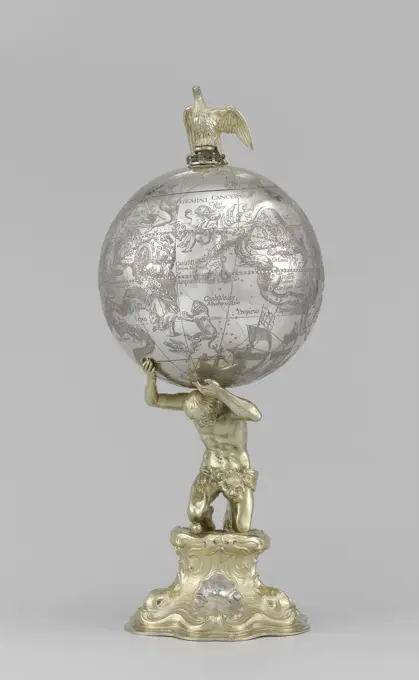
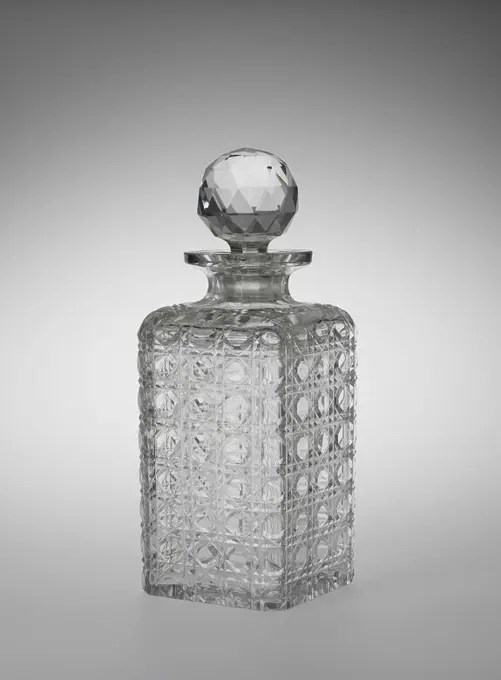
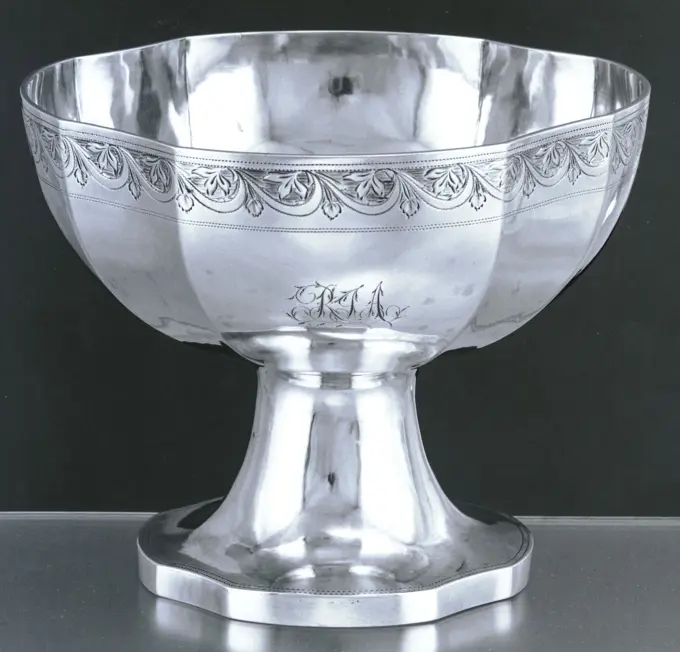
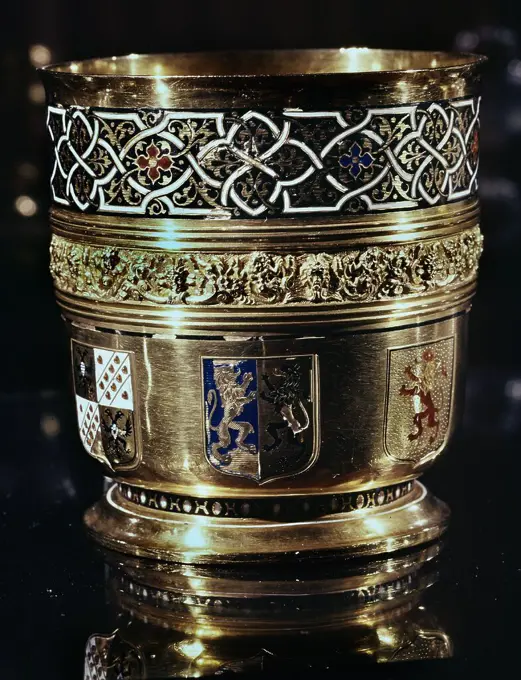
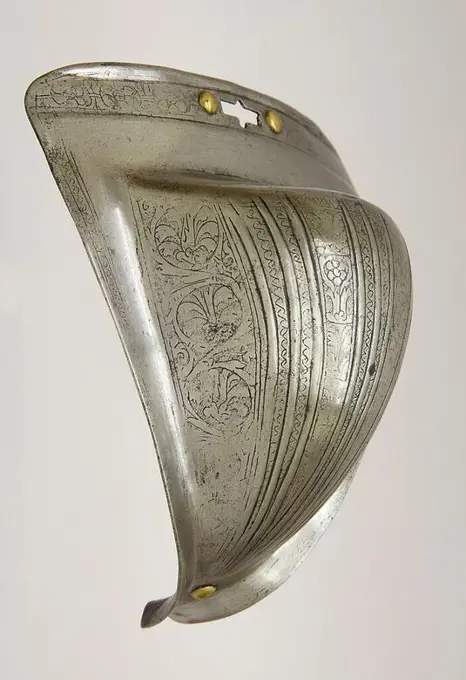
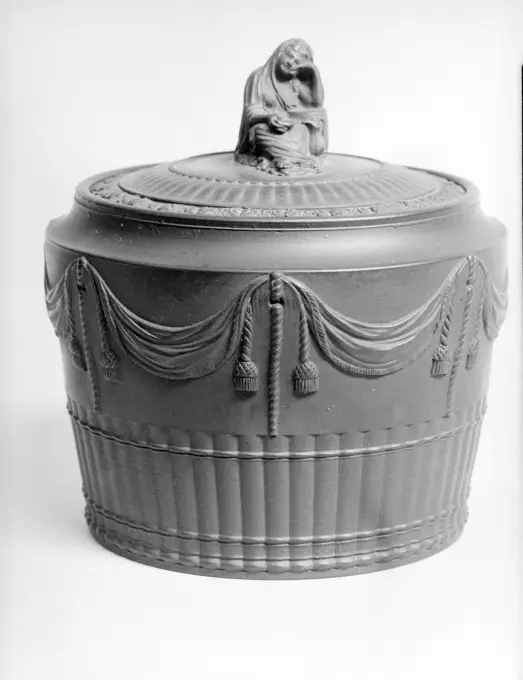
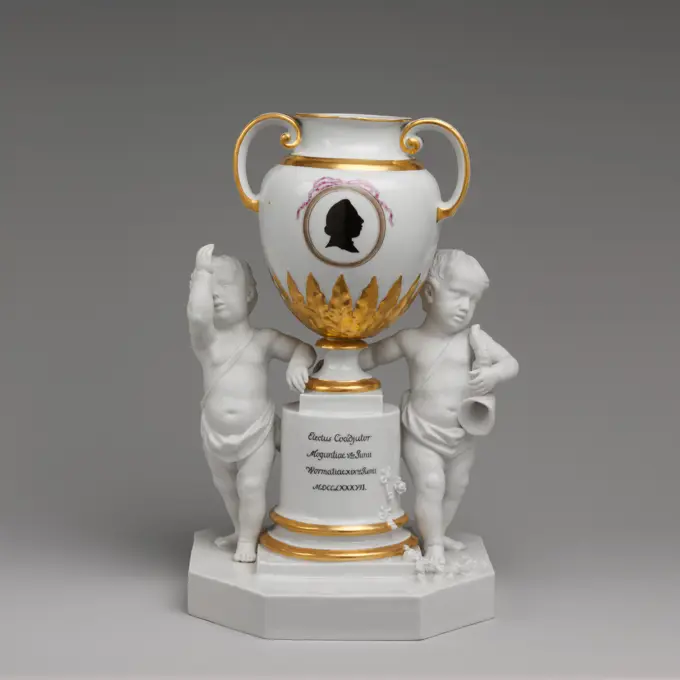
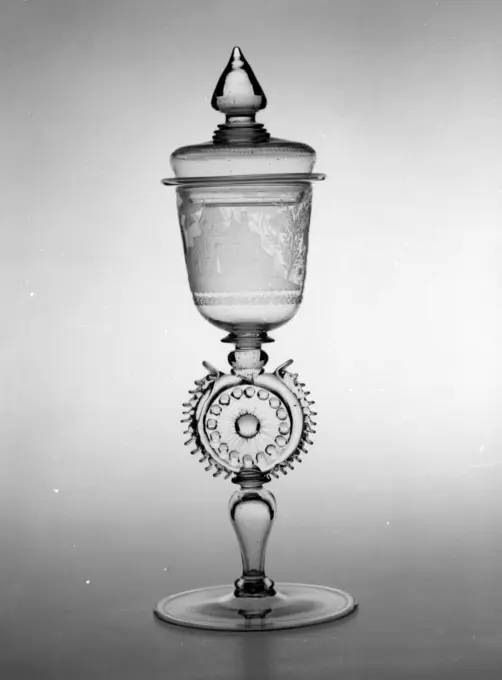
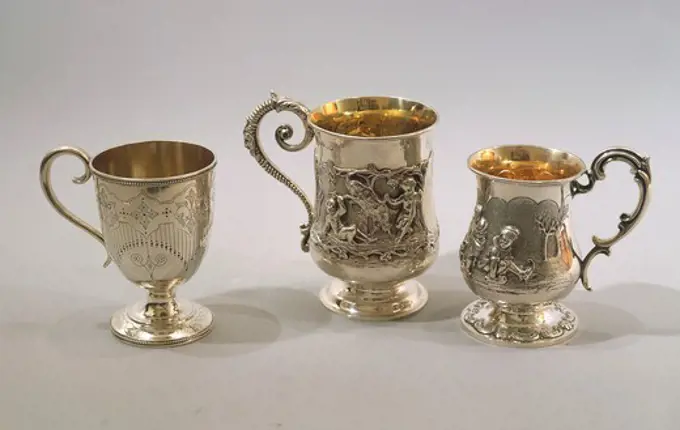
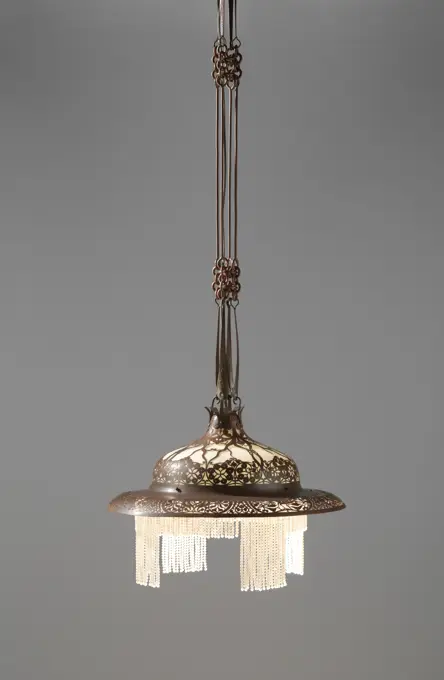
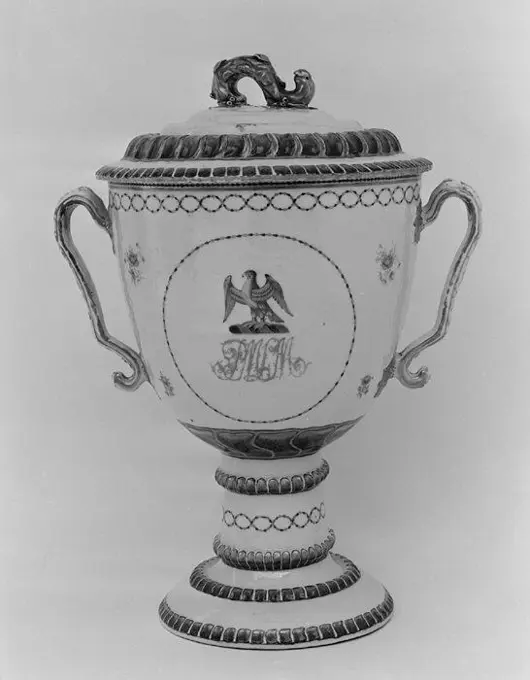
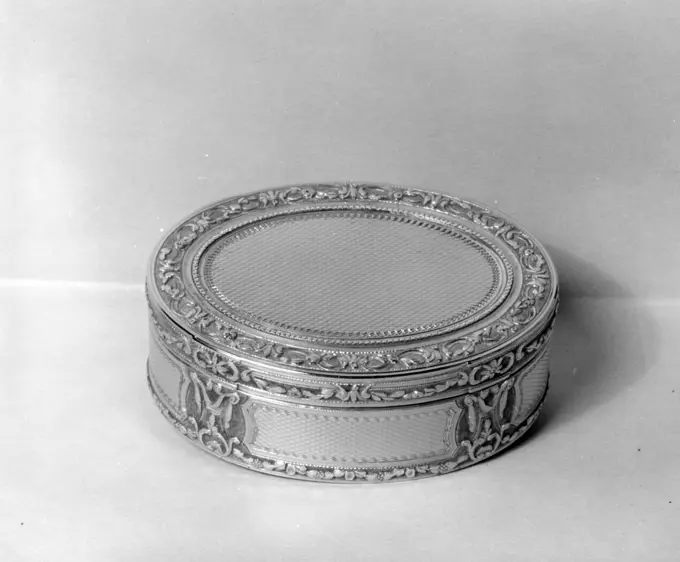
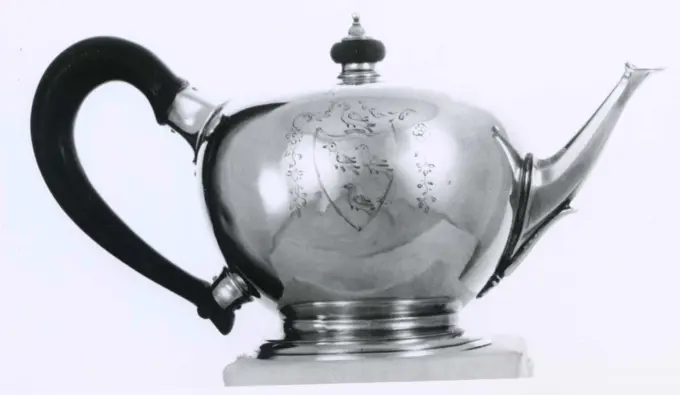
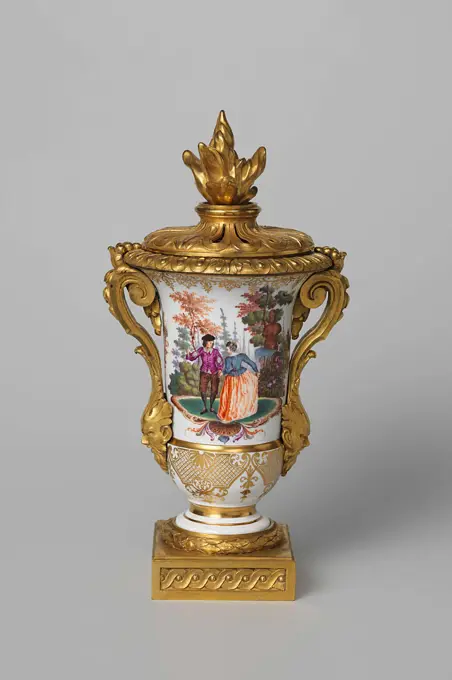
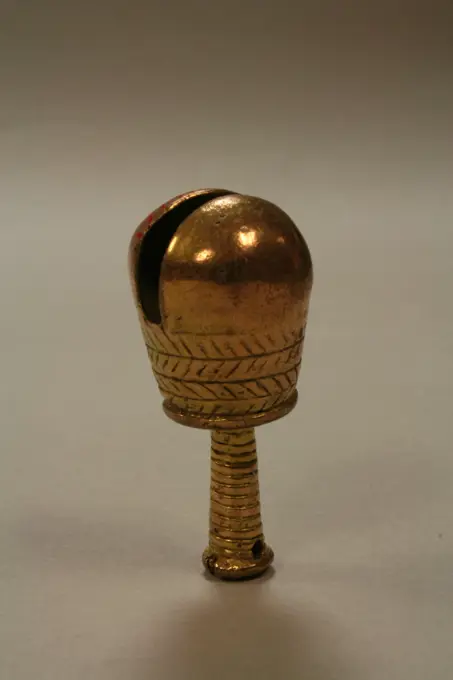
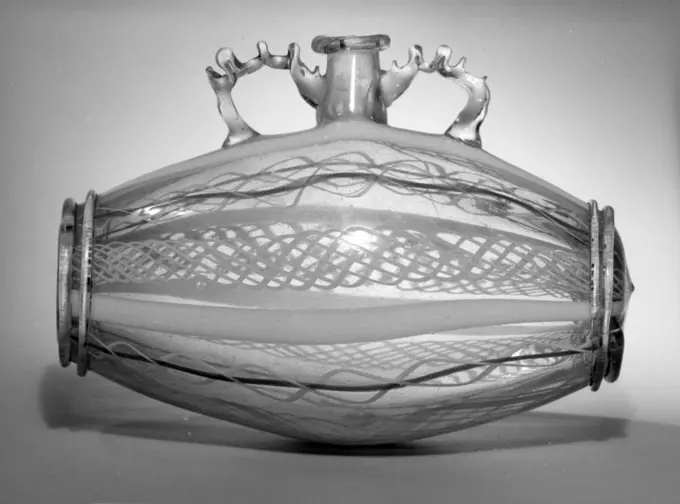
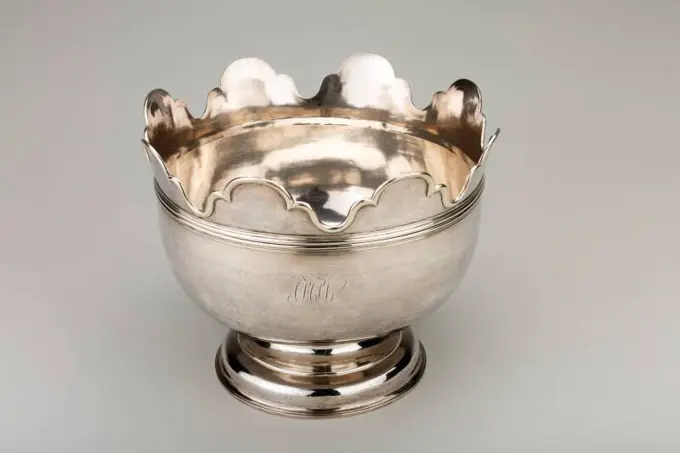
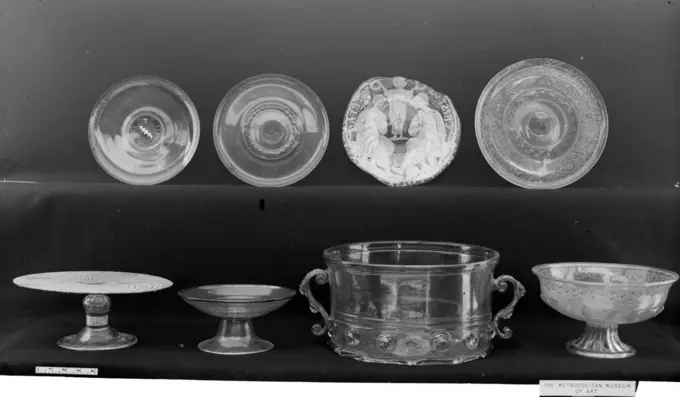
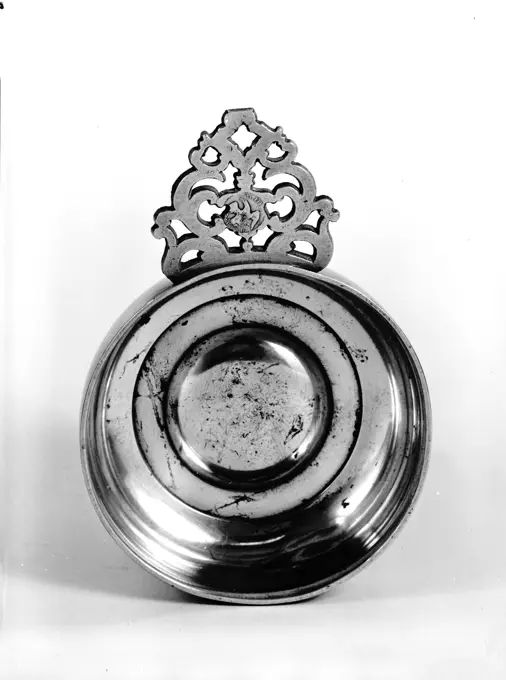
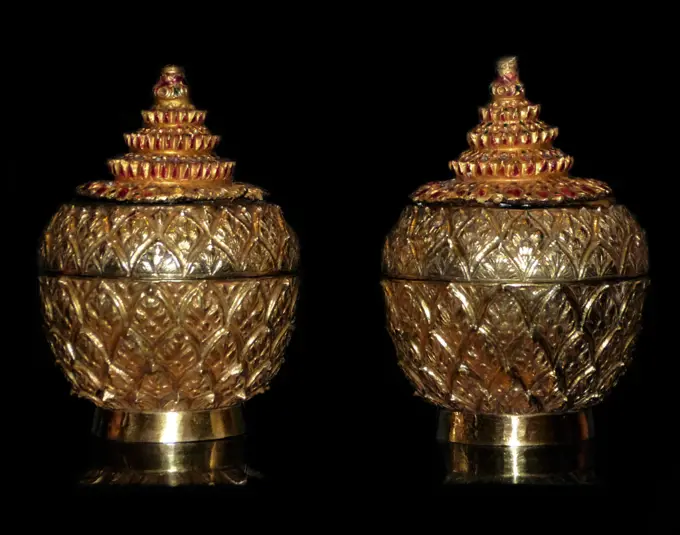
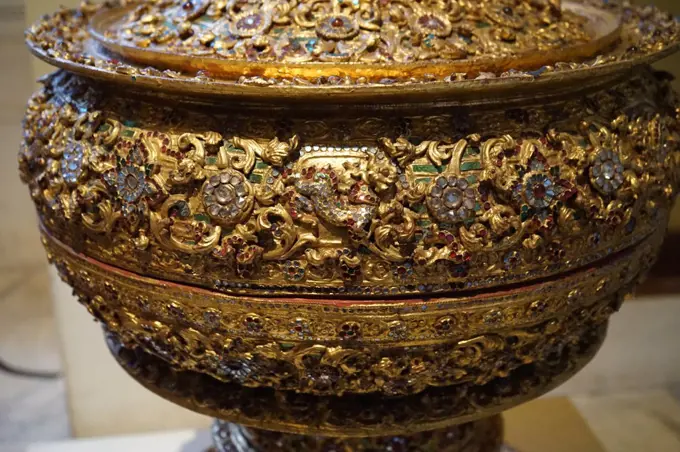
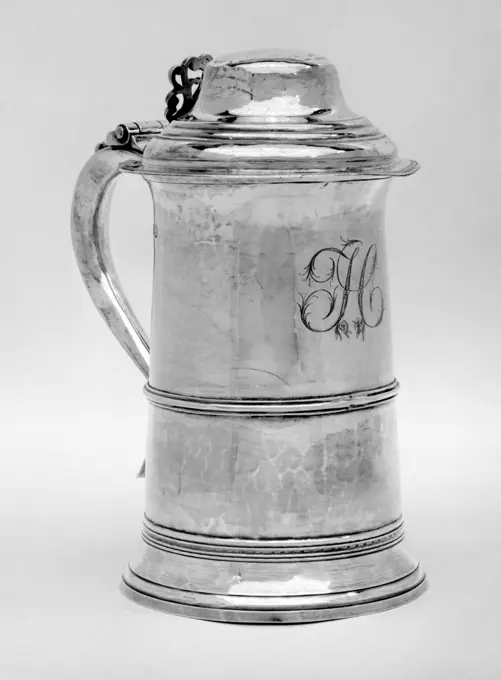
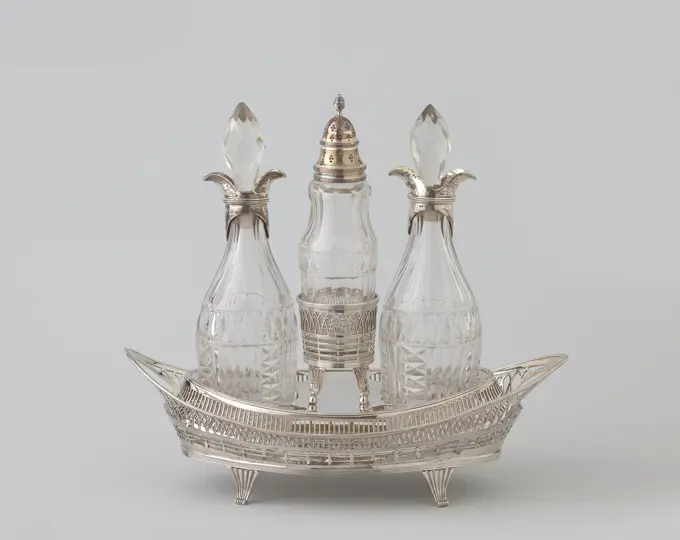
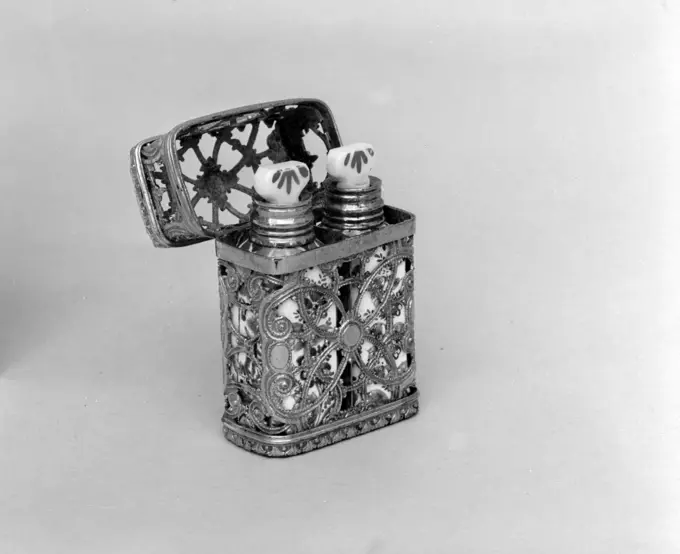
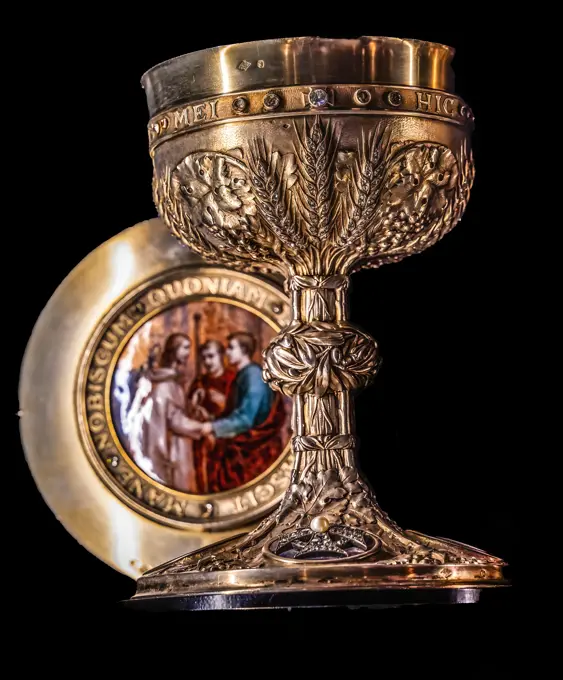
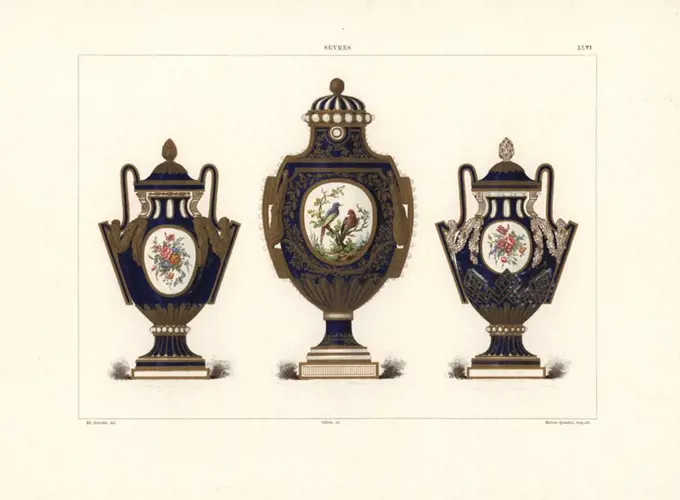
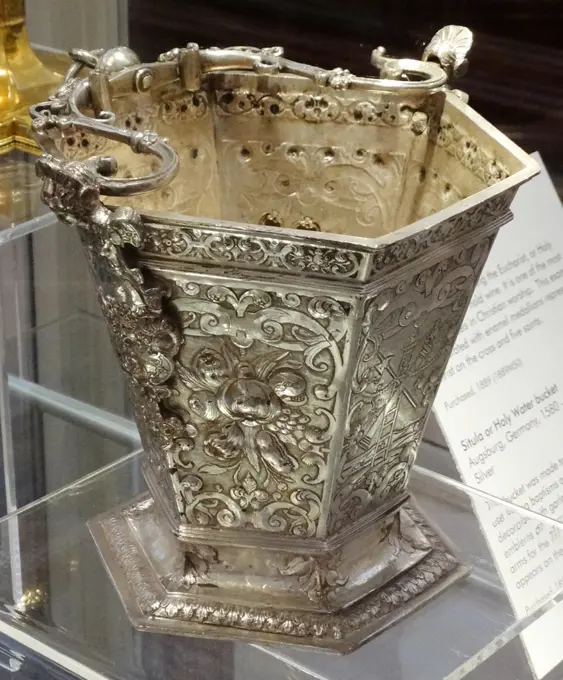
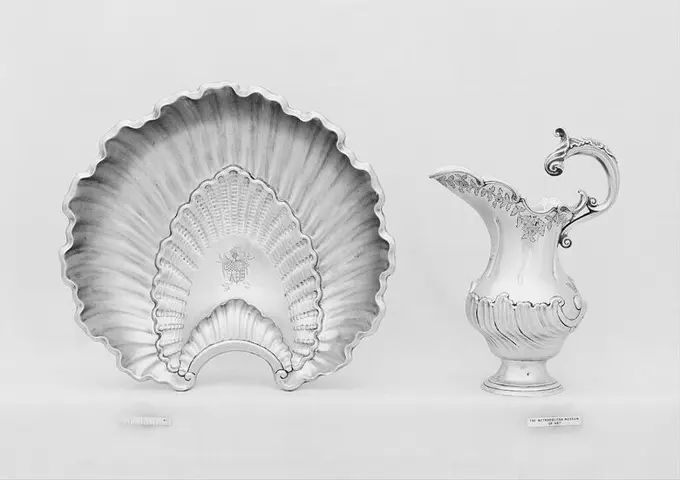
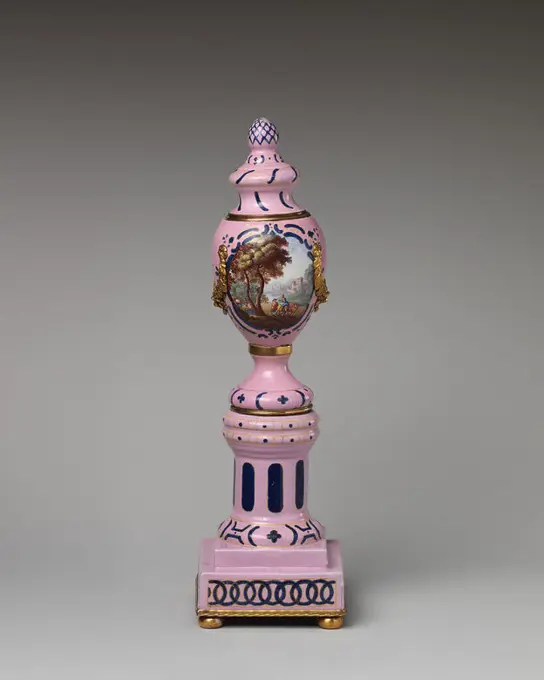
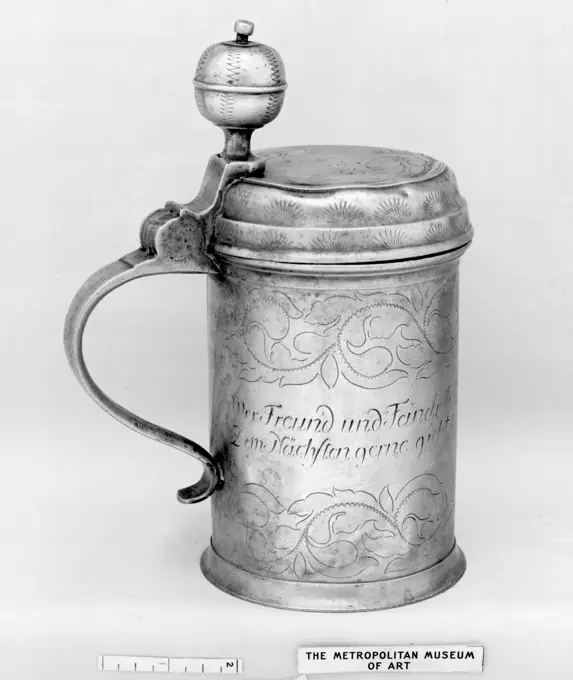
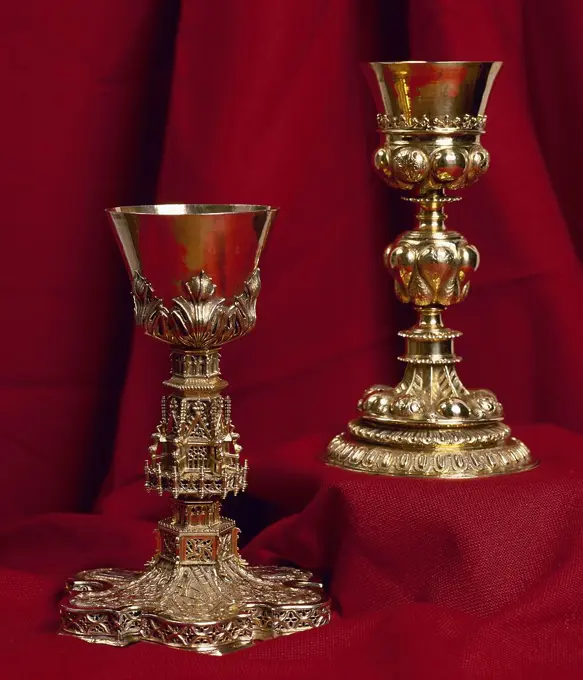
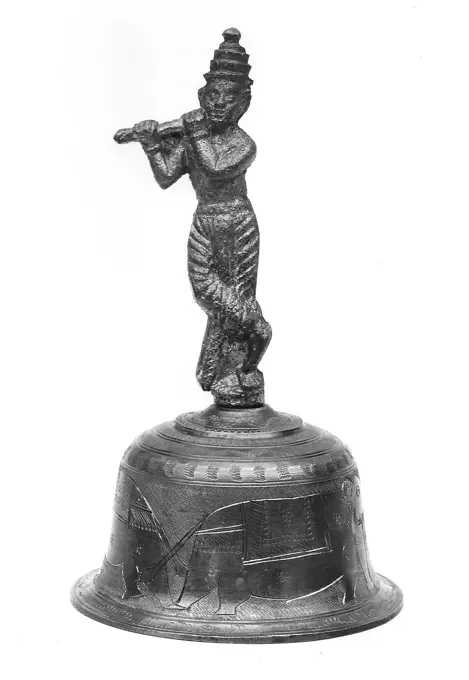
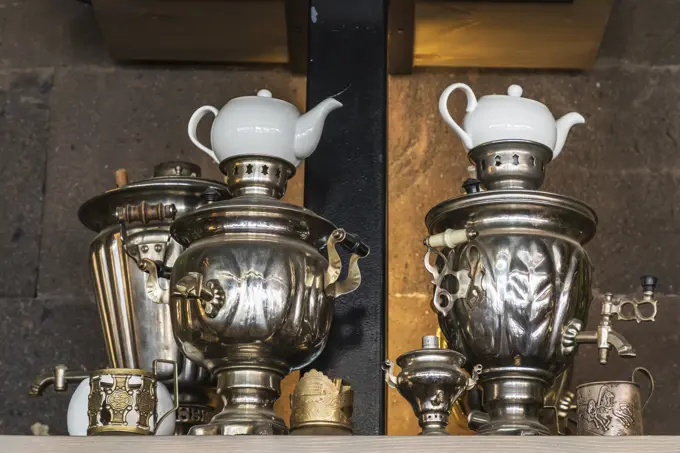
Nautilus cup. Culture: Dutch, Utrecht. Dimensions: Overall: 11 × 6 5/8 × 4 1/4 in. (27.9 × 16.8 × 10.8 cm). Date: 1602.Over the course of the sixteenth century, rulers like Albrecht V, Duke of Bavaria (who claimed to spend annually on his collections the equivalent of yearly salaries for one thousand soldiers), increasingly supplemented treasuries of precious metals with natural wonders, or naturalia. These collections were assembled in suites of rooms called Kunstkammern, or curiosity cabinets. Set in fantastical mounts, lustrous nautilus shells like this one brought the distant Indian Ocean to the North. Building on the belief that owning a universe in microcosm indicated actual dominancy, Albrecht and his contemporaries opened up their Kunstkammern for the admiration and erudition of their guests.Elizabeth Cleland, 2017. Museum: Metropolitan Museum of Art, New York, USA.Tea caddy spoon 1819-20 John Bettridge. Tea caddy spoon 192159Hercules, identifiable by the lions skin draped around his waist, carries a celestial globe on his shoulders. The mythological hero, who died on a funeral pyre and whose body was consumed by a thunderbolt cast by Jupiter, here symbolizes the element of Fire. The names and symbols of the other three elements - Air, Water and Earth - are given in the small escutcheons on the cups base.Reliquary Monstrance with Relics of Saints Anianus and Lawrence 1375-1400 Brunswick. Silver and rock crystal .Tankard.  Maker: Peter Quintard, American, 1699-1762Decanter with stopper. Culture: American. Dimensions: 8 7/8 × 3 3/8 × 3 3/8 in. (22.5 × 8.6 × 8.6 cm). Maker: Possibly Baccarat (French, founded 1764). Date: 1890-1900. Museum: Metropolitan Museum of Art, New York, USA.Bowl. Maker, possibly by: John Sayre, American, 1771-1852Maker, possibly by: Joel Sayre, 1778-1818Caliz de plata con el escudo del Prior Francesc Borràs. SXVIII.Pair of 'chrysanthemum' Candelabra, 1891-1902, Charles T. Grosjean; Maker: Tiffany & Co., American, New York City, est. 1853, 22 3/4 in. (57.79 cm), Silver, United States, 19th-20th centuryVASO DEL ARDQ ALBERTO A ESPINOLA POR BREDA. Location: MUSEO LAZARO GALDIANO-COLECCION, MADRID, SPAIN.Brayette. Culture: Italian. Date: ca. 1510-15. Museum: Metropolitan Museum of Art, New York, USA.Bowl 1778-86 E. J. Neale and Company. Bowl. British (American market). 1778-86. Earthenware, basalt. Made in Staffordshire, Stoke-on-Trent, EnglandCáliz de Calixto III, siglo XV. Museo de la Colegiata de Xàtiva.Dram Mug,  c. 1695Inner box of blue glass, Diederik Willem Rethmeyer, 1806 Inner box of blue glass rests on an excellent edge just above the base of the bottomless pot. Amsterdam glass Inner box of blue glass rests on an excellent edge just above the base of the bottomless pot. Amsterdam glassVase 1787 Fürstenberg Porcelain Manufactory. Vase 206392Bottle with stopper late 18th century British. Bottle with stopper. British. late 18th century. Glass. GlassStanding cup 17th-early 18th century Swedish or Southern Netherlandish. Standing cup. Swedish or Southern Netherlandish. 17th-early 18th century. Wheel-engraved, molded and tooled glass. GlassSilversmith's Art, Great Britain 19th century. Silver decorated mugs with parcel gilt interior.Lid of silver, oval and dome-shaped, with handle of flower and leaf motifs. Engraved alliance weapon with deer and arms spell: Grace me Guide .. large, oval silver lid, for warming food. Dome-shaped with a handle from baroque flower and leaf motifs. An engraved alliance weapon with a deer as a crest. Below the arms spell: Grace Me Guide.Cruet Stand, 1766. Robert Joseph Auguste (French, 1723-aft 1795). Silver and glass; overall: 20.8 x 14.6 cm (8 3/16 x 5 3/4 in.).Miniature cruet stand. Culture: Dutch, Amsterdam. Dimensions: 2 1/8 × 3 1/2 in. (5.4 × 8.9 cm). Maker: Possibly S. A.. Date: 1738. Museum: Metropolitan Museum of Art, New York, USA.Casserole with cover 1778-79 Pierre-François Goguelye (or Gogly). Casserole with cover 200217Drawing, Design for an Oil Lamp.; France; pencil, brush and ink, watercolor, tempera colors on tracing paper, tipped down.; Sheet: 43.5 x 28.5 cm (17 1/8 x 11 1/4 in.)Przeszo Przyszoci Ronan, Jean (1703 1780)Copper hanging lamp with beads, Theo Nieuwenhuis, c. 1916 The hanging lamp consists of a hood hung on four chains. This has a sawn -out decoration, in which tibaries and birds are included. A ball of frosted glass is mounted on the inside. The chains consist of links and three rods, the lower and upper ones of which are etched and strictered tivulus. A volant of frosted glass beads has been applied to the hood and a natural cloth with beige battery ornament motifs to shield the lighting. Amsterdam copper (metal). glass. textile materials sawing / etching The hanging lamp consists of a hood hung on four chains. This has a sawn -out decoration, in which tibaries and birds are included. A ball of frosted glass is mounted on the inside. The chains consist of links and three rods, the lower and upper ones of which are etched and strictered tivulus. A volant of frosted glass beads has been applied to the hood and a natural cloth with beige battery ornament motifs to shield the lighting. AmstCup with cover 1785-1800 Chinese, for British market The monogram initials belong to Peter Le Mesurier (1750-1803), hereditary Governor of Alderney, 1793-1803.. Cup with cover 201019Box 1779-80 Claude-François Thierry. Box. French, Paris. 1779-80. Gold. Metalwork-Gold and PlatinumTeapot.   Maker: Thomas Edwards, American, 1701-1755. Silver ink set. The leaf is straight on the back and at the front. The inkwell and sand spreader are melon. The pear-shaped table bubble is applied between the two melons.John LeTelier Sr., Altered Sugar Bowl and Cover, c. 1785, silver.Three vases, part of a garniture. Meissener Porzellan Manufakturafter paintings by Jean Antoine Watteau (1684-1721)Meissen, c. 1735-1740hard-paste porcelain, gilt bronzeVase 18th-19th century China. Vase 61073The International Exhibition: articles in Parian by W. H. Goss, 1862. 'The Octagon Vase, Dessert-dish, Globe Vase. The dessert-dish consists of a tazza, supported by a group of caryatides, both of which are elaborately finished with chased gold and turquoise enamel, the drapery of the figures being sprinkled over with stars. The globe vase seems to us to be an object of peculiar interest, both on account of the exceeding beauty of its form and its apparent harmony with its use and mode of production. Clay is especially fitted for fabrication into forms of beauty by the agency of the potter's wVase. Culture: China. Dimensions: H. 15 1/4 in. (38.7 cm). Museum: Metropolitan Museum of Art, New York, USA.Bell A.D. 750-950 Greater Coclé Technical note: Optical microscopy and XRF conducted in 2017. This bell was cast by the lost wax process, and all design elementsincluding the four registers of diagonal lines on the outside of the resonatorwere created in the wax model. The bell has a long hollow stem (1.8 cm long) (see image 2)a feature especially distinctive of some Greater Coclé bellsthat leads to the bulbous resonator. The stem was created by wrapping a long wax thread around a thin cylindrical organic element that was later removed or burned out during the casting, and the hollow resonator was formed in wax sheet applied over a ceramic core, which contained the previously cast clapper ball element imbedded within it. After casting, the core was also removed from the interior of the resonator, leaving behind the spherical clapper to move freely within the metal cavity. If we shake the bell, the motion of the clapper striking the walls creates a light, watery sound. Also, after cSüdniederländisches Räuchergefäß aus dem 16. Jahrhundert - Verzierter Weihrauchbrenner aus Metall Ornate 16th-century censer from the South Netherlands. Crafted from metal with an openwork cage design, chains, and a base. Represents historical religious or ceremonial objects. LicenseRF Copyright: xZoonar.com/GallóxGusztávx 23406704Flask 17th-18th century Italian, Venice or French. Flask. Italian, Venice or French. 17th-18th century. Glass. GlassHopetoun Monteith,  1746Tazza 19th century Italian, Venice (Murano). Tazza. Italian, Venice (Murano). 19th century. Glass. GlassAfrican souvenir drum isolated over white clipping path African souvenir drum isolated over white clipping path Copyright: xZoonar.com/AlexanderxKarasevx 1281717Yuanbao for spring festivalPorringer 1817-56 William Calder. Porringer. American. 1817-56. Pewter. Made in Providence, Rhode Island, United StatesThai gold metalwork objects probaly part of a Buddhist ritualLidded offering vessels from Burma. Dated 19th CenturyTankard 1792-93 Possibly by George Giles. Tankard 197367PitcherStrooibus belonging to oil and vinegar set consisting of two bottles and a spreading bus in Spuntovale holder, Fa. Diemont, 1803 Glass pepper spreader with a multiple vaulted, two filet and a profile edge articulated, silver cap, which is open with a pattern of dots, and is crowned by a pineal-shaped, ribbed button. The spreader fits into a cylindrical holder that is screwed onto the insert of the oil and vinegar set. Amsterdam silver (metal). glass Glass pepper spreader with a multiple vaulted, two filet and a profile edge articulated, silver cap, which is open with a pattern of dots, and is crowned by a pineal-shaped, ribbed button. The spreader fits into a cylindrical holder that is screwed onto the insert of the oil and vinegar set. Amsterdam silver (metal). glassDetalle del relicario de San Fabián i Sebastian. Siglo XVII. Museum: Museu D'Historia de la Ciutat de Barcelona. Author: F. ROS.Ornamental vase in the castle gardens, Linderhof Palace, Bavaria, Upper Bavaria, Germany, EuropeDish (part of a service) 1757-58 François Thomas Germain French. Dish (part of a service) 200334Sports Cup isolated on a white backgroundDigital drawing of old ornamental antique garden goblet or vase made from stone with yucca plant.. Drawing of Old Antique Ornamental Stone Goblet or Vase With Yucca PlantBottle ca. 1775 British. Bottle. British. ca. 1775. Opaque glass with enamel decoration, gold, metal. Probably made in Bristol, Bristol, EnglandWineglass 16th century Italian, Venice (Murano). Wineglass. Italian, Venice (Murano). 16th century. Glass. GlassButter dish -Three glass objects Anonymous. Furniture. Three glass objects. Negative to the silver iodo-bromide on glass plate. 1900-1930.Beaker. Austria, Gutenbrunn; Johann Joseph Mildner (Austrian, 1765-1808). Date: 1787. Dimensions: 10.3 x 7.5 cm (4 1/16 x 2 15/16 in.). Glass. Origin: Heiligenkreuz-Gutenbrunn. Museum: The Chicago Art Institute, Chicago, USA.Traditional Moroccan pottery isolated with clipping path included Traditional Moroccan pottery isolated with clipping path included Copyright: xZoonar.com/Baloncicix 7333323Anefo photo collection. English silver exhibition. April 19, 1966A vase from the so -called Liwski arg, vase from the cover, from the so -called The suit of My Liwski ar, a vase from the so -called suit of My Liwski ar; Koenigliche Porcellain Fabrique, Meissen (1710-1763), Kaendler, Johann Joachim (1706-1775), Heintze, Johann George (1706/7-), Eberlein, Johann Friedrich (1695-1749); around 1739 (1739-00-00-1740-00-00);FondPorlan, Indianische Blumen, Hunting Scenes, AR SignaturesCream Pitcher ca. 1795 Chinese, for American market. Cream Pitcher 2712Silver Chalice Goblet Notre Dame Cathedral Paris France.  From the late 1800s, Chalice is used to drink wine during communion the Christian ceremony in remembrance of Jesus Christ.Charles Moss, Scent Bottle with Stopper, c 1936 Scent Bottle with StopperLid cup with portrait medallions. The cupbo of the lid cup is decorated with two screwed medallions framed with diamonds, rubies and enamelled crowns. They carry the princely miniature portraits of Johann August from Anhalt-Zerbst (1617-1742, Reg. 1718-1742) and his wife Friederike of Sachsen-Gotha-Altenburg (1675-1709). The piece is one of the exceptionally rare glasses whose cold-mounted jewelry is at least partially obtained from enamelled gold sheet. Perhaps the workshop of the Dresden Hof Jewelier Johann Melchior Dinglinger (1664-1731) was responsible for making these medallions. A closely related cup in the Dresdner Kunstgewerbemeuseum shows the crowned medallion Kurfürst-King August's strong (1670-1733), whose frame is equipped with grenades and dated 1721/22.Vector drawing of old ornamental antique garden goblet or vase made from stone with yucca plant.. Drawing of Old Antique Ornamental Stone Goblet or Vase With Yucca PlantAlms box late 18th-early 19th century Dutch or German. Alms box. Dutch or German. late 18th-early 19th century. Silver. Metalwork-SilverTankard. Maker, attributed to: Jurian Blanck, Jr., American, 1645-1714Vase with garlands and floral panel, vase with pearls and painted panel of birds, and Greek vase with garlands and floral panel. Chromolithograph by Gillot of an illustration by Edouard Garnier from The Soft Paste Porcelain of Sevres, Maison Quantin, Paris, 1891.Tea caddy (part of a traveling tea service) ca. 1788 Dihl et Guérhard French. Tea caddy (part of a traveling tea service) 194848Toy butter dish - Oval Star pattern Indiana Glass Company, 1902-1986 Indiana Glass Company, 1902-1986Miniature beaker 1690-1710 German, probably Augsburg. Miniature beaker 202772Spice boxes. The pleasant smell of the spices lingers as a memory of Shabbat as the new week starts. Netherlands 1857.Situla or Holy Water bucket made with silver. Augsburg (Germany) 1580-1600). The bucket was made to contain Holy Water for use during baptisms and other church services. It is decorated with garlands of flowers and fruit and emblems of the crucifixion of Christ.John David, Tankard, c. 1780, silver.Beaker ca. 1820 Bohemian. Beaker 207935CreamPitcher.   Maker: Herman W. Glendenning, American, 1906-1997Designer Workshop of: Arthur J. Stone, American, born England, 1847-1938'Chalices and patens', 1953. Artist: Unknown.Ewer and basin. Culture: Portuguese, Oporto. Dimensions: Height (ewer): 11 1/4 in. (28.6 cm);Overall (basin): 13 3/4 × 12 3/4 in. (34.9 × 32.4 cm). Maker: A. D.. Date: second half 18th century. Museum: Metropolitan Museum of Art, New York, USA.Cassolette with cover (one of a pair). Culture: British, South Staffordshire. Dimensions: Overall (confirmed): 11 × 3 1/4 × 3 1/4 in. (27.9 × 8.3 × 8.3 cm). Date: ca. 1775. Museum: Metropolitan Museum of Art, New York, USA.Tankard 18th century Christian Gottlieb Goebel. Tankard 189063 Maker: Christian Gottlieb Goebel, master 1765, died probably before 1785, Tankard, 18th century, Pewter, Total H. 8 1/2 in. (21.6 cm); Diam. 4 in. (10.2 cm). The Metropolitan Museum of Art, New York. Rogers Fund, 1906 (06.721)Lavender Sink, Interior Design - BathroomsGilded silver chalices. 15th century. Diocesan Museum. Calatayud. Aragon. Spain.Bell late 19th century Indian. Bell 501981Fili Anka with a saucer; Baranówka (Porcelain Manufaktura; 1804-2012); around 1820 (1810-00-00-1820-00-00);Table bubble of dark green glass with white bram buds. Table bubble with clock-shaped, dark green body. The bottom edge has been trimmed with a smooth, white wire. On the body eight white bram buds between two smooth, white wires. Crown-shaped handle, decorated with four white flowers, a white pearl edge and a silver button. White clapper.Coffeeset.   Maker: John Germon, American, active 1782-1816Armenia. Yerevan. Samovars and teapots in a shop window. (Editorial Use Only)Vintage Photograph. Famous "Gold Cup" trophy for unlimited HydroPlane RacingHockey Hall of Fame Toronto Ontario Canada