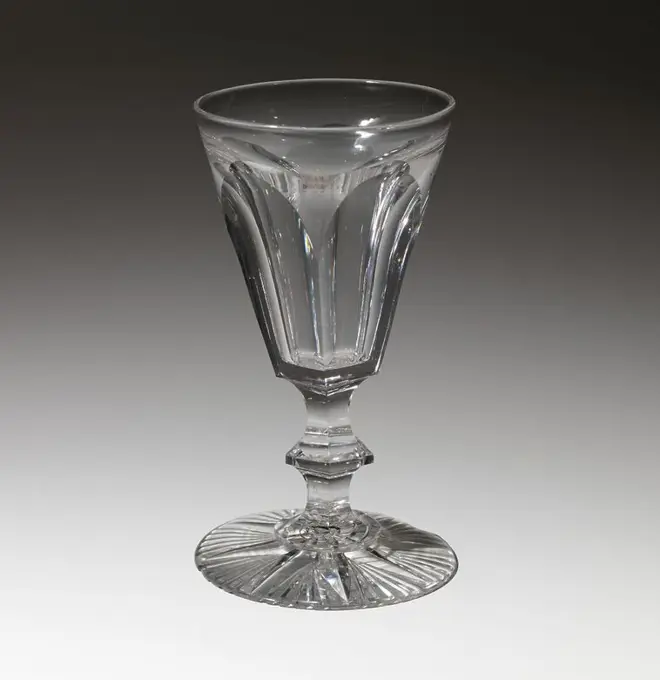
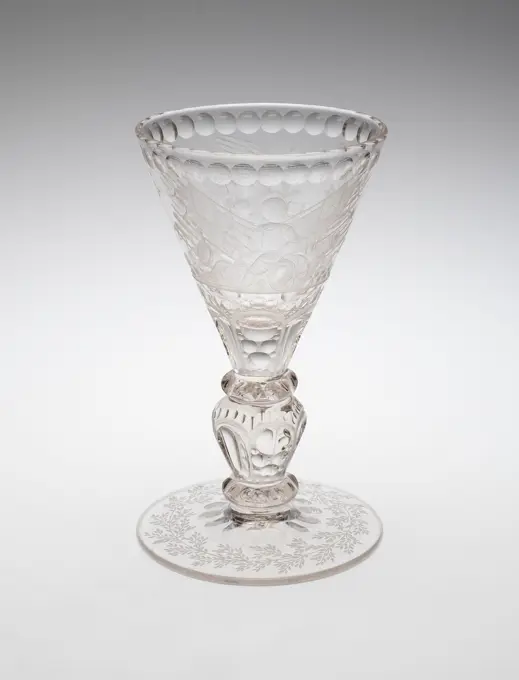
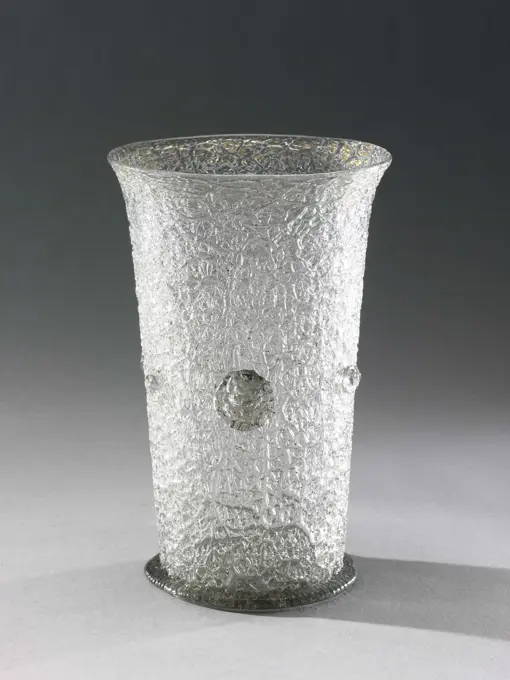
Elegant Glassware

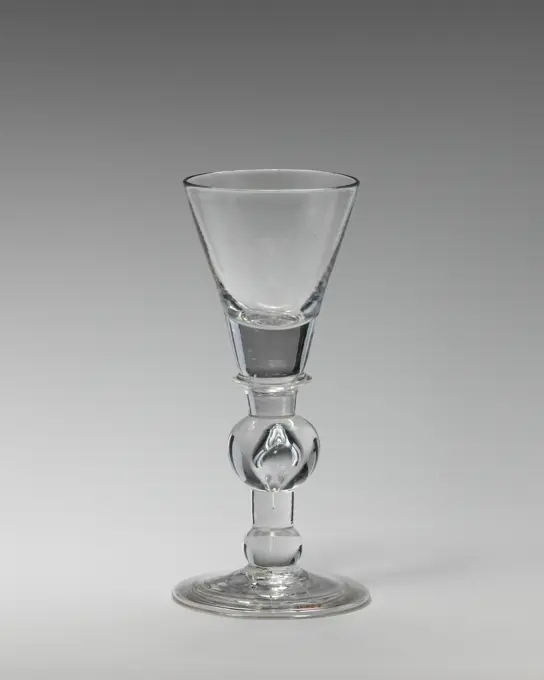
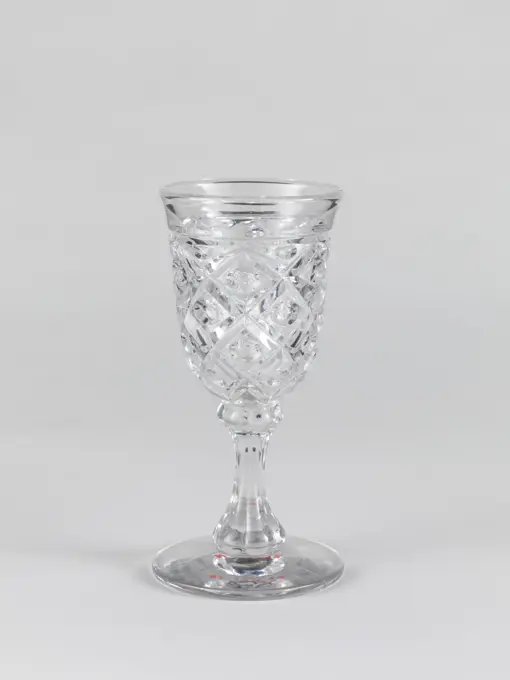
Various antique glassware pieces, including chalices and wine glasses, showcasing ornate designs, engravings, and craftsmanship from historical periods.

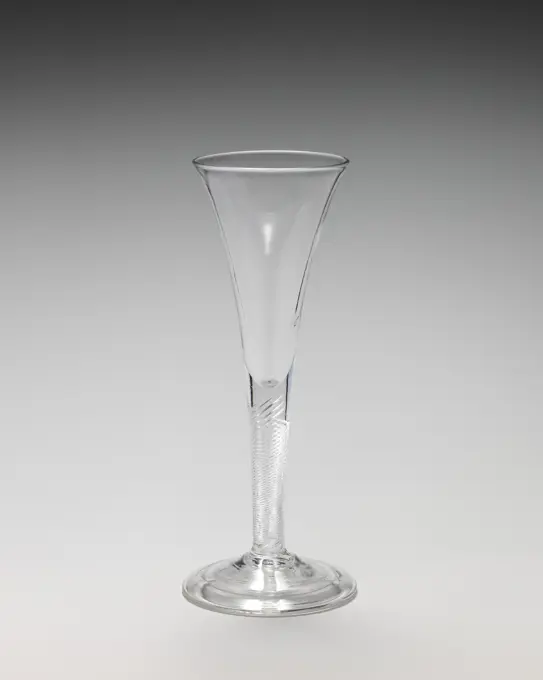
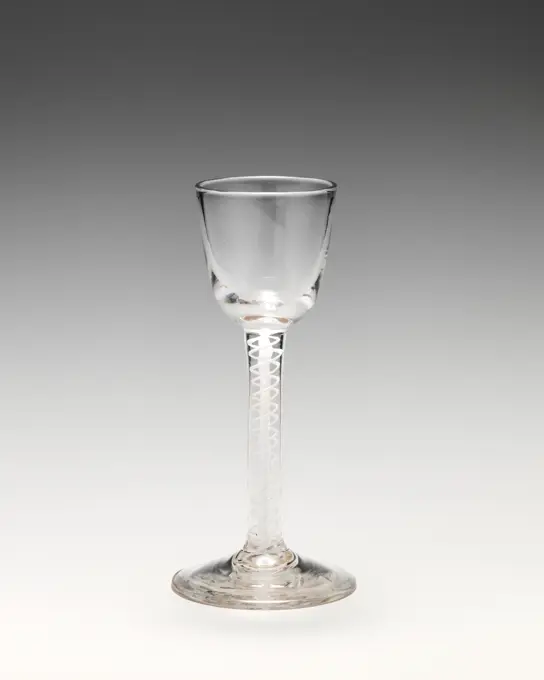
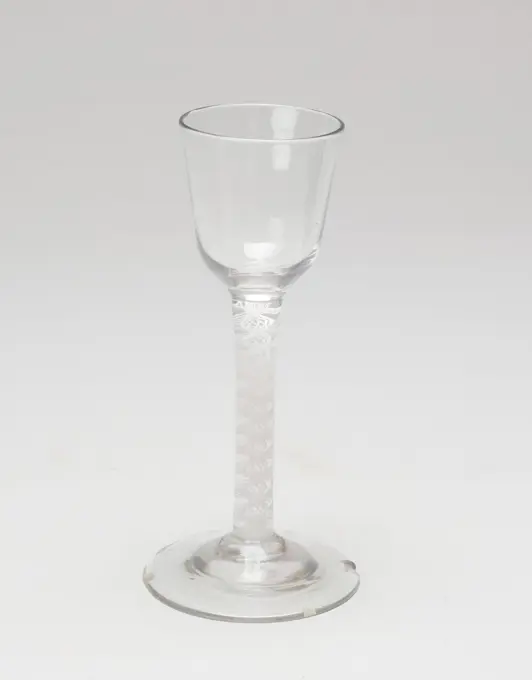
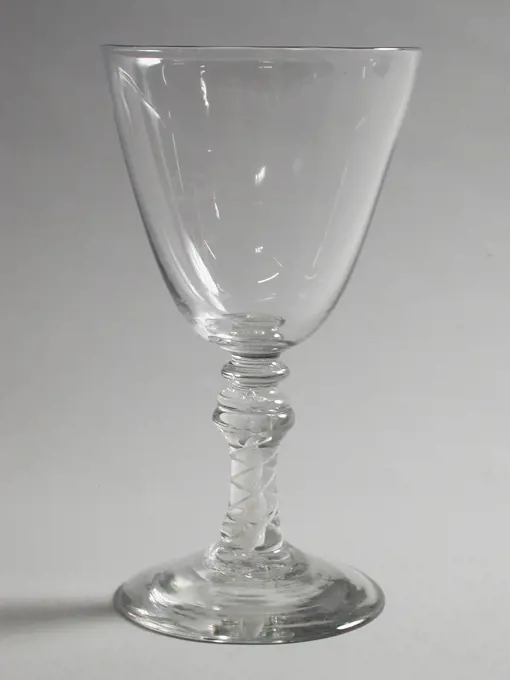
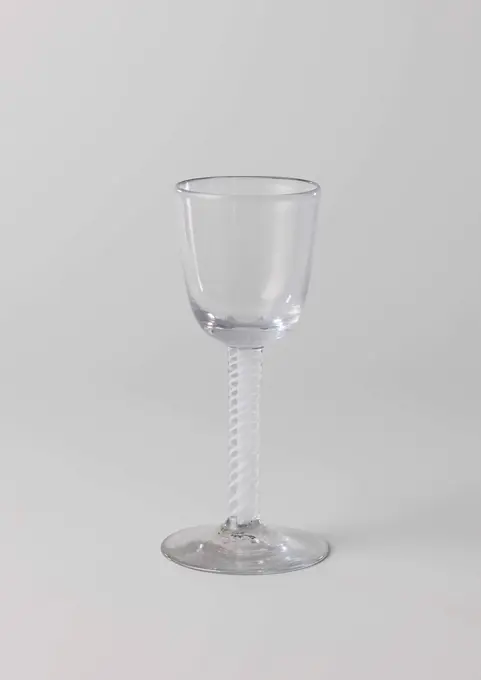
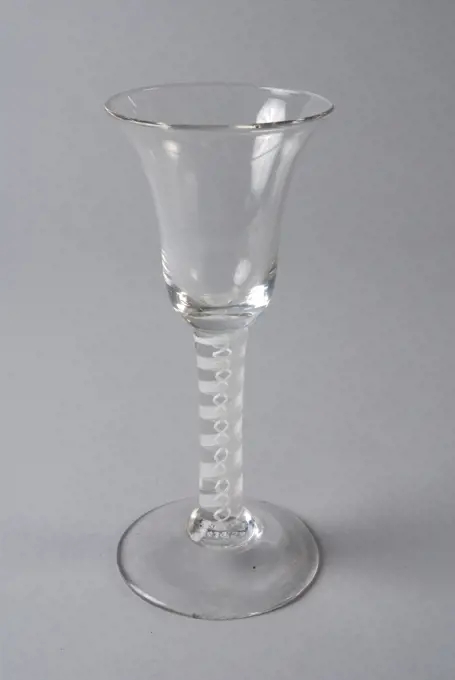
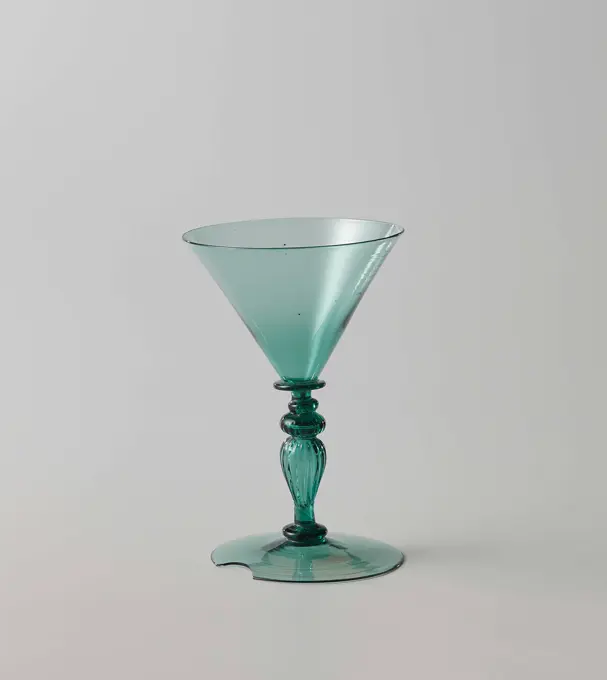
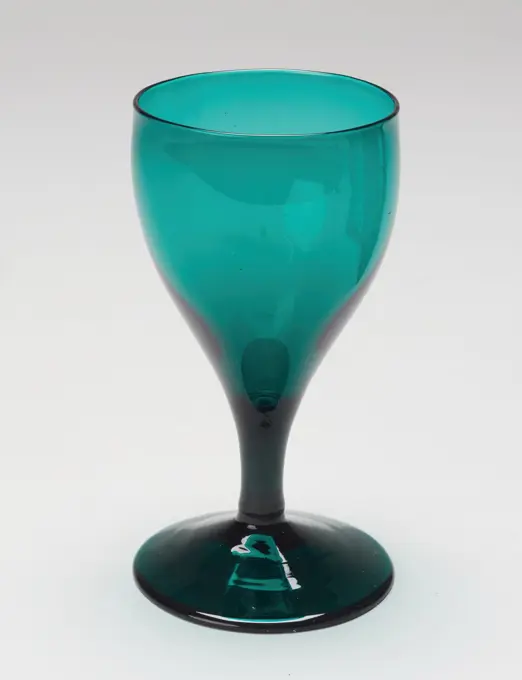
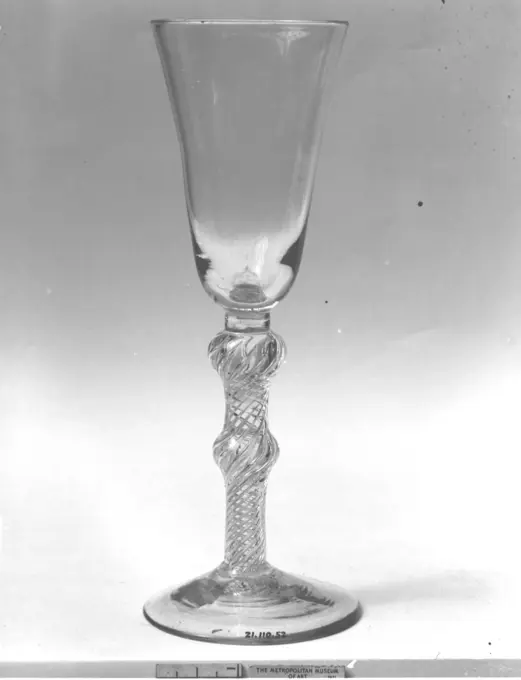
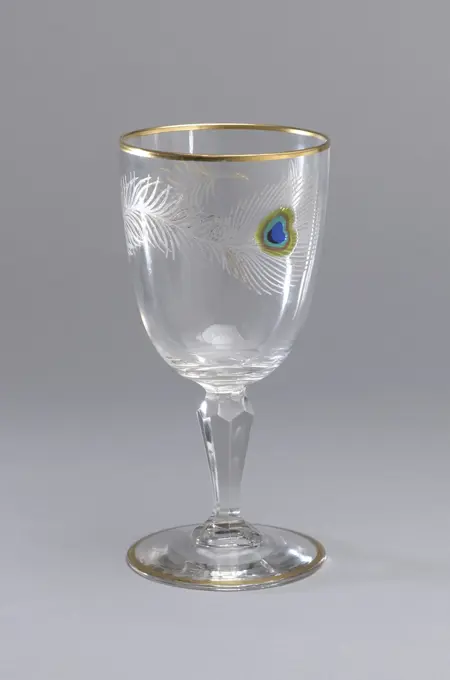
Sling glass with bell -shaped calyx, anonymous, c. 1750 - c. 1775 Slingerlas with conical foot and balust raw trunk. In the trunk, white garlands around white network spiral. Bell -shaped chalice. England glass glassblowing Slingerlas with conical foot and balust raw trunk. In the trunk, white garlands around white network spiral. Bell -shaped chalice. England glass glassblowing
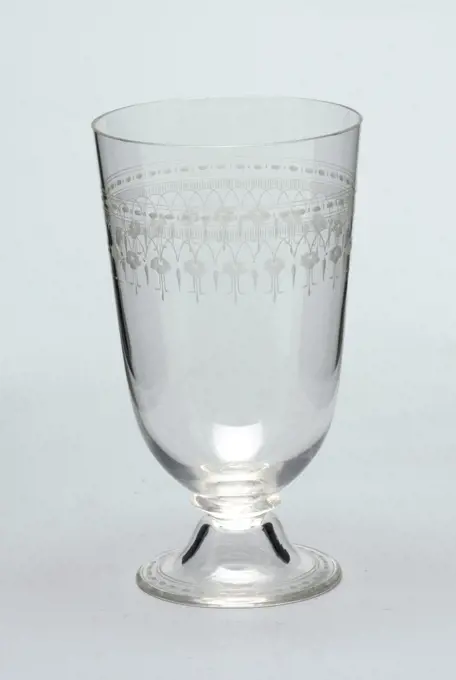
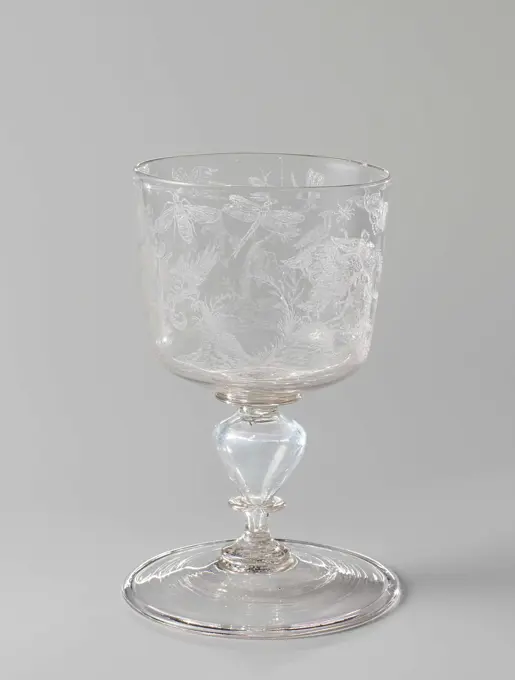
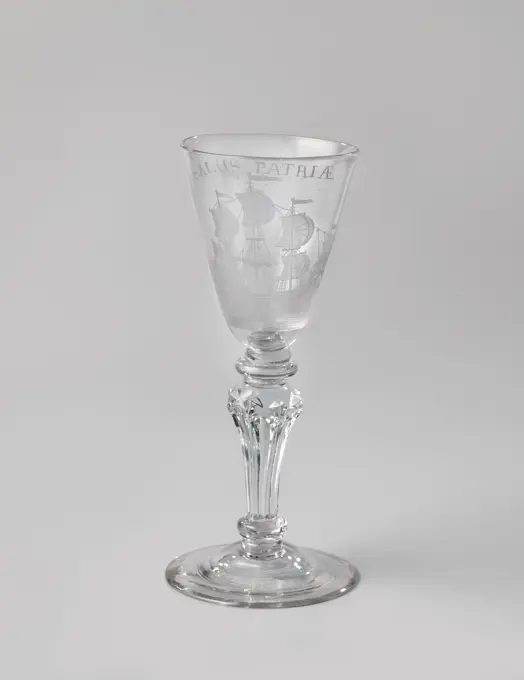
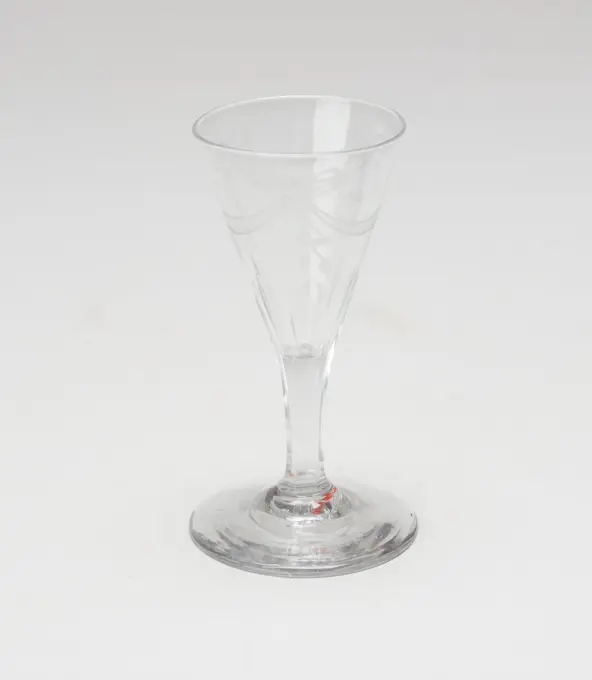
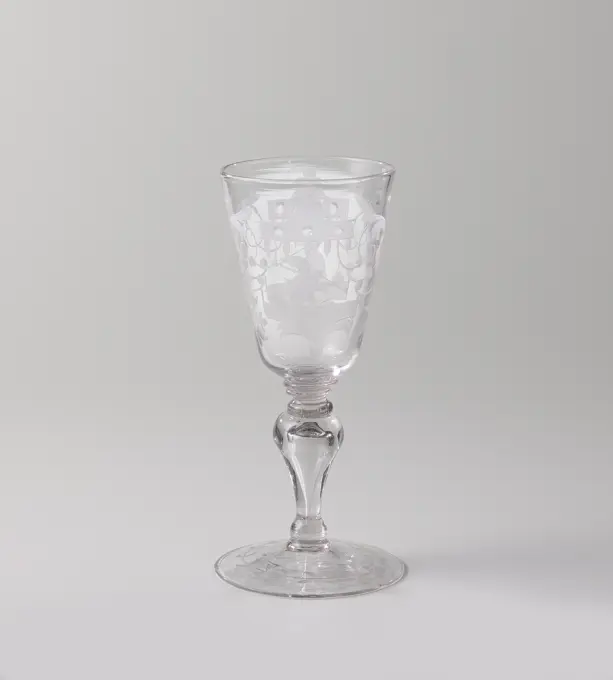
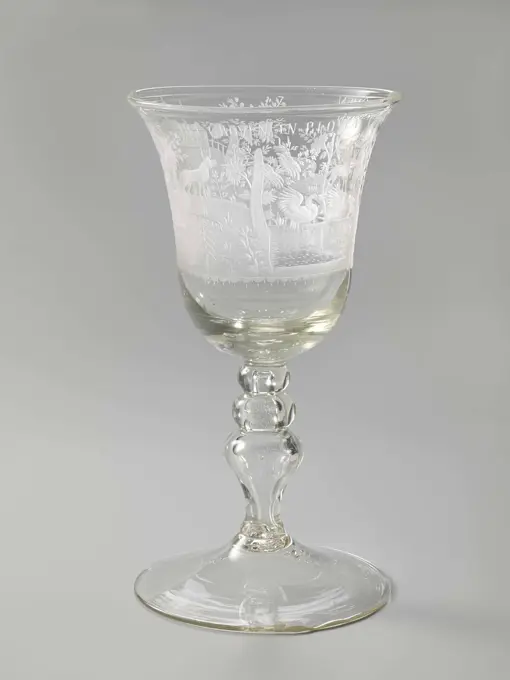
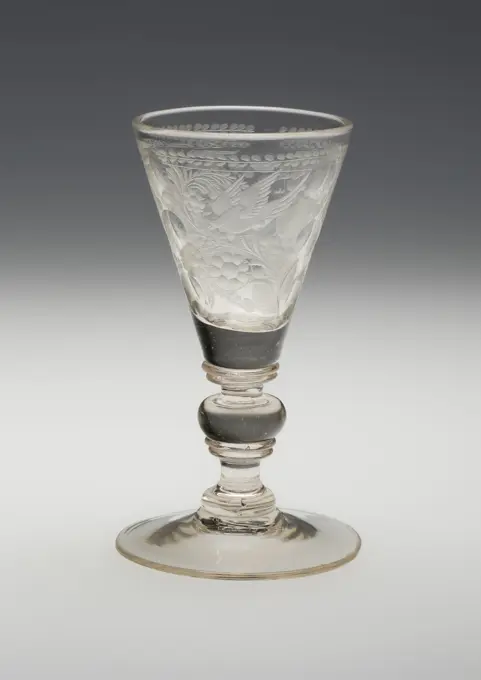
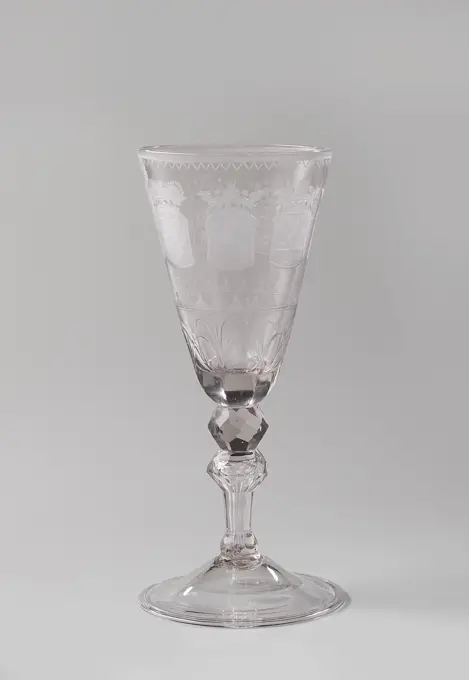
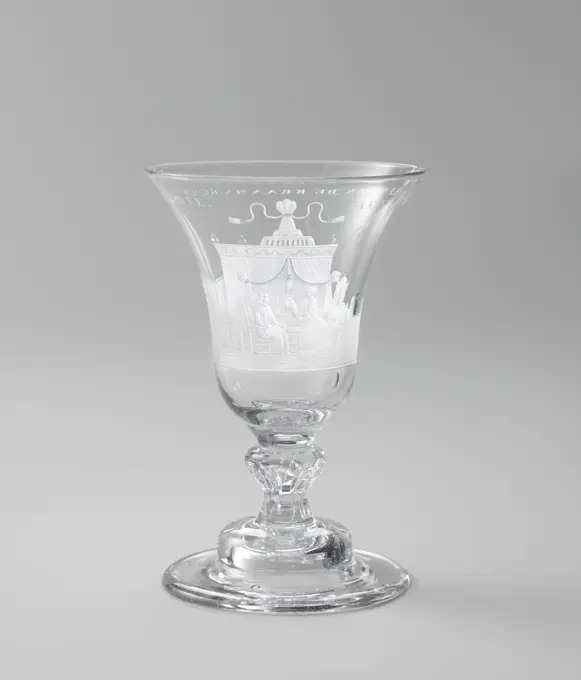
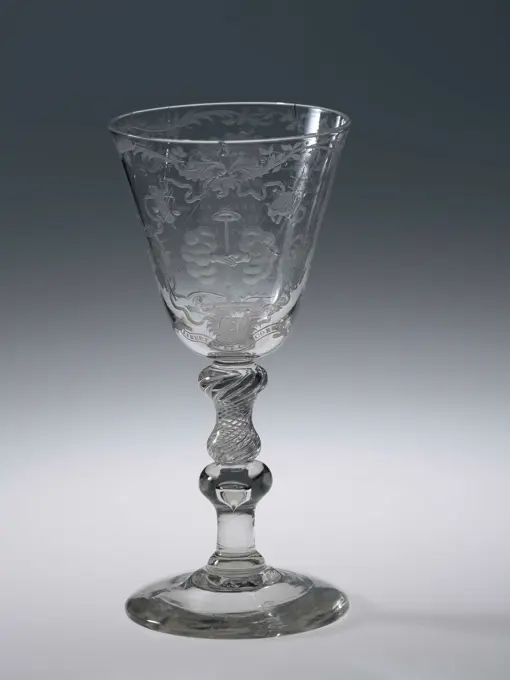
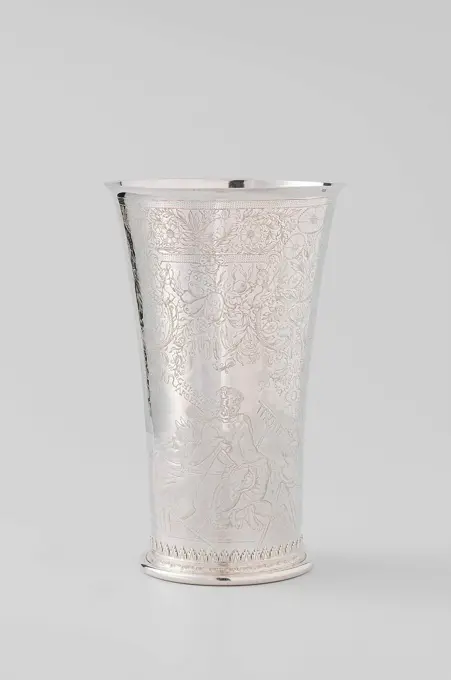
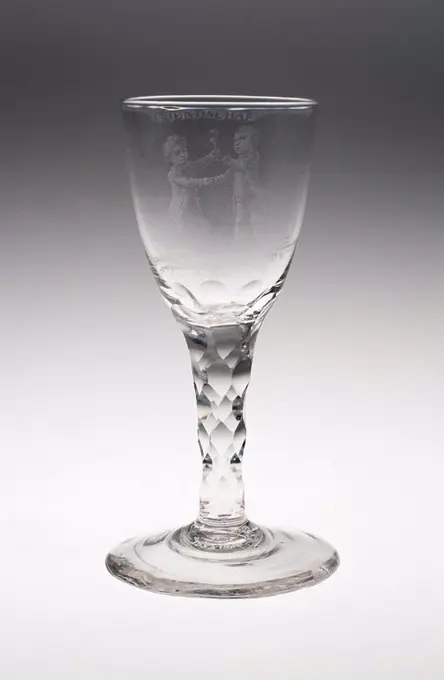
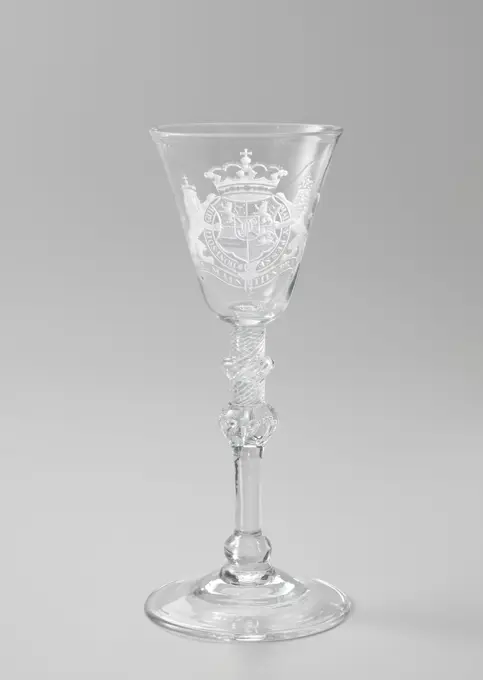
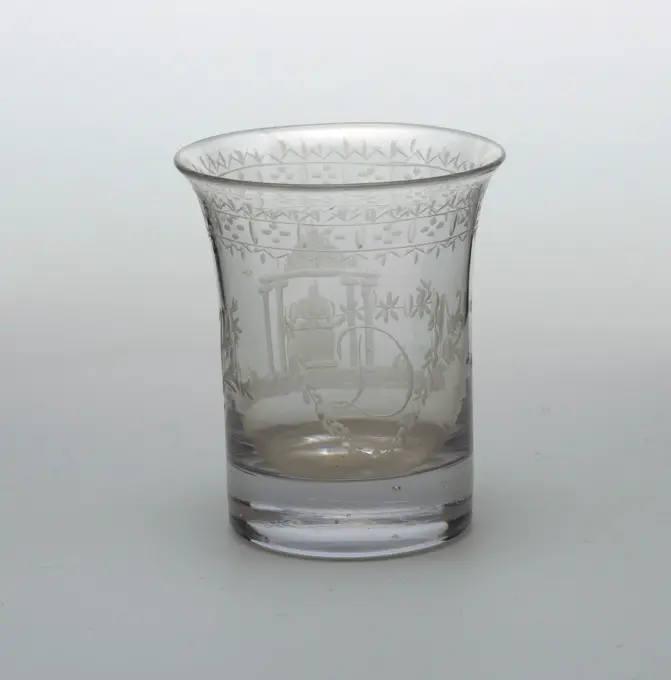
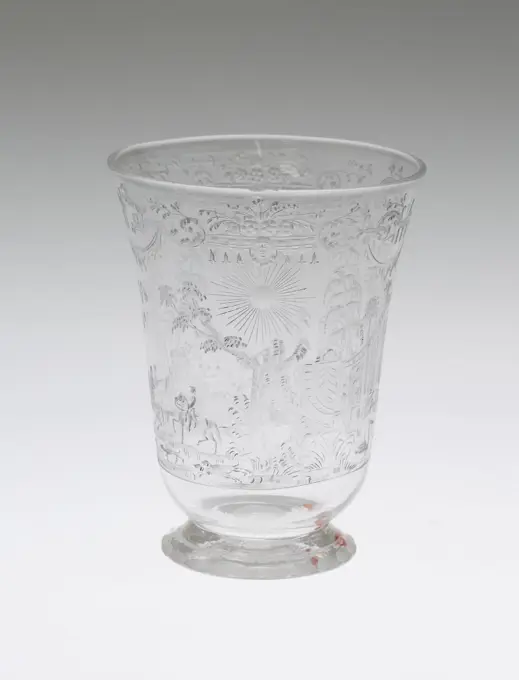
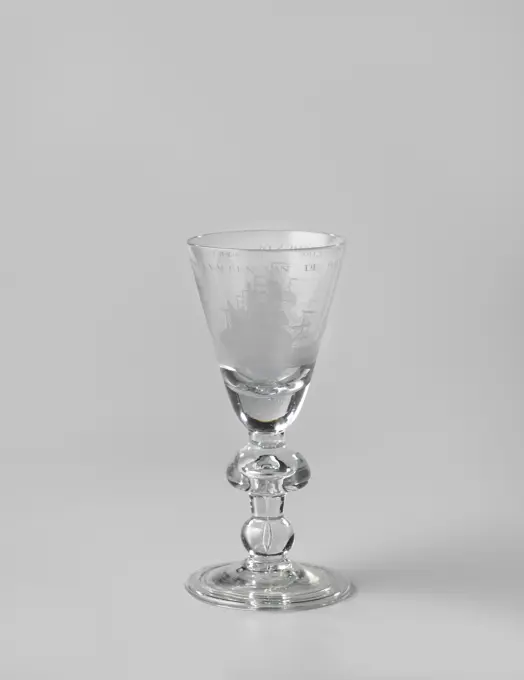
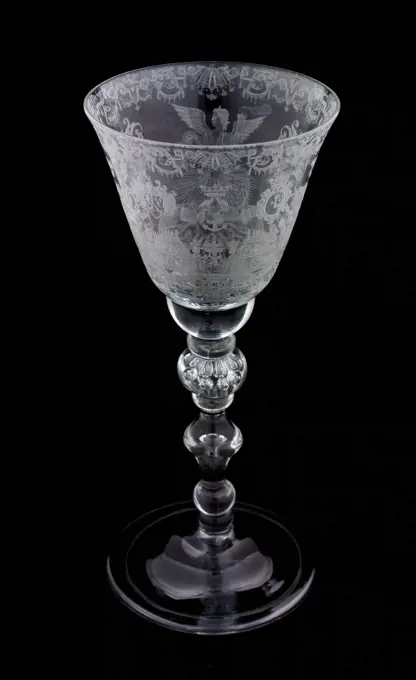
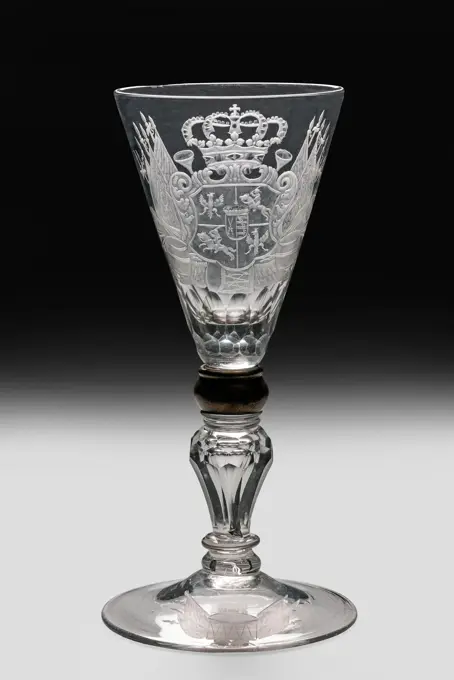
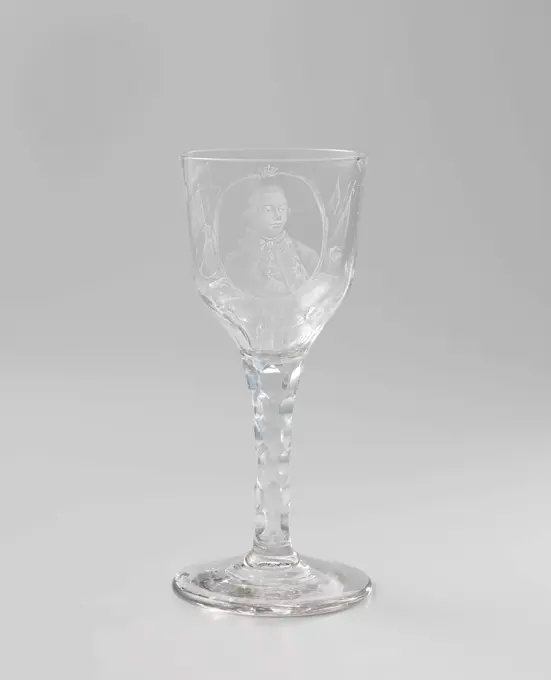
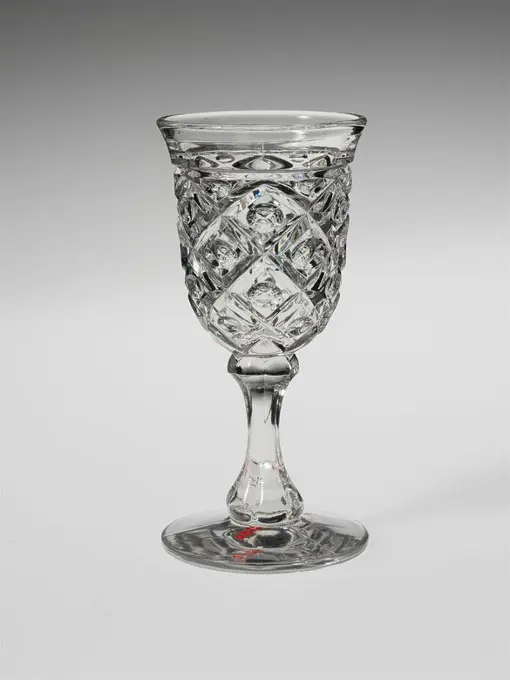
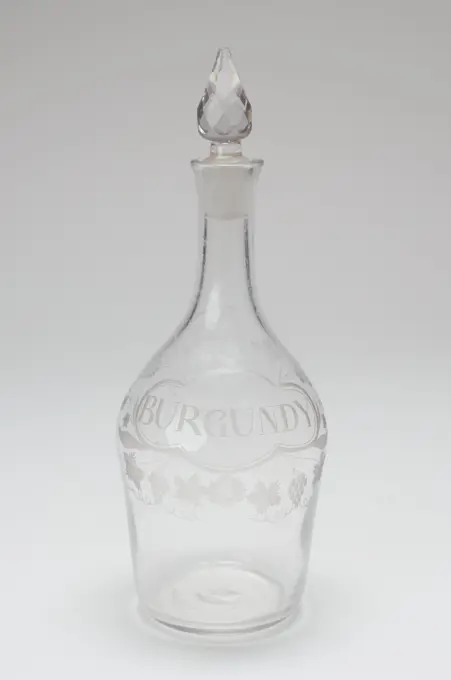
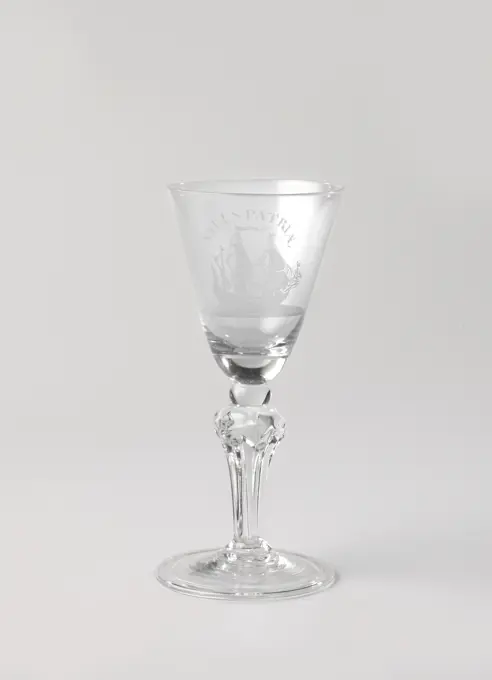
Kelkglas with a sailing ship and the inscription: Salus Patriæ. Flat foot with beaten edge. Hexagonal in shape blown stem with a knot. Conical chalice with rounded soil. A sailing ship on the chalice above: Salus PatriæWine glass with the arms of William IV, anonymous, c. 1731 - c. 1747  Vaulted foot. Hexagonal stam with a knot. Conical chalice with massive, rounded bottom with a bubble. On the chalice the Wapen van Willem IV, Prince of Orange. On the downside an Oranjeboom with the weapons of Friesland, Groningen, Drenthe and Gelderland. glassblower: EnglandNorthern Netherlands glass glassblowing coat of arms (symbol of sovereignty)Sling glass with bell -shaped calyx, anonymous, c. 1750 - c. 1775 Slingerlas with conical foot and balust raw trunk. In the trunk, white garlands around white network spiral. Bell -shaped chalice. England glass glassblowing Slingerlas with conical foot and balust raw trunk. In the trunk, white garlands around white network spiral. Bell -shaped chalice. England glass glassblowingWine Glass. England or Netherlands. Date: 1755-1785. Dimensions: 19.4 × 7.6 cm (7 5/8 × 3 in.). Glass; cut and stipple engraved. Origin: England. Museum: The Chicago Art Institute, Chicago, USA.WineGlassChalip glass with a performance that may relate to the Alliance with the French Republic in 1795 and Freemason symbols, Anonymous, c. 1795 Conical foot. Smooth, broadening tribe, transferring to a curved chalice. On the chalice, in a landscape with trees, two naked boys at a rock, on which a cartouche is depicted with two collected hands, to which the right boy points. The left boy holds a hate of freedom above the other's head, while his right hand rests on a shooting shelter. glassblower: EnglandNorthern Netherlands glass grinding / glassblowing Conical foot. Smooth, broadening tribe, transferring to a curved chalice. On the chalice, in a landscape with trees, two naked boys at a rock, on which a cartouche is depicted with two collected hands, to which the right boy points. The left boy holds a hate of freedom above the other's head, while his right hand rests on a shooting shelter. glassblower: EnglandNorthern Netherlands glass grinding / glassblowingWineglass 1750-1800 British, probably Bristol. Wineglass. British, probably Bristol. 1750-1800. Glass. GlassChampagne glass ca. 1725-60 British. Champagne glass. British. ca. 1725-60. Glass. GlassWineglass 1750-1800 British, probably Bristol. Wineglass. British, probably Bristol. 1750-1800. Glass. GlassBowl with a whaling and the inscription: Dewall / dirtvans. Job with a engraved shelving representation with the inscription: Dewall / dirtvans.No. 168, Ludwig Lobmeyr, Austrian, 1829 - 1917, J. & L. Lobmeyr GmbH, Vienna, Austria, founded ca. 1935, Mouth-blown crystal, facet-cut and polished, Mouth-blown crystal water glass, partly facet-cut and polished, with a dainty floral engraved border., 1871, glasswares, Decorative Arts, Water glass, Water glassWine glass. The birds are based on a popular engraving from the late 16th century, while the insects are taken from an illustrated book from the same period.Wineglass ca. 1740-1800 British. Wineglass. British. ca. 1740-1800. Glass. Glass. Conical foot. Smooth, dredging tribe, undervantage in a curved chalice. On the chalice, in a landscape with trees, two naked boys at a rock, on which a cartouche is depicted with two jocked hands, to which the right boy points. The left boy holds a freedom hat above the head of the other, while his right hand rests on a plumb.Jar with lid, with the weapons of the Seven United Provinciën, Anonymous, c. 1725 - c. 1750 Vaulted foot with turned around. Baluster tribe with cut facets and elongated bubble. Conical chalice with facets and furthermore, with the weapons of the seven ununished regions. The lid decorated with ornament work. glassblower: GermanyNorthern Netherlands glass grinding / glassblowing Vaulted foot with turned around. Baluster tribe with cut facets and elongated bubble. Conical chalice with facets and furthermore, with the weapons of the seven ununished regions. The lid decorated with ornament work. glassblower: GermanyNorthern Netherlands glass grinding / glassblowingWine glass with a three -mast and the inscription: Salus Patriæ, Anonymous, c. 1725 - c. 1750  Wine glass made of clear, colorless glass, with an engraved representation of a three -mast and the inscription: Salus Patriæ. glassblower: EnglandNorthern Netherlands glass glassblowing sailing-ship, sailing-boatJar with an ornament edge, c. 1725 - c. 1750 Vaulted foot. Balus -shaped trunk with three knots, a tear, and an extended bubble. Klock -shaped chalice with thickened bottom with air bubbles. On the chalice, along the mouth edge, a symmetrical ornament edge consisting of band work, volutes, rosettes, tendrils and clocks. glassblower: GermanyNorthern Netherlands glass glassblowing Vaulted foot. Balus -shaped trunk with three knots, a tear, and an extended bubble. Klock -shaped chalice with thickened bottom with air bubbles. On the chalice, along the mouth edge, a symmetrical ornament edge consisting of band work, volutes, rosettes, tendrils and clocks. glassblower: GermanyNorthern Netherlands glass glassblowingWine Glass 1725-1775 England. Glass .Wine glass, Glass, Everted funnel bowl on double airtwist stem, on slightly domed foot., England, 1750-75, glasswares, Decorative Arts, Wine glassWine glass 1850-60 American With the development of new formulas and techniques, glass-pressing technology had improved markedly by the late 1840s. By this time, pressed tablewares were being produced in large matching sets and innumerable forms. During the mid-1850s, colorless glass and simple geometric patterns dominated. Catering to the demand for moderately-priced dining wares, the glass industry in the United States expanded widely, and numerous factories supplied less expensive pressed glassware to the growing market. At the Exhibition of the Industry of All Nations at New Yorks Crystal Palace in 1853, for example, the New England Glass Company exhibited 130 pieces of one design, "consisting of bowls, tumblers, champagnes, wines, and jelly glasses." This object belongs to one such service. Although the glass manufactory is not known, the glassware is very typical of the large services that were very popular with Americas middle class in the nineteenth century.. Wine glass 9903Wineglass first half 18th century British. Wineglass. British. first half 18th century. Glass. GlassJoke with the weapons of the Seven United Provisions. Bagic with vaulted, faceted foot with beaten edge. Faceted baluster trunk with three buttons and an elongated air bubble. On the conical chalice the crowned weapons of the Seven United Regions.Wine glass, 18th century, 6 3/16in. (15.7cm), Lead glass, England, 18th centuryWine Glass, 18th century, Unknown American, 4 1/8in. (10.5cm), Lead glass, United States, 18th centuryEngraver: L. Adams, Goblet, jar with dot engraving of Venus and Amor, wine glass drinking glass drinking utensils tableware holder glass, gram free blown and shaped dot engraving diamond engraving Large heavily executed goblet wine glass in clear colorless and opaque white glass Pontil mark under round heavy ascending hollow base Short massive reverse balustere with enclosed double opaque white flat glass wire to rejuvenate gas stocking to three stacked flattened buttons. Rounded, round funnel-shaped chalice with fire-rounded edge L Adams (diamond engraving top of foot) courtship Venus mythology drinkGoblet, c. 1745-1765, 6 3/4 in. (17.1 cm), Lead glass, England, 18th centuryCup; Non -like Lona Huta; 2. PO. 18th century (1750-00-00-1800-00-00);Cup;  1920-39 (1920-00-00-1939-00-00);Slingerlas with a man and woman at the table, anonymous, c. 1775 - c. 1800 Conical foot. Straight trunk with double white pendulum around a white stocking. Funnel -shaped chalice rounded at the bottom. On the chalice, a woman with hat and a man with a hat sitting at a table. The man with beer glass and pipe, his right hand resting on a tobacco bag. Right below the show signed g h hoolaart ft. glassblower: EnglandNorthern Netherlands glass glassblowing Conical foot. Straight trunk with double white pendulum around a white stocking. Funnel -shaped chalice rounded at the bottom. On the chalice, a woman with hat and a man with a hat sitting at a table. The man with beer glass and pipe, his right hand resting on a tobacco bag. Right below the show signed g h hoolaart ft. glassblower: EnglandNorthern Netherlands glass glassblowingVase ca. 1878-90 George Duncan and Sons. Vase. American. ca. 1878-90. Glass. Made in Pittsburgh, Pennsylvania, United StatesKelkglas with a three-master and the generality lion. Flat foot with border. Baluster trunk with button and a bubble. On the conical chalice a three miner and the generality lion, between which ornaments.Bowl with a piping and a bagpipe chinese. Vaulted foot. Baluster-shaped strain with two buttons and a tear and a conical chalice with a round bottom. At the chalice a engraved representation of a piping Chinese seated under a canopy. On the other side, a bagpipe chinese is depicted, also under a canopy. A stylized flower branch is engraved on the foot.Slinger glass with slightly flared chalice. Slinger glass with conical foot and straight trunk. In the stem opaak white spirals around white network spiral. Conical chalice with rounded soil.Wine glass with a farm. translation of inscription: The Growing and Flourishing of Oxen and CowsWine Glass 1700-1800 British, probably. Wine Glass 9882Chalice, pendulum glass, wine glass drinking glass drinking utensils tableware holder glass lead glass, free blown and shaped glass processing Six chalice glasses (1-6) pendulum glasses in clear colorless and opaque white glass Pontilmark under hollow light ascending hollow foot all with chips from edge. Mounted massive cylindrical stem with ribbon-shaped bundled thin opaque-white glass wires around two intertwined flat opaque white wires. Tulip-shaped chalice with fire-rounded edge.Chalip glass with a portrait of Johan de Witt, Anonymous, c. 1800 - c. 1900 Flat new foot with turned around. Balus -shaped trunk with a connecting piece of silver and two discs. Conical, a chalice rounded on the underside on which is engraved a portrait of Johan de Wit. On the downside the inscription RT.PS J de Wit. Council pensioner. Low Countries Glass. Connection Stam: Silver (Metal) glassblowing  Netherlands Flat new foot with turned around. Balus -shaped trunk with a connecting piece of silver and two discs. Conical, a chalice rounded on the underside on which is engraved a portrait of Johan de Wit. On the downside the inscription RT.PS J de Wit. Council pensioner. Low Countries Glass. Connection Stam: Silver (Metal) glassblowing  NetherlandsWine Glass 1755-1765 England. Glass .Wine Glass 1725-1735 England. Glass .Chalice glass with leaf vines and birds, c. 1675 - c. 1700 Flat base with turned around and pontil brand. Four -lobe, hollow, baluster -shaped trunk with three discs. Funnel -shaped chalice. On the chalice a leaf vank and birds are engraved. glassblower: Low CountriesNorthern Netherlands glass glassblowing Flat base with turned around and pontil brand. Four -lobe, hollow, baluster -shaped trunk with three discs. Funnel -shaped chalice. On the chalice a leaf vank and birds are engraved. glassblower: Low CountriesNorthern Netherlands glass glassblowingSling glass with bell -shaped calyx, anonymous, c. 1750 - c. 1775 Slinger glass with flat foot and straight trunk. In the trunk, white garlands swinging around, white network spiral. Bell -shaped chalice. England glass glassblowing Slinger glass with flat foot and straight trunk. In the trunk, white garlands swinging around, white network spiral. Bell -shaped chalice. England glass glassblowingBokaal with the weapons of the seven United Provinces, c. 1725 - c. 1750 Bokaal with conical foot, facet cut, baluster -shaped trunk with two knots and an extended bubble. Funnel -shaped chalice with facet cut, rounded underside. On the chalice, under a matte band and a zig-zagrand, the crowned weapons of the seven united provinces are depicted in a continuous row, above a matte, serrated edge, crowned with bulbs. glassblower: GermanyNorthern Netherlands glass grinding / glassblowing Bokaal with conical foot, facet cut, baluster -shaped trunk with two knots and an extended bubble. Funnel -shaped chalice with facet cut, rounded underside. On the chalice, under a matte band and a zig-zagrand, the crowned weapons of the seven united provinces are depicted in a continuous row, above a matte, serrated edge, crowned with bulbs. glassblower: GermanyNorthern Netherlands glass grinding / glassblowingGoblet. Germany, Potsdam. Date: 1675-1699. Dimensions: H. 20.3 cm (8 in.). Glass; blown, molded, wheel cut and engraved. Origin: Potsdam. Museum: The Chicago Art Institute, Chicago, USA.Wine glass with a lying-in chamber, c. 1725 - c. 1750 Klok -like curved foot. Short baluster tribe with air bubbles. Klock -shaped chalice with the engraved representation of a childbed and the inscription: the prosperity of the maternity woman and the child. glassblower: EnglandNorthern Netherlands glass glassblowing Klok -like curved foot. Short baluster tribe with air bubbles. Klock -shaped chalice with the engraved representation of a childbed and the inscription: the prosperity of the maternity woman and the child. glassblower: EnglandNorthern Netherlands glass glassblowingCup; Netherlands; 2. PO. 16th century - 1. PO. XVII century (1550-00-00-1650-00-00);Saltcellar 1780-1825 American or British. Saltcellar 6981. Gewelfde Voet. Dubbelt balusterstam , the onderste baluster luchtbel been met , the bovenste met luchtspiralen . Conische Kolk met afgeronde Bode. Op de Kolk of gegraveerde tekst: OFFICE OF THE MUSES touch, you candida POWER // stress and returning unharmed LOVE : // MAIUGENAE gifts Bean, arts and civilians are inserted MEN // // CITY HONORATIS sacred day arrives during the six years he MEMBERS // FOEDERA friendship violates court. // test will CYATHUS whom posterity know that the tide // owed Genie, BACCHANTE WAGGISHLY for. // // 1764 P.B.S.Goblet 1745-1755 Bohemia. Glass .Bokaal with a man in a basement with barrels and the inscription: Hansgenin de/ Kelder, Anonymous, c. 1725 - c. 1750 Bokaal with baluster tribe and thicken chalice bottom end. On the chalice, the internal of a basement and a man from a barrel, including: Hansgenin de/ Kelder. Glassblower: Glücksburgnorthern Netherlands glass glassblowing Bokaal with baluster tribe and thicken chalice bottom end. On the chalice, the internal of a basement and a man from a barrel, including: Hansgenin de/ Kelder. Glassblower: Glücksburgnorthern Netherlands glass glassblowingBeaker. While Dutch Catholics could not openly profess their religion, what they did in private was another matter. Forinstance, a pious Catholic from Zwolle commissioned this plain beaker with a depiction of the Pope and Emperor Rudolf II for domestic use. It commemorates his trip to Rome and Vienna. In Rome he had kissed the Popes feet, and in Vienna he had paid his respects to the Emperor.Wine Glass. England or Netherlands. Date: 1755-1785. Dimensions: 15.4 × 6.4 cm (6 1/16 × 2 1/2 in.). Glass; cut and stipple engraved. Origin: England. Museum: The Chicago Art Institute, Chicago, USA.Double box with ornaments, anonymous, c. 1725 - c. 1750 Decorated a drinking glass in the same way on top of the lid instead of the button. Bohemia glass grinding / glassblowing Decorated a drinking glass in the same way on top of the lid instead of the button. Bohemia glass grinding / glassblowingWine glass. Culture: American. Dimensions: 4 7/8 in. (12.4 cm); Diam . 2 7/8 (7.3 cm). Manufacturer: Jersey Glass Company of George Dummer (1824-1862). Date: 1824-35. Museum: Metropolitan Museum of Art, New York, USA.Goblet 1675-1699 Potsdam. Glass; blown, molded, wheel cut and engraved .Sling glass with bell -shaped calyx, anonymous, c. 1750 - c. 1775 Slingerlas with conical foot and balust raw trunk. In the trunk, white pendulum around white network spiral. Bell -shaped chalice. England glass glassblowing Slingerlas with conical foot and balust raw trunk. In the trunk, white pendulum around white network spiral. Bell -shaped chalice. England glass glassblowingWine glass with the arms of William V, anonymous, 1761 Vaulted foot. Baluster tribe with buttons, the middle one with one wreath elongated air bubbles. Upper part of the trunk with air bubbles injured in spirals. On the chalice the coat of arms of Prince Willem V, held by crowned lions and with the spell straps: Honi soit qui mal y Pense around and your Maintiendrai underneath. Signed on the foot: Jacob Sang, fec. Amsterdam 1761. glassblower: Low CountriesAmsterdam glass glassblowing Vaulted foot. Baluster tribe with buttons, the middle one with one wreath elongated air bubbles. Upper part of the trunk with air bubbles injured in spirals. On the chalice the coat of arms of Prince Willem V, held by crowned lions and with the spell straps: Honi soit qui mal y Pense around and your Maintiendrai underneath. Signed on the foot: Jacob Sang, fec. Amsterdam 1761. glassblower: Low CountriesAmsterdam glass glassblowingChalice glass with a representation of a welding man, anonymous, after Abraham Bloteling, after Jan Verkolje (I), c. 1775 - In or Before 1798 Conical foot. Smooth, broadening tribe, transferring to a curved chalice. On the chalice, in a rectangular field with beveled corners, a representation of a grinning man in half, who counts money. Above the show the text: the pleasure. glassblower: EnglandNorthern Netherlandsafter print by: Amsterdamafter print by: Northern Netherlands glass glassblowing Conical foot. Smooth, broadening tribe, transferring to a curved chalice. On the chalice, in a rectangular field with beveled corners, a representation of a grinning man in half, who counts money. Above the show the text: the pleasure. glassblower: EnglandNorthern Netherlandsafter print by: Amsterdamafter print by: Northern Netherlands glass glassblowingChalice glass with an ornament edge, anonymous, c. 1725 - c. 1750 Chalice glass with a small knot, thin trunk, an ornament along the edge. glassblower: Low CountriesNorthern Netherlands glass glassblowing Chalice glass with a small knot, thin trunk, an ornament along the edge. glassblower: Low CountriesNorthern Netherlands glass glassblowing. Cup of ice glass, springed upwards, ribbed vintage stand ring. Something under the middle of the wall decorated with three mascarons and with three studs. Tracks of gilding on the studs and along the mouth edge. Engraved on the stand ring 1662Wine glass for the Amsterdam Arms Brewery, 1731 Vaulted foot with turned around. Baluster tribe with two knots and an elongated bubble. Conical chalice with rounded soil. On the chalice, in a crowned, oval medallion flanked by leaf vines, two men and three women sitting at the bottom at an oval table with a wine bottle and two bowls on foot with sweets (), Who release a toast on each other's health. On the downside the inscription: 1731 den 13 May Reynier Hillegaart // Maria Paurzooy. God Zoegent // de Brouwery of the Amsterdamsche // Waapen soo Lang // Since Imant lives // van 't Bloet, Godt // Zeegent her here // in Overvloet, and in // Ewighyt ascended. glassblower: GermanyNorthern Netherlands glass glassblowing  Amsterdam Vaulted foot with turned around. Baluster tribe with two knots and an elongated bubble. Conical chalice with rounded soil. On the chalice, in a crowned, oval medallion flanked by leaf vines, two men and three women sitting at the bottom at an oval table with a winLincoln Drape, Pressed glass, Swag and tassel pattern on goblet., mid-19th century, glasswares, Decorative Arts, Goblet, GobletTumbler (France); cut and engraved glassBeaker 1700-1725 Bohemia. Glass .Cup; Zchlin (glassworks; 1736-1890); 1740-1750 (1740-00-00-1750-00-00);Symbolic scenes, purchase (provenance)Champagne flute No. 2 Champagne Flute; Designed by Josef Lobmeyr Senior; Manufactured by J. & L. Lobmeyr GmbH (Austria); Austria; glassTazza, anonymous, c. 1800 - c. 1900 Light conical foot. Solid baluster -shaped, twisted tribe. Low chalice with ribs blown. Venice glass glassblowing Light conical foot. Solid baluster -shaped, twisted tribe. Low chalice with ribs blown. Venice glass glassblowing. translation of inscription: PeaceWine Glass 1830-70 American With the development of new formulas and techniques, glass-pressing technology had improved markedly by the late 1840s. By this time, pressed tablewares were being produced in large matching sets and innumerable forms. During the mid-1850s, colorless glass and simple geometric patterns dominated. Catering to the demand for moderately-priced dining wares, the glass industry in the United States expanded widely, and numerous factories supplied less expensive pressed glassware to the growing market. At the Exhibition of the Industry of All Nations at New Yorks Crystal Palace in 1853, for example, the New England Glass Company exhibited 130 pieces of one design, "consisting of bowls, tumblers, champagnes, wines, and jelly glasses." This object belongs to one such service. Although the glass manufactory is not known, the glassware is very typical of the large services that were very popular with Americas middle class in the nineteenth century.. Wine Glass. AmerKelkglas with leaf drinks and circles. Kelkglas of bright, colorless glass with shades and circles engraved on the chalice.Cup; Non -like Lona Huta; 2. PO. 18th century (1750-00-00-1800-00-00);Kelkglas with a funnel-shaped chalice. Flat foot. The stem constructed from three hollow, ribbed nodi, four smooth connecting pieces, three smooth nodi and four discs. Wide, funnel-shaped, rugged on the bottom.Sweetmeat Glass (Ireland); glassGoblet with a keeshond. The keeshond was the emblem of the Dutch Patriots.Celery Vase ca. 1888 Richards and Hartley Flint Glass Co.. Celery Vase. American. ca. 1888. Pressed yellow glass. Made in Tarentum, Pennsylvania, United StatesChalice glass with an ornament edge, anonymous, c. 1750 - c. 1775 Chalice glass with baluster -shaped trunk with buttons in which air bubbles. Chalice -shaped glass with garlands engraved along the top edge. glassblower: Low CountriesNorthern Netherlands glass glassblowing Chalice glass with baluster -shaped trunk with buttons in which air bubbles. Chalice -shaped glass with garlands engraved along the top edge. glassblower: Low CountriesNorthern Netherlands glass glassblowingTumbler 1850-70 Bakewell, Pears and Company. Tumbler 9069Cup with the inscription: t praises of the Gaining and Cooling Scheepe. Bokaal with an engraved representation of two sailing frigates and the inscription 't praises of the Gaining and Cooling Scheepe. The chalice is conical with a thick massive soil. The strain is solid with air bubble and two knots, the upper wide. Flat foot with beaten edge.. Flat foot, hollow baluster-shaped strain with a nodus between two discs and a funnel-shaped chalice.Flute. Naliboki (huta szkła ; 1722-1862), creatormeester van het Vingerhoedglas (engraving), Chalice, wedding glass, engraved for marriage in 1738 by Jean Bichon and Jacoba Catharina Vingerhoed, wine glass drinking glass drinking utensils tableware holder lead glass glass, gram free blown and shaped radgraving polishing Chalice glass wedding glass in clear colorless lead glass Pontil mark under round bell-shaped ascending hollow base with down turned edge. Massive inverted balustere stem made of two parts: lower part with two stacked convex knots to baluster knot with large drop-shaped enclosed bubble; upper part with three stacked convex knots of which middle with two rows of round drop-shaped trapped air bubbles Rounded trumpet-shaped chalice with spherical thick bottom and fire-rounded edge 3: Sept Ao: 1738 (engraving on both sides of the Rotterdam weapon) Rotterdam heraldry marriage Jean Bichon Jacoba Catharina Vingerhoed régenceKelkglas with funnel-shaped chalice. Wine glass of bright green glass on flat foot. Hollow, baluster-shaped ribbed and twisted trunk with four discs. Funnel shaped chalice.Wine glass, one of a set of twelve, 1780-1800, 5 x 2 5/8 x 2 5/8 in. (12.7 x 6.67 x 6.67 cm), Green glass, England, 18th-19th centuryWineglass ca. 1730-50 British. Wineglass. British. ca. 1730-50. Glass. GlassBeaker early 18th century Bohemian. Beaker. Bohemian. early 18th century. Glass. GlassGoblet; Manufactured by Riedel Crystal (Austria); etched, enameled, and gilded mold-blown glassGlass on thick stalk isolated on white backgroundCup;  1736-1763 (1736-00-00-1763-00-00);August III (King of Poland-1696-1763), Rusiecki-Ursyn, Rzeczpospolita both nations (coat of arms), Saxony, Stanisław (1862-1944)-collection, Wettyn (coat of arms), gift (provenance), electorate (coat of arms), coat of arms, coat of arms, rulerKelkglas with a portrait of Willem V. Glass with heel-ooy-shaped chalice on straight, up slightly outward trunk, ground with hollow elongated hexagons and drifted foot. On the chalice in dot engraving an oval crowned medallion with bust of a man (Willem V), head slightly to the right; Behind the medallion from flags, masts, nautical and war attributes, under the medallion banderol with inscription: Willem de vde // prince of Oranie.Flute; Dresden (glassworks; 1699-Post 1756); 1720-1740 (1720-00-00-1740-00-00);dewizyWine Glass. Culture: American. Dimensions: H. 4 7/16 in. (11.3 cm). Date: 1850-60.With the development of new formulas and techniques, glass-pressing technology had improved markedly by the late 1840s. By this time, pressed tablewares were being produced in large matching sets and innumerable forms. During the mid-1850s, colorless glass and simple geometric patterns dominated. Catering to the demand for moderately-priced dining wares, the glass industry in the United States expanded widely, and numerous factories supplied less expensive pressed glassware to the growing market. At the Exhibition of the Industry of All Nations at New York's Crystal Palace in 1853, for example, the New England Glass Company exhibited 130 pieces of one design, "consisting of bowls, tumblers, champagnes, wines, and jelly glasses." This object belongs to one such service. Although the glass manufactory is not known, the glassware is very typical of the large services that were very popular with America's miCup Huta Uarzecko NalibockiePair of Compotes c 1851-1857 New York. From the 1820s to the 1850s, richly cut glass was extremely fashionable due to the glittering effects of the facets. These ornamental, diamond-cut glass compotes would have been used on a sideboard or dining table during the period. New York City was the production center for high-quality decorative glass in the United States, and these glass compotes are representative of New York firms like Brooklyn Flint Glass Works, a company whose work received a silver medal at the 1851 Crystal Palace Exhibition in London. The exceptional quality of these compotes comes from the clarity of glass and the bold yet restrained design.. Cut glass . Artist unknownDecanter, c. 1765, 11 3/4 x 4 1/2 in. (29.85 x 11.43 cm), Glass, England, 18th centuryWine glass, one of a set of twelve, 1780-1800, 5 x 2 5/8 x 2 5/8 in. (12.7 x 6.67 x 6.67 cm), Green glass, England, 18th-19th centuryCocktail Glass, Embassy” Pattern. Designer Walter Dorwin Teague, American, 1883-1960 Designer Edwin W. Fuerst, American, 1903-1988 Manufacturer: Libbey Glass Company, a subsidiary of Owens-Illinois Glass Co., American, 1935-1943Glass, one of four, c. 1880, 4 9/16 x 2 3/4 in. (11.59 x 6.99 cm), Glass, England, 19th centuryFlip Glass, late 1700s. America, 18th century. Glass; diameter: 11.2 cm (4 7/16 in.); overall: 26 x 8.5 cm (10 1/4 x 3 3/8 in.); container: 16 cm (6 5/16 in.).Beaker 1815-1825 Bohemia. Glass .Beaker; glassFlute; Non -like Lona Huta; Ok. PO. 18th century (1740-00-00-1760-00-00);