Elegant Glassware

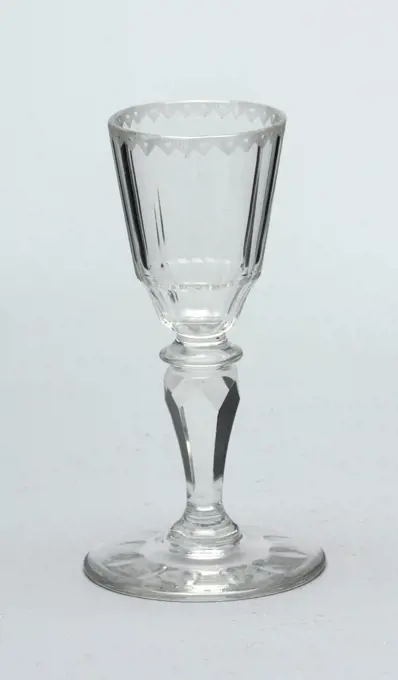
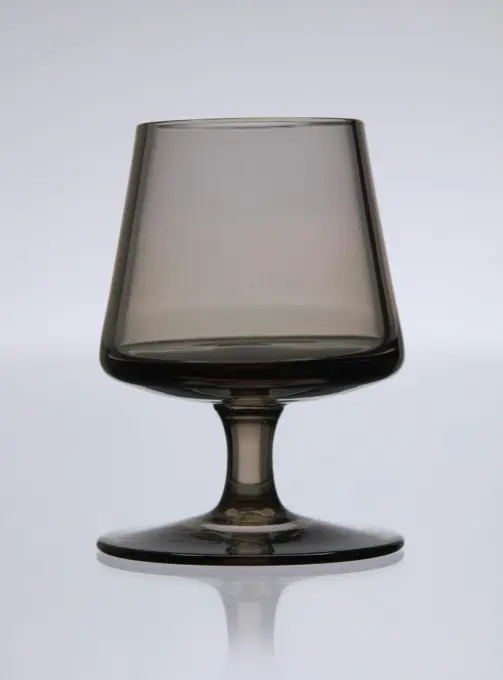
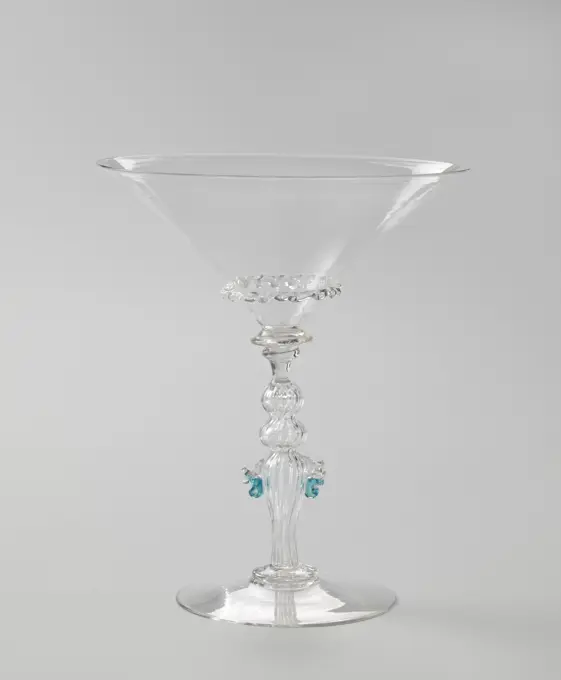
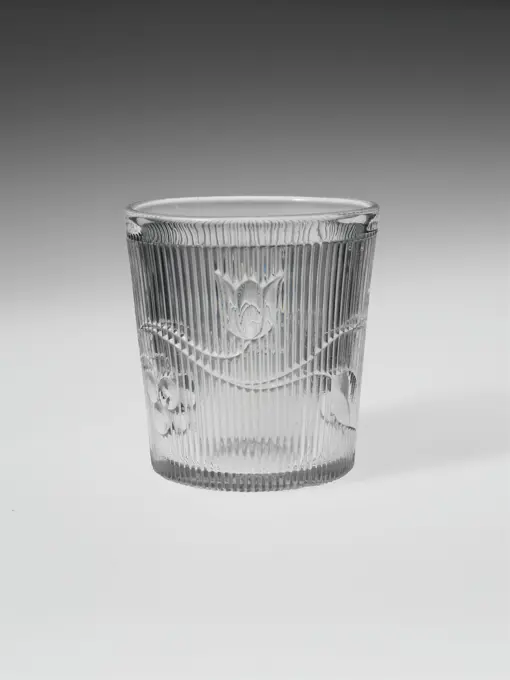
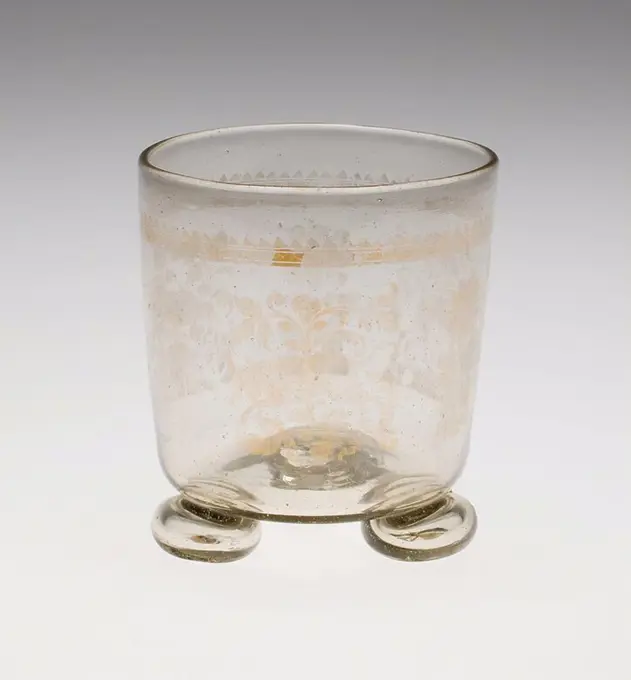
Various antique glassware pieces, including chalices and wine glasses, showcasing ornate designs, engravings, and craftsmanship from historical periods.

Sling glass with bell -shaped calyx, anonymous, c. 1750 - c. 1775 Slingerlas with conical foot and balust raw trunk. In the trunk, white garlands around white network spiral. Bell -shaped chalice. England glass glassblowing Slingerlas with conical foot and balust raw trunk. In the trunk, white garlands around white network spiral. Bell -shaped chalice. England glass glassblowing
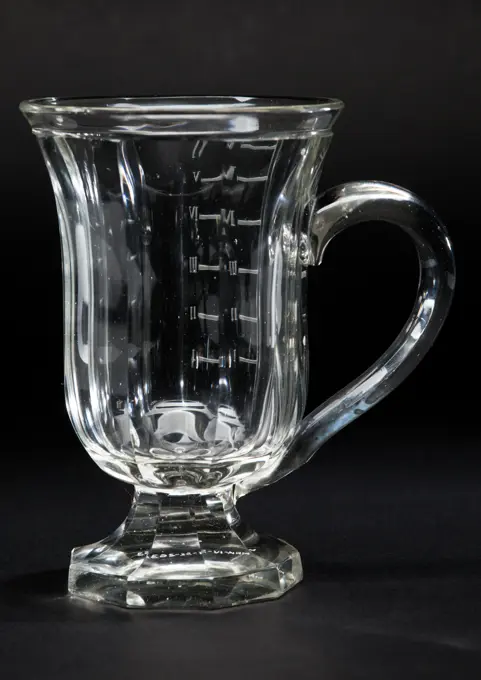
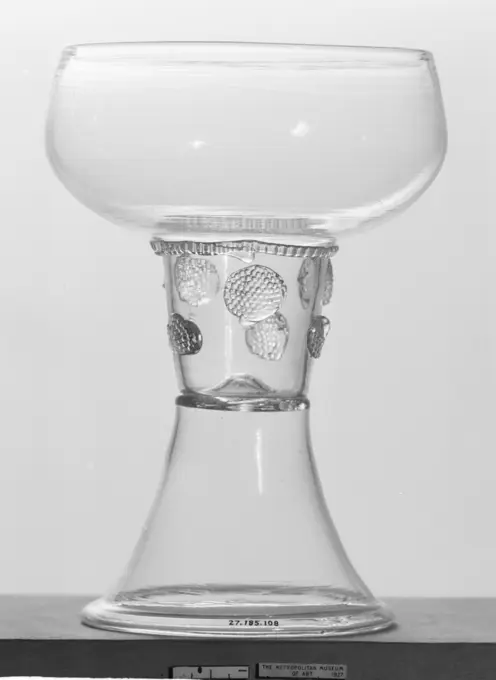
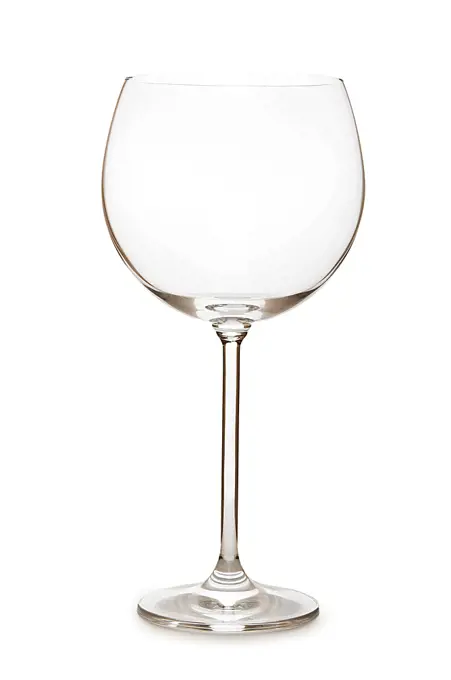
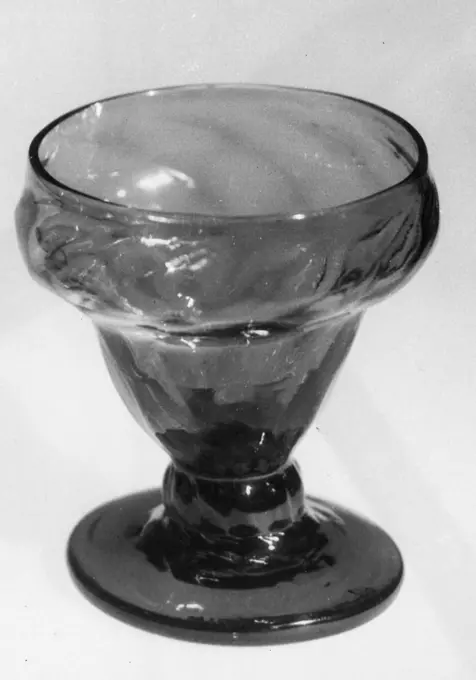
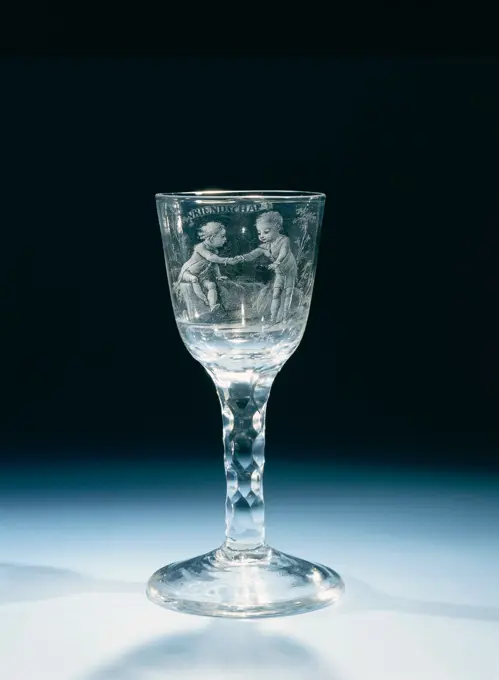
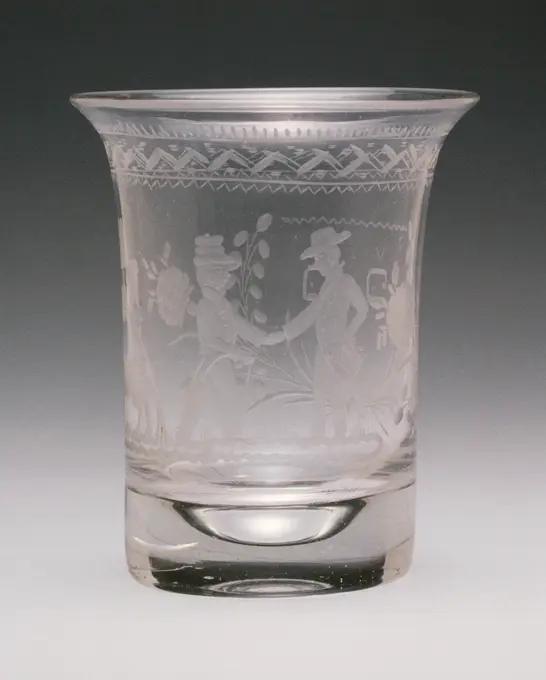
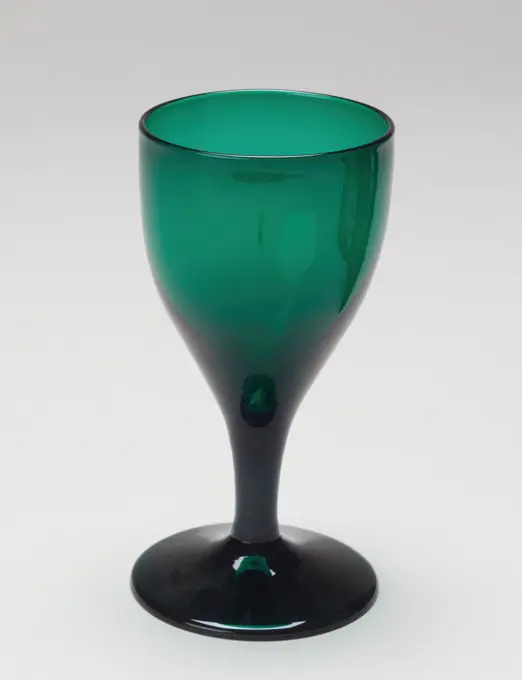
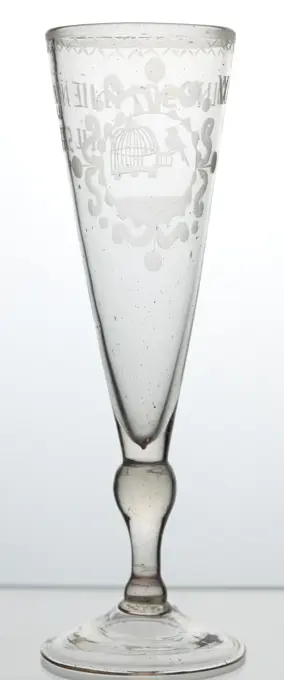
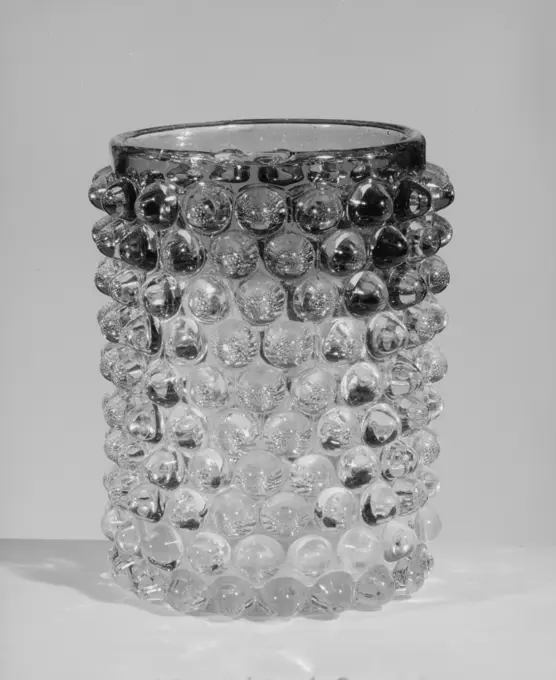
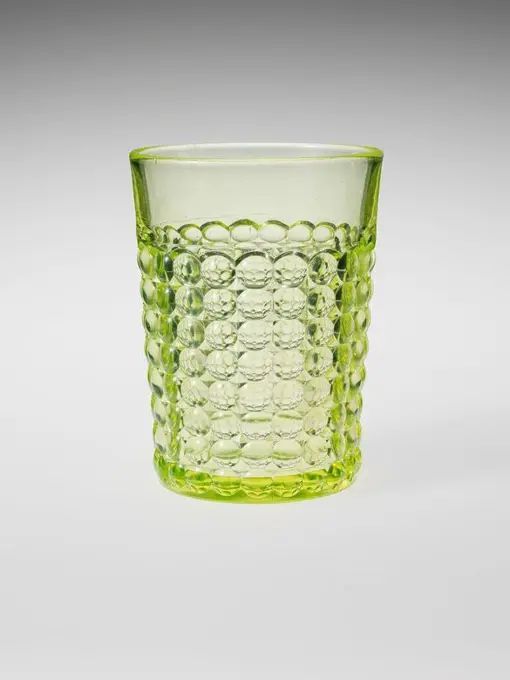
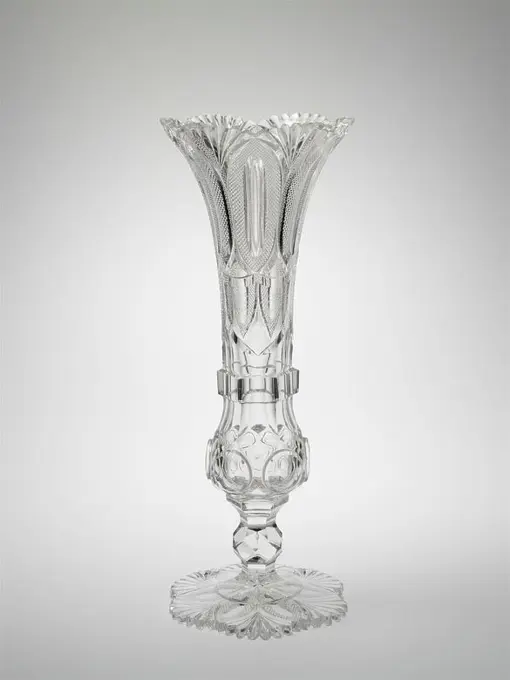
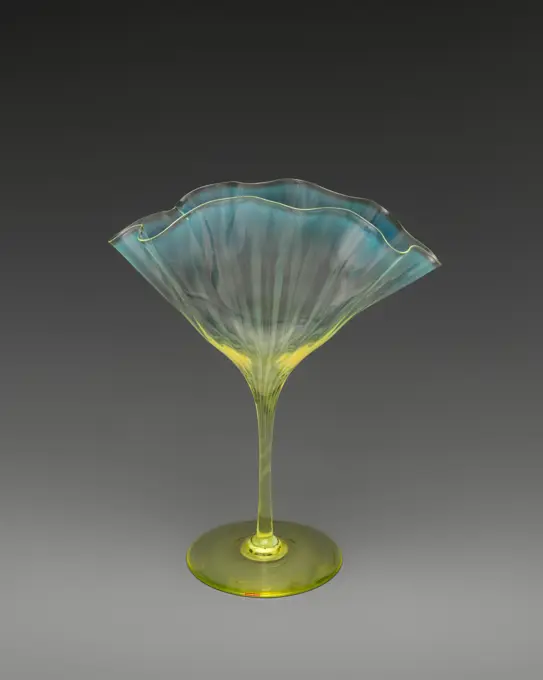
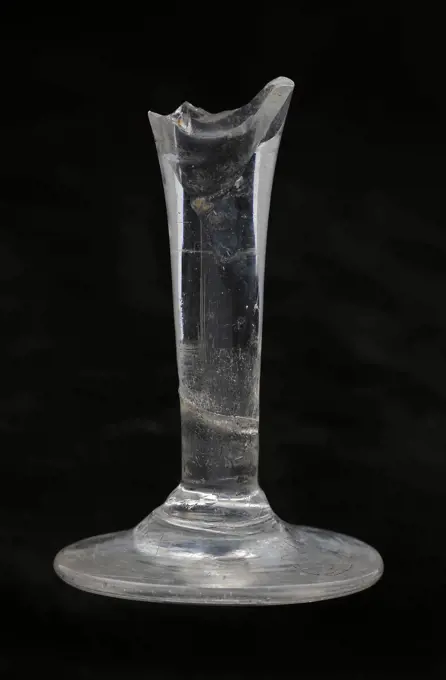
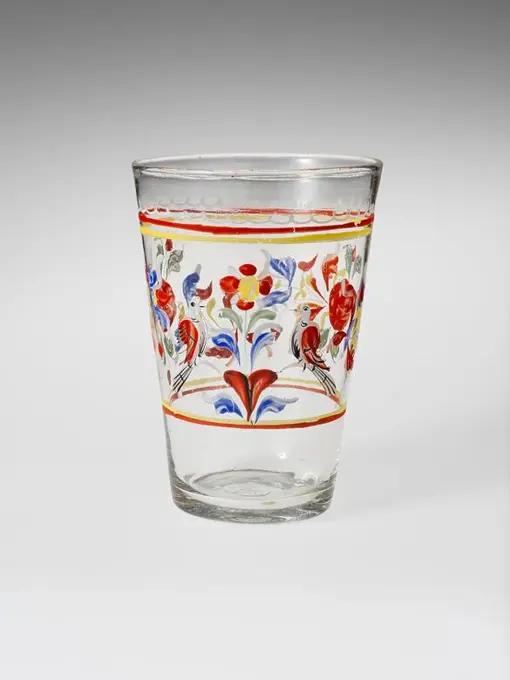
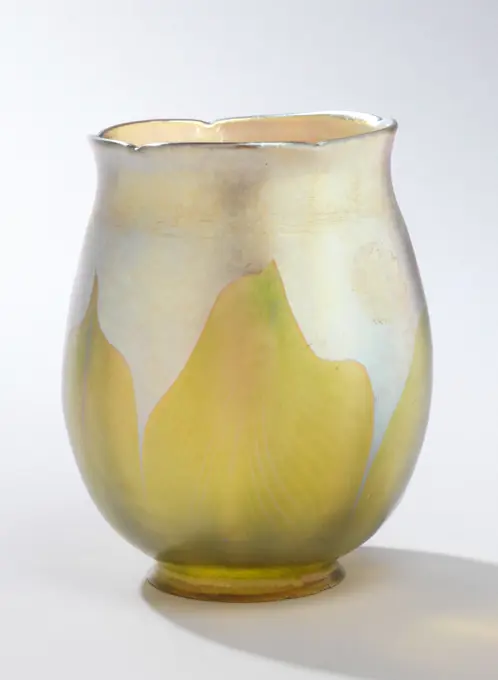
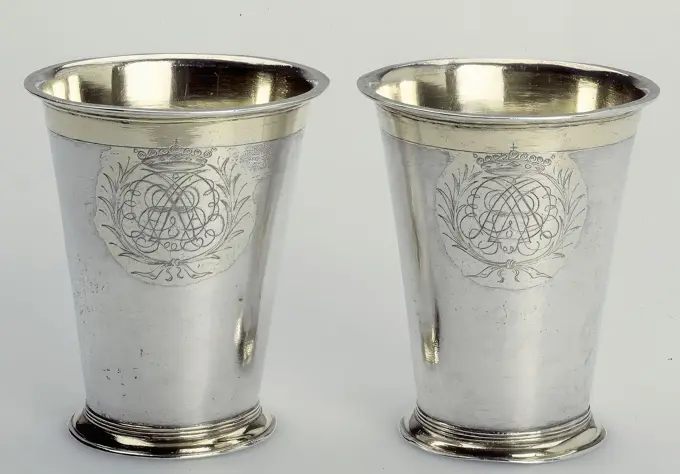
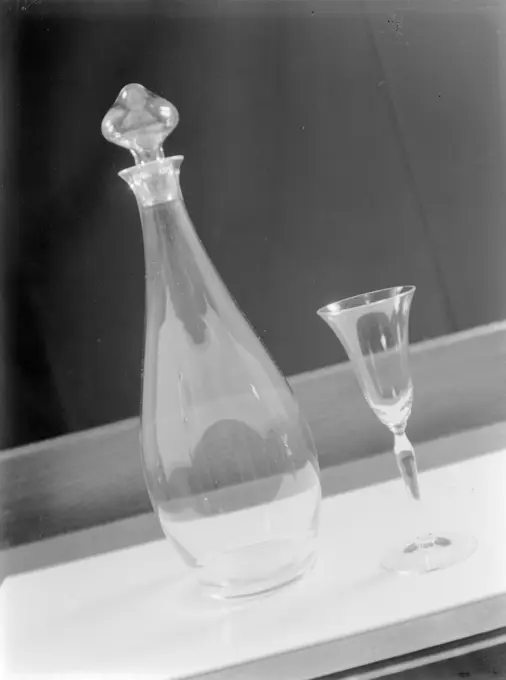
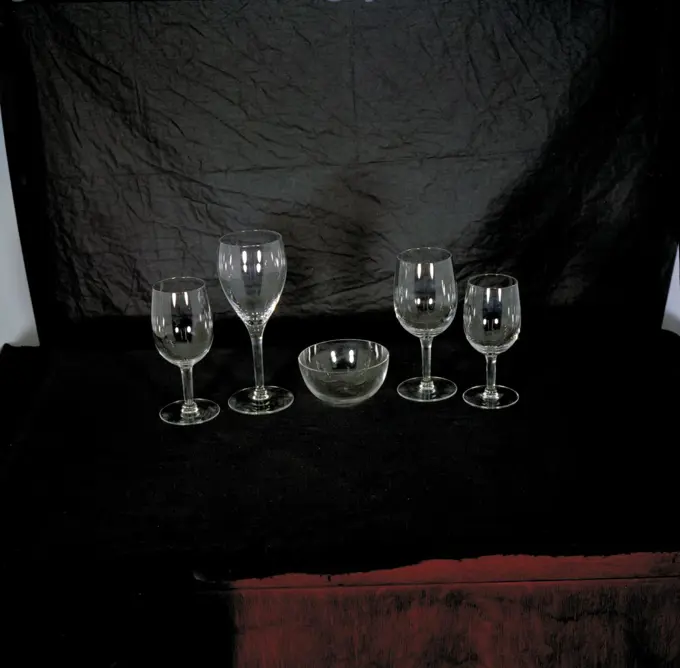
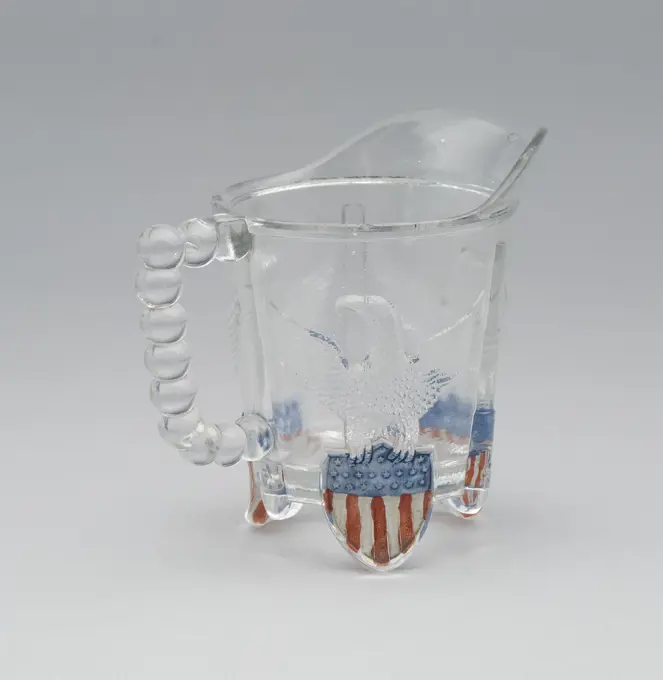
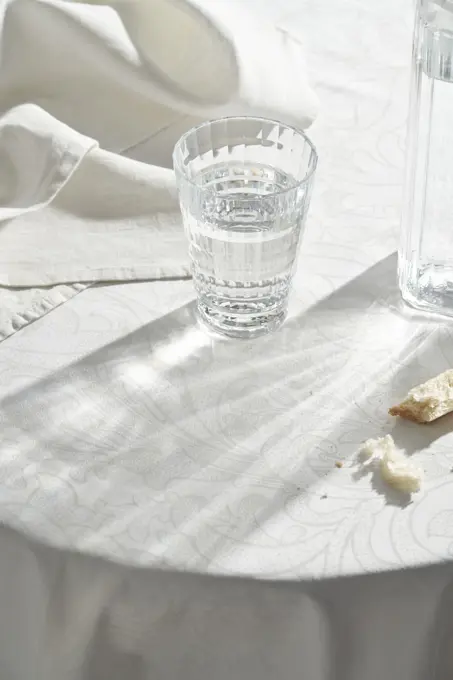
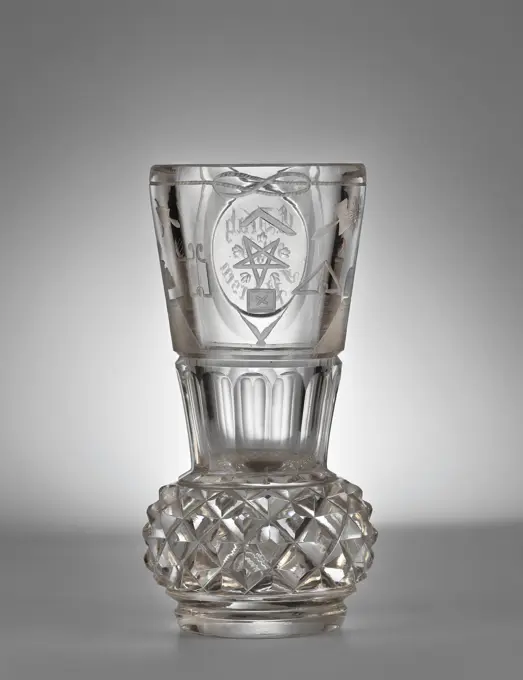
Maso cup;  around 1900 (1895-00-00-1905-00-00);Circus and carbon (Masonic emblems), Solomon star (Masonic emblem), Freemasonry, Division (Masonic symbol), Poziżica (Masonic symbol), FreemasonryVase (Ireland); glassMugQuart Decanter 1850-70 Bakewell, Pears and Company. Quart Decanter 6826Goblet (Roemer) 17th-18th century Dutch. Goblet (Roemer). Dutch. 17th-18th century. Glass. GlassWater glass, from a set of four, c. 1830, 5 1/4 x 3 1/4 x 3 1/4 in. (13.34 x 8.26 x 8.26 cm), Cut glass, France (), 19th centurySweetmeat glass, from a set of four, c. 1830, 4 1/8 x 2 3/8 x 2 3/8 in. (10.48 x 6.03 x 6.03 cm), Cut glass, France (), 19th centurySweetmeat glass, from a set of four, c. 1830, 4 1/8 x 2 3/8 x 2 3/8 in. (10.48 x 6.03 x 6.03 cm), Cut glass, France (), 19th centuryWine glass isolated on the white backgroundSaltNo. 107, Ludwig Lobmeyr, Austrian, 1829 - 1917, J. & L. Lobmeyr GmbH, Vienna, Austria, founded ca. 1935, Mouth-blown crystal, facet-cut and polished, Mouth-blown crystal, elaborately facet-cut and polished, 1868, glasswares, Decorative Arts, Cordial glass, Cordial glassGlassStrnad Muslin glass Champagne Cup; Designed by Oskar Strnad (Austrian, 1879 - 1935); Manufactured by J. & L. Lobmeyr GmbH (Austria), Meyr's Neffen, Adolf; Austria; mouth-blown crystal. Conical foot. Breached, faceted trunk, overtreen in a funnel-shaped chalice with rounded underside. On the chalice, in a landscape with trees, two boys, shaking each other's hand. The left boy is in an increase. Above the show a banderle with the text: Friendship.Beaker with Two Men. Bohemia or Silesia, second half of 19th century. Furnishings; Serviceware. GlassWine Glass 1765-70 British. Wine Glass. British. 1765-70. Non-lead glass. Made in EnglandTransparent glasses shadow 3Celery Vase ca. 1850 American. Celery Vase 1496Wine glass, one of a set of twelve, 1780-1800, 5 x 2 5/8 x 2 5/8 in. (12.7 x 6.67 x 6.67 cm), Green glass, England, 18th-19th centuryBeaker, glass, Four Continents, ca. 1700-25, glasswares, Decorative Arts, BeakerPulque Beaker 1775-1825 Spanish. Pulque Beaker. Spanish. 1775-1825. Non-lead glassglass isolated on a white background                                    Cup  fluteTumbler after 1886 Probably Hobbs, Brockunier and Company. Tumbler. American. after 1886. Pressed colorless and opalescent glass. Made in Wheeling, West Virginia, United Statesempty brandy glass on a white background empty brandy glass on a white background Copyright: xZoonar.com/BorisxZerwannx 7002082Mug 1850-70 American With the development of new formulas and techniques, glass-pressing technology had improved markedly by the late 1840s. By this time, pressed tablewares were being produced in large matching sets and innumerable forms. During the mid-1850s, colorless glass and simple geometric patterns dominated. Catering to the demand for moderately-priced dining wares, the glass industry in the United States expanded widely, and numerous factories supplied less expensive pressed glassware to the growing market. At the Exhibition of the Industry of All Nations at New Yorks Crystal Palace in 1853, for example, the New England Glass Company exhibited 130 pieces of one design, "consisting of bowls, tumblers, champagnes, wines, and jelly glasses." This object belongs to one such service. Although the glass manufactory is not known, the glassware is very typical of the large services that were very popular with Americas middle class in the nineteenth century.. Mug. American. 1850-70.Champagne glass - Inconnu / UnknownThree glassesTumbler. Culture: American. Dimensions: H. 4 1/8 in. (10.5 cm); Diam. 3 1/8 in. (7.9 cm). Maker: Richards and Hartley Flint Glass Co. (ca. 1870-1890). Date: ca. 1888. Museum: Metropolitan Museum of Art, New York, USA.Presentation vase. Culture: American. Dimensions: H. 16 7/8 in. (42.9 cm); Diam. 6 1/8 in. (15.6 cm). Maker: Long Island Flint Glass Works of Christian Dorflinger (1852-63). Date: 1859.This elegant vase is one of the earliest known Dorflinger presentation glasses. Dated 1859, it was made just one year after Dorflinger built his third, enlarged factory. The Dorflinger Guards, a colorfully uniformed group that performed ceremonial functions and served as a voluntary police force for the local community, presented the vase to Dorflinger's wife. Museum: Metropolitan Museum of Art, New York, USA.Champagne glass;  End of the 19th century (1875-00-00-1890-00-00);Tumbler after 1886 Probably Hobbs, Brockunier and Company. Tumbler. American. after 1886. Pressed cranberry glass. Made in Wheeling, West Virginia, United StatesFan-shaped vase ca. 1890 Attributed to Harry Powell British This object is a very fine example of the series of vases designed by Harry Powell (grandson of the wine-merchant, James Powell, who had purchased the Whitefriars Glassworks in 1834). Harry Powells designs of the 1880s and ‘90s created a whole group of decorative vessels characterized by delicately irregular wavy-rimmed bowls and subtly tinted glass. The fineness of the glass, accentuated by the ruffles of the bowl, is inspired by Venetian cristallo. The fluid design of the delicately irregular, fan-shaped bowl is testament to the skill of the Whitefriars glassmakers and to Powells confidence in their craftsmanship, achieved by holding the partially-shaped molten glass upside down on the blowpipe and swinging it out to create the natural form rather than by more conventionally manually manipulating the glass with a crimping tool. In this, this piece exemplifies the core philosophy of James Powell & Sons to prize glassmakersGlass;  1. PO. 19th century (1800-00-00-1849-00-00);Beaker 1715-1725 Bohemia. Glass .Roemer with four rows of raspberry prunts, anonymous, c. 1650 - c. 1659 Low, conical base of injured glass wire. Inserted soil. Cylindrical shaft blown on one piece with egg -shaped chalice. On shaft four rows of Braamnoppen, stamped with a rosette. The transition from the chalice to the shaft indicated by a ribbed thread. Germany glass glassblowing Low, conical base of injured glass wire. Inserted soil. Cylindrical shaft blown on one piece with egg -shaped chalice. On shaft four rows of Braamnoppen, stamped with a rosette. The transition from the chalice to the shaft indicated by a ribbed thread. Germany glass glassblowingTwo glassesLarge Beaker (Humpen). UnknownBeaker 1700-1725 Bohemia. Glass with engraved gold leaf decoration .RanftBecher with flower branches and inscription: MH old 10 years., Anonymous, c. 1830 - c. 1850 Ranftbecher with octagonal foot and nodus. The lower part of the chalice with yellow überfang. Flower branches engraved on the chalice and the inscription: MH aged 10 years. glassblower: BohemenNorthern Netherlands glass grinding / glassblowing Ranftbecher with octagonal foot and nodus. The lower part of the chalice with yellow überfang. Flower branches engraved on the chalice and the inscription: MH aged 10 years. glassblower: BohemenNorthern Netherlands glass grinding / glassblowingWineglass early 18th century probably German. Wineglass. probably German. early 18th century. Glass. GlassCake stand -Glass; Lobmeyr, J. & L. (Vienna; 1823-); 1920-39 (1920-00-00-1939-00-00);Water glass, 18th-19th century, 3 3/4 x 3 x 3in. (9.5 x 7.6 x 7.6cm), Glass, United States, 18th-19th centuryGlass Zbigniew Horbowy, Huta Glasswoman SzczytnaWing glass with funnel -shaped chalice, anonymous, c. 1550 - c. 1650 Wing glass on flat foot. Hollow, baluster -shaped, ribbed trunk with two ribbed, hollow nodi. On both sides of the trunk on blue wings (broken down). Funnel -shaped chalice with a corrugated, colorless thread. The wings have been broken down. Venice glass glassblowing Wing glass on flat foot. Hollow, baluster -shaped, ribbed trunk with two ribbed, hollow nodi. On both sides of the trunk on blue wings (broken down). Funnel -shaped chalice with a corrugated, colorless thread. The wings have been broken down. Venice glass glassblowingSet of six liqueur cups 1750-51 Jean-Louis La Cour. Set of six liqueur cups 200287vodka. shot glass filled with vodka on a white backgroundGlass; Lobmeyr, J. & L. (Vienna; 1823-); 1920-39 (1920-00-00-1939-00-00);Glass; Lobmeyr, J. & L. (Vienna; 1823-); 1920-39 (1920-00-00-1939-00-00);Wineglass ca. 1790 Engraved by David Wolff. Wineglass. Dutch, The Hague. ca. 1790. Glass. Engraved by David Wolff (Dutch, 's Hertogenbosch 1732-1798 The Hague). GlassHurricane Shade 1800-1830 American or British. Hurricane Shade 4416Tumbler 1850-70. Tumbler 9032Close-up of 4 water glassesCup with a medallion with the letter "L". Flat, concavely cut bottom, cylindrical body on which an oval medallion in Lodewijk XVI style, surrounded by a leaf rank. In the medallion the letter 'L'. Along the top edge an egg list.Mug 1700-1800. Mug 5280Small Beaker, 18th century, 2 3/4 x 2 5/8 x 2 5/8 in. (7 x 6.67 x 6.67 cm), Glass, enamel, Switzerland, 18th centuryBeaker with Feet. Germany. Date: 1675-1700. Dimensions: 8.6 x 7.9 cm (3 3/8 x 3 1/8 in.). Glass. Origin: Germany. Museum: The Chicago Art Institute, Chicago, USA.Czarka;  1. PO. 20th century (1901-00-00-1950-00-00);Lamp chimney -Beaker 1707 German, Franconia. Beaker. German, Franconia. 1707. Glass. GlassGlass of shot drink isolated on a white background. Glass on a white backgroundBeer glass. Isolated goblet mockup. Transparent Transparent mug illustration for stout, lager alcohol. Classic design tall transparent glass mock up for pub. 3d crystal ale glassware. Fragile utensils. Beer glass. Isolated goblet mockup. TransparentStem of chalice on foot, slender and short trunk, pontil brand, drinking glass drinking utensils tableware holder fragment soil find glass, free blown Stems of goblet on fairly small foot. Clear and colorless glass Light iridescent oily discoloration Slender trunk conical in shape and solid Pontil mark archeology Valckensteyn Poortugaal Albrandswaard drinking wine serve serving Soil discovery: castle Valckensteyn in Poortugaal now Albrandswaard 1961-1962.. Inserted soil, knurled stand ring. Virtually cylindrical body with bent edge. On the body in white, black, yellow, green, blue and rose email a wild boar naated by two dogs, in a schematically shown landscape with a tree and two branches. Under the show three piping, there are two rows of white dots, and the year 1610. On c. Two thirds of three studs stamped with a rosette, one blue with a white heart, one red with a white heart and one yellow with a blue heart.Czarka;  XIX-20th century (1801-00-00-1940-00-00);Tumbler. Dimensions: H. 6 1/2 in. (16.5 cm). Date: 18th century. Museum: Metropolitan Museum of Art, New York, USA.Beaker ca. 1805 Benjamin Halsted. Beaker 19090Lamp Shade, 1907; Designed by Louis Comfort Tiffany (American, 1848-1933); Made by Tiffany and Co. (United States); favrile glassMyer Myers, Pair of Tankards (covers missing), c. 1785, silver.Tumbler after 1886 Probably Hobbs, Brockunier and Company. Tumbler 9138Wine glasses, close-upTwo Glass MugsGoblet (Roemer) 18th-19th century German This shape of drinking vessel, with a foot made of a continuous spiral thread coiled and fused, originated in medieval times and was long popular in Germany.. Goblet (Roemer). German. 18th-19th century. Glass. GlassS 633, 635, Biörman, Michel, Pikari, approx. 1700, original: VTM 26738, Duoscan/PS4.0 U.K 21.08.98Close-up of empty glasses stacked one on top of the otherTransparent glass for wine or brandy or champagneWater being poured into Glass against Black BackgroundGlassGoblets for hard liquors isolated on whitePoll photo collection. Glass. Antiques, engraved glass. January 1, 1937Glass;  1920-39 (1920-00-00-1939-00-00);Glass with the Prophet Elijah stage in the desert and the coat of arms of KarpCup of clear colorless glass, painted in polychrome email with the Rijksmuseum, Anonymous, c. 1885 Cup of clear colorless glass, painted in polychrome enamel with the Rijksmuseum and a banderolle with 'a cheerful guest, is nobody's burden'. The Netherlands, ca. 1885. Netherlands glass Cup of clear colorless glass, painted in polychrome enamel with the Rijksmuseum and a banderolle with 'a cheerful guest, is nobody's burden'. The Netherlands, ca. 1885. Netherlands glassWeingläser - Wine glasses Weingläser - Wine glasses Copyright: xZoonar.com/lantapixx 6161886Poll photo collection. Product photos; Glass art. Sloping composition with a carafe and chalice glass. 1935. Leerdam, South HollandPair of Witch Balls with Vases c 1850-1875 United States. Glass . Artist unknownthree empty glasses isolated on white backgroundGlass; Lobmeyr, J. & L. (Vienna; 1823-); 1920-39 (1920-00-00-1939-00-00);fancy luxury red cups decorationsTwoTumblersChina and crystal used in the White House. White House glassware manufactured by the Morgantown Glassware Guild of Morgantown, West Virginia and ordered in 1961 by First Lady Jacqueline Kennedy. Two wine glasses, a tulip champagne glass, a finger bowl, and a goblet in a pattern called, The President's House.Bullet & Emblem pattern cream pitcher c 1870-1900 United States. Glass with hand painted emblems . Artist unknownStill life with water glass and leftover breadWinners Cups And Trophies For Game UI. Illustration of a set of funny cartoon gold award winner cups, and prizes in different levels and categories, for game ui best score or success and wealth icons