Elegant Glassware and Silverware

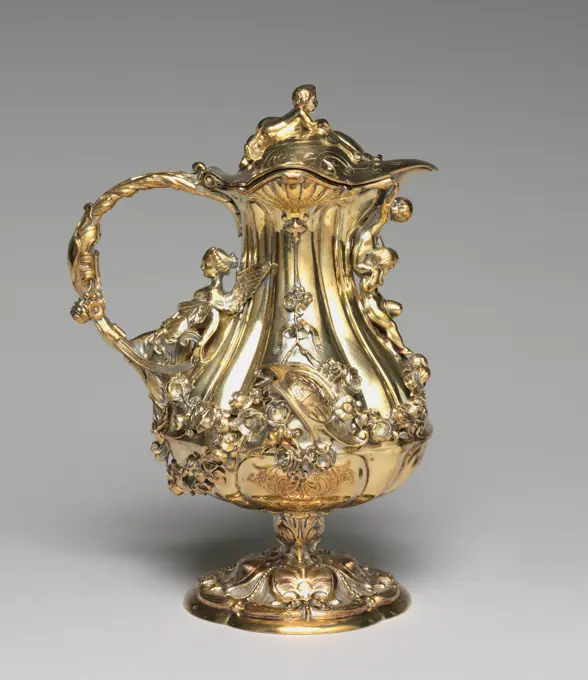
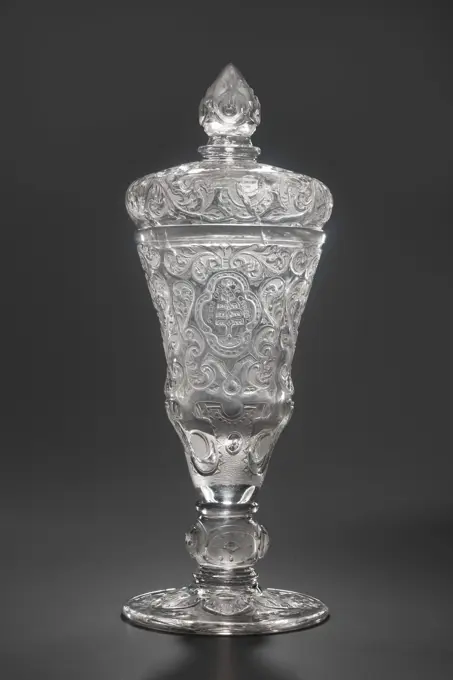
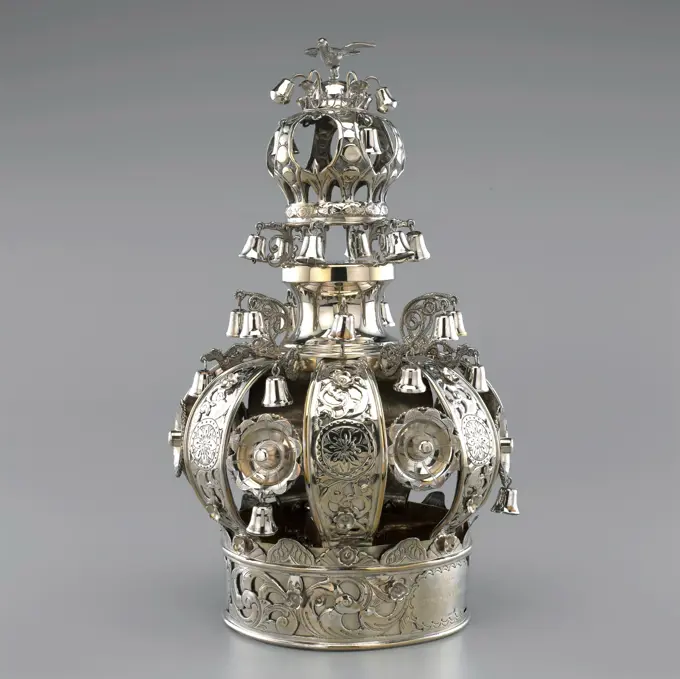
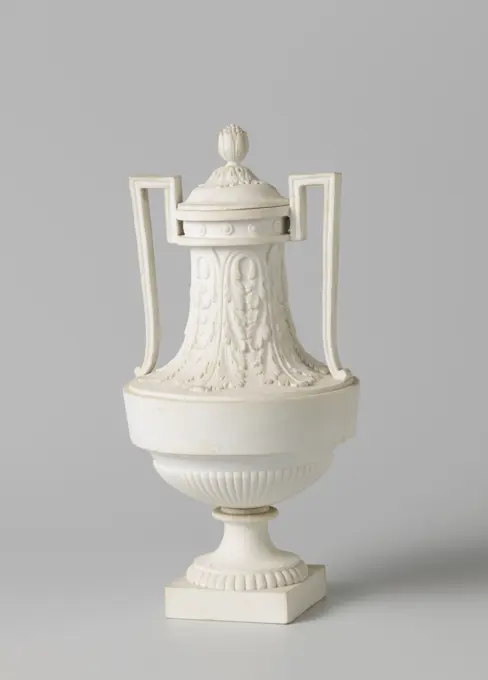
A collection of intricate glass and silver pieces, including jars and candlesticks, showcasing historical craftsmanship and ornate details.
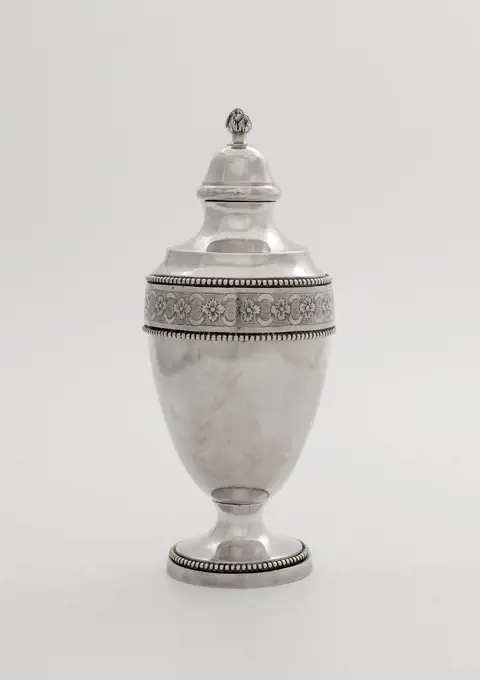
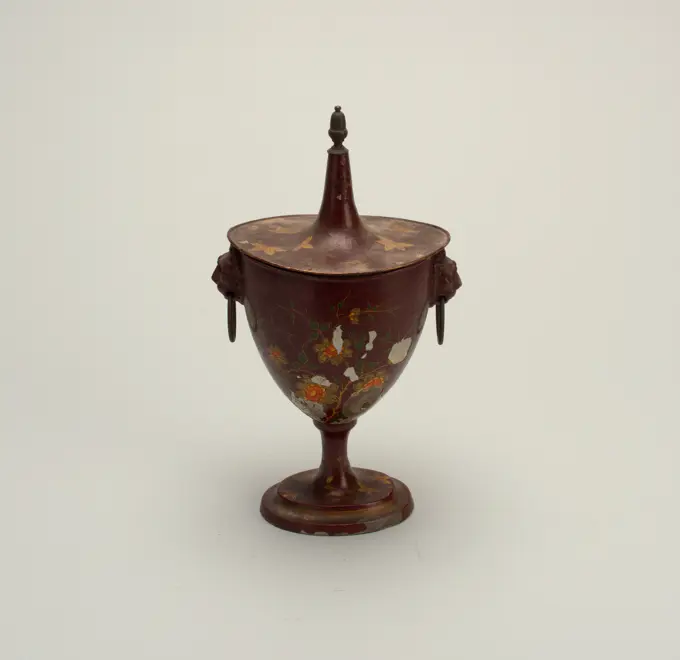
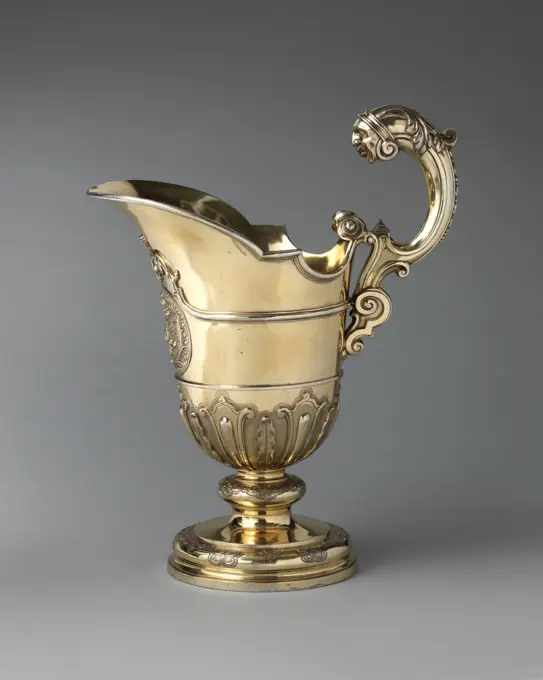
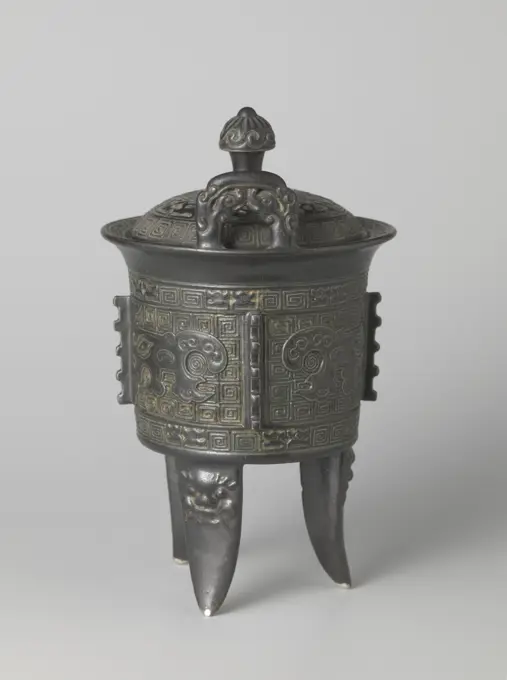
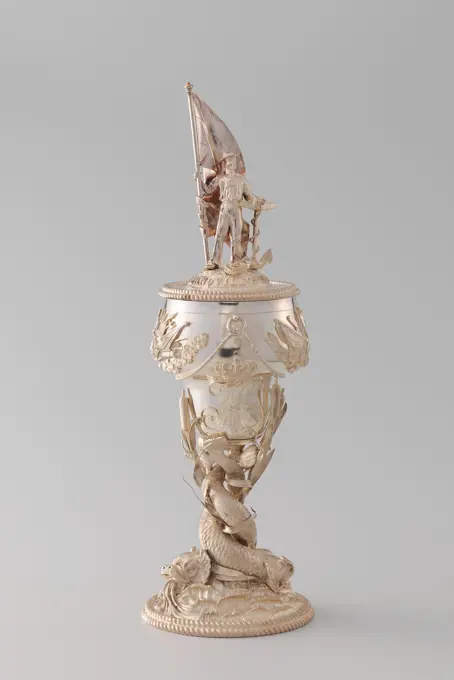
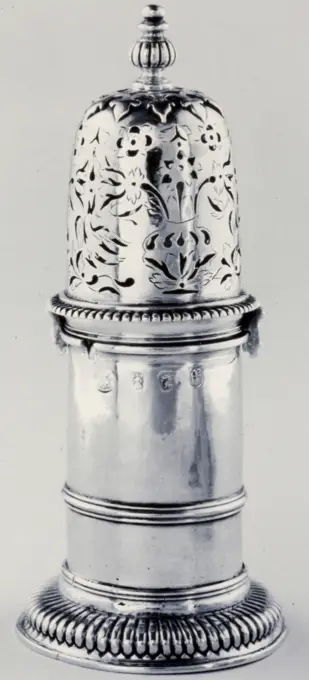
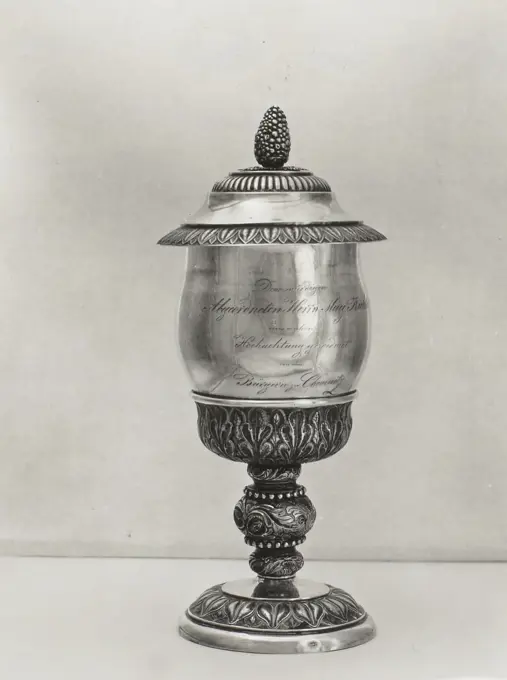
Silver tea caddy, tea caddy holder silver wood, molded engraved Ovoid body on round constricted foot constriction on the shoulders, small bell-shaped cap with pineapple as bud, bottom bottom, (brands are poorly readable, smashed on small surfaces and bit over each other) serve
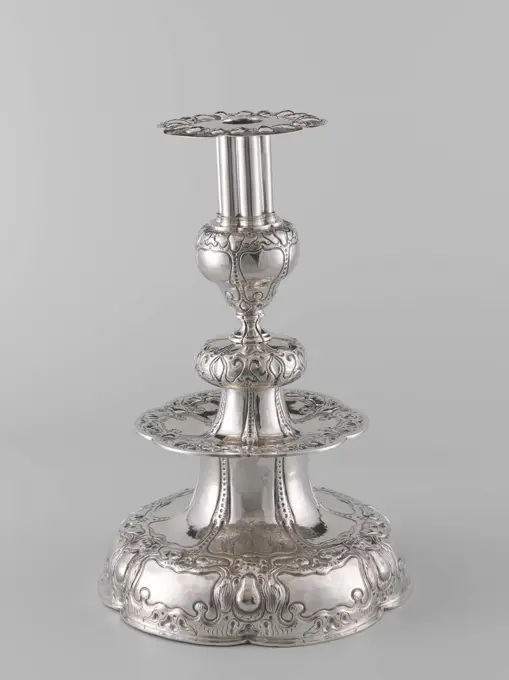
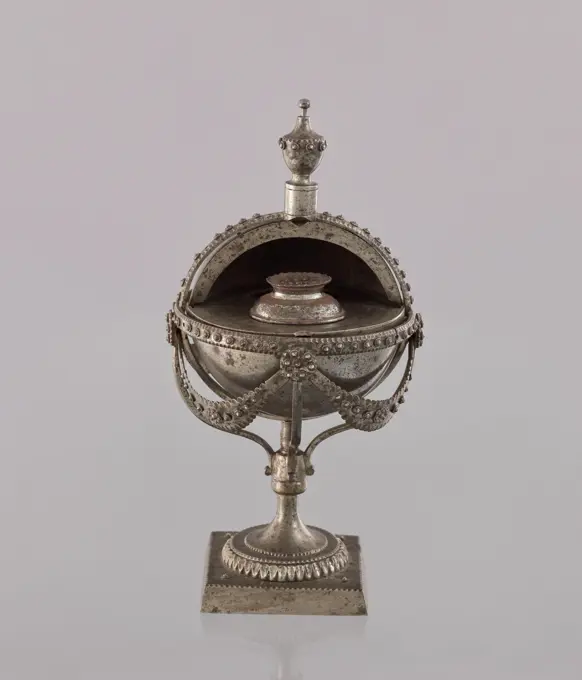
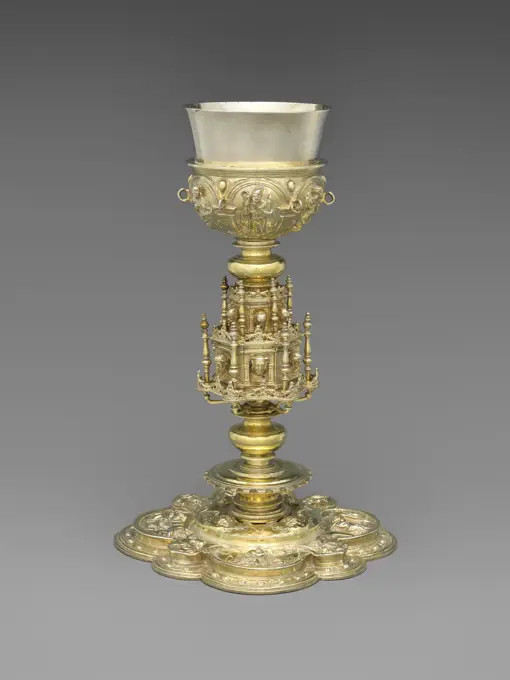
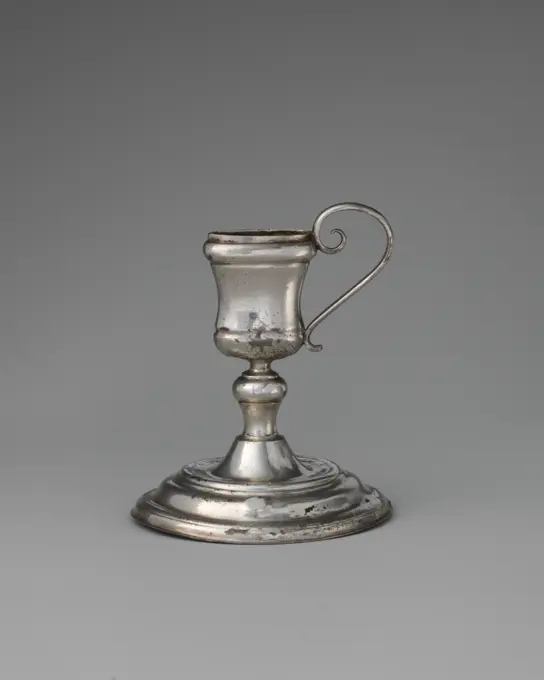
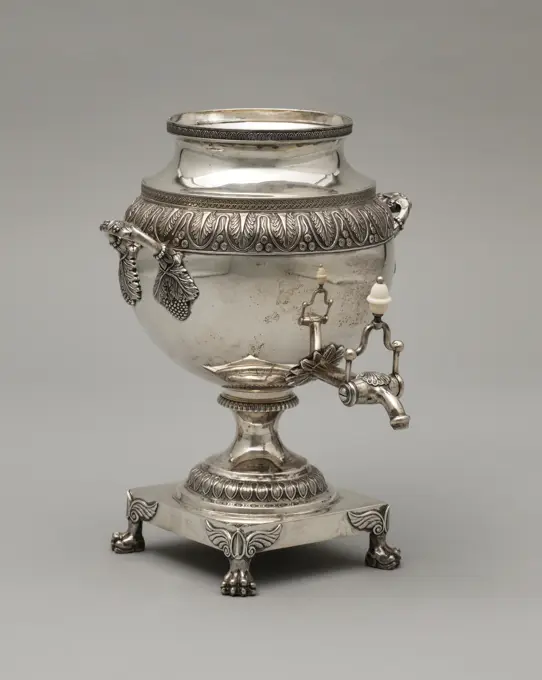
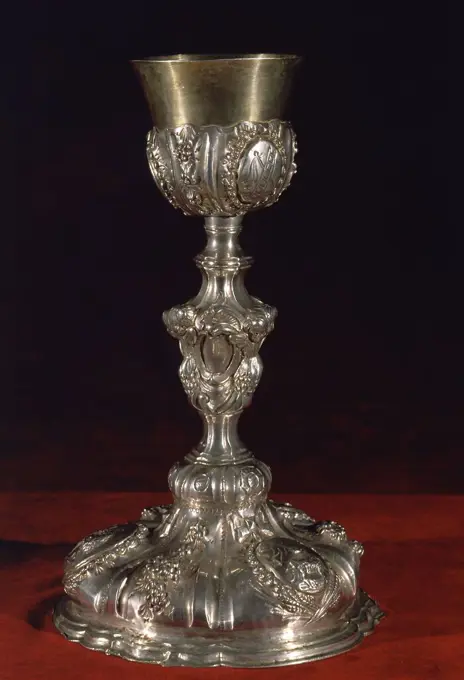
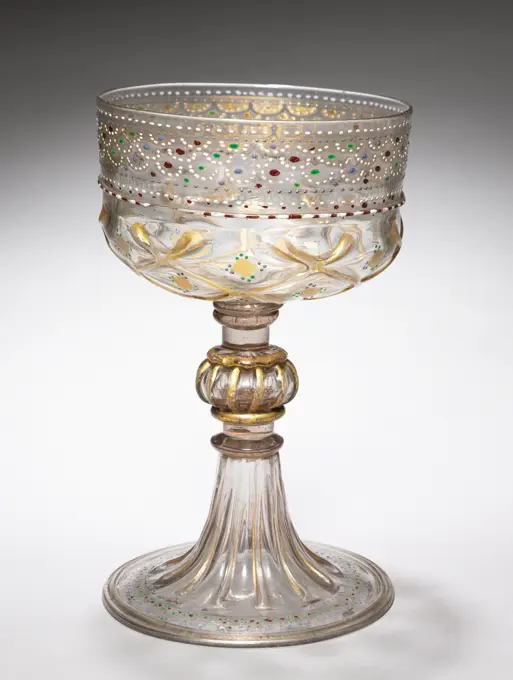
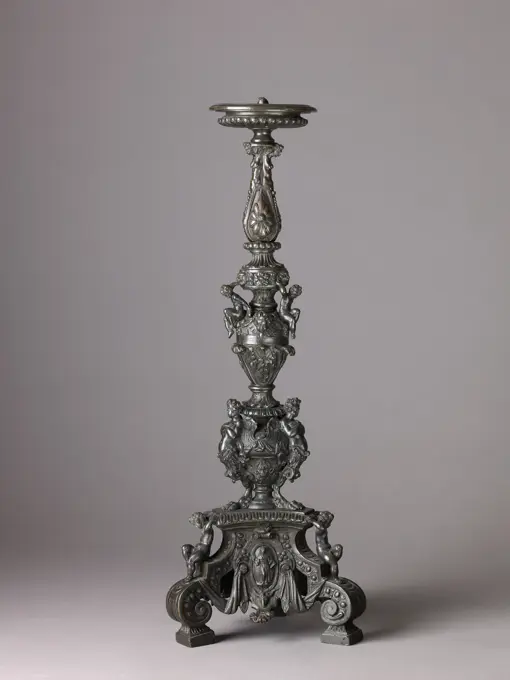
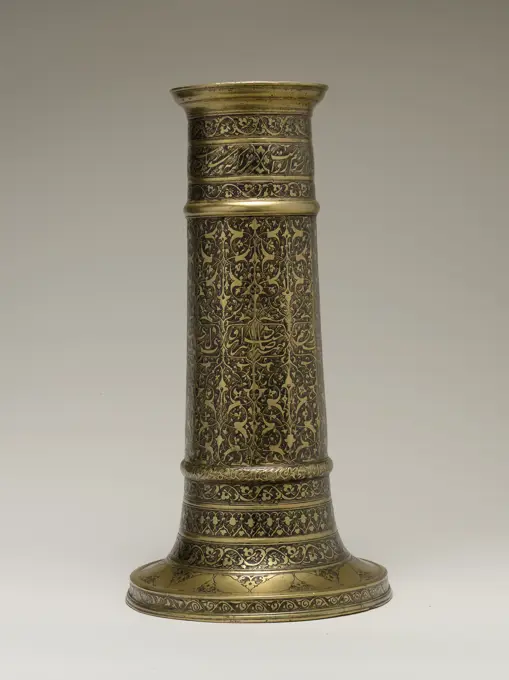
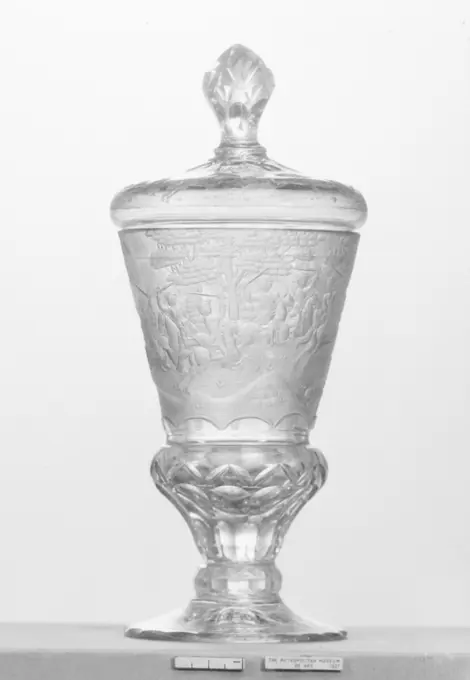
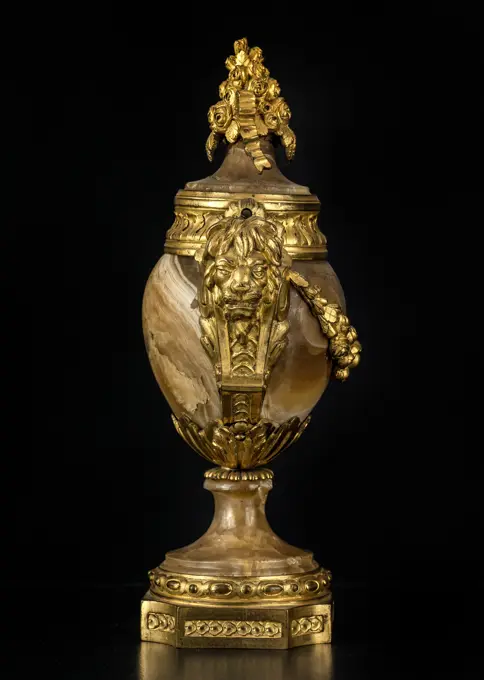
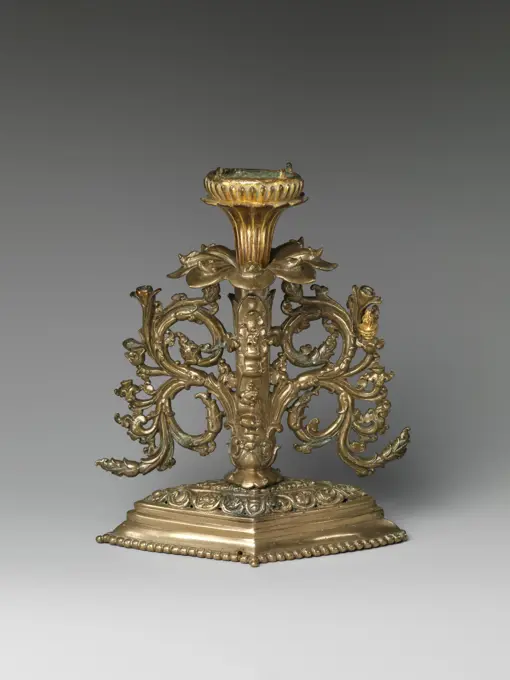
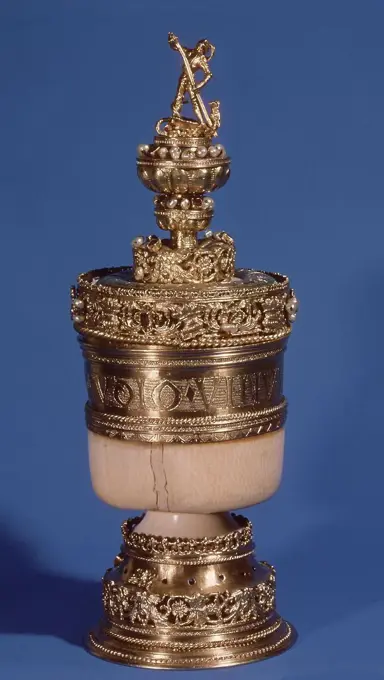
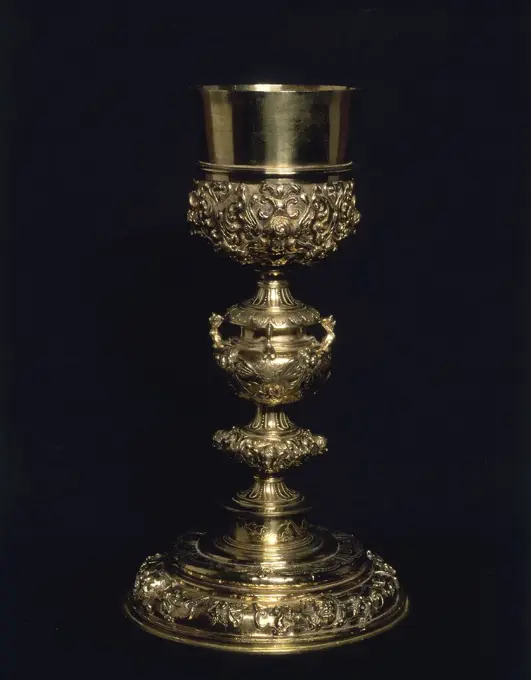
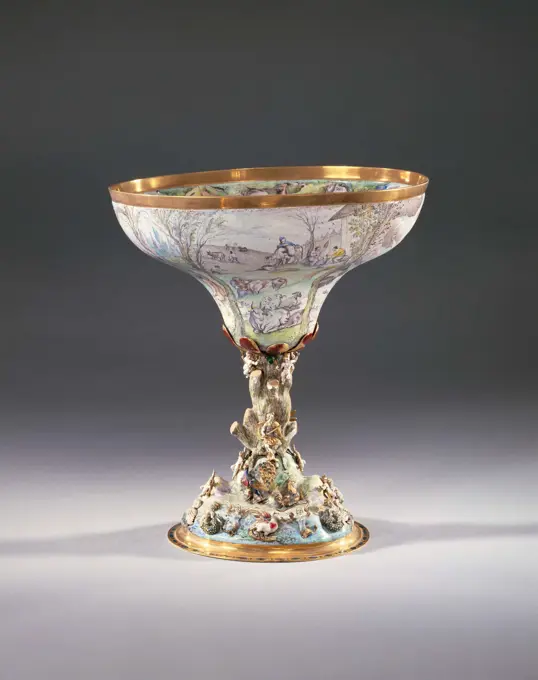
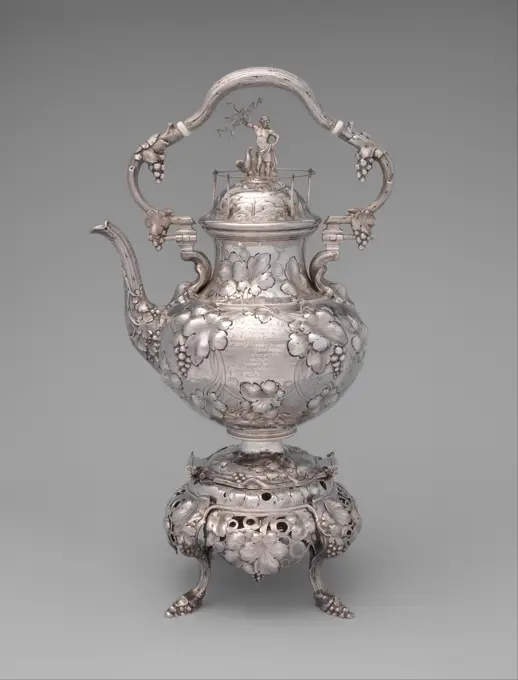
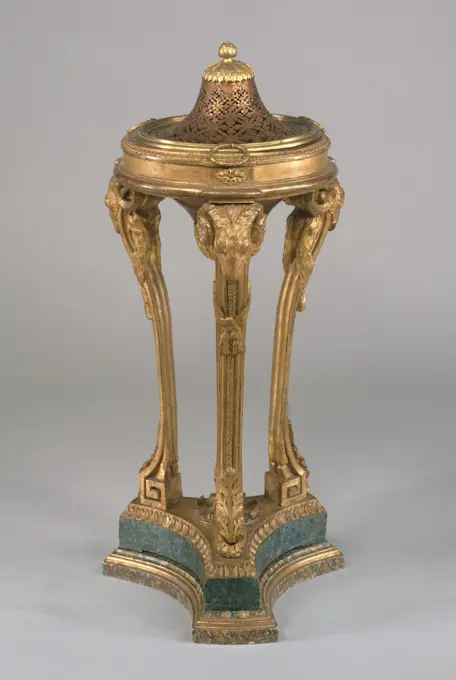
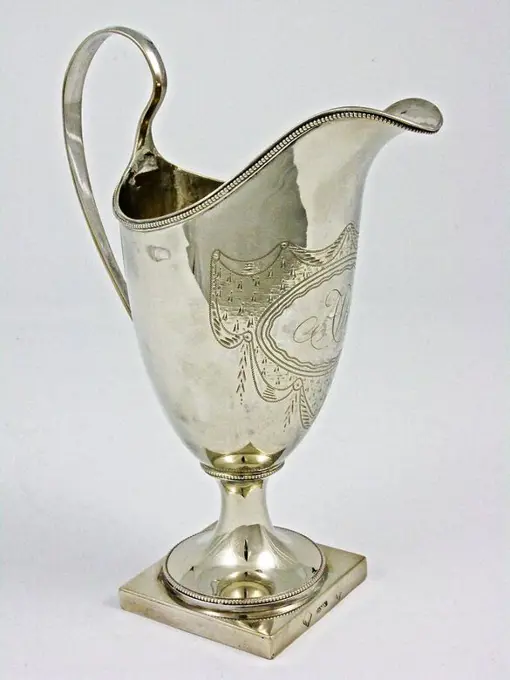
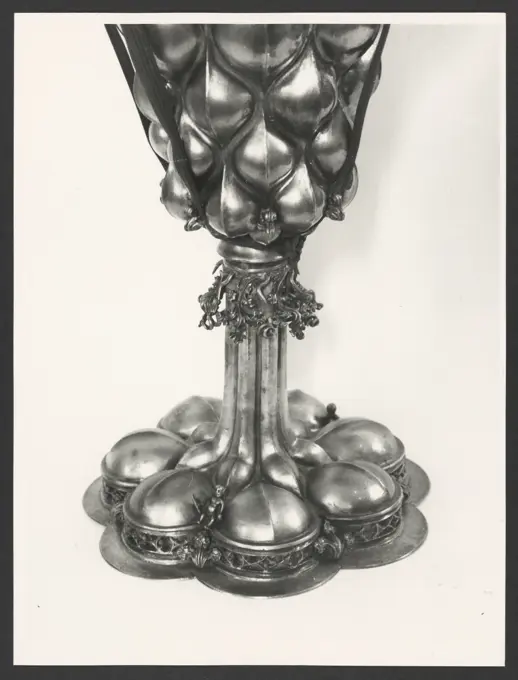
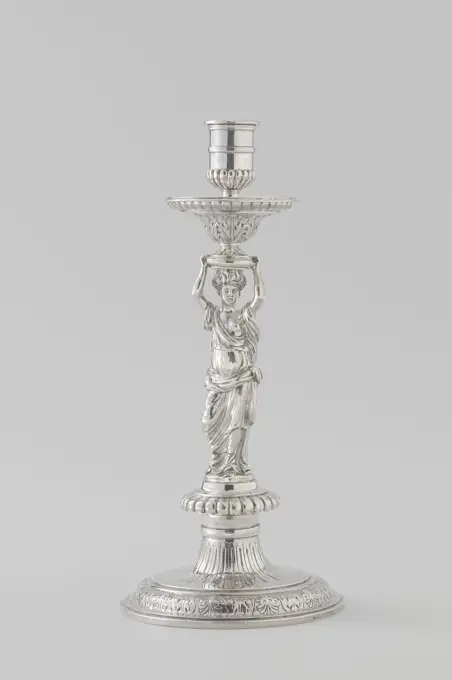
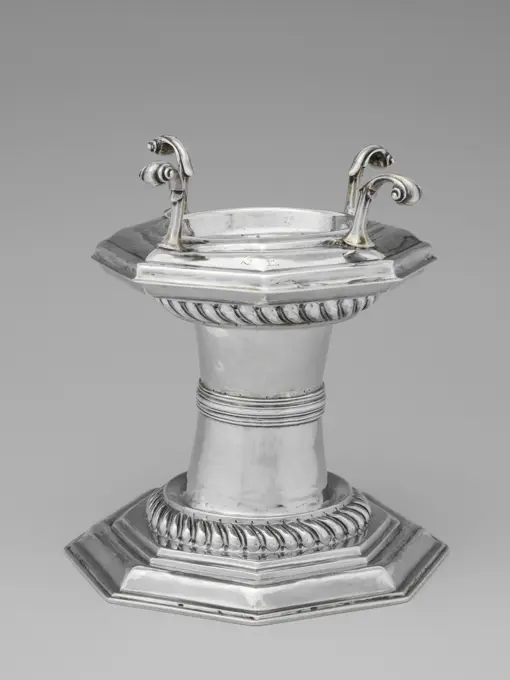
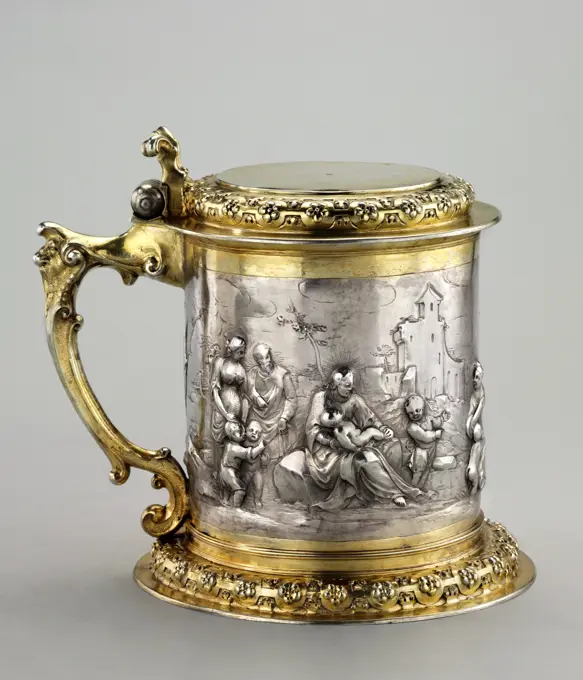
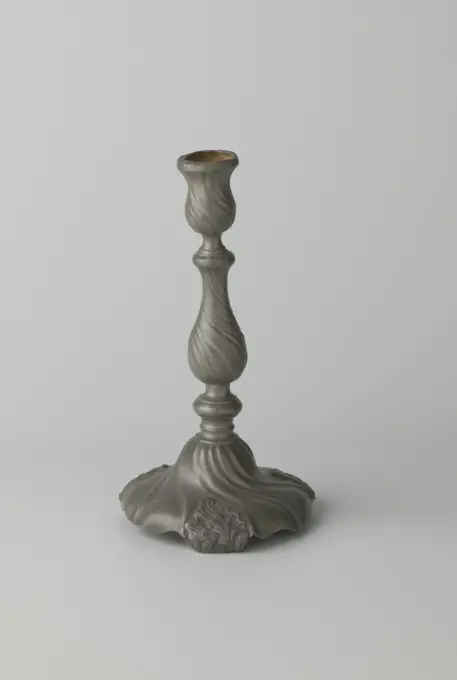
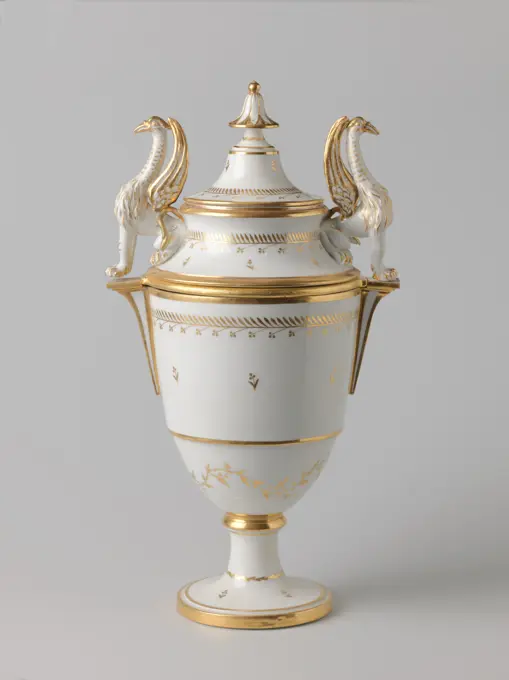
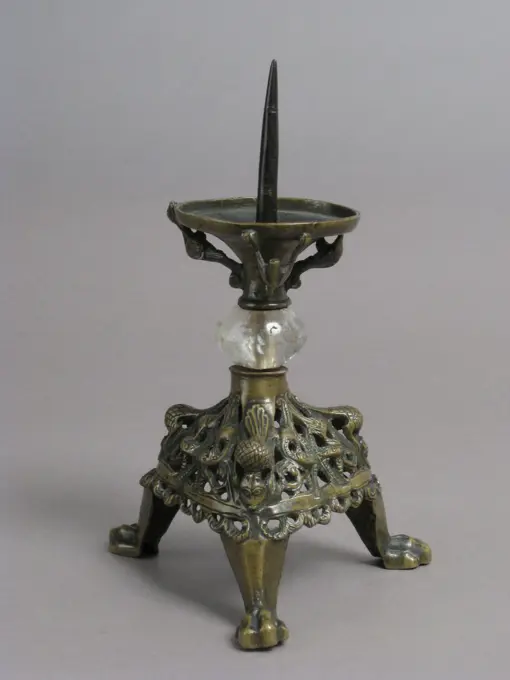
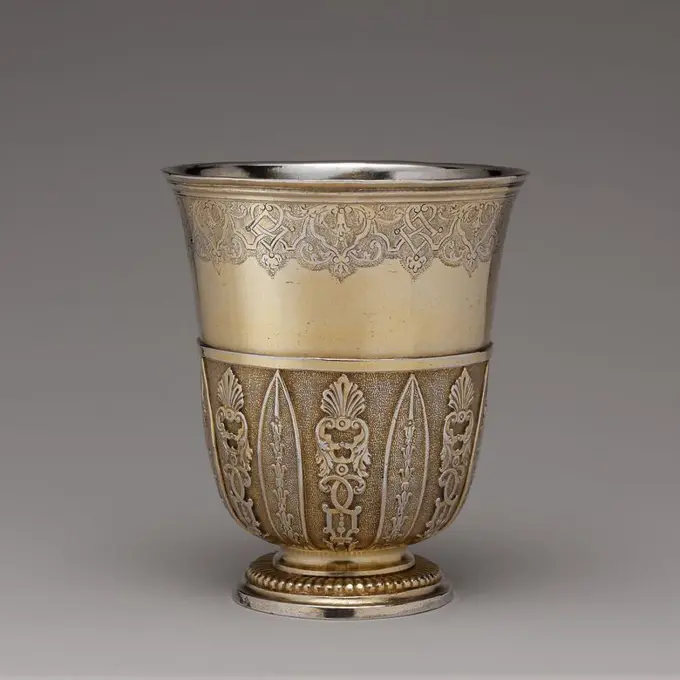
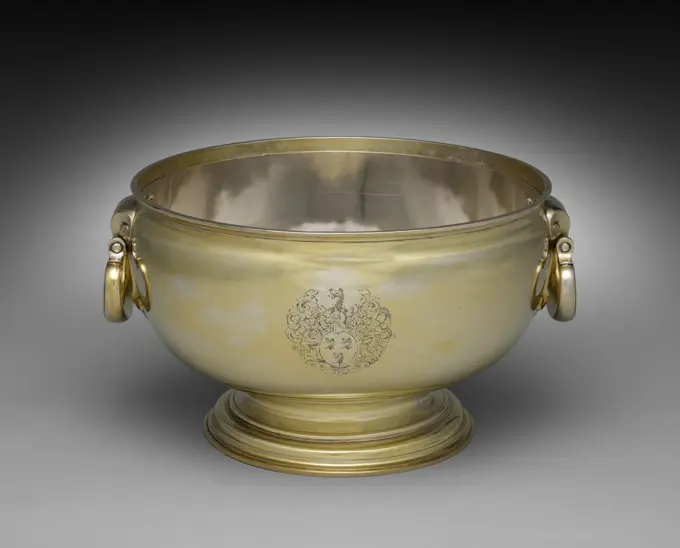
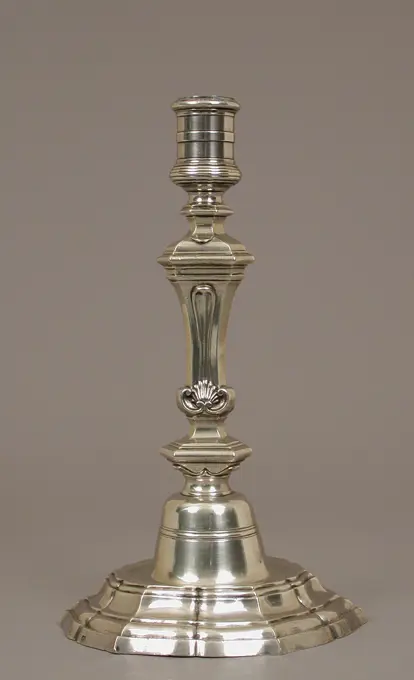
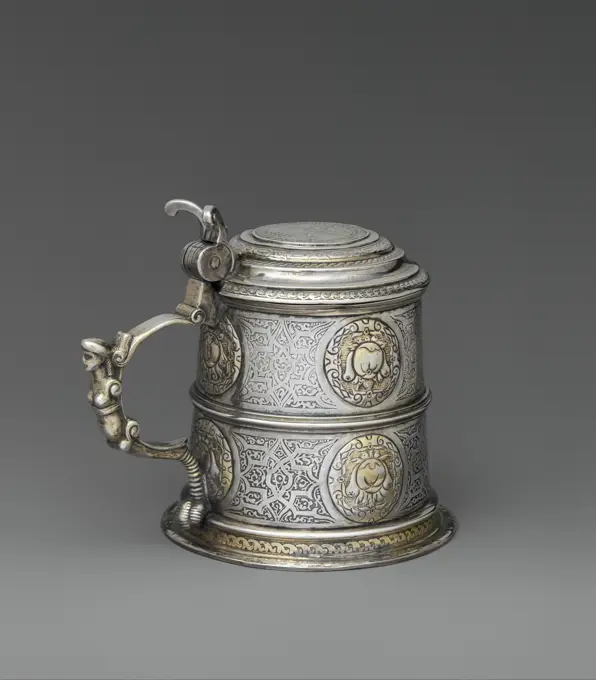
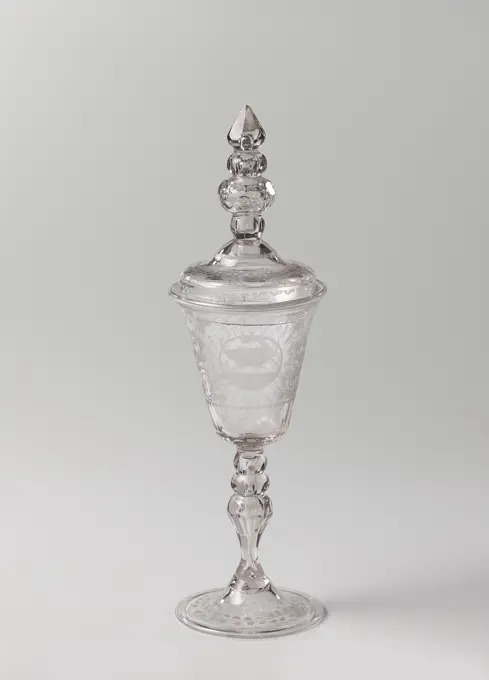
Lid of a jar, anonymous, c. 1725 - c. 1750 Vaulted lid, crowned lid button, consisting of three faceted buttons and a faceted, pear -shaped end. On the lid line ornaments. Bohemia glass glassblowing Vaulted lid, crowned lid button, consisting of three faceted buttons and a faceted, pear -shaped end. On the lid line ornaments. Bohemia glass glassblowing. Slightly vaulted foot, double cuff under a hollow, baluster-shaped strain, above which a hollow flattened nodes under a funnel-shaped, closed chalice. Lightly vaulted lid with hollow bent button. The foot, the chalice and the lid double-walled and painted between the walls in blue-gray in a marble motif. The bottom of the foot, the inside of the chalice and the bottom of the lid from inside from gilt. The hollow strain, nodus and knob of the lid from inside from marmed. The cuff at the outside marbled, the nodus plated on the outside. Along the foot edge, the transition from foot to cuff and the edge of the chalice gold plated and engraved palmets. On the chalice in gold The arm of the Amsterdam merchant family De Haen surrounded by loomed work and awarded by a closed visor with a rooster as a helmet mark. The weapon: 1 and 4 a haan and 3 stars and 3 trellisers to the left. Kit edges on the underside of foot and lid and some millimeters under the edge of the chalice, on the outside.Silver tea caddy, tea caddy holder silver wood, molded engraved Ovoid body on round constricted foot constriction on the shoulders, small bell-shaped cap with pineapple as bud, bottom bottom, (brands are poorly readable, smashed on small surfaces and bit over each other) serve. Candlestick of silver. The round, lobed foot, is decorated with driven lobe ornaments.A inkwell in the form of a globe;  early 19th century (1800-00-00-1810-00-00);. According to legend, Saint George killed a fierce dragon, saving the life of a beautiful princess. This heroic deed is represented twice: in relief on the bowls and in a small figurine surmounting each lid. The cups were commissioned in 1603 by the militia guild of the town of Gorinchem in the province of South Holland. Saint George was the patron saint of archers, among others.Toy altar cruet -Chalice ca. 1560-1570 Antón Dantés This impressive silver chalice was used to hold the consecrated wine during the Roman Catholic service of the Mass. It was made in Mexico City by Antón Dantés, a silversmith whose distinctive figure style is indebted to the mannerist sculpture of Spain. In confidently worked reliefs on the foot and cup of the chalice, Dantés exploits the expressive potential of his precious medium. His slender, elongated figures convey a sense of urgency and intense emotion through their exaggerated movements and ecstatic expressions. Narrative reliefs on the foot of the chalice include the Annunciation to Joachim, the Visitation, the Annunciation to the Virgin, and the Nativity, subjects linked by clear references to the mystery of the Incarnation.. Chalice. Mexican. ca. 1560-1570. Silver, gilt, repoussé, chased, cast, and lathed, with burnished punchworkMiskelk on Zeslobbige Voet with angel heads, Christiaan Warenberg (attributed to), 1719 Miskel of silver, driven and cast. A round chalice on a sea lobby with angel heads. The Cuppa is caught in a countercuppa, decorated with naturalistically displayed grape vines and corners. Amsterdam silver (metal) Miskel of silver, driven and cast. A round chalice on a sea lobby with angel heads. The Cuppa is caught in a countercuppa, decorated with naturalistically displayed grape vines and corners. Amsterdam silver (metal)Miniature snuffers stand late 17th-early 18th century British. Miniature snuffers stand. British. late 17th-early 18th century. Silver. Metalwork-Silver-MiniatureSgabello, Chair of Notenhout, Anonymous, 1550 - 1600 Chair of Notenhout, with front and rear board placed in spread. The front board shows two dolphins in low relief, with their heads resting on the floor and tied together at the neck. Their tails end in Voluten and they flank a roller-cartouche with coat of arms. The back shows a roller-cartouche with coat of arms, on which an animal claw, flanked by S-Voluten. To crown a leaf edge, S-Voluten and a reverse palmet. Italy wood (plant material). walnut (hardwood) Chair of Notenhout, with front and rear board placed in spread. The front board shows two dolphins in low relief, with their heads resting on the floor and tied together at the neck. Their tails end in Voluten and they flank a roller-cartouche with coat of arms. The back shows a roller-cartouche with coat of arms, on which an animal claw, flanked by S-Voluten. To crown a leaf edge, S-Voluten and a reverse palmet. Italy wood (plant material). walnut (hardwood)Standing Cup And Cover (Germany); Made by Georg Kraudi (German act. Nuremberg, 1643-1676); parcel-gilt repoussé and chased raised silver.Tea Urn, 1811-1825. Harvey Lewis (American, 1835). Silver; overall: 39.4 x 25.4 cm (15 1/2 x 10 in.).Ostrich Cup 1590 London. This elegant cup was made in England in 1590. Its elaborate silver-gilt cover and stem enhance the surface of an unexpected material an ostrich egg. Ostriches and their eggs were very rare in Europe at the time, and not much has changedówhen the cup was sold to the Art Institute, it had to go before the British export review board to obtain a separate license for the egg itself, because ostriches are now an endangered species.Eighty years after the cup was made by John Spilman, Pieter Gerritsz van Roestraeten painted it for the grandson of John Whitfield, the original owner of the cup. The painting prominently features the cup, along with other objects that were being recorded for posterity. In much the same way as we might videotape items in our home to make a record for an insurance company, the painting records the cupís existence, as does the will of Whitfieldís grandson (also named John Whitfield), which details the items in the painting ìa large medal of Galvanoplastic reproduction of a cup with lid decorated with masks, fruit and tire work, fa. Elkington & Co., 1881 Galvanoplastic reproduction of a cup with lid. The baluster -shaped tribe is decorated with fruit guirlandes; The cuppa and the lid are decorated with masks, fruit and band work. London copper (metal). silver (metal) Galvanoplastic reproduction of a cup with lid. The baluster -shaped tribe is decorated with fruit guirlandes; The cuppa and the lid are decorated with masks, fruit and band work. London copper (metal). silver (metal)CALIZ DEL SIGLO XVIII. Location: CATEDRAL. LUGO. SPAIN.Candlestick from brass., Anonymous, c. 1700 - c. 1725 The candlestick is composed of two parts: the foot and the browned trunk with the candle holder. An iron plate has been applied to the holder on the inside to secure the candle properly. The candlestick has an eight -fold shape from foot to holder. The trunk is baluster -shaped. The holder is vase -shaped. England brass (alloy) casting The candlestick is composed of two parts: the foot and the browned trunk with the candle holder. An iron plate has been applied to the holder on the inside to secure the candle properly. The candlestick has an eight -fold shape from foot to holder. The trunk is baluster -shaped. The holder is vase -shaped. England brass (alloy) castingCenser ca. 1700-1720 Italian. Censer 206866Cup with weapon of M.A. de Ruyter, Hendrick Jansz., 1660 - 1676 cup Silver cup, on high foot and open trunk. The funnel -shaped Cuppa is decorated with leaf motifs along the upper edge, including the coat of arms of Michiel Adriaansz. De Ruyter. Harlingen silver (metal)  armorial bearing, heraldryJar with lid, with three stacked wine barrels and the inscription: welvaaren.van.de.wyn.coopery, anonymous, c. 1725 - c. 1750 Bandwriting: welvaaren.van.de.wyn.coopery. Ornaments of grape vines, around three wine barrels, on which a chalice. glassblower: GermanyNorthern Netherlands glass glassblowing Bandwriting: welvaaren.van.de.wyn.coopery. Ornaments of grape vines, around three wine barrels, on which a chalice. glassblower: GermanyNorthern Netherlands glass glassblowingStanding Cup, late 1400s. Italy, Venice, late 15th century. Glass, enameled and gilded; diameter of mouth: 34.3 x 21.3 cm (13 1/2 x 8 3/8 in.).Cup; Unfolded author, indefinite Lona Huta; XVII/18th century (1680-00-00-1710-00-00);Candlestick Supported by Putti first half 17th century or later Workshop of Niccolò Roccatagliata Italian This candlestick (part of a pair with 1975.1.1380) may have been used in an ecclesiastical setting. One of the roundels between their legs contains a cross, while another contains the figure of a saint. The attributes of the saintan open book and the IHS monogramsuggest that he can be identified as Saint Bernardino of Siena, an influential fifteenth-century Franciscan preacher who was canonized in 1450. Although the coat of arms in the third roundel has not yet been linked with a specific family, they are probably those of the family who commissioned the pair.. Candlestick Supported by Putti 460443Renaissance cup with a cover of the Wroclaw Riflemens Society. Koch, Veit (fl. 1580-1619), goldsmith, Goltzius, Hendrick (1558-1617), chalcographerEngraved Lamp Stand with a Cylindrical Body second half 16th century This distinctive tall, cylindrical shape is characteristic of a group of Safavid lamp stands which share a similar silhouette and ornamentation. Many are covered with lyrical and mystical verses by celebrated poets of the period, reflecting the important relationship between Persian poetry and the visual arts.The rhythmic, scrolling vegetal arabesques serve as a background for the interspersed inscriptions in Persian nastaliq script, which contain lines from the poem "The Moth and The Candle" by Sadi:"I remember a glance of your eye. I have heard that the moth said to the candle: I love you and if I shall be burned, so be it. My tears and burning give you pleasure. To holy men thy face is light and seeing thy face is my light. Like men of heart I see my light only when near thee. Thou art the aim of the world; without thee it is nothing."This poem references the story of the moth and the flame, a sufi allegory in whCALIZ DE ORO Y ESMALTES. Location: CATEDRAL-INTERIOR. CORDOBA. SPAIN.Fragment of foot, trunk and chalice of chalice in façon de Venise style, drinking glass drinking utensils tableware holder fragment soil find glass, closed with flat knot and massive narrow trunk to flat knot. Funnel-shaped conical chalice with crack archeology Rotterdam IJsselmonde drinking wine serve beer Soil discovery: IJsselmonde Castle well 6 Rotterdam 1972.Candlestick, 16th century, 8 3/4 x 3 7/8 in. (22.23 x 9.84 cm), Brass, Italy, 16th centuryStanding cup with cover ca. 1740 German, Silesia The engraving on the bowl probably depicts Hungarian Hussars (with curved sabers) in combat with Prussian troops (with tricorn hats). When Maria Theresa came to the throne in 1740, Frederick the Great seized the opportunity to invade Silesia to wrest it from her.. Standing cup with cover. German, Silesia. ca. 1740. Glass. GlassAnonymous. Vase mounted. Alabaster, gilded bronze, 1775-1785. Paris, Cognacq-Jay museum. 79923-11 Albatre, bronze gilded, lid, gilding, flower, lion, vase monte, 18th 18th 18th 18th 18th 18th centuryCover lid, with three stacked wine barrels and the inscription: wellvaaren.van.de.wyn.coopy. The lid also engraved.Foliate Pedestal for a Buddhist Image late 12th century India (probably Bengal) This foliate pedestal supported an icon (now missing), probably of a seated Buddhist deity in an articulated lotus-bud mandala. The finely modeled openwork design is enhanced with independently cast and gilded ornaments, two of which survive: a flame motif and a conch shell. The Burmese provenance is a reminder of the close connections that existed between eastern India and the Burmese kingdom of Pagan in the eleventh and twelfth centuries.. Foliate Pedestal for a Buddhist Image. India (probably Bengal). late 12th century. Partially gilded brass, copper base. Pala period. MetalworkWine or water jar. Plewiński, Stanisław (fl. 1 ćw. XIX w.-1825), goldsmithChalice. Schwestermüller, David I (fl. 1628-1678), goldsmithCommunion set, Dirk Wor (attributed to), 1736 Silver of silver. Decorated with Louis XIV ornamented edges with palmets, chalices, leaf, grid and band work. With appliqued weapon from Philip Diodati. Dordrecht silver (metal) Silver of silver. Decorated with Louis XIV ornamented edges with palmets, chalices, leaf, grid and band work. With appliqued weapon from Philip Diodati. Dordrecht silver (metal)Ewer; glass, silver; 15.8 x 11.4 x 7.7 cm (6 1/4 x 4 1/2 x 3 1/16 in.); Bequest of Walter Phelps Warren; 1986-61-77Jumbo /Elephant covered dish c 1883-1885 Canton. Glass . Canton Glass Company (Manufacturer)Covered Jug, c. 1845. Jean-Valentin Morel (French, 1794-1860), Jules Dieterle (French, 1811-1889), Jules Klagmann (French, 1810-1867). Gilded silver; overall: 21.4 x 15 x 12.8 cm (8 7/16 x 5 7/8 x 5 1/16 in.).Candlestick Supported by Putti. Artist: Workshop of Niccolò Roccatagliata (Italian, born Genoa, active 1593-1636); (son of Nicolo Roccatagliata) Sebastiano Nicolini (active after 1614). Dimensions: H. 57.5 cm (excluding prickets).. Date: first half 17th century or later.This candlestick (part of a pair with 1975.1.1380) may have been used in an ecclesiastical setting. One of the roundels between their legs contains a cross, while another contains the figure of a saint. The attributes of the saint--an open book and the IHS monogram--suggest that he can be identified as Saint Bernardino of Siena, an influential fifteenth-century Franciscan preacher who was canonized in 1450. Although the coat of arms in the third roundel has not yet been linked with a specific family, they are probably those of the family who commissioned the pair. Museum: Metropolitan Museum of Art, New York, USA.Goblet and cover. Winter, Friedrich (-1707), glass engraver, Weissbach (huta szkła ; 1617-ante 1754), creatorTorah crown, late 19th-early 20th century, 19 x 11 1/4 in. (48.3 x 28.58 cm), Silver, United States, 19th-20th centuryUrn from Biscuit, Louis XVI, white with straight ears, Manufacture de Monsieur Le Duc, c. 1780 - c. 1790 Urn from Biscuit, Louis XVI, white with straight ears. Part of a few. Brand pressed on side foot: ma (nufactu) re de mer le duc d'Angouleme a paris. Paris biscuit (porcelain, material) Urn from Biscuit, Louis XVI, white with straight ears. Part of a few. Brand pressed on side foot: ma (nufactu) re de mer le duc d'Angouleme a paris. Paris biscuit (porcelain, material)Boiler. Round, widespread boiler with lid and handle. The handle is stuck and urged at the top in two places. The top of the lid has a driven floral pattern and a smooth button. The side wall of the boiler is lobed by vertical lines. The boiler has been marked: STK. = Amsterdam, Mt. = Citroen 1975, no. 970. The boiler is stored at a gapchoor (Invnr. BK-Nm-11177-128-b).Silver Cup of the Society 'The Metal Cross'. Silver jar in the shape of a flat dish on a shaft consisting of an anchor, around which a water-pushing fantasy fish and the anchor chain was curbed. Against the bottom of the scale a scallop and a cross surrounded by a och roof and a branch with ornamental apple. The stamp-shaped base is cut by a cable and a belt with a buckle, on which the inscription is engraved. Marked with the master's sign of Van Kempen, 1st content major works after 1814 and miner holiday. The case and certificate in the inventory named are no longer present.Bottle with Bulb-Shaped Neck 12th century The introduction of luster ware to Iran dates to the early twelfth century, with the arrival of potters from Egypt, perhaps via Syria. These potters settled in Kashan, where they developed a new style of luster painting. Some of the decoration, like the row of smallscale horseback riders parading around this bottle, relates to manuscript illustration. Hallmarks of this "miniature style" include the checkerboard trees and dotted branches seen on this object.. Bottle with Bulb-Shaped Neck. 12th century. Stonepaste; luster-painted on opaque monochrome glaze. Attributed to Iran. Ceramics. Candlestick of silver, with vaulted foot standing on three bolts. The trunk has been taught. Decorated with flower drinks.. Round, through a leaf wreath surrounded of gold-plated silver drinking bowl (see above). In the middle Minos, the biestier, seated on his left jumping horse, before the gate of Niseia, the city that fell into hands through the betrayal of the King Daughter Scylla. She stands on the tower and shows the enemy, for whom she failed in love, her father's golden hair, Nisus, to which they derived his power and that they will ignite it at night. Two sitting and two standing soldiers in the foreground. On the second plan: three women left, right a military person. In the background the city on the water with ships.Candlestick of brass. The low profiled Konian foot has a raised edge at the top, and serves as a fat catcher. The round trunk with three knots and a thread increases striker so that the upper part can be used as a candle pin. The trunk has rinded in the foot. The two-armed turner has been placed on the strain, which has an opening in the middle in the middle, in which a thread appropriately fitted on this trunk is applied. The turner forms one whole with the two almost cylindrical candle holders, in which openings are arranged on the front and rear. The turner is with the holders, who exhibit remarkably large casts on the inside, a falsification from the nineteenth century.Sugar bowl (part of a set) 1813/14 Paul Storr British This tea set is an example of work done by Paul Storr while working exclusively for the firm of Rundell, Bridge & Rundell, which supplied designs. The set is probably from a design by William Theed II (1764-1817), who was a product of the art school connected with the Royal Academy. He spent time in Rome and Naples before returning to England as a designer, modeler, and sculptor. From 1803, he was principle designer to the Rundell firm. The teapot is inspired by an ancient Roman hand lamp, the spout recalling the form of the wickholders, the hinged cover was added to bring the "lamp" into line with contemporary teapots. Everything about the set suggests massiveness and strength. The armorial achievement of the first owner, Anne Catherine McDonnell, countess of Antrim, is engravedwith two supporters, a "wild man" crowned with ivy and a falconand is ensigned with the countess' coronet. The McDonnell crest, separately engraved, appeaMortar; Unknown maker, Italian; Venice (probably), Italy, Europe; about 1550; Bronze; Object: H:  48.9 x Diam.:  59.7 cm (H:  19 1/4 x Diam.:  23 1/2 in.)COPA DE MARFIL LATON Y ESTANO. Location: VICTORIA AND ALBERT MUSEUM. LONDON. ENGLAND.Candlestick, fire-gilt bronze, France, ca. 1720, metalwork, Decorative Arts, CandlestickReligious candlestick -Wine Cooler 1800-1850 France. Silver gilt . Jean Baptiste Claude OdiotCALIZ DE ORO S XVI-RENACIMIENTO. Author: MURCIA J. Location: MUSEO MUNICIPAL-PAL NAJERA. ANTEQUERA. Malaga. SPAIN.Silversmith's art, Italy, 15th-16th century. Enamelled and gilded silver mounted rock crystal cruet bottle. Height cm. 19.. Foot and trunk of this jar have the shape of an island with a tree with truncated branches on it. Against the tribe, Orpheus, the mythical bard that even enchanted the animals. His hearing consists of all kinds of birds and some fabulous arts: winged mermaids. The bowl is decorated with scenes from Ovid metamorphoses.Teakettle 1850 John C. Moore In 1850, Marshall Lefferts, president of the New York and New England and the New York State telegraph companies, was presented with "a splendid service of plate" to honor his construction of telegraph lines from New York to Boston and Buffalo. It was designed by John C. Moore in the "modern French" style, with floral chasing and rusticated castings. Surmounting the kettle is a figure of Zeus holding lightning boltsan allegory of electricity.. Teakettle 4596Incense burner (brûle-parfum) ca. 1775 French The word cassolette was current in the eighteenth century for a phrase, coined in the latter half of the nineteenth century, that is more frequently used today: brûle-parfum. Both expressions apply to a piece of furniture or smaller object fitted with a receptacle, a utilitarian yet often beautiful item that produced pleasing fragrances (and in fact served as a kind of room deodorizer). Brûle-parfum is the more descriptive of the two terms, for the aromas were generated by miniature stoves or spirit lamps, called réchauds, set into the receptacles over which pastilles or sweet-smelling essences (eaux de senteur) were heated. Workers belonging to the Paris guild of parfumeurs produced the ingredients that released these delicious odors.The operation of the Museum's incense burner depended upon a small réchaud, now missing, that fitted into the bottom of the inverted-pear-shaped basin, which can be lifted out of the stand by means of three giCreamer. Culture: American. Dimensions: Overall: 7 3/8 x 5 1/4 in. (18.7 x 13.3 cm); 7 oz. 9 dwt. (232 g)Foot: 2 3/8 x 2 3/8 in. (6 x 6 cm). Maker: Daniel Van Voorhis (1751-1824). Date: 1785-1800. Museum: Metropolitan Museum of Art, New York, USA.Skyphos; Black Sea colony or Bosporan Kingdom; 300-250 B.C; Silver; 7 × 19 × 9.4 cm (2 3,4 × 7 1,2 × 3 11,16 in.)Ciborium. Dated: c. 1330/1350. Dimensions: overall (height): 36.1 cm (14 3/16 in.) overall (diameter of base): 17.7 cm (6 15/16 in.) overall (diameter of bowl): 12.1 cm (4 3/4 in.). Medium: gilded copper and champlevé enamel. Museum: National Gallery of Art, Washington DC. Author: Spanish 14th Century.Two-armed candlestick of brass. The profiled konian foot has a raised edge, so that he can also serve as a fat catcher. At the foot, the round stem is riveted, which is decorated with two buttons, and the upper part of a thread is provided. The foot of the trunk has been marked by shivering. The two-armed turner is placed on the trunk. This has a round hole in the middle, which only shows a thread profile on one side on the inside. The poor have the form of tripaces. In the flat striker tapered horizontal ends, the candle holders are screwed into the round of grooved rings decorated fat catchers. The profiled round candle holders are provided with holes on the front and back.Wine Ewer, 1815. Paul Storr (British, 1771-1844), Rundell, Bridge and Rundell (British, 1797-1834). Silver gilt; overall: 30.5 x 15.6 cm (12 x 6 1/8 in.).Chalice, wine glass with lid, engraved with family arms, wedding symbols and Pieter Baelde. And. Maria. Johanna. Vanderstaal Vereenigt Den. 22. March 1745, wine glass drinking glass drinking utensils tableware holder lead glass glass, with lid 460 gram without lid 304 gram free blown and shaped wheel engraving polishing diamond engraving Goblet wineglass with lid in clear colorless lead glass Pieter Baelde. And. Maria. Johanna. Vanderstaal Vereenigt Den. 22. March 1745 Rotterdam Baelde wedding wedding partyTwo-handled coveredcup.  Maker: Charles Le Roux, 1688-1748Footed beaker with cover 1682 Johannes (Hans) Mautner This monumental beaker is the one of the largest known of its type. It has a hollow base and an undulating ring that marks the actual bottom of the vessel on the outside. Both of these features are characteristic of Hungarian and Transylvanian production. The inscribed coat of arms at left indicates that it belonged to a member of a princely Transylvanian family, Count Mikes, who came from one of the most ancient dynasties of the Székely people. Together with the Saxons, the Székely were crucial for the defense of Hungarys eastern border against the Ottomans. The number “XX” may indicate that the beaker was the largest in an assembled set from which two smaller beakers are now preserved in the Hungarian National Museum in Budapest. The lute-playing angel garbed in peasant costume is very close to a similar figure decorating a silver-gilt tankard by Michael Schellung, made in Brassó about 1640 (Important English, Continental and AmeCovered Goblet 1695-1705 Bohemia. Glass with metal mounts and enamels .Standing Cup, 1593. London, England: late 16th century, late 16th century. Silver, partially gilt; overall: 19.3 x 7.4 cm (7 5/8 x 2 15/16 in.). Produced during the last years of the Tudor dynasty (1485-1603), this vessel exemplifies the symmetrical patterns, horizontal designs, and clear division of space typical of English silverwork at the time. The functional shape and ornamental designs characteristic of standing cups made them ideal for ceremonial occasions.Covered Jar With Monster Heads and Gilded Bands with Ruyi Motif. Porcelain lid pot, the body upward slightly and with a round shoulder, covered with a monochrome cracked gray glaze and on biscuit gold. On either side of the pot a sample head with ring; Around the foot, shoulder and neck a band with Ruyi motif, decoration in gold-plated biscuit. The lid with the same decoration; Lid knob in the shape of a gold-plated shishi (lion dog). Flaging flakes. Monochromes.Kandelaar van tin met drie nodi en kaarsenpin.Candlestick of tin, from the inside. The base is, with a wooden core, is at the bottom of a wide and runs to the top and convenient rings placed above each other. At the foot is a cylindrical shaft, separated with four smooth parts by three wide nodi. The upper and lower nodi consist of three convex rings. The middle nodus is higher and wider. The fat catcher stands on the shaft, with a wooden core and in the middle of a candle pin of iron.Lazio Rieti Rieti Museo del Tesoro del Duomo7. Hutzel, Max 1960-1990 Photos are all of metalwork: crucifixes, chalices and monstrances in most part. Negatives without prints also show some statuary. Owner: Cathedral Object Notes: Hutzel photo campaign date: December 27, 1982. His notes indicate that this is the "Museum of the Processional Cross," however TCI indicates that it is the Museo del Tesoro del Duomo. It is also possible that negatives without prints may belong to the Museo Civico in Rieti. German-born photographer and scholar Max Hutzel (1911-1988) photographed in Italy from the early 1960s until his death. The result of this project, referred to by Hutzel as Foto Arte Minore, is thorough documentation of art historical development in Italy up to the 18th century, including objects of the Etruscans and the Romans, as well as early Medieval, Romanesque, Gothic, Renaissance and Baroque monuments. Images are organized by geographic region in Italy, then by province, city, site cTwo candlesticks, 1687 Round candlestick, consisting of a foot, a trunk in the form of a standing female figure, a fat catcher and a candle holder. The vaulted base rests on the right -wing base, which is decorated with an edge of alternating palmets and acanthus leaves. Marked and dated. The Hague silver (metal) casting Round candlestick, consisting of a foot, a trunk in the form of a standing female figure, a fat catcher and a candle holder. The vaulted base rests on the right -wing base, which is decorated with an edge of alternating palmets and acanthus leaves. Marked and dated. The Hague silver (metal) castingStanding Salt ca. 1700 John Allen This early standing salt has four cast knops to support a dish of fruit or nuts.. Standing Salt 7052Port of cover; Holl, Hieronymus II (1660-1732); 1689-99 (1689-00-00-1699-00-00);Christ among the children (iconogr.), Baptism of Christ (iconogr.), Gołębica of the Holy Spirit (iconogr.), John the Baptist (Saint), Jesus Christ, Angels, Baroque (style), Purchase (provenance)Pair Of Urns (England); enameled tôleVase, Neptune taming the waves and the triumph of Galathée, Antoine Vechte, 1843 The vase has two ears, an urn -shaped body and a loose lid. The foot shows four children on sea creatures, the abdomen is decorated with two performances in high relief: at the front Neptunus that controls the seas and on the reverse side Galatea in Triumph. A Frisian with warring sea creatures and monsters runs around the neck. The poor are formed as mermaids, and children. The lid is formed as a Chaybdis. Paris silver (metal) hammering The vase has two ears, an urn -shaped body and a loose lid. The foot shows four children on sea creatures, the abdomen is decorated with two performances in high relief: at the front Neptunus that controls the seas and on the reverse side Galatea in Triumph. A Frisian with warring sea creatures and monsters runs around the neck. The poor are formed as mermaids, and children. The lid is formed as a Chaybdis. Paris silver (metal) hammeringEwer ca. 1721 Samuel Margas Jr. British This massive ewer and dish was made in London for shipment to St. Petersburg. It was part of a large order placed by Empress Catherine I, who ambitiously sought to bring fashionable western-style furnishings to her court. The ewer and dish would have been displayed on a tiered buffet for banquets and court dinners. London's silversmiths in the eighteenth century attracted international buyers, and a small subset of them seem to have had good connections in prosperous centers like Lisbon and St. Petersburg. This set is much larger and heavier than a typical ewer and dish made for an English client, and it may be that Samuel Margas was working to his patron's specifications. He marked only the ewer with his own punch, and, presumably to save the cost of duty, did not have the pieces assayed. The applied arms with the double-headed eagle were added in Russia.. Ewer. British, London. ca. 1721. Silver gilt. Metalwork-SilverSilver can. Gloves of silver. The wide can have a lobed foot and an ear in the form of a dragon.Tripot covered bowl shaped like an ancient ritual vessel, anonymous, c. 1800 - c. 1899 Porcelain lid bowl on three legs and with two ears, covered with a monochrome green, gray glaze. The bowl is covered with geometric motifs and 'taotion' masks in relief; A monster head on the legs; underside ungloss. An ear broken down. Monochrome. China porcelain. glaze vitrification Porcelain lid bowl on three legs and with two ears, covered with a monochrome green, gray glaze. The bowl is covered with geometric motifs and 'taotion' masks in relief; A monster head on the legs; underside ungloss. An ear broken down. Monochrome. China porcelain. glaze vitrificationSilver Birthday Cup for Lieutenant Admiral Engelbert Lucas, J.M. Van Kempen & Son, 1865 lid. cup Silver jar lid. On the lid a standing sailor with flag and anchor, cables and a belt with inscription around the edges. Voorschoten silver (metal) casting / striking (metalworking) / soldering / gildingCandlestick Van Tin, Getterde Model, J.A. van Giessen (attributed to), c. 1775 - c. 1800 Tin candlestick. The twisted foot is on three low legs, formed by volutes. The baluster -shaped tribe has been twisted with a twisted cup shape above it. The flower -shaped fat catcher is missing. Heusden tin (metal) casting Tin candlestick. The twisted foot is on three low legs, formed by volutes. The baluster -shaped tribe has been twisted with a twisted cup shape above it. The flower -shaped fat catcher is missing. Heusden tin (metal) castingShallow Chalice. UnknownPitcher.   Maker: Bigelow, Brothers and Kennard, American, active ca. 1847-1869Stam van Candle crown with six arms, Anonymous, 1795 - 1800 The object consists of a round wrought iron rod, a hanging ring with wrought iron eye, a split pin of copper plate, and the next cast and parts of yellow copper worked on the lathe: the strain with the stand ring, the bulb, the button. The strain is the shape of a six -square baluster or vase with the stand ring below, the openings of which are marked by one to six points. The glans -shaped ball has an engraved Hebrew inscription. The profiled button ends in a small button and is attached to the rod with the eye for the split pin. Amsterdam brass (alloy). iron (metal) casting / engraving / forging The object consists of a round wrought iron rod, a hanging ring with wrought iron eye, a split pin of copper plate, and the next cast and parts of yellow copper worked on the lathe: the strain with the stand ring, the bulb, the button. The strain is the shape of a six -square baluster or vase with the stand ring below, the openings oLantern, four-sided with truncated corners and clay roof, crowned by flat ring in which culms. A four-sided lantern with truncated corners and a roof consisting of two sections. The roof is awarded by a flat ring in which some halms and a knife () Are located. The lantern that gradually narrows down is here and there decorated with leaves and ends in a leaf. Iron, plated. For the windows oiled paper. From the collection of Dr. F. MannheimerMiniature Vessel Made 1368-1644 China. Bronze with inlay .Baking of Kastanjevaas decorated with griffins, Porcelinfabriek aan den Amstel, c. 1810 vase Baking of Kastanjevaas with ears in the form of griffins. Netherlands porcelainPricket Candlestick German 19th century (12th-13th century style)Italian 16th Century, Walnut Stool (Sgabello), Carved and Gilded, c 1540 1560 Italian 16th Century, Walnut Stool (Sgabello), Carved and Gilded, c. 1540/1560, gilded walnut, Widener Collection 1942.9.361Sugar Caster, 1701-1702, William Gamble, 6 1/2 x 2 3/4 x 2 3/4 in. (16.5 x 6.99 x 6.99 cm), Silver, England, William IIIVase, the ears of which consist of interspring snakes, manufacture Oud-Loosdrecht, c. 1778 - c. 1782 Vase of porcelain. Biscuit. The ears consist of entangled snakes, the heads of which rest with arrow -shaped tongues against the wall of the vase. Their underlives are joined in the middle of the vase around a men's head. On the shoulder in relief a Frisian of Acanthus leaves. Leaf leaves in relief on the neck and mouth rim. Loosdrecht biscuit (porcelain, material) Vase of porcelain. Biscuit. The ears consist of entangled snakes, the heads of which rest with arrow -shaped tongues against the wall of the vase. Their underlives are joined in the middle of the vase around a men's head. On the shoulder in relief a Frisian of Acanthus leaves. Leaf leaves in relief on the neck and mouth rim. Loosdrecht biscuit (porcelain, material)Cup for the animal anatom Prof. Hans Richter from the city of ChemnitzFlagon, 19th century, Boardman, American, active 1828 - 1854, 1 1/4 x 7 5/8 in. (3.18 x 19.37 cm), Pewter, United States, 19th centuryMass cup Antonowicz, JakubBeaker. Culture: French, Paris. Dimensions: Height: 4 in. (10.2 cm). Date: 1713-14. Museum: Metropolitan Museum of Art, New York, USA.Bowl, 1715-16. Benjamin Pyne (English, active 1693-1727). Silver gilt; diameter: 32.9 cm (12 15/16 in.); overall: 26.9 x 37.5 cm (10 9/16 x 14 3/4 in.). This bowls notched rim allows for glasses to be suspended in water for cooling and cleansing between courses during a long dinner. The rim can be removed and the bowl used for punch as well. A year before Benjamin Pyne began this bowl, he was appointed Subordinate Goldsmith to the King in preparation for George Is coronation (r. 1714-1727). Like much of his work, this Monteith bowl is characterized by its scale and simplicity.Candlestick ca. 1780 possibly French. Candlestick 192338Tankard late 16th century Hungarian, possibly Nagyszben The decoration is an example par excellence of the influence of Arabic ornaments on Hungarian goldsmiths work. The etched Moresque motifs were distributed through pattern books throughout Europe (I. Gerelyes. "Islamic Influences in the 16th and 17th Century, Hungarian Metalwork" in Folia Archaeologica XLIV (1995), pp. 206-7, figs. 11, 12; Stefano Carboni, ed., Venice and the Islamic World, 828-1797. New York, 2007). One of the great masters of ornamental inventions with Ottoman prototypes was Virgil Solis (Ilse ODell-Franke. Kupferstiche und Radierungen aus der Werkstatt des Virgil Solis. Wiesbaden, 1977).The lid of this tankard incorporates a thaler, struck in Kremnica, Slovakia, in 1554. The thaler (from the German thal, or valley) was a silver coin first minted in Bohemia and Saxony around 1518. The term was adapted later in the United States as the dollar. The sides of the vessel are etched with strapwork and arabesque foliaCandlestick, one of a pair, 18th century, 8 1/4 x 4 3/8 x 4 3/8 in. (20.96 x 11.11 x 11.11 cm), Pewter, United States, 18th century