Elegant Glassware and Silverware

A collection of intricate glass and silver pieces, including jars and candlesticks, showcasing historical craftsmanship and ornate details.
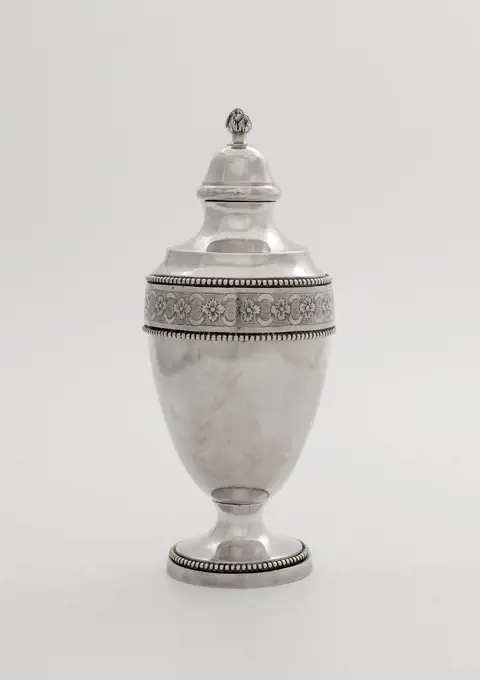
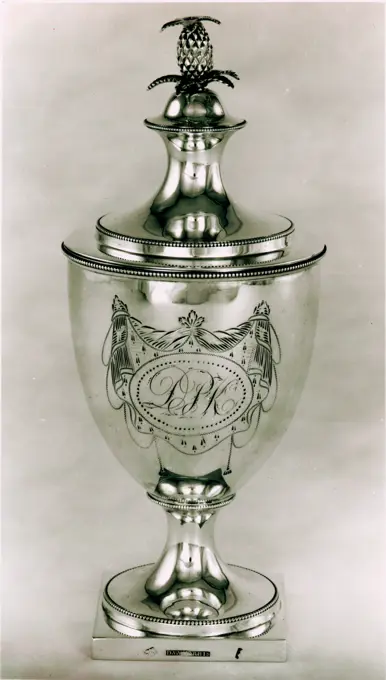
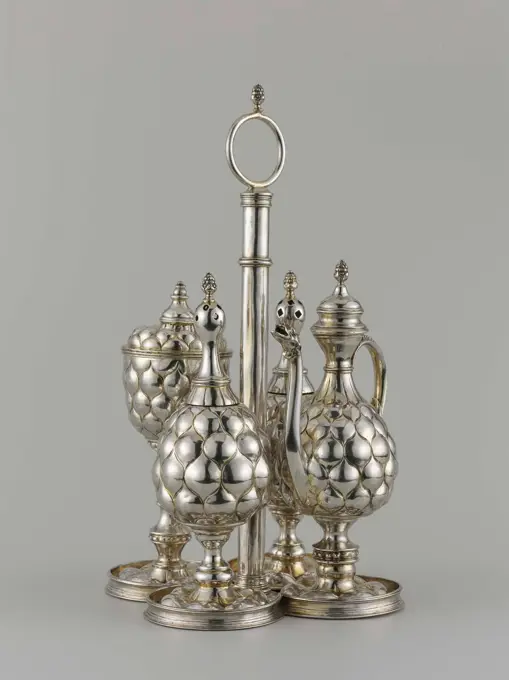
Silver tea caddy, tea caddy holder silver wood, molded engraved Ovoid body on round constricted foot constriction on the shoulders, small bell-shaped cap with pineapple as bud, bottom bottom, (brands are poorly readable, smashed on small surfaces and bit over each other) serve
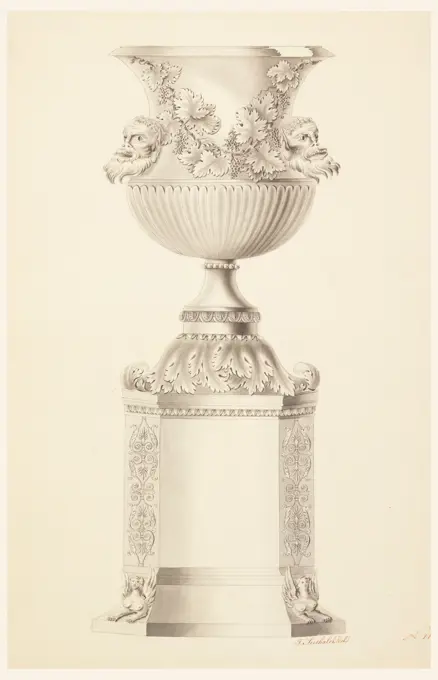
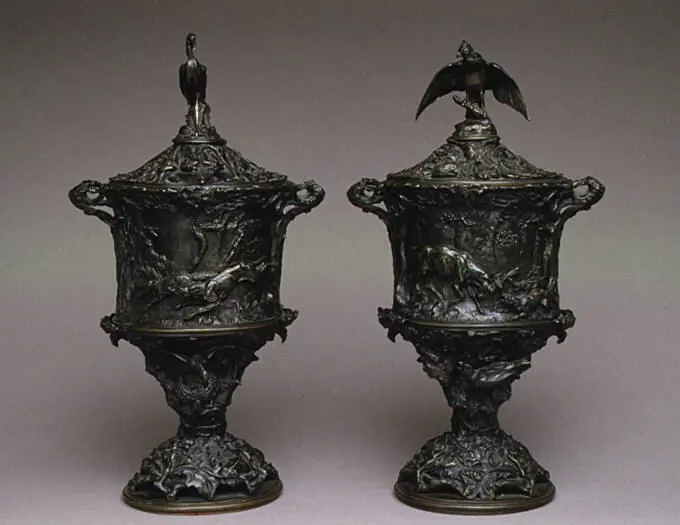
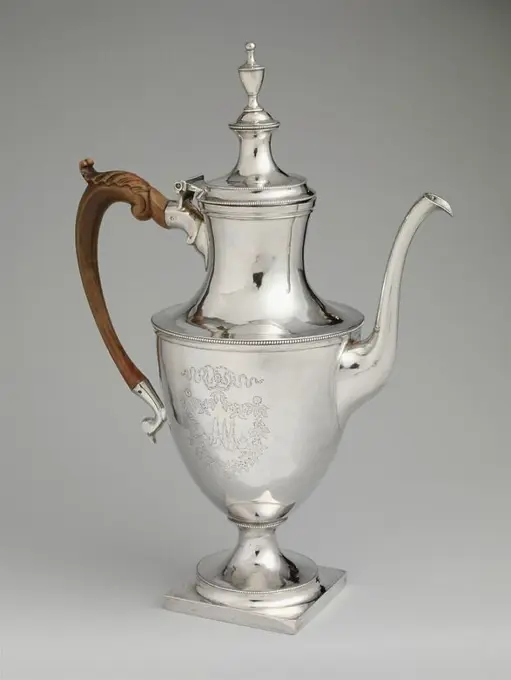
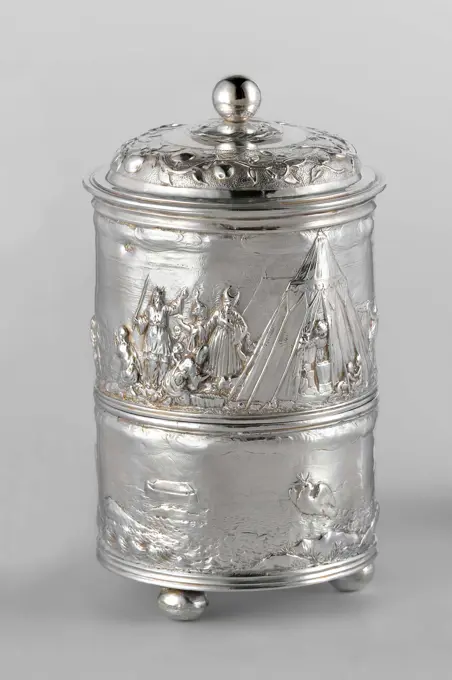
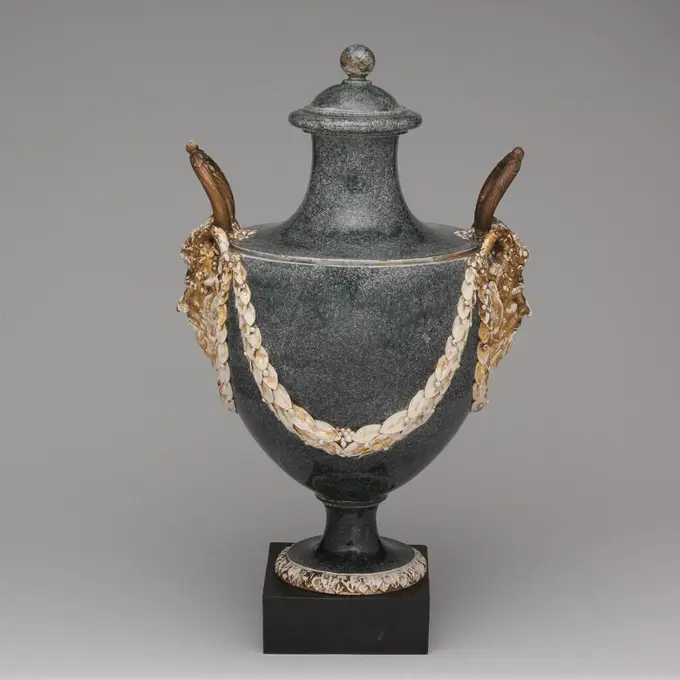
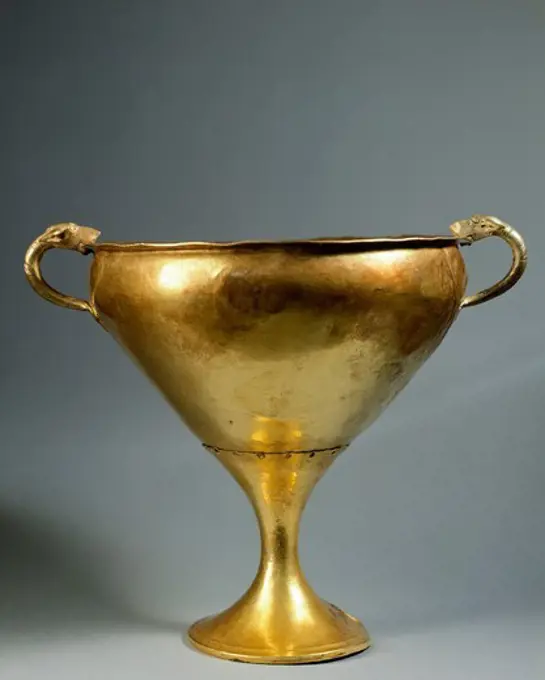
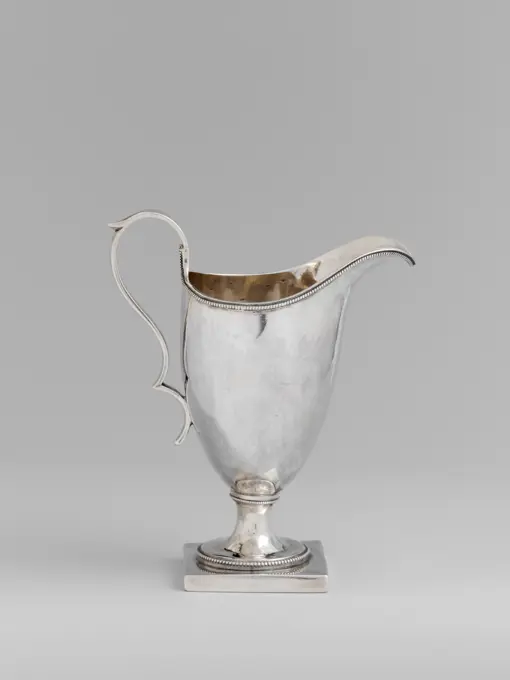
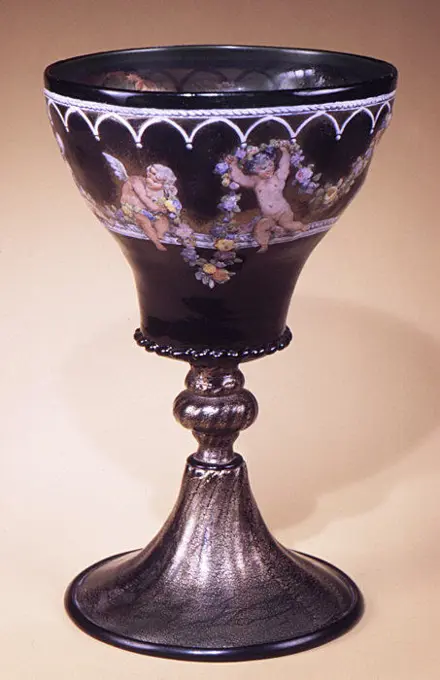
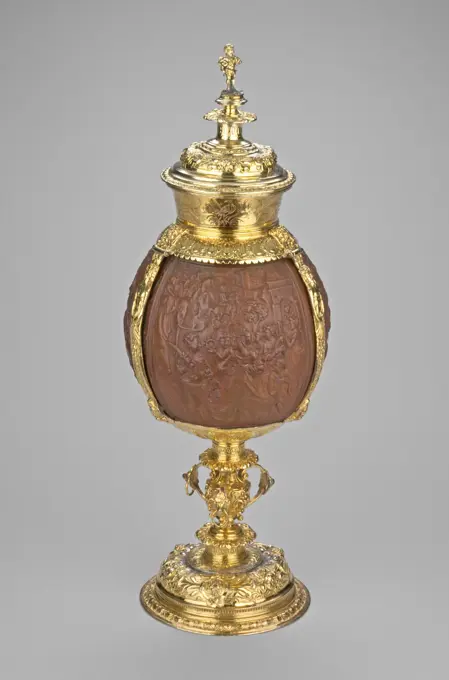
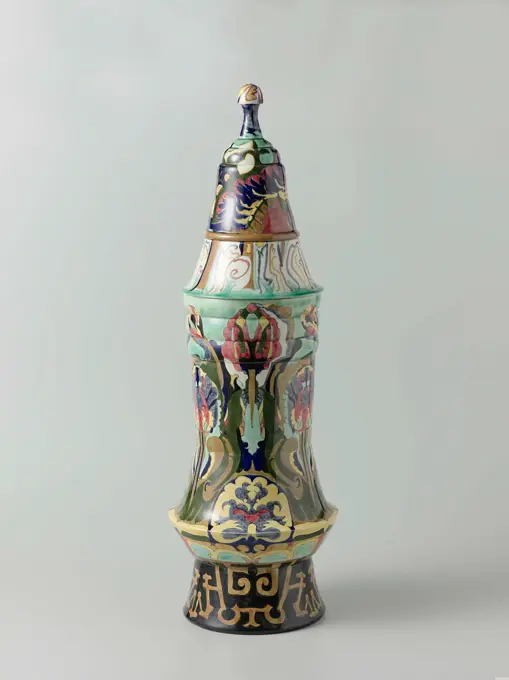
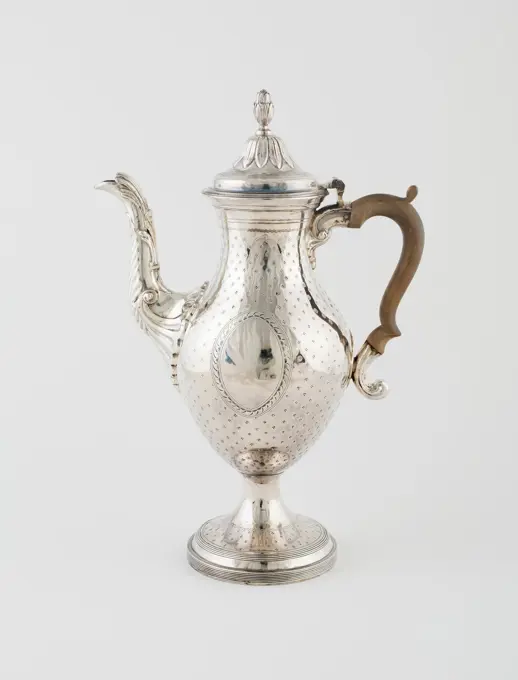
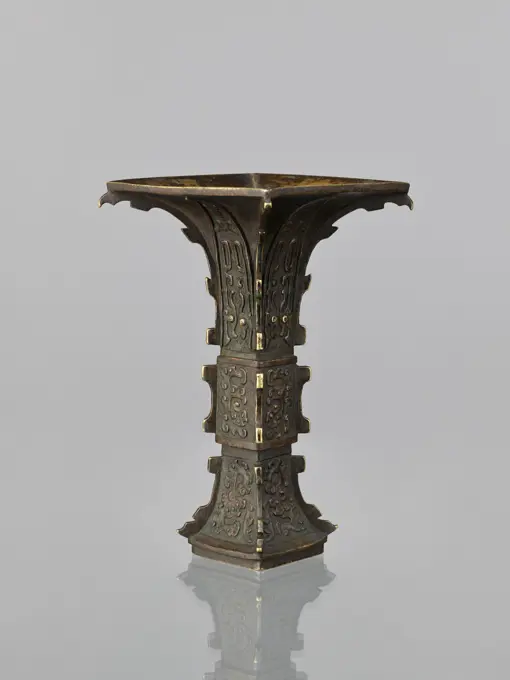
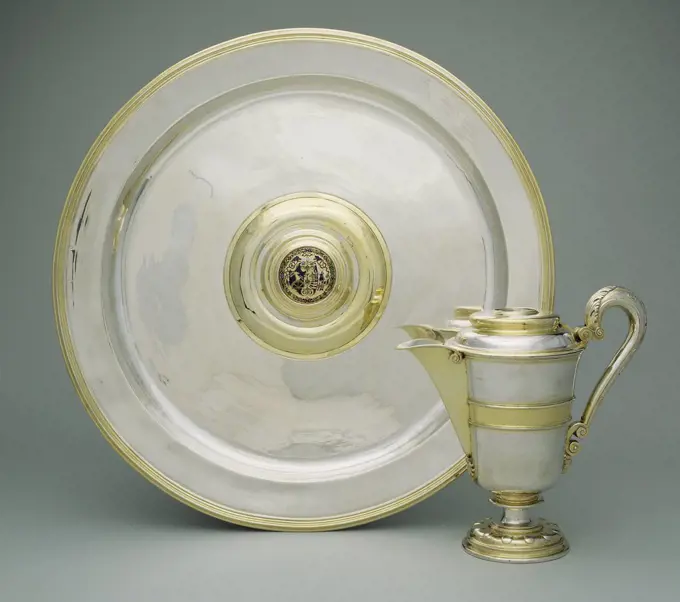
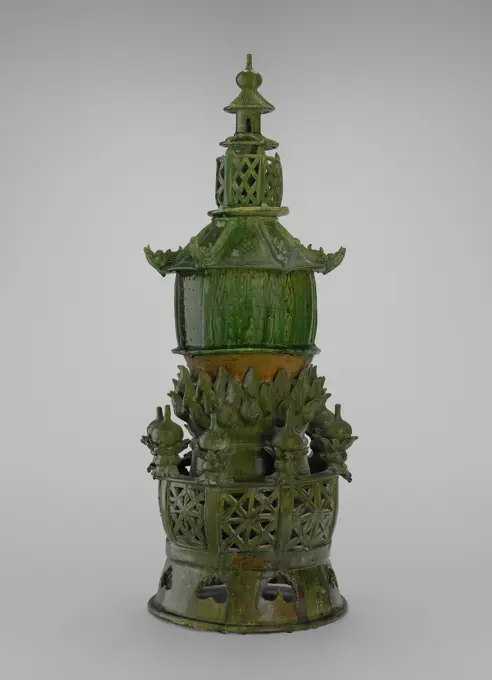
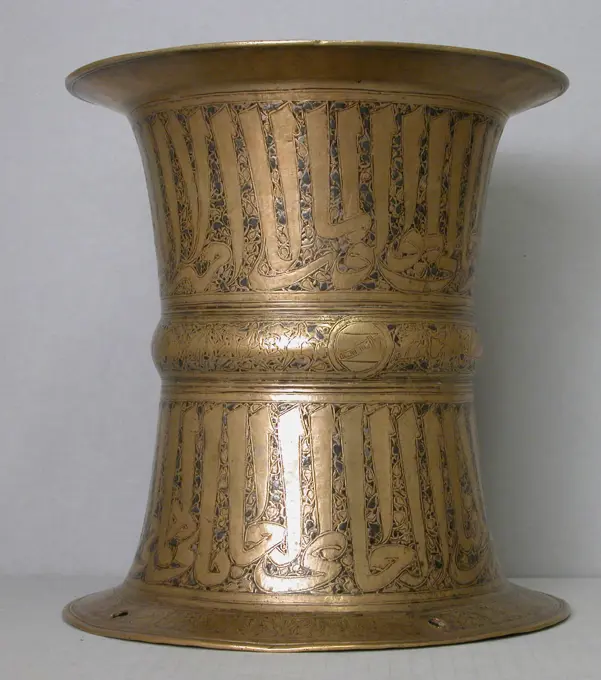
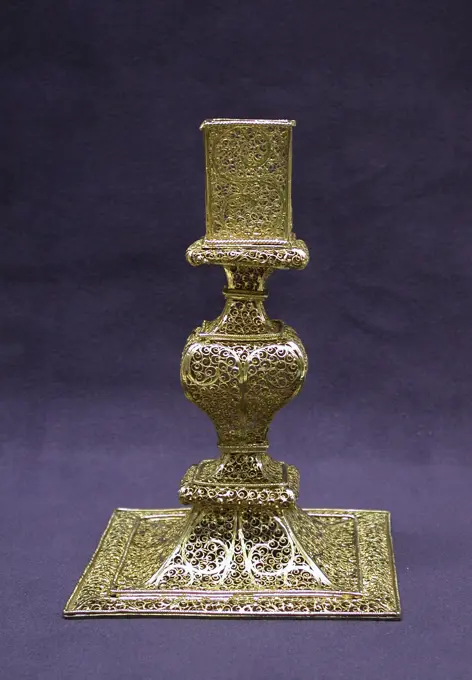
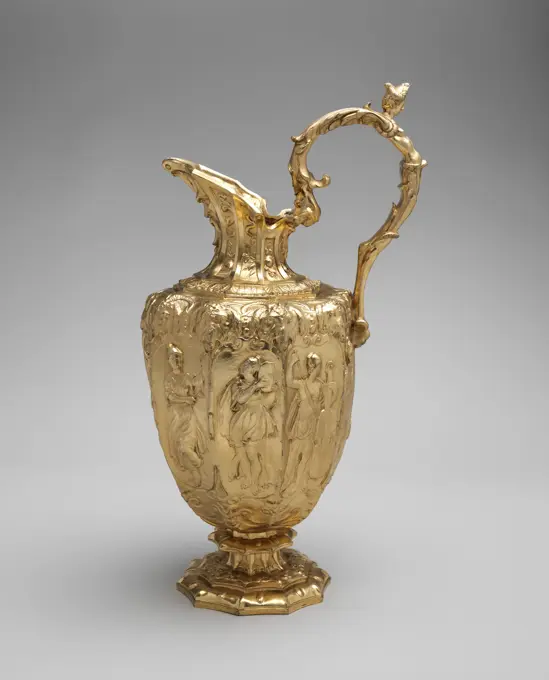
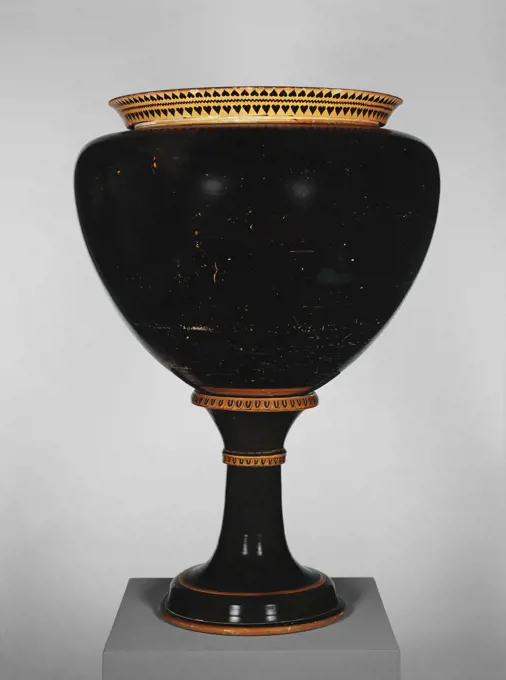
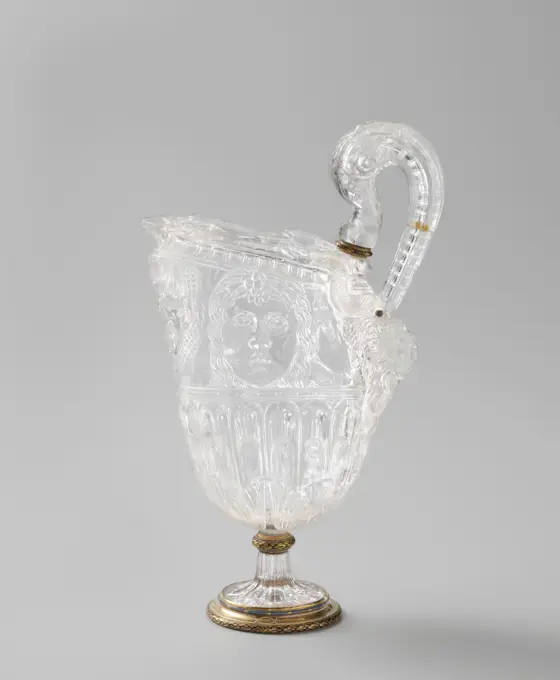
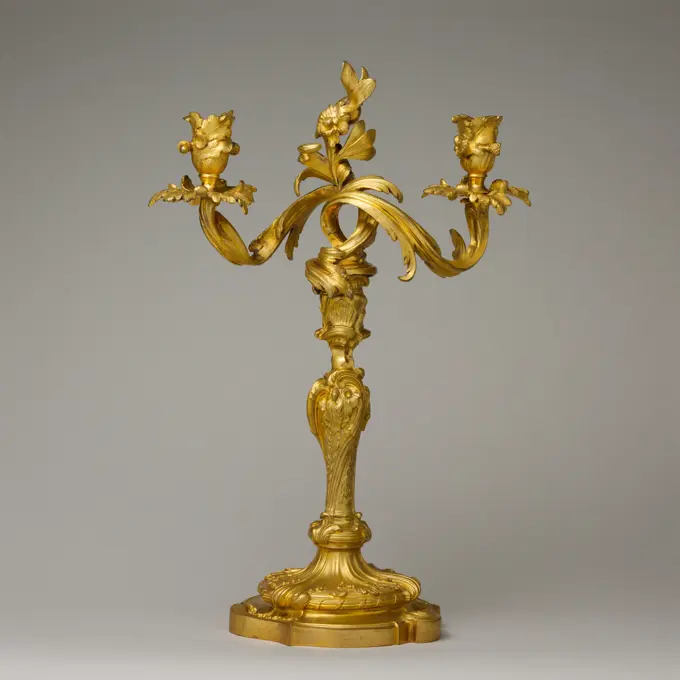
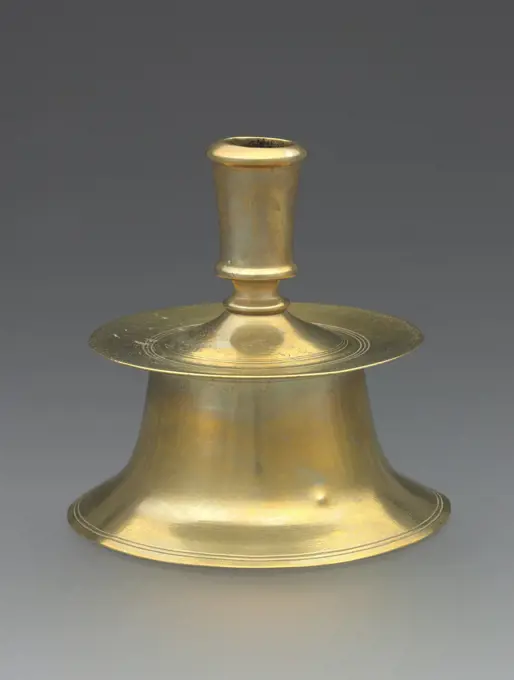
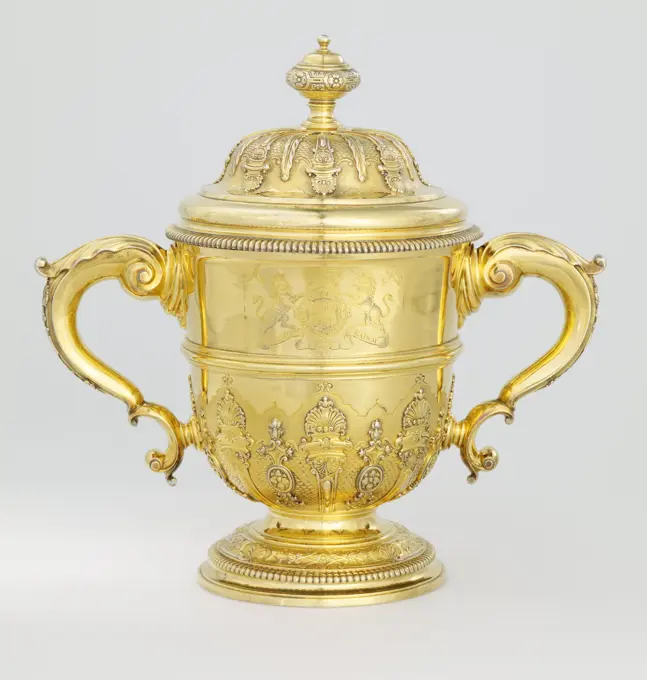
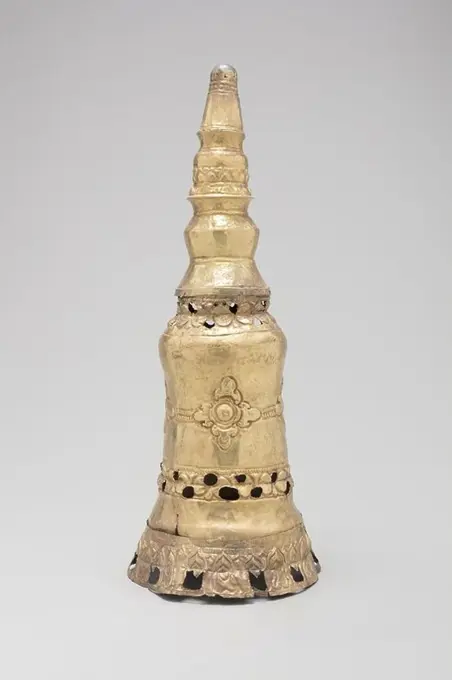
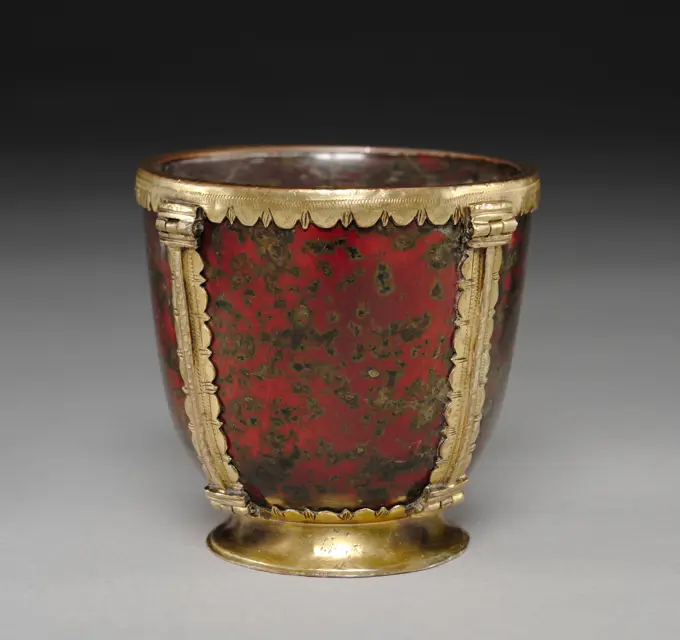
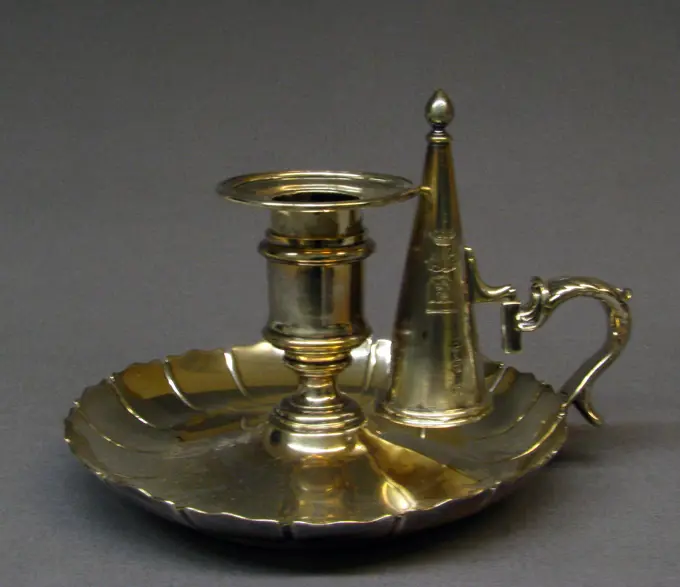
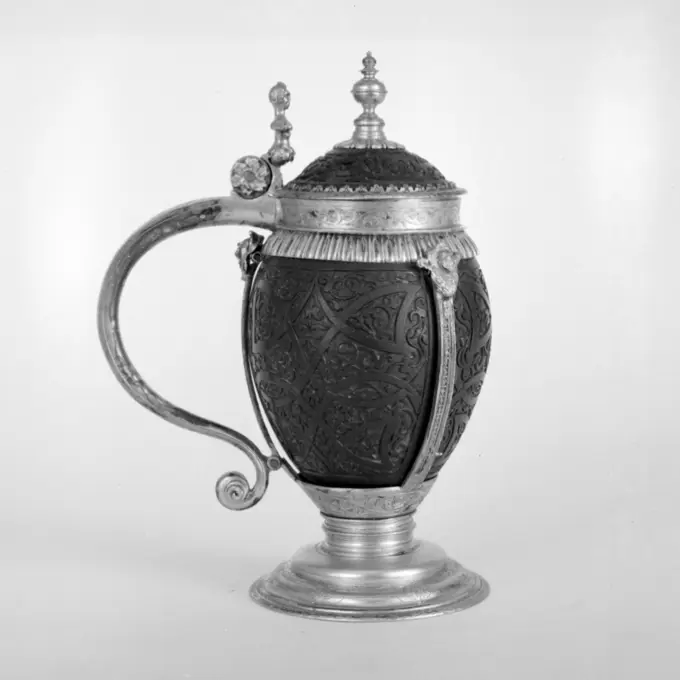
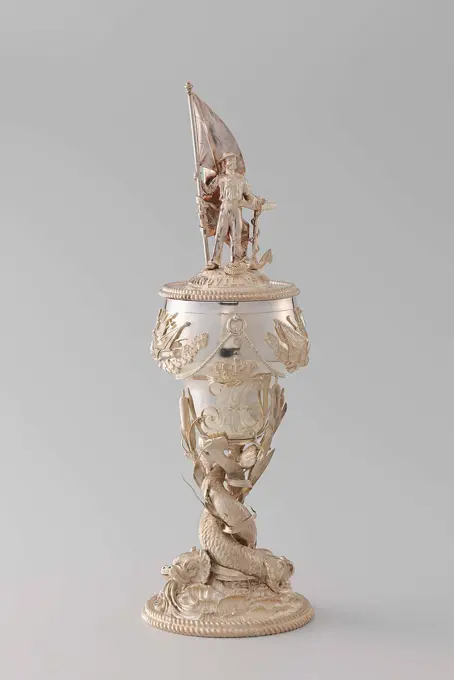
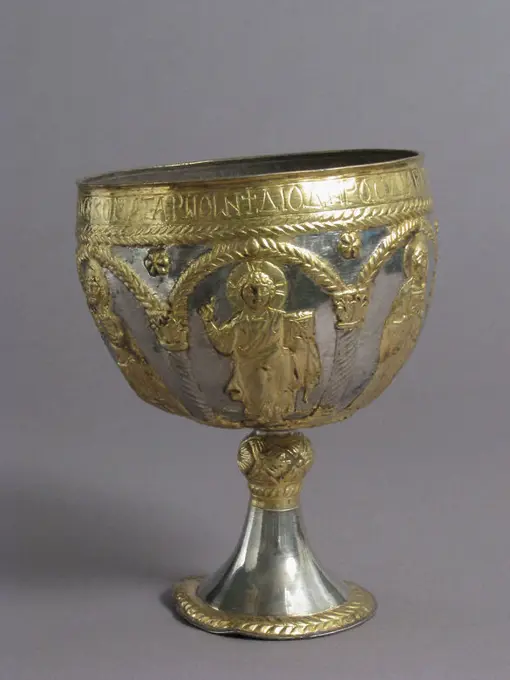
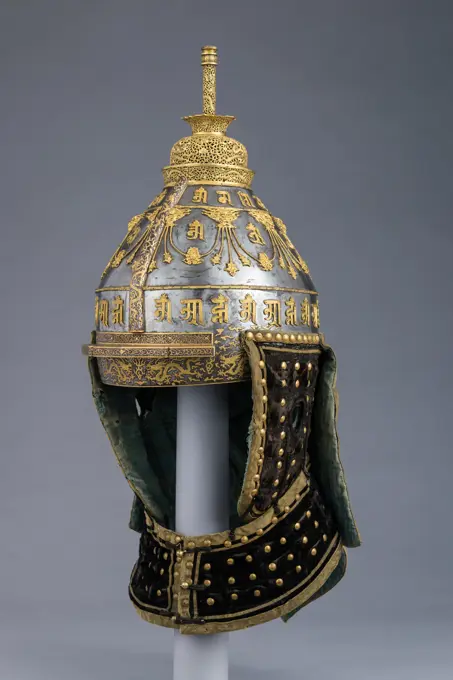
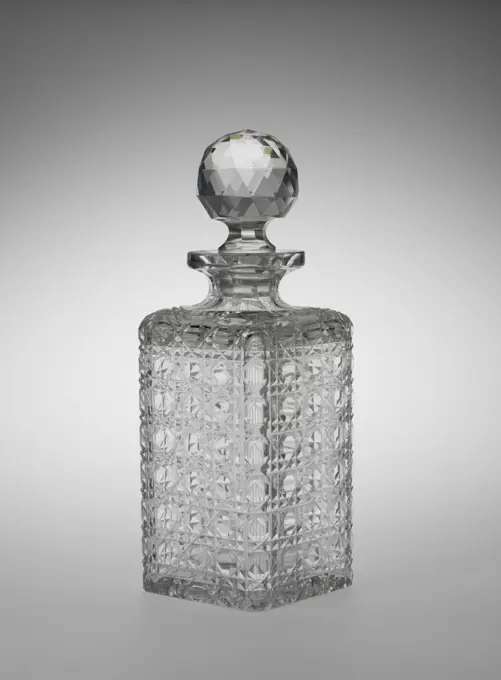
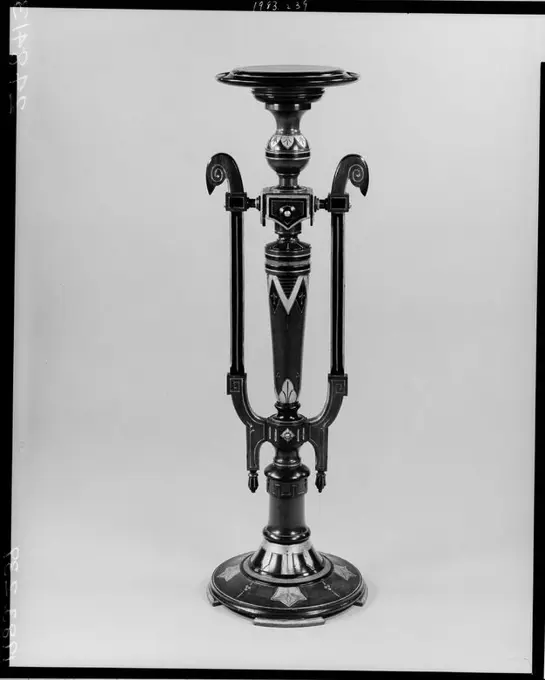
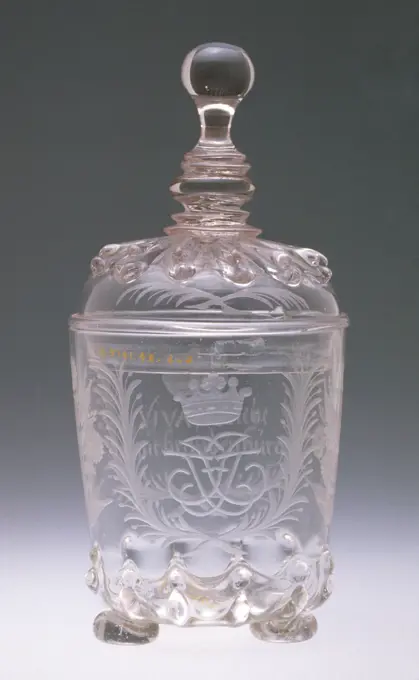
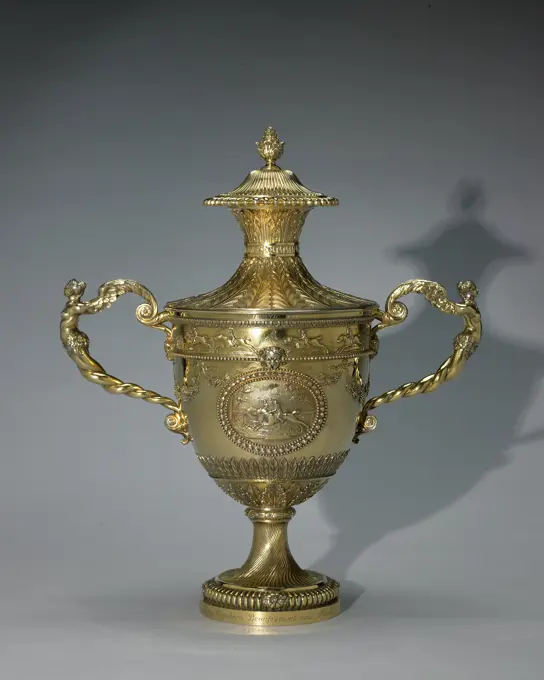
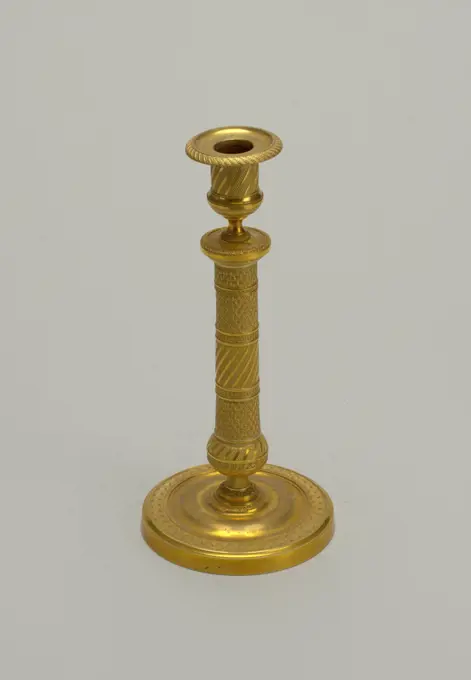
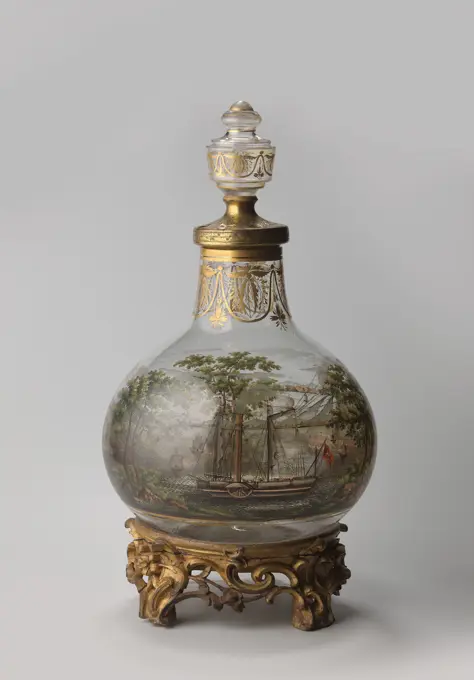
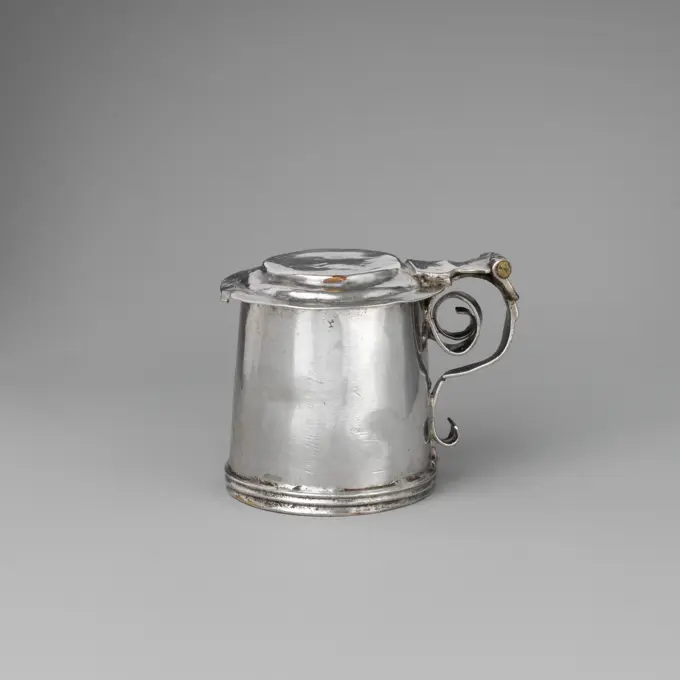
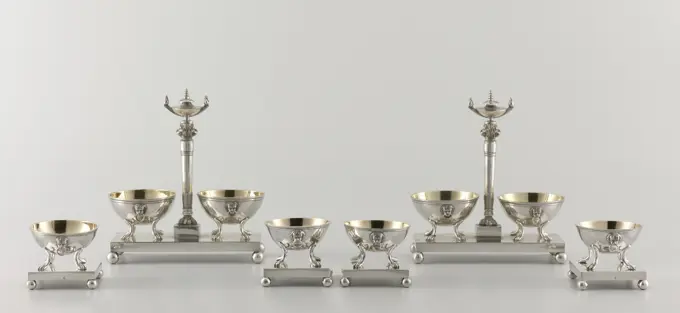
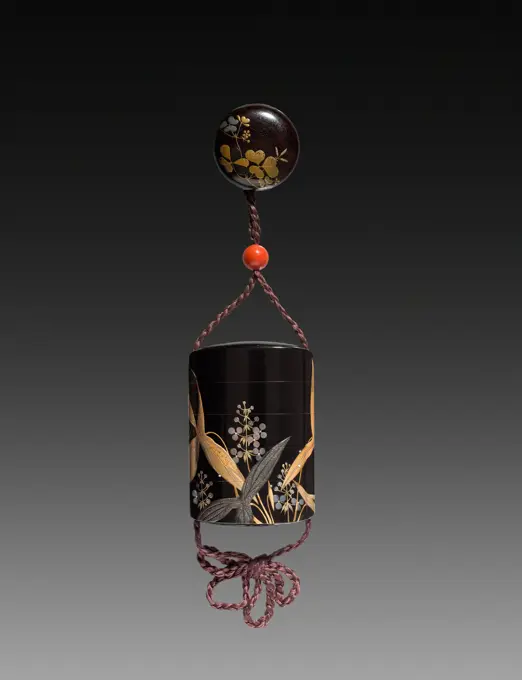
Nautilus - conchGoko, 1700s-1800s. Japan, Edo period (1615-1868). Gilt copper; overall: 13.4 cm (5 1/4 in.).Circular Reliquary with Domed Roof and Relics of Saints Godehard and Bernward. German, Brunswick (Braunschweig). Date: 1350-1400. Dimensions: H: 40.6 cm (16 in.). Silver gilt and rock crystal. Origin: Brunswick. Museum: The Chicago Art Institute, Chicago, USA.Two-candle candelabra. Łopieńscy, Bracia (Warszawa ; wytwórnia złotnicza ; 1884-1944), factoryDrawing, Design for a Vase on an Octagonal Pedestal; Designed by Joseph Anton Seethaler II (German, 1799-1868); Germany; pen and black ink, brush and wash on paper; 46.2 x 29.8 cm (18 3/16 x 11 3/4 in.)Pair of urns with covers with hunting scenes mid-19th century Pierre-Jules Mêne Mêne was a gifted animalier who realized considerable success with these oft-repeated a urns because of their superb rustic ornament, each having twisted branches of oak that serve as handles and frame the reliefs of hunting subjects. One urn has a hooded falcon for a finial; the other is topped by a heron. The picturesque effects are generically baroque; Mêne porobablv thought of them as being inthe stylistic vein of the Louis XIII period.. Pair of urns with covers with hunting scenes 208197Goldsmith's art, Poland, 15th century. Mass chalice.Coffeepot. Culture: American. Dimensions: Overall: 15 3/4 x 10 7/8 in. (40 x 27.6 cm); 47 oz. 10 dwt. (1476.7 g)Foot: 4 1/8 x 4 1/8 in. (10.5 x 10.5 cm). Maker: Joseph Richardson Jr. (1752-1831). Date: ca. 1795. Museum: Metropolitan Museum of Art, New York, USA.13. Jahrhundert Tintenfass mit Tierkreiszeichen - Mittelalterliche islamische Kunst 13. Jahrhundert Tintenfass mit Tierkreiszeichen - Mittelalterliche islamische Kunst LicenseRF Copyright: xZoonar.com/GallóxGusztávx 23397571. The cylindrical box rests on three bolts (one part of which has been replaced) and has a loose, slightly bold lid with a round button. The body of the box is composed of two parts, the upper of which is closing on the lower. On both parts and on the lid, a circumferential performance is driven in low relief. The lower part shows Noah's ark: the ark floats in an infinite sea from which mountain peaks and rocks are stuck and in which different draggins and a swimming deer attached to branches or tree trunks are located. Furthermore, three times a pigeon is pictured: flying, pecking in a rock and taking off with a sprig in the mouth. Above all of this there is a cloud sky from which rain states by fine engraving. The upper part shows the manna collection. Many figures with baskets collect the manna against a background of tents and houses. In the foreground, in addition to a tent and in the midst of a group of praying and haling people, are Moses with a sword and with horns on the head Vase with cover. Culture: British, Etruria, Staffordshire. Dimensions: Height: 13 7/8 in. (35.2 cm). Factory: Wedgwood and Bentley (1760-80). Date: ca. 1775. Museum: Metropolitan Museum of Art, New York, USA.Paul de Lamerie, Teakettle, Stand, and Lamp, 1737/38, silver.Charles Bowman, Coal Vase, 1938 Coal VaseGold chalice with dog heads on handles, from the Circle A of Mycenae (Greece). Goldsmith art, Mycenaean Civilization, 16th Century BC.Richard Syng, Taperstick, 1706/7, silver.Daniel van Voorhis, Sugar Bowl and cover, c. 1790, silver.Liturgical bucket 1712 or 1713 Probably by Giuseppe Palmentiero Without an accompanying spoon or aspergillum, it is impossible to tell the original function of this bucket, but the form of the vessel indicates that it was used for holding either incense or holy water, both essential concomitants in the Roman Mass and in some Protestant masses. The marks on both bucket and handle are only partly struck but appear to indicate the information given above. The date 1712 or 1713 is just visible in the Naples hallmark, revealing that the thistle shape and foliated scroll of rather syncopated form, both popular in the seventeenth century, survived surprisingly late into the 1700s. The bucket possibly was the gift of a noble Spanish family to a church dedicated to Saint Liborius in southern Italy; round the lip is engraved a representation of the saint, vested as a bishop and depicted with his attributethree small stones upon a bookand a coat of arms (at present unidentified) featuring a fesTwo-handled cup with cover ca. 1730-60 British, possibly London. Two-handled cup with cover. British, possibly London. ca. 1730-60. Silver gilt. Metalwork-SilverCreampot 1775-1800 Possibly by Stephen Reeves. Creampot 5844Goblet Società Anonima per Azioni Salviati & C. Italian Probably Leopoldo Bearzotti Italian 19th centuryFrançois Joubert, Jam Pot, 1789, silver and blue glass.Coconut Cup with Scenes from the Life of David 1577-1578 London. Coconuts, a precious curio from the New World, were so highly prized in Europe during the early modern era that they were fashioned into elegant vessels by silversmiths. They made noteworthy additions to princely curiosity cabinets and may also have served a medicinal purpose. John Parkinsonís Theatrum Botanicum (1640), for instance, credits wine drunk from a coconut with curing colic, epilepsy, and rheumatoid disorders.. Silver gilt and coconut shell .Monstrans of gilded copper, anonymous, c. 1850 - c. 1875 Monstrans of gilded copper. The hexagonal foot is engraved. Above it a trunk with Nodus and with an ornament on two sides. A crescent moon -shaped glass within the cylindrical glass. On the spherical cover piece a dome with cross and inside a hanging star. A cross also on either side of the dome. Germany (possibly) copper (metal). gilding (material) gilding Monstrans of gilded copper. The hexagonal foot is engraved. Above it a trunk with Nodus and with an ornament on two sides. A crescent moon -shaped glass within the cylindrical glass. On the spherical cover piece a dome with cross and inside a hanging star. A cross also on either side of the dome. Germany (possibly) copper (metal). gilding (material) gilding. Theo Colenbrander was the artistic mastermind of the Rozenburg earthenware factory in The Hague. His designs exhibit great freedom in both form and decoration. The slender, ribbed shape of these vases recalls bamboo. The ornamentation is modern: abstractly rendered floral and plant motifs in bright colours. Their shapes, however, are quite old-fashioned. It is a garniture (set) of five vases for display atop a cabinet.Milk Pot c 1750 New York City . Nicholas RooseveltCoffee Pot 1789-1790 London. Silver and wood . Charles HoughamVijzel with inscription: Gerrit Tonissen lifts mi ao 1568, Willem Wegewart (I) (attributed to), 1568 The object is cast in one whole. The round mortar extends upwards, has a high protruding profiled edge and a flared profiled foot. On the edge in Latin Majuskels, the inscription Gerrit Tonissen lets Mi cast ao 1568 without punctuals. The upper Frisian has five times the motif of a round shield between a winged male and female tenant whose tails decorated with a nodus, including stalked flowers, turn. At the front, the round shield has been replaced by a coat of arms with the monogram EV. At the bottom, Frisian is closed off by an injured pearl and cord edge. The lower Frisian has a vase -decorated vase on an elevated base, which runs into a bowl, and with a lid with a flower -shaped button. Button and scale are held by two tenants with beards, whose lower bodies transfer to tendrils, in which pomegranate, flower and other plant motifs are included. The Ranken Werk ends in dolphin or raFanggu vase;  19th century (1801-00-00-1900-00-00);Tailors' Guild Cup. Northern Germany. Date: 1632. Dimensions: 55.9 x 15.9 cm (22 x 6 1/4 in.). Pewter and brass. Origin: Northern Germany. Museum: The Chicago Art Institute, Chicago, USA.Ewer and Basin; Abraham Pfleger I, German, died 1605, active from 1558; n.d.; Gold and silver; Various, see extensionsBeaker 1704-12 Jean-Baptiste Petit. Beaker 200134FuneraryJarWater Pipe Part probably 18th century. Water Pipe Part 444594Stand first half 14th century Mamluk rulers and governors favored long titles for themselves and also for the inscriptions adorning their architecture, metalwork, and glass. This stand, which held a tray, has two very dominant calligraphic inscriptions. The thuluth inscription, which is emphasized by silver inlay, acknowledges that the stand was made for Bahadur al-Badri, who was the Mamluk governor of Hims (Homs) in 1319 and who died around 1339-40:Upper portion: For His Honorable and High Excellency, our Lord, the Royal, the Great Amir, the Vanquisher, the Defender of the Faith, the Warrior at the Frontiers, the Warden of the Marches, the most Glorious. Lower portion: The Favorite, the Treasure, the Viceroy, the Learned, the Governing, the Shelter, Saif al-Din Bahadur al-Badri, the Sword-bearer of al-Malik al-Nasir. The calligraphy is written on busy scrollwork and the letters themselves are often wrapped around one another, creating an impression of three-dimensionality. The middle Pair of candlesticks ca. 1675 British The decoration includes a cipher of IMS or JWS, the owner's initials. Thin strips of silver gilt were used for the filigree work instead of the usual cables.. Pair of candlesticks 205660Gilles-Claude Gouel, Pair of Candlesticks, 1728, silver.Ewer 19th century, after 17th century original Elkington & Co. British This electrotype is after the 1624 original at the treasure of the Kremlin, Moscow. According to the inscription, it was presented by the ambassador Charles Howard to Tsar Alexey Mikhaylovich in 1664. En suite with 83.18.107.. Ewer 186577Vessel with Battle Scenes and Ships; Circle of the Antimenes Painter (Greek (Attic), active 530 - 510 B.C.); Athens, Greece; about 520 - 510 B.C; Terracotta; 58 cm (22 13,16 in.)Jug, anonymous, after 1902 Can of rock crystal on a round base with high, bent ear. Gold frame with black enamel. The high vessel whose front rises somewhat spout -shaped, is oval in diameter and is divided into two halves by a horizontal profile band. Paris frame: Gold (Metal). frame: Can of rock crystal on a round base with high, bent ear. Gold frame with black enamel. The high vessel whose front rises somewhat spout -shaped, is oval in diameter and is divided into two halves by a horizontal profile band. Paris frame: Gold (Metal). frame:Probably Venetian 16th Century, Table Bell, 16th century Table BellThe cuppa of a chestnut vase decorated with griffins. The cuppa of a chestnut vase decorated gold colored edges and leaf drinks.Fragment of part of foot, trunk and part of calyx of chalice in façon de Venise style, drinking cup drinking vessel holder soil find glass, hand-blown Fragment of part foot and stem of goblet in clear colorless glass in façon de Venise style Pontil mark under upright hollow base with down narrow (0.4 cm) edge Directly on foot flat knot to narrow massive trunk to sharp knot on which hollow onion-shaped knot On top of that knot and next stem archeology Rotterdam rail tunnel drink Soil discovery: railway tunnel Rotterdam.Standing candlestick, 15th century, Goldsmith's art and textile art from the 16th to the 20th century, St., Sankt, SaintPair of candlesticks 1729-30 Jacques Besnier. Pair of candlesticks 200088Pair of two-light candelabra ca. 1745-55 French In the eighteenth century, gilt bronze was used extensively for different types of lighting ranging from standing candlesticks and candelabra to hanging chandeliers, lanterns and wall lights. The chasing of the metal, punched and matted, or smooth and burnished, would have lend the objects vitality through the varying ways that the candlelight would be reflected off the differently finished surfaces. The arms of these candelabra, which were separately cast, whole-heartedly embrace the Rococo style with their scrolling branches, vegetal forms and leaf-like drip pans (bobeches). They are stamped with the crowned C, a tax mark that was in use between February 1745 and February 1749. These arms may not always have been associated with the spiraling stems of the candelabra which do not bear a similar tax mark and are in a transitional style. The pendant band of overlapping coin motifs became a fashionable motif during the neoclassical style, aOpen Vase 10th-11th century() Indonesia (Java). Open Vase 37703Bodhisattva 10th century China Excavations in the southeast province of Zhejiang have uncovered numerous sculptures with complicated, multitiered stands, made when the region was under the control of the independent Wuyue kingdom (ruled by the Qian family). The bodhisattva in this sculpture sits on an amazing lotus pedestal composed of fifty-four individual petals. Although the bodhisattva cannot be conclusively identified, the small covered vessel in his left hand suggests that he may be associated with the practice of medicine.. Bodhisattva 54081Chinese Gu Form Vase,  Late Ming Dynasty, Transitional Period, late 17th - early 18th centuryCollar or disk candlestick from Messing, Anonymous, 1675 - 1725 The candlestick is composed of two cast and turned parts: the foot with the lower part of the trunk and the fat catcher or collar with the upper part of the trunk and the candle holder. The lower part consists of a round, curved and profiled foot and a baluster -shaped trunk. The upper part consists of a fat catcher profiled on top and bottom, a profiled trunk that is baluster-shaped on the bottom and becomes cylindrical at the top. The inside of the trunk is filled with iron and lead and has completely at the top of the iron candle pin in the middle, which was probably applied later. Low Countries Brass (Alloy). Candle pin and filling: Iron (metal). Filling: Lead (Metal) casting The candlestick is composed of two cast and turned parts: the foot with the lower part of the trunk and the fat catcher or collar with the upper part of the trunk and the candle holder. The lower part consists of a round, curved and profiled foot Communion cup 1584-85 British, London. Communion cup 205053Pepper Shaker. Possibly Netherlands. Date: 1775-1800. Dimensions: 14 x 5.7 cm (5 1/2 x 2 1/4 (base) in.). Pewter. Origin: Netherlands. Museum: The Chicago Art Institute, Chicago, USA.Chalice 19th century British, after German, Augsburg original. Chalice 186484Lidded vase (vàse a panneaux). Sèvres Manufactory (French, founded 1756)Candlestick, Brass, 5 1/8 in. (13 cm), Made in Spain, Spanish, 17thcentury, LightingDevicesCandlestick of silver with hexagonal base and trunk. Fat catcher in the form of lobed leaf. On foot engraved weapon Rotterdam, Rudolphus Sondagh, 1772 Silver candlestick. The foot and trunk are hexagonal. The fat catcher has the shape of a lobed leaf. The engraved weapon of Rotterdam on the foot. Rotterdam silver (metal) Silver candlestick. The foot and trunk are hexagonal. The fat catcher has the shape of a lobed leaf. The engraved weapon of Rotterdam on the foot. Rotterdam silver (metal)Two-handled cup with cover, 1728-1729, David Willaume II, English (London), English, 1693-1761, 12 1/2 x 12 3/4 x 12 3/4 in. (31.75 x 32.39 x 32.39 cm), Silver, gilt, England, 18th century, The royal arms of Queen Anne adorn this cup, along with the crest of John Smith, who served as her Speaker of the House from 1705 to 1708. The nearly 100 ounces of silver used to make this piece are believed to have been awarded to Smith for fulfilling his governmental duties. After his death in 1723, Smith's heir had the silver remade into the latest style, but with earlier emblems of Smith and Queen Anne, a tradition of honoring one's ancestry that continued into the 19th century.Maker's mark M, a line across, Tankard, 1577/78, parcel-gilt silver.Maker's mark I.B in square shield, Pair of Candlesticks, 1740, silver gilt.Anonymous / 'Case for boat-shaped cup with a band of birds and flowers on the mount'. 1689 - 1711. Leather, Wood, Metal, Cloth. Museum: Museo del Prado, Madrid, España.Stupa Reliquary. Burma (now Myanmar) or Thailand. Date: 801 AD-1000. Dimensions: 30.2 × 11.2 × 11.2 cm (11 7/8 × 4 3/8 × 4 3/8 in.). Gold repoussé. Origin: Burma. Museum: The Chicago Art Institute, Chicago, USA.Pair of Sugar Castors; Simon Gallien (French, died 1757 (master 1714)); Paris, France; 1743; Silver;Calyx (Chalice), 900s-1000s. Byzantium, Middle Byzantine (843-1261). Blood jasper (heliotrope) with gilt-copper mounts; overall: 7.7 cm (3 1/16 in.).Chamber candlestick (one of a pair) 1836-37 Robert Garrard II Engraved with an earl's coronet and the crest of Wyndham.. Chamber candlestick (one of a pair) 232367The Gloucester Candlestick, gilt-bell metal, English, 12th century. Artist: UnknownTobacco jar of silver decorated with pearl edges, on wooden leaf. Tobacco jar of silver on wooden leaf. Cylinder-shaped vessel at low foot; Fabric once interrupted lid with flat button, on which a vase. Five pearl edges along the deposits. Mounted under the foot: Stadskeur Gouda, Annual Letter M = 1791, Dutch Lion, Master Sign DS = Daniël Schienenaar (Gouds Silver, Brand of Haarlem with small running lion, yearl. M. (not found). Master sign. Not at foot.Tankard ca. 1600 German, Bamberg The exotic coconut, or "Indian nut," was collected as an object of miraculous powers in the treasuries of ancient temples, which may be seen as predecessors of medieval church treasuries and the later secular Kunstkammer. The coconut's obscure origins and curious form supported the idea of using it as an antidote. Poisoned wine could supposedly be neutralized by transforming the nut directly into a drinking vessel, thus ensuring protective contact with the alcoholic liquid contained inside. The shell of the nut was polished to reveal its beauty and often ornamentally carved.. Tankard 206259Green Vault in Dresden, on 8 September 2004 the Green Vault in Dresden's Royal Palace will be reopened. Initially, the reconstructed rooms will be opened with an exhibition of Augustus the Strong's collection, designed according to the latest standards. In 2006, the actual rooms of the Green Vault will be added in their restored versionSilver Birthday Cup for Lieutenant Admiral Engelbert Lucas. Silver jar, the chalice with martial and marine attributes on both sides, a crowned H and inscription. The shaft consists of two entangled water-pushing fantasy fish and reeds, the foot has a relief as water and the edges cut through cables. On the lid a standing sailor with flag and anchor, cables and a belt with inscription around the edges. Mounted with mastertics from Van Kempen, annual letter F (= 1865), minerva head and quality marks.The Attarouthi Treasure - Chalice. Culture: Byzantine. Dimensions: Overall: 8 1/16 × 6 1/4 in., 12.2oz. (20.4 × 15.9 cm, 347g)Diam. of foot: 3 11/16 in. (9.4 cm)Diam. of knop: 1 5/16 in. (3.4 cm)Capacity of cup: 1550 ml. Date: 500-650.With a youthful Christ with cruciform halo flanked by a deacon saint holding a Gospel book () and a saint with staff and shield, and theVirgin Mary in orant pose flanked by archangels, under arcadesInscribed in Greek: For the repose of the soul of Anastasia and the salvation of John, deacon of Saint Stephen of the village of Attarathion1986.3.5The generous size of these chalices is evidence of the large number of Christians residing around Attarouthi prior to the rise of Islam. Museum: Metropolitan Museum of Art, New York, USA.Communion jug. Culture: Hungarian. Dimensions: Overall: 15 15/16 x 6 1/2 in. (40.5 x 16.5 cm). Date: 1639.The Latin inscription on this highly restrained and elegantly proportioned jug reads in translation: "The noble lord Andreas Zakany, deputy-lieutenant of the renowned Borsod County, and his wife, the noble lady Helena Poki, had this made for the Evangelical church of Szendro on 19 April 1639, in honor of the Most Holy Blood of Jesus Christ, the Son of God." Unadorned jugs or flagons capable of holding at least one liter of wine were used for refilling chalices shared among by a Protestant congregation during Communion.LiteratureEuropean Silver. Sale cat., Sotheby's, Geneva, November 14, 1984, n.p., no. 33.Judit H. Kolba. Hungarian Silver: The Nicolas M. Salgo Collection. London, 1996, p. 49, no. 27.ExhibitedA Magyar trtneti tvsmu-killts lajstroma. Exh. cat. Orszgos Magyar Iparmuvszeti Mzeum. Budapest, 1884, room 4, case 3, p. 68, no. 71.ReferenUrn 19th century John S. Walton. Urn. John S. Walton. British. 19th century. Lustreware. Ceramics-PotteryHolder for hourglass. Holder for hourglass, with associated wall arm (BK-KOG-1261-2).Kolom, anonymous, 1500 - 1600 Column on a square base of gilded, partially polychromed wood. The shaft is painted in shape and with branches with leaves at the bottom. The round upper part of the shaft shows stabbed figures with mascarons. See also: BK-16864-A. Spain (possibly) wood (plant material). oak (wood). gilding (material) gilding Column on a square base of gilded, partially polychromed wood. The shaft is painted in shape and with branches with leaves at the bottom. The round upper part of the shaft shows stabbed figures with mascarons. See also: BK-16864-A. Spain (possibly) wood (plant material). oak (wood). gilding (material) gildingCaldeirinha, 13th-16th century. Artist: UnknownOil Lamp; Designed by Albin C. Müller (German, 1871-1941); pewter, brassCeremonial Helmet mid-18th century Chinese The excellent quality and elaborate ornamentation of this helmet indicate that it was made for a nobleman, possibly of imperial status, or a very high-ranking military official. It is decorated with applied ornaments of gilt copper including the Buddhist mantra Om mani padme hum in Lantsa characters. The Lantsa alphabet was often used for sacred inscriptions in Tibet, China, and other Buddhist countries. The helmet is very similar to one worn by Emperor Qianlong in a famous equestrian portrait of him painted by the Jesuit artist, Giuseppe Castiglione, and another helmet that was donated by the emperor to a Tibetan monastery in 1757.. Ceremonial Helmet. Chinese. mid-18th century. Steel, copper, gold, silk, metallic thread. Armor for ManVase 19th century. Vase 444552Decanter with stopper Possibly Baccarat French 1890-1900Pedestal. Culture: American. Dimensions: H. 39 1/2 in. (100.3 cm). Date: ca. 1865. Museum: Metropolitan Museum of Art, New York, USA.Vase probably 19th century Italian, Venice (Murano). Vase. Italian, Venice (Murano). probably 19th century. Glass. GlassGlass Globe. Dimensions: H. 5 5/8 in. (14.3 cm); Diam. 3 3/4 in. (9.5 cm). Date: ca. 1895. Museum: Metropolitan Museum of Art, New York, USA.ciborium, Venice workshop, Italy, 14th century, gilded silver with precious stones and agate sheets, Vitoria-Gasteiz Museum of Sacred Art, María Inmaculada Cathedral, Álava, SpainLidded Bowl (écuelle).Silver pitcherSpreader with round holes in the lid, belonging to a spice service. Spreader, belonging to a spice service. The spreader rests on a six-spectant foot on which a flattened nodus and a diabolo-shaped spacer are stacked. Above the body reproduces the shape of a pine cone - in a slimmer version than of the oil can - decorated with drip-shaped bulges. The high screw-on lid narrows upwards after which it widened into a rotten spherical top. This section has round holes. The lid is decorated at the bottom with vertical grooves that are bounded by a profiled edge. The top is awarded by a button in the shape of a pine cone.Beaker with Cover. Germany, Brandenburg or Nuremberg, circa 1670-1680. Furnishings; Serviceware. GlassRichmond Race Cup, 1767, Robert Adam; Manufacturer: Smith & Sharp; Silversmith: Daniel Smith; Silversmith: Robert Sharp, British, 19 1/2 x 16 7/8 x 8 1/2 in. (49.53 x 42.86 x 21.59 cm), Silver, gilt, England, 18th century, This cup commemorates a centuries-old equestrian event that takes place in Richmond, Yorkshire, named The Richmond Gold Cup for its distinctive gold and silver trophies. Thomas Dundas, whose family hosted the race, commissioned in 1764 a new trophy design from architect/designer Robert Adam. His refined urn shape was so radically different from the cups that preceded it, that the shape continues to be associated with Adam, father of English Neoclassical design.Candlestick, Gilded brass, Decorated with bands of engraved all-over patterns, in dull and polished gilding. In eight pieces each, including bobeche, with threaded rod in center., ca. 1830, metalwork, Decorative Arts, CandlestickWantwater bucket, round, anonymous, c. 1450 - c. 1500 The object is composed of the following parts: the bucket (cast and turned), the two attachments (cast and sounded on the bucket), the handle (cast). In the bottom is the Centergat at the bottom, which is surrounded by two ring profiles. Furthermore, both there and on the foot and in the wall are on resp. 3, 4 and 5 place the remains of the pens visibly, with which the cast core was secured and through which the wall obtained an even thickness. The bucket stands on a sloping profiled hollow foot. The wall of the bucket is decorated in the middle with a large profiled somewhat pointed rib, and with a rib on the upper and lower half. The transition to the profiled protruding edge is also formed by a hefty more or less pointed rib. The attachments are busts in the form of a woman. The in diameter more or less diamond -shaped handle has the shape of a three -pass, the top of which is flattened. A piece has been deployed there. Southern Model of A Double Capstan. Model of a double capstan in a wooden frame that represents two decks. The upper capstan is for eight wind trees, the lower for ten. Both have four pies in the foot against falling. The upper capstan has a hollow wooden king, within which the extended metal king of the lower capstan is running; With two iron keys through the upper drum, the two kings are connected to each other so that the two capstanes become one. If the keys have been removed, two independent capabases are made. Scale 1:10 (estimation). Identical to NG-MC-204-A.Przeszo Przyszoci unknownSpoon Rack after 1884 Canton Glass Company. Spoon Rack 7859Night clock.Pedimis for goldfish bowl with stop, with three ships, anonymous, c. 1825 - c. 1850 Gilded wooden pedestal Bohemen (possibly) wood (plant material) gilding Gilded wooden pedestal Bohemen (possibly) wood (plant material) gildingMiniature tankard 1688/89 George Manjoy British. Miniature tankard. British, London. 1688/89. Silver. Metalwork-Silver-MiniatureLluís Masriera / Taza y plato de plata, asa con forma femenina, 1904. Colección privada. Author: LLUÍS MASRIERA I ROSÉS.Zischägge. Flemish. Date: 1610-1630. Dimensions: H. Steel. Origin: Flanders. Museum: The Chicago Art Institute, Chicago, USA.Candlestick (set of four) 1781 Antoine Dutry French. Candlestick (set of four). French. 1781. Silver. Metalwork-SilverSilver salt barrel on pedestal, Francois Marcus Simons, 1804 Silver salt barrel. On a rectangular pedestal carried on four bol feet, there are two half -bolle on the inside gilded vessels on four lion claws; Each barrel is decorated with two ring -bearing lion heads and a narrow profile edge. The handle like a thickening column with four lion claws on a plinth. From above a button with two lion masks that carry a flat lamp with two flames. Brand Van The Hague: Climbing Lion; yearl. I (1804). MOTOR SLEASE F.S. from Francois Marcus Simons. See foot 170. The Hague silver (metal) Silver salt barrel. On a rectangular pedestal carried on four bol feet, there are two half -bolle on the inside gilded vessels on four lion claws; Each barrel is decorated with two ring -bearing lion heads and a narrow profile edge. The handle like a thickening column with four lion claws on a plinth. From above a button with two lion masks that carry a flat lamp with two flames. Brand Van The Hague: Climbing LionInro, Ojime, Netsuke, later 1800s. Shibata Zeshin (Japanese, 1807-1891). Lacquer with sprinkled gold, silver, and mother-of-pearl design, coral, and wood; overall: 8 x 5.3 cm (3 1/8 x 2 1/16 in.).