Elegant Glassware and Silverware

A collection of intricate glass and silver pieces, including jars and candlesticks, showcasing historical craftsmanship and ornate details.
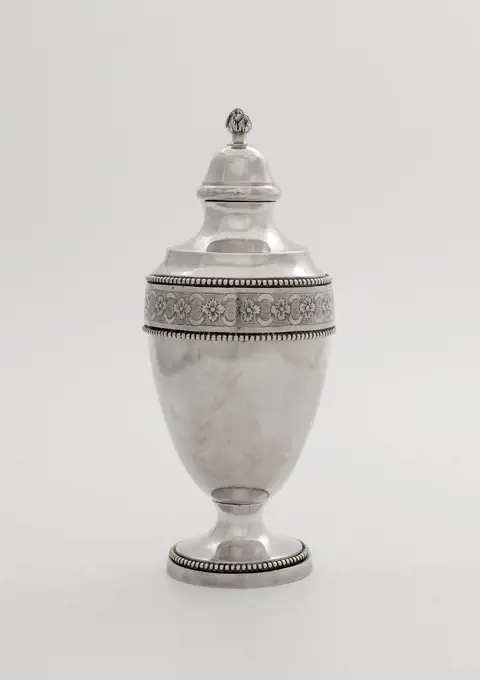
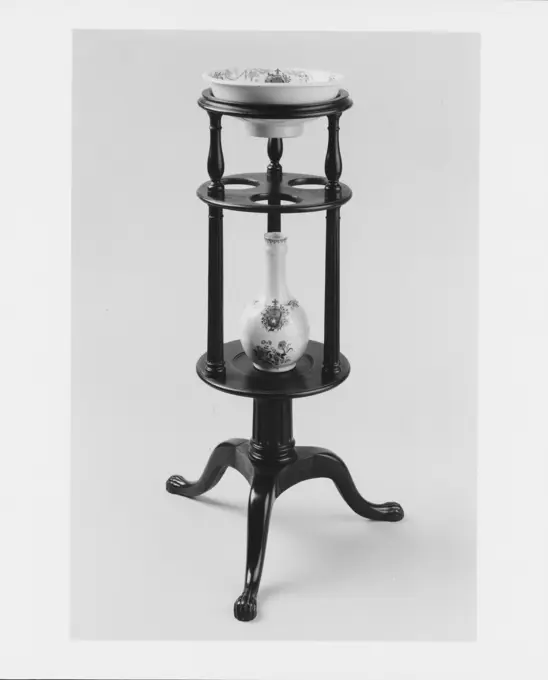
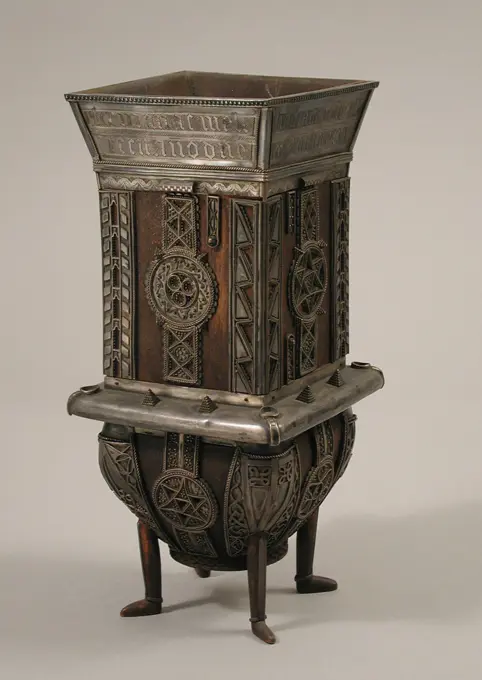
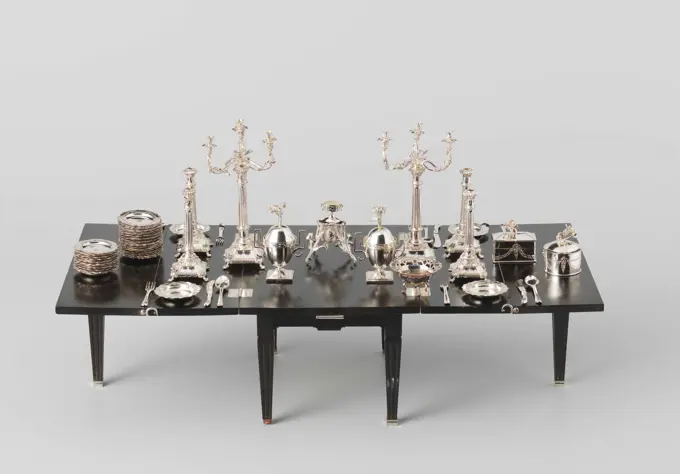
Silver tea caddy, tea caddy holder silver wood, molded engraved Ovoid body on round constricted foot constriction on the shoulders, small bell-shaped cap with pineapple as bud, bottom bottom, (brands are poorly readable, smashed on small surfaces and bit over each other) serve
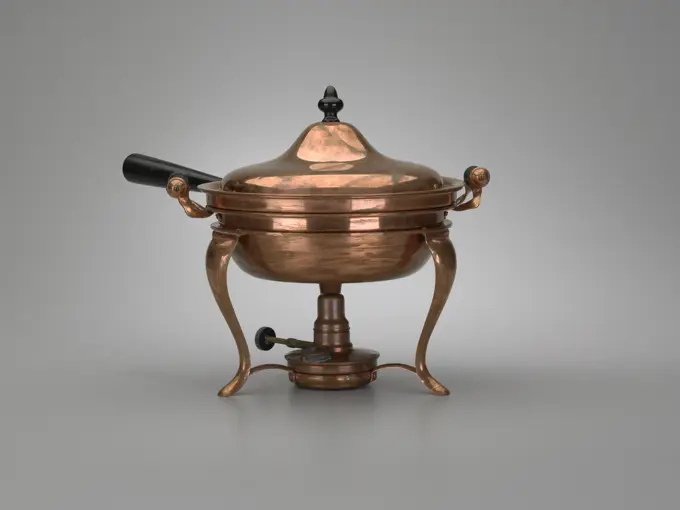
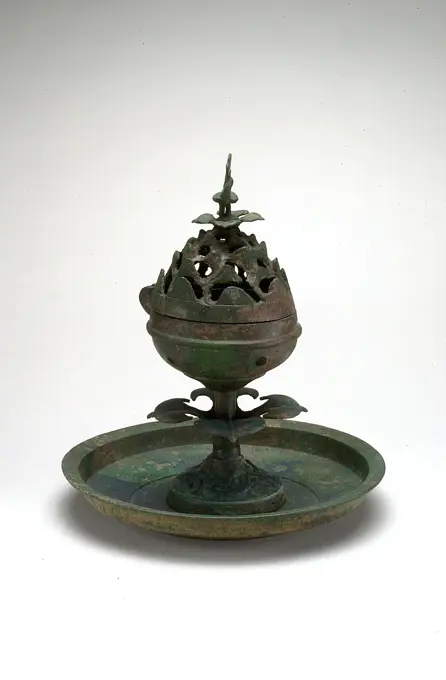
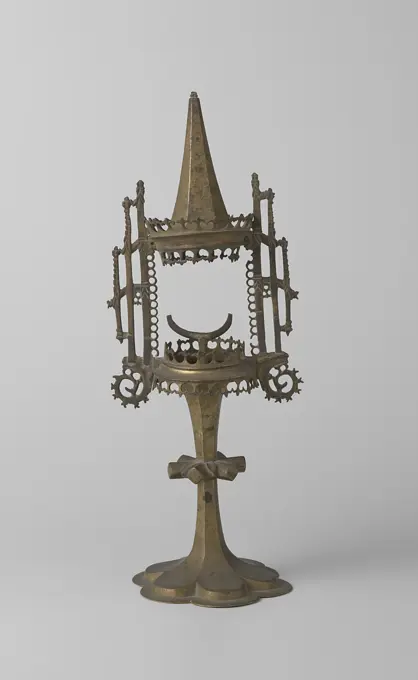
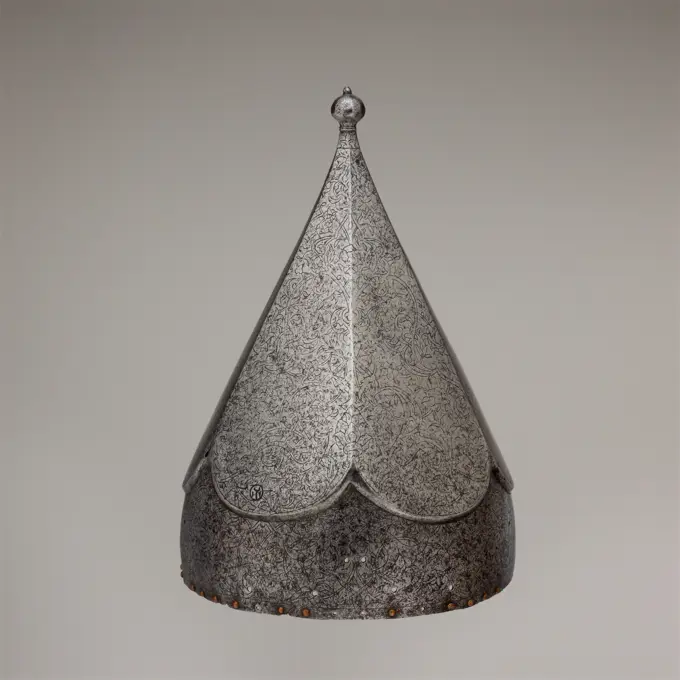
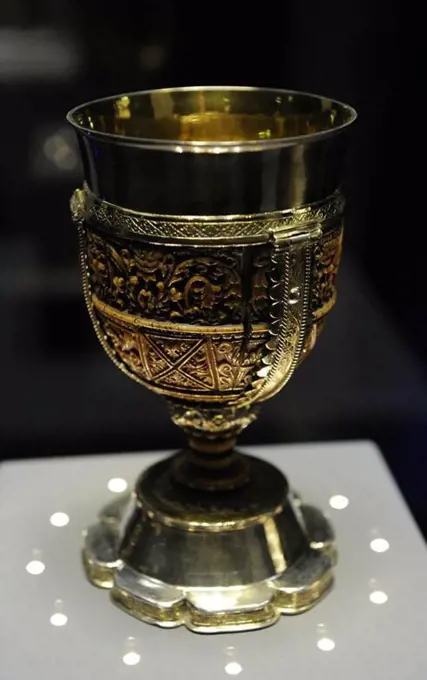
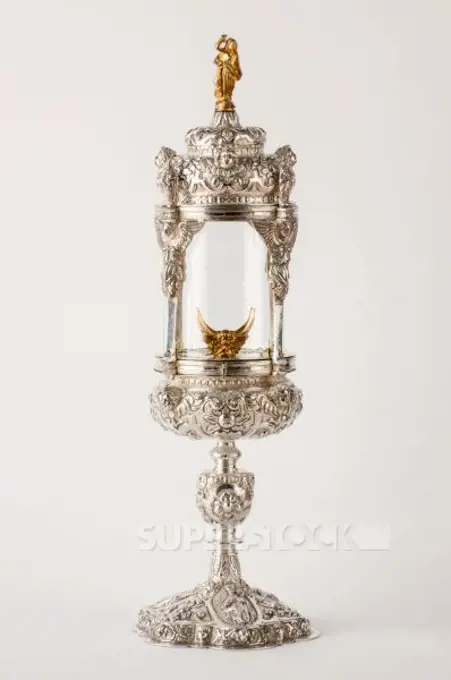
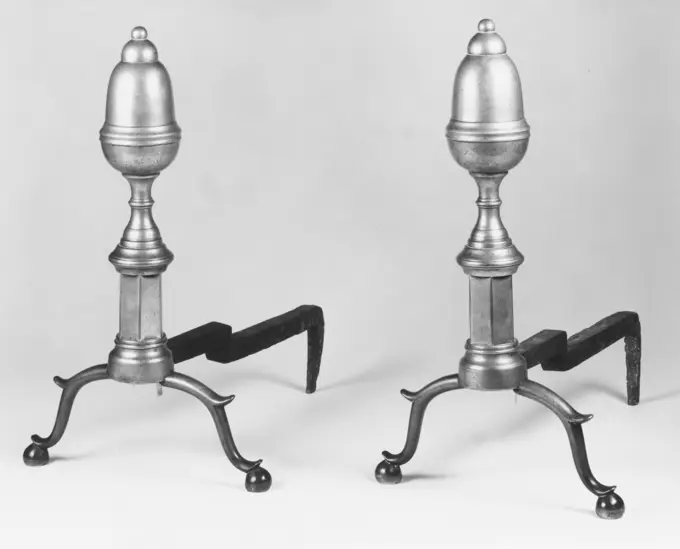
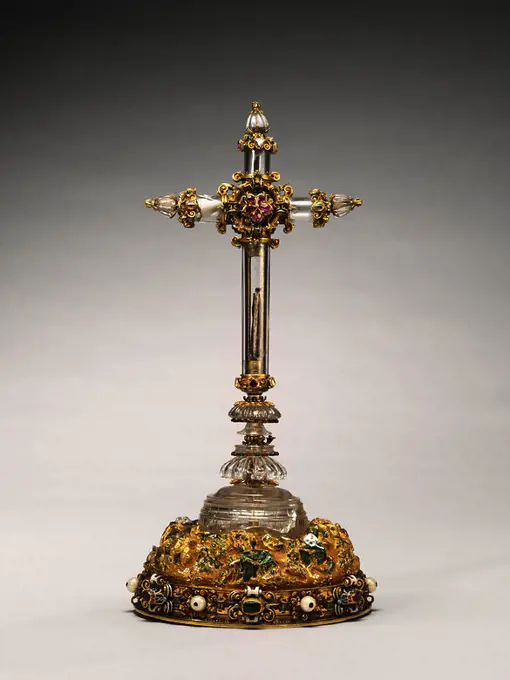
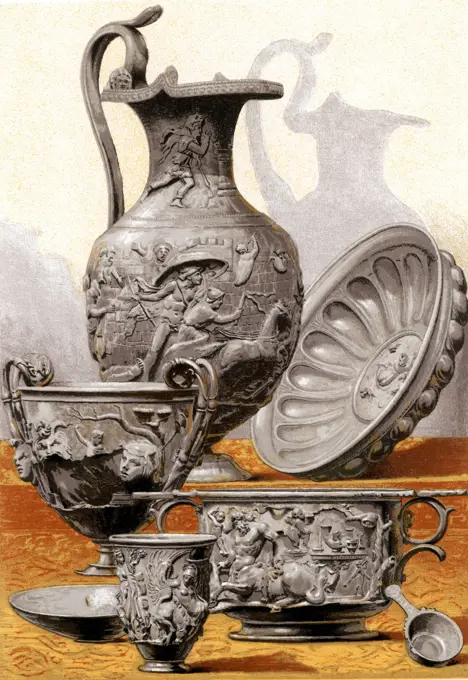
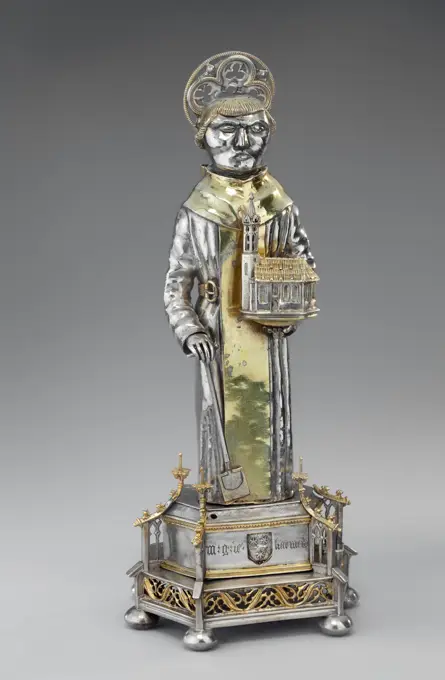
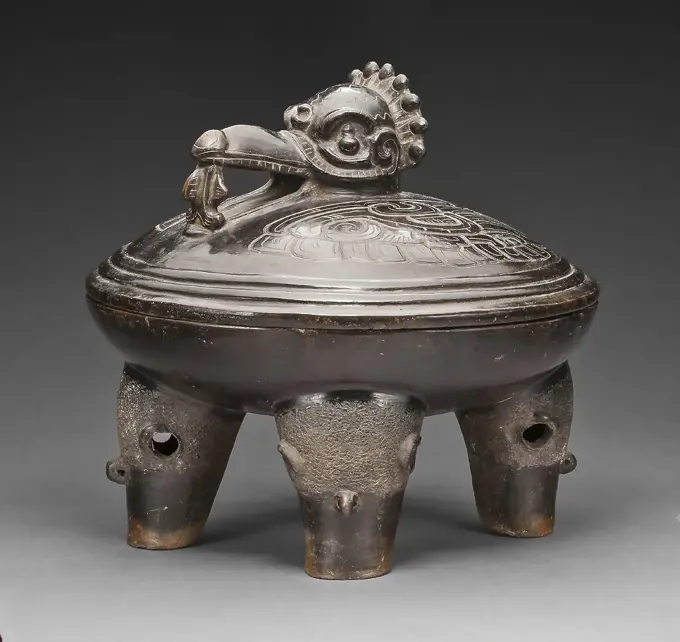
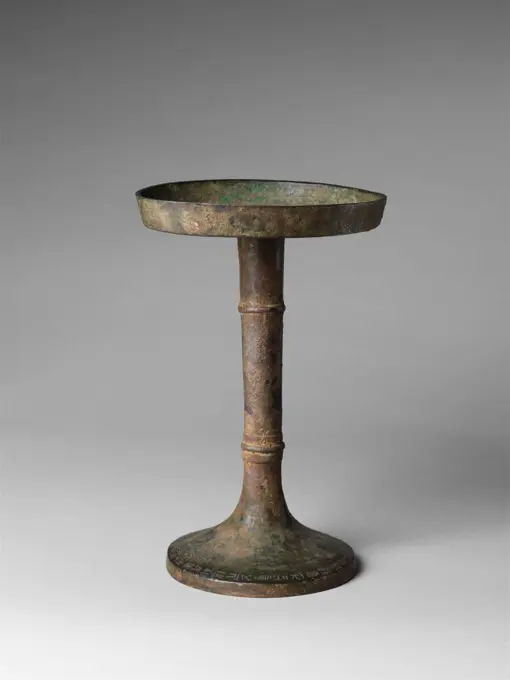
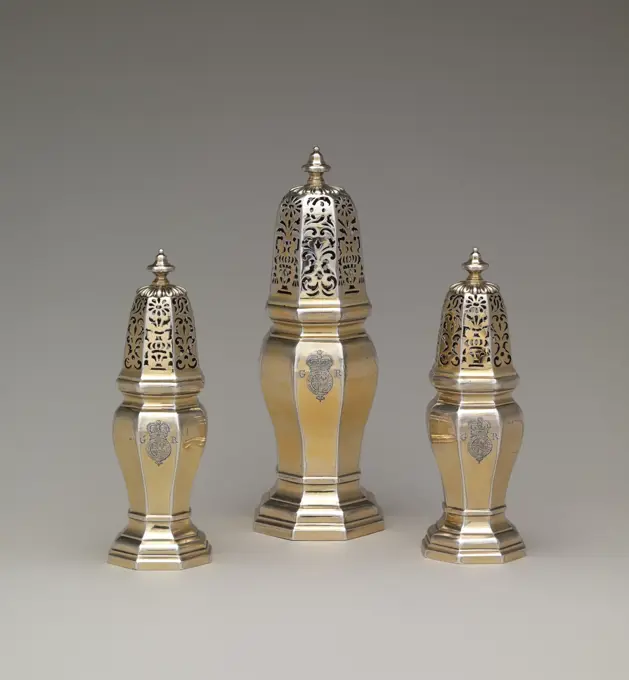
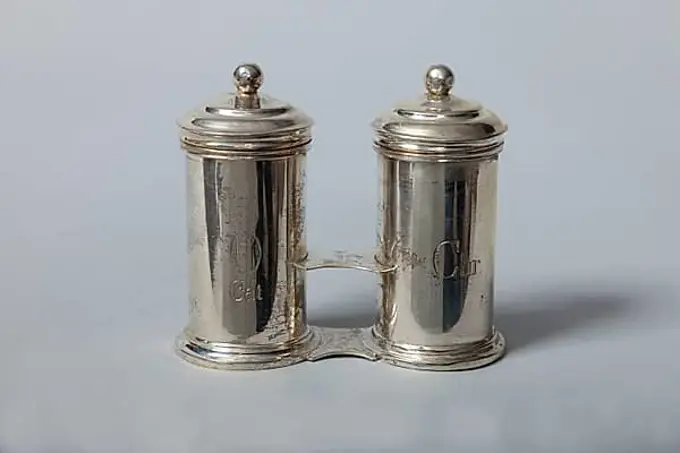
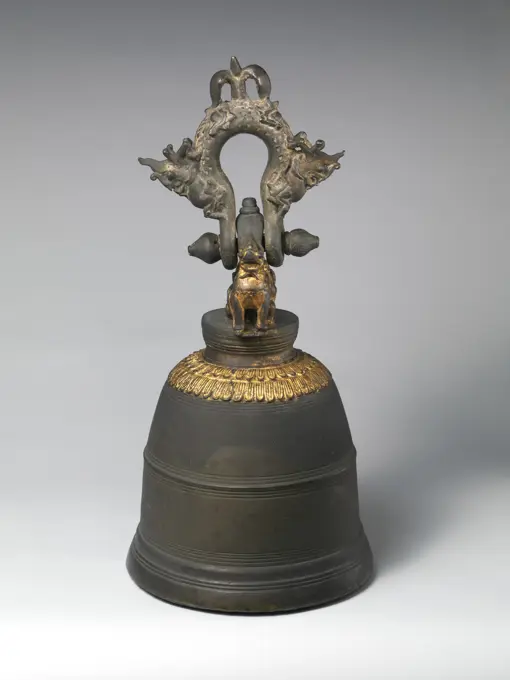
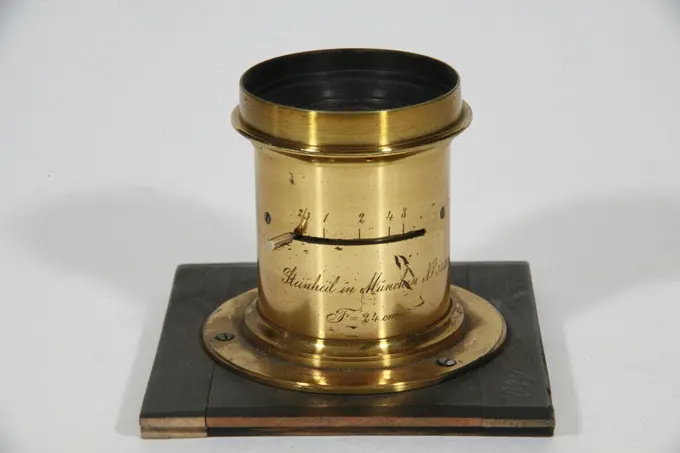
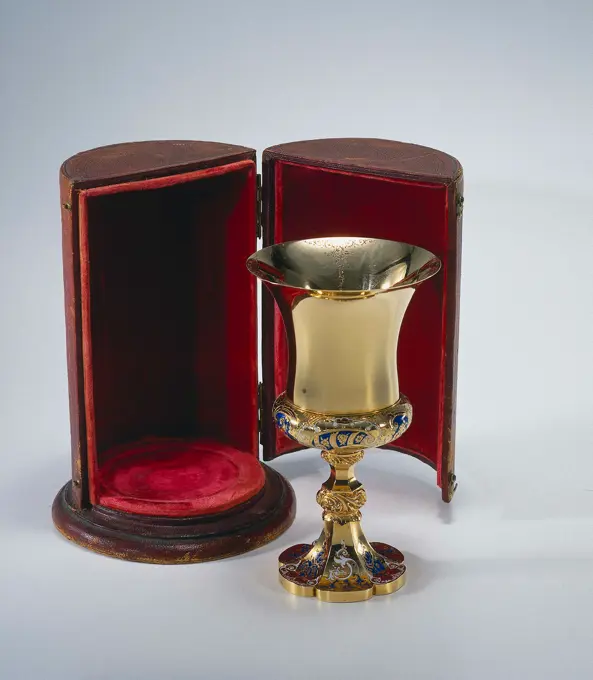
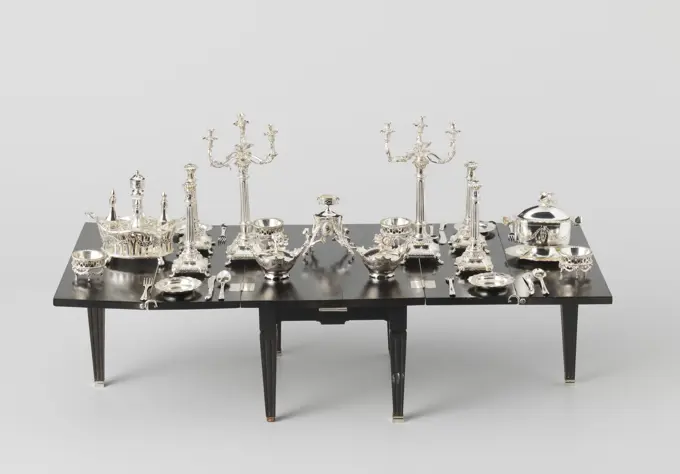
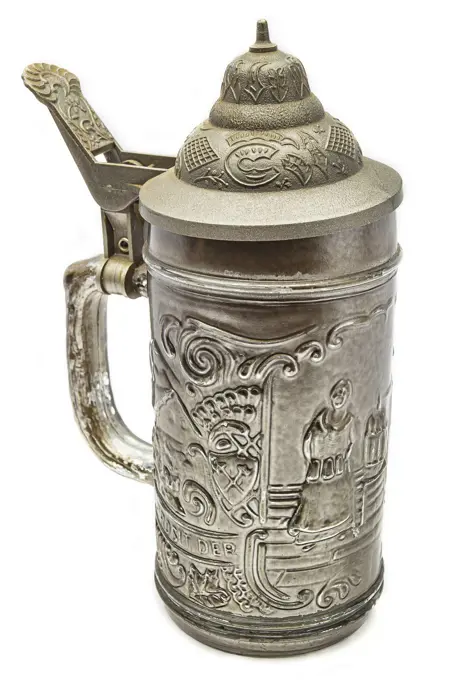
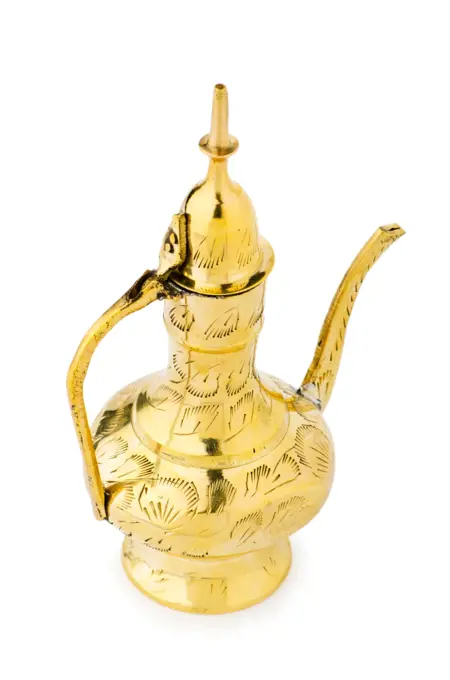
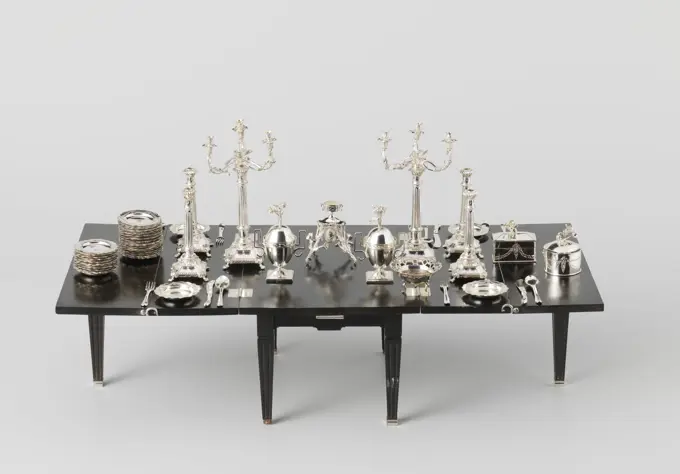
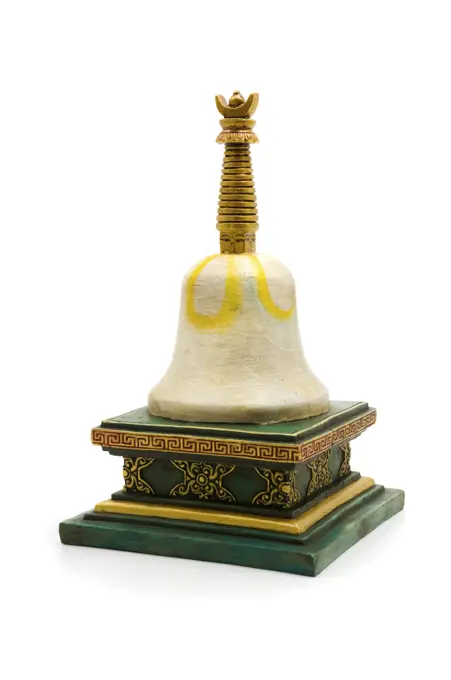
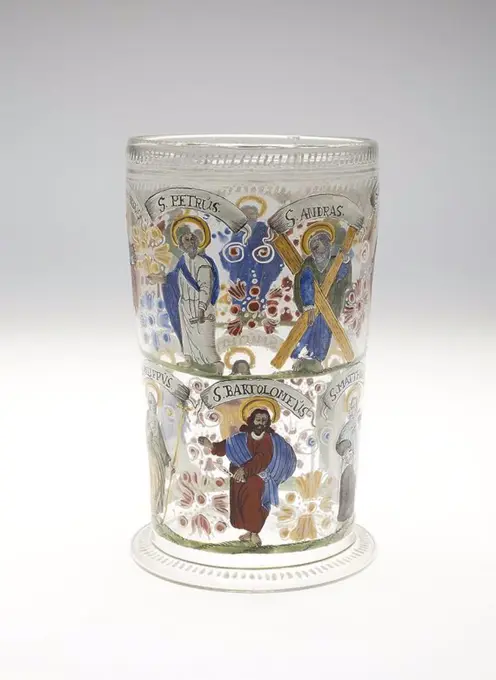
CupAnonymous (n. - d.), Watches in the shape of a cross (main title), 1600. Silver and brass engraved and chiseled, cut rock crystal, iron. Petit Palais, Museum of Fine Arts of the City of Paris.John Farnell, Tea Canister, 1715/16, silver.Copper ChafingDish.  Manufacturer: S. Sternau and CompanySugar Bowl. Dated: probably 1940/1941. Dimensions: overall: 29.7 x 21.2 cm (11 11/16 x 8 3/8 in.) Original IAD Object: 9 1/2" High 7 1/2" Dia.. Medium: watercolor, graphite, and colored pencil on paperboard. Museum: National Gallery of Art, Washington DC. Author: Robert Stewart.Mountain-Shaped Incense Burner (Boshan Xianglu) 99 BCE-99 CE China. During the Han dynasty, fantastical beliefs in immortality and exotic lands inspired the earliest three-dimensional landscapes. The conical lid of this incense burner, shaped like towering peaks, is associated with the mountainous Isles of the Blessed. These islands were described as the realm of immortal beings (xian) in the myth, superstition, and magic widespread in Han Dynasty Religion. Fragrant smoke wafting through holes in the lid of this incense burner would evoke such a mist-shrouded utopia.. Bronze .MONSTRANS.The object consists of the following molded parts: the base, which turns into the lower half of the strain, the nodus, the upper part of the strain, the bottom of the holder, the host holder (the LUNULA), The frame for the glass cylinder, the two vertical connecting pieces (support bears), the striker. The six-spectable foot runs out in a wide flat edge. It goes upstairs in the six-filament tribe on which the hollow of six facets has been assembled nodes and then in the six-fleeting tribal portion in the six-fan of which the cylinder is placed. The two cylinder frames have edges, consisting of cross flowers. Each support bear has a curl-decorated curl on the underside. They end in pinacles. Inside the support bears have an edge of rings. The striker is flat and round, it is equipped with a notch. The support bears have been restored to the foot. Some pinnacles are missing. So also the glass cylinder and the crowning, in the form of a cross.Can with pressed design still bank, 19th century, 3 1/4 x 2 11/16 x 2 11/16 in. (8.26 x 6.83 x 6.83 cm), Tin, England, 19th centuryCorkscrew in sleeve, with cachet, on handle man and horse. Corkscrew in a silver tube, the cachet, in the form of a baroque baluster. The corkscrew has a flat plate as a handle on which a man and a horse stand.Helmet ca. 1580 Turkish The decoration of split leaves and arabesques is found frequently on Ottoman ceramics and carpets of the mid-sixteenth century. Originally, the bowl had a brim with a sliding nasal, cheekpieces, and a neck guard. Two complete examples--one Mamluk (acc. no. 36.25.126), the other Ottoman (acc. no. 04.3.456a)--are also in the Museum's collection.. Helmet 22214Maker: John Burt, American, 1692-1745, Caster, ca.1735-40, Silver, 6 3/4 in. (17.1 cm), Made in Boston, Massachusetts, American, 18thcentury, Containers -MetalsCarolingian art. The misnamed Lebuinus Chalice. Aachen, Germany, 790-810. Bowl made __in ivory, mounted on a silver frame, made __in the workshops of Carlolingian Empire. The silver assembling dates from 14th century. Catharijneconvent Museum. Utrecht. Netherlands.Herbal mill. The object consists of the cupboard with sliding yellow copper, the grinder with iron clip, Dec funnel of yellow copper, the crank from iron with ivory handle and copper button. The cabinet is screwed to the short sides on two narrow pieces, where the four-decorated legs are attached to the four parts of the four parts. The areas have engraved representations: a jumping deer between rock and two spruce with the inscription 'So Dürstet Meine Seele zu Gott, on the other long flat two rocks with a turbulent bars with a sailing ship with a sailing ship with a sailing ship with a flag With the eyes of God, as well as the inscription 'Sie Erhohen mich'. On one short side a plant with bloody lilies () And the inscription 'vom Wein Derr Jungfrauen', on the other short side around the button the signature Joseph Glanzl and the placeholder A. Lienz. On the slider a engraved landscape with a radiant sun, a moon, a falling star, a star and flying bird with the inscription 'Sursum'. ASilver chiselded liturgical object, Lombardy, Italy.Tea urn ca. 1785-90 British, Sheffield. Tea urn 189153 British, Sheffield, Tea urn, ca. 178590, Sheffield plate, fire-gilt; jasperware medallion, Height: 22 1/4 in. (56.5 cm). The Metropolitan Museum of Art, New York. Gift of T.H. Fitzhenry, 1906 (06.953ac)Bottle stopper, glass, One of set of seven bottles. Bottle has bulbous body with tapered, narrow neck ending in flat, circular pouring lip. Flat circular foot. Body encirlced with band of cut drapery swags filled in with vertical lines. Flat flutes on neck and below band. Stopper is stemmed button variety, flat with radial cutting., possibly Ireland, ca. 1810, glasswares, Decorative Arts, Bottle stopperAnonymous / 'Heliotrope cup with two gold masks'. 1650 - 1700. Bloodstone, Gold. Museum: Museo del Prado, Madrid, España.Cup 19th century, after 1719-20 original Franchi and Son This electrotype is after the eighteenth-century original (1719-20), at time of reproduction in the Victoria and Albert Museum, London.. Cup 185842Emile Froment-Meurice (1837-1913). Vacuks. Paris, Museum of Romantic Life. 34983-3 Silver, silverware, shell, object, civil gold, storage spaceCALIZ GOTICO. Location: PALACIO EPISCOPAL-MUSEO DE LOS CAMINOS. ASTORGA. LEON. SPAIN.Small BottleTurban Helmet Made 1465-1510 Western Iran. Steel and silver .Italy - 18th century - Optical telegraph invented by Claude Chappe (1763-1805)Elderly Peasant Woman with a Milk Kettle on her Head, Barthélemy Prieur (follower of), c. 1650  France bronze (metal)  France bronze (metal)Andiron 1792-1814 John Bailey American. Andiron. American. 1792-1814. Brass and iron. Made in New York, New York, United StatesGuglet 1700-1799 Chinese. Guglet 21619Cup and Cover. Germany, Cologne, circa 1636. Furnishings; Serviceware. Silver giltReliquary Cross. Dated: 1550/1575, with late 19th century alterations. Dimensions: overall (across arms): 27 x 11.6 cm (10 5/8 x 4 9/16 in.) overall (oval base): 13.4 x 10.7 cm (5 1/4 x 4 3/16 in.). Medium: enameled gold, rock crystal, diamonds, emerald, rubies, glass pearls. Museum: National Gallery of Art, Washington DC. Author: Spanish 16th Century.This 1884 illustration shows Silver Vases found at Bernay. Accidentally discovered by a French farmer in 1830 in the village of Berthouville, near the French town of Bernay, the spectacular hoard of gilt-silver statuettes and vessels known as the Berthouville Treasure was originally dedicated to the Gallo-Roman god Mercury. They date from 100 BC to 200 AD,Flakon with a stopperFigurine from the Carmelite Order;  1 PO. XVI W (1501-00-00-1550-00-00);Szwarc, Szymon (1884-197.) - collection, gothic (style), Carmelites (Order), churches models, religious, purchase (provenance), shovels, saintsHelmet, 1368-1644. Sino-Tibetan, Ming dynasty (1368-1644). Iron inlaid with gold; overall: 31.5 cm (12 3/8 in.).Pair of urns British 19th century View more. Pair of urns. British. 19th century. Lustreware. Ceramics-PotteryCovered Vessel with the Principal Bird and Peccary Heads. Early Classic Maya; Petén region, Guatemala. Date: 200 AD-300 AD. Dimensions: 24.8 × 25.4 cm (9 3/4 × 10 in.). Ceramic and pigment. Origin: Guatemala. Museum: The Chicago Art Institute, USA.Tankard.   Maker: Elias Pelletreau, 1726-1810Byzantine artefact. Chalice with inscription Lord help the Orthodox Emperor Romanos. TURKEY.Dunvegan Cup early 20th century (original dated 10th century) Irish. Dunvegan Cup 463592Ewer 1749-51 Gottlieb Christian Drentwett. Ewer 195238Cloches dish covers Cloches dish covers, Silver Gilt, Paris 19th century, Amsterdam, Netherlands Copyright: xZoonar.com/BartomeuxBalaguerxRotgerx 21697128Lamp China Han dynasty (206 BCE-220 CE) View more. Lamp. China. Bronze. Han dynasty (206 BCE-220 CE). MetalworkSweden, Stockholm, Gamla Stan, Old Town, Royal Palace, Gustav III Antikmuseum, Italian sculptures collected by King Gustav III in the 1780'sPair of Candlesticks; Etienne Martincourt (French, died after 1791 (master 1762)); Paris, France; about 1780; Gilt bronze;AndironsPorringer. Culture: American. Dimensions: 2 1/4 x 7 5/8 x 5 1/4 in. (5.7 x 19.4 x 13.3 cm). Maker: William Calder (1792-1856). Date: 1817-56. Museum: Metropolitan Museum of Art, New York, USA.Maker Unknown, Pair of Lamps, c. 1850-70, canary yellow glass and pewter.Photograph of a 16th Century German glass drinking goblet. Dated 16th CenturyFirst Iron Age. Paleo-Iberian. Thymiaterion or support for container made of bronze. 600-501 BC. Necropolis of Les Ferreres (Calaceite, province of Teruel, Aragon), Spain. National Archaeological Museum. Madrid. Spain.Triumph of the Roman Catholic Church (ceremonial tankard). Large, silver mounted, ivory ceremonial tankards, or Humpen, were particularly prized in southern Germany. The continuous relief around this tankard is an allegory of the Catholic Church. The woman with the chalice seated on the triumphal chariot symbolizes the Church. Wrath, Discord and Envy are being crushed beneath her wheels.Clock German early 17th century View more. Clock. German. early 17th century. Copper gilt. Horology. Half-spherical container on four claws, standing on a square plate, resting on four ball-shaws. The container is plated on the inside. Signature and dated.Tassel; silk, metal thread, wooden core, linenPair of Negoro Lacquer Candlesticks late 16th century Japan Negoro ware, associated with the Negoro Temple in Wakayama prefecture, is characterized by a strong wooden core, a highly functional form, and the layered application of black and red lacquer. In the medieval period, Negoro utensils and vessels were used primarily by monks residing in Buddhist monasteries and priests of Shinto shrines, as well as by aristocrats and high-ranking warriors.Candlesticks are rare among Negoro lacquers. These were probably originally placed before a Buddhist altar. The powerful curves of the base and the bamboo motif of the stem were formed on a lathe. Over years of use, the top layer of red lacquer has worn off, and the underlying black has become visible.. Pair of Negoro Lacquer Candlesticks 40312Tankard 1690 Johann Schwarz The lid and base are inset with portrait medals of Duke Boguslav Radziwill (1620-1669), governor-general of East Prussia; his wife, Duchess Anna Maria; and their daughter Louise Charlotte. The side incorporates 24 coins (Mariengroschen) minted between 1670 and 1679 under Duke Rudolf Augustus of Brunswick-Wolffenbüttel (r. 1666-1704) and Duke Johann Friedrich of Brunswick-Lüneburg (r. 1665-1679).. Tankard 192069Caster (one of a set of three) 1714/15 Lewis Mettayer British Used for serving sugar, dry mustard, and pepper, sets of three casters were standard components of an eighteenth-century silver table setting. Like the dessert dishes above, this set was part of the large service made for Sir Paul Methuens embassy to Spain. It is engraved with the arms of George I rather than with Methuens, an indication to his guests that he represented the English crown.. Caster (one of a set of three) 204889Kroes, decorated with the Wapen van Vlissingen and the Markiezaat Veere, 1628 Kroes van Zilver, decorated with an engraved medallion, in which a female figure that holds the Wapen van Vlissingen and the Markiezaat Veere. Flushing silver (metal) engraving Kroes van Zilver, decorated with an engraved medallion, in which a female figure that holds the Wapen van Vlissingen and the Markiezaat Veere. Flushing silver (metal) engravingClock pedestal. unknown, foundry companyOil vessel, 1850, Goldsmith's art and textile art from the 16th to the 20th century, St., Saint, SaintBirdcage (China); Made by Liang Qichang (dates unknown); bent buffalo horn (vertical bars), lacquered bamboo (horizontal hoops bracing bars), ivory, molded tortoiseshell (with substraight of silverleaf on vermillion on wood), cedar wood, various metals (brass, possibly paktong, white metal), jade, glazed porceMonastery Bell 1879 Burmese Cast in Shwebo, a town north of Mandalay, this monastery bell weighs approximately one hundred and fifty pounds and is part of an ancient tradition of elaborately adorned clapperless bronze hanging temple bells found throughout Southeast Asia and Indonesia. The support mounts, attached above a stylized and gilded double lotus design appearing on the bell's shoulder, take the form of two guardian simbas (mythical lions), while the suspension loop is cast to represent two makaras (Hindu water monster) whose tails meet to form a finial. On the bell's upper side a barely legible inscription gives the name of the donor. Collected by Felice Antonio Beato, an English photographer, this bell was saved from the ashes of a monastery fire witnessed by a slight discoloration on some of its surface.. Monastery Bell 502041Appliqué 18th century Italian. Appliqué 213469Cross, c. 1280-1300. Italy, Venice, late 13th century. Rock crystal, painted gold mounts; overall: 70.2 x 52.2 x 6.6 cm (27 5/8 x 20 9/16 x 2 5/8 in.).Orthostigmat Type II lens, series B7, 24 cm focal length f/6, with multiple iris blends and older Parisian aperture system, glass, brass frame, wooden lens standard, circa 1893, by Steinheil München.Plate. Round eating sign with scalloped edge. Guird builds are engraved on the edge. A flower is engraved in the middle of the board. The sign has been labeled: stk. = Amsterdam, jrl. = X (1782) and mt. = Foot 430. The plate is a copy from a set consisting of 36 identical plates (BK-NM-11177-189 up to / m. NM-11177-224).Chocolate can with rudder stick. Chocolate canned paws on three to the outside. In the lid there is a hole through which the stirring bar lights out. The can have a spout and a handle for a handle. The handle is missing. Leaves are engraved around the turn of the legs and the spout and around the hole in the lid. The chocolate canal is marked: stk. = Amsterdam, jrl. = V (1780) and mt. = Foot 430.. Cup of gold, decorated with blue and white irmail, together with purple leather lined wood (B). The Netherlands, Amsterdam, 1849.ThreeBeakers.   Maker: Thomas Arnold, American, 1739-1828. Round eating sign with scalloped edge. Guird builds are engraved on the edge. A flower is engraved in the middle of the board. The sign has been labeled: stk. = Amsterdam, jrl. = X (1782) and mt. = Foot 430. The plate is a copy from a set consisting of 36 identical plates (BK-NM-11177-189 up to / m. NM-11177-224).Bottle. Bottle belonging to an oil and vinegar set (BK-NM-11177-122). The bottle is octagonal and has a long, narrow neck. The bottle has a spout and a knob-shaped lid. The bottle is together with three identical bottles (BK-NM-11177-122-C, BK-NM-11177-122-D, BK-NM-11177-122-F) on a plateau (BK-NM-11177-122 -B) In a basket (BK-NM-11177-122-A).Charles Adam, Pair of Casters, 1715/16, silver.Desserttrommel, Hendrik Duller, 1789 Round drum with a vaulted lid. The button of the lid is formed by a flower branch. Shiringes are engraved on the walls of the drum. The drum is marked: stk. = Amsterdam, Jrl. = E (1789) and Mt. = Hendrik Duller. The drum belongs to a rectangular drum with invnr. BK-NM-11177-256. Amsterdam silver (metal) Round drum with a vaulted lid. The button of the lid is formed by a flower branch. Shiringes are engraved on the walls of the drum. The drum is marked: stk. = Amsterdam, Jrl. = E (1789) and Mt. = Hendrik Duller. The drum belongs to a rectangular drum with invnr. BK-NM-11177-256. Amsterdam silver (metal)Pewter beer mug Pewter beer mug with sculpted design Copyright: xZoonar.com/YannxPoirierx 12344276A monocular microscope with a compound design. Made from wood, metal, glass and tooled leather. From either Germany or Italy, 1700.Ancient lamp isolated on the whiteDecanter. Bohemia, circa 1840-1860. Furnishings; Serviceware. Glass, gilt, enamel, metalBord, anonymous, 1782 Round eating plate with scalloped edge. Shiringes are engraved on the edge. A flower is engraved in the middle of the plate. The board is marked: stk. = Amsterdam, JRL. = X (1782) and Mt. = Foot 430. The board is a copy from a set consisting of 36 identical plates (BK-NM-111177-189 to BK- NM-11177-224). Amsterdam silver (metal) Round eating plate with scalloped edge. Shiringes are engraved on the edge. A flower is engraved in the middle of the plate. The board is marked: stk. = Amsterdam, JRL. = X (1782) and Mt. = Foot 430. The board is a copy from a set consisting of 36 identical plates (BK-NM-111177-189 to BK- NM-11177-224). Amsterdam silver (metal)Miniature stupa on a white backgroundBeaker (Humpen). Germany. Date: 1650-1700. Dimensions: H. 20.3 cm (8 in.). Blown glass with polychrome enamel decoration. Origin: Germany. Museum: The Chicago Art Institute, Chicago, USA.Silversmith's art, Italy, 15th century. Amethyst vase with lid, gilded silver setting. Height cm. 15.3. Signed LAV.R.MED.PILA BAUTISMAL. Author: JUAN FRANCES. Location: MONASTERIO-INTERIOR. GUADALUPE. CACERES. SPAIN.Punch Bowl. Dated: c. 1936. Dimensions: overall: 22.1 x 29 cm (8 11/16 x 11 7/16 in.) Original IAD Object: 32 1/2" Dia(top) 18 1/2" Dia(base) 22 1/2" High. Medium: watercolor, graphite, and gouache on paperboard. Museum: National Gallery of Art, Washington DC. Author: Charles Caseau.Handicrafts - Silver Copyright: xNrupenxMadhvani/DinodiaxPhotoxFloral design samovar icon. Cartoon of floral design samovar vector icon for web design isolated on white background. Floral design samovar icon, cartoon style