Elegant Glassware and Vases

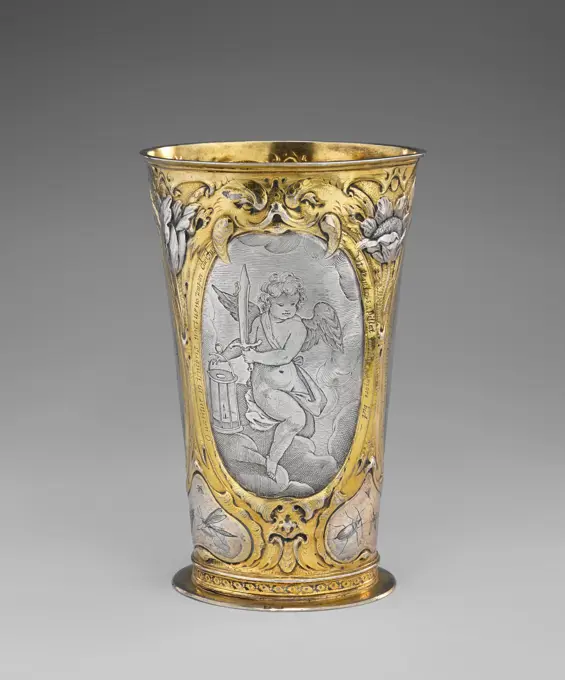
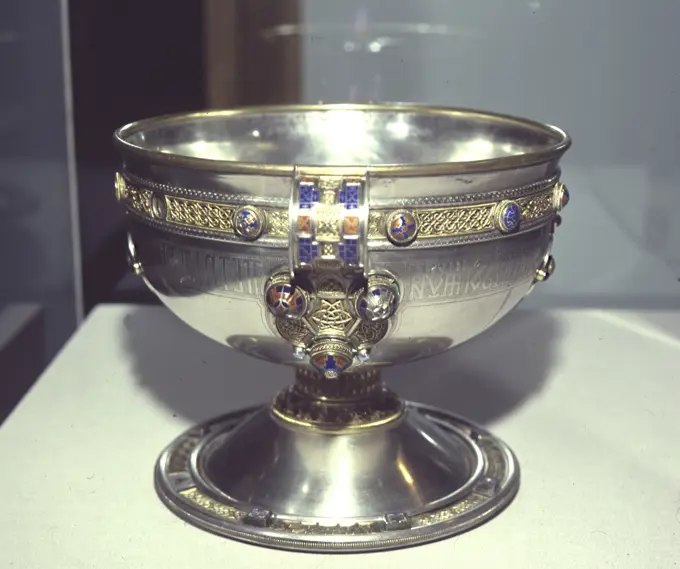
Intricate glass pieces with decorative frames and lids; adorned with ornate details, showcasing craftsmanship and historical designs.

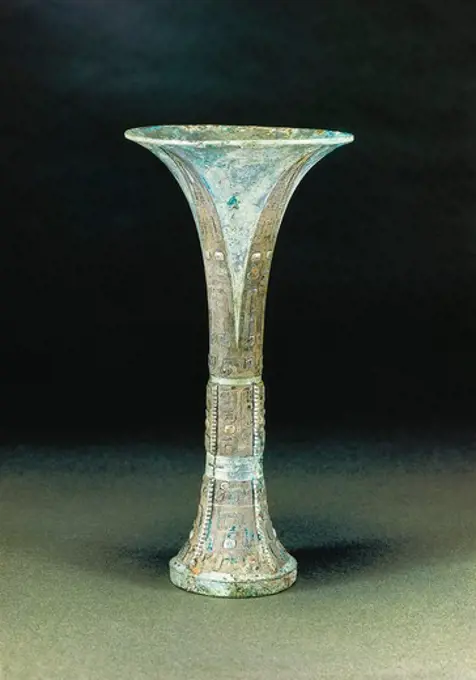
Goldsmith's art, Italy, 15th century. Grey jasper with ochre spots gold-mounted cup with cover. Height 18.7 cm. Signed LAV.R.MED.
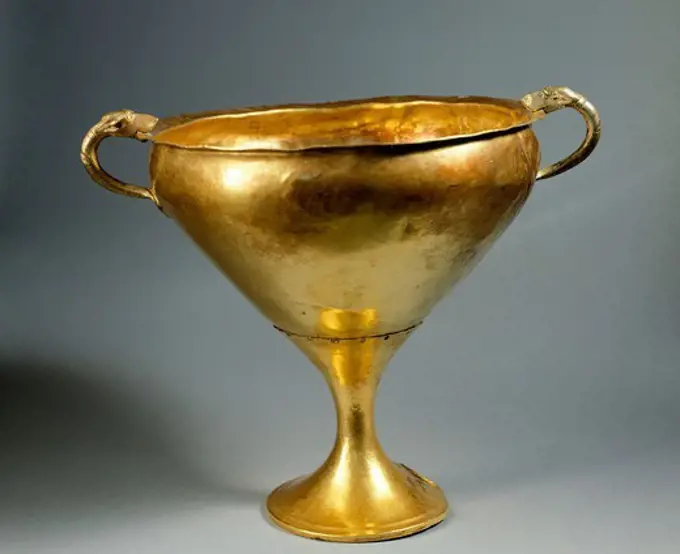
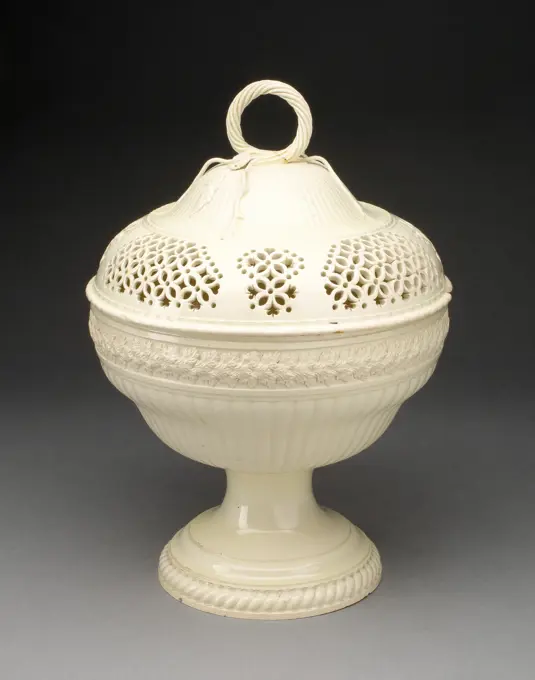
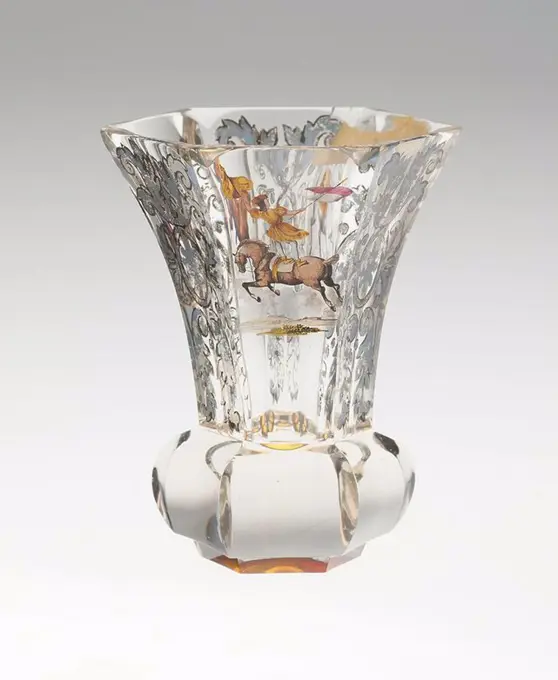
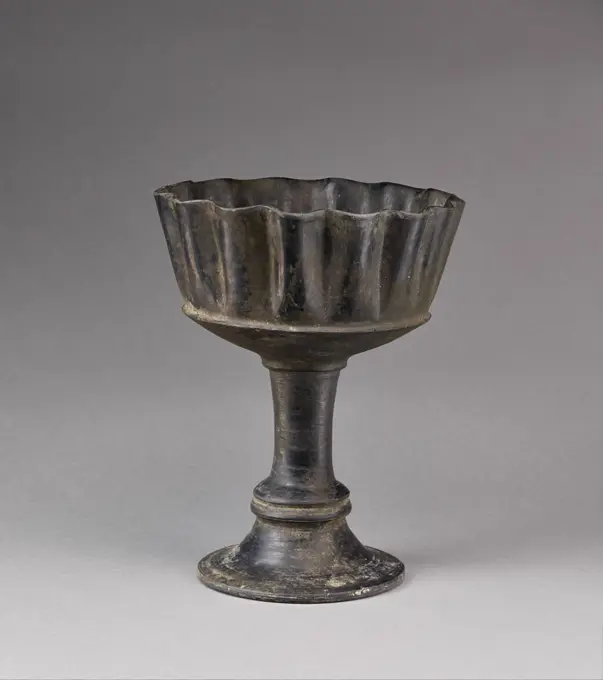
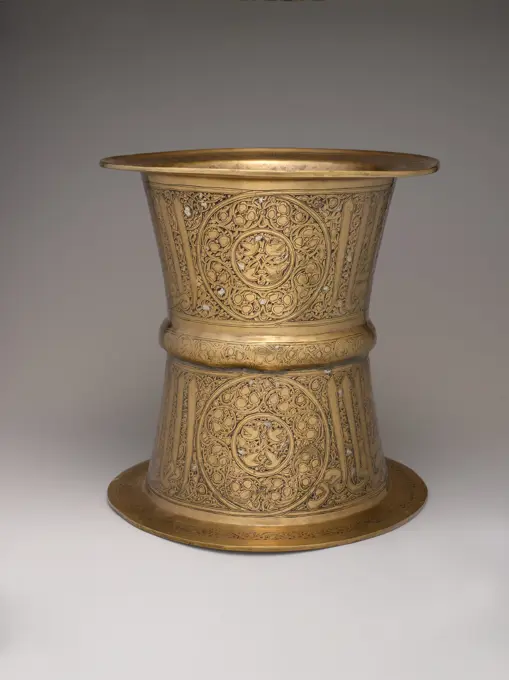
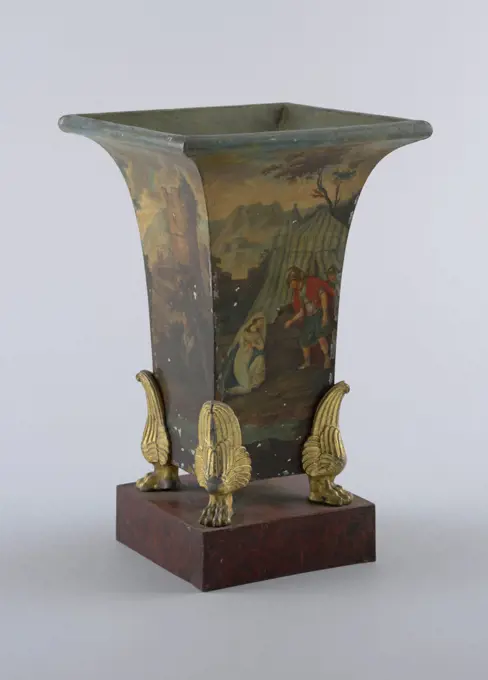
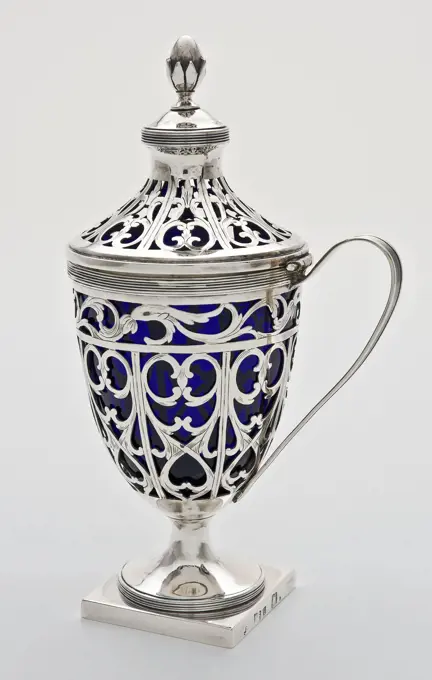
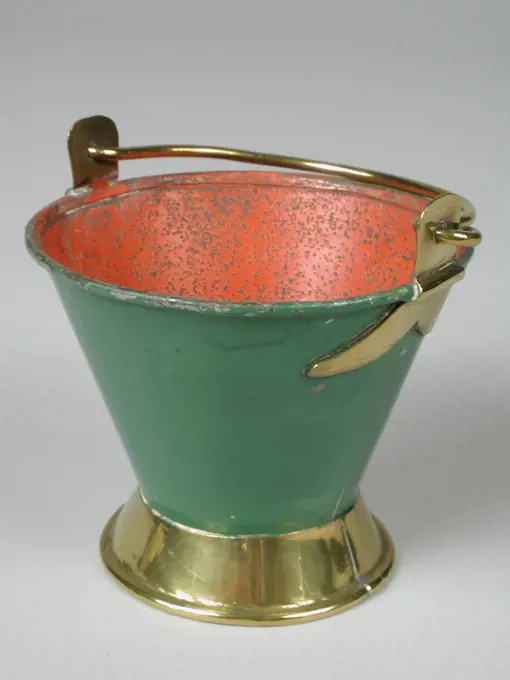
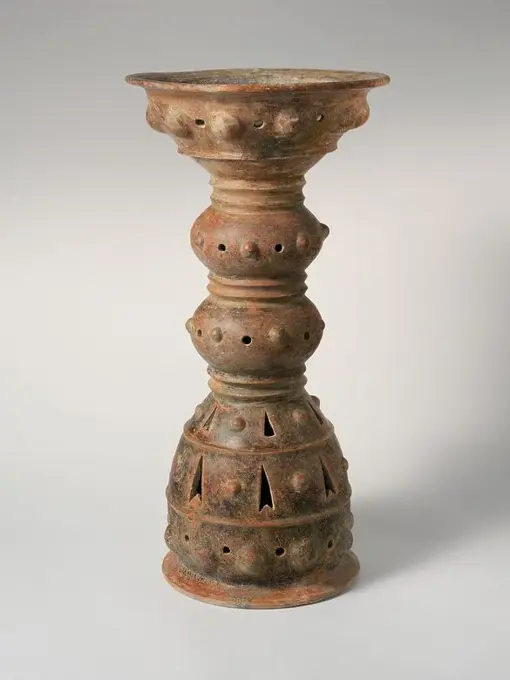
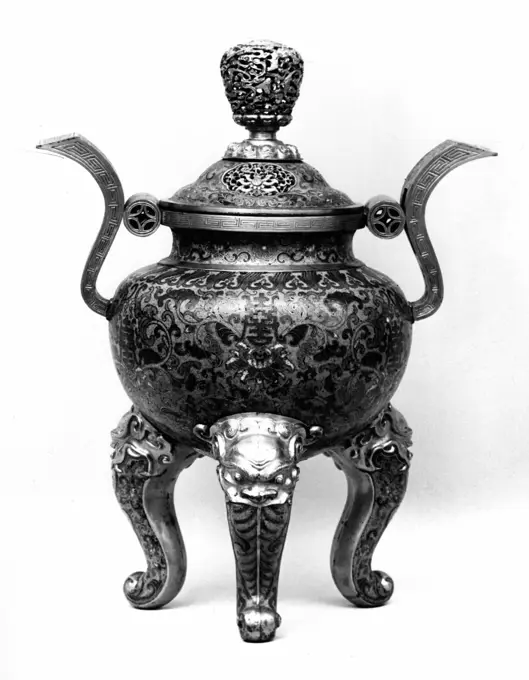
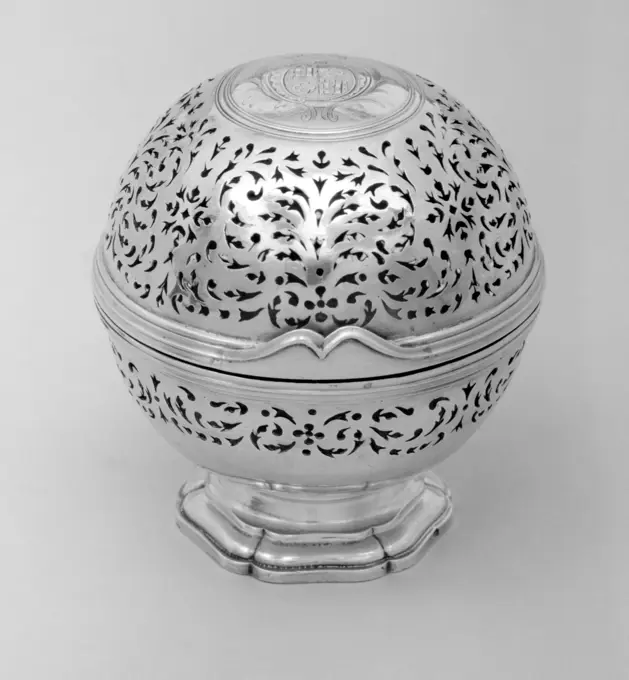
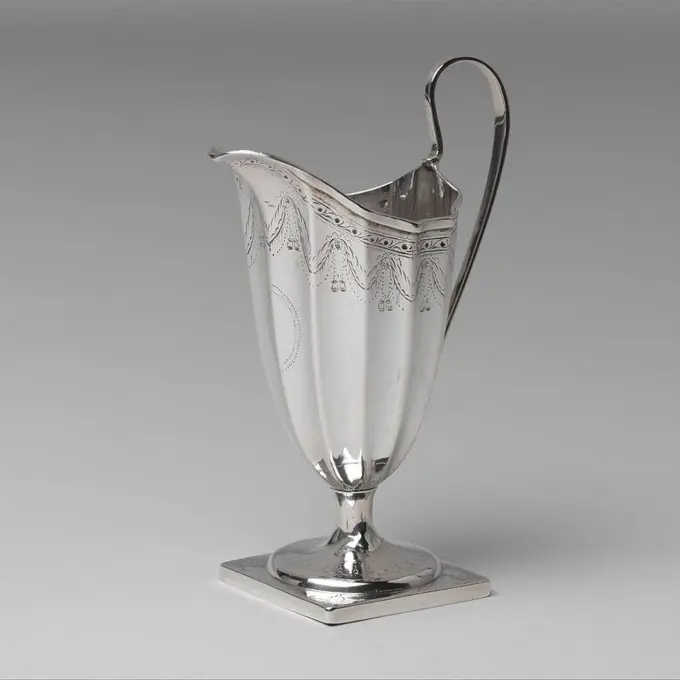
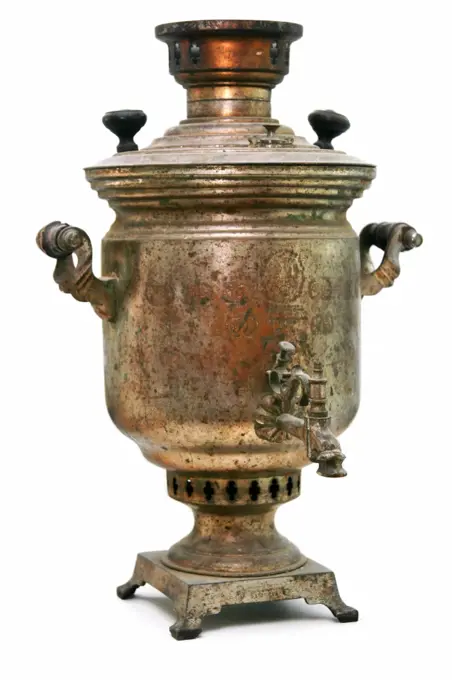
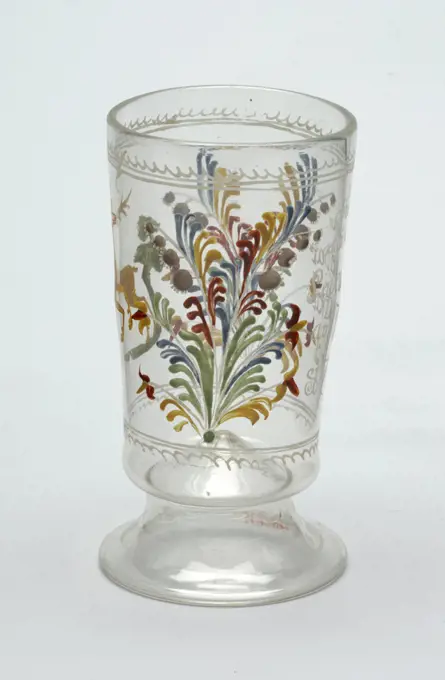
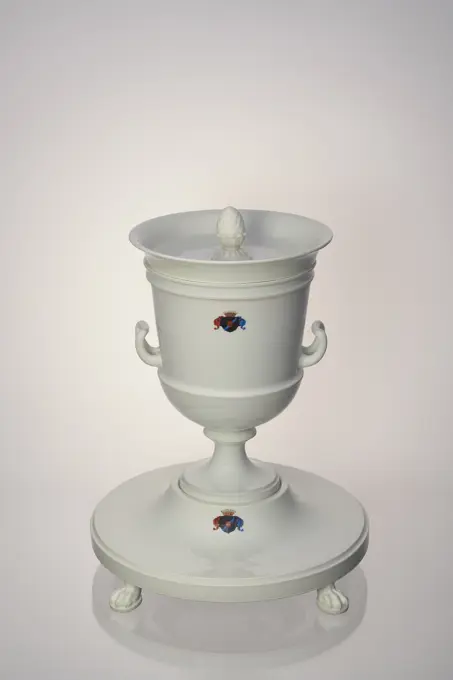
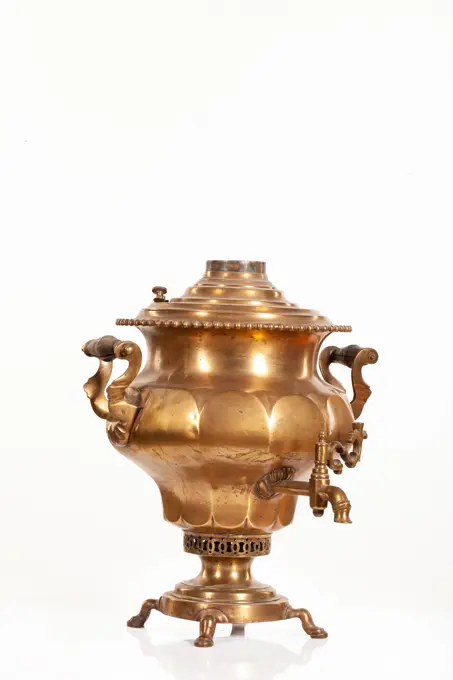
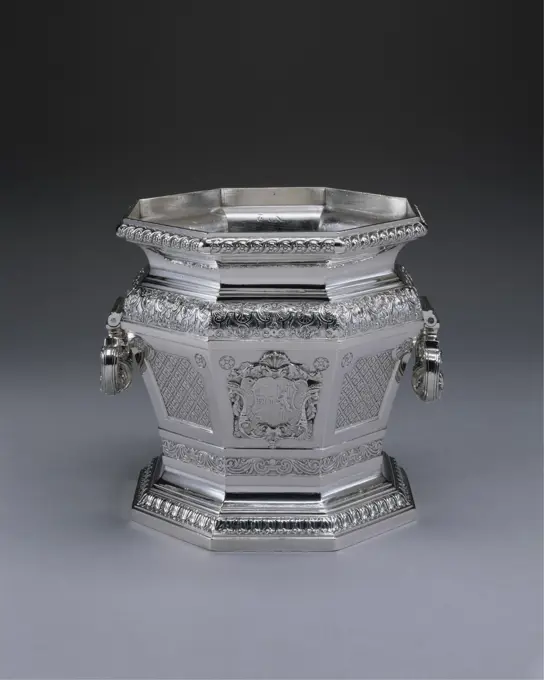
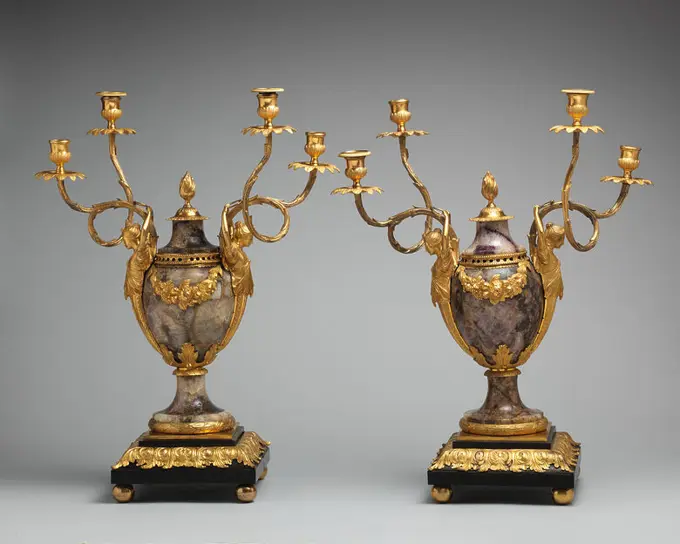
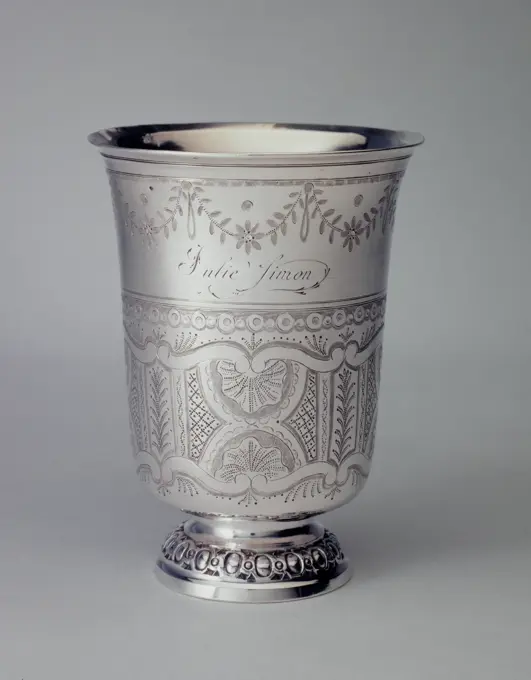
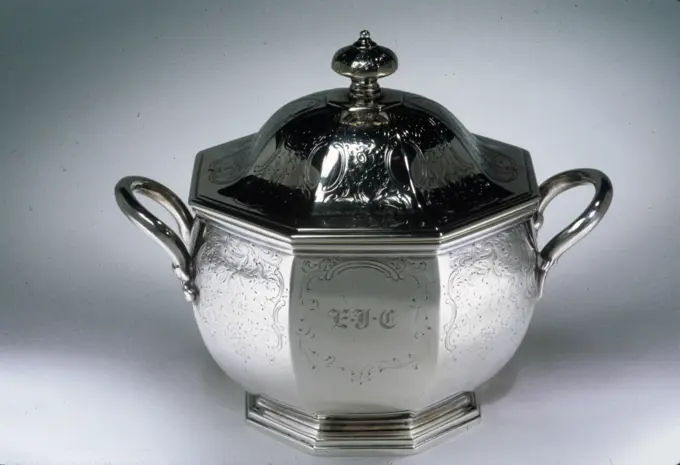
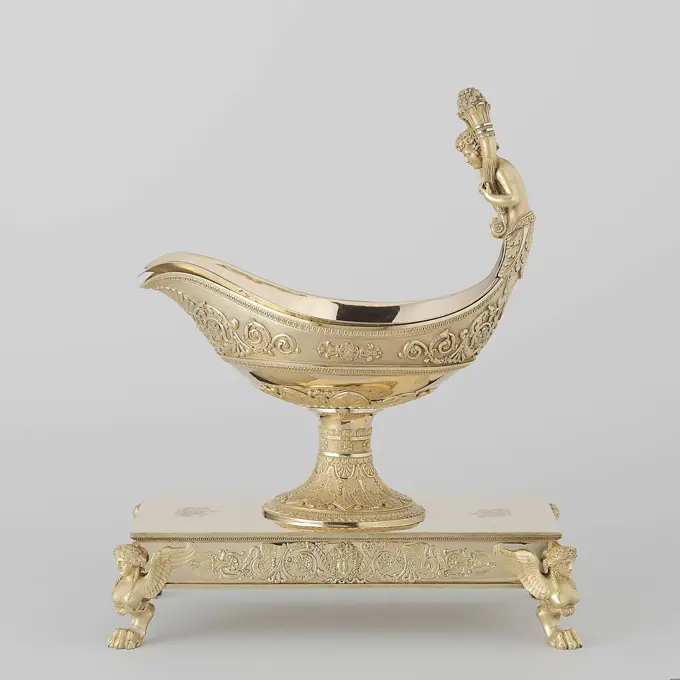
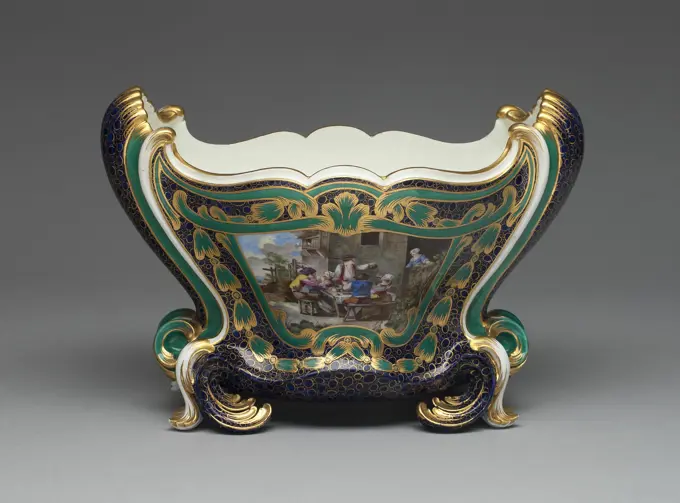
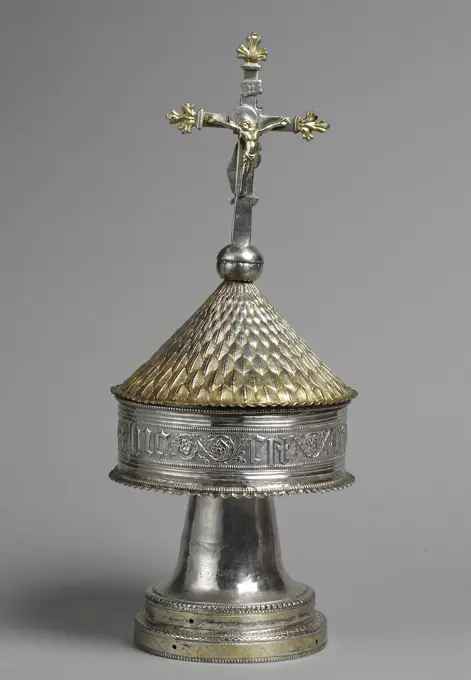
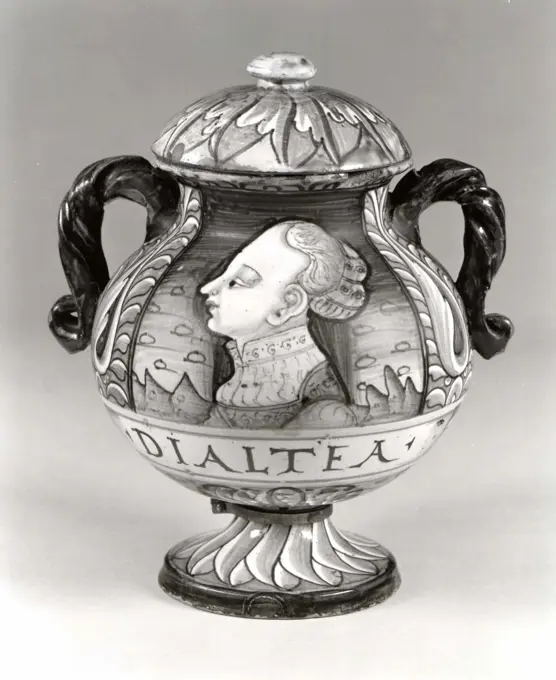
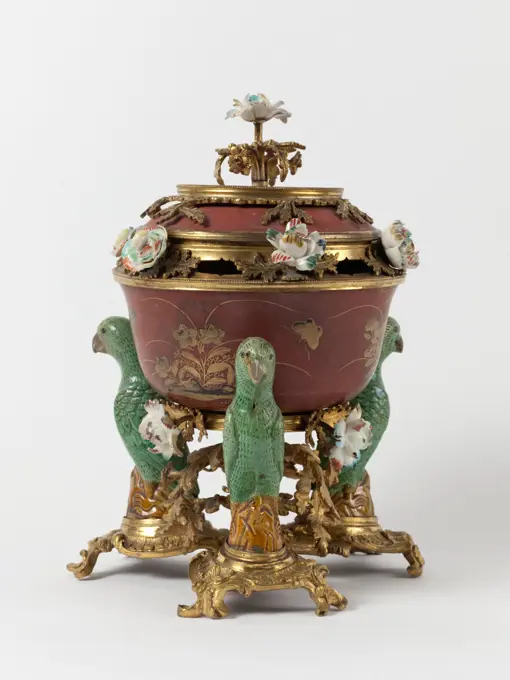
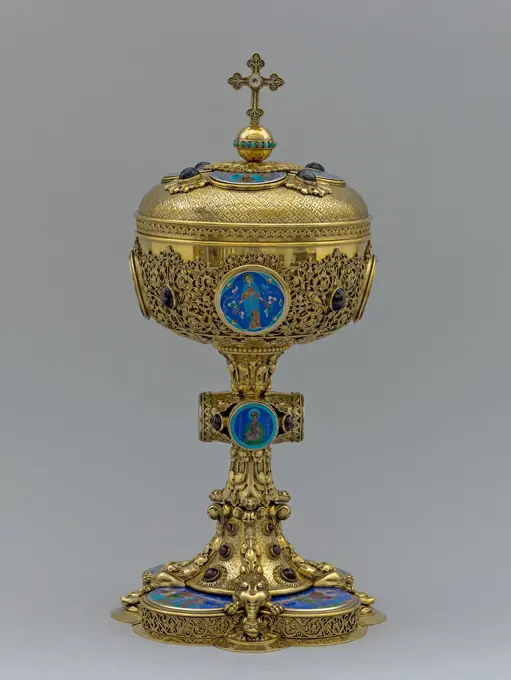
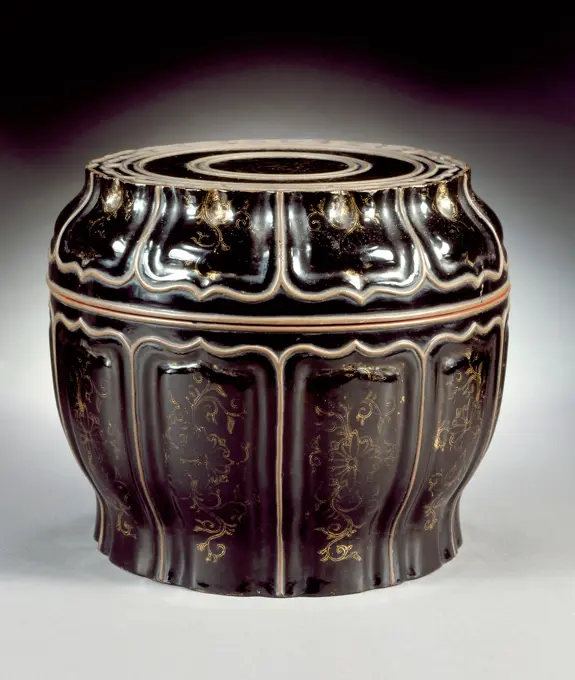
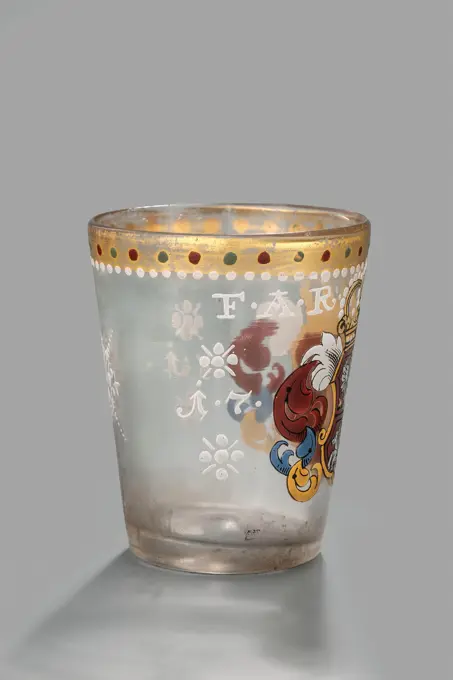
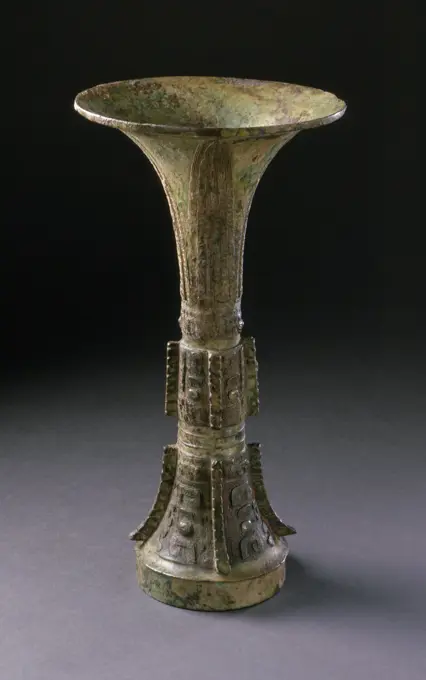
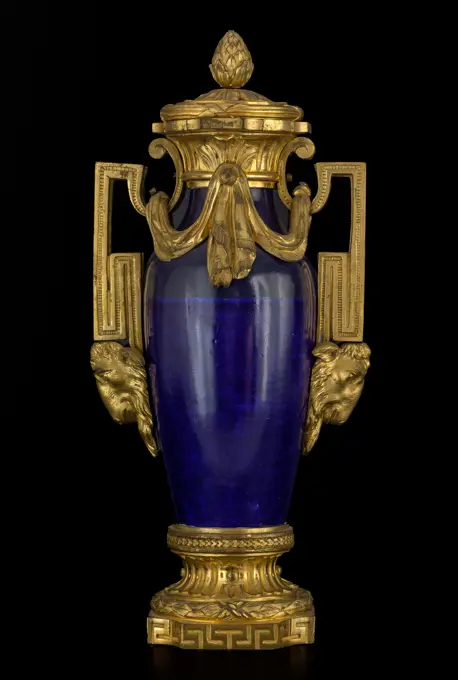
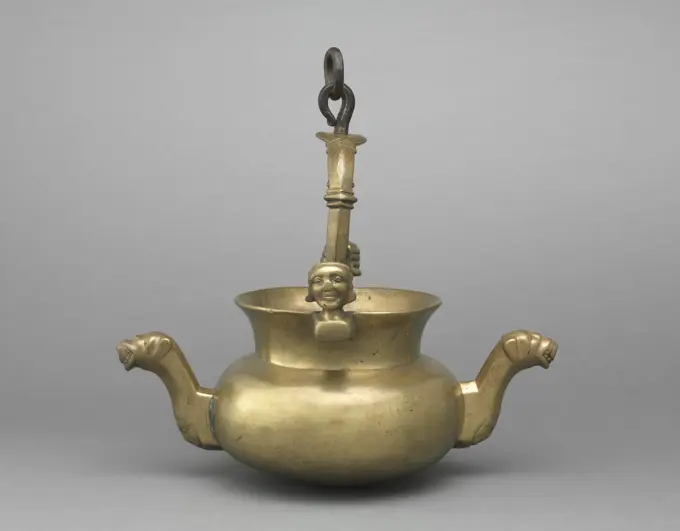
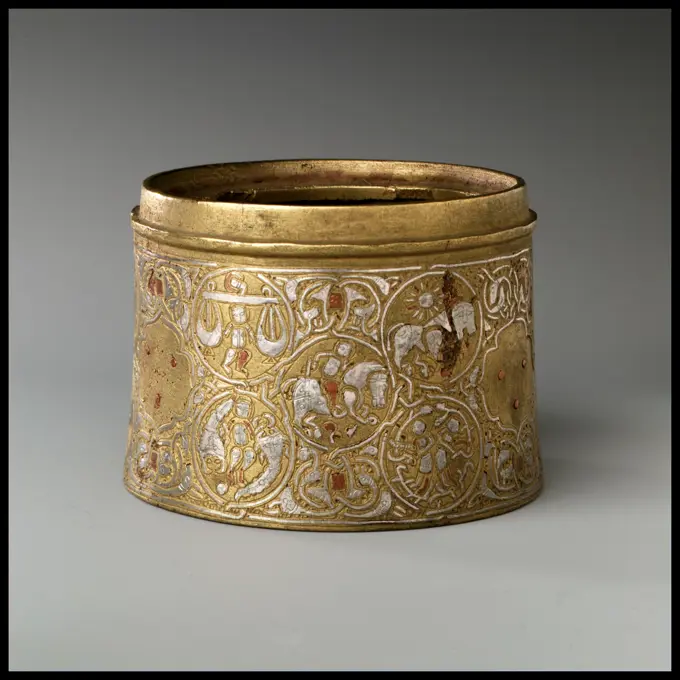
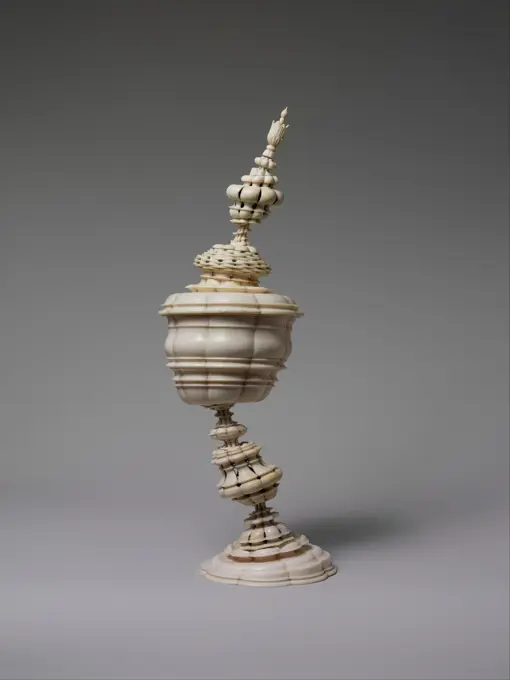
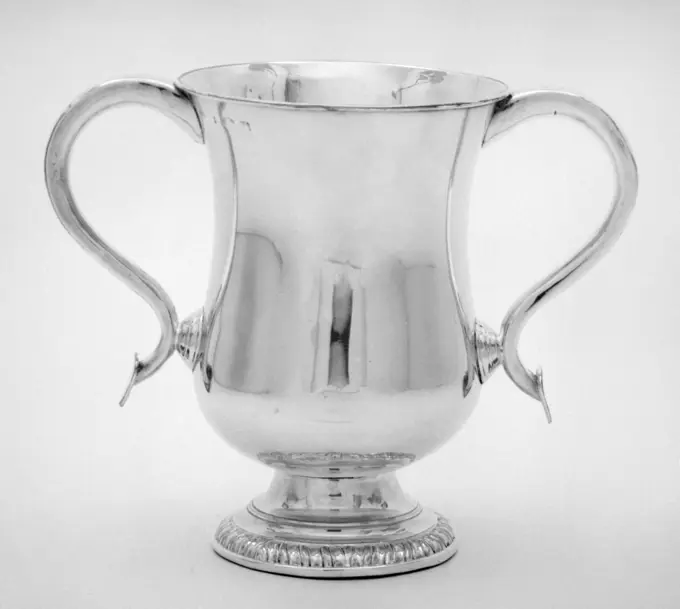
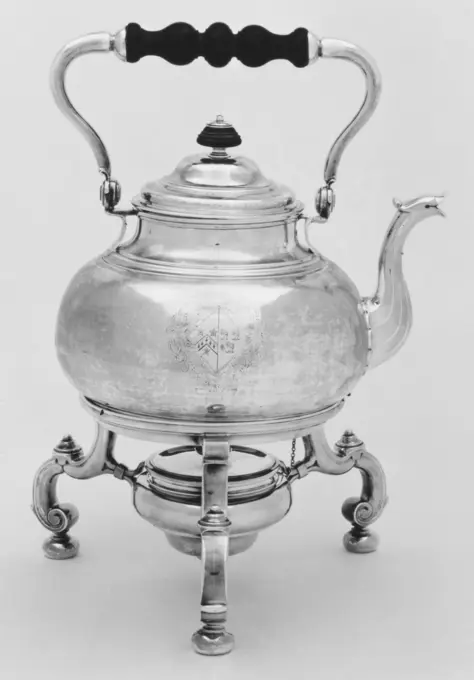
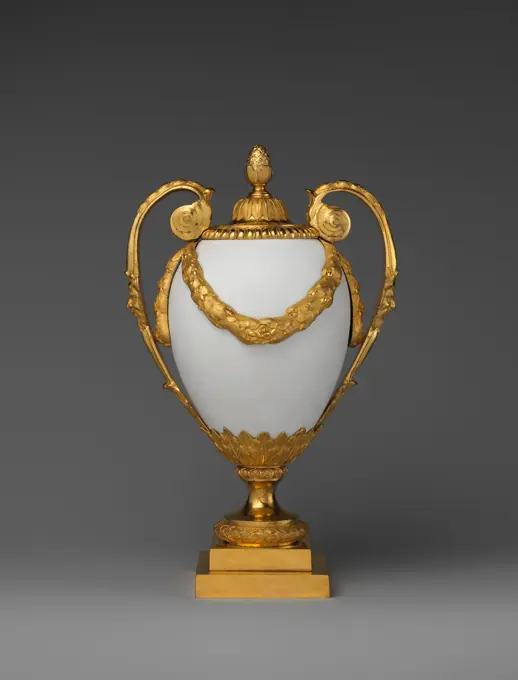
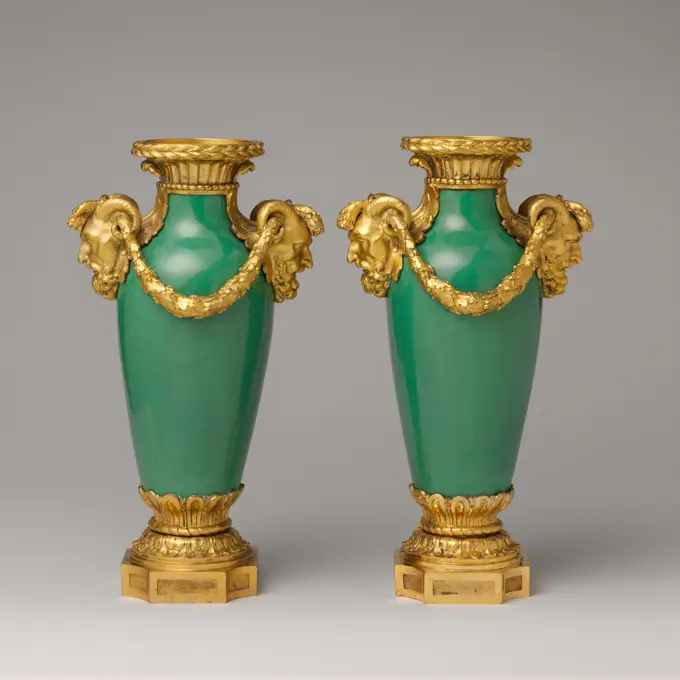
Ewer in blue camaieu, festoon style. With the coat of arms of Charles-Louis de Froulay de Tesse, Bishop of Mars. Aiguiere en camaieu bleu, aux armes de Froulay-Tesse, Eveque du Mans. style rayonnant. Chromolithograph after an illustration by Emilie Pottier from Andre Pottier's Histoire de la Faience de Rouen, Auguste le Brument, Rouen, 1870.Gold chalice with dog heads on handles, from the Circle A of Mycenae (Greece). Goldsmith art, Mycenaean Civilization, 16th Century BC.Silver coil, on square, straight -walled base. Decorated with Meanderrand, Anonymous, 1785 - 1800 Round coil of silver on a square right -wing base. Decorated with a meander edge. Lausanne silver (metal) Round coil of silver on a square right -wing base. Decorated with a meander edge. Lausanne silver (metal)Punch bowl with cover. Culture: Irish. Dimensions: Height (with cover): 16 1/2 in. (41.9 cm). Date: first half 19th century. Museum: Metropolitan Museum of Art, New York, USA.. Brandiebowl of silver. The high cuppa is decorated with engraving. The horizontal, flat ears set lilies supported by angel heads.Pair of Vases. Unknown porcelain about 1662-1722, mounts about 1745-1749 From the mid-1600s onwards, larger quantities of porcelain from China and Japan began to be imported into Europe. In the 1700s, dealers of luxury goods called marchands-merciers purchased the porcelain directly at auction or from the East Indies companies and passed it to metalworkers to decorate. Often the porcelain was modified to take the mounts, sometimes creating completely new forms. Originally, these Chinese vases would have been about six inches (fifteen centimeters) taller than they are now. A Parisian craftsman, following the instructions of a *marchand-mercier,*cut down the vases and fitted them with the elaborate gilt bronze mounts to suit the French taste for handles and Rococo shapes. Scholars know that the mounts were made between 1745 and 1749 because of the small crowned C stamp on them.Chestnut Basket 1785-1795 Yorkshire. Lead-glazed earthenware (creamware) .Two-handled loving cup with cover 1760-61 Samuel Courtland. Two-handled loving cup with cover 192145Beaker. Bohemia, Czech Republic. Date: 1825-1835. Dimensions: 11.4 × 9.7 cm (4 1/2 × 3 13/16 in.). Glass; colorless, blown, cut, stained, enameled and gilding. Origin: Bohemia. Museum: The Chicago Art Institute, Chicago, USA.Pitcher (France); glass; 23.1 x 10.2 x 19.9 cm (9 1/8 x 4 x 7 13/16 in.)Fluted Chalice. UnknownCart of ice glass. Bowl on flat, ribbed foot with beaten edge. The strain is made up of a ribbed nodus and three discs. Foot and trunk of clear glass. Plated spherical body of ice glass, blown in the form in a diamond pattern. Lightly bented neck of clear glass. On the shoulder a blue-white wire twice between two Lattimo wires. Remnants of gilding on the foot, the trunk, the bottom of the body and the shoulder.Tray Stand 14th century This tray stand exemplifies the work produced for highranking Mamluk patrons. The inscriptions honorifics indicate that its owner was a governor under Sultan al?Nasir Muhammad (1310-41), during whose reign human and animal imagery lost favor, even on objects for secular use. A few groupings of small ducks are the only creatures depicted. Note on the central band and upper rim the inclusion of six?petalled rosettes, an emblem sometimes used by this sultan and his amirs.. Tray Stand. 14th century. Brass; inlaid with silver. Attributed to Egypt. MetalAnonymous / 'Case for boat-shaped green jasper cup with silver-gilt handles'. 1690 - 1711. Leather, Wood, Fabric. Museum: Museo del Prado, Madrid, España.Ewer. UnknownStanding cup with cover ca. 1735-40 German, Potsdam. Standing cup with cover. German, Potsdam. ca. 1735-40. Glass. GlassTea urn. This may have been intended as a tea urn, but it could also be meant to contain coffee. Cups were placed underneath the spigot to be filled. The plain shape is characteristic of Amsterdam silver of the early 19th century.Vase (one of a pair) ca. 1765-70 Chelsea Porcelain Manufactory. Vase (one of a pair). British, Chelsea. ca. 1765-70. Soft-paste porcelain. Chelsea Porcelain Manufactory (British, 1744-1784). Ceramics-PorcelainVase, Enameled tôle, gilt bronze, Square in plan, with flaring tops and rolled edges. Supported by four winged paws of gilt bronze, on square pedestal. Painted in colours, with classical landscapes and figures in costume of classical antiquity., USA, ca. 1820, metalwork, Decorative Arts, VaseJar with lid, with representations of the flax industry, anonymous, c. 1750 - c. 1760 Facetted, curved foot. Facetted baluster tribe with a knot and two discs. Conical chalice with facet -cut swiveled soil and gilded edge. On the chalice flower ornaments, rocailles and leaf volits between which five performances of the flax industry. On the one hand a big golden palmet. Under the palmet, the monogram pdr and the monograms (): NK, GT, yes, HD, NB, NTS. Lid faceted and vaulted with a gilded button. On the lid leaves and triangles. Silesia glass grinding / gilding / glassblowing Facetted, curved foot. Facetted baluster tribe with a knot and two discs. Conical chalice with facet -cut swiveled soil and gilded edge. On the chalice flower ornaments, rocailles and leaf volits between which five performances of the flax industry. On the one hand a big golden palmet. Under the palmet, the monogram pdr and the monograms (): NK, GT, yes, HD, NB, NTS. Lid faceted and vaulted with a gilded button. OGwicht;  k. XVIII W (1701-00-00-1800-00-00);Reliquary. Culture: Italian, Venice. Dimensions: 12 1/4 × 5 1/4 in. (31.1 × 13.3 cm). Date: late 15th-early 16th century. Museum: Metropolitan Museum of Art, New York, USA.CALIZ PLATA DORADA S XVI. Location: CONVENTO DE SAN CLEMENTE-MUSEO. Toledo. SPAIN.Sanctuary lampStem Cup with Leechee and Vines. China. Date: 1400-1599. Dimensions: H. 9.0 cm (3 9/16 in.); diam. 9.4 cm (3 11/16 in.). Carved cinnabar lacquer. Origin: China. Museum: The Chicago Art Institute, Chicago, USA.Silversmith: Rudolph Sondag, Silver mustard pot with blue glass inner box, mustard pot pottery holder silver glass, sawn cast engraved Egg shaped body with round constricted foot on square ground surface loop shaped ear hinged bell shaped lid with leaf bud notch in outer ring, blue glass inner container (). Body and lid cut open with symmetrical acanthus tendrils filing edges along the outer edge of the foot upper edge of the body of the lid and on the outside of the outer edge of the square base (debossed) serving the reuseVase with archaic motifs unknownStanding Dish. By assembling objects from separate components, more complex models could be realized. This broad dish is composed of five parts joined together by a mount. The original enamelled silver heads were replaced by gold ones at some point before 1880.metal worker: Gresnich, Miniature bucket, bucket crockery holder kitchenware miniature toy relaxing agent model metal tin brass paint, curved soldered painted tinplate tin inclined brass foot green conical wall on which two brass lips as hinge point for handle 1868 Sibilla van Embden cleaning play kitchenCompote - Daisy and Depressed Button pattern Burlington Glass Works Burlington Glass WorksHot water jug. Culture: British, Birmingham. Designer: James Wyatt (British, Weeford, Stafforshire 1746-1813 near Marlborough, Wiltshire). Dimensions: Height: 14 1/2 in., 1.8 lb. (36.8 cm, 839.154g). Maker: Matthew Boulton (British, Birmingham 1728-1809 Birmingham); John Fothergill (died 1782). Date: 1775-76.Made at the factory of Matthew Boulton and John Fothergill, located outside Birmingham in what would become the industrial Midlands, this hot-water jug and tripod stand (see 66.192.5a-c) were acquired by the Museum more than twenty-four years apart, yet the base of the jug fits perfectly into the little ledge on the stand. Its date of manufacture, 1775-76, is a useful indication of how deeply the Neoclassic taste had become the public taste, for only ten years earlier it was a more esoteric style favored by a small aristocratic clientele. Museum: Metropolitan Museum of Art, New York, USA.Wine cooler (one of a pair). Culture: British, London. Dimensions: Overall (confirmed): 8 1/4 x 9 3/4 x 7 7/8 in., 121 oz. 18 dwt. (21 x 24.8 x 20 cm, 3.7915kg). Maker: William Lukin I (British, active 1699- ca.1755). Date: 1716/17.These wine coolers in the French style were made for Sir Robert Walpole, Britain's first prime minister. They furnished the dining room at Houghton Hall, the grand country house Walpole built for his famous collection of paintings, which was later sold to Catherine II of Russia. Coolers for individual bottles of wine were a novelty in England, and these reflected the fashionable taste and deep pockets of one of the most powerful men in the country. Museum: Metropolitan Museum of Art, New York, USA.Terracotta holmos (stand). Culture: Etruscan. Dimensions: H. 25 7/8 in. (65.7 cm); diameter of mouth 10 3/8 in. (26.4 cm). Date: 7th century B.C..With a large conical base decorated with rows of bosses and triangular perforations, two smaller elements with similar decoration, and a wide flaring top with large bosses to hold a dinos, a large cauldron-like vessel. Museum: Metropolitan Museum of Art, New York, USA.Coconut cup, Evert Willems, 1609 - 1610 Coconut cup, lid, high foot and frame of gilded silver. The note is caught in three vertical tires of Renaissance ornament, which connect the edge with the baluster-shaped trunk. Three oval cartouches with Biblical scenes have been cut in the note: Noah and his three sons, Judith with the head of Holofernes and the wedding of Cana, above which the inscriptions: CAP: 9, Judith: Cap: 13 and Ioan: Cap respectively : 2. Between the Cartouches Bazuinende Warsmen with Rolwerk and Ranken. On the vaulted, profiled and raised base in the middle, around which three outstanding volutes, the nodus decorated with groans, which also raises three outstanding volutes. Winged lion masks in a slide. The lid, which has the same shape as the foot, shows the curve cherubs and fruit races and has a minerva image as a crown. Along the lid and foot godron lists. On the lip edge and the band, which the note from above, the inscription: drinckt*and the godt*not*and*forgetCrown on the track - Keter Tora;  1. W. 19th century (1800-00-00-1824-00-00);Bronisław Krystall. Testament (Warsaw - Exhibition - 2015/2016), Krystall, Bronisław (1887-1983) - collection, gift (provenance), KODSESZ glue, synagogue (cult), testamentary record (provenance)Ewer 15th century German. Ewer. German. 15th century. Copper alloy. Metalwork-Copper alloyIncense Burner from a Set of Five-Piece Altar Set (Wugong) China Cloisonné is the technique of creating designs on metal vessels with colored glass paste placed within enclosures made of copper or bronze wires, which have been bent or hammered into the desired patterns. Known as cloisons (French for "partitions"), the enclosures are generally either glued or soldered onto the metal body. The glass paste, or enamelwhich gets its color from metallic oxidesis painted into the contained areas of the design. The vessel is usually fired at a relatively low temperature, about 800 degrees Celsius. Enamels tend to shrink during firing, and the process is repeated several times to fill in the design. Once this process is completed, the surface of the vessel is rubbed until the edges of the cloisons are visible.. Incense Burner from a Set of Five-Piece Altar Set (Wugong). China. Cloisonné enamel on copper, gilt bronze. Qing dynasty (1644-1911), Qianlong period (1736-95). CloisonnéSponge box 1753-54 Henry Allain. Sponge box 195071Creampot. Culture: American. Dimensions: Overall: 6 3/4 x 4 1/2 in. (17.1 x 11.4 cm); 5 oz. 18 dwt. (184.1 g)Foot: 2 9/16 x 2 9/16 in. (6.5 x 6.5 cm). Maker: Paul Revere Jr. (American, Boston, Massachusetts 1734-1818 Boston, Massachusetts). Date: ca. 1795.This matched set of covered sugar bowl and creamer is fashioned in the fluted Neoclassical style so popular with Revere's postwar clients. Urn-shaped sugar bowls, both plain and fluted, appear repeatedly in Revere's ledgers as "sugar urns" or "fluted sugar vases." The helmet-shaped creampot with high looped handle and square plinth also epitomizes Neoclassical taste. Each piece is engraved with bright-cut bands of tasseled swags and wavescroll ornament. According to family tradition, these objects were made as a gift for a Virginia bride. Museum: Metropolitan Museum of Art, New York, USA.Ancient metal bowl on dark background. Antique bronze tableware. ancient metal utensils. Come on smooth stand ring. Oval body with a thrilled neck and curvant border, optically blown with vertical ribs. Two S-shaped ears, occupied with a pinch comb. A ribbed, dark blue sphere on the inside is applied to the bottomVase with flowers, scrolls and birds, anonymous, c. 1800 - c. 1899 Four -sided vase of porcelain with scalloped corners and four claw legs resting on a base. Painted on the glaze in blue, salmon color and gold. On the walls, against a blue background, twice a medallion with shell shapes with flowers saved in a salmon -colored background and twice a garland worn by (horses) Heads, above which a bird. Ranks between these decorations. On the edge a band with tenders and diamond motifs. The side of the basement with leaf vines against a blue background and on the top a similar decoration as on the edge against a salmon -colored background. France porcelain. glaze. gold (metal) painting / gilding / vitrification Four -sided vase of porcelain with scalloped corners and four claw legs resting on a base. Painted on the glaze in blue, salmon color and gold. On the walls, against a blue background, twice a medallion with shell shapes with flowers saved in a salmon -colored background and twice aVase painted with jewelers in landscape, manufacture Oud -Loosdrecht, 1774 - 1784 Vase of porcelain. On the square pedestal rests the high, round base that the vase carries. On the vase, lion masks as ears. is completely open. Painted with a river landscape with guinea fowls and a church tower. Loosdrecht porcelain Vase of porcelain. On the square pedestal rests the high, round base that the vase carries. On the vase, lion masks as ears. is completely open. Painted with a river landscape with guinea fowls and a church tower. Loosdrecht porcelainCoffee Pot. George Childs (England, active circa 1825-1873, 1795-1875). United States, Pennsylvania, Philadelphia, circa 1825-1850. Furnishings; Serviceware. SilverUrn with cover. Culture: British, Etruria, Staffordshire. Dimensions: Height (with cover): 18 5/8 in. (47.3 cm). Factory: Josiah Wedgwood (British, Burslem, Stoke-on-Trent 1730-1795 Burslem, Stoke-on-Trent). Modeler: Jan (or Jean) de Vaere (or Devaere) (Flemish, 1754-1830). Date: ca. 1780-1800, with later base.This urn reflects Wedgwood's adaptation of the Borghese Vase, a monumental marble vase produced in Greece in the 1st century B.C. Discovered in Rome in 1566, it became a source of inspiration for European artists. Museum: Metropolitan Museum of Art, New York, USA.Old Brass Samovar Isolated on White BackgroundBeaker, Glass, Large clear glass beaker with painted decoration of a stag., Switzerland, 18th century, glasswares, Decorative Arts, BeakerIce cream vase. Kaiserliche Porzellanmanufaktur in Wien (1744-1864), factoryOld Russian Waterboiler Old Russian traditional waterboiler on an isolated studio background Copyright: xZoonar.com/AndreyxSkatx 12617116Wine cooler (one of a pair) 1716/17 William Lukin I British These wine coolers in the French style were made for Sir Robert Walpole, Britains first prime minister. They furnished the dining room at Houghton Hall, the grand country house Walpole built for his famous collection of paintings, which was later sold to Catherine II of Russia. Coolers for individual bottles of wine were a novelty in England, and these reflected the fashionable taste and deep pockets of one of the most powerful men in the country.. Wine cooler (one of a pair) 236749Chalice glass with tulip -shaped chalice and a trunk with three dolphins, anonymous, c. 1800 - c. 1900 Small chalice glass with flat base. Stam made up of three twisted threads. On the three wires three dolphins of blue glass with gilding; Eyes of green and black glass. Tulip -shaped, high chalice. Venice glass glassblowing / gilding Small chalice glass with flat base. Stam made up of three twisted threads. On the three wires three dolphins of blue glass with gilding; Eyes of green and black glass. Tulip -shaped, high chalice. Venice glass glassblowing / gildingPair of candelabra perfume burners. Culture: British, Soho near Birmingham. Dimensions: Overall (.1631, wt. confirmed): 23 3/4 × 18 1/4 × 8 3/4 in., 26 lb. (60.3 × 46.4 × 22.2 cm, 11.8 kg);Overall (.1632, wt. confirmed): 23 3/4 × 19 × 8 1/2 in., 26 lb. (60.3 × 48.3 × 21.6 cm, 11.8 kg). Maker: Matthew Boulton (British, Birmingham 1728-1809 Birmingham); and James Fothergill (died 1782). Date: ca. 1770.A candelabrum of this design sold in 1771 was described in the sale catalogue as "a large vase of radix amethysti and or moulu lined with silver and perforated for insence with four branches for candles, supported by two caryatids standing on an ornamented ebeny plinth.". Museum: Metropolitan Museum of Art, New York, USA.Water pitcher - Inconnu / UnknownGoblet 1791 New Bremen Glass Manufactory Engraved with the arms of the state of Pennsylvania and signed "New Bremen Glassmanufactory / 1791," this goblet was presented to Thomas Mifflin in 1791, the year he became governor of that state. The foot was broken and replaced, probably in the early nineteenth century; the goblet's original cover is missing.. Goblet 4091Louis-Joseph Thomas. "Cup". Money. 1801-1809. Museum of Fine Arts of the City of Paris, Petit Palais. 74382-13 Money, silverware, gobletVase 1828-38 Probably decorated by Thomas Tucker. Vase 14319Sugar Bowl 1835-40 William Forbes. Sugar Bowl. American. 1835-40. Silver. Made in New York, United StatesTeacup. Baranówka (manufaktura porcelany ; 1804-post 1900 ), factory. A confidante of the Russian empress commissioned this 140-piece service, several items of which are displayed here. Silversmith Odiot, the painter Prudhon and the architect Cavelier proudly presented the new models at the 1819 French national exhibition of decorative art. Notable are the kneeling angels supporting the soup tureen, which are characteristic of the late Empire style.Lazio Roma Velletri Museo Capitolare4. Hutzel, Max 1960-1990 Medieval: Breviaries (two, 14-15th century); "The Passion" on vellum (French school, late 13th century); reliquaries. Post-medieval: Paintings, frescoes, vestments, sculpture, metalwork, panel painting Object Notes: Bibliographic material housed in Center library. Hutzel photo campaign dates: one undated, another November 9, 1985. It is likely that notes for the Pinacoteca Cattedrale (no separate Hutzel entry) describe items under this heading. TCI seems to indicate that the Museo Capitolare is adjacent to the cathedral. As well, some prints are missing; the initial Hutzel entry indicates that there are 422 prints. At this count, I can find 142. German-born photographer and scholar Max Hutzel (1911-1988) photographed in Italy from the early 1960s until his death. The result of this project, referred to by Hutzel as Foto Arte Minore, is thorough documentation of art historical development in Italy up to the 18th century, incluCovered Pot, c. 1811-1825. Harvey Lewis (American, 1835). Silver; overall: 29.2 x 26.1 cm (11 1/2 x 10 1/4 in.).Vase (Cuvette Mahon) 1755-1765 Sèvres. This wide-mouthed vase tapers sharply above four feet, which are formed by voluptuous scrolls. This rococo form was first produced in 1756 and was eventually made in three sizes, of which this is the largest. It was named vase MahÛn to commemorate a military victory in the Seven Yearsí War, in which the French captured the British-held town of MahÛn on the island of Minorca. Ironically, neither the shape nor the painted decoration of this piece relates to the battle.. Soft-paste porcelain, polychrome enamels, and gilding . Manufacture nationale de Sèvres (Manufacturer). Round tea bus from a high foot. From the foot the bus walks upwards. The top of the bus has been flattened and has a high cylindrical lid in the middle. The tea bus has not been marked.Cloches (dish covers), coolers, soup tureens, sauceboats, salt cellars, pepper and mustard pots, Jean Baptiste Claude Odiot, c. 1819 Empire mustard pot, made of gilded silver. On a rectangular base, a woman dressed in antique robes holds a barrel in the shape of an urn kneels. Paris silver (metal). gilding (material) gilding Empire mustard pot, made of gilded silver. On a rectangular base, a woman dressed in antique robes holds a barrel in the shape of an urn kneels. Paris silver (metal). gilding (material) gildingTerracotta after a Vase 1755-1765 France. Terracotta . Louis Félix Larue, the Younger (Modeler)Pyx 15th century Spanish (). Pyx. Spanish (). 15th century. Silver, partly gilt. Metalwork-SilverConfectioner; Kurz, Karl (1851-1936); 19th century (1801-00-00-1900-00-00);Vase Mounted as Ewer Ewer; France (mounts); porcelain, vitreous enamel, gold, bronzeApothecary vase (vaso da farmacia) ca. 1530-40 Italian, Castelli. Apothecary vase (vaso da farmacia). Italian, Castelli. ca. 1530-40. Maiolica (tin-glazed earthenware). Ceramics-PotteryAnonymous. Pot pourri. Japan red lacquer, Chinese porcelain, chiseled and golden bronze. Paris, Carnavalet museum. 77809-11 Chinese art, bronze, chisel, lid, gild, flower, lacquer, decorative object, parrot, Chinese porcelain, potpourri, red from JapanLiturgical gilded bronze bell, Tibet. Tibetan Civilisation, 18th-19th century.Pair of vases, La Courtille, c. 1809 - c. 1814 Vase with lid, cylindrical on round high foot multicolored painted with birds in a landscape on one side and a still life with fruits on the other. porcelain company: ParisNieuwer-Amstel porcelain Vase with lid, cylindrical on round high foot multicolored painted with birds in a landscape on one side and a still life with fruits on the other. porcelain company: ParisNieuwer-Amstel porcelainPlacide Poussielgue-Rusand (1829-1889). "Ciborian". Golden silver, stamped, molded and chopped, enamels, grenats, turquoise and rock crystal. After 1850. Museum of Fine Arts of the City of Paris, Petit Palais. 71340-5 Silver dore print, silver cisele mold, chretian, ciborium, rock crystal, cross, email, evangelist, garnet, book, religious object, orfevrery, precious stone, Catholic religion, saint, turquoise, 19th centuryCosmetic Box (Lian) in the Form of a Lotus Pod with Lotus Scrolls. China, Yuan dynasty, 1279-1368. Furnishings; Accessories. Black lacquer on wood core with gold painted decoration (miaojin) and pewter trimGoblet with Cover 1710-1720 Bohemia. Glass; blown, cut, and molded with applied glass stones .Glass; Heckert Fritz (Petersdorf; 1866-1918); End of the 19th century (1880-00-00-1900-00-00);August II Mocny (Polish King-1670-1733), Juliusz ( -1970), Rzeczpospolita both nations (coat of arms), Saxony, Wettyn (coat of arms), gift (provenance), electorate (coat of arms), coats of arms, monograms, rulers, Silesia (Prussia - 1740-1918), ŻakowskiA mug from Arma Christi; Bierpfaff, Johann Christian (fl. Ca 1640-1680); around 1660 (1655-00-00-1665-00-00);Arma Christi (iconogr.), Wierzejski, Tadeusz (1892-1974) - collection, baroque (style), mascarons, auricle (ornament), putta, purchase (provenance)Vase. Culture: French. Dimensions: H. 12 1/2 in. (31.8 cm); Diam. 9 1/4 in. (23.5 cm). Date: ca. 1831-35.This vase is part of a pair that feature two views of the New York City region copied from a portfolio of prints entitled "Views in New York and Its Environs" (1831-34). This vase, entitled "Elysian Fields, Hoboken," portrays a New Jersey park located directly opposite New York City that became a popular spot in the early nineteenth century. The other (17.144.2) shows lower Manhattan seen from the East River side of Governor's Island. Museum: Metropolitan Museum of Art, New York, USA.The Ardagh Chalice, 8-9th c. Celtic, Ireland.Standing cup with cover ca. 1730 Bohemian. Standing cup with cover. Bohemian. ca. 1730. Zwischengold glass. GlassPair of Vases (vases oeuf).Ritual Wine Cup (Gu) with Masks, Dragons, and Snakes. China, probably Henan Province, Late Shang dynasty, late Anyang phase, about 1100-1050 B.C.. Furnishings; Serviceware. Cast bronzeConsole Table.Anonymous. Vase mounted. Céladon, golden bronze, 1780-1790. Paris, Cognacq-Jay museum. 78926-20 Anse, blue, bronze gilded, ceramic, ceramic, lid, gilding, pine cone, vase monte, 18th 18th 18th 18th 18th 18th 18Lavabo, 1400s. South Netherlands, Valley of the Meuse, 15th century. Brass; diameter: 23.8 cm (9 3/8 in.); overall: 36.9 x 46.4 cm (14 1/2 x 18 1/4 in.).Coupe Van Speyk, anonymous, 1831  Coupe of Japanese porcelain in copper frame. The excessively decorated frame consists of three parts attached to each other. On the coupe a multi -colored decor with three standing and two sitting women. Inside an edge of three scenes with figures between which always a tree branch with a bird. Dated; Inside on soil: 5 Feb 1831. Inscription; Inside on soil: Royal Navy / J C J van Speyk / 5 Feb 1831 / for Fatherland & Vorst. Netherlands (possibly) porcelain. copper (metal) castingInkwell with Twelve Zodiac Medallions late 12th-early 13th century The twelve signs of the zodiac are arranged around the surface of the vessel in groups of four, each surrounding a central medallion with a horsemen or a falconer.Virgo (al-sunbula, "ear of corn") is the only sign of the Zodiac whose iconography is very different from that of Western cycles. For some reason, while the name of the constellation is al-cadhra ("the virgin") and it is depicted in astronomical treatises as a female figure, the name of the corresponding sign of the Zodiac was sunbula, after the brightest star of the constellation. Therefore, in representations on objects, the image of the female virgin was replaced by a male figure, evidently Gemini's Planetary Lord Mercury, who was shown as a farmer slashing ears of corn with a crescent-shaped scythe.. Inkwell with Twelve Zodiac Medallions. late 12th-early 13th century. Brass; cast, inlaid with silver and copper. Attributed to Iran. MetalEtruscan” Tea Service with Wooden Box. Manufacturer: Tiffany and Company, American, founded 1837 Manufacturer: Redfield and Rice, American, 1863-1871Standing cup 17th century Possibly by workshop of Lorenz Zick The technique of forming objects on a lathe, or turning, reached a high degree of complexity in the Renaissance and Baroque eras, when French, Italian, and Central European workshops produced paper-thin hollowed-out shapes from single blocks of ivory. Clerics and noblemen embraced turning as a hobby. Among the rulers who collected masterpieces of turning for their Kunstkammern and practiced the art themselves were the Holy Roman Emperors Maximilian II (r. 1564-76), Rudolf II (r. 1576-1612), and Ferdinand III (r. 1619-37). The eccentric form of this cup exemplifies Mannerist taste in Central Europe, though the most challenging aspect of its creation was concocting the lacy hollows that form the stem and spire.. Standing cup 191622Vases with Views of the Moscow Kremlin and Neva in St. Petersburg from Batenin Facotry, Antique Decorative Arts, Russia, Moscow, State Historical MuseumTwo-handled cup ca. 1764 John Hoyland and Co.. Two-handled cup. British, Sheffield. ca. 1764. Sheffield plate and wood. Metalwork-SilverplateRitual bronze breaker (Ku), employed to drink alcoholKettle and lamp stand 1708-9 Lewis Mettayer British. Kettle and lamp stand 204898GlassVase ca. 1772 Designed by Matthew Boulton Matthew Boultons documented design for a graceful vase, with pine cone, oak leaf, and satyrs masks detailing, is clearly recognizable in this piece, which combines matte, opaque, white glassware sourced from the Birmingham-based workshops of the chemist and inventor, James Keir, with the pre-fabricated ormolu mounts produced and applied in Boulton & Fothergills Soho manufactory. While Boultons characteristically elegant Classical style harkens back to an idealized vision of ancient Rome, Keirs chemical innovations set this glass right at the cutting edge of Europe-wide experiments to manipulate and expand the mediums colors and density. To Boultons affluent and fashionable clientele, this vase was stylish, tasteful, and modern.. Vase. British, Birmingham. ca. 1772. White opaque glass, gilt-bronze mounts a antique silver sugar bowl on a white backgroundRingelbeker, anonymous, c. 1800 - c. 1900 Concave, spun from a wire. Funnel -shaped chalice, around which a ribbed thread is laid spiral. Drop -shaped ornaments on the underside of the chalice. Halverweg De Kelk three eyes. Germany glass glassblowing Concave, spun from a wire. Funnel -shaped chalice, around which a ribbed thread is laid spiral. Drop -shaped ornaments on the underside of the chalice. Halverweg De Kelk three eyes. Germany glass glassblowingPair of mounted vases (vase à monter) ca. 1765-70 Sèvres Manufactory French. Pair of mounted vases (vase à monter) 206713Bell 1693 Giovanni Battista de Maria The bell is decorated with reliefs of the Madonna and Saint Anthony Abbot.. Bell. Italian, Vicenza. 1693. Bronze. Metalwork-BronzeSoup tureen 1808-9 William Stroude British This tureen, probably used for turtle soup, was presented by Chief Justice John Marshal (1755-1835) and his family to William Murdoch, a distinguished London barrister, for settling matters connected with their family interests and England.. Soup tureen 197365