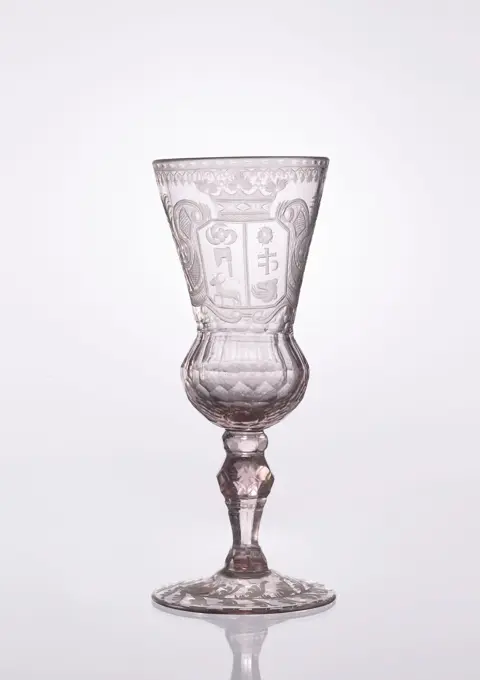
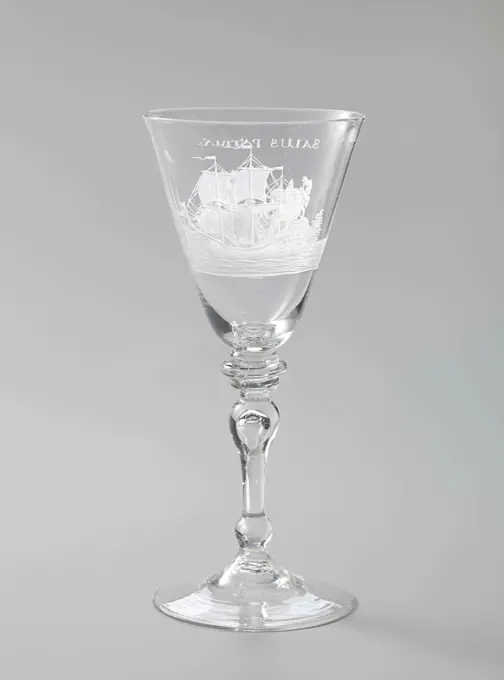
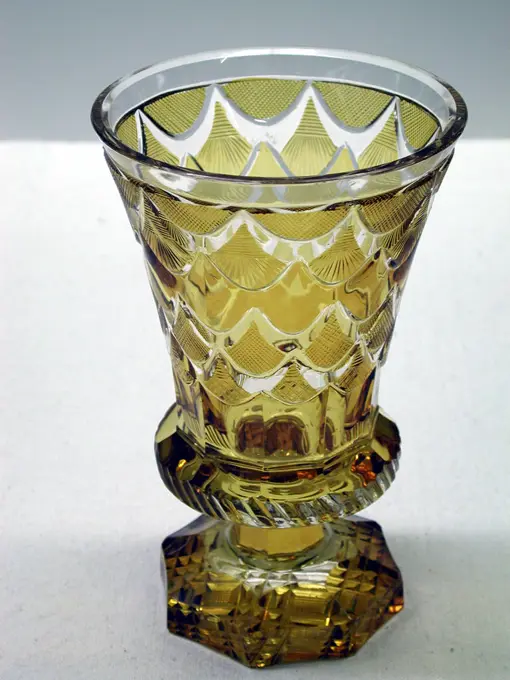
Elegant Glassware Collection

Artistic glass chalices and goblets with detailed engravings, highlighting historical glassblowing techniques and designs.
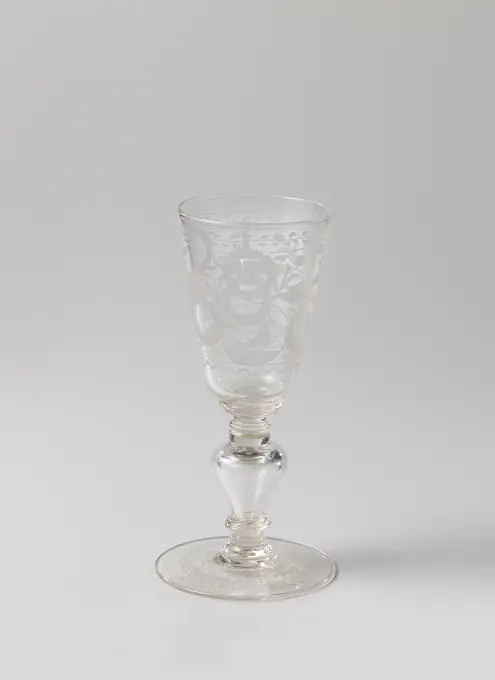
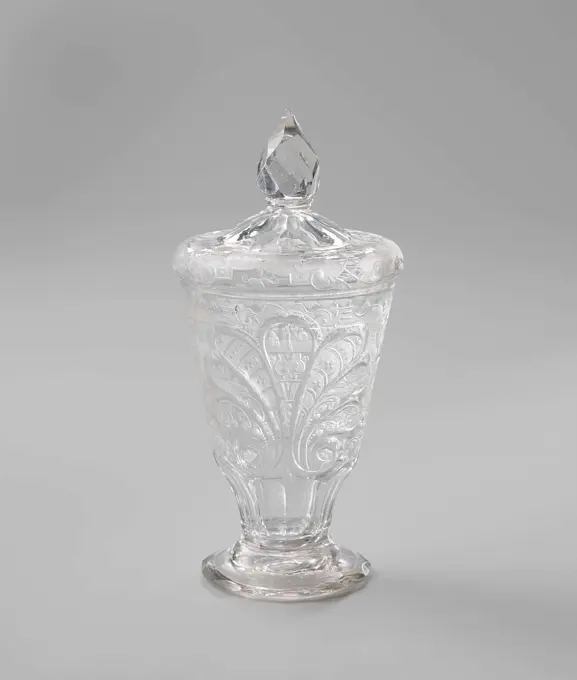
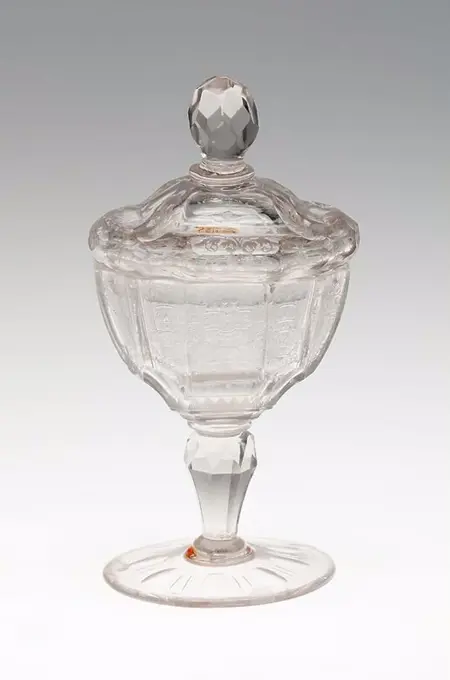
Jar, with hares and dogs, anonymous, c. 1725 - c. 1750 Hollow baluster tribe with a knot and three discs. The chalice in subjects divided into a few of which are running hares and dogs. Lid and foot decorated. Bohemia glass glassblowing Hollow baluster tribe with a knot and three discs. The chalice in subjects divided into a few of which are running hares and dogs. Lid and foot decorated. Bohemia glass glassblowing
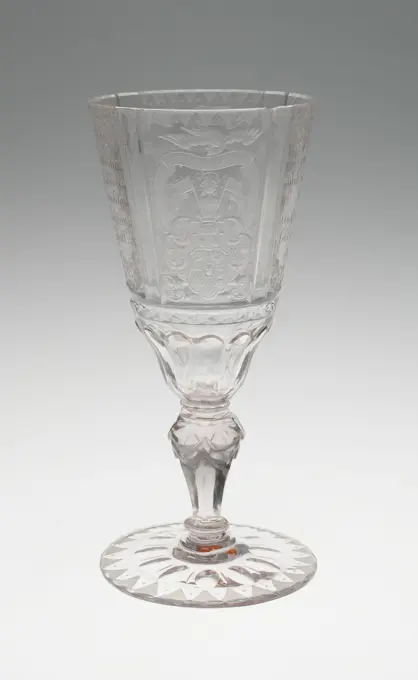
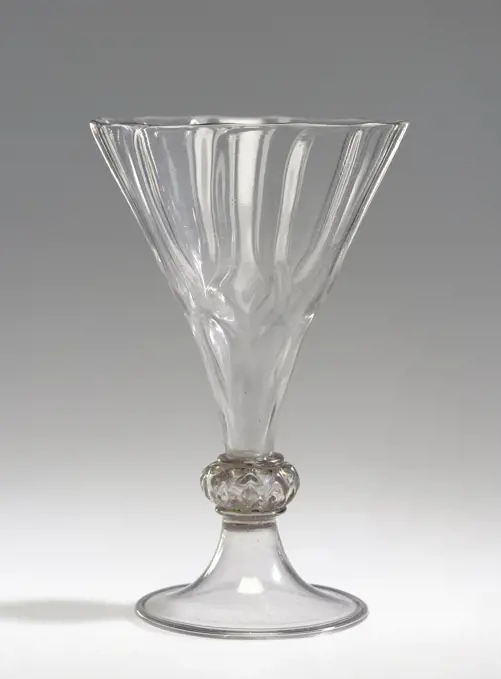
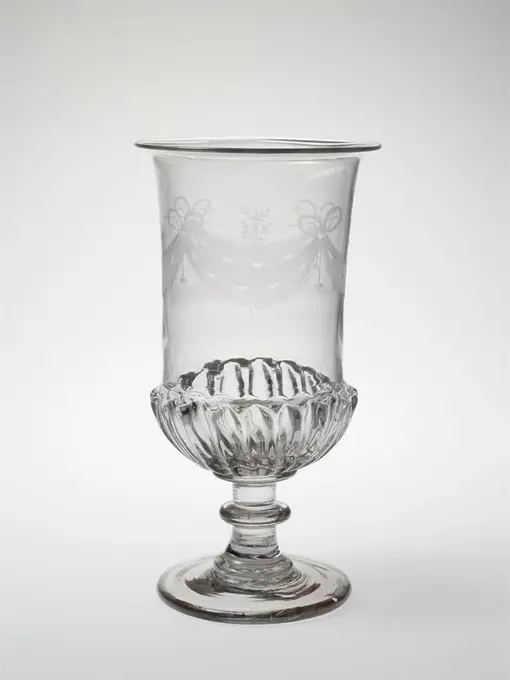
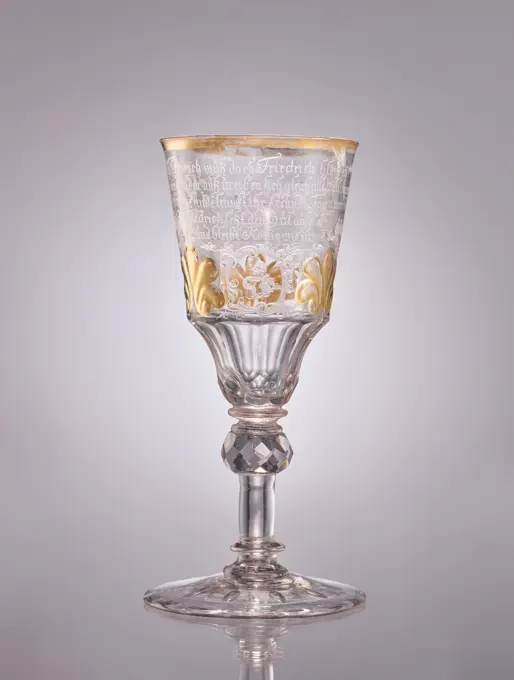
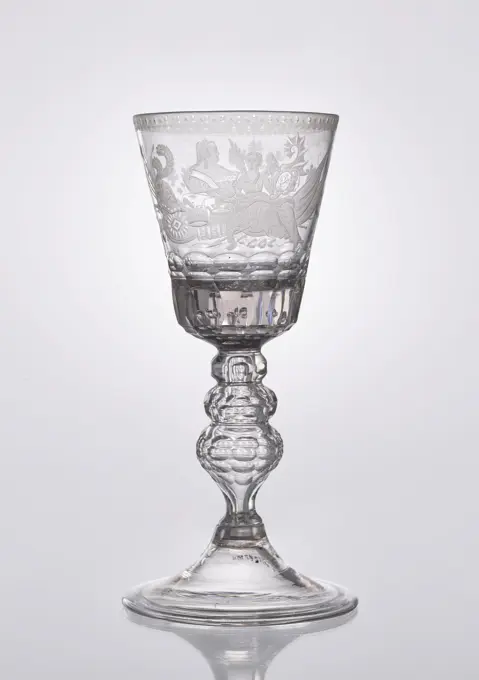
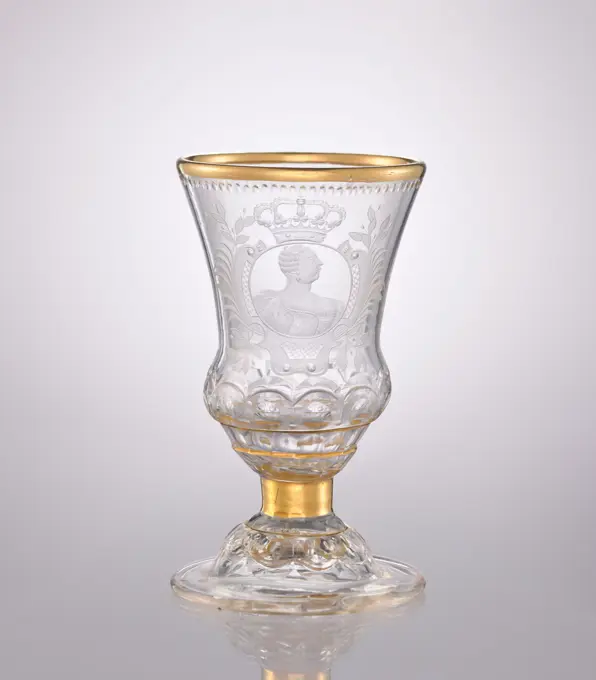
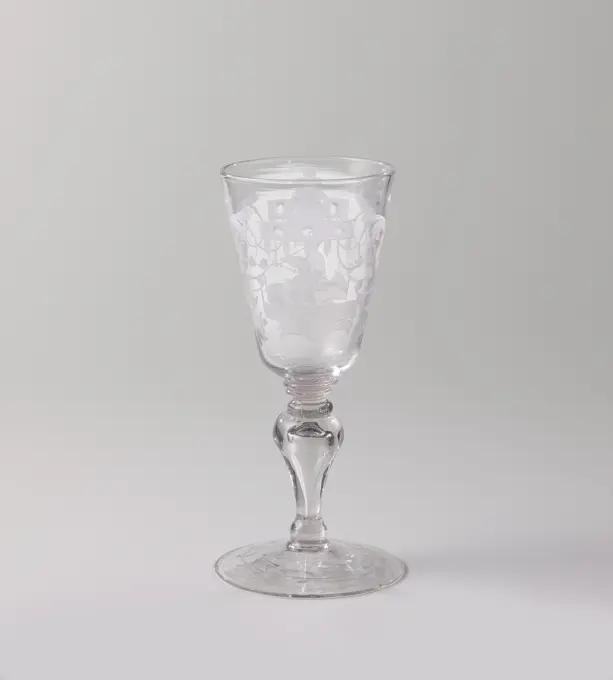
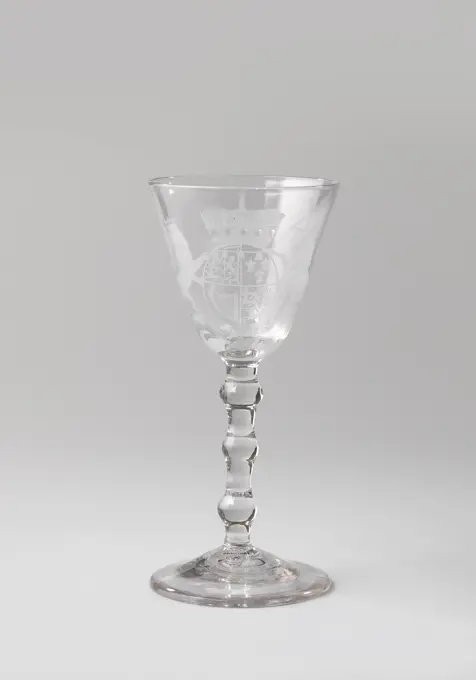
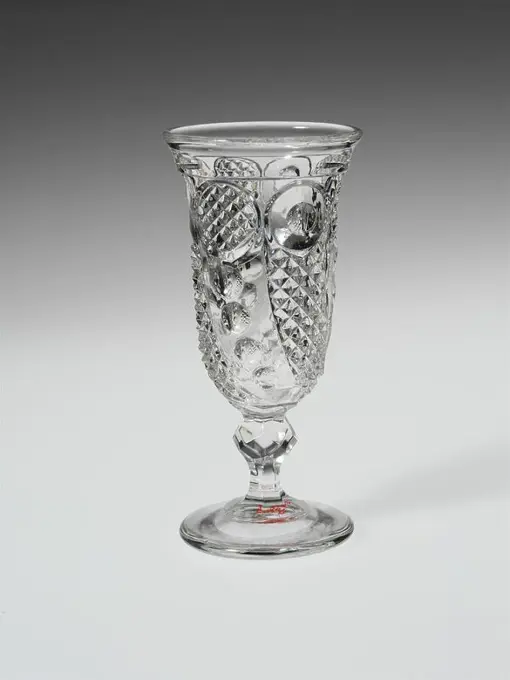
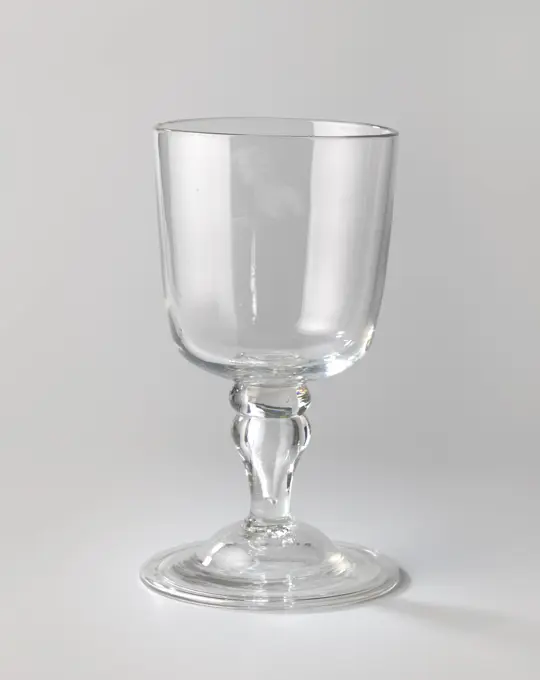
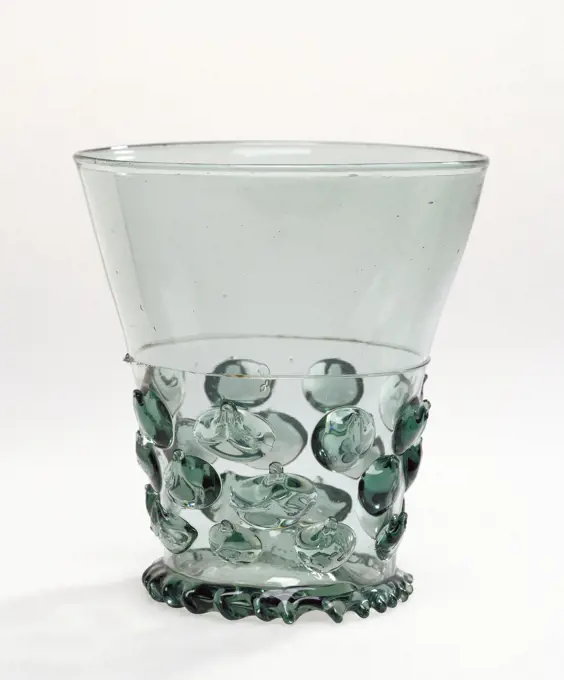
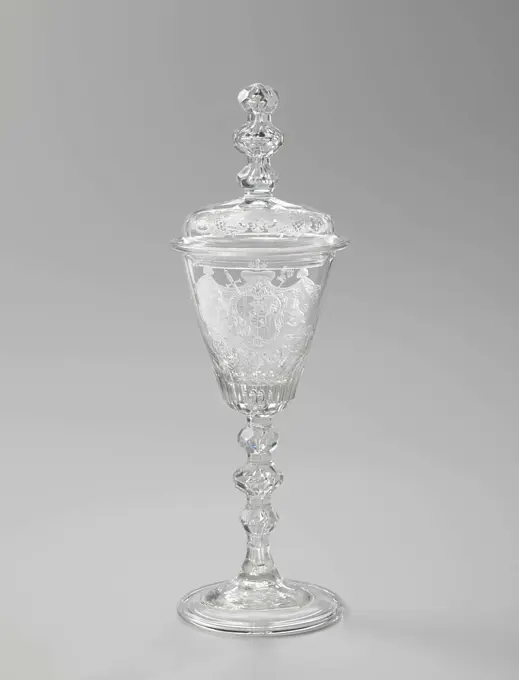
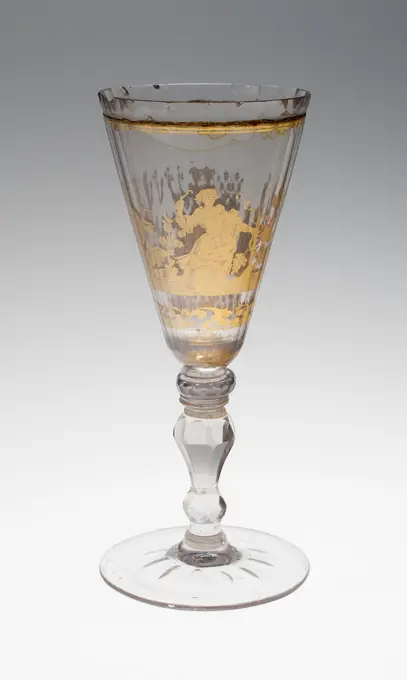
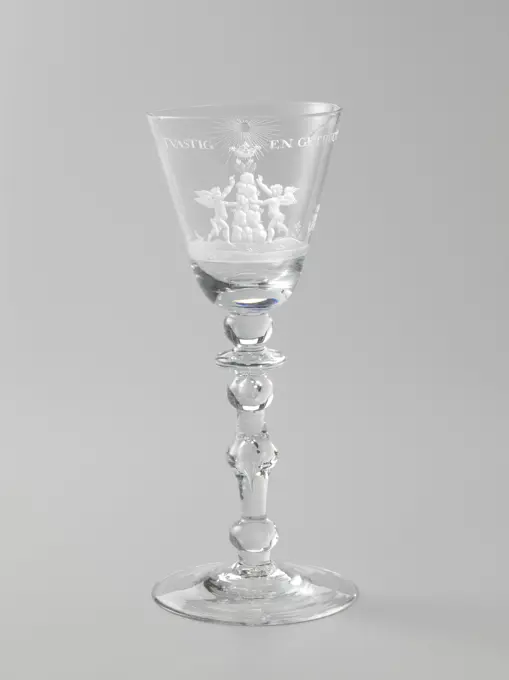
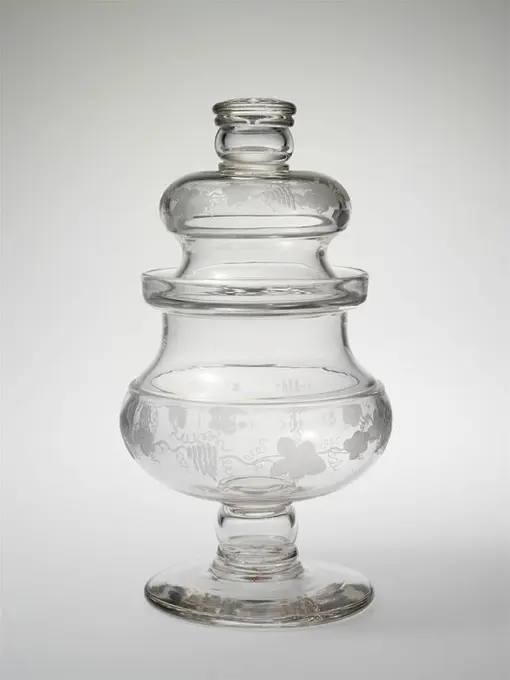
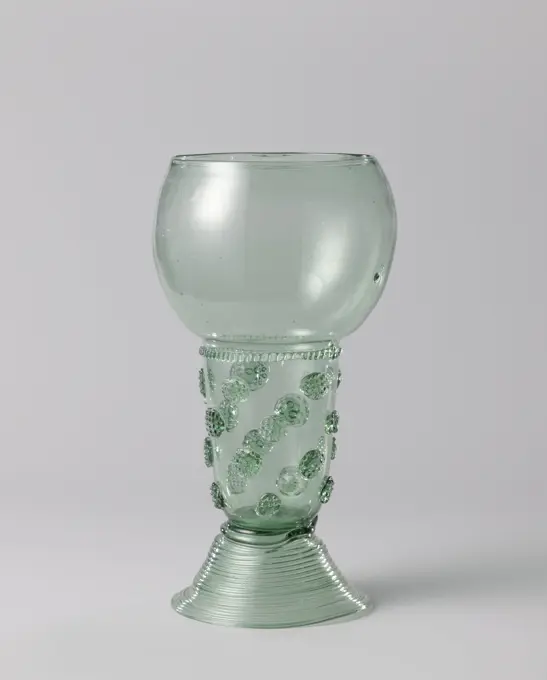
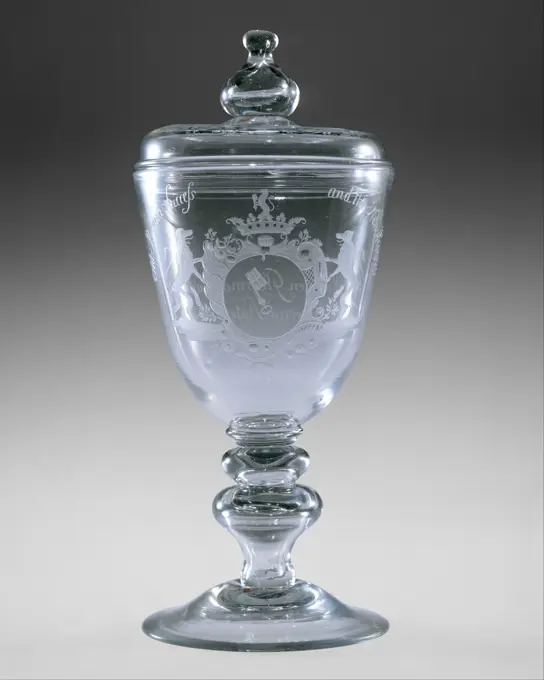
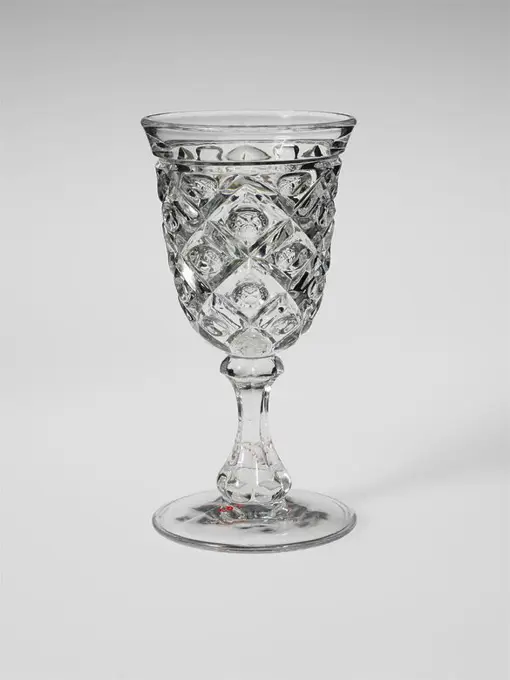
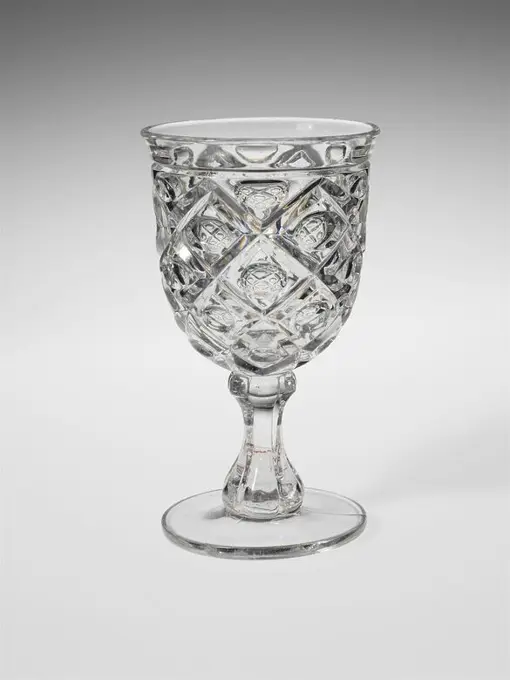
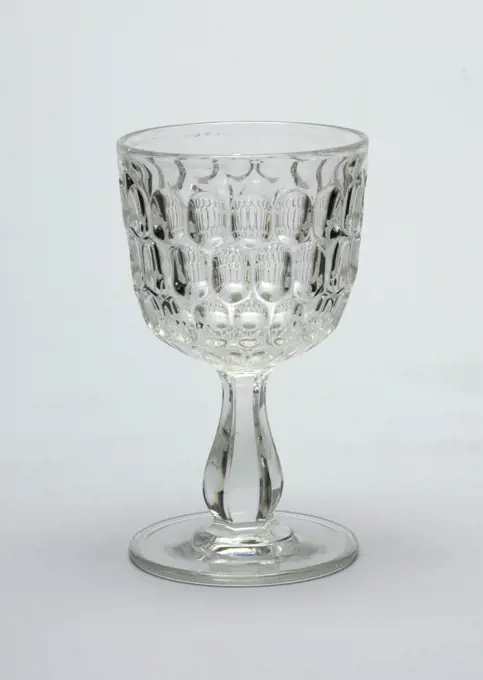
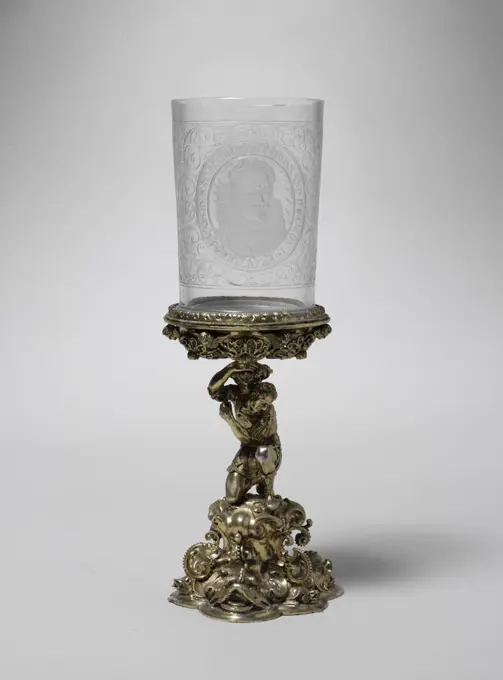
Chalice glass with two rosettes, anonymous, c. 1725 - c. 1775 Conical foot. Baluster tribe with uncut nod. Two engraved rosettes with six leaves on the chalice. Bohemia glass grinding / glassblowing Conical foot. Baluster tribe with uncut nod. Two engraved rosettes with six leaves on the chalice. Bohemia glass grinding / glassblowingKelkglas with funnel-shaped chalice, optically blown with pinched windows. Kelkglas on flat foot with nozzle optically blown ribs and a folded edge. The stem made up of a hollow, squuby baluster and two discs. Funnel shaped chalice, optically blown with pinched windows.Kelkglas with the coat of arms of the city of Rotterdam. Conical foot. Baluster-shaped strain with a compound knot and two smooth buttons. Funnel-shaped chalice with rounded bottom. On the chalice the crowned weapon of the city of Rotterdam on two leaf rights, flanked by two lions.Jar, with hares and dogs, anonymous, c. 1725 - c. 1750 Hollow baluster tribe with a knot and three discs. The chalice in subjects divided into a few of which are running hares and dogs. Lid and foot decorated. Bohemia glass glassblowing Hollow baluster tribe with a knot and three discs. The chalice in subjects divided into a few of which are running hares and dogs. Lid and foot decorated. Bohemia glass glassblowingBowl with the weapon of Willem IV. Bell-shaped base. Baluster trunk with three buttons and an elongated air bubble. Conical kuppa with solid, rounded soil. On the chalice the crowned coat of arms of Stadholder Prince Willem IV.Chalice glass with stars and horizontal stripes, c. 1725 - c. 1775 Conical foot. Facet cut, baluster -shaped trunk with three knots. Funnel -shaped chalice with rounded bottom. On the chalice three vertical tires with two stars, separated from each other by tires with horizontal stripes. Bohemia glass glassblowing Conical foot. Facet cut, baluster -shaped trunk with three knots. Funnel -shaped chalice with rounded bottom. On the chalice three vertical tires with two stars, separated from each other by tires with horizontal stripes. Bohemia glass glassblowingWineglass 1700-1750 probably British or Irish. Wineglass. probably British or Irish. 1700-1750. Glass. GlassBokaal with an Oranjeboom and the inscription: Vivat is all Cant to Oranien in Hollandt, c. 1725 - c. 1750 Bokaal of clear, colorless glass with an engraved Oranjeboom and the inscription: Vivat is calling all cant/ to Oranien/ in Hollandt. Glassblower: Saksennorthern Netherlands glass grinding / glassblowing Bokaal of clear, colorless glass with an engraved Oranjeboom and the inscription: Vivat is calling all cant/ to Oranien/ in Hollandt. Glassblower: Saksennorthern Netherlands glass grinding / glassblowing. Selk glass with polygonal baluster trunk in which an elongated air bubble. Chalice with unflaced facets above which a border with cut lace.Commemorative cupSweetmeat glass (one of a pair). Culture: British. Dimensions: Overall: 5 1/2 × 3 3/4 in. (14 × 9.5 cm). Date: ca. 1710. Museum: Metropolitan Museum of Art, New York, USA.Lidded goblet. A wheel-engraving was created by holding a glass against a rotating (copper) disc. A glue-like substance on the disc created extra friction and also cooled the glass. Dutch wheel-engravings were strongly influenced by German examples. So it is difficult to say with certainty whether the portraits of Anne of Hanover and her two children on this goblet were made in the Netherlands or commissioned by a Dutch patron in Germany. Translation of inscription: monograms APVO (Anne, Princess of Orange), WPVO (William, Prince of Orange) and CPO (Caroline, Princess of Orange).Cup with a rooster and a chicken and the inscription: par plaissirs. Flat foot with beaten edge. The trunk is a hexagonal prism with two multtening knots. On the conical chalice an engraved representation of a rooster covering a chicken, above: "Par plaisirs". Lid ribbed with engraved edge.. Bagic on faceted baluster trunk. Crash on the bottom and faceted. A mode, bent border on the trunk. Cuppa decorated in radishes with three ships and the inscription 't Welvaaren van de Verye See Vaart. Bottom of the chalice and nodus faceted horizontally.Chalice glass with twice the crowned monogram AVA between palm branches, anonymous, c. 1700 - c. 1725 Chalice glass with high chalice and short baluster tribe. On the chalice twice the same crowned monogram Ava between palm branches. A leaf wreath on the foot. glassblower: Low CountriesNorthern Netherlands glass glassblowing Chalice glass with high chalice and short baluster tribe. On the chalice twice the same crowned monogram Ava between palm branches. A leaf wreath on the foot. glassblower: Low CountriesNorthern Netherlands glass glassblowingKelkglas with sunflowers, leaf branches and circles. Vaulted foot. Hollow Baluster trunk with a knot and three discs. Conical chalice with rounded soil. On the chalice diagonal tires with sunflowers and leaf branches, interspersed by bands with four circles.Wineglass 1750-1800 British, probably Bristol. Wineglass. British, probably Bristol. 1750-1800. Glass. GlassWine glass 1824-35 Jersey Glass Company of George Dummer. Wine glass 21487Large drinking vessel ca. 1855 Brooklyn Flint Glass Company This drinking glass is one of three (2015.459.2-.4) graduated sizes of glasses made for a large luxury table service. In addition to the glasses, the Museum has a compote and a decanter from the same service (69.257, 2015.459.1a, b). Dating to the mid-19th century, the service represents a moment when dining patterns were evolving, and fine tables were set with a proliferation of glassware for different functions. A Gothic-style H” is prominently engraved on each piece of glass. The service descended in the family of Johns Hopkins (1795-1873), prominent businessman, entrepreneur, abolitionist, and philanthropist of Baltimore, Maryland. Hopkins may have purchased the service for use in his country estate, Clifton, outside of Baltimore, which he extensively renovated into an Italianate mansion in 1858. It is known that he enjoyed entertaining there, welcoming family, friends and dignitaries, including the Prince of Wales (laterKelkglas with yacht scenes. Kelkglas of bright colorless glass. On the chalice yacht scenes.Goblet 1725-1735 Schleswig. Glass .Goblet (Kelchpokal); Façon de Venise, possibly the Glashütte of Wolfgang Vitl (Austrian, active 1534 - 1540), or of Sebastian Höchstetter (Austrian, active 1540 - 1569); Hall, Austria; 1535 - 1555; Free- and mold-blown colorless (purplish gray) glass with gilding; 18.9 x 12.4 cm (7 7,16 x 4 7,8 in.)Goblet. Germany, Potsdam. Date: 1695-1705. Dimensions: H. 21.6 cm (8 1/2 in.). Glass. Origin: Potsdam. Museum: The Chicago Art Institute, Chicago, USA.Celery vase. Culture: American. Dimensions: H. 9 in. (22.9 cm); Diam. 3 7/8 in. (9.8 cm). Maker: Bakewell, Page & Bakewell (1808-1882); Possibly Benjamin Bakewell & Co. (1809-1813) or. Date: 1810-20.The molded fluting around the base of the vase may reference gadrooning on silver vessels of the seventeenth and eighteenth centuries. Museum: Metropolitan Museum of Art, New York, USA.Wine Glass 1661-1704 England. Glass .Chalice glass with an enclosed mint and monogram RGB, Anonymous, in or after 1714 - c. 1725 Conical foot with turned around. The trunk composed of a hollow knot between two composite flat knots. In the Knoop, a silver coin by George Lodewijk van Brunswijk-Lüneburg (1660-1727), dated 1714, is included. The funnel -shaped chalice with thickened bottom and air vesicles. On the chalice the crowned monogram RGB flanked by two bay branches tied together at the bottom. On the other side, on a ground with grass, two lions support a crown with a front leg and with the other a double -headed, rolled up snake. glassblower: GermanyNorthern Netherlands glass. munt: silver (metal) glassblowing Conical foot with turned around. The trunk composed of a hollow knot between two composite flat knots. In the Knoop, a silver coin by George Lodewijk van Brunswijk-Lüneburg (1660-1727), dated 1714, is included. The funnel -shaped chalice with thickened bottom and air vesicles. On the chalice the crowned monogrChalip glass with the coat of arms of the Van Beuningen family, Anonymous, c. 1700 - c. 1725 Chalice glass made of clear, colorless glass. Flat. The twisted, baluster -shaped trunk has a red spiral, a bubble and three Mereses. The funnel -shaped chalice has a rounded bottom. On the chalice, in a cartouche consisting of volutes with matted surfaces with dots and circles, surrounded by leaf work, there is an oval medallion with the crowned family crest of Beuningen, flanked by two branches that are bound together at the bottom. Along the mouth edge a band with symmetrical leaf work and flower branches. Glassblower: BOHEME DEPTION (POSSIBLY) glass glassblowing Chalice glass made of clear, colorless glass. Flat. The twisted, baluster -shaped trunk has a red spiral, a bubble and three Mereses. The funnel -shaped chalice has a rounded bottom. On the chalice, in a cartouche consisting of volutes with matted surfaces with dots and circles, surrounded by leaf work, there is an oval medallion wiDiamond Point, Pressed glass, Small faceted diamond shapes on goblet., mid-19th century, glasswares, Decorative Arts, Goblet, GobletSaltcellar 1780-1825 American. Saltcellar 6985Cup; Karlsthal (glassworks; 1754-Post 1874), Jeleniogórska Basin (engraving center; Ca 1600-); 1760-1770 (1750-00-00-1770-00-00);Portraits, genre scenes, Silesia (Prussia - 1740-1918)Cup; St. Petersburg (glassworks; 1735-1774); 1741-1762 (1740-00-00-1762-00-00);Elżbieta Romanowa (Empress Russia-1709-1762), Rusiecki-Ursyn, Stanisław (1862-1944)-collection, gift (provenance), monograms, portraits, rulersCup; Zchlin (glassworks; 1736-1890); 1740-1750 (1740-00-00-1750-00-00);Zofia Dorota Hanoverska (Queen of Prussia - 1687-1757), Portraits, rulersJar with a pipe and a bagpipe -playing Chinese, Anonymous, c. 1725 - c. 1750 Vaulted foot. Balus -shaped trunk with two knots and a tear and a conical chalice with a round bottom. On the chalice, an engraved representation of a fiddling Chinese was sitting under a canopy. On the other side a chinese bagpipe is depicted, also under a canopy. A stylized flower branch is engraved on the foot. Bohemia glass grinding / glassblowing Vaulted foot. Balus -shaped trunk with two knots and a tear and a conical chalice with a round bottom. On the chalice, an engraved representation of a fiddling Chinese was sitting under a canopy. On the other side a chinese bagpipe is depicted, also under a canopy. A stylized flower branch is engraved on the foot. Bohemia glass grinding / glassblowingKelkglas with a flute boy in the company of a girl and boy. Conical foot. Straight, faceted trunk. Funnel-shaped, rugged on the bottom. On the chalice, in a landscape with trees, a boy and girl sitting on a sofa. The boy holds a sheet of music in hand. The girl looks over his shoulder. Behind them playing a flute boy. Trees on either side.Wineglass with Jacobite emblems. Culture: British. Dimensions: Height: 6 1/4 in. (15.9 cm). Date: ca. 1745. Museum: Metropolitan Museum of Art, New York, USA.Ale Glass 1750-1850 England. Glass .Bowl with a dancing Chinese. Flat foot. Faceted baluster trunk. Conical chalice with rounded soil. On the chalice a representation of a dancing Chinese under a canopy and the inscription: Lütig Ihr Brieder.Jar with triangular fields with stylized tendrils, c. 1725 - c. 1750 Bokaal with an engraved band with triangular fields with stylized tiflets. Bohemia glass grinding / glassblowing Bokaal with an engraved band with triangular fields with stylized tiflets. Bohemia glass grinding / glassblowingBokaal with the weapon of Anna van Hannover, Anonymous, c. 1735 - c. 1750 goblet Bokaal with conical foot. Baluster tribe with three knots. Conical chalice with the crowned weapon of Anna van Hannover (1709-1759). glassblower: Low CountriesNorthern Netherlands glass glassblowingGoblet. Nieokreślona huta, factory. translation of inscription: Friendship.And.LoveNo. 103, Theophil Hansen, Dutch, 1813 - 1891, J. & L. Lobmeyr GmbH, Vienna, Austria, founded ca. 1935, Mouth-blown crystal, cut and polished ornaments, Mouth-blown crystal champagne glass, cut and polished in the 'Greek' style., 1866, glasswares, Decorative Arts, Champagne cup, Champagne cupCup on foot with lid, with the alliance weapon of two German families. Faceted, conical foot with pontital brand. Conical chalice, rounded at the bottom and lobed. Lid with a wide transferring edge and button consisting of a disk and a faceted baluster. The chalice is decorated with a seven-eyed palm with a landscape with a house in three lobes. On the downside, an alliance weapon is engraved, surrounded by foliage and band work. One weapon has a sloping bar with three times six dots and a helmet mark with three times six dots, the other is four-part: in quarter one and three a lance with a branch around it and in 15 minutes and four a climbing lion. As a helmet sign a climbing lion with lance. The lid is decorated with foliage and band work.Goblet 1850-60 American With the development of new formulas and techniques, glass-pressing technology had improved markedly by the late 1840s. By this time, pressed tablewares were being produced in large matching sets and innumerable forms. During the mid-1850s, colorless glass and simple geometric patterns dominated. Catering to the demand for moderately-priced dining wares, the glass industry in the United States expanded widely, and numerous factories supplied less expensive pressed glassware to the growing market. At the Exhibition of the Industry of All Nations at New Yorks Crystal Palace in 1853, for example, the New England Glass Company exhibited 130 pieces of one design, "consisting of bowls, tumblers, champagnes, wines, and jelly glasses." This object belongs to one such service. Although the glass manufactory is not known, the glassware is very typical of the large services that were very popular with Americas middle class in the nineteenth century.. Goblet 9942Sweetmeat Dish with Cover. Germany, Schleswig. Date: 1725-1735. Dimensions: 17.8 x 8.9 cm (7 x 3 1/2 in.). Glass. Origin: Schleswig. Museum: The Chicago Art Institute, Chicago, USA.Wineglass 1725-75 British. Wineglass. British. 1725-75. Glass. GlassSlinger glass with a vine. Kelkglas with conical foot and straight trunk. In the multiple air spiral strain. Stam continuously in trumpet-shaped chalice, which is painted around with a white vine. Along the top edge a gold-punched tris.Scale on foot, with arches and stars. Flat, facet cut foot. Facet cut, baluster-shaped strain with four discs. Wide, oval chalice with facet cut bottom. On the chalice a continuous pattern of arches under a bright, cut bond with stars. This type of glass mainly served for serving sweets.Claret Glass. Dimensions: H. 4 15/16 in. (12.5 cm). Date: 1850-70. Museum: Metropolitan Museum of Art, New York, USA.Jar with a performance of a woman, anonymous, c. 1750 Vaulted foot with turned around. Balus -shaped trunk with a tear -shaped bubble, one button. Cylindrical, rounded chalice at the bottom. A sitting woman with bare breasts on the chalice. Shoulders, chest and head are completely stipped. Robe and bare left arm are only indicated in contour with dots. glassblower: EnglandNorthern Netherlands glass glassblowing Vaulted foot with turned around. Balus -shaped trunk with a tear -shaped bubble, one button. Cylindrical, rounded chalice at the bottom. A sitting woman with bare breasts on the chalice. Shoulders, chest and head are completely stipped. Robe and bare left arm are only indicated in contour with dots. glassblower: EnglandNorthern Netherlands glass glassblowingDrinking Glass (USA); pressed glassGoblet with Cover. Netherlands. Date: 1680-1690. Dimensions: 27.9 × 8.9 cm (11 × 3 1/2 in.). Glass. Origin: Netherlands. Museum: The Chicago Art Institute, Chicago, USA.Standing Cup, c. 1715. Bohemia, 18th century. Glass; diameter: 17.8 cm (7 in.); overall: 48 x 16.3 cm (18 7/8 x 6 7/16 in.). Engraved with arms of Saxony-Poland and Hunting Scene.Prunted Beaker (Berkemeyer); Lower Rhineland, Germany; 1500 - 1550; Free-blown blue-green glass with applied decoration; 13.5 x 12.9 cm (5 5,16 x 5 1,16 in.)Jar with lid, with the weapon of Johann Philip von Walderdorff, Archsbischop and Keurvorst van Trier. Conical foot with folded edge and pontital brand. Stem constructed from three faceted nodi with a slightly inserted air bubble. Conical, connected to the underside and faceted chalice with a thickened bottom in which an air bubble has been inserted. Lid with wide flat edge, and a button consisting of three faceted nodi with an elongated inserted air bubble. On the chalice engraved the weapon of Johann Philipp von Walendersdorff, Archbischoop and Keurvors van Trier (1756-1768) held by two lions on a surface with lambrequins. Shown is a four-part arm with a capriculum in the first and third quarter and a cross in second and fourth minutes. Centrally a crowned heart shield with beams horizontal in the first and third quarters and climbing lions in the second and fourth quarter. The helmet mark consists of a lance and a staff. The faceted lid is decorated with flower and leafwork.Wine Glass 1725-1735 Bohemia. Glass with engraved gold leaf decoration .Chalice glass with putti and the inscription: stant -stable and faithful, anonymous, c. 1725 - c. 1750 Vaulted foot. Slim baluster tribe with buttons, a disc and two air bubbles. Conical chalice with a rounded base. On the chalice a representation of two crowned, flaming hearts on a rock flanked by putti. Along the mouth edge the inscription: Stant -resistant and faithful. glassblower: Low CountriesNorthern Netherlands glass glassblowing Vaulted foot. Slim baluster tribe with buttons, a disc and two air bubbles. Conical chalice with a rounded base. On the chalice a representation of two crowned, flaming hearts on a rock flanked by putti. Along the mouth edge the inscription: Stant -resistant and faithful. glassblower: Low CountriesNorthern Netherlands glass glassblowingSlingerglas with the inscription De Jong Saayer, Anonymous, c. 1750 - c. 1775 Konical foot with pontil brand. Straight trunk with a double white pendulum. Bell -shaped chalice. A facade of a house is engraved on the chalice. The facade has a crowning rococo-volutes, which says a sowing man. Above it says 'De Jong Saayer'. At the top right people look into the house, where two workmen are making jenever firing. There is a barge in the water in front of the house and wear two workmen tubs. On the downside there is a group of workmen with kicks and baskets. In the foreground, a punt is loaded with a mountain (grain), Pushed by two workers. Above the performance is 'Prosperity to Honest Men'. glassblower: EnglandNorthern Netherlands glass glassblowing Konical foot with pontil brand. Straight trunk with a double white pendulum. Bell -shaped chalice. A facade of a house is engraved on the chalice. The facade has a crowning rococo-volutes, which says a sowing man. Above it says 'De Jong Saaye. Silver guild cup, on a six-spectant foot. For the entire chalice swapped band work, between which shields with private brands and names.Sugar bowl. Culture: American. Dimensions: H. 9 11/16 in. (24.6 cm); Diam. 6 in. (15.2 cm). Maker: Probably South Boston Flint Glass Works. Date: 1815-35. Museum: Metropolitan Museum of Art, New York, USA.Kelkglas with funnel-shaped chalice. Kelkglas on conical foot. Balustroid strain with inserted air bubbles. Funnel-shaped, rugged on the bottom.Chalice glass with double arches, stars and pilasters, anonymous, c. 1725 - c. 1775 Chalice glass with polygonal baluster tribe in which an elongated bubble. Chalice with facets along the underside above which a sharpened geometric pattern of double arches, stars and pilasters. Bohemia glass glassblowing Chalice glass with polygonal baluster tribe in which an elongated bubble. Chalice with facets along the underside above which a sharpened geometric pattern of double arches, stars and pilasters. Bohemia glass glassblowingStanding cup (Pokal) late 17th century German, Nuremberg. Standing cup (Pokal). German, Nuremberg. late 17th century. Glass. GlassClaret Glass 1850-70. Claret Glass 2071Mixing glass, Glass, blown, Stemmed glass with pouring lip, England, 18th century, glasswares, Decorative Arts, Mixing glassGlass 18th century probably Dutch. Glass. probably Dutch. 18th century. Glass. GlassCupRoemer with four rows of Braamnoppen, Anonymous, c. 1650 - c. 1675 Large Roemer with inserted bottom on high, conical, spun from a wire. Inserted soil. The convex chalice blown as a whole with the trunk, which is set with four rows of small burrs. The transition from the chalice to the trunk indicated by a ribbed thread. Low Countries glass glassblowing Large Roemer with inserted bottom on high, conical, spun from a wire. Inserted soil. The convex chalice blown as a whole with the trunk, which is set with four rows of small burrs. The transition from the chalice to the trunk indicated by a ribbed thread. Low Countries glass glassblowingCovered goblet 1788 New Bremen Glass Manufactory German glassmaker John Frederick Amelung (1741/2-1798) opened a glasshouse in western Maryland in 1787, responding to America's desire for economic independence from Britain and the need to develop domestic manufactures. Within a few years, he was producing a variety of window glass, bottles, and tableware at his New Bremen factory. Some of Amelung's products feature elaborate engraved decoration in the Germanic style. This example is signed by the factory and is the earliest dated example known. Engraved with the arms of Bremen, Germany, and the inscription, "Old Bremen Success and the New Progress / New Bremen Glassmanufactory 1788 / North America State of Maryland," this goblet, or pokal, was found in Germany and may have been presented by Amelung to his German investors as a triumphant toast to his successful American glass factory.. Covered goblet 2390Wine Glass. Culture: American. Dimensions: Dimensions unavailable. Date: 1850-60.With the development of new formulas and techniques, glass-pressing technology had improved markedly by the late 1840s. By this time, pressed tablewares were being produced in large matching sets and innumerable forms. During the mid-1850s, colorless glass and simple geometric patterns dominated. Catering to the demand for moderately-priced dining wares, the glass industry in the United States expanded widely, and numerous factories supplied less expensive pressed glassware to the growing market. At the Exhibition of the Industry of All Nations at New York's Crystal Palace in 1853, for example, the New England Glass Company exhibited 130 pieces of one design, "consisting of bowls, tumblers, champagnes, wines, and jelly glasses." This object belongs to one such service. Although the glass manufactory is not known, the glassware is very typical of the large services that were very popular with America's midTaperstick ca. 1770 Irish. Taperstick. Irish. ca. 1770. Glass. GlassA cup with the coat of arms of the Duchy of Kurland and Semigalia, from the reign of Karol Kristian Wettyn unknownBeaker 1500-1599 Germany. Green glass .Maker Unknown, Salt, c. 1790-1820, colorless lead glass, cobalt glass rim.Kelkglas with trumpet-shaped chalice. Flat foot with beaten edge. The stem made up of a hollow, squuby baluster and two discs. Trumpet-shaped chalice.Goblet. Culture: American. Dimensions: H. 6 1/4 in. (15.9 cm); Diam. 3 5/16 in. (8.4 cm). Date: 1850-60.With the development of new formulas and techniques, glass-pressing technology had improved markedly by the late 1840s. By this time, pressed tablewares were being produced in large matching sets and innumerable forms. During the mid-1850s, colorless glass and simple geometric patterns dominated. Catering to the demand for moderately-priced dining wares, the glass industry in the United States expanded widely, and numerous factories supplied less expensive pressed glassware to the growing market. At the Exhibition of the Industry of All Nations at New York's Crystal Palace in 1853, for example, the New England Glass Company exhibited 130 pieces of one design, "consisting of bowls, tumblers, champagnes, wines, and jelly glasses." This object belongs to one such service. Although the glass manufactory is not known, the glassware is very typical of the large services that were very popTumbler 1850-70 Bakewell, Pears and Company. Tumbler 9068Candlestick. Culture: British. Dimensions: Height: 9 3/4 in. (24.8 cm). Date: ca. 1760. Museum: Metropolitan Museum of Art, New York, USA.Compote 1810-25 Benjamin Bakewell & Co. The rhythmic design of a band of leaves and daisies framed by stylized, berry-studded branches was one of the stock engraving patterns at the Bakewell factory.. Compote 2207Goblet with the Arms of Liechtenberg; Façon de Venise, Southern Bohemia (probably), Czech Republic; 1500 - 1530; Free-blown colorless (slightly pinkish-brown) glass with gold leaf and enamel decoration; 23.5 x 16.2 cm (9 1,4 x 6 3,8 in.)goblet, pressed glass, Clear glass. Slightly tapering cylindrical cup curving to knoped faceted stem on flat circular foot. Pressed decoration of diagonal bands of geometric patterns and folding fans on cup., ca. 1880, glasswares, Decorative Arts, gobletWine Goblet ca. 1867 Boston & Sandwich Glass Company. Wine Goblet. American. ca. 1867. Blown glass. Made in Sandwich, Massachusetts, United StatesWine glass with a cockerel mating with a chicken. translation of inscription: May it always be soFaçon de Venise Beaker. Flemish; Antwerp. Date: 1580-1600. Dimensions: H. 21.1 × 13.5 cm (8 5/16 × 5 5/16 in.). Colorless glass with gilding. Origin: Antwerp. Museum: The Chicago Art Institute, Chicago, USA.Syllabub Glass, c. 1720. England, 18th century. Glass; diameter: 6.4 cm (2 1/2 in.); overall: 10.2 x 6.7 cm (4 x 2 5/8 in.).Beaker (Maigelbecher); Germany; 1450 - 1525; Mold-blown pale blue-green glass; 8.7 x 8.3 cm (3 7,16 x 3 1,4 in.)Pair of Compotes. American; New York, New York. Date: 1851-1857. Dimensions: Ea. 26 × 26 cm (10 1/4 × 10 1/4 in.). Cut glass. Origin: New York. Museum: The Chicago Art Institute, Chicago, USA.Roemer with four rows of raspberry prunts. The Netherlands or Germany, c. 1650-1700glassPitcher 1800-1899 Germany. Glass; molded and cut, gilt bronze mounts .Tumbler. Culture: American. Dimensions: H. 3 3/4 in. (9.5 cm). Maker: Bakewell, Pears and Company (1836-1882). Date: 1850-70. Museum: Metropolitan Museum of Art, New York, USA.No. 98 White Wine Glass; Designed by Ludwig Lobmeyr (Austrian, 1829 - 1917); Manufactured by J. & L. Lobmeyr GmbH (Austria); Austria; mouth-blown crystal, faceted cut and polishedBokaal of filigree glass, anonymous, c. 1590 - c. 1650 Vaulted foot with turned around. The trunk made up of a hollow nodus between two discs. The lower part of the chalice tied three times, the upper clock -shaped. Foot, stem and chalice of filigree glass a fili and a retortoli, the rings of colorless glass. Low Countries glass glassblowing Vaulted foot with turned around. The trunk made up of a hollow nodus between two discs. The lower part of the chalice tied three times, the upper clock -shaped. Foot, stem and chalice of filigree glass a fili and a retortoli, the rings of colorless glass. Low Countries glass glassblowingGlass; Heckert Fritz (Petersdorf; 1866-1918); around 1900 (1895-00-00-1900-00-00);Przybyszewski Wojciech, PurchaseChalice glass with tulip -shaped chalice and a trunk with three dolphins, anonymous, c. 1800 - c. 1900 Small chalice glass with flat base. Stam made up of three twisted threads. On the three wires three dolphins of blue glass with gilding; Eyes of green and black glass. Tulip -shaped, high chalice. Venice glass glassblowing / gilding Small chalice glass with flat base. Stam made up of three twisted threads. On the three wires three dolphins of blue glass with gilding; Eyes of green and black glass. Tulip -shaped, high chalice. Venice glass glassblowing / gildingRoemer with two rows of Braamnoppen, Anonymous, c. 1750 - c. 1810 Roemer with inserted bottom on high, concave, spun from a wire. The spherical chalice and the trunk, which is occupied with two rows of blackberry naps, are blown separately. The transition from the chalice to the trunk is indicated by a ribbed thread. Netherlands glass glassblowing Roemer with inserted bottom on high, concave, spun from a wire. The spherical chalice and the trunk, which is occupied with two rows of blackberry naps, are blown separately. The transition from the chalice to the trunk is indicated by a ribbed thread. Netherlands glass glassblowingThumbprint, Pressed glass, Four rows of concaved ovals on goblet., mid-19th century, glasswares, Decorative Arts, Goblet, GobletStanding cup first half 17th century Wolff Christoff Ritter. Standing cup 193602Glass; Naliboki (glassworks; 1722-1862), Urzecze (Huta Zwierciadlana; 1737-1846); 3. Exercise of the 18th century (1750-00-00-1775-00-00);Rusiecki-Ursyn, Stanisław (1862-1944)-collection, gift (provenance), coats of armsWine glass with a ship. translation of inscription: To the Salvation of the FatherlandGoblet ca. 1830-40 Bohemian. Goblet 207897