Elegant Glassware Collection

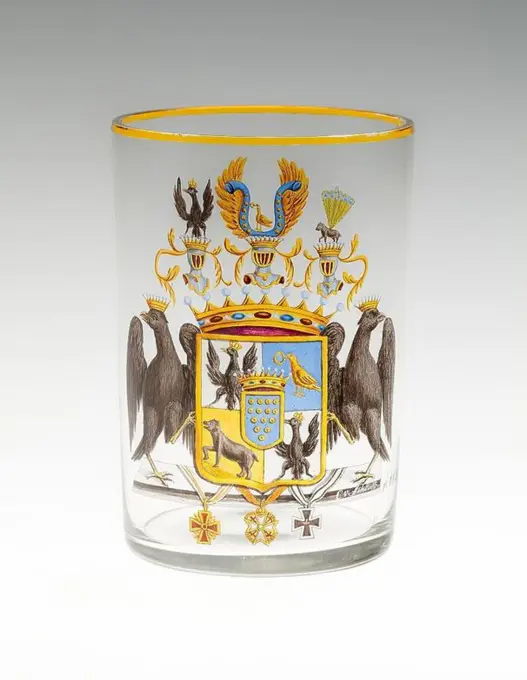
Artistic glass chalices and goblets with detailed engravings, highlighting historical glassblowing techniques and designs.
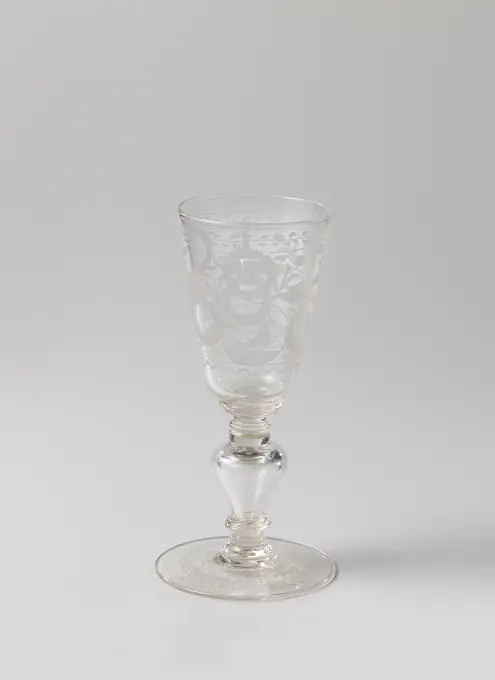
Jar, with hares and dogs, anonymous, c. 1725 - c. 1750 Hollow baluster tribe with a knot and three discs. The chalice in subjects divided into a few of which are running hares and dogs. Lid and foot decorated. Bohemia glass glassblowing Hollow baluster tribe with a knot and three discs. The chalice in subjects divided into a few of which are running hares and dogs. Lid and foot decorated. Bohemia glass glassblowing
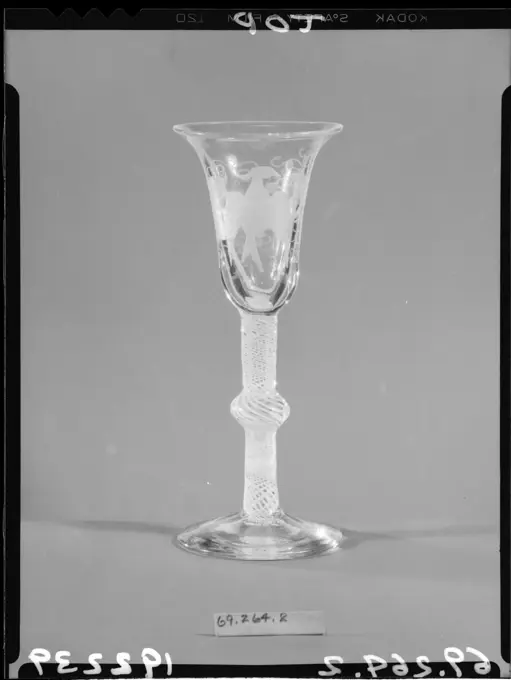
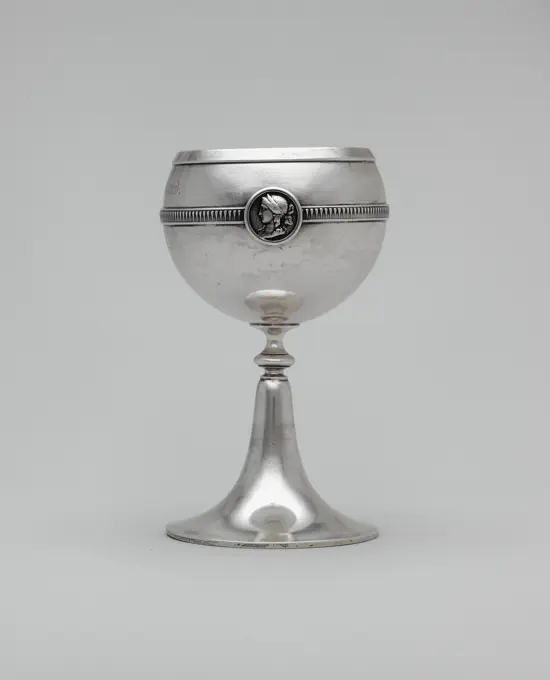
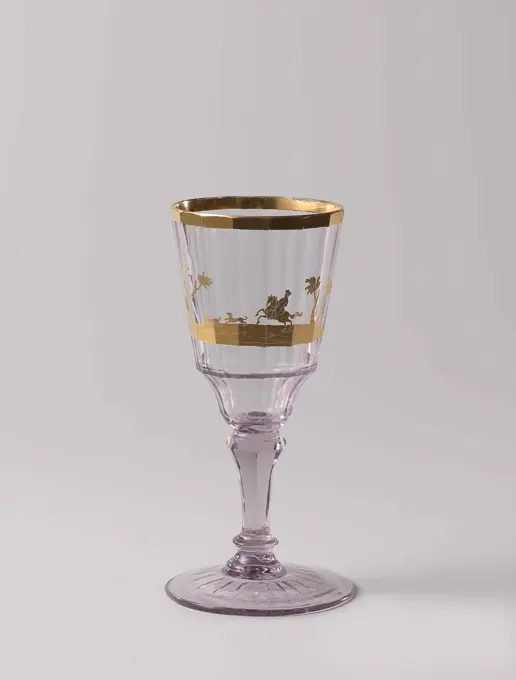
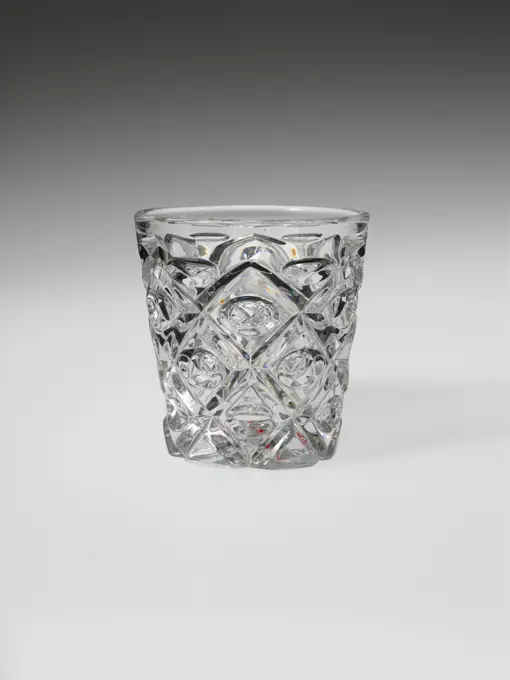
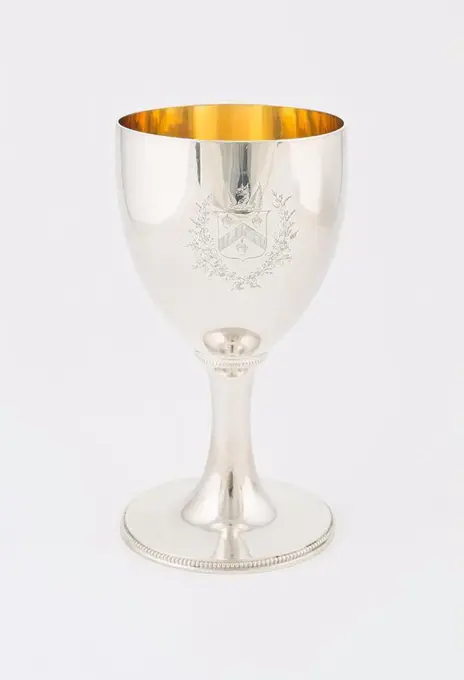
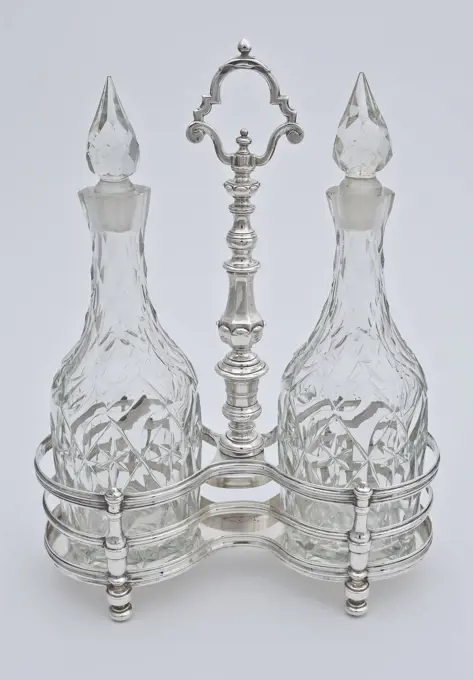
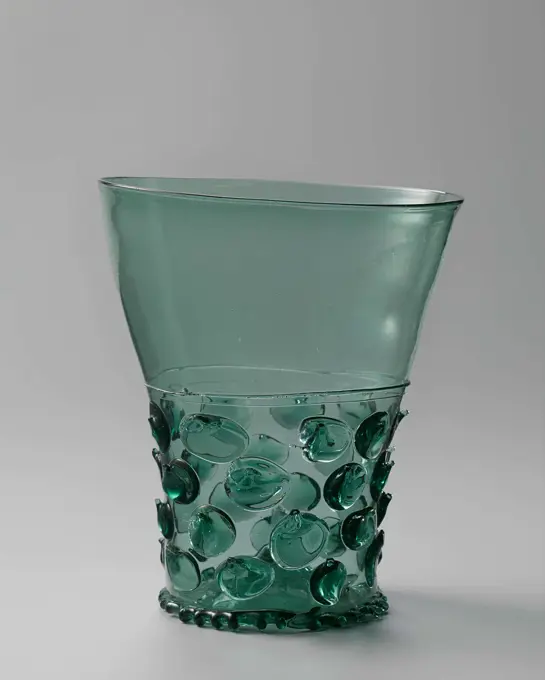
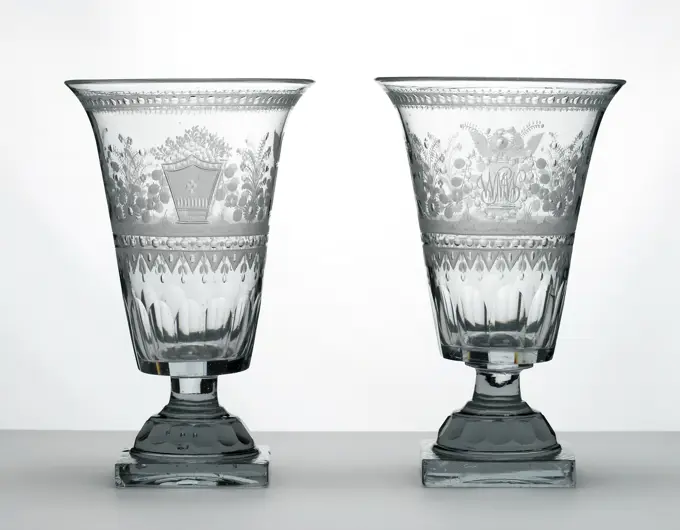
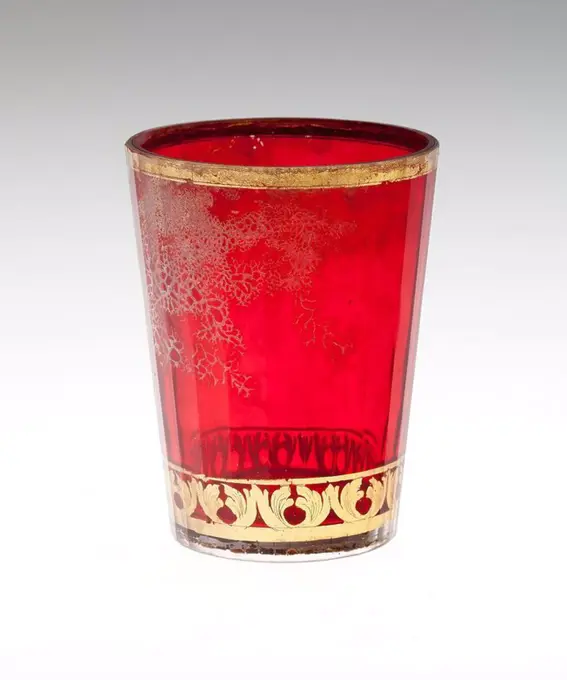
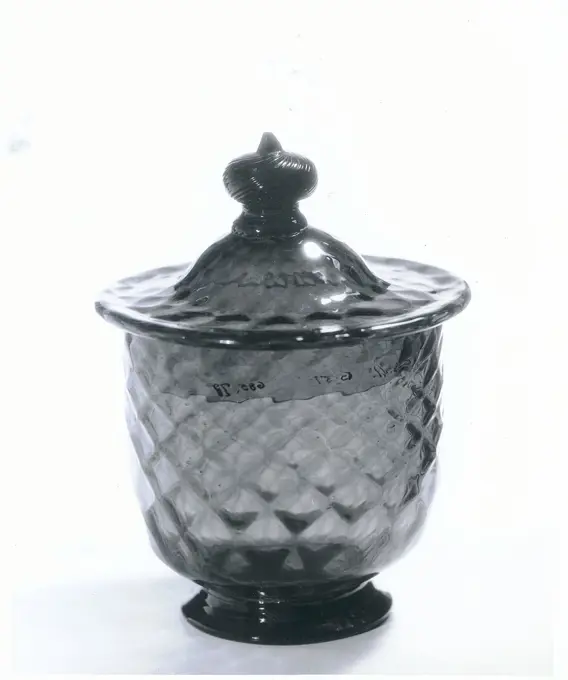
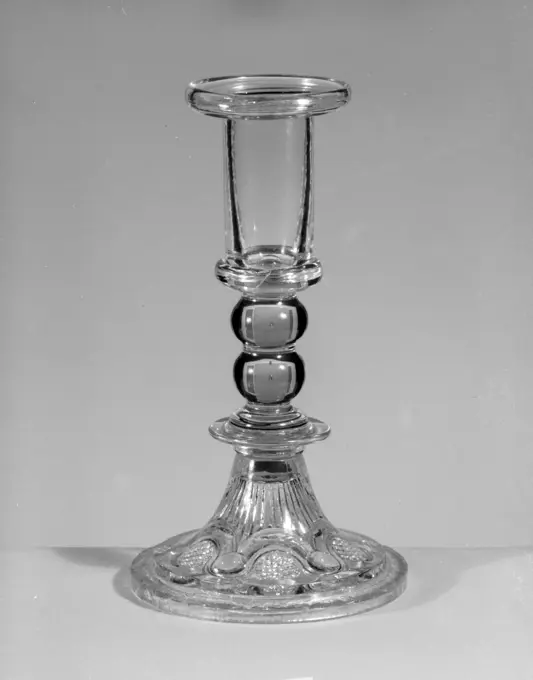
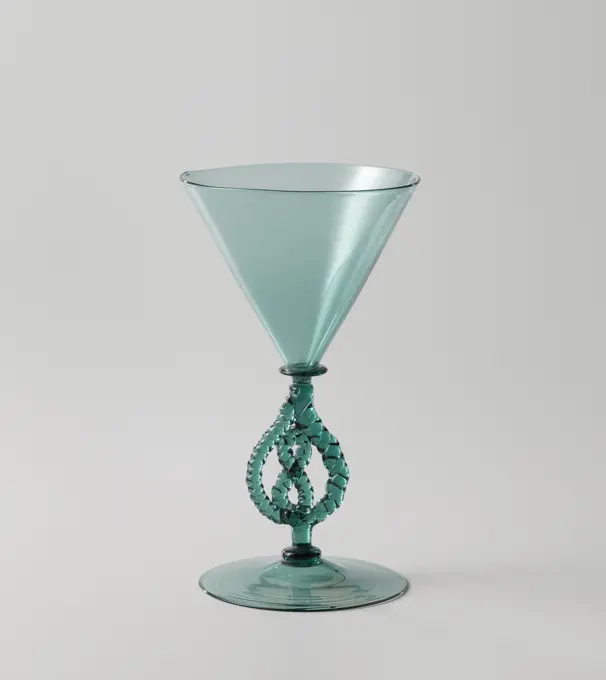
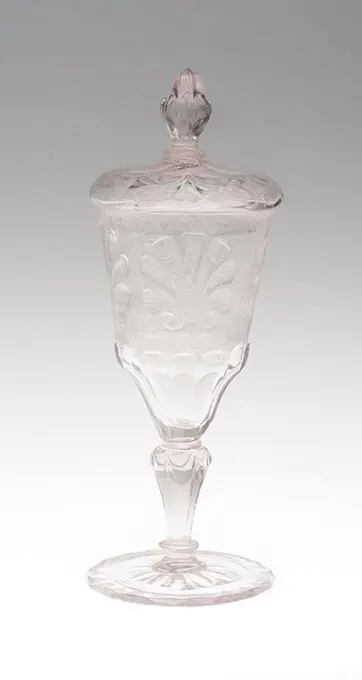
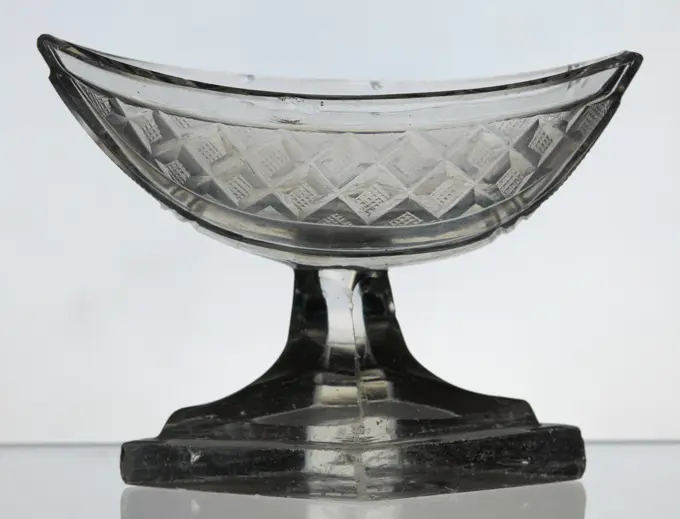
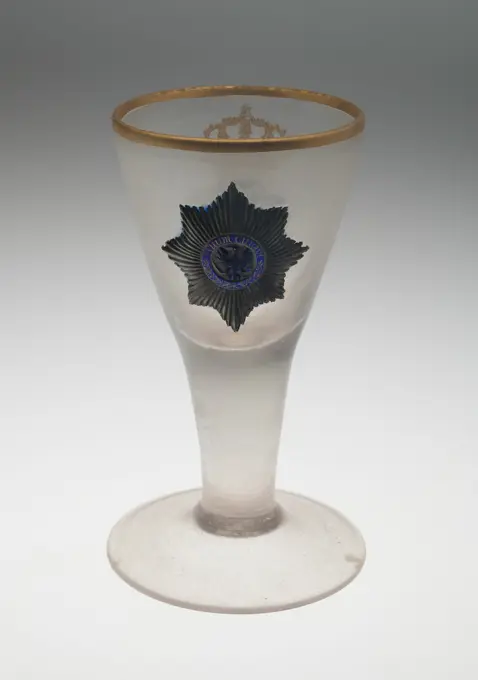
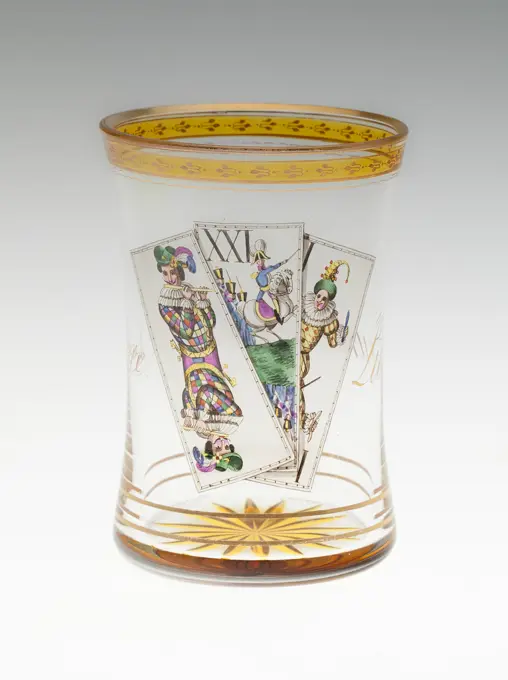
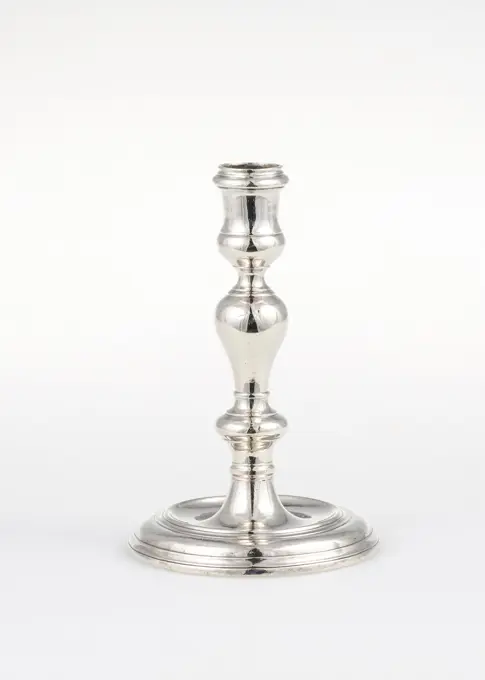
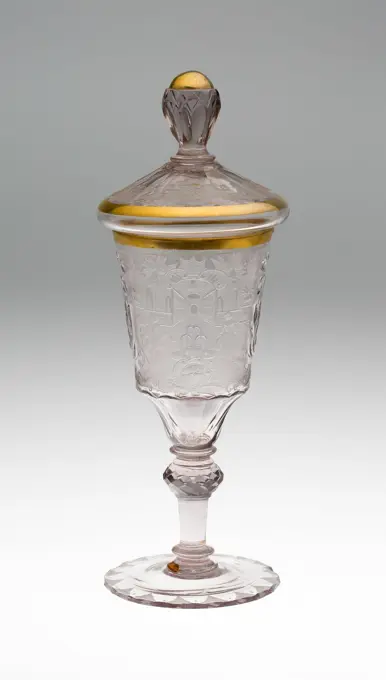
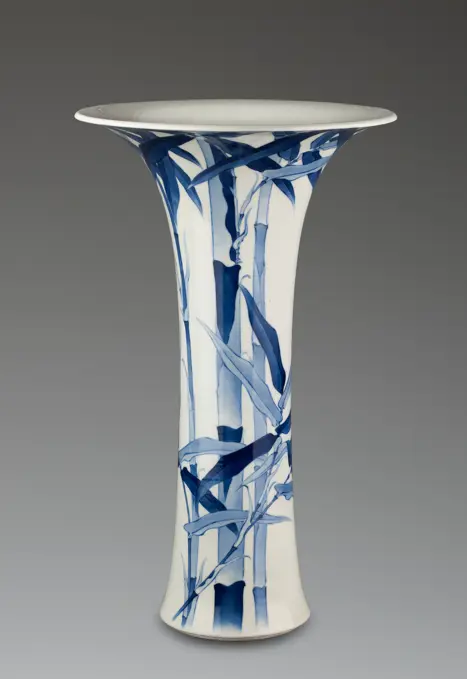
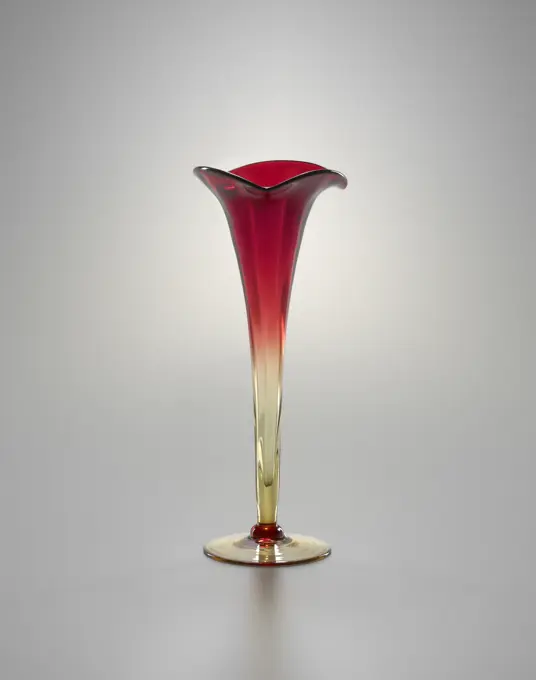
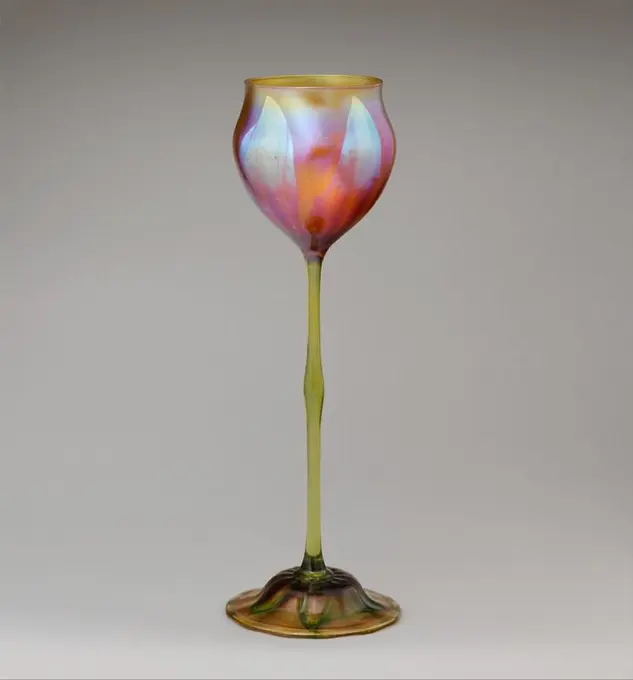
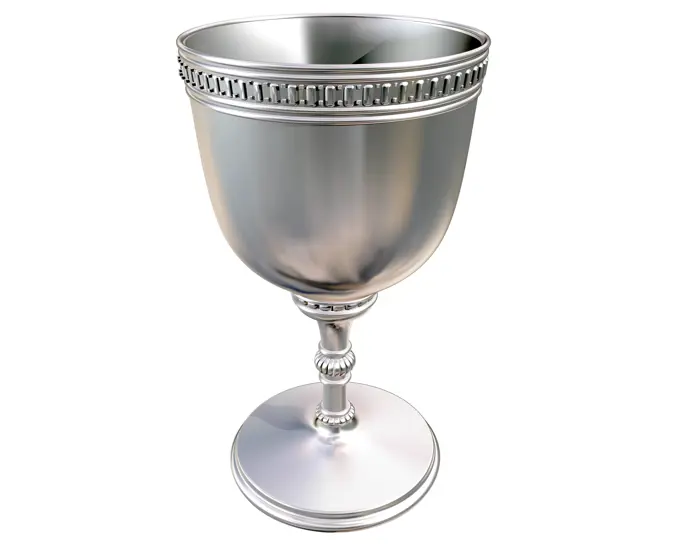
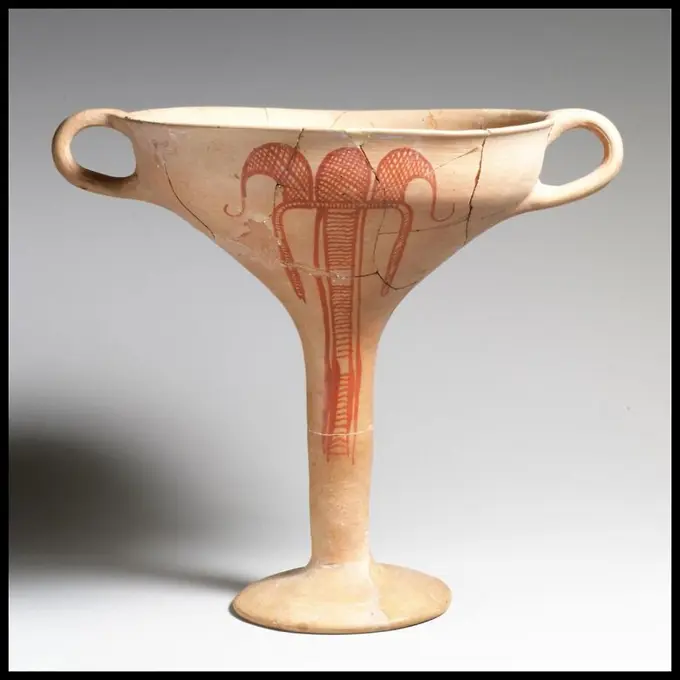
Bokaal from Zwischengoldglas, with a fox hunt and a hare hunt, anonymous, c. 1720 - c. 1740 Flat base with turned around, cut at the bottom with oval, interspersed with a double line. Double cuff, faceted, baluster -shaped tribe with a also faceted nodus between two sliders. Funnel -shaped, frequently faceted chalice rounded at the bottom. Facetted lid with a button made up of a faceted nodus and a cone. In the bottom of the chalice a gilded medallion with windows surrounded by a border palmets. On the chalice, under a band with festons and leaf work a fox hunt with two hunters, a hare hunt with a hunter on horseback and a hunter on foot, and two horsemen and a lady on horseback, accompanied by a servant. At the top, the performance is closed with an Akanthus leaves. The medallion in the soil repeats itself in the lid. Bohemia glass glassblowing / grinding Flat base with turned around, cut at the bottom with oval, interspersed with a double line. Double cuff, faceted, baluster -shaped Maker Unknown, Vase, c. 1850-1880, colorless and opaque white glass.Standing cup with cover mid-18th century German. Standing cup with cover. German. mid-18th century. Glass. GlassWine Glass 1765-70 British. Wine Glass. British. 1765-70. Non-lead glass. Made in EnglandWineglass (pastiche). Culture: Northern European or Italian (Venice). Dimensions: H. 19.8 cm. Date: 17th century. Museum: Metropolitan Museum of Art, New York, USA.Glass; Venice (Occasional Szklarski; Ca 1000-), Netherlands; 2. PO. XVII century (1650-00-00-1700-00-00);Wig stand, Tin-glazed earthenware, Bulbous wig stand on a long stem with sculptural and painted rings. Spread foot. Loose painting. Chinoiserie scene in manganese and cobalt. Watery glaze., possibly France, Europe, 18th century, ceramics, Decorative Arts, Wig standGoblet ca. 1865 Gorham Manufacturing Company The mid-nineteenth century witnessed an efflorescence of creativity in the American silver industry, fueled by the burgeoning middle classs increasing demand for refined luxury goods. Silversmiths devoted considerable time and creative energy to generating an endless variety of new designs and patterns. During the 1860s and 1870s silver flatware ornamented with portrait medallions inspired by antique coins and cameos enjoyed widespread popularity, with virtually every American silversmith producing their own proprietary "medallion" pattern. Gorham Manufacturing Companys designer George Wilkinson patented a medallion flatware pattern in 1864, and the quantity and variety of surviving silver in this pattern attest to its success. Medallions from this flatware pattern ornament the goblet as well as a tea set (.1-.3) and toast rack (.4) in the American Wings collection. The goblet bears the marks of a Boston retailer, Bigelow Bros. & Kennard Water glass, from a set of four, c. 1830, 5 1/4 x 3 1/4 x 3 1/4 in. (13.34 x 8.26 x 8.26 cm), Cut glass, France (), 19th century, These glasses comprise one of several table settings owned by William and Mathilda Wilkins and used with the adjacent celery vase at Homewood, the Wilkins' country estate near Pittsburgh.Sherry glass, from a set of four, c. 1830, 4 1/4 x 2 3/8 x 2 3/8 in. (10.8 x 6.03 x 6.03 cm), Cut glass, France (), 19th centuryKelkglas with a rider with two dogs. Conical foot with cut decoration of ellipses on the bottom. In facets ground, baluster-shaped strain with one disc. Funnel-shaped, faceted chalice with concave bent underside. On the chalice in gilt a rider and two dogs in a landscape. Along the top edge of the chalice a golden trim.Chalip glass with the weapon of Willem III, Anonymous, c. 1675 - c. 1700 Konical base with changed edge and pontil brand. Hollow, baluster -shaped trunk with two flat discs. Funnel -shaped chalice rounded at the bottom. On the Kelk, the crowned weapon of Stadholder-King Willem III is engraved, surrounded by the garter of the eponymous order and the corresponding saying 'Honi soit QVI MAL Y PENSE'. On the downside is the inscription 'The Prince of Orange'. The thickened, vertical parts of the letter O of Orange are executed in the form of two and Profil Maskerons. Two flower branches are engraved on the foot. glassblower: Low CountriesRotterdam glass glassblowing Konical base with changed edge and pontil brand. Hollow, baluster -shaped trunk with two flat discs. Funnel -shaped chalice rounded at the bottom. On the Kelk, the crowned weapon of Stadholder-King Willem III is engraved, surrounded by the garter of the eponymous order and the corresponding saying 'Honi soit QVI MAL Y PENSE'. OGlass;  1920-39 (1920-00-00-1939-00-00);Footed bowl ca. 1500-1525 Italian (Venice). Footed bowl 460894Candlestick - Inconnu / UnknownTumbler 1850-60 American With the development of new formulas and techniques, glass-pressing technology had improved markedly by the late 1840s. By this time, pressed tablewares were being produced in large matching sets and innumerable forms. During the mid-1850s, colorless glass and simple geometric patterns dominated. Catering to the demand for moderately-priced dining wares, the glass industry in the United States expanded widely, and numerous factories supplied less expensive pressed glassware to the growing market. At the Exhibition of the Industry of All Nations at New Yorks Crystal Palace in 1853, for example, the New England Glass Company exhibited 130 pieces of one design, "consisting of bowls, tumblers, champagnes, wines, and jelly glasses." This object belongs to one such service. Although the glass manufactory is not known, the glassware is very typical of the large services that were very popular with Americas middle class in the nineteenth century.. Tumbler 9125Goblet (England); copper, silver, gold, leadPlateau; Hunt & Roskell (London; company Z Otnicz; Fl. 1822-1965), Hunt, John Samuel (1785-1865); 1853/54 (1853-00-00-1854-00-00);Roemer with three blue burrs, anonymous, c. 1650 - c. 1750 Roemer on trumpet -shaped slanted base. The chalice blown as a whole with the trunk, which is set with three blue bars. A ribbed thread on the transition from the trunk to the chalice. Low Countries glass glassblowing Roemer on trumpet -shaped slanted base. The chalice blown as a whole with the trunk, which is set with three blue bars. A ribbed thread on the transition from the trunk to the chalice. Low Countries glass glassblowingCandlestick of smooth silver with short trunk and round base, gaming table randeler or travel candlestick, Martinus van Stapele, 1779 Round candlestick of smooth silver consisting of a foot, a short trunk and a candle holder. The foot is filled with lead. Marked and dated. Remark; This candlestick is part of a set of four. See inv.nrs. (BK-1992-29-A and BK-1989-10-A and B). The Hague silver (metal). lead (metal) casting Round candlestick of smooth silver consisting of a foot, a short trunk and a candle holder. The foot is filled with lead. Marked and dated. Remark; This candlestick is part of a set of four. See inv.nrs. (BK-1992-29-A and BK-1989-10-A and B). The Hague silver (metal). lead (metal) castingFacon-de-Venise Filigree Goblet, second half 16th century, 5 1/2 x 5 1/2 x 5 1/2 in. (13.97 x 13.97 x 13.97 cm), Glass, Netherlands, 16th centuryGoblet. Hester Bateman; English, 1708-1794; London, England. Date: 1784-1785. Dimensions: H. 18.7 cm (7 3/8 in.). Silver and silver gilt. Origin: London. Museum: The Chicago Art Institute, Chicago, USA.Silversmith: Hendrik van Beest, Silver oil and vinegar set with two identical crystals with two identical caps, oil and vinegar bottle holder silver glass lead glass (), crystal servingBeaker late 15th century German These beakers were used for drinking wine or distilled beverages. The glassblower decorated each vessel by rolling a hot gather of glass at the end of the iron against a patterned surface. Because of their fragility, few beakers of this type have survived intact.. Beaker. German. late 15th century. Mold-blown glass. Glass-VesselsStemcup with Pearl-Edged Lobes and Central Floret. China. Date: 1279-1368. Dimensions: H. 9.5 cm (3 3/4 in.); diam. 8.9 cm (3 1/2 in.). Qingbai ware; glazed porcelain with underglaze applied decoration. Origin: China. Museum: The Chicago Art Institute, Chicago, USA.Salt or BonnetGlassCompote c 1861-1870 United States. Marble glass . Artist unknownRummer 1750-1850 England. Glass .Berkemeyer with four rows of prunts. The Netherlands or Germany, c. 1575-1625glassWine urn 1869-80 Probably Boston & Sandwich Glass Company Because the mold for such an ambitious piece as this one would have been very costly, this urn was probably one of the most expensive pressed-glass articles of its time. It is decorated in a pattern called "magnet and grape" by collectors. The patent information on the spigot indicates that this piece was manufactured after 1869, although the pattern may date from around 1850. The design motif reflects Victorian delight in ornament appropriate to the object; here, a bunch of grapes for a wine urn.. Wine urn 9982Roemer with three putti and a garland, anonymous, c. 1680 - c. 1725 Conical, spun foot. Pontil brand. Round chalice, the trunk decorated with three rows of flat burrs. The transition from the trunk to the chalice is formed by a ribbed thread. On the chalice a garland with three putti, respectively with a bow and arch, three corners and a sickle and a laurel wreath. glassblower: Low CountriesNorthern Netherlands glass glassblowing Conical, spun foot. Pontil brand. Round chalice, the trunk decorated with three rows of flat burrs. The transition from the trunk to the chalice is formed by a ribbed thread. On the chalice a garland with three putti, respectively with a bow and arch, three corners and a sickle and a laurel wreath. glassblower: Low CountriesNorthern Netherlands glass glassblowingTazza, anonymous, c. 1550 - c. 1600 Tazza with flat base, hollow baluster -shaped trunk and wide, low chalice. Venice glass glassblowing Tazza with flat base, hollow baluster -shaped trunk and wide, low chalice. Venice glass glassblowingCelery vase, one of a pair, c. 1818, Attributed to Bakewell, Page and Bakewell, Pittsburgh, Pennsylvania, 1808-1882, 9 1/8 x 5 3/4 x 5 3/4 in. (23.18 x 14.61 x 14.61 cm), Blown, cut, and engraved glass, United States, 19th century, This celery vase is one of a pair noted for the quality of neoclassical decoration, including engraved garlands of flowers, kissing doves, and vessels crowned with the leaves of celery stalks. The last embellishment is self-referential, as this vase was used for displaying celery. based on its shape and skillfully executed decoration, it was probably made by Bakewell, Page and Bakewell, the first firm in America to excel in the production of cut and engraved glass. Bakewell employed the most successful English and Continental European glass engravers who had recently immigrated to America. The firm came to prominenence through furnishing the White House with glass during the Madison, Monroe, and Jackson administrations.Wine Glass 1755-1765 England. GlassRoemer. Netherlands, 17th century. Furnishings; Serviceware. GlassLid of a large jar. Vaulted lid with dome-shaped increase, awarded with led lid knob with an air bubble consisting of three buttons and a solid, spherical end. On the lid a engraved leaf ornament.Chalice. Czechy, creatorGoblet with cover probably mid-19th century Bohemian. Goblet with cover. Bohemian. probably mid-19th century. Glass. GlassBeaker Chimú artist(s) 1100-1470 CE View more. Beaker. Chimú artist(s). Chimú. 1100-1470 CE. Silver. Peru, North Coast. Metal-ContainersGlassCup mid-19th century possibly German. Cup 193567Sugar Bowl and LidBeaker. Bohemia, Czech Republic. Date: 1725-1735. Dimensions: 6.5 × 6.7 cm (2 9/16 × 2 5/8 in.). Ruby glass. Origin: Bohemia. Museum: The Chicago Art Institute, Chicago, USA.Bowl, Glass, Shallow round bowl cut with alternate panels of strawberry diamonds and panels with fan cutting and tiny diamonds, top edge scalloped; tall stem with round faceted knop, flat circular base with radial cutting on bottom; glass has greyish case, heavy., England, 19th century, glasswares, Decorative Arts, BowlCovered SugarBowlCompote - Adams & Co., 1861-1891 Adams & Co., 1861-1891COPA SIN PIE DE VIDRIO INCOLORO DECORADO CON LACTICINIOS BLANCOS- S XVII/XVIII- 9,5 CM. Location: MUSEO DEL VIDRIO. Barcelona. SPANIEN.Photography of the glass cup with the Polish Saxon coat of arms (VI). Page with the inscription Vivat Elector Saxoniae Rex Poloniae unknownNo. 103 Rhine Wine Glass; Designed by Theophil Hansen; Manufactured by J. & L. Lobmeyr GmbH (Austria); Austria; mouth-blown crystal, cut and polished ornamentsLid of a jar, anonymous, c. 1725 - c. 1750 Facetted, curved lid, crowned with a faceted, oval button with an air bubble on two disks. The end consists of a small, spherical button. Four engraved circles with putti on the lid. Germany glass glassblowing Facetted, curved lid, crowned with a faceted, oval button with an air bubble on two disks. The end consists of a small, spherical button. Four engraved circles with putti on the lid. Germany glass glassblowingTazza from filigraanglas. Concave conic foot with folded edge. The stem made up of a hollow nodus, above which a cylindrical connecting piece. Scaled chalice, foot and strain of filigraanglas with alternating jobs 'a retortoli' and 'a fili'. The transition from foot to stem marked by a colorless ring.Candlestick 1840-50 American. Candlestick. American. 1840-50. Lacy pressed glass, pewter. Made in Pittsburgh, Pennsylvania, United StatesSnake glass with funnel -shaped chalice, anonymous, c. 1600 - c. 1700 Chalice glass made of clear green glass. Flat. The trunk made up of a wire laid in loops. Funnel -shaped chalice. Venice glass glassblowing Chalice glass made of clear green glass. Flat. The trunk made up of a wire laid in loops. Funnel -shaped chalice. Venice glass glassblowingCandlestickunguentarium, 2nd-3rd century A.D., Pale green glass, 10.1 × 3.2 cm (4 × 1 1/4in.), Roman,Gaulish, Roman, Containers -GlassGoblet with Cover. Germany, Schleswig. Date: 1740-1750. Dimensions: 23.2 x 7.9 cm (9 1/8 x 3 1/8 in.). Glass. Origin: Schleswig. Museum: The Chicago Art Institute, Chicago, USA.Nappy -Commode Pot 1775-1785 England. Pewter . Birch and VilliersSalt cellarGoblet with Cover 1725-1735 Potsdam. Glass .Beaker with Tarot Cards 1815-1825 Vienna. Glass; colorless, blown, cut, transparent enamels and gilding . Anton KothgasserComboor on threepoot, Frederik van Strant (II), 1736 Around Komfoor on a high trunk that runs into a tripod. The edge of the Komfoor is sculpted and has three supports for a boiler. The grain was marked: stk. = Amsterdam, Jrl. = B (1736), Mt. = Frederik van Strant II. Amsterdam silver (metal) Around Komfoor on a high trunk that runs into a tripod. The edge of the Komfoor is sculpted and has three supports for a boiler. The grain was marked: stk. = Amsterdam, Jrl. = B (1736), Mt. = Frederik van Strant II. Amsterdam silver (metal)Candlestick, one of as set of four, 1722, Joseph W. Bellassyse, ent. 1716, 5 7/8in. (14.9cm), Silver, England, 18th centuryTaperstick (one of a pair) ca. 1775 British This taperstick is one of a pair with 64.101.1034.. Taperstick (one of a pair). British. ca. 1775. Glass. Glass. Glass; engraved and gilt decoration .Lily Pad Jug. United States, probably New Jersey, 1830-1850. Furnishings; Serviceware. Blown aquamarine glassVase; Seto; around 1880-1900 (1880-00-00-1900-00-00);bamboo, ceramics, Japanese (culture), porcelain, cones, Japanese art, vasesPair of Candlesticks. France. Date: 1735-1745. Dimensions: 17.2 × 11.4 cm (6 3/4 × 4 1/2 in.). Pewter. Origin: France. Museum: The Chicago Art Institute, Chicago, USA.. Candlestick of silver. The foot is octagonal and in the flat top is a round floor. The baluster-shaped strain is octagonal as well as the candle holder. Foot, trunk and candle holder are engraved with rocaille motifs.Nappy - Woodrow pattern Jefferson Glass Company, Limited Jefferson Glass Company, LimitedBottom fragment beaker, clear glass, radgravering, pontilmark, beaker glass container holder soil find glass, in shape blown engraved wheel engraving Bottom of beaker. Clear and colorless glass Oily discolouration through irisation. Conical model on narrow foot Radgravering along the sidewall consisting of meandering wave line sloppy and irregularly executed. Above this, only curl is visible Pontil mark Soil partly smooth sanded archeology Valckensteyn Poortugaal Albrandswaard indigenous glassware import drink beverage wine beer serve Soil discovery: castle Valckensteyn in Poortugaal now Albrandswaard 1961-1962.Beaker with Arms of Schiltl, Portner von Theuern; Bavaria (possibly), Southern Germany, Germany; 1586; Free-blown colorless (pinkish to puplish-brown) glass with gold leaf and enamel decoration; 20.3 cm (8 in.)Maker Unknown, Tumbler, c. 1775-c. 1825, colorless glass and enamel.GlassVase China Qing dynasty (1644-1911), Kangxi period (1662-1722) View more. Vase. China. Porcelain with ox-blood glaze. Qing dynasty (1644-1911), Kangxi period (1662-1722). CeramicsTwo crystal cut glass, from the Louvre, Charles Thurston Thompson, c. 1866 - c. 1890.Joseph Lownes, Set of Five Goblets, c. 1800, silver.Maker Unknown, Pair of Vases, c. 1907, colorless lead glass.Portrait Beaker (Humpen). Bohemia (now Czech Republic), circa 1590-1600. Furnishings; Serviceware. Glass, enamel, giltCompote.  Manufacturer: New England Glass Works, W. L. Libbey & Son, American, 1878-1888Designer probably: Joseph Locke, American, born England, 1846-1936Candlestick 1840-50 Boston & Sandwich Glass Company. Candlestick 1304Beaker 1835-1845 Bohemia. Glass; colorless, blown, cut, overlaid with opaque green glass, black enamel and gilding .Wine cup 1651-52 British, London. Wine cup 205058Candy Dish (USA); Made by Louis Comfort Tiffany (American, 1848-1933); favrile glassCommunionCup.  Maker: John Hull, American, born England, 1624-1683 Maker: Robert Sanderson, American, born England, 1608-1693Goblet (Roemer). Culture: German. Dimensions: Height: 5 in. (12.7 cm). Date: 18th-19th century.This shape of drinking vessel, with a foot made of a continuous spiral thread coiled and fused, originated in medieval times and was long popular in Germany. Museum: Metropolitan Museum of Art, New York, USA.Fruit bowl - Jefferson Glass Company, Limited Jefferson Glass Company, LimitedVase, Amberina” ware. Designer possibly: Joseph Locke, American, born England, 1846-1936Manufacturer possibly: New England Glass Works, W. L. Libbey & Son, American, 1878-1888Vase. Culture: American. Designer: Designed by Louis Comfort Tiffany (American, New York 1848-1933 New York). Dimensions: H. 15 5/8 in. (39.7 cm). Maker: Tiffany Glass and Decorating Company (American, 1892-1902). Date: 1900-1902.This object forms part of a group of glass vessels and enamel containers Louis Comfort Tiffany loaned to the Museum in 1925 that were later given to the Museum by the Tiffany Foundation in 1951 (51.121.1-.44). Tiffany originally chose this group of objects to show examples of form, technique and color that were not represented in the 1896 Havemeyer gift (96.17.9-.56). Museum: Metropolitan Museum of Art, New York, USA.SaltPair of Sauceboats. Thomas Fletcher; American, 1787-1866; Philadelphia, Pennsylvania. Date: 1825-1835. Dimensions: Ea. 21.3 × 22.9 × 10.5 cm (8 3/8 × 9 × 4 1/8 in.); 2013.71.1: 840.5 grams; 2013.71.2: 855.3 grams. Silver. Origin: United States. Museum: The Chicago Art Institute, Chicago, USA.Glass Huta KrysztaMortar and Pestle. Culture: American. Dimensions: Dimensions unavailable. Date: 1739-80. Museum: Metropolitan Museum of Art, New York, USA.Silver goblet Illustration of a highly polished antique silver goblet Copyright: xZoonar.com/PaulxFleetx 812235JellyGlassPair of candlesticks c 1700-1750 England. Silver .Terracotta kylix (drinking cup) with flower. Culture: Mycenaean. Dimensions: H. 7 3/4 in. (19.6 cm.)Diameter 6 3/4 in. (17.1 cm.). Date: ca. 1300-1225 B.C..Stemmed cup decorated with stylized flower. Museum: Metropolitan Museum of Art, New York, USA.Nappy - Arched Oval PatternMarriage Glass, 1722, H.3-3/4 x W.3-1/8 x D.3-1/8 in., Glass, Germany, 18th centuryPLANTACION DE LIMONEROS-DET ARBOLES CON LIMONES(CONJ Nº 43180). Location: EXTERIOR. OJOS. MURCIA. SPANIEN.Armorial Beaker with the Bülow Family Crest. Decorated by Carl von Scheidt (German, 1791-after 1834); Berlin, Germany. Date: 1821. Dimensions: 10.6 × 7.5 cm (4 3/16 × 2 15/16 in.). Glass; colorless, blown, enameled and gilded. Origin: Berlin. Museum: The Chicago Art Institute, Chicago, USA.