Elegant Glassware Collection

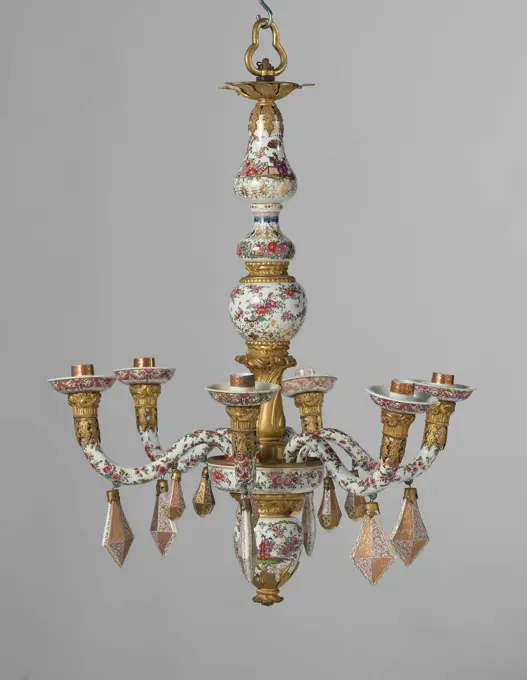
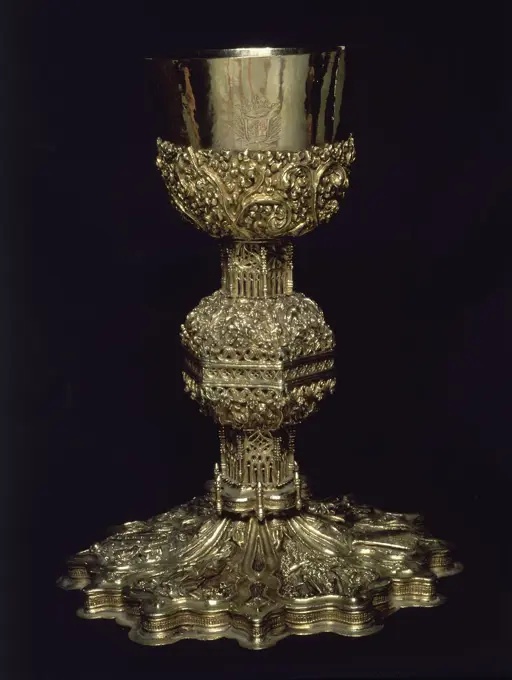
An array of ornate glassware including chalices, candlesticks, and decorative pieces featuring intricate engravings and gold accents.
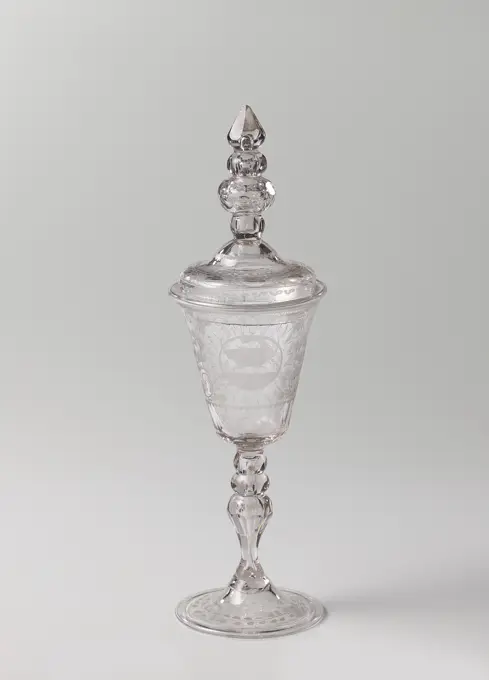
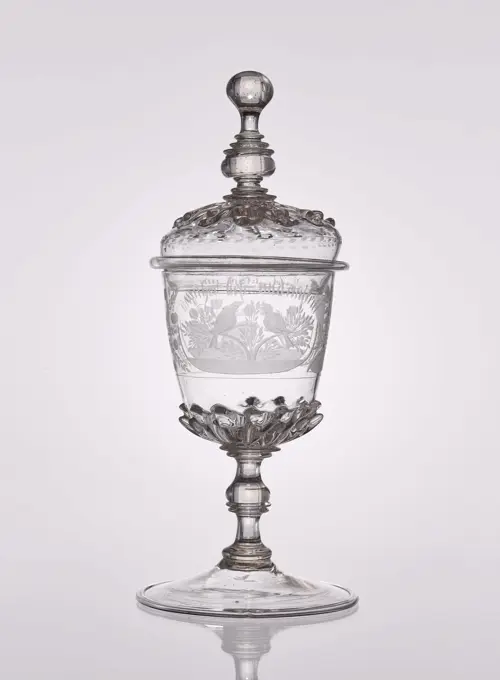
Bokaal with deer, anonymous, c. 1725 - c. 1750 Helding baluster tribe, two knots above it. Two medallions on the chalice in which deer, surrounded by arabesken. The chalice with cut facets. A leaf wreath on the foot. Bohemia glass glassblowing Helding baluster tribe, two knots above it. Two medallions on the chalice in which deer, surrounded by arabesken. The chalice with cut facets. A leaf wreath on the foot. Bohemia glass glassblowing
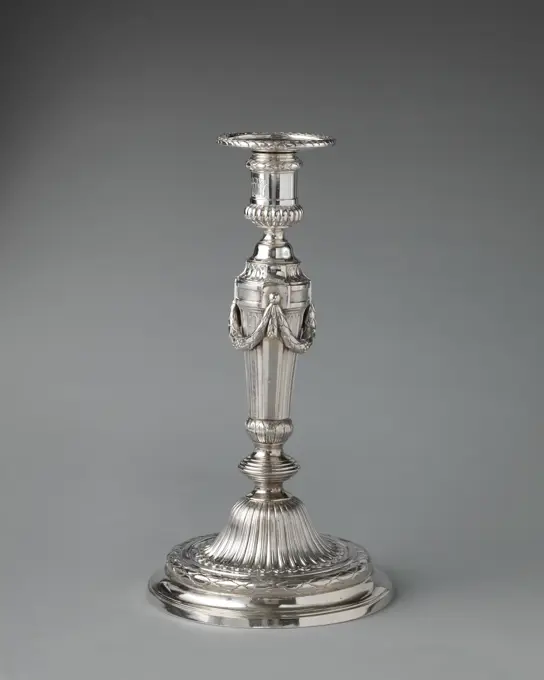
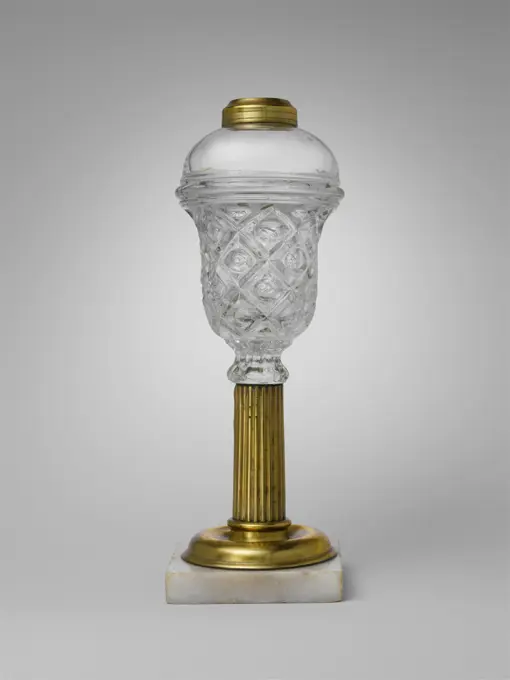
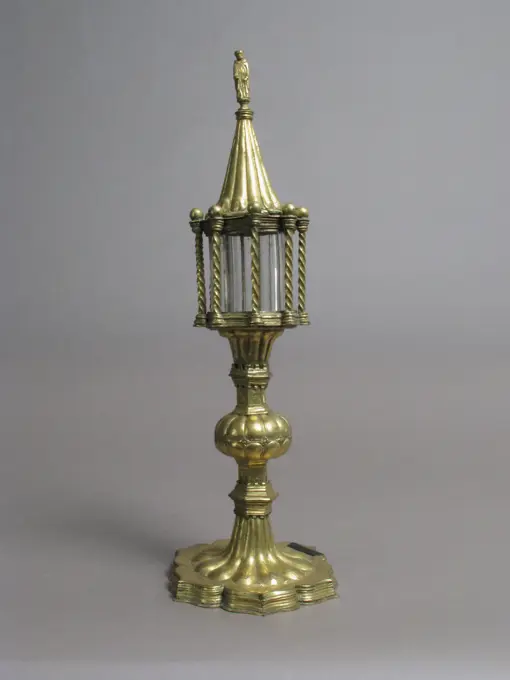
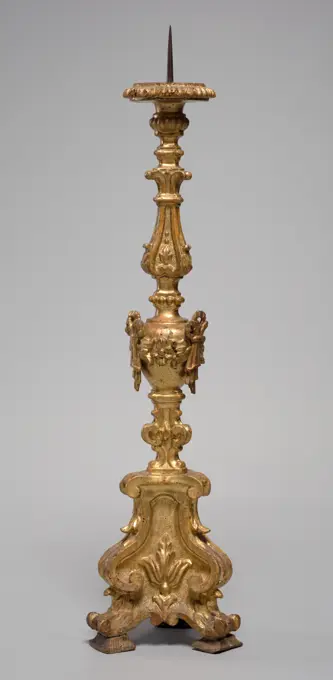
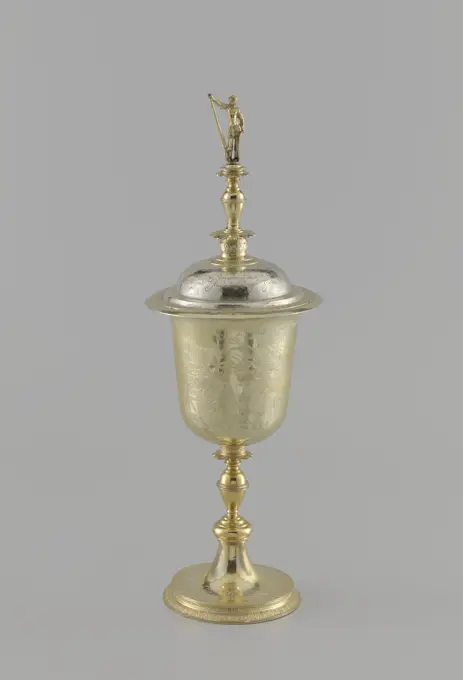
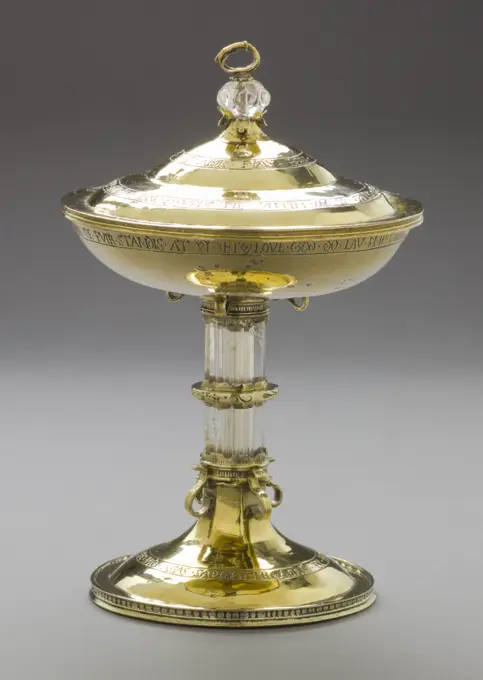
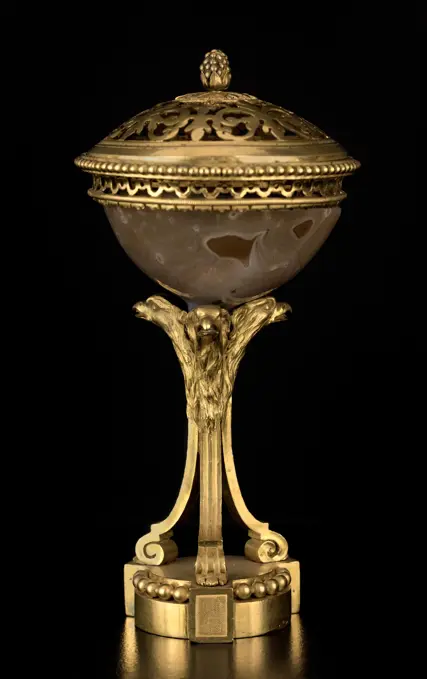
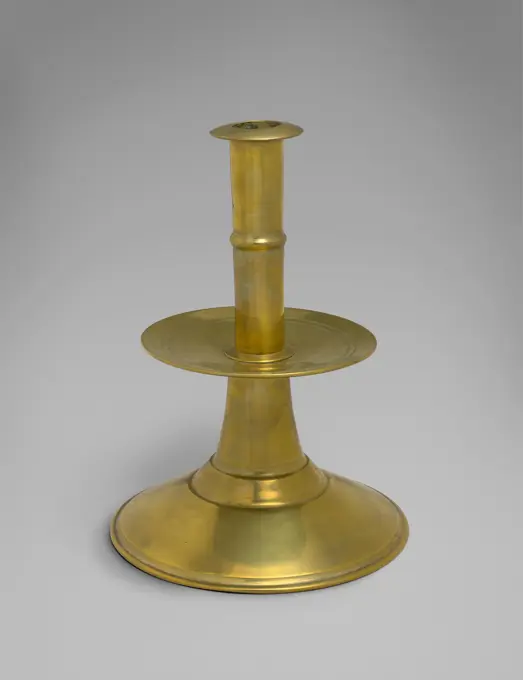
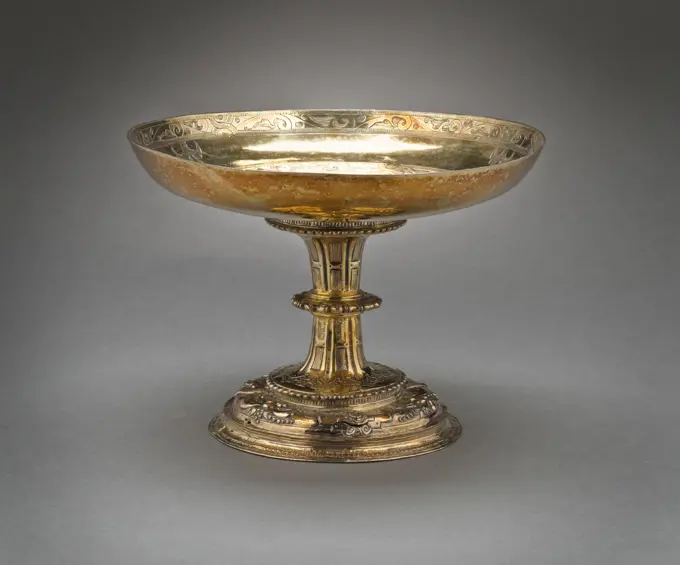
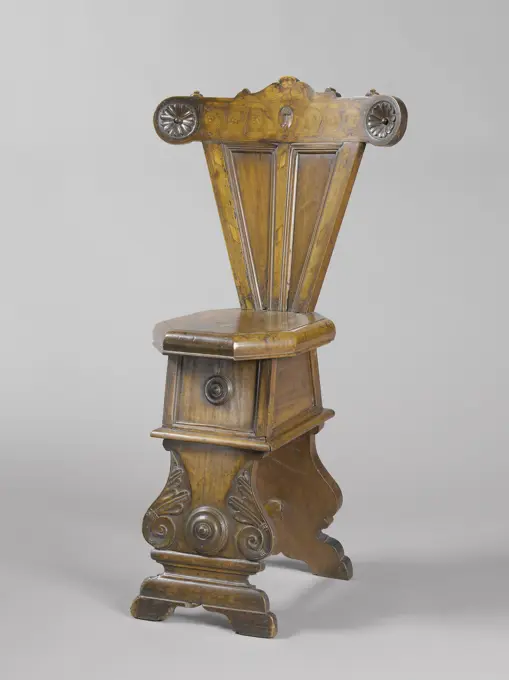
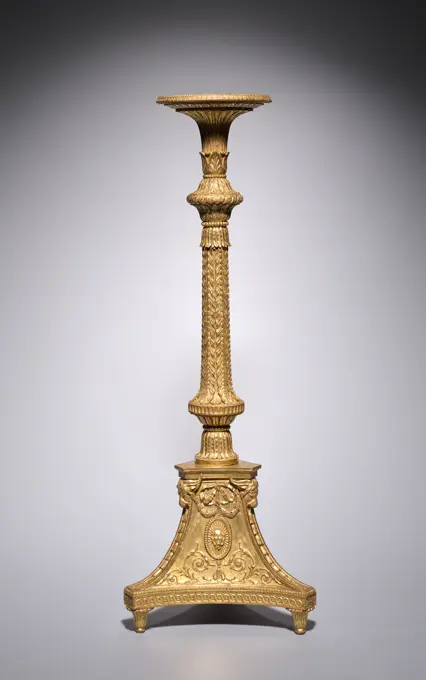
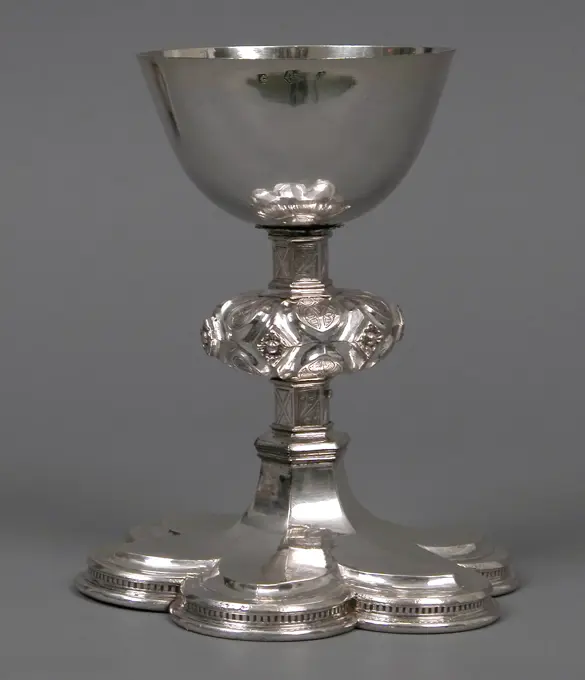
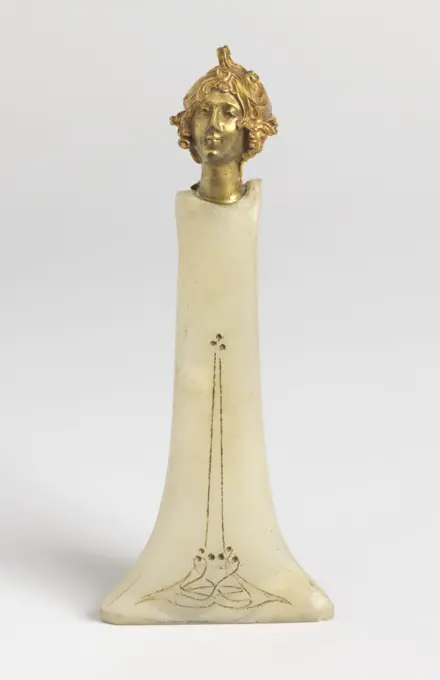
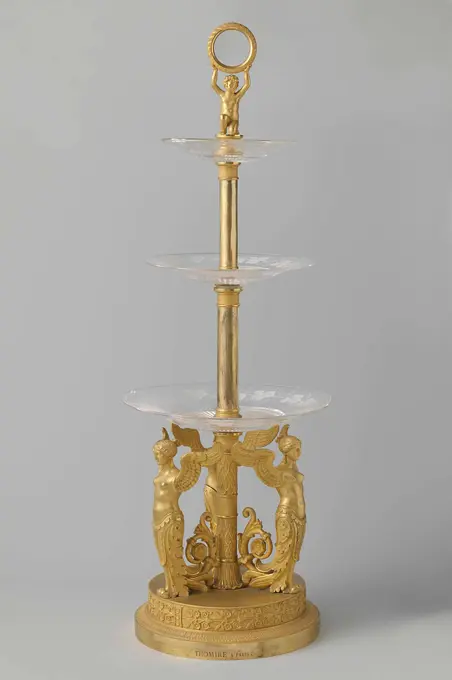
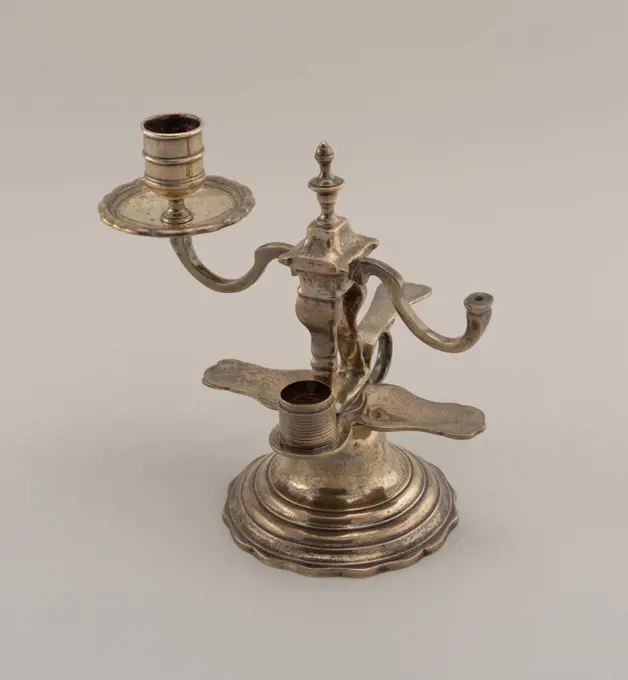
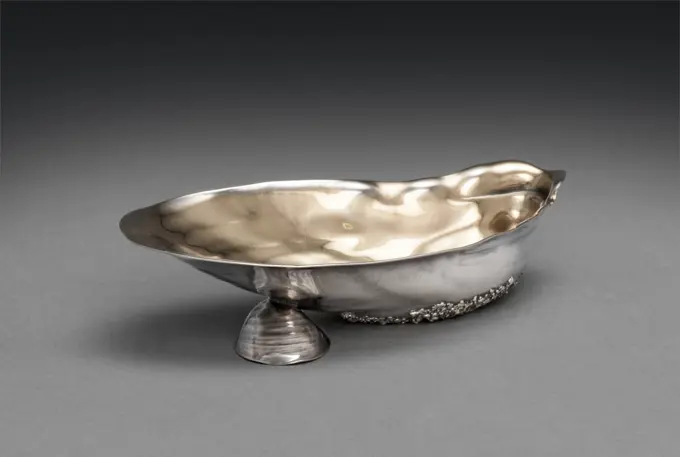
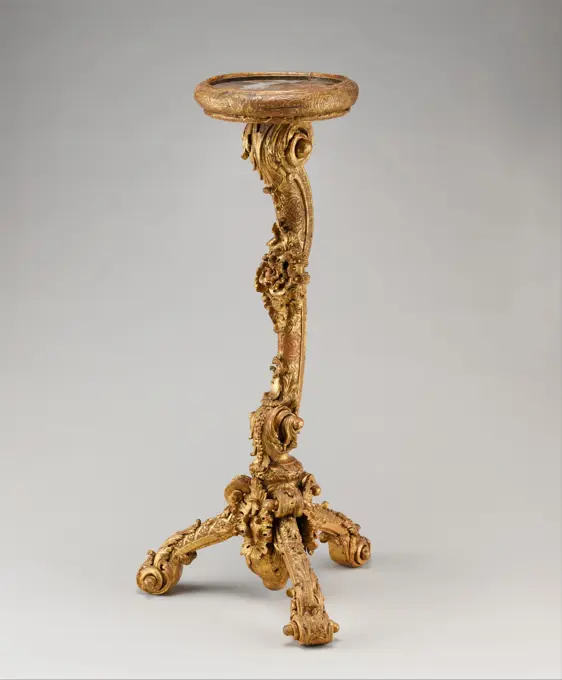
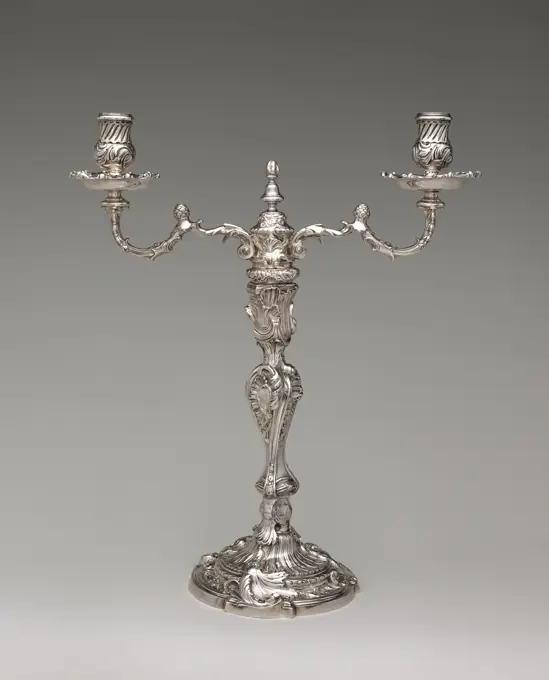
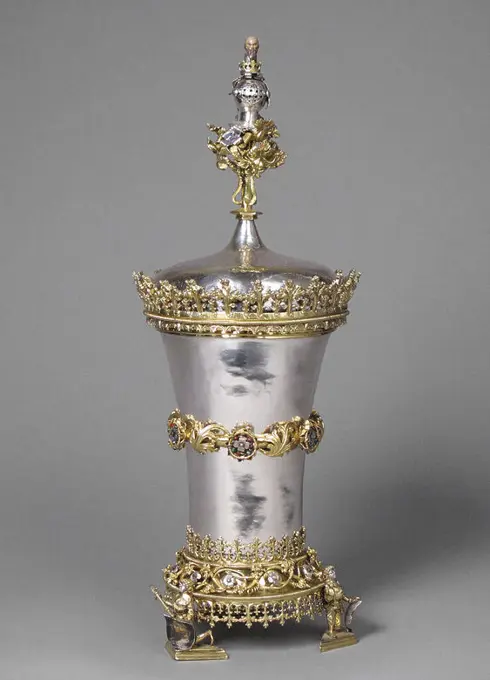
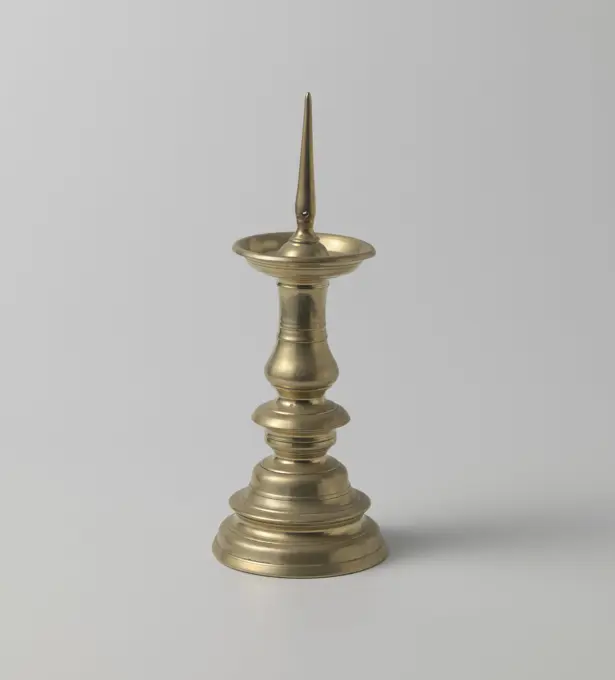
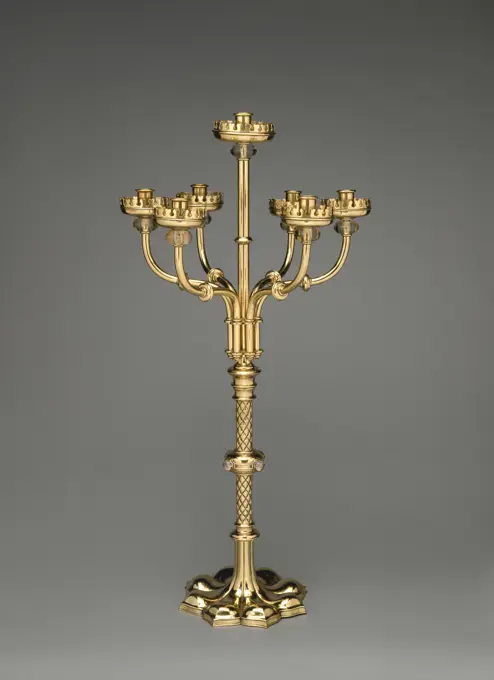
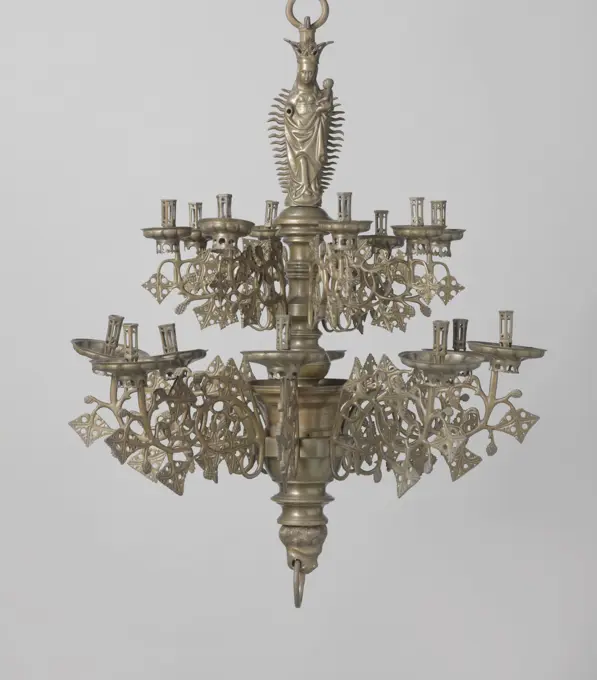
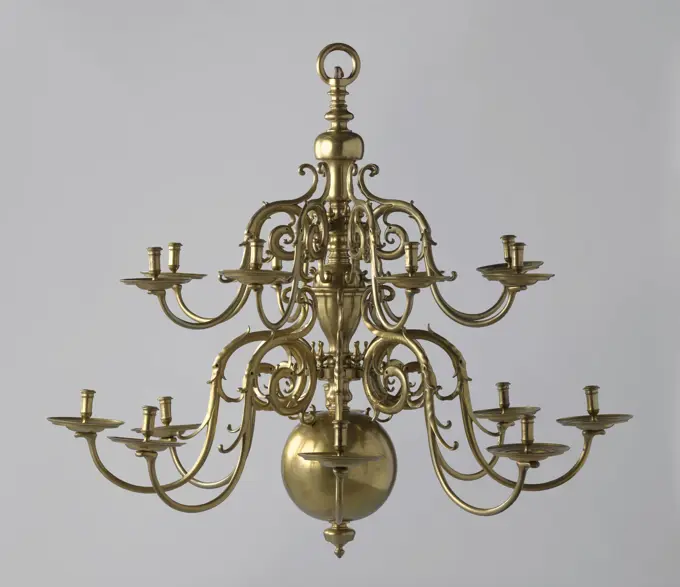
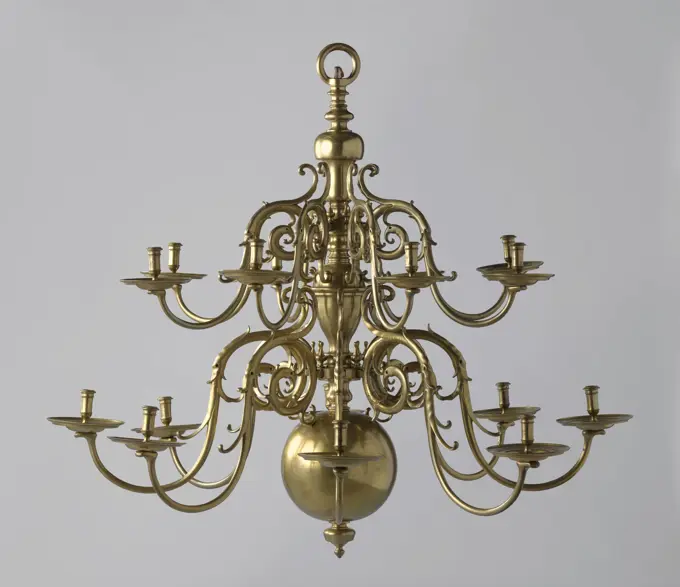
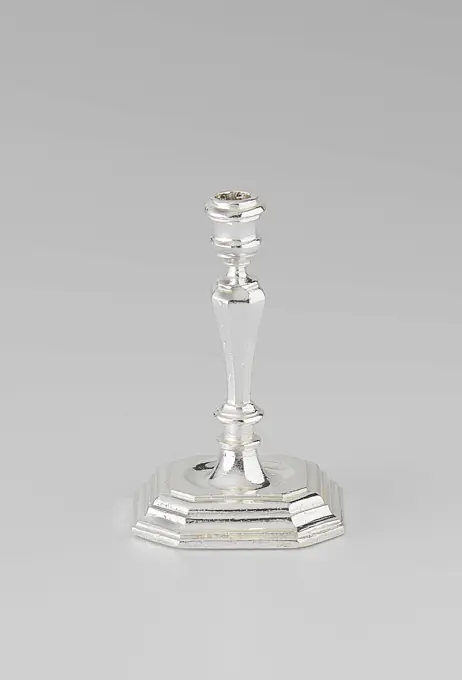
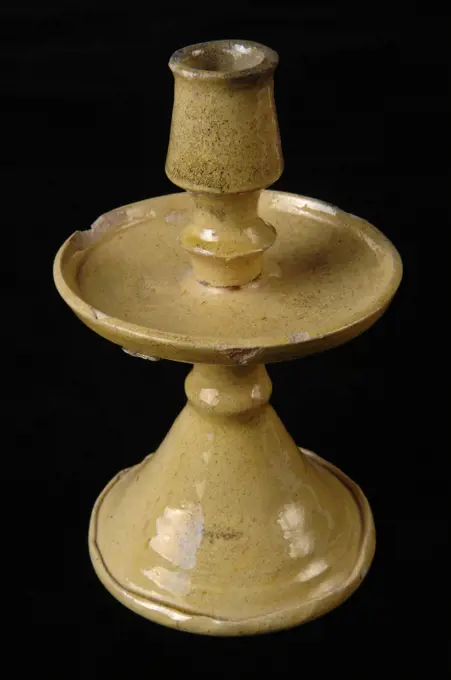
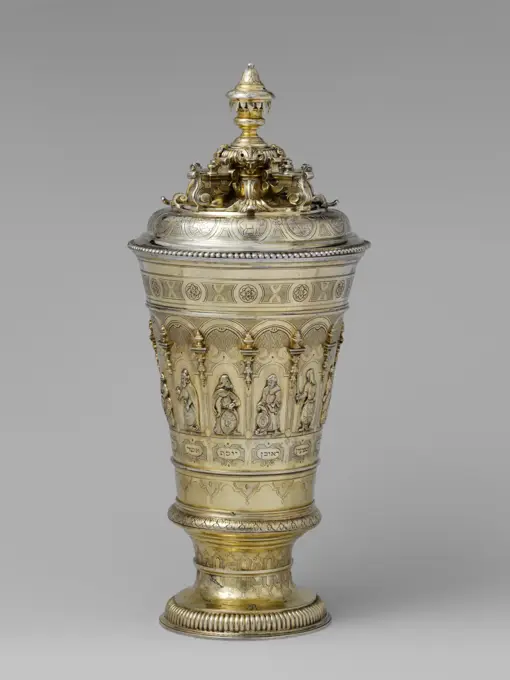
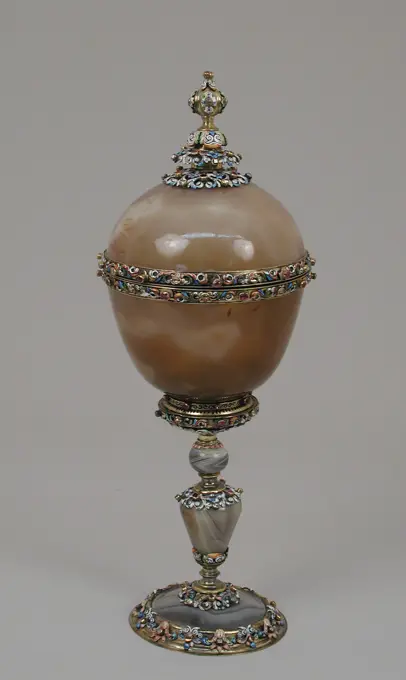
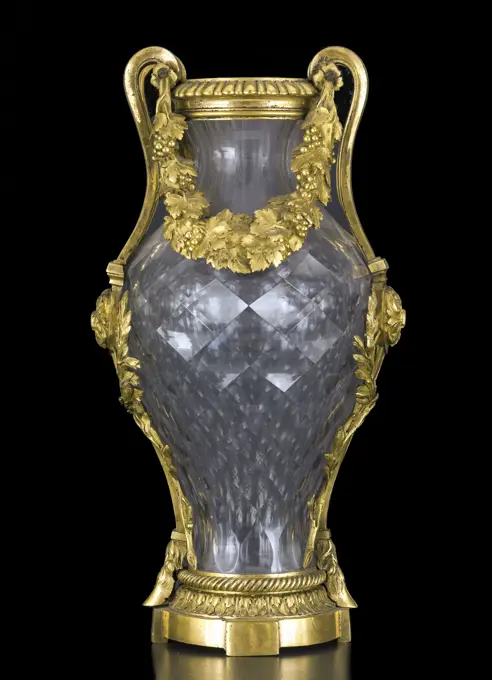
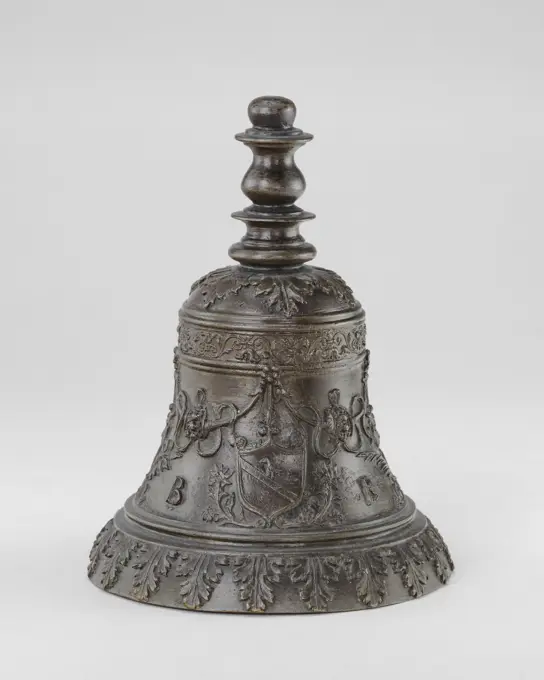
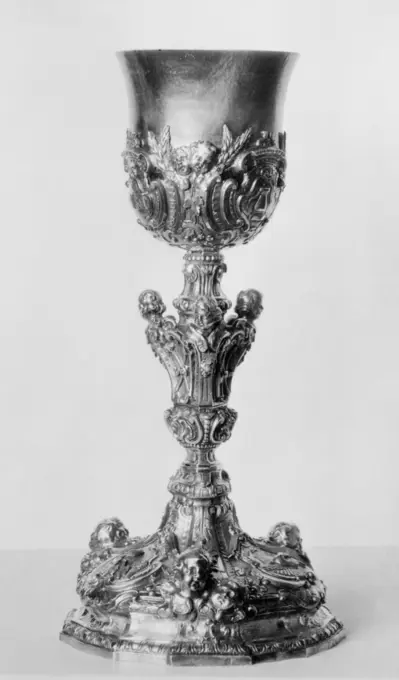
Cup with lid, with a yacht scene. Flat, octagonal, facet cut foot. Facet cut, baluster-shaped strain. Funnel-shaped, rounded and faceted chalice. Vaulted, faceted lid with overrunning edge and a facet cut, baluster-shaped button, ending in a point. On the chalice, in Neo-Louis XV style, a yacht scene with a hunter with a shot duck in gold. At the foot and the lid a deer, a stork and a dog surrounded by Rocaille ornament. The facets on foot, trunk and knob dipped off with gold.Candlestick (one of a set of eight) 1768/69 John Romer British. Candlestick (one of a set of eight). British, London. 1768/69. Silver. Metalwork-SilverBokaal with deer, anonymous, c. 1725 - c. 1750 Helding baluster tribe, two knots above it. Two medallions on the chalice in which deer, surrounded by arabesken. The chalice with cut facets. A leaf wreath on the foot. Bohemia glass glassblowing Helding baluster tribe, two knots above it. Two medallions on the chalice in which deer, surrounded by arabesken. The chalice with cut facets. A leaf wreath on the foot. Bohemia glass glassblowingCandlestick 1850-60 With the development of new formulas and techniques, glass-pressing technology had improved markedly by the late 1840s. By this time, pressed tablewares were being produced in large matching sets and innumerable forms. During the mid-1850s, colorless glass and simple geometric patterns dominated. Catering to the demand for moderately-priced dining wares, the glass industry in the United States expanded widely, and numerous factories supplied less expensive pressed glassware to the growing market. At the Exhibition of the Industry of All Nations at New Yorks Crystal Palace in 1853, for example, the New England Glass Company exhibited 130 pieces of one design, "consisting of bowls, tumblers, champagnes, wines, and jelly glasses." This object belongs to one such service. Although the glass manufactory is not known, the glassware is very typical of the large services that were very popular with Americas middle class in the nineteenth century.. Candlestick 1206Reliquary 16th century Italian. Reliquary 464178 Italian, Reliquary, 16th century, Copper-gilt, rock crystal, silver and niello plaque, Overall: 14 9/16 x 5 in. (37 x 12.7 cm). The Metropolitan Museum of Art, New York. Gift of J. Pierpont Morgan, 1917 (17.190.2109)Candleholder, mid-late 1600s. Italy, mid-late 17th century. Gilded wood; overall: 81.3 cm (32 in.).Two glass holders, attributed to Leendert Claesz, 1609Candleholder (one of a pair)Chalice 1780-1790 Italy. Silver .Bokaal from the militia of the noble bus in Veere, Anonymous, c. 1624 Driven cup with lid and foot of gilded silver. On the lid a Roman lans carrier with a broken lance (on which there may have been a hate of freedom) and a shield on which the weapon of Veere and inscription. Two hands together on the chalice and the weapons of Willem III and Van Veere. In addition, inscription. A grenade on the foot. In the cup a knight with horse and shield. Master sign: Swimming dolphin. Middelburg silver (metal) gilding  Veere Driven cup with lid and foot of gilded silver. On the lid a Roman lans carrier with a broken lance (on which there may have been a hate of freedom) and a shield on which the weapon of Veere and inscription. Two hands together on the chalice and the weapons of Willem III and Van Veere. In addition, inscription. A grenade on the foot. In the cup a knight with horse and shield. Master sign: Swimming dolphin. Middelburg silver (metal) gilding  VeereCandlestick, one of a pair, 17th century, 11 1/2 x 4 1/2 x 5 5/8in. (29.2 x 11.4 x 14.3cm), Brass, Italy, 17th centuryGoblet of Elizabeth Stuart, Queen of Bohemia. This goblets exceptional size and exquisite execution afford an impression of the Queen of Bohemias lavish lifestyle while exiled in The Hague. For this creation The Hague court artist Breghtel combined various techniques. Large-scale chased motifs alternate with minutely stippled animals and representations. The Winter Queen, as she was also known, graces the lid.Tazza, with the Imprisonment of Willem Courten, anonymous, anonymous (rejected attribution), in or after 1568 - c. 1597 Drinking scale on the foot of driven silver. The scale is completely engraved inside with a representation of a man behind bars in the middle, surrounded by vas with flower vases and birds. The outer edge includes an inscription. London (possibly) silver (metal) engraving Drinking scale on the foot of driven silver. The scale is completely engraved inside with a representation of a man behind bars in the middle, surrounded by vas with flower vases and birds. The outer edge includes an inscription. London (possibly) silver (metal) engravingCandlestick with a twisted trunk, decorated with flowers and putti, sigismundus zschammer (attributed to), 1689 Silver candlestick, with curved foot standing on three bol feet. The tribe is twisted. Decorated with flower vines. Amsterdam silver (metal) Silver candlestick, with curved foot standing on three bol feet. The tribe is twisted. Decorated with flower vines. Amsterdam silver (metal)Earring. Culture: Parthian. Dimensions: L. 2-5/16 in.. Date: ca. 1st-2nd century.This elaborate gold earring features a boat-shaped ring with a pendant "amphora" vase suspended from it that is decorated with three rows of arched perforations and both granular and filigree decoration. A ring at the vase's bottom indicates that an additional pendant originally hung from it. Five pomegranates hang from rings attached to the pendant vase (there were seven originally); pomegranates, associated with fertility, were a popular subject in jewelry from the ancient Near East. The earring's production date is determined in part because its design is very similar to a pair discovered buried in a cache in the city of Seleucia that is dated between 40 and 120 A.D. Parthian wealth obtained through lucrative trade networks resulted in substantial patronage of the arts and luxury goods including jewelry. In addition to surviving examples, representations of earrings, necklaces, bracelets and frontal bCandelabra, one of a pair, c. 1800, 18 1/4 x 17 3/8in. (46.4 x 44.1cm), Sheffield plate, England, 18th-19th centuryChalice with a lid.The Methuen Cup. Scotland, circa 1550. Furnishings; Serviceware. Silver gilt, rock crystalLidded goblet and Table Bell, 1851 Bokaal in Renaissance style. The lid is crowned by a female figure. Utrecht silver (metal) casting Bokaal in Renaissance style. The lid is crowned by a female figure. Utrecht silver (metal) castingMerchandise, anonymous, c. 1590 - 1596 candlestick Candlestick, four -part consisting of a wide -ranging circular foot decorated with egg frame, a flat fat bowl decorated with egg frame, a baluster -shaped shaft above which slice -shaped knot and a cylindrical candle holder with two round leakage holes. House candlestick Netherlands tin (metal) casting  Nova Zembla. Saving HuysAnonymous. Vase mounted. Marble, gilded bronze, 1775-1785. Paris, Cognacq-Jay museum. 79923-30 Eagle, bronze gilded, cover, marble, vase monte, 18th century 18th century 1! Eme 18 18th 18th centuryCup with cover 19th century British, after German, Nuremberg original. Cup with cover 186540Candlestick, Brass, Molded baluster stem, on quatri-lobate stepped petal bases, the scalloped drip pans on the campana-shaped girdled candleholder above a scalloped knop; stick unscrews in two places to form three sections., England, 1750-65, metalwork, Decorative Arts, CandlestickCandlestick 1670-1700 A typical household in seventeenth-century New England owned several metal or ceramic candlesticks. Wax candles were an expensive raritymost colonists made their own candles from tallow (animal fat).. Candlestick 1293Two-candle candelabra. Bandau, Johann Georg I (fl. 1768-1816), goldsmithCup decorated with tulip and poppy flowers. Biermann, Johann Jacob (fl. 1653-), goldsmithSgabello with dolphins on the front board, Anonymous, 1550 - 1600 Chair of partially gilded walnut, resting on a stand placed in spread, front and rear board. The front board shows two dolphins around an empty coat of arms, which rests on the floor with averted heads and are tied together at the neck. Their tails end in volutes. The chalm carries the chalms. The open -worked back wears a mascaron with volutes, flanked by winged female figures, the lower body of which ends in a volute. To crown a leaf edge, volutes and coat of arms. Tuscan wood (plant material). walnut (hardwood). gilding (material) gilding Chair of partially gilded walnut, resting on a stand placed in spread, front and rear board. The front board shows two dolphins around an empty coat of arms, which rests on the floor with averted heads and are tied together at the neck. Their tails end in volutes. The chalm carries the chalms. The open -worked back wears a mascaron with volutes, flanked by winged female figures, the Monstrans, anonymous, c. 1500 - c. 1550 The object is made up of parts that are driven, beaten, cast or forged, and that are confirmed by soldering, bream or with the help of pens. Remarkable is the horizontal foot -driven foot, the two lobes on the sides of the monstrans are wider than the others and a battery form. Furthermore, the mutual figures in the niches of the buttresses and the figure of Mary with the child on the lid, and the finely ribbed edges on the cylinder frames. The lunula and the cylinder glass are missing. This also applies to the parts of the broken hexagonal lantern. Coarse soldering against the bottom of the lower cupboard frame. Cologne (possibly) brass (alloy) striking (metalworking) / casting / forging / gilding / soldering The object is made up of parts that are driven, beaten, cast or forged, and that are confirmed by soldering, bream or with the help of pens. Remarkable is the horizontal foot -driven foot, the two lobes on the sides of the monstrans are widTazza. England, London, 1565-1566. Furnishings; Serviceware. Silver giltChair of nuthout, with octagonal seat. Shield with tree and decorations in Intarsia, Anonymous, 1500 - 1600 Chair of Notenhout, resting on a stand placed in spread, front and backboard, connected by a sport. The front and rear board is wearing a twisted button, flanked at the front by acanthus voluten. The wide seating rules are smooth, the front line has a button. The seat is octagonal. The back has the shape of an inverted similar triangle with two flat panels. The upper sill ends in circle rosettes and has a shield with tree and decorations in Intarsia in the middle. Italy wood (plant material). walnut (hardwood) Chair of Notenhout, resting on a stand placed in spread, front and backboard, connected by a sport. The front and rear board is wearing a twisted button, flanked at the front by acanthus voluten. The wide seating rules are smooth, the front line has a button. The seat is octagonal. The back has the shape of an inverted similar triangle with two flat panels. The upper sill eCandle Stand (torchère) (1 of 2), c. 1773. Thomas Chippendale (British, 1718-1779). Gilt-wood, gesso; 124 x 56 x 51 cm (48 13/16 x 22 1/16 x 20 1/16 in.). This gilded candle stand was made by Thomas Chippendale, the most renowned cabinetmaker in eighteenth-century London, for the grand drawing room of Brocket Hall, a large country house in Hertfordshire, England. With finely carved acanthus leaves, swags, fluting, and oval masks depicting the Roman goddess Diana, this candle stand exhibits Chippendales masterful understanding of neoclassical proportion, scale, and ornament. His landmark book of furniture designs, The Gentleman and Cabinet-Makers Director (first published in 1754), was highly admired as a source of inspiration by cabinetmakers and architects around England as well as in Europe and America.Standing cup with cover second half 19th century Mounts after a design by Reinhold Vasters German. Standing cup with cover 198803Chalice ca. 1520 Netherlandish The cup of the chalice bears the hallmarks of the city of Antwerp (a hand surmounted by a crown), the goldsmith, Joris Weijers, and the year.. Chalice. Netherlandish. ca. 1520. Silver. Made in Antwerp, Netherlands. Metalwork-SilverPaperweight, from Madame Guimard's Desk at the Hôtel Guimard, Paris, France Paperweight; Designed by Hector Guimard ((French, 1867-1942)); Executor: Unknown; France; alabaster, bronze, goldMonstrans, anonymous, c. 1550 The object consists of parts that are beaten, driven, cast or sawn. The foot and the trunk are removable, the upper part is soldered. At the foot, the raised and flat edges as well as the profiled closure to the trunk are browned. In this closure there is a round hole, so that the pin provided at the end of a thread, which can be screwed with a nut -cut nut. On the other end, this has a round plate that fits in the lower cylinder frame and that is so well applied to the pin that there is still a long time to place the Lunula. The hexagonal trunk is stabbed around this pin with a profiled edge on the side of the foot and with such a border on the side of the nodus. The Holle Nodus was then placed with a profiled edge at the top that fits under the openings lying in each other, so that a pen can be sounded. A piece has been placed on the top of the trunk, which repeats the edge motif five times and which serves to form the start for the initially hexagonal aCiborie, Lambertus Hannosset (attributed to), 1763 Ciborium of silver, with gold -plated cuppa and jet wreath. Decorated with floating. Antwerp silver (metal). gilding (material) gilding Ciborium of silver, with gold -plated cuppa and jet wreath. Decorated with floating. Antwerp silver (metal). gilding (material) gildingMonstrans from a monastery in Sinnich, Anonymous, c. 1525 - c. 1550 Cylinder montrans of silver, partially gilded. The foot in the form of a stretched four pass. On either side of the glass cylinder St. Augustinus and St. Joris. On both sides of the Top St. Caecilia and St. Catharina. A crucifixion group is the crown. Master sign: a ship. Maastricht silver (metal). glass gilding Cylinder montrans of silver, partially gilded. The foot in the form of a stretched four pass. On either side of the glass cylinder St. Augustinus and St. Joris. On both sides of the Top St. Caecilia and St. Catharina. A crucifixion group is the crown. Master sign: a ship. Maastricht silver (metal). glass gildingCandlestick 1820-70 American. Candlestick 1364Plazed bronze table piece and ground crystal. Plazed bronze table piece and ground crystal. The foot is decorated with leafwork and rosettes. On a cover plate, three winged winged women's figures, rising from acanthus foliage and ending in leaf raft with rosettes. The trunk has a base of leaves and has been edited with pointed leafwork, above which a capital. The tribe carries three crystal trays of consecutive format, decorated with wine drinks and separated by two smooth columns. On top of a kneeled putto with a wreath.Candlestick, Molded and engraved silver, Molded foot with shaped edge, supporting a slightly curved horizontal tray for snuffer and, at right angles to it, a threaded cylinder and a loop handle with a thumb rest. Engraved with walled tower, key and glove. Center post cut out for snuffer; at junction, pair of arms with bobeches, cylindrical candleholders, and finials., possibly Marseille, France, early 18th century, lighting, Decorative Arts, CandlestickCenser;  18th century (1701-00-00-1800-00-00);Candlestick of ruby glass with gilded silver frame, anonymous, c. 1700 Conical foot, nodus under a baluster -shaped trunk, cylindrical candle holder. The edge of the foot caught in a gilded silver frame with a border grinding and a toothed edge. The nodus and the candle holder contained in a smooth frame with a toothed edge, the fat catcher with a border. The foot and trunk with the wheel engraved with putti, flower festivities and flower branches. Marked on the foot edge with an unknown Meesterteken and the Stadsmerk of Augsburg. glassblower: Germanysilversmith: Augsburg glass. silver (metal) glassblowing / gilding Conical foot, nodus under a baluster -shaped trunk, cylindrical candle holder. The edge of the foot caught in a gilded silver frame with a border grinding and a toothed edge. The nodus and the candle holder contained in a smooth frame with a toothed edge, the fat catcher with a border. The foot and trunk with the wheel engraved with putti, flower festivities and flower branSeashell Salt with Shell and Crab Spoon, 1884. Gorham Manufacturing Company (American, founded 1831). Handwrought sterling silver, partially gilt; overall: 2.8 x 12.3 x 6.1 cm (1 1/8 x 4 13/16 x 2 3/8 in.). This small salt dish and spoon reflect the late 19th-century interest in incorporating naturalistic details into the design of useful pieces-in this instance probably inspired by Japanese examples.Confirmation spiders of Candle Crown, Anonymous, 1795 - 1800 Six attachment spiders of brass from a candle crown with a button on top. Amsterdam brass (alloy) casting Six attachment spiders of brass from a candle crown with a button on top. Amsterdam brass (alloy) castingChalice 19th century, after ca. 1540 original Franchi and Son This electrotype is after a sixteenth-century original (ca. 1540), in the Victoria and Albert Museum, London, at the time of reproduction.. Chalice 185880Arm of a candle crown, anonymous, 1700 - 1800 The S-shaped arm runs towards the trunk in a stylized dolphin head and outside in a thickening, in which the screw hole is applied. The round -profiled and grooved -rings -decorated candle holder was screwed with the fat -lined fat catcher with grooved rings. The arm, the fat catcher and the candle holder are cast using the same models as the other arms, fat catchers and candle holders. This is the first arm of the middle stand ring, marked on the ridge with a point. Northern Netherlands brass (alloy) casting The S-shaped arm runs towards the trunk in a stylized dolphin head and outside in a thickening, in which the screw hole is applied. The round -profiled and grooved -rings -decorated candle holder was screwed with the fat -lined fat catcher with grooved rings. The arm, the fat catcher and the candle holder are cast using the same models as the other arms, fat catchers and candle holders. This is the first arm of the middle stand ring, mPair of candlestands ca. 1735 German, Munich The candlestand, or guéridon, was a practical piece of household furniture used to support a candlestick, a candelabrum, or later an oil lamp.1 When sets of furniture with matching ornamentation came into vogue in the seventeenth century, candlestands became an important part of aristocratic interior decoration. In some cases their large size made them impossible to move without considerable effort. In the residences of the very rich, parade sets were frequently made out of silver;2 in most cases these sets comprised a side table, a mirror, and two guéridons. Flanking the table, the candlestands supported candelabra fitted with four or more candles to maximize the light.3 Versailles was filled with silver furniture until 1689, when Louis XIV had it all melted down to pay his armies; after that, the taste for it gradually diminished in the European courts until the 1730s (see the catalogue entry for acc. no. 1989.20).The candlestand disNautilus cup 19th century Friedrich Hillebrand German. Nautilus cup 205691Candelabrum (one of a pair) 1742/43 David Willaume II British The modeler of these candlesticks, influenced by contemporary French designs, has endowed the usually static form with an organic, upward-sweeping energy. Although the rococo style in England developed its own distinctive character, it remained strongly associated with France and French taste.. Candelabrum (one of a pair) 204863Covered Beaker. Artist: Hans Greiff (German, active ca. 1470-died 1516 Ingolstadt). Culture: German. Dimensions: Overall: H: 15 1/2 in. (39.4 cm). Date: ca. 1470.This covered beaker bears the coat of arms of Hans Glätzle, in whose honor it was presented to the Rathaus treasury. He was the mayor of Ingolstadt and a member of the inner council in 1453. The profile on the shields is repeated in three dimensions on the finial. The beaker is marked with the town punch of Ingolstadt. Although there is no maker's mark, this vessel is attributed to the Ingolstadt goldsmith Hans Greiff on the basis of stylistic similarity with marked examples. Museum: Metropolitan Museum of Art, New York, USA.Candlestick from brass, anonymous, c. 1600 - c. 1699 Foot, trunk and fat catcher are cast in one whole. The candle pin sounded with the bottom of the fat catcher in two places in the fat catcher. The profiled pin has a horizontal hole at the bottom. The profiled Konian foot turns into a trunk that is baluster -shaped at the top, and then in a profiled fat catcher. All parts are decorated with rings, the baluster also with shilling. Foot and trunk are hollow on the inside. The stand ring of the foot has turned on the inside. Nuremberg brass (alloy) casting Foot, trunk and fat catcher are cast in one whole. The candle pin sounded with the bottom of the fat catcher in two places in the fat catcher. The profiled pin has a horizontal hole at the bottom. The profiled Konian foot turns into a trunk that is baluster -shaped at the top, and then in a profiled fat catcher. All parts are decorated with rings, the baluster also with shilling. Foot and trunk are hollow on the inside. The stand ringCandelabrum after 1846 Augustus Welby Northmore Pugin This monumental candelabrum exemplifies the designs of Augustus Welby Northmore Pugun (1812-1852), who was the leading exponent of the Gothic Revival style in England. Pugins work is central to the transformation in British design that began in the mid-nineteenth century. He admired what he saw as the honesty and purity of medieval art, and deplored the meaningless repetition of historical motifs. Pugin coined the phrase "Brumagen Gothic," referring to "those inexhaustible mines of bad taste, Birmingham." He designed fittings of all kinds including furniture, textiles and stained glass for church interiors, private homes and government buildings (most famously the House of Lords.) This candelabrum is related to the model he produced for the Palace of Westminster.. Candelabrum. British, Birmingham. after 1846. Gilded brass, glass. Metalwork-BrassDouble cup late 16th century German. Double cup 193583Cup cup first quarter 17th century, mounts 19th century Mounts after a design by Reinhold Vasters German The enameled gold mounts display all the characteristics of the Prague workshops, active for Emperor Rudolph II during the first quarter of the 17th century.. Cup. German, Augsburg. cup first quarter 17th century, mounts 19th century. Red jasper, enameled gold, rubies. Lapidary WorkCoffee grinder with brass attachment on wooden cupboard. The object consists of the cabinet and the tray, which are made of oak, and is richly equipped with copper fittings, the grinding of iron, a funnel and a mop of selector and a crank from iron, covered with yellow. Against the upper surface of the cabinet, on which the letters Edam are cut into the batter, the grinder is mounted in the cupboard. On the cladding of the crank the signature: Fait Par Simon Renard Maitre Serrurier A Huy.Ciborium late 14th century-early 15th century German. Ciborium 466111Stam van Kaarsenkroon with Mary with Christenkind, c. 1525 - c. 1550 The object consists of an iron rod and an iron split pin and the following cast parts of yellow copper: the hanging ring, the maria figure with the crown crowned on her head and its riveted left hand with the Christkind, the trunk, on which a bulb -round plate at the top of the cover is covered at the top of the plate cover Is brased, and at the bottom of an iron eye with two cams is sounded (so that the rod must be stabbed), the lion's head with the tensile ring, the collar. The more or less eight -flat round hanging ring turns at the bottom into an eight -flat hollow pipe. The maria figure placed on the crescent moon is surrounded by a jet wreath. Her rug and cloak are decorated with punched stars. The hair reaches the back to the waist. The crown is composed of five fleurons. The hollow and bulb-rounded trunk has a flattened spherical shape decorated with a rib. The two stand rings each have eight notches, which arCup, c1558, (1843).Artist: Henry ShawArm with candle crown candle crown of two heights, Anonymous, 1650 Candle belonging to a brass candle crown of two heights. The S-shaped arm has a curl at the start, halfway through a dolphin head and turns outside into the flat thickening with a screw hole. The candle holder is secured with the fat catcher. The fat catcher is ribbed at the bottom of the opening and has one down and a slightly excellent edge. The Cylindrian candle holder has a profiled and an excellent edge, two grooved rings, a rib and a profiled narrower bottom piece, which turns into a protrusion with a thread with a center hole. The pin to attach the arm is cone -shaped with a round button on top. The Vetvanger has closed a close one, which indicates that the candle crown has ever been elected. This is the first arm of the upper position ring, numbered with the number 8. Amsterdam (possibly) brass (alloy) casting Candle belonging to a brass candle crown of two heights. The S-shaped arm has a curl at the start, halfArm with candle crown candle crown of two heights, Anonymous, 1650 Candle belonging to a brass candle crown of two heights. The S-shaped arm has a curl at the start, halfway through a dolphin head and turns outside into the flat thickening with a screw hole. The candle holder is secured with the fat catcher. The fat catcher is ribbed at the bottom of the opening and has one down and a slightly excellent edge. The Cylindrian candle holder has a profiled and an excellent edge, two grooved rings, a rib and a profiled narrower bottom piece, which turns into a protrusion with a thread with a center hole. The pin to attach the arm is cone -shaped with a round button on top. The Vetvanger has closed a close one, which indicates that the candle crown has ever been elected. This is the first arm of the upper position ring, numbered with the number 3. Amsterdam (possibly) brass (alloy) casting Candle belonging to a brass candle crown of two heights. The S-shaped arm has a curl at the start, half. Candlestick on square, sketched foot. The trunk is square, profiled and baluster-shaped. The candlestick is labeled: STK. = Amsterdam and an unknown master sign. The candlestick belongs an identical candlestick (INFN. BK-NM-11177-139).Beaker. Culture: Lambayeque (Sicán) (). Dimensions: H. 7 x Diam. 4 3/4 in. (17.8 x 12.1 cm). Date: 9th-11th century. Museum: Metropolitan Museum of Art, New York, USA.Earthenware candlestick on high base, white shard and yellow glazed, candlestick candlestick lighting fixture foundations earthenware earthenware glaze lead glaze, hand turned out stinging glazed baked High earthenware candlestick. conical foot with high soul. Flat collecting bowl with short upright edge Candle holder with two slots to remove the stumps White shard entirely yellow glazed archeology indigenous pottery candle lighting night eveningScandinavia. Altar chandelier. Church of Askoy, Rennesoy, Rogaland. 1100. Bronze. Probably Flemish work. Historical Museum. Oslo. Norway.Maker's mark IW, mullet below, probably for Joseph Ward, Hand or Chamber Candlestick, 1693/94, silver.Urn Convertible into Candle Stick, late 1700s. England, late 18th century. Dark bronze, mounts in ormolu; overall: 23.5 x 10.8 cm (9 1/4 x 4 1/4 in.).Chalice, anonymous, c. 1200 - c. 1250 Miskelk, completely gilt, bowl -shaped, smooth cuppa. The figures of the evangelists, in peer -shaped medallions with four serfine heads in between, are driven in the round foot. The Nodus is decorated with openwork medallions, alternately filled with leaf ornament and figural representations. On the lower half the blessing Christ and two angels, on the top the symbols of the evangelists Mattheus, Marcus and John. The trunk, both above and below the Nodus, is surrounded by a tire of spirals in filigtrain work. Utrecht (possibly) silver (metal) filigree / gilding  Sint-Pieterskerk Miskelk, completely gilt, bowl -shaped, smooth cuppa. The figures of the evangelists, in peer -shaped medallions with four serfine heads in between, are driven in the round foot. The Nodus is decorated with openwork medallions, alternately filled with leaf ornament and figural representations. On the lower half the blessing Christ and two angels, on the top the symbols of Cup with cover with Hebrew inscriptions 1723 Joachim Michael Salecker The Hebrew inscriptions and the representations of the patriarch Jacob's twelve sons on this cup are designed to form the name of the cup's owner, Issacher ben Juda Halevi, whose German name was Behrend Lehmann (1661-1730). Lehmann was among the most prominent court officials of his time, serving both Elector Frederick III of Brandenburg (r. 1688-1713) and Augustus the Strong of Saxony, king of Poland (r. 1709-33).. Cup with cover with Hebrew inscriptions 193555Urn (France); ormolu mounted cut glass, gilt bronze; Overall: 24 x 23.6 x 19.1 cm (9 7/16 x 9 5/16 x 7 1/2 in.)Tobacco spot. Oval tobacco spot on four legs. The bottom edge of the pot has been open and has leaves, flowers and garlands. A flower and four leaves are attached to the high-roughing lid. The tobacco spot is labeled: STK. = Amsterdam, JRL. = V (1780) and an unknown master sign.Kandelaar.The vaulted base is rectangular in diameter, with rounded corners. He flows into the baluster-shaped strain. This is strongly nominated under the candle holder at the top. The parts are all resurrected and decorated with leaves and C volutes. The loose square fat catcher is made up of partially curling sheet motifs. Under the foot of both candlesticks, engraved: V 204.Salt cellar on dolphins. Żernicki, Franciszek (fl. lata 30.-50.XIX w.), goldsmithSpreader with diamond -shaped holes in the lid, belonging to a spice service, Anthonie Grill (attributed to), 1642 Spreader belonging to a spice service. The spreader rests on a sea lobby on which a flattened nodus and a diabolov -shaped intermediate piece are stacked. Above, the body that has the shape of a pineal - in a slimmer version than of the oil can - is decorated with drop -shaped bulges. The high screw -up lid narrows upwards, after which it widened in a stretched spherical top. This part is equipped with diamond -shaped holes. The lid is decorated on the bottom with vertical grooves that are bordered by a profiled edge. The top is crowned by a button in the shape of a pineal. Amsterdam silver (metal). gilding (material) casting / gilding Spreader belonging to a spice service. The spreader rests on a sea lobby on which a flattened nodus and a diabolov -shaped intermediate piece are stacked. Above, the body that has the shape of a pineal - in a slimmer version than of the oil Footed dish, anonymous, before 1880 Pronze scale on the foot of rock crystal with gold frame with email. The oval container has a shell -shaped roof at an end of the long side. In the middle two female hermes. Maker: Milanjeweler: Dresdenmaker: Milan frame: Gold (Metal). frame: Pronze scale on the foot of rock crystal with gold frame with email. The oval container has a shell -shaped roof at an end of the long side. In the middle two female hermes. Maker: Milanjeweler: Dresdenmaker: Milan frame: Gold (Metal). frame:Lidded Ewer, Adam van Vianen (I), 1614 Can with lid of gilded silver. There is a monkey on the round, corrugated foot that carries the cuppa. The Cuppa broadens upwards, with a wide peat at the front. The high ear is made up of, among other things, a female body. A loose inner box in the can rest. Utrecht silver (metal) gilding  Amsterdam Can with lid of gilded silver. There is a monkey on the round, corrugated foot that carries the cuppa. The Cuppa broadens upwards, with a wide peat at the front. The high ear is made up of, among other things, a female body. A loose inner box in the can rest. Utrecht silver (metal) gilding  AmsterdamGoldsmith's art, Poland, 15th century. Gilded copper monstrance.Eight small arms of a candle wreath. .Anonymous / 'Small jade and silver-gilt brazier with two masks'. 1684 - 1687. Silver-gilt, Nephrite. Museum: Museo del Prado, Madrid, España.Pair of Vases (pot-pourri à bobèches).Thymiaterion. UnknownChalice. Culture: Central European. Dimensions: Overall: 8 1/2 x 5 3/16 in. (21.6 x 13.1 cm)diam. of cup: 4 7/16 in. (11.2 cm). Date: mid-15th century.The two Gothic chalices from the Salgo gift were both formerly in the collections of Baron Nathaniel de Rothschild in Vienna and Thomas F. Flannery in Chicago. Salgo prized these works because most similar vessels are still part of ecclesiastical treasuries. Repairs to and replacements on this object were inevitable due to its age and the delicacy of the enamel and other fragile materials. A fall may have damaged the upper part, including the gilded pierced border above the basket as well as the cup, which no longer fits tidily. A Hungarian mark dating from 1800 to 1828 could have been made by a proud goldsmith who restored the chalice. Museum: Metropolitan Museum of Art, New York, USA.Cup with cover ca. 1650 Jeremias Sibenbürger. Cup with cover 193571Pair of candlesticks (part of a toilet service) 1683-84 William Fowle. Pair of candlesticks (part of a toilet service). British, London. 1683-84. Silver gilt. Metalwork-SilverAnonymous. Vase mounted. Roche crystal, gilded bronze, 1775-1785. Paris, Cognacq-Jay museum. 78926-6 Anse, bronze gilded, rock crystal, gilding, leaf, bunch grapes, vase rises, fruitGlass cooler, Jean Baptiste Claude Odiot, c. 1819 Empire glass cooler with smooth deployment scale of gilded silver. Along the scale a band of imposed, openwork vines. Above that a bond of cams. Pelvic putti as a handle. Paris silver (metal). gilding (material) gilding Empire glass cooler with smooth deployment scale of gilded silver. Along the scale a band of imposed, openwork vines. Above that a bond of cams. Pelvic putti as a handle. Paris silver (metal). gilding (material) gildingCandlestick on square base with indented, round corners decorated with shells, Pieter de Keen (attributed to), 1729 Silver candlestick. The square, profiled, rejuvenating foot has entered, round corners that are decorated with a shell. In the flat top there is a round floor from which the also round, slightly incited, rises through a ring rises from the foot of the foot. This carries a flat disc on which the baluster -shaped trunk rests. Both the trunk and the vase -shaped candle holder are square with beveled corners; Both are richly profiled. The four sides of the trunk are decorated at the bottom with a shell and at the top, below a profile edge, with an imposed lambrequin. The corners are decorated with stylized leaf motifs at the bottom. The four sides of the candle holder are also at the top, under the profiled crown, decorated with an imposed lambrequin. Amsterdam silver (metal) Silver candlestick. The square, profiled, rejuvenating foot has entered, round corners that are decorFOREIGN OLDProbably Venetian 16th Century, Table Bell, 16th century Table BellAltar cross on standard, anonymous, c. 1150 - c. 1175 The object consists of a foot and a cross. These are cast, citized and engraved in a few places, and then gilded. The round foot is placed on three legs, which have the shape of dragons, which have laid their heads between the claws of their front legs on the ground. They have two ears and eyes and keep the mouth closed. The neck is marked by a pearl edge, the onset of their hull by three cannelures. The round pedestal is surrounded by a rib contained between two convex rings. The connecting bulb round part is taken by a rim of grunts and is also limited at the top by a somewhat convex ring. The hol round part, which forms the transition to the trunk, is decorated with cannelure-like motifs and is closed by a convex edge, in which window motifs are engraved with a small round circle in the middle of it. The trunk is arranged by obliquely engraved lines in such a way that triangles are granulated alternately. The Nodus is surrounded Silver lid, Jacques-Nicolas Roëttiers, c. 1771 - c. 1772 Round, high lid of silver. Dome -shaped and rising and crowned by a pineapple as a button. Paris silver (metal) Round, high lid of silver. Dome -shaped and rising and crowned by a pineapple as a button. Paris silver (metal)Lazio Roma Velletri Museo Capitolare5. Hutzel, Max 1960-1990 Medieval: Breviaries (two, 14-15th century); "The Passion" on vellum (French school, late 13th century); reliquaries. Post-medieval: Paintings, frescoes, vestments, sculpture, metalwork, panel painting Object Notes: Bibliographic material housed in Center library. Hutzel photo campaign dates: one undated, another November 9, 1985. It is likely that notes for the Pinacoteca Cattedrale (no separate Hutzel entry) describe items under this heading. TCI seems to indicate that the Museo Capitolare is adjacent to the cathedral. As well, some prints are missing; the initial Hutzel entry indicates that there are 422 prints. At this count, I can find 142. German-born photographer and scholar Max Hutzel (1911-1988) photographed in Italy from the early 1960s until his death. The result of this project, referred to by Hutzel as Foto Arte Minore, is thorough documentation of art historical development in Italy up to the 18th century, incluCandlestick;  19th century (1801-00-00-1900-00-00);Candlestick with baluster -shaped trunk and square base with beveled corners, Pieter de Keen (attributed to), 1718 Silver candlestick. The square, profiled, rejuvenating base has beveled corners and tranquility on a right -wing base. In the flat top there is a round floor from which the also round, incorporated, rises through a ring rises from the foot. The baluster -shaped trunk and the vase -shaped candle holder rest, both again square with beveled corners and both richly profiled. Amsterdam silver (metal) Silver candlestick. The square, profiled, rejuvenating base has beveled corners and tranquility on a right -wing base. In the flat top there is a round floor from which the also round, incorporated, rises through a ring rises from the foot. The baluster -shaped trunk and the vase -shaped candle holder rest, both again square with beveled corners and both richly profiled. Amsterdam silver (metal)Chalice late 18th century Giovanni Valadier. Chalice 195244Cup-Hilted Rapier. Bladesmith: Tomas de Ayala (Spanish); Toledo. Date: 1640-1670. Dimensions: Overall L. 108 cm (42 1/2 in.)Blade L. 92.7 cm (36 1/2 in.)Wt. 1 lb. 10 oz. Steel, iron, copper, and wood. Origin: Toledo. Museum: The Chicago Art Institute, Chicago, USA.Tableware in the style of Louis XVI. Chandelier with multicolored painted Meissen porcelain. The crown consists of a baluster-shaped strain and six arms, which are inserted into six round holes in the copper plate, which closes the scale-shaped ballus part at the top. The trunk consists of porcelain, gold-plated bronze and an unforced copper. The poor with candle holders and fat catchers are of porcelain. The porcelain parts of the arms and the trunk are painted with Indinian Blumen. The crown has been marked.Collar cover of brass. The candlestick is composed of two cast and shaded parts: the base with the lower part of the trunk and the fat catcher, and the upper part of the trunk with the candle holder. The latter part runs out in a pin, which is clonged in the foot. The feet rising to the middle is decorated with shivers, the strain is decorated with a knot halfway through the foot and the fat trap ahead. The profiled cylindrical holder has two rectangular openings in the wall, which are extended in each other.. Candlestick of silver. The square, profiled, rejuvenating foot has stuffed, round corners decorated with a shell. In the flat top, there is a round floor from which it also rises round, slightly stretched, by a ring articulated top. This carries a flat disk on which the baluster-shaped trunk rests. Both the trunk and the vase-shaped candle holder are square with beveled corners; Both are poor profiled. The four sides of the trunk are decorated at the bottom with a shell and at the top, under a profile edge, with a lambrequin imposed. The corners are decorated at the bottom with stylized leaf motifs. The four sides of the candle holder are also at the top, under the profiled crowning, decorated with an imposed lambrequin.CALIZ OJIVAL DE ORO REPUJADO. Location: MUSEO CATEDRALICIO. Cadiz. SPAIN.