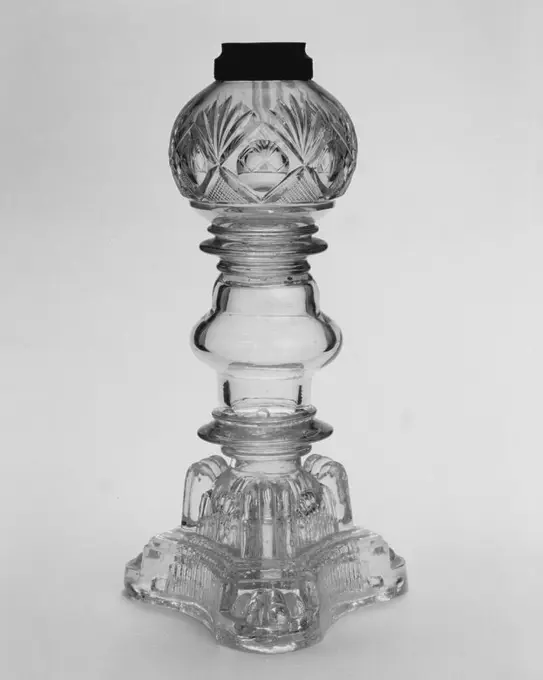
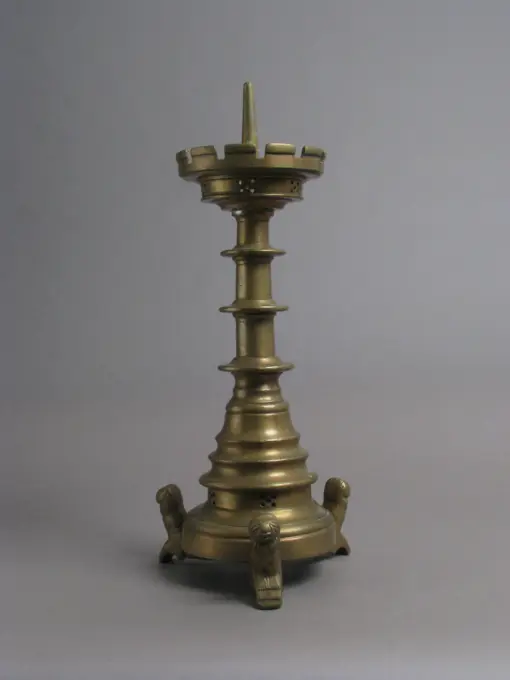
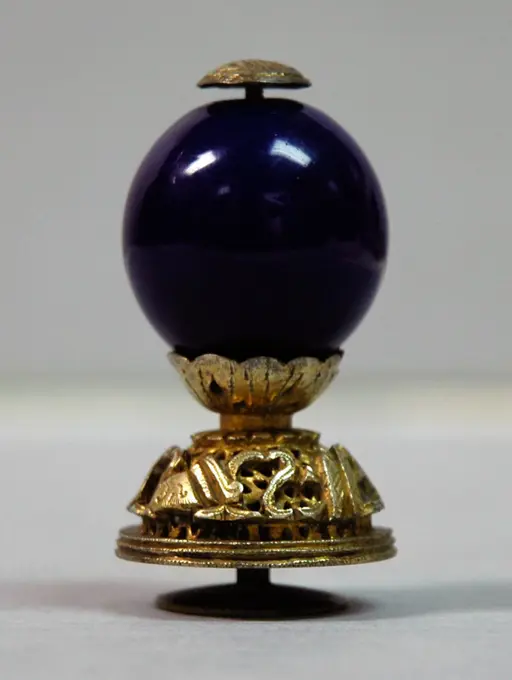
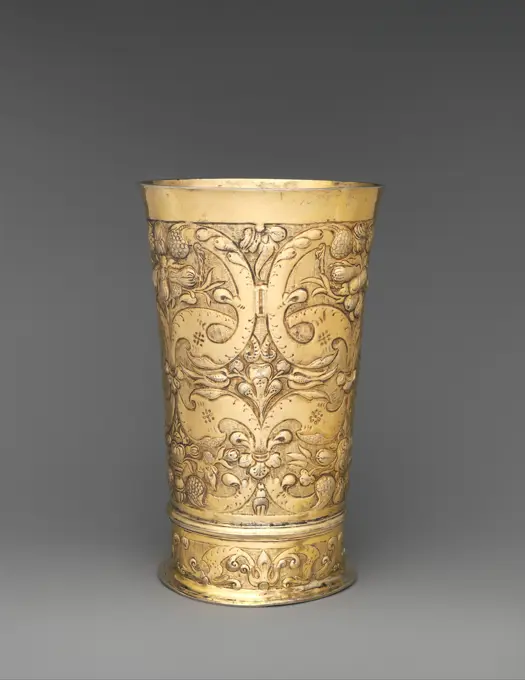
Elegant Glassware Collection

An array of ornate glassware including chalices, candlesticks, and decorative pieces featuring intricate engravings and gold accents.
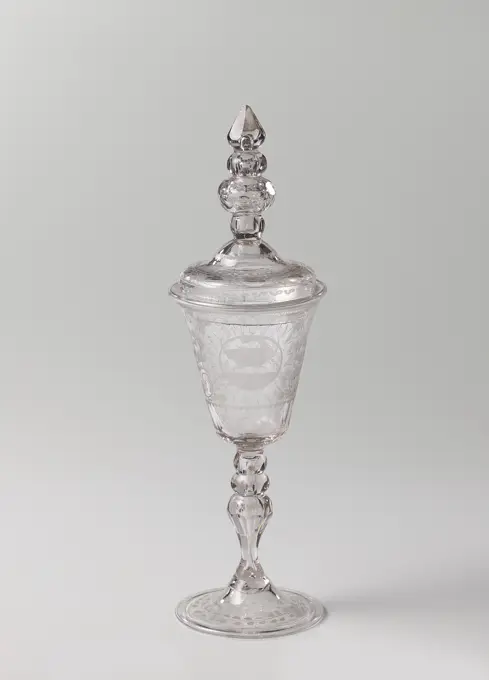
Bokaal with deer, anonymous, c. 1725 - c. 1750 Helding baluster tribe, two knots above it. Two medallions on the chalice in which deer, surrounded by arabesken. The chalice with cut facets. A leaf wreath on the foot. Bohemia glass glassblowing Helding baluster tribe, two knots above it. Two medallions on the chalice in which deer, surrounded by arabesken. The chalice with cut facets. A leaf wreath on the foot. Bohemia glass glassblowing
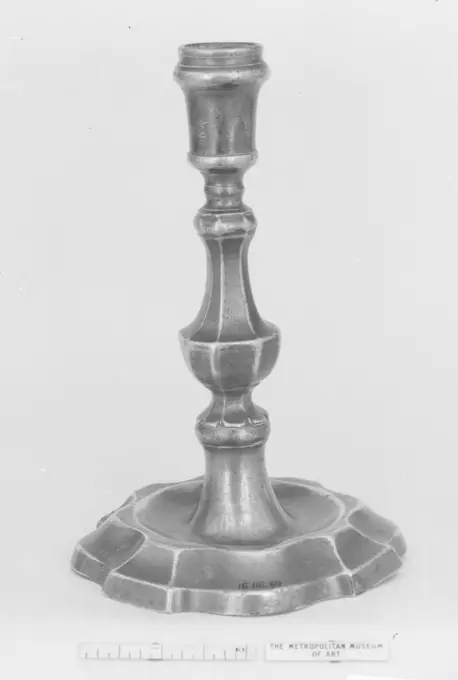
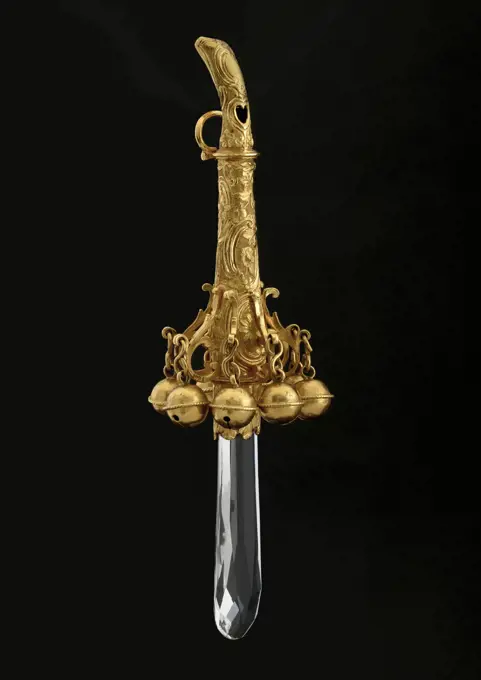
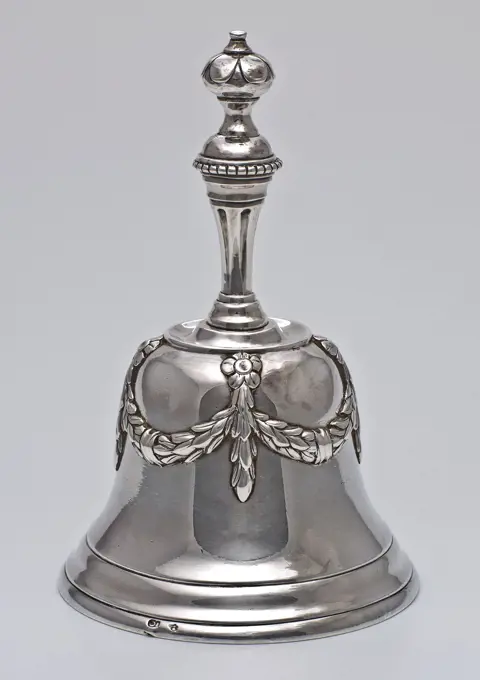
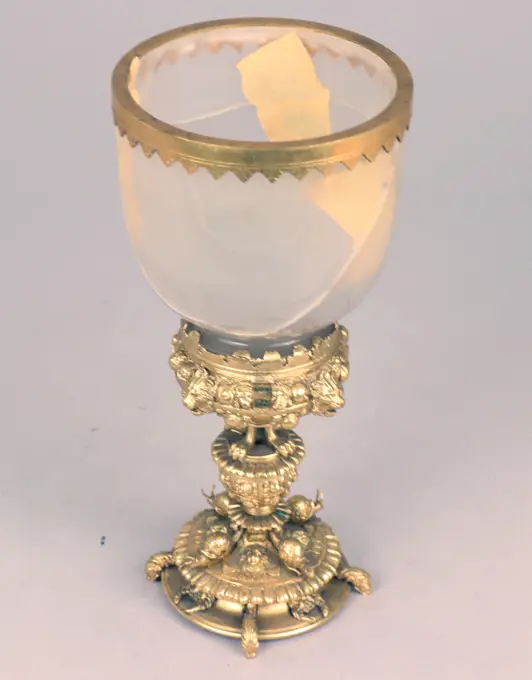
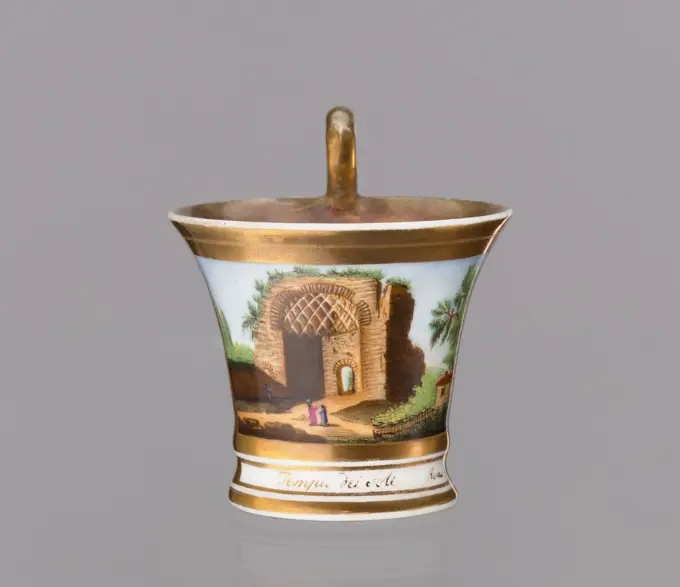
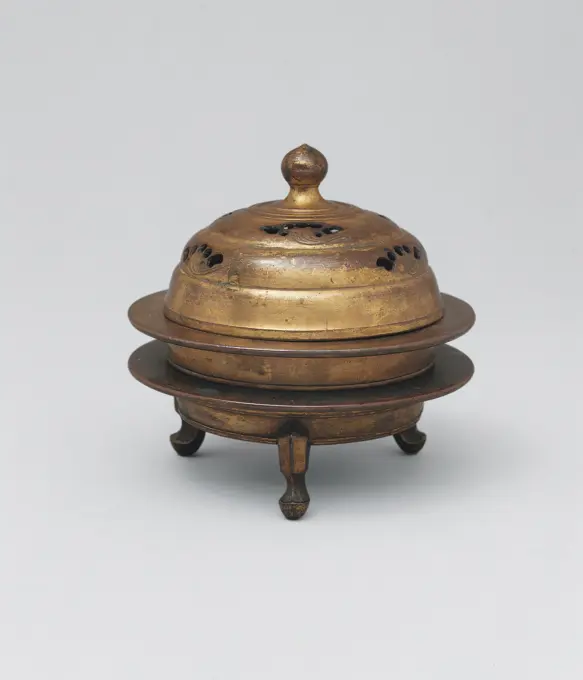
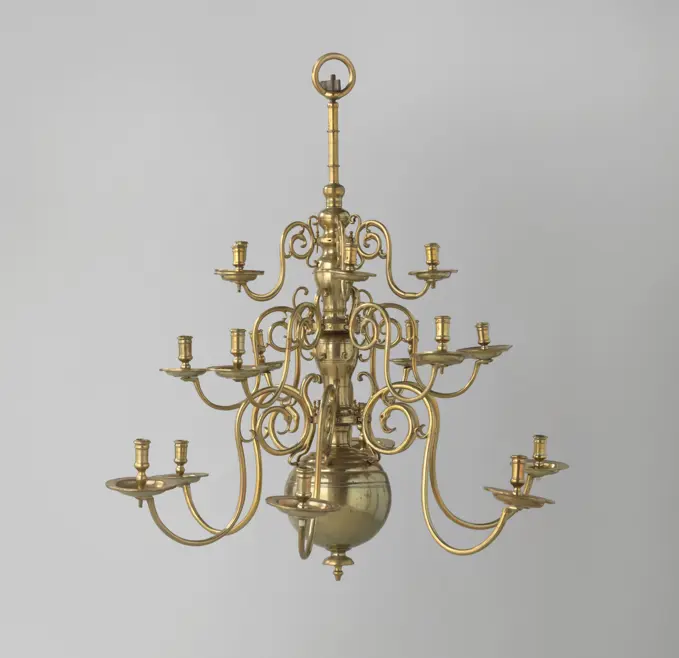
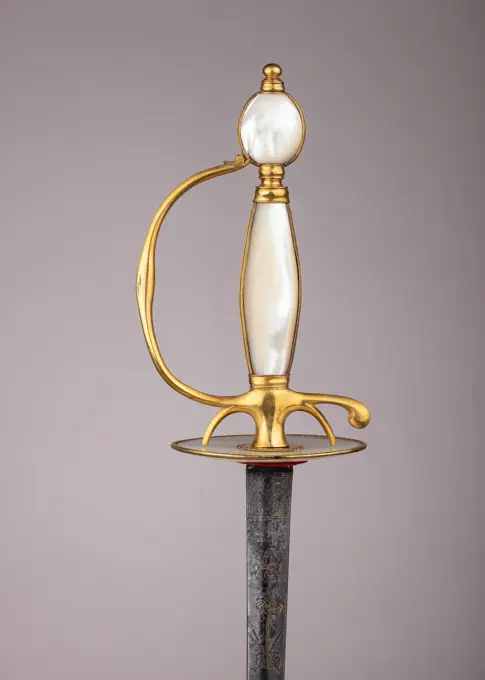
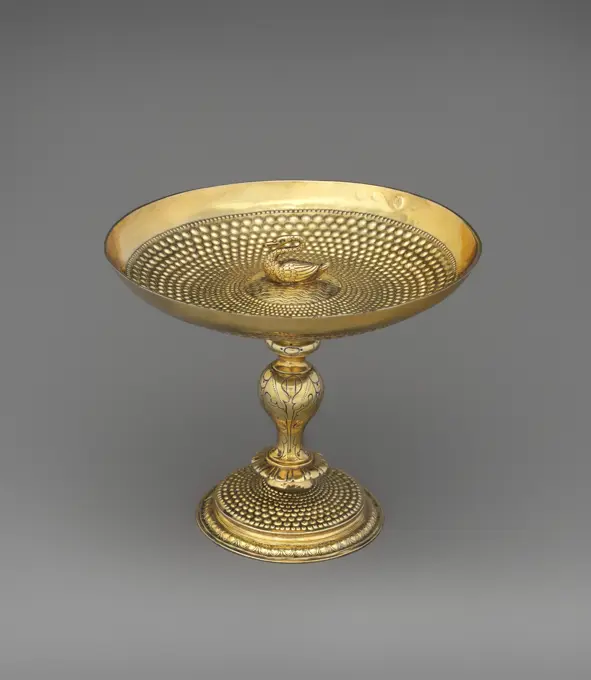
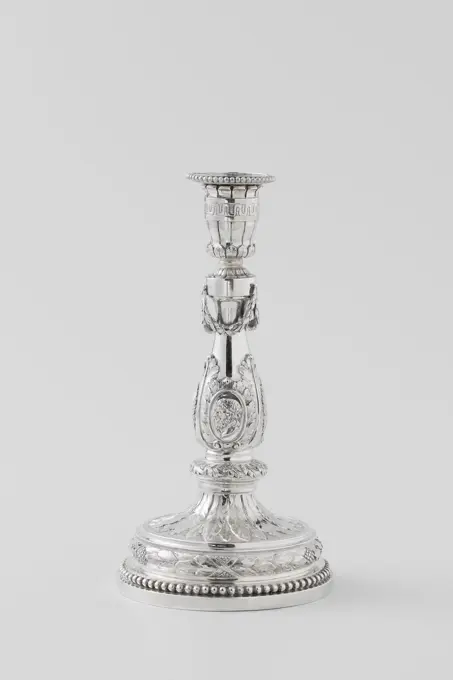
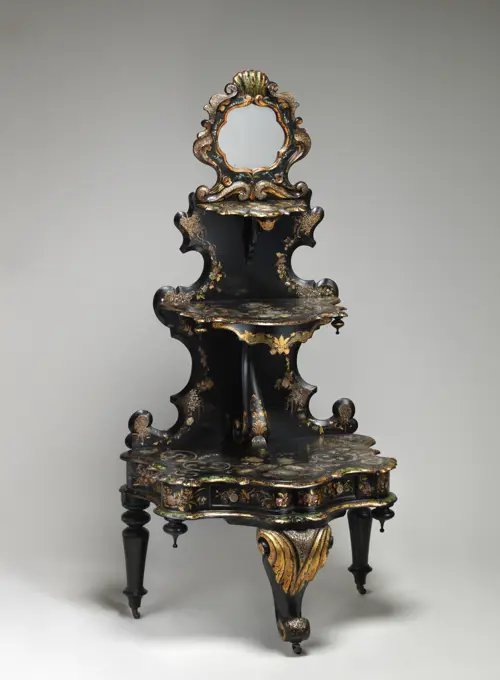
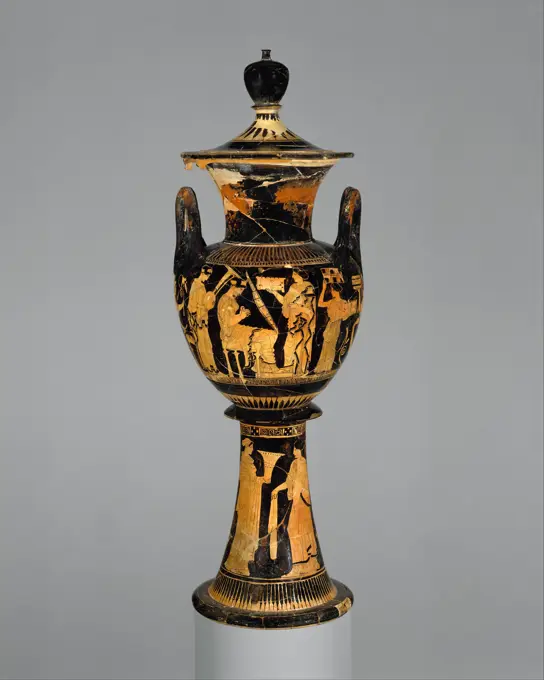
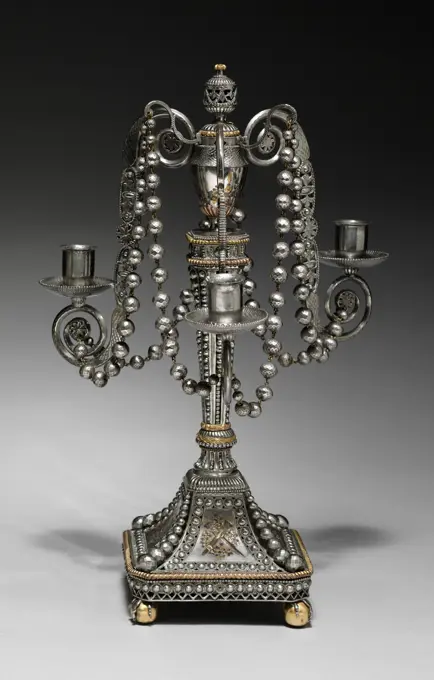
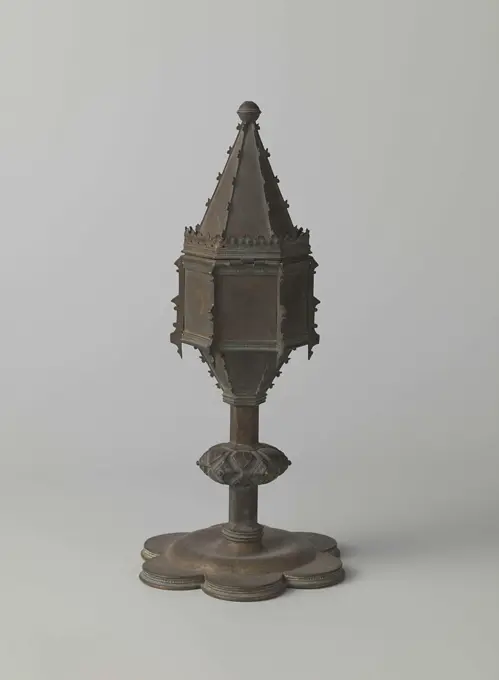
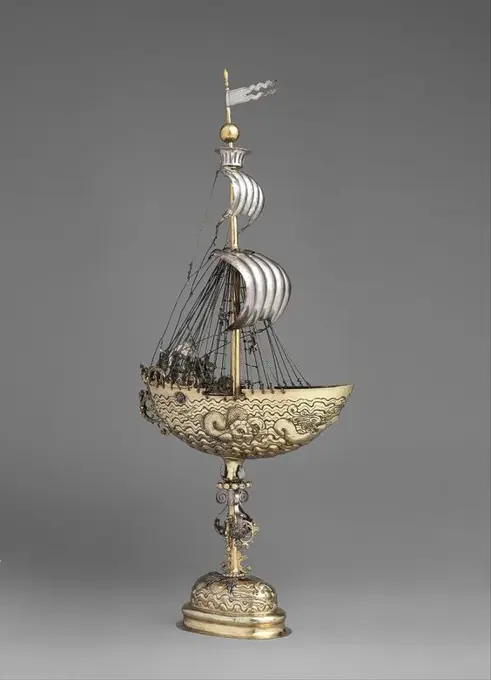
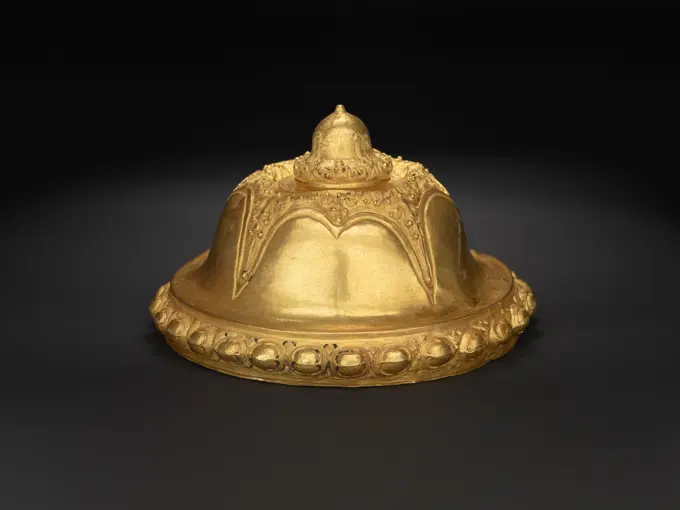
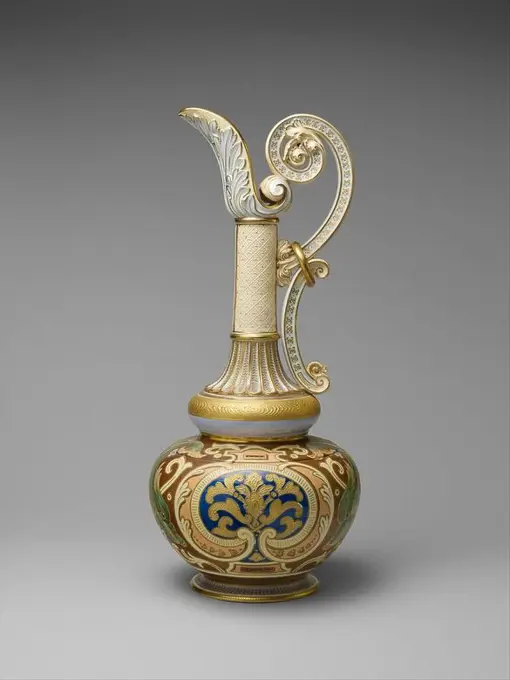
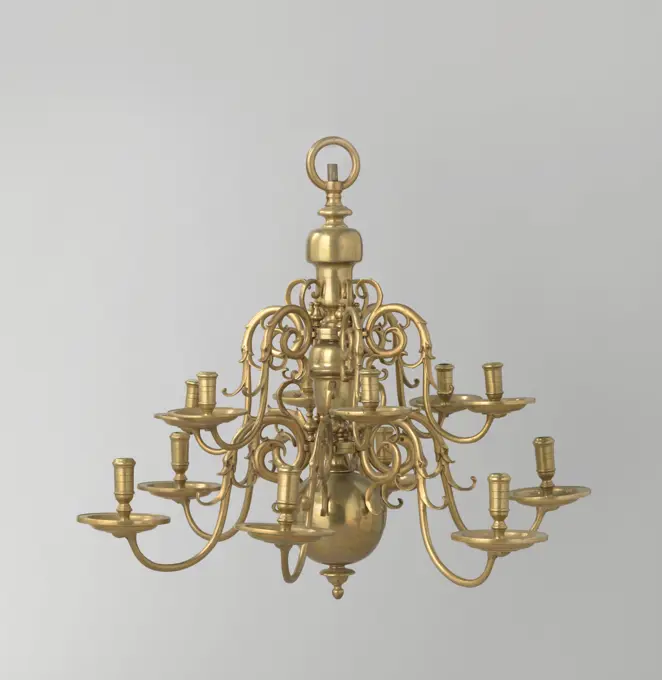
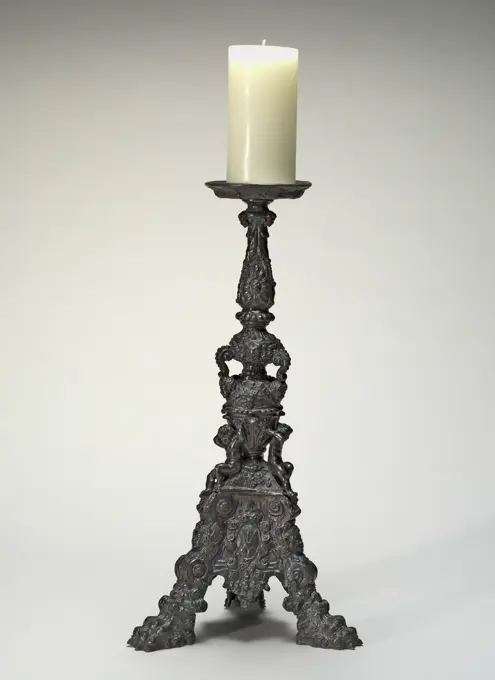
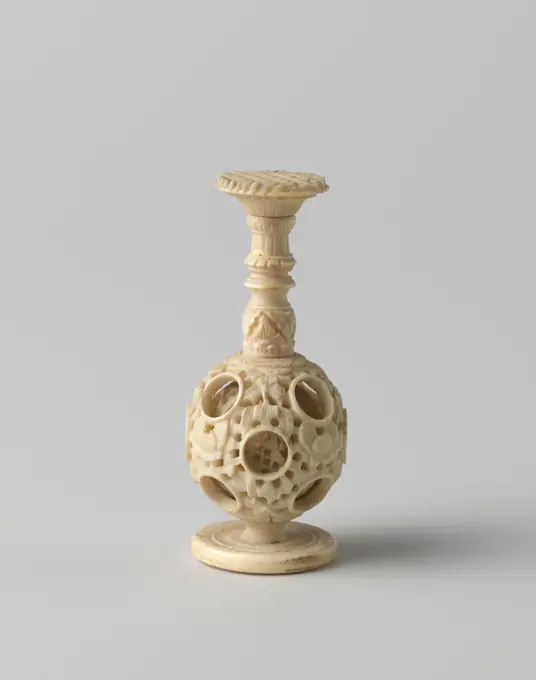
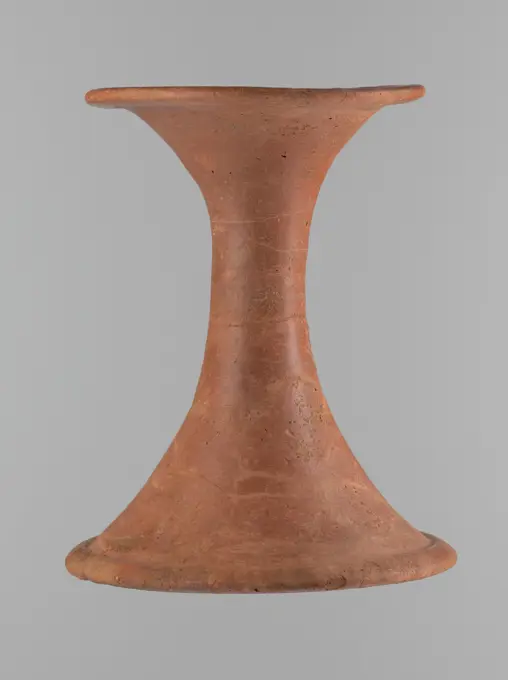
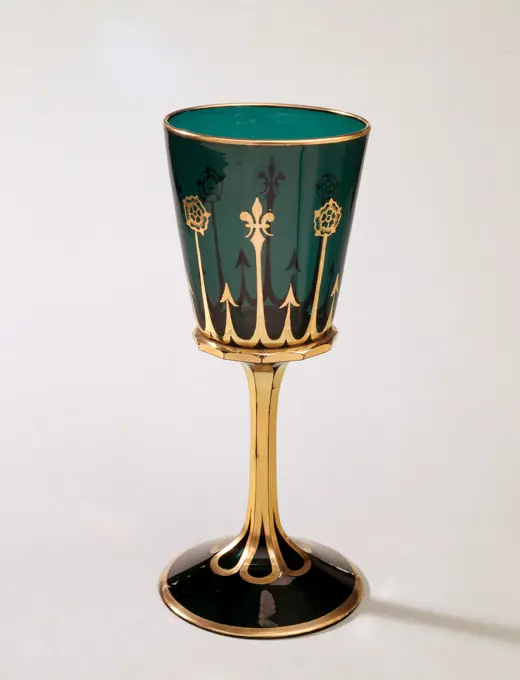
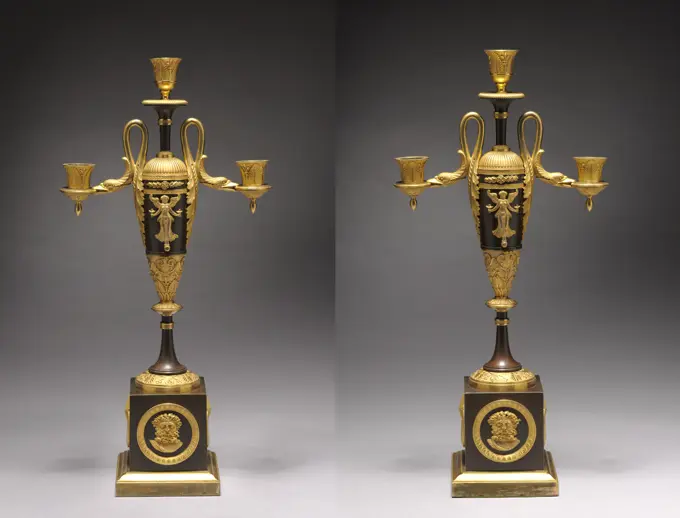
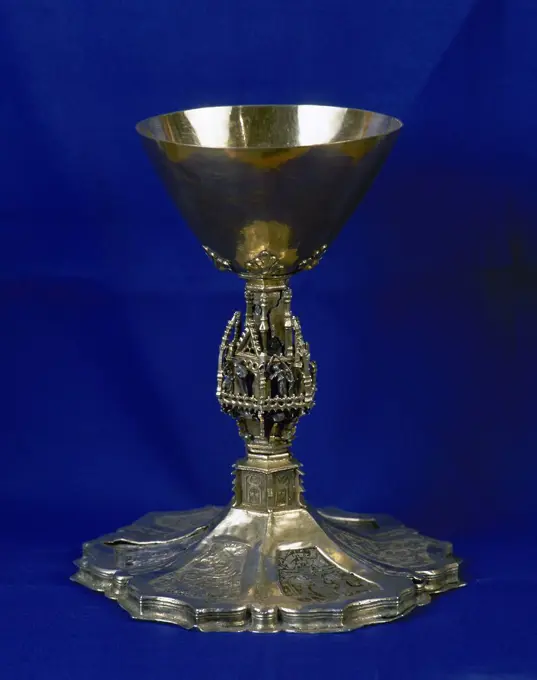
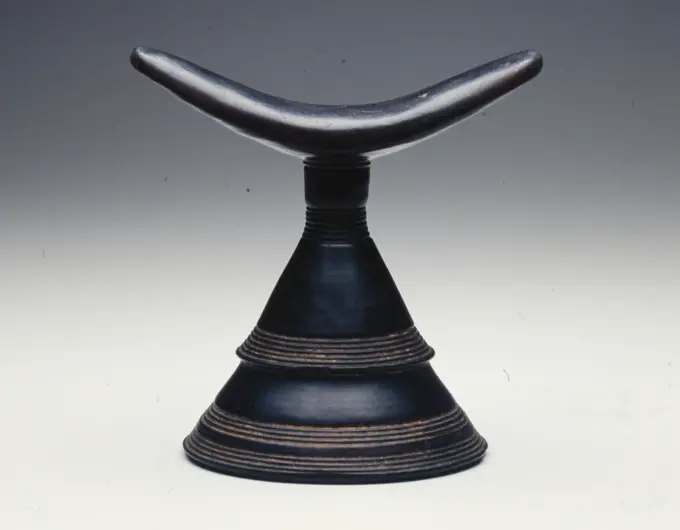
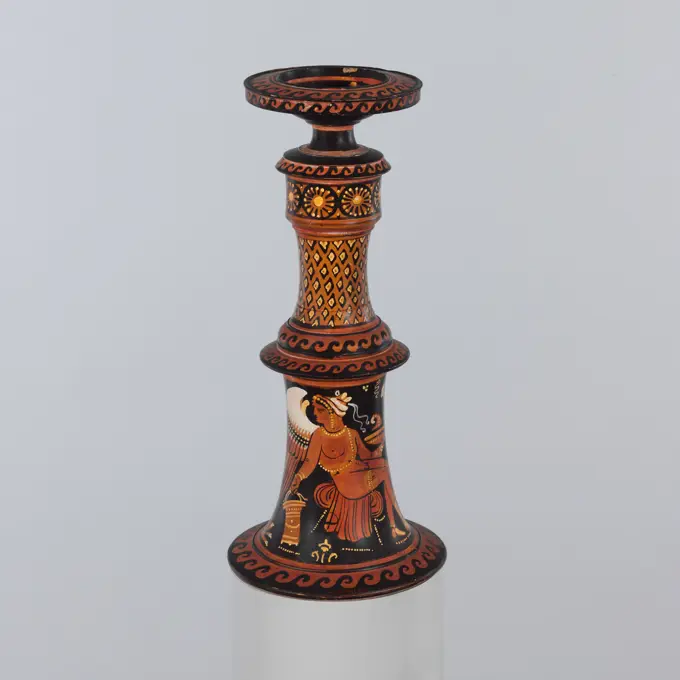
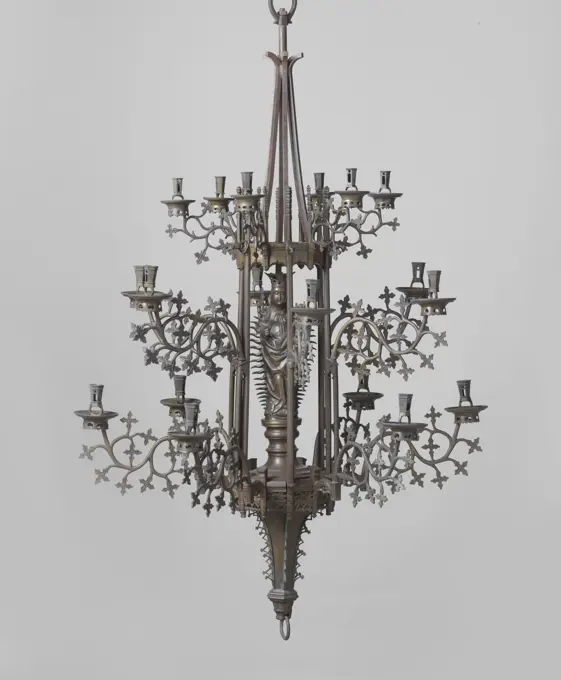
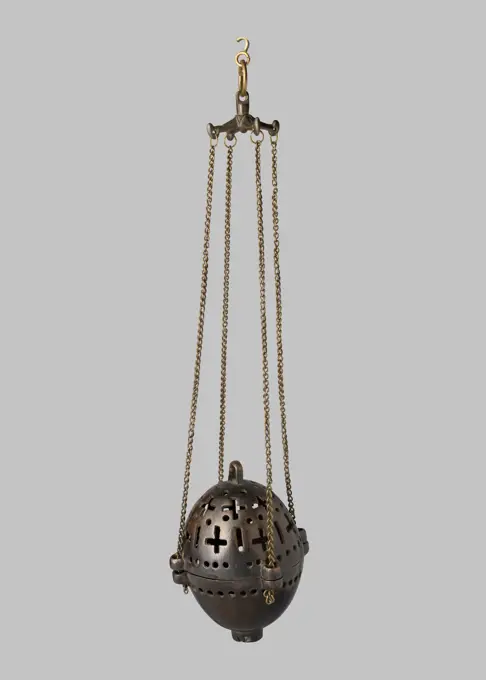
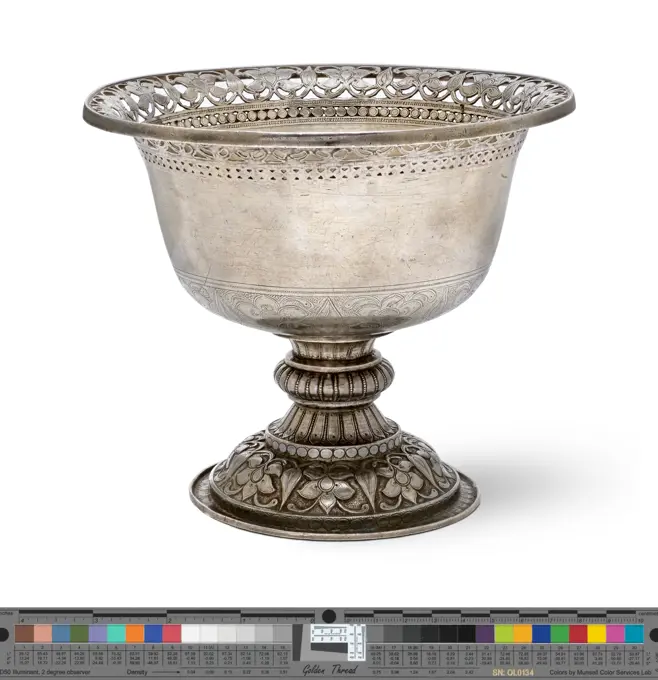
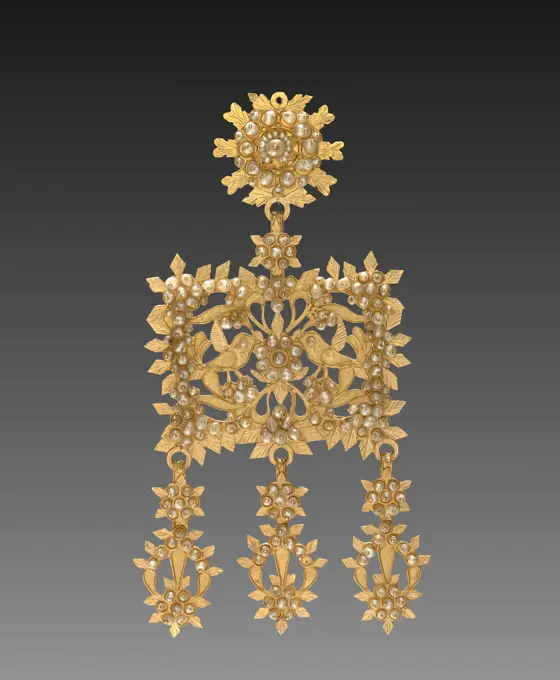
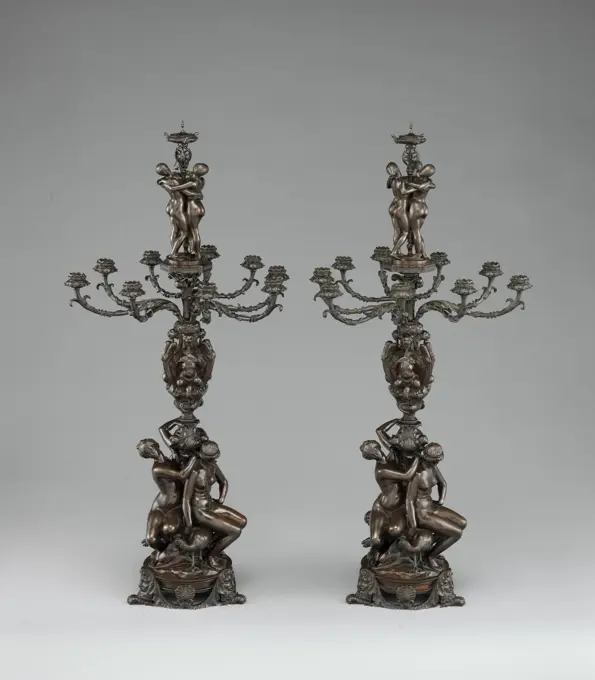
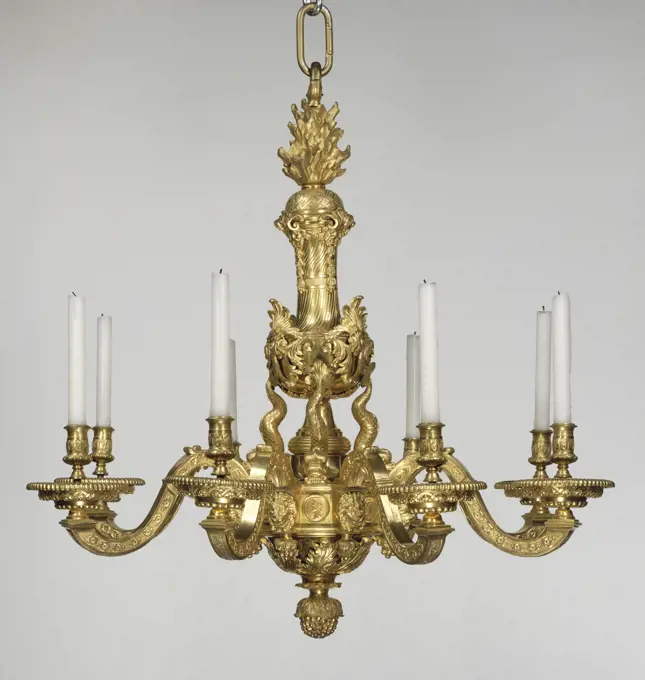
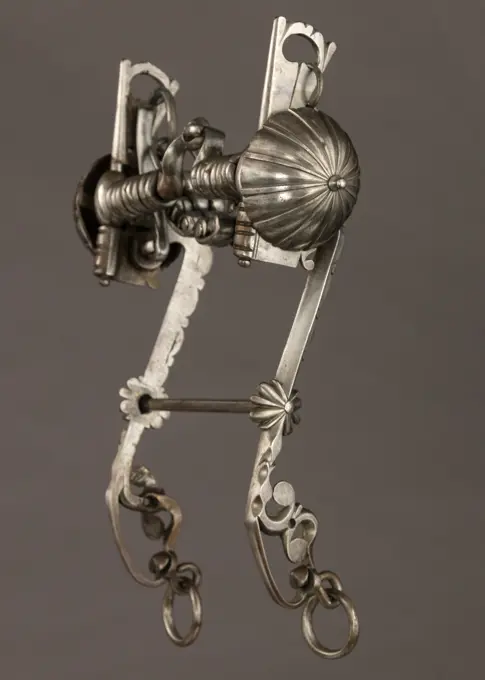
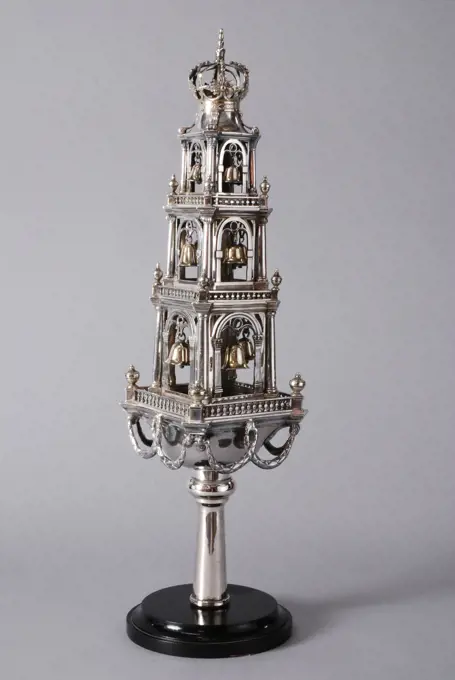
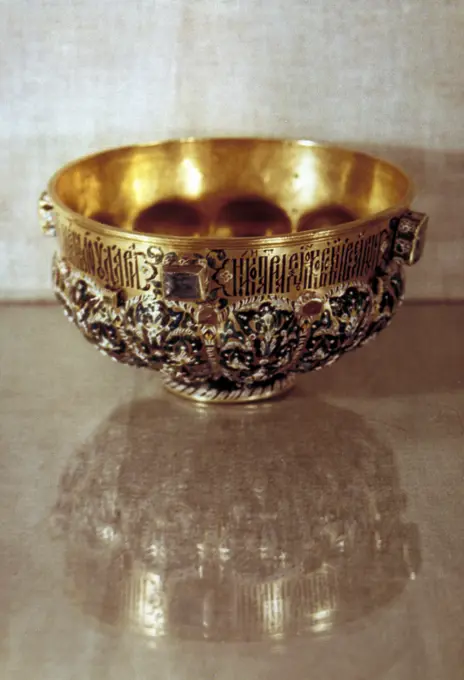
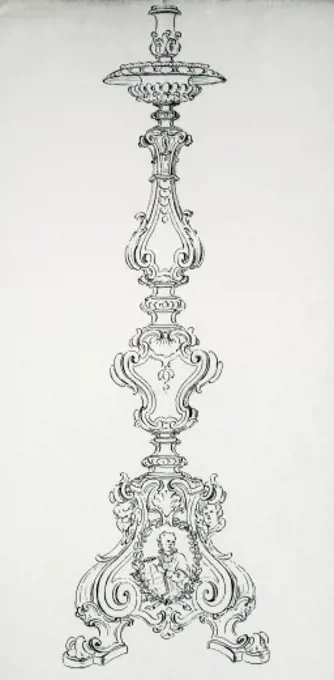
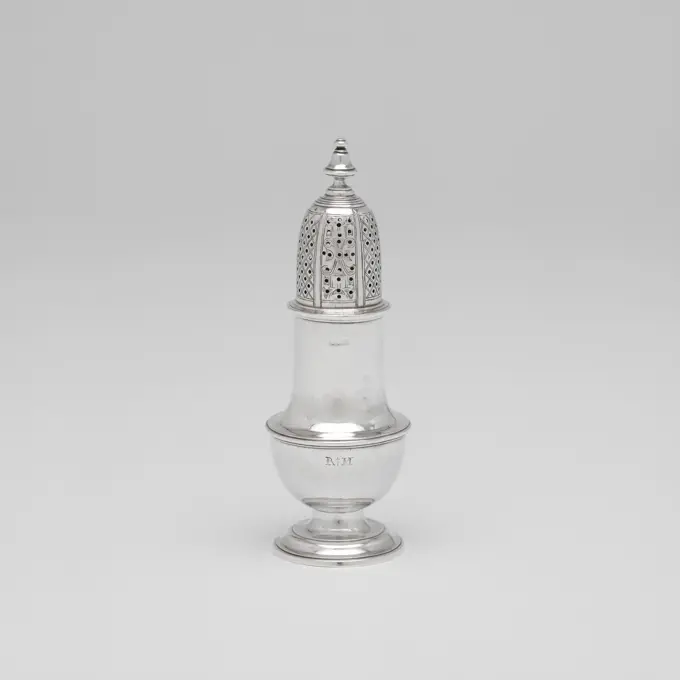
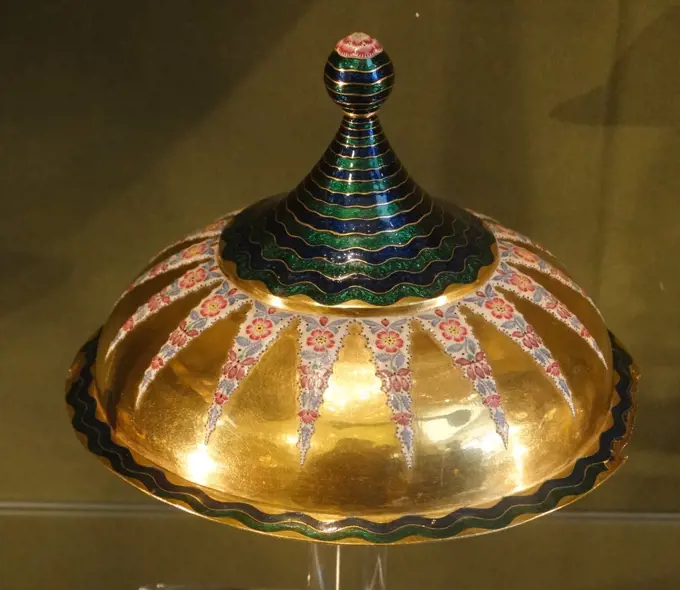
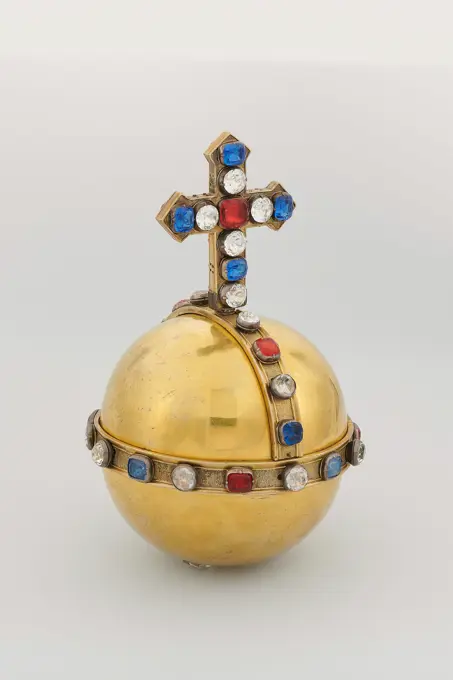
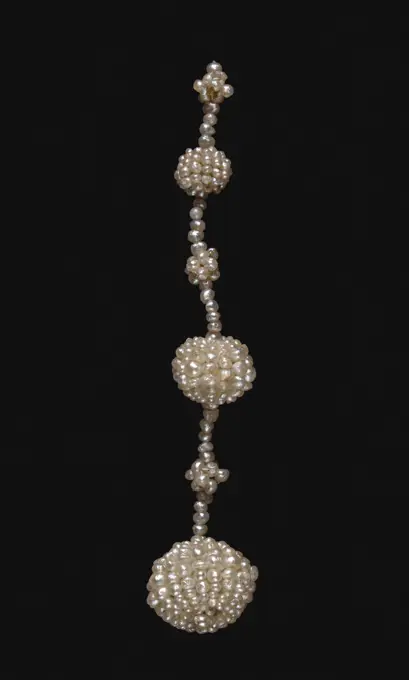
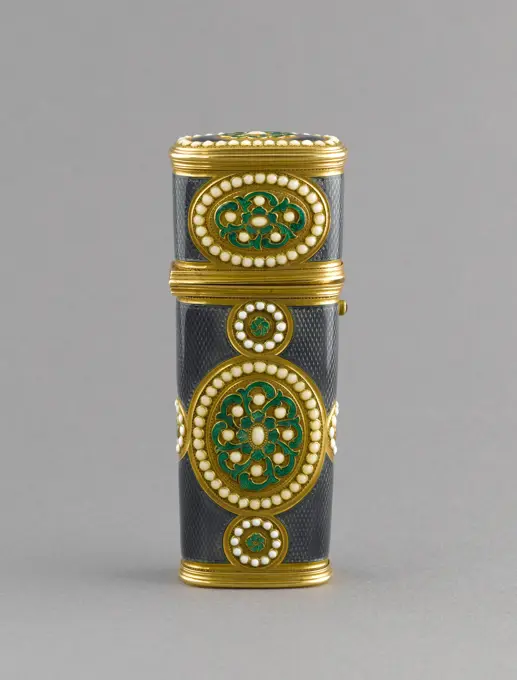
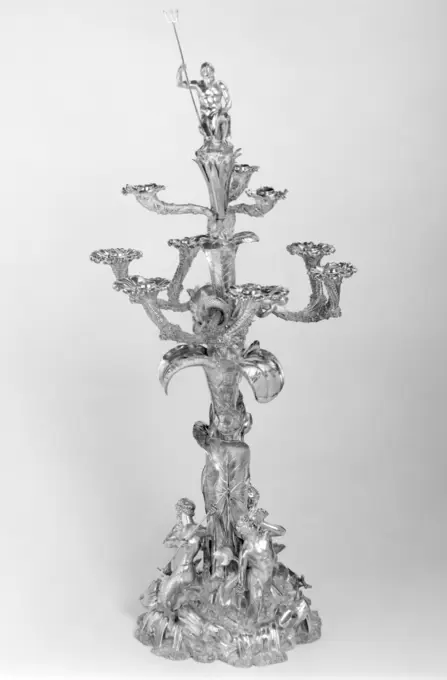
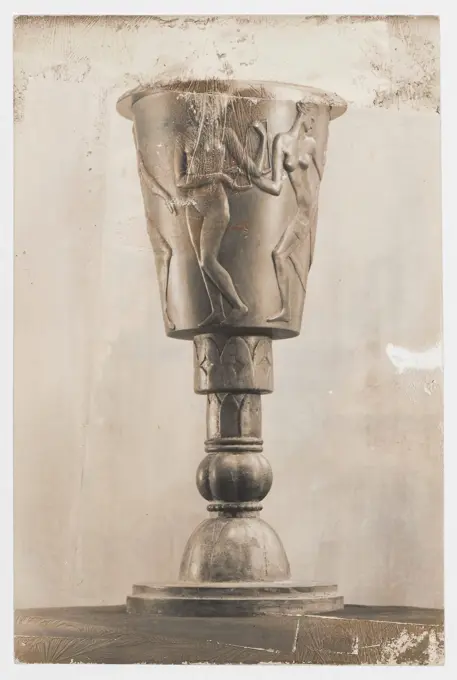
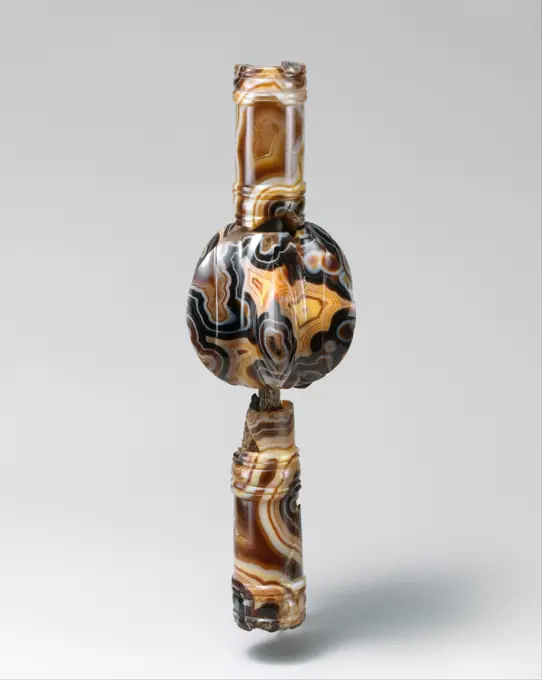
. Round empire dish of gold-plated silver. Decorated with a narrow palmet edge. Engraved with the weapon of Potemkin.Casket 1385-1415 Venice. Given to noble or merchant-class brides in honor of a betrothal or wedding, small caskets such as this were used as keepsake boxes to house jewelry and other important mementos. The sides were often carved with emblematic scenes to entertain the recipient bride. The sources for these ranged from literary romances and ancient mythology to passages from the Christian bible. The theme for this casketís narrative remains unidentified, but includes a stag hunt, an abducted maiden, and an enigmatic scene with a figure crawling out of a falcon. On the lid are two kite-shaped shieldsóthough blank, these were meant to be painted with the coats-of-arms of the two families joined in marriage, a means of personalizing the object after purchase.Beginning in the 1370s, caskets like this, as well as private altarpieces, were manufactured in numbers at a workshop owned by a noble Florentine entrepreneur and diplomat, Baldassare degli Embriachi. After about 1395, the Embriachi Pair of candlesticks late 17th-early 18th century Dutch or Flemish. Pair of candlesticks. Dutch or Flemish. late 17th-early 18th century. Pewter. Metalwork-PewterDouble cup candlestick, terracotta from the Tomb of the Studded Vases discovered in 1974 in Padua, Veneto, Italy. Paleoveneti Civilization, 8th-7th Century BC.Silversmith: Adrianus van Bemme, Golden rattle with crystal bite and gold bells, rattle soundstuff gold rock crystal, hammered die cut cast rattle with eight bells hanging from protruding c-voluten and with elongated crystal biting piece Small hinged ring on handle The handle is also whistle with tip as mouthpiece end mouthpiece backside (smashed) baby care childcare play baby childRimmonim (Torah finial) (one of a pair), 9 1/2 x 3 3/8 x 3 3/8 in. (24.1 x 8.6 x 8.6 cm), Silver, gilt silver, MoroccoTabletop of Marmer, Anonymous, 1750 Tabletop of red -veined marble. France (possibly)Germany (possibly) marble (rock) Tabletop of red -veined marble. France (possibly)Germany (possibly) marble (rock)Collar cover of brass. The candlestick is poured into four parts and turned: the base, the lower part of the strain, collar, the upper part of the trunk with the candle holder. On the round-profiled foot, the lower stem portion with a rib follows above and under a spherical baluster-decorated baluster with a profiled rib. The collar is decorated at the top with a ring. The upper part of the trunk repeats the shape of the lower. The profiled cylindrical holder has two round holes in the middle of the wall. The upper part of the strain is provided with a pin that has been inserted through the lower part and clenched under the base. A candlestick of this type is called collar or disk candlestick.Silversmith: Douwe Eysma, Silver bell-shaped handbell with leaf garlands, handbell sound device silver, molded appliqué bell-shaped with claw fluted baluster-shaped stem ball knob with small lobes covered chalice inside (debossed) communication sound meal Collection .O van Kerkwijk.Goblet 19th century, after 16th century original Franchi and Son This electrotype is after a sixteenth-century original (1567), at time of reproduction in the Victoria and Albert Museum, London.. Goblet. British, London, after British, London original. 19th century, after 16th century original. Agate, silver on base metal. Metalwork-ElectrotypeTobacco spot. Round tobacco spot with a lid. The pot stands on three legs that have been processed in the scalloped bottom edge. The lid has a button in the shape of a flower. From the button engraved lines to the scalloped edge of the lid. The pot walks downwards. The tobacco spot is marked: STK. = Amsterdam, JRL. = P (1774), Mt. = Pieter of Somerwil II.Urn Convertible into Candle Stick, late 1700s. England, late 18th century. Dark bronze, mounts in ormolu; overall: 23.5 x 10.8 cm (9 1/4 x 4 1/4 in.).Campania Caserta Capua Museo Campano25. Hutzel, Max 1960-1990 Medieval: Byzantine architectural fragments; parchment fragments with miniatures (12th century) from Montecassino; painted wooden crucifix (13th century); Carolingian crucifixes; Bishop's miter (11th century) of gold and silver damask; fresco (13th century). Post-medieval: Architecture (15th century). Formerly the Palazzo Antignano. Unusual Catalan/Moorish-style portal; Paintings on panel and canvas (15th-18th centuries); marble intarsia (16th century); marble sculpture: busts of Christ and Mary (17th century); sculpture of saints in marble and in wood (15th century); painted and gilded sculpture in wood; marble grave sculpture (16th century); sarcophagus with allegorical carvings; gold reliquary "Rosa d'Oro"; crucifix made of elephant tusk Specific Location: Pianterreno Antiquities: Italic sculpture (seated women holding babies); inscription. Photo campaign #1: 533 photos. Roman relief and sculpture; cinerary urns; Greek anFili Anka with ruins of Heliosa in Rome; Baranówka (Porcelain Manufaktura; 1804-2012); 1830-1840 (1830-00-00-1840-00-00);Incense burner, 13th century, Unknown Japanese, 3 9/16 × 3 13/16 × 3 13/16 in. (9.05 × 9.68 × 9.68 cm), Gilt bronze, Japan, 13th century, In Buddhist ritual, the burning of incense before a holy image is one of six devotions considered to be effective in accruing religious merit. The diffusion of fragrant smoke symbolizes the permeation of Buddhism throughout the universe. This elegant example consists of a middle chamber which holds hot coal, a bottom chamber for ash, and the upper portion into which a powdered incense or a piece of fragrant wood would be placed. The dome is decorated with a pierced design of drifting clouds while the knob takes the shape of a 'wish-granting jewel' or lotus bud.Arm with candle holder of candle crown of three heights, c. 1675 - c. 1725 Candle belonging to a brass candle crown of three heights. The S-shaped arm has a curl and turns outside into the flat thickening with a screw hole. The candle holder is secured with the fat catcher. The fat catcher is ribbed at the bottom of the opening and also has twice two grooved rings. The cylindrical candle holder, who has a profiled excellent edge, two grooved rings and a thickening, turns into a baluster with the end of threads at the bottom and a button in which the center hole can be seen. This is the first arm of the lower position ring, numbered with 1 round point. The pin, to attach the arm to the stand ring, has a baluster shape. Southern Netherlands (possibly) brass (alloy) casting Candle belonging to a brass candle crown of three heights. The S-shaped arm has a curl and turns outside into the flat thickening with a screw hole. The candle holder is secured with the fat catcher. The fat catcher isCup first half of the 6th century B.C. Etruscan High foot with incised horizontal lines.. Cup. Etruscan. first half of the 6th century B.C.. Terracotta; bucchero pesante. Archaic. VasesBowl with tripod base 6th century B.C. Etruscan. Bowl with tripod base. Etruscan. 6th century B.C.. Terracotta. Archaic. VasesVase (England); enameled tôle, gilt bronzeModel or a capstan. Model of a capstan in a wooden frame of two levels. The capstan is for eight wind trees and has six palls in the heel against falling. The metal king continues to a trace on the lower deck. This capstan has two speeds that are obtained by leaving or lifting the catches in the head and in the heel; Rader's wheel, consisting of sun and planetraders, is placed under the upper deck between the beams of the fishing.Smallsword ca. 1775-90 Western European By the early seventeenth century, the rapier, a long slender thrusting sword, began to dominate as the gentlemans weapon of choice. During the course of the century, however, as civilian fencing techniques became more specialized and refined, the rapier developed into a lighter, trimmed-down weapon known by about 1700 as the smallsword. Smallswords, often richly decorated, remained an integral part of a gentlemans wardrobe until the wearing of swords in civilian settings went out of fashion at the end of the eighteenth century, at which time pistols were replacing swords as arms most frequently used in personal duels. The majority of smallsword hilts are made of silver or steel, but many also employ a wide variety of luxurious materials, such as gold, porcelain, and enamel. At their best, smallswords combine the crafts of swordsmith, cutler, and jeweler to create an elegant weapon that was also a wearable work of art.. Smallsword. Western EuropWine cup on high foot (Tazza) 1599 British, London The broad, shallow bowl of this wine cup is a borrowing into silver design of a Venetian glass form popular in the second half of the sixteenth century. Although few glass examples survive, we know of their use from Italian paintings, in which typically a dimpled ground in the bowl served to enhance the sparkling, light-filled character of the wine.Cruising serenely through little wavelets, the swan at the center of this bowl is an emblem of the Vintners' Corporation, the guild for men active in the wine trade whose responsibilities included monitoring conditions on the docks and securing honest trading. The Vintners' Corporation, one of the earliest guilds, received a charter in 1364. The four marks which seem to disfigure the side of the cup are in fact hallmarks, struck at the Hall of the Goldsmiths' Company, which regulated gold- and silversmiths and guaranteed the quality of the sterling stand and metal. The marks indicate year anPair of candlesticks, Johannes Schiotling, 1785 The candlesticks are round in diameter. The right -wing base has a flat top side, over which a pearl edge surrounds the foot. This is gradually built up and consists of a low smooth section, a higher central area on which a ribbons -bound wreath of laurel leaves and berries runs and a vault, a rejuvenating part with a decoration of two layers of rays laid on each other laurel leaves on a punched ground. Foot and trunk are separated by a nodus, sealed by profile edges, flat, flat, with acanthus leaves. The baluster -shaped tribe is decorated around the lower part with three acanthus fillets, which three surrounded by leaves surrounded oval medallions with antique portraits used to the right profile: the first gesture and acclaimed, the second beardless and also acclaimed and the third thrown. The tribe has a right -wing crown, of which three wounds of nails hang laurelslingers. The vaulted top is decorated with stylized leaves. Above it, sGalvanoplastic reproduction of a cup with lid with representation of Diana and Actaeon. Galvanoplastic reproduction of a cup on foot with lid, with driven representation of Diana and actaeon on the lid and body. On the inside of the lid a portrait of Hendrik Julius, Bishop of Halberstadt and Duke of Braunschweig. Gold plated.Collar or disk candlestick of brass. The candlestick is composed of two cast and shaded parts: the base with the fat catcher and the trunk with the candle holder. The conical foot goes upstairs in a wide fat catcher, the collar. The tribe clocked in the foot is baluster-shaped. The cylindrical holder has two round openings in the wall. Foot and collar are decorated with profiles.Collar candlestick, Anonymous, c. 1650 - c. 1700 Collar candlestick on a six-stretcher. The foot is wide from the bottom and runs upwards, and then walked out in a six-sided container. The profiled trunk of the candlestick is in the container. The candlestick is not marked. Netherlands silver (metal) Collar candlestick on a six-stretcher. The foot is wide from the bottom and runs upwards, and then walked out in a six-sided container. The profiled trunk of the candlestick is in the container. The candlestick is not marked. Netherlands silver (metal)Étagère mid-19th century British The étagère, also called a whatnot, became a popular form of furniture in the nineteenth century. The variety of shelves provided extra space for the display of the accumulation of knickknacks that was typical of English middle-class decorating. The undulating silhouette and cabriole legs of this étagère are characteristic of the Rococo Revival style. The black painted and mother-of-pearl decorated surface imitates Japanese lacquer that was mounted into French royal furniture in the eighteenth century.The technique for making papier-mché was first developed in India and in other parts of Asia. The process for making papier-mché furniture was achieved either by pasting multiple sheets of paper over shaped cores, or by pressing paper pulp between dies or matrices to form a variety of shapes. Once dried, the resulting material could be carved and polished like wood. Considered a raw material, papier-mché was intended to be japanned and inlaid or appliedTerracotta lebes gamikos (round-bottomed bowl with handles and stand used in weddings) ca. 430-420 B.C. Attributed to the Washing Painter Bride with attendantsScenes of brides such as this are basically variants of those showing women in their domestic interiors. The nuptial representations are distinguished by objects that are specific to weddings. In this scene, the loutrophoros carried by the woman at left is special. Loutrophoroi contained water for the nuptial bath; they were also used as grave-markers for women who died unmarried.. Terracotta lebes gamikos (round-bottomed bowl with handles and stand used in weddings). Greek, Attic. ca. 430-420 B.C.. Terracotta; red-figure. Classical. VasesCandelabra (2 of 2), c. 1790-1795. Russia, Tula, Neo-classical, 18th century. Cut and polished steel with gold and silvered decoration; overall: 40.7 x 24.8 cm (16 x 9 3/4 in.).ESCRIBANIA DE PLATA DEDICADA A D.ALFONSO ALSINA. Location: CONGRESO DE LOS DIPUTADOS-OBJETOS. MADRID. SPAIN.Chalice. Artist: Brother Bertinus. Culture: Northern European. Dimensions: Overall: 7 1/2 x 5 3/8 in. (19.1 x 13.7 cm). Date: 1222.The inscription around its base indicates that this chalice was made by Brother Bertinus in 1222. It is not known, however, where this accomplished goldsmith worked. The imaginary beasts swirling around the knop and the balanced proportions of the large round bowl and splayed foot typify North European style of the early thirteenth century. Museum: Metropolitan Museum of Art, New York, USA.CIBORIOR, Hexagonal. The object consists of foot, strain, box and lid, which are mostly made from pieces of plate. The portions of the stem above and below the nodus, the connectors of the trunk with foot and box, as well as the horizontal edges along box and lid are molded. The trunk is mounted on the foot with three rivets. In the bottom of the box, six rivets are applied in the middle and twelve the sides. The lid is hinged attached to the box and has a retlusion. The foot runs out in six with leaf ornament decorated lobes. His middle part has a bracelet profile in diameter. Stem, nodus, box and lid are built from six planes. The nodus is equipped with six-decorated facets, six stylized leaves at the top and six at the bottom. The transition from trunk to box widens upwards and has a high ornament on the tangent lines of the six planes. The lid is equipped with a raised edge of acanthus sheet, and ends in a button, the cross whose cross has broken.ESPEJO DE ISABEL LA CATOLICA CONVERTIDO EN CUSTODIA DE TIPO OSTENSORIO - SIGLO XV - FOTOGRAFIA EN BLANCO Y NEGRO - AÑOS 60. Location: CATEDRAL-CAPILLA REAL-INTERIOR. GRANADA. SPAIN.Ship (Nef). Culture: German, Nuremberg. Dimensions: Overall: 19 1/2 × 3 1/8 × 8 1/2 in. (49.5 × 7.9 × 21.6 cm). Maker: Esias zur Linden (master 1609, died 1632). Date: ca. 1609-20. Museum: Metropolitan Museum of Art, New York, USA.Urn (cover), c. 1815. Flight, Barr and Barr (British). Artificial porcelain;KendiLidCruet frame 1753-54 Samuel Wood. Cruet frame 197370Pair of candlesticks 1730-31 Antoine Plot. Pair of candlesticks 200086Ewer. Culture: American. Designer: Designed by Edward Lycett (1833-1910). Dimensions: H. 22 in. (55.9 cm). Manufacturer: Faience Manufacturing Company (American, New York, 1881-1892). Date: 1886-90.At 22 inches high, this ewer is one of the five largest known vessels produced by the Faience Manufacturing Company, and this example displays one of at least four different motifs associated with this form. Rising from a bulbous double-gourd-form body, stacked elements that display classicizing ornament emphasize the ewer's elongated form. Opposing foliate scrolls, joined by an illusionistic gilt ceramic ring, form the dramatic handle. Meticulously painted polychromatic dolphins amid foliate scrolls and arabesques embellish the body. Museum: Metropolitan Museum of Art, New York, USA.Arm with candle holder of candle crown of two heights, c. 1800 - c. 1875 Candle belonging to a brass candle crown of two heights. The S-shaped arm has a curl at the start, halfway through a dolphin head and turns outside into the flat thickening with a screw hole. The candle holder is secured with the fat catcher. The fat catcher is ribbed at the bottom of the opening and has a slightly excellent edge and is decorated with grooved hefty rings. The Cylindrian candle holder has a profiled and a little excellent edge, two grooved rings, a rib and a profiled hollow bottom, which turns into a protrusion with a thread with a center hole. This is the fourth arm of the lower position ring, numbered with 4 round points. Netherlands brass (alloy) casting Candle belonging to a brass candle crown of two heights. The S-shaped arm has a curl at the start, halfway through a dolphin head and turns outside into the flat thickening with a screw hole. The candle holder is secured with the fat catcher. ThAnonymous / 'Heliotrope cup case with lioness heads.'. Ca. 1665. Leather, Wood, Metal, Cloth. Museum: Museo del Prado, Madrid, España.Venetian 16th Century, Altar Candlestick with Shield of Arms of the Garzoni of Venice, third quarter 16th century Altar-Candlestick with Shield of Arms of the Garzoni of VeniceMortier van Brons with weapon Pauw, Anonymous, 1700 - 1750 cannon. mortar Bronze Mortier with Pauw family crest.  kanon: bronze (metal)Whale Oil Lamp. Dimensions: H. 9 1/8 in. (23.2 cm). Date: 1830-40. Museum: Metropolitan Museum of Art, New York, USA.Candlestick, Pricket 15th century South Netherlandish. Candlestick, Pricket 467954Hat Finial China Hats were an important part of official dress at all levels of government, and the finial worn atop a hat was an indicator of the wearer's rank. The finials shown here (1973.132.1-.3)red, blue, and whitecorrespond to three different ranks, from higher to lower.. Hat Finial 60890Footed beaker ca. 1670 Hungarian, Fogaras This substantial beaker could hold large quantities of wine. The polished scrolls and fruit clusters that project from a matte ground evoke a feeling of abundance that reflects the beakers lavish function. Similar auricular (literally "ear-shaped") scrollwork can be seen on the lidded example to the left. This beaker may also originally have had a cover. An auricular-style scrollwork ornament, which originated in the Netherlands in the early seventeenth century (Antje-Maria van Graevenitz. Das niederländische Ohrmuschelornament. Bamberg, 1973), similar to that decorating this voluminous beaker can be seen on a lidded example from the collection, acc. no. 2010.110.38.LiteratureFine European Silver. Sale cat., Sothebys, Geneva, November 14, 1988, p. 32, no. 73.Judit H. Kolba. Hungarian Silver: The Nicolas M. Salgo Collection. London, 1996, p. 75, no. 53.ReferencesElemér Kőszeghy. Magyarországi ötvösjegyek a középkortól 1867-ig / Merkzeichen derIvory cachet or decorative piece with a opened ball. Vase-shaped decorative piece, perhaps intended as a cachet. On a flat foot there is a globe in the form of a cut-away ball with three indoor balls, decorated with ranks in relief. A long, widely outlanded neck with various thickenings and tendrils. On the top of sharp studs, on the underside a flower in low-relief.Base under the vessel;  around 2686- 2181 BC; Old PAOsler & Sons of Broad Street, Birmingham created this green wine glass as part of the 'Tudor Service' made especially for Queen Victoria's visit to Aston Hall on 15th June 1858... Presented by Aston Hall and Park Co, 1864.Candelabrums, c. 1800. France, late 18th-early 19th century. Gilt and patinated metal; overall: 49.9 x 25.7 x 12.3 cm (19 5/8 x 10 1/8 x 4 13/16 in.).Silver chalice. Gothic. 14th century. From Church of Sant Lluc. Ulldecona. Catalonia. Spain.Model of a Capstan with a Winch, Rijkswerf Rotterdam (possibly), c. 1842 demonstration model Model of a capstan in a wooden frame with two levels. It is a pivot for eight wind trees with a winch in the metal head and four places in the foot against the decline. The drum is served either with the wind trees or with the winches. The lower half of the head, in which the holes for the wind trees and the winch are applied, is attached to the drum; Inside there is one toothed edge for the two tramps with gears, which together form the winch. The cracks can be disconnected by means of wedges. The upper half of the head is attached to the reluctant square king, which is fixed in a track on the cover below. The drum has six clamps. This pivot is a combination of a winch and a pivot with iron head. Scale 1:10 (estimate). Rotterdam (possibly) wood (plant material). brass (alloy). iron (metal)Cachet with corkscrew and pipe swroeter. Corkscrew in a silver cachet. The handle of the corkscrew is crowned by a horse. The cachet is engraved with a monogram.. Oval candlestick of silver. The foot and the fat catcher decorated with a pearl edge.Headrest, 20th century, 7 x 7 x 5 1/8 in. (17.8 x 17.8 x 13.0 cm), Wood, Ethiopia, 20th centuryTerracotta thymiaterion (incense burner) ca. 325-300 B.C. Associated with the Stuttgart Group On the shaft, seated Eros. On the top, head of a womanAs with the adjacent thymiaterion in the Gnathian technique (26.60.74), the shape here is strongly articulated, and the decoration combines figural and ornamental motifs. The traditional red-figure painting appears sober indeed compared to the rococo effect of the Gnathian piece.. Terracotta thymiaterion (incense burner). Greek, South Italian, Apulian. ca. 325-300 B.C.. Terracotta; red-figure. Hellenistic. VasesSpanish sword collection detail, sigle XVIModel of a Capstan with a winch. Model of a capstan in a wooden frame with two levels. It is a pivot for eight wind trees with a winch in the metal head and four catches in the foot against it. The drum is served or served with the wind trees or with the winches. The lower half of the head, in which the holes for the wind trees and the winch are arranged, is attached to the drum; Inside there is one toothed edge for the two booms with gear wheels, which form the winch. The booms can be disconnected by means of wedges. The upper half of the head is attached to the unacee square king, which is fixed in a track on the lower deck. The drum has six cleats. This spindle is a combination of a winch and a spindle with iron head. Scale 1:10 (estimation).Candle of candle crown, c. 1475 - c. 1485 Candle arm belonging to a candle crown of three heights with Maria Chapel in the middle. The arm is bent twice and has eleven leaves. The fat catcher rests at the end, which has a vertical serrated edge with cruciferous motifs on the underside. The candle holder is six-flagged with a perforated side on the front and back and has a vertical ring-shaped lower piece. This is the fifth arm of the bottom ring (pedestal), numbered with 5 dots. Southern Netherlands brass (alloy) casting Candle arm belonging to a candle crown of three heights with Maria Chapel in the middle. The arm is bent twice and has eleven leaves. The fat catcher rests at the end, which has a vertical serrated edge with cruciferous motifs on the underside. The candle holder is six-flagged with a perforated side on the front and back and has a vertical ring-shaped lower piece. This is the fifth arm of the bottom ring (pedestal), numbered with 5 dots. Southern Netherlands brass (allCenser with Pierced Geometric Motifs 12th century German Simple and elegant in its spherical shape, this censer, used for burning incense, is the most common type from the period.. Censer with Pierced Geometric Motifs. German. 12th century. Copper alloy. Metalwork-Copper alloyBowl for Flower Blossoms. India, Delhi, Mughal Empire, mid-18th century. Furnishings; Serviceware. Silver, repoussé and chasedHelmet. Culture: probably Mongolian. Dimensions: H. 7 1/2 inches (19.1 cm); W. 8 3/4 in. (22.2 cm); D. 9 3/4 in. (24.8 cm); Wt. 1 lb. 11.7 oz. (785.3 g). Date: 14th-17th century. Museum: Metropolitan Museum of Art, New York, USA.Earring, 1700s - 1800s. Sardinia, 18th-19th century. Gold; overall: 11.8 cm (4 5/8 in.).Treasury, bronze dragon candlestick, c. 1160/1170, Lorraine, possibly Trier, St., Sankt, SaintPair of candelabra ca. 1840 Antoine-Louis Barye French Each candelabrum depicts the Three Graces standing with interlocked arms above the candle arms, and on the shaft are three Renaissance-style monsters over three goddesses seated at the base, representing Juno with her scepter and peacock, Minerva, and Venus. Originally planned to light Barye's bronze figure group, Roger and Angelica on the Hippogriff (Corcoran Gallery of Art, Washington, D.C.), based on a story from Ludovico Ariosto's Orlando Furioso (1532), the candelabra were made for the duc d'Orléans, the youngest son of King Louis-Philippe. Although first modeled in 1840, this model, titled "Candélabra á neuf lumières, décoré de six figures, mascarons et chimères," was recast and offered for 1,400 francs at the 1865 Exposition Universelle in Paris.The Romantic French sculptor, painter, and printmaker Antoine-Louis Barye, born in Paris in 1796, was the son of a Lyonnais goldsmith. Following in his father's profession, he workedSugar Bowl with Lemon Finial Sugar Bowl; Italy; silver, repousseVase (England); enameled tôle, gilt bronzeIncenseBurnerChandelier; Attributed to André-Charles Boulle (French, 1642 - 1732, master before 1666); Paris, France; about 1710; Gilt bronze; 77.5 x 81.3 cm (30 1,2 x 32 in.)Bridleless Curb Bit late 16th - first half 17th century German According to contemporary equestrian manuals, the mouthpiece of this bit was designed for a horse with a thick tongue and an insipid mouth (meaning that the horse does not taste’ its bit, so by rolling the rings on its bars, the toothless part of its mouth, it will make the horse salivate). The curious system at the back of the cheekpieces, connected to the bosses, was used for pinching the upper lip between the tab and the back of the purchase, allowing this bit to be used without the need of a headstall to hanging it. These rare bridleless curb bits, described in some equestrian manuals written in the second half of the 16th century, were certainly somewhat experimental, and only used in non-military contexts. They seem to have been invented, and probably mostly used, in Germany.. Bridleless Curb Bit. German. late 16th - first half 17th century. Iron alloy. Equestrian Equipment-BitsSilversmith: Hendrik Vrijman, Ornamental tower for Thorarol, three floors in the shape of the superstructure of the tower of the Westerkerk in Amsterdam, ornamental tower silver wood, cast Tower consisting of three floors in the shape of the superstructure of the tower of the Westerkerk in Amsterdam (architect Hendrik de Keyser) resting on cushion-shaped attachment ending in smooth handle with nodus sliding over pin of wooden round foot vaulted roof with volute on the corners gilded crown on top Pincushion-shaped attachment (smashed in) synagogue wetsrol Hendrik de Keyser religious ceremony thora tora jew Judaism judaica religion migration Purchasing with support Vereniging Rembrandt and contribution of the Government.LAMPARA. Location: CATEDRAL-INTERIOR. Sevilla. Seville. SPANIEN.The gold cup of Tsar Alexis Mikhailovich, 17th century.Drawing with a Preparatory study for a candelabra in brass, copper or silver from the Italian School, 55.5 x 27.5 cm. Italy, 18th century.Pepper Caster 1730-45 John Burt. Pepper Caster 5585Candlestick 17th century China. Candlestick 61202Gold and enamelled dish and cover from India. Dated 1811Button, 1800s. Balkans, 19th century. Silver; average: 8.3 cm (3 1/4 in.).Alarm case late 16th century French Punching and embossing were used to decorate this case, which may have been made to carry an alarm clock. The raised passages were intended for a carrying cord.. Alarm case 196408COPON S XVII- ORFEBRERIA BARROCA. Author: POSSE JUAN. Location: CATEDRAL-INTERIOR. SANTIAGO DE COMPOSTELA. Coruña. SPAIN.Five piece shaded enamel desk set, antiques, England, London, Christie's ImagesTea Kettle And Stand (Netherlands); Designed by Jan Eisenloeffel (1876 - 1957); brass, copper, glassOrb and cross of the King Augustus III. Köhler, Johannes, goldsmithAltar bell, goldsmithing and textile art from the 16th to the 20th century, St., Sankt, SaintCandlestick 1740-70. Candlestick. 1740-70. Brass. Probably made in EnglandEarring (Parure), c. 1850. England, 19th century. Seed pearl on Mother-of-Pearl; overall: 6.3 cm (2 1/2 in.).Pair of Candlesticks 1675-1685 Italy. Gilt bronze . School of Francesco BertosPair of Candlesticks with Female Heads Candlesticks; Manufactured by Meissen Porcelain Manufactory (Germany); Germany; porcelain, vitreous enamel, goldRussian NAtional Water Boiler Russian national water boiler on isolated background Copyright: xZoonar.com/AndreyxSkatx 8079782Etui-negation. Now enamelled blue-gray with medallions and rosettes in green enameled gold with half-light in white enamel. 2nd half of the 18th century. Paris, Cognacq-Jay museum. 36968-2 Blue-Gris, Half Perhaps, White Email, Etui-Necessary, Medallion, Art, Gold object, Orfevrery, Rosette, GreenLIGNUM CRUCIS S XVII. Location: CONVENTO DE LAS CLARISAS / MUSEO DE ARTE SACRO. MONFORTE DE LEMOS. LUGO. SPANIEN.Nine-light candelabrum 1838-39 Paul Storr British This imposing centerpiece meant for the middle of a table has two tiers for candles, the upper with three arms, the lower with three double-arms, creating nine lights overall. The candle light served to emphasize the figure of Poseidon, the Greek sea god known to the Romans as Neptune. He sits in the midst of tall reeds. The ocean-Poseidon theme is continued in the seaweed and coral that wrap the candle arms and by the figures around the basea triton blowing a conch shell with which he calms the waters, and a nereid, both with bodies dividing into double fish tails. Dolphins, sacred to Poseidon, sport around the lower tier of candle arms and support the mirrored stand. The figures stand as though in shallows with sharp rocks and cascades of water between them. The centerpiece gives its greatest effect when the candles are lit. Then the surface of the stand reflects the candle light, giving an impression of glittering sea foam and refleThe Tassilo Chalice, West European Applied Art  Gueridon with stem consisting of scales, buttons and flower cages. Gueridon of tropical wood. The gueridone is bent on three S-shaped legs, finish in claw and ball. The multiple articulated strain is made up of scalyed conical components, twisted and ribbed buttons and flower cages. The round leaf has a profiled edge and is decorated at the bottom with a series of lobes.Eroro Benin 19th century Pyramidal bells like these were worn by Benin warriors as emblems of prestige and high rank. Mudfish, symbol of the oba (king) and his connection with the seagod Olokun appear in the corners of this lattice work bell and the face of the oba is displayed in the center.Award cup designed by Olga Niewska (1929), cast at the workshop of the Łopieński Brothers in Warsaw - award of the President of the Republic of Poland for the year 1930. Brzozowski, Stanisław (1883-1968), photographerAgate scepter head ca. 950 B.C. Cypriot Scepter and mace heads are well-attested Cypriot implements, but this example is exceptional in the magnificence of its material, which is matched by the precision of its execution. The head itself is set on an iron shaft. During the Late Geometric and Archaic periods, rulers of the major centers of Cyprus gained considerable wealth from natural resources, notably copper, and from active trade, in which the Phoenicians were conspicuous. The luxurious and finely wrought objects with which these kinds surrounded themselves are particularly well represented by this scepter and by the bowls in precious metals exhibited nearby.. Agate scepter head 242434Caster.   Maker: Simeon Soumaine, American, born England, baptized 1685-ca. 1750Guéridon.Round Guéridon on a high turned leg that goes down in a tripod. The Guéridon has been labeled: STK. = Amsterdam, JRL. = Z (1759) and Mt. = Pieter of Somerwil I. There is a bird cage on the Guéridon (BK-NM-11177-155-A).