Elegant Glassware Collection

An array of ornate glassware including chalices, candlesticks, and decorative pieces featuring intricate engravings and gold accents.
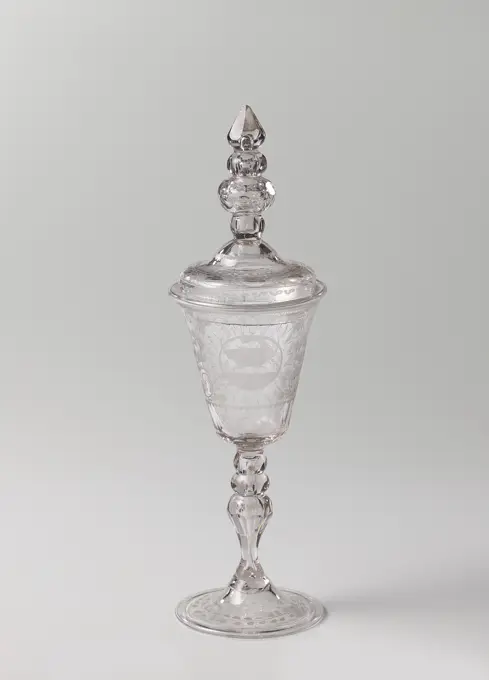
Bokaal with deer, anonymous, c. 1725 - c. 1750 Helding baluster tribe, two knots above it. Two medallions on the chalice in which deer, surrounded by arabesken. The chalice with cut facets. A leaf wreath on the foot. Bohemia glass glassblowing Helding baluster tribe, two knots above it. Two medallions on the chalice in which deer, surrounded by arabesken. The chalice with cut facets. A leaf wreath on the foot. Bohemia glass glassblowing
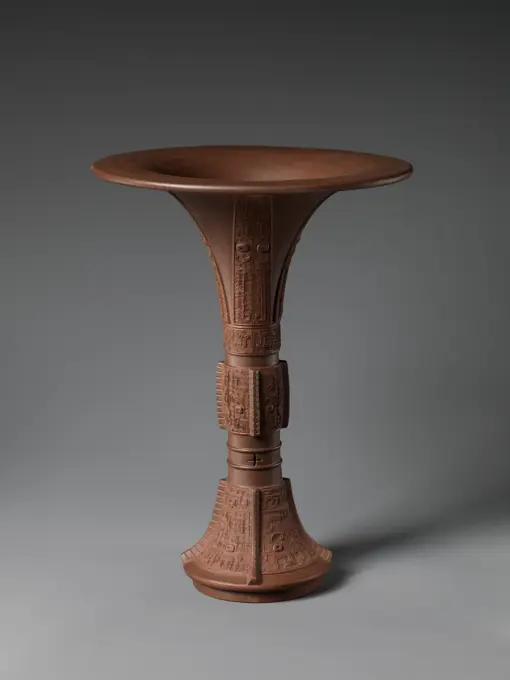
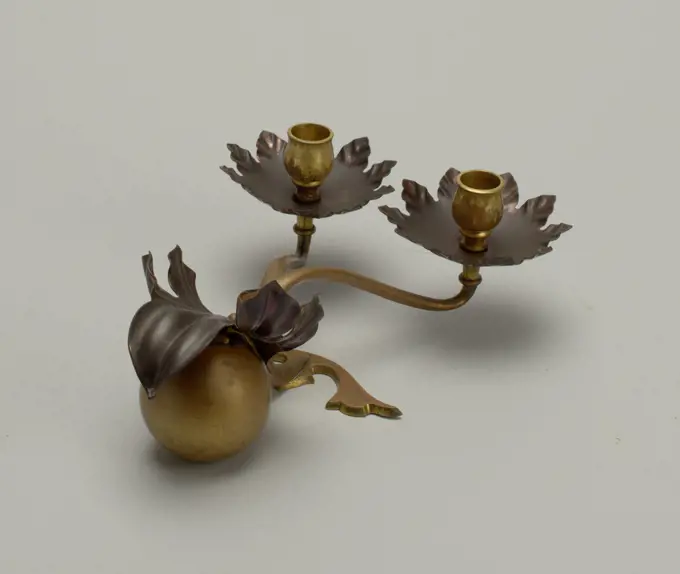
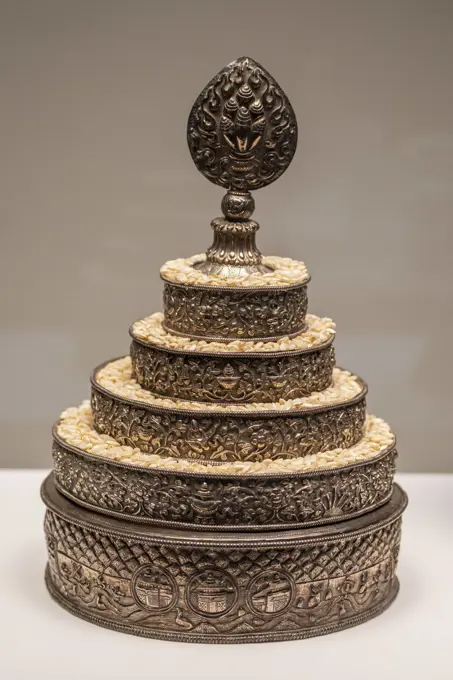
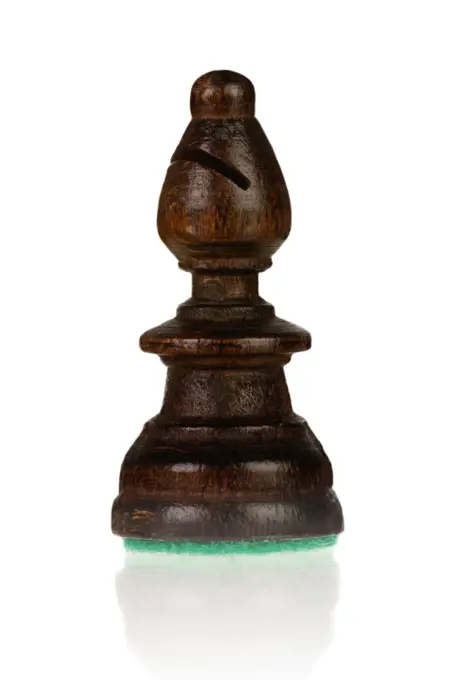
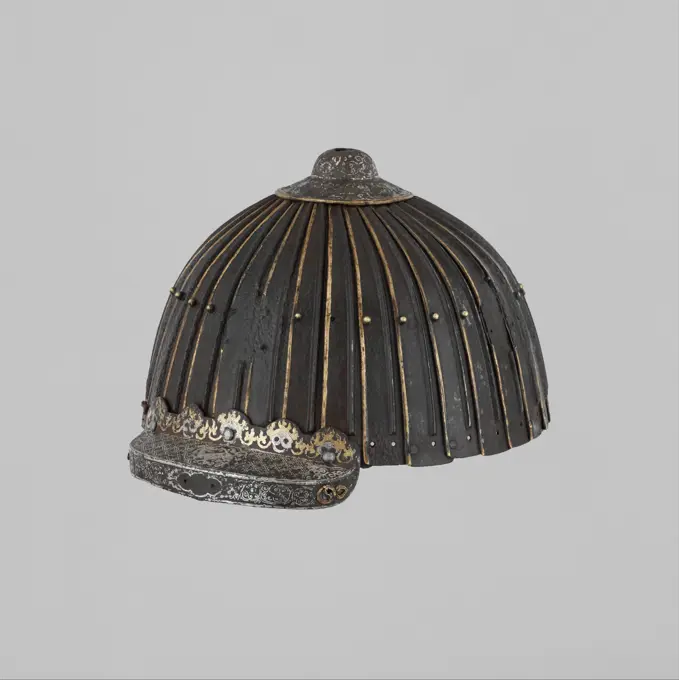
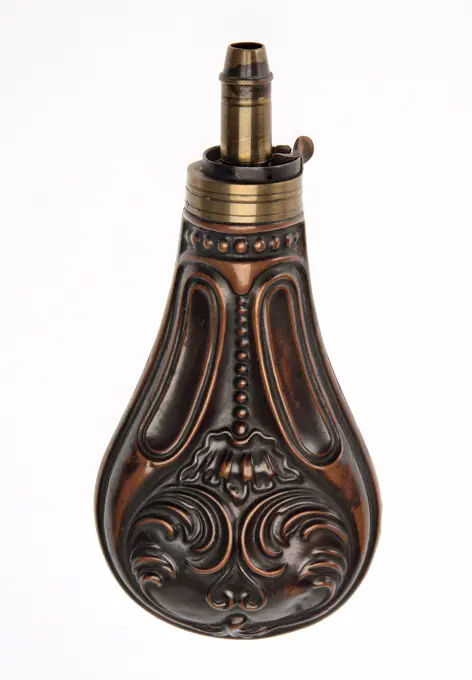
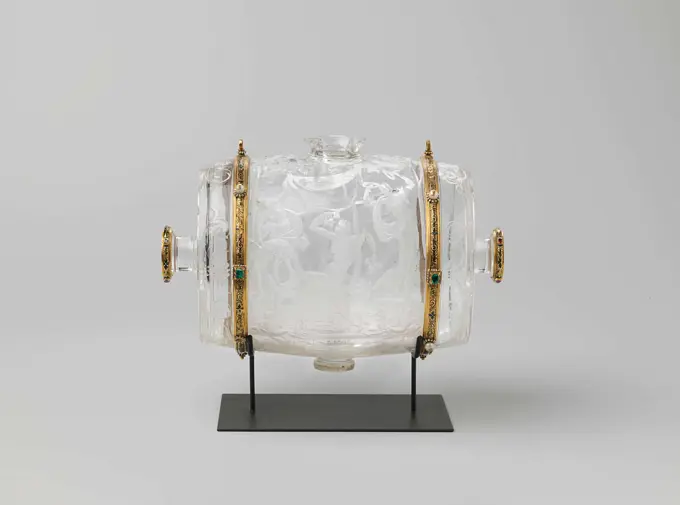
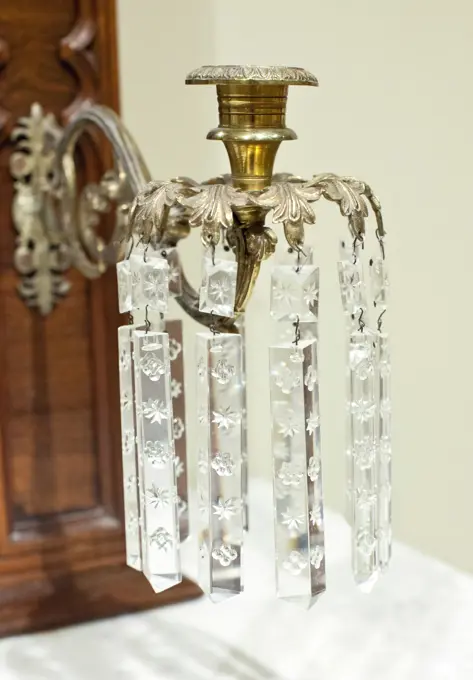
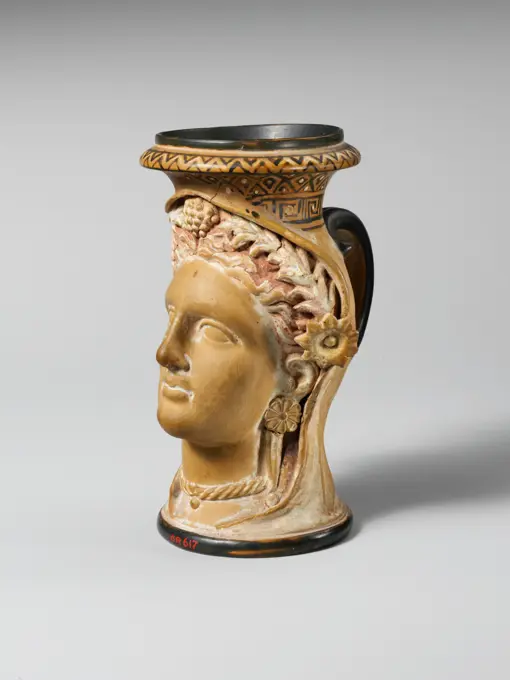
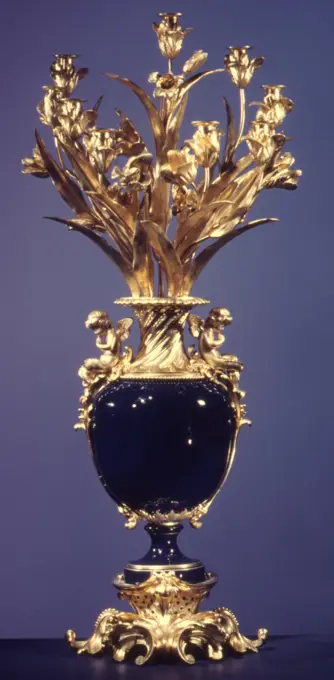
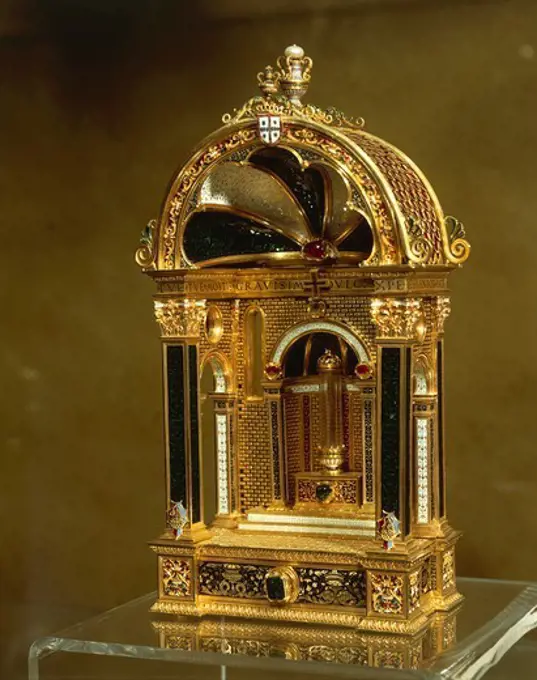
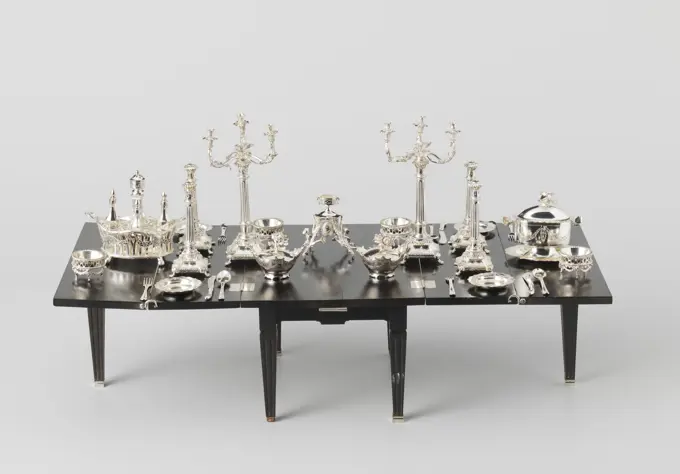
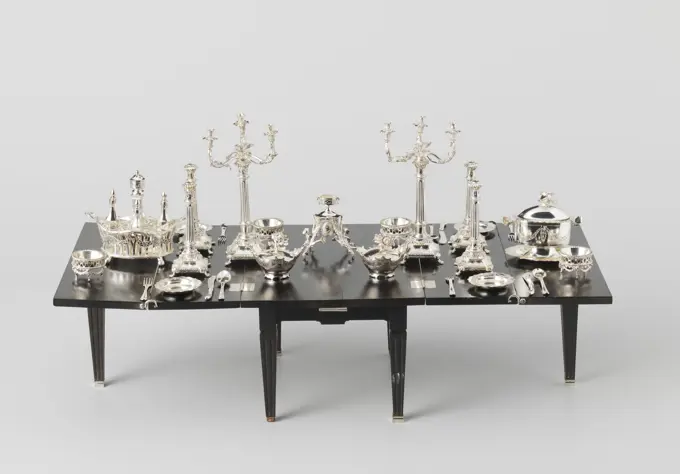
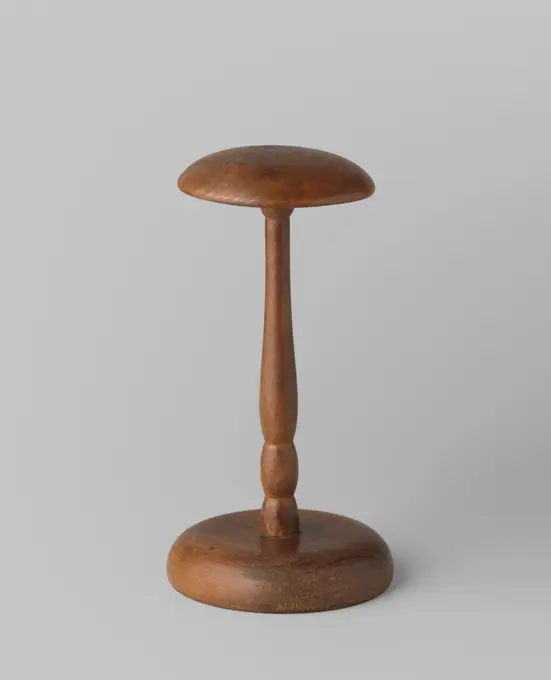
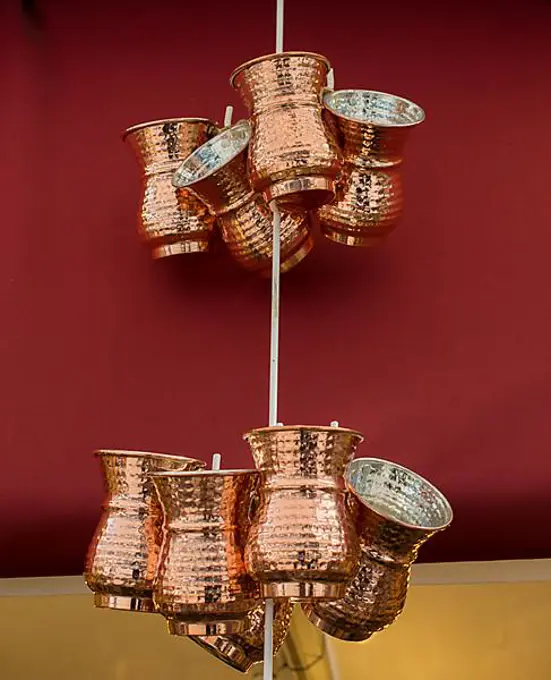
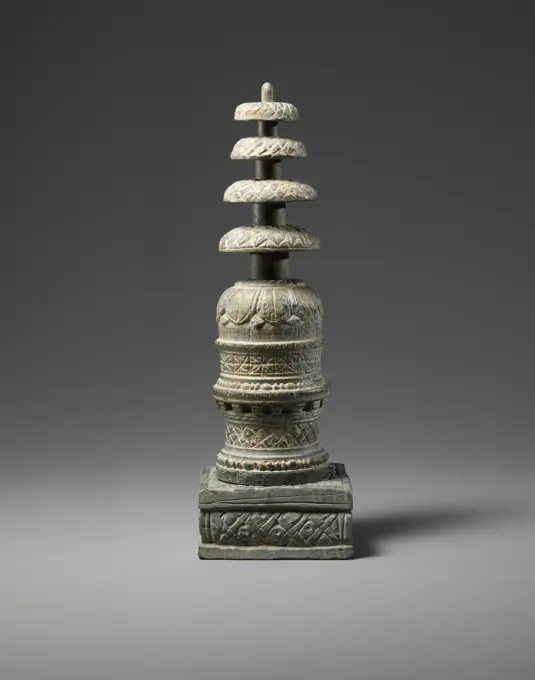
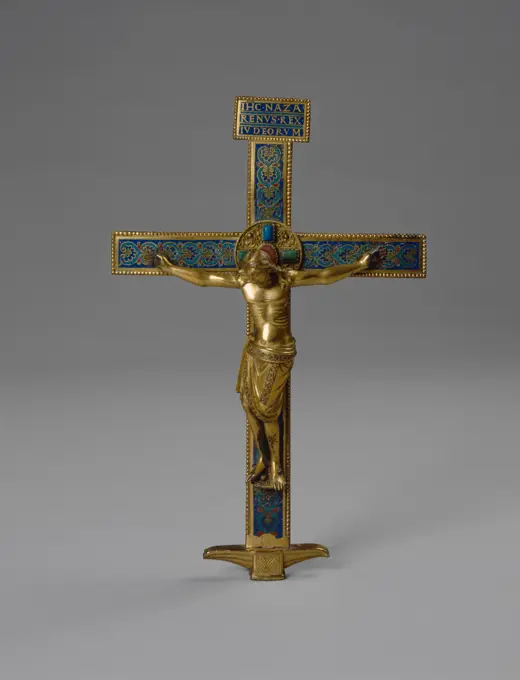
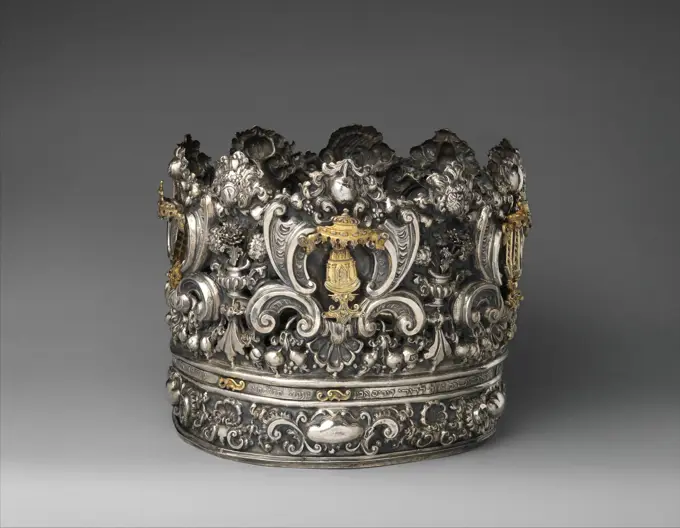
Torah crown (keter) ca. 1740-50 Andrea Zambelli "L'Honnesta" Italian Exceptional for its size and precious material, this Torah crown is a rare survival of 18th-century Italian silver and a testimony to the artistic virtuosity of goldsmithing in Venice. In synagogues the scroll of the Torah, the first five books of the Hebrew Bible, is often decorated with a set of vestments and silver ornaments including a crown or finials, and a shield. The crown augments the Torahs status as an object associated with royalty and speaks to the centrality of the Torah in Jewish life. The motifs depicted include ritual references such as priestly garments, a miniature temple, a menorah, and the Tablets of the Law, the latter engraved in Hebrew with the Ten Commandments. Such rich embellishment is indicative of the wealth and influential status of the Jewish congregation in the Venetian city state. The maker, Andrea Zambelli, is known to have made a wide range of ritual Judaica as well as religious silVase in the shape of an archaic bronze vessel (gu) 18th century Chen Jinhou Chinese Both the shape and decoration of this vase derive from archaic ritual bronzes of the Shang dynasty (ca. 1600-1046 B.C.). Unlike porcelain pieces produced at Jingdezhen, works made in the Yixing kilns were often signed, in this case by Chen Jinhou, making this ceramic tradition one of the first examples of studio pottery in the global history of ceramics.. Vase in the shape of an archaic bronze vessel (gu) 42324Gothic ciborium from Ober-Millingen near Rees on the Lower Rhine, Germany, historical, digitally enhanced reproduction from an original around 1860.George III Candlesticks Antiques-Housewares Art Trade, Bonham, London Double Candleholder, W.A.S. Benson Ltd., England, 1880 - 1920, William Arthur Smith Benson, English, 1854 - 1924, brass, copper, Low, double candleholder composed of heavy, spherical brass counterweight attached to scrolling foot and horizontal two-branched arm terminating in two upright nozzles; copper foliate-form bobeches under nozzles, and decoration in the form of a curling leaf applied to the counterweight., ca. 1900, metalwork, Decorative Arts, candlestick, candlestickReis-Mandala Rice mandala, Tibet, 19th century, embossed silver and rice, MuEC, Barcelona, Catalonia, Spain LicenseRF Copyright: xZoonar.com/Tolox 23171206Pocket watch in a double envelope; Cabrier, Charles (Fl. 1697-1726); The twenty-18th century (1720-00-00-00-1729-00-00);Christmas tree decorationCandle holder. Candlestick on square feet. The foot has beveled corners and stands on four claw legs. The tribe has the form of a fluted column with a capital. The candlestick is labeled: STK. = Amsterdam, jrl. = X (1782) and an unknown master sign.Knife with gun-shaped handle. Knife with gun-shaped blade and gun-shaped handle. The knife has not been marked. The knife is equal to five blades with the Invnrs. BK-NM-11177-238, BK-NM-11177-239, BK-NM-11177-240, BK-NM-11177-241 and BK-NM-11177-242.Brown bishop, chess piece isolated on a white backgroundSword Pommel Made 1600-1635 Germany. Iron .Multi-Plate Helmet of Thirty-Two Lames possibly 14th-16th century Mongolian or Tibetan This is the most complete example of a small but distinctive group of helmets that are characterized by the presence of raised central ridges, applied brass borders, and the use of brass rivets rather than leather laces to join the major components. The finial at the top of the helmet is decorated in gold and silver with a protective mantra reading OM AH HUM. The brim has a series of five motifs known as dry skulls (thod skam), linked by tendrils of flames.. Multi-Plate Helmet of Thirty-Two Lames 27807Table clock in the shape of a tower, Richard Ledertz, c. 1640 Table clock of gilded copper and bronze. The square, concave conical pedestal rests on a plinth with grunts, which is supported by four winged claw legs. In the middle of the pedestal decorated with driven ornament, on a smooth plinth, the timepiece box in the form of a tower. This is provided with dials on two sides. The other two sides have arched recesses. On the corners of the tower are Tuscan columns on post -units. Along the top of the tower runs a balustrade with obelisks on mailmen on the corners. On top of the timepiece cabinet is a round arcade gallery, which is crowned by an uidak, on which a warrior with a trumpet. There is a bouquet within the arcade gallery. The dial on the front shows number rings for the hours, days and months. At the top of the dial is an opening for the external pendulum. The dial on the back shows two digit rings. The dial on the front is engraved with a saint with a sword in front of the . Ink set consisting of an elongated leaf on legs with confirmed: a penne holder, an inkwell and a sand spreader. The leaf has a straight upright edge with a engraved zig line on the outside. The ink set is noticed: Mt. = Egidius Pieter Prick.Girandoles 1849 United States. Gilt brass, glass, and marble . William F. ShawCandlestick, Silver, glass, Two-tiered square base with two rows of beading, of silver. Blue glass column shaft, capped by silver capital hung with three bead swags. Candleholder in the shape of a fluted urn, silver. No marks., USA, 19th century, metalwork, Decorative Arts, CandlestickPowder horn -Prayer m  19th century (1801-00-00-1900-00-00);Wine Barrel. The ends of this barrel suggest that it could be suspended, and its contents poured by tipping it. Depicted are mythological figures making merry and drinking the wine that could be poured from the barrel. The river is filled from the jars of the reclining men.Pendant with the Penitent Saint Jerome 1650-1700 Spain. Gold, enamel, emeralds, baroque pearl, and pearls .Venetian Cup (reproductions workshop) (detail), 19th century. Museum: Museo de Maricel, Sitges, Barcelona, Cataluña, España.Hanging Lamp (Italy); Manufactured by Umberto Bellotto (Italian, 1882-1940); Made by Vetreria Fratelli Toso, Barovier & Toso (Italy); glass, wrought iron, enamelSet of 20 Prisms, c. 1830-1850, Unknown American, H.4-7/8 x W.13/16 x D.1/4 in. (each, excluding hook), Glass, wire, United States, 19th centuryWine Barrel, anonymous, c. 1575 - c. 1600 Wine vessel cut from a lump of rock crystal with gold frame with enamel, pearls, rubies and emeralds. The barrel is decorated with representations of bacchands with panters, and waves with dragons and power gods, in matt grinding work. Malib frame: Gold (Metal). frame:. frame: Pearl. frame: Ruby (Mineral). frame: Emerald (Mineral) Wine vessel cut from a lump of rock crystal with gold frame with enamel, pearls, rubies and emeralds. The barrel is decorated with representations of bacchands with panters, and waves with dragons and power gods, in matt grinding work. Malib frame: Gold (Metal). frame:. frame: Pearl. frame: Ruby (Mineral). frame: Emerald (Mineral)Seal (England); gold, diamonds, carnelian, stone; Overall: 6.7 x 2.8 x 1.8 cm (2 5/8 x 1 1/8 x 11/16 in.); Bequest of Joan W. Leidesdorf; 1997-62-13Sword Pommel Made 1600-1640 Europe. Iron .Terracotta oinochoe (jug) in the form of a woman's head late 4th century B.C. Etruscan Figural vessels of this sort were popular products of the Clusium Group, but this may be an imitation produced in a South Etruscan center such as Tarquinia. The figure wears an elaborate wreath and jewelry.. Terracotta oinochoe (jug) in the form of a woman's head 256601Vase ca. 1860 French. Vase. French. ca. 1860. Porcelain, gilt bronze. Made in Hauts-de-Seine, Sèvres, France. Wooden model of the dome of the Lutheran New or Dome Church on the Singel in Amsterdam. Model with loose fence. Stands on chassis.Goldsmith's art, Portugal, 16th century. Reliquary in gold, enamel, rock crystal, emeralds and rubies, around 1520. From Madre de Deus Convent, Lisbon.The black queen. Wooden chess pieces isolated on a white backgroundCandlestick, Anonymous, 1782 Kandelaber with three arms. The three arms in the form of a loose attachment. The foot is square and has scored corners. The foot is on four claw legs. The trunk has the shape of a scanning column with a capital. From the capital, the three arms spring that are each with leaves. The Kandelaber is marked: stk. = Amsterdam, Jrl. = X (1782) and an unknown Mastert sign. Amsterdam silver (metal) Kandelaber with three arms. The three arms in the form of a loose attachment. The foot is square and has scored corners. The foot is on four claw legs. The trunk has the shape of a scanning column with a capital. From the capital, the three arms spring that are each with leaves. The Kandelaber is marked: stk. = Amsterdam, Jrl. = X (1782) and an unknown Mastert sign. Amsterdam silver (metal)Vork, anonymous, c. 1700 - c. 1800 Fork with four teeth and a slightly bent stem. The stem has a medium ledge and double praise. The fork is equal to three forks with invnrs. BK-NM-11177-225, BK-NM-11177-227 and BK-NM-11177-228. The fork is not marked. Netherlands silver (metal) Fork with four teeth and a slightly bent stem. The stem has a medium ledge and double praise. The fork is equal to three forks with invnrs. BK-NM-11177-225, BK-NM-11177-227 and BK-NM-11177-228. The fork is not marked. Netherlands silver (metal)Hat standard of dark brown varnished wood, anonymous, c. 1910 - c. 1930 Hat standard of dark brown varnished wood. The standard consists of a round, smooth base and a baluster tribe on which a bulb supports support. Netherlands wood (plant material) Hat standard of dark brown varnished wood. The standard consists of a round, smooth base and a baluster tribe on which a bulb supports support. Netherlands wood (plant material)LanternEpergne (England); glass, brass, metalSet of metal mugs made in the old Ottoman styleHourglass with four glasses. An hourglass with four glasses that are caught between twisted bars. Close up and bottom.Globe in a wooden chair made by G. Valck of Valk .. The chair has four legs with round feet, re-and of the woodwur mocks. The horizontal protractor is made of wood (on one place and in a different place comes through the paper) and placed with paper. The map on the sphere is also made of paper, intact but very dirty. The vertical protractor is from buyer. The card is provided with Dutch names and Latin terms. Australia has been mapped for three-quarters ('Detecta 1644'). The Northern Pacific is unknown country. Here is a heavenly globe of the same maker.Coffee grinder Coffee grinder with beans isolated over white background Copyright: xZoonar.com/IvonnexWierinkx 8485498Reliquary in the Form of a Miniature Stupa 2nd-3rd century Pakistan (ancient region of Gandhara) Miniature reliquaries in the form of a stupa such as the example seen here, provide a clear architectural representation of the monumental stupas of the Gandharan region, none of whose superstructures survive intact today.. Reliquary in the Form of a Miniature Stupa. Pakistan (ancient region of Gandhara). 2nd-3rd century. Schist. SculptureBrush 16th century Italian. Brush. Italian. 16th century. Leather, wood; vegetal bristles. Natural Substances-LeatherworkBord, anonymous, 1782 Round eating plate with scalloped edge. Shiringes are engraved on the edge. A flower is engraved in the center of the board. The board is marked: stk. = Amsterdam, JRL. = X (1782) and Mt. = Foot 430. The board is a copy of a set consisting of 36 identical plates (BK-NM-111177-189 to BK- NM-11177-224). Amsterdam silver (metal) Round eating plate with scalloped edge. Shiringes are engraved on the edge. A flower is engraved in the center of the board. The board is marked: stk. = Amsterdam, JRL. = X (1782) and Mt. = Foot 430. The board is a copy of a set consisting of 36 identical plates (BK-NM-111177-189 to BK- NM-11177-224). Amsterdam silver (metal)Cup and saucer. Funnel shaped tea cup on a dish. The dish has an upright edge, is unfamiled and marked: mt. = Foot 430. The tea cup has been engraved along the top edge and has not been marked. The head and saucer are stored as part of a tea set (BK-NM-11177-142). The tea service has a total of twelve head and saucers that are equal to this instance.Altar candlestick. Artist: Andrea di Alessandri, called Il Bresciano (Italian, Brescia ca. 1530-ca. 1569 Venice). Dimensions: H. 62 cm.. Date: ca. 1565. Museum: Metropolitan Museum of Art, New York, USA.Birch Container Traditional Russian folk art product made of birch called Tues Copyright: xZoonar.com/AndreyxSkatx 7747827silver plated candlesticks with red candles on white backgroundBeautiful silver Christmas ball, isolated on white background Beautiful silver Christmas ball, isolated on white background Copyright: xZoonar.com/OleksandrxKostiuchenkox 8911484Black Forest clock made of decorated wood black forest watch made of decorated wood copyright: xzoonar.com/dr.xnorberbertxlangex 14241518Sports Cup isolated on a white backgroundSilver Veracruz, 1639, parish church of Garrigas, Girona art museum, Girona, Catalonia, Spain.Vintage golden arabic decorations. Holidays composition with dates fruits. Oriental hospitality conceptApothecary jar (albarello) ca. 1550 Italian, Faenza. Apothecary jar (albarello). Italian, Faenza. ca. 1550. Maiolica (tin-glazed earthenware). Ceramics-PotteryProbably Rhenish or Mosan 12th Century, Crucifix, 1150 Probably Rhenish or Mosan 12th Century, Crucifix, c. 1150/1175, gilded copper alloy with champlevé enamel, one jasper stone, and glass, Widener Collection 1942.9.282Antique candleholders set. Collection for interior decoration. Can be used for topics like vintage, holiday, eventCUSTODIA S XVII (ESCAVACION IRIA FLAVIA). Location: MUSEO DE ARTE SACRO. Padrón. Coruña. SPAIN.