Elegant Glassware Collection

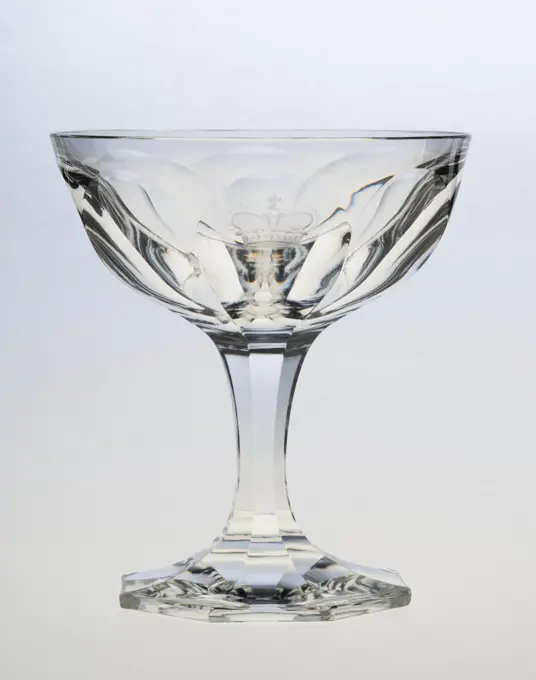
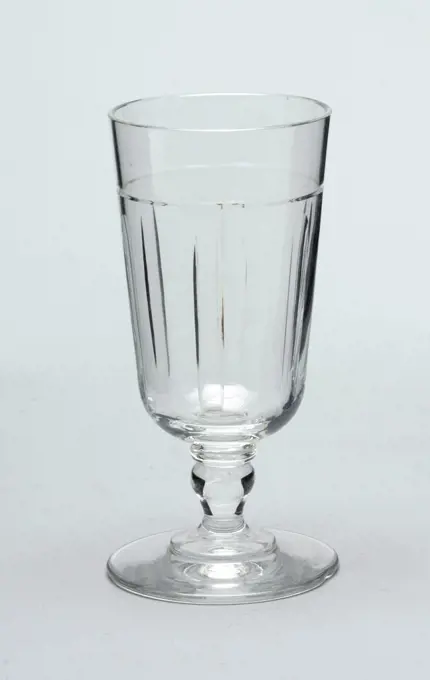
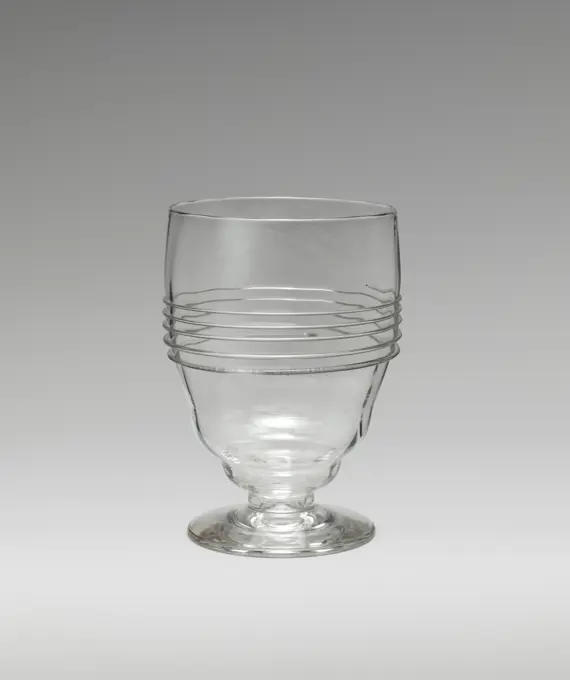
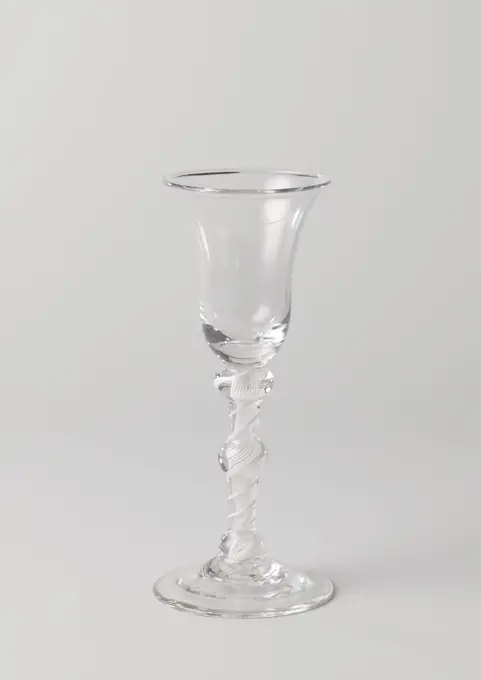
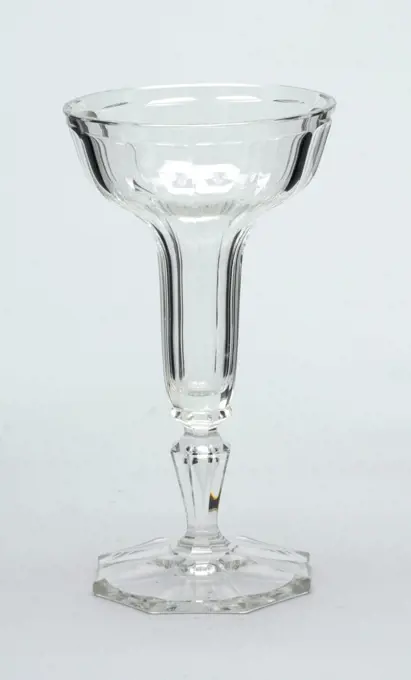
Antique glass chalices showcasing intricate engravings and historic symbols, highlighting craftsmanship and ornate designs across different periods.
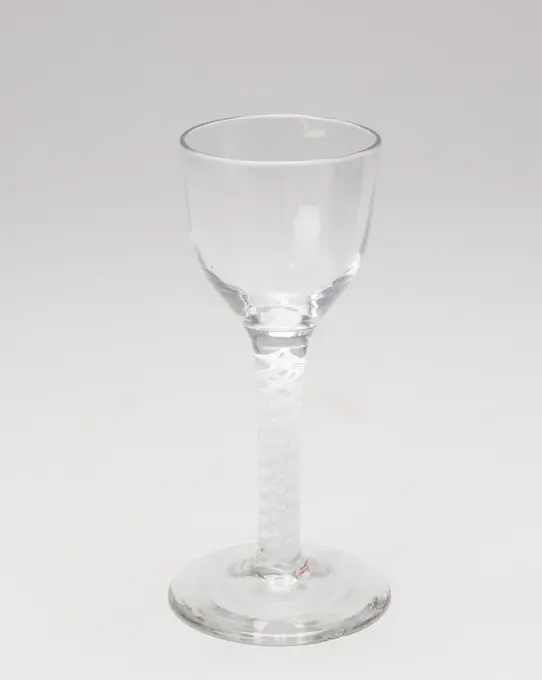
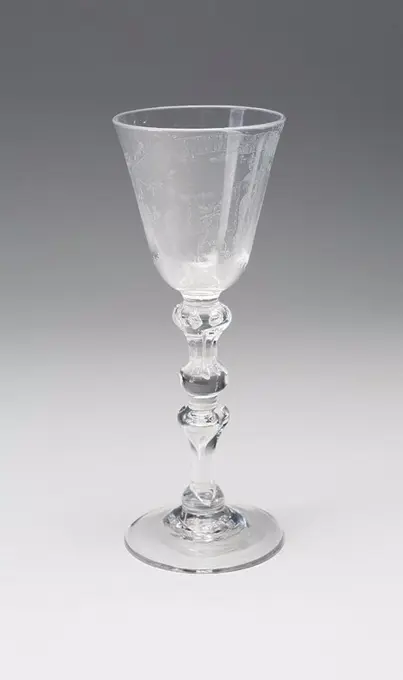
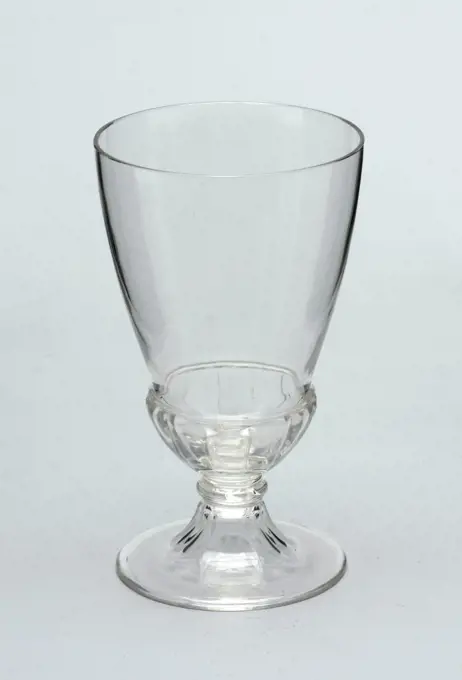
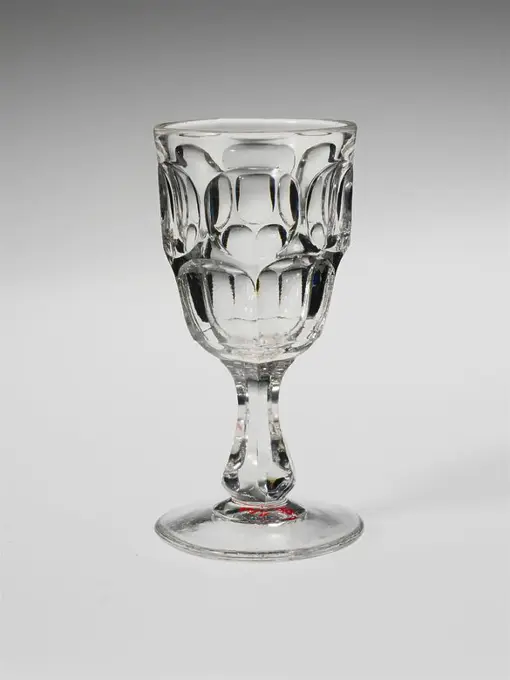
Wine Glass, 18th century, 6in. (15.2cm), Lead glass, England, 18th century
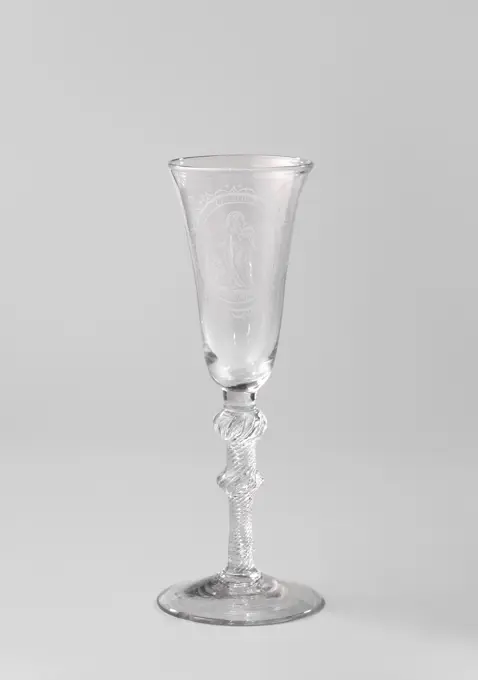
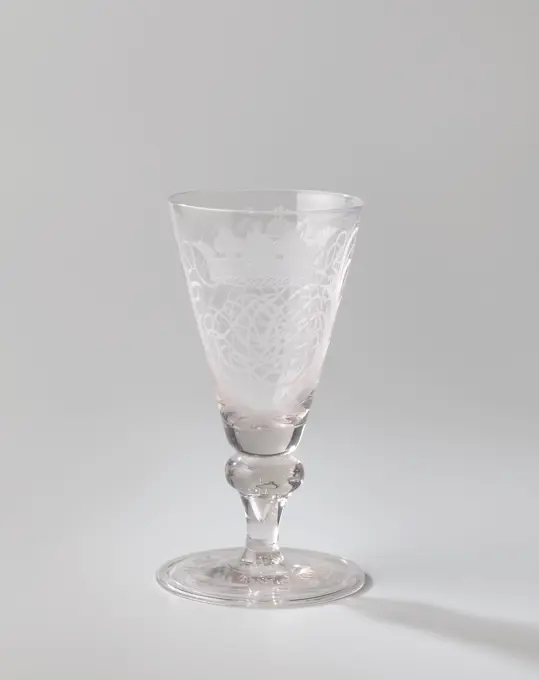
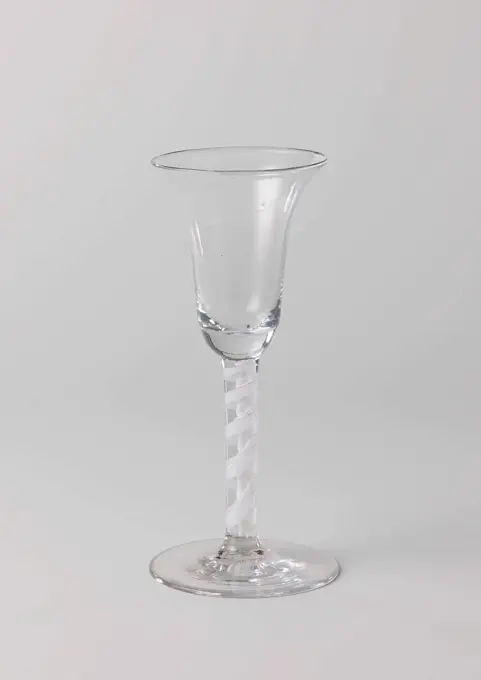
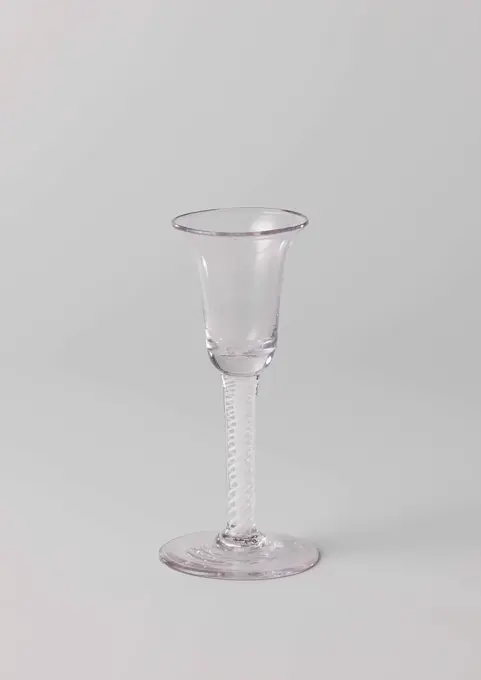
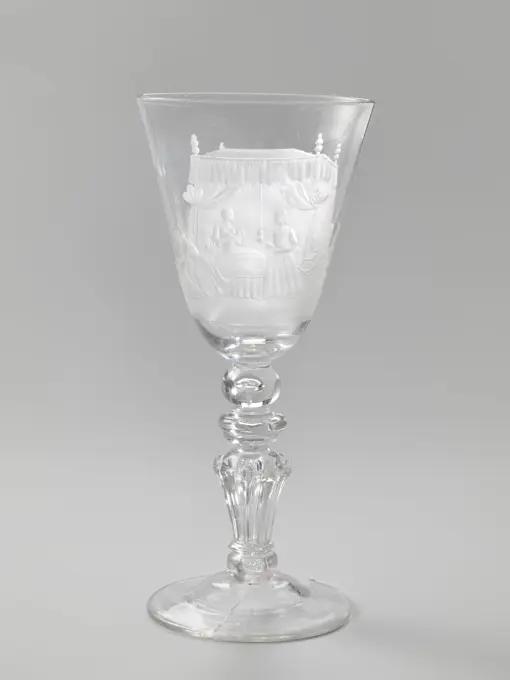
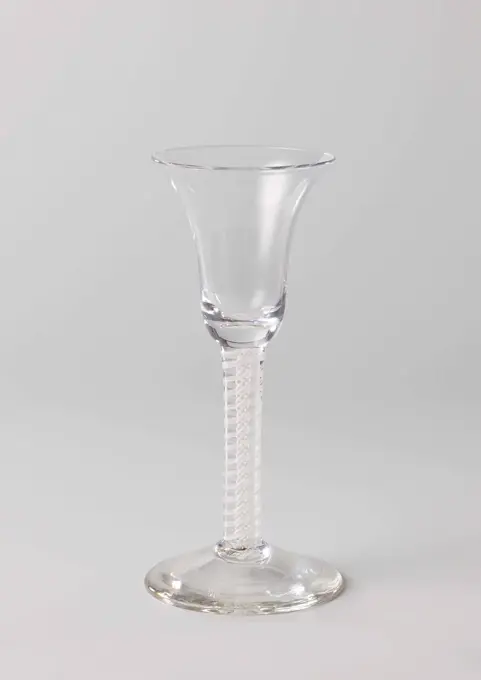
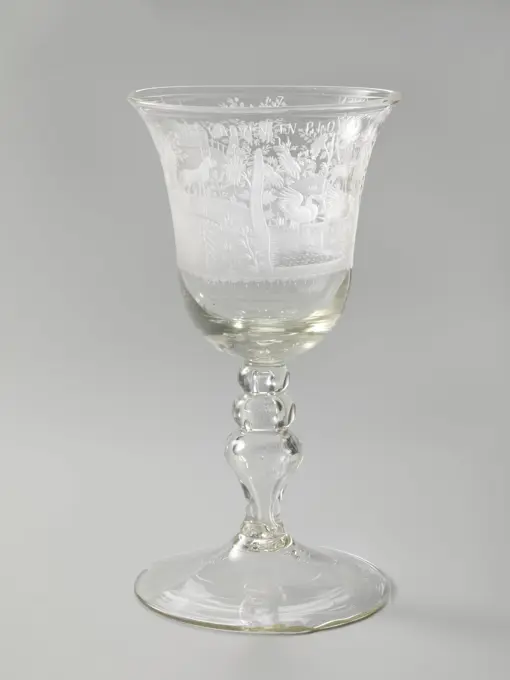
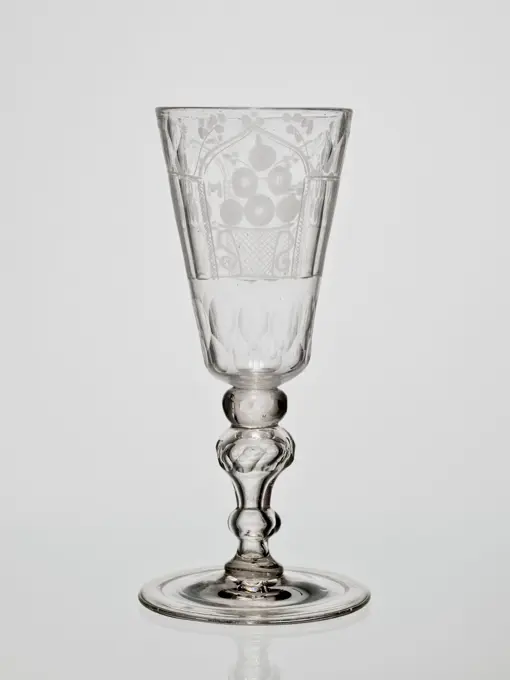
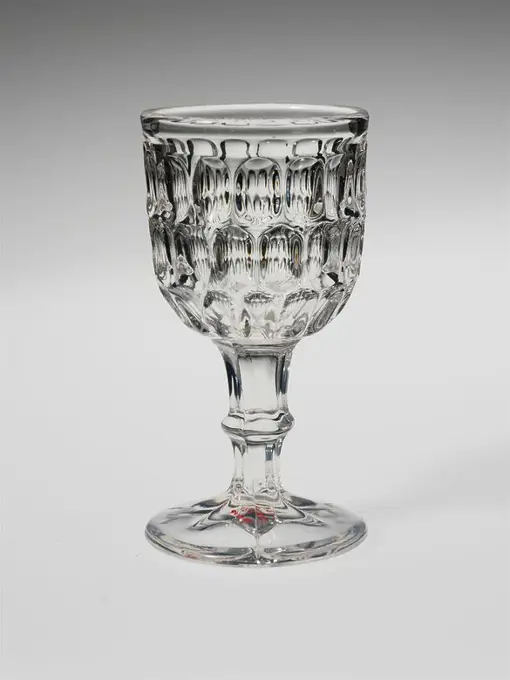
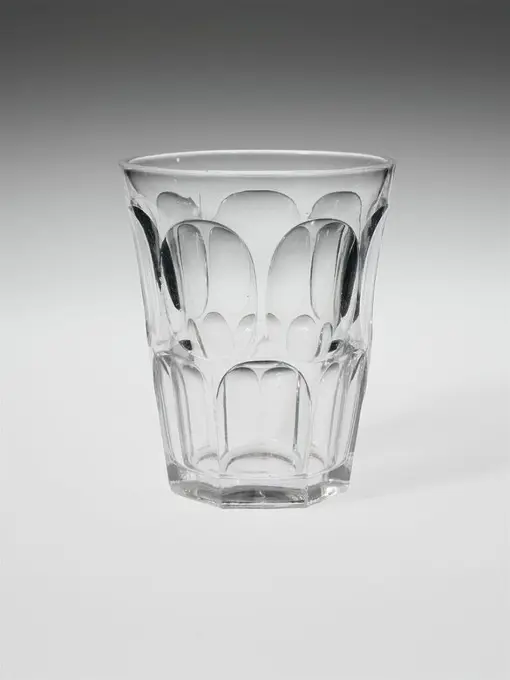
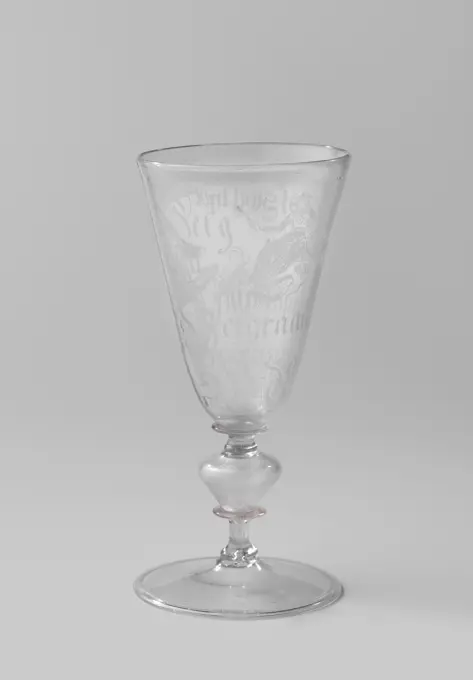
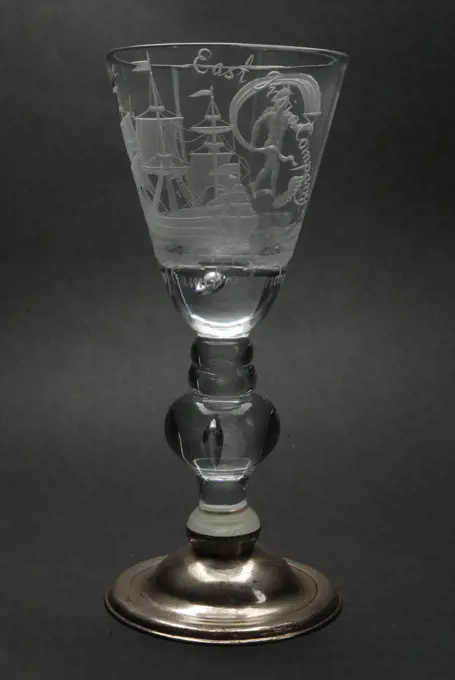
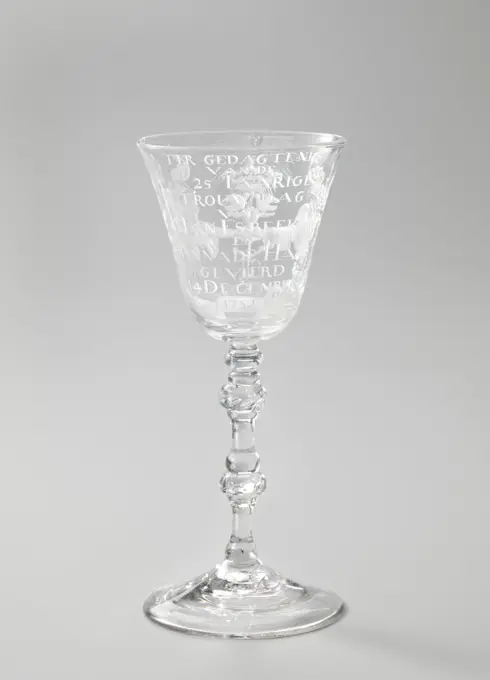
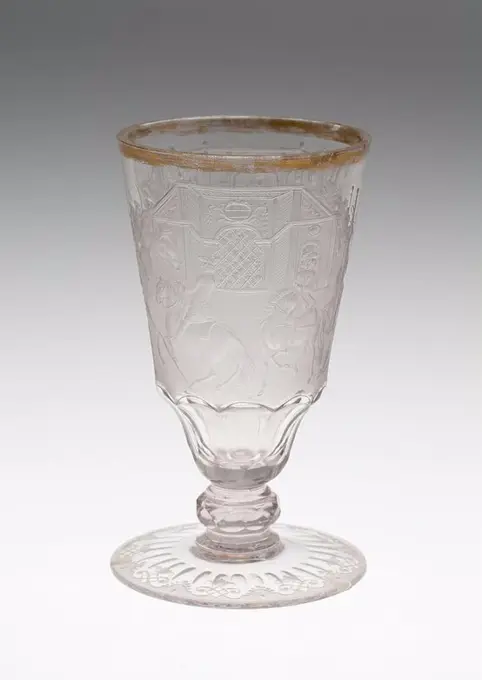
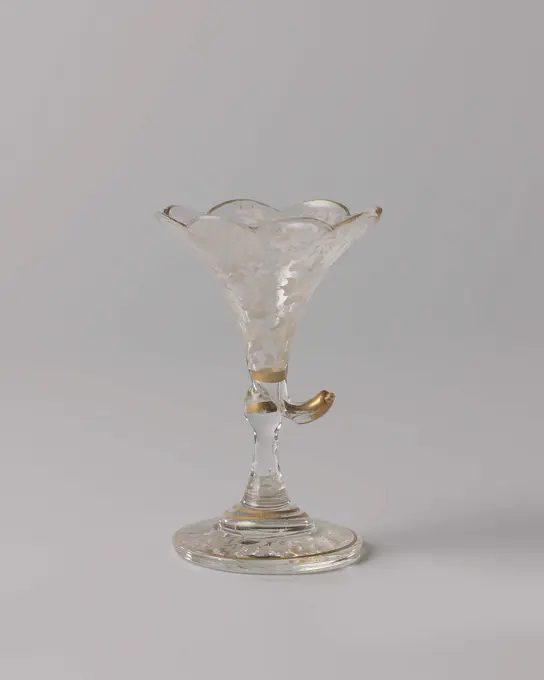
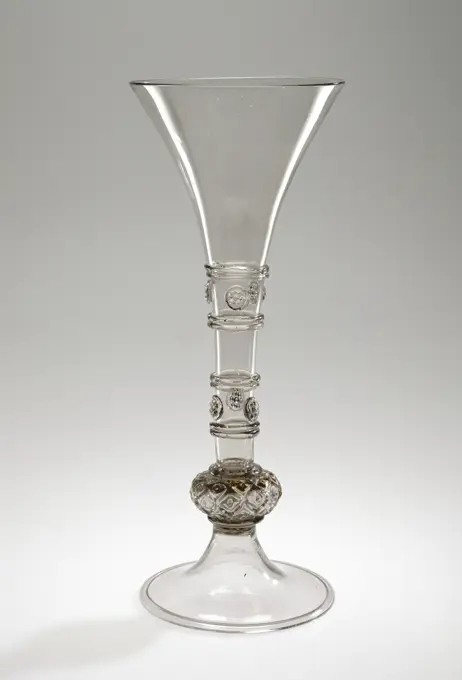
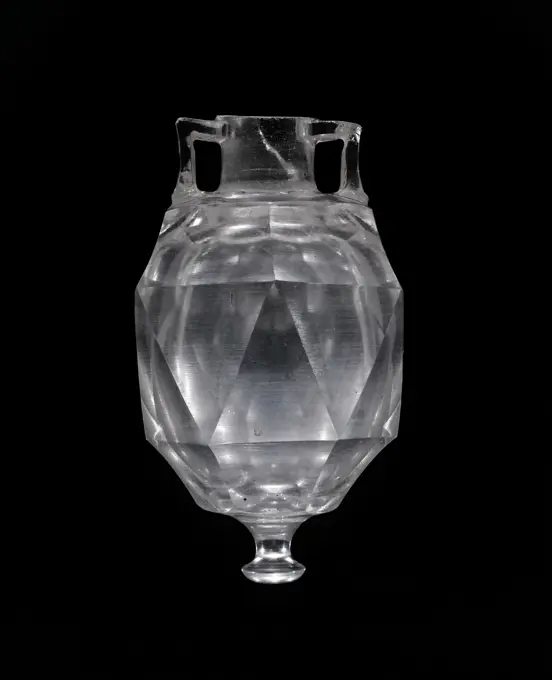
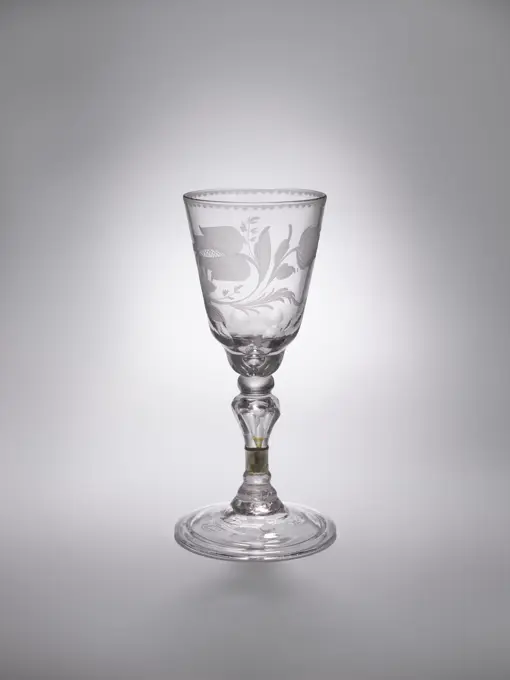
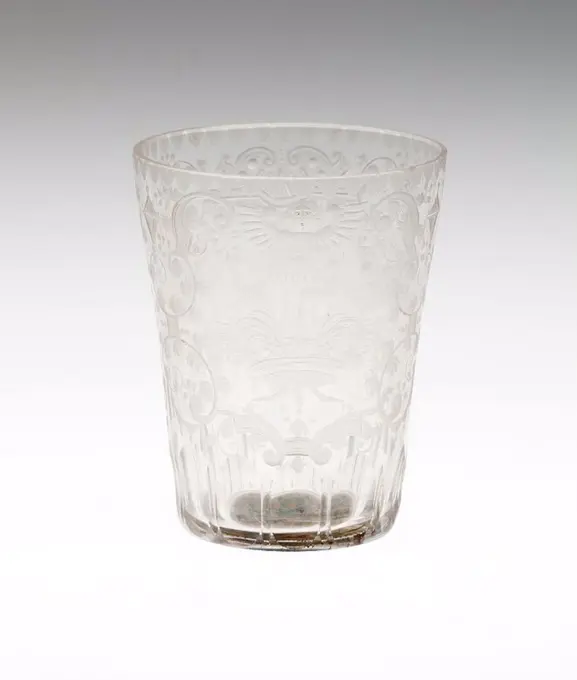
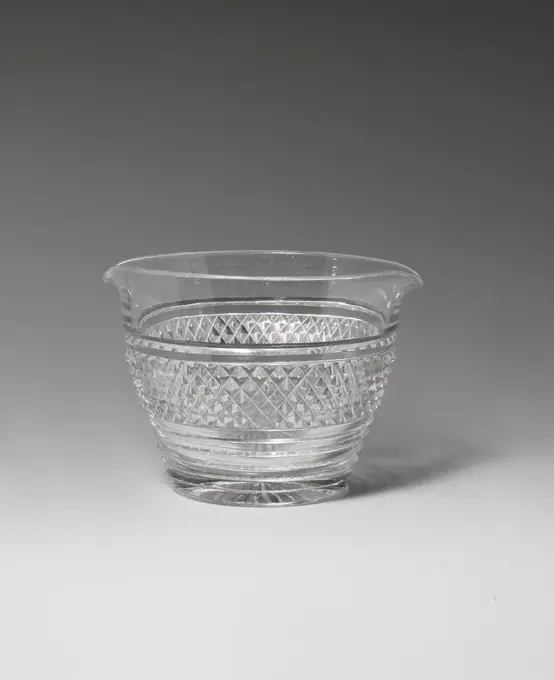
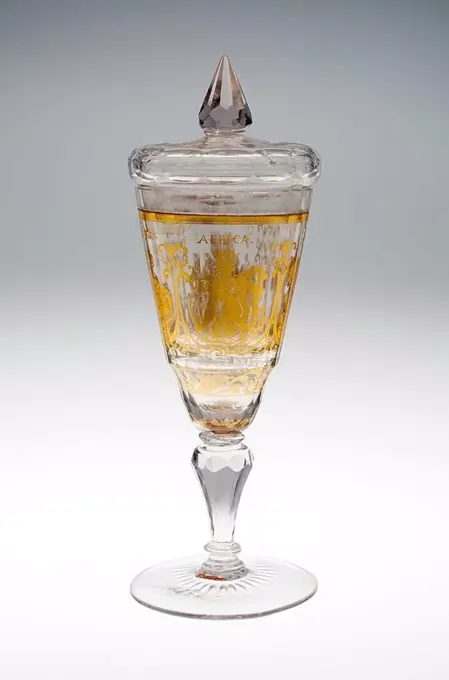
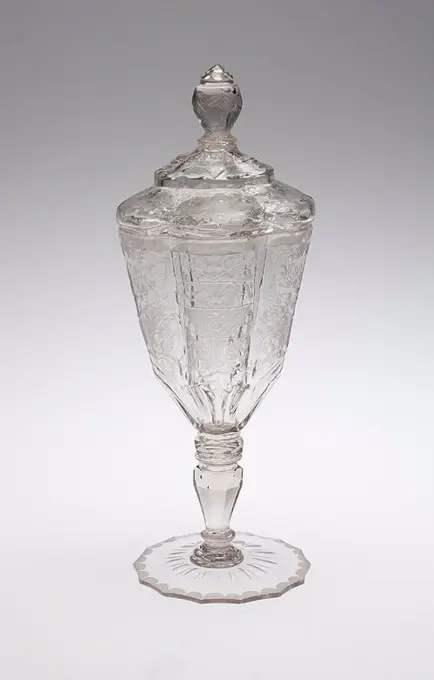
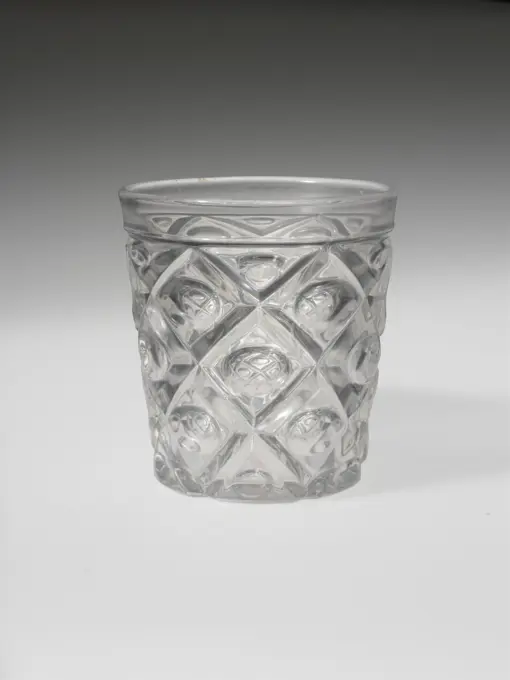
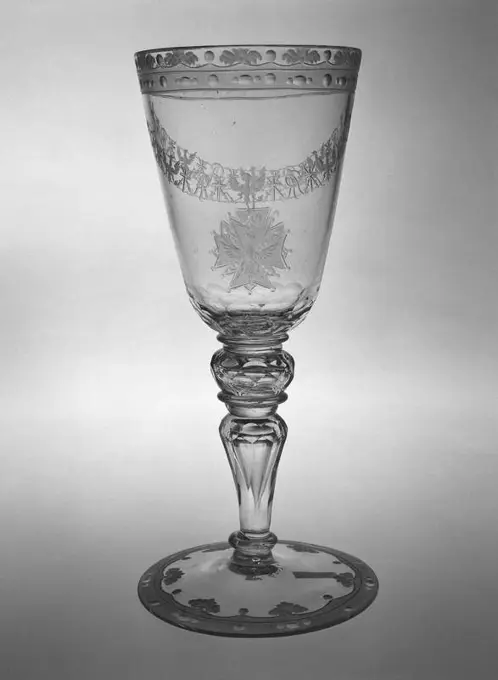
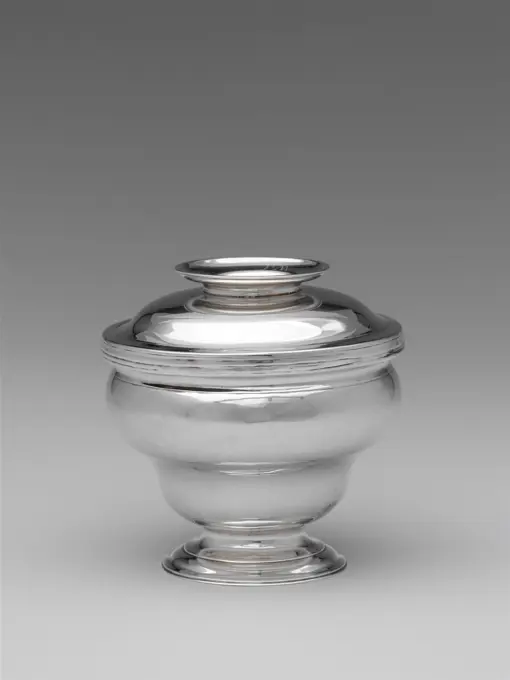
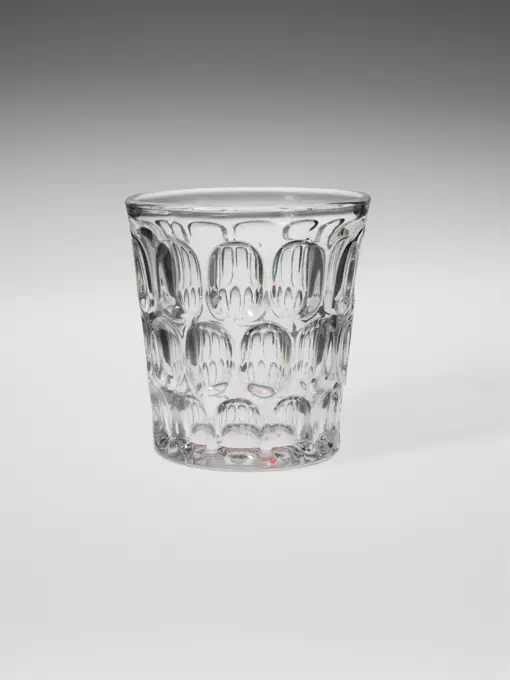
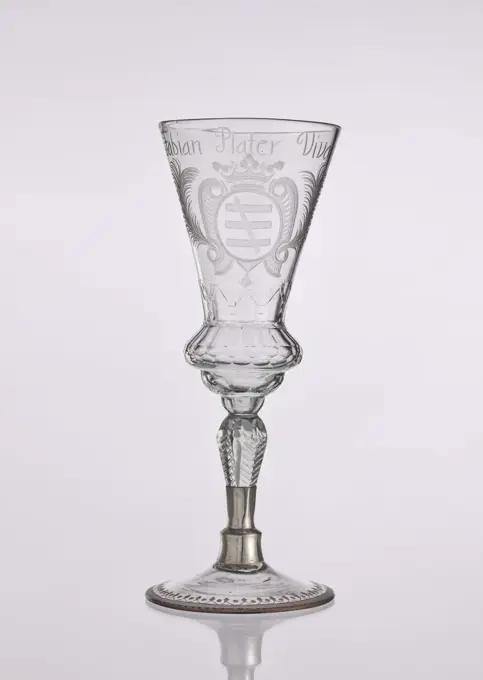
Kelkglas with the weapon of Leiden. High chalice glass with baluster trunk and three buttons. On the chalice the weapon of Leiden between two lions.Kelkglas with double arches, stars and pilasters. Selk glass with polygonal baluster trunk in which an elongated air bubble. Chalice with facets along the bottom above which a ground geometric pattern of double arches, stars and pilasters.Slingerlas with a personification of love, anonymous, c. 1780 - c. 1810 Konical foot with pontil brand. The trunk made up of a baluster and a nodus. A double air garland in the trunk. Bell -shaped chalice with rounded bottom. Charitas is depicted on the chalice in an oval medallion, suggested by a standing woman with a child on her chest and a child next to her. In the edge of the medallion is above the woman 'Love'. To the left of the medallion is a butterfly. England glass glassblowing Konical foot with pontil brand. The trunk made up of a baluster and a nodus. A double air garland in the trunk. Bell -shaped chalice with rounded bottom. Charitas is depicted on the chalice in an oval medallion, suggested by a standing woman with a child on her chest and a child next to her. In the edge of the medallion is above the woman 'Love'. To the left of the medallion is a butterfly. England glass glassblowingChalip glass with the weapon of Holland, Anonymous, c. 1725 - c. 1750 Cool glass made of thick glass. Stam and chalice in a running. On the chalice the Wapen van Holland with two lions as shield carriers as well as the inscription: "Vigital Deo Confidenes". glassblower: Low CountriesNorthern Netherlands glass glassblowing Cool glass made of thick glass. Stam and chalice in a running. On the chalice the Wapen van Holland with two lions as shield carriers as well as the inscription: "Vigital Deo Confidenes". glassblower: Low CountriesNorthern Netherlands glass glassblowing. Glass .Wine Glass, 18th century, 6in. (15.2cm), Lead glass, England, 18th centuryJar with a coat of arms and deer, anonymous, c. 1700 - c. 1725 Bokaal, trunk with three knots. Multi-spot chalice on which a coat of arms (three rods, German Schneider family) A shepherd and shepherdin in 18th-century costume, a deer and a deer. The whole surrounded by wingerders. Wingertranken on the foot. Bohemia glass glassblowing Bokaal, trunk with three knots. Multi-spot chalice on which a coat of arms (three rods, German Schneider family) A shepherd and shepherdin in 18th-century costume, a deer and a deer. The whole surrounded by wingerders. Wingertranken on the foot. Bohemia glass glassblowingWineglass first half 18th century British. Wineglass. British. first half 18th century. Glass. GlassRummer Tumbler 1850-70 Bakewell, Pears and Company. Rummer Tumbler 6913Wineglass with arms of William V, Prince of Orange 1752 British, Newcastle with Dutch engraving. Wineglass with arms of William V, Prince of Orange. British, Newcastle with Dutch engraving. 1752. Glass. GlassWine Glass. England or Netherlands. Date: 1787-1797. Dimensions: 19.1 × 7 cm (7 1/2 × 2 3/4 in.). Glass; cut and stipple engraved. Origin: England. Museum: The Chicago Art Institute, Chicago, USA.Chalice glass with twice the crowned monogram AVA between palm branches, anonymous, c. 1700 - c. 1725 Chalice glass with high chalice and short baluster tribe. On the chalice twice the same crowned monogram Ava between palm branches. A leaf wreath on the foot. glassblower: Low CountriesNorthern Netherlands glass glassblowing Chalice glass with high chalice and short baluster tribe. On the chalice twice the same crowned monogram Ava between palm branches. A leaf wreath on the foot. glassblower: Low CountriesNorthern Netherlands glass glassblowingWine Glass 1755-1785 England .Slinger glass with bell-shaped chalice. Slinger glass with flat foot and straight trunk. In the trunk opask white garlands around winding, white network spiral. Bell-shaped chalice.Bokaal with the weapons of the Seven United Regions. Bagic with light vaulted foot with folded edge. Hollow Baluster trunk with four discs. On the conical chalice the crowned weapons of the Seven United Regions.Wine glass, 18th-19th century, 3 3/4 x 2 3/4 x 2 3/4in. (9.5 x 7 x 7cm), Glass, United States, 18th-19th centuryNo. 176, Ludwig Lobmeyr, Austrian, 1829 - 1917, J. & L. Lobmeyr GmbH, Vienna, Austria, founded ca. 1935, Mouth-blown crystal, hand-cut and polished, Mouth-blown crystal, hand-cut and polished, ca. 1880, glasswares, Decorative Arts, Water glass, Water glassTumbler 1825-40 Possibly New England Glass Company. Tumbler 9058Cup;  1920-39 (1920-00-00-1939-00-00);Wine glass with a three-master and the inscription: Salus Patriæ. Wine glass of clear, colorless glass, with a graved representation of a three-master and the inscription: Salus Patriæ.Tumbler 1830-70 American With the development of new formulas and techniques, glass-pressing technology had improved markedly by the late 1840s. By this time, pressed tablewares were being produced in large matching sets and innumerable forms. During the mid-1850s, colorless glass and simple geometric patterns dominated. Catering to the demand for moderately-priced dining wares, the glass industry in the United States expanded widely, and numerous factories supplied less expensive pressed glassware to the growing market. At the Exhibition of the Industry of All Nations at New Yorks Crystal Palace in 1853, for example, the New England Glass Company exhibited 130 pieces of one design, "consisting of bowls, tumblers, champagnes, wines, and jelly glasses." This object belongs to one such service. Although the glass manufactory is not known, the glassware is very typical of the large services that were very popular with Americas middle class in the nineteenth century.. Tumbler 9107Goblet 1775-1799 Saxony. Glass .Bokaal with the Arm of Amsterdam. Cup with conical foot. Baluster trunk with four knots, in the upper one air bubble and in the third two rows of air bubbles. At the conical chalice the weapon of Amsterdam.Syllabub. England. Date: 1735-1745. Dimensions: H. 16.5 cm (6 1/2 in.). Glass. Origin: England. Museum: The Chicago Art Institute, Chicago, USA.Slinger glass with bell-shaped chalice. Slinger glass with flat foot and straight trunk. In the trunk opask white garlands around white network spiral. Bell-shaped chalice.Chalice glass with the weapon of Vlissingen, Anonymous, c. 1725 - c. 1750  Vaulted foot. Baluster tribe with buttons, air bubbles and a double tire air bubbles. Bell -shaped chalice. On the chalice, on two symmetrical leaves held together by a flower challenge, the crowned weapon of Vlissingen flanked by two climbing lions. The name of the city is engraved under the weapon. glassblower: Low CountriesNorthern Netherlands glass glassblowing coat of arms (as symbol of the state, etc.) (+ city; municipal) FlushingWine glass with a scene of a lying-in chamber, anonymous, c. 1725 - c. 1750 Vaulted foot. Octagonal stam with buttons and an air bubble. Conical chalice with rounded soil. On the chalice mother with child in the childbed and the maternity lord Kaddeel treating to a large group. The foot is broken. glassblower: EnglandNorthern Netherlands glass glassblowing Vaulted foot. Octagonal stam with buttons and an air bubble. Conical chalice with rounded soil. On the chalice mother with child in the childbed and the maternity lord Kaddeel treating to a large group. The foot is broken. glassblower: EnglandNorthern Netherlands glass glassblowingCup with a three-master, a plowing farmer and the inscription: Salus Patriæ. Concave-conical foot. Faceted baluster trunk with two buttons. Conical chalice with faceted, rounded soil. On the chalice a sailing ship and a farmer plowing. Upper Salus Patriæ.Sweetmeat glass (one of a pair) ca. 1710 British. Sweetmeat glass (one of a pair). British. ca. 1710. Glass. GlassChalip glass with the coat of arms of the city of Amsterdam, Anonymous, c. 1710 - c. 1720 Conical foot with turned around. Balustrian tribe, in which two stretched air bubbles are stabbed, ending in a funnel -shaped chalice, on which the crowned weapon of Amsterdam is in white, red, blue, black and yellow. Above that in Zwart the year 1721 and a inscription, which is no longer readable. Low Countries (possibly) glass glassblowing Conical foot with turned around. Balustrian tribe, in which two stretched air bubbles are stabbed, ending in a funnel -shaped chalice, on which the crowned weapon of Amsterdam is in white, red, blue, black and yellow. Above that in Zwart the year 1721 and a inscription, which is no longer readable. Low Countries (possibly) glass glassblowingTumbler 1830-70 American With the development of new formulas and techniques, glass-pressing technology had improved markedly by the late 1840s. By this time, pressed tablewares were being produced in large matching sets and innumerable forms. During the mid-1850s, colorless glass and simple geometric patterns dominated. Catering to the demand for moderately-priced dining wares, the glass industry in the United States expanded widely, and numerous factories supplied less expensive pressed glassware to the growing market. At the Exhibition of the Industry of All Nations at New Yorks Crystal Palace in 1853, for example, the New England Glass Company exhibited 130 pieces of one design, "consisting of bowls, tumblers, champagnes, wines, and jelly glasses." This object belongs to one such service. Although the glass manufactory is not known, the glassware is very typical of the large services that were very popular with Americas middle class in the nineteenth century.. Tumbler 9105Slinger glass with bell-shaped chalice. Slinger glass with conical foot and straight trunk. In the trunk opask white garlands around white network spiral. Bell-shaped chalice.Chalice glass with a woman, a putto and two goats and the inscription sic itur ad astra, anonymous, c. 1750 - c. 1775 Vaulted foot. Baluster tribe with buttons and air bubbles. Conical chalice with a rounded base. On the chalice the engraved representation of a woman, a putto and two goats and the text sic itur ad astra. glassblower: NetherlandsNorthern Netherlands glass glassblowing Vaulted foot. Baluster tribe with buttons and air bubbles. Conical chalice with a rounded base. On the chalice the engraved representation of a woman, a putto and two goats and the text sic itur ad astra. glassblower: NetherlandsNorthern Netherlands glass glassblowingBeaker. Germany, Silesia, circa 1730. Furnishings; Serviceware. GlassWine glass with a farm, anonymous, c. 1725 - c. 1750 Vaulted foot. Solid baluster tribe with buttons and an elongated bubble. Klock -shaped chalice with solid bottom with air bubbles. On the bell -shaped chalice a representation of a farm in the midst of a landscape with cattle. Randschrift: Groyen and Bloyen van Ossen and Koyen. glassblower: GermanyNorthern Netherlands glass glassblowing Vaulted foot. Solid baluster tribe with buttons and an elongated bubble. Klock -shaped chalice with solid bottom with air bubbles. On the bell -shaped chalice a representation of a farm in the midst of a landscape with cattle. Randschrift: Groyen and Bloyen van Ossen and Koyen. glassblower: GermanyNorthern Netherlands glass glassblowingWine glass, 18th-19th century, 4 3/8 x 2 1/4 x 2 1/4in. (11.1 x 5.7 x 5.7cm), Glass, United States, 18th-19th centuryWineglass 1780-1800 British. Wineglass. British. 1780-1800. Glass. GlassCup; Non -like Lona Huta; 3. W. 18th century (1750-00-00-1775-00-00);Bokaal with a bird cage and the inscription: Aurea Libertas, c. 1752 - c. 1775 Bokaal with conical foot. Baluster tribe with four knots and air bubbles. On the conical chalice the presentation of a bird cage and the inscription: Aurea Libertas. glassblower: Low CountriesNorthern Netherlands glass glassblowing Bokaal with conical foot. Baluster tribe with four knots and air bubbles. On the conical chalice the presentation of a bird cage and the inscription: Aurea Libertas. glassblower: Low CountriesNorthern Netherlands glass glassblowingWine Glass. Culture: American. Dimensions: H. 4 1/4 in. (10.8 cm). Maker: Bakewell, Pears and Company (1836-1882). Date: 1850-70. Museum: Metropolitan Museum of Art, New York, USA.Man, Fox and Maiden in a Landscape ca. 1740 German, Saxony The dramatic attitudes of the three figures suggest that this is a scene from a locally known story.. Man, Fox and Maiden in a Landscape 195821No. 104, Ludwig Lobmeyr, Austrian, 1829 - 1917, J. & L. Lobmeyr GmbH, Vienna, Austria, founded ca. 1935, Mouth-blown crystal, cut and polished, Mouth-blown crystal, deeply-cut and polished, 1865, glasswares, Decorative Arts, Water glass, Water glassFooted goblet with bulging bowl 1860 Philip Webb British This footed goblet provides an ideal bridge between the burgeoning Arts and Crafts movement championed by Morris and Company and the endeavors of James Powell & Sons Whitefriars Glassworks to encourage modern, British design in glassware. The goblet was designed by Philip Webb in 1860, as part of a series of table glasses with spiral trails for William Morriss home, the Red House. Made by James Powell & Sons, the series of glassware was also sold through Morris, Marshall, Faulkner & Co. Harry Powell (grandson of the wine-merchant, James Powell, who had purchased the Whitefriars Glassworks in 1834) and principal designer at Whitefriars singled out this group of designs for special comment, illustrating this goblet design in an article in the Architectural Review in 1899. At that time, such were the Whitefriars records of the commission that Harry Powell believed the designer to have been Morris himself. Following a visit to theChalice glass with three putti with a snake, anonymous, c. 1760 - c. 1780 Conical foot. High, faceted strain. Funnel -shaped chalice rounded at the bottom. Three putti on the chalice. The left, sitting, raises a glass to the right the standing putti. Who stops a snake, who bites his own tail. Above them, a third putto floats with one hand a flower wreath and with the other a banderolle with the text: l'Harmonie. glassblower: EnglandThe Hague glass. silver (metal) grinding / glassblowing Conical foot. High, faceted strain. Funnel -shaped chalice rounded at the bottom. Three putti on the chalice. The left, sitting, raises a glass to the right the standing putti. Who stops a snake, who bites his own tail. Above them, a third putto floats with one hand a flower wreath and with the other a banderolle with the text: l'Harmonie. glassblower: EnglandThe Hague glass. silver (metal) grinding / glassblowingGoblet with the Arms of the Seven Provinces of The Netherlands. Netherlands, third quarter of 18th century. Furnishings; Serviceware. GlassSling glass with bell -shaped calyx, anonymous, c. 1750 - c. 1775 Slingerlas with conical foot and balust raw trunk. In the trunk, white pendulum around white network spiral. Bell -shaped chalice. England glass glassblowing Slingerlas with conical foot and balust raw trunk. In the trunk, white pendulum around white network spiral. Bell -shaped chalice. England glass glassblowingBowl with an orange tree and inscription: Vivat evokes all cant to oranien in Holland. Ball of bright, colorless glass with a engraved orange tree and the inscription: calls vivat aen all cant / to oranien / in Hollandt.No. 98, Ludwig Lobmeyr, Austrian, 1829 - 1917, J. & L. Lobmeyr GmbH, Vienna, Austria, founded ca. 1935, Mouth-blown crystal, faceted cut and polished, 'Tulip shape' glass of mouth-blown crystal champagne glass, elaborately facet-cut and polished, with precisely planned bubble in the stem., Vienna, Austria, 1865, glasswares, Decorative Arts, Champagne glass, Champagne glassWine glass with the arms of William IV. translation of inscription: Shame on him who thinks evil of it / long live / the House of OrangeChalip glass, funnel -shaped with unadorned cylindrical trunk and round foot, Anonymous, 1800 - 1900 Chalip glass, funnel -shaped with unadorned cylindrical trunk and round foot.  glass Chalip glass, funnel -shaped with unadorned cylindrical trunk and round foot.  glassFlip Glass. Culture: American. Dimensions: H. 4 9/16 in. (11.6 cm); Diam. 3 3/4 in. (9.5 cm). Date: 1830-70.With the development of new formulas and techniques, glass-pressing technology had improved markedly by the late 1840s. By this time, pressed tablewares were being produced in large matching sets and innumerable forms. During the mid-1850s, colorless glass and simple geometric patterns dominated. Catering to the demand for moderately-priced dining wares, the glass industry in the United States expanded widely, and numerous factories supplied less expensive pressed glassware to the growing market. At the Exhibition of the Industry of All Nations at New York's Crystal Palace in 1853, for example, the New England Glass Company exhibited 130 pieces of one design, "consisting of bowls, tumblers, champagnes, wines, and jelly glasses." This object belongs to one such service. Although the glass manufactory is not known, the glassware is very typical of the large services that were veryCup 1755-1765 Silesia. Glass .Glass;  1920-39 (1920-00-00-1939-00-00);Chalice glass with a preacher, justitia and a boy on a snail, anonymous, c. 1800 - c. 1900 Flat base with turned around. Balus -shaped, hollow trunk with one disc. Conical chalice rounded at the bottom, on which one, of a pulpit, is engraved man. To his left a throne Justitia, blindfolded, in her right hand a sword, in her left a scales, her elbow resting on a globe, under her feet three men's heads and to the left of her a snail, driven by boy. In gothic letters the inscription Het Grecht or Stoil: does not suffer far: we had the Graauw Magh Basse but no wound byten. Low Countries glass glassblowing Flat base with turned around. Balus -shaped, hollow trunk with one disc. Conical chalice rounded at the bottom, on which one, of a pulpit, is engraved man. To his left a throne Justitia, blindfolded, in her right hand a sword, in her left a scales, her elbow resting on a globe, under her feet three men's heads and to the left of her a snail, driven by boy. In gothic letters the inscriptionGlass; Lobmeyr, J. & L. (Vienna; 1823-); 1920-39 (1920-00-00-1939-00-00);Cup with Cover 1825-1875 Germany. Glass .Chalice glass with right -shaped, octagonal chalice, anonymous, c. 1550 - c. 1600 Chalk glass on flat foot. The trunk built from a ribbed, twisted and curved tube with a wing formed from a blue wire on either side. Funnel -shaped chalice upwards octagonal Low Countries glass glassblowing Chalk glass on flat foot. The trunk built from a ribbed, twisted and curved tube with a wing formed from a blue wire on either side. Funnel -shaped chalice upwards octagonal Low Countries glass glassblowingGoblet engraved with three-master, Fortuna, Prosperitij to the East India Companij and Duke of Cumberland, wine glass drinking glass drinking utensils tableware holder lead glass glass silver plaster, gram free blown and formed radgraving polishing Goblet wineglass in clear colorless lead glass. Restored ascending silver foot clockwise high. Massive reverse balustersteam (heavy baluster) on convex knot to large convex knot with enclosed air bubble on which two stacked convex knots. Bottom rounded funnel-shaped chalice with thick bottom (3.0 cm) with slightly eccentric entrapped bubble and Duke of Cumberland. Surrounding the wheel engraved representation of three-master at sea with Prosperitij to the East India Companij and Fortuna with billowing pennant in both hands and standing on polished winged globe (lens) Around ship (later) Engraved text on top of both sides: Prosperitij to the East India Companion (Prosperity of the East India Company) and below: Duke of Cumberland serving driRow glass with leaf and flower arrangements and a double eagle, anonymous, c. 1580 - c. 1600 Clear, gray glass with a high base with a folded edge. Cylindrical body with representations of leaf and flower arrangements and a double eagle. Innsbruck glass glassblowing Clear, gray glass with a high base with a folded edge. Cylindrical body with representations of leaf and flower arrangements and a double eagle. Innsbruck glass glassblowingChalip glass with the three -mast Propatria, Anonymous, c. 1779 - c. 1794 Conical foot. Straight trunk with a double white spiral. Funnel -shaped chalice rounded at the bottom. On the chalice a three -mast in front of anchor with the name Propatria. Two rowing boats are next to the ship on whaling with harpoons. Above the image a banderolle, with the text t Welvaaren of the Groenlansche Visschery. J. van den Toek f. Glassblower: Englanddrudet glass glassblowing Conical foot. Straight trunk with a double white spiral. Funnel -shaped chalice rounded at the bottom. On the chalice a three -mast in front of anchor with the name Propatria. Two rowing boats are next to the ship on whaling with harpoons. Above the image a banderolle, with the text t Welvaaren of the Groenlansche Visschery. J. van den Toek f. Glassblower: Englanddrudet glass glassblowingChampagne glass. Culture: British. Dimensions: Height: 8 in. (20.3 cm). Date: ca. 1725-60. Museum: Metropolitan Museum of Art, New York, USA.Chalip glass on the 25-year marriage of Jan Esbeek and Anna de Haas, Anonymous, 1752 Vaulted foot. The baluster -shaped trunk with two compound buttons, three buttons and two tires with air bubbles. The conical chalice has a rounded bottom. On the chalice, between rocailles with flower branches and leaf vines, above a fountain with a water -fiddling child and for a crowned anchor with two lovebirds, two hands grab each other that come from clouds under a bright sun and a burning heart. On the other side of the glass The inscription: for the destruction // of the // 25 IARIGE // Wedding day // of // Ian Esbeek // and // Annade Haas // celebrated // 4 December // 1752. glassblower: NetherlandsNorthern Netherlands glass glassblowing Vaulted foot. The baluster -shaped trunk with two compound buttons, three buttons and two tires with air bubbles. The conical chalice has a rounded bottom. On the chalice, between rocailles with flower branches and leaf vines, above a fountain with a water -fiWine Glass. Germany, Schleswig. Date: 1735-1745. Dimensions: 15.9 x 8.6 cm (6 1/4 x 3 3/8 in.). Glass; engraved and gilt decoration. Origin: Schleswig. Museum: The Chicago Art Institute, Chicago, USA.Likeurglas, anonymous, c. 1800 - c. 1850 Slapped crystal liqueur glass. The glass includes a glass with invnr. BK-NM-810-A.  crystal (lead glass) Slapped crystal liqueur glass. The glass includes a glass with invnr. BK-NM-810-A.  crystal (lead glass)Kelkglas with leaf volutes. Small chalice glass with flat foot. Back to the top narrowing trunk with a knot. Horn-shaped chalice with wavy edge. The chalice and the foot are painted in email with white leaf volutes. Punched piping along the edges.Wine glass with a portrait of Hendrik Daniëlsz Hooft, Burgomaster of Amsterdam, anonymous, c. 1780 - in or before 1798 Vaulted foot. Facet cut, straight tribe, moving to a conical chalice. On the chalice the portrait of Hendrik Hooft Daniëlsz (1716-1 1794), mayor of Amsterdam, surrounded by leaf ranks tied to the underside, which end up in a volute on either side of the performance. Along the mouth edge: Henrik Hooft Danielsz. Mayor of the city of Amsterdam. glassblower: EnglandNorthern Netherlands glass grinding / glassblowing  Amsterdam Vaulted foot. Facet cut, straight tribe, moving to a conical chalice. On the chalice the portrait of Hendrik Hooft Daniëlsz (1716-1 1794), mayor of Amsterdam, surrounded by leaf ranks tied to the underside, which end up in a volute on either side of the performance. Along the mouth edge: Henrik Hooft Danielsz. Mayor of the city of Amsterdam. glassblower: EnglandNorthern Netherlands glass grinding / glassblowing  AmsterdamWine Glass 1725-1735 Germany. Glass .Cup with deer, hares and trees. Cup of clear, colorless glass with engraved deer, hares and trees.No. 168 Champagne Flute; Designed by Ludwig Lobmeyr (Austrian, 1829 - 1917); Manufactured by J. & L. Lobmeyr GmbH (Austria); Austria; mouth-blown crystal, facet-cut and polishedEmpty beer glassGoblet (Trichterpokal).Amphoriskos (Flask). UnknownWine Glass. Culture: American. Dimensions: H. 4 1/8 in. (10.5 cm). Date: 1830-70.With the development of new formulas and techniques, glass-pressing technology had improved markedly by the late 1840s. By this time, pressed tablewares were being produced in large matching sets and innumerable forms. During the mid-1850s, colorless glass and simple geometric patterns dominated. Catering to the demand for moderately-priced dining wares, the glass industry in the United States expanded widely, and numerous factories supplied less expensive pressed glassware to the growing market. At the Exhibition of the Industry of All Nations at New York's Crystal Palace in 1853, for example, the New England Glass Company exhibited 130 pieces of one design, "consisting of bowls, tumblers, champagnes, wines, and jelly glasses." This object belongs to one such service. Although the glass manufactory is not known, the glassware is very typical of the large services that were very popular with America's midCup; Non -like Lona Huta; 2. PO. 18th century (1750-00-00-1800-00-00);Tumbler 1830-70 American With the development of new formulas and techniques, glass-pressing technology had improved markedly by the late 1840s. By this time, pressed tablewares were being produced in large matching sets and innumerable forms. During the mid-1850s, colorless glass and simple geometric patterns dominated. Catering to the demand for moderately-priced dining wares, the glass industry in the United States expanded widely, and numerous factories supplied less expensive pressed glassware to the growing market. At the Exhibition of the Industry of All Nations at New Yorks Crystal Palace in 1853, for example, the New England Glass Company exhibited 130 pieces of one design, "consisting of bowls, tumblers, champagnes, wines, and jelly glasses." This object belongs to one such service. Although the glass manufactory is not known, the glassware is very typical of the large services that were very popular with Americas middle class in the nineteenth century.. Tumbler 9098Beaker. Bohemia, Czech Republic. Date: 1685-1695. Dimensions: 7.9 × 6.2 cm (3 1/8 × 2 7/16 in.). Glass. Origin: Bohemia. Museum: The Chicago Art Institute, Chicago, USA.probably Boston and Sandwich Glass Works, Salt, c. 1825-40, colorless lead glass.. Conical foot. Straight, faceted trunk. Funnel-shaped, rugged on the bottom. On the chalice, in a forest, St. Hubert, kneeling before the deer with a crucifix in the antlers. A dog in the background.Wine Rinser. Culture: American. Dimensions: 3 3/4 x 5 5/8 in. (9.5 x 14.3 cm). Maker: Pellatt & Green. Date: 1818.William Bayard (1761-1826) commissioned this table service (2008.594.1-.53) in 1818 for his daughter Harriet (1799-1875) and her husband Stephen Van Rensselaer IV (1789-1868) from Pellatt & Green, London's premier glasshouse. The fine lead glass and deep Regency cutting would have created a brilliant sparkle in their candlelit dining room, in Albany, New York. The set originally included dozens of drinking glasses, for claret, ale, and champagne, as well as decanters, wine coolers, tumblers, and finger glasses, all "elegantly cut in diamonds & Rings" according to the surviving bill of sale (2008.594.54a,b). In addition to its elegance and quality, the service is extremely rare in it's documentation to the specific American family who owned it and to the English glasshouse that made it. Museum: Metropolitan Museum of Art, New York, USA.WIne Glass and Cover. Bohemia, Czech Republic. Date: 1725-1735. Dimensions: 25.4 × 8.3 cm (10 × 3 1/4 in.). Glass with engraved gold leaf decoration. Origin: Bohemia. Museum: The Chicago Art Institute, Chicago, USA.Sparking Lamp. United States, 1815-1830. Furnishings; Lighting. Glass, tinChampagne or Tall Sherbet Glass, Queen Anne” Pattern. Designer George Sakier, American, 1897-1988 Manufacturer: Fostoria Glass Company, American, 1887-1986. Glass with gilding .Covered Goblet. Germany, Riesengebirge. Date: 1735-1745. Dimensions: 27.3 × 10.4 cm (10 3/4 × 4 1/16 in.). Blown and molded glass with engraved decoration. Origin: Riesengebirge. Museum: The Chicago Art Institute, Chicago, USA.Glass J. & L. LobmeyrWine glass with blue glass, anonymous, c. 1600 - c. 1700 Flat base of blue glass with turned around. The colorless trunk made up of a hollow, four -lobe baluster and two discs. Conical, ribbed and twisted chalice of blue glass. Netherlands glass glassblowing Flat base of blue glass with turned around. The colorless trunk made up of a hollow, four -lobe baluster and two discs. Conical, ribbed and twisted chalice of blue glass. Netherlands glass glassblowingGlass;  1920-39 (1920-00-00-1939-00-00);Glass; Non -like Lona Huta; 2. PO. 18th century (1750-00-00-1800-00-00);Compote American 1850-70 With the development of new formulas and techniques, glass-pressing technology had improved markedly by the late 1840s. By this time, pressed tablewares were being produced in large matching sets and innumerable forms. During the mid-1850s, colorless glass and simple geometric patterns dominated. Catering to the demand for moderately-priced dining wares, the glass industry in the United States expanded widely, and numerous factories supplied less expensive pressed glassware to the growing market. At the Exhibition of the Industry of All Nations at New Yorks Crystal Palace in 1853, for example, the New England Glass Company exhibited 130 pieces of one design, "consisting of bowls, tumblers, champagnes, wines, and jelly glasses." This object belongs to one such service. Although the glass manufactory is not known, the glassware is very typical of the large services that were very popular with Americas middle class in the nineteenth century.Water glass, 18th-19th century, 5 3/4 x 4 7/8 x 4 7/8in. (14.6 x 12.4 x 12.4cm), Glass, United States, 18th-19th centuryProbably Boston and Sandwich Glass Works, Toy Decanter, c. 1825-40, colorless lead glass.Salt c 1800-1825 Manheim. Glass . Artist unknownTumbler 1850-60 American With the development of new formulas and techniques, glass-pressing technology had improved markedly by the late 1840s. By this time, pressed tablewares were being produced in large matching sets and innumerable forms. During the mid-1850s, colorless glass and simple geometric patterns dominated. Catering to the demand for moderately-priced dining wares, the glass industry in the United States expanded widely, and numerous factories supplied less expensive pressed glassware to the growing market. At the Exhibition of the Industry of All Nations at New Yorks Crystal Palace in 1853, for example, the New England Glass Company exhibited 130 pieces of one design, "consisting of bowls, tumblers, champagnes, wines, and jelly glasses." This object belongs to one such service. Although the glass manufactory is not known, the glassware is very typical of the large services that were very popular with Americas middle class in the nineteenth century.. Tumbler 9093Chalice. Drezno (huta szkła ; 1699-post 1756), creatorCeleryVaseSugar Bowl 1750-60 Nicholas Roosevelt American. Sugar Bowl 7972Tumbler 1860-70 Bakewell, Pears and Company. Tumbler 9071Cup;  2 after. 18th century (1751-00-00-1800-00-00);Toast goblet. Naliboki (huta szkła ; 1722-1862), creatorJar with cover 18th century British. Jar with cover. British. 18th century. Glass. Glass