Elegant Glassware Collection

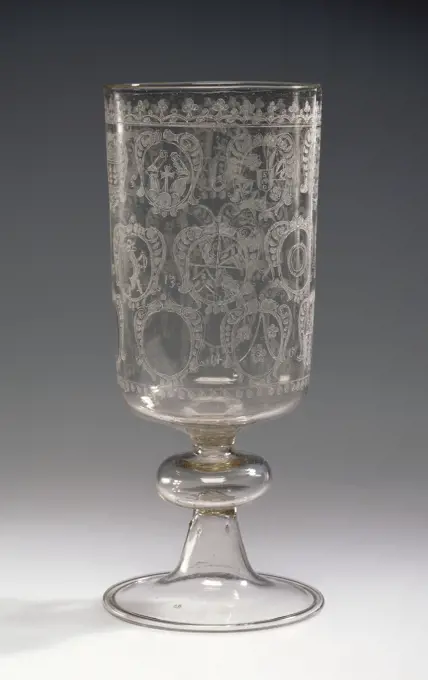
Antique glass chalices showcasing intricate engravings and historic symbols, highlighting craftsmanship and ornate designs across different periods.
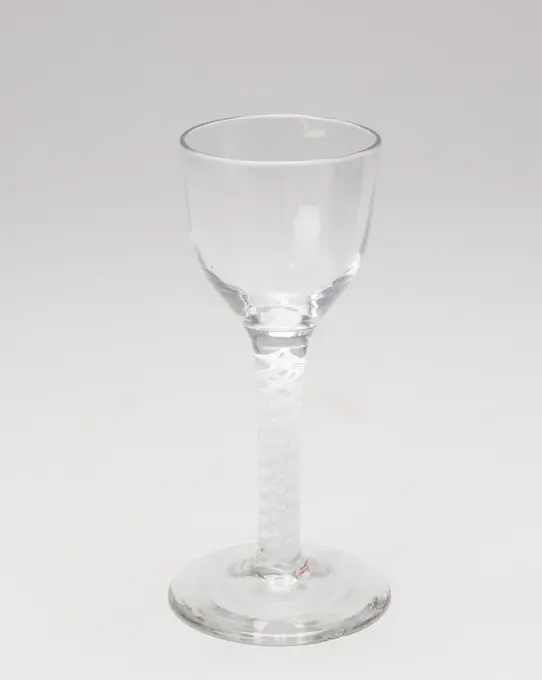
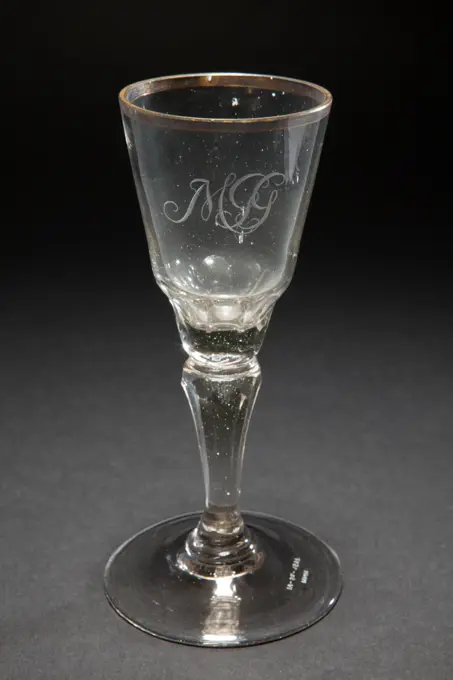
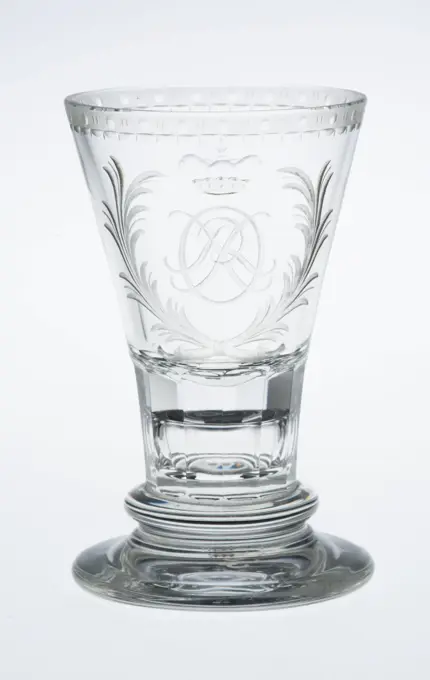
Wine Glass, 18th century, 6in. (15.2cm), Lead glass, England, 18th century
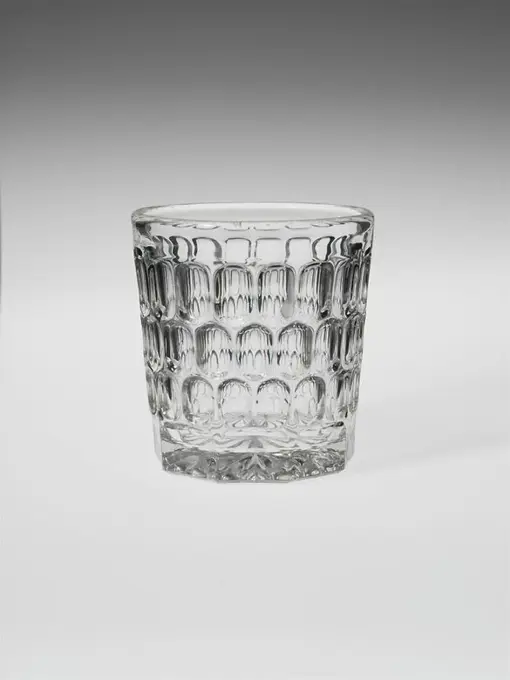
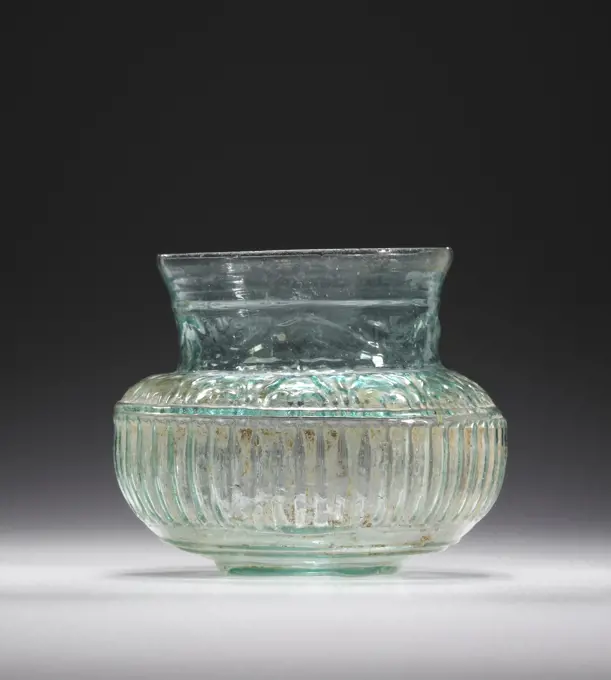
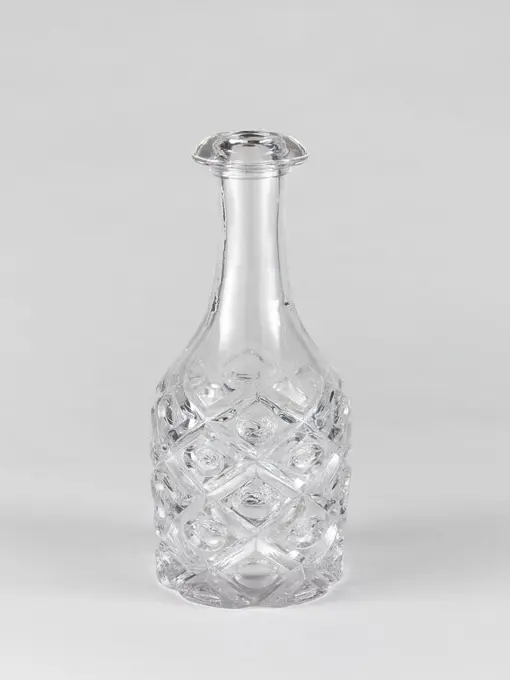
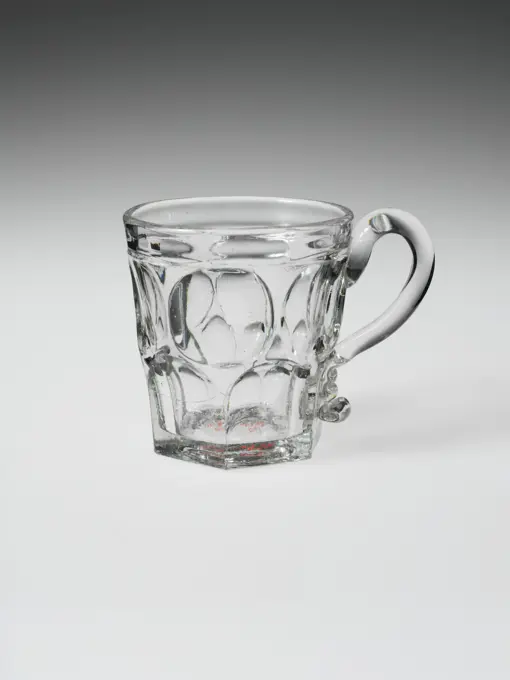
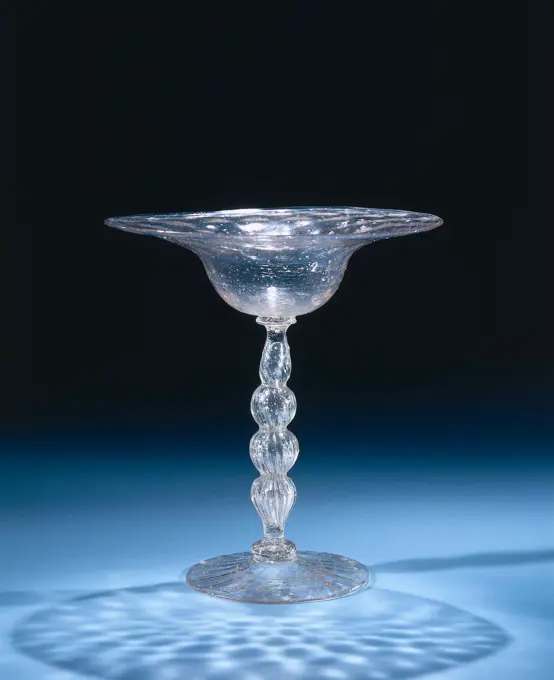
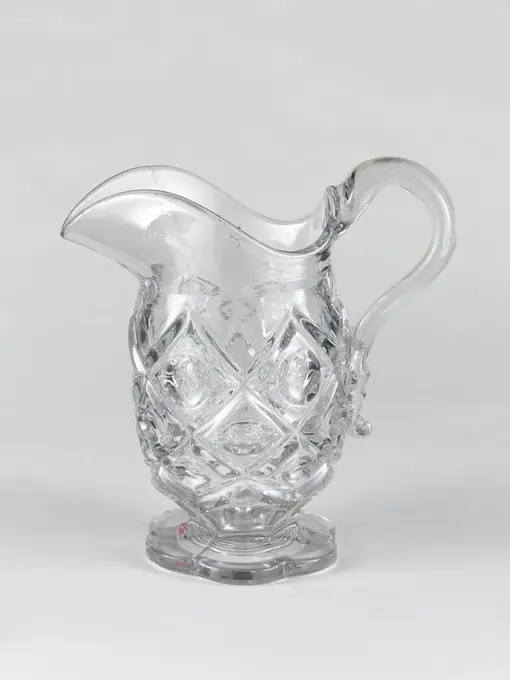
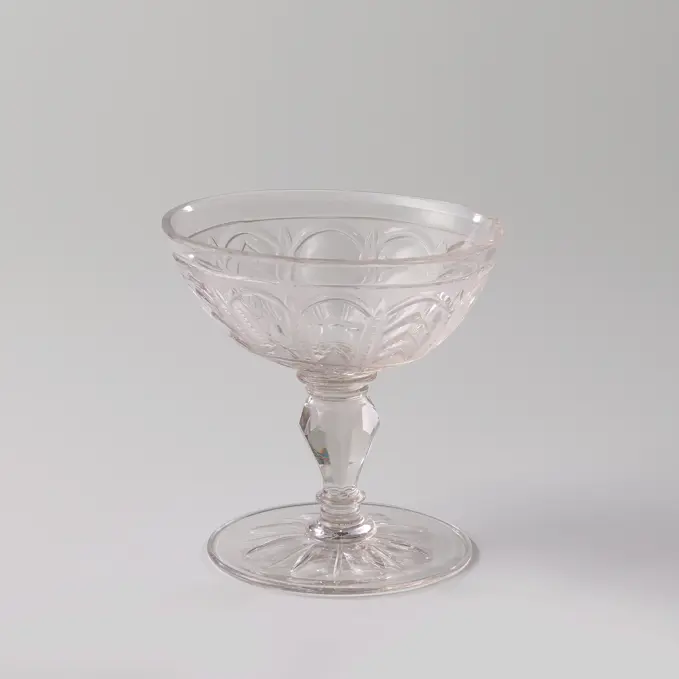
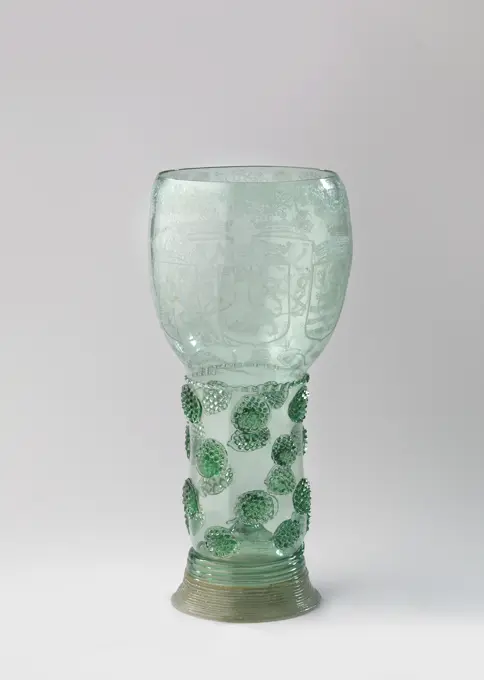
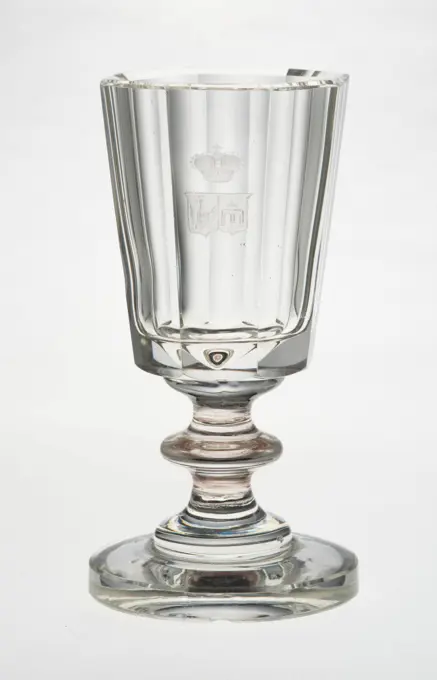
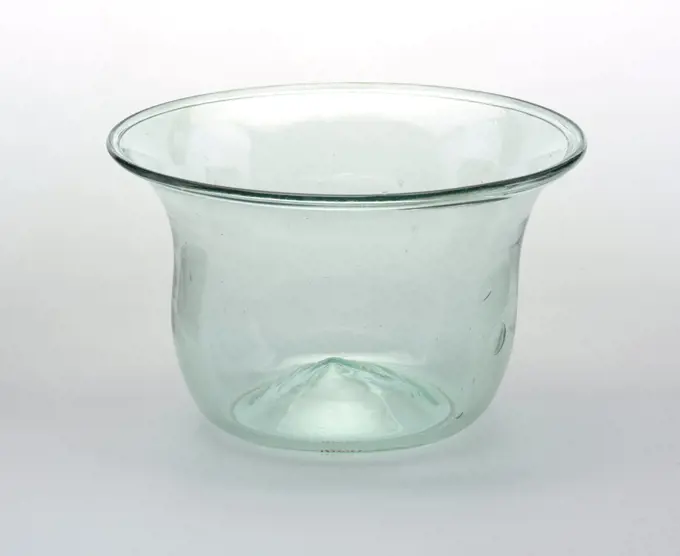
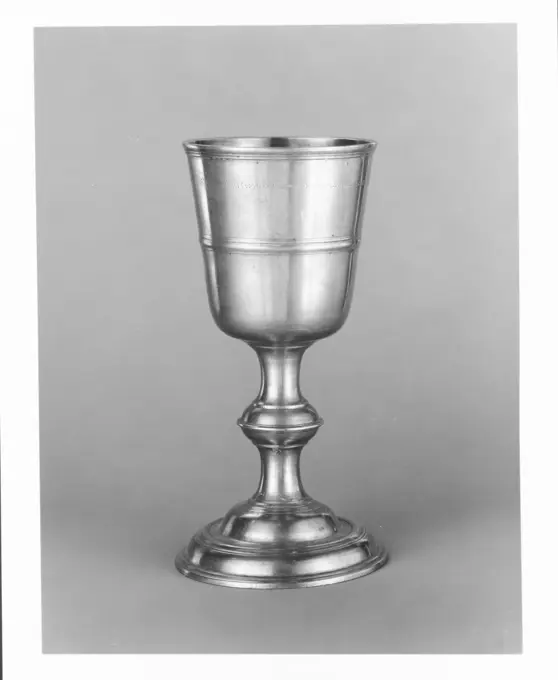
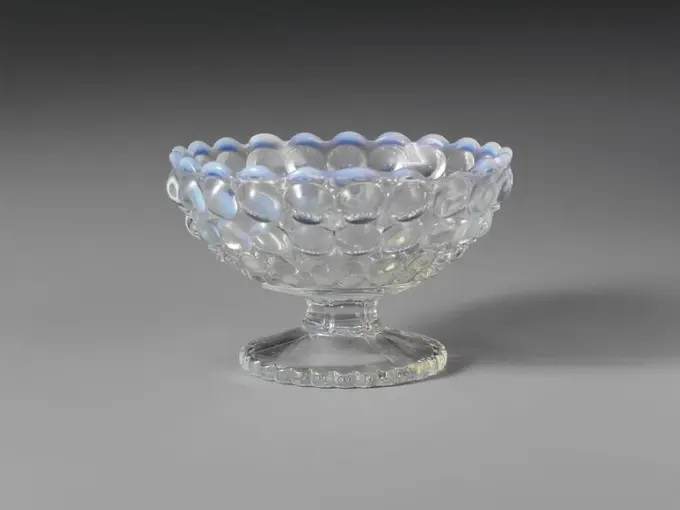
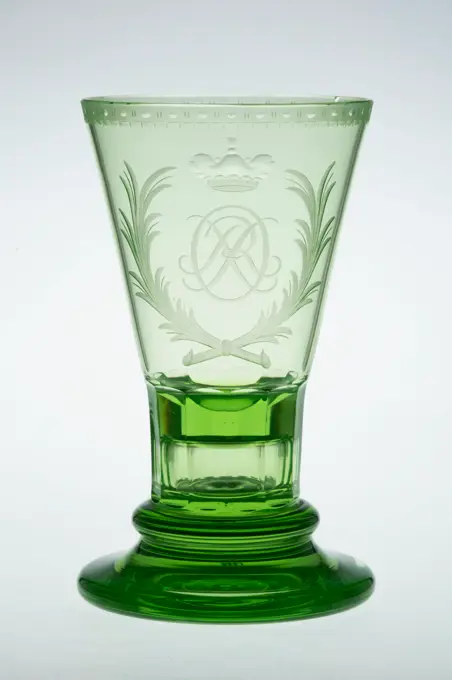
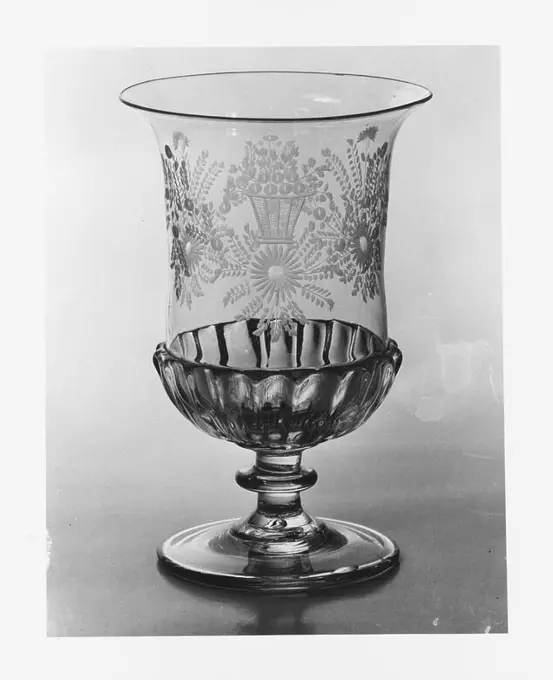
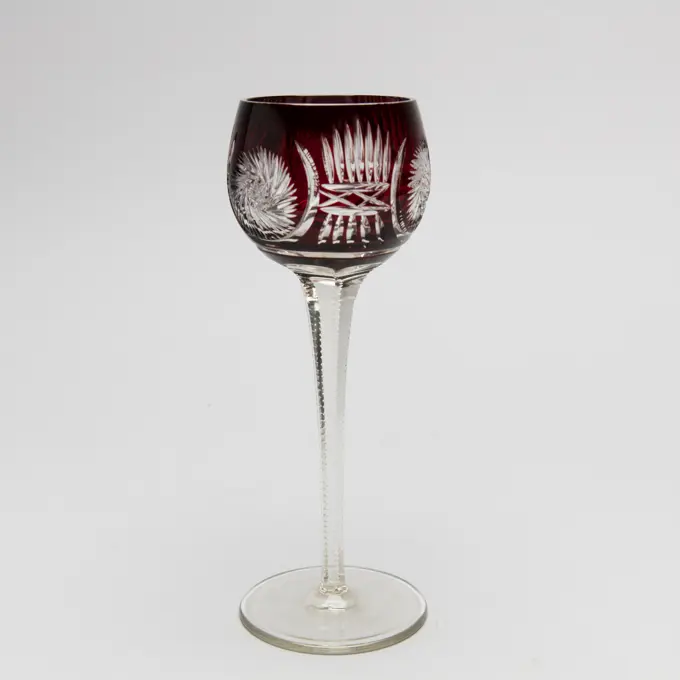
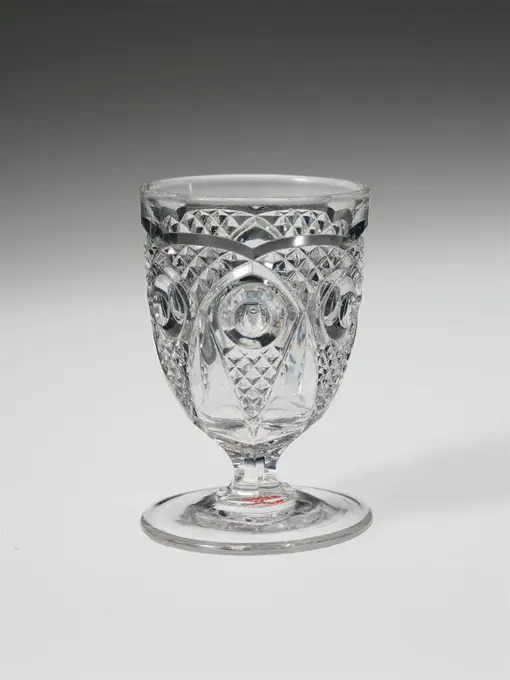
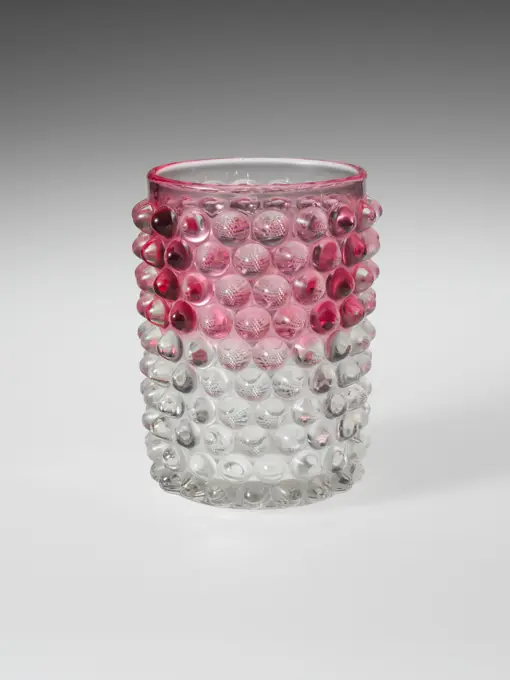
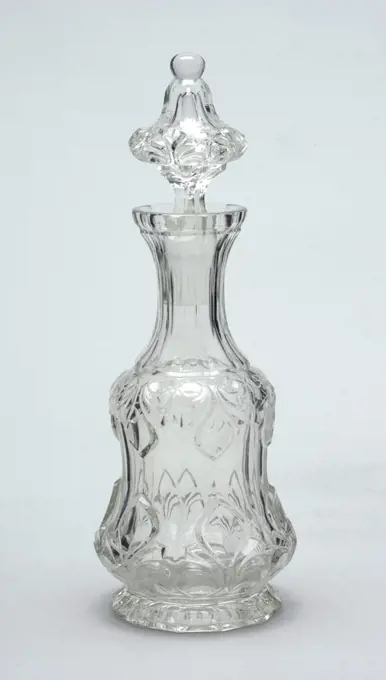
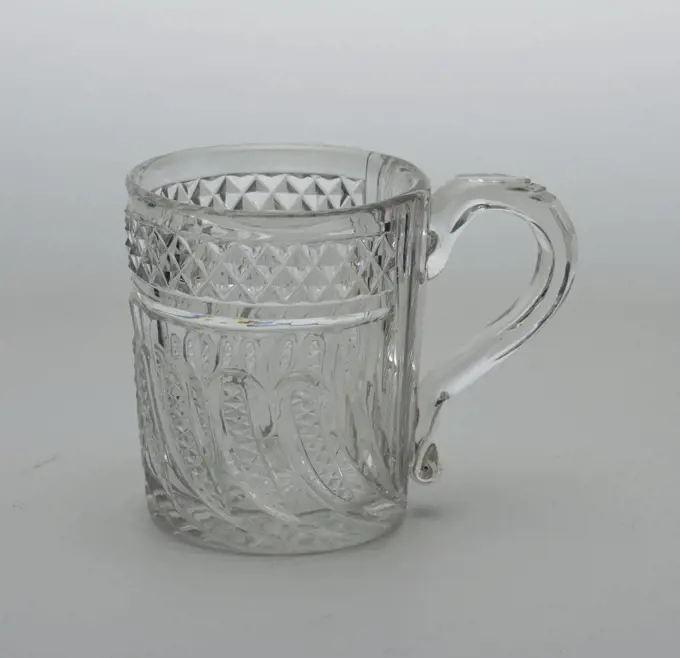
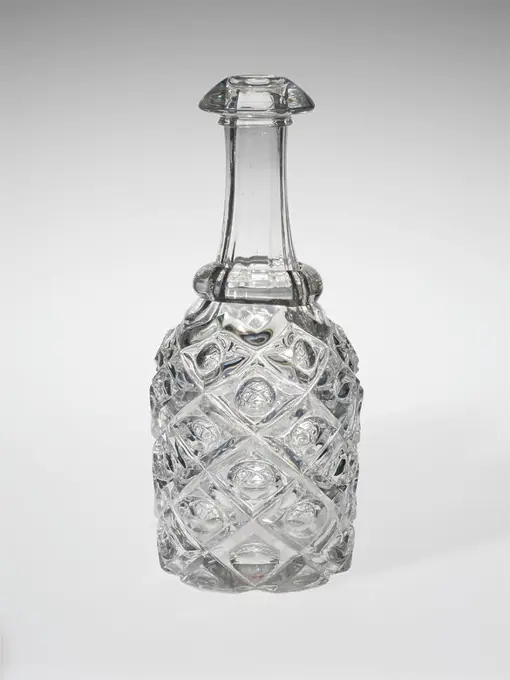
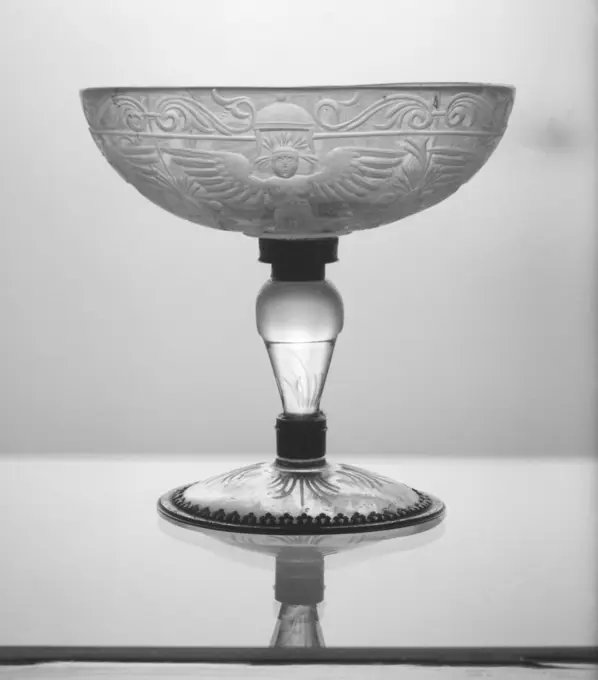
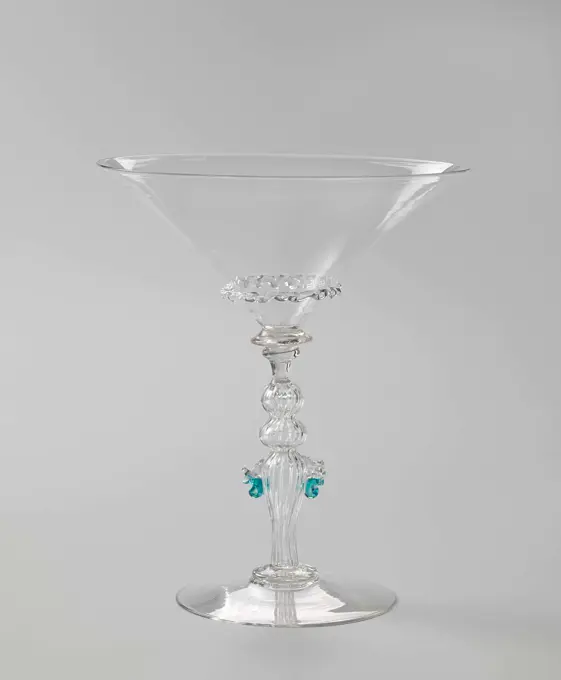
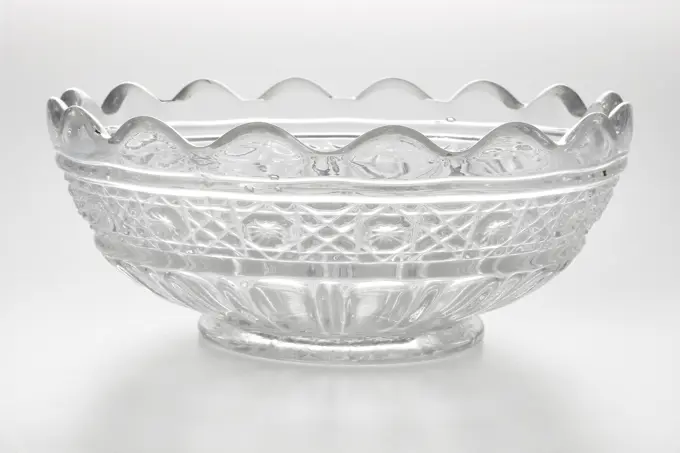
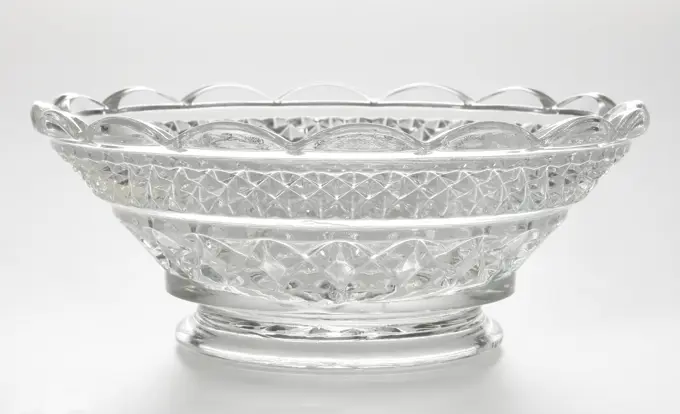
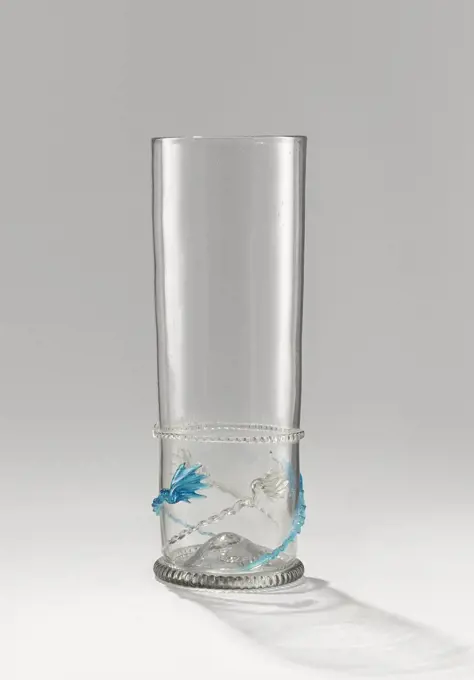
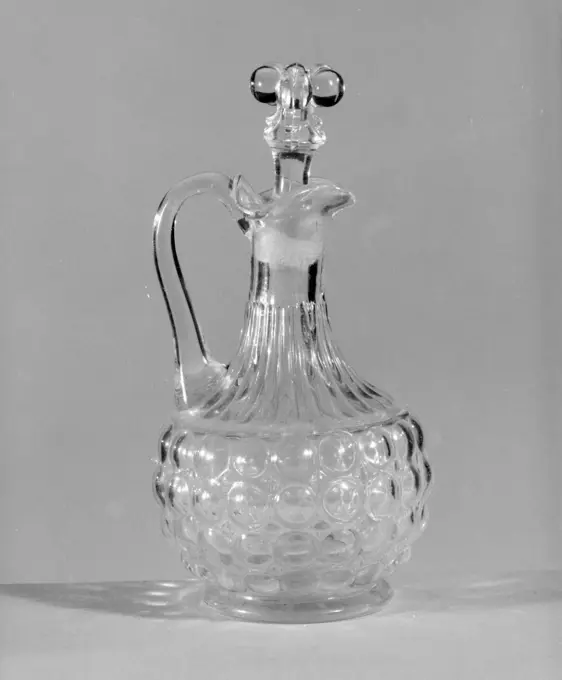
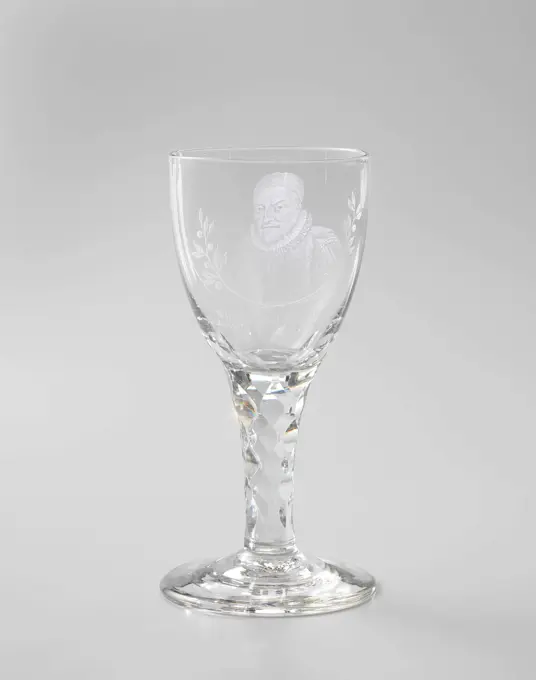
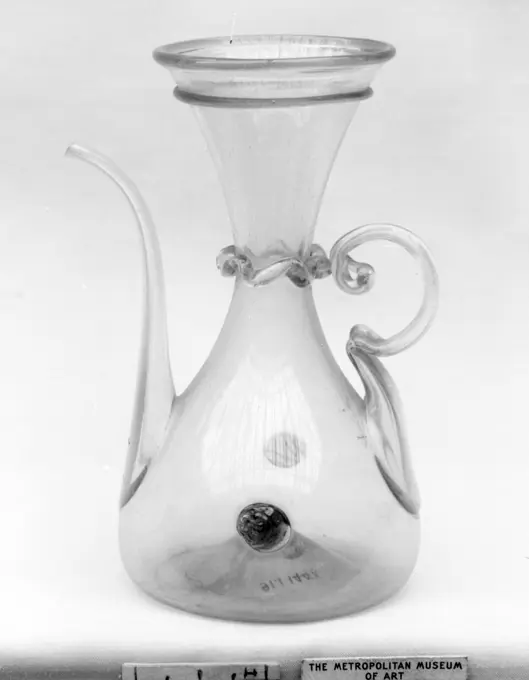
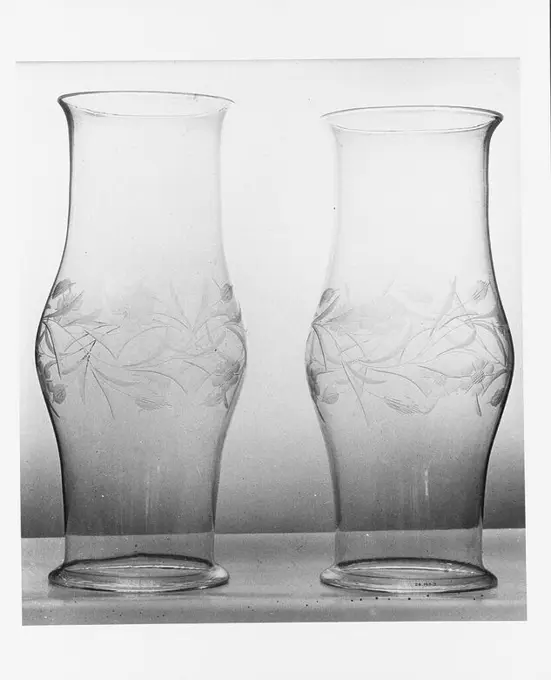
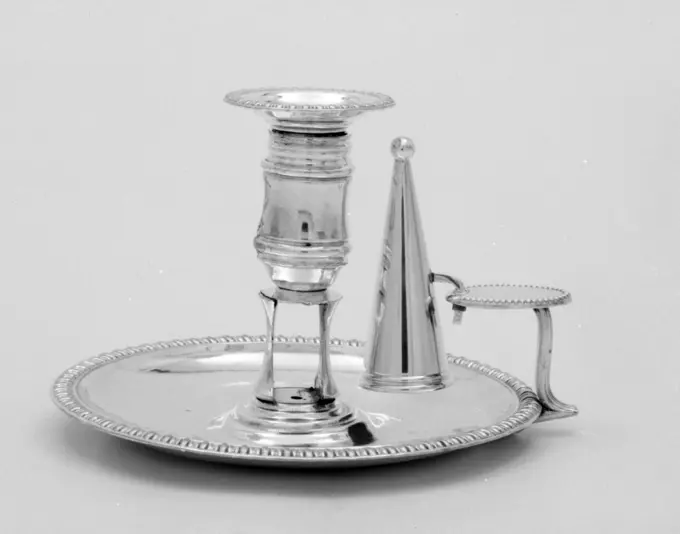
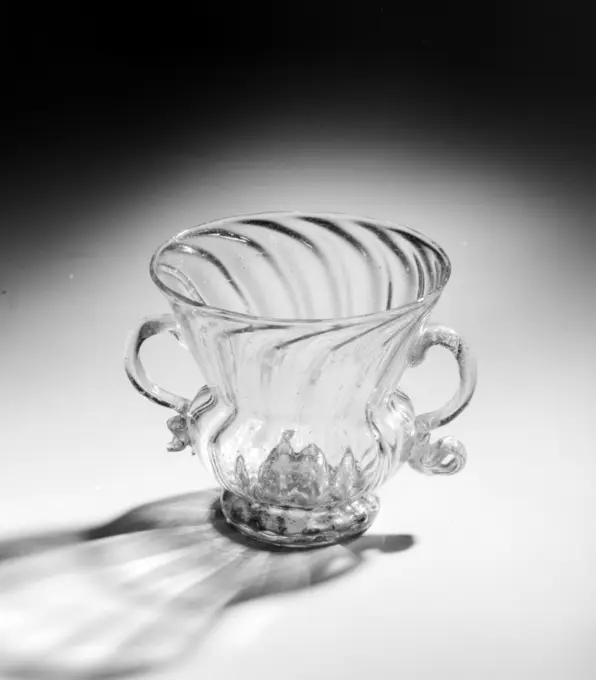
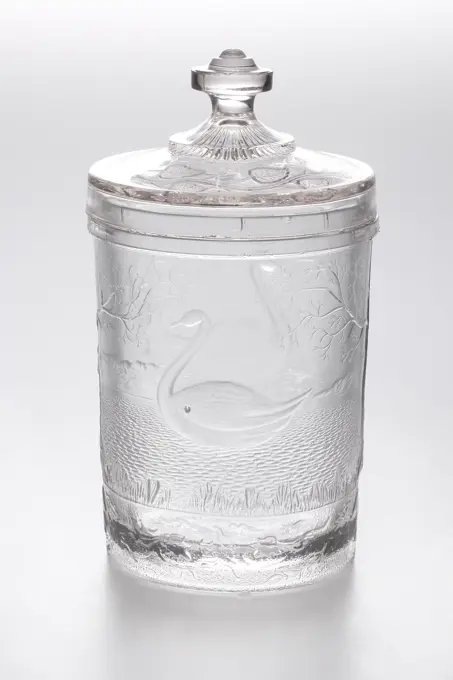
Candy dish - Swimming Swan pattern Nova Scotia Glass Company Nova Scotia Glass CompanyTumbler. Culture: American. Dimensions: H. 3 1/2 in. (8.9 cm). Maker: Bakewell, Pears and Company (1836-1882). Date: 1860-70. Museum: Metropolitan Museum of Art, New York, USA.Cup; Eastern Mediterranean; A.D. 1-100; Glass; 7.3 cm (2 7,8 in.)"Hogarth" Cordial Glass. England. Date: 1752. Dimensions: H. 9.5 cm (3 3/4 in.). Glass. Origin: England. Museum: The Chicago Art Institute, Chicago, USA.Decanter ca. 1867 Boston & Sandwich Glass Company. Decanter 3095Half-pint decanter. Culture: American. Dimensions: H. 7 in. (17.8 cm). Date: 1850-70.With the development of new formulas and techniques, glass-pressing technology had improved markedly by the late 1840s. By this time, pressed tablewares were being produced in large matching sets and innumerable forms. During the mid-1850s, colorless glass and simple geometric patterns dominated. Catering to the demand for moderately-priced dining wares, the glass industry in the United States expanded widely, and numerous factories supplied less expensive pressed glassware to the growing market. At the Exhibition of the Industry of All Nations at New York's Crystal Palace in 1853, for example, the New England Glass Company exhibited 130 pieces of one design, "consisting of bowls, tumblers, champagnes, wines, and jelly glasses." This object belongs to one such service. Although the glass manufactory is not known, the glassware is very typical of the large services that were very popular with America'sMug 1830-70 American With the development of new formulas and techniques, glass-pressing technology had improved markedly by the late 1840s. By this time, pressed tablewares were being produced in large matching sets and innumerable forms. During the mid-1850s, colorless glass and simple geometric patterns dominated. Catering to the demand for moderately-priced dining wares, the glass industry in the United States expanded widely, and numerous factories supplied less expensive pressed glassware to the growing market. At the Exhibition of the Industry of All Nations at New Yorks Crystal Palace in 1853, for example, the New England Glass Company exhibited 130 pieces of one design, "consisting of bowls, tumblers, champagnes, wines, and jelly glasses." This object belongs to one such service. Although the glass manufactory is not known, the glassware is very typical of the large services that were very popular with Americas middle class in the nineteenth century.. Mug 5381A wine glass standing on a reflective surface.Various wine glasses standing on a reflective surface.Glass;  1920-39 (1920-00-00-1939-00-00);Rock Crystal Dish in the Form of a Temple 3rd-5th century Roman or Byzantine This rock crystal carving found in a cistern in Carthage (now in Tunisia, North Africa) demonstrates the quality of the arts of that great city as the Roman world became Byzantine. The Roman naturalist Pliny, describing its beauty, believed crystal to come from snow. It was thought to protect against kidney ailments and other diseases.. Rock Crystal Dish in the Form of a Temple. Roman or Byzantine. 3rd-5th century. Rock crystal. Lapidary Work-CrystalChampagne glass;  the beginning of the 20th century (1900-00-00-1910-00-00);Goblet 1800-1830 British (American market). Goblet. British (American market). 1800-1830. Earthenware, lusterware. Made in Staffordshire, EnglandChalip glass, funnel -shaped with unadorned cylindrical trunk and round foot, Anonymous, 1800 - 1900 Chalip glass, funnel -shaped with unadorned cylindrical trunk and round foot.  glass Chalip glass, funnel -shaped with unadorned cylindrical trunk and round foot.  glassGlassGlass Zbigniew Horbowy, Huta Glasswoman SzczytnaCandlestick. Culture: Irish. Dimensions: Height: 7 1/2 in. (19.1 cm). Date: ca. 1780. Museum: Metropolitan Museum of Art, New York, USA.probably Boston and Sandwich Glass Works, Tumbler, c. 1826-40, colorless lead glass.. Flat, high foot with nozzle optically blown ribs. The stem made up of two hollow, ribbed balusters, between which two buttons. Bell-shaped low chalice with a wide border, optically blown into a relief pattern. The glass mass shows many seeds and irregularities.Tumbler 1850-70 Bakewell, Pears and Company. Tumbler 9039Bowl 1835-65 Possibly Redwood Glass Company This bowl features superimposed lily pad” decoration, a motif adopted by glassmakers primarily in New Jersey and New York State window and bottle factories. To create it, the maker would add a gather of glass and pull it into a scroll-like shape terminating in a circular disk, reminiscent of the foliage of a water lily.. Bowl. American. 1835-65. Blown glass with applied decoration. Made in New York, United StatesGlass; Lobmeyr, J. & L. (Vienna; 1823-); 1920-39 (1920-00-00-1939-00-00);Roemer with four rows of Braamnoppen, Anonymous, c. 1650 - c. 1675 Large Roemer with inserted bottom on conical, spun from a wire. The convex chalice blown as a whole with the trunk, which is set with four rows of small burrs. The transition from the chalice to the trunk indicated by a ribbed thread Low Countries glass glassblowing Large Roemer with inserted bottom on conical, spun from a wire. The convex chalice blown as a whole with the trunk, which is set with four rows of small burrs. The transition from the chalice to the trunk indicated by a ribbed thread Low Countries glass glassblowingWine glass. Heckert Fritz (Petersdorf ; 1866-1918), glass refineryWine glass isolated on the white backgroundDecanter 1800-1850 Irish. Decanter. Irish. 1800-1850. Glass. GlassPitcher. Culture: American. Dimensions: H. 6 1/8 in. (15.6 cm). Date: 1850-70.With the development of new formulas and techniques, glass-pressing technology had improved markedly by the late 1840s. By this time, pressed tablewares were being produced in large matching sets and innumerable forms. During the mid-1850s, colorless glass and simple geometric patterns dominated. Catering to the demand for moderately-priced dining wares, the glass industry in the United States expanded widely, and numerous factories supplied less expensive pressed glassware to the growing market. At the Exhibition of the Industry of All Nations at New York's Crystal Palace in 1853, for example, the New England Glass Company exhibited 130 pieces of one design, "consisting of bowls, tumblers, champagnes, wines, and jelly glasses." This object belongs to one such service. Although the glass manufactory is not known, the glassware is very typical of the large services that were very popular with America's middleNo. 238 Champagne Flute; Designed by Josef Hoffmann (Austrian, b. Moravia, 1870-1956); Manufactured by J. & L. Lobmeyr GmbH (Austria); Austria; mouth-blown crystalScale on foot, with arches and stars, anonymous, c. 1725 - c. 1750 Flat, faceted foot. Facet cut, baluster -shaped trunk with four discs. Wide, oval chalice with facet -cut soil. On the chalice a continuous pattern of arches under a clear, sharpened band with stars. This kind of glass mainly served for serving candies. Bohemia glass glassblowing / grinding Flat, faceted foot. Facet cut, baluster -shaped trunk with four discs. Wide, oval chalice with facet -cut soil. On the chalice a continuous pattern of arches under a clear, sharpened band with stars. This kind of glass mainly served for serving candies. Bohemia glass glassblowing / grindingPitcher 1817-40 Probably New England Glass Company The threaded decoration on the lip and the tooled midrib of this classic Empire pitcher are characteristic features of the New England Glass Companys products. The hollow stem contains an English shilling dated 1817.. Pitcher 5829Compote. Culture: American. Dimensions: H. 3 3/4 in. (9.5 cm). Manufacturer: Possibly by Redwood Glass Company (1828-1868); Possibly by Redford Crown Glass Works (1831-1851). Date: 1835-65. Museum: Metropolitan Museum of Art, New York, USA.Roemer with the weapons of the seven provinces, Anonymous, c. 1675 - c. 1700 Konian, from a wear spun. Deeply inserted soul with pontil brand. The trunk, which is set with four rows of flat burrs, is blown as a whole with the curved chalice. The transition from the trunk to the chalice is indicated by a ribbed edge. The crowned weapons of the seven provinces are engraved on the chalice, interconnected by ribbons. Above each weapon is the name of the province in question. The upper edge is trimmed with a stylized slim with rosette-shaped flowers, the lower edge with flower branches, butterflies and an eagle. glassblower: Low CountriesNorthern Netherlands glass glassblowing Konian, from a wear spun. Deeply inserted soul with pontil brand. The trunk, which is set with four rows of flat burrs, is blown as a whole with the curved chalice. The transition from the trunk to the chalice is indicated by a ribbed edge. The crowned weapons of the seven provinces are engraved on the chalice, intercBerkmeier with the inscription: I help the thirsty, anonymous, c. 1650 - c. 1700 Soul inserted. From a wire spuned foot, open stem from the top, occupied with two rows of flat burrs, which are pressed inwards. Funnel-shaped chalice, which is separated from the trunk by a pinched wire. On the chalice, italian letters are calligraphy 'I help the thirsty'. glassblower: Low CountriesNorthern Netherlands glass glassblowing Soul inserted. From a wire spuned foot, open stem from the top, occupied with two rows of flat burrs, which are pressed inwards. Funnel-shaped chalice, which is separated from the trunk by a pinched wire. On the chalice, italian letters are calligraphy 'I help the thirsty'. glassblower: Low CountriesNorthern Netherlands glass glassblowingChampagneDrinking glass. Funnel-shaped drinking glass on a high baluster-shaped strain. The foot is round and vaulted. The drinking glass is equal to five other specimens (BK-NM-11177-181-B-III, BK-NM-11177-181-B-IV, BK-NM-11177-181-B-VI, BK-NM-11177 -181-B-VII, BK-NM-11177-181-VIII). The drinking glasses are with a donate jug (BK-Nm-11177-181-B-VII) on a tray (BK-NM-11177-181-B-VIII). The tray is on a folding table (BK-NM-11177-A).Servies H Decanter And Stopper; Designed by K.P.C. (Karel Petrus Cornelis) de Bazel (1869 - 1923); Manufactured by Leerdam Glasfabriek (Netherlands); Netherlands; glassGlass;  around 1840 (1830-00-00-1850-00-00);Bowl, glass, Pale green glass bowl., USA, ca. 1820-40, glasswares, Decorative Arts, BowlThe larger engraved coat of arms belongs to Maurice; next to it is that of Phillip William, the eldest son ofWilliam of Orange. Phillip William was taken hostage by the Spanish when he was 13 years old. He was subsequently educated in Spain as a Catholic nobleman. In 1608 he took part, on the side of the Spanish, in the negotiations for the Twelve Years Truce: it was the first time that the two half-brothers met each other in person.Bottle Stopper (Ireland); glass, copper, silverChalice 1756-80 Johann Christoph Heyne With its tall baluster stem and convex moldings, this chalice displays the elegant proportions of the Baroque style. It bears the mark of the German-born Moravian minister and pewterer Johann Christoph Heyne, whose chalices and other church vessels are among the finest examples of liturgical pewter made in eighteenth-century America. They were supplied primarily to Lutheran and Moravian churches in south central Pennsylvania.. Chalice 1925Water glass, from a set of four, c. 1830, 5 1/4 x 3 1/4 x 3 1/4 in. (13.34 x 8.26 x 8.26 cm), Cut glass, France (), 19th centuryFooted Dish. Culture: American. Dimensions: H. 2 5/8 in. (6.7 cm); Diam. 3 3/4 in. (9.5 cm). Maker: Richards and Hartley Flint Glass Co. (ca. 1870-1890). Date: ca. 1888. Museum: Metropolitan Museum of Art, New York, USA.Glass; Lobmeyr, J. & L. (Vienna; 1823-); 1920-39 (1920-00-00-1939-00-00);Presentation vase 1859 Long Island Flint Glass Works of Christian Dorflinger This elegant vase is one of the earliest known Dorflinger presentation glasses. Dated 1859, it was made just one year after Dorflinger built his third, enlarged factory. The Dorflinger Guards, a colorfully uniformed group that performed ceremonial functions and served as a voluntary police force for the local community, presented the vase to Dorflingers wife. Listen to experts illuminate this artwork's story Listen Play or pause #4524. Presentation vase Supported by Bloomberg Philanthropies We're sorry, the transcript for this audio track is not available at this time. We are working to make it available as soon as possible.. Presentation vase 9331Vase. Culture: American. Dimensions: H. 8 in. (20.3 cm); Diam. 5 1/16 in. (12.9 cm). Date: 1810-30. Museum: Metropolitan Museum of Art, New York, USA.Bowl (England); glassGlassMarmalade Jar 1870-90 Adams and Company. Marmalade Jar. American. 1870-90. Pressed yellow glass. Made in Pittsburgh, Pennsylvania, United StatesWine Glass Rinser (verrière). France. Date: 1810-1830. Dimensions: 10 × 14.8 × 11.9 cm (3 15/16 × 5 13/16 × 4 11/16 in.). Glass. Origin: France. Museum: The Chicago Art Institute, Chicago, USA.Glass; Lobmeyr, J. & L. (Vienna; 1823-); 1920-39 (1920-00-00-1939-00-00);Cup Lausitzer glassworksEgg Cup. Culture: American. Dimensions: H. 4 in. (10.2 cm); Diam. 2 5/8 in. (6.7 cm). Maker: New England Glass Company (American, East Cambridge, Massachusetts, 1818-1888). Date: 1860-70. Museum: Metropolitan Museum of Art, New York, USA.Chalice. Czechy, creatorCompote. United States, probably Pennsylvania, Pittsburgh, circa 1870. Furnishings; Accessories. Glass. Auger with pestle. The shape of the mortar is concave cup-shaped. In the middle of the outer wall, the mortar has a tire imposed. Two buttons have been attached to this tire. The mortar has been labeled: STK. = Amsterdam, Mt. = Frederik of Soudt I, Crowned O and a ax. The pestle has thickened ends and is profiled in the middle. The pestle is marked with a dolphin.Chalip glass with a portrait of Wilhelmina van Pruisen, Anonymous, c. 1775 - In or Before 1798 Conical foot. Smooth, broadening tribe, transferring to a slightly bent chalice. On the chalice, in frame of rococo ornament and flower garlands, stopped by a floating putto, the medallion portrait of Princess Wilhelmina van Pruisen (1751-1820), the wife of Stadholder Prince Willem V (1748-1806). On the downside inscription her royal highness Princesse of Orange. glassblower: EnglandNorthern Netherlands glass glassblowing Conical foot. Smooth, broadening tribe, transferring to a slightly bent chalice. On the chalice, in frame of rococo ornament and flower garlands, stopped by a floating putto, the medallion portrait of Princess Wilhelmina van Pruisen (1751-1820), the wife of Stadholder Prince Willem V (1748-1806). On the downside inscription her royal highness Princesse of Orange. glassblower: EnglandNorthern Netherlands glass glassblowingLid of a jar, anonymous, c. 1725 - c. 1750 lid Vaulted lid, crowned with a welded lid button, consisting of three knots with an air bubble. A engraved flower and leaf garland on the lid. Germany (possibly) glass glassblowingGoblet with the Arms of Bregenz; after 1621 - about 1635; Free-blown colorless (slightly grayish-brown) glass with diamond point engraving; 27.3 x 11.6 cm (10 3,4 x 4 9,16 in.)Spittoon Made 1815-1825 . Cherry veneer with zinc insert . Unknown artistTumbler after 1886 Probably Hobbs, Brockunier and Company. Tumbler 9119No. 100, Ludwig Lobmeyr, Austrian, 1829 - 1917, J. & L. Lobmeyr GmbH, Vienna, Austria, founded ca. 1935, Mouth-blown crystal, cut and polished, Mouth-blown crystal, richly cut and polished with facets and leaf ornamentation., Austria, 1864, glasswares, Decorative Arts, Wine decanter with stopper, Wine decanter with stopperMug, Glass, Very heavy, straight-sided body, looped and notched handle with turned up end cut with tall swirling loops of diamonds above a row of field diamonds, hatching at side near handle, on the bottom star pattern., England or Ireland, ca. 1820-30, glasswares, Decorative Arts, MugCandlestick, glass, Tall double-knopped shaft on domed, stepped base with thick square foot, bulbous nozzle, wide drip pan with up-turned edge cut with vertical flutes;removable brass drip pans; glass clear and heavy; shaft leans to one side., Ireland, ca. 1790, glasswares, Decorative Arts, CandlestickQuart Decanter. Culture: American. Dimensions: H. 11 in. (27.9 cm). Date: 1850-70.With the development of new formulas and techniques, glass-pressing technology had improved markedly by the late 1840s. By this time, pressed tablewares were being produced in large matching sets and innumerable forms. During the mid-1850s, colorless glass and simple geometric patterns dominated. Catering to the demand for moderately-priced dining wares, the glass industry in the United States expanded widely, and numerous factories supplied less expensive pressed glassware to the growing market. At the Exhibition of the Industry of All Nations at New York's Crystal Palace in 1853, for example, the New England Glass Company exhibited 130 pieces of one design, "consisting of bowls, tumblers, champagnes, wines, and jelly glasses." This object belongs to one such service. Although the glass manufactory is not known, the glassware is very typical of the large services that were very popular with America's miCup 16th century with modern mounts probably Italian. Cup 188882 probably Italian, Cup, 16th century with modern mounts, Rock crystal, enameled gold, Overall: 5 3/8  5 3/8  3 3/4 in. (13.7  13.7  9.5 cm). The Metropolitan Museum of Art, New York. The F.O. Matthiessen Collection, Gift of Mrs. Emma Matthiessen, in memory of her husband, 1904 (04.6.32)Wing glass with funnel-shaped chalice. Wing glass on flat foot. Hollow, baluster-shaped, ribbed strain with two ribbed, hollow nodi. Switching blue wings on either side of the strain (demolished). Funnel shaped chalice with a corrugated, colorless wire. The wings have been demolished.Glass; Lobmeyr, J. & L. (Vienna; 1823-); 1920-39 (1920-00-00-1939-00-00);Flask c 1852-1889 Pittsburgh. Glass . A. & D. H. ChambersBowl - Daisy & Band Pattern.Vase (England); Designed by Harry Powell (English, 1870 - 1920); Manufactured by James Powell & Sons (United Kingdom); blown glassEmpty hourglass on gray backgroundCordial glass 17th-18th century Italian, probably Venice. Cordial glass. Italian, probably Venice. 17th-18th century. Glass. GlassGlass; Lobmeyr, J. & L. (Vienna; 1823-); 1920-39 (1920-00-00-1939-00-00);Standing cup 1700-1750 Bohemian. Standing cup. Bohemian. 1700-1750. Glass. GlassMass amphu with cork;  20th century (1901-00-00-1945-00-00);Time-keeping lamp 17th century German. Time-keeping lamp 189090 German, Time-keeping lamp, 17th century, Pewter, Height: 13 1/4 in. (33.7 cm). The Metropolitan Museum of Art, New York. Rogers Fund, 1906 (06.774)A set of dishes: a larger glass W Cewicz, Janina, Economic Huta ZawiercieLid of glass, cylinder -shaped, on baluster strain with multifaceted knot, anonymous, c. 1400 - c. 1950   glass   glassTumbler 1820-40 American. Tumbler 8988Nappy -Candlestick. Dimensions: H. 11 1/4 in. (28.6 cm); Diam. 5 1/4 in. (13.3 cm). Maker: Matthew Boulton (British, Birmingham 1728-1809 Birmingham). Date: ca. 1800. Museum: Metropolitan Museum of Art, New York, USA.Whale Oil Lamp 1800-1830. Whale Oil Lamp 5431Bowl -Empty wine glass, isolated on a white backgroundWhale Oil Lamp. Dimensions: H. 5 3/8 in. (13.7 cm). Date: 1830-40. Museum: Metropolitan Museum of Art, New York, USA.Glass, known as a Comet beaker, known as a Comet beaker’, Anonymous, c. 1550 - c. 1700Fragment of foot, trunk and chalice of chalice in façon de Venise style, drinking glass drinking utensils tableware holder fragment soil find glass, free blown and formed glass application Fragment of foot stem and part of goblet of chalice in clear colorless glass in façon de Venise style Pontil mark under slightly ascending hollow base with under folded edge. Hollow baluster-shaped trunk on flat knot to double flat knots. Bell-shaped chalice of which approximately 34 parts are missing with fused edge archeology Rotterdam IJsselmonde drinking wine serve beer Soil discovery: Castle IJsselmonde pit 1 and pit 2 Rotterdam 1972.Sweetmeat Glass (Ireland); glassWine Glass; blown glassSingle empty glass for red wine on reflective surfacedrink and glassware concept - empty faceted glass jug on table over black background. empty faceted glass jug on tableCruet 1870-90 Adams and Company. Cruet. American. 1870-90. Pressed yellow glass. Made in Pittsburgh, Pennsylvania, United StatesWine glass with a portrait of Stadtholder Prince William i (1533-1584). The stipple-engraved portrait of William I is based on a print by Jacob Houbraken (1698-1780).Preserving jar -Ewer 17th century Italian, Venice (Murano) During the Renaissance, Venetian glassmakers, working on the island of Murano, were celebrated across Europe for their fine and sparkling work. Called cristallo” emulating the clarity of rock crystal, in the hands of the most skilled glassblowers the medium could be delightfully manipulated, variously stretched paper-thin flat, or playfully twisted, or blown into molds with spectacular patterns.. Ewer. Italian, Venice (Murano). 17th century. Glass. GlassGlass; Lobmeyr, J. & L. (Vienna; 1823-); 1920-39 (1920-00-00-1939-00-00);Hurricane Shade. Culture: American or British. Dimensions: H. 16 3/4 in. (42.5 cm); Diam. 6 in. (15.2 cm). Date: 1800-1830. Museum: Metropolitan Museum of Art, New York, USA.Wine glass 3d rendering isolated in white studio background Single wine glass 3d rendering isolated in white studio background Copyright: xZoonar.com/HugoxKurkx 14195459Chamber candlestick ca. 1760 Probably by Tudor and Leader. Chamber candlestick. British, Sheffield. ca. 1760. Sheffield plate. Metalwork-SilverplateCup 17th century Italian, Venice (Murano) During the Renaissance, Venetian glassmakers, working on the island of Murano, were celebrated across Europe for their fine and sparkling work. Called cristallo” emulating the clarity of rock crystal, in the hands of the most skilled glassblowers the medium could be delightfully manipulated, variously stretched paper-thin flat, or playfully twisted, or blown into molds with spectacular patterns.. Cup. Italian, Venice (Murano). 17th century. Glass. Glass