Elegant Glassware Collection

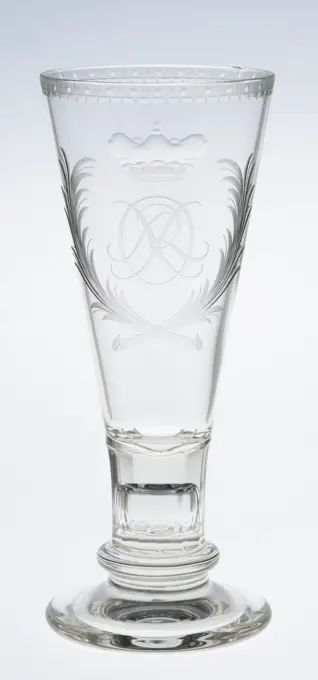
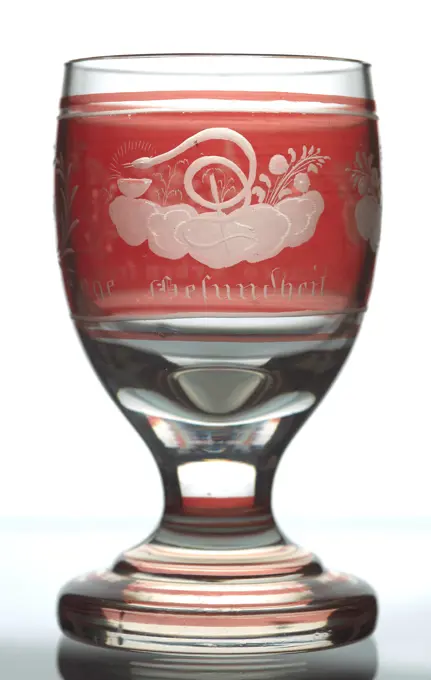
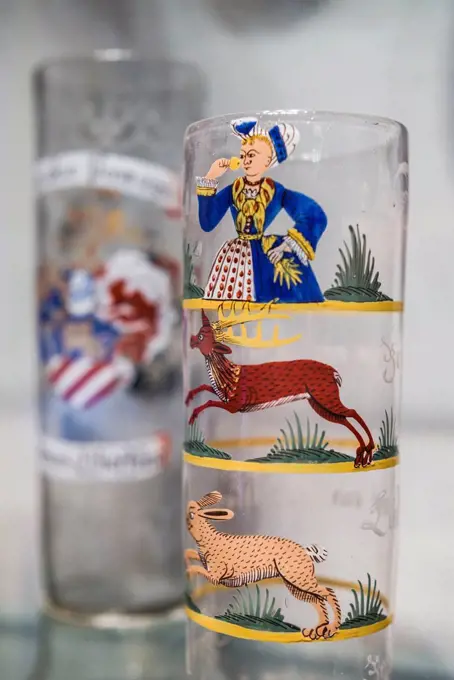
Antique glass chalices showcasing intricate engravings and historic symbols, highlighting craftsmanship and ornate designs across different periods.
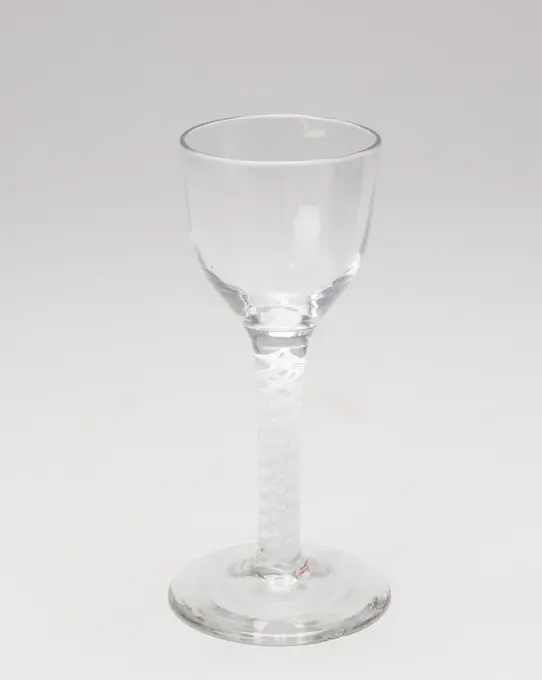
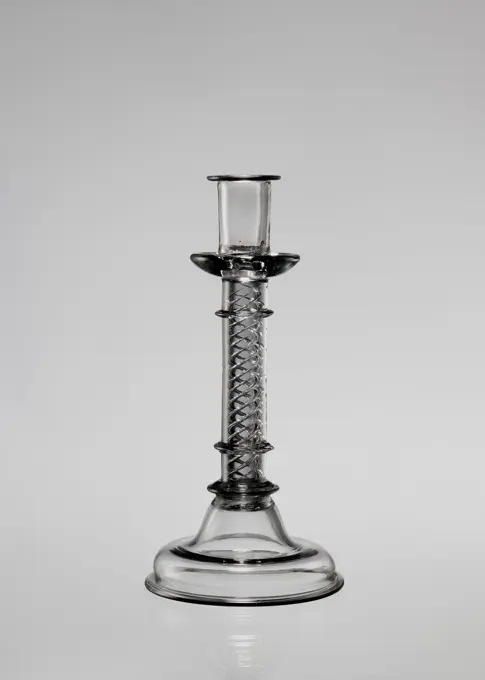
Wine Glass, 18th century, 6in. (15.2cm), Lead glass, England, 18th century
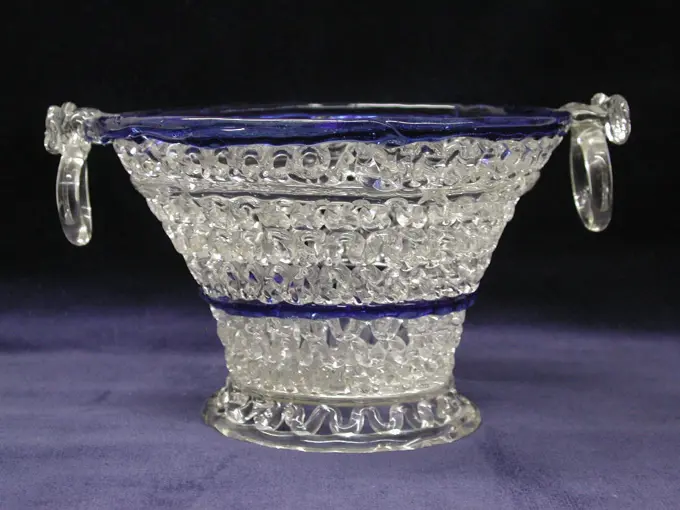
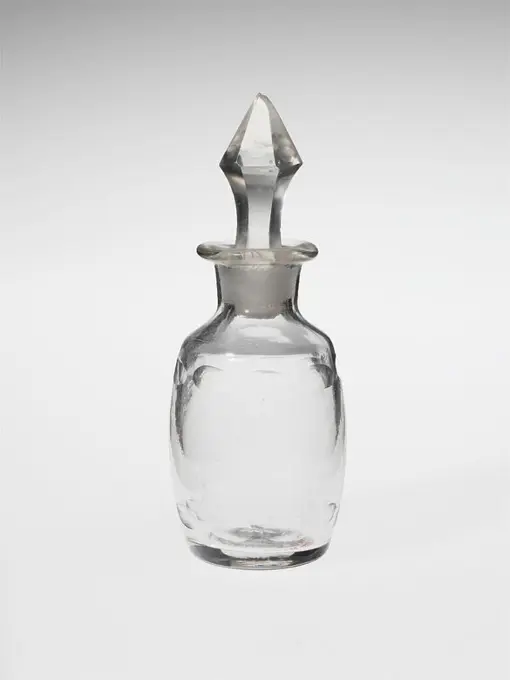
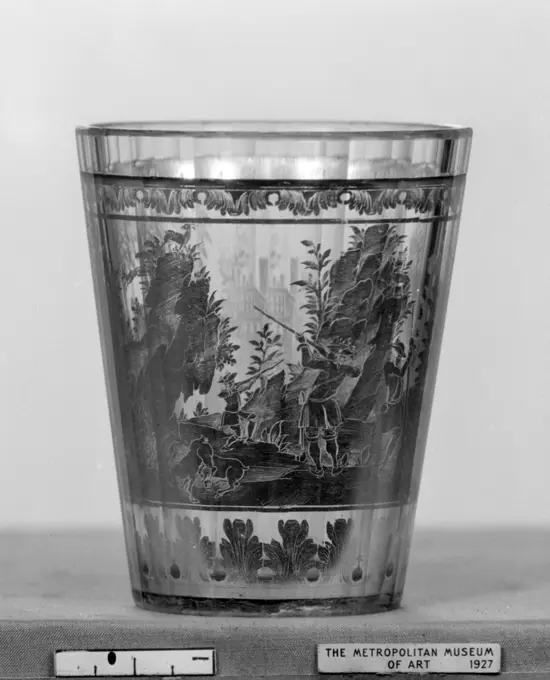
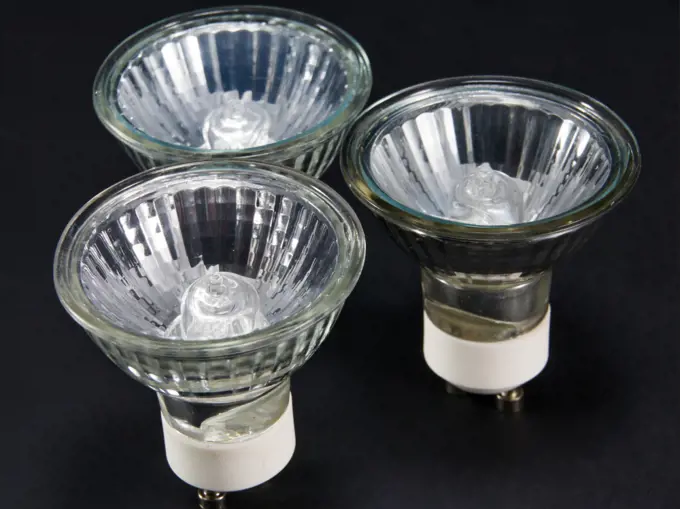
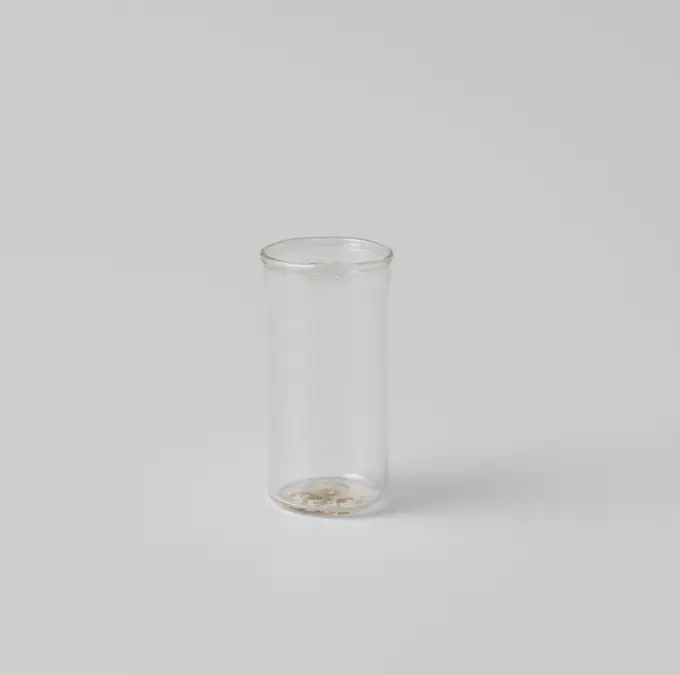
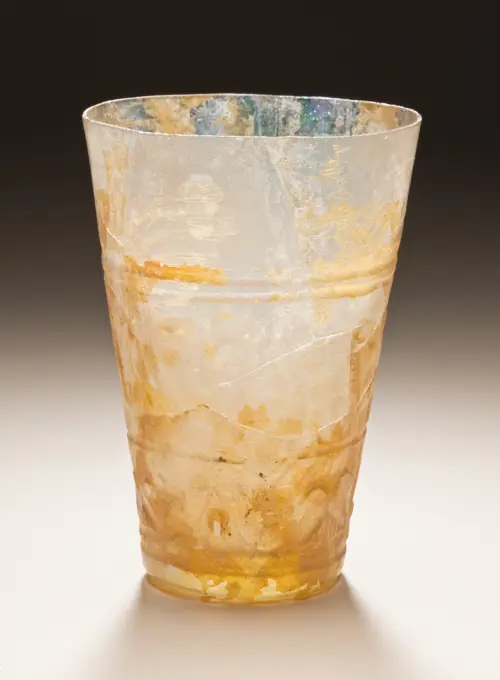
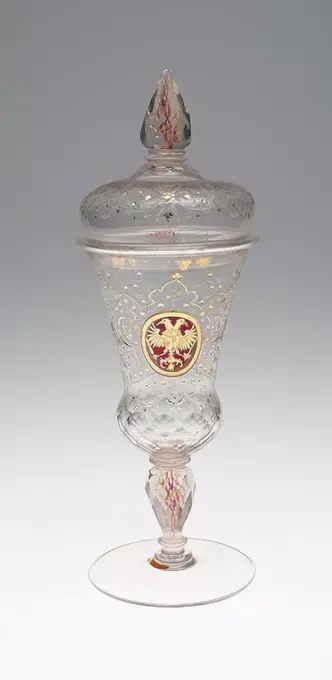
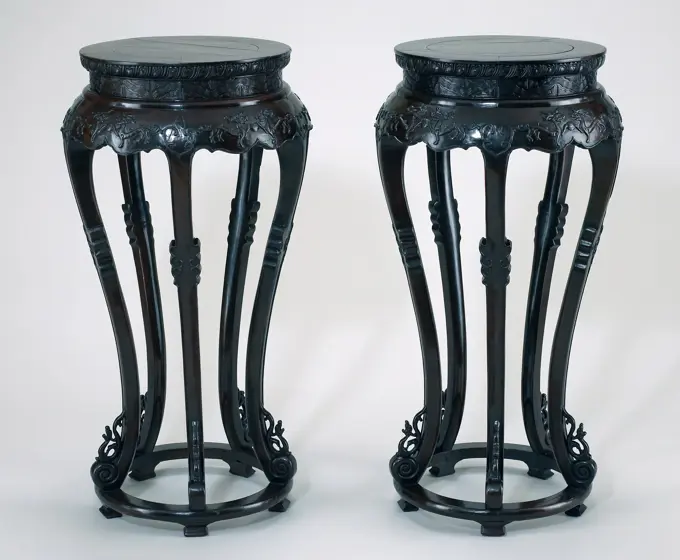
Glass perfume bottle late 1st-3rd century A.D. Roman Translucent pale blue-green.Broad, tubular rim, folded out, down, round, and in, flattened on top and slightly oval; tall neck, expanding downward, with large horizontal tooled indent around base; low conical body with slightly convex-curving side; deep concave bottom.Intact; many bubbles, some large, others elongated; deep pitting, iridescence, and patches of creamy weathering.. Glass perfume bottle 253614Flower vase IsolatedBasket 1810-30 Belgian, Liège The expanding sides may be a classical allusion since this was an ancient form of fruit (and harvesting of fruit) basket.. Basket 186468Lid of a jar, Anonymous, 1800 - Before 1900 Lid of a cup with faceted, pointed button on three discs.  glass grinding / glassblowing Lid of a cup with faceted, pointed button on three discs.  glass grinding / glassblowingBottle. Dimensions: Overall: 4 5/8 in., 106.7 Grams (11.7 cm, 3.431 Troy Ounces)Base diameter: 1 7/16 in. (3.7 cm)Other (Height without stopper): 3 3/16 in. (8.1 cm). Date: 1700-1800. Museum: Metropolitan Museum of Art, New York, USA.Cup  flute Huta enamel in NalibokiLamp 1815-1825 England. Glass; clear, baluster stem, spherical font, with S-scroll handle and metal wick holder .Pitcher.   Maker: Corning Glass Works, American, 1878-1990Beaker ca. 1740 Michael May II Incorporating medals or coins into the walls of drinking vessels has a captivating effect, and here they underline the beakers probable use. This refined, stylish beaker was likely a special wedding present. The German inscriptions on the front and back of the medal read, "If faithfulness and blessing is felt" and "Pure love sets the heart at rest." Another medal (dated 1588) at the bottom reminds the viewer of vanity, alertness, and faith in God by illustrating events from the Genesis story of Lot.LiteratureTihamér Gyárfás. A brassai ötvösség története. Brassó, 1912, pp. 131-32, no. 320.Elemér Kőszeghy. Magyarországi ötvösjegyek a középkortól 1867-ig / Merkzeichen der Goldschmiede Ungarns vom Mittelalter bis 1867. Budapest, 1936, nos. 130 [town mark, 264f [makers mark.European Silver. Sale cat., Sothebys, Geneva, May 12, 1983, p. 46, no. 110.Judit H. Kolba. Hungarian Silver: The Nicolas M. Salgo Collection. London, 1996, p. 101, no. 78.ExhibitedErdéWaiter. Isaac Liger; English, active 1720; London, England. Date: 1723-1724. Dimensions: 2.3 x 15.6 x 15.6 cm (7/8 x 6 1/8 x 6 1/8 in.). Silver. Origin: London. Museum: The Chicago Art Institute, Chicago, USA.Jug, glass, Oval straight-sided body with extended pouring and in-turned top lip; wide loop handle notched; sides cut with 2 encircled stars either side of handle, around the front wit a band of diamonds. flutes above; heavy' glass clear., Ireland, ca. 1800-10, glasswares, Decorative Arts, JugBeaker ca. 1730 Bohemian. Beaker. Bohemian. ca. 1730. Zwischengold glass. GlassKandelaar, Willem van Strant, 1739 Candlestick on a square, profiled, curved foot with designated corners. The trunk is profiled and baluster -shaped. The candlestick is marked: stk. = Amsterdam, Jrl. = E (1739), Mt. = Willem van Strant and an ax. The candlestick is the same as the candlestick with the invnr. BK-15108-A. Amsterdam silver (metal) Candlestick on a square, profiled, curved foot with designated corners. The trunk is profiled and baluster -shaped. The candlestick is marked: stk. = Amsterdam, Jrl. = E (1739), Mt. = Willem van Strant and an ax. The candlestick is the same as the candlestick with the invnr. BK-15108-A. Amsterdam silver (metal)Glass of drinking whiskey isolated on a white background. Glass on a white backgroundGreen cups rows glass crystal luxury kitchenwareGlass with ice isolated on white backgroundCandlestick with cut facets, anonymous, c. 1850 Sexible, conical base, baluster -shaped trunk, cylindrical holder with bent edge. Facet cut foot, tribe and holder. France glass glassblowing / grinding Sexible, conical base, baluster -shaped trunk, cylindrical holder with bent edge. Facet cut foot, tribe and holder. France glass glassblowing / grindingGlass; Lobmeyr, J. & L. (Vienna; 1823-); 1920-39 (1920-00-00-1939-00-00);Lid of a cup, 1799 - c. 1824 Lid of a jar with small bent edge of support and bent curve. Facetted hollow button, with congestion and conical striker. Engraving work with twice a combination of crossed olive and palm branches. Originally does not belong to BK-NM-10754-125-A.  glass Lid of a jar with small bent edge of support and bent curve. Facetted hollow button, with congestion and conical striker. Engraving work with twice a combination of crossed olive and palm branches. Originally does not belong to BK-NM-10754-125-A.  glassCandlestick (one of a pair) 1732 Anthony de Rooy. Candlestick (one of a pair) 197337Lamp Shade, 1907; Designed by Louis Comfort Tiffany (American, 1848-1933); Made by Tiffany and Co. (United States); favrile glassMug 1870-90 Adams and Company. Mug. American. 1870-90. Pressed yellow glass. Made in Pittsburgh, Pennsylvania, United StatesVintage Glass Vintage and Toned Photo of the Glass on Dark Background Copyright: xZoonar.com/AndreyxShadrinx 5707964Hobnail Sauce Dish after 1886 Probably Hobbs, Brockunier and Company. Hobnail Sauce Dish. American. after 1886. Pressed colorless, cranberry and opalescent glass. Made in Wheeling, West Virginia, United StatesBagnanti al Lido (bathers at Lido), vase by Guido Balsamo Stella (1882-1941)Table Lamp. Bennington Manufacturing (England, Long Bennington, metal furniture manufacturer, established 1966). United States, circa 1849-1858. Furnishings; Lighting. Earthenware, glaze, glassCandlestick; Non -like Lona Huta; 2 after 18th century (1750-00-00-1800-00-00);Set of transparent glasses goblets, vector iconDecanter with Rose, Thistle, and Shamrock Decanter; Ireland; cut and engraved blown glassPunch Glass ca. 1883-88 Probably New England Glass Company. Punch Glass 6814Candlestick, one of a pair, c. 1790, GV; Artist: BB, Italian, (name and dates unknown), 10 1/2 x 5 1/2 x 5 1/2 in. (26.7 x 13.97 x 13.97 cm), Silver, Italy, 18th centuryGlass. Glass. Part of a tableware in a leather case (g), consisting of a leaf (a), a milk jug (b), a sugar container (c), a head (d) and saucer (e) and a glass (f).Soda bottle - Bigelow & Company, Limited Bigelow & Company, LimitedMilk Bowl 1840-60 American. Milk Bowl. American. 1840-60. Free-blown glass. Made in Lockport, New York, United StatesNo LED GU10 bulbs, lamps against a black backgroundAltar candlesticks, goldsmithing and textile art from the 16th to the 20th century, St., Sankt, SaintCup, cylindrical, with flat bottom. A cylindrical cup of bright colorless glass with flat bottom.Two empty champagner glasses isolated on White backgroundSoda bottle -CupGlass Lausitzer glassworksTablelamp. Designer Clara Driscoll, American, 1881-1945 Manufacturer: Tiffany Studios, American, 1890-1932Textured drop of serum with bubbles on pink background. High quality photo.Sherry Glass ca. 1888 Probably New England Glass Company. Sherry Glass 7433Beaker. Iran, 9th-10th century. Glass. Glass, mold-blownBeer glasses isolated on the white backgroundcenser eastTwo glassesGlass; Wessel & Müller (Luckenwalde; Production Zak 1847-1939); XIX-XX century (1801-00-00-2000-00-00);GlassCovered Goblet. Bohemia, Czech Republic. Date: 1725-1735. Dimensions: 30.5 cm 9.8 cm (12 × 3 7/8 in.). Glass; cut with ruby glass and gold decoration. Origin: Bohemia. Museum: The Chicago Art Institute, Chicago, USA.Crystal shell -shaped scale on foot, from the Louvre, Charles Thurston Thompson, 1866 - 1890 photomechanical print  Louvre Museum paper  container of glass: bottle, jar, vase Louvre MuseumIncense Stand, one of a pair, 18th-19th century, 34 3/4 x 18 1/4 x 18 1/4 in. (88.27 x 46.36 x 46.36 cm), Zitan, China, 18th-19th centuryDecanter -Jar with lid, with winding snakes, C.H.F. Müller, c. 1865 - c. 1870 Bokaal on a flat base with turned around. The trunk is made up of a straight rod of colorless glass, a middle section formed by a twisted tube with a yellow, white and blue spiral, in the form of a hose with blue wings and ending in a serpent head. Above a connecting piece a funnel -shaped chalice rounded at the bottom. Bol lid, the button built as the middle part of the trunk. Hamburg glass glassblowing Bokaal on a flat base with turned around. The trunk is made up of a straight rod of colorless glass, a middle section formed by a twisted tube with a yellow, white and blue spiral, in the form of a hose with blue wings and ending in a serpent head. Above a connecting piece a funnel -shaped chalice rounded at the bottom. Bol lid, the button built as the middle part of the trunk. Hamburg glass glassblowingFlute; Huta Kryszta 1727 (1727-00-00-1727-00-00);Ciołek (coat of arms), Poniatowska, Urszula (1750-1808), Poniatowski, Józef Antoni (Prince-1763-1813), Poniatowski, Stanisław (1676-1762), Potocki, Franciszek (1778-1853), Zamoyski, Stanisław Kostka (1775 -1856), coats of arms, purchase (provenance)Perfume bottles on black backgroundUSA, New York, Finger Lakes Region, Corning, Corning Museum of Glass, German decorative glass, 18th centuryAntique beer glass with hunting motif, hunters, late 18th century