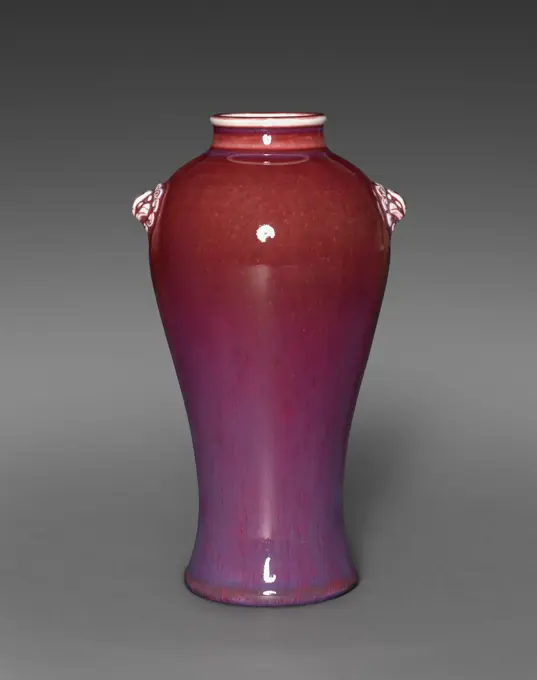
Elegant Historical Vases

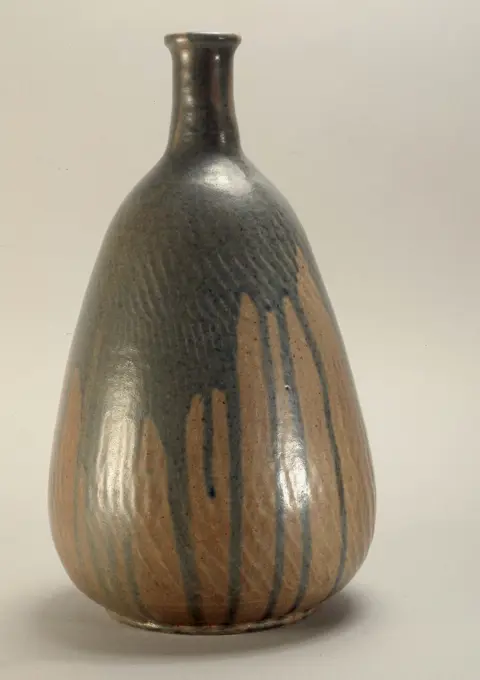
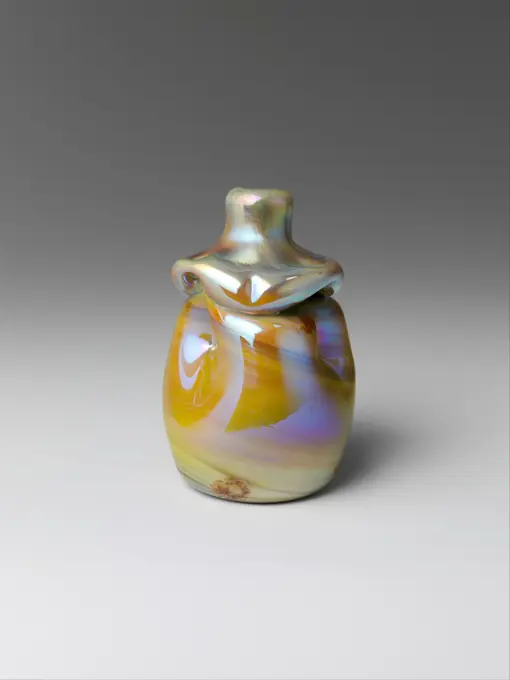
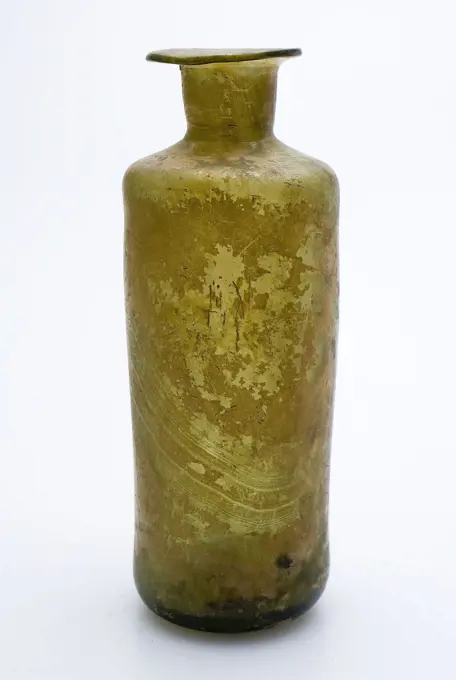
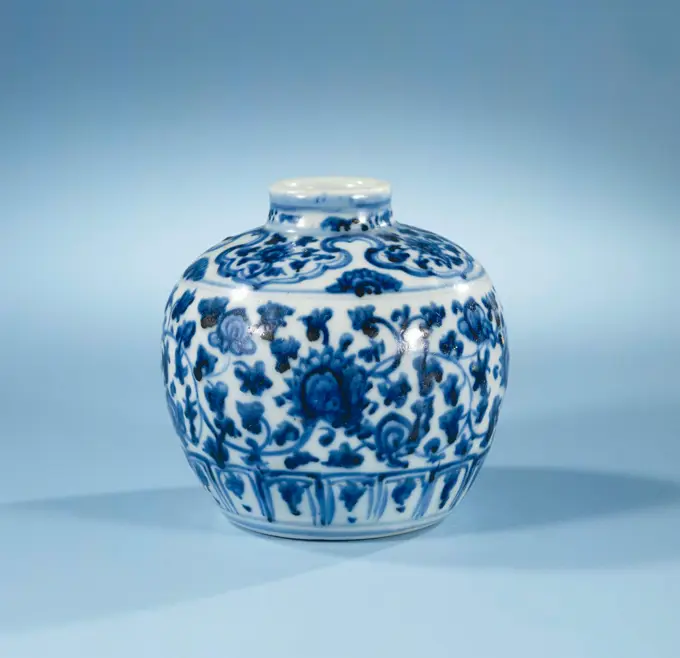
A collection of vintage vases featuring various styles from different periods. Includes cream, green, and blue glazes with intricate designs.

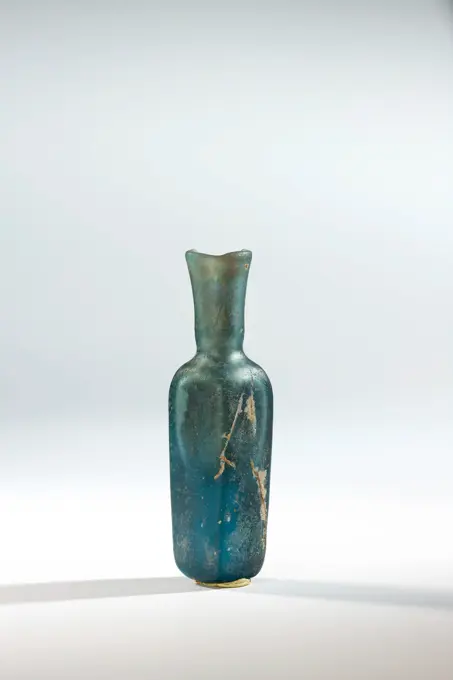
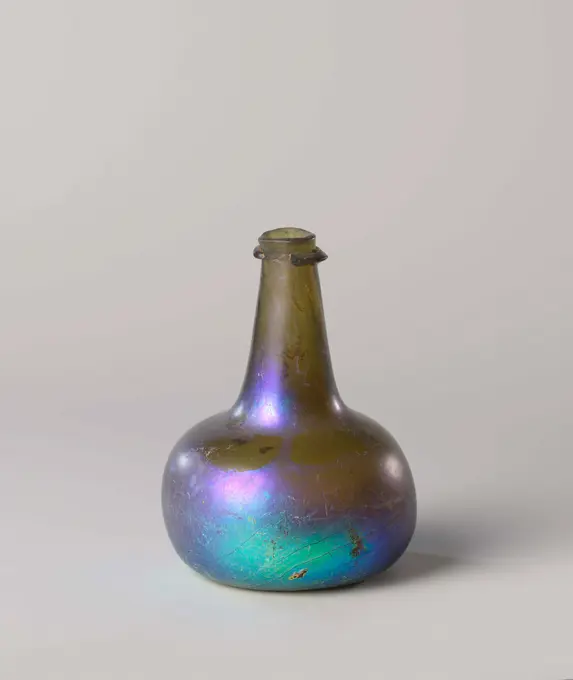
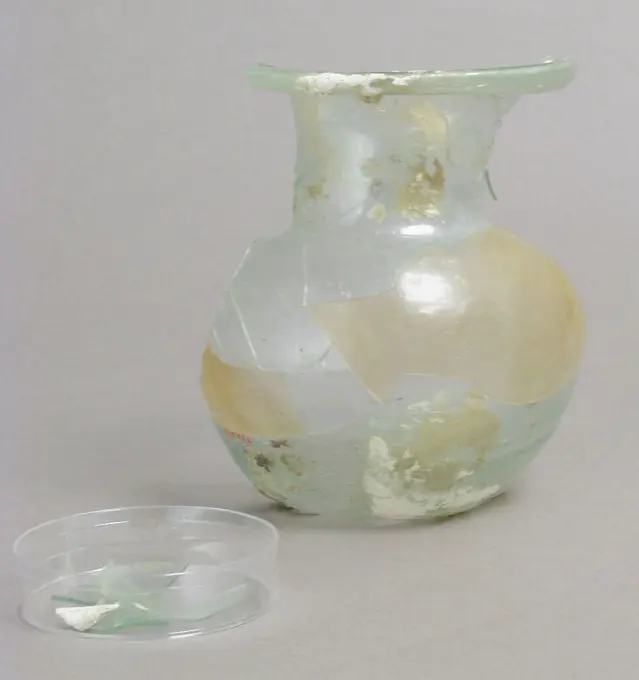
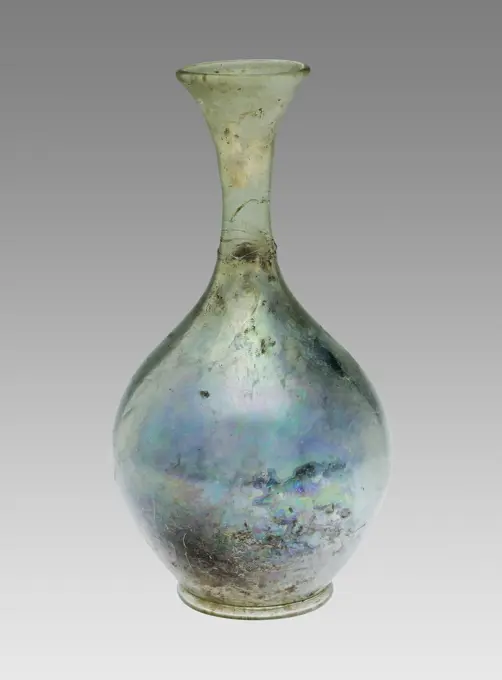
Belly bottle, belly bottle bottle holder soil find glass, bottom Body with almost vertically ascending wall to convex shoulders and rejuvenated neck (large chip) with imposed all-round sharp glass thread (half of which is broken off) ) and flattening lip (idem) archeology
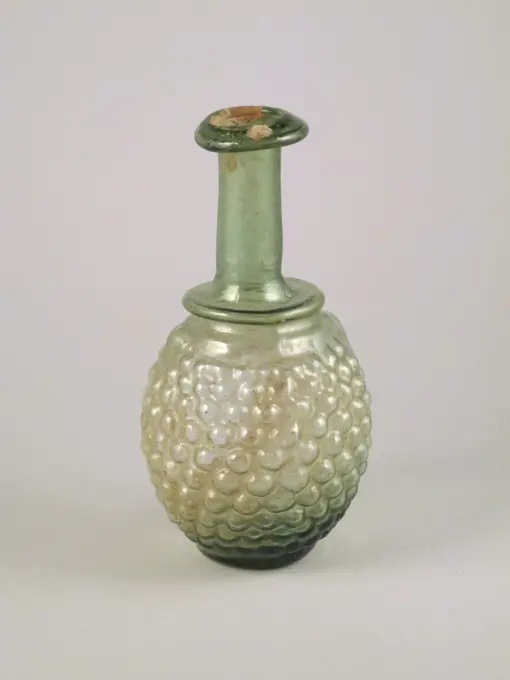
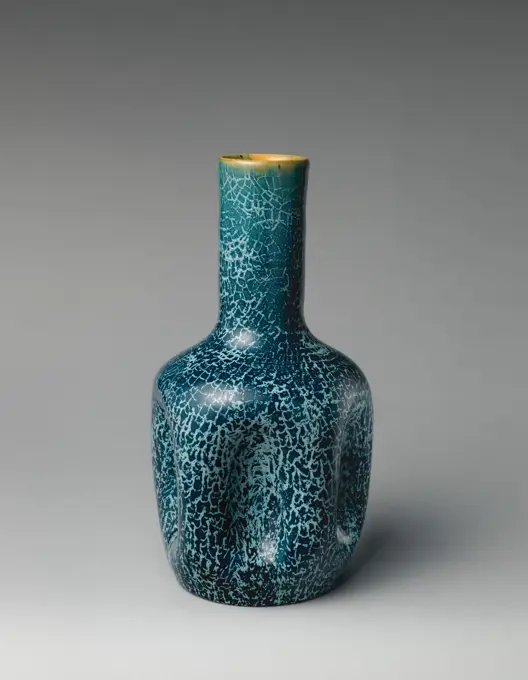
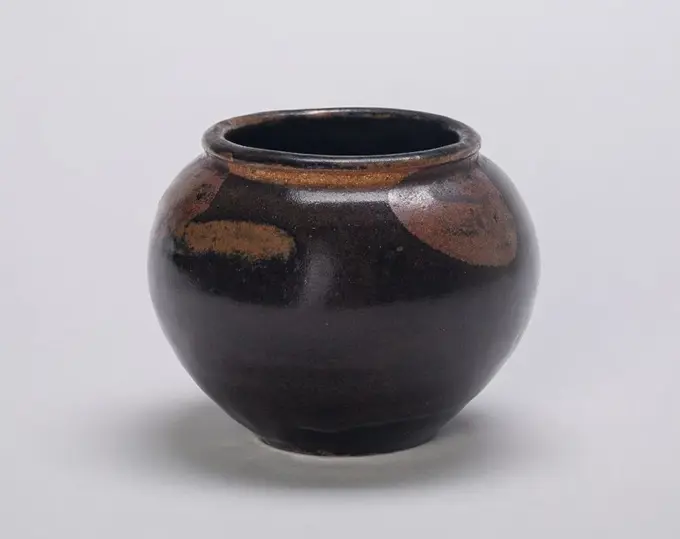
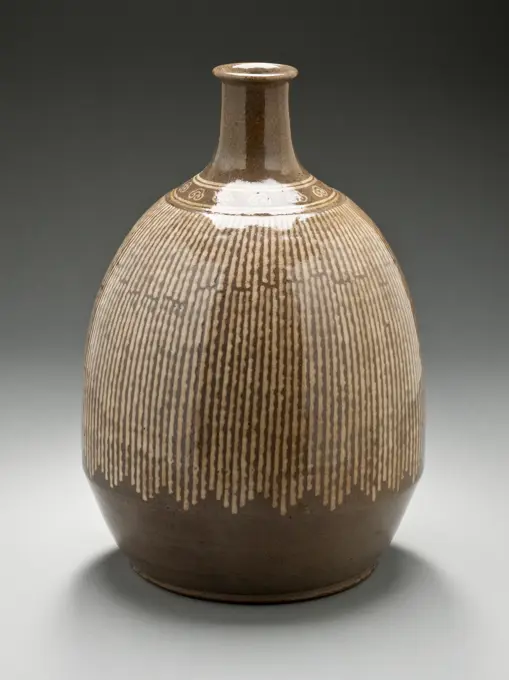
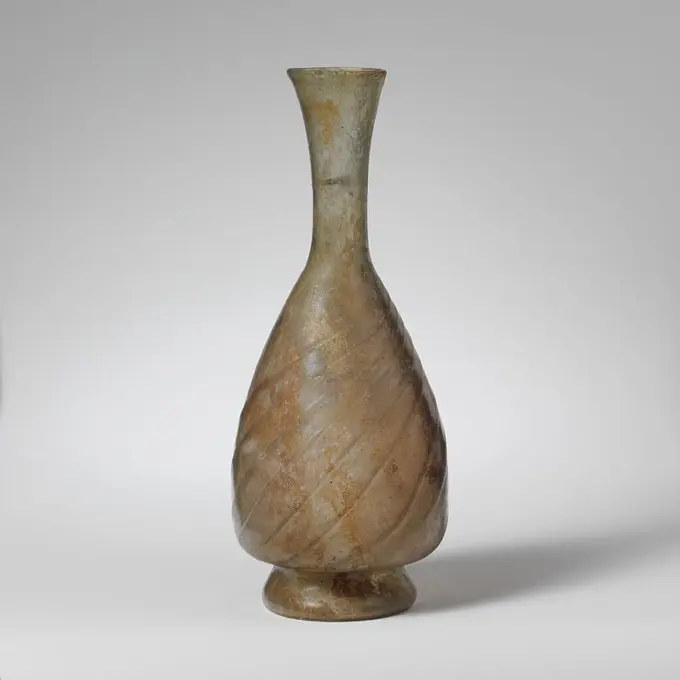
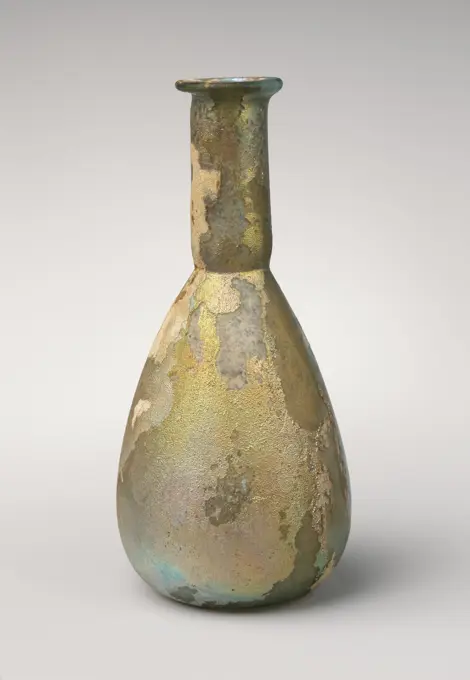
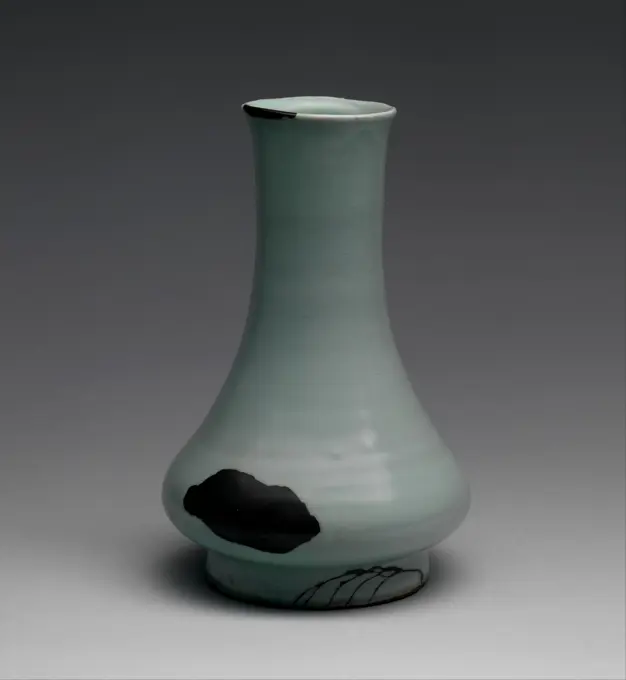
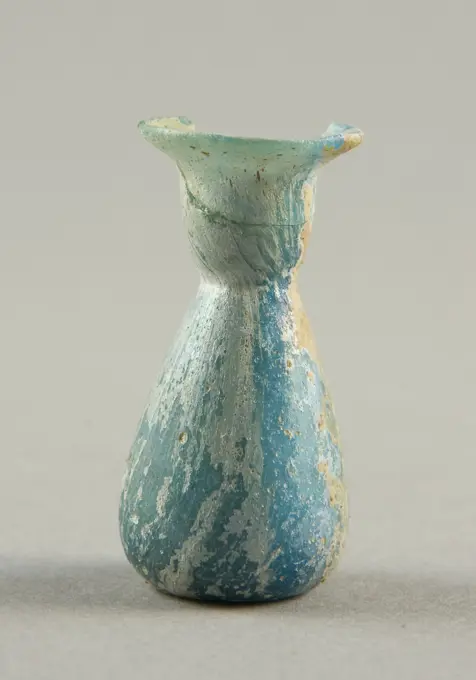
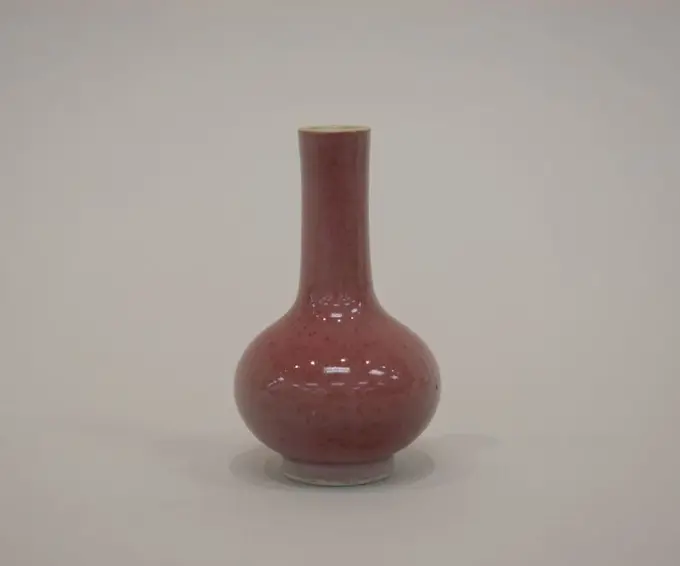
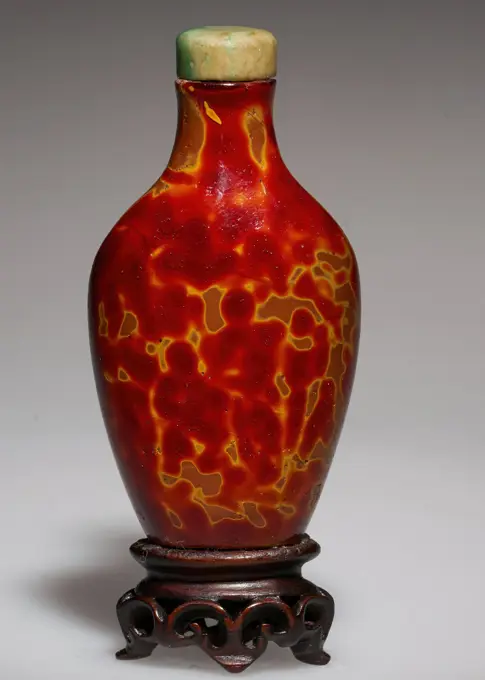
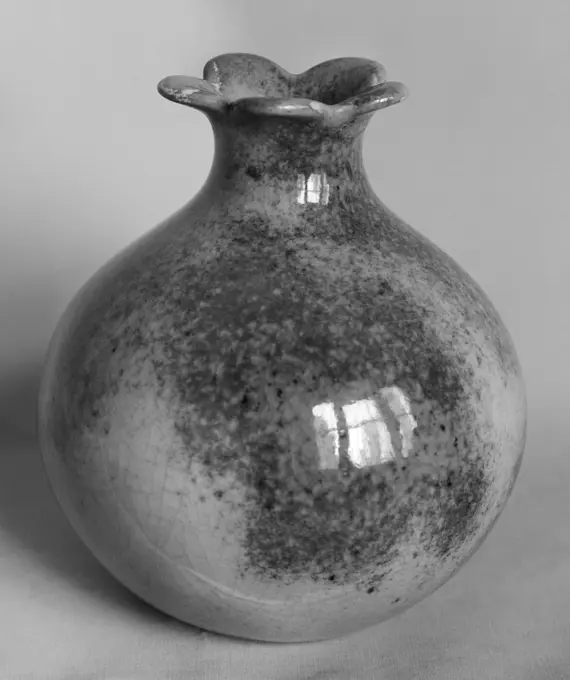
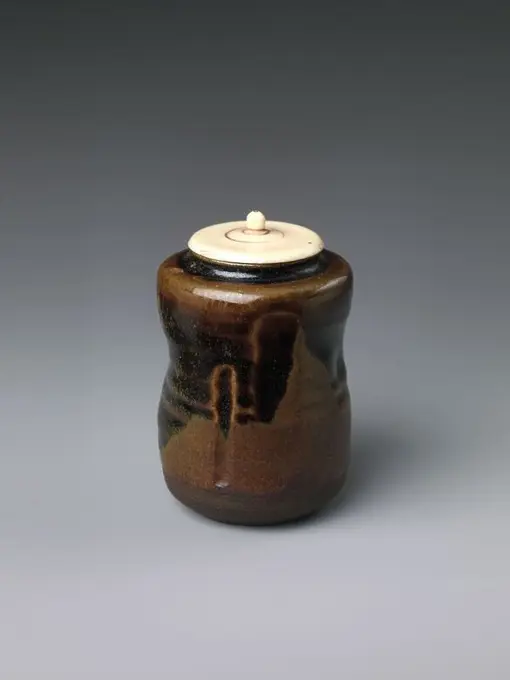
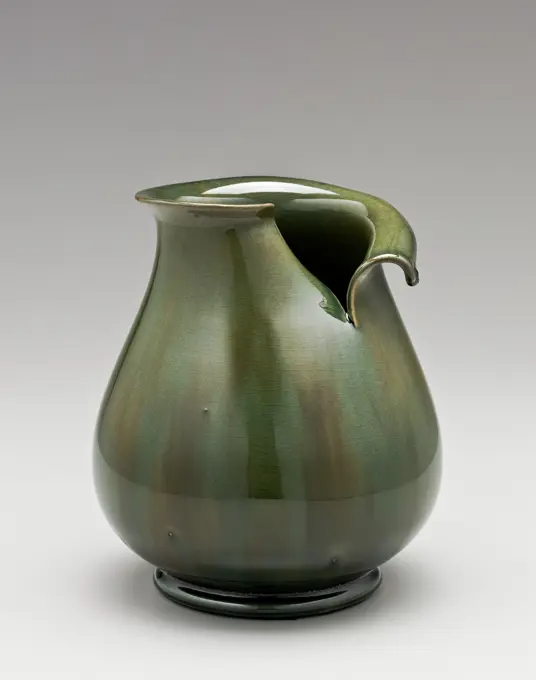
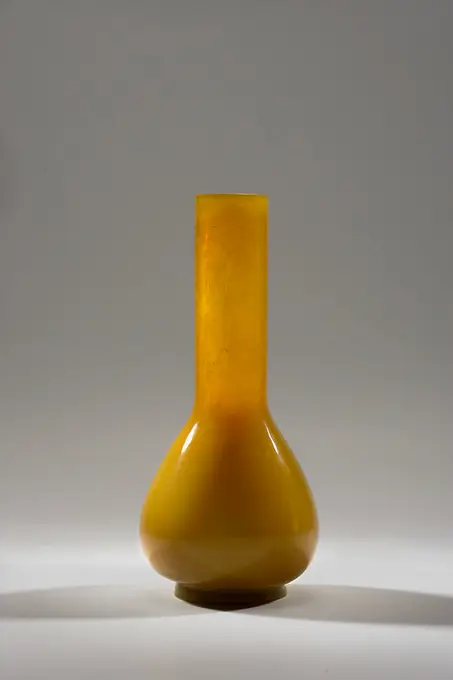
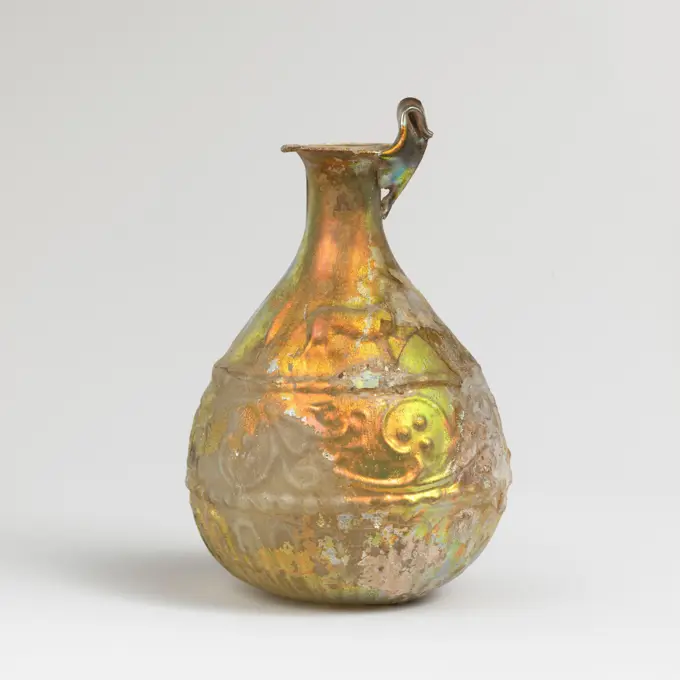
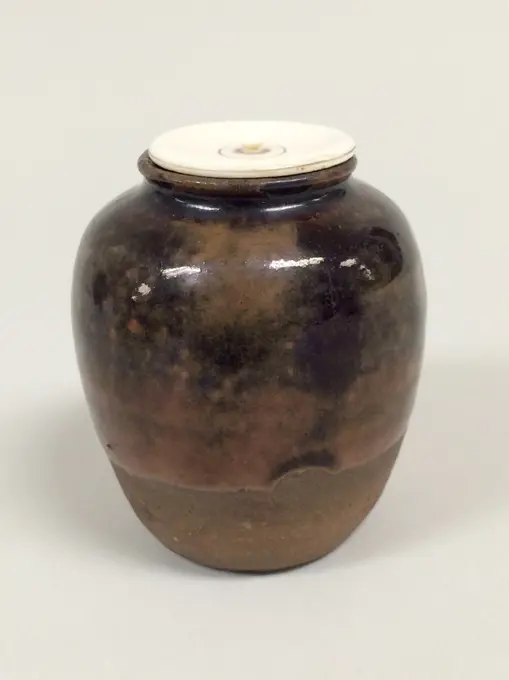
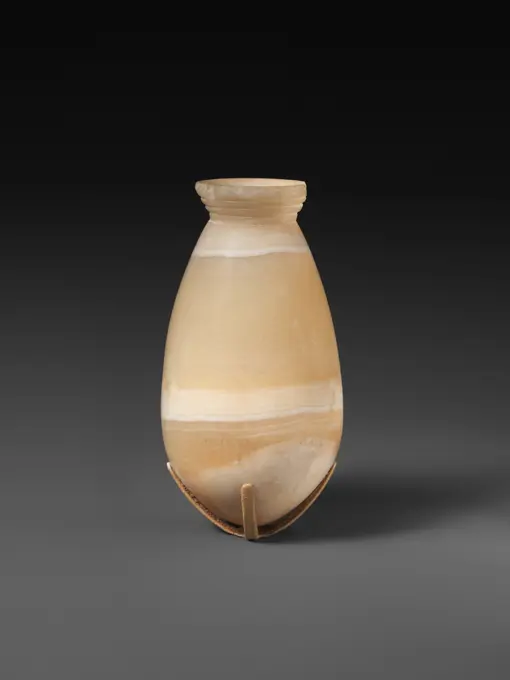
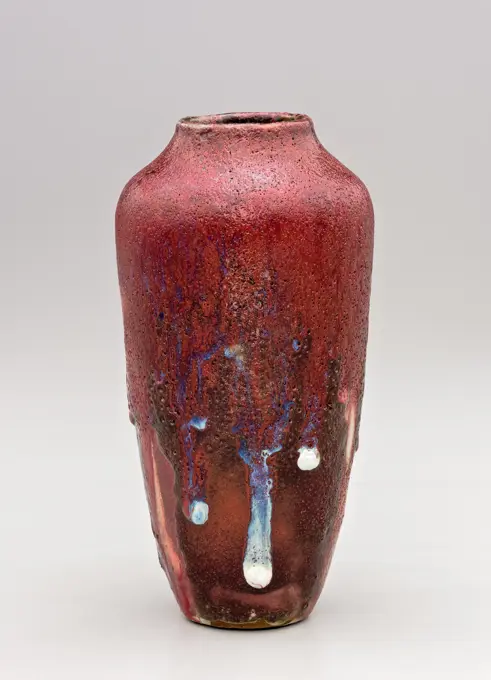
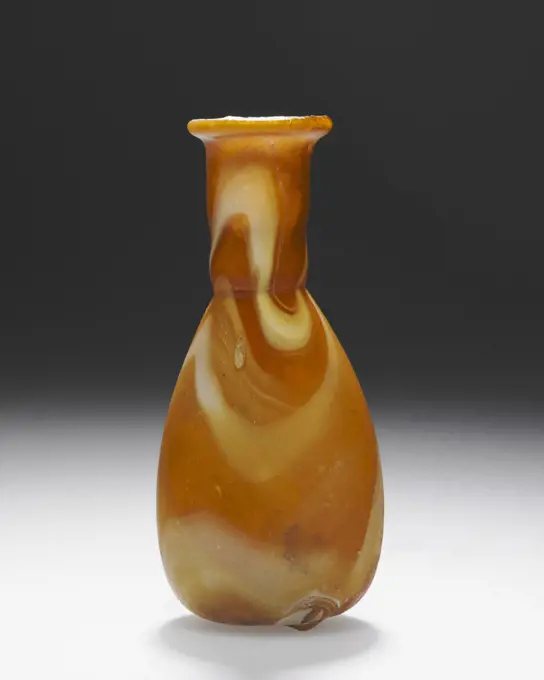
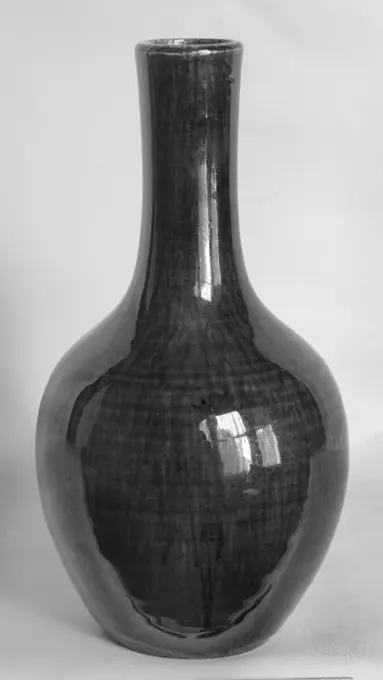
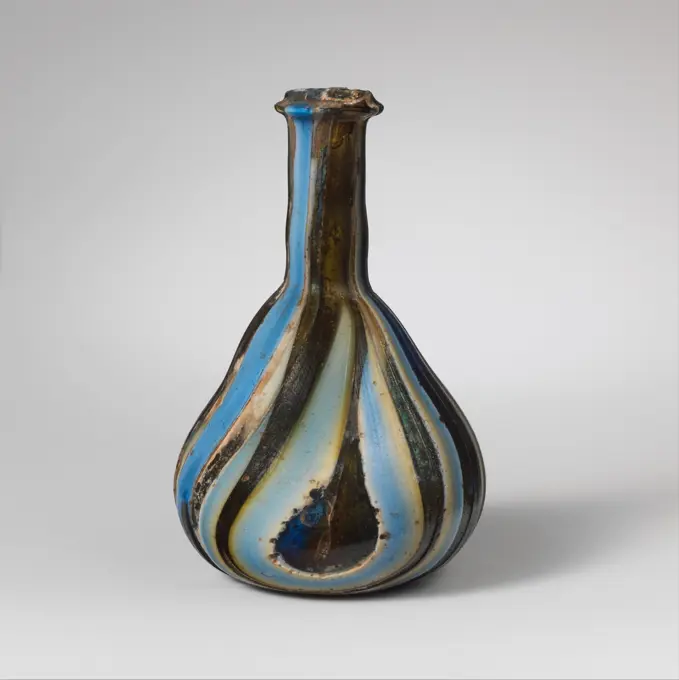
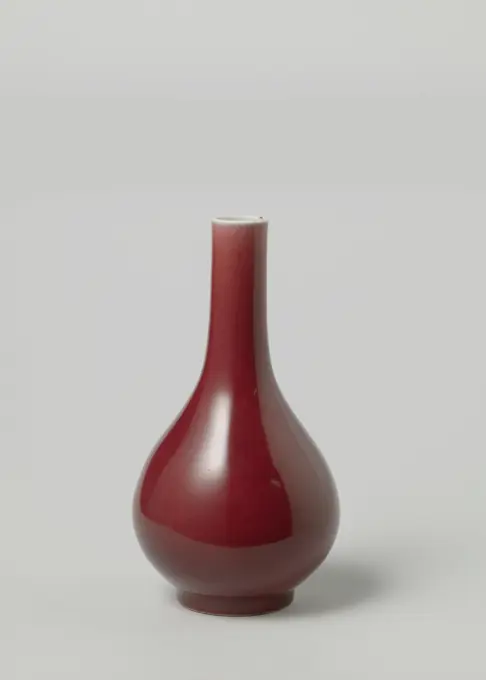
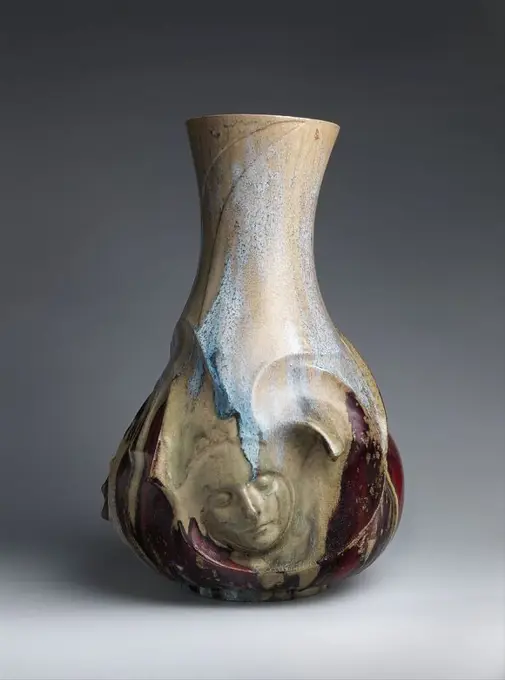
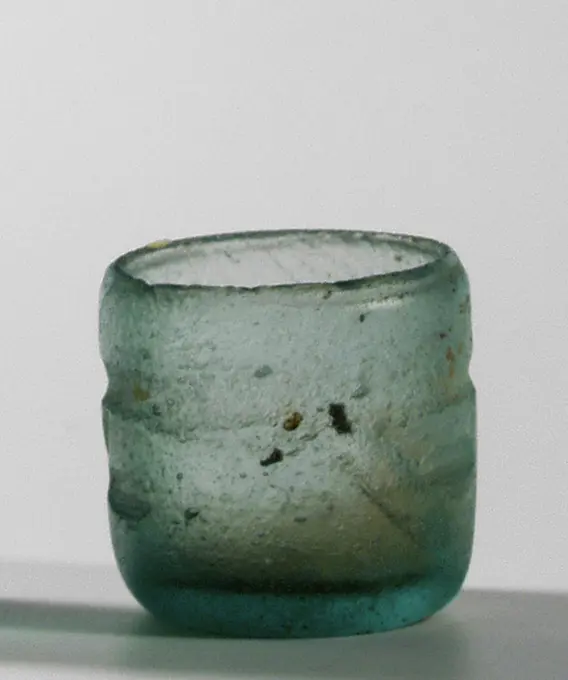
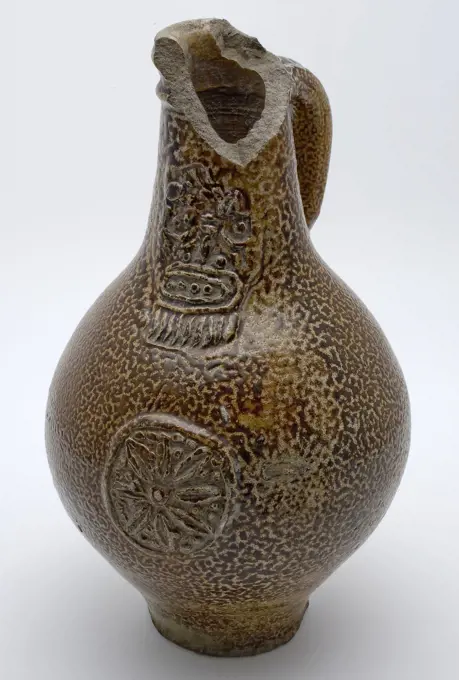
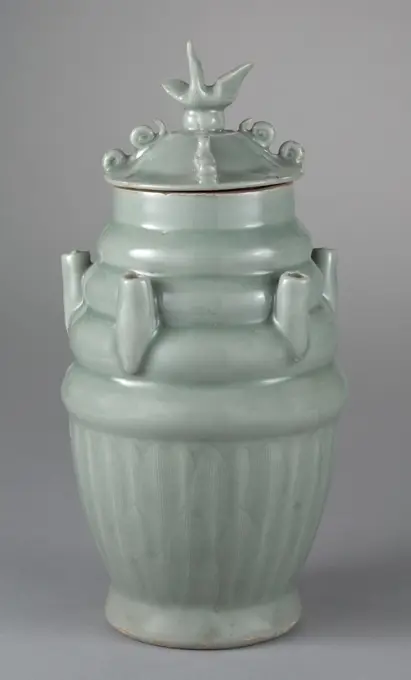
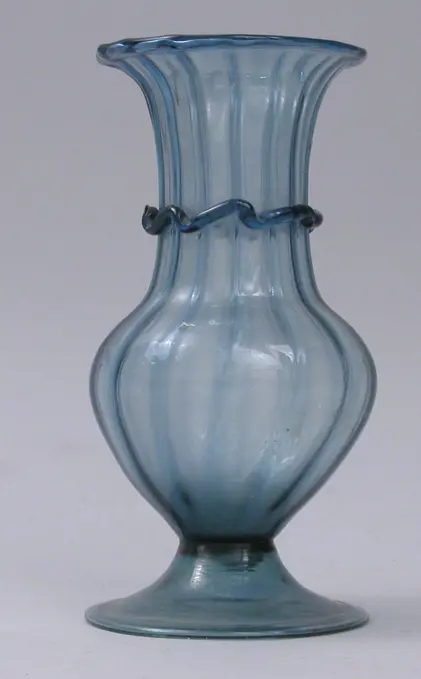
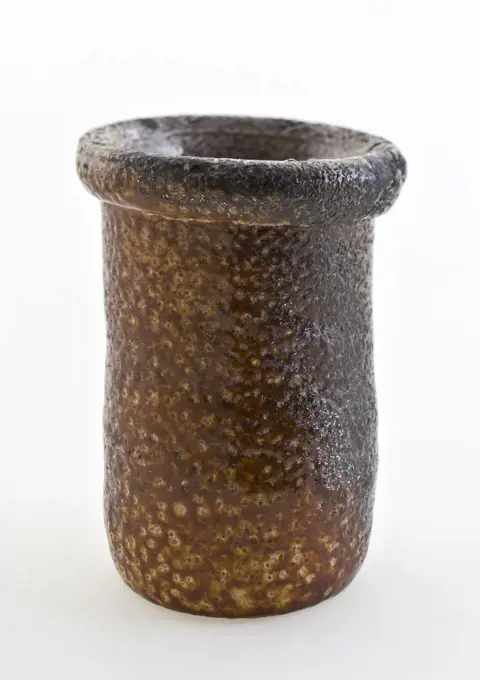
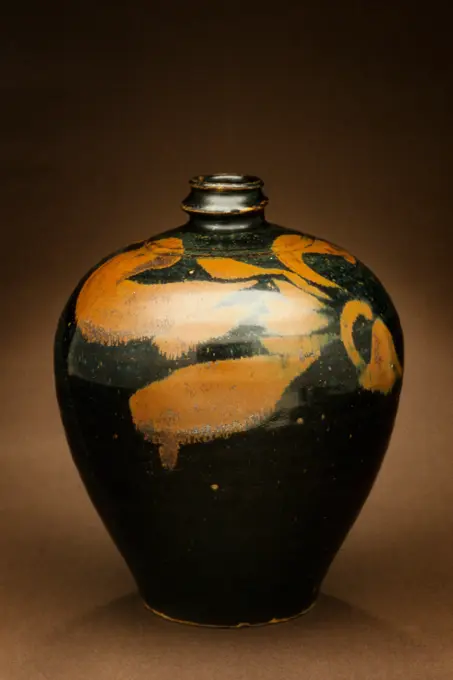
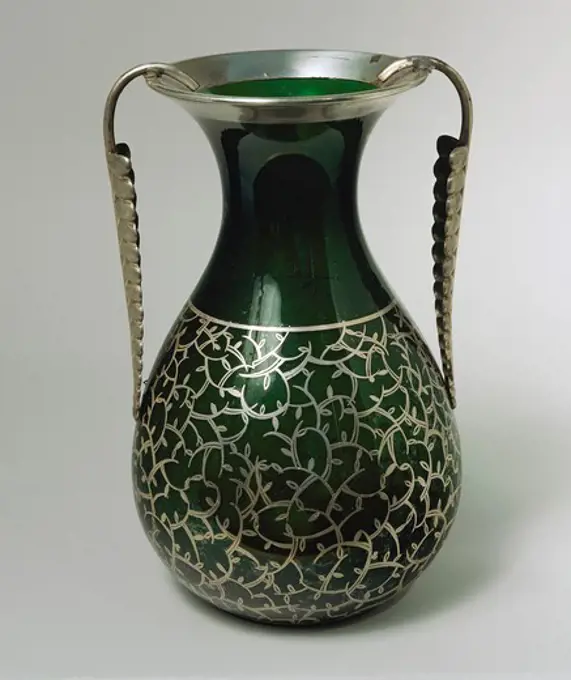
Tall vase with a crackled cream-colored glaze, anonymous, c. 1700 - c. 1799 High, slender vase of stoneware (Dong-Khe-Good/Yiangnan thing), with a cylindrical body, slightly running upwards, round shoulder and spreading neck with a flat edge. Cream -colored, crackled glaze. A chip in the foot ring. Monochrome. China stoneware. glaze vitrification High, slender vase of stoneware (Dong-Khe-Good/Yiangnan thing), with a cylindrical body, slightly running upwards, round shoulder and spreading neck with a flat edge. Cream -colored, crackled glaze. A chip in the foot ring. Monochrome. China stoneware. glaze vitrificationGlass perfume bottle 1st-2nd century A.D. Roman Translucent yellow green.Uneven rim folded out, over, and in; flaring mouth; cylindrical neck, expanding slightly downwards, with tooled indent around base; bulbous body; flat bottom.Intact; pinprick and larger bubbles, with a few glassy inclusions; limy encrustation and iridescent weathering on interior.. Glass perfume bottle 244597Vase China. Vase. China. Porcelain. Qing dynasty (1644-1911), Yongzheng period (1723-35). CeramicsBottle. Korea, Korean, Joseon (1392-1910), 19th century. Furnishings; Accessories. Wheel-thrown porcelain with clear glazeCovered Jar with Floral Petals. China. Date: 1000-1099. Dimensions: H. 30.8 cm (12 1/8 in.); diam. 17.9 cm (7 1/16 in.). Celadon-glazed stoneware and underglaze carved, incised, and molded decoration. Origin: China. Museum: The Chicago Art Institute, Chicago, USA.Small flower vase. Keramische Fachschule Bunzlau (1897-1945), school, Zakłady Ceramiczne Hugo Reinholda (Bolesławiec ; 1897-1920), factoryBelly bottle, belly bottle bottle holder soil find glass, bottom Body with almost vertically ascending wall to convex shoulders and rejuvenated neck (large chip) with imposed all-round sharp glass thread (half of which is broken off) ) and flattening lip (idem) archeologyVase in the shape of spherical bottle. unknown, craftsmanVase with ring handles 18th century China. Vase with ring handles 46770Bottle probably 18th-19th century. Bottle 444756Bottle. unknown, craftsmanGlass perfume bottle. Culture: Roman. Dimensions: H.: 3 1/2 in. (8.9 cm)Diam.: 2 3/8 x 13/16 in. (6 x 2.1 cm). Date: 1st-2nd century A.D..Translucent pale blue green.Rounded rim folded out and tooled around outer lip; flaring mouth; slightly convex cylindrical neck, tooled in around base; squat globular body; thick, flat bottom.Slight uneven horizontal tooled indent around top of body.Intact; few bubbles; dulling, pitting, and iridescent weathering, with one large lump of soil attached to side and bottom of interior. Museum: Metropolitan Museum of Art, New York, USA.Beaker 1 CE-100 CE Syria. Glass, blown technique . Ancient RomanGlass bottle in the shape of a bunch of grapes ca. 3rd century A.D. Roman, Syrian Translucent green.Tubular rim folded out, down, over, and up, with beveled, uneven outer lip; cylindrical neck with slight horizontal tooled indent around base; pushed-in shoulder, with hollow projecting roll below; ovoid body; low cylindrical base, with concave bottom. Pontil scar at center of bottom. Body blown into a three-part mold of two vertical sections, extending from base to top of body, and a disk-shaped base section.On body, a pattern of stylized grapes comprising eleven interlocking rows of twenty-two unevenly-spaced hemispherical knobs, and at top two indistinct leaves opposite each other, centered between the mold seams; on bottom, three narrow raised concentric circles.Complete, but large hole in one side of body; elongated bubbles in neck and black impurities in rim; patches brownish soil-encrusted weathering, and some faint iridescence.. Glass bottle in the shape of a bunch of grapes. RomVase (usual name). Sandstone, Céladon. Cernuschi Museum, Asia Museum of Asia in the city of Paris.Vase, Dedham Pottery, Glazed stoneware, Gray-white stoneware body, thrown. Elongated ovoid body with tapering neck, slightly incurving rim; no foot. Covered with a flowing glaze of orange, red, gray-green and blue-green, thick in some areas. Very faint luster effect. Bottom not glazed., Dedham marbelized orange & gray., Massachusetts, USA, ca. 1896, ceramics, Decorative Arts, VaseEwer probably 18th-19th century. Ewer 447077Bottle vase ca. 1882 Christopher Dresser This vase illustrates a shape designed by Christopher Dresser during his partnership with the Linthorpe Pottery Works from 1879 to 1882. The dimpled bottle vasemodel number 24was produced in great numbers, but few have the beautiful and rare crackle glaze of the present vase. It is thought that Linthorpe glazes, particularly the experimental mottled and crackled glazes used by the factory, were the work of the pottery manager, Henry Tooth, while Dresser was responsible for the forms.. Bottle vase. British. ca. 1882. Glazed earthenware. Ceramics-PotteryVase with brunette glaze, over which a lighter dripping glaze. Vase of stoneware, covered with a brunette glaze, over which a lighter dripping glaze is applied. Signature with a pressed stamp consisting of the letters Le in a circle.Globular Jar. China. Date: 1101-1200. Dimensions: H. 9.1 cm (3 9/16 in.); diam. 11.5 cm (4 1/2 in.). Northern Blackware, Cizhou type; glazed stoneware. Origin: China. Museum: The Chicago Art Institute, Chicago, USA.Vase, 'Favrile' glass, Round spreading foot supports ovoid body surmounted by a narrow slightly flaring neck. Decorated with irridescent gold and citron colored segmented and filamented free, generally vertical bandings., USA, late 19th century, glasswares, Decorative Arts, VaseSake Bottle. Japan, Edo period, mid-19th century. Ceramics. Yatsushiro ware; stoneware with glaze and white slip inlayThe 'Well Spring' Vase. Richard Redgrave (England, 1804-1888)Mintons Ltd. (England, Staffordshire, Stoke-on-Trent, founded 1793). England, circa 1847. Furnishings; Accessories. Parian porcelainGlass flask. Culture: Roman, Syrian. Dimensions: Overall: 7 1/4in. (18.4cm). Date: 3rd century A.D..Translucent pale yellow green; trails in same color.Rounded rim, partially folded out, over, and in; slender, funnel-shaped neck; body expanding downwards with convex side, then turned in; integral splayed foot ring; kick in bottom with pontil mark at center.A single fine trail wound horizontally once around middle of neck; thirteen spiral ribs of unequal length and shape covering body from base of neck to fold above foot ring.Cracked around lower body with one hole in side, most of trail around neck missing, with weathered broken end; many bubbles; dulling and faint iridescence on exterior, staining and brown weathering on interior. Museum: Metropolitan Museum of Art, New York, USA.Vase 18th century China. Vase 47427Bottle with a spherical body. Inserted soul, slightly flattened spherical body, accompanying in a tapered neck with a highly placed ring.Snuff Bottle, 19th century, Natural crystal, China, 19th centuryVase. Culture: China. Dimensions: H. 15 3/4 in. (40 cm); W. 9 in. (22.9 cm); Diam. of rim: 6 1/4 in. (15.9 cm); Diam. of foot: 6 3/4 in. (17.1 cm). Museum: Metropolitan Museum of Art, New York, USA.Meiping vase with floral patterns 13th-14th century China. Meiping vase with floral patterns 48395Double Head Flask. UnknownGlass Fragments. Culture: Coptic. Dimensions: Overall: 4 5/16 x 3 5/8 in. (10.9 x 9.2 cm)Storage (petri dish diam. for fragments): 2 3/16 in. (5.5 cm). Date: 4th century. Museum: Metropolitan Museum of Art, New York, USA.Glass perfume bottle 1st century A.D. Roman Translucent pale blue.Rim folded out, over, and in, with flattened upper surface; cylindrical neck with broad horizontal tooling indent around base; piriform body; broad, flat bottom.Intact; many pinprick bubbles; dulling, pitting, and brilliant iridescence on exterior, soil encrustation and patchy weathering on interior.. Glass perfume bottle. Roman. 1st century A.D.. Glass; blown. Early Imperial. GlassVase (USA); Attributed to Charles Walter Clewell (1876 - 1965); Manufactured by Weller Pottery; earthenware, bronzeFlask c 1840-1860 United States. Glass . Artist unknownGlass beaker. Culture: Roman. Dimensions: H.: 3 7/8 x 2 7/8 x 2 5/8 in. (9.8 x 7.3 x 6.7 cm). Date: mid-1st-3rd century A.D..Colorless with blue green tinge.Rim outsplayed, cracked off and uneven; side cylindrical at top and tapering slightly downwards, then shaped into a rough square with hollow convex corners; square, pushed-in bottom.On body, four deep and long indents, forming a star-like shape to interior.Intact; some bubbles; patches of soil encrustation, creamy weathering, dulling, and iridescence. Museum: Metropolitan Museum of Art, New York, USA.Scroll flask 1840-50 American. Scroll flask 3704Glass 'Mercury' bottle 2nd to 4th century A.D. Roman Translucent pale yellow green.Broad, thick rim, folded out, down, round and in, and flattened on top surface with irregular inner lip around mouth; thick-walled cylindrical neck, expanding downwards; pushed-in horizontal shoulder; square, thick-walled body, tapering downwards, with irregular patterns of shallow grooves on sides (from mold ); almost flat bottom.In relief on bottom, standing lion, facing right, on ground line, surrounded by an indistinct pattern of wavy lines together with the inscription CEV HO DIA; above the lion's head, the letters CR are also visible.Broken around top of neck, with rim now separate, and one section of neck reattached, but body complete; some pinprick and elongated bubbles, and black impurities in rim; dulling, pitting, and patches brilliant iridescence and creamy brown weathering.. Glass 'Mercury' bottle 245254Vase 12th century China When needed, the Longquan kilns, known primarily for ceramics with olive or gray glazes, also produced high-quality wares for the court in Hangzhou, particularly in the twelfth century, when demand for such wares peaked. Both the blue color of this glaze and the slight cracking or crazing on the surface illustrate the ability of potters working at Longquan to make works that conformed to court taste.. Vase 50235Jean Carriès (1855-1894). "Cabossé pot". Enameled sandstone. Museum of Fine Arts of the City of Paris, Petit Palais. 24205-8 Cabosse, ceramic, gres emaille, potBottle 101 CE-600 CE Mediterranean Region. Glass, blown technique . Ancient RomanGlass ribbed bottle. Culture: Roman. Dimensions: H.: 3 1/2 in. (8.9 cm). Date: 1st century A.D..Translucent blue.Everted rim, folded over and in; cylindrical neck, expanding downwards; pushed-in shoulder; squat, globular body; thick, slightly concave bottom.Twelve, regularly-spaced vertical ribs extending from rim down neck and body, ending above bottom, and forming projecting solid fins on side of body.Intact; pinprick bubbles; pitting, dulling, iridescence, and patches of limy encrustation and brownish weathering. Museum: Metropolitan Museum of Art, New York, USA."Calabash" bottle 1820-50 American. "Calabash" bottle. American. 1820-50. Glass; blown-molded. Possibly made in Ohio, United States; Possibly made in Western Pennsylvania, Pennsylvania, United StatesA bottle with dark red glazed unknownBottle. Culture: China. Dimensions: H. 4 7/8 in. (12.4 cm); W. 2 7/8 in. (7.3 cm); Diam. of rim: 1 in. (2.5 cm); Diam. of foot: 1 11/16 in. (4.3 cm). Museum: Metropolitan Museum of Art, New York, USA.Vase. Culture: China. Dimensions: H. 7 1/2 in. (19.1 cm). Date: 18th century. Museum: Metropolitan Museum of Art, New York, USA.Snuff Bottle, 17th-19th century, 3 x 1 5/8 in. (7.6 x 4.1 cm), Glass, China, 17th-19th centuryPomegranate vase 19th century China. Pomegranate vase. China. 19th century. Porcelain with mottled blue and red glaze (Jingdezhen ware). Qing dynasty (1644-1911). CeramicsGlass cup Roman 3rd-4th century CE Small cup.Colorless with a yellow green tinge.Outsplayed, thickened, and rounded rim; slightly convex, vertical side, then curving inwards; low, outsplayed tubular ring base, made by folding; slightly pushed-in bottom with pontil scar.Intact; few bubbles, some glassy inclusions, and blowing striations; dulling, iridescence, and patches of whitish weathering, with soil encrustation around bottom of interior. View more. Glass cup. Roman. 3rd-4th century CE. Glass; blown. Late Imperial. GlassTea caddy. Culture: Japan. Dimensions: H. 3 in. (7.6 cm); Diam. 2 1/8 in. (5.4 cm). Date: 17th century. Museum: Metropolitan Museum of Art, New York, USA.Vaporizer andCover.  Maker: James Bennett, American, born England, active 1838Vase ca. 1880-89 Chelsea Keramic Art Works The Chelsea Keramic Art Works was the first American ceramics firm to designate itself an "art pottery." It was founded in Chelsea, Massachusetts, by members of the Robertson family, all of whom had honed their skills in the ceramics industry in Britain before coming to this country. One of the most avant-garde of the firms designs is this squat, baluster-shaped vase. Its only decoration is a cut in the lip that has been curled back, paralleling concepts in Japanese pottery and prefiguring the inventive forms that George E. Ohr would soon use.This vase is from the Robert A. Ellison Jr. Collection of American art pottery donated to the Metropolitan Museum in 2017 and 2018. The works in the collection date from the mid-1870s through the 1950s. Together they comprise one of the most comprehensive and important assemblages of this material known.. Vase. American. ca. 1880-89. Earthenware. Made in Chelsea, Massachusetts, United StatesVase in the shape of bottle with rounded belly. unknown, craftsmanStemless Kylix (Drinking Cup) 300 BCE-200 BCE Cales. During the course of the 5th and 4th centuries B.C., black vessels (commonly called black-glaze vessels) were made with increasing frequency in both Greece and South Italy. Many of them replicate the shape of metal vessels. Others have detailing that is molded or incised. While the quality of these vessels varies greatly, all would have been less expensive than vessels decorated in other contemporary techniques, for example, in red-figure.. terracotta, Calenian relief ware . Ancient GreekGlass hunt-and-scroll bottle 1st century A.D. Roman Probably colorless; handle of uncertain color.Everted fine rim, folded over and in; short cylindrical neck, splayed at base and merging with piriform body; flat bottom; handle trailed over rim and top of neck and drawn downwards; continuous mold seam runs from neck, down side, and across bottom, with two distinct vertical creases in relief on neck.On body, decoration in relief in three registers, separated by two horizontal rows of knobs: at top, large dog (or lion) with long tail, facing right, crouching on forepaws on one side of mold and a deer standing facing right with head erect on the other side, flanked by a slender tree to left and an indistinct object to right; center, two wavy tendril scrolls with berries divided by a vertical palmettes across mold seam on one side; bottom, twenty-one upturned flutes, two of which overlap at junction of mold.Broken and repaired, most of handle missing and some fill in side of body; many pinBelly bottle, hammer bottle, belly bottle bottle holder soil find glass cork, with imposed all-round sharp glass thread and flattened lip archaeology Rotterdam Kralingen-Crooswijk Struisenburg's Gravenweg Oostmaaslaan packing Bottom-found Oostmaaslaan and de's GravenwegTea Jar 17th century Japan. Tea Jar. Japan. 17th century. Clay covered with mottled glaze; left-handed itogiri (Ko Seto type). Momoyama (1573-1615) or Edo period (1615-1868). CeramicsBottle 201 CE-400 CE Syria. The iridescent sheen on this bottle, an artificially created effect sought after by 19th-century glassmaking innovators such as Louis Comfort Tiffany, was not actually intended by or known to their makers. Because of their association with luxury and precious oils and perfumes, these vessels were often buried with their owners in tombs, the chemical conditions of which, over time, have caused the surfaces to deteriorate, resulting in the shimmering, often opalescent, hues that appeal to the modern eye.. Glass, blown technique . Ancient RomanBag-shaped jar with ridged neck ca. 1887-1750 BC Middle Kingdom The bag-shape of this collared jar, probably intended to hold ointment, has an uncommon shape.Link to a blog postJewelry from the Haraga Treasure, United at the Met. Bag-shaped jar with ridged neck. ca. 1887-1750 BC. Travertine (Egyptian alabaster). Middle Kingdom. From Egypt, Fayum Entrance Area, Haraga, Cemetery A, Tomb 124Wine Jar, Khmer, 13th century, 5 13/16 x 5 in. (14.8 x 12.7 cm), Stoneware, Cambodia, 13th centuryVase ca. 1885-89 Chelsea Keramic Art Works Steeped in ceramics from birth, Hugh C. Robertson pursued his craft with fierce devotion and a passion for experimentation. From a family of trained English ceramists, he honed his skills in New Jersey before settling in Massachusetts as one of the founders of Chelsea Keramic Art Works and later, Dedham Pottery. Robertsons lifelong explorations in glazes, particularly their color and texture, make him one of the key figures of American art pottery at the turn of the twentieth century. During the 1880s Robertson increasingly turned his attention to developing new glaze formulas and clay bodies. In the middle of the decade he became obsessed with the highly coveted yet elusive sang-de-boeuf, or oxblood, glaze, a quest that became the hallmark of his later career. This richly colored blood-red glaze is traditionally created from a copper-based formula and fired in a kiln, which when wet straw and other materials are introduced, deprives the atmoFlask; Eastern Mediterranean; 1st century A.D; Glass; 8.3 × 3.9 cm (3 1,4 × 1 9,16 in.)JARRA DE TRAMPA VIDRIADA Y DECORADA CON FLORES DE PASTA BLANCA-S XX ARTE POPUL. Location: ALFARERIA. Toledo. SPAIN.Vase 18th century China. Vase. China. 18th century. Porcelain with brownish yellow glaze (Jingdezhen ware). Qing dynasty (1644-1911). CeramicsBrown, stone jug decorated with human figures. Jug of stoneware. With 3 dents in which human figurines and relief. The upper half of the belly is horizontal ribbed.Glass mosaic bottle 1st half of 1st century A.D. Roman Colorless, translucent cobalt blue, translucent honey brown, opaque light blue, opaque white, and opaque yellow.Outsplayed rim with a closed, cut-out tubular ledge below an uneven, vertical lip; tall cylindrical neck, with slight indent around base; conical body with slightly concave sides; uneven, slightly pushed-in bottom.Striped mosaic pattern formed from a single pre-formed cane comprising lengths arranged in repeated groups of different colors. Intact, except for minor, weathering chips to rim; deep pitting, iridescence, and patches of creamy white weathering.Globular "color-band" perfume bottle.. Glass mosaic bottle 245648Maker Unknown, Flask, 1845-60, blue-green glass.André Metthey (1871-1920), Auguste Renoir (1841-1919). "Seat woman vase". Ceramic, earthenware, around 1900. Museum of Fine Arts of the city of Paris, Petit Palais. 25525-1 Seat, ceramic, drawing, faience, woman, vasePear-shaped bottle vase with a red glaze, anonymous, c. 1700 - c. 1799 Bottle -shaped vase of porcelain with a pear -shaped body, covered with a monochrome red glaze. White glazed inside the foot edge and the lip edge. Monochrome. China porcelain. glaze vitrification Bottle -shaped vase of porcelain with a pear -shaped body, covered with a monochrome red glaze. White glazed inside the foot edge and the lip edge. Monochrome. China porcelain. glaze vitrificationVase ca. 1898-1918 William J. Walley. Vase. American. ca. 1898-1918. Stoneware. Made in West Sterling, Massachusetts, United StatesJean Carriès (1855-1894). "Large bottle". Enameled sandstone. Museum of Fine Arts of the City of Paris, Petit Palais. 24203-8 Ceramic, large bottle, Gres emailleCandlestick with a conical bulb stem and candleholder and base with a water landscape, anonymous, c. 1775 - c. 1799 Klock -shaped base with a ribbed wall from Porcelain candlestick, painted in underly glaze blue. The foot is painted with a continuous river landscape with pavilions, trees, rocks and boats on the water. At the top of the foot, a fled circle on which the upper part of the candlestick is placed. Blue White. Japan porcelain. glaze. cobalt (mineral) painting / vitrification Klock -shaped base with a ribbed wall from Porcelain candlestick, painted in underly glaze blue. The foot is painted with a continuous river landscape with pavilions, trees, rocks and boats on the water. At the top of the foot, a fled circle on which the upper part of the candlestick is placed. Blue White. Japan porcelain. glaze. cobalt (mineral) painting / vitrificationBell Beaker 6th-7th century Frankish. Bell Beaker 465679 Frankish, Bell Beaker, 6th7th century, Glass, Overall: 4 15/16 x 3 5/16 in. (12.5 x 8.4 cm). The Metropolitan Museum of Art, New York. Gift of J. Pierpont Morgan, 1917 (17.193.341)Brown spotted beard man jar, under the remaining part of beard an oval stamp, Bartmann juggeruik tableware holder earth discovery ceramics earthenware glaze, hand turned stamped glazed baked Stoneware beard jug with beard and oval cartouche brown speckled glazed. Sausage handle attached with rat tail on the belly Stand surface Bullet shaped model with small foot. Restoration is not painted in cartouche: crowned coat of arms in four quarters in the middle beehive archeology underground pit Rotterdam Kralingen Gedempte Slaak heraldiek uitheems pottery import drink store packaging transport serving Soil discovery underground pit Gedempte Slaak January 1978.Vase 1893-96 Designed by Louis Comfort Tiffany American This object forms part of a group of over forty given to the Museum in 1896 by Louisine and Henry Osborne Havemeyer (96.17.9-.56). The gift was the first American glass to enter the Museum's collection. Most likely prompted by Louis Comfort Tiffany, the Havemeyers presented their collection of Tiffany Favrile glass to the Museum only three years after Tiffany started making decorative blown-glass vessels. The shapes, colors, and finishes of Tiffany's vases and plaques were inspired by the natural world and ancient glass. This diminutive, scrunched bottle-shaped vase is reminiscent of Japanese forms.. Vase 9415Insence burner, anonymous, c. 1600 - c. 1868 Incense burner of stoneware with a double gourd shape, partially covered with an eggplant and ocher -colored glaze (Takatori or Shigaraki). Japan Stoneware. Glaze. lid: Metal vitrification Incense burner of stoneware with a double gourd shape, partially covered with an eggplant and ocher -colored glaze (Takatori or Shigaraki). Japan Stoneware. Glaze. lid: Metal vitrificationMedicine Bottle, medicine bottle bottle holder soil find glass, free blown and shaped Small (medicine) Bottle in clear light green glass. Pontil mark under raised bottom. Cylindrical body slightly flared at the bottom to round shoulders short neck and flared wide flattened lip (dm 2.5 cm) with small chip archeology health care packaging pharmacy. Small pot of porcelain with a spherical body and narrow, short neck, painted in underglaze blue. On the abdomen a wide bond with continuous flower drinks; around the foot a bond with stylized lotus leaves; On the shoulder Lambrequins with lotus flowers, a half flower in between. Pot has been broken. Ming porcelain in blue and white.Bottle with Garlic-shaped Mouth 1736-1795 China. Porcelain .Meiping vase mid-18th century China. Meiping vase 48369Vase with face. Culture: French, Bourg-la-Reine. Dimensions: Overall (confirmed): 25 1/2 × 16 7/8 × 16 in., 36 lb. (64.8 × 42.9 × 40.6 cm, 16.3 kg). Maker: Pierre-Adrien Dalpayrat (French, Limoges 1844-1910 Limoges); Alphonse Voisin-Delacroix (Swiss, 1857-1893). Date: 1892-93.Emerging from the globular body of this vase is the face of a sleeping woman. Dalpayrat collaborated with the sculptor Voisin-Delacroix on a number of pieces, mainly small models. This large-scale vase is one of their most ambitious works. Voisin-Delacroix was associated with the Symbolist movement, and this piece-with the hidden sleeping face-relates to Symbolist themes associated with dreaming. Dalpayrat's streaky glaze in white, blue, yellow, and copper-red adds to the dreamlike effect. Museum: Metropolitan Museum of Art, New York, USA.Vase, c. 1893. Auguste Delaherche (French, 1857-1940). Stoneware with silver mounts and glass beads; diameter: 7.7 cm (3 1/16 in.); overall: 19.6 cm (7 11/16 in.).Small utensil. unknown, craftsmanBrown speckled Bartmann jug, also called Bellarmine jug, under the simple beard mask medallion with rosette, Bartmann jug jug crockery holder soil find ceramic stoneware clay engobe glaze salt glaze, hand turned stamped glazed glazed baked stoneware jug gray shard brownish-brown tigered salt-glaze sausage ear with tail archeology import pottery drink transporting packingTerracotta amphora with lid (jar) 4th century B.C. Greek, Attic A gilt laurel wreath circles the neck.. Terracotta amphora with lid (jar). Greek, Attic. 4th century B.C.. Terracotta; black-glaze. Late Classical. VasesFive-Spouted Vase with Cover, 1000s-1100s. China, Zhejiang province, Longquan region, Northern Song dynasty (960-1127). Green-glazed porcelaneous stoneware, Longquan ware; overall: 29.9 x 16.6 cm (11 3/4 x 6 9/16 in.).Tea caddy with a goldenbrown glaze, anonymous, anonymous, c. 1600 - c. 1800 Dust bar or Chare van Steengoed with an ivory lid, partly covered with a golden brown glaze. The lower half of the bus is unglazed. Restoration on the neck. Old label on the bottom with 'W614'. SETO IMONOKO. Japan stoneware. glaze. deksel: ivory vitrification Dust bar or Chare van Steengoed with an ivory lid, partly covered with a golden brown glaze. The lower half of the bus is unglazed. Restoration on the neck. Old label on the bottom with 'W614'. SETO IMONOKO. Japan stoneware. glaze. deksel: ivory vitrificationJar and cover, Bronze, inlaid metal, Footed jar (a) cast in two parts with encircling banding covering the joint. Wide, short, straight neck. Stepped lid (b) overhangs the neck, rises through curves to tall finial with two knobs topped by a ball. The whole decorated with concentric bandings of inlaid white and brass-colored triangles, elipses, dots, S-curves, etc., Philippines, possibly 19th century, metalwork, Decorative Arts, Jar and coverCricket Container, 5 1/4 x 2 3/4 x 2 3/4 in. (13.34 x 6.99 x 6.99 cm) (overall), Gourd, ivory, tortoise shell, wire, ChinaSugar caster ca. 1745 German, Hanover Münden. Sugar caster 205855No. 47 Jar And Cover; Designed by William Auckland; Decorated by Matthew Andrew Daly (American, 1860 - 1937); Manufactured by Rookwood Pottery (United States); USA; glazed earthenwareStirrup. One of a few (cf.Mak 155b). Lacquer over metal with a decor of stylized waves, ships and aquatic plants in gold and silver.Vase probably 18th-19th century. Vase 444724Stoneware ointment jar, cylindrical model, gray and brown speckled glazed, ointment jar pot holder soil find ceramic stoneware glaze salt glaze, hand turned glazed Stoneware ointment jar cylindrical model gray and brown mottled glazed Thick round edge edge binding edge. Pedestal with light soul archeology health care indigenous pottery import store craft sell medicine drug pharmacy packageGlobular Jar, 960-1279, 8 15/16 x 7 1/8 x 7 1/8 in. (22.7 x 18.1 x 18.1 cm), Henan ware Stoneware with black glaze and russet brown markings, China, 10th-13th centurySilversmith's Art, Italy 19th century. Murano glass silver plated vase. Le Argenterie d'Italia Manufacture.Water pot, 1662-1722, 2 7/8 × 4 × 4 in. (7.3 × 10.16 × 10.16 cm), Glazed porcelain, China, 17th-18th centuryVase with Horse and Kirin on Geometric Sayagata (key fret) Pattern (one of a pair) late 19th century Style of Makuzu Kzan I (Miyagawa Toranosuke) Japanese. Vase with Horse and Kirin on Geometric Sayagata (key fret) Pattern (one of a pair). Style of Makuzu Kzan I (Miyagawa Toranosuke) (Japanese, 1842-1916). Japan. late 19th century. Porcelain with incised design and underglaze red. Meiji period (1868-1912). CeramicsVase;  18th century (1701-00-00-1800-00-00);Bell Beaker 6th-7th century Frankish. Bell Beaker 465683 Frankish, Bell Beaker, 6th7th century, Glass, Overall: 4 x 2 7/8 in. (10.1 x 7.3 cm). The Metropolitan Museum of Art, New York. Gift of J. Pierpont Morgan, 1917 (17.193.345)Seif Yohei III (1851-1914) was a son of the Maruyama school painter Okada Ryhei (dates unknown). Though he studied painting, he ultimately succeeded his ceramics mentor, Seif Yohei II (1845-1878), in Kyoto. He distinguished himself as a remarkable porcelain artist, taking Qing dynasty Chinese wares as his inspiration. He experimented widely with new glazing techniques. In 1893, he became the first ceramicist to be appointed as an Imperial Household Artist under a system introduced by the Japanese government in 1890. He produced many works for use in Chinese-style tea gatherings called sencha. Single Stem Vase, 1914-46. Seifū Yohei IV (Japanese, 1872-1951). Porcelain with molded design and copper-red glaze; height: 17.1 cm (6 3/4 in.); diameter: 9.5 cm (3 3/4 in.).