Elegant Historical Vases

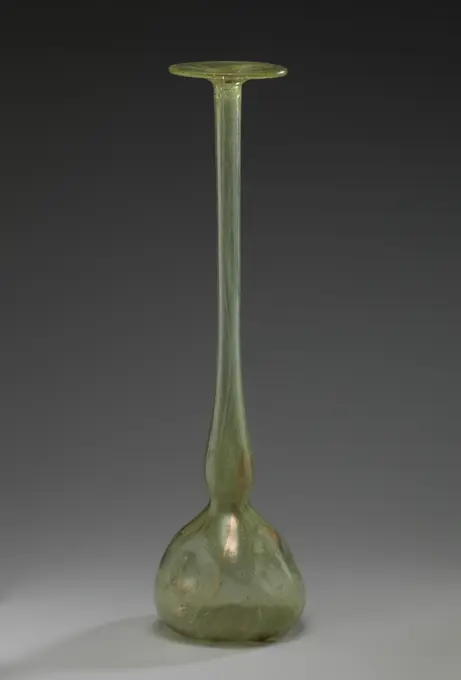
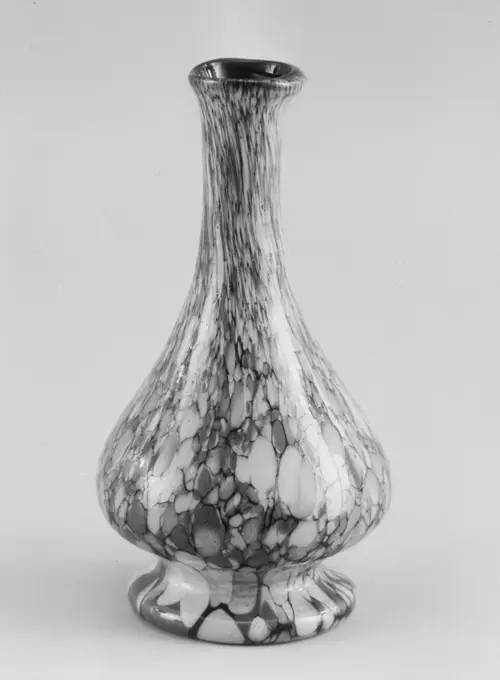
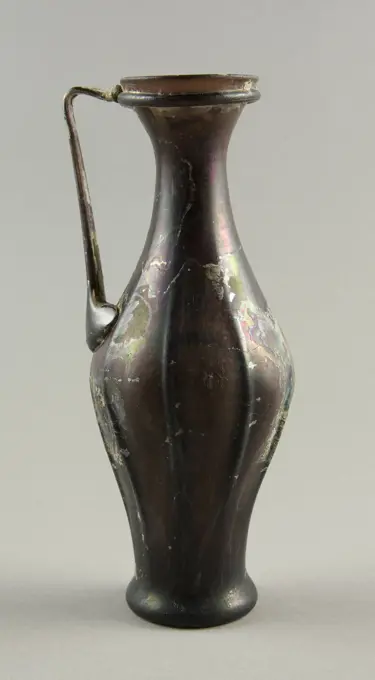
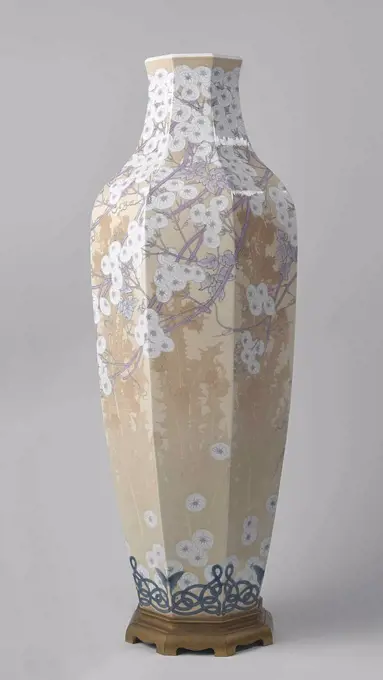
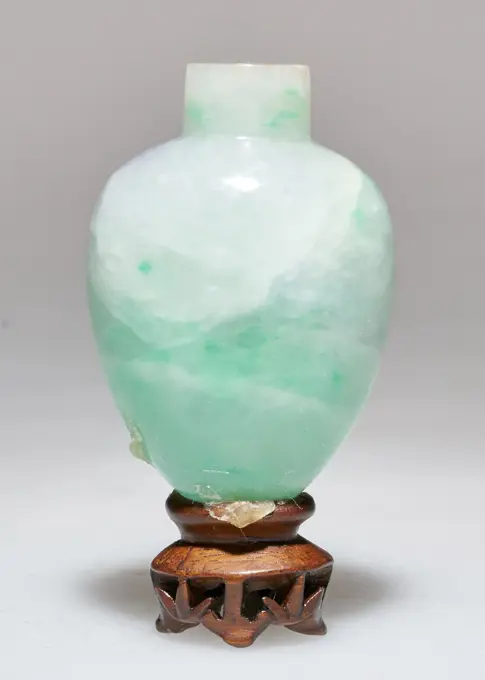
A collection of vintage vases featuring various styles from different periods. Includes cream, green, and blue glazes with intricate designs.

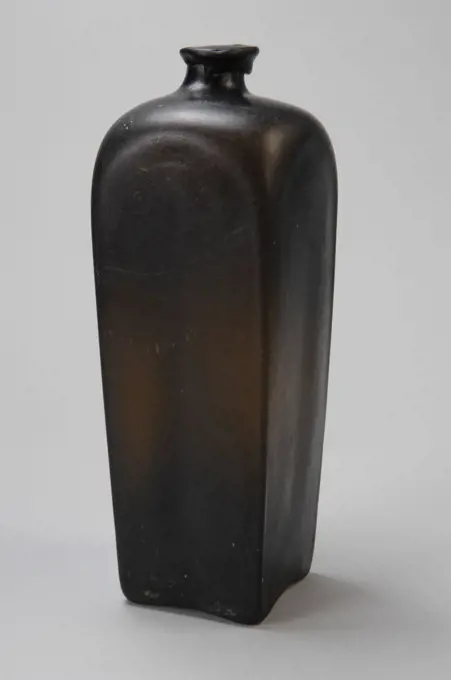
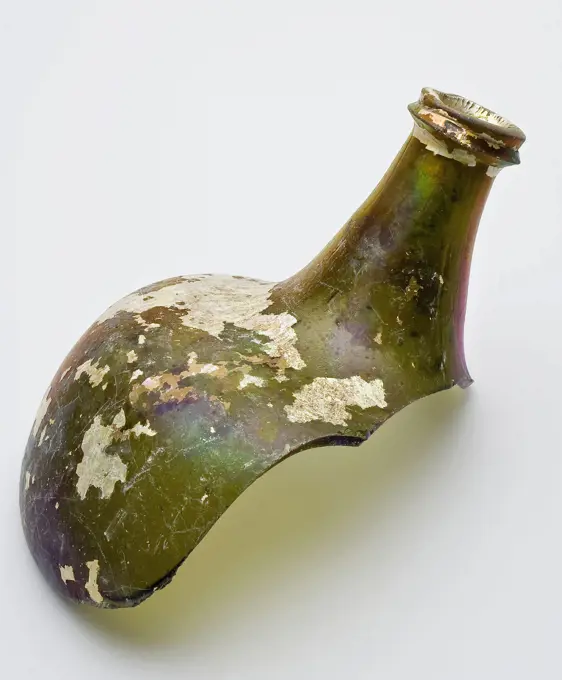
Belly bottle, belly bottle bottle holder soil find glass, bottom Body with almost vertically ascending wall to convex shoulders and rejuvenated neck (large chip) with imposed all-round sharp glass thread (half of which is broken off) ) and flattening lip (idem) archeology
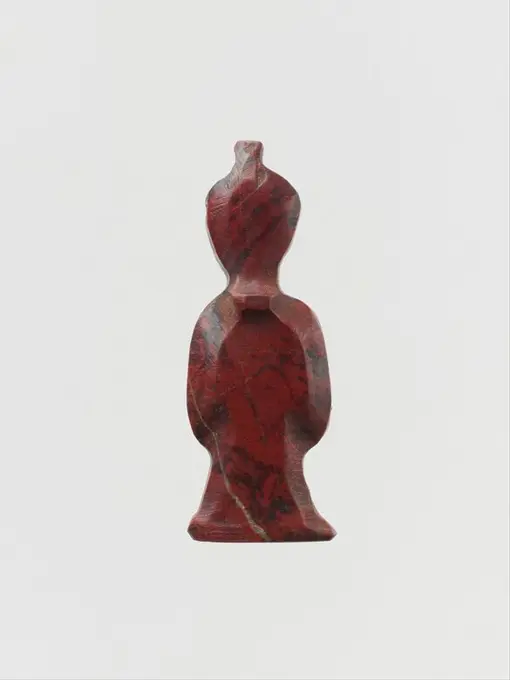
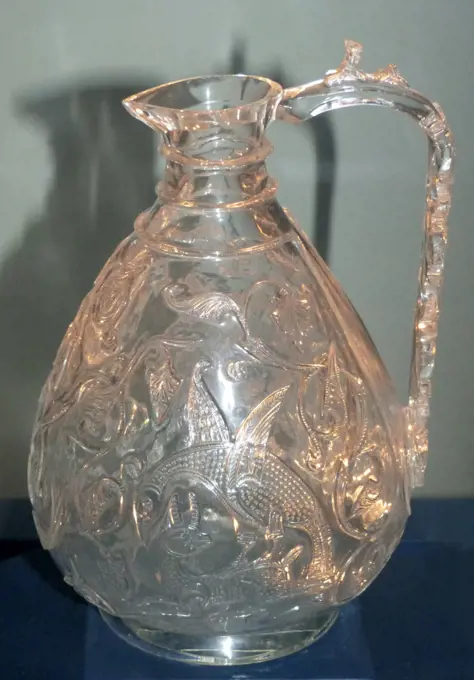
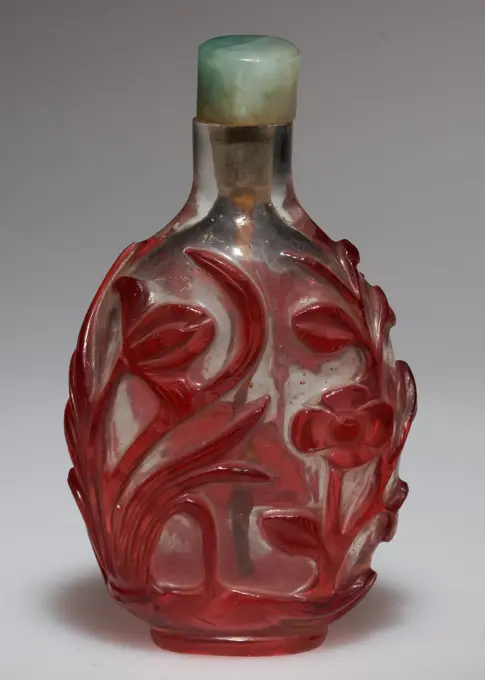
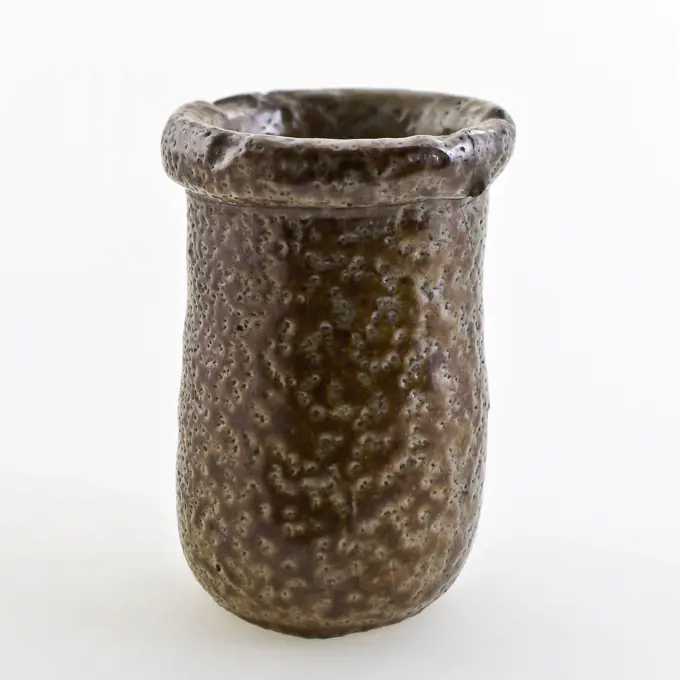
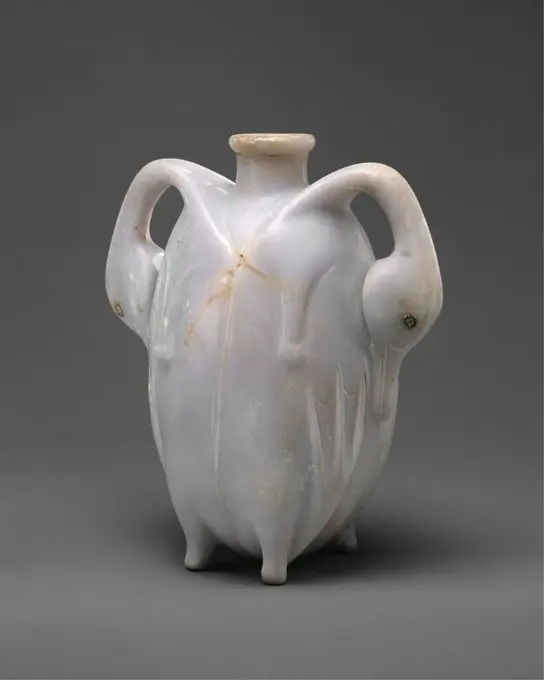
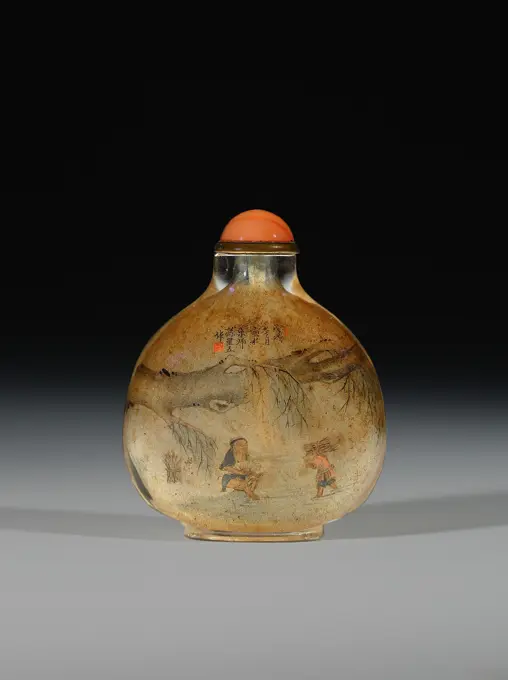
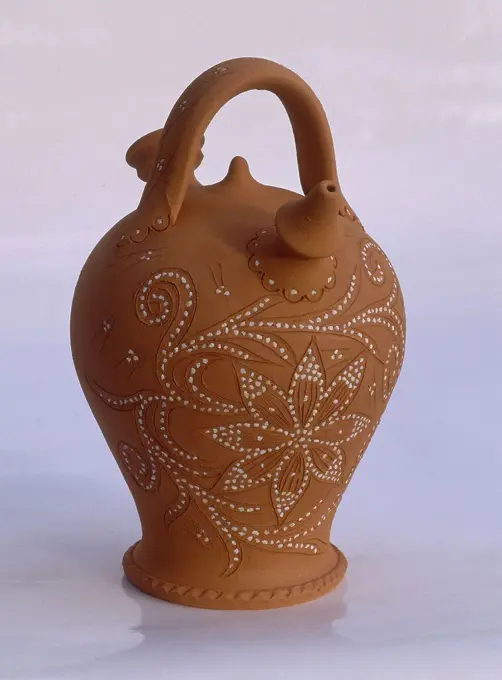
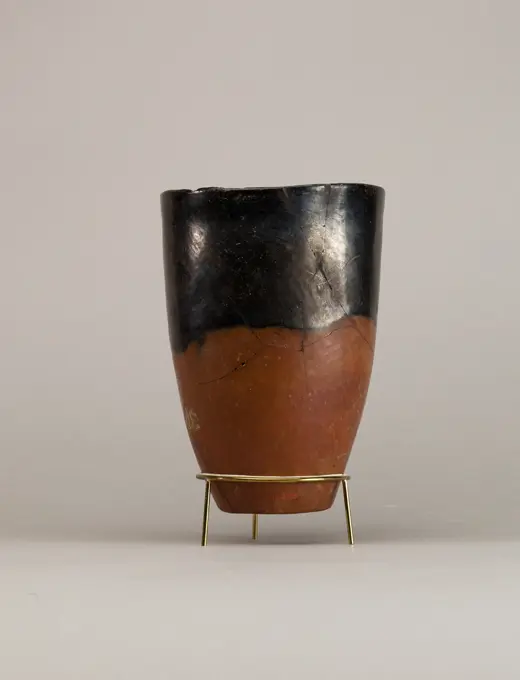
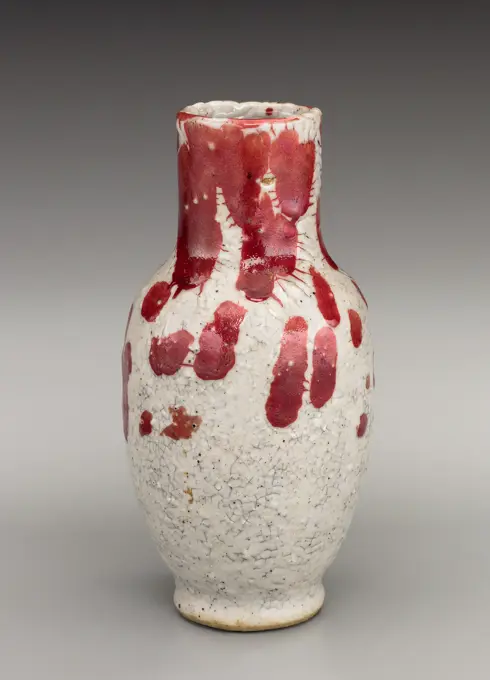
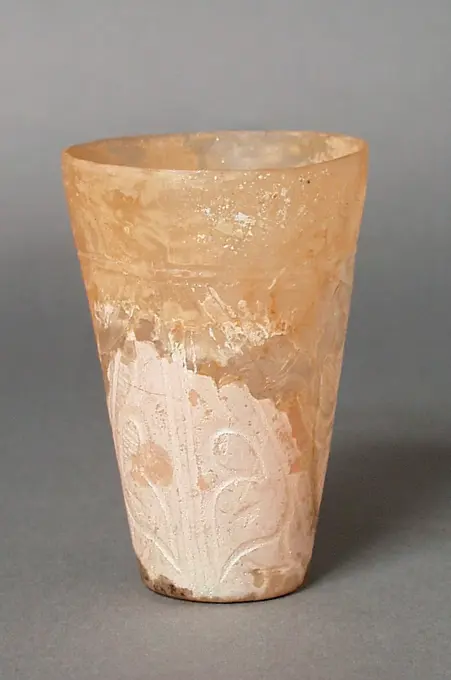
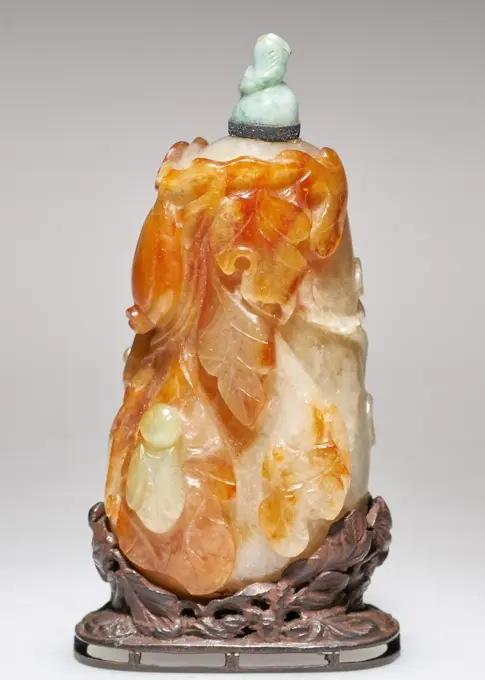
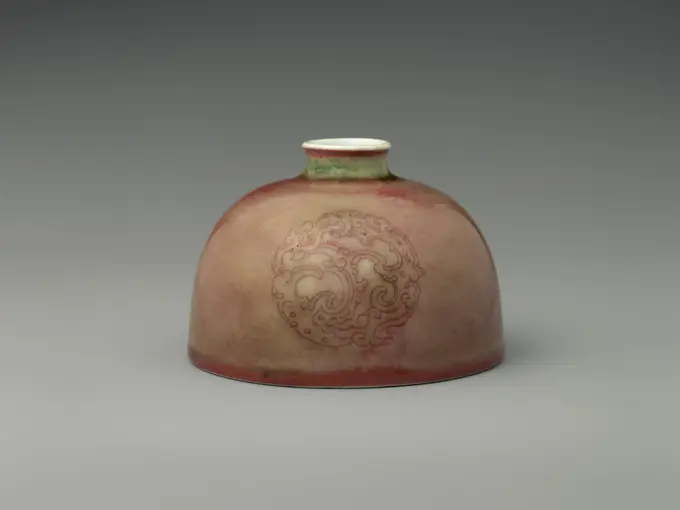
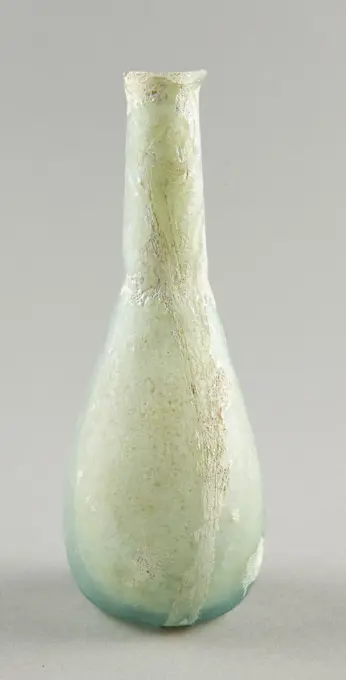
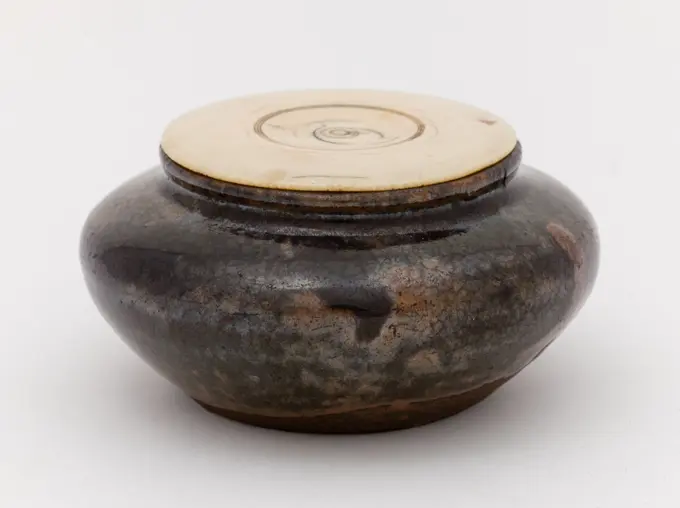
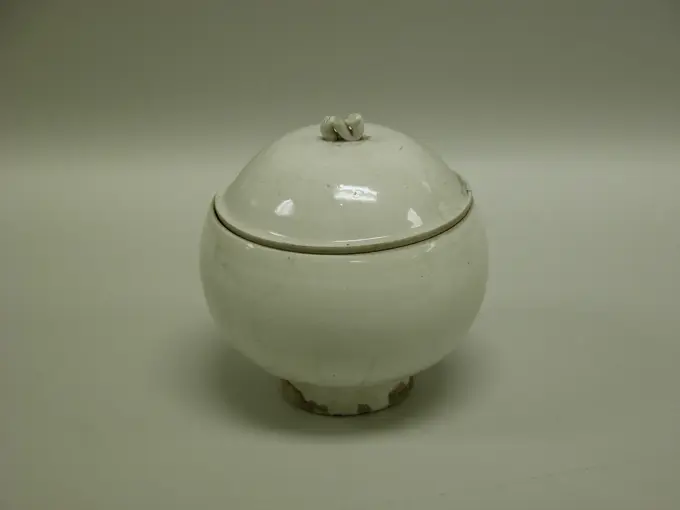
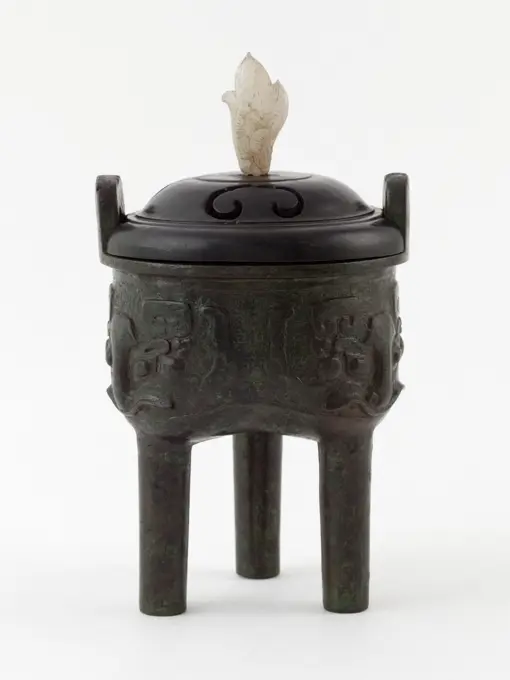
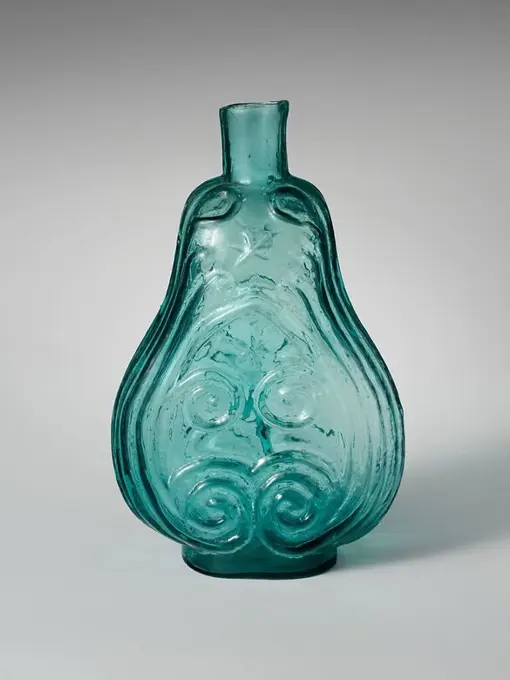
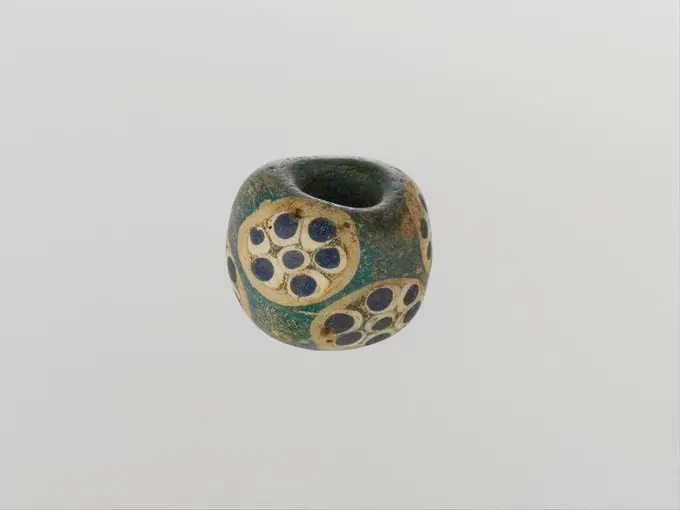
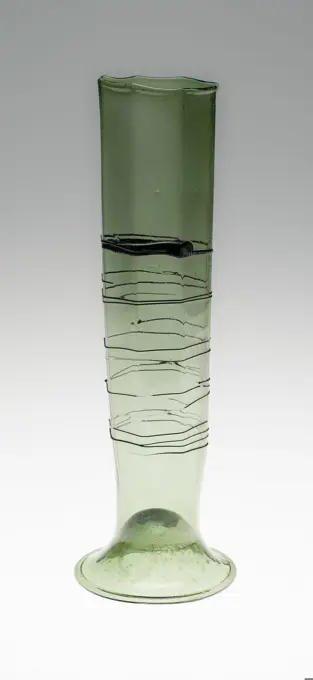
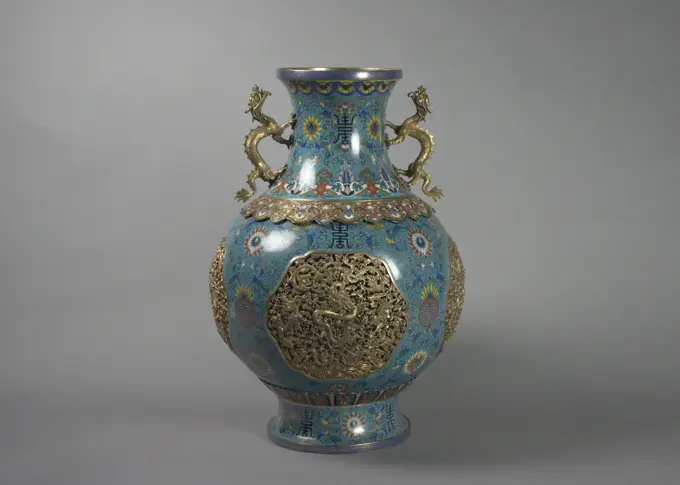
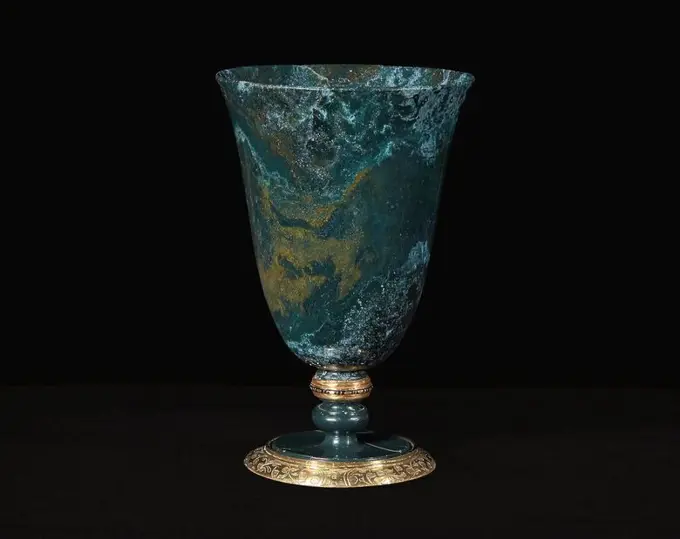
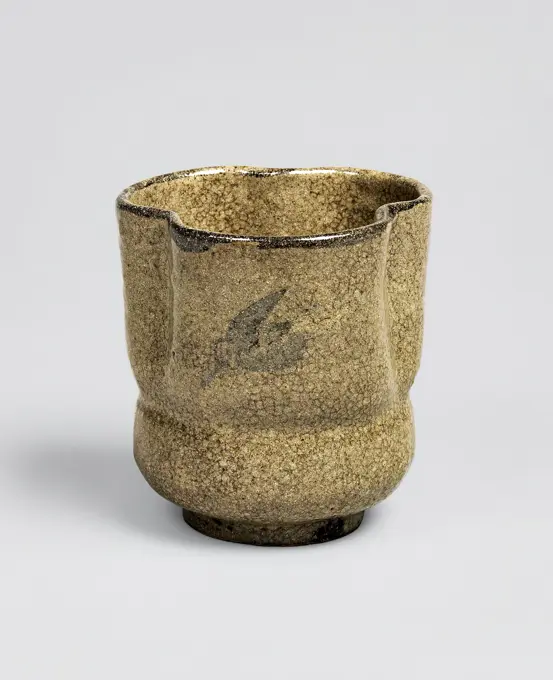
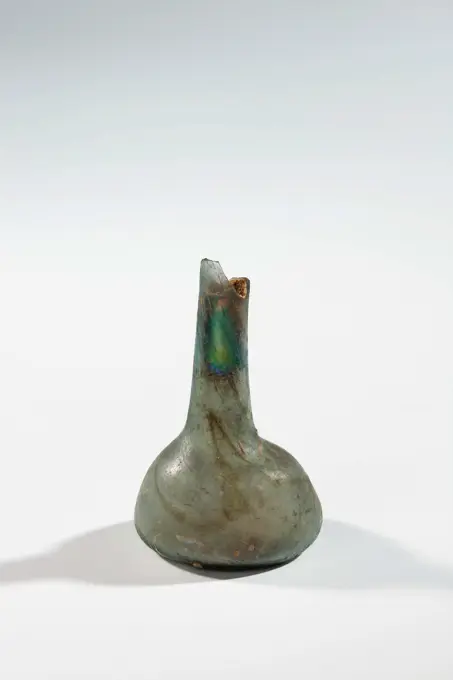
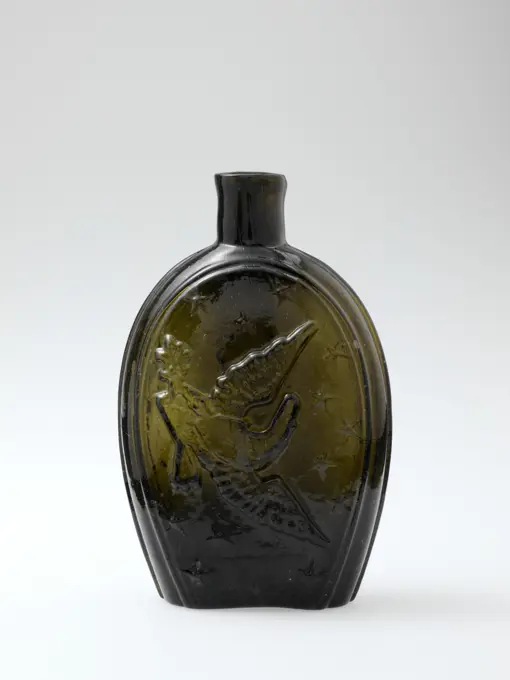
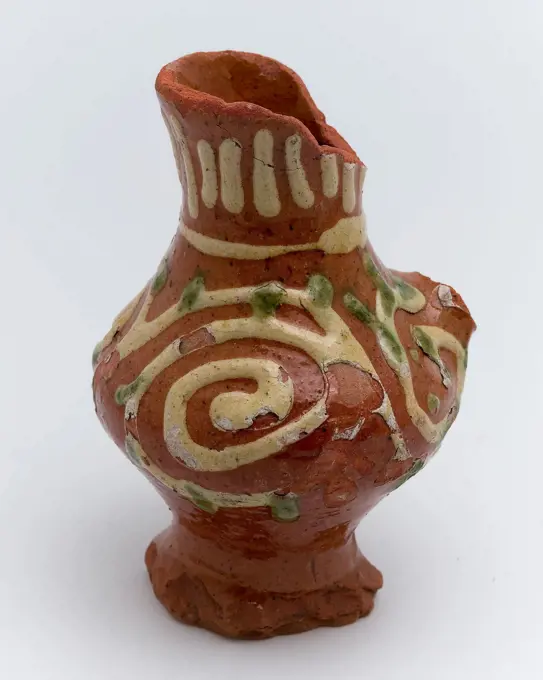
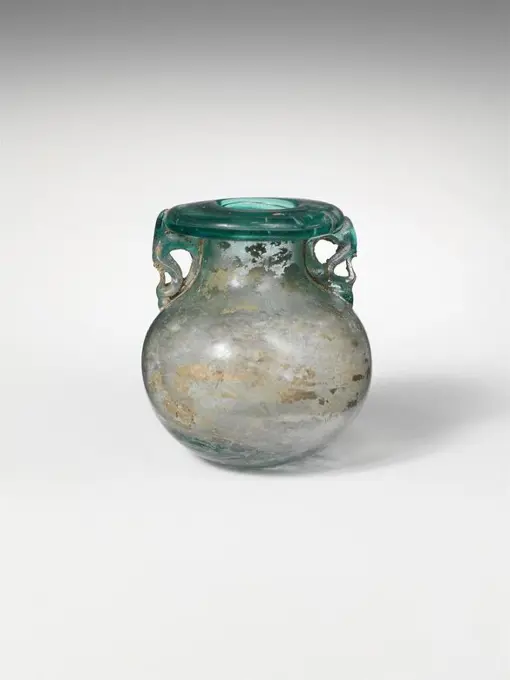
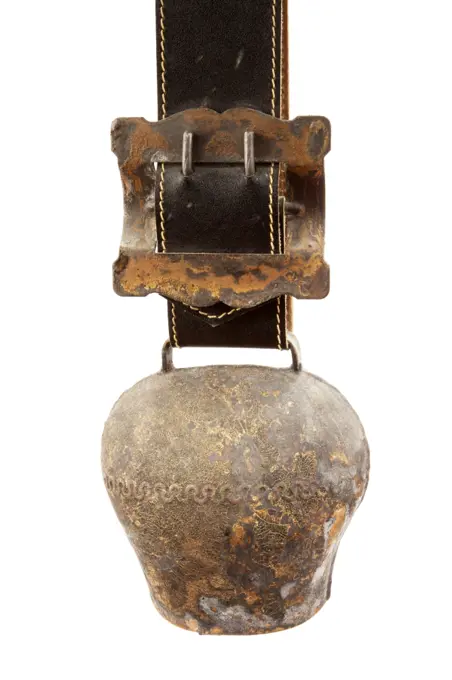
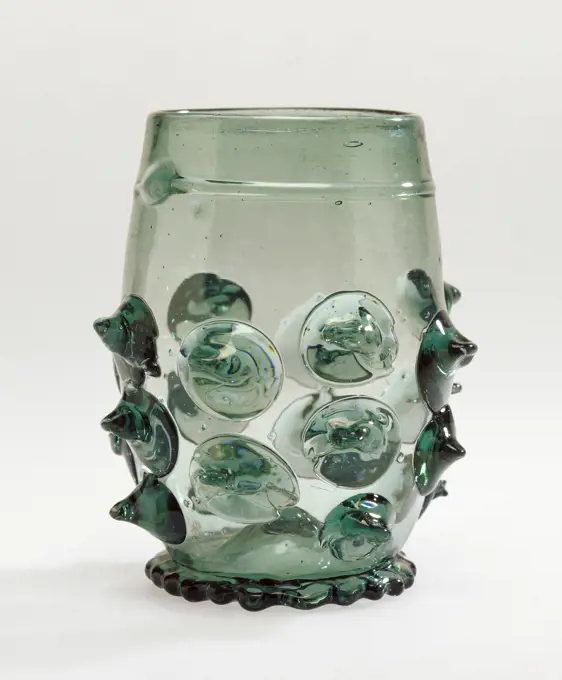
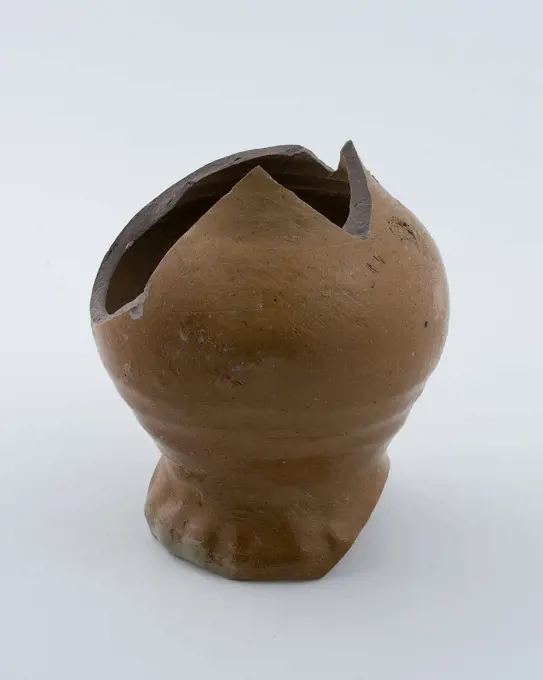
Fragment of small stoneware jug on pinched foot, salt glaze, jug crockery holder soil find ceramic stoneware glaze salt glaze, hand-turned glazed baked Stoneware jug on pinched foot. Salt glaze predominantly light brown glazed. Turning between the shoulder and the foot. Circular body archeology underground pit Rotterdam City center Stadsdriehoek Groenendaal indigenous pottery import drink packaging keep serving table Soil discovery: underground pit Groenendaal from large waste well 1977.06.10.Vase 1893-96 Designed by Louis Comfort Tiffany American. Vase 9394Glass beaker with facet-cut decoration. Culture: Roman. Dimensions: H.: 4 1/16 in. (10.3 cm)Diam.: 3 1/16 in. (7.8 cm). Date: 2nd century A.D..Colorless with light green tinge.Thin, outsplayed, knocked-off rim; funnel-shaped body, tapering in at base; broad, low, conical, outsplayed foot, made from a separate paraison with a ground outer edge.On upper body, two fine horizontal lines; below, broad band of four overlapping rice-shaped vertical facets, arranged in a slight irregular pattern.Broken on one side of rim with part missing; pinprick bubbles; dulling, pitting, patches of brilliant iridescence, and creamy brown weathering.Similar beakers have been excavated in Denmark, Germany, Egypt, and Afghanistan. The type must have been made at several localities around the Mediterranean. Museum: Metropolitan Museum of Art, New York, USA.Vase;  nineteenth century (1890-00-00-1900-00-00);Pilgrim Flask. UnknownClutha vase ca. 1895 Christopher Dresser British, Scottish Dresser came to glassware relatively late in his career. This vase belongs to the group of glassware trademarked "Clutha" in 1888 by the Glasgow-based glassworks of James Couper & Sons. From this date until 1896, Christopher Dresser was sole designer of Couper & Sons Clutha glassware, which was retailed by Liberty & Co. in London from the 1880s until around 1900. The name "Clutha" was deliberately historicizing, being the old, perhaps romanticized, Gaelic name for Glasgows river Clyde. In an article published in the 1870-73 Technical Educator, Dresser celebrated how "Glass has a molten state in which it can be blown into the most beautiful shapes" and the designs of most of Dressers Clutha vases depend upon this singularity of the production process; embracing irregular, organic forms and prizing the colored striations, as well as bubbles, particular to the medium, which Dresser also admired in Roman glass. Liberty & Co.s pVase 17th-18th century Italian, Venice (Murano). Vase. Italian, Venice (Murano). 17th-18th century. Glass. Glass. Dust tea bus or chair of stoneware with an ivory lid, partially covered with a golden brown glaze. The lower half of the bus is unglazed. Restoration on the neck. Old label on the bottom with 'W614'. Seto imonoko.Bottle; glassGreen glass cellar bottle, basement bottle stock bottle bottle holder glass, distillery Rotterdam Delfshaven SchiedamRed jasper amulet of tyet. Culture: Egyptian. Dimensions: H.: 1 in. (2.5 cm). Date: 664-304 B.C..Amulet of a girdle tie. Museum: Metropolitan Museum of Art, New York, USA.Vase of colorless glass, with convex belly and slightly flared neck. Vase originally from clear, colorless glass, now seriously affected by glass disease. Bolle belly with wide neck above slightly finished, slightly hollow bottom.Bulbous bottle, wine bottle bottle holder soil find glass, from neck glass wire and lip archeology packagingRock Crystal Ewer, Egypt, probably Cairo 1000-50.Flute Glass. UnknownSnuff Bottle, 17th-19th century, 2 7/8 x 1 1/2in. (7.3 x 3.8cm), Glass, China, 17th-19th centurySpool-Shaped Game Pieces from Neferkhawet's Tomb ca. 1504-1447 B.C. New Kingdom A family tomb, established by a man named Neferkhawet, was excavated by the Egyptian Expedition of the Metropolitan Museum of Art in 1935. One of the last people buried in the tomb was a woman whose name was not recorded on any of the objects in the tomb. Inside her coffin was an incomplete set of gaming pieces, five spool-shaped like this one and five conical. These would have been used to play the games senet and 20-squares. No trace of an accompanying game box was recorded by the excavators. The coffin itself was badly damaged by rot and insects, so remains of a wooden game box may have been indistinguishable from the coffin.The five conical game pieces are quite uniform in shape, size, and color. Four of the spool-shaped pieces are also quite similar, but the fifth is different enough that it may have been a replacement piece.. Spool-Shaped Game Pieces from Neferkhawet's Tomb. ca. 1504-1447 B.C.. FaiencStoneware ointment jar, cylindrical model, entirely glazed in gray and brown, ointment jar pot holder soil find ceramic stoneware glaze salt glaze, hand turned glazed Stoneware ointment jar cylindrical model entirely gray and brown speckled glazed Thick round wide top edge. Booth with light soul is coarsely finished archeology health care indigenous pottery import pharmacy packaging store medicine drug sell craftVase 1893-96 Designed by Louis Comfort Tiffany American. Vase 9401Perfume Vessel in the Shape of Two Trussed Ducks. Dimensions: h. 17.4 cm (6 7/8 in); w. 15.3 cm (6 in); d. 9.2 cm (3 5/8 in). Dynasty: Dynasty 17. Date: ca. 1580-1550 B.C..The flask - delicately carved from the rare stone material anhydrite - has the form of a pair of trussed ducklings placed back-to-back. Their necks arch far from the bodies and the joints of their legs make four little knuckles for the vessel to stad on. The birds' eyes are inlaid with copper. Trussed duck were a common offering to the dead. It is, therefore, possible that this vessel, although originally without doubt containing a cosmetic substance, was made for the tomb and not to be used in daily life. Vessels of this material were formerly thought to be of Middle Kingdom date. More recent studies have shown that they should be placed into the late Second Intermediate Period. Museum: Metropolitan Museum of Art, New York, USA.Close-up of a perfume bottle, FranceSpindle Bottle. Egypt, New Kingdom, circa 1550-1070 BCE. Furnishings; Accessories. CeramicVessel or pitcher with relief and a spout in the shape of a woman's head, anonymous, c. 1100 - c. 1299 Jug or pouring jug of quartz fritry decorated on the belly with blue almond shapes in relief with a flared glaze. 'Knots' on the neck. The spout is modeled in the form of a women's head. The jug is covered with a transparent turquoise alternal laze. Iran earthenware. glaze painting / vitrification Jug or pouring jug of quartz fritry decorated on the belly with blue almond shapes in relief with a flared glaze. 'Knots' on the neck. The spout is modeled in the form of a women's head. The jug is covered with a transparent turquoise alternal laze. Iran earthenware. glaze painting / vitrificationFlakonik - snack;  19th century (1801-00-00-1900-00-00);Qing (Styl), Chinese (culture), pastoral scene, Chinese art, snuffer, purchase (provenance)BOTIJO SIN VIDRIAR CON DECORACION FLORAL ENCHINADA - ARTE POPULAR. Location: ALFARERIA. SPAIN.Maebyeong 12th century Korea. Maebyeong 51359Black-topped Red Ware Beaker ca. 3850-2960 B.C. Predynastic Period. Black-topped Red Ware Beaker. ca. 3850-2960 B.C.. Pottery. Predynastic Period. From EgyptVase; Toshitsugu; 19th/20th century (1891-00-00-1912-00-00);Vase ca. 1886-89 Chelsea Keramic Art Works Steeped in ceramics from birth, Hugh C. Robertson pursued his craft with fierce devotion and a passion for experimentation. From a family of trained English ceramists, he honed his skills in New Jersey before settling in Massachusetts as one of the founders of Chelsea Keramic Art Works and later, Dedham Pottery. Robertsons lifelong explorations in glazes, particularly their color and texture, make him one of the key figures of American art pottery at the turn of the twentieth century. During the 1880s Robertson increasingly turned his attention to developing new glaze formulas and clay bodies. In the middle of the decade he became obsessed with the highly coveted yet elusive sang-de-boeuf, or oxblood, glaze, a quest that became the hallmark of his later career. In April 1885 Robertson became the first American to successfully replicate the oxblood glaze, showcasing his new oxblood glazes on the same Chinese-inspired shapes that he used for hiVase 17th-18th century Spanish, Almería or Granada. Vase. Spanish, Almería or Granada. 17th-18th century. Glass. GlassVase decorated in blue, purple, yellow and white with scratched stylized decor, plateel bakery De Distel, c. 1915 Vase of earthenware, rejuvenating upstairs, decorated in blue, purple, yellow and white with scratched stylized decor. Amsterdam earthenware scoring Vase of earthenware, rejuvenating upstairs, decorated in blue, purple, yellow and white with scratched stylized decor. Amsterdam earthenware scoringRoemer with a row of blackberry, anonymous, c. 1690 - c. 1800 Roemer with inserted bottom on light concave, spun from a wire. Inserted soil. The egg -shaped chalice blown as a whole with the trunk, which is set with a row of burrs. The transition from the chalice to the trunk indicated by a ribbed thread. Low Countries glass glassblowing Roemer with inserted bottom on light concave, spun from a wire. Inserted soil. The egg -shaped chalice blown as a whole with the trunk, which is set with a row of burrs. The transition from the chalice to the trunk indicated by a ribbed thread. Low Countries glass glassblowingS.W. (jug with birds)' still bank, 19th century, 9 1/4 x 5 1/2 x 5 1/2 in. (23.5 x 13.97 x 13.97 cm), Redware, United States, 19th centuryBeakerVase; glassSnuff Bottle, 1796-1820, H.3-1/8 x W.1-1/2 in., jade, China, 18th-19th centuryRussian National Wooden Tableware Russian national handmade wooden container on an isolated studio background Copyright: xZoonar.com/AndreyxSkatx 8079746CANTARO DE BARRO CUELLO ALTO CON DOS ASAS- CERAMICA PARA AGUA-ARTE POPULAR. Location: ALFARERIA. JAEN. SPAIN.Water coupe ca. 1700-22 China. Water coupe. China. ca. 1700-22. Porcelain with incised decoration under a peach bloom glaze. Qing dynasty (1644-1911), Kangxi mark and period (1662-1722). CeramicsBottle 1 CE-500 CE Syria. Glass, blown technique . Ancient RomanBerkemeyer with two rows of prunts, anonymous, c. 1625 - c. 1675 Bircheier of blue glass, with inserted bottom on thick wire spun. Cylindrical shaft blown on one piece with conical chalice. Two rows of Doornnoppen on shaft. The transition from the chalice to the shaft indicated by a smooth thread. Germany glass glassblowing Bircheier of blue glass, with inserted bottom on thick wire spun. Cylindrical shaft blown on one piece with conical chalice. Two rows of Doornnoppen on shaft. The transition from the chalice to the shaft indicated by a smooth thread. Germany glass glassblowingPitcher 101 CE-300 CE Syria. Glass, blown technique . Ancient RomanVase, Manufacture de Sèvres, Léonard Gébleux, 1908Teapot of yellow -baking earthenware, damaged, with polluted glaze in beige and brown on the outside, anonymous, c. 1600 - c. 1899 fragment   stoneware. glazeMeiping vase 20th century China. Meiping vase 46727Snuff Bottle, 17th-20th century, 2 7/8 x 2in. (7.3 x 5.1cm), Jade, China, 17th-20th centuryFragment of body, shoulders, neck and mouth of abdominal bottle, bottle bottle wine bottle stock bottle bottle holder soil find glass, free blown and shaped Fragment of part body part shoulders neck and mouth of belly bottle in clear light green glass Body goes bulb up to drooping shoulders and short (7 cm) rejuvenated (6.0 - 3.9 cm) neck with sharp all-round glass wire about 0.5 cm below mouth archeology Gerdesiaweg underground pit Rotterdam Kralingen-Crooswijk Rubroek Soil discovery Metro construction Gerdesiaweg 1975 - 1977.Cha-ire powdered tea pot. Brown sandstone, covered with tetsu-yu iron brown. XIVth or XVIIth century. Paris, Cernuschi museum. Japanese art, brown, iron brown, ca-hire, Ceramic Japanese, cover, gres, pot a, tetsu-yu, the powder, 14th XIV 14th 14th 14th 14th century, XVIIth XVIIth XVII 17th 17th 17Covered bowl 12th-13th century China. Covered bowl. China. 12th-13th century. Stoneware with white slip (Cizhou ware). Jin dynasty (1115-1234). CeramicsGrand Seascape with Trees Vase; Designed by Clément Massier (French, 1845 - 1917); hand-painted and metallic-glazed thrown earthenwareBelly bottle, gold iridescent, belly bottle bottle holder soil find glass, free blown and shaped Circular bottle of english onion in clear green glass. Pontil mark under slightly raised soil. Round body to convex shoulders to rejuvenated (5-2.5 cm) neck broken off archeology packagingJar. Culture: China. Dimensions: H. 12 3/4 in. (32.4 cm). Museum: Metropolitan Museum of Art, New York, USA.Money box from Pijpaarde., Anonymous, c. 1625 - c. 1725 Money box from Pijpaarde (). Netherlands pipe clay Money box from Pijpaarde (). Netherlands pipe clayTing vase. Bronze. China. Paris, Cernuschi museum. 70002-41 Anse, Chinese art, bronze, cover, decorative motif, feet, container, three, ting vaseBelly little wine, 'little lime', belly bottle bottle holder soil find glass, free blown and shaped glass application Small bellied bottle in clear green glass. Pontil mark under high raised bottom. Body with round wall (tear with buts and chip) to convex shoulders and rejuvenated long (10 cm) neck with imposed all-round flat glass wire and flattened lip archeology packagingkorken,tongefäß,gefäss,gefässe,gefäß,gefäße,tongefäss,tongefässe,tongefäße ** cork,clay pot,corks,clay jug,clay jugs,clay pots,pottery ktn-jwwScroll flask. Culture: American. Dimensions: H. 8 3/4 in. (22.2 cm). Date: 1840-50. Museum: Metropolitan Museum of Art, New York, USA.Phial; unknown eastern workshop; III century (201-00-00-300-00-00);"SITRELL" PARA ACEITE - ARTE POPULAR S XX. Location: ALFARERIA. Figueras. GERONA. SPAIN.Glass compound eye bead. Culture: Greek, Eastern Mediterranean. Dimensions: 13/16 × 1 1/16 in. (2.1 × 2.6 cm). Date: ca. 4th century B.C..Semi-opaque turquoise blue ground; additions in opaque white and translucent cobalt blue.Squat spherical shape with rounded ends to large vertical hole.Staggered pattern of six white disks, each with rosette of seven eyes in white and blue, but with one disks having only six eyes.Intact; dulling, some pitting, and faint creamy iridescent weathering.Sea blue bead with yellow spots, in which are groups of blue spots. Museum: Metropolitan Museum of Art, New York, USA.Beaker (Passglas) 1600-1625 Rhineland. Green glass .One of a Pair of Vases with Dragon Handles 19th century China The dragons in the four openwork cartouches on this vase are strikingly similar to those found on the robes in this gallery and illustrate the ubiquitous sharing of motifs that characterizes Chinese art in the Qing dynasty. This vase was most likely part of a set that included another vase, incense burner, and candlesticks, which would be displayed in public rooms and on ancestral altars. This vase is designed to be rotated on its base, a technical embellishment that is also (rarely) found in porcelain but has no true function.. One of a Pair of Vases with Dragon Handles 40706Anonymous / 'Goblet of partially-agatised jasper'. 1610 - 1620. Enamel, Jasper, Gold, Silver-gilt. Museum: Museo del Prado, Madrid, España.Ash container with three birds, late 16th century, Unknown Japanese, 4 1/8 × 3 7/8 × 3 7/8 in. (10.48 × 9.84 × 9.84 cm), Karatsu ware; stoneware with underglaze iron, Japan, 16th century, A container like this one, called a hiire (literally, 'fire container'), would have held hot ashes and been placed in a tobacco tray like the one displayed here. Guests to a tea gathering would use the hot ashes to light their pipes. Typical of wares from the Karatsu kilns, this mukōzuke is decorated with casual, rapidly painted designs in iron oxide brown.Vessel. Culture: Coptic. Dimensions: Overall: 5 7/16 x 4 3/16 x 3 5/8 in. (13.8 x 10.7 x 9.2 cm). Date: 4th-early 5th century. Museum: Metropolitan Museum of Art, New York, USA.Small bottle. unknown, craftsmanFigured flask 1824-36 Probably Coventry Glass Works. Figured flask. American. 1824-36. Blown-molded glass. Made in Coventry, Connecticut, United StatesPottery jug used with sludge decoration on stand surface, small size, jug crockery holder soil find ceramic earthenware glaze lead glaze copper oxide, hand turned decorated glazed fired ring of jug above the foot constricted convex belly one ear slightly flared neck Red with yellow and green silt archeology Rotterdam rail tunnel serving kitchen cooking room serving oil Soil discovery: rail tunnel Rotterdam.A fragment of the chess figureLluis Ventós / "Diosa" (Goddess), 2005, Sculpture (black Belgian marble), 25,5 x 8 x 10 cm.Glass aryballos (oil bottle). Culture: Roman. Dimensions: H.: 2 1/16 in. (5.2 cm). Date: 1st-3rd century A.D..Small oil bottle.Translucent blue green; handles in same color.Broad, tubular rim folded out, over, and in, with flattened upper surface; short, concave neck; globular body; thick, round bottom with deep, jagged pontil scar; two handles applied to top of body, each drawn up neck, and folded out over underside of rim and then down over itself, forming open loop, and ending in a final upward trail.Intact; pinprick and some larger bubbles; slight weathering on exterior, soil encrustation and some iridescent weathering on interior. Museum: Metropolitan Museum of Art, New York, USA.Close-up of a glass vase, Murano, Venice, Veneto, ItalyAlps cowbells on white backgroundPair of mei ping flasks - snuff bottles. unknown, craftsmanPedim made of wood, c. 1900 Pedestment made of wood. The pedestal belongs to a vase.  wood (plant material) Pedestment made of wood. The pedestal belongs to a vase.  wood (plant material)Beaker. Eastern Mediterranean, 12th-13th century. Glass. Glass, free-blown, with unmarvered thread decorationPrunted Beaker (Krautstrunk variant); Germany; late 15th or early 16th century; Free-blown pale blue-green glass with applied decoration; 9.8 x 8.3 cm (3 7,8 x 3 1,4 in.)Jug -Hanging Basket 19th century Japan. Hanging Basket. Japan. 19th century. Bamboo. Edo (1615-1868) or Meiji (1868-1912) period. BasketryAlabastron. UnknownThis teapot features the Japanese theme of a blossoming cherry tree in the Gion area of Kyoto in underglaze blue and brown. Lid for a Teapot with Cherry at Night in Gion, 1893-1914. Seifū Yohei III (Japanese, 1851-1914). Porcelain with underglaze blue and iron oxide;Alabastron. UnknownOnyx Cylinder Vessel before 16th century Mexican. Onyx Cylinder Vessel 317558Snuffer with a spoon;  18th century (1701-00-00-1800-00-00);Temple vase with dragons and clouds 16th century China This vase was likely made as one of a pair for use as a flower container on a religious altar. The dragons are typical of Ming style, with thick, sinewy bodies and flowing manes.. Temple vase with dragons and clouds. China. 16th century. Porcelain with raised slip and enamels (Jingdezhen ware). Ming dynasty (1368-1644), Jiajing period (1522-66). CeramicsBrambles (Ronces) Vase. Designed by René Lalique (French, 1860-1945); Manufactured by Lalique et Cie (French, founded 1885). Date: 1921. Dimensions: 23.3 x 12.7 cm (9 3/16 x 5 in.). Glass; transparent blue, mold blown and acid etched. Origin: Paris. Museum: The Chicago Art Institute, Chicago, USA.Decanter, c. 1900, William B. Durgin; Manufacturer: T.G. Hawkes & Co., American, 1833-1905, 12 5/8 x 6 1/2 x 6in. (32.1 x 16.5 x 15.2cm), Gilt-sterling, crystal, United States, Art NouveauGrandfather's Flask, 19th century, 7 3/4 x 6 1/4in. (19.7 x 15.9cm), Glass, United States, 19th centuryBase for a Water Pipe (huqqa). India, Deccan () or Iran, circa 1820-1830. Tools and Equipment; hookahs. Copper alloyVase (USA); Made by Louis Comfort Tiffany (American, 1848-1933); favrile glassHigh back chair covered with orange velor. Oak chair, partly glued with rosewood, resting on four legs. Rejuvenate the short round front legs and are painted black; The hind legs have one sloping side. The high trapezoidal seat is located just above the ground and is completely covered with orange velor. The high back runs up narrower and has been caught in two styles that protrude. The back is also covered with orange velor and is deposited with a beige trim on the sides.Models of shot bundles (grapeshot). A cannon could be loaded with a single cannonball or bundles of smaller projectiles, such as this grapeshot’. Grapeshot consisted of a canvas bag filled with iron balls or metal slugs, tied together so that it resembled a bunch of grapes. It was used to hit living targets - horses and soldiers - at close range. The Dutch word for machine gun (mitrailleur) comes from the French term for grapeshot (boîte à mitraille).Alabastron; Eastern Mediterranean; 6th - 4th century B.C; Glass; 10.3 cm (4 1,16 in.)Cruet and stopper, 19th century, 8 1/2in. (21.6cm), Blue glass, United States, 19th centuryBOTE DE FARMACIA VIDRIADO Y DECORADO EN AZUL-ARTE POPULAR S XX. Location: ALFARERIA. Toledo. SPAIN.Flakon with a narrowed base unknownValva vase by Flavio Poli (1900-1984)Egg, before 1896. Alexander Edward Tillander (Russian, 1837-1918). Gold, enamel, sapphire, gold easel and stand, photograph covered with faceted green glass; diameter: 5.6 x 3.9 cm (2 3/16 x 1 9/16 in.). In the Russian Orthodox religious tradition, eggs are offered as Easter gifts to symbolize rebirth, renewal, and the resurrection of Christ. This jeweled Russian egg is engraved with XB symbolizing the phrase, Christ is risen,” and would have been given to a lady in a wealthy household, perhaps someone of high rank within the imperial court, given the richness of materials.CANTARO DE BARRO ROJO CON UN ASA. Location: ALFARERIA, BURGOS, SPAIN.Emile Gallé, Cameo Vase, c. 1900-15, Yellow, gray and purple glass.