Elegant Historical Vases

A collection of vintage vases featuring various styles from different periods. Includes cream, green, and blue glazes with intricate designs.

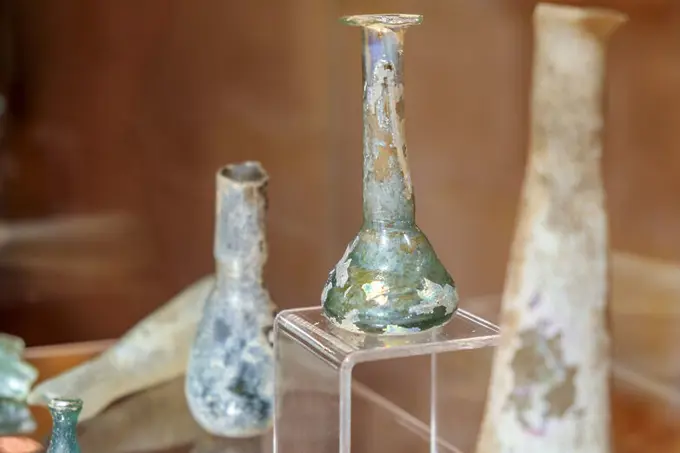
Belly bottle, belly bottle bottle holder soil find glass, bottom Body with almost vertically ascending wall to convex shoulders and rejuvenated neck (large chip) with imposed all-round sharp glass thread (half of which is broken off) ) and flattening lip (idem) archeology
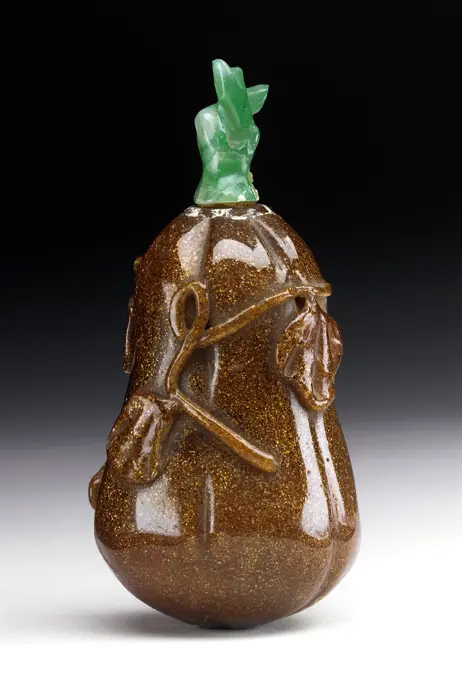
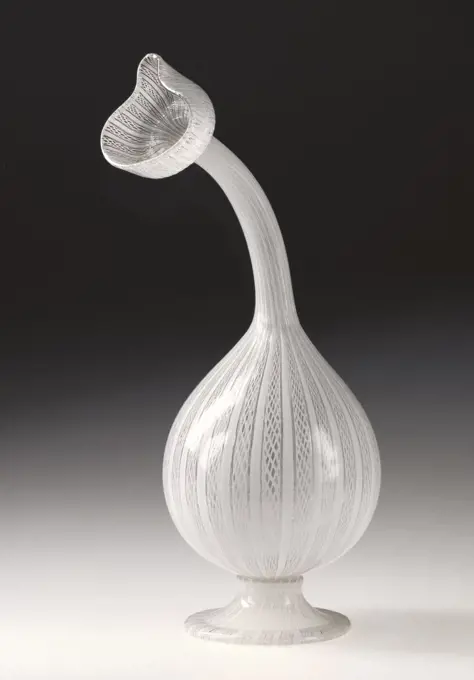
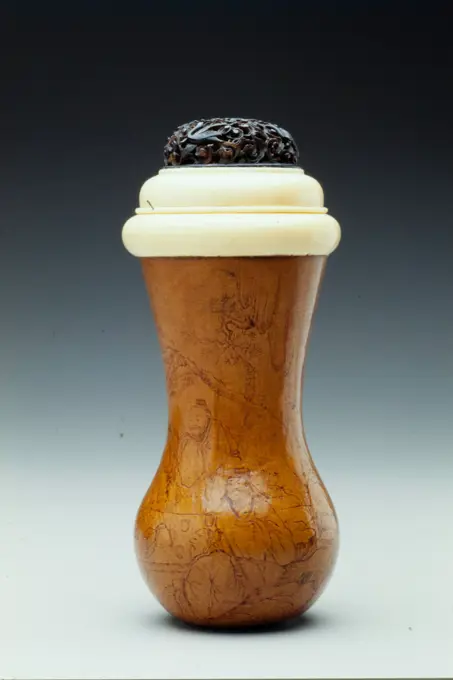
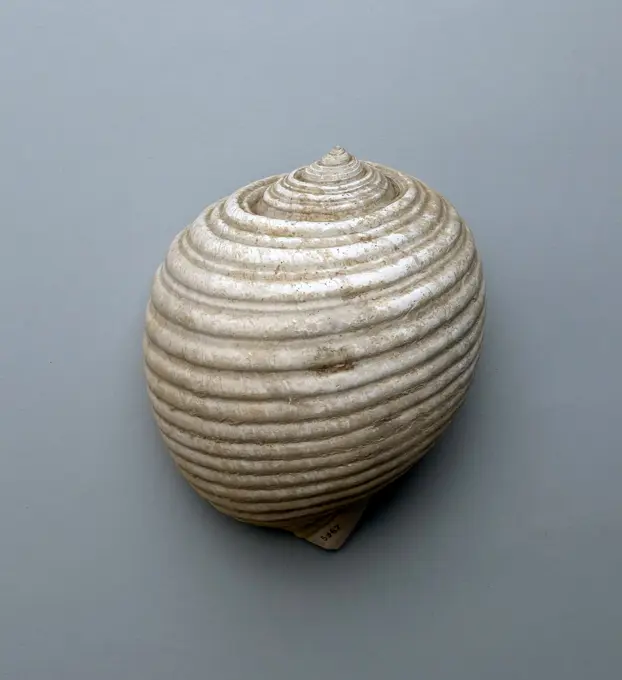
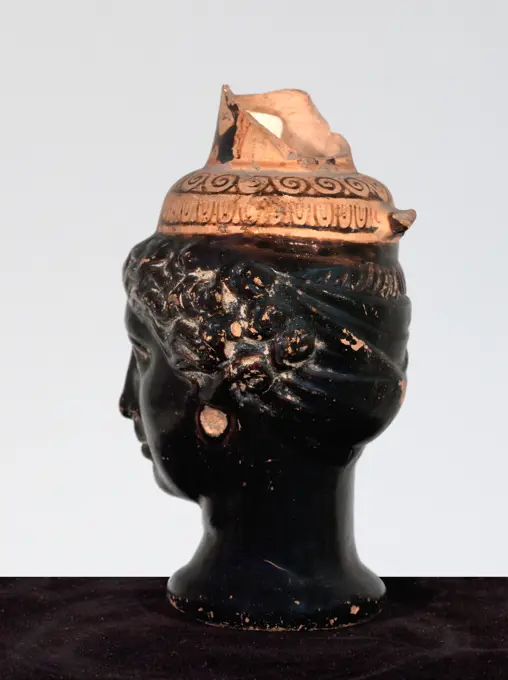
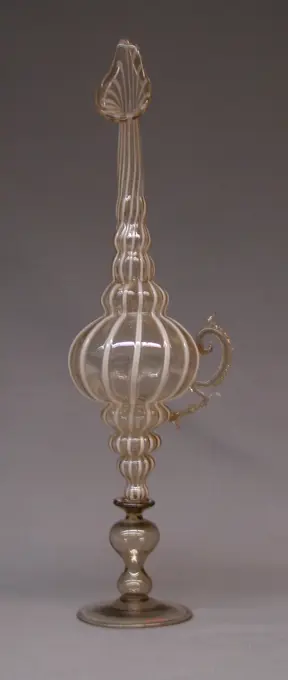
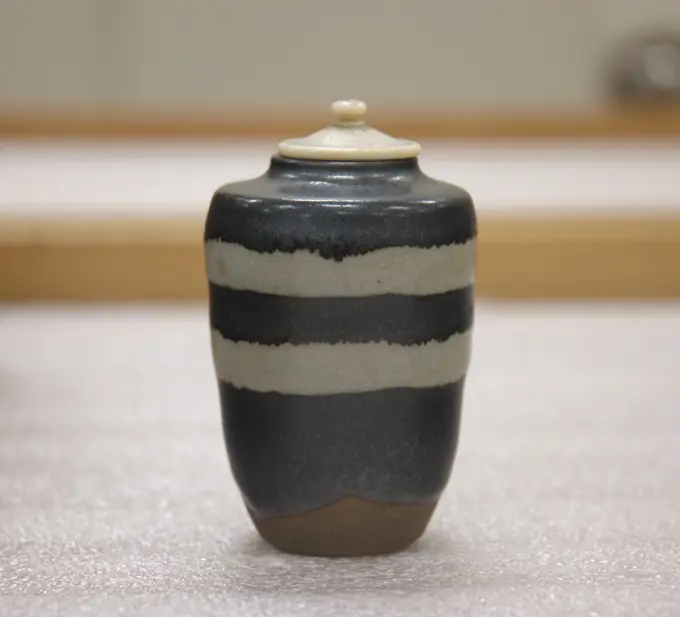
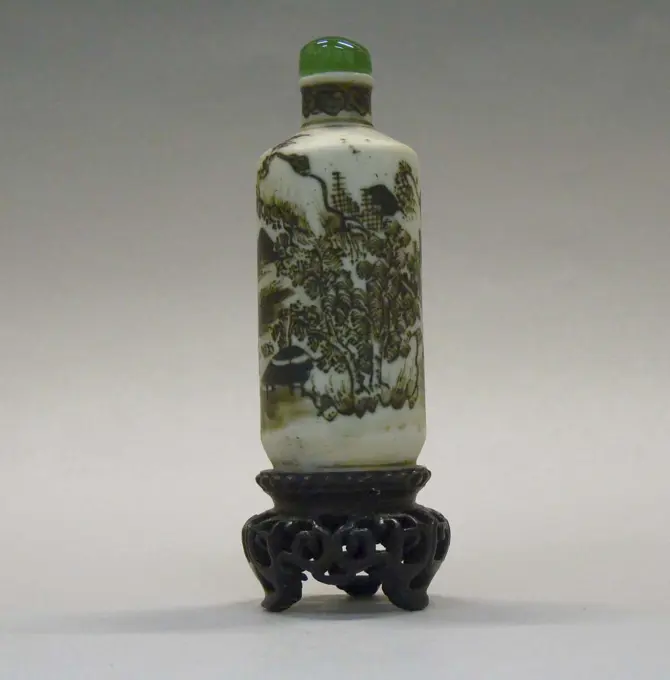
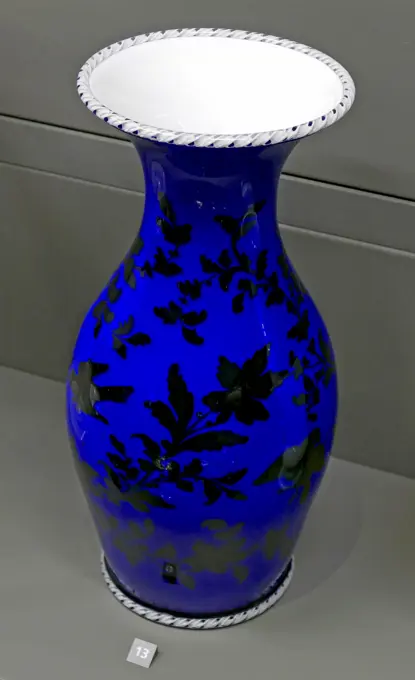
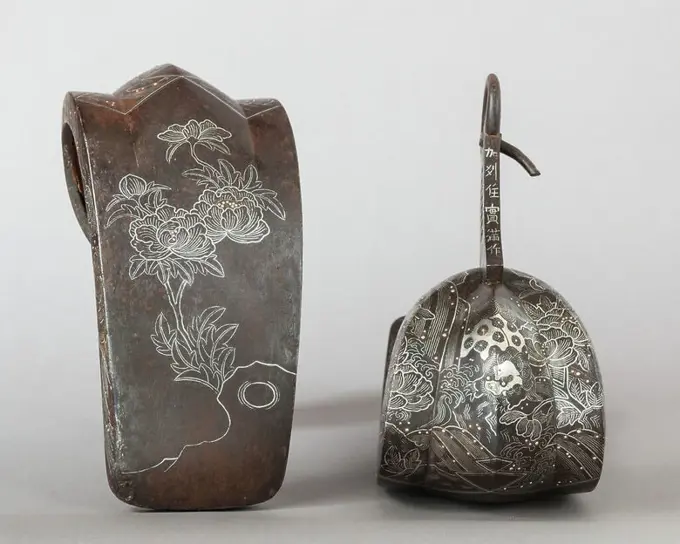
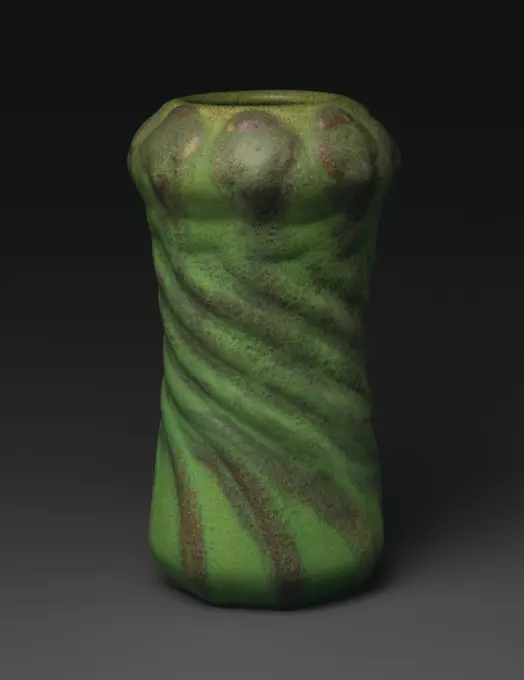
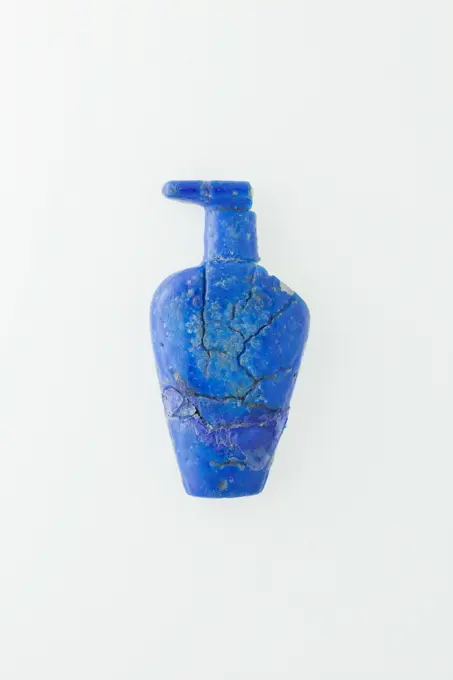
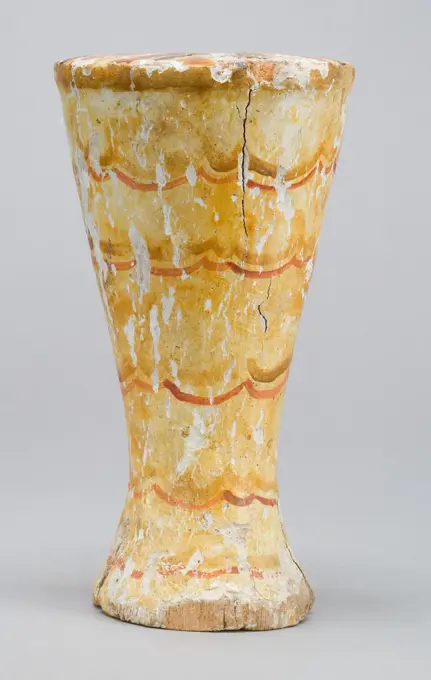
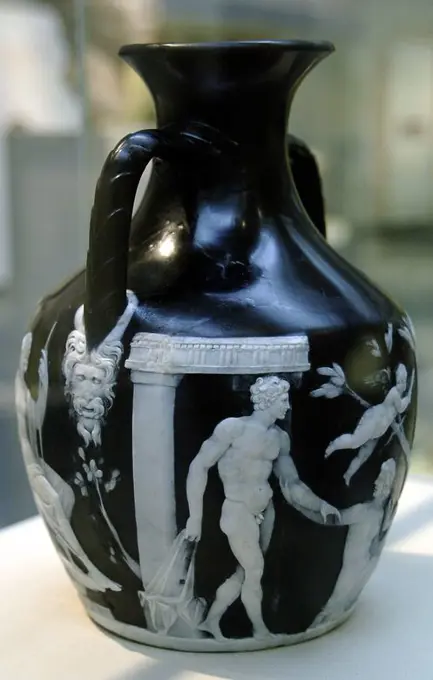
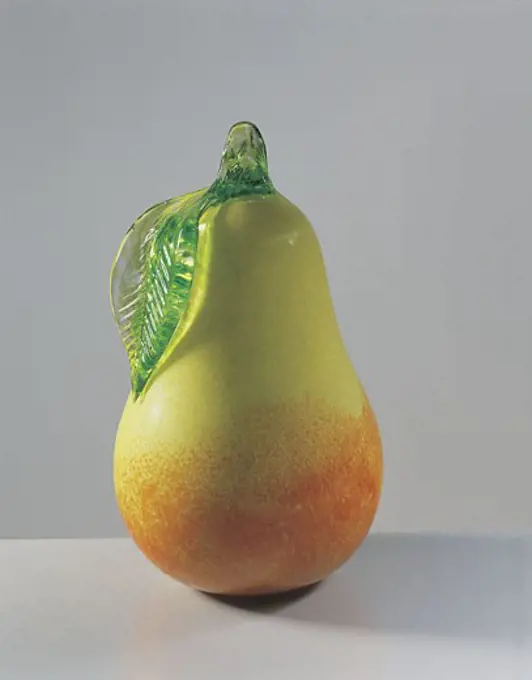
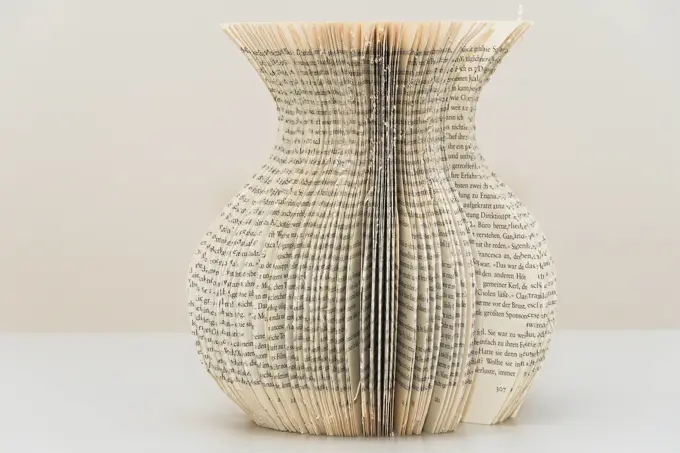
Alabastron. UnknownGarment Hook. China. Date: 400 BC-200 BC. Dimensions: 4.4 × 2.1 × 1.7 cm (1 3/4 × 13/16 × 11/16 in.). Jade. Origin: China. Museum: The Chicago Art Institute, Chicago, USA.Ernest Chaplet (1835-1909). Vase. Flammed porcelain. 1909. Museum of Fine Arts of the City of Paris, Petit Palais. 60193-18 Flamee porcelain, vaseset of ceramic vases, 3d renderTrail-decorated Islamic bottles. Found in Iran and Shechem, 8th-12th century.Snuff Bottle (Biyanhu) in the Form of a MelonBOTIJO DE BARCA O PESCADOR SIN VIDRIAR-S XX ARTE POPULAR. Location: ALFARERIA. MAHON. MENORCA. SPAIN.Filigrana Bottle (Kuttrolf); Unknown; Venice, Italy, Veneto, Europe; late 16th or early 17th century; Free- and mold-blown colorless (slightly gray) glass with lattimo canes; Object: H: 23.81 cm (9 3/8 in.)Cricket Container, late 17th century, 6 1/2 x 2 7/8 in. (16.51 x 7.3 cm), Gourd with heat-incised decoration, ivory and tortoise-shell, China, 17th century, The Chinese have long enjoyed the sound of crickets. During the Tang dynasty (618-907), people began keeping crickets in their homes, and by the Ming dynasty (1368-1644), it had become a scholarly pastime. By the eighteenth century, many writings existed describing the different varieties of crickets and their care.Antique blue glass metal bottle, Jodhpur, Rajasthan, India Copyright: xSafatxAli/DinodiaxPhotoxGlass perfume bottle with opaque white trail. Culture: Roman. Dimensions: H.: 5 7/8 in. (15 cm). Date: 1st century A.D..Translucent cobalt blue; trail in opaque white.Outsplayed, rounded, and slightly thickened rim; tall neck, joining imperceptibly with slender piriform body, drawn out at base into solid knob.Trail applied on knob base, wound round and up in a spiral 12 times across body, ending at base of neck.Broken and repaired with one large gap in rim; pinprick bubbles; slight brownish weathering.Blue spindle shaped vase with very long neck and pointed bottom; wound with white glass threads. Museum: Metropolitan Museum of Art, New York, USA.Shell. Shell. Shell. Miscellaneous-ShellBOTIJA DE CUELLO ANCHO Y MUY ALTO CON DOS ASAS - BARRO BLANCO A LA SAL. Location: ALFARERIA. Agost. Alicante. SPAIN.Woman's head -shaped vase. Object created by the Falisque people. Silver ceramics and decor of red figures. Around 350 BC. AD Museum of Fine Arts of the City of Paris, Petit Palais. 59540-7 Boisson, Ceramic, Woman, Grande Greece, IVEME IVE IV 4th 4th 4th century AV.J-.C., Moulage, ancient period, character, fabisque people, pottery, container, head, ancient vaseCERAMIC MATRIX COMPOSITE THRUST CELLSBouquetier 19th century Italian, Venice (Murano). Bouquetier. Italian, Venice (Murano). 19th century. Glass. GlassTea jar ca. 1660 Nonomura Ninsei Japanese. Tea jar. Nonomura Ninsei (Japanese, active ca. 1646-94). Japan. ca. 1660. Clay; black glaze with two bands of crackled white glaze; (Awata ware). Edo period (1615-1868). CeramicsSnuff Bottle China. Snuff Bottle. China. Biscuit porcelain decorated with brown black enamels, green glass stopper. Modern. Snuff BottlesBeaker, Faces and Frogs 9th-11th century Lambayeque (Sicán). Beaker, Faces and Frogs. Lambayeque (Sicán). 9th-11th century. Gold. Peru, La Leche River. Metal-ContainersGlass perfume bottle with opaque white trail 1st century A.D. Roman Translucent cobalt blue; trail in opaque white.Outsplayed, rounded, and slightly thickened rim; tall neck, joining imperceptibly with slender piriform body, drawn out at base into solid knob.Trail applied on knob base, wound round and up in a spiral 12 times across body, ending at base of neck.Broken and repaired with one large gap in rim; pinprick bubbles; slight brownish weathering.Blue spindle shaped vase with very long neck and pointed bottom; wound with white glass threads.. Glass perfume bottle with opaque white trail 249546. The Netherlands or Germany, c. 1625-1675glassLotus Bud Beaker. UnknownVase, Glazed hard-paste porcelain, Cylindrical vase with narrow neck, wide circular mouth, and slightly tappered base; overall decoration showing several large red carp swimming on a blue ground., China, late 17th century, ceramics, Decorative Arts, VaseClose-up of a glass vase, Murano, Venice, Veneto, ItalyVase based on;  in the 20th century (1946-00-00-1955-00-00);Ceramics and glass from the Roman Imperial period, year 27 B.C. - 3rd century AD , Museu Municipal de Ciutadella,. Bastió de sa Font, Ciutadella, Menorca,balearic islands, Spain.Blue glass vase with interlaced decoration. Made by the Crystal works of Saint-Louis, 1851VasePair of Stirrups (Abumi). Artist: Inscribed by Sanemitsu (Japanese, active in Ka shu, probably 18th century). Culture: Japanese, Kashu. Dimensions: left: L. 10.7 in. (27.2 cm); W. 5.03 in. (12.8 cm); H. 9.68 in. (24.6 cm); right: L. 10.86 in. (27.6 cm); W. 5.03 in. (12.8 cm); H. 9.76 in. (24.8 cm). Date: probably 18th century.The form of these luxurious stirrups is known traditionally as hato mune (pigeon breast). They are completely covered with finely inlaid silver decoration, demonstrating the supreme level of craftsmanship achieved by their otherwise unknown maker, Sanemitsu. The beautiful designs include Chinese lions, peonies, and a waterfall flowing into a brook. This is the only known pair of stirrups to use raised silver dots as a technique to highlight and accentuate the decoration. The stirrups were made in Kashu (now Kanazawa City, Ishikawa Prefecture), probably under the patronage of the Maeda clan, lords of Kaga and one of the most powerful families in Japan at thBottle, anonymous, 1700 - 1725 vase. lid Vase with lid, on the belly representation of a three-mast on one side, binoculars and a médaillon with a men's and a female figure on the other. Japan wood (plant material) lacquering  DESHIMAStanding Cup and Cover, 1800-1900. This is a well made example of an ornamental cup and cover which has been turned from sycamore. The decoration is built up from a number of carvings which were then glued and dowelled together... Purchased from Edward H Pinto, 1965.. .Vase with poppy seed pods 1903 Designed by Artus Van Briggle Artus Van Briggle began his career in ceramics at the Rookwood Pottery, but because of respiratory issues, moved to Colorado, where, with his wife Anna Van Briggle, he established his own pottery in Colorado Springs in 1901. The Van Briggles and some other designers produced models from which molds were made, and the vases were then slip-cast in multiple forms. They were particularly noteworthy for their glazes in satiny soft textures in unusual colors, sometimes one or more combine on a single piece. Like many American artists, Artus Van Briggle had traveled to and studied in Paris in the late 1890s and was much influenced by not only the artistic ceramics he saw there, but much of the French art that was on exhibition. Van Briggles early work often exhibits the stylistic characteristics of the Art Nouveau, especially in the sinuous curves of the stems on his floral-decorative vases. As seen in this vase, he kept the botanidecorative clay vase on the white backgroundClose-up of a decorative pottery vase in unique formBead in the Form of a Cornflower ca. 1390-1352 B.C. New Kingdom. Bead in the Form of a Cornflower. ca. 1390-1352 B.C.. Faience. New Kingdom. From Egypt, Upper Egypt, Thebes, Malqata, Palace of Amenhotep III, MMA excavations, 1910-11. Dynasty 18Inlay, hieroglyph 664-610 B.C. Late Period, Saite A quantity of faience hieroglyphs and border elements was found in the tomb or courtyard of Nespekashuty. These are displayed in galleries 127 and 130. They are of similar size and manufacture, so seem to have belonged to a single object, likely of wood. Some of the signs belong to the standard offering formula, others mention Osiris and Anubis, so they certainly suggest an item of funerary furniture - a box, a screen, or a coffin although coffins are not usually inlaid in faience and remnants of Nespekashuty's were painted.Unfortunately, there are no signs indisputably pointing to Nespekashuty's names or titles. Although it seems likely that the fairly elaborate piece of equipment to which they testify belonged to the main burial of this tomb, and not to the Third Intermediate Period burials found in the courtyard or to the material apparently cleared from the Hathor Shrine at Deir el Bahri or to the other sets of late shabtis found inModel vase ca. 1479-1390 BC New Kingdom. Model vase. ca. 1479-1390 BC. Wood, paint. New Kingdom. From Egypt, Upper Egypt, Thebes, Sheikh Abd el-Qurna. Dynasty 18Glass double head-shaped flask. Culture: Roman. Dimensions: H.: 3 3/4 in. (9.5 cm)Diam.: 2 7/8 in. (7.3 cm). Date: late 2nd-early 3rd century A.D..Translucent streaky purple.Cylindrical neck expanding downward at base; body in shape of a double head; oval bottom with broad, slightly curved ridge running across it and trace of oval pontil scar. Continuous mold seam running down body in hair at junction of heads and across bottom as ridge.On body, two heads back to back with similar features: wavy hair drawn back at sides and surrounding face down to neck, large circular hollow eyes, high knobby cheeks, small mouth with straight lips, and prominent chin.Body complete but rim and most of neck missing; some bubbles, elongated on neck, and blowing striations; dulling and iridescent weathering on exterior, some soli encrustation and black enamel-like weathering on interior. Museum: Metropolitan Museum of Art, New York, USA.Portugal, Regua, Douro Museum, Demijohn for brandyLidded Jar with Full Moon and Birds Jar; Manufactured by Rookwood Pottery (United States); Decorated by Maria Longworth Nichols (American, 1849-1932), Matthew Andrew Daly (American, 1860 - 1937); USA; earthenwareAncient greek vase with two handles and beautiful ornaments, representing ancient culture. Antique greek vase showing traditional culture and artA mannequin head on a pedestalTerracotta oinochoe (jug) with lid. Culture: Greek, Corinthian. Dimensions: H.: 8 5/8 in. (21.9 cm). Date: ca. 590-570 B.C..Two friezes of animalsThe broad-bottomed oinochoe, represented by this example, is a characteristic and very long-lived shape in Corinth. The presence of a lid distinguishes it from oinochoai of other Greek regions as well. Although the conventional name is retained, the shape was not necessary used to pour wine. Museum: Metropolitan Museum of Art, New York, USA.large white opal glass vase by Baccarat 1851Paris (8th arr.), France The exhibition of decorative arts, vase of the section of colonial art, Indochina , 1925 - International Exhibition of Modern Decorative and Industrial Arts Paris (French - Paris ( VIIIe arr. ) , France L' exposition des arts décoratifs , vase de la section de l' art colonial , l' Indochine). Painted decor, vase, decorative arts, exhibition, exhibition of decorative arts, ephemeral architecture, Art , Habitat , Architecture, France, Paris, Exhibition of decorative arts, vase of the sectn of the French colonies (Indo-China)Feathered Headdress. Culture: Chimú. Dimensions: H. 33 1/2 x Diam. 14 1/2 in. (85.1 x 36.8 cm). Date: 15th-early 17th century. Museum: Metropolitan Museum of Art, New York, USA.Jug, John Phillip (Aberdeen, Scotland, 1817 - 1867)'Head of the Infant Christ'. Imitation of the Renascence sculpture. Italy, 19th century ( ). Dimensions: height: 14,0 cm. Museum: State Hermitage, St. Petersburg.Snuff bottle in the shape of a hot pepper late 18th-19th century China. Snuff bottle in the shape of a hot pepper. China. late 18th-19th century. Porcelain painted with red enamel (Jingdezhen ware) and glass stopper. Qing dynasty (1644-1911). Snuff BottlesPortland Vase. Glass paste. 5-25 AD. Globular body and narrow neck with two handles, is decorated with mythological scenes of love or marriage. Detail. British Museum. London. England. United Kingdom.White bowling pin in front of white backgroundClose-up of a glass pear, Murano, Venice, Veneto, Italytwo concrete big oil lamps for outside two concrete big oil lamps for outside garden Copyright: xZoonar.com/chrisxwilllemsenx 6960525glazed earthenware jar at Shakespeare's birth place, Stratford-Upon Avon, England. 16th centuryVase aus einem Buch kreativ geformt - Papierkunst und Geschenkidee Vase aus einem Buch kreativ geformt - Papierkunst und Geschenkidee LicenseRF Copyright: xZoonar.com/AlfredxHoferx 23129954