Elegant Lighting Fixtures

Luxurious wall lights and chandeliers crafted from gilt bronze, embodying classical elegance and intricate design from historical periods.
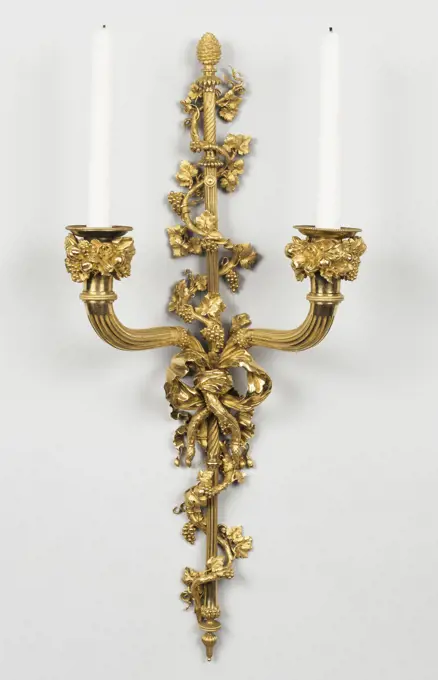
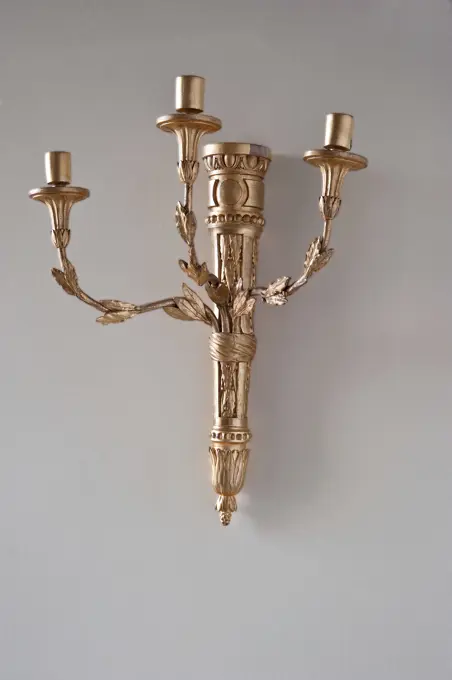
Set of Four Wall Lights; Model by Claude-Jean Pitoin (French, active about 1777 - 1784 (master 1778)), casting and chasing attributed to Louis-Gabriel Féloix (French, 1729 - 1812 (master 1754)); Paris, France; 1781; Gilt bronze;
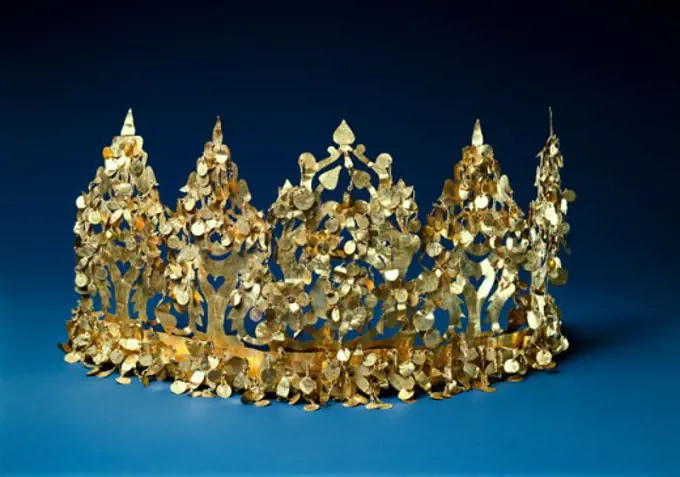
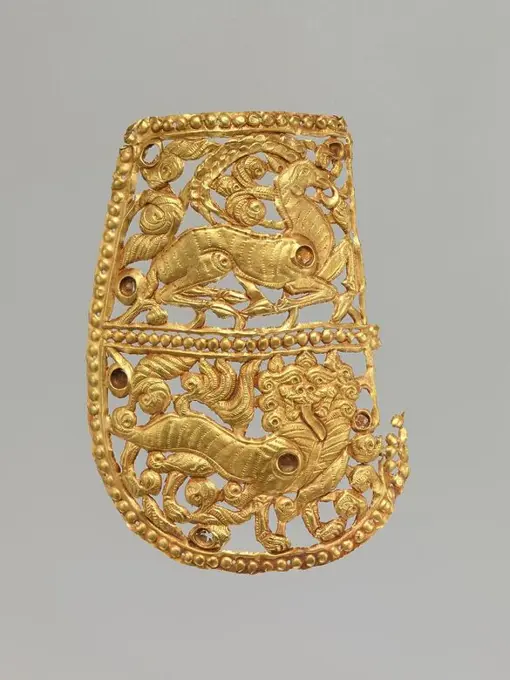
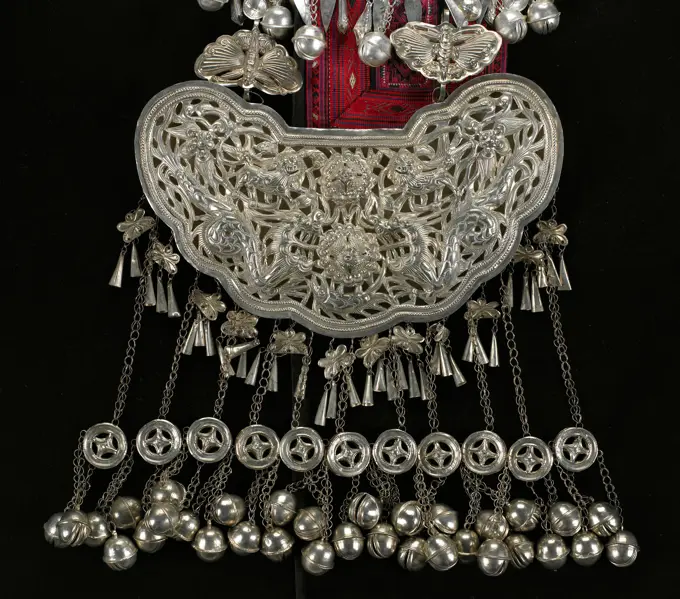
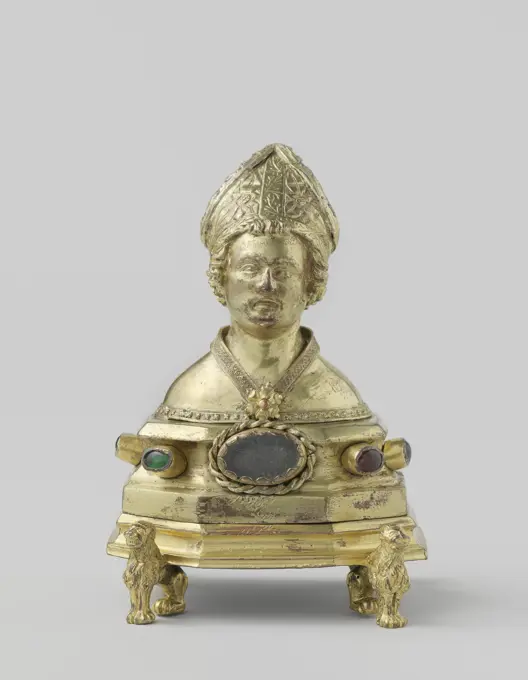
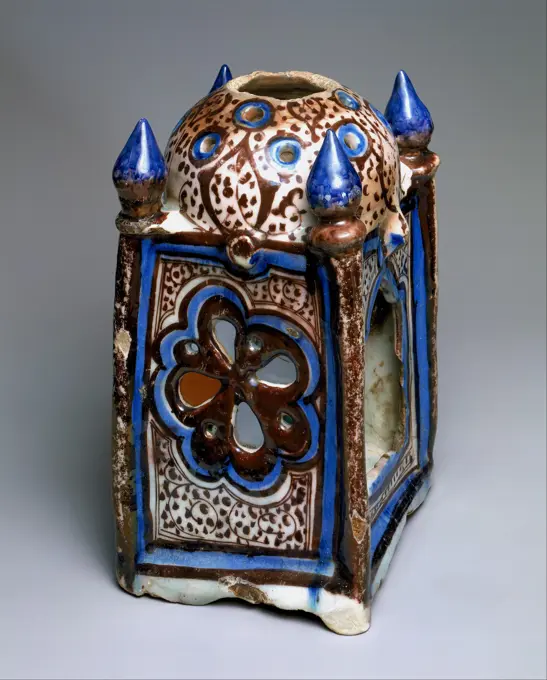
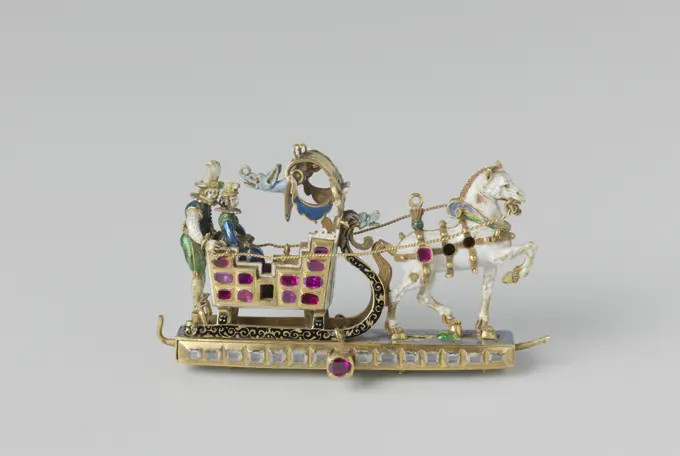
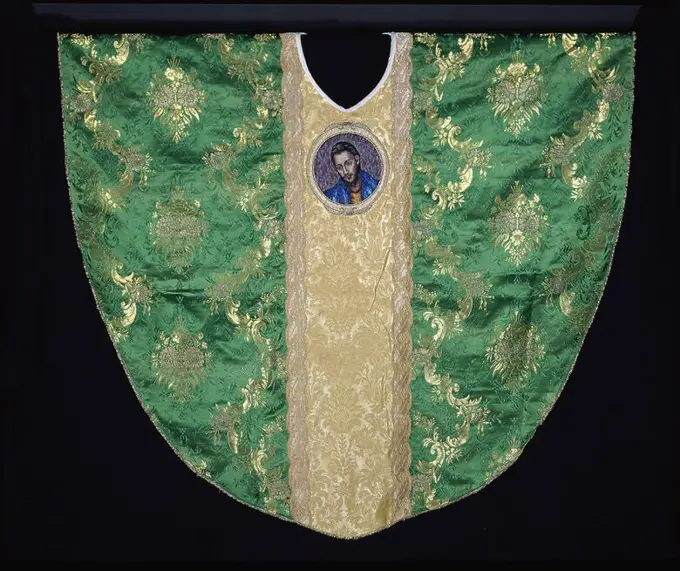
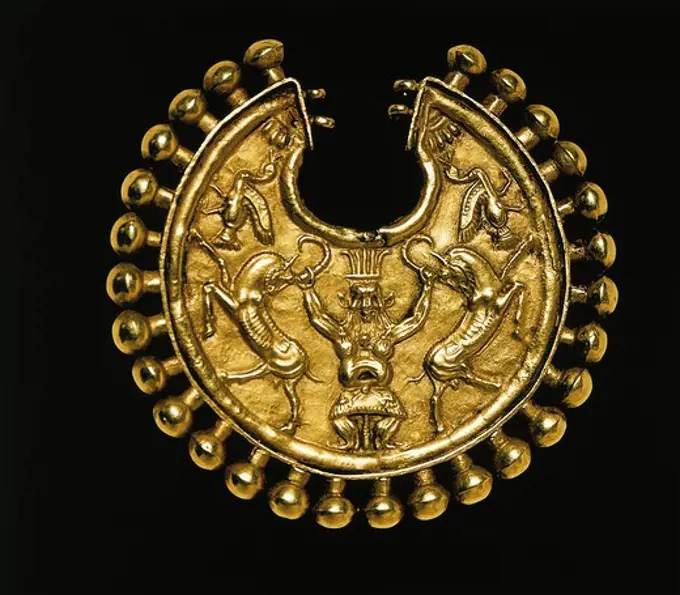
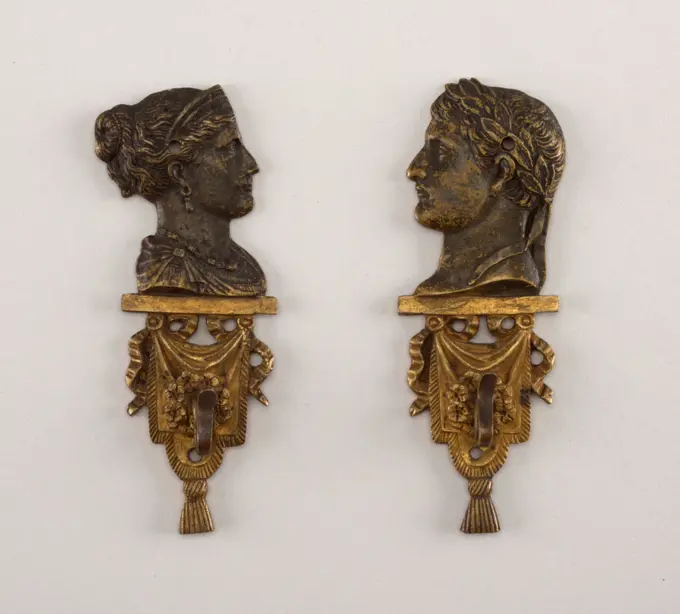
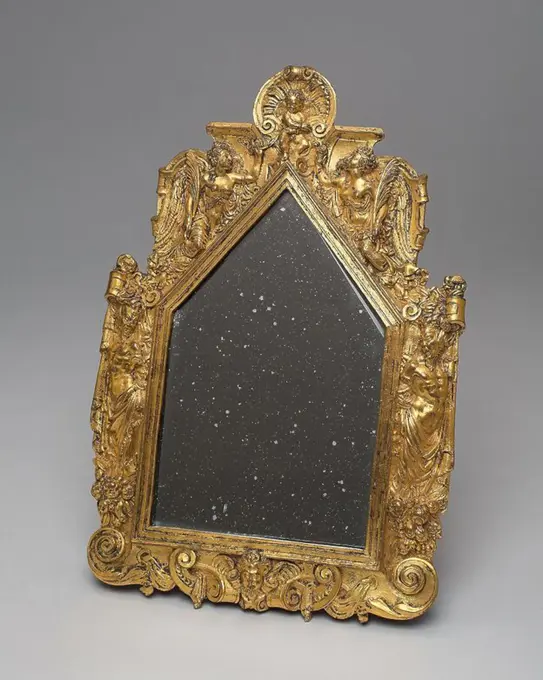
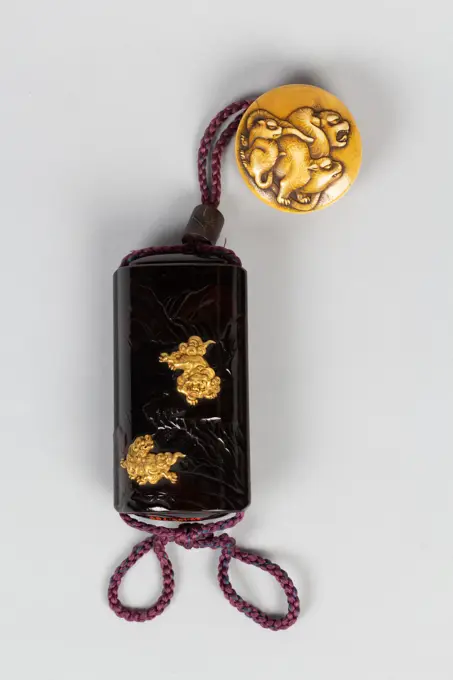
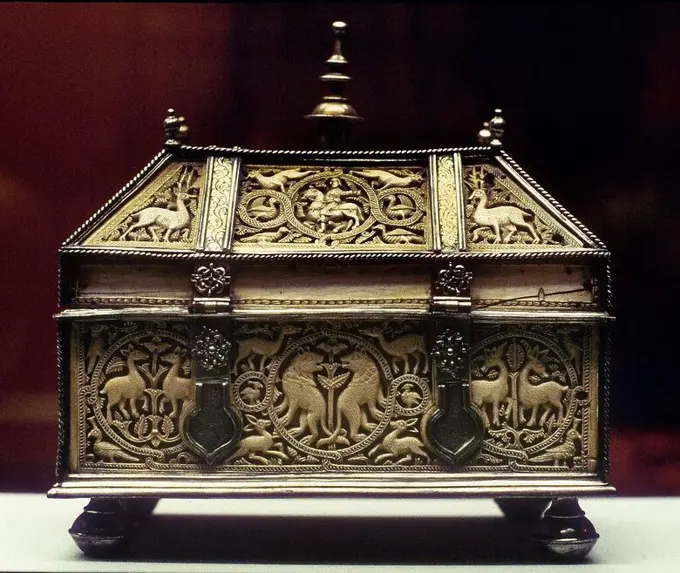
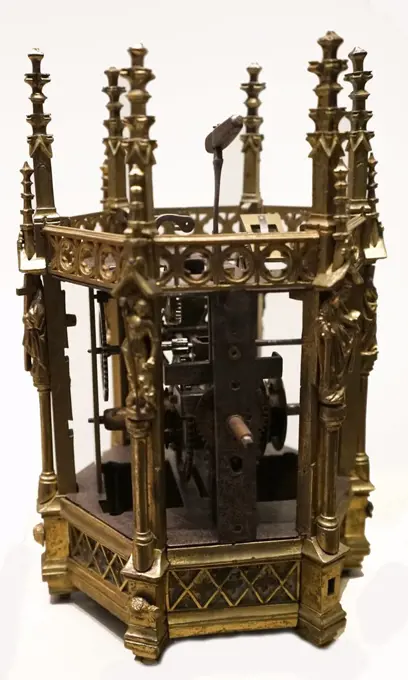
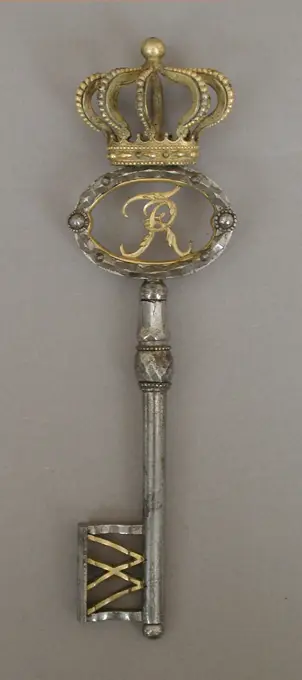
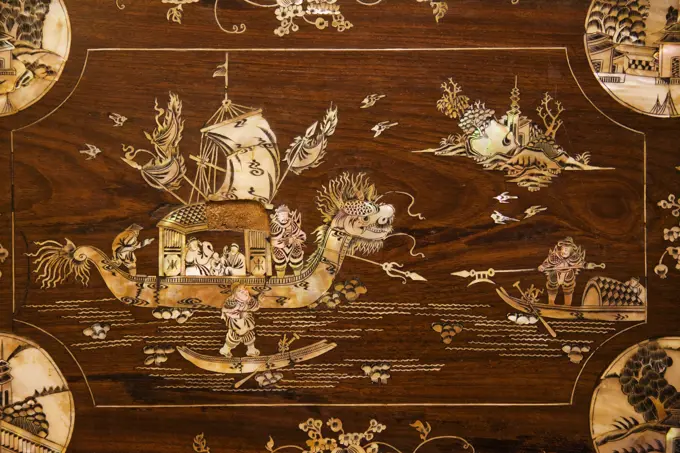
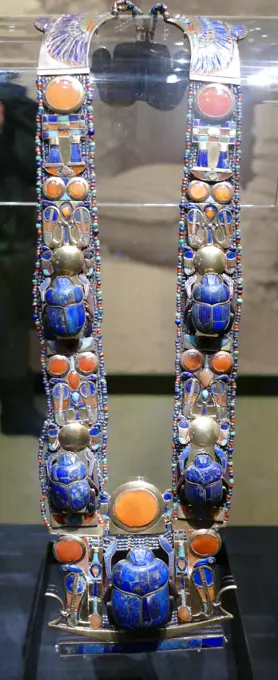
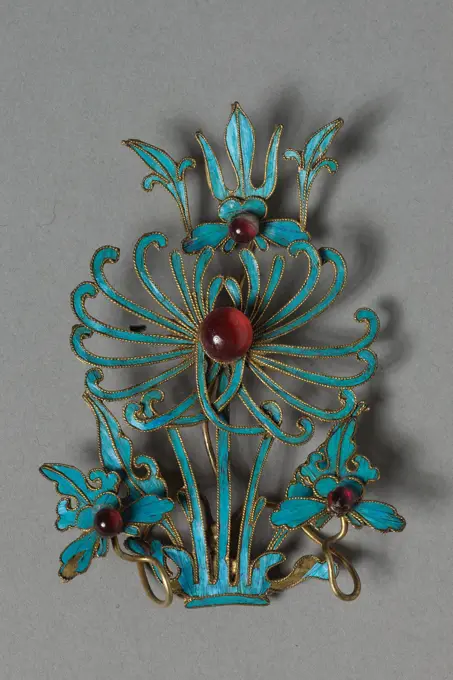
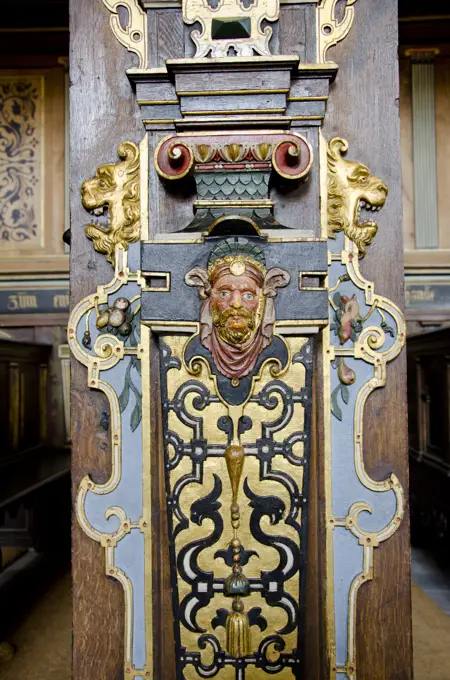
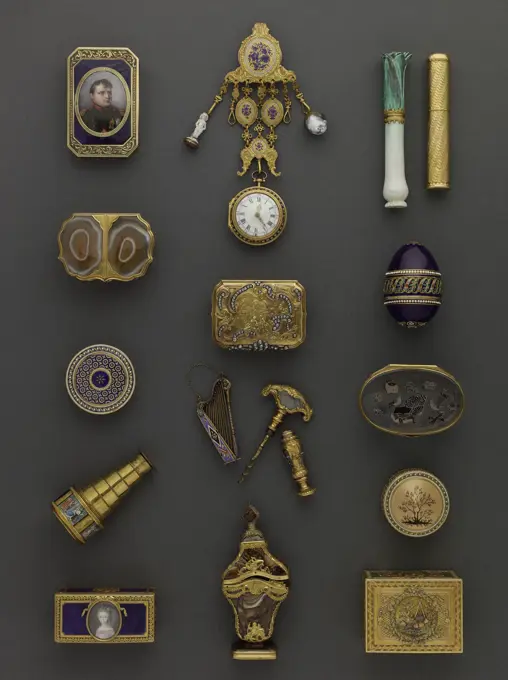
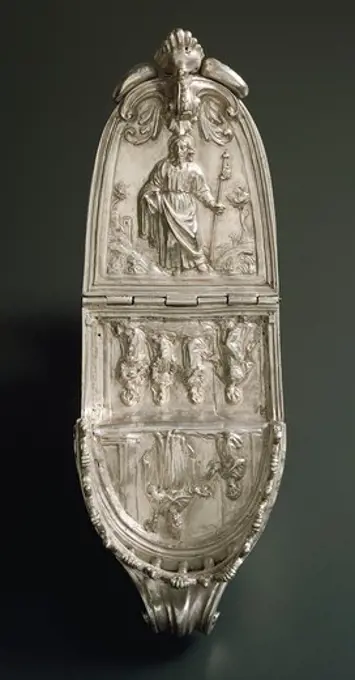
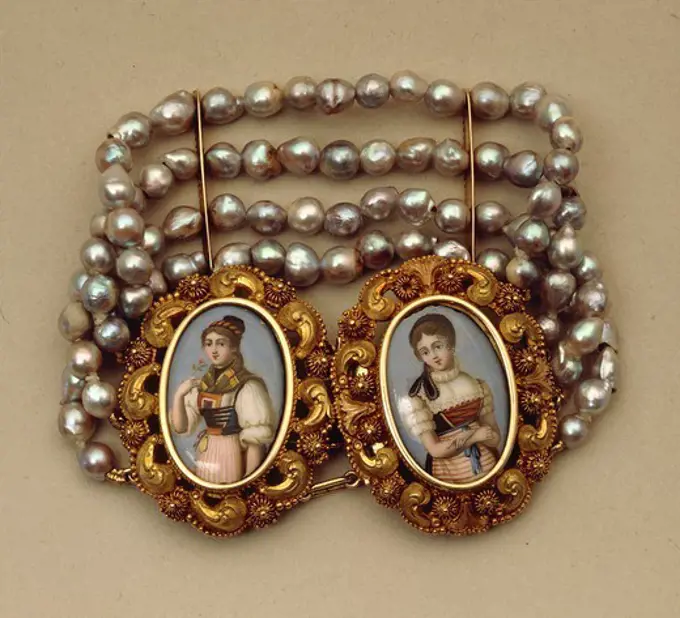
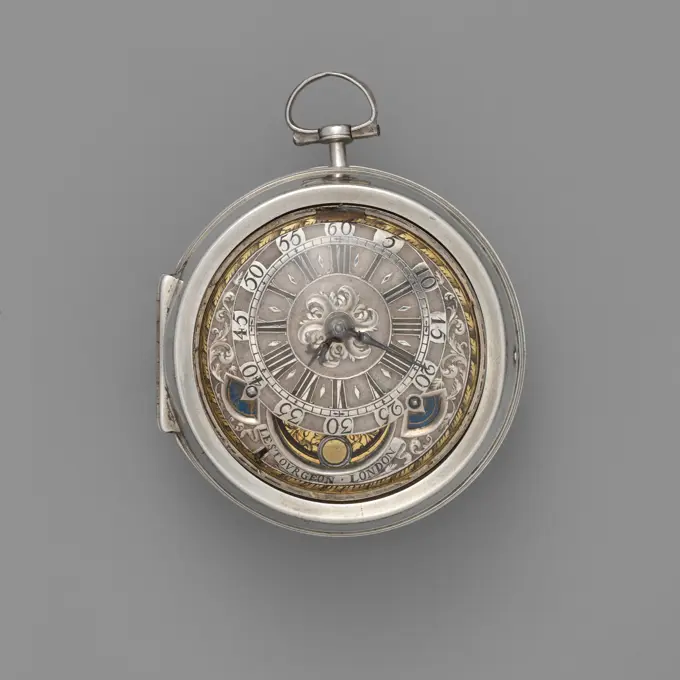
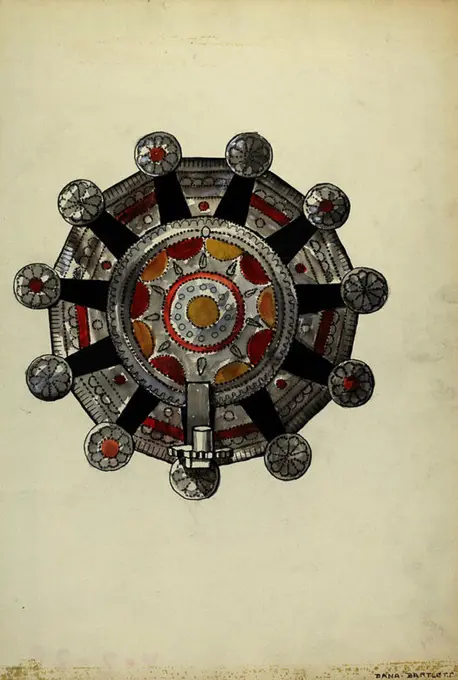
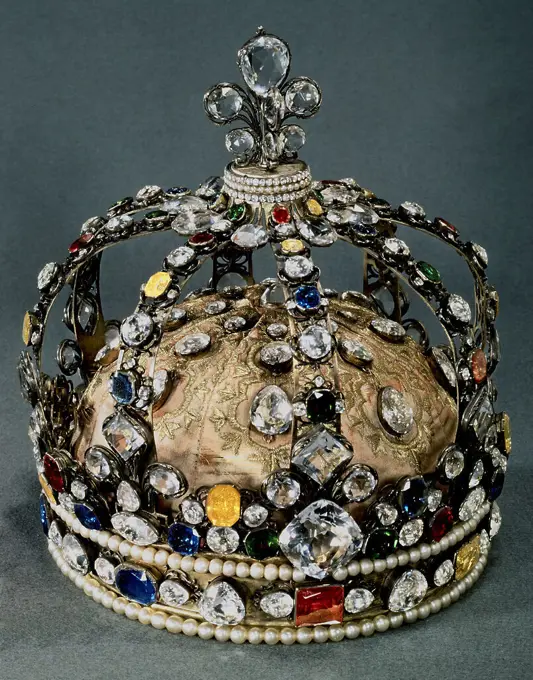
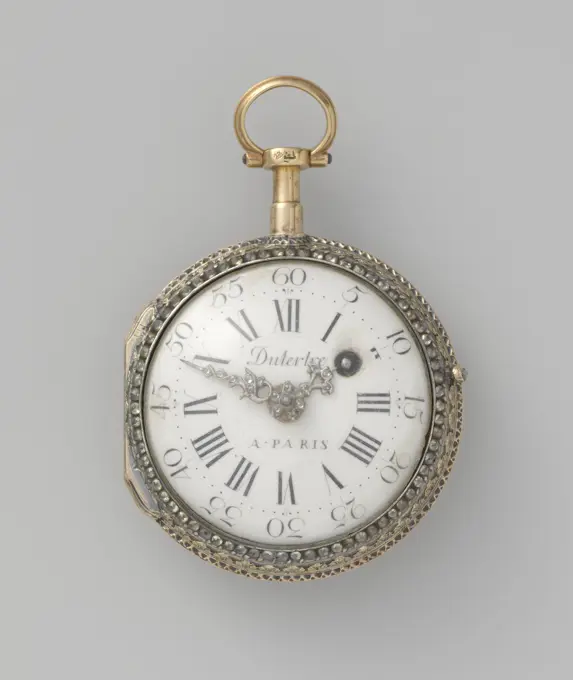
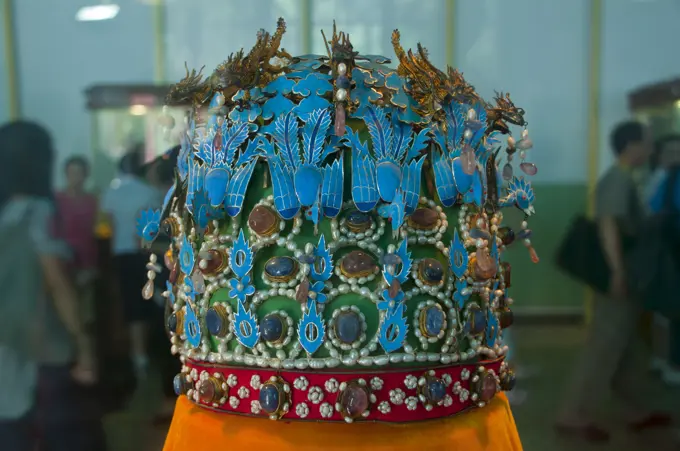
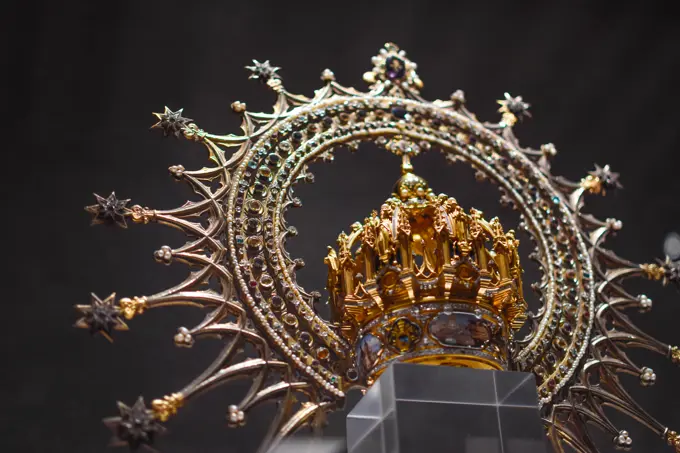
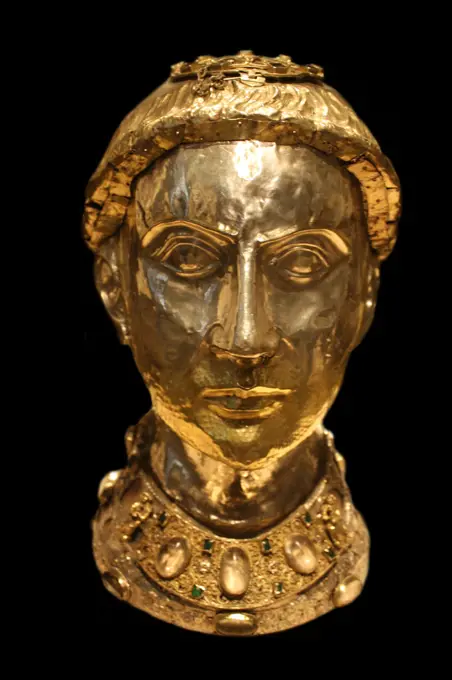
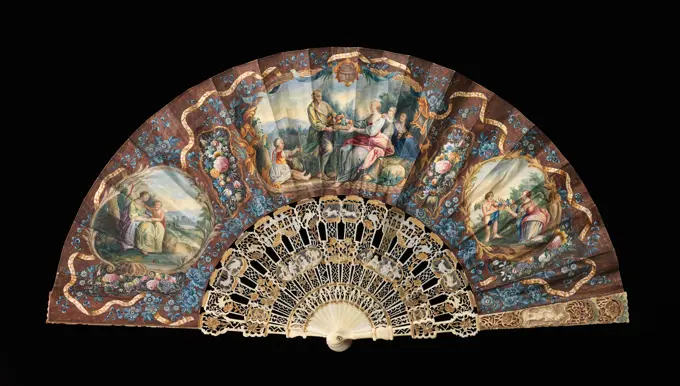
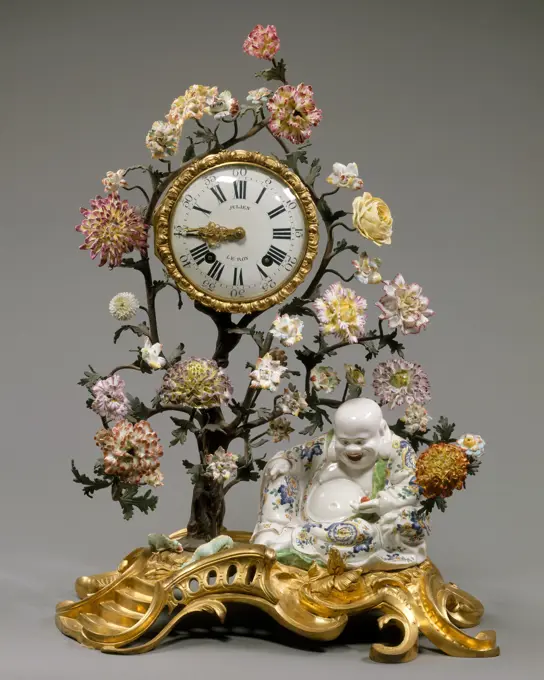
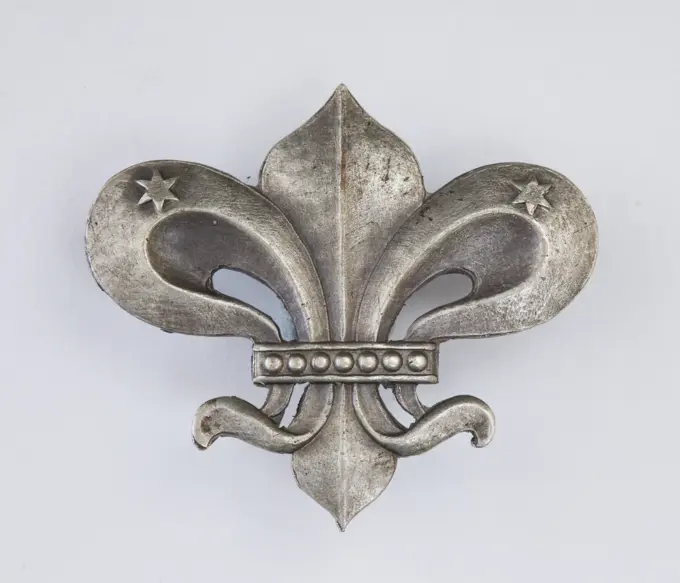
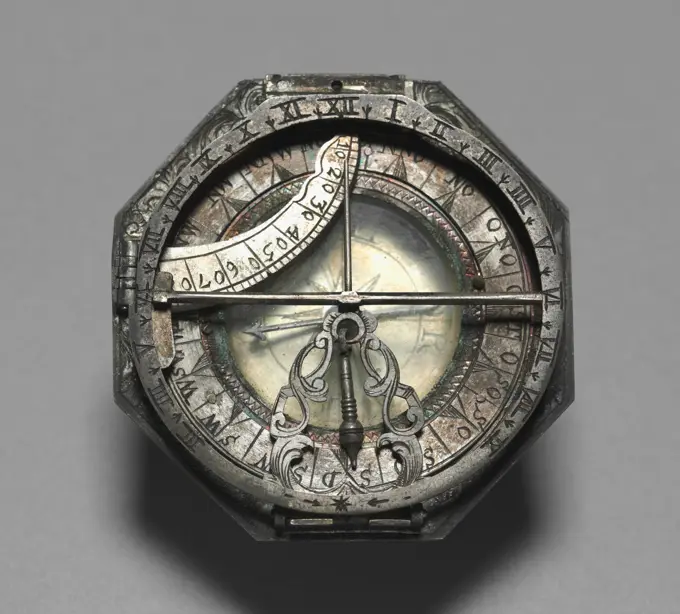
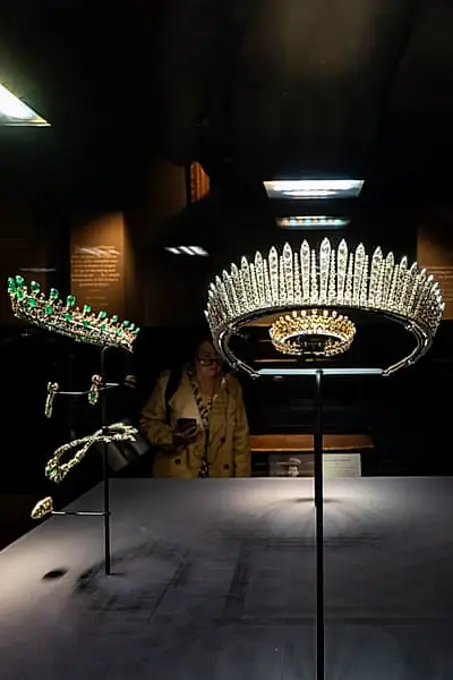
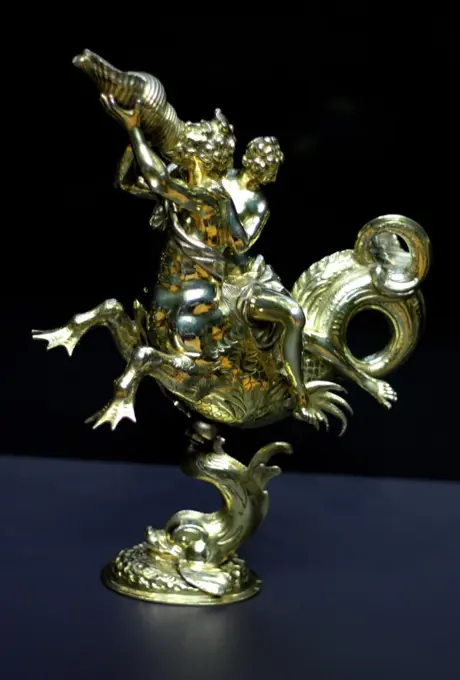
Ewer in the shape of a triton and a nereid. Johannes Lencher (c. 1573-1637) Augsburg, c 1620. silver gilt. This flagon in the form of a freestanding sculpture seems to defy the law of gravity. The stem is shaped like a dolphin with its tail curled up. Balancing on its tail fins is a triton, a sea creature with the torso of a man and the legs of a horse. A nereid - a sea nymph - sits on his back.Bactrian Gold: Crown Artist Unknown Kabul Museum, Afghanistan vintage golden frame vintage golden frame on the wall Copyright: xZoonar.com/OxanaxRishnyakx 4367681Badges of the Militia of the Municipal City of WarsawHair Ornament, ca. 1830; seed pearls, mother-of-pearl, gold, fiber; L x W (approx.): 13 x 4.5 cm (5 1/8 x 1 3/4 in.)Reliquary. Culture: Italian. Dimensions: Overall: 16 15/16 x 9 1/8 x 7 5/8 in. (43 x 23.2 x 19.4 cm). Date: 15th century, with modern additions. Museum: Metropolitan Museum of Art, New York, USA.Clothing Plaque with Antelope and Tiger. Culture: China (Xinjiang Autonomous Region, Central Asia). Dimensions: H. 4 1/4 in. (10.8 cm); W. 3 in. (7.6 cm). Date: 7th-9th century.The nomadic communities of Central Asia used such plaques to embellish clothing and horse trappings. As these nomadic cultures herded animals and were constantly moving, their artistic production was expressed in portable objects that marked the wearer's status and wealth. The outstanding preservation of these fragile ornaments suggests they were used in conjunction with burials, where the body was aggrandized with valuable textiles and augmented with gold. Although it is difficult to date and place these objects geographically, their presence in Central Asia and has a long, established history. Museum: Metropolitan Museum of Art, New York, USA.LatchCollar, 10 3/4 x 9 3/16 x 1 1/2 in. (27.31 x 23.34 x 3.81 cm) (excluding top clips and chain), Silver, ChinaMountColgante, obra de Lluís Masriera i Rosés, siglo XX. Colección privada.Reliquary, anonymous, c. 1450 The object consists of the following cast and ciseled main parts: the bust with the pedestal, the base under the pedestal and the four lions. The bust represents a bishop, a middle -aged man, with a shaved face, curly to the neck reaching hair and a few locks, who just come under the miter above the forehead. The miter covered from above is decorated with tires, which are both applied along the edges and over the middle to the miter points. They are equipped with engraved rank or traced with cast leaf work. In the thus resulting surface division, two -large and three small leaves have been quoted and engraved on the front against an engraved background, two small rosettes on the sides and two stylized leaves on the back. Two slippery hinged are attached to the back of the miter. On the transition from bust is a border with four passes. A loose engraved and sliced tired tire is applied around the neck, which is attached to the chest with a six -point rosettMount (France), mid-late 19th century; gilt bronzeSibyls Casket, 16th century object. Waddesdon Bequest Gallery at the British Museum, London, United Kingdom. Architect: Stanton Williams, 2015.Locket; mother-of-pearlCeramic Lantern early 13th century This lantern presents a classic example of Raqqa lusterware in its stonepaste body composition, overglaze lusterpainting technique, and decorative motifs, which closely resemble those on the other lusterware objects in the collection. Its form, however, is unusual. Modeled from slabs and rolls, it resembles a square domed building, articulated at each corner by a column and finial.. Ceramic Lantern 444484Sconce, Quill-work, silver, glass, and black-painted pine, Within the glazed wooded frame which is crested with pierced scrollings and foliations is enclosed a quill-work composition of scrolls and flowers, roses, tulips, carnations, etc. in a vase. A siler bracket at the base receives the S-curved arm which terminates in candle-holder and drip pan., Boston, Massachusetts, USA, ca. 1720, lighting, Decorative Arts, Sconce, Sconce, Quill-work, silver, glass, and black-painted pine, Within the glazed wooded frame which is crested with pierced scrollings and foliations is enclosed a quill-work composition of scrolls and flowers, roses, tulips, carnations, etc. in a vase. A siler bracket at the base receives the S-curved arm which terminates in candle-holder and drip pan., Boston, Massachusetts, USA, ca. 1720, lighting, Decorative Arts, SconceInner box of Zoutvat, Wijnand Warneke (attributed to), 1791 An inner box of faceted, colorless glass. Amsterdam glass An inner box of faceted, colorless glass. Amsterdam glassEmbroidered coat ofarms.   Subject Probably made at: Misses Ann and Elizabeth Cummings School, American, 1768-1776Korea, Seoul, Golden crown, found in tomb near KoryongGoldsmith's art, Italy, 19th century. Gold demi parure with cameos attributed to Fortunato Pio Castellani (1794-1865), 1820-1825. Detail.Pair of Candlesticks, late 1400s. Italy, probably Tuscany, late 15th century. Carved and gilded wood; overall: 49.6 cm (19 1/2 in.).Municipal Judge badge in LatviaBow Of Prince Frederick's barge Greenwich UKPendant with male and woman in a horse -drawn sleigh, anonymous, c. 1600 Gold pendant. Representing a horse -drawn sleigh pulled by a horse. There is a woman in the sled and behind her is the man. Southern Germany gold (metal). diamond (mineral) Gold pendant. Representing a horse -drawn sleigh pulled by a horse. There is a woman in the sled and behind her is the man. Southern Germany gold (metal). diamond (mineral)CASULLA - BORDADO. Author: MARIA DOLORES SERRES SENA. Location: PRIVATE COLLECTION. MADRID. SPAIN.DETALLE - CORONA VOTIVA DE RECESVINTO - ARTE VISIGODO - TESORO DE GUARRAZAR - SIGLO VII. Location: MUSEO ARQUEOLOGICO NACIONAL-COLECCION. MADRID. SPAIN.Pere Moragues / Custodia-Relicario de los Sagrados Corporales de Daroca, 1384. Plata dorada con esmaltes traslúcidos sobre madera.Frame; cast and gilt bronzeAchaemenid civilization, Gold earring with relief depicting god Ahura-Mazda, 6-4th century b.c.Halo, 13th Century. Tibet, 13th century. Bronze; overall: 23.2 x 19.5 cm (9 1/8 x 7 11/16 in.).OSTENSORIO. Location: MUSEO DE ARTE SACRO. Padrón. A CORUÑA. SPANIEN.Silversmith's art, France, 16th century. Pierre Mangot's casket in engraved and cast gilded silver, enamel, jasper, garnet, agate, pearls. Paris, 1533-1534.Tie BackRelicario de San Lorenzo del siglo XVI. Museum: VICTORIA AND ALBERT MUSEUM, NAPOLES, UK.Clock-watch ca. 1740-80 Watchmaker: Firm of Markham, Marwick, Perigal. Clock-watch. British, London. ca. 1740-80. Gilt metal, horn, enamel. HorologyElements of the order of the horseBadges of the abstinence society FutureChandelier 1795-1810 British. Chandelier 1967Sconce. unknown, authorAbruzzo, L'Aquila, Celano, Museum, Italy, 20th century, photo, photography, EuropeMirror with Gilt Bronze Frame. French; probably Paris. Date: 1550-1580. Dimensions: 20.9 × 13.9 cm (8 1/4 × 5 7/16 in.). Gilt bronze, mirrored glass. Origin: Paris. Museum: The Chicago Art Institute, Chicago, USA.Censer, by Unknown artist, 12th Century, silver, partially gilded, embossed and perforated. Italy: Veneto: Venice: San Marco Basilica: Tesoro. Whole artwork. Censer incense burner gold silver embossments fretworks decoration apses cupola/domes towers spires figuresWall Bracket , c. 1650-75. France, 17th century. Carved and gilt wood; overall: 56.4 x 49.1 x 26.4 cm (22 3/16 x 19 5/16 x 10 3/8 in.).RVD / Royal House photo collection. Waterbijbel (Palace Het Loo) offered to King Willem III. zd}Repeater watch. Culture: British, London. Dimensions: Diameter: 2 1/8 in. (5.4 cm). Maker: Watchmaker: William Webster (British, Clockmakers' Company 1710-34, died 1735); Renaud. Date: 18th century. Museum: Metropolitan Museum of Art, New York, USA.vintage golden frame vintage golden frame on the wall Copyright: xZoonar.com/OxanaxRishnyakx 4395251Wall Clock, c. 1750-1760. France, 18th century. Gilt bronze; overall: 116.9 x 50.8 x 27.7 cm (46 x 20 x 10 7/8 in.).Case (Inr) with Design of Shishi Dogs beside Rocks and Waterfall 18th-19th century Japan. Case (Inr) with Design of Shishi Dogs beside Rocks and Waterfall. Japan. 18th-19th century. Lacquer, roiro, yamimakie, black hiramakie, takamakie, gold metal inlay; Interior: gyobu nashiji and fundame. Edo period (1615-1868). InrARQUETA DE MARFIL HISPANOMUSULMANA - SIGLO X - PERIODO CALIFAL - VISTA TRASERA. Location: VICTORIA AND ALBERT MUSEUM. LONDON. ENGLAND.15th Century hexagonal clock in gothic style. Dated 1450Palace key late 18th-early 19th century German. Palace key. German. late 18th-early 19th century. Steel, parcel-gilt. Metalwork-SteelChrome Bathroom faucet Close upLatchBarometer-thermometer (baromètre et thermomètre). Artist: Porcelain plaques by Sèvres Manufactory (French, 1740-present). Culture: French. Dimensions: Overall: 40 1/2 × 11 × 3 3/8 in. (102.9 × 27.9 × 8.6 cm). Maker: Claude-Siméon Passemant (1702-1769). Date: 1769.The scenes displayed on the Sèvres porcelain plaques of this instrument were inspired by a rare astronomical event that occurred twice during the eighteenth century. The second transit of the planet Venus across the sun took place on June 3, 1769, and was observed by the French court from the terraces of the Chteau de Saint-Hubert. Louis XV himself explained the phenomenon to Madame du Barry, lending her his telescope. This public display of favor did not go unnoticed and was quickly immortalized in a popular poem. Later that same year, on December 20, 1769, Madame du Barry acquired from the dealer Simon-Philippe Poirier a barometer and thermometer made by Claude-Siméon Passemant, engineer to the king. Mounted with Sèvres poCarolingian Reliquary. UnknownBELEN DE PLATA,ORO Y MARFIL-. Author: MARMOLEJO FERNANDO. Location: MUSEE D'ARTS DECORATIFS. MADRID. SPAIN.Goldsmith's art, Italy, 18th century. Gold, pearls and rubies earrings.Andiron (Chenet) (2 of 2), 1752. Jacques Caffieri (French, 1678-1755). Gilt bronze; overall: 44.2 x 54.6 x 14 cm (17 3/8 x 21 1/2 x 5 1/2 in.).Medallion from a Coffret ca. 1210 French. Medallion from a Coffret 464657A clock with the coat of arms of Samuel Askie;  1607 (1607-00-00-1607-00-00);Judkiewicz, Jakub (1915-)-collections, Korab (coat of arms), Vanitas (iconogr.), Two-headed eagle, tsarist, Łaski, Samuel Gotard (post 1553-1611)Reliquary, Monstrance 15th century German. Reliquary, Monstrance 464473 German, Reliquary, Monstrance, 15th century, Copper-gilt, silver-gilt, glass, Overall: 17 13/16 x 7 3/16 x 5 1/8 in. (45.3 x 18.3 x 13 cm). The Metropolitan Museum of Art, New York. Gift of J. Pierpont Morgan, 1917 (17.190.508a)Three Amulet Cases 1800-79 Amulet cases were used to hold holy objects or written prayers, believed to protect the wearer from evil.Vietnam,Hanoi,National History Museum,Wooden Tray with Mother of Pearl Inlay depicting Dragon Boat on Water,Late 19th CenturyGold Inlaid Pectoral Chain, and Counterpoise with Lapis Scarab Flanked by Uraei. from the tomb of King Tutankhamen 1336 - 1326 B.C.plastic twigs of tree in carved brass indian vase plastic twigs of tree in carved brass indian vase isolated on white background Copyright: xZoonar.com/ValeryxVoennyyx 15362750Headdress Ornament, 1800s-1900s. China, Qing dynasty (1644-1911). Copper-silver alloy, gilding, kingfisher feathers, glass beads; overall: 7.2 x 5.1 cm (2 13/16 x 2 in.).verziertes antikes goldenes Uhrengehäuse mit floralem Emaille-Detail this exquisite antique clock box features rich gold detailing and delicate floral enamel work. the open box reveals a classic clock face with roman numerals, evoking a sense of vintage luxury and historical craftsmanship. perfect for collectors of antique timepieces and decorative objects. LicenseRF Copyright: xZoonar.com/GallóxGusztávx 23315928Denmark, Helsingoer. Kronborg Castle (aka Kronborg Slot). Ornate carved wooden chruch pew.French, Swiss, German and English goldsmiths. Boxes and goldsmiths 18th century. Paris, Cognacq-Jay museum. 56640-2 German, box, key, French emperor, french, harp, musical instrument, watch, object, ofevrery, golden, portrait, SwitzerlandSilversmith's art, Italy, 17th century. Unknown Florentine artist, silver boat, 1642. From Florence. Detail of the lid.Goldsmith's art, 19th century. Baroque pearls bracelet, gold filigree clasp and Geneva enamel miniatures.Watch ca. 1702 Watchmaker: David Lestourgeon Pendulum watches attest to the success of the pendulum clock, although in reality these watches employ the standard balance for controlling the escapement. The movement is inverted in its case so that the balance is directly under the dial, and a bob attached to the balance shows through the crescent-shaped slot in the dial, where its oscillations resemble those of a true pendulum. Lestourgeon, a master clockmaker in Rouen in 1660, moved to London in 1681, no doubt as the result of the increasing intolerance of Protestants in France. He became a member of the London Clockmakers Company in 1698.. Watch. British, London. ca. 1702. Outer and inner cases: silver; Dial: champlevé silver. HorologyDouble Column. Culture: French. Dimensions: Overall (a: Capital): 16 1/2 x 21 3/4 x 13 3/8 in. (41.9 x 55.2 x 34 cm)Overall (b: Base): 8 3/4 x 19 3/8 x 10 3/4 in. (22.2 x 49.2 x 27.3 cm). Date: 13th-14th century. Museum: Metropolitan Museum of Art, New York, USA.Pyx 14th century French. Pyx 464087Cut Tin Candle Holder. Dated: 1935/1942. Dimensions: overall: 35.5 x 24.2 cm (14 x 9 1/2 in.). Medium: watercolor and pen and ink on paper. Museum: National Gallery of Art, Washington DC. Author: Dana Bartlett.CORONA DE LUIS XV-ORO Y PIEDRAS PRECIOSAS. Location: MUSEO DEL LOUVRE-ORFEBRERIA. France.Clock puts a gallant lady, Firma Dutertre, c. 1775 - C. 1800 Gold watch, with Décor à Quatre Couleurs. On the rear bottom a ladies portrait in a edge of diamonds. Parisclockmaker: Parisjeweler: France (possibly) gold (metal). diamond (mineral) Gold watch, with Décor à Quatre Couleurs. On the rear bottom a ladies portrait in a edge of diamonds. Parisclockmaker: Parisjeweler: France (possibly) gold (metal). diamond (mineral)Pendant in the form of a mandolin, anonymous, c. 1600 Pendant of gold, email and precious stones, in the form of a mandolin. Germany gold (metal). pearl. emerald (mineral). ruby (mineral) Pendant of gold, email and precious stones, in the form of a mandolin. Germany gold (metal). pearl. emerald (mineral). ruby (mineral)Crown inside the Ming Tombs, UNESCO World Heritage Site, Bejing, China, AsiaBinz auf Rügen, Granitz hunting lodge, built between 1837 and 1846 by Johann Gottfried Steinmeyer on behalf of Prince Wilhelm Malte I zu Putbus, hall on the upper floor, ceiling detailGoldrosette with emeralds from Christianity and crown inside, medieval jewelry gold rosette with emeralds from Christianity and crown inside, medieval jewelry copyright: xzoonar.com/carlosxandresxandresxSubiratsx 23139292Germany, Bavaria, Munich, Bavarian National Museum, Historical Clock from the Meissen Porcelain Factory with French Movement dated 1787Sketch of medieval skeleton keys, adorned by victorian fleur-de-lis forged ornaments on bows. May be used as tattoo, t-shirt print or embellishment design. Sketch of medieval skeleton keysAstronomische Uhr am Rathaus in Worms Astronomische Uhr am Rathaus in Worms Copyright: xZoonar.com/VolkerxRauchx 18808799Reliquary Bust of Saint Yrieix. Silver and gilded silver with rock crystal, gems and glass. French, Limoges, from the Church of Saint-Yrieix-la-Perche. Made about 1220-40, with later grill.Fan third quarter 18th century probably Dutch The pierced decoration of the sticks on this fan is unusually detailed, refined and complex. They were undoubtedly imported from China, where techniques for fine ivory carving had been practiced for centuries. The scenes of affectionate family life have a particular intimacy when depicted on a personal accessory. The still life imagery on the reverse leaf evokes Dutch still life paintings.. Fan 156574Ceremonial Knife, Peru; 9th-11th century. Hammered gold, turquoise inlay.Mantel clock ca. 1745-49 Clockmaker: Julien Le Roy During the eighteenth century in Europe, enthusiasm for objects from Asia was far from new. Imported Chinese porcelain and Japanese lacquers had been highly prized throughout the seventeenth century, and a variety of Chinese-inspired ornamental motifs as well as direct copies began to appear on a range of European-made objects. This clock incorporates the figure of Pu-tai Hi-Shang, a Chinese apostle of the Buddha. Made at the porcelain manufactory established by the Prince of Condé at his chteau at Chantilly, it is a literal copy of a blanc de chine model imported to Europe in the first half of the eighteenth century. A number of the soft-paste porcelain flowers were also made at Chantilly (the hard-paste flowers are later replacements). The porcelain figure is placed on a gilt-bronze base of exuberantly rococo form which is stamped in numerous places with the crowned C, a tax mark in use between February 1745 and February 1749.JulienFans on display, Seville, Spain, EuropeMyanmar (Burma) Yangon Shwedagon Pagoda Unpublished image 6. Swaan, Wim. 1966 or earlier Photographic production materials for Lost Cities of Asia: Ceylon, Pagan, Angkor Photographs of architecture were selected and digitized from these materials. Portraits, ethnographic images, and images of museum objects were excluded. Digital images are arranged geographically, first by country, then by city, then by site complex or monument, with all names in alphabetical order. Location names are derived from the Getty Thesaurus of Geographic Names (TGN)®, Library of Congress subject headings, and scholarly publications. Published images are followed by unpublished images. Versos of prints and slide mounts were not digitized. The information in any handwritten identifications found on these surfaces was incorporated into the metadata for individual images. All digital images are cropped to the edge of the frame and are not color-corrected. Photographic production materials for Lost Cities of AsiaLilijka Polish scoutCompass and Sun Dial, 1700-1750. Germany, Augsburg(), 18th century. Silver; overall: 6.4 cm (2 1/2 in.).Apostles Beaker and Cover (Apostelhumpen). Germany, circa 1600-1650. Furnishings; Serviceware. Glass, enamel, giltLondon, United Kingdom - 18 May 2025: Magnificent diamond and emerald tiara on display at Kensington PalaceDisplay weapons armour city palace, rajasthan, india, asia Copyright: xRupinderxKhullar/DinodiaxPhotoxCoat of Arms, Colonial Hotel, Grand Hotel de Angkor, Siem Reap, Cambodia, Southeast Asia, Asia