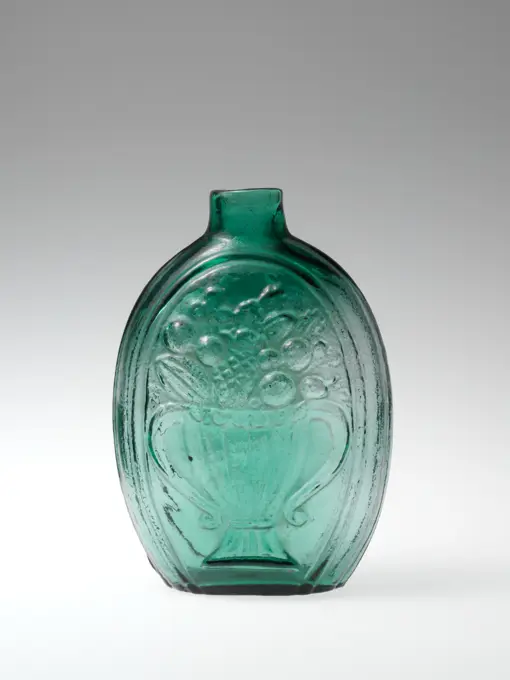
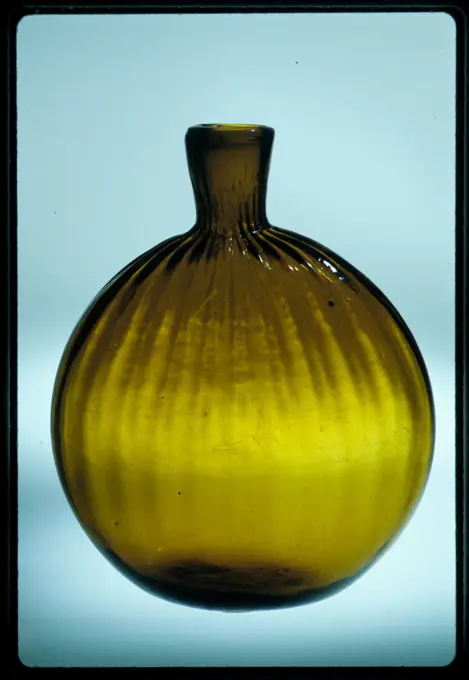
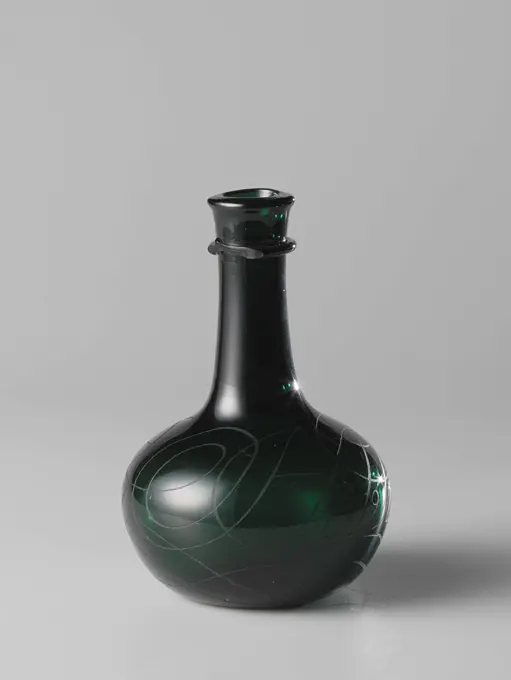
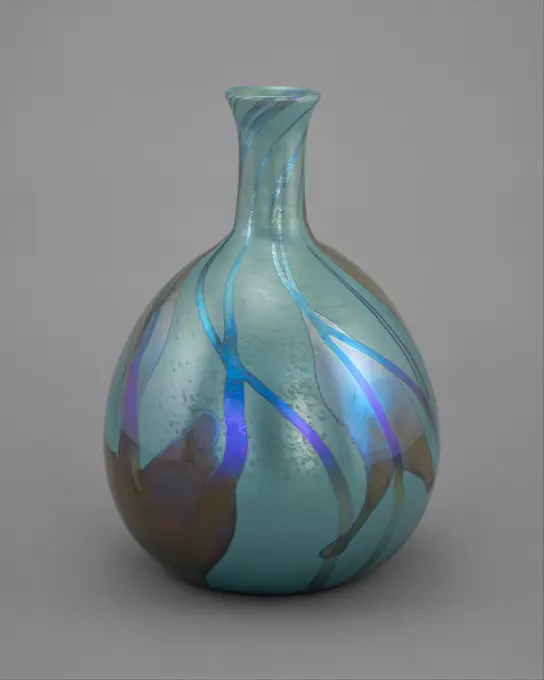
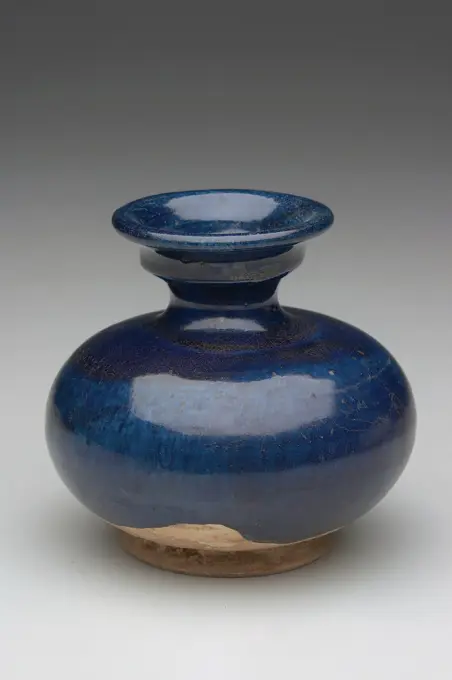
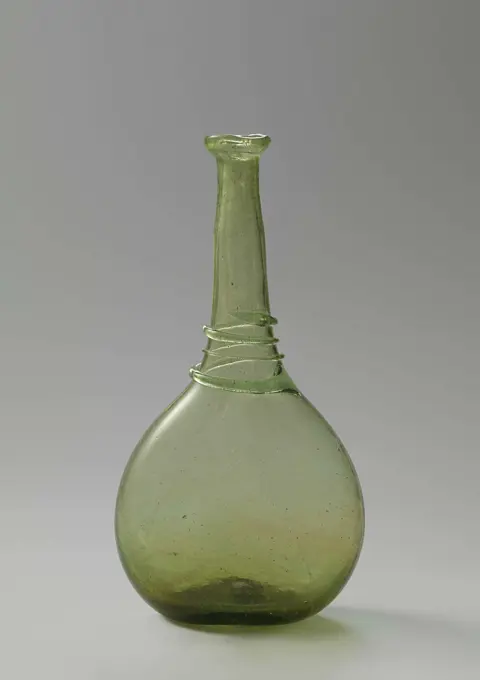
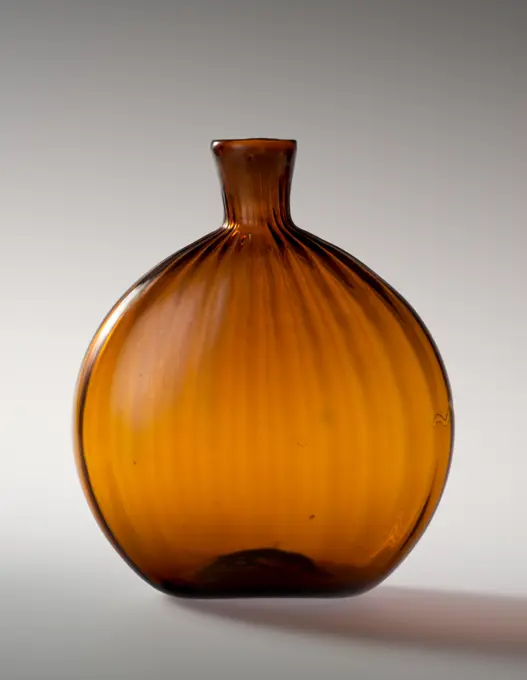
Elegant Porcelain Vases

A collection of exquisite porcelain vases featuring various glazes, including greens and blues, with intricate designs and historical significance.
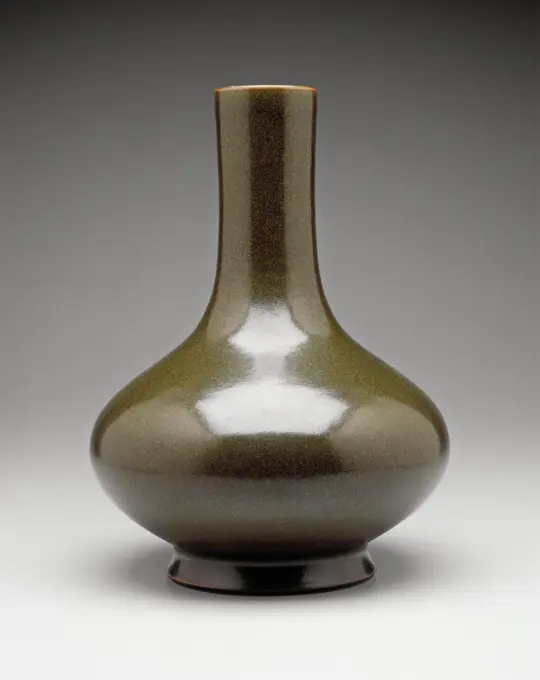
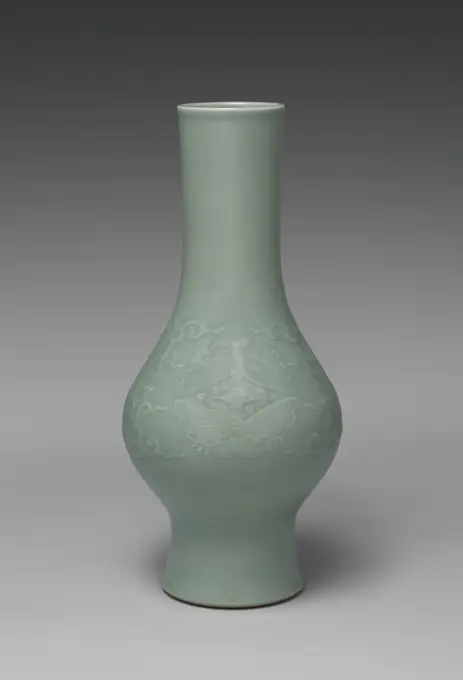
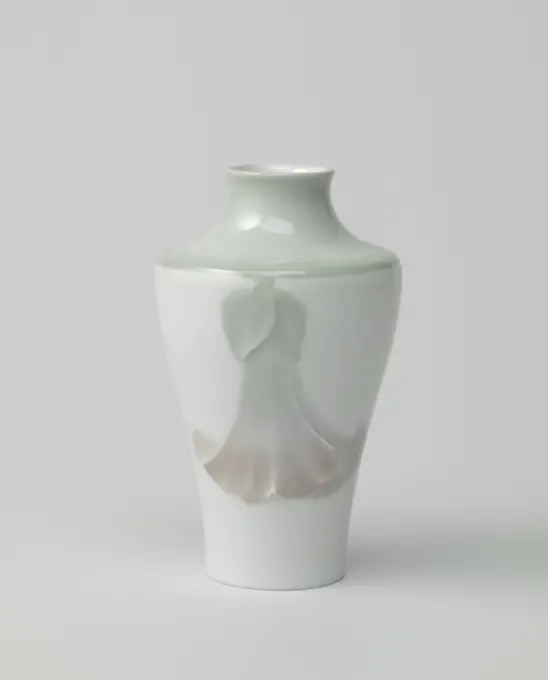
Vase, 18th century, 13 x 9 3/4 in. (33.02 x 24.77 cm), Porcelain with 'teadust' glaze, China, 18th century
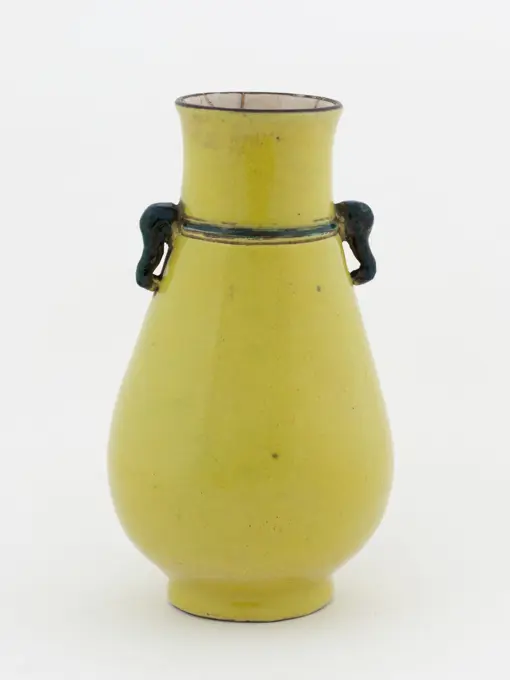
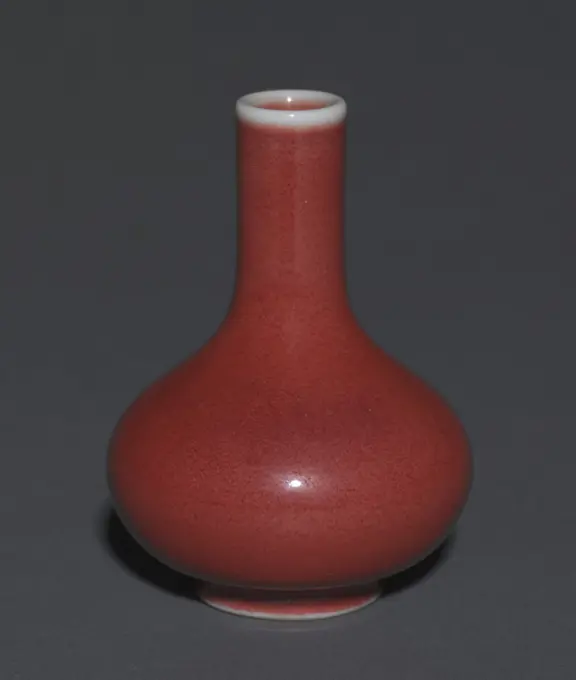
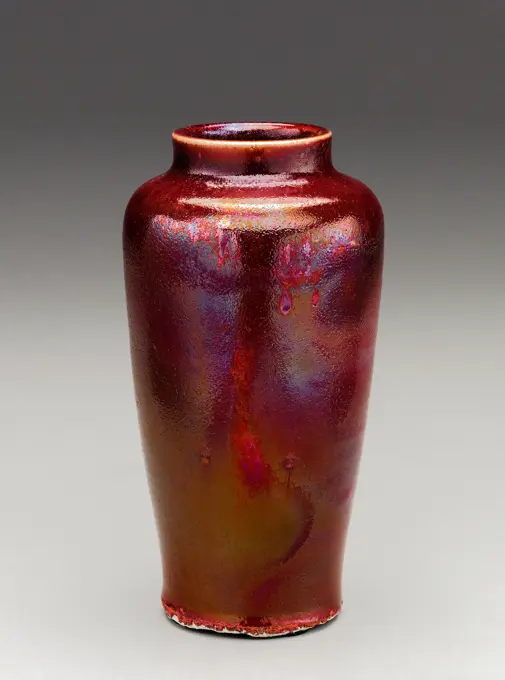
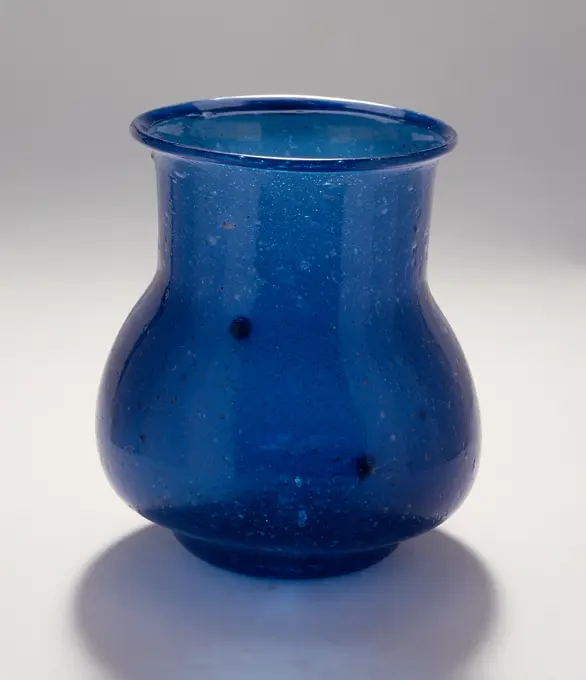
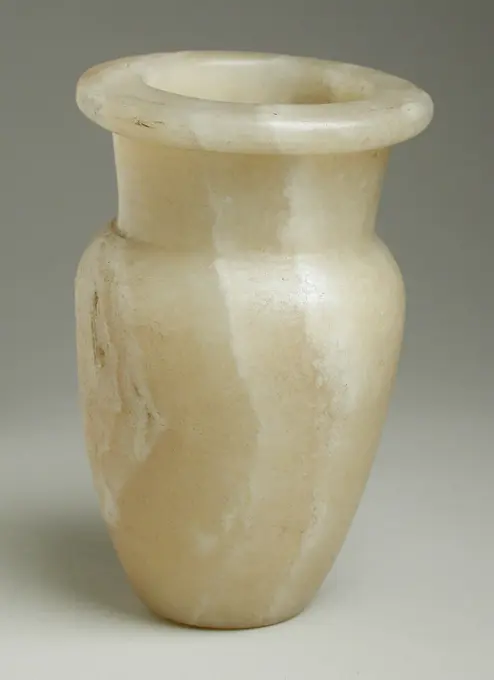
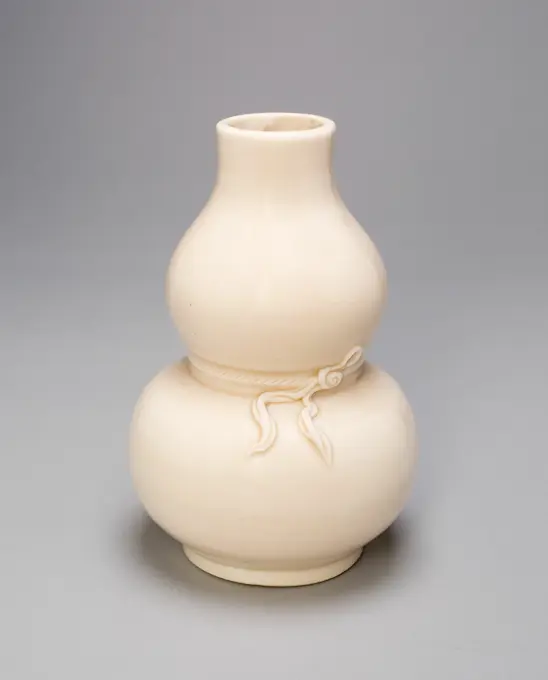
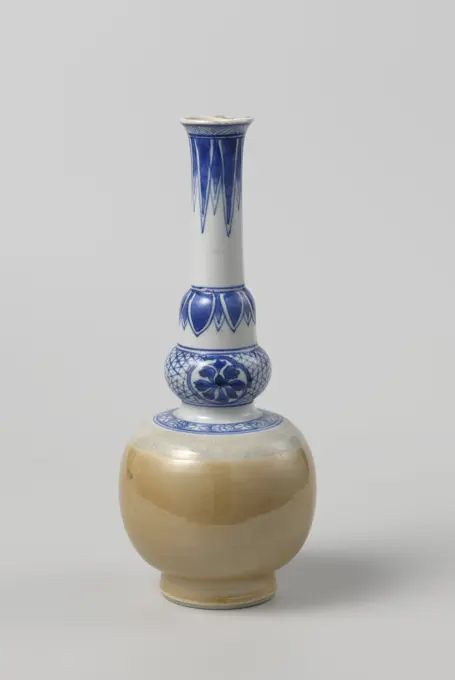
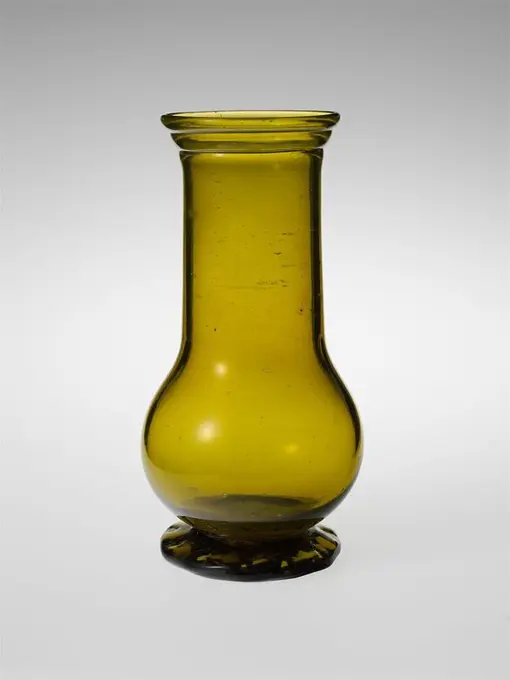
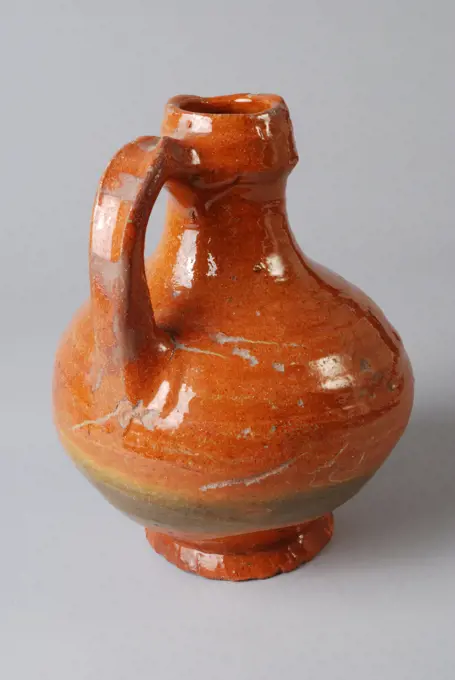
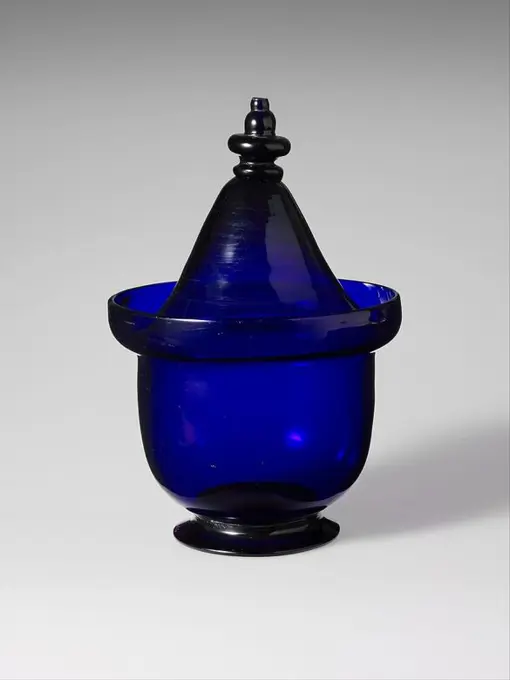
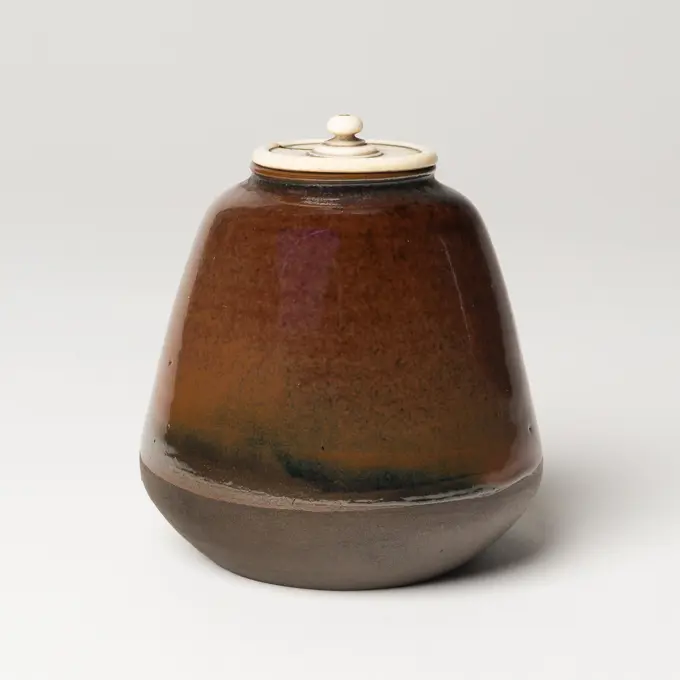
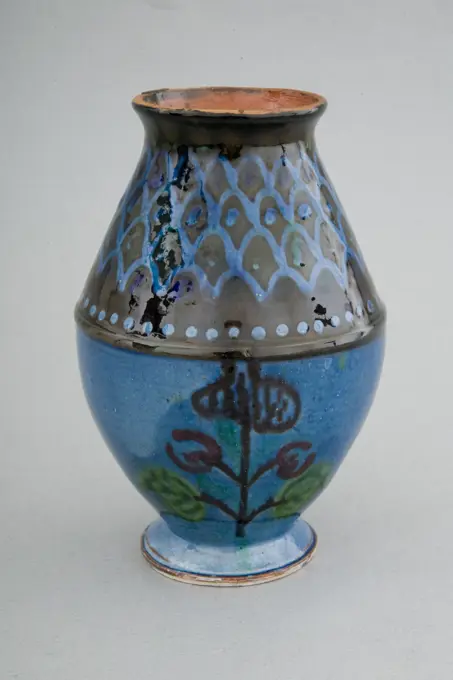
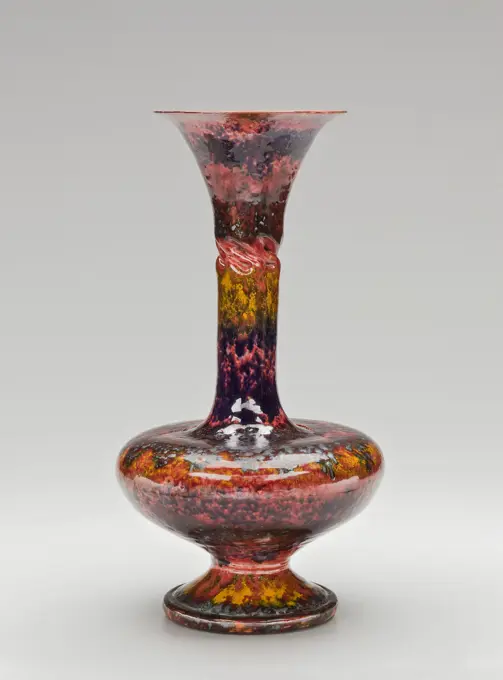
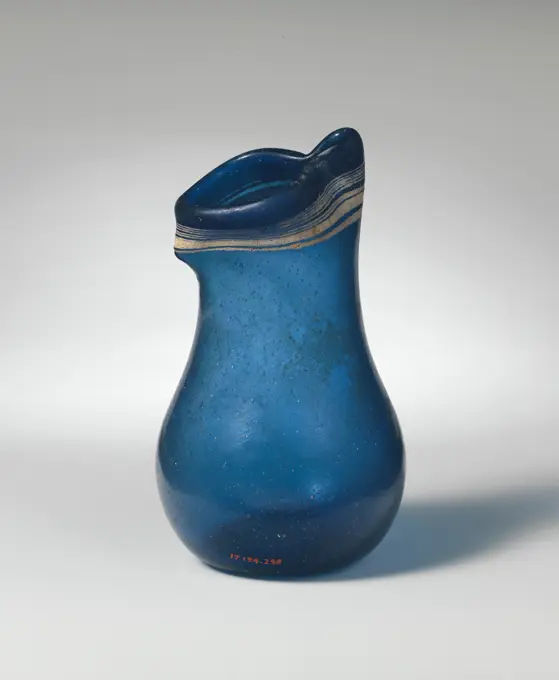
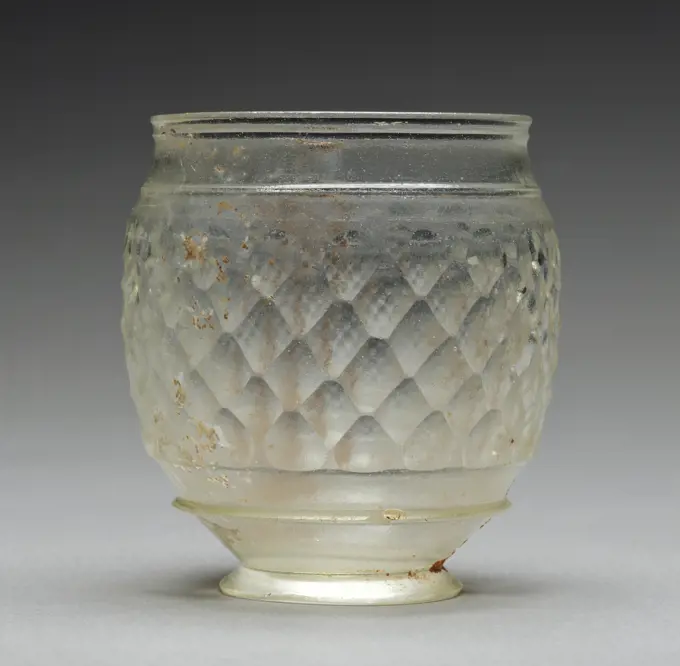
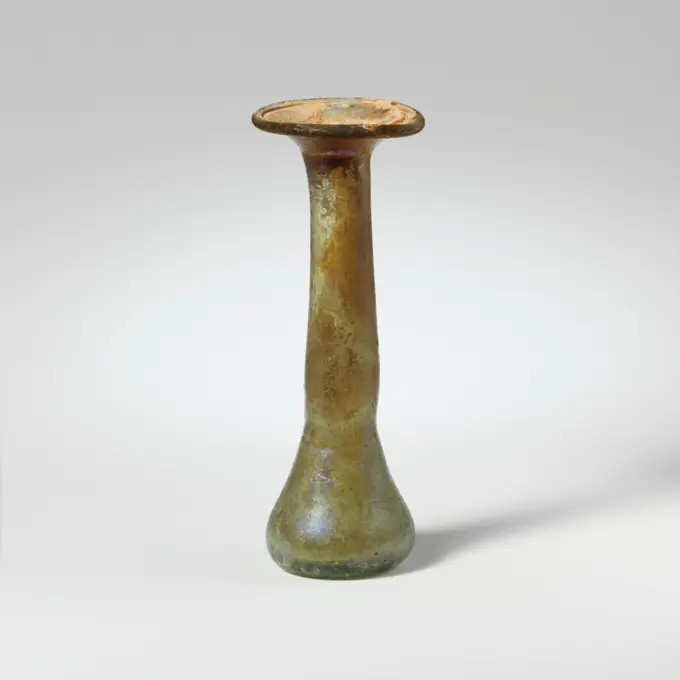
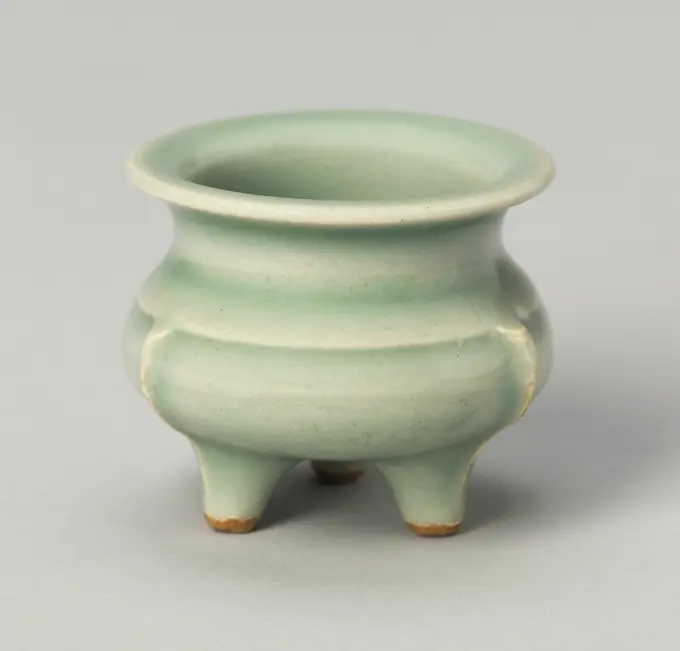
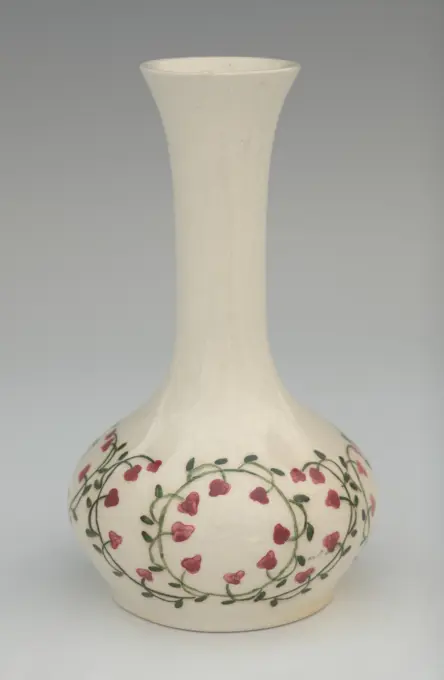
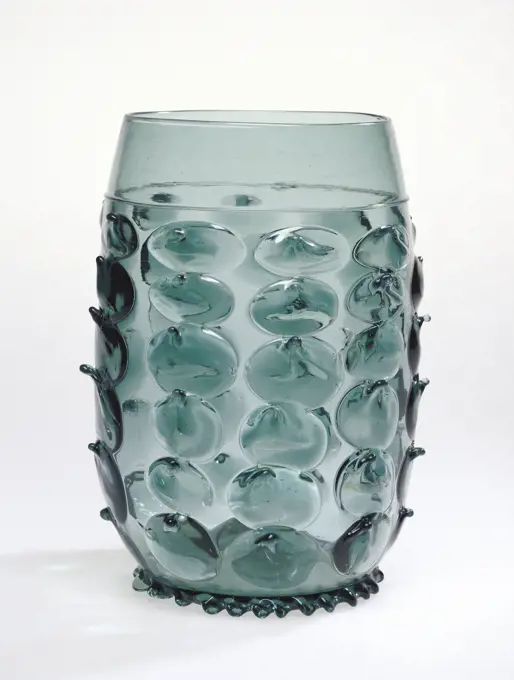
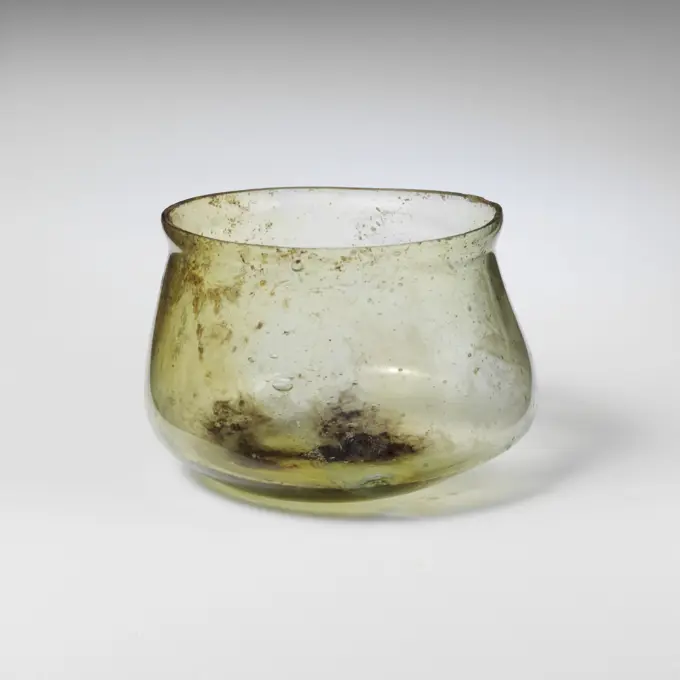
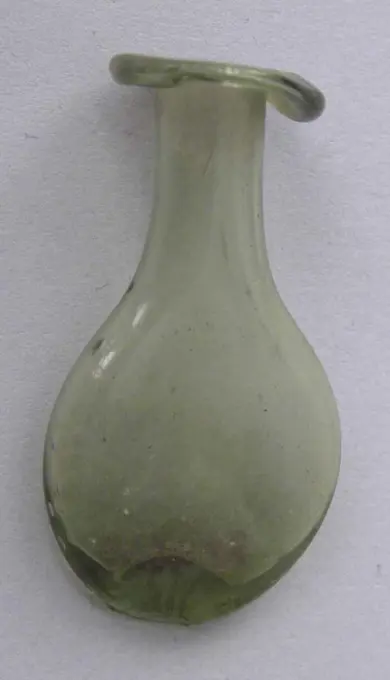
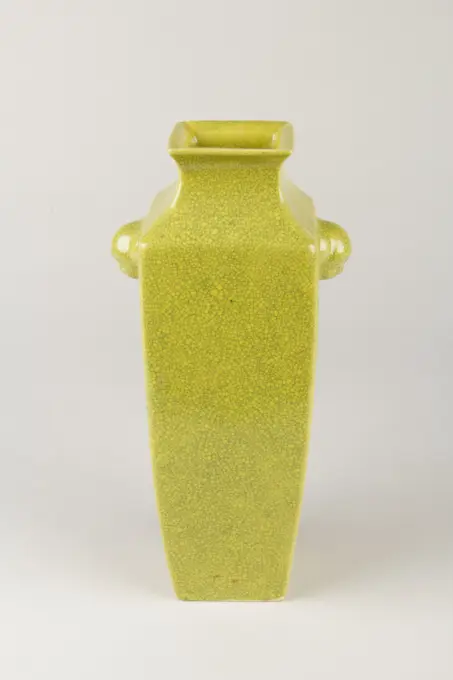
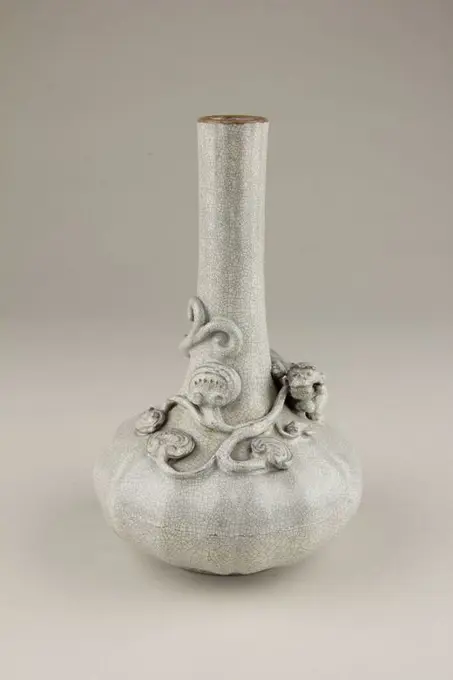
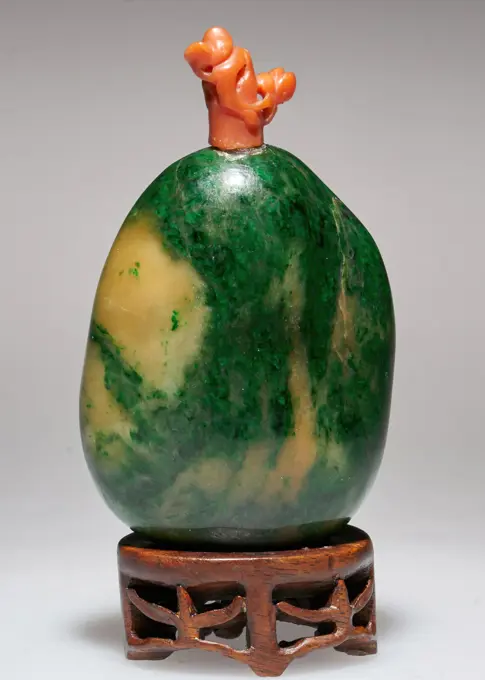
Kyoto-based Japanese ceramist Seif Yohei III (1851-1914) admired the glaze colors found on Chinese porcelain and tried to replicate them through intensive experimentation. His green and creamy white glazes were particularly well received. The combinations of colors with subtle molded and incised decorations in his ceramics respond powerfully to changes in light, creating a dynamic viewing experience. Names for the glazes, written in ink with a brush on the lids of the custom-made storage boxes for the works, often indicate a specific glaze or ware that had inspired him, even when the resulting color was distinctively his own. Flower Vase with Butterflies, c. 1893-1914. Seifū Yohei III (Japanese, 1851-1914). Porcelain with green glaze and carved and molded design; height: 35.5 cm (14 in.); diameter: 16 cm (6 5/16 in.).Vase 1689-1712 China. Vase. China. 1689-1712. Porcelain with light blue glaze (Jingdezhen ware). Qing dynasty (1644-1911), Kangxi mark and period (1662-1722). CeramicsVase, 18th century, 13 x 9 3/4 in. (33.02 x 24.77 cm), Porcelain with 'teadust' glaze, China, 18th centuryVase. Culture: China. Dimensions: H. 6 in. (15.2 cm). Date: 18th century. Museum: Metropolitan Museum of Art, New York, USA.Vase. Porcelain, yellow and dark green enamel. Paris, Cernuschi museum. 78841-29 Asian art, container, vasePear-Shaped Bottle. China. Date: 1280-1325. Dimensions: H. 28.5 cm (11 1/4 in.); diam. 19.2 cm (7 9/16 in.). Cizhou ware; stoneware with dark-brown glaze and floral decoration in iron-brown slip. Origin: China. Museum: The Chicago Art Institute, Chicago, USA.Bottle Vase, 1662-1722. China, Qing dynasty (1644-1911), Kangxi reign (1662-1722). Porcelain, Lang ware; overall: 8.4 cm (3 5/16 in.).Vase ca. 1885-89 Chelsea Keramic Art Works Steeped in ceramics from birth, Hugh C. Robertson pursued his craft with fierce devotion and a passion for experimentation. From a family of trained English ceramists, he honed his skills in New Jersey before settling in Massachusetts as one of the founders of Chelsea Keramic Art Works and later, Dedham Pottery. Robertsons lifelong explorations in glazes, particularly their color and texture, make him one of the key figures of American art pottery at the turn of the twentieth century.During the 1880s Robertson increasingly turned his attention to developing new glaze formulas and clay bodies. In the middle of the decade he became obsessed with the highly coveted yet elusive sang-de-boeuf, or oxblood, glaze, a quest that became the hallmark of his later career. In April 1885 Robertson became the first American to successfully replicate the oxblood glaze, showcasing his new oxblood glazes on the same Chinese-inspired shapes that he used for hisJar. India, Gujarat, Kapadwanj, circa 1750-1800. Furnishings; Serviceware. Blue glassJar. Egypt, 1st Dynasty (circa 2920 - 2770 BCE). Furnishings; Serviceware. CalciteVase. unknown, craftsmanGourd-Shaped Vase with Encircling and Twisted Rope 1665-1799 China. Dehua ware (blanc de chine); porcelain .Vase with Rectangular Handles 1736-1795 China. Porcelain with pale lavender-blue (tianlan) glaze .Pear-Shaped Vase 1700-1899 China. Celadon-glazed porcelain .Bottle vase with light brown and ornamental borders, anonymous, c. 1700 - c. 1724 Rose water dropper or porcelain porcelain with spherical body and two swellings in the neck, painted in underly glaze blue and with cafe-au-lait glaze. The lower part of the body is covered with a light brown glaze above which a band with a thick cream -colored glaze; the shoulder in underly glaze blue with servetwork interspersed with a flower in a medallion; The neck also in blue with three decorative tires: one with a geometric pattern interspersed with a medallion with a flower drink, above it a band with hanging leaf motifs, around the edge a tire with hanging, pointed leaf motifs; A double circle on the bottom. Old label on the bottom with: A. Staal Antiquaire/ Rokin 156 Amsterdam. Edge damaged. Monochrome brown with blue and white. China porcelain. glaze. cobalt (mineral) painting / vitrification Rose water dropper or porcelain porcelain with spherical body and two swellings in the neck, painted inBottleBottle vase late 17th-early 18th century China. Bottle vase 48800Vase. Culture: American. Dimensions: H. 7 7/8 in. (20 cm). Date: 1770-1800. Museum: Metropolitan Museum of Art, New York, USA.Glass mosaic perfume bottle. Culture: Roman. Dimensions: H.: 2 13/16 in. (7.2 cm). Date: early 1st century A.D..Translucent cobalt blue, with marvered trails in opaque white; handles in same colors.Flaring, rounded rim; neck expanding downward to sloping shoulder; bulbous body with side tapering downward; small concave bottom; two handles applied to top of neck and drawn outward, with no trace of attachment on shoulder or body.Trails cover entire vessel with thick swirls on bottom and, on body, bands of fine parallel lines alternating with thick S-shaped trails; a large blue dot appears on one of the S-shaped trails.Cracked around bottom and lower body; most of both handles missing; pitting of surface bubbles, many surfaces scratches, and small areas of brown encrustation, especially around inside of neck. Museum: Metropolitan Museum of Art, New York, USA.Vase. Expired Von S. Bing, "L'Art Nouveau", Paris, 1896Earthenware jug on stand, ball-shaped model with scalloped ear, glazed, oil jug crockery holder soil find ceramic earthenware glaze lead glaze, hand-turned glazed baked Pottery jug red shard both inside and outside covered with lead glaze on the belly locally greenish spots cuff shaped mouth rim pinched top rotating ring stand ring partly unglazed. Restoration is repainted on color archeology native pottery serving before oil lighting oil lamp kitchenAmphora-Shaped Vase (Liuyeping) 1662-1722 China. Porcelain with green crackled glaze .Flask. Byzantine; Eastern Mediterranean. Date: 401 AD-600 AD. Dimensions: 18.1 × 7 × 6 cm (7 1/8 × 2 3/4 × 2 3/8 in.). Glass, blown technique. Origin: Syria. Museum: The Chicago Art Institute, Chicago, USA.Teacup with marbleisation and gilded leaves. Korzec (manufaktura porcelany ; 1790-1832), factory. Egg-shaped pot of stoneware with a short, wider neck, covered with a blue black glaze. The pot is intended for storing tea leaves. Old label on the bottom with 'W843'.Vase 1852-58 United States Pottery Company. Vase 9489Flat ball vase. 1896 acquired by S. Bing "L'Art Nouveau", ParisVase, Rookwood Pottery, American, 1880 - 1967, Earthenware, Elongated ovoid body, short neck, slightly flaring lip. Burnt siena nasturtiums with bud and dark green leaves painted on dark brown ground shading into dark green and burnt siena on body under brilliant glaze., 1900, ceramics, Decorative Arts, VaseCovered Sugar Bowl. Culture: American. Dimensions: H. 4 in. (10.2 cm). Date: 1800-1830. Museum: Metropolitan Museum of Art, New York, USA.Beaker Vase: Zun, 1661-1722. China, Qing dynasty (1644-1911), Kangxi reign (1661-1722). Porcelain; overall: 42.9 cm (16 7/8 in.).FlaskTea Caddy (Cha-ire) Made 1801-1900 Japan. Glazed stoneware with ivory lid .CANTARO DE CUELLO CORTO VIDRIADO Y CON UN ASA FRONTAL EN LA BASE CASI. Location: ALFARERIA. FRESNO DE CANTESPINO. SEGOVIA. SPAIN.. Fabric tea bus or chair of stoneware with an ivory lid, partially covered with a blue-brown glaze with a white, vertical stripe. The bottom of the bus is unglazed. Three old labels on the inside with 'satsuma', 'Nagayo / End 17th' and 'satsuma according to Yamanaka'.Spittoon -Glass perfume bottle Roman 1st-3rd century CE Translucent blue.Everted rim, folded over and in, with beveled upper surface; cylindrical neck, with horizontal tooling marks around base; steeply sloping shoulder; cylindrical body, expanding slightly downwards; small kick at center of bottom and large circular pontil mark.Intact; many bubbles and blowing striations; deep pitting and brilliant iridescent weathering. View more. Glass perfume bottle. Roman. 1st-3rd century CE. Glass; blown. Imperial. GlassHigh vase with fishing. .Flask 1830-1855 Austria. Glass .Vase Necel, Franciszek (1868 1935)Apothecary bottle -Flower Pot China. Flower Pot 50242Jar and cover, Bronze, inlaid metal, Footed jar (a) cast in two parts with encircling banding covering the joint. Wide, short, straight neck. Stepped lid (b) overhangs the neck, rises through curves to tall finial with two knobs topped by a ball. The whole decorated with concentric bandings of inlaid white and brass-colored triangles, elipses, dots, S-curves, etc., Philippines, possibly 19th century, metalwork, Decorative Arts, Jar and coverVase with a flower chalice hanging from shoulder, rörstrand, c. 1900 Vase of porcelain, decorated in pâte-sur-pâte in pink and green with one of the completely green shoulder on either side, hanging flower chalice. Denmark porcelain Vase of porcelain, decorated in pâte-sur-pâte in pink and green with one of the completely green shoulder on either side, hanging flower chalice. Denmark porcelainJean Carriès (1855-1894). "Spherical pot". Enamelled sandstone and golden drips. Museum of Fine Arts of the City of Paris, Petit Palais. 24204-16 Ceramic, gold, gres emaille, pot, sphericalJar with Loop-Handles and Medallions. China. Date: 700 AD-750 AD. Dimensions: A: h. 8.1 cm (3 3/16 in.); diam. 8.0 cm (3 1/8 in.); b: h. 2.5 cm (1 in.); diam. 5.8 cm (2 1/4 in.). Earthenware with three-color (sancai) lead glazes and underglaze molded decoration. Origin: China. Museum: The Chicago Art Institute, Chicago, USA.Cypriot Vase, c. 1895-1900. Tiffany Glass & Decorating Company (American, New York, 1892-1902). Favrile glass; diameter: 6.1 cm (2 3/8 in.); overall: 11.2 cm (4 7/16 in.).Vase probably 18th-19th century. Vase 444806Sugar bowl 1830-40 Boston & Sandwich Glass Company. Sugar bowl 2501Globular Jar. China. Date: 700 AD-750 AD. Dimensions: H. 16.9 cm (6 5/8 in.); diam. 20.8 cm (8 3/16 in.). Earthenware with amber glaze. Origin: China. Museum: The Chicago Art Institute, Chicago, USA.Vase;  19th/20th century (1890-00-00-1910-00-00);Carafe with cork; Lobmeyr, J. & L. (Vienna; 1823-); 1870-80 (1870-00-00-1880-00-00);Vase 1 CE-500 CE Syria. Glass, blown technique . Ancient RomanFigured flask 1824-40 Probably Coventry Glass Works. Figured flask. American. 1824-40. Blown-molded glass. Possibly made in Keene, New Hampshire, United States; Possibly made in Coventry, Connecticut, United StatesBottle 1820-40 American. Bottle 601Snuff Bottle 19th century China. Snuff Bottle 41739Vase ca. 1897-1900 George E. Ohr In many ways George Edgar Ohr was the quintessential Arts and Crafts potter, combining artistic vision with extraordinary skill with his hands. Working in the seaside resort town of Biloxi, Mississippi, he dug the clay, processed and prepared it, threw the shape on the wheel, altered the piece according to his vision, mixed and applied his own glazes, fired the kiln, created his own style of advertising, and took his wares on the road. Ohrs personal mantra was “no two alike,” and he was as eccentric as his work was individualistic, with its manipulated forms on ultra-thin thrown vessels, crimping, ruffling, off-centering, and twisting, to create unprecedented forms for the 1890s. To these forms, he applied his own completely new and unusual glazes, applied by sponging, splashing, and spattering, resulting in works that in many ways anticipated the abstract art movements that would find form decades later. This tall bulbous vase with an attenuated flareDouble-Bodied Cruet With Two Spouts And Flowerbands. Double oil and vinegar bottle of porcelain with lobed wall and two curved spouts, painted in underglaze blue. The bottle is filled with flour branches with teared, landscaped tires; a few rocks around the foot; To the foot and around the spouts a decorative bond with geometric pattern. Marked on the bottom with an artemisia leaf. Borders damaged. Blue White.Bottle. The inscription on the body of the bottle translates as: Greed makes poverty’. The same text is engraved on the base, which is also signed and dated.Vase 1893-96 Designed by Louis Comfort Tiffany American This object forms part of a group of over forty given to the Museum in 1896 by Louisine and Henry Osborne Havemeyer (96.17.9-.56). The gift was the first American glass to enter the Museum's collection. Most likely prompted by Louis Comfort Tiffany, the Havemeyers presented their collection of Tiffany Favrile glass to the Museum only three years after Tiffany started making decorative blown-glass vessels. The shapes, colors, and finishes of Tiffany's vases and plaques were inspired by the natural world and ancient glass.. Vase 9400Bitters Bottle 1800-1899 Europe. Glass .Bottle 100 BCE-100 CE Syria. Glass, blown technique . Ancient RomanVase, multi -colored painted with poppies on a blue distance, Meissener Porzellan Manufaktur, 1897 - 1898 Vase of painted porcelain. The vase has flattened around body and a long, slender neck. It is decorated in Pâte-sur-Pâte technology with pink poppies in the light blue stock, which covered the vase. The vase is marked. Float porcelain Vase of painted porcelain. The vase has flattened around body and a long, slender neck. It is decorated in Pâte-sur-Pâte technology with pink poppies in the light blue stock, which covered the vase. The vase is marked. Float porcelainBottle Vase, 618-906, Dia.3-5/8 in., Stoneware with cobalt blue glaze, China, 7th-10th centuryBottle with flattened, spherical body. Inserted soul. Sideways flattened, spherical body, becoming a high, slightly tapered neck with curing mouth. To the transition from the body to the neck, a glass wire is wounded.A vase from 1662 AD (Qing Dynasty) in an exhibit at the Shanghai Museum, a museum of ancient Chinese art, situated on the Peoples Square in the Huangpu District of Shanghai, China.Vase with branches elder with black currants, Muller Frères, c. 1900 Flat bottom, low base, pressed spherical body, transfer in a high neck, flared at the top. On a brown and ivory, matte etched überfang, in relief, red and black -melted glass powder, a decor of branches of elderberry with black currants; The veins of the leaves etched with the needle. On the soil the signature Muller Croismare. Croismare glass glassblowing / grinding / etching Flat bottom, low base, pressed spherical body, transfer in a high neck, flared at the top. On a brown and ivory, matte etched überfang, in relief, red and black -melted glass powder, a decor of branches of elderberry with black currants; The veins of the leaves etched with the needle. On the soil the signature Muller Croismare. Croismare glass glassblowing / grinding / etchingMaker Unknown, Pocket Bottle, c. 1810-45, amber glass.Glass jar 4th-6th century A.D. Roman Translucent cobalt blue; trail in opaque white.Thickened, rounded rim, tooled into a trefoil shape with upward projecting spout; tooled outward bulge in body on opposite side to spout below rim; sack-shaped body; concave bottom, with faint trace of pontil mark.Single trail wound horizontally ten or more times around body below rim.Intact; many pinprick and larger bubbles; slight dulling and faint iridescence.. Glass jar. Roman. 4th-6th century A.D.. Glass; blown and trailed. Late Imperial or Early Byzantine. GlassTea caddy with a goldenbrown glaze, anonymous, anonymous, c. 1400 - c. 1950 Dust bar or Chare van Steengoed with an ivory lid, partly covered with a golden brown glaze. The lower part of the bus is unglazed. Old label on the bottom with 'W632'. Seto in the style of Hafugama. Japan stoneware. glaze. deksel: ivory vitrification Dust bar or Chare van Steengoed with an ivory lid, partly covered with a golden brown glaze. The lower part of the bus is unglazed. Old label on the bottom with 'W632'. Seto in the style of Hafugama. Japan stoneware. glaze. deksel: ivory vitrificationFacet-Cut Beaker; Eastern Mediterranean; about 75 - 100; Glass; 8.1 cm (3 3,16 in.)Beaker. UnknownJug late 18th-early 19th century British, Nailsea. Jug. British, Nailsea. late 18th-early 19th century. Glass. GlassPocket bottle. Culture: American. Dimensions: H. 8 5/8 in. (21.9 cm). Date: 1815-45. Museum: Metropolitan Museum of Art, New York, USA.Flat Flask. Byzantine; Eastern Mediterranean. Date: 401 AD-600 AD. Dimensions: 23 × 17.1 × 2.8 cm (9 × 6 3/4 × 1 1/8 in.). Glass, blown technique. Origin: Byzantine Empire. Museum: The Chicago Art Institute, Chicago, USA.Glass perfume bottle 1st-3rd century A.D. Roman Translucent blue green.Rim folded out, down, round, and in, with bevelled innner lip; broad, flaring mouth; cylindrical neck with slightly convex sides and tooling marks around base; small conical body; thick, concave bottom, with jagged scar to one side.Intact; many bubbles; pitting, dulling, and iridescence on exterior; creamy weathering inside mouth and neck.. Glass perfume bottle. Roman. 1st-3rd century A.D.. Glass; blown. Imperial. GlassSnuff Bottle, 17th-19th century, 2 5/8 x 1 1/2in. (6.7 x 3.8cm), Amber, China, 17th-19th centuryBottle probably 18th-19th century. Bottle 444780Vase, decorated in green and blue on light yellow matte soil with a stylized leaf motif, Bert Nienhuis (i), c. 1910 Vase of earthenware, decorated in green and blue on light yellow matte soil with a stylized leaf motif. Amsterdam earthenware Vase of earthenware, decorated in green and blue on light yellow matte soil with a stylized leaf motif. Amsterdam earthenwareHexagonal Jug. Culture: Byzantine. Dimensions: Overall: 5 15/16 x 3 3/8 x 2 15/16 in. (15.1 x 8.6 x 7.5 cm). Date: 6th-mid-7th century.The stepped cross on these vessels may represent the large cross erected in 420 by the emperor Theodosius II at Golgotha, where Christ was crucified.These vessels were made for Jews and Christians, possibly as tokens for pilgrims visiting the holy sites in Jerusalem or for use in burial rites. They appear to have been mass-produced in a single workshop, since the vessels for the two religions closely resemble each other in shape and style and differ only in the symbols decorating them. The Jewish vessels depict the menorah (candelabrum), shofar (ram's horn), incense shovel, and lulav (palm branch). The Christian vessels are decorated with several types of crosses. The relief designs were produced by blowing molten glass into a mold. Museum: Metropolitan Museum of Art, New York, USA.Nutmeg Grater. Culture: American. Dimensions: 2 9/16 x 3/4 in. (6.5 x 1.9 cm); 1 oz. 1 dwt. (31.9 g). Maker: William Cowell Sr. (1682/83-1736). Date: 1705-10. Museum: Metropolitan Museum of Art, New York, USA.Tripod Incense Burner (Censer) 1127-1279 China. Longquan ware; glazed stoneware with molded decoration .Vase Matejko, Stefan Witold (1872 1933), J. Nieg Wiecki, Kraków D BnikiPrunted Beaker; Germany; 16th century; Free-blown dark blue-green glass with applied decoration; 25.2 x 14.4 cm (9 15,16 x 5 11,16 in.)Cricket Container, 5 3/16 x 2 1/2 x 2 1/2 in. (13.18 x 6.35 x 6.35 cm) (overall), Gourd, ivory, tortoise shell, pigment, ChinaGlass cup 3rd century A.D. Roman Translucent pale yellow green.Knocked-off, uneven rim; slightly bulging collar below rim; sides expanding downward, then angled in to join rounded bottom, slightly concave at center.Intact; many bubbles and glassy inclusions; slight, patchy weathering.. Glass cup 239840Snuff Bottle 19th century China. Snuff Bottle 41575FOREIGN OLDLamp (USA); blown and pressed glass, tin, corkMaker Unknown, Cruet and Stopper, c. 1800-1825, colorless glass.Snuff Bottle late 18th century China. Snuff Bottle 41512Snuff Bottle China. Snuff Bottle 41083Georges Despret (1862-1952). Cutting on foot. Glass, glass paste. XIXth-XXth century. Museum of Fine Arts of the City of Paris, Petit Palais. 19th XIXth XIX 19th 19th 19th century, XXth XXth XX 20th 20th 20th centuryVase with three ears and a red, yellow spotted, glaze. Vase of stoneware with three ears on a high-stinging foot and a slender neck. Covered with a red, yellow spotted glaze. The ears are completely yellow. There is a round hole in the bottom. The vase in labeled with a stamped flaming ball on the outside of the foot edge.Burial Urn (base), 1800s. Siam, 19th century. Gold; overall: 37.5 cm (14 3/4 in.).Bottle 9th-11th century. Bottle 448364Vase. Sandstone, brown and white enamel. Cernuschi Museum, Asia Museum of Asia in the city of Paris.Square vase with animal masks 19th century China. Square vase with animal masks. China. 19th century. Porcelain with crackled yellow glaze (Jingdezhen ware). Qing dynasty (1644-1911). CeramicsVase. Culture: China. Dimensions: H. 7 3/8 in. (18.7 cm); Diam. of rim 1 1/4 in. (3.2 cm); Diam. 4 5/8 in. (11.7 cm); Diam. of foot 2 3/8 in. (6 cm). Museum: Metropolitan Museum of Art, New York, USA.Decanter and stopper, Glass, 3-part mold blown (very hard to see), bulbous body with central panel in alternate section of vertical fluting and diamonds, fluting above and below 3 triple neck rings, wide lip, molded fluted bulls-eye stopper; pontil mark on bottom., Ireland, ca. 1820-30, glasswares, Decorative Arts, Decanter and stopperSnuff Bottle, 17th-20th century, 3 x 1 3/4in. (7.6 x 4.4cm), Jade, China, 17th-20th century