Elegant Porcelain Vases

A collection of exquisite porcelain vases featuring various glazes, including greens and blues, with intricate designs and historical significance.
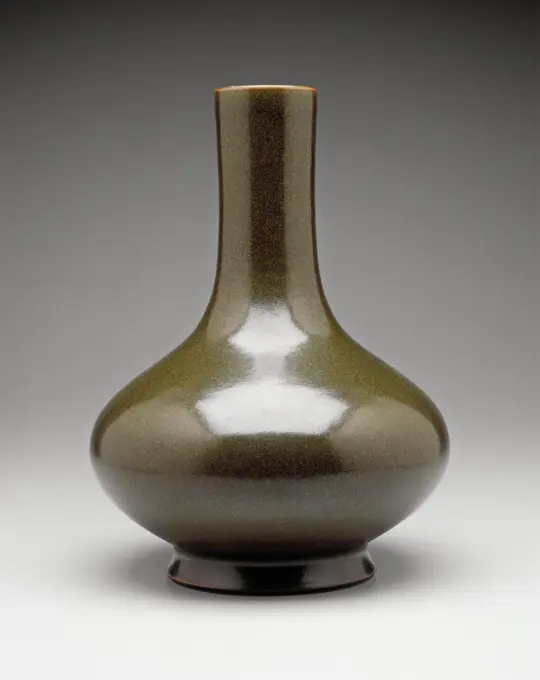
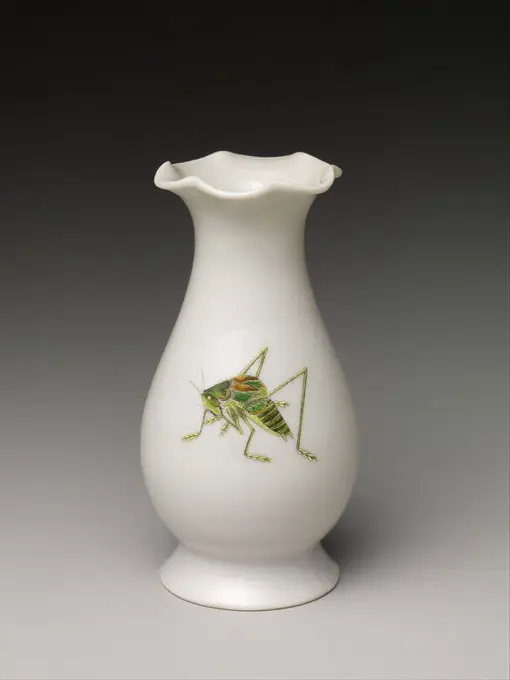
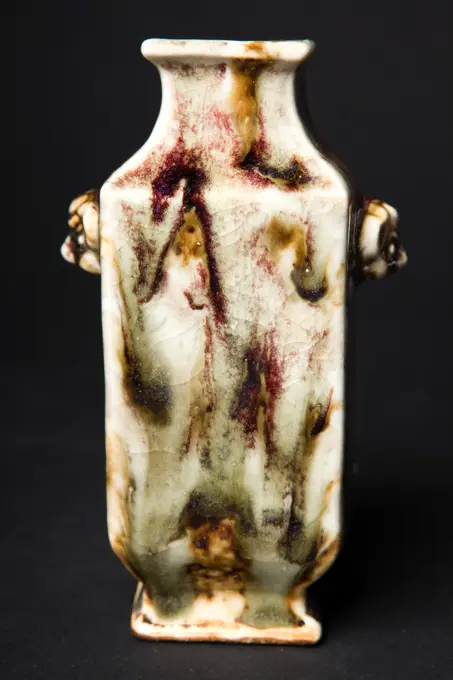
Vase, 18th century, 13 x 9 3/4 in. (33.02 x 24.77 cm), Porcelain with 'teadust' glaze, China, 18th century
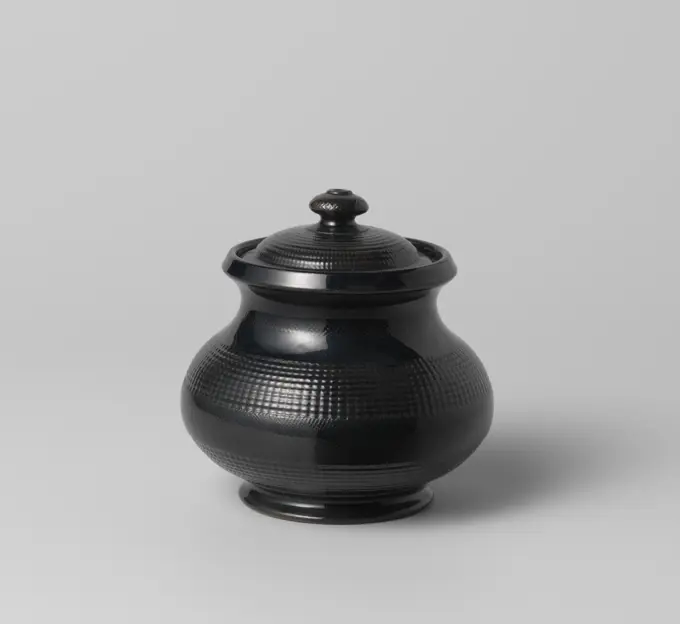
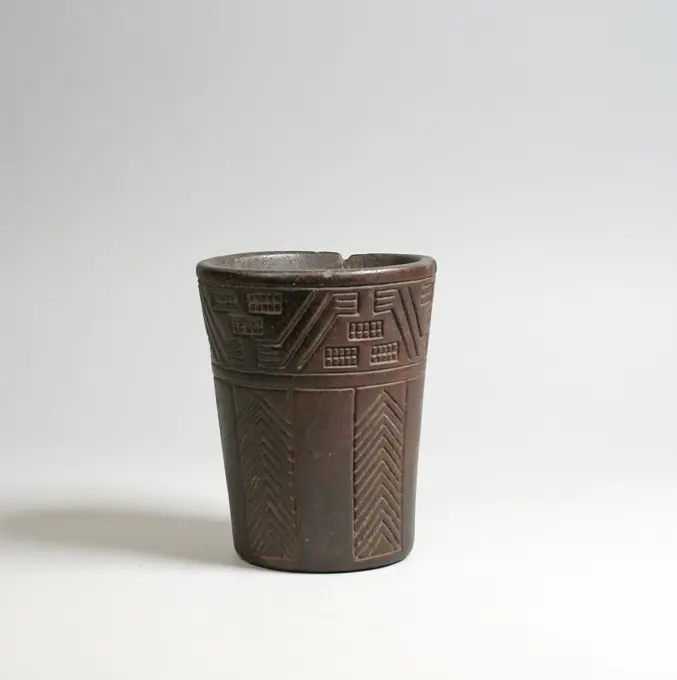
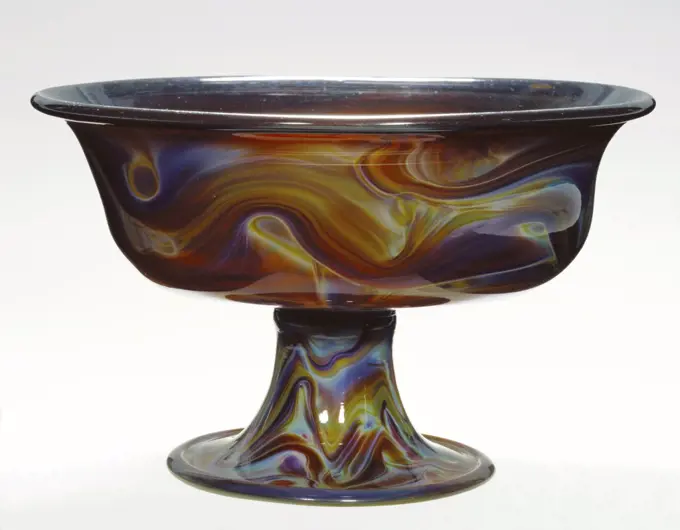
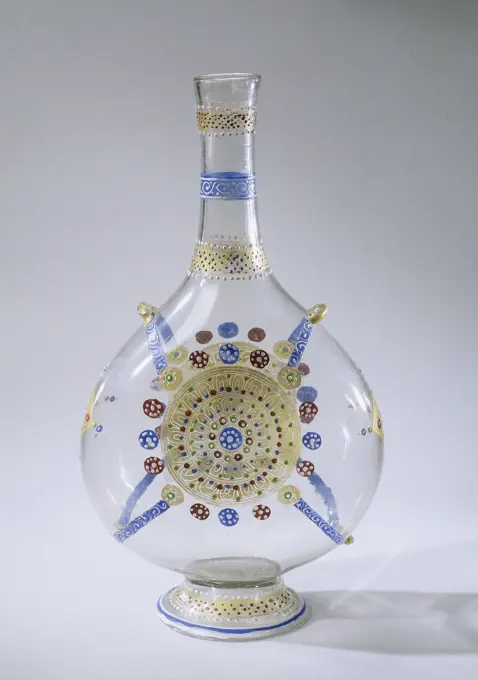
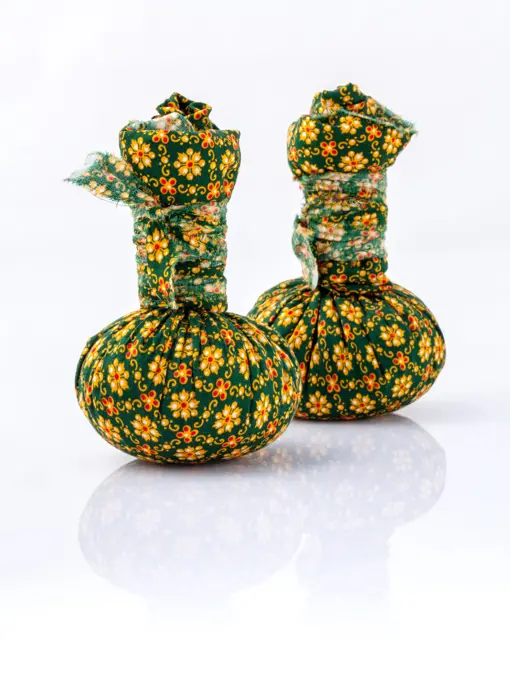
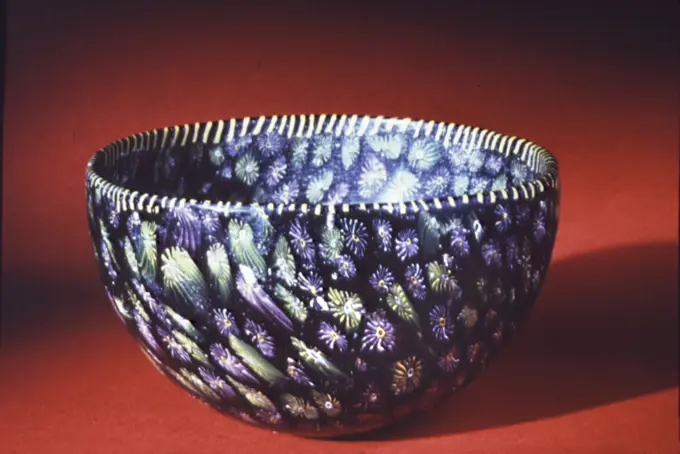
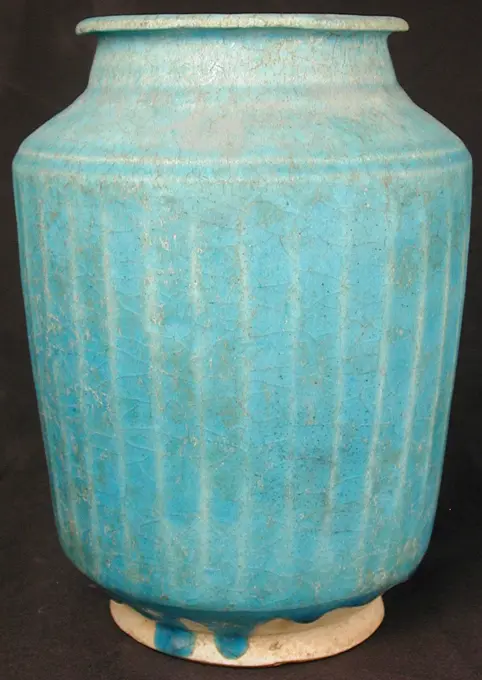
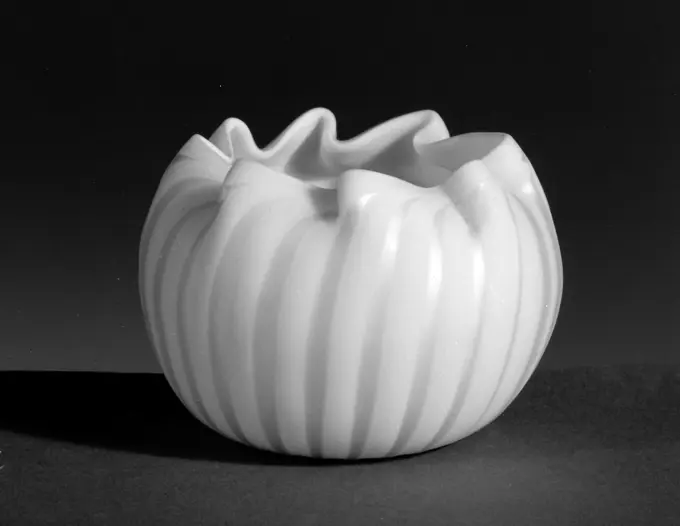
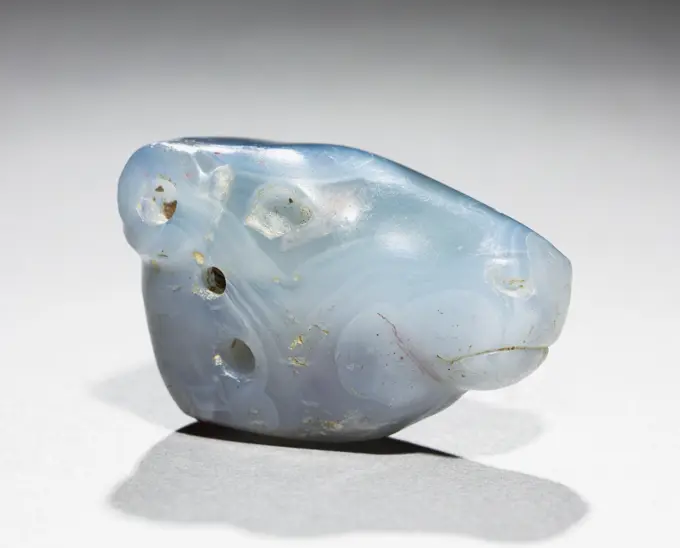
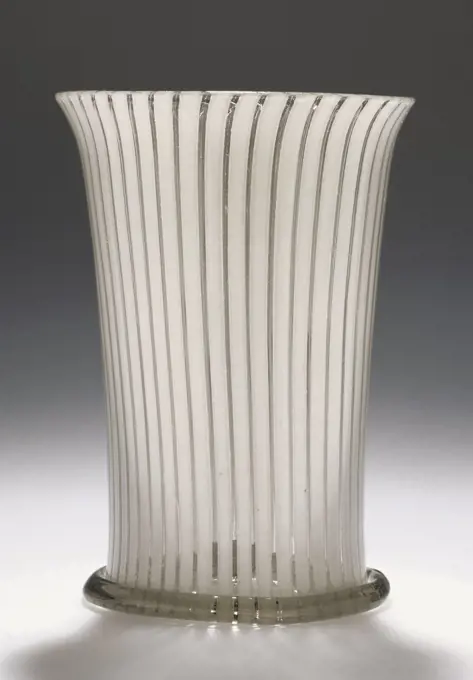
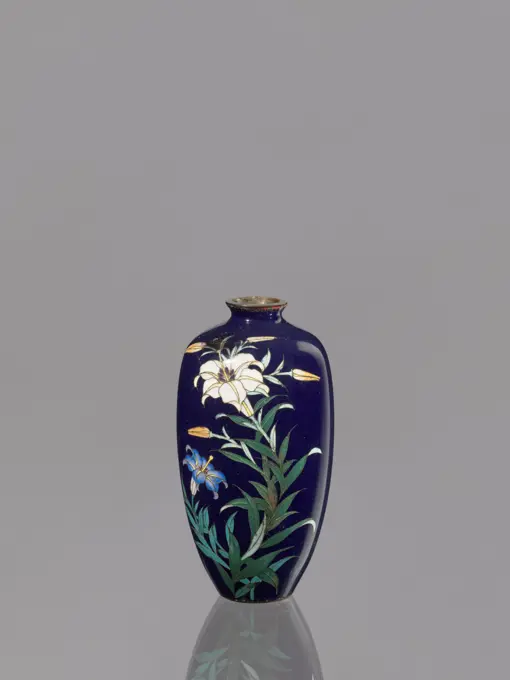
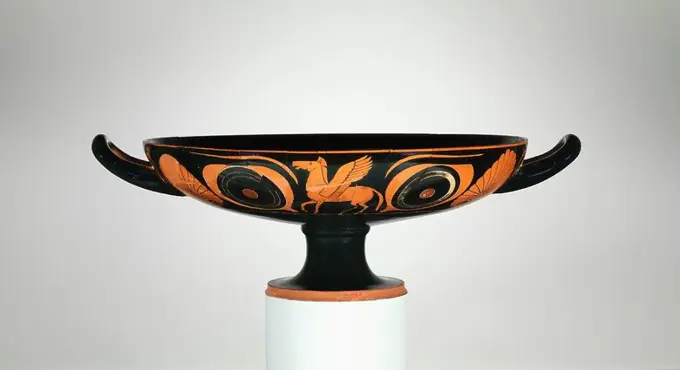
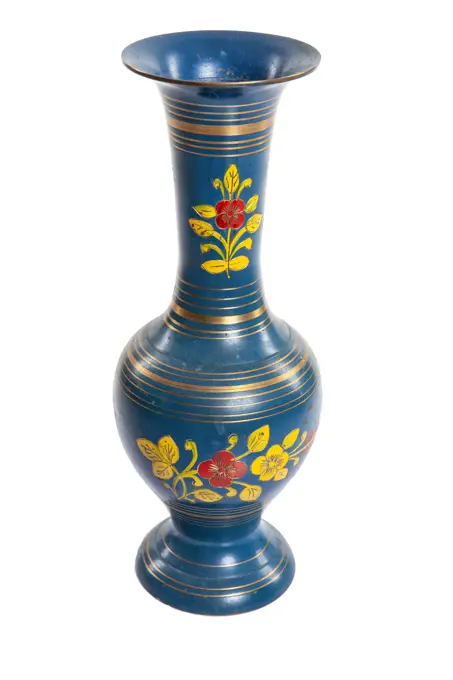
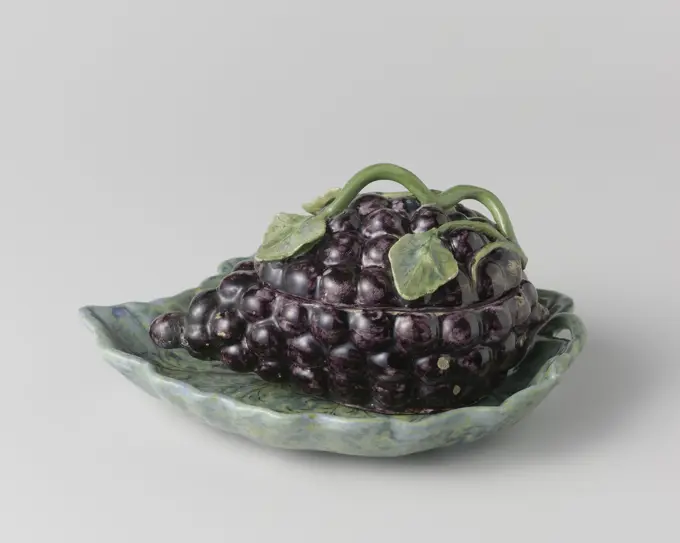
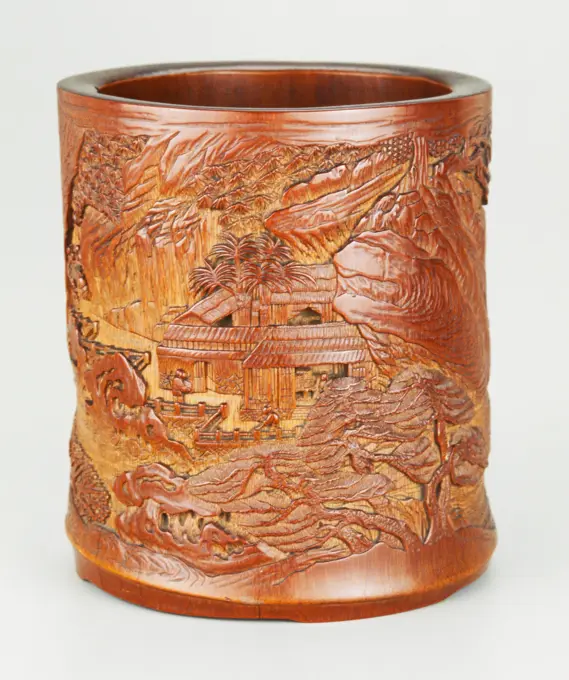
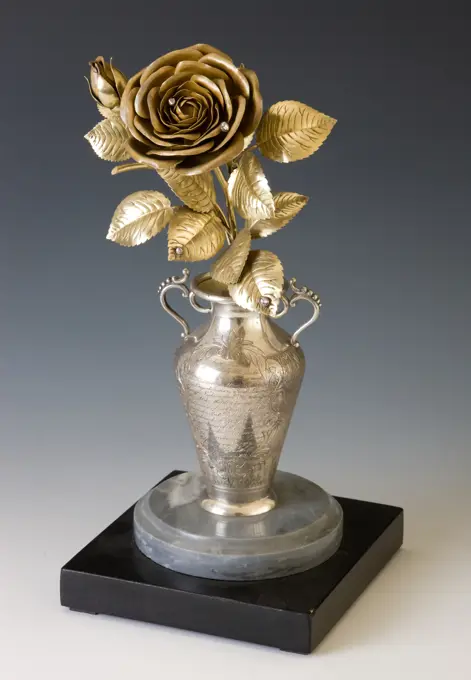
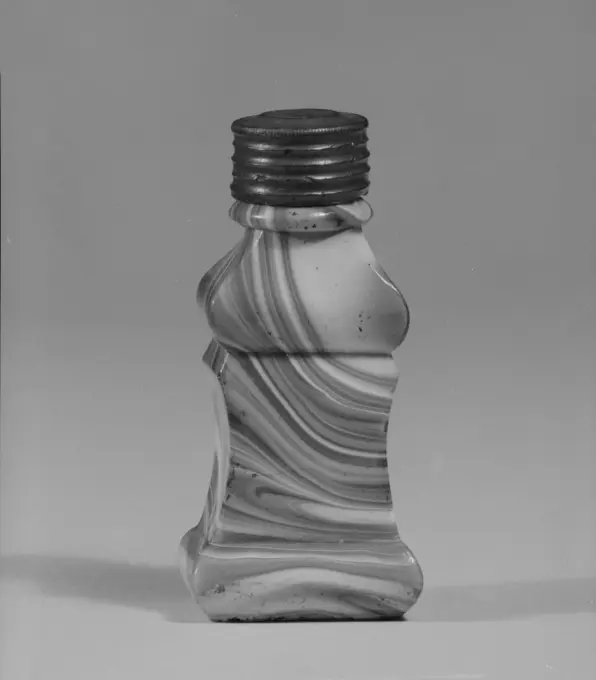
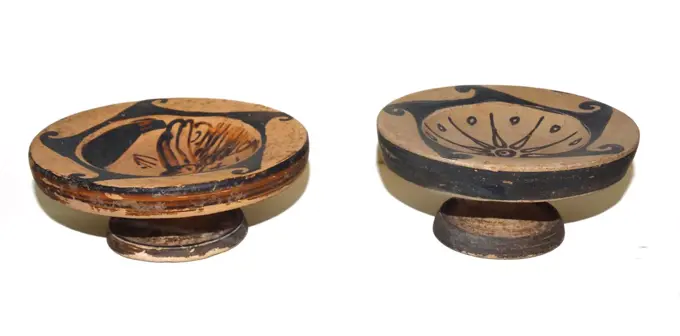
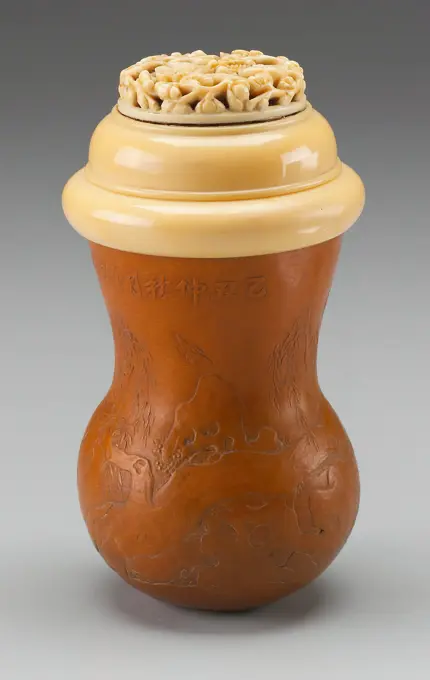
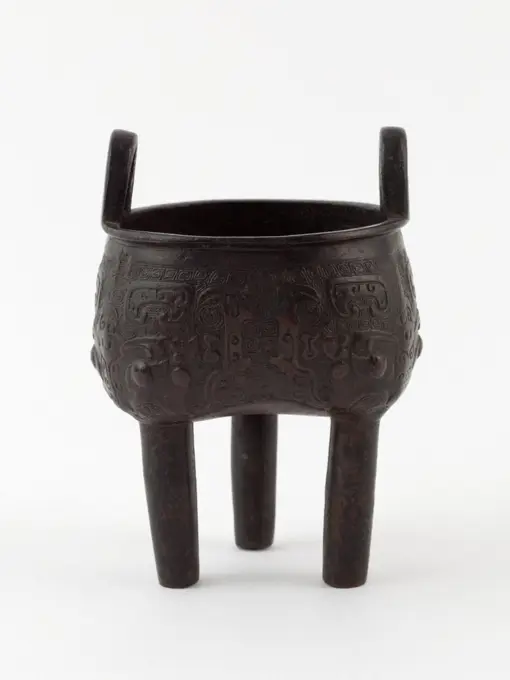
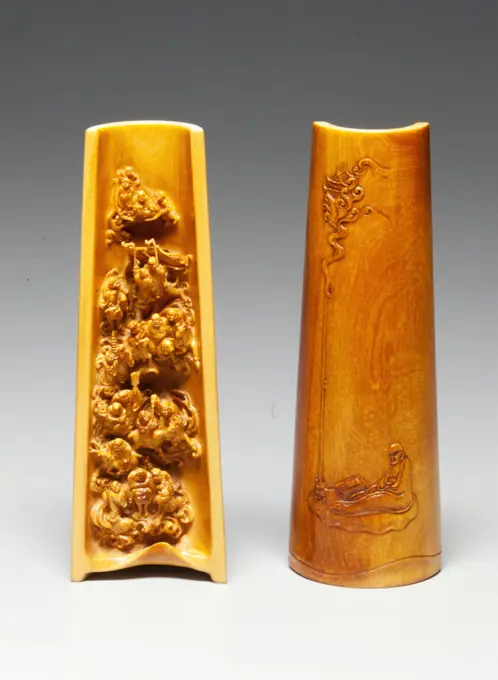
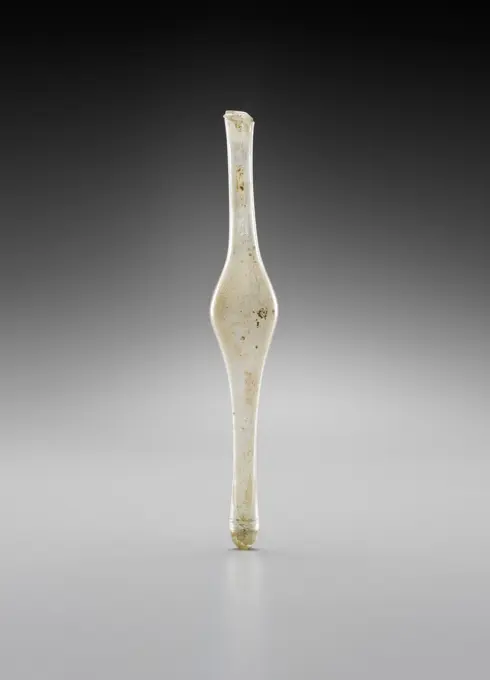
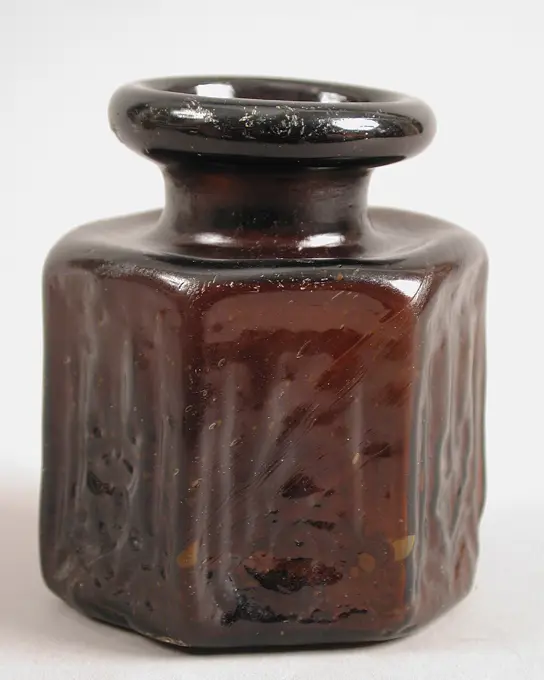
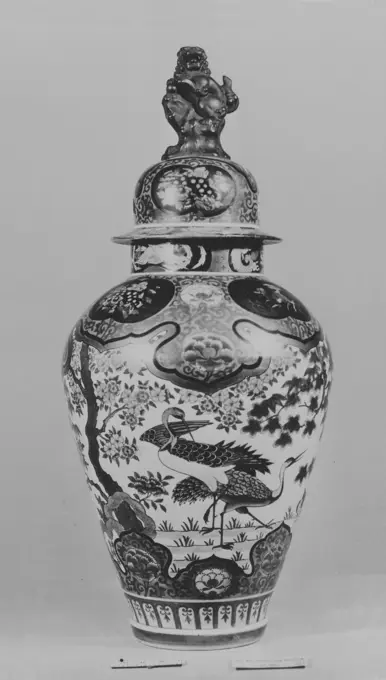
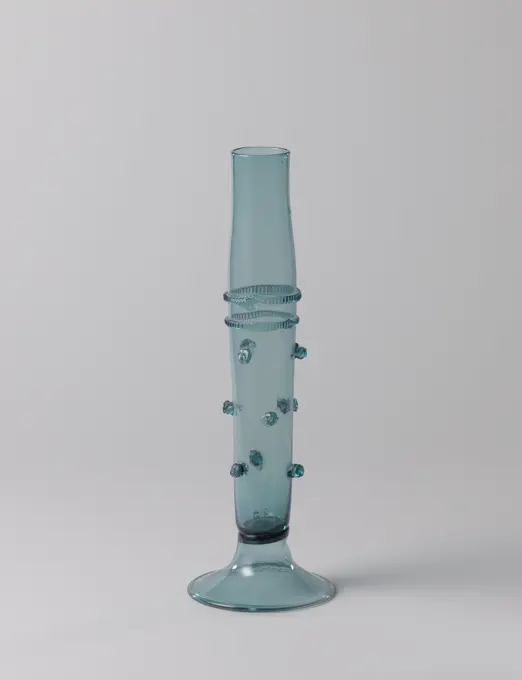
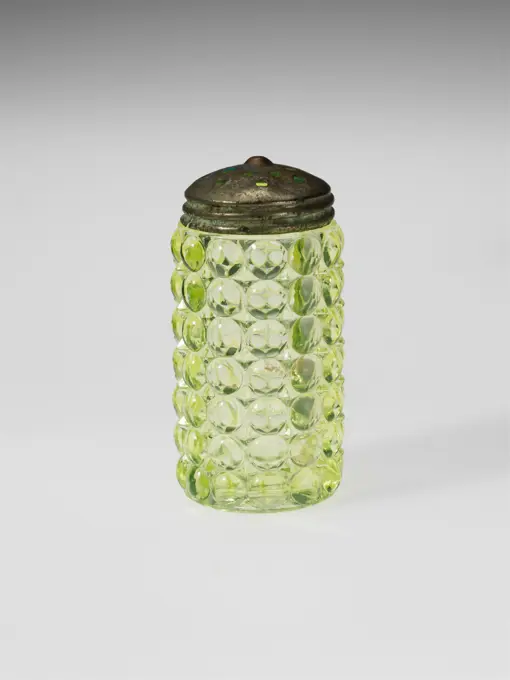
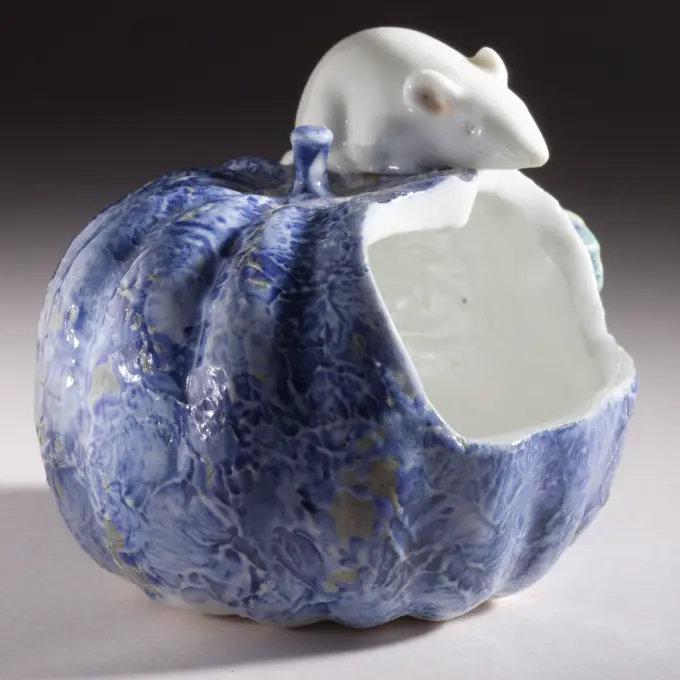
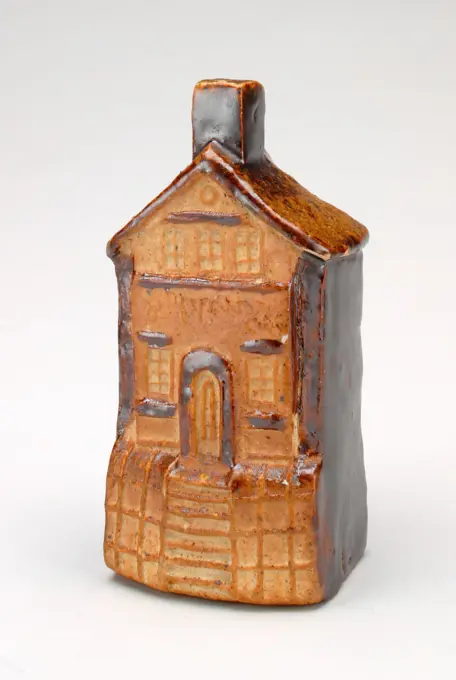
Compote 1845-1855 Bohemia. Glass; blown, cut, stained red and engraved .Sugar bowl, black, decorated with corrugated edges. Sugar bowl with black stone lid. The body with close-up ribbed edges. The lid with a flattened button with air hole.Kero 15th-16th century Inca. Kero. Inca. 15th-16th century. Wood. Peru. Wood-ContainersDzbanuszek sześcioboczny. unknown, authorClay jars isolated on the white backgroundFooted Bowl (Coppa); Unknown; Venice, Italy, Veneto, Europe; about 1500; Free-blown calcedony glass; Object: H:  12.38 x Diam.:  19.69cm (H:  4 7/8 x Diam.:  7 3/4 in.)Beaker ca. 1700 Southern German The cutting of this ruby beaker is in South German style. The color of glass is more orange than red Potsdam glass usually is.. Beaker 196014Brass design fitting on antique wooden candle stands, Jodhpur, Rajasthan, India Copyright: xSafatxAli/DinodiaxPhotoxPilgrim bottle, multi -colored painted, anonymous, c. 1500 - c. 1525 Pilgrims bottle, low concave foot with turned around. Flattered spherical body transfer in a slender neck, slightly bent at the top. On the sides at the bottom and on the shoulders an eye. On the front and back a rosette engaged in gilded rosette, enlivened with small rosettes in blue, red and green with white dots. On the side a gilded and engraved window with colored dots. A gilded and engraved band with colored dots on the foot. Around the center of the neck a colored band with white arabesks between two gilt and engraved tires with colored dots. Colored tires with white arabesken connect the central rosette with the four eyes. Venice glass. glassblowing / gilding Pilgrims bottle, low concave foot with turned around. Flattered spherical body transfer in a slender neck, slightly bent at the top. On the sides at the bottom and on the shoulders an eye. On the front and back a rosette engaged in gilded rosette, enlivenSugar bowl, black, decorated with rib edges, Petrus Regout, c. 1860 - c. 1880 Black stone sugar bowl. The body with ribbed edges close together. Maastricht . Black stone sugar bowl. The body with ribbed edges close together. Maastricht .Green Vase With Long Neck Ending in a Bulb. Vase of porcelain with short pear-shaped body and long neck ending in a sphere, covered with a monochrome green glaze. Spreading foot. Monochromes.Natural Spa Ingredients herbal compress ball isolate on white background. alternative medicine and relaxation Thai Spa theme . Natural Spa Ingredients herbal compress ball isolate on white background. alternative medicine and relaxation Thai Spa theme . Copyright: xZoonar.com/SeksakxKerdkannox 7860116Anonymous / 'Agate vessel with three bands of cameos'. 1665 - 1711. Leather, Wood, Metal, Cloth. Museum: Museo del Prado, Madrid, España.Egyptian glass millefiore bowl, c. 1400 BC.Lotus Cup 1645-1799 China. Yixing stoneware . Chen MingyuanRibbed Jar 11th-12th century This ribbed jar excavated at Nishapur speaks to the technical and decorative innovations that transformed pottery production in Iran during the late eleventh and twelfth centuries. First is the body fabric of the vessel itself. Whereas earthenware was standard for local pottery production until the eleventh century, this jar is made primarily of ground quartz with small amounts of refined clay and fused glass. Known as fritware or stonepaste, this fabric allowed for a firmer and whiter body than earthenware. The introduction of this new fabric coincided with developments in shape, possibly because stonepaste is difficult to model and thus lent itself to the use of molds. The ribbed sides of this jar, for example, had not been common in Nishapur earthenware before. Research suggests that in the Islamic world, the first experimentations with technologies related to stonepaste occurred in ninth-century Iraq where quartz-based slips were applied to the surfacesSquare wooden sake bowl in front of carafeBasket 19th century Japan. Basket. Japan. 19th century. Rattan. Edo (1615-1868) or Meiji period (1868-1912). BasketrySherbet Dish ca. 1885 British. Sherbet Dish. British. ca. 1885. Blown satin white opaque glass. Made in West Midlands, EnglandBowl;  IX-10th century (801-00-00-1000-00-00);Semerau -Siemianowski, Władysław - collection, gift for the museum, Islamic art, MNW collection, bowls, Persian art, collection of MNWHead of a Bull, 3000-2000 BC. Sumerian, Iraq, Tigris-Euphrates valley, 3000-2000 BC. Chalcedony; overall: 3.1 x 2.9 x 4.3 cm (1 1/4 x 1 1/8 x 1 11/16 in.).Miniature Bottle. Culture: China. Dimensions: H. 4 in. (10.2 cm). Museum: Metropolitan Museum of Art, New York, USA.Close-up of jade sculptureFiligrana Beaker; Unknown; Façon de Venise, Netherlands (probably), Europe; 1550 - 1625; Free-blown colorless (slightly gray) glass with lattimo canes; Object: H: 13.8 cm (H:  5 7/16 in.)Colored clay pot isolated on white background.Vase;  19th/20th century (1891-00-00-1910-00-00);Vase China. Vase. China. Cloisonné enamel on gilt copper. Ming dynasty (1368-1644). CloisonnéTerracotta kylix (drinking cup). Culture: Greek, Attic. Dimensions: H. 5 in. (12.7 cm)diameter 12 3/8 in. (31.5 cm). Date: ca. 520 B.C..Interior (black-figure), two birds and snakeExterior (red-figure), obverse, between eyes, Pegasos; reverse, between eyes, nose and the name PsiaxSeveral works by Psiax have inscriptions, and at least two identify him as painter. This is one of two cups on which hisname appears without a verb. Bilingual vases are particularly interesting because they juxtapose the old, black-figure, and the new, red-figure manner of decoration on the same piece. Museum: Metropolitan Museum of Art, New York, USA.Tumbler after 1886 Probably Hobbs, Brockunier and Company. Tumbler 9137Old Eastern Vase Old metal eastern vase on an isolated studio background Copyright: xZoonar.com/AndreyxSkatx 12308979Measure of 20 liters. Wooden size of 20 liters with iron fittings, duffed and v.z.v. label.Grant and UnionFlask.   Subject probably: Ulysses Simpson Grant, American, 1822-1885Box in the form of a grapesros, the porceleijne dish, after Johannes Pennis, 1724 - 1764 box FaaMence box, in the form of half a grape chocolas. Multicolored painted. The container is on a box (BK-NM-13338-A) and has a lid (BK-NM-13338-C). Delft .Vase with silver decoration of leaf vines, Witwe Johan Lötz, in or after 1898 Flat bottom, double -conical body. Decoration of the rumored yellow -brown glass splinters, gold -colored irization. Galvanoplastic silver decoration of leaf vines with engraved details. The silver marked in the upper edge with crown, crescent melw and content brand 935, German silver brands in use from 1888. Klostermühle glass. silver (metal) glassblowing / iridescence / engraving Flat bottom, double -conical body. Decoration of the rumored yellow -brown glass splinters, gold -colored irization. Galvanoplastic silver decoration of leaf vines with engraved details. The silver marked in the upper edge with crown, crescent melw and content brand 935, German silver brands in use from 1888. Klostermühle glass. silver (metal) glassblowing / iridescence / engravingHalf Moon Brush Holder ca. 1700 China. Half Moon Brush Holder. China. ca. 1700. Red sandalwood (zitan). Qing dynasty (1644-1911). WoodworkBasket with pierced body and chain. Openwork vase of porcelain hanging on a porcelain switch chain, painted on the glaze in blue, red, green, yellow, black and gold with flowers. The opened wall is divided into three different colored layers and on the outside with arrearing on the colored soil; The flat, wide mouth has a flower pattern with peonies on the outside and a flower pattern with lotuses on the inside; Around the foot, the shoulder, neck and edge is a decorative bond with geometric motif. A cloud motif on the pendant. The necklace has been restored. Famille Verte.Brush Pot, 1763 (dated by inscription), Tung Wen, Chinese, active 18th century, 6 7/16 x 5 5/8 in. (16.35 x 14.29 cm) (overall, oval), Carved bamboo, China, 18th century, The Chinese made brushpots from a variety of materials including hardwoods, bamboo, and jade. Bamboo brushpots have a particularly long history and those with carved décor became popular with the literati during the sixteenth century. This finely detailed container shows scholars and attendants in a mountain retreat beneath overhanging rocks and another group of four scholars in a bamboo grove listening to lute music. Narrative scenes like this relate closely to printed designs in books from the late Ming and early Qing dynasties. The inscription, carved by Tongwen in kaishu, or regular script, on the large rock, readsBottle 17th century. Bottle 444497. Milse standard of soft-paste porcelain (Pte tendre), painted in underglaze blue. On the wall a representation of a fishing boat in a river landscape. Above the show a typing in characters with 'water in a thousand rivers, in a thousand rivers the moon shines; Ten thousand miles without clouds, ten thousand miles heaven '. Blue White.Vase with crickets. Culture: China. Dimensions: H. 4 in. (10.2 cm).Crickets, which have long been kept as pets in China, are symbols of happiness (xi) and auspiciousness (xi) in part because one name for these insects is xishuai and the initial character, xi, serves as a homonym for both words. This pair has both a Hongxian mark and a second mark reading jurentang, or the Hall where Benevolence Resides. Jurentang is the name of a house where Yuan Shikai (1859-1916), the autocratic first president of the Republic of China, lived and had his office. Museum: Metropolitan Museum of Art, New York, USA.Terracotta pyxis (box) with lid ca. A.D. 1-300 Roman Red glazed jar with cover and foot; incised lines.. Terracotta pyxis (box) with lid 250095Vase with a rose Silver Products Factory Teodor Werner and SpóScent Bottle ca. 1840 Boston & Sandwich Glass Company. Scent Bottle. American. ca. 1840. Pressed gray and white opaque glass. Made in Sandwich, Massachusetts, United StatesLeaf-shaped dish with poem first half of the 17th century China. Leaf-shaped dish with poem. China. first half of the 17th century. Porcelain painted in underglaze cobalt blue and copper red (Jingdezhen ware). Ming dynasty (1368-1644). CeramicsStemmed dish from Central Italy. Dated 300 BCCricket Container, 5 1/16 x 2 3/4 x 2 3/4 in. (12.86 x 6.99 x 6.99 cm) (overall), Gourd, ivory, tortoise shell, ChinaTing vase. Bronze. China. Paris, Cernuschi museum. 70003-39 Anse, Chinese art, bronze, decorative motif, feet, tripod, three, ting vaseWrist Rest, one of pair, late 19th century, 6 x 2in. (15.2 x 5.1cm), Ivory, China, 19th centuryBottleMilkkan, black, decorated with rib edges, Petrus Regout, c. 1860 - c. 1880 Milkkan of Zwartsteen. The body with ribbed edges close together. The C-shaped ear ends at the bottom in a stylized leaf. Maastricht . Milkkan of Zwartsteen. The body with ribbed edges close together. The C-shaped ear ends at the bottom in a stylized leaf. Maastricht .Thumb Ring, 1736-95. China, Qing dynasty (1644-1911), Qianlong reign (1736-1795). Jade ; diameter: 2.9 cm (1 1/8 in.); overall: 3 cm (1 3/16 in.). Jade rings were worn by men on the thumb of the right hand to assist with holding and pulling the string of the archers bow. However, thumb rings were also fashionable accessories for civil officials in the late Qing dynasty.TumblerA four bonnet vase with flambe enamel and handles in the shape of animal heads unknownSnuff Bottle with Stopper, 1800s. China, Qing dynasty (1644-1911). Glass; with cover: 8.4 cm (3 5/16 in.).. Spheroid silver holder with driven cartouches with flowers and birds. With gold-plated top cover. Chinese influences in the decoration. Bottom brand with voc sign.Set of ancient vase hand drawn ink sketch. Engraved style vector illustration.Vase Keller & GuérinCut. Bronze. China. Paris, Cernuschi museum. 74919-7 Opening, Asian art, Chinese art, Extreme-East art, bronze, foot cup, metalKemenche late 19th century Turkish. Kemenche 501034Set of ancient vase hand drawn ink sketch. Engraved style vector illustrationAnonymous. "Encrepable stamp for the wet stamp from the Secretariat of the Paris Liberation Committee (CPL)". Drink. 1943-1946. General Leclerc Museum of Hauteclocque and the Liberation of Paris, Jean Moulin Museum. 158819-4Filigrana Beaker; Façon de Venise, Netherlands (probably); 1550 - 1625; Free-blown colorless (slightly gray) glass with lattimo canes; 13.8 cm (5 7,16 in.)CarpCandlestickJug 6th-7th century Jewish. Jug 469067Beaker early 17th century Dutch. Beaker. Dutch. early 17th century. Glass. GlassVase with decor of stylized palmets, tile and fayencfabriek Amphora, c. 1910 Vase, part of a pair, of earthenware, slim pear -shaped, painted in blue, brown and black with stylized palmets and other ornaments. Marked: Amphora Holland Developed CJVD Hoef 210-1; Ingrift 210. Oegstgeest earthenware Vase, part of a pair, of earthenware, slim pear -shaped, painted in blue, brown and black with stylized palmets and other ornaments. Marked: Amphora Holland Developed CJVD Hoef 210-1; Ingrift 210. Oegstgeest earthenwareVase with cover 18th century Japan. Vase with cover. Japan. 18th century. Porcelain decorated in colored enamels and gold (Arita ware, Imari type). Edo period (1615-1868). CeramicsHolder Antique Kelch Holzerner Antique KelchPair ofLamps. Maker, probably by: Boston and Sandwich Glass Works, American, 1826-88DOORKEKJE, Anonymous, c. 1800 - Before 1875 Concave foot with turned around. Cylindrical body, slightly administering and occupied with three rows of small studs under a double ribbed thread. Germany glass glassblowing Concave foot with turned around. Cylindrical body, slightly administering and occupied with three rows of small studs under a double ribbed thread. Germany glass glassblowingPepper Caster ca. 1888 Richards and Hartley Flint Glass Co.. Pepper Caster 5588Bank c 1850 Bennington. Earthenware and lead and manganese oxide glazes . Artist unknownDarabukka. Culture: Arabian or Iranian. Dimensions: Height: 14 1/2 in. (36.8 cm)Diameter (Of head): 6 1/2 in. (16.5 cm). Date: late 19th century.Darabukka, a single-headed, goblet-shaped drum. The ceramic body is painted with geometric designs and calligraphy which appears upside down in this photo but is easily read when the instrument is played. Museum: Metropolitan Museum of Art, New York, USA.Four Wood Duck CallersSnuff bottle with bird on a branch 19th century China Unglazed porcelain, also called biscuit porcelain, and high-relief decoration, were particularly popular during the late nineteenth century.. Snuff bottle with bird on a branch 41595Water Bowl for Calligraphy in the Form of a Rotted Squash with a Rat. Japan, late 19th century. Ceramics. Hirado Mikawachi ware; porcelain with cobalt blue and green glaze, beaten brush techniqueSavings Bank (house)' still bank, 20th century, 3 11/16 x 1 3/4 x 1 7/16 in. (9.37 x 4.45 x 3.65 cm), Ceramic, England (probably), 20th centuryChat system icon. Outline Chat system vector icon for web design isolated on white background color flat. Chat system icon vector flatAlfred Parys, Bowl, c 1939 BowlChristmas tree ornamentVessels. The dead were sometimes given vessels, such as this spectacular glass claw beaker, for their last journey. As the small ceramic pot shows, the vessels might originally not have been empty.Flask. Germany, 18th century. Tools and Equipment; flasks. Glass, enamel, pewterJanet Riza, Flask, c 1940 FlaskVase in the eastern styleWater Container (Mizusashi) with Grasses (lid), late 1500s-early 1600s. Japan, Momoyama period (1573-1615) to Edo period (1615-1858). Black lacquer; lid: 2.9 x 14.7 cm (1 1/8 x 5 13/16 in.). Mizusashi are jars used to hold water for the preparation of tea at tea gatherings. This one was produced in the Mino area of present-day Gifu prefecture in central Japan, and is considered one of the finest of its type in existence, based on the complex aesthetic sensibilities developed around the tea ceremony in Japan. It is called a picture Shino” (e-shino) mizusashi, as it has an abstracted design said to resemble an ink painting of reeds along a river bank and small boats in a river on one side, and a geometric pattern on the other. With its irregular shape and thick, luminous glaze, it is of a variety favored by eminent tea masters of the Momoyama period.Nailsea jug and flasks, late 18th-first half of the 19th century, (1946). Jugs made from striped glass. The term Nailsea glass is often used to describe almost any glass item in this style. Pieces were often decorated with white lines, pulled or combed to give a feathered effect. Nailsea glassworks near Bristol gave its name to the style, but not all Nailsea glass was made here. From "English Glass', by W. B. Honey. Collins, London, 1946CERAMICA DE TALAVERA-TARRO DE BOTICA.