Elegant Porcelain Vases

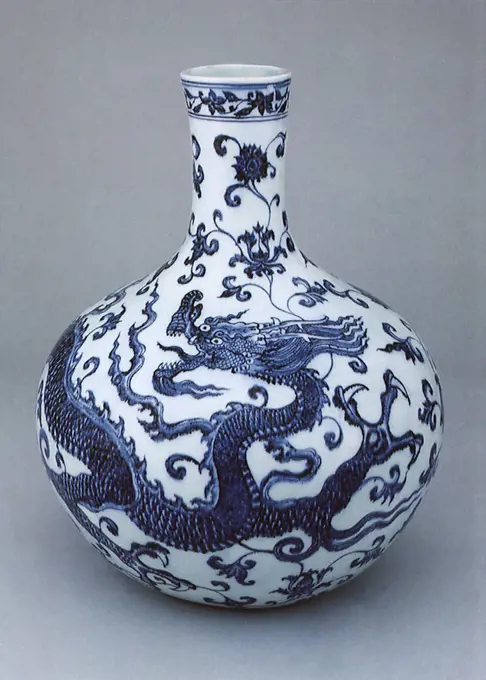
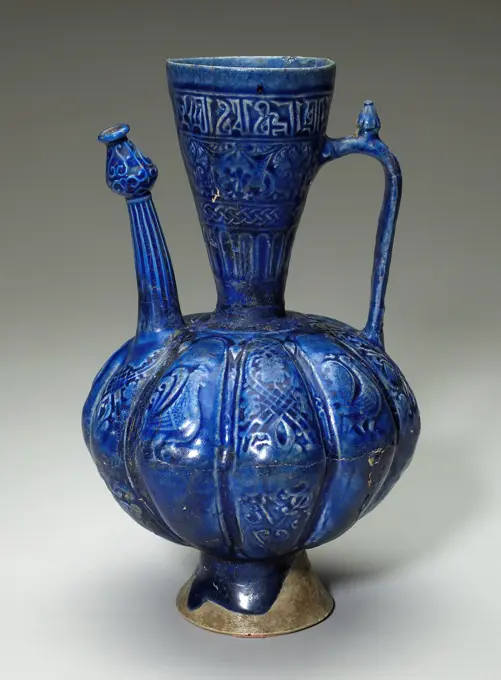
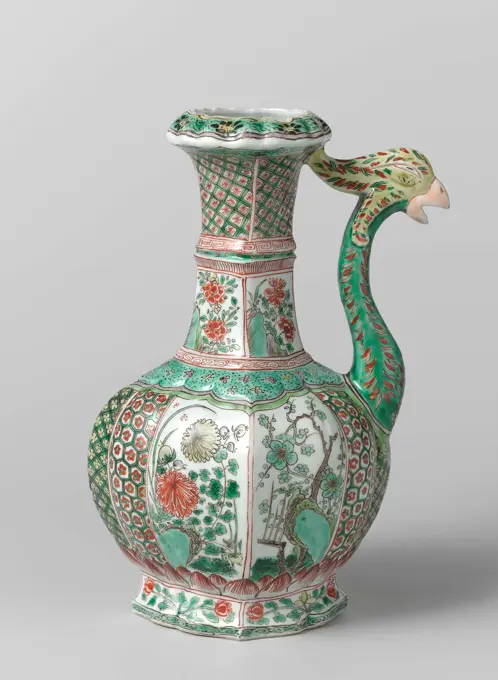
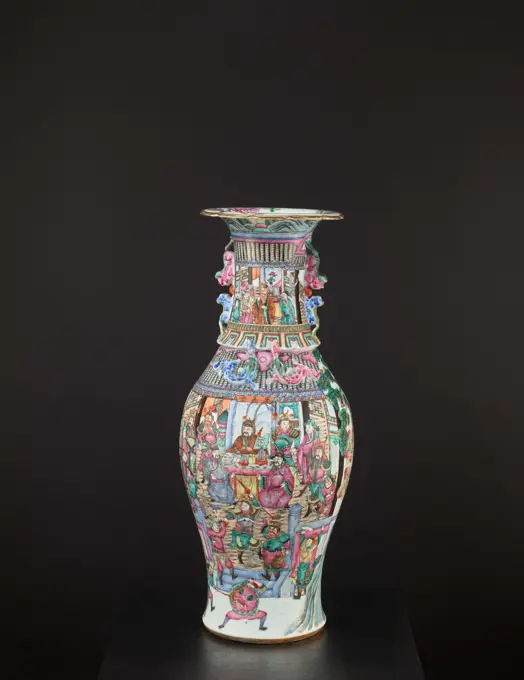
A collection of ornate porcelain vases featuring detailed floral and landscape designs in blue and multicolor, showcasing craftsmanship and elegance.
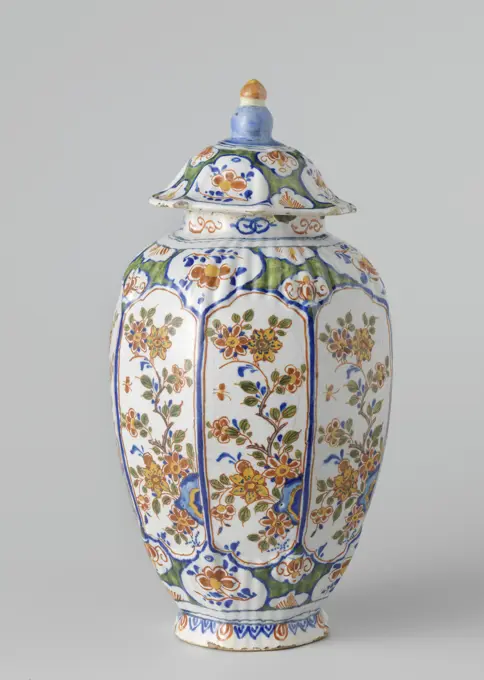
Cover pot, round with octagonal wall and polychrome painted with flower and leaf vines in cartouches, the two Scheepjes, after Jan Gaal, after widow Gaal-van der Plank, 1707- 1727  Delft earthenware  Delft earthenware
Cover pot, round with octagonal wall and polychrome painted with flower and leaf vines in cartouches, the two Scheepjes, after Jan Gaal, after widow Gaal-van der Plank, 1707- 1727 Delft earthenware Delft earthenware
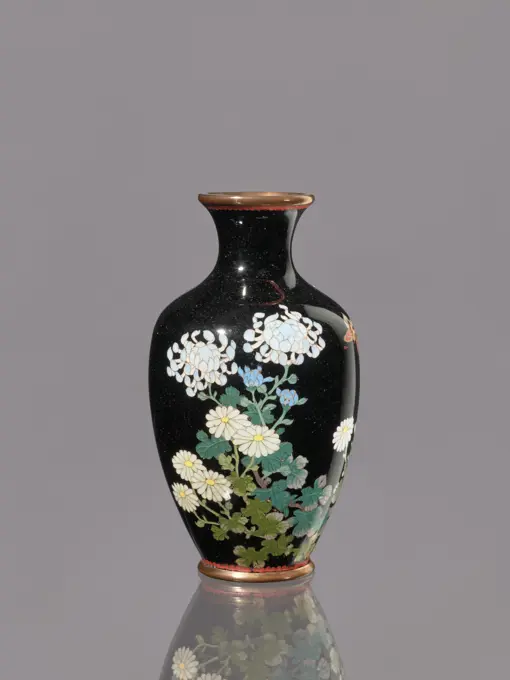
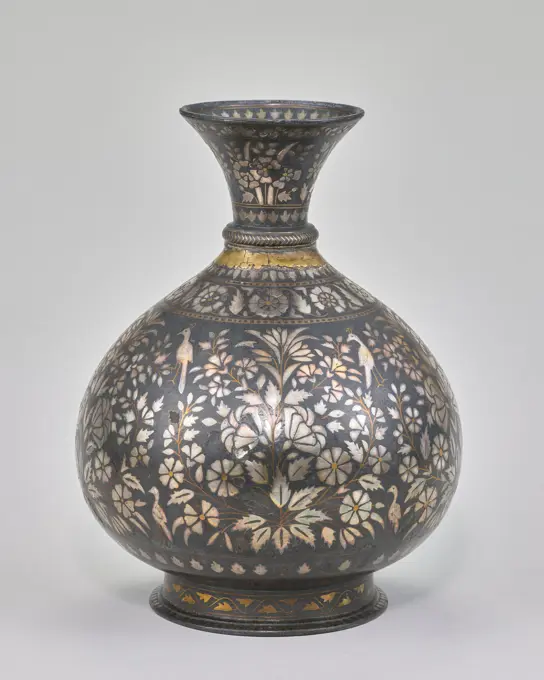
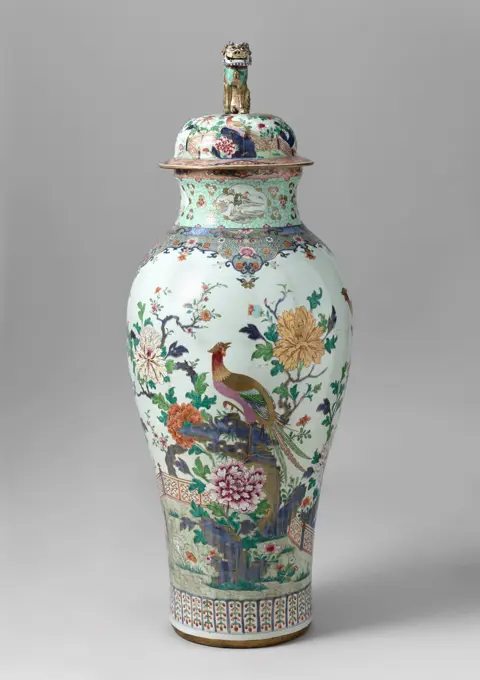
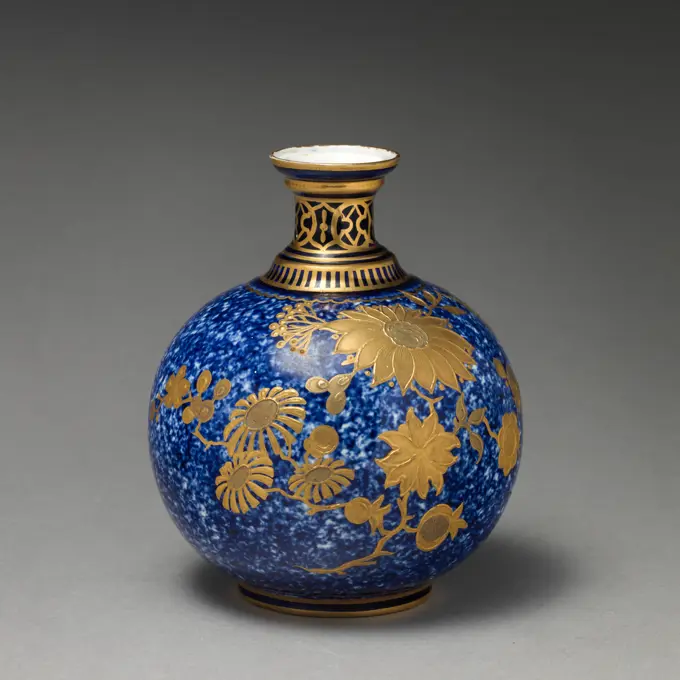
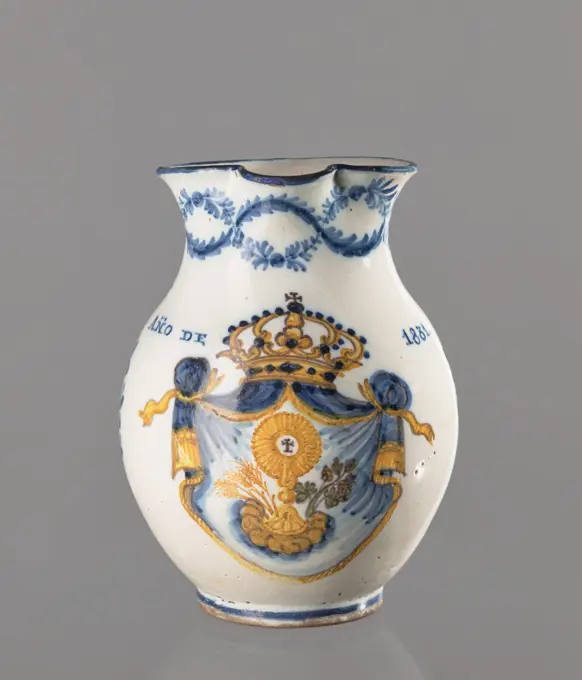
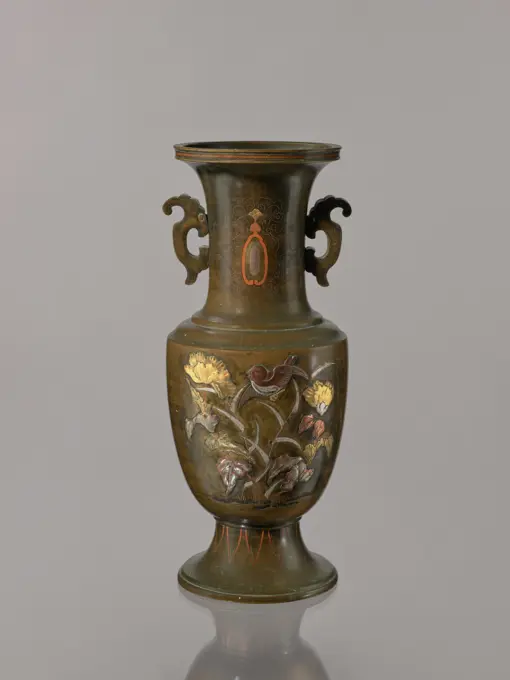
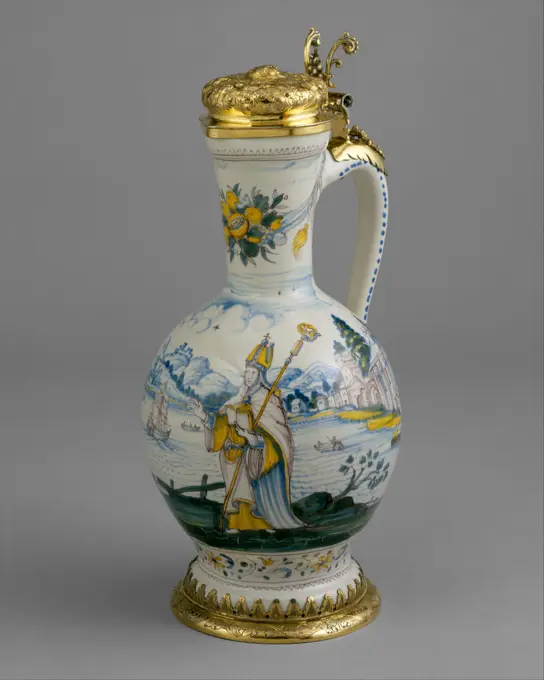
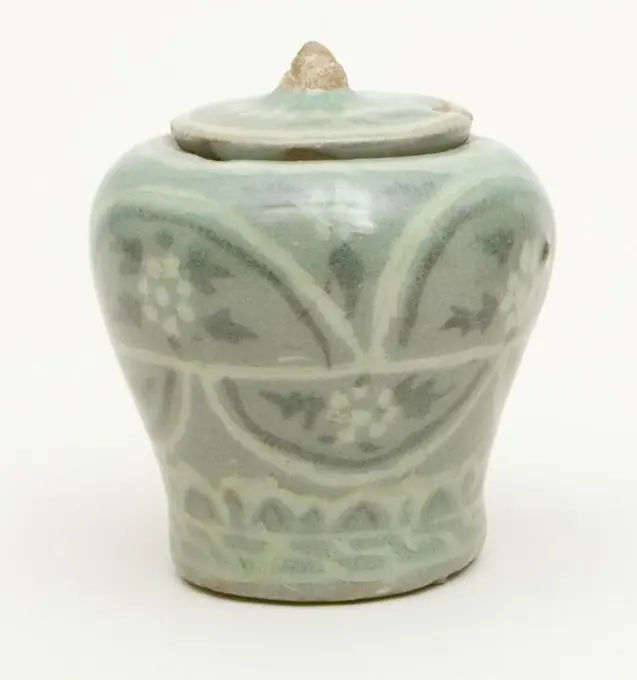
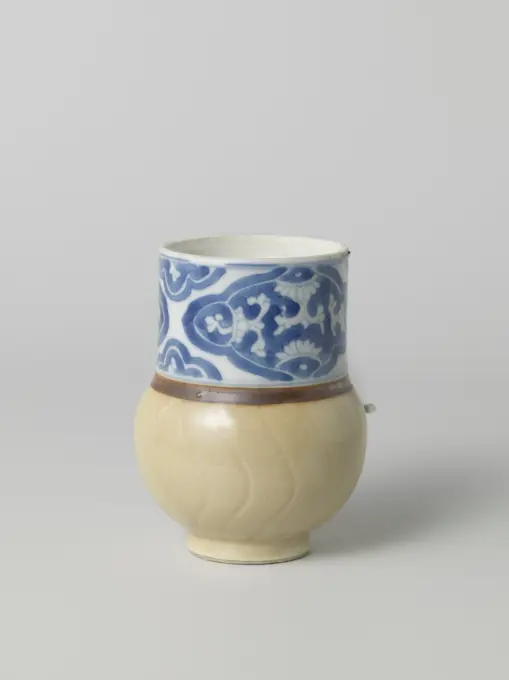
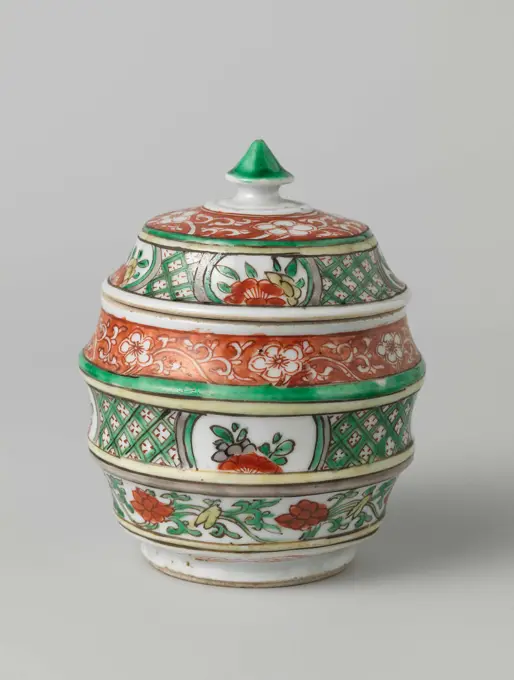
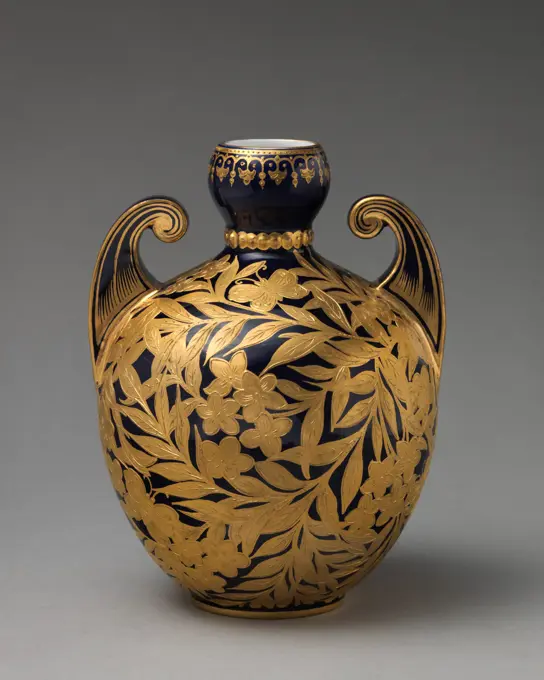
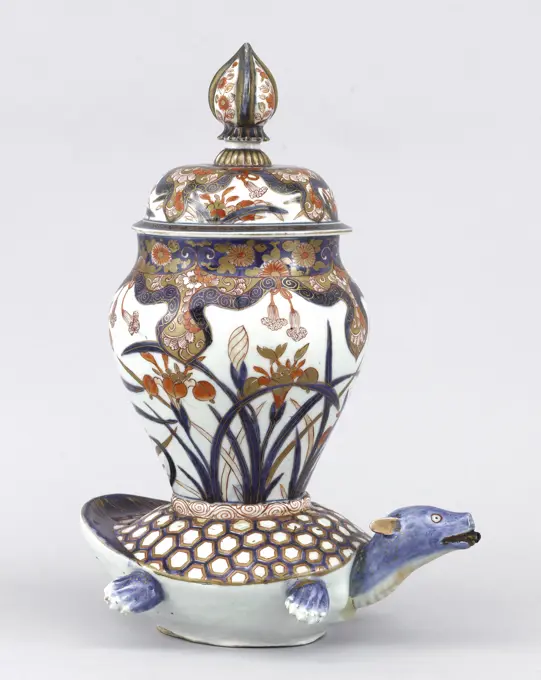
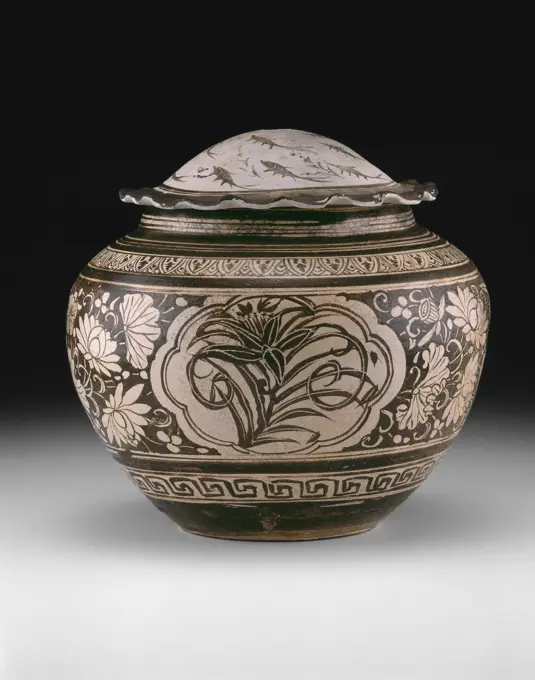
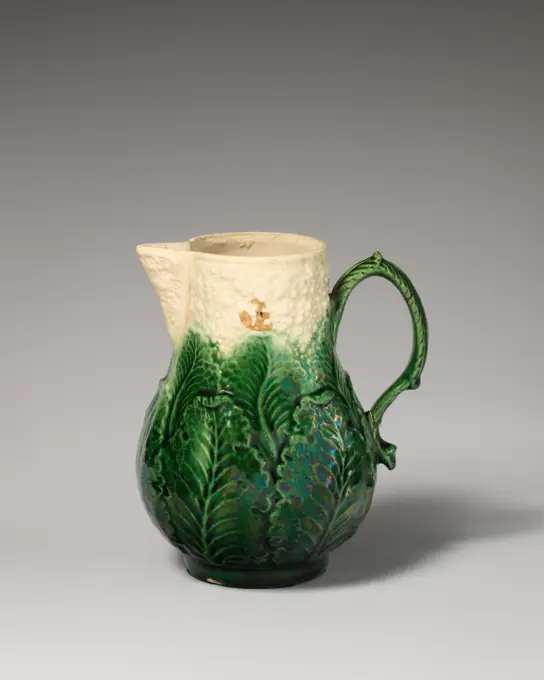
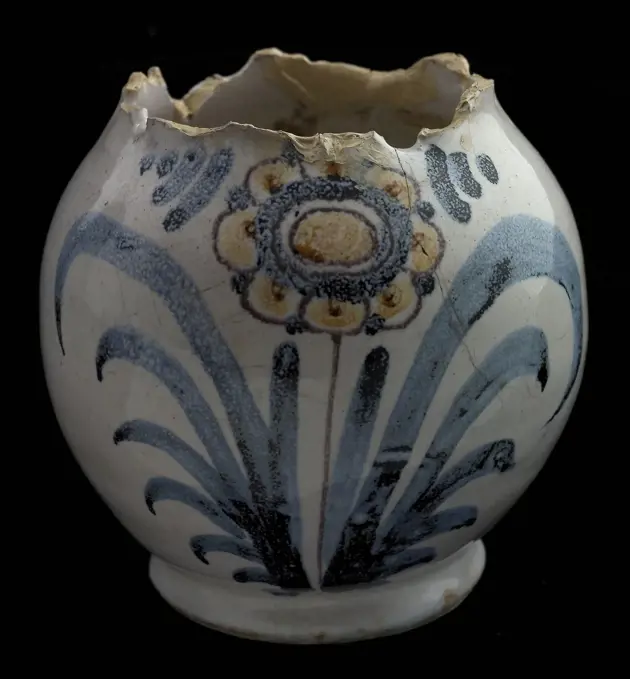
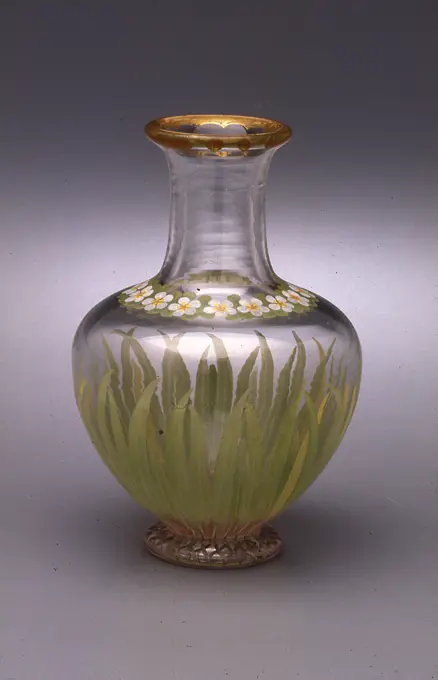
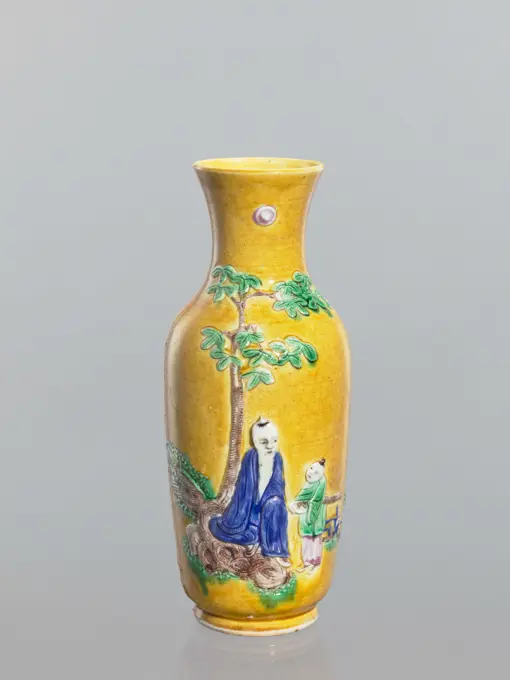
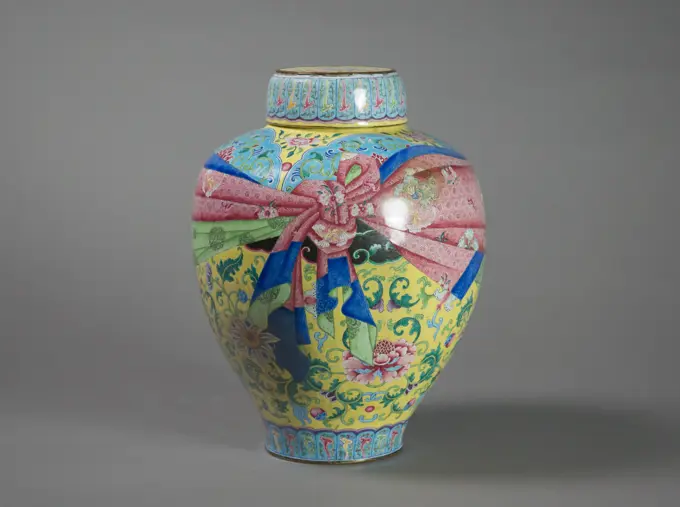
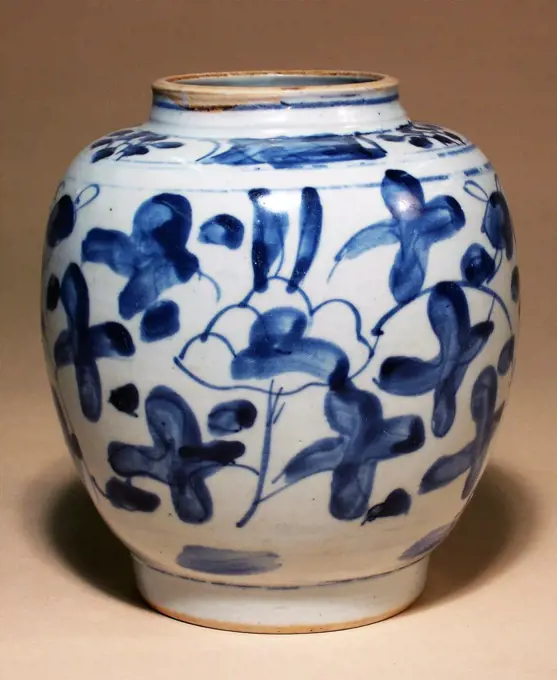
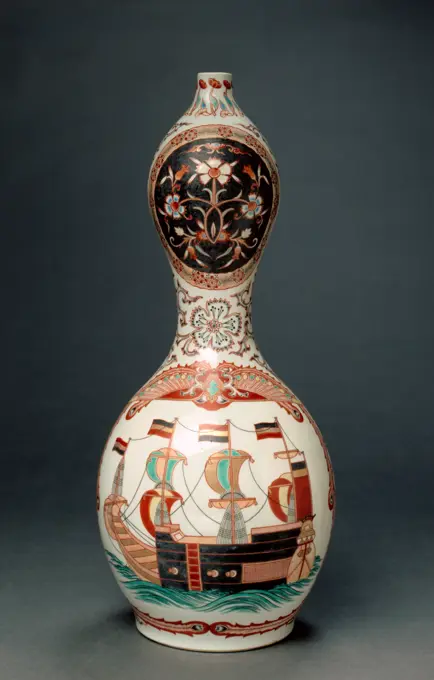
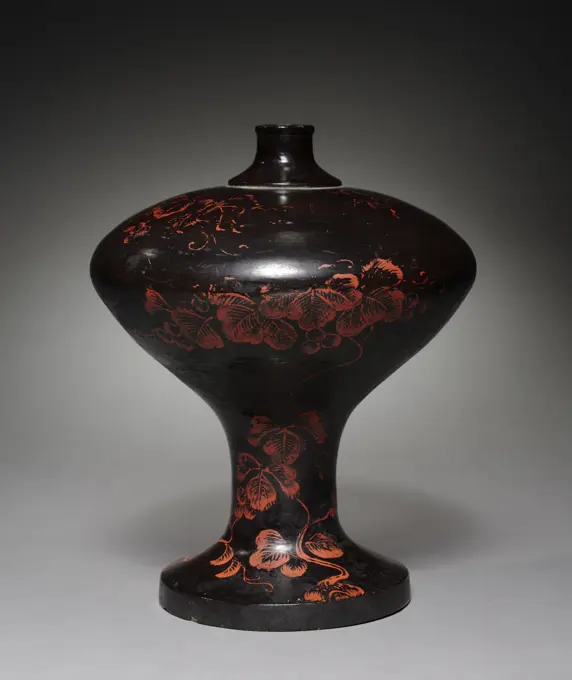
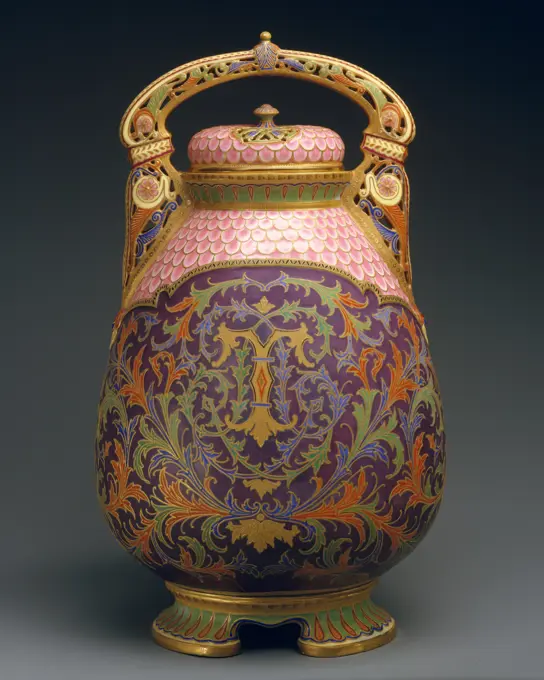
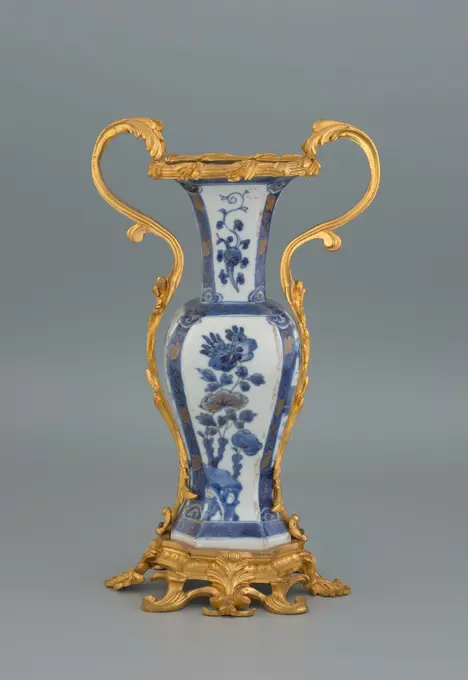
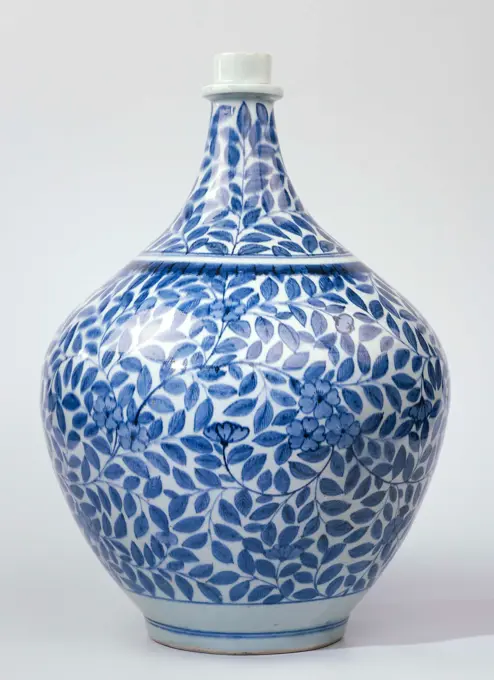
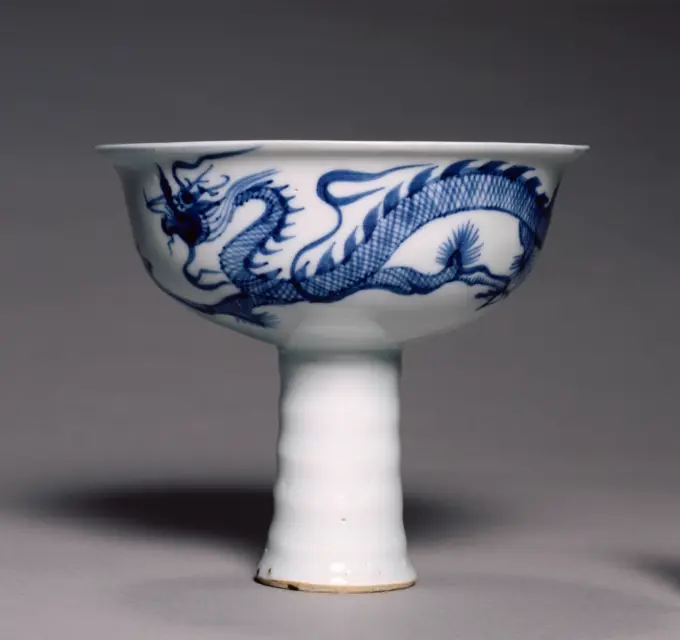
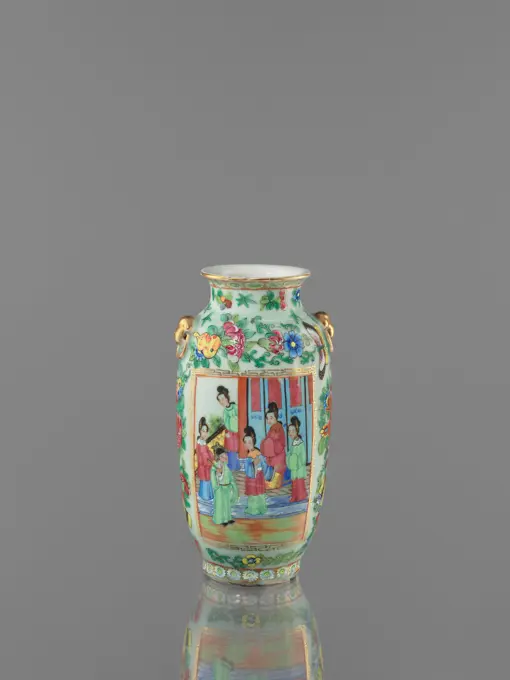
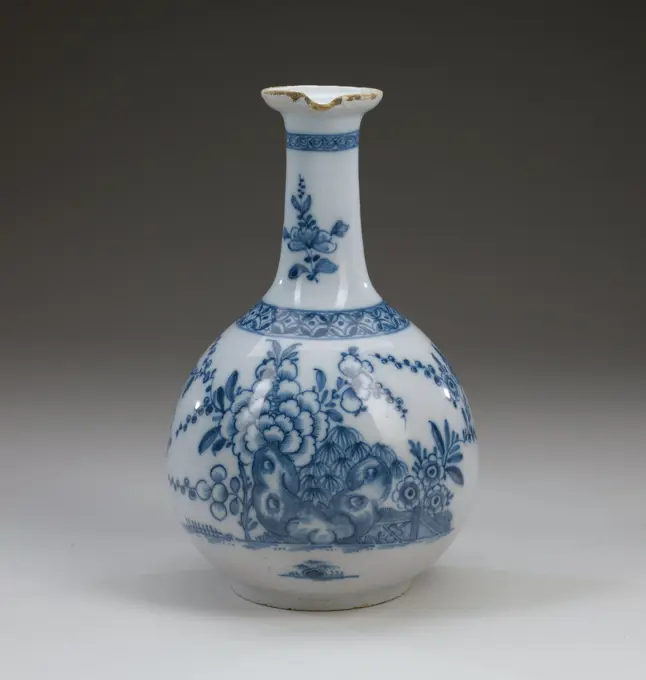
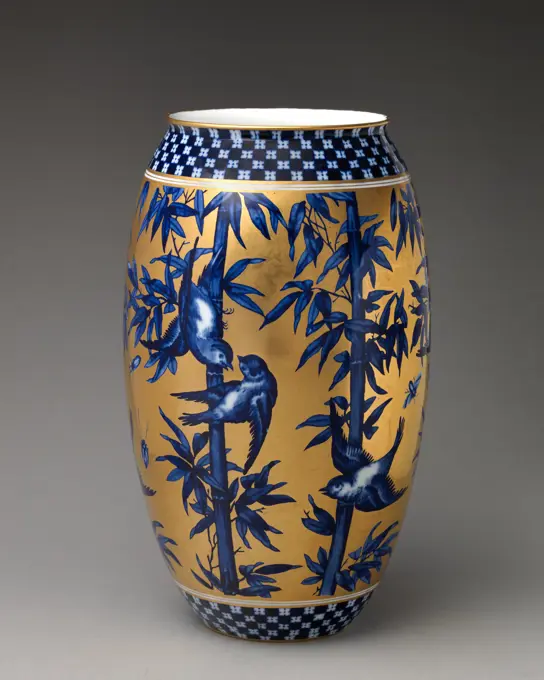
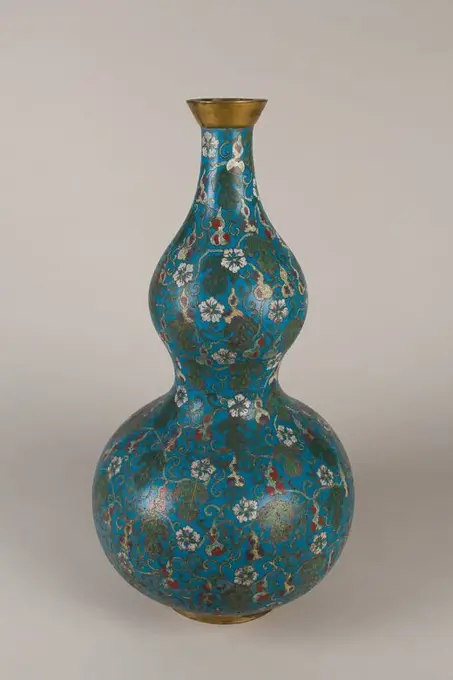
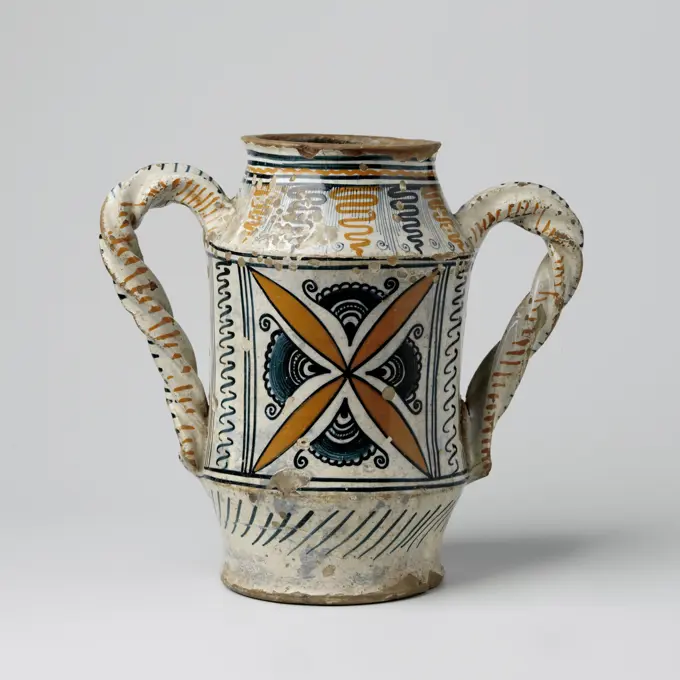
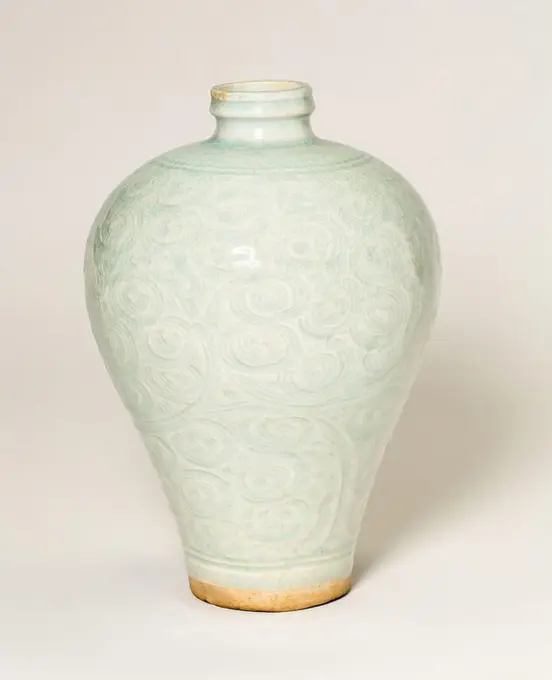
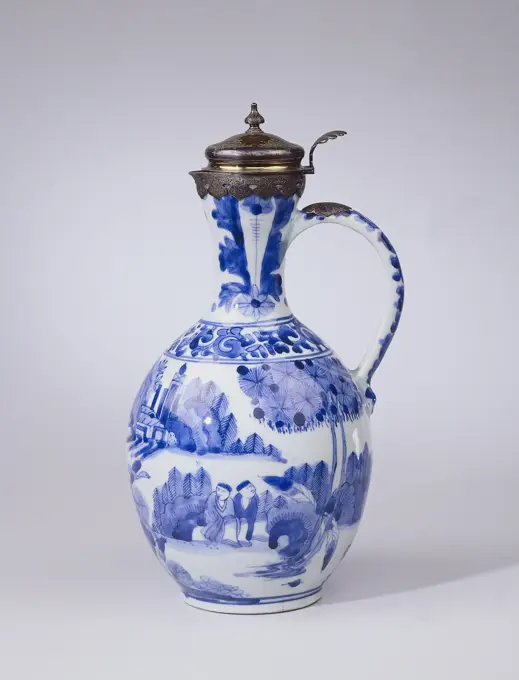
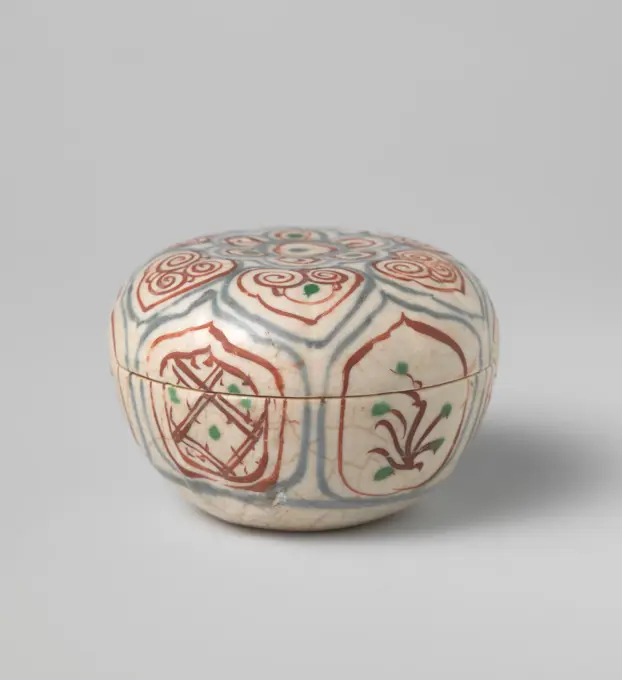
Ewer With Flowering Plants, Flower Sprays and Floral Scrolls. Can be mounted from porcelain with a pear-shaped body, C-shaped ear and curved spout, painted in underglaze blue. On the abdomen twice a group of flowering plants with a bird and insects. The shoulder with a decorative band and two flower branches. On the neck a band with flower drinks, two flower branches and a butterfly. The spout with flower drinks and the ear with a leaf branch. A decorative band around the foot. On top of the ear a hole for a frame. Bak sand at the foot ring; Edge has been broken. Arita, blue-white.Coffee Pot 1770-1780 Worcester. Soft-paste porcelain, polychrome enamels and gilding . Worcester Royal Porcelain Company (Manufacturer)Ancient China: Blue-and-white ware vessel. Ming Dynasty, 1368 - 1644 AD. Glazed ceramic.Small vase. unknown, craftsmanWater Vase (Lota), 17th-18th century, 10 1/2 x 7 in. (26.67 x 17.78 cm), Zinc alloy; cast, engraved, and inlaid with silver and brass, India, 17th-18th century, This bulbous vessel merges the classical Indian form of a water vessel with the Persian- inspired type of metal inlay known as Bidri. A popular luxury item under the Islamic Sultanate Kingdoms of the Deccan Plateau (about 1300s-1700s CE), bidriware is unique to the subcontinent. It involves a complicated chemical process in which the base metal is blackened to offset the dazzling pattern of the inlay. Here, the combination of brass and silver inlay, known as ganga-yamuna, refers to respective hues of north Indias two great rivers, the Ganges and the Yamuna, which in Hindu (Brahmanist) traditions are worshipped as goddesses. Floral sprays and fluttering birds further evoke a spirit of bounty.Waterbank, Anonymous, 1625 - 1675  Fat -bellied water jug with spacious, outward -bent mouth. Handle in the form of a weasel. Blue decoration of flower branches and three Buddhist lions in dark blue on white. The heads of the lions are three-dimensional and can be used as a bearing eye. Flat, round foot. Largely covered with growths. China porcelain vitrification  ChinaBaluster covered jar with pheasants on a rock near a fence and flowering plants, anonymous, c. 1750 - c. 1780 Porcelain lid, painted in underly glaze blue and on the glaze in blue, red, pink, green, yellow, black and gold. On the wall a pheasant on a rock in flowering plants (peony, prunus) and a fence. A second pheasant, butterflies and birds flies in the air. On the ground other flowers (Aster, Lotus, Prachtanjer), Mushrooms (Lingzhi) and a pond with ducks. On the shoulder a decorative strap of small flower rosettes with curl and loose flowers on it. Above the foot a band with stylized leaf motifs filled with garlands with lucky symbols (music stone, mint, window). On the neck a bond with 'crackled ice' and prunus blossoms interrupted by lobed cartouches with a landscape in Ence de Chine. The outer edge in Imari colors with a bond with clouds on architecture interrupted by cartouches with lotus vines. Lid button in the form of a shishi. Famle Rose. China porcelain. glaze. cobalt (minEwer early 18th century Chinese, for Dutch market. Ewer 207745Cover base. Pot of multicolored faience painted. A cartouche with two houses in a landscape in the colors blue, yellow, green, brown and purple is painted in the pot. The button of the lid is one in a fruit pecking bird. The pot belongs to an identical pot and a cup.Miniature bottle vase with flowering plants and insects, anonymous, c. 1675 - c. 1724 Miniature bottle-shaped vase made of soft-paste porcelain with a pear-shaped body, painted in under-glaze blue. A group of flowering plants and three flying insects on the abdomen. Blue White. China porcelain. soft-paste porcelain. glaze. cobalt (mineral) painting / vitrification Miniature bottle-shaped vase made of soft-paste porcelain with a pear-shaped body, painted in under-glaze blue. A group of flowering plants and three flying insects on the abdomen. Blue White. China porcelain. soft-paste porcelain. glaze. cobalt (mineral) painting / vitrificationRosewater Sprinkler or Bottle with Light Brown, Flower Sprays and Landscapes. Rose water dropper or point bottle at high foot of porcelain with spherical body and long, pear-shaped neck, covered with a café-au-lait glaze and painted in underglaze blue. The bottle is covered with a light brown glaze with in underglazing blue four leaf-shaped reserves with flower branch and two fan-shaped reserves with a landscape with rocks, trees and a pavilion. Monochrome brown with blue and white.Vase China. Vase. China. Porcelain. Qing dynasty (1644-1911), Kangxi period (1662-1722). CeramicsOctagonal coffee pot with hunting and mythological scenes, anonymous, c. 1700 Octagonal coffee pot of porcelain on three spherical feet, a tapered body with straight walls and C-shaped ear, painted in underly glaze blue. The long spout is bent out at the end and connected to the body with an S-shaped element at the top. The wall is divided into two parts. The underside with a continuous representation of a hunting company in a landscape. The top consists of a wide, decorative tire with curl, shell motifs, servetwork, flower vines and two cartouches containing the mythological representation of Europe and the bull. The spout and the ear with decorative tires; The top of the ear with a hole for a frame. The underside of the jug with a worn, painted (European) Decoration of flower vines and medallions. European form and representation in blue and white. China porcelain. glaze. cobalt (mineral) painting / vitrification Octagonal coffee pot of porcelain on three spherical feet, a tapered boOctagonal coffee pot with hunting and mythological scenes, anonymous, c. 1700 Cover of octagonal coffee pot of porcelain, painted in underlaze blue. On the lid a wide, decorative band with curl work, shell motifs, servetwork, flower vines and two cartouches containing a putto. Cover button in the form of a shishi (lion dog). European form and representation in blue and white. China porcelain. glaze. cobalt (mineral) painting / vitrification Cover of octagonal coffee pot of porcelain, painted in underlaze blue. On the lid a wide, decorative band with curl work, shell motifs, servetwork, flower vines and two cartouches containing a putto. Cover button in the form of a shishi (lion dog). European form and representation in blue and white. China porcelain. glaze. cobalt (mineral) painting / vitrificationSmall spherical vase 1887 Crown Derby The history of the Derby porcelain manufactory can generally be divided into two periods. The old Derby porcelain was produced from 1750 to 1848, and was foremost distinguished by the ownership of William Duesbury I and II. When the original factory closed in 1848, a number of former workers established a separate smaller factory at King Street, Derby, using Crown Derbys original molds and patterns and oftentimes incorporating the factory marks on its wares. Around 1876, a separate company established a factory at Osmaston Road under the name Derby Crown Porcelain Company (and eventually bought the King Street factory in 1935), although the firm did not being producing commercial pieces until two years later. In 1890, the factory was granted the privilege of using the title "Royal Crown Derby Porcelain Company." Although the new Crown Derby continued to produce the firms old eighteenth-century Japan patterns, it became known for making vessels laPot with lid, the gilded Blompot, 1780 - 1820  Pottle of Faience lid. Multicolored painted. The pot is marked: B-p. Delft .Jar. Culture: China. Dimensions: H. 11 1/2 in. (29.2 cm).An inscription, chang ming fu gui ("long life, riches, and honor"), has been painted in red enamel over the incised reign mark on the base. Museum: Metropolitan Museum of Art, New York, USA.Pitcher; Talavera de la Reina; 1831 (1831-00-00-1831-00-00);. Lower vase of the flower holder of blue painted faience.Candelabrum. Prószków Śląski (fabryka fajansu ;1763-1853), factoryVase. unknown, craftsmanWater Pipe Base 17th century The technique of frit-carving was popular in the 12th century and experienced a revival in the 17th century. This involved covering the entire vessel in a thick layer of frit (in this case, blue), carving through to the white composite body, and finally covering the ware in a transparent glaze. The blue frit on this water pipe base (qalian), is reminiscent of the color on a type made in the kilns of Iznik, Ottoman Turkey. The serrated saz-shaped leaf forms also bear reference to Ottoman forms, while the lotus-flower leaves are traditionally Chinese. The metal attachments to this kalian are later additions, added in order to protect the vulnerable projecting segments.. Water Pipe Base 452733. attributed to De Klaauw (Lambertus Sanderus) Delft, c. 1760-1800tin-glazed earthenware (faience)Cylindrical bottle vase with floral scrolls and ornamental borders, anonymous, c. 1680 - c. 1720 Cylindrical vase of porcelain with a slightly narrowing body and a short, wide neck, painted in under -glaze blue. Two wide tires with flower vines on the belly; The tire under the shoulder is interrupted by scalloped cartouches with flower vines saved in a blue surface. Above the foot and on the shoulder a band with blue triangles with half a flower in spare. On the neck a band with standing leaf motifs. Blue White. China porcelain. glaze. cobalt (mineral) painting / vitrification Cylindrical vase of porcelain with a slightly narrowing body and a short, wide neck, painted in under -glaze blue. Two wide tires with flower vines on the belly; The tire under the shoulder is interrupted by scalloped cartouches with flower vines saved in a blue surface. Above the foot and on the shoulder a band with blue triangles with half a flower in spare. On the neck a band with standing leaf motifs. Blue WhVase. unknown, craftsmanKrüg dated 1684 German, Frankfurt Krüge were used to serve wine and were filled directly from the barrel or from a large container standing in a cistern of cool water, as is frequently shown in genre paintings. This krüg probably belonged to an Augustinian monastery near Frankfurt. The painted decoration refers to a story about Saint Augustine. Once, while walking beside the sea, wrestling with the mystery of the Trinity, the saint came upon a child spooning water into a bucket. When told it is impossible to convey all the sea into the bucket, the child responded that it is equally impossible to comprehend the Trinity.. Krüg 207985Guan-type vase. unknown, craftsmanVase late 17th-early 18th century China. Vase. China. late 17th-early 18th century. Porcelain painted in underglaze blue. Qing dynasty (1644-1911), Kangxi period (1662-1722). CeramicsEwer ca. 1715 Chinese, for European market. Ewer. Chinese, for European market. ca. 1715. Hard-paste porcelain. Ceramics-Porcelain-ExportMiniature Covered Jar. Korea. Date: 1100-1299. Dimensions: H. 6.5 cm (2 9/16 in.); diam. 5.5 cm (2 3/16 in.). Stoneware with underglaze inlaid decoration of green and white clays. Origin: South Korea. Museum: The Chicago Art Institute, Chicago, USA.Glass oinochoe (perfume jug). Culture: Greek, Eastern Mediterranean. Dimensions: H.: 2 1/2 in. (6.4 cm). Date: 4th-3rd century B.C..Translucent cobalt blue, with handle in same color; trails in opaque yellow and opaque white.Applied large trefoil rim-disk; short cylindrical neck, tapering upwards; broad rounded shoulder; stright-sided body with pronounced downward taper; applied low circular coiled pad-base, with flattened bottom; strap handle attached to shoulder, drawn up and round in a curve, arching above the rim-disk, and pressed on to top of neck behind rim-disk.A yellow trail attached at edge of rim-disk; another fine yellow trail wound spirally more than six times around neck; a third fine yellow trail wound around outer edge of shoulder, then intermingling with a white trail on upper body; both tooled into a close-set zigzag pattern; below, a fourth yellow trail wound horizontally in a single turn; a fifth yellow trail attached at edge of pad-base.Intact, but some internalPorcelain Vase, Ming Dynasty. Ewer with bird, vegetal, and calligraphic motifs, 12th century, 9 15/16 in. (25.24 cm), Stonepaste with molded decor under lapis-blue glaze, Kashan ware, Iran, Seljuk period (1038- c.1194), This elegant ewer, with its lobed body and bird, foliage, and calligraphic motifs in molded low relief, is one of only a few similar vessels glazed in dark blue that have survived from the Kashan workshops of the late Seljuk period.Jar with lid and inscription: bruder.es.gilt.dir.eins. Light inserted soil. Smooth, slightly conical foot with beaten edge, spherical body under a virtually cylinder neck. Switched on, smooth, C-shaped ear. A smooth glass wire painted with green dots around the body at the bottom of the ear, a smooth glass thread on the neck at the top of the top. The body in white, yellow, blue, green and red painted with the inscription bruder.es.gilt.dir.eins between slippery and stipped piping. On the neck in yellow the year 1603, the numbers separated by green flowers and bottles and topped up with smooth and stained piping. Vaulted tin lid, hinged mounted on the ear and equipped with a thumb piece.Chinese, Snuff Bottle, porcelain.Ewer With Flower Sprays And Spout Shaped Like a Feng Huang. Can be made from porcelain with landscaped walls, an ovenproof neck with ribbed edge and spout in the shape of a Feng Huang. Painted on the glaze in red, green, yellow, eggplant and black. The wall is divided into four large compartments with flower branches (lotus, peony, prunus, chrysanthemum) and six smaller compartments with geometric pattern or napkin; On the shoulder loose flowers against a black speckled green ground; the lower part of the neck with the four flower branches in boxes, above, separated by a meander strap, four compartments with napkin; the edge with flower drinks; on the foot a bond with lotus branches in boxes; Above the foot a band with modeled lotus leaves. Old label on the bottom with 'A. Steel Antiquaire Rokin 156 Amsterdam / 6910/974009 '. Lid is missing. Famille Verte.Decorative vase. unknown, craftsmanVase with a continuous river landscape, anonymous, c. 1850 - c. 1899 Vase of porcelain with cylindrical body, flat shoulder and cylindrical neck with raised edge, painted on the glaze in blue, red, green, yellow, eggplant and black. On the wall a continuous river landscape with people, boats, pavilions, trees and mountains; A band Ruyi motif around the shoulder; On the shoulder a geometric pattern with chrysanthemum rosette interspersed with four cartouches with flower branches and a bird; On the neck a river landscape with a band Ruyi motif; A meander pattern on the edge. Famle Verte. China porcelain. glaze. painting / vitrification Vase of porcelain with cylindrical body, flat shoulder and cylindrical neck with raised edge, painted on the glaze in blue, red, green, yellow, eggplant and black. On the wall a continuous river landscape with people, boats, pavilions, trees and mountains; A band Ruyi motif around the shoulder; On the shoulder a geometric pattern with chrysanthemum rosetteBeaker Vase With Figures, Flower Sprays And Auspicious Symbols in Shaped Panels on a Multi-Colored Ground. Bek trash of porcelain with trumpet-shaped neck and ribbed wall, painted on the glaze in blue, red, pink, green, yellow, purple, black and gold. On the wall cartouches against a common background of vertical tires (harlequin pattern); Two cartouches in the shape of open rolls with a lady (long lijs) with boy (ocean) in a fenced garden with flowering plants, including two leaf-shaped cartouches with ponda branch and butterfly, on either side of the large courses a smaller pomegranate and finger lemon-shaped box with lucky symbols; On the edge a bond with flower drinks. On the bottom an old label with 's.k. 21 '. Belonging to a five-part cabinet set. Family Rose.Tankard with light brown and panels with flower scrolls, anonymous, c. 1700 - c. 1724 Porcelain beer pules, painted in under-glaze blue and with cafe-au-lait glaze. The lower, spherical part of the body is with light -breached lines and covered with a light brown glaze, above a brown band; The upper, straight part of the body with lobed cartouches in underlaze blue with flower vines in reserve. Marked on the underside with an artemisia leaf. Ear is missing. Monochrome brown with blue and white. China porcelain. glaze. cobalt (mineral) painting / vitrification Porcelain beer pules, painted in under-glaze blue and with cafe-au-lait glaze. The lower, spherical part of the body is with light -breached lines and covered with a light brown glaze, above a brown band; The upper, straight part of the body with lobed cartouches in underlaze blue with flower vines in reserve. Marked on the underside with an artemisia leaf. Ear is missing. Monochrome brown with blue and white. China porcelain. glaUrn, c. 1770. England, South Staffordshire, 18th century. Enamel; overall: 22.1 x 9.4 x 9.1 cm (8 11/16 x 3 11/16 x 3 9/16 in.).. .Barrel-Shaped Covered Jar With Flower Scrolls And Geometric Patterns. Burbled pot with lid with porcelain button constructed from three concave layers above each other, painted on the glaze in red, green, yellow, eggplant and black with flower drinks and geometric motifs. Each layer has a different decoration: the bottom is filled with lotus drinks, the middle with geometric motifs interrupted by cartouches with a flower branch, the upper with floral drinks saved in a red ground; Curl works around the foot. The lid also has a concave wall and thus forms the fourth layer. On the wall and top the same decoration as the middle and top layer of the pot, respectively. Famille Verte.Vase with handles 1885 Crown Derby The history of the Derby porcelain manufactory can generally be divided into two periods. The old Derby porcelain was produced from 1750 to 1848, and was foremost distinguished by the ownership of William Duesbury I and II. When the original factory closed in 1848, a number of former workers established a separate smaller factory at King Street, Derby, using Crown Derbys original molds and patterns and oftentimes incorporating the factory marks on its wares. Around 1876, a separate company established a factory at Osmaston Road under the name Derby Crown Porcelain Company (and eventually bought the King Street factory in 1935), although the firm did not being producing commercial pieces until two years later. In 1890, the factory was granted the privilege of using the title "Royal Crown Derby Porcelain Company." Although the new Crown Derby continued to produce the firms old eighteenth-century Japan patterns, it became known for making vessels lavisFountain vase, Japan. Porcelain, Imari decor, 18th century. Museum of Fine Arts of the City of Paris, Petit Palais. VASE FONTAINE Japanese art, Decor Floral, Decor Imari, Flower Decor, Fountain Vase, Imari, Japanese Art, Japan, Japan, Art, Porcelain, Porcelain, Porcelain, Tortoise, Turtoise, Vase Fontaine, Work of Art, Animal, ChinaJar with Floral Scrolls and Wrapped-Cloth Design 18th century China The complexity of the decoration on this jar illustrates the taste of the Qianlong period, when lush floral scrolls were found in all media. The structured placement of the flowers on this jar, however, differs from the more fluid renderings often found in Chinese art, and it is possible that these designs were inspired by Indian textiles, which were traded globally in the eighteenth century. Although often associated with Japan, the wrapping of jars and other containers with fine textiles before presenting them (and presumably their contents) as gifts was also practiced in China.. Jar with Floral Scrolls and Wrapped-Cloth Design. China. 18th century. Painted enamel on copper. Qing dynasty (1644-1911), Qianlong period (1736-95). EnamelsAnonymous. "Porcelain vase decorated with branches and birds". Porcelain. 1776-1800. Paris, Carnavalet museum. 101428-28Jar with Sprays of Peony, Lily, and Plum and Lid with Small Fish 1201-1250 Jiangxi. Jizhou ware; stoneware painted in underglaze iron slip, with incised detail .Jug with satyrs, portraits and floral scrolls, anonymous, c. 1600 - c. 1610 Jug of stoneware on high foot with a cylindrical body with rounded up and bottom and short neck. The C-shaped also is attached to the neck and shoulder. Profiles on the neck, the body and the foot. Partly covered with cobalt blue. On the cylindrical part a continuous band in relief of four saters between curl work, interspersed with five printed and imposed medallions with a portrait of a man, woman or satie. The middle medallion with the inscription 'IM 90'. The lower part of the abdomen with canelures. Stamped flowers and leaf shapes with notch cut on the shoulder. The neck with three small medallions with a lion's head or portrait between flower vines. On the ear a stamped M. Westerwald. Westerwald stoneware. glaze. cobalt (mineral) vitrification Jug of stoneware on high foot with a cylindrical body with rounded up and bottom and short neck. The C-shaped also is attached to the neck and shoulder. Profiles onDrug Jar, St George and the Dragon, 1550-60. Maiolica, tin glazed and painted earthenware.. Italy, Ravenna, Faenza.. The material used to make this drug jar is known in Italy as maiolica. It is earthenware with a thick, opaque white surface called tin glaze. Maiolica was one of the first ceramics to be used specifically as a vehicle for painted decoration, either in lustre or in painted enamels. As a branch of pottery manufacture, maiolica was established in the northern half of Italy by the mid-15th century when the pots were often decorated with bold patterns in green and purple.. As the industry developed throughout Italy, characteristic shapes emerged, amongst them drug jars like this used for display in pharmacies... This jar has an image of Saint George and the Dragon. According to legend, a pagan town of Libya was being terrorised by a dragon. The dragon was not satisfied with the sheep the town's people were offering it. They started to offer it people which began to subdue theJug ca. 1750-70 British, Staffordshire. Jug. British, Staffordshire. ca. 1750-70. Lead-glazed earthenware (creamware). Ceramics-PotteryFragment of faience jug, on which polychrome flower, schertskan, vase holder soil found ceramic earthenware glaze tin glaze, hand turned hand shaped baked glazed painted Fragment of faience fopkan, pichet trompeur, puzzle jug or schertskan. Polychrome decor consisting of flower on straight stem flanked by large leaves Around the shoulder circle of holes hollow ear that opens at the bottom of the pot. Stand surface Flaked too hot. The ruptured edges are roughly touched with yellow paint to prevent flakiness of the glaze. Rotterdam City Triangle underground pit Leuvehaven jokes amuse drink drink pouring Found during the metro works location station Leuvehaven Rotterdam 1970.Vase;  19th century (1801-00-00-1900-00-00);Well Spring Carafe 1847 Lambeth. Blown glass with enamel and gilt decoration . Richard Redgrave (Designer)Vase. unknown, craftsman. Hexagonal can of porcelain with a pear-shaped body, long, S-shaped spout and S-shaped ear, painted in underglaze blue. Plants blooming on the abdomen interrupted by a modeled, lobd cartouche with one modeled and one in blue spared lotus drink. The foot, edge and lid are divided into six compartments with flower branches. On the spout and the ear cloud motifs. Blue White.Jar with Floral Scrolls and Wrapped-Cloth Design 18th century China Invented in Limoges, France, during the fifteenth century, the technique of painting enamels onto metal was brought by the Jesuits to China in the early eighteenth century. Jars and other vessels made in this technique are sometimes known as "foreign porcelains" in China. Painted enamels for court use were made in one of the specialized workshops in the Forbidden City, and those for domestic use and export were produced in private workshops in Canton. Consequently, in the West such painted enamels are commonly called "Canton" enamels.. Jar with Floral Scrolls and Wrapped-Cloth Design. China. 18th century. Painted enamel on copper. Qing dynasty (1644-1911), Qianlong period (1736-95). EnamelsTerracotta oinochoe (jug). Culture: Greek, Attic. Dimensions: Other: 5 in. (12.7 cm). Date: ca. 470-460 B.C..Iris crouching with kerykeion (herald's staff) and wax tablets. Museum: Metropolitan Museum of Art, New York, USA.Ancient China: Blue-and-white ware vessel. Ming Dynasty, 1368 - 1644 AD. Glazed ceramic.Snuff Bottle with a Boy, Gentleman, Buffalo, and Two Figures Playing Weiqi. China. Date: 1820-1850. Dimensions: 5.7 × 5.0 × 2.8 cm (2 1/4 × 2 × 1 1/8 in.). Porcelain painted in overglaze enamels. Origin: China. Museum: The Chicago Art Institute, Chicago, USA.Bottle with Western Ships, c. 1800-1868. Japan, Edo period (1615-1868). Porcelain with decoration in colored enamels and underglaze blue, overglaze enamels, and gold (Hizen ware, Arita type); overall: 55.9 cm (22 in.).Vase 1895-1905 England. Lead-glazed earthenware, slip decorated . Mintons Ltd. (Manufacturer)Sake Flask, 1500s. Japan, Muromachi period (1392-1573). Black laquered wood with red lacquer; diameter: 24 cm (9 7/16 in.); overall: 30.5 cm (12 in.). This flask contained rice wine, or sake. Its wood body was shaped by a lathe before black lacquer was applied to the surface. A red lacquer design of grapevines, an auspicious motif, covers the surface. With their numerous, long-lasting fruits, grapevines traditionally symbolized fertility and longevity in East Asia.Covered potpourri vase 1884-90 Ott and Brewer. Covered potpourri vase. American. 1884-90. Porcelain. Made in Trenton, New Jersey, United StatesLentoid Aryballos (Container for Oil) 400 BCE-201 BCE Eastern Mediterranean Region. Glass, core-formed technique . Ancient Eastern MediterraneanVase with clouds 16th century China. Vase with clouds 48051Chinese Cloisonné Enamel Moon Flask on Stand,  Qing Dynasty, 18th - 19th centuryPilgrim bottle with the arms of France. Westerwald stoneware is recognizable by its decoration of cobalt blue on grey. Unusual features of this bottle are the fleurs-de-lys and the dark violet in the coat of arms. This colour, derived from added manganic oxide, first came into use during the mid-17th century. The lily motifs around the arms of France on the body suggest that the bottle was made for the French market.Vase with Birthday Reception for General Guo Ziyi China Qing dynasty (1644-1911), Kangxi period (1662-1722) This vase shows the birthday celebration for the Tang dynasty general Guo Ziyi (697-781). The scene at the foot of the vase shows the arrival of guests bearing gifts, among them a court robe and hat. The body of the vase features a joyful reception where the general and his wife receive congratulatory wishes from family members and guests. At the top of the vase, none other than Shoulao himself, the god of longevity, presides over the festivities, flanked by the eight Daoist immortals. The identity of Guo Ziyi, who achieved the rank of prince of Fenyang after suppressing the An Lushan rebellion, is confirmed by the inscription "Fenyang Manor" (Fenyang fu) above the entrance to the residence.Flower Holder. Flower holder of faience with fifteen spouts and two cliffs. Blue painted in glaze.Vase (one of a pair) ca. 1770 Worcester factory. Vase (one of a pair). British, Worcester. ca. 1770. Soft-paste porcelain. Worcester factory (British, 1751-2008). Ceramics-PorcelainVase;  XIXW. (1850-00-00-1865-00-00);. Meissen porcelain manufactory Meissen, c. 1725 Hard Paste Porcelain. Gold-plated bronze cap of square bottle of porcelain, in the form of a braided ring, ending in a hay bird head on a flower rosette. The edge has been ground. Arita, decorated in Europe ? In the Japanese Kakiemon style.Vase. Culture: Italian, Venice (Murano). Dimensions: Height: 11 3/4 in. (29.8 cm). Date: 19th century. Museum: Metropolitan Museum of Art, New York, USA.Jar 14th century China. Jar 44741Ovoid Bottle with a Continuous Pattern or Floral scrolls. Stock or pharmacist bottle of porcelain with an egg-shaped body, painted in underglaze blue. The bottle is covered with a continuous pattern of flower drinks with the exception of the foot ring, a band around the foot and the lip edge. Thickening in the neck on which the missing lid would rest. Arita, blue-white.Stem Cup with Dragon Pursuing Flaming Jewel, 1300s. China, Jiangxi province, Jingdezhen kilns, Yuan dynasty (1271-1368). Porcelain with underglaze cobalt blue and molded decoration; diameter: 13.3 cm (5 1/4 in.); overall: 11.8 cm (4 5/8 in.).Vase. unknown, craftsmanVase, c. 1900. Bernard Moore (British, 1850-1935). Porcelain; overall: 13 x 7.8 x 7.8 cm (5 1/8 x 3 1/16 x 3 1/16 in.).Bottle jug, c. 1760, 9 5/8 x 5 7/8 x 5 7/8 in. (24.45 x 14.92 x 14.92 cm), Tin glazed earthenware, England, 18th centuryJug 1890 England. Salt-glazed stoneware . Martin BrothersVase with birds and bamboo (one of a pair) 1881-91 Coalport. Vase with birds and bamboo (one of a pair). British, Coalport. 1881-91. Porcelain. Ceramics-PorcelainVase with birds and flowers late 17th-early 18th century China. Vase with birds and flowers 46082Jug with the Spies of Canaan, anonymous, c. 1647 Jug of stoneware on stand ring with a spherical abdomen and narrow neck. The C-shaped ear is attached to the neck and shoulder. Profiles on the neck. Partly covered with cobalt blue. On the shoulder a band with stamped flowers and one with triangles against a blue background, in between an entry line. The belly with three printed and imposed medallions, the middle flanked by crowned lions. In the medallions a representation of the spies of Canaan with the inscription '1647'. Westerwald. Westerwald stoneware. glaze. cobalt (mineral) vitrification Jug of stoneware on stand ring with a spherical abdomen and narrow neck. The C-shaped ear is attached to the neck and shoulder. Profiles on the neck. Partly covered with cobalt blue. On the shoulder a band with stamped flowers and one with triangles against a blue background, in between an entry line. The belly with three printed and imposed medallions, the middle flanked by crowned lions. In theVase (one of a pair). Culture: China. Dimensions: H. 22 1/2 in. (57.2 cm); Diam. 11 1/2 in. (29.2 cm). Museum: Metropolitan Museum of Art, New York, USA.Pot with two twisted ears, decorated with star -shaped ornaments, pointed leaves, fan shapes and spirals, anonymous, c. 1475 Cylindrical pot of multicolored painted majolica. The pot has two twisted ears. On the abdomen, a star -shaped ornament is painted on both sides consisting of four pointed leaves. Between the leaves, blue fan -shaped motifs are painted with a black outline that ends in spirals. Florence earthenware. lead glaze. tin glaze majolica Cylindrical pot of multicolored painted majolica. The pot has two twisted ears. On the abdomen, a star -shaped ornament is painted on both sides consisting of four pointed leaves. Between the leaves, blue fan -shaped motifs are painted with a black outline that ends in spirals. Florence earthenware. lead glaze. tin glaze majolicaVase of multi -colored fowence, anonymous, c. 1695 - c. 1715 Ribbed, octagonal multicolored painted vase. Part of a cupboard set consisting of five parts. Delft earthenware. tin glaze. painting Ribbed, octagonal multicolored painted vase. Part of a cupboard set consisting of five parts. Delft earthenware. tin glaze. paintingVase in the form of twin fish late 18th century China. Vase in the form of twin fish 47313Bottle Vase (Meiping) with Stylized Spirals. China; Jiangxi province. Date: 1101-1279. Dimensions: H. 18.3 cm (7 3/16 in.); diam. 12.8 cm (5 1/16 in.). Qingbai ware; porcelain with underglaze incised and stippled decoration. Origin: China. Museum: The Chicago Art Institute, Chicago, USA.Chinese, Pair of Famille Verte Jars, porcelain.Ewer with figures in a landscape, floral scrolls, tulip motif and silver mount, anonymous, c. 1650 - c. 1699 Porcelain pouring jug with spherical body, C-shaped ear and small, triangular spout in the edge. Painted in underlaze blue. On the belly a continuous performance with people in a landscape with rock, trees, plants, a flying bird and houses. A person has a flag in hand. On the shoulder a bond with branches. The shoulder with twice a tulip motif. Rank on the ear. Around the edge a later silver frame with lid, annual letter Z (1859). Arita, Blauw-Wit. Japan porcelain. glaze. cobalt (mineral) painting / vitrification Porcelain pouring jug with spherical body, C-shaped ear and small, triangular spout in the edge. Painted in underlaze blue. On the belly a continuous performance with people in a landscape with rock, trees, plants, a flying bird and houses. A person has a flag in hand. On the shoulder a bond with branches. The shoulder with twice a tulip motif. Rank on the ear. Around tBottle 1878 Worcester. Bone china, enamel, and gilding .Vase, late 19th century, Unknown Japanese, 3 7/8 x 3 5/8 x 3 5/8 in. (9.84 x 9.21 x 9.21 cm), Glazed porcelain, Japan, 19th centuryMeiping vase with floral scrolls late 17th-early 18th century China. Meiping vase with floral scrolls. China. late 17th-early 18th century. Soft paste porcelain painted in underglaze cobalt blue (Jingdezhen ware). Qing dynasty (1644-1911), Kangxi period (1662-1722). CeramicsJARRA DE BOLA CON EFIGIE DE FERNANDO VII-TALAVERA COMIENZOS S XIX (VISTA LATERAL). Location: PRIVATE COLLECTION. MADRID. SPAIN. FERNANDO VII (1784-1833).Gourd-shaped Vase, anonymous, c. 1700 - c. 1720 Calebas -shaped vase of porcelain with three thickenings, painted in underlaze blue. The bottom two bulbs are covered with blue with flower vines that are saved in it (Chrysanthemum, Lotus, Pioen) and Chilongs (Horoscience Dragon). The upper part with flower vines interrupted by lobed cartouches with sparked lotus drinks. On the neck a band with pointed leaf motifs. Marked on the underside with a joorneum number 'N363' in a double circle. Blue White. China porcelain. glaze. cobalt (mineral) painting / vitrification Calebas -shaped vase of porcelain with three thickenings, painted in underlaze blue. The bottom two bulbs are covered with blue with flower vines that are saved in it (Chrysanthemum, Lotus, Pioen) and Chilongs (Horoscience Dragon). The upper part with flower vines interrupted by lobed cartouches with sparked lotus drinks. On the neck a band with pointed leaf motifs. Marked on the underside with a joorneum number 'N363' in a douPeony. Culture: British, Stourbridge. Dimensions: Height: 5 7/8 in. (14.9 cm). Maker: Style of Thomas Webb & Sons (British, 1837-1990). Date: late 19th century.The anonymous skilled engraver used acid etching, wheel engraving, and carving with a hand-held blade to achieve a cameo effect upon "strata" of clear, crimson, and white glass. The spiderweb on the neck refers to the firm of Thomas Webb, a major reviver of cameo glass. Museum: Metropolitan Museum of Art, New York, USA.Barrel-Shaped Covered Jar With Flower Scrolls And Geometric Patterns. Burbled pot with lid with porcelain button constructed from three concave layers above each other, painted on the glaze in red, green, yellow, eggplant and black with flower drinks and geometric motifs. Each layer has a different decoration: the bottom is filled with lotus drinks, the middle with geometric motifs interrupted by cartouches with a flower branch, the upper with floral drinks saved in a red ground; Curl works around the foot. The lid also has a concave wall and thus forms the fourth layer. On the wall and top the same decoration as the middle and top layer of the pot, respectively. Famille Verte.Box with Diaper Pattern and Flowering Plants in a Panel Decoration. Lid of box of stoneware, painted in underglaze blue and on the glaze red and green. On the wall of the box, continuous on the lid, scalloped cartouches with alternating napkin or a blooming plant. The top of the lid with a flower rosette surrounded by a band with a kind of ruyi motifs. Decoration Following the Chinese squirrch porcelain.