Elegant Porcelain Vases

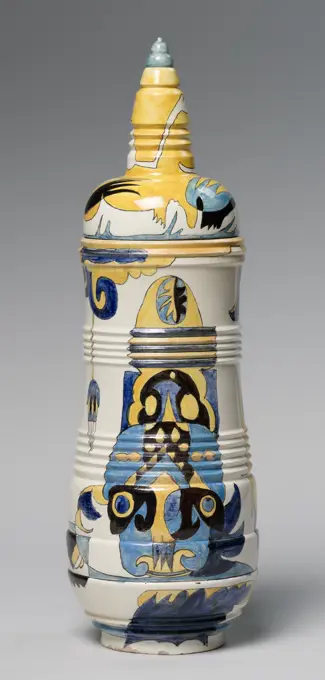
A collection of ornate porcelain vases featuring detailed floral and landscape designs in blue and multicolor, showcasing craftsmanship and elegance.
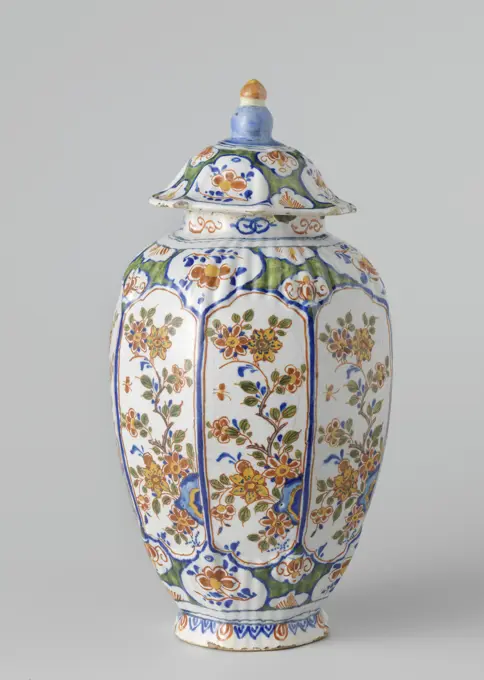
Cover pot, round with octagonal wall and polychrome painted with flower and leaf vines in cartouches, the two Scheepjes, after Jan Gaal, after widow Gaal-van der Plank, 1707- 1727  Delft earthenware  Delft earthenware
Cover pot, round with octagonal wall and polychrome painted with flower and leaf vines in cartouches, the two Scheepjes, after Jan Gaal, after widow Gaal-van der Plank, 1707- 1727 Delft earthenware Delft earthenware
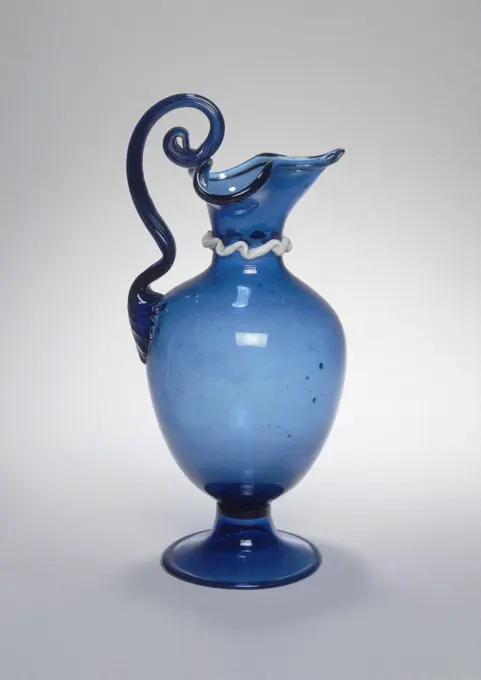
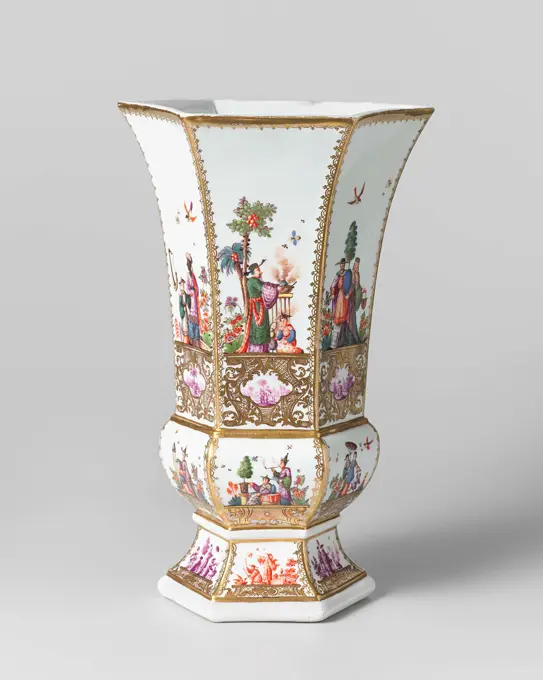
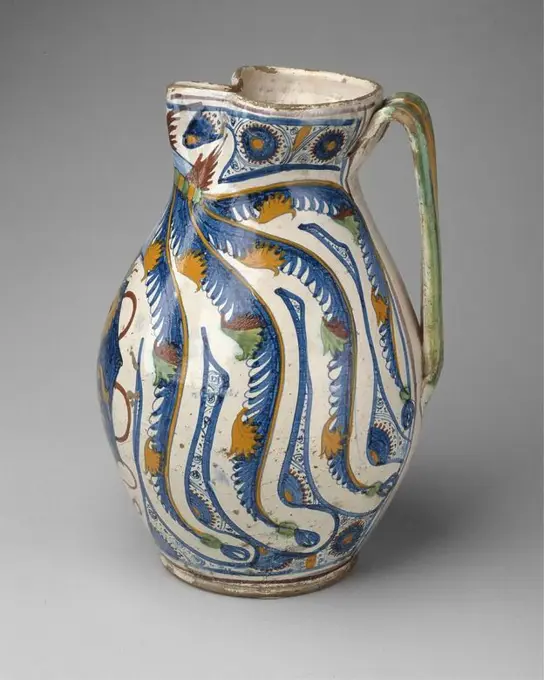
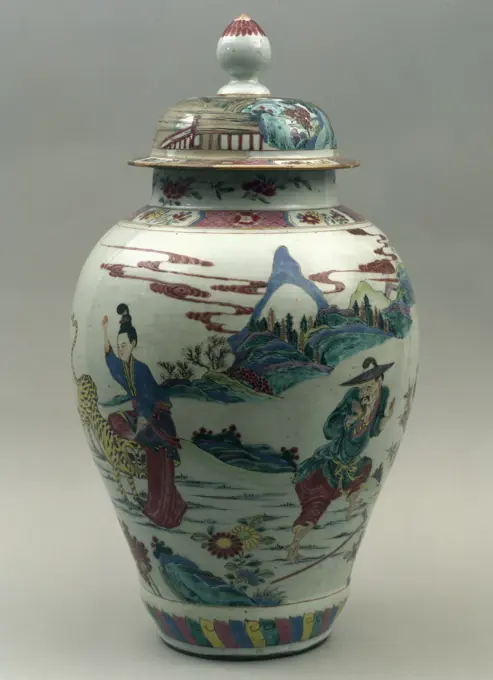
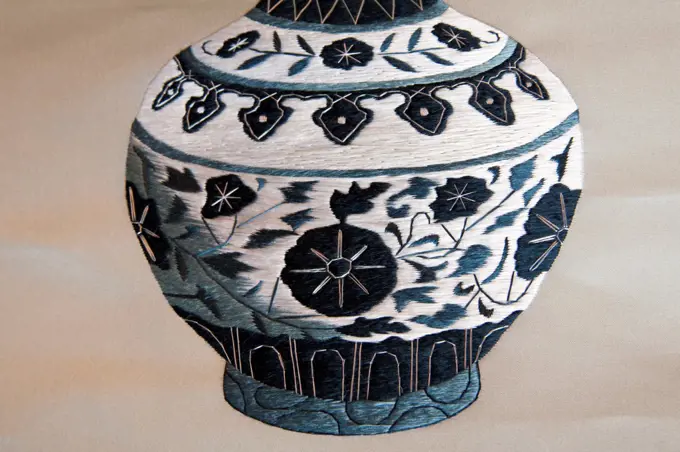
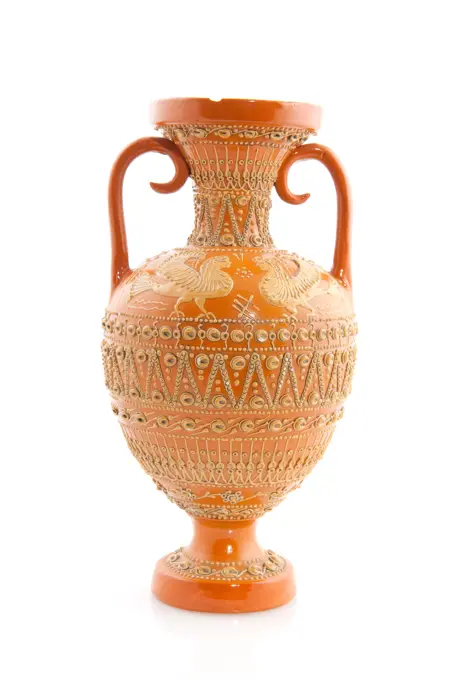
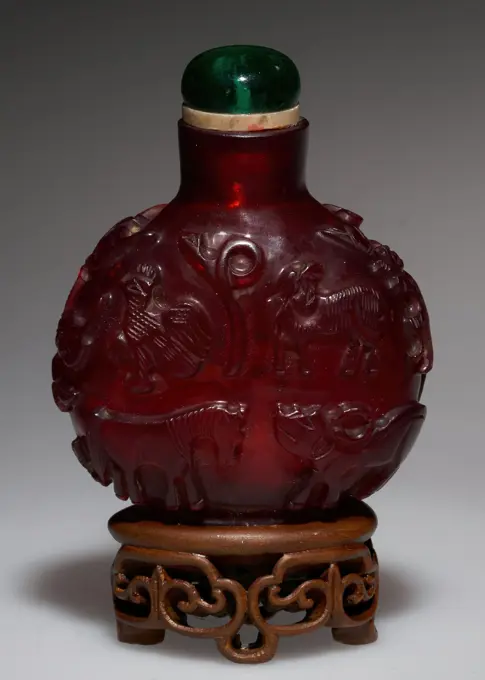
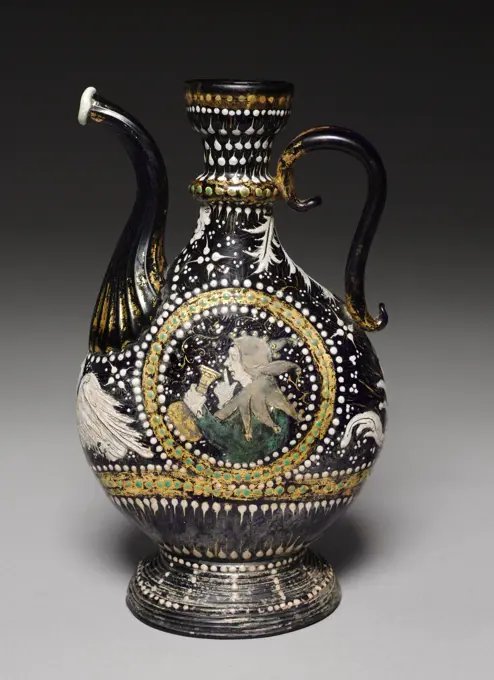
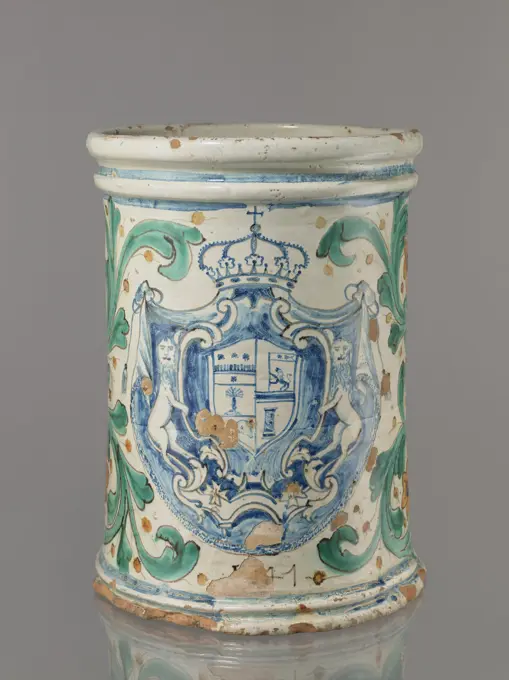
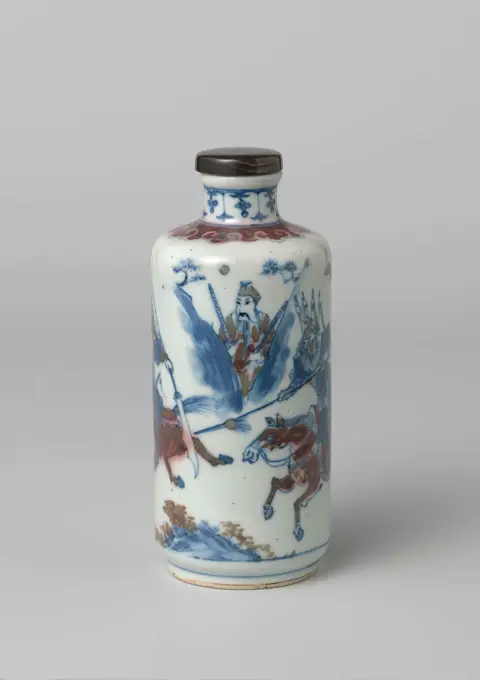
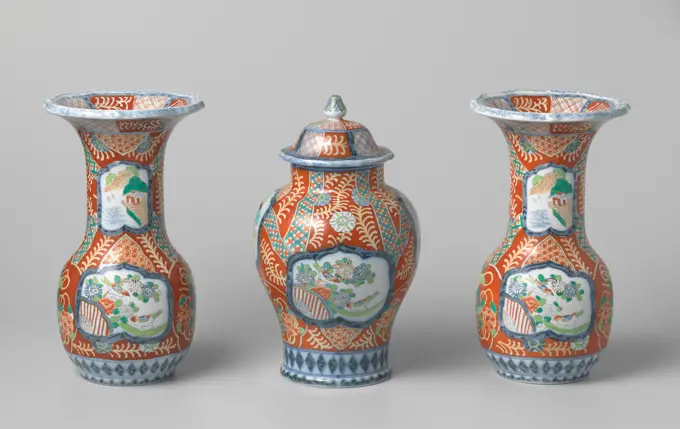
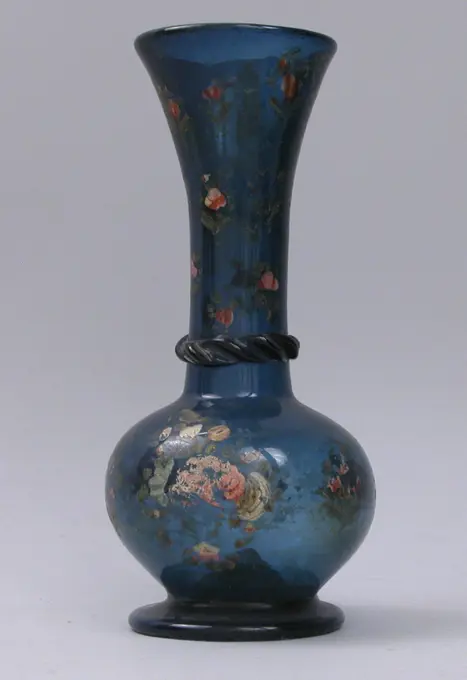
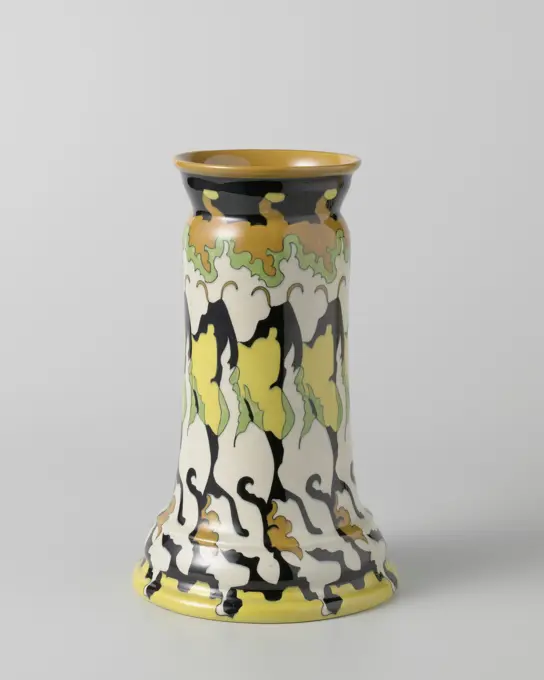
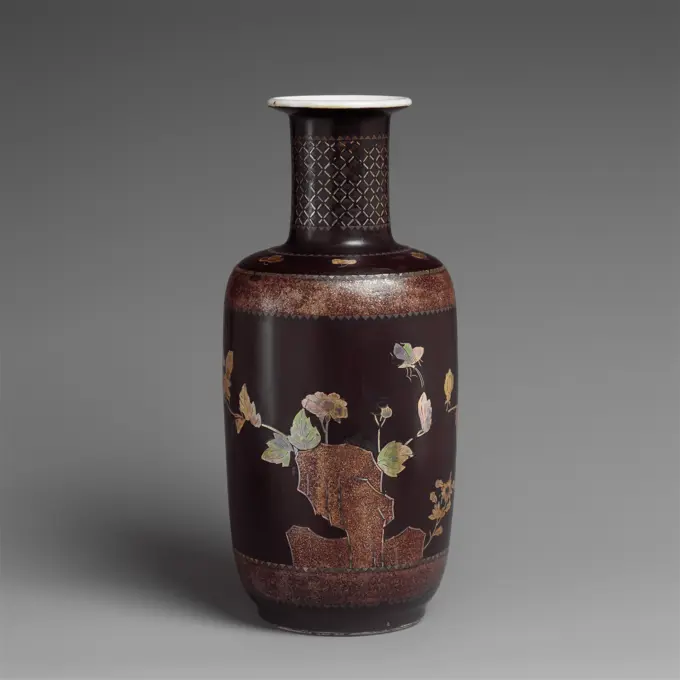
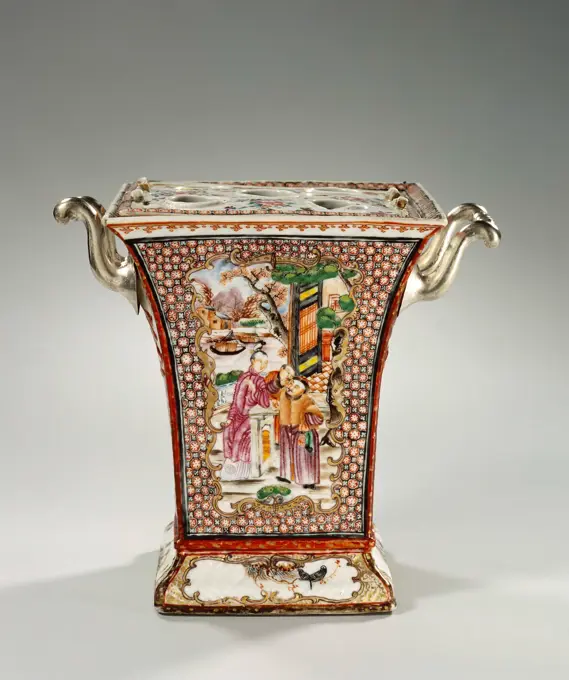
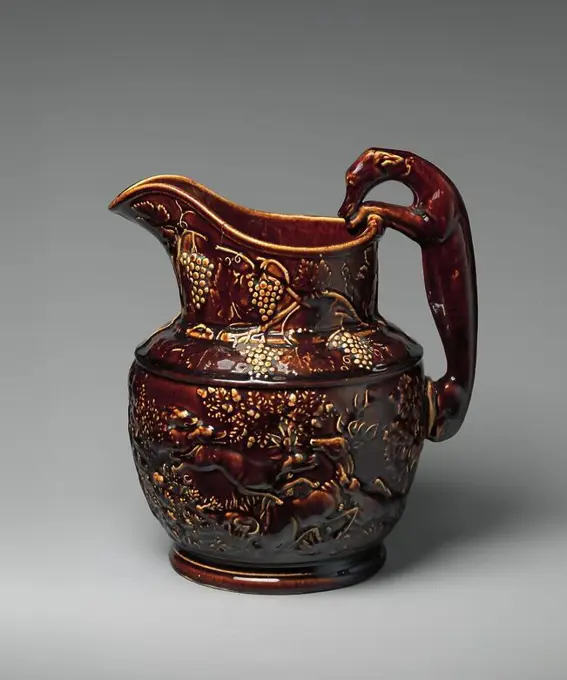
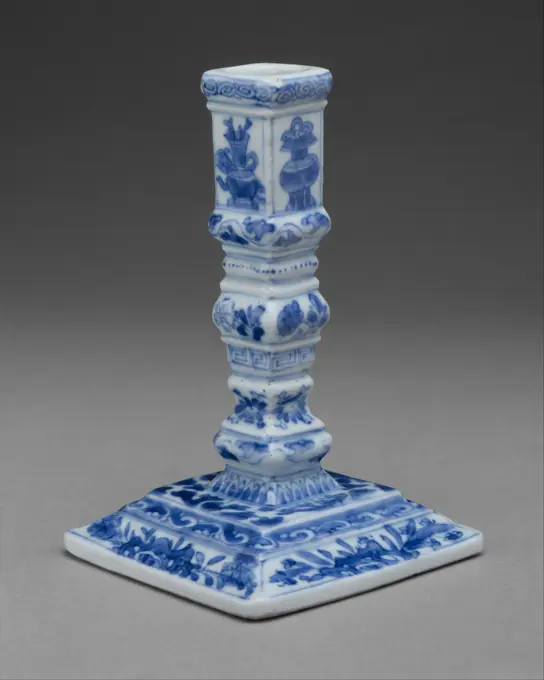
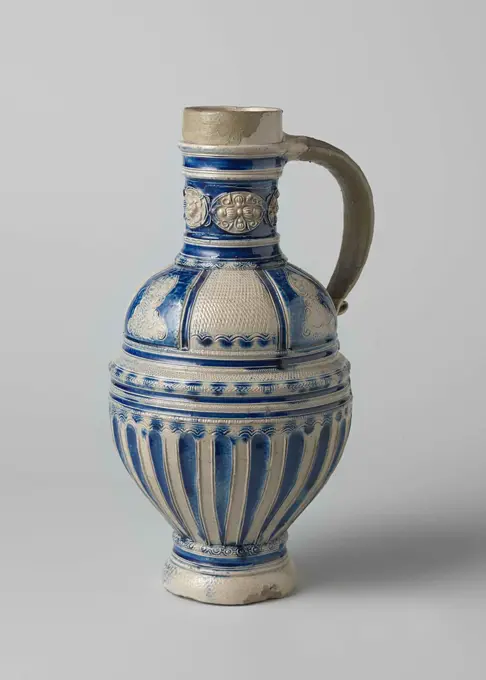
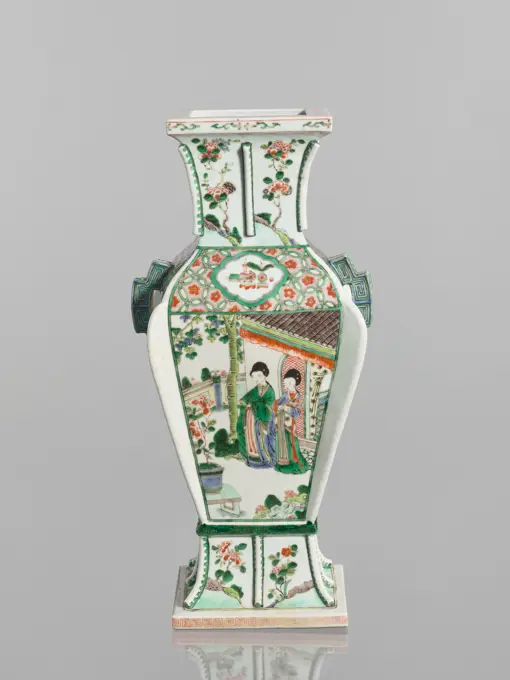
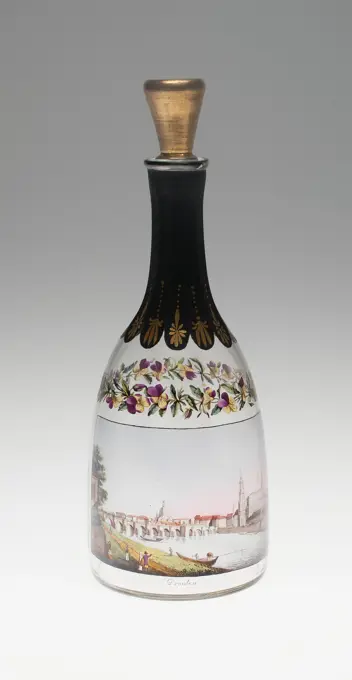
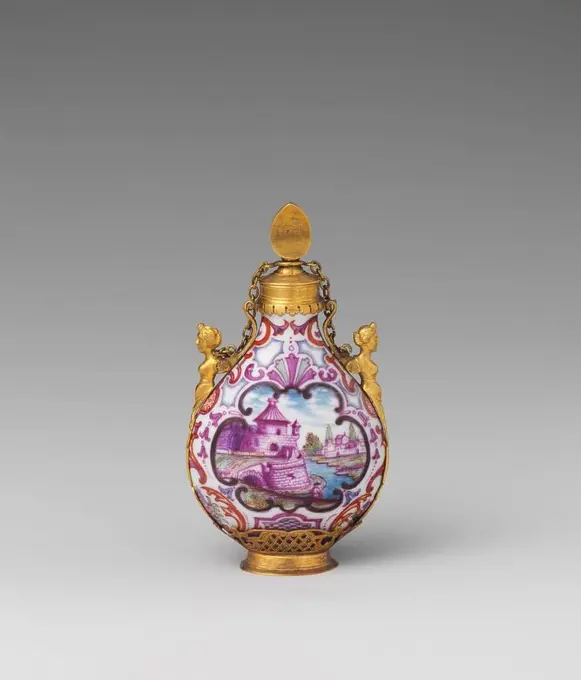
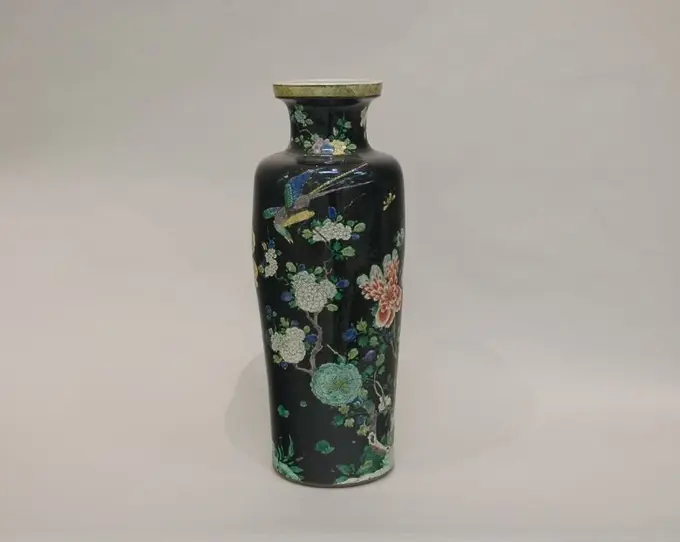
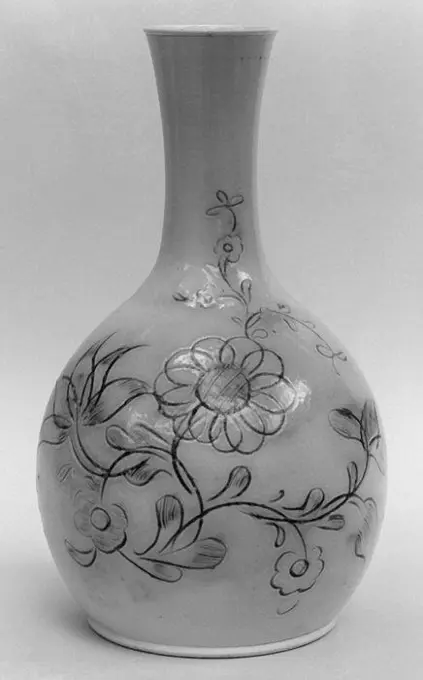
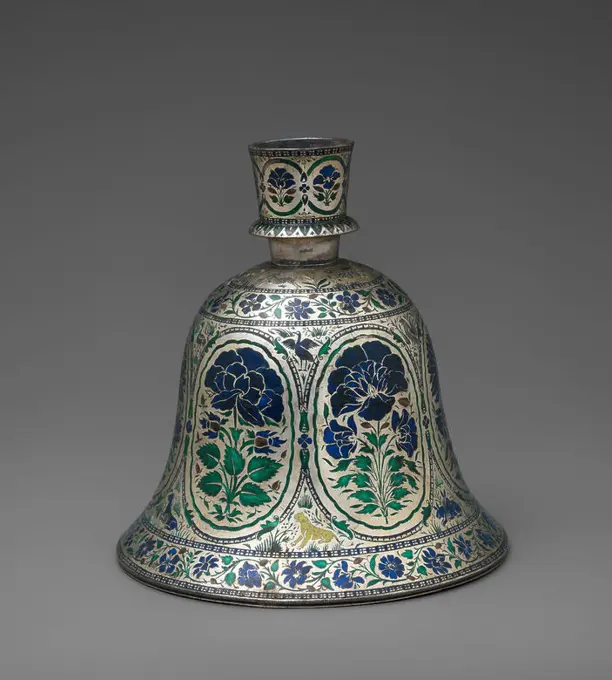
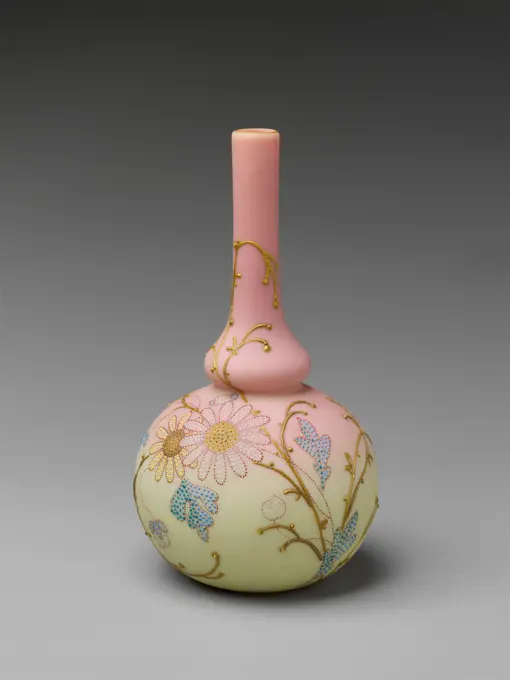
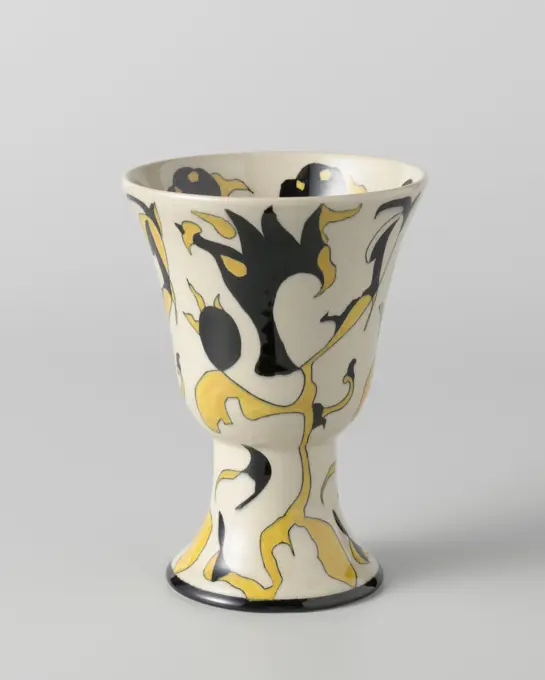
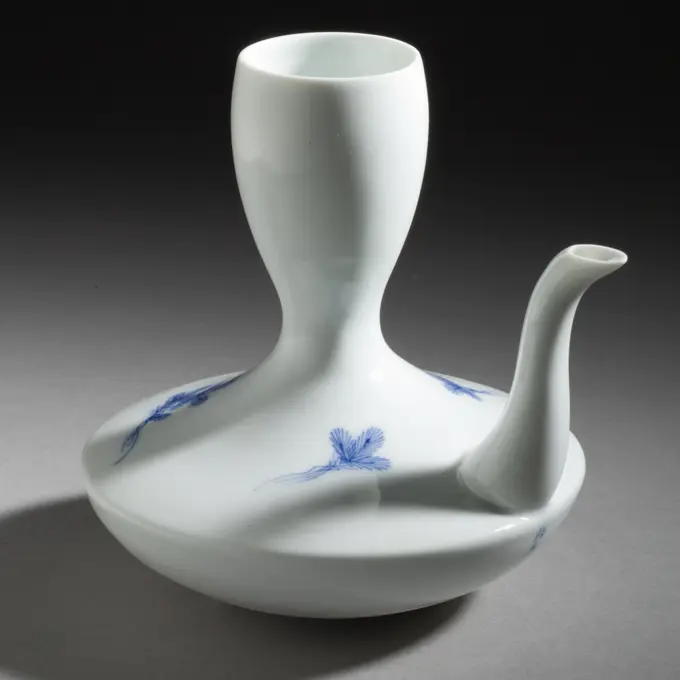
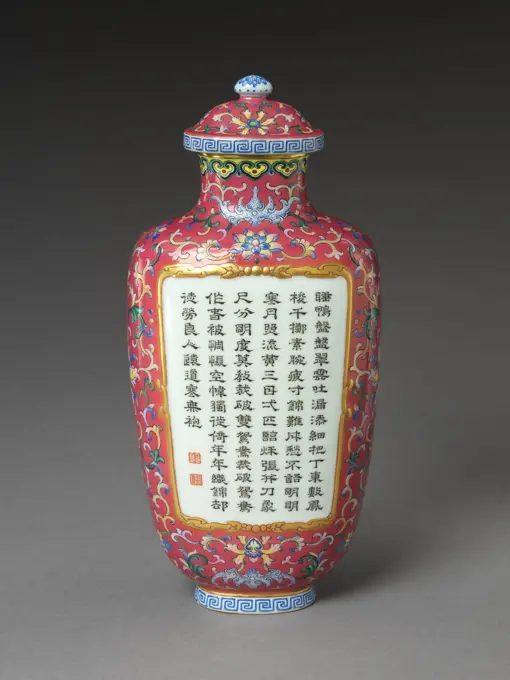
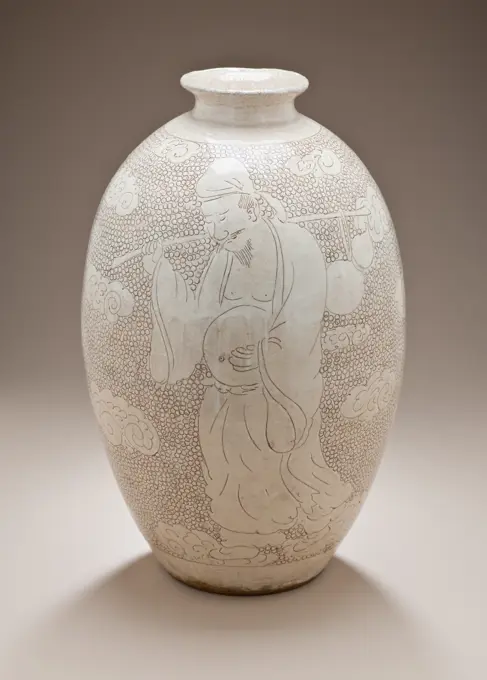
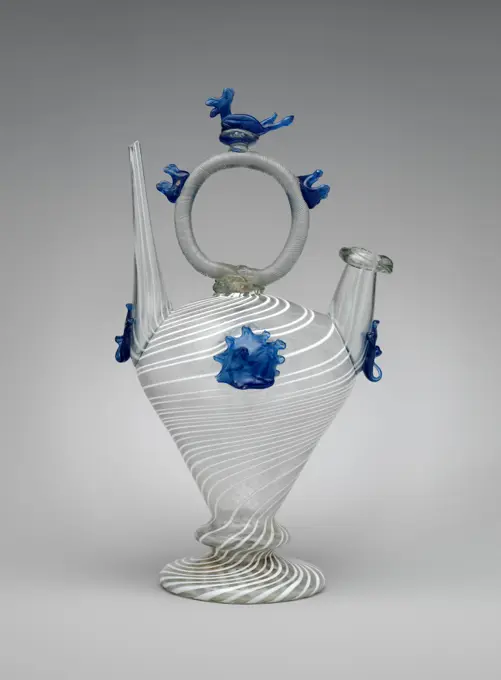
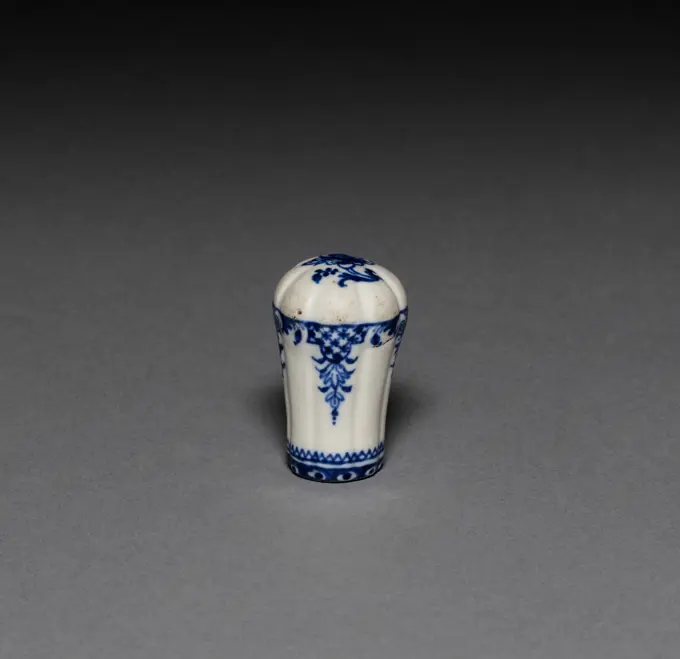
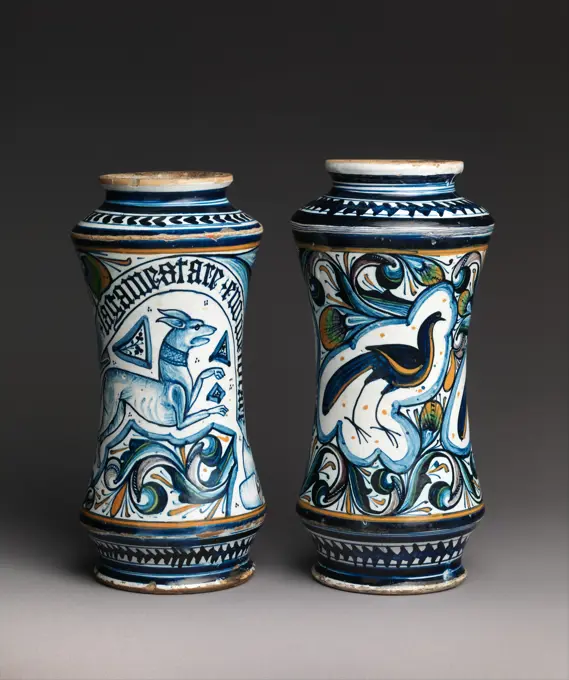
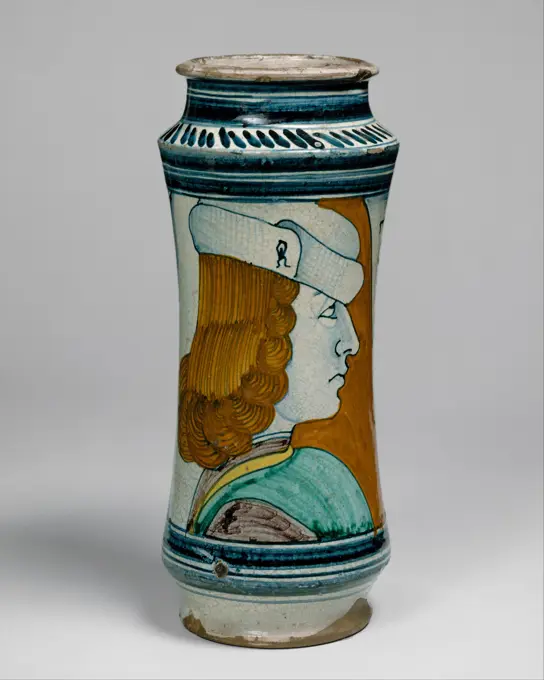
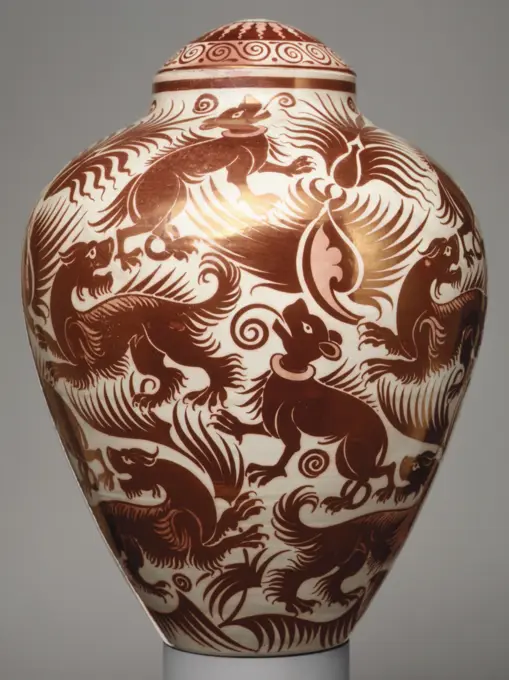
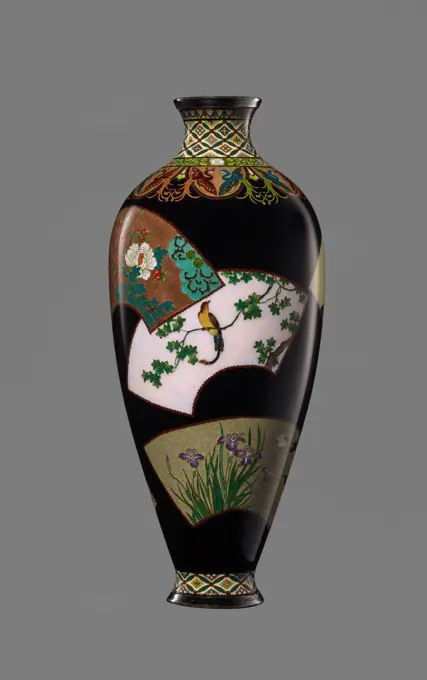
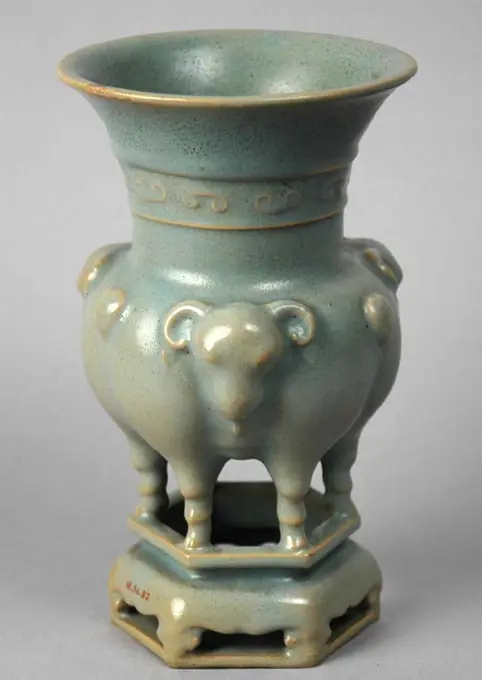
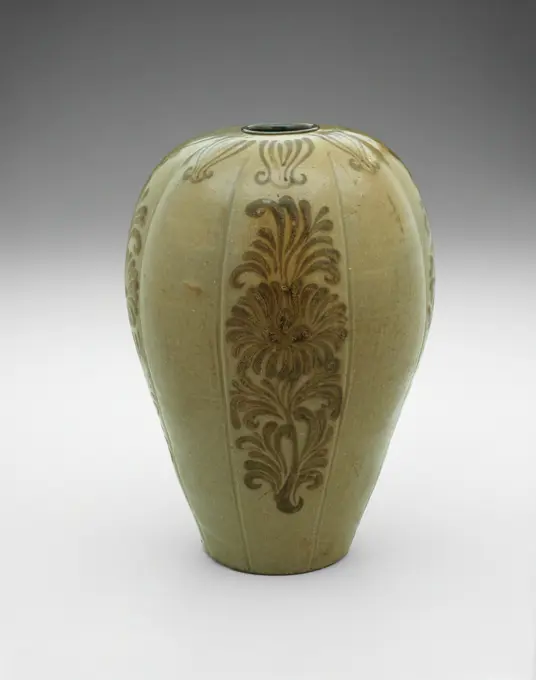
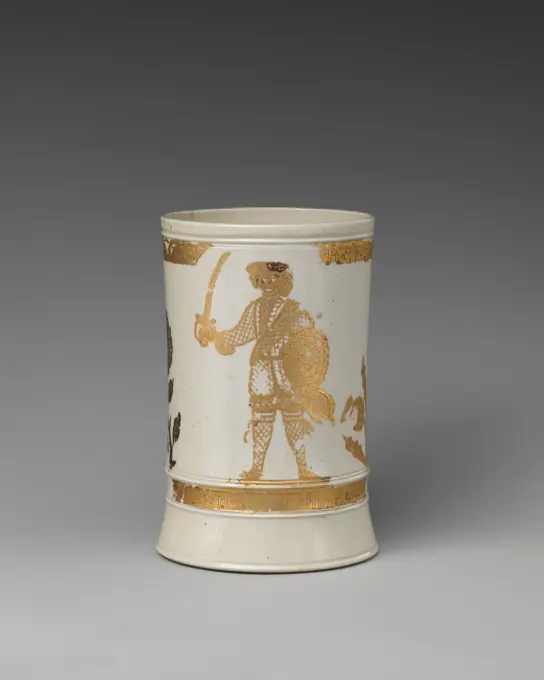
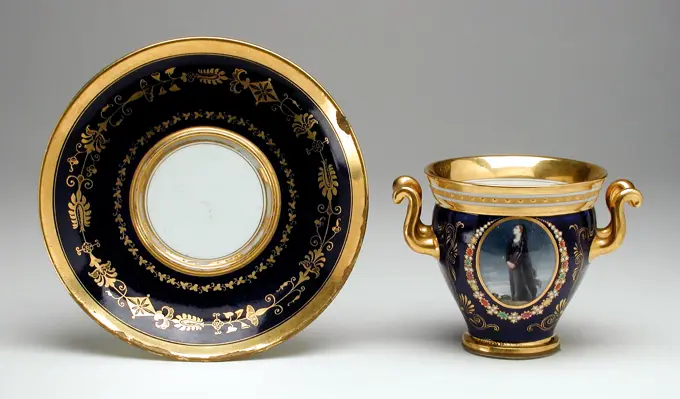
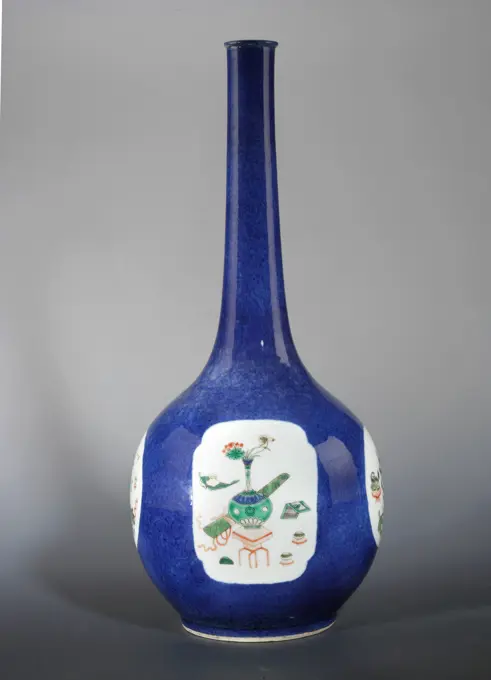
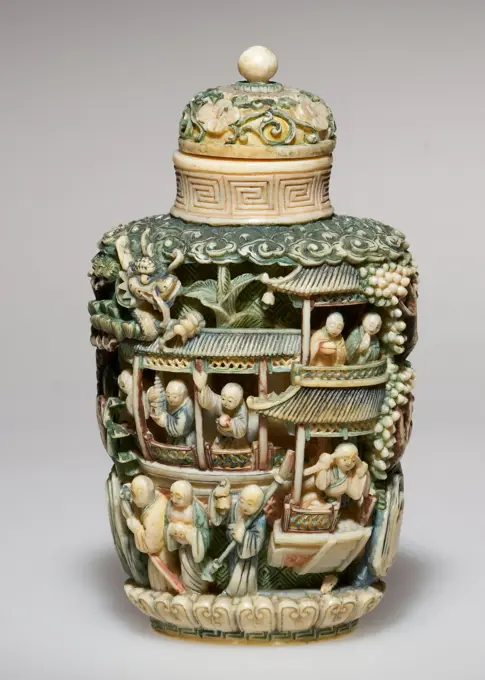
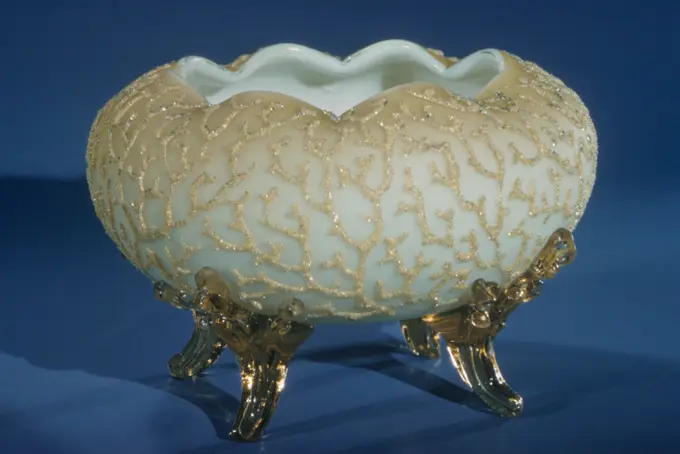
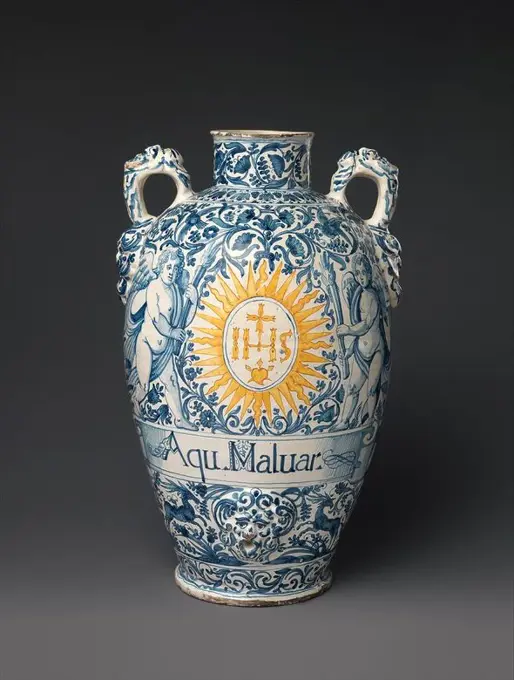
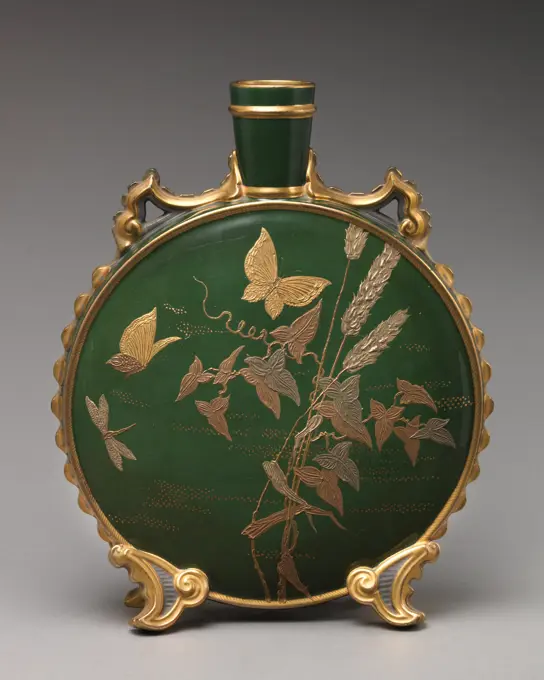
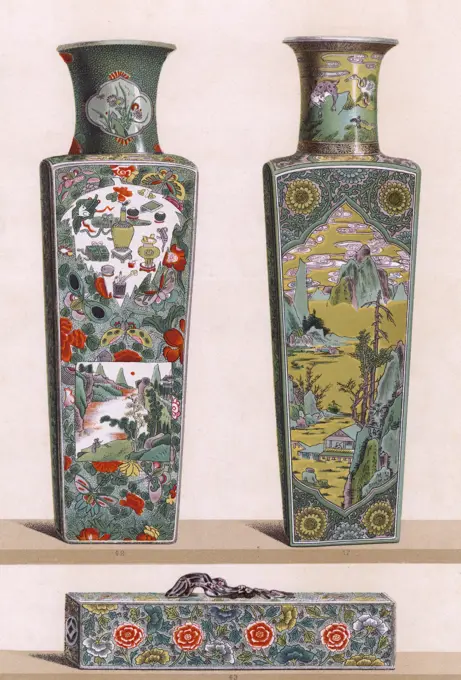
Vase first half 16th century. Vase 451836Vase, conically shaped, with multi-colored decor, N.V. Plateelbakkerij Ram, Theo Colenbrander, Willem Elstrodt, c. 1925WashingtonFlask.  Maker: Frederick Rudolph Joachim Lorenz, American, born Germany, 1794-1854 Subject: George Washington, American, 1732-1799, LL.D. 1781Vase, two copies Necel, Franciszek (1868 1935)Aguiière ", glass of Venice. Anonymous. Art object. Museum of Fine Arts of the City of Paris, Petit Palais. 24096-18 Acute, anonymous, art object, Venice glassChinese, Snuff Bottle, porcelain.Wall pocket, c. 1770, 8 1/4 x 6 1/16 x 2 11/16 in. (20.96 x 15.4 x 6.83 cm) (without wire), Glazed ceramic, wire, England, 18th centurySnuff Bottle, 18th century, 3 1/8 x 2 1/2in. (7.9 x 6.4cm), Porcelain, China, 18th centuryVase decorated with yellow dragons on a red background, China. Chinese Civilisation, Ming Dynasty, Chia Ching's Reign, 16th century.Cream jug ca. 1765 Worcester factory. Cream jug. British, Worcester. ca. 1765. Soft-paste porcelain. Worcester factory (British, 1751-2008). Ceramics-PorcelainThree vases. Meissen porcelain vases were often sold in sets and displayed on chimneypieces or furniture. These three vases were originally part of a set of five or more pieces. The porcelain is painted with Chinese figures in landscapes, in the style of Johann Gregorius Höroldt, the leading painter at the Meissen porcelain factory.Vase with figural scene late 17th-early 18th century China. Vase with figural scene. China. late 17th-early 18th century. Porcelain painted in underglaze cobalt blue (Jingdezhen ware). Qing dynasty (1644-1911), Kangxi period (1662-1722). CeramicsArmorial Jug (boccale). Culture: Italian, Tuscany, Cafaggiolo or Montelupo. Dimensions: H. 13 9/16 in. (34.5 cm). Date: 1506. Museum: Metropolitan Museum of Art, New York, USA.Vase;  19th century (1801-00-00-1900-00-00);Potiche with lid, face A, China. Paris, Cognacq-Jay museum. 35787-3 Woman, man, decorative object, landscape, pot, potiche, tigerChinese silk embroidery depicting a blue traditional vase, Baisha, Yunnan Province, ChinaAntique Greek vase Antique Greek vase with typical decoration isolated over white Copyright: xZoonar.com/IvonnexWierinkx 6877508Snuff Bottle, 17th-19th century, 3 1/8 x 2 3/8in. (7.9 x 6cm), Glass, China, 17th-19th centuryEwer, c. 1480. Italy, Venice, late 15th century. Enameled lapis-blue glass; overall: 24.2 cm (9 1/2 in.).Ewer 1755-1765 Doccia. Hard-paste porcelain, polychrome enamels, and gilding . Manifattura Ginori (Sesto Fiorentino, Italy)Covered vase with stand, modelled in bamboo-shaped sections with flower sprays, anonymous, c. 1700 - c. 1724 Vase with lid on porcelain pedestal, painted on the glaze in green, yellow, eggplant and black. The vase and the pedestal are modeled in bamboo -shaped segments. The segments are subdivided into courses filled with flower areas, flowering plants or leaves. On the neck and shoulder of the vase and on the lid a band with modeled lotus leaves. The octagonal pedestal has four short legs. Email sur biscuit with family distance colors. China porcelain. glaze. painting / vitrification Vase with lid on porcelain pedestal, painted on the glaze in green, yellow, eggplant and black. The vase and the pedestal are modeled in bamboo -shaped segments. The segments are subdivided into courses filled with flower areas, flowering plants or leaves. On the neck and shoulder of the vase and on the lid a band with modeled lotus leaves. The octagonal pedestal has four short legs. Email sur biscuit witVase. Kinkôzan, Sôbei VII (1867-1927), ceramistVessel - pot; unpredictable Lona Manufaktura; 1747 (1747-00-00-1747-00-00);Tripod Jar. China. Date: 700 AD-750 AD. Dimensions: H. 6.3 cm (2 1/2 in.); diam. 8.2 cm (3 1/4 in.). Earthenware with three-color (sancai) lead glazes. Origin: China. Museum: The Chicago Art Institute, Chicago, USA.Cylindrical Bottle Vase With Warriors. Cilidric, bottle-shaped vase of porcelain with flat shoulder and short neck, painted in underglaze blue and red. On the wall a continuous image of warriors in a landscape, two on horseback, a viewing between two rocks, in the sky a cloud of cloud; to the shoulder a band with Ruyi motif; The neck with a decorative edge. A double circle on the bottom; Wooden cap. Middle blue and copper red.Kaststel beschilderd in Imari-stijl.Three-part cabinet set, consisting of two vases and a lid pot of pottery, with black and liquid transfer decoration, painted with email colors and ocherloster, with gold. The vases and pot of two cartouches with birds and branches, and two cartouches with a landscape.Tea caddy with cover ca. 1725 Meissen Manufactory German. Tea caddy with cover 201773Vase probably 18th-19th century. Vase 444719Vase;  around 1900 (1895-00-00-1905-00-00);Vase with flowers late 18th century China. Vase with flowers 48053Two Vases, N.V. Plateelbakkerij Ram, c. 1925 Vase, Konic shaped, with decor in black, yellow, green and light brown. Marked with factory stamp from RAM, Arnhem in circular shape, 29/d, painters' brand of Willem Elstrodt, everything in black, and Inganglift 29. Arnhem earthenware Vase, Konic shaped, with decor in black, yellow, green and light brown. Marked with factory stamp from RAM, Arnhem in circular shape, 29/d, painters' brand of Willem Elstrodt, everything in black, and Inganglift 29. Arnhem earthenwareVase with decoration of rocks, flowers, and butterflies China The decorating of porcelain with lacquer and mother-of-pearl exemplifies the inventiveness of Chinese art from the mid-seventeenth to the early eighteenth century. Although the vase is not marked, the shape is common among works produced during the reign of the Kangxi emperor. However, it is not clear if the lacquer and pearl shell were added when the vase was made or slightly later. Vases with this type of decoration are found in some numbers in Europe, where they are often known as laques burgautés,a term that was coined by nineteenth-century French specialists in porcelain and that is frequently, and incorrectly, used to describe works in lacquer with mother-of-pearl decoration.. Vase with decoration of rocks, flowers, and butterflies 50822. Square flowerpot or vase of porcelain on spreading foot and upwards flared wall, painted on the glaze in blue, red, pink, green, yellow, purple, black and gold. The walls covered with napkin with curtailed cartouches formed in this with persons on a terrace for a pavilion or three birds on a branch; On the foot, branch a clear cartouche with birds and plants; Matching loose plate on the top with five holes for loose flowers, decorated with flower branches. Contemporary, silver ears. Plate Breaked: a crack in the vase. European forms with famille rose / mandarin.Pitcher. Culture: American. Dimensions: H. 10 1/4 in. (26 cm). Maker: United States Pottery Company (1852-58). Date: 1852-58. Museum: Metropolitan Museum of Art, New York, USA.Storage pot - decorative vase. unknown, craftsmanFlower Vase Made 1785-1800 Burslem . Wedgwood Manufactory (Manufacturer)Oinochoe pitcher; unpredictable Lona Manufaktura; 18th century (1701-00-00-1800-00-00);Vase. unknown, craftsmanTaperstick ca. 1700-1710 Chinese, for Dutch or English market As the European market for Chinese porcelain grew, so, too, did the desire for specifically Western forms. In response, Chinese potters looked to European examples in other materials for inspiration. The stepped square-sectioned shape of this porcelain taperstick, for instance, is derived from European metalwork.. Taperstick 205261Vase painted with a dragon, tile and Fayencfabriek Amphora, c. 1910 Vase of earthenware, covered with a lust glaze and painted in green, yellow and brown with a dragon on yellow stock. Marked with: Amphora Holland Developed CJ vd Hoef 242-R, in black. Ingrift: 242.  earthenware. glaze vitrification Vase of earthenware, covered with a lust glaze and painted in green, yellow and brown with a dragon on yellow stock. Marked with: Amphora Holland Developed CJ vd Hoef 242-R, in black. Ingrift: 242.  earthenware. glaze vitrificationTea Container with Design of Chinese Boys Playing. Japan, mid-19th century. Ceramics. Hirado ware; porcelain with underglaze blueTea caddy -Jug of stoneware. Jug of stoneware with relief decoration and blue glaze.Round Box with a Feng Huang and Scrolls. Round box of porcelain, painted in underglaze blue. On the box a band with stylized leaves. The lid with a Feng Huang and styled tendrils. Transition porcelain in blue and white.Andrea Pantaleo. "Vase: woman's bust, palerm between 1610 and 1620 (side of the left woman)". Museum of Fine Arts of the City of Paris, Petit Palais. 26972-11 Bust, woman, various object, palermo, vaseEwer 17th century. Ewer 448447Hu-type vase. unknown, craftsmanJug ca. 1680 Johann Heel. Jug. German, Nuremberg. ca. 1680. Faience (tin-glazed earthenware); pewter. Ceramics-PotteryBottle with a View of Dresden 1814 Dresden. Glass; colorless, blown, stained and painted in transparent enamels and gilding . Samuel MohnBottle Depicting Storks in Blue and Yellow on a White Background. Dimensions: Diam. 6 5/16 in. (16 cm)H. 13 7/16 in. (34.2 cm). Date: 17th century. Museum: Metropolitan Museum of Art, New York, USA.Scent bottle. Culture: Austrian, Vienna. Dimensions: Height: 3 3/16 in. (8.1 cm). Factory: Vienna. Factory director: Du Paquier period (1718-1744). Date: ca. 1730.The importance attached to small luxury objects is reflected in the sumptuous decoration of this bottle, which includes gold mounts designed to coordinate with the painted motifs. The concept of gallantry at the time encompassed the ownership of such objects (often known as galanteries), which reflected the owner's good taste and position in society. Museum: Metropolitan Museum of Art, New York, USA.Covered Jar, 1885. Theodorus A. C. Colenbrander (Dutch, 1841-1930), Rozenburg Factory (Netherlandish). Earthenware; overall: 39 x 12.5 cm (15 3/8 x 4 15/16 in.).Flower vase from the AR hunters suite. Kaendler, Johann Joachim (1706-1775), sculptor, Heintze, Johann George (1706/7-?), painter, Koenigliche Porcellain Fabrique, Meissen (1710-1763), factoryVase. Culture: China. Dimensions: H. 23 in. (58.4 cm); W. 7 1/2 in. (19.1 cm); Diam. of rim 6 1/4 in. (15.9 cm); Diam. of foot 7 1/4 in. (18.4 cm). Museum: Metropolitan Museum of Art, New York, USA.Snuff Bottle, 1750-1850, 2 5/8 x 1 7/8in. (6.7 x 4.8cm), Glass, coral, ChinaVase ca. 1900 Attributed to William De Morgan British The ceramics either made or designed by William de Morgan (1839-1917) are among the most artistically significant of those made in England in the late nineteenth century and in the years immediately after 1900. This vase is representative of the high-quality work by de Morgan, and it is signed by the decorator Joe Juster, an employee of de Morgan whose work is not represented in the Museum. The vases painted design of swimming fish is cleverly enhanced by both the form and the palette of the vase, which suggests the watery depths inhabited by the fish. The overall decorative scheme is very typical of de Morgans work, but as the vase does not bear the factory mark, it can only be attributed to de Morgans workshop, even though it bears the initials of Joe Juster who worked for de Morgan.. Vase. Attributed to William De Morgan (British, London 1839-1917 London). British, London. ca. 1900. Earthenware. Ceramics-PotteryVase. Culture: American. Dimensions: H. 8 in. (20.3 cm). Maker: Mount Washington Glass Company (1837-1958). Date: ca. 1886-94. Museum: Metropolitan Museum of Art, New York, USA.Bottle vase with three shishi, flowering plants and brushwood fences, anonymous, c. 1700 - c. 1724 Bottle -shaped vase of porcelain with a spherical body and narrow, long neck, painted in underly glaze red and on the glaze blue, red, green, yellow, black and gold. In China on the abdomen painted in underlaze red with three shishi (lion dog). In Europe around this, painted in email colors with pine, prunus and other flowering plants with tied hedges and insects. Hanging on the edge and neck, pointed leaf motifs. Around the foot a band with flower vines. Marked on the bottom with four imitation Chinese characters. Underglaze copper red in Europe decorated with email colors. Chinapainter: Europe porcelain. glaze. copper (metal). gold (metal) painting / gilding / vitrification Bottle -shaped vase of porcelain with a spherical body and narrow, long neck, painted in underly glaze red and on the glaze blue, red, green, yellow, black and gold. In China on the abdomen painted in underlaze red wBottle ca. 1755 British, Staffordshire. Bottle 199461China. Porcelain jar. Ming dynasty. Zhengde period. 1505-1521. British Museum. London. Englnad. United Kingdom.Huqqa Base. Culture: India (probably Lucknow). Dimensions: H. 8 1/2 in. (21.6 cm); Diam. 7 3/4 in. (19.7 cm). Date: mid-19th century. Museum: Metropolitan Museum of Art, New York, USA.Vase ca. 1886-94 Mount Washington Glass Company. Vase. American. ca. 1886-94. Free-blown enameled and guilded Burmese glass. Made in New Bedford, Massachusetts, United StatesSmall suantou ping vase. unknown, craftsmanObject from a Dessert Service 'The Razumovsky Service', made from soft-paste porcelain. Dated 18th CenturySugar bowl with a lid. Josiah Wedgwood & Sons (Stoke-on-Trent ; wytwórnia ceramiki ; 1790-1895), factoryTwo beakers with the Hol (Hollow) pattern, N.V. Plateelbakkerij Ram, 1923 Vase, cup -shaped, with decor "hollow" in black and yellow. Marked with factory stamp in circular shape, 124/AP/"Hol" (in black) Arnhem earthenware Vase, cup -shaped, with decor "hollow" in black and yellow. Marked with factory stamp in circular shape, 124/AP/"Hol" (in black) Arnhem earthenwareApothekerspot 'O / poppy.', De Lampetkan, c. 1750 - c. 1790 Pharmacist's pharmacy. Painted with ear and spout and blue with inscription: o/ papaveris. Delft . Pharmacist's pharmacy. Painted with ear and spout and blue with inscription: o/ papaveris. Delft .Vase. unknown, craftsmanJar with Peonies. China. Date: 1500-1599. Dimensions: H. 16.1 cm (6 5/16 in.); diam. 17.5 cm (6 7/8 in.). Fahua ware; stoneware with underglaze molded decoration and blue, purple, and white glazes. Origin: China. Museum: The Chicago Art Institute, Chicago, USA.Ewer for Sake or Shochu with Pine Frond Decor. Japan, early 20th century. Ceramics. Hizen ware, revival Nabeshima ware; porcelain with blue underglazeJARRA Y BOTELLA DE VIDRIO LECHOSO S XIX. Location: MUSEE D'ARTS DECORATIFS. MADRID. SPANIEN.Vase with Poems Composed by the Qianlong Emperor late 18th century China. Vase with Poems Composed by the Qianlong Emperor. China. late 18th century. Porcelain painted in overglaze enamels and gilding (Jingdezhen ware). Qing dynasty (1644-1911), Qianlong period (1736-95). CeramicsJar. China, Dengfeng kilns, Song dynasty (960-1279). Furnishings; Serviceware. Dengfeng ware, wheel-thrown stoneware with slip and incised decorationWater vessel (Càntir) 18th-19th century Spanish, Catalonia This distinctively Catalan form of communal drinking vessel evolved during the seventeenth century, although the very fine examples shown here are later. One spout is for filling and the other for drinking without having the vessel touch the mouth.. Water vessel (Càntir). Spanish, Catalonia. 18th-19th century. Glass. GlassThe strong form and symmetrical configuration of these garden vases make them perfect examples of the ornamental vocabulary developed by the Frenchman Daniël Marot for the court of William and Mary. Remains of blue-and-white garden vases of this type have been found in the garden of Het Loo Palace. They probably contained exotic plants.Cane Handle (Poignée de canne), c.1700-1720. Saint Cloud Porcelain Factory (French). Soft-paste porcelain with underglaze blue decoration; overall: 5.4 cm (2 1/8 in.).Storage jar (albarello) depicting a peacock ca. 1470-1500 Italian, possibly Pesaro Due to the style of its painted decoration, this storage jar has been attributed to Faenza, Deruta, and most recently, to Pesaro. The difficulty in determining its place of origin is due in part to the popularity of certain decorative motifs employed by potters working in various centers of maiolica production in the last quarter of the fifteenth century.. Storage jar (albarello) depicting a peacock 199729Apothecary jar (albarello) Italian, Naples 1480-1500Vase with cover 1888-98 William De Morgan British. Vase with cover. 1888-98. Pottery. Ceramics-PotterySquare vase with floral patterns 19th century China. Square vase with floral patterns 46758Vase. Namikawa,Yasuyuki (1845-1927), enamellistVase China. Vase 52659'Gothic Arch' Sugar Bowl. United States, New England, 1840-1860. Furnishings; Serviceware. GlassTea Jar 1780 Japan. Tea Jar 47282Lobed Vase with Stylized Floral Scrolls 1101-1200 Korea. Stoneware with celadon glaze and underglaze painted decoration .Jacobite mug with Prince Charles Edward Stuart (1720-1788) ca. 1745 British, Staffordshire. Jacobite mug with Prince Charles Edward Stuart (1720-1788). British, Staffordshire. ca. 1745. Salt-glazed stoneware, gilt. Ceramics-PotteryExhibition Arita Porcelain from now. .Cabinet Cup and Saucer. Flight, Barr & Barr (England, Worcester, 1813-1840). England, circa 1820. Furnishings; Serviceware. Porcelain, gildingVase in the shape of a cylinder with a cervical;  18th century (1701-00-00-1800-00-00);Qing (style), cylinders, ceramics, Chinese (culture), colorful porcelain, one hundred antiquity of Baig (ornament), Chinese art, purchase (provenance)Snuff Bottle, 1850-1900, 3 5/8 x 2in. (9.2 x 5.1cm), Ivory, ChinaAnonymous / "Heraldic tub", 1700-1750, Ceramics (painted terracotta), 60 x 74 x 6 cm.Punch bowl with lid, c. 1915 Spherical punchy bowl with lid on three legs. Designer: Munichhöhr-Grenzhausen stoneware vitrification Spherical punchy bowl with lid on three legs. Designer: Munichhöhr-Grenzhausen stoneware vitrificationTransparent violet glass wares with enamel painted and gilt. Venice, ca. 1500-1525. The State Hermitage Museum. Saint Petersburg. Russia.Showcase with vase and various ceramic objects in the background. .Bowl after 1885 American. Bowl 736Eugène Michel. Vase. Glass. 1912. Museum of Fine Arts of the City of Paris, Petit Palais. 53949-13 Vase, glassDrug vase (one of a pair). Culture: Italian. Dimensions: Overall: 23 5/8 × 14 1/2 × 13 1/2 in. (60 × 36.8 × 34.3 cm). Date: ca. 1620-80.Storage vessels were among the most frequently produced maiolica wares in late medieval and Renaissance Italy. Made in fairly standard shapes, they were designed to fit with dozens of others on a shelf, often in a pharmacy or shop. Their handles therefore tend to fit within the vessel's profile, and the cylindrical albarello type is generally narrower at the middle than at the top or bottom, making it easy to grip. Other common features include inscriptions indicating contents and flanged lips to help secure cloth or paper seals. The decoration, usually more elaborate on one side than the other, can sometimes link pieces to a known dispensary or specific workshop or artist. Museum: Metropolitan Museum of Art, New York, USA.Moon flask with gold butterfly and wheat motifs 1880s Worcester factory After the end of the Flight, Barr & Barr ownership of the Worcester factory in 1840, the firm went through a succession of owners and mergers before falling under the ownership of Kerr & Binns in 1852. During the partnership, the factory sought to rebuild its former eighteenth-century reputation in porcelain and known for Renaissance-inspired designs. With the establishment of the Royal Worcester Porcelain Company in 1862, the company gradually gained recognition for its Japanese-inspired designs, which formed part of Japonisme, a collective fascination with Japan that took place in Europe and the United States following the opening of Japanese markets to the West by Commodore Perry in 1853.. Moon flask with gold butterfly and wheat motifs. British, Worcester. 1880s. Bone china. Ceramics-Porcelain Chinese porcelain : Decors  famille verte of the 2nd and  3rd epochs.       Date: 18th century Żardinierka Rudolstadt