Elegant Porcelain Vases

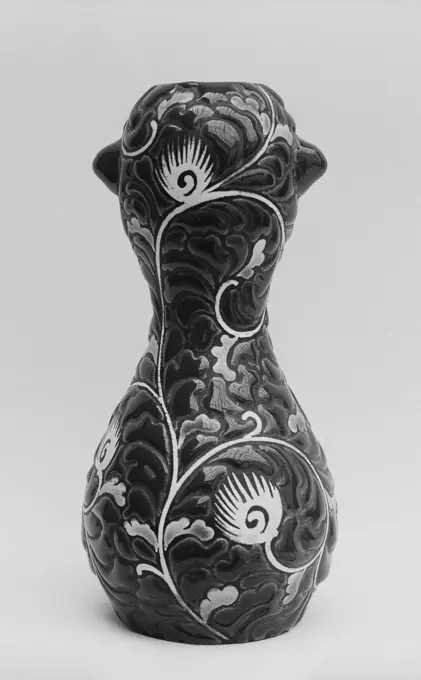
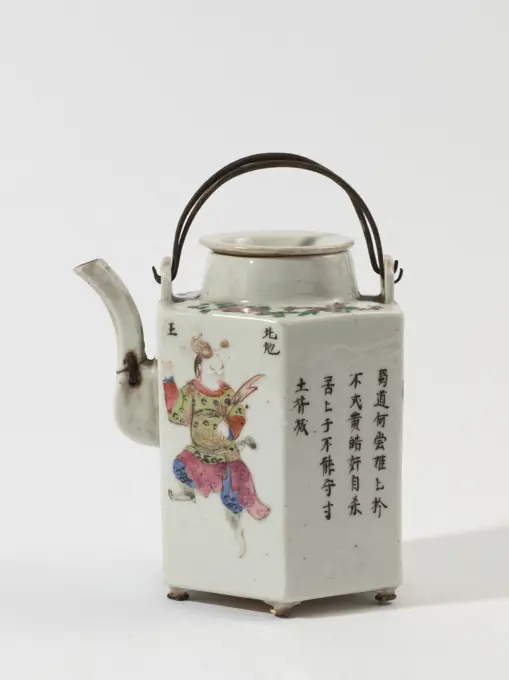
A collection of ornate porcelain vases featuring detailed floral and landscape designs in blue and multicolor, showcasing craftsmanship and elegance.
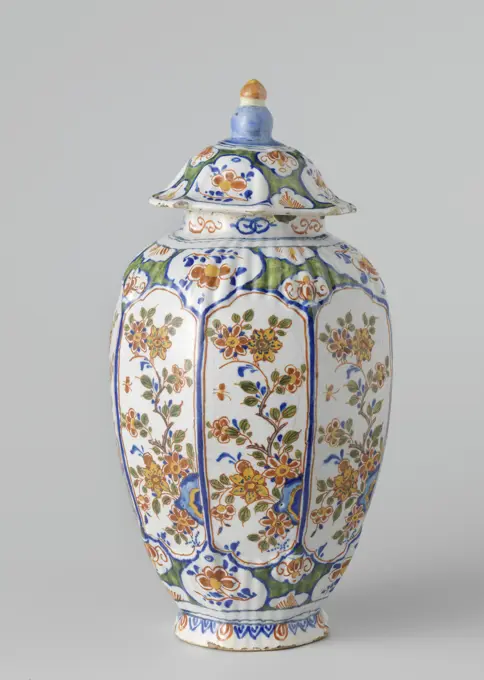
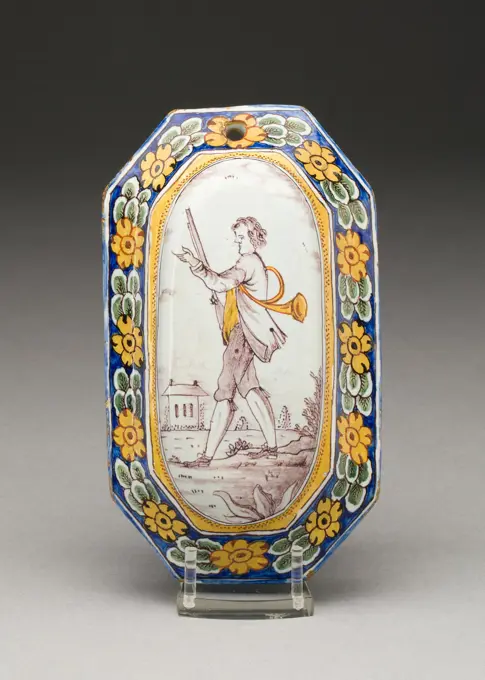
Cover pot, round with octagonal wall and polychrome painted with flower and leaf vines in cartouches, the two Scheepjes, after Jan Gaal, after widow Gaal-van der Plank, 1707- 1727  Delft earthenware  Delft earthenware
Cover pot, round with octagonal wall and polychrome painted with flower and leaf vines in cartouches, the two Scheepjes, after Jan Gaal, after widow Gaal-van der Plank, 1707- 1727 Delft earthenware Delft earthenware
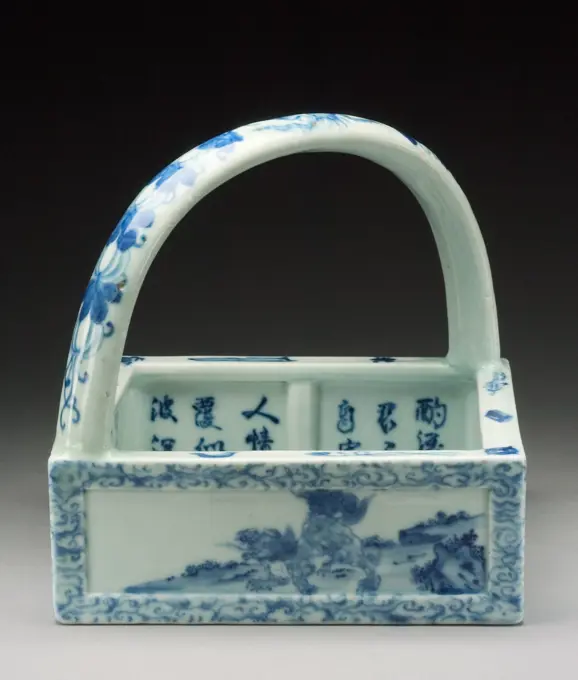
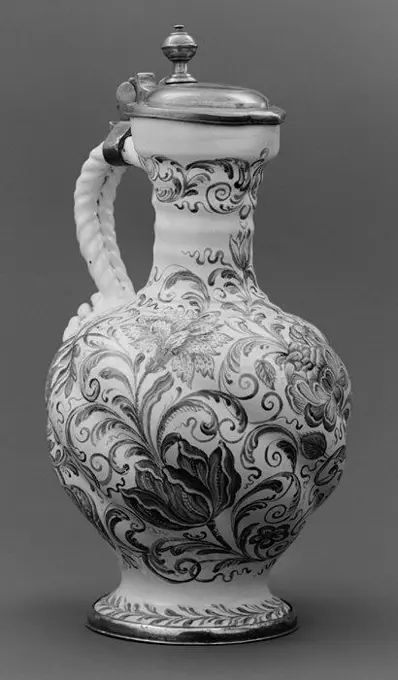
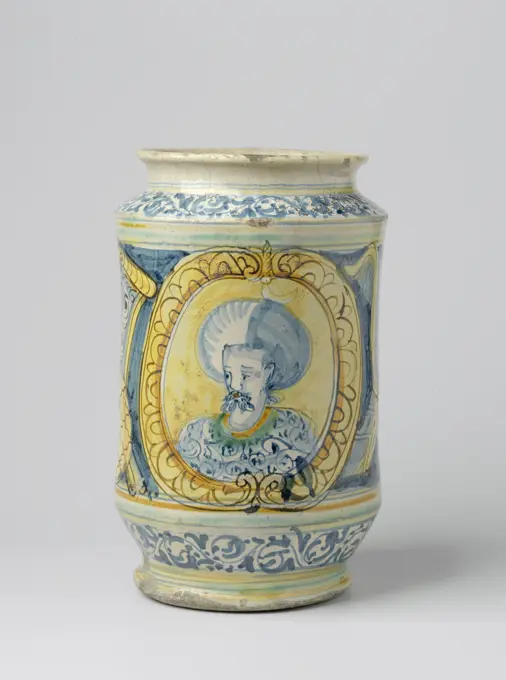
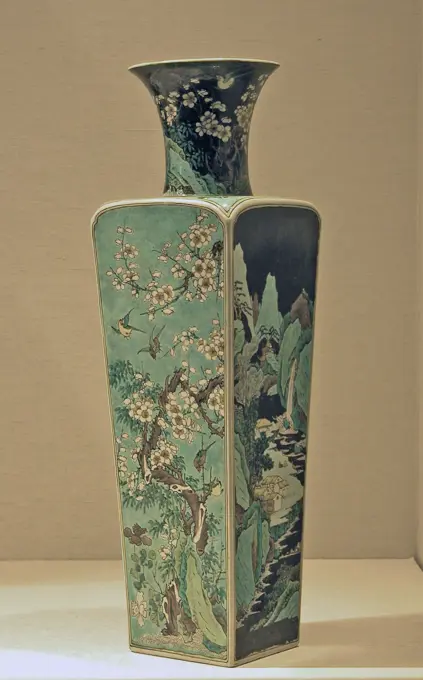
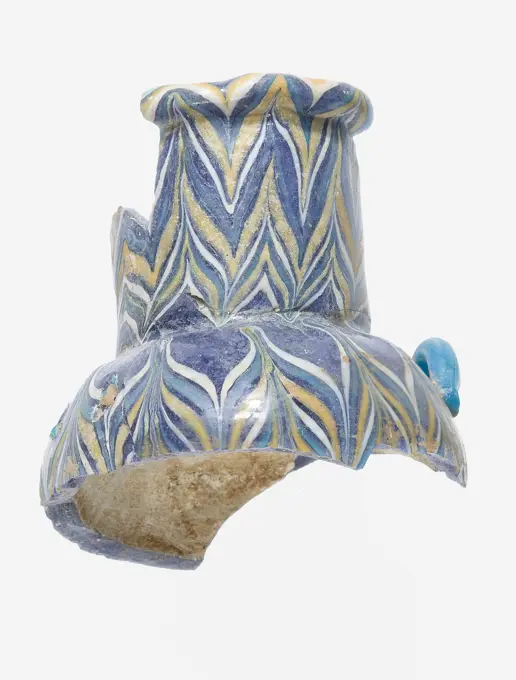
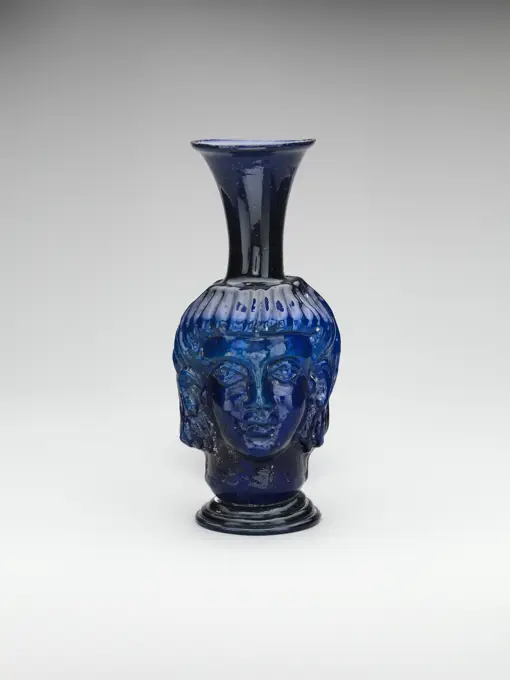
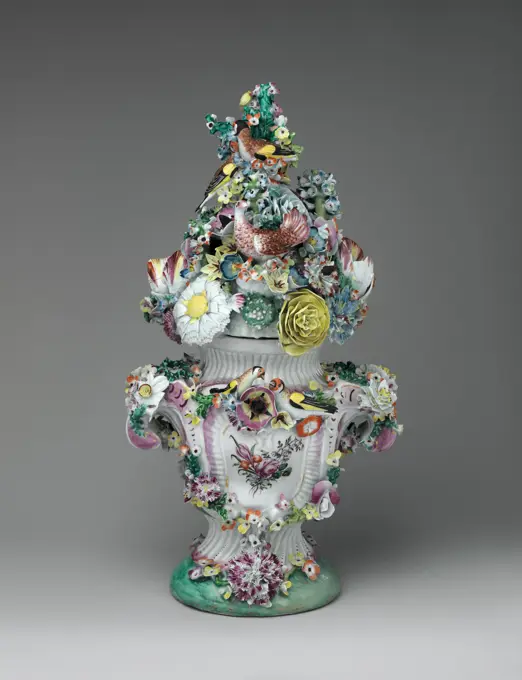
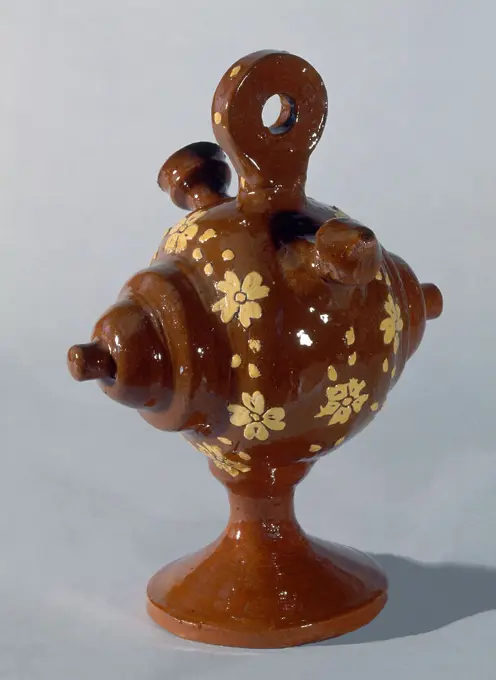
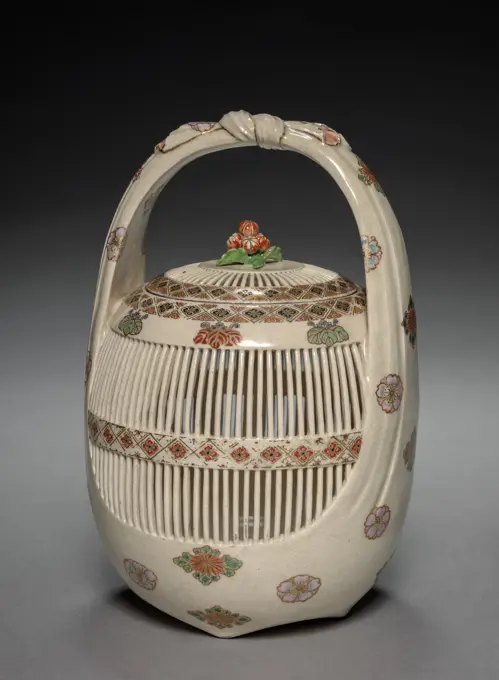
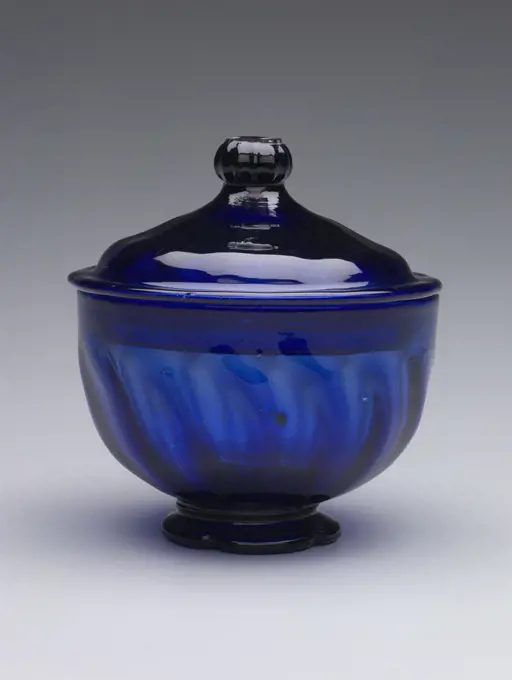
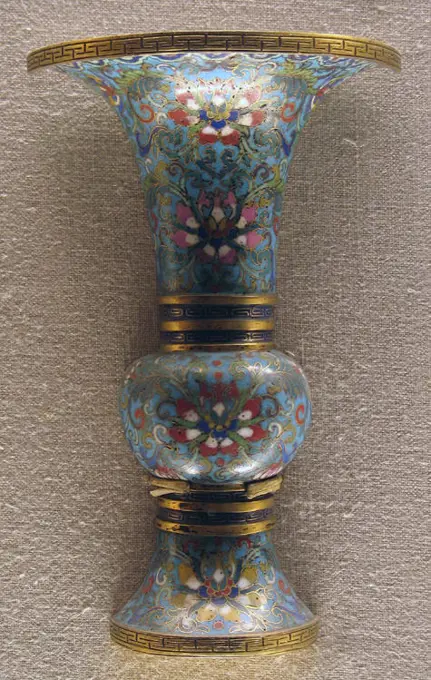
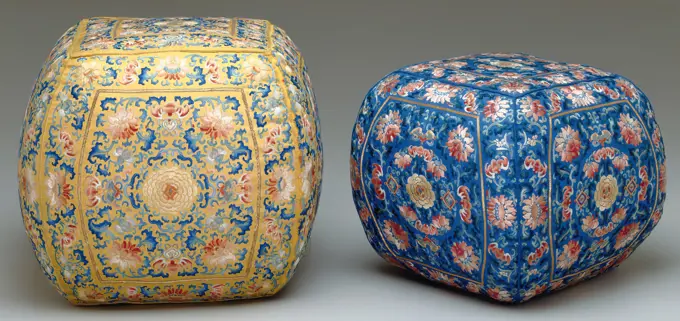
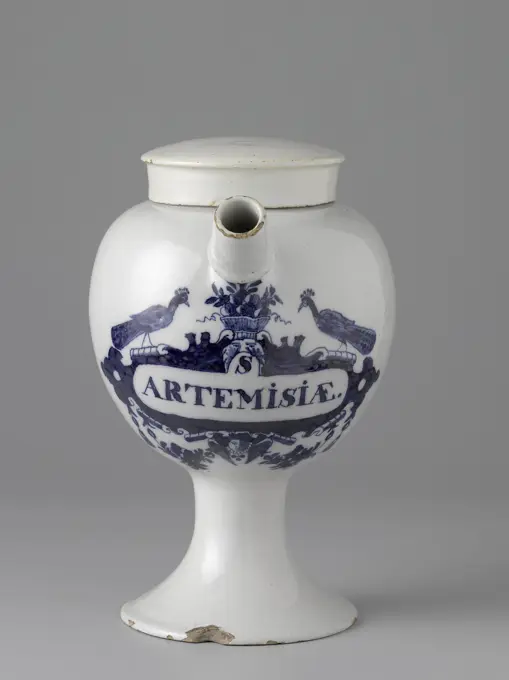
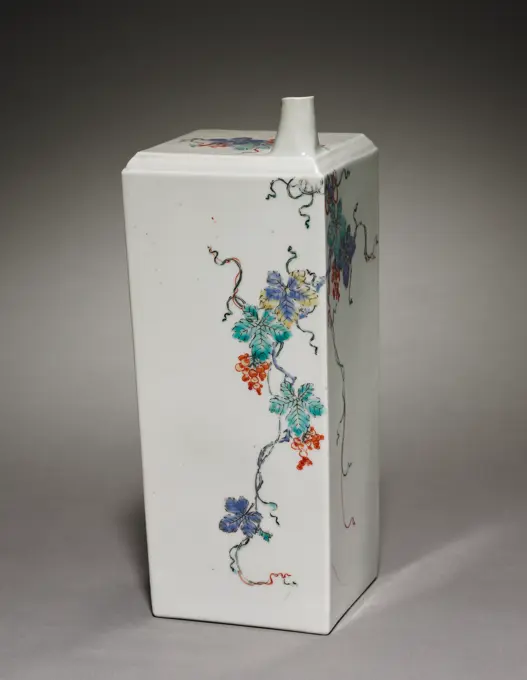
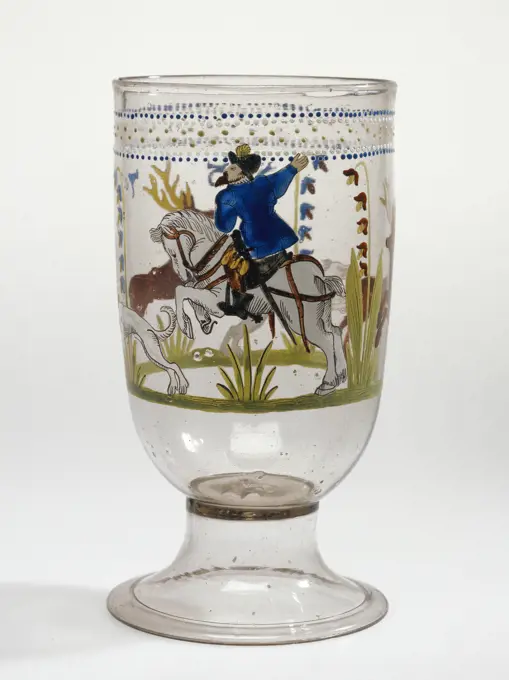
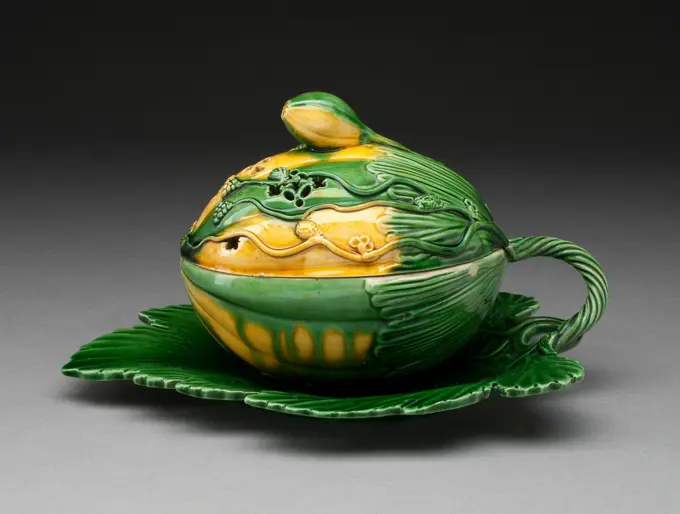
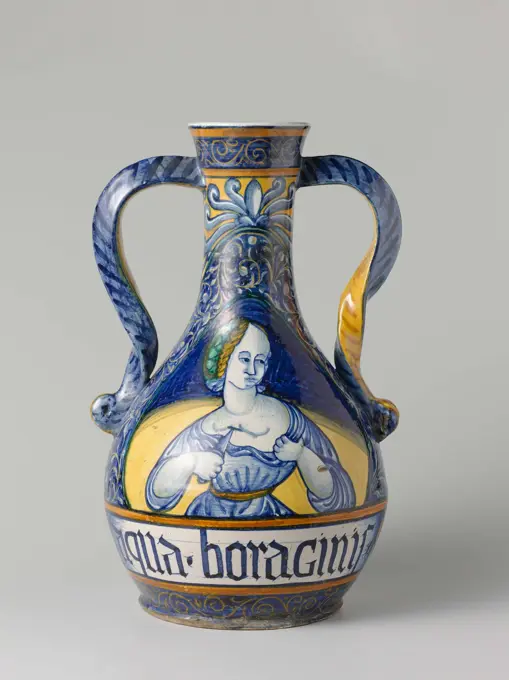
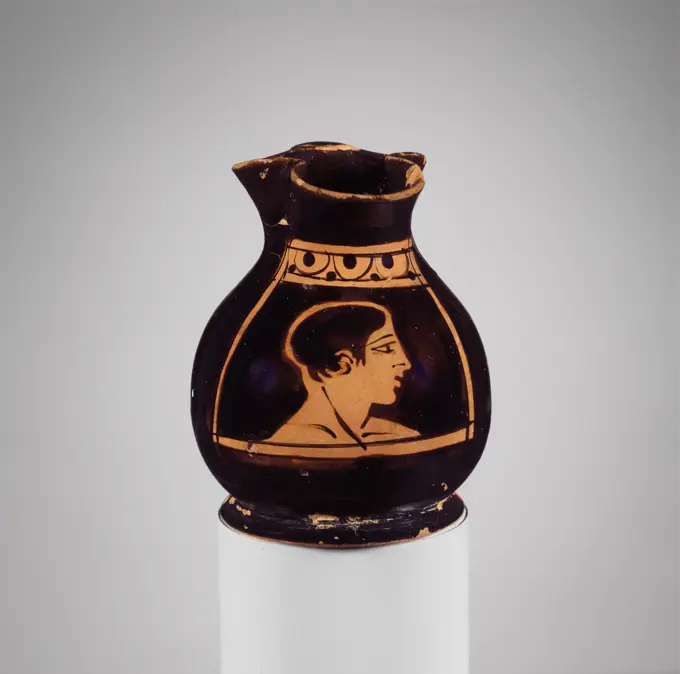
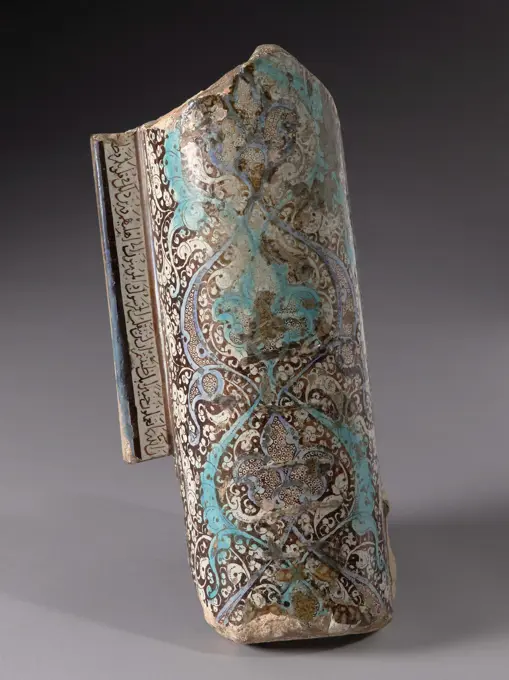
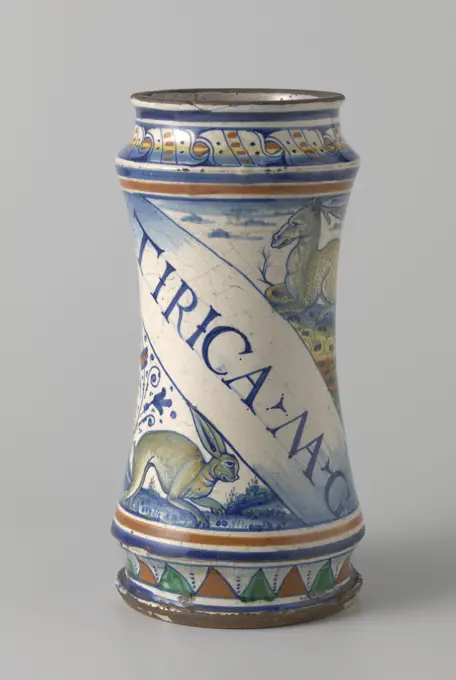
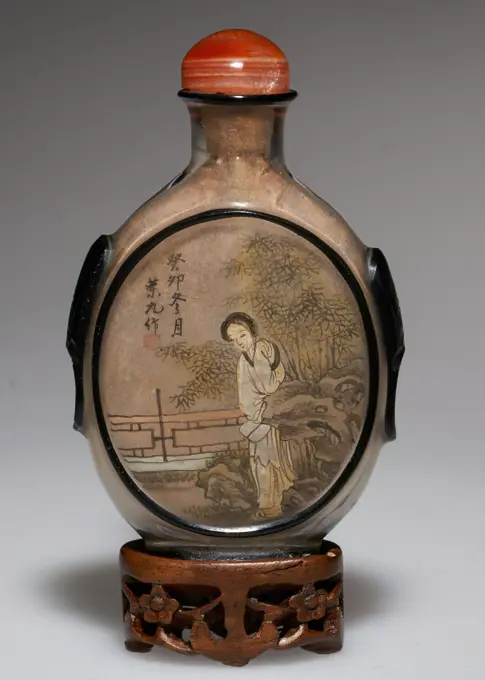
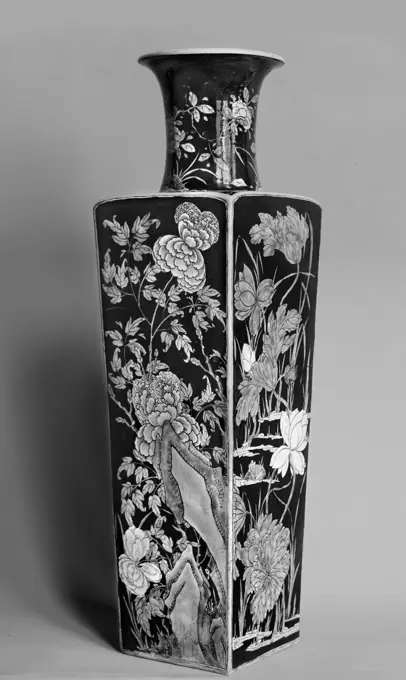
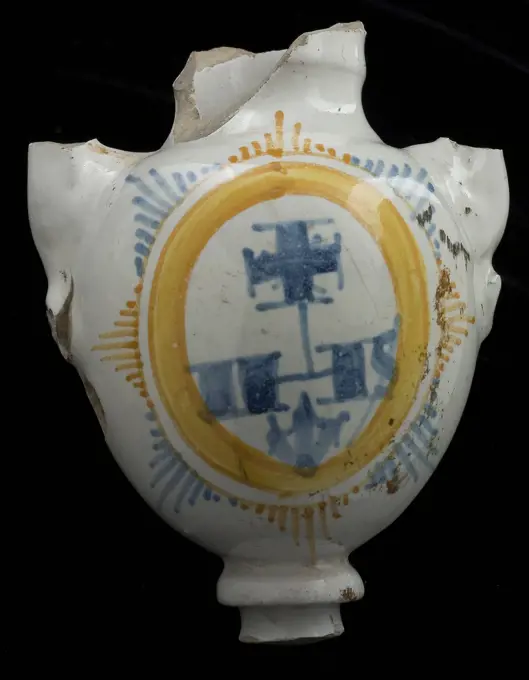
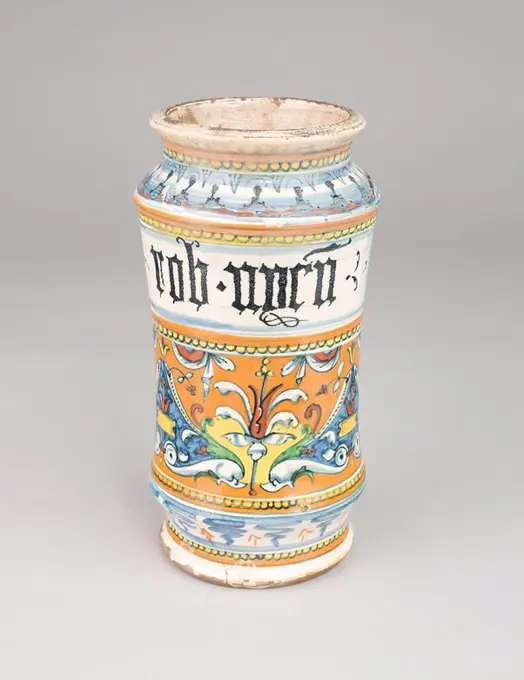
Tea caddy (one of a pair) ca. 1770 British, South Staffordshire. Tea caddy (one of a pair). British, South Staffordshire. ca. 1770. Enamel on copper. Enamels-PaintedFlower Pot and Flowers, 1811-1848. Derby Porcelain Factory (Bloor Period) (British). Artificial porcelain; overall: 24.2 x 11.3 cm (9 1/2 x 4 7/16 in.).Famille Rose moulded bottle vases, Chinese ArtFlower vase. Wenecja (ośrodek ceramiczny ; ca 1530- ), factoryArch-Handled Square Dish with Poems and Landscape with Chinese Lion Designs. China or Japan, 1848-1854. Ceramics. Hirado Mikawachi ware; porcelain with underglaze blueKrug 1680-90 Fehr. Krug 208008Albarello with portrait man with mustache and turban, anonymous, c. 1600 - c. 1699 Cylindrical pot of blue and yellow painted majolica, with a torn neck and foot. Subjects are painted on the pot. A man's portrait was painted in a box that has been enclosed by two volutes. The man has a mustache and wears a turban on which a half moon. Italy earthenware. tin glaze. lead glaze majolica Cylindrical pot of blue and yellow painted majolica, with a torn neck and foot. Subjects are painted on the pot. A man's portrait was painted in a box that has been enclosed by two volutes. The man has a mustache and wears a turban on which a half moon. Italy earthenware. tin glaze. lead glaze majolicaUnguent jar, core-formed and combed thread decoration. Date 15th Century BCVase with alternating landscape and floral scenes 19th century China The light green background on two sides of this face is found primarily on works produced for the use of the court during the rule of the infamous Dowager Empress Cixi (1835-1908), the de facto ruler of China from 1847 to her death. It seems likely that this vase, which continues a shape first used in the early eighteenth century, was made a century later, when her taste was echoed in porcelains made at Jingdezhen.. Vase with alternating landscape and floral scenes. China. 19th century. Porcelain painted in polychrome enamels over black ground (Jingdezhen ware, famille noire). Qing dynasty (1644-1911). CeramicsUpper Portion of a Glass Vase with Dragged Decoration ca. 1390-1352 B.C. New Kingdom. Upper Portion of a Glass Vase with Dragged Decoration. ca. 1390-1352 B.C.. Glass. New Kingdom. From Egypt, Upper Egypt, Thebes, Malqata, Palace of Amenhotep III, probably factories, probably MMA 1911-1912. Dynasty 18Pot 1890 Makuzu Kzan I (Miyagawa Toranosuke) Japanese. Pot. Makuzu Kzan I (Miyagawa Toranosuke) (Japanese, 1842-1916). Japan. 1890. White porcelain decorated in red under the glaze (Kyoto ware, Makuzu type). Meiji period (1868-1912). CeramicsGlass head flask 4th century A.D. Roman, eastern Mediterranean Translucent cobalt blue, with same color handle and base.Everted rim with cracked off vertical lip; broad funnel-shaped neck, splaying slightly at base; narrow horizontal shoulder; body molded into the shape of a head in the round, with vertical mold marks down sides of head in hair behind ears; below head sides curve in to round bottom; thick trail wound round bottom 3½ times to form splayed base ring; wishbone handle applied to lower half of neck in a large pad, drawn out and up, then tooled into a pinched thumb-rest with acute angle below, and drawn vertically down to back of head and trailed off down to base with decoration of twenty horizontal ribs.The head portrays a youth with long hair arranged in wavy locks at back, reaching to nape of the neck and behind the ears; fringe of straight locks on his forehead; the head has prominent ears, almond-shaped eyes with inset pupils, and a protruding, thick upper lip, pointed Vase with cover ca. 1755-1757 Longton Hall The factory established at Longton Hall in Staffordshire, England, around 1749 was the first concern to make porcelain in a region long renowned for its production of earthenware and stoneware. The ambition to produce porcelain in an area with a thriving pottery industry reflects the high esteem in which the new ceramic medium was held, as well as the aspirations for its commercial success. The factory was founded by William Jenkinson (British, d. 1771), who had obtained the Art Secret of Mystery of Making a Certain porcelain Ware in Imitation of China Ware,”[1 though it is not known with certainty where he gained this knowledge. The person who was to prove crucial to the success of the enterprise, however, was William Littler (British, 1724-1784), a potter with extensive experience in the medium of salt-glazed stoneware. Equipped with knowledge of both clay and kiln technology, Littler served as manager of the factory from his arrival in 17Leramik jug, glossy lacquer, 12th-13th c. A. D. Glass and Ceramics Museum, Tehran, Tehran, Iran, AsiaBOTIJO DE ADORNO VIDRIADO Y DECORADO CON FLORES DE PASTA BLANCA-S XX ARTE POPU. Location: ALFARERIA. CUERVA. Toledo. SPAIN.Jar: Satsuma Ware, early to mid-1800s. Japan, Edo period (1615-1868). Pottery; overall: 19.4 cm (7 5/8 in.).Covered SugarBowl, Mold-blown lead glass, 4 5/8 × 5 1/4 in. (11.75 × 13.34 cm), Made in Probably American, Probably American, possiblyBritish, 18th-19thcentury, Containers -GlassWall Vase 18th century China. Wall Vase. China. 18th century. Cloisonné enamel. Qing dynasty (1644-1911). CloisonnéSnuff bottle in the shape of a butterfly 19th century China The butterfly is cherished for its beauty and is a common theme, associated with joy and delight, in Chinese art. Fashioning an object such as this snuff bottle into the shape of a butterfly exemplifies the skill and imagination of the designer.. Snuff bottle in the shape of a butterfly 41582Carafe with stopper and drinking glass, 19th-20th century, 4 1/2 x 2 in. (11.43 x 5.08 cm), Bohemian ruby glass, Germany, 19th-20th centuryBrush Back Made 1725-1775 Delft. Tin-glazed earthenware (Delftware) and wood .Vase Royal CopenhagenClose-up of an Apothecary jar, Urbania, ItalyPillow, 18th century, 8 x 8in. (20.3 x 20.3cm), Silk, embroidery, China, 18th centuryAposkers support 'SSS/ are the Sisteria. 17000 k. 18000 Pharmacist's pharmacy. Painted with ear and spout and blue with inscription: S/ artemisiae. Delft . Pharmacist's pharmacy. Painted with ear and spout and blue with inscription: S/ artemisiae. Delft .Square Bottle with Squirrel and Grapes, late 1600s. Japan, Edo period (1615-1868). Porcelain with overglaze color enamel (possibly Hizen ware, Kakiemon type); overall: 21.8 x 8.3 cm (8 9/16 x 3 1/4 in.).Vase (USA); Designed by Edward Lycett (1833-1909); porcelainHunt Goblet; Bohemia, Czech Republic; 1576; Free-blown colorless (purplish-brown) glass with gold leaf and enamel decoration; 22.5 x 12.2 cm (8 7,8 x 4 13,16 in.)Vase 1760 Rakutozan Japanese. Vase. Rakutozan (Japanese,). Japan. 1760. Clay blackened outside and decorated with polychrome enamels which do not touch (Kyoto ware). Edo period (1615-1868). CeramicsMelon Tureen Made 1760-1770 Staffordshire. Lead-glazed earthenware (creamware) .TIBOR CHINO S XIX IMITACION MING. Location: PALACIO REAL-CERAMICA. MADRID. SPAIN.Vase, c. 1900, Max Laeuger; Manufacturer: Tonwerke, German, 1864-1952, 16 x 5 1/2 x 5 1/2 in. (40.64 x 13.97 x 13.97 cm), Glazed earthenware with slip decoration, Germany, 19th-20th centuryMoon Flask 1873-1880 Stoke-on-Trent. Bone china, enamel, and gilding .. .Terracotta oinochoe: chous (jug) mid-5th century B.C. Greek, Attic Head of a youthSmall choes were made for the Athesteria, a festival of the new wine in which children were included. There are many preserved examples with representations of boys and girls and their activities.. Terracotta oinochoe: chous (jug) 254334 Greek, Attic, Terracotta oinochoe: chous (jug), mid-5th century B.C., Terracotta, H. 2 3/16 in. (5.6 cm). The Metropolitan Museum of Art, New York. Rogers Fund, 1941 (41.162.163)Head Flask. Syria, Palestine, 100-200. Tools and Equipment; flasks. Mold-blown glassJar and lid, Maria Longworth Nichols, American, 1849-1932, Rookwood Pottery, American, 1880 - 1967, Earthenware, Miniature covered jar with moon, birds, and drip decoration., USA, 1884, ceramics, Decorative Arts, Jar and lidVessel on the pace;  19th century (1801-00-00-1900-00-00);Russian Nesting Dolls Colorful russian nesting dolls isolated on a white background Copyright: xZoonar.com/VladxPodkhlebnikx 479628. Pilaster from quartz frying goods from a prayer décor decorated with flower drinks and floral elements and inscription (corentry) in brown luster, turquoise and blue on surface of white glaze.BUIRE. Porcelain with enamels decor "pink family", Qing dynasty (1644-1912). Provenance: China. Paris, Cernuschi museum. 78838-30 Asian art, Chinese art, art of living, bun, fine ceramic, jug, ching dynasty, Qing dynasty, tsing dynasty, fine porcelain, container, dishesAlbarello with inscription Tirica is allowed, painted on a diagonal conveyor belt. A deer above the band; Under a hare., Anonymous, c. 1525 - c. 1560 vase Concave cylindrical vase with incised neck and foot, of multicolored painted Majolica. On the vase a diagonal conveyor belt is painted with the inscription: Tirica Mag. A deer is painted above the band and a hare under the band. The vase is also painted with flower vines. Antwerp earthenware. tin glaze. lead glaze majolica hoofed animals: deer. rodents: hareTea Canister 1765-1775 StaffordshireSnuff Bottle, 1900-1935, 2 7/8 x 1 3/4in. (7.3 x 4.4cm), Glass, carnelian, China, Qing dynastySquare vase with flowers of four seasons 19th century China. Square vase with flowers of four seasons. China. 19th century. Porcelain painted in polychrome enamels over black ground (Jingdezhen ware, famille noire). Qing dynasty (1644-1911). CeramicsVase. Culture: British (American market). Designer: Designed by Marc-Louis Emanuel Solon (1835-1913). Dimensions: H. 16 1/4 in. (41.3 cm); Diam. 9 in. (22.9 cm). Manufacturer: Manufactured by Minton and Company (1793-present). Date: 1870. Museum: Metropolitan Museum of Art, New York, USA.Reichsadler Humpen (Beaker with Arms of the Holy Roman Empire). Bohemia, 1622. Furnishings; Serviceware. Glass, enamel, giltCenter vase of five piece garniture, early 19th century, 10 1/2in. (26.7cm), Porcelain, China, 19th centuryOrnamental Calcite alabaster cosmetic jar topped with a lioness, representing the goddess Bast. From the tomb of King Tutankhamen. 1323 BC. 18th dynasty, New KingdomLamp (shade) c 1899-1909 New York. Leaded glass . Tiffany Glass & Decorating Company (Manufacturer)Snuff bottle with theatrical scene late 19th century China. Snuff bottle with theatrical scene 50481Beaker with Lovers. Central Germany, 1770. Furnishings; Serviceware. Glass, enamelFaience altar vase, with polychrome medallion with halo, cross and IHS, altar vase vase tableware holder soil find ceramic pottery glaze tin glaze, on the belly: IHS archeology Jesus Christ bible religionApothecary Jar (Albarello). Italian, Siena. Date: 1505-1525. Dimensions: H: 23.9 cm (9 3/8 in.); diameter: 12.1 cm (4 3/4 in.). Tin-glazed earthenware (maiolica). Origin: Siena. Museum: The Chicago Art Institute, Chicago, USA.Vase China. Vase 50906Snuff Bottle with Saddled and Bridled Horses Tethered to Mock Ring Handles 1760-1810 China. Glass; red overlay on white ground .