Elegant Silver Tableware

Collection of ornate silverware including bowls and chafing dishes from various periods, showcasing fine craftsmanship and historical elegance.
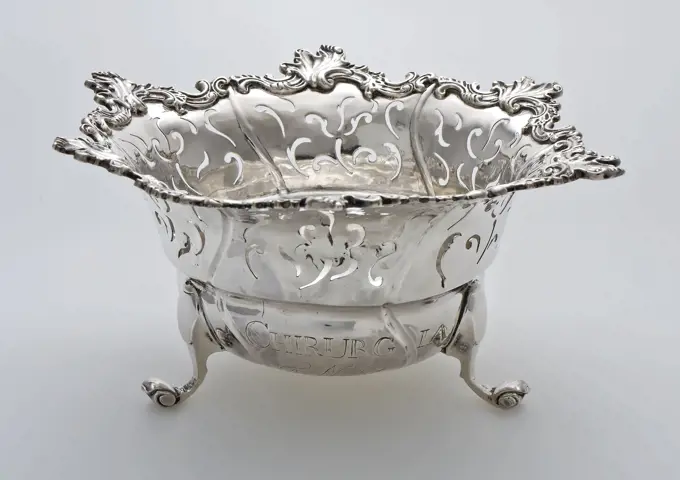
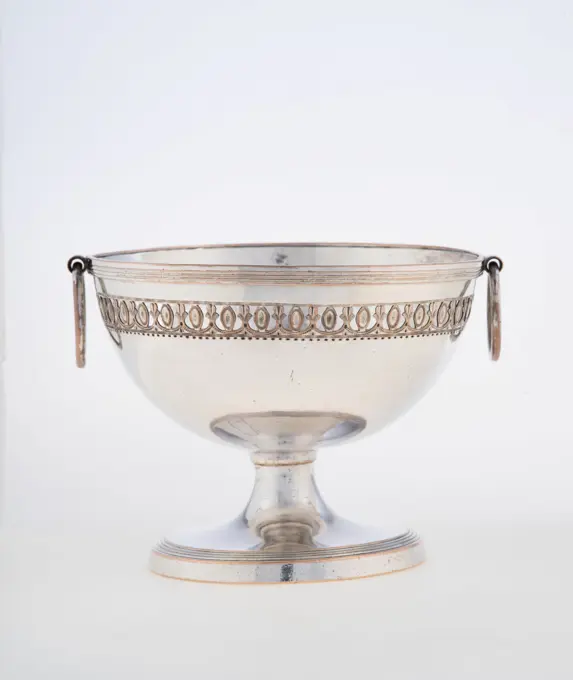
Silversmith: Anthony Huijs, Silver pipe barrel with engraved CHIRURGIA As Head Loudewell 31 December 1778 F. Nolst J. Hofman, H. Van Putten, N. Hôijkes, pipe fittings smokeware silver, sawn cast Round chafing plate pivoting sawn-out top edge on three curling feet. Hole in the bottom bottom bottom (smashed) Surgeons guild 1778 F. Nolst J. Hofman H. van Putten N. Hoykaes smoking lighting Huys
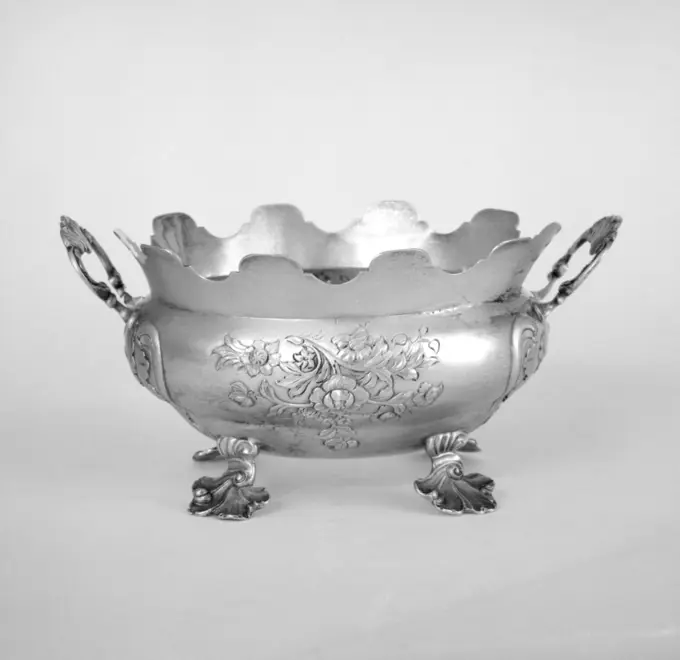
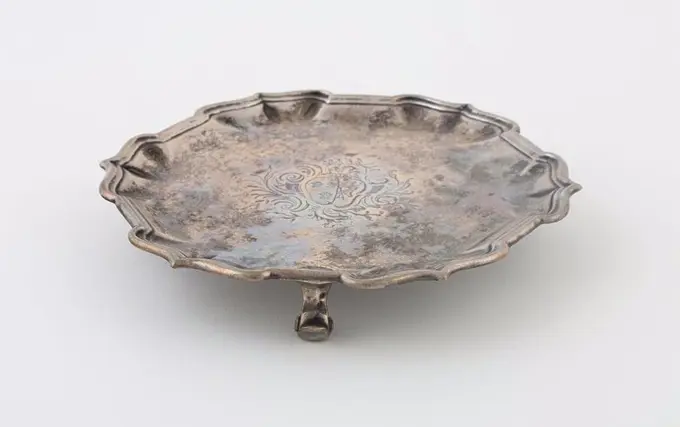
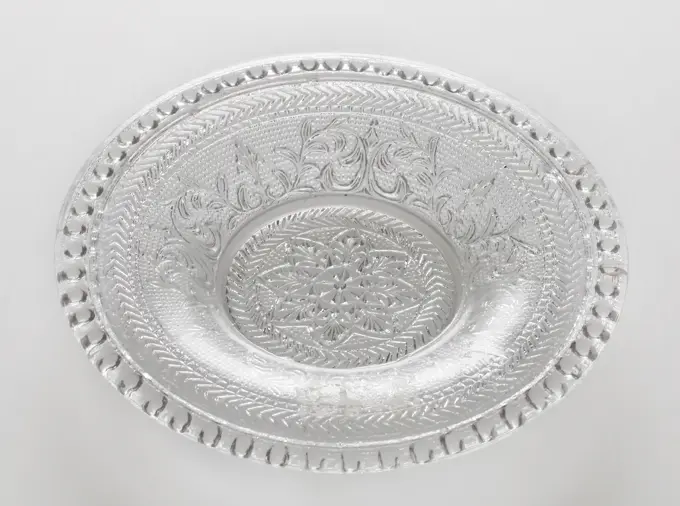
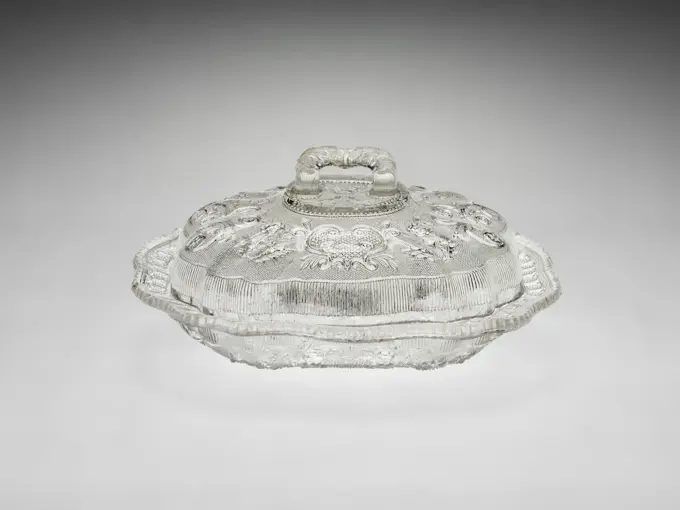
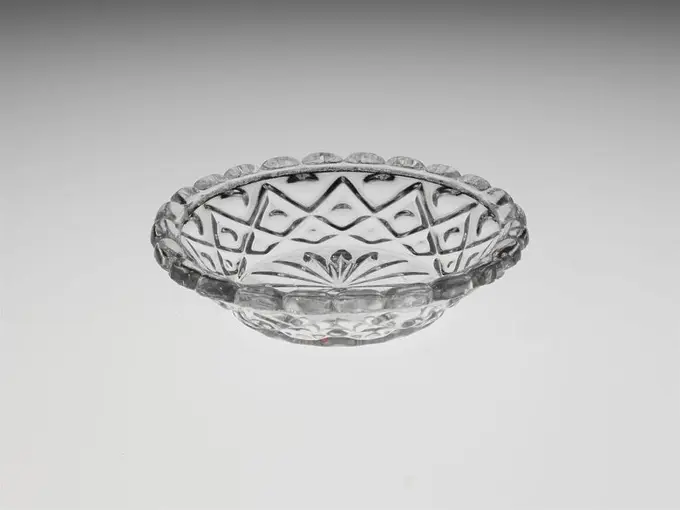
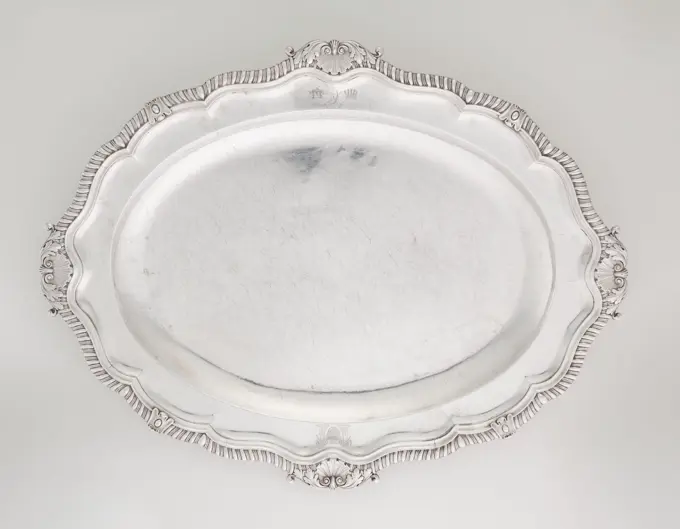
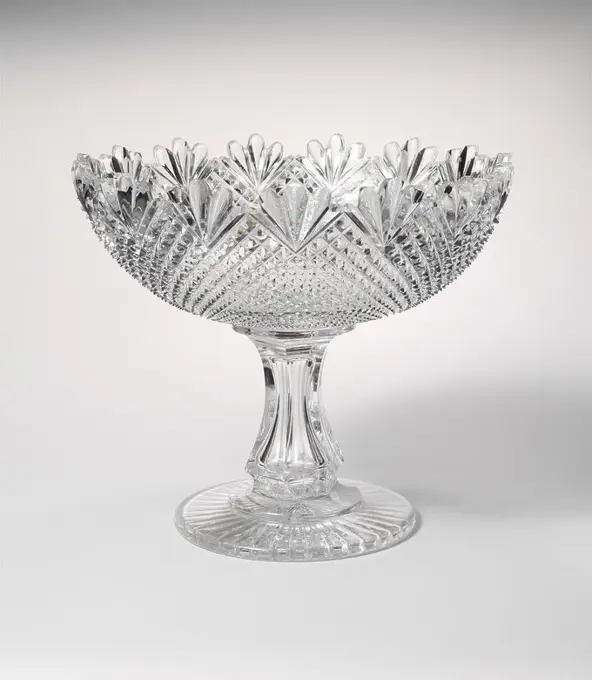
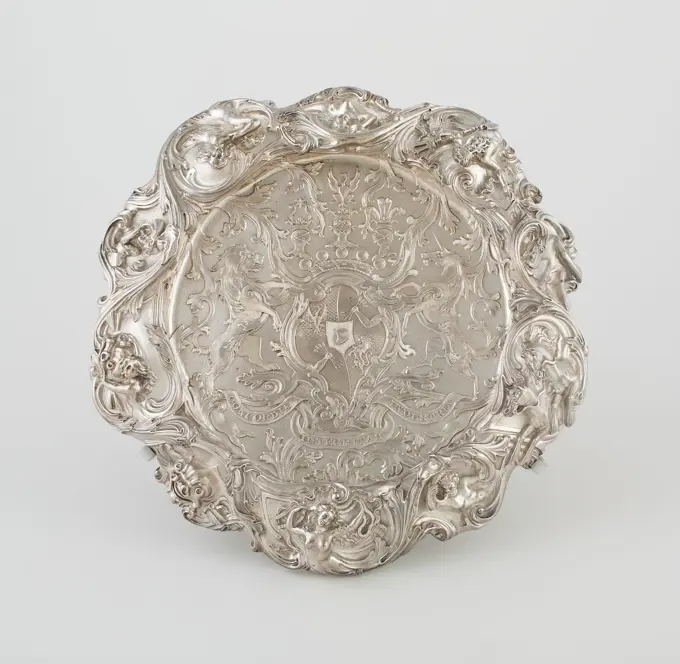
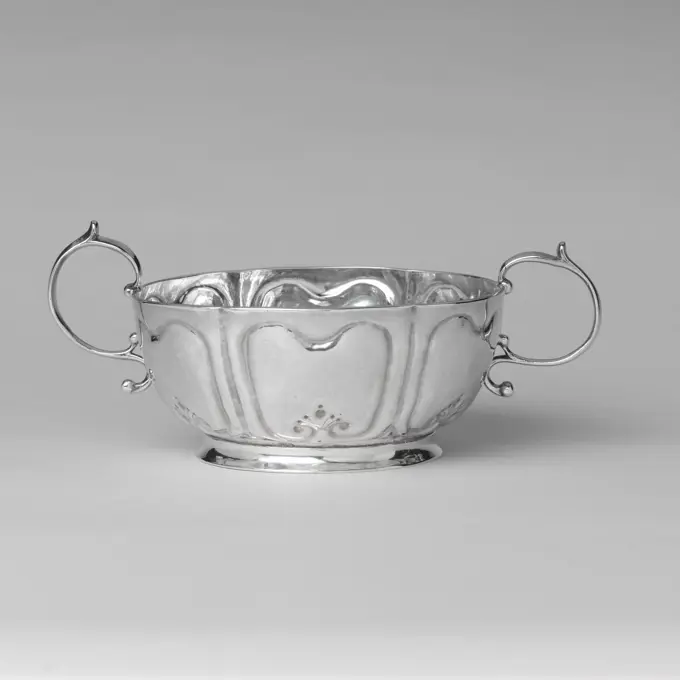
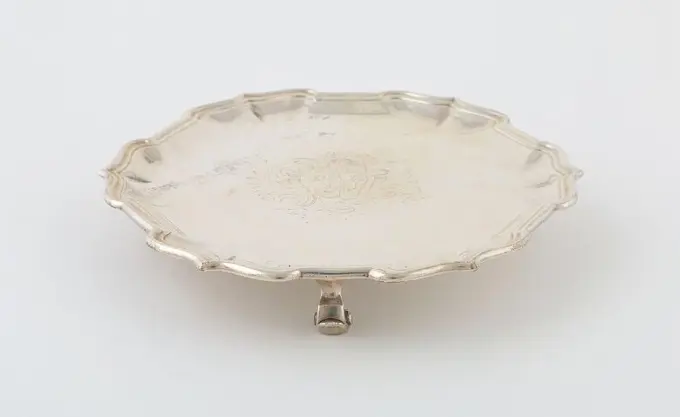
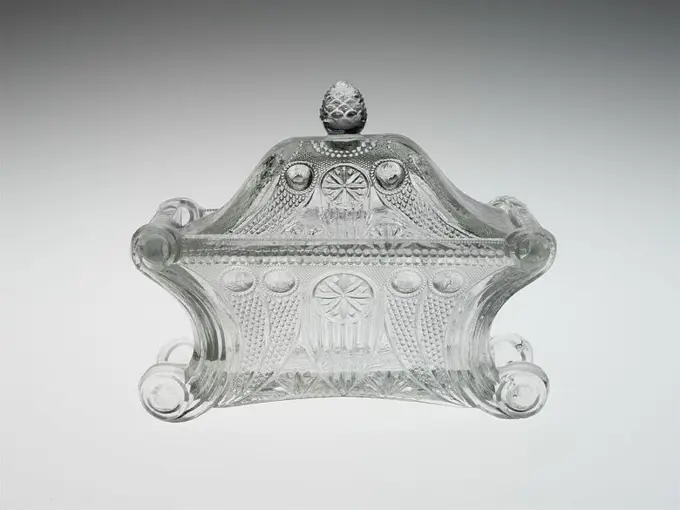
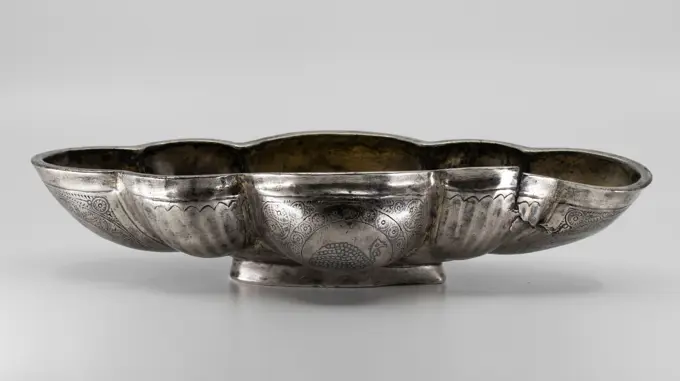
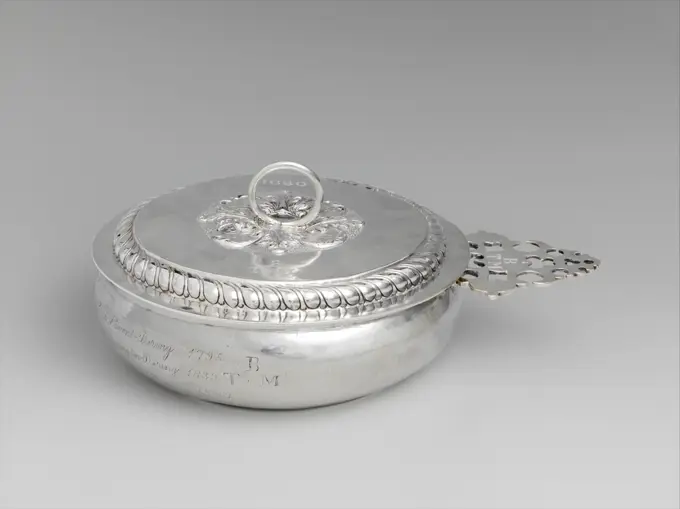
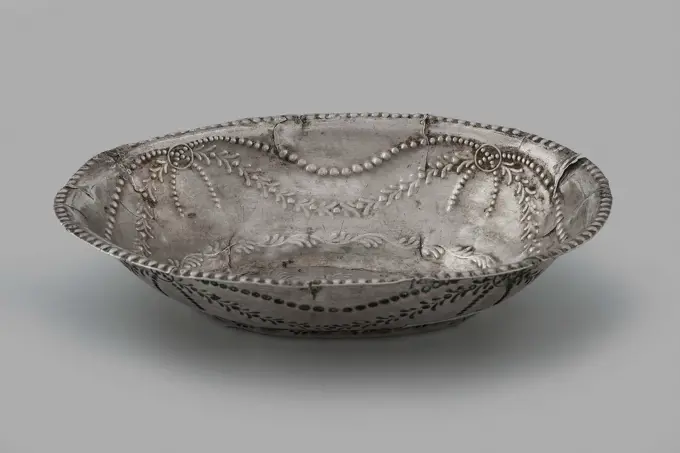
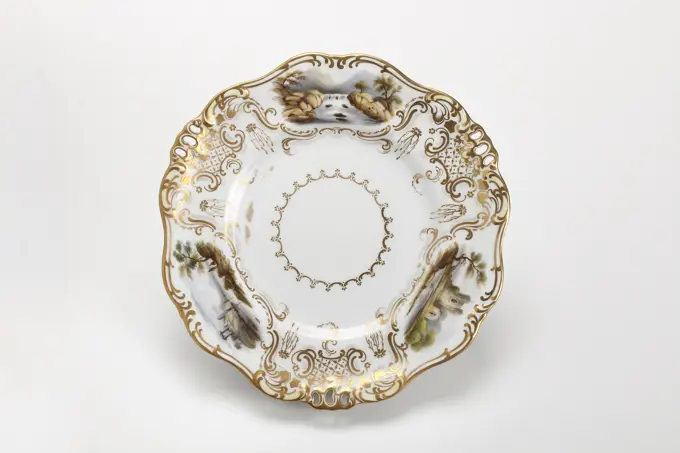
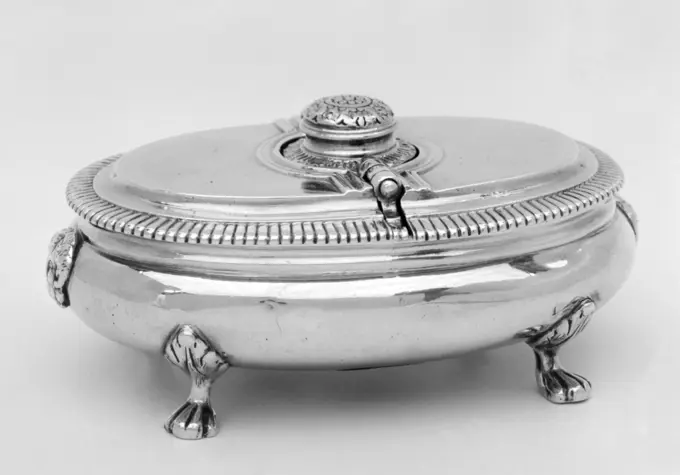
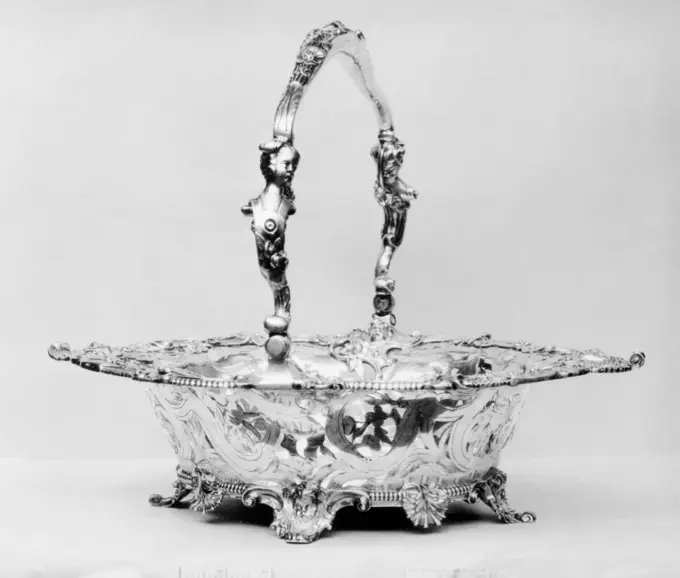
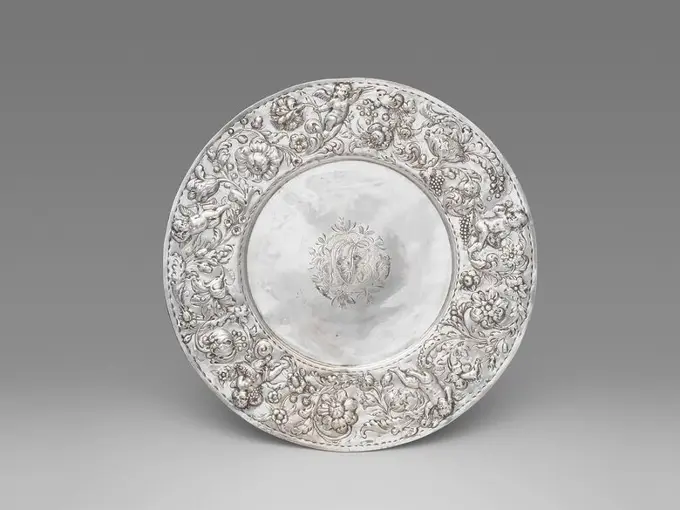
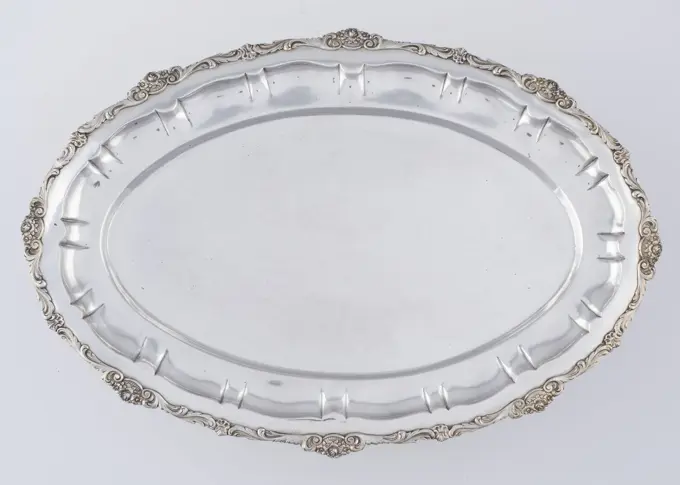
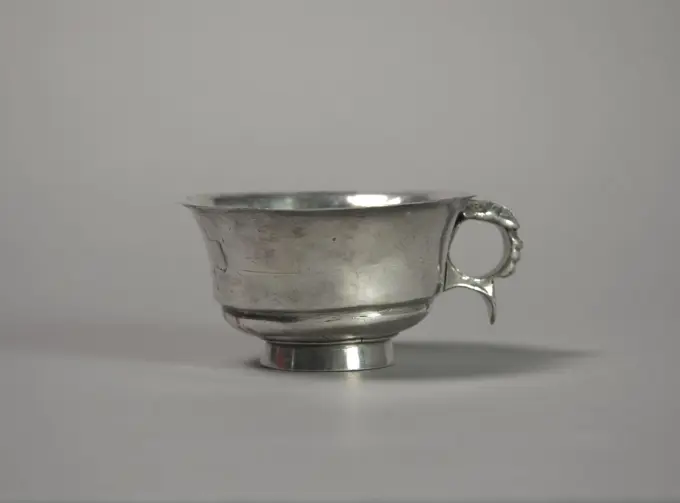
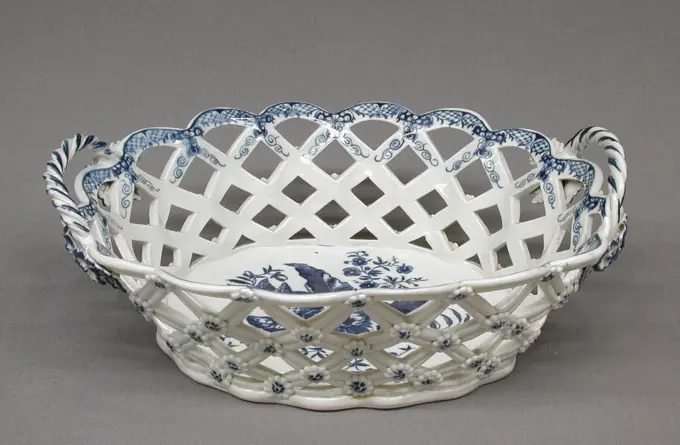
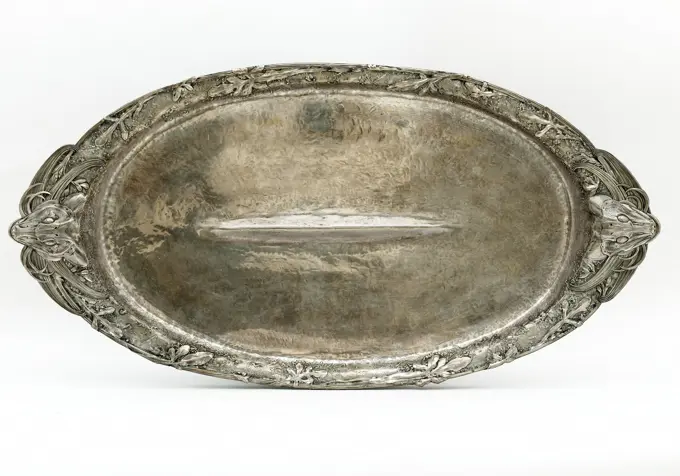
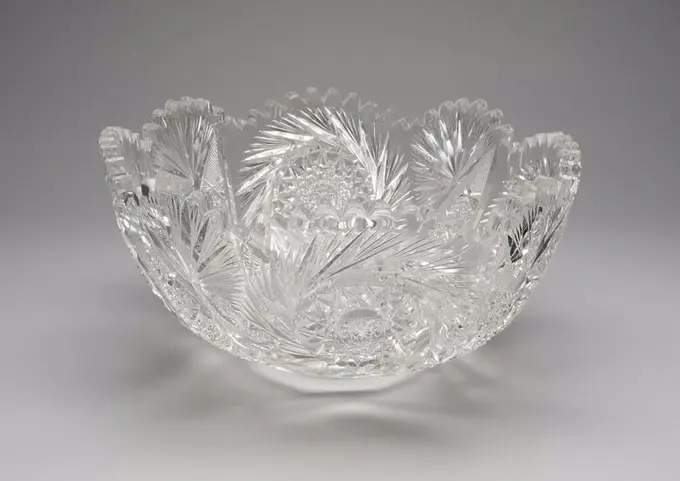
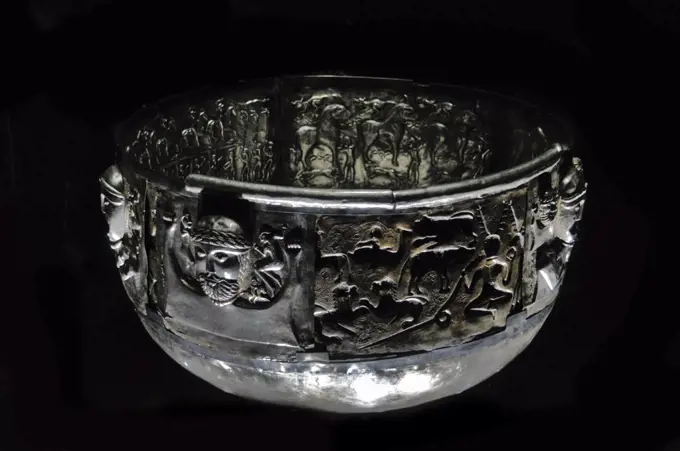
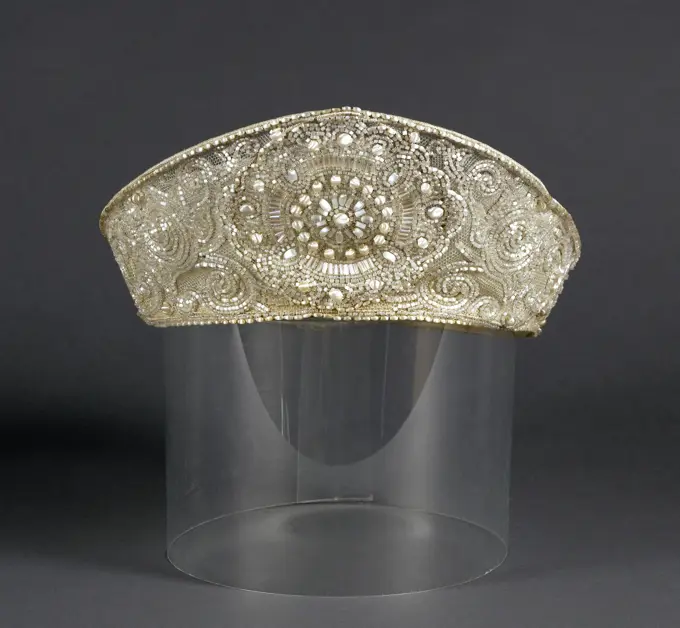
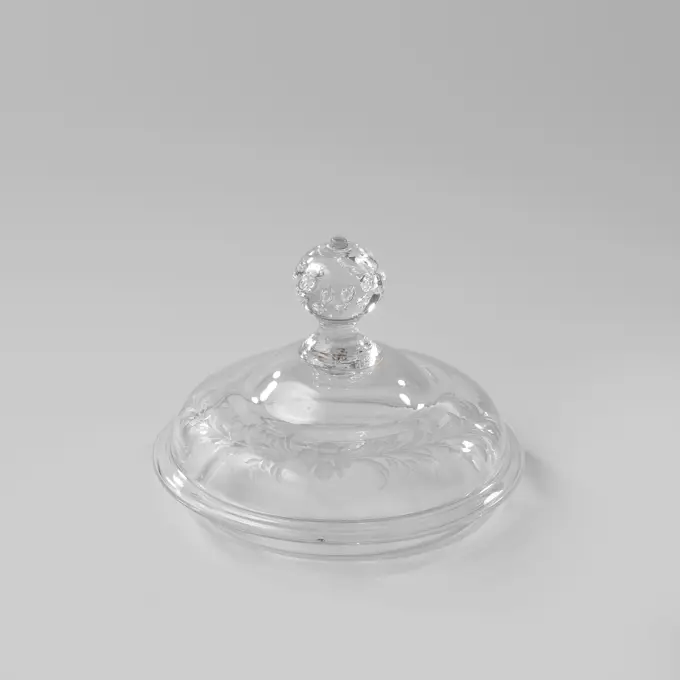
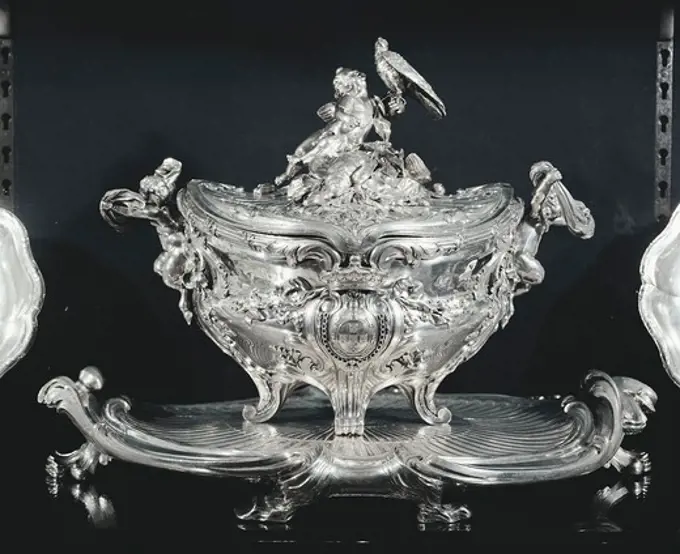
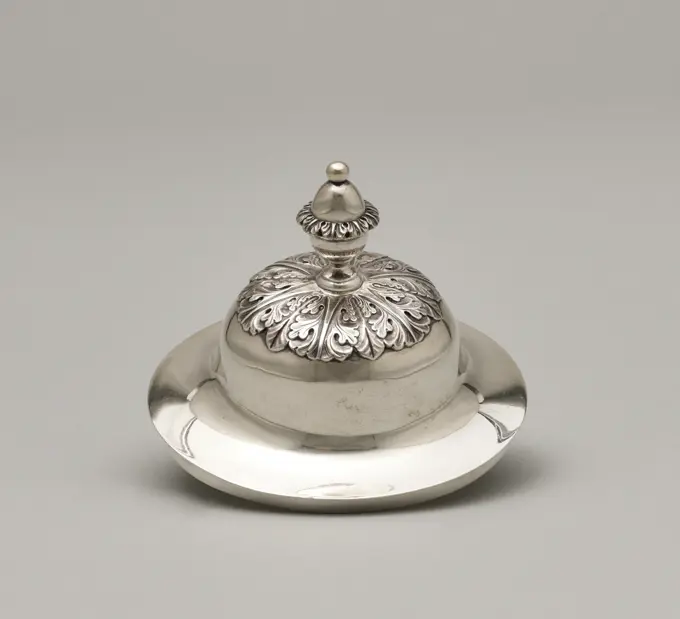
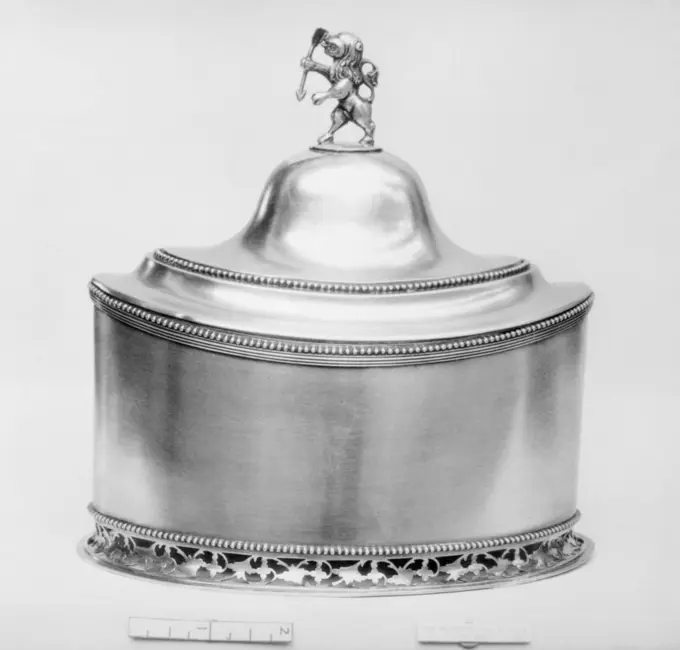
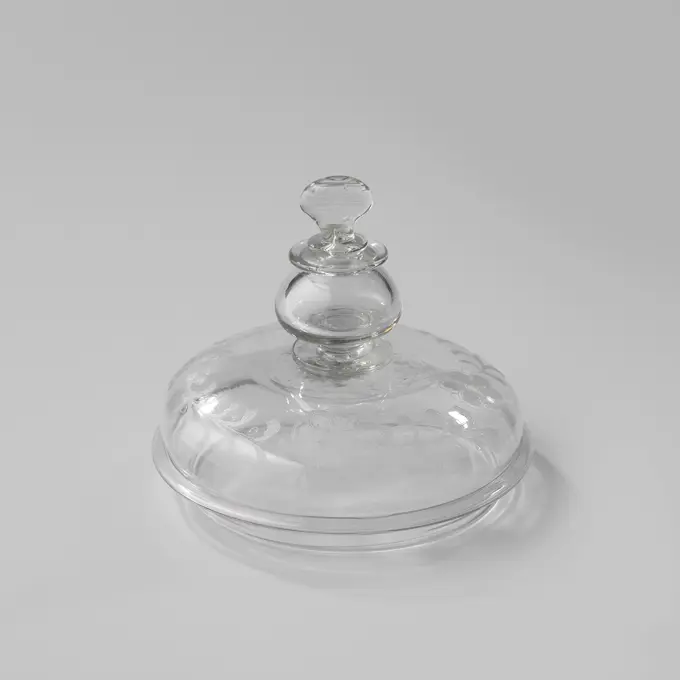
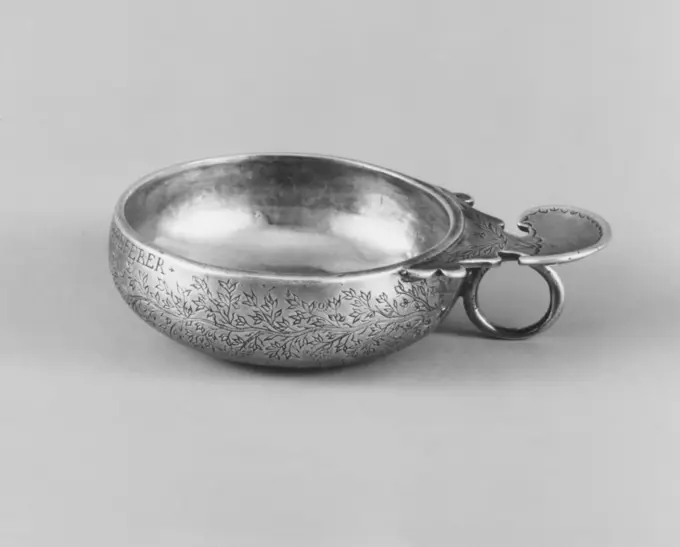
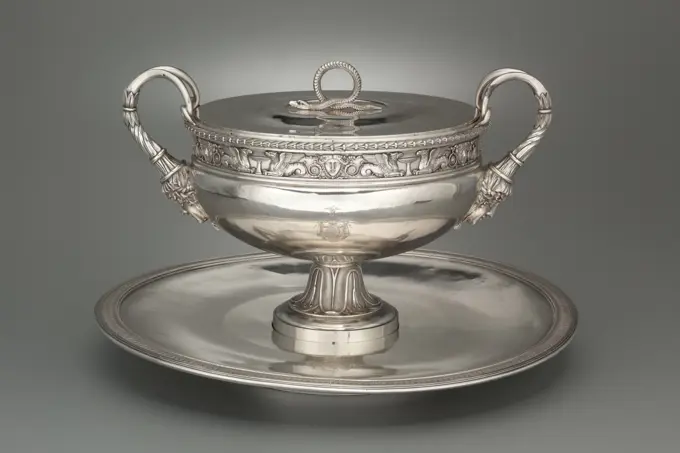
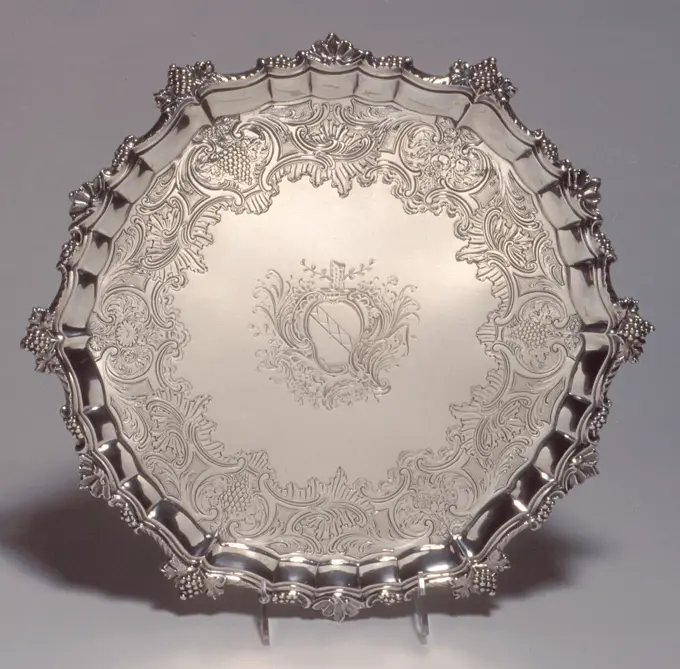
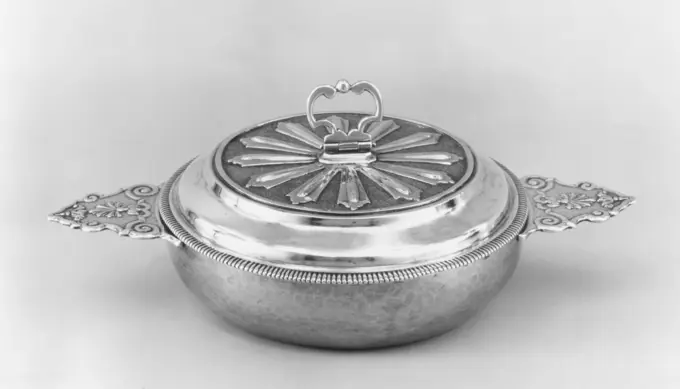
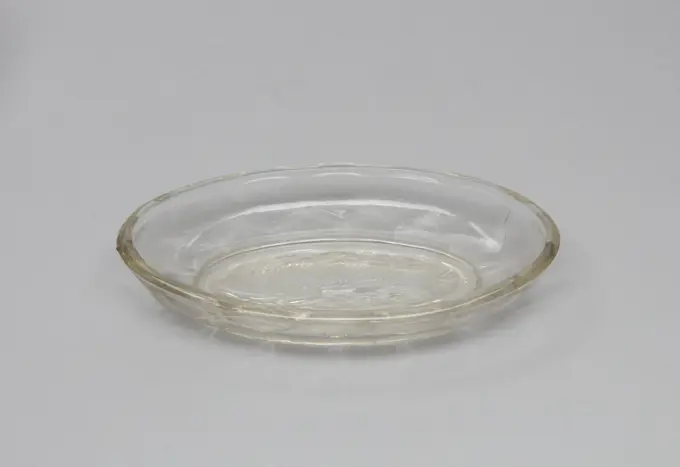
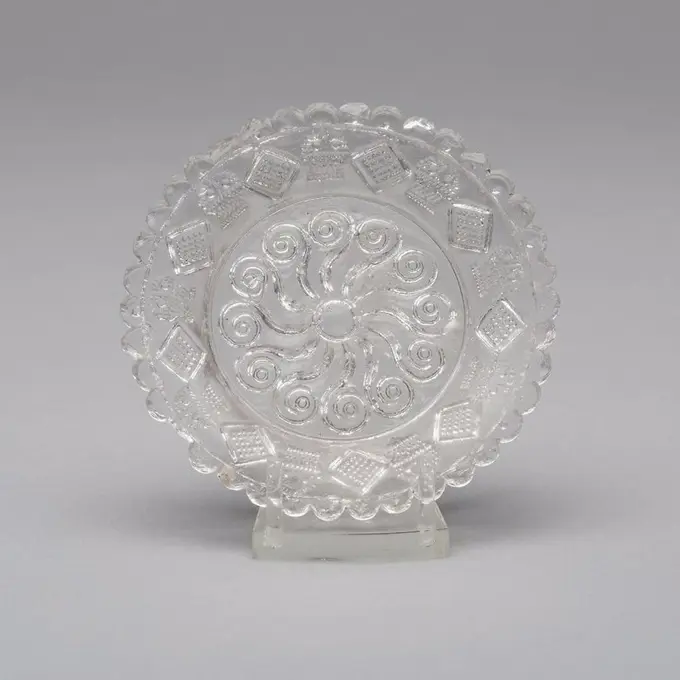
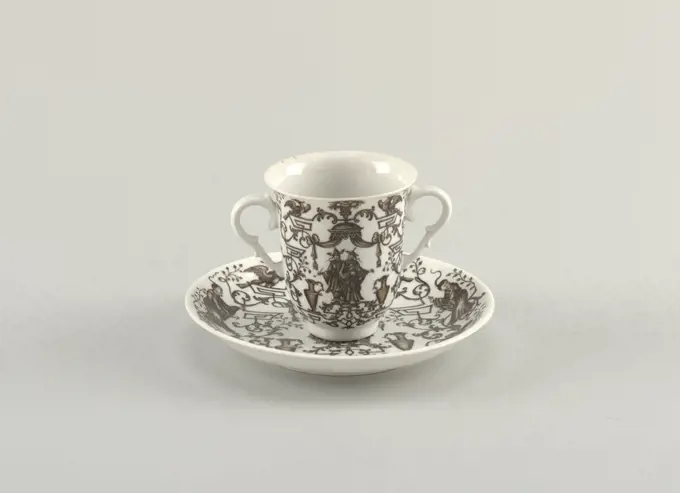
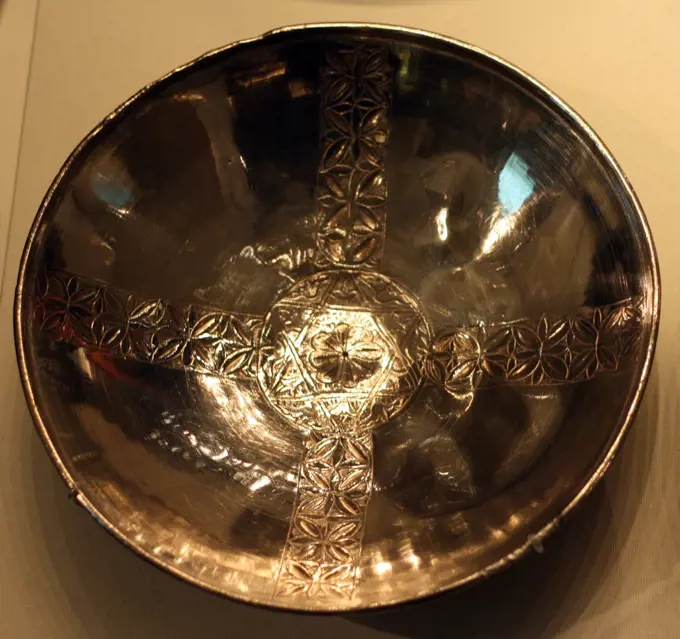
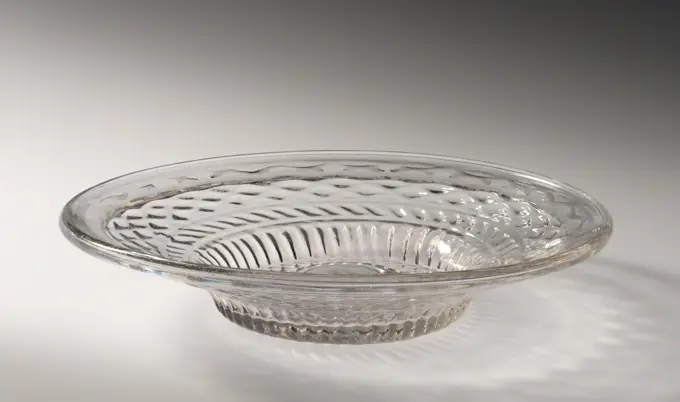
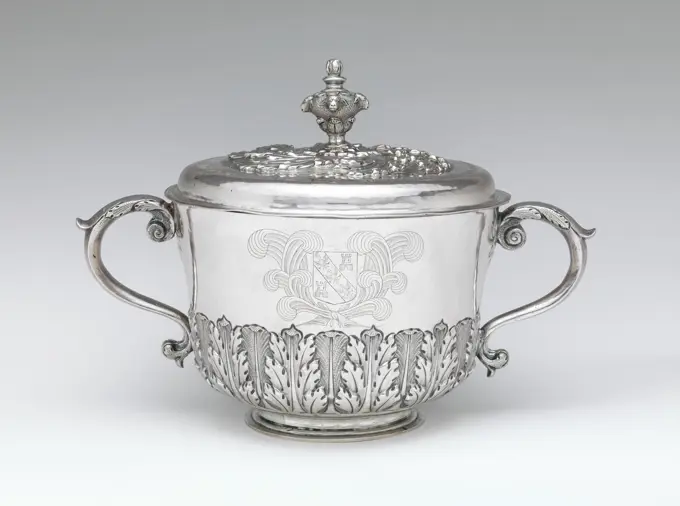
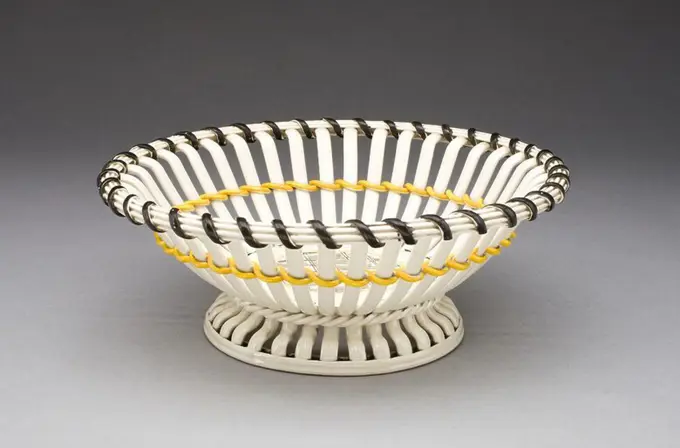
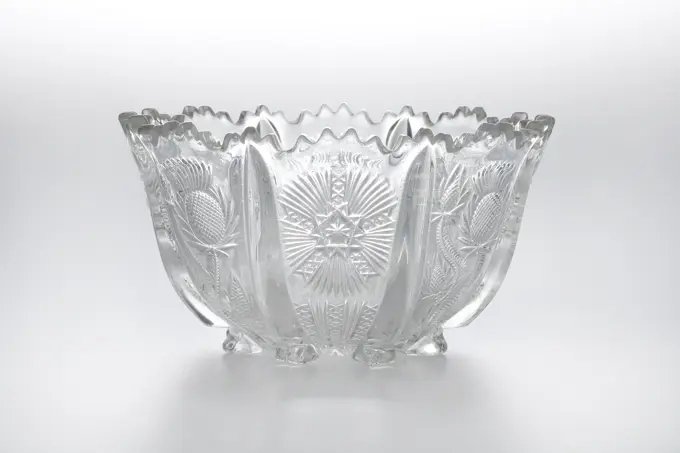
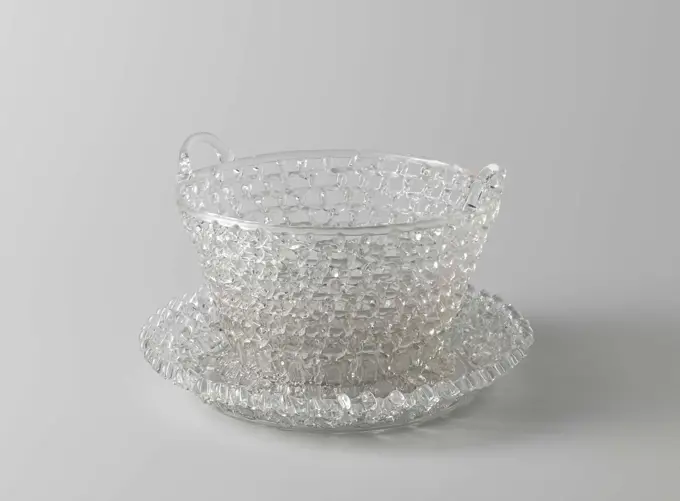
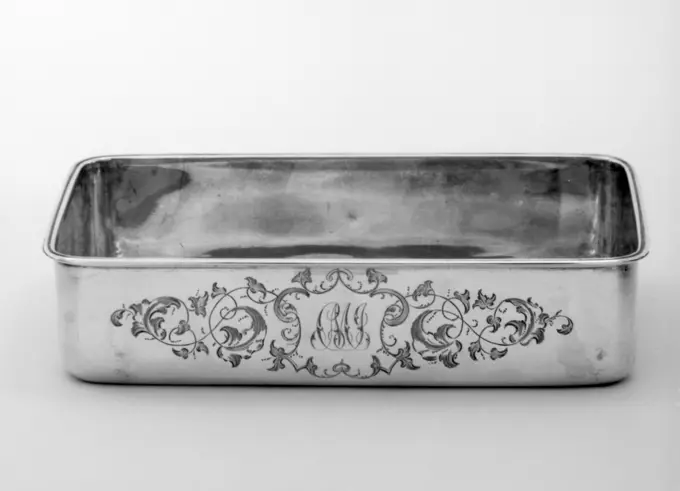
Silversmith: Anthony Huijs, Silver pipe barrel with engraved CHIRURGIA As Head Loudewell 31 December 1778 F. Nolst J. Hofman, H. Van Putten, N. Hôijkes, pipe fittings smokeware silver, sawn cast Round chafing plate pivoting sawn-out top edge on three curling feet. Hole in the bottom bottom bottom (smashed) Surgeons guild 1778 F. Nolst J. Hofman H. van Putten N. Hoykaes smoking lighting HuysWazka - salt shaker;  18th century (1701-00-00-1800-00-00);Monteith type oval bowl ca. 1760 German, Brunswick (Braunschweig). Monteith type oval bowl 206205Waiter. Edward Feline; English, active 1720-53; London, England. Date: 1738-1739. Dimensions: 2.5 x 16.5 cm (1 x 6 1/2 in.). Silver. Origin: London. Museum: The Chicago Art Institute, Chicago, USA.Nappy - Burlington Glass Works Burlington Glass WorksChrysanthemum Waste Bowl; Manufactured by Tiffany and Co. (United States); USA; silverFruit bowl. Culture: Continental European. Dimensions: Overall: 7 7/8 × 11 in. (20 × 27.9 cm). Date: early 19th century. Museum: Metropolitan Museum of Art, New York, USA.Covered VegetableDish. Maker, attributed to: Boston and Sandwich Glass Works, American, 1826-88Sauce Dish. Culture: American. Dimensions: Diam. 4 3/8 in. (11.1 cm). Date: 1850-60.With the development of new formulas and techniques, glass-pressing technology had improved markedly by the late 1840s. By this time, pressed tablewares were being produced in large matching sets and innumerable forms. During the mid-1850s, colorless glass and simple geometric patterns dominated. Catering to the demand for moderately-priced dining wares, the glass industry in the United States expanded widely, and numerous factories supplied less expensive pressed glassware to the growing market. At the Exhibition of the Industry of All Nations at New York's Crystal Palace in 1853, for example, the New England Glass Company exhibited 130 pieces of one design, "consisting of bowls, tumblers, champagnes, wines, and jelly glasses." This object belongs to one such service. Although the glass manufactory is not known, the glassware is very typical of the large services that were very popular with America's Oval bowl; Smith, Benjamin & James (Fl. 1809-1812); 1811/12 (1811-00-00-1812-00-00);Sugar Bowl c 1820-1835 Pittsburgh. Several characteristics of this sugar bowlóthe distinctive floral decoration, molded panels, and pear shapeóposition it within an important group of early Pittsburgh glass that has been traditionally attributed to the Bakewell factory, a Pittsburgh firm known for high-quality flint glass that competed with English and French imports. As an alternative to French-style glass, Bakewell made objects like this sugar bowl with floral engraved decoration (here, a daisy and three-leaf pattern) combined with hand-pressed bases as more affordable complements to its line of luxurious presentation glass.. Glass . Bakewell's Glass WorksCompote. Culture: American. Dimensions: 11 in. (27.9 cm)Body diameter: 12 in. (30.5 cm). Maker: Joseph Stouvenal and Company (1851-57). Date: ca. 1851-55. Museum: Metropolitan Museum of Art, New York, USA.Wine Bottle Cooler Stand 1845-1846 London. Silver on wooden support . Robert Garrard, IITwo-handled bowl 1675-1700 Jacob Boelen American Similar in design to the larger example marked by Jessie Kip (23.80.17), this modest six-paneled bowl is ornamented with punched decoration and sturdy C-scroll handles. The three sets of initials engraved on its underside represent three previous owners and appear to have been added at different dates.. Two-handled bowl 783Waiter. Edward Feline; English, active 1720-53; London, England. Date: 1738-1739. Dimensions: 2.5 x 16.5 cm (1 x 6 1/2 in.). Silver. Origin: London. Museum: The Chicago Art Institute, Chicago, USA.Perra;  1904-08 (1904-00-00-1908-00-00);Covered Dish. Culture: American. Dimensions: 5 1/2 x 6 1/2 x 4 in. (14 x 16.5 x 10.2 cm). Maker: Probably Boston & Sandwich Glass Company (American, 1825-1888, Sandwich, Massachusetts). Date: 1830-45. Museum: Metropolitan Museum of Art, New York, USA.Lobed bowl ca. 6th-7th century A.D. Sasanian This bowl is shaped like a boat, with large lobes at the ends and middle of each side interspersed with smaller ones. The edges of the lobes are gilt, as are the interiors of the four large lobes. The exteriors of the large lobes are decorated with guineafowl (a close relative of the pheasant) inside round borders of floral and geometric motifs, which are incised and filled with niello. The small lobes are scalloped. The interior of the bowl has an image of a fish with a forked tailfin and four rows of horizontal scales. The fish is likely a saltwater species, such as a tuna or queenfish (scomberoides), native to the Indian Ocean, though it may just as well not be intended to represent a specific species. The fish is also rendered in niello and gilt. The bowl sits on an oblong ring base. On the bottom is a stamp, with an indeterminate design.This bowl was probably part of a table service owned by someone closely connected to the Sasanian royPorringer with Cover ca. 1700 American. Porringer with Cover 2438Dish engraved with the names of rebels, anonymous, c. 1573 - c. 1579 dish Low, Concave base with turned around. Wide, scale-shaped cuppa, on which the following six names and foreign exchange are engraved in various manuscripts:- Under a schematically indicated fleuron crown the letter H, the year 1573, the letters WSMV, with the motto underneath the Viandt number eight too light / Dein Vrundt too much FREATHUW NUNG (Do not underestimate your enemy / do not trust your friends too much) and the name Jo d v Renes (Johannes Dominus van Renesse). and the name Jehan d'Egmont.- The year 1591 and the motto sans estre guys (without being geus) and the name dry.- the name Morogan.- Under a fleuron crown the letters ae, the year 1573, the motto Emulus. Accendit. Virtute (an ambitious man is ignoring virtue) and the name G.D.B.D. Treslong (Guillaume de Bloys de Treslong).- Under a fleuron crown the year 15 23+, the motto Sans Aultre (one I will serve) and the name R.D. Bailleul (Robert de Belle dOval epergne. unknown, goldsmithCover of a large (a) oval terrine in Louis XVI-style, Philippus Priee, 1773 Inner box of a large (a) oval terrine, in Louis XVI style. Middelburg silver (metal) Inner box of a large (a) oval terrine, in Louis XVI style. Middelburg silver (metal)"Gondola" sweetmeat glass ca. 1730 German, Silesia The engraving on this sweetmeat dish, called "Gondola" shape, is exceptionally fine.. "Gondola" sweetmeat glass 196096SugarBox.  Maker: Edward Winslow, American, 1669-1753. This silver water bowl with a cover is adorned with the same kind of large floral motifs found on the Indian ebony cabinet (elsewhere in this gallery). The set was made in Batavia, where Indian craftsmen further developed the floral style. The bowl was likely used to serve cold water.Dessert plate - William Davenport & Company, 1835-1881 William Davenport & Company, 1835-1881Spice box with grater 1719-20 Charles-François Croze. Spice box with grater 200156Dessert plate - Dahlia Leaf pattern Burlington Glass Works Burlington Glass WorksCake basket 1745-46 Paul de Lamerie British. Cake basket 195266Sauceboat (part of a service) 1770-85 Chinese, for British market. Sauceboat (part of a service) 201139Dish. Culture: Dutch, Amsterdam. Dimensions: Diameter: 14 1/2 in. (36.8 cm). Maker: Sigismund Zschammer (ca. 1630, master 1661, d. before 1698). Date: 1685, with later monogram.The cherubs, foliage and, particularly, flowers chased in high relief on the border of this dish were popular motifs not only in silver but also in contemporary painting and used for marquetry and gilt leather as can be seen in this and nearby galleries. The monogram engraved in the center refers to a member of De Peyster family, an important Dutch merchant family in New York which included Abraham de Peyster who served as mayor of the city from 1691-94. Museum: Metropolitan Museum of Art, New York, USA.Kwispedoor of silver with driven flower and leaf vines, anonymous, c. 1650 - c. 1700 Kwispedoor of which second identical copy (BK-1994-75-B). Smooth stand ring with a spherical abdomen above and very wide -spreading neck with overflowed flat edge. The belly and the edge are driven with flower and leaf vines. Three silver brands. Indonesia, second half 17th, first half of the 18th century. Batavia silver (metal) Kwispedoor of which second identical copy (BK-1994-75-B). Smooth stand ring with a spherical abdomen above and very wide -spreading neck with overflowed flat edge. The belly and the edge are driven with flower and leaf vines. Three silver brands. Indonesia, second half 17th, first half of the 18th century. Batavia silver (metal)Bowl 1830-50 American. Bowl. American. 1830-50. Blown pattern-molded lead glass. Made in Philadelphia, Pennsylvania, United StatesSmall dish on foot. .Westward Ho!/Pioneer pattern covered footed compote c 1876 Philadelphia. Glass . Gillinder and Sons (Manufacturer)Tray; Rogalski, Wiktor; after 1931 (1895-00-00-1915-00-00);Porringer 1750-75 David Northee. Porringer 6707Cup with Handle 6th-7th century Central Asia. Cup with Handle 39972Platter ca. 1740-50 I.L.. Platter. French, possibly Avignon. ca. 1740-50. Silver. Metalwork-SilverDessert basket ca. 1775 Caughley Factory. Dessert basket 188603 Factory: Caughley Factory, British, ca. 17721799, Dessert basket, ca. 1775, Soft-paste porcelain, Width: 10 5/8 in. (27 cm). The Metropolitan Museum of Art, New York. Gift of Alfred Duane Pell, 1902 (02.6.46)Probably Boston and Sandwich Glass Works, Salt, c. 1830-c. 1845, Opalescent lead glass.Compote - Buttons & Bows pattern Dominion Glass Company Dominion Glass CompanyHenri Husson / Adrien-Aurélien Hébrard. Plateau. Money repelled and chopped. 1909-1914. Museum of Fine Arts of the City of Paris, Petit Palais. 75295-3 Money regrowth, chisel, trayMaker Unknown, Patty Pan, c. 1820-40, colorless glass.Tray (part of a service) 1759 Sèvres Manufactory French. Tray (part of a service) 202199Tureen. William Gale and Son; American, 1850-58; 1862-66; New York, New York. Date: 1852. Dimensions: 27.9 × 38.1 × 22.9 cm (11 × 15 3/8 × 9 in.); 2718.8 grams. Silver. Origin: New York City. Museum: The Chicago Art Institute, Chicago, USA. Author: & Son William Gale.Punch Bowl. American; 19th century. Date: 1880-1900. Dimensions: 18.4 × 36.2 cm (7 1/4 × 14 1/4 in.). Glass. Origin: United States. Museum: The Chicago Art Institute, Chicago, USA.The Gundestrup cauldron is a richly decorated silver vessel; thought to date between 200 BC and 300 AD; placing it within the late La Tène period or early Roman Iron Age. The cauldron is the largest known example of European Iron Age silver work. It was found in 1891 in a peat bog near the hamlet of Gundestrup in the Aars parish of Himmerland; DenmarkPorringer. Culture: British, London. Dimensions: Diameter: 4 1/2 in. (11.4 cm). Maker: Thomas Cory (British, active 1655-89). Date: 1685-86.With hard currency in short supply, American colonists invested large sums in silver plate. However, since British trade laws stipulated that colonists could only buy silver in a finished form, colonial silversmiths often had to melt down imported silver objects to gain access to the metal. Museum: Metropolitan Museum of Art, New York, USA.Bridal tiara. Metan, satin, mother -of -pearl. 1913. Galliera, fashion museum of the city of Paris. 51784-12 Accessory, diademe, woman, married, female fashion, metal, mother -of -pearl, satinLid of a jar, anonymous, after 1750 A leaf ornament on the lid.  glass glassblowing A leaf ornament on the lid.  glass glassblowingSilversmith's art, France, 18th century. Francois-Thomas Germain (1726-1791), tureen from the silver table set of the Royal House of Portugal commissioned by Don Jos I. DetailTea Urn with Cover (lid), 1811-1825. Harvey Lewis (American, 1835). Silver;Stephen Emery, Porringer, c. 1775, silver.Tea caddy probably 1807 D. W. Rehtmeier. Tea caddy 195250Dish with cover (one of a pair) Charles-Louis-Auguste Spriman (or Spriment) 1778-79Compote 1835-45 American. Compote 17220William Bennett, Tray, 1813/14, silver.Lid of a jar, anonymous, c. 1675 - c. 1700 Vaulted lid, crowned lid button, consisting of three discs, a hollow button and a pinched end. On the lid, a diamond engraving flower and leaf garland. Netherlands glass glassblowing Vaulted lid, crowned lid button, consisting of three discs, a hollow button and a pinched end. On the lid, a diamond engraving flower and leaf garland. Netherlands glass glassblowingTea caddy ca. 1840 British, Sheffield. Tea caddy 207315Taperstick 1808-9 Simon Harris. Taperstick. British, London. 1808-9. Silver. Metalwork-SilverCider cup 1724-25 Probably Jean Charles Bataille. Cider cup 200301Covered Tureen on Stand (Pot à oille), 1797-1798. Henry Auguste (French, 1759-1816). Silver; overall: 26.2 x 29.1 cm (10 5/16 x 11 7/16 in.); average: 22.6 cm (8 7/8 in.).Betel box, anonymous, 1859 Tobacco or sirih box decorated with floral motifs, vaulted lid, octagonal shape, on the bottom a flower ornament grabbed and two inscriptions. Sumatra silver (metal). Tobacco or sirih box decorated with floral motifs, vaulted lid, octagonal shape, on the bottom a flower ornament grabbed and two inscriptions. Sumatra silver (metal).John Emes, Basket, 1803/4, silver.John Robinson II, Salver, 1747/48, silver.Bowl with cover (Écuelle) first quarter 18th century possibly Nicolas II Fauveau the Elder. Bowl with cover (Écuelle) 200067A bowl for herring Glassworks HydrangeaElizabeth Morley, Caddy Spoon, 1795/96, silver.Cup plate. American; Midwest. Date: 1830-1835. Dimensions: diam. 8.9 cm (3 1/2in.). Pressed glass. Origin: Midwest. Museum: The Chicago Art Institute, Chicago, USA.Armorial jug 1513-34 Italian (Venice). Armorial jug 461268Cup and Saucer, Wiener Porzellanmanufaktur, founded 1718, porcelain, vitreous enamel, gold, Tall bell-shaped cup (a) with two scrolled handles. Plain saucer (b), without ring or marli. Both decorated with chinoiserie grotesques in schwarzlot (gray monochrome) heightened with gold., Austria, ca. 1730, ceramics, Decorative Arts, cup and saucer, cup and saucerShallow bowls. A set of ten small silver bowls was deposited in the burial chamber at Sutton Hoo. They were stacked upside down and many of them survived in excellent condition. The Byzantines used such bowls to serve food, and perhaps the Anglo-Saxons did so as well. Although they are decorated with cross-shaped bands, the bowls probably did not have Christian meaning. AD 500s-600s Eastern MediterraneanMaker Unknown , American, Patty Pan, c. 1820-40, colorless glass.Cover for a Sugar Bowl, c. 1770. Thomas Lynde (American, 1748-1811). Silver;Two-handled cup with cover 1676/77 I H British This cup originally was made for use in a private homeperhaps as a "loving cup"to be passed among guests or displayed on a sideboard. In 1765, when it would have seemed distinctly old fashioned, it was bequeathed to the Church of Charing, where it was used as a communion cup. The donor, Elizabeth Ludwell, had her coat of arms engraved on the side and an inscription added to the cover.. Two-handled cup with cover 204885Scottish Quaich Close up of a traditional Scottish drinking vessel called a Quaich Copyright: xZoonar.com/StephenxFarhallx 11095710Basket. E. Mayer Pottery; English, Hanley, Staffordshire. Date: 1780-1790. Dimensions: 7.6 x 19.7 cm (3 x 7 3/4 in.). Lead-glazed earthenware (creamware). Origin: Staffordshire. Museum: The Chicago Art Institute, Chicago, USA.Saucer.  Manufacturer: Claude Innocent du Pasquier Factory, Austrian, founded 1718Cumshing, Teapot Stand, active late 18th-early 19th century, silver.John Tuite, Salver (Tea Table), 1732/33, silver.Cup ca. 1785-90 Manufacture Royale de La Margéride. Cup 186422Dish.  Maker: Boston and Sandwich Glass Works, American, 1826-88Bowl 19th century Dr. Antonio Salviati Company. Bowl. Italian, Venice (Murano). 19th century. Glass. GlassNappy - Nova Scotia Glass Company Nova Scotia Glass CompanyBowl - p Up; Korzec (Porcelain Manufaktura; 1790-1832); 1828 (1828-00-00-1828-00-00);AK" monogram, purchase (provenance), gilded beltBowl - Canadian Thistle pattern Jefferson Glass Company, Limited Jefferson Glass Company, LimitedCrumber.   Maker: Robert Rait, active ca. 1830-55Basin 1727-29 Léopold Antoine. Basin 237246Basket on underput, anonymous, c. 1750 - c. 1800 Subtotel: smooth bottom, upright edge of smooth threads in a fillet pattern, trimmed with a thick, serrated thread. Basket: Scalloped Stand Ring, bottom in a honeycomb motif, flared wall built from smooth threads in a fillet pattern. A smooth thread along the edge. Two smooth, raised ears. South of the Netherlands glass Subtotel: smooth bottom, upright edge of smooth threads in a fillet pattern, trimmed with a thick, serrated thread. Basket: Scalloped Stand Ring, bottom in a honeycomb motif, flared wall built from smooth threads in a fillet pattern. A smooth thread along the edge. Two smooth, raised ears. South of the Netherlands glassBasket on a sudget. Subdates: smooth bottom, raised edge of smooth wires in a fillet pattern, deposited with a thick, murdered wire. Basket: Scalloped stand ring, soil in a honeycomb motif, flared wall made up of smooth wires in a fillet pattern. Along the edge a smooth wire. Two smooth, raising ears.Maker Unknown, Toy Ewer and Basin, colorless lead glass.Dish 1787-88 Pierre-Joseph Dehanne. Dish 197425Basin (part of a set) 1848-49 Anders Lång The firm of Nicholls & Plincke was founded by members of the relatively large community of English silversmiths and craftsmen working in Saint Petersburg. After 1840 it was one of the most important retailers of luxury items before Carl Fabergé overshadowed all competitors. Several contemporary Saint Petersburg newspapers praised the high-quality products of the magasin anglais Nicholls & Plincke.According to the donor's family tradition, this rare set with more than fifty items bearing the monogram CMI was "originally made for and used by Colin Macrae Ingersoll 1819-1903, when he accompanied his father, Ralph Isaacs Ingersoll 1788-1872, to the Court of Czar Alexander II of Russia, where the latter served President James Knox Polk 1795-1849 as Minister Plenipotentiary from 1846 to 1848.. The family story has always been that the set and case were made for stagecoach travel in Russia."Plain silver objects—like the ewer and the cup of tCup Plate 1835-45 Possibly New England Glass Company. Cup Plate 2960Sauce Boat. Edward Lownes; American, 1792-1834; Philadelphia, Pennsylvania. Date: 1812-1838. Dimensions: 14.6 × 21.6 × 9.6 cm (5 3/4 × 8 1/2 × 3 3/4 in.). Silver. Origin: Philadelphia. Museum: The Chicago Art Institute, Chicago, USA.SugarBasket. Maker, formerly attributed to: Paul Revere, American, 1735-1818Porringer, c. 1760-1780. Daniel Rogers (American, 1735-1816). Silver; overall: 5.6 cm (2 3/16 in.); with mat: 20.8 cm (8 3/16 in.); without handle: 14.3 cm (5 5/8 in.).Oval box (one of a pair) 1761-63 Johann Martin Satzger I. Oval box (one of a pair) 206244Henry Chawner, Set of Four Salts, 1794-1861, silver.