Elegant Silverware and Glassware

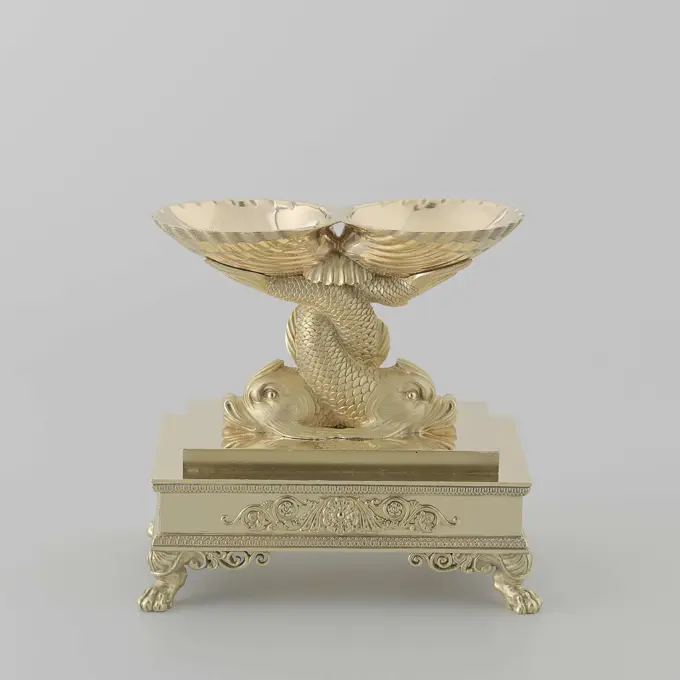
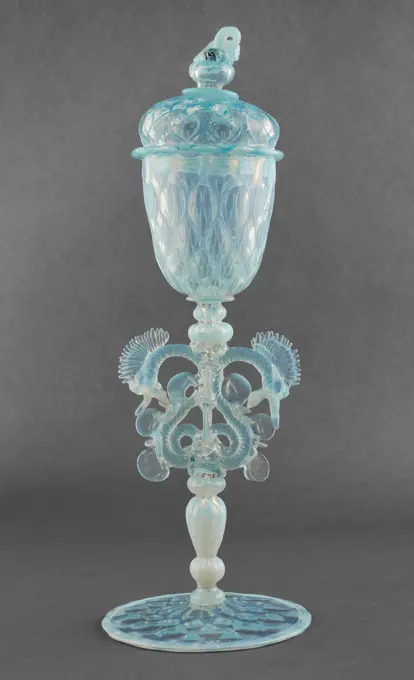
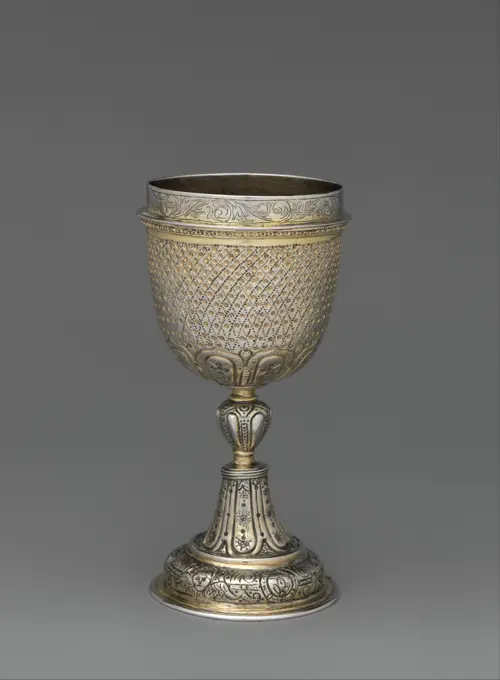
Exquisite pieces of silver and glassware including sugar bowls and candlesticks, highlighting intricate craftsmanship and historical details.

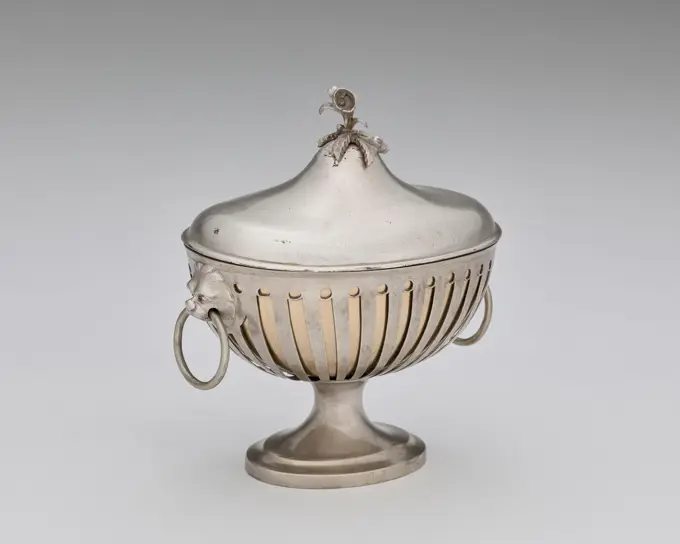
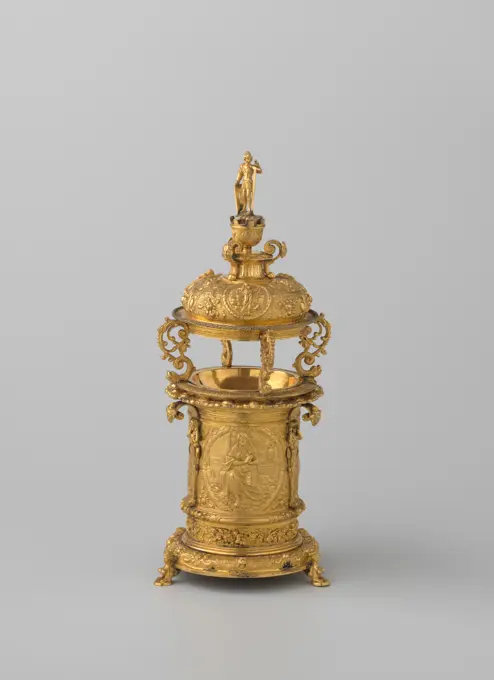
Kastanjevaas with gilded silver inner wall, visible by the openwork parts, Francois Marcus Simons, 1804 Round chestnut cheese with loose lid. In the interior of the vase there is a gilt silver inner wall, which is visible through the openwork parts. Marked and dated. The Hague silver (metal) casting Round chestnut cheese with loose lid. In the interior of the vase there is a gilt silver inner wall, which is visible through the openwork parts. Marked and dated. The Hague silver (metal) casting
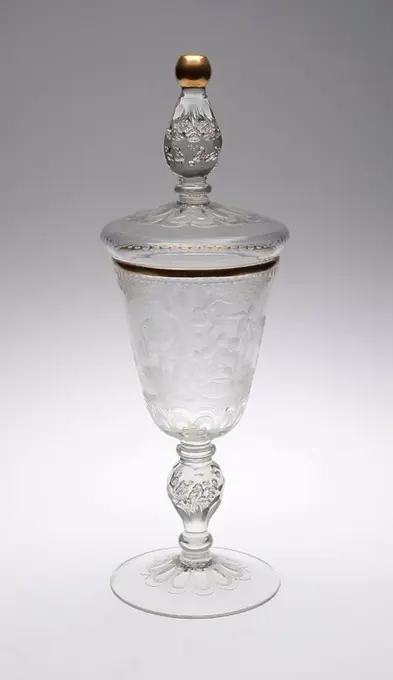
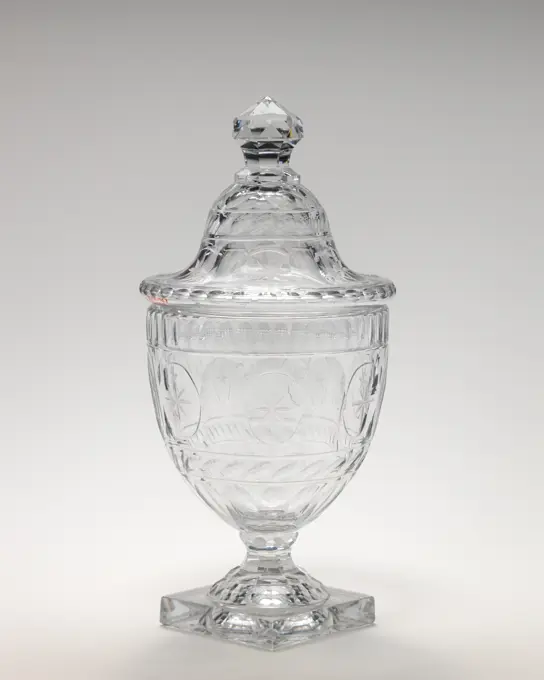
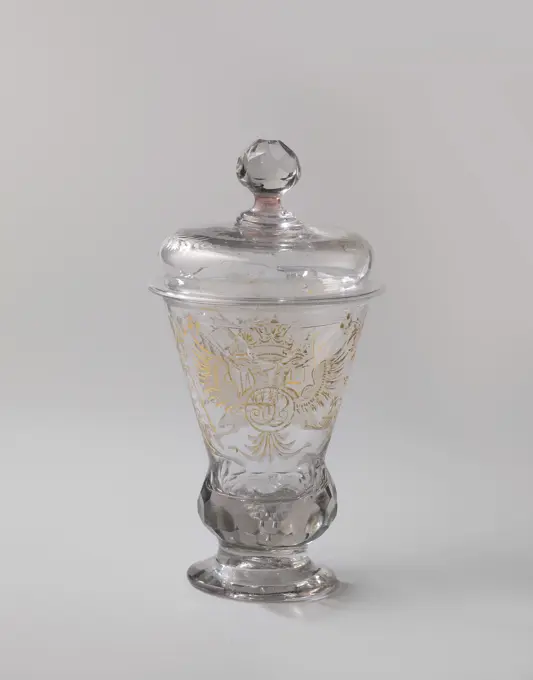
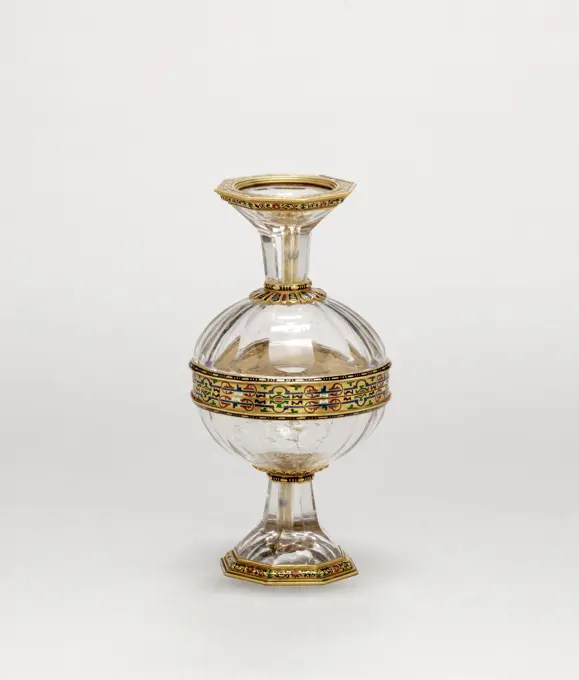
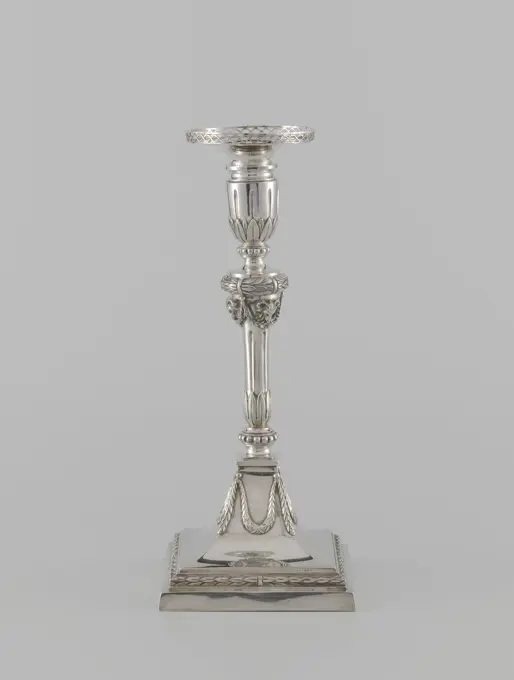
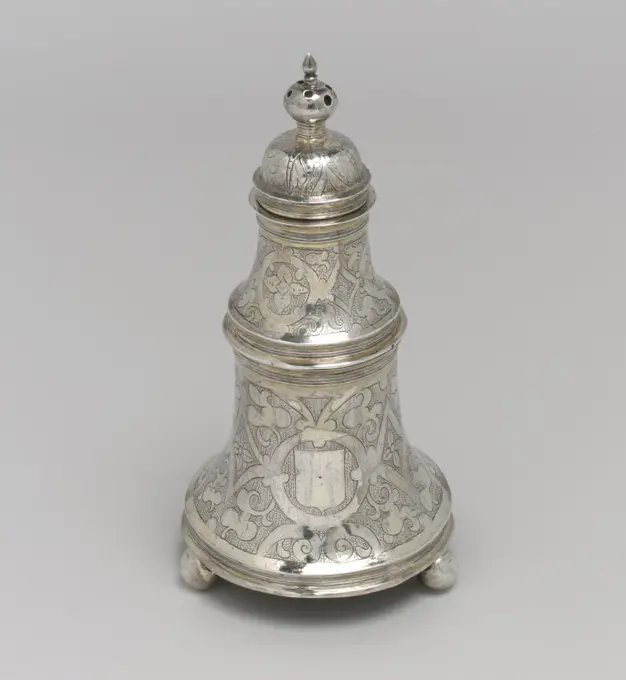
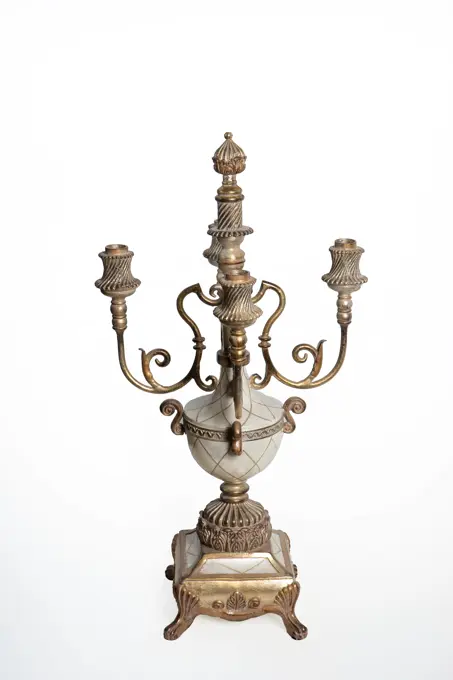
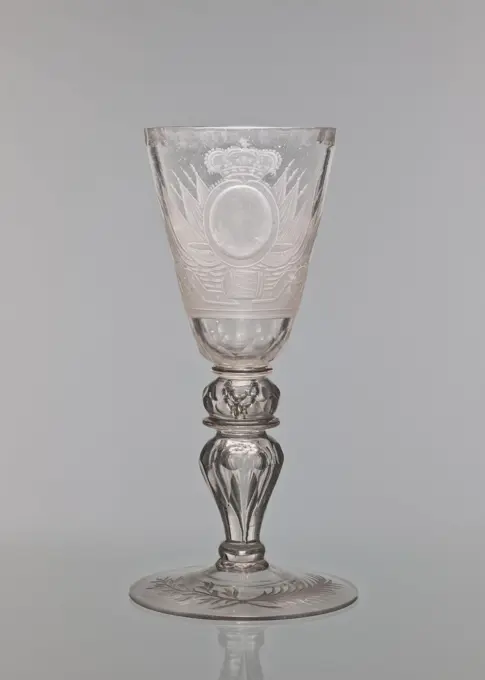
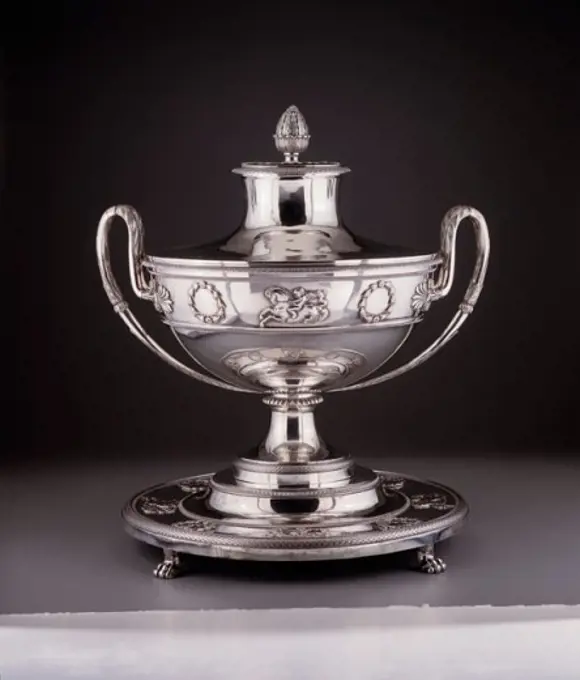
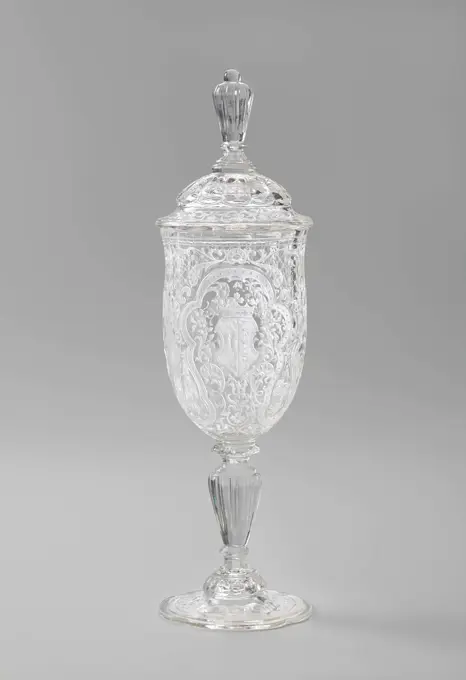
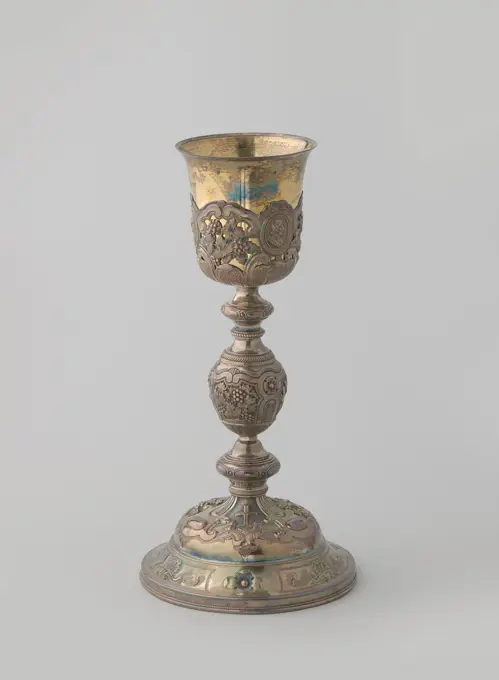
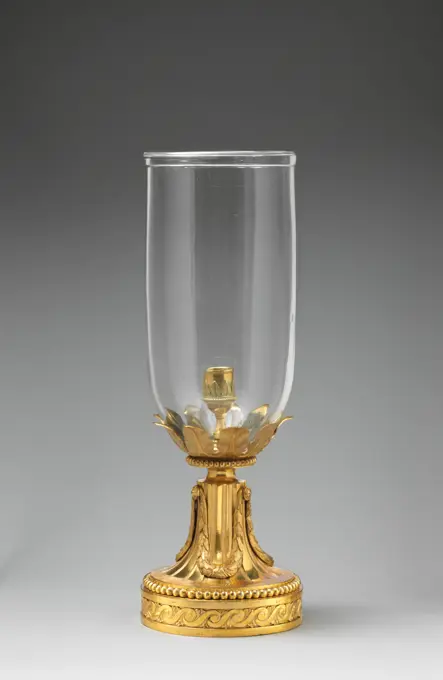
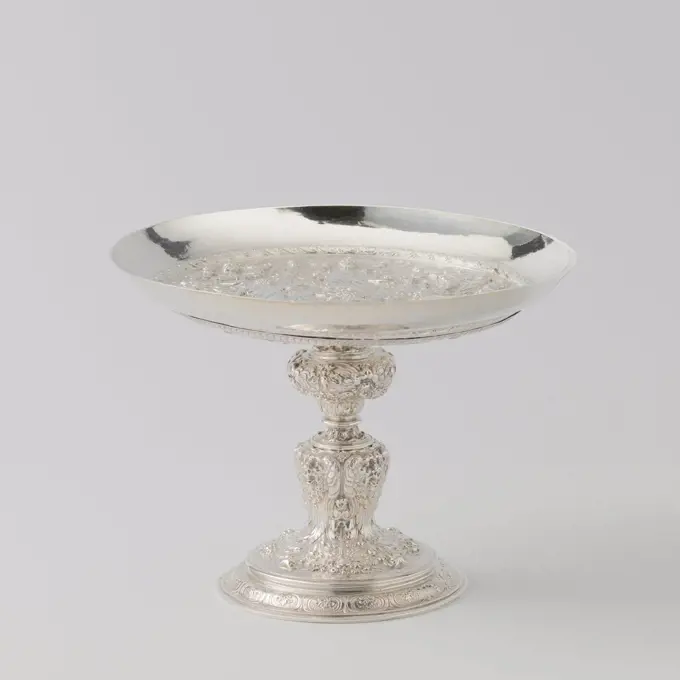
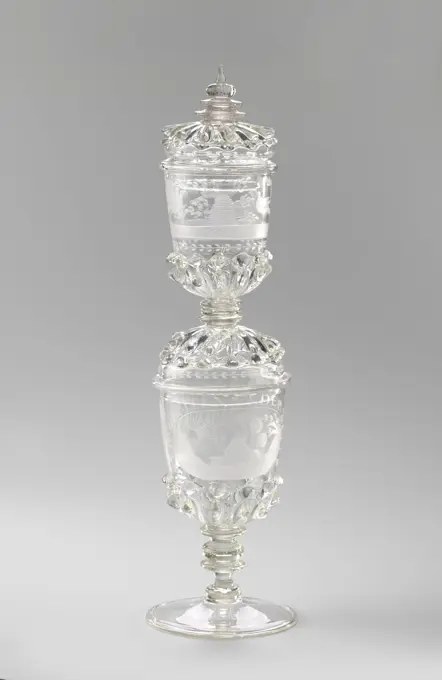
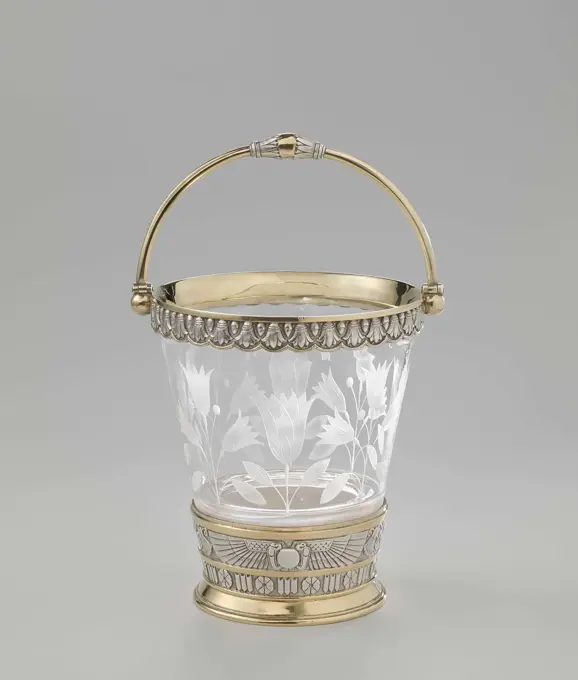
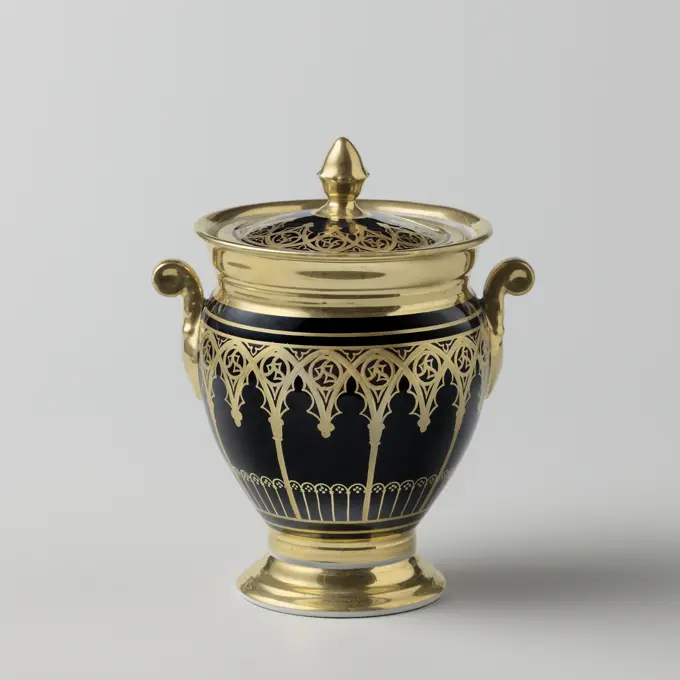
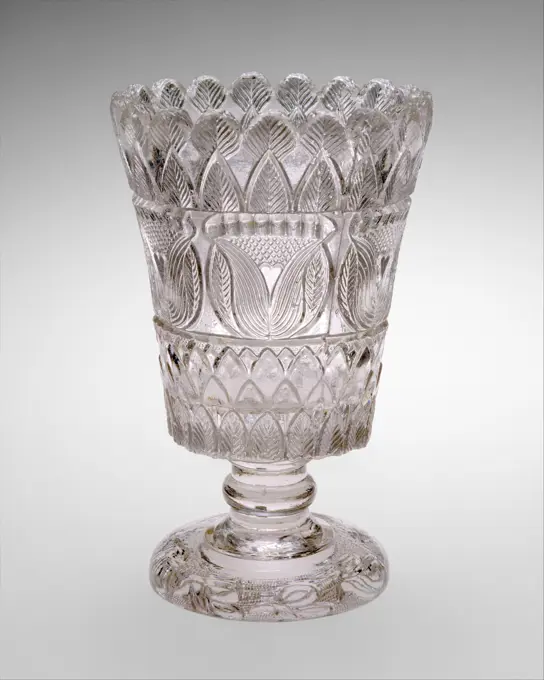
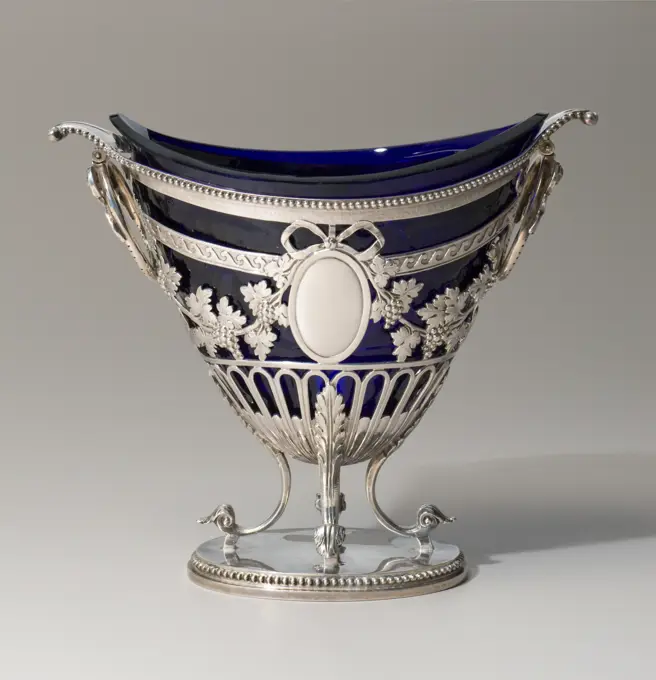
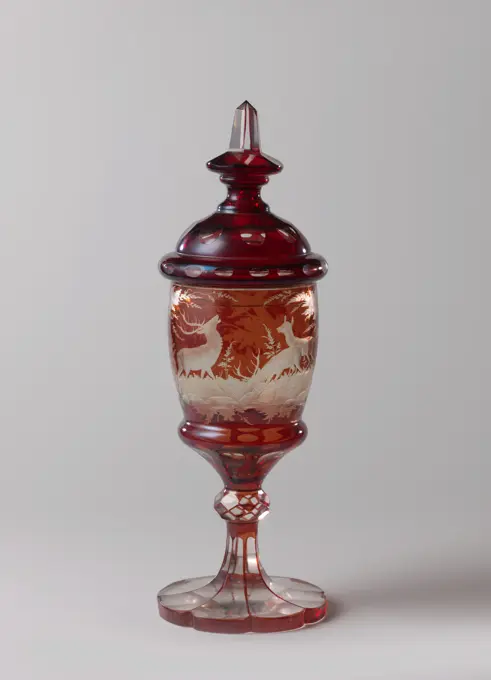
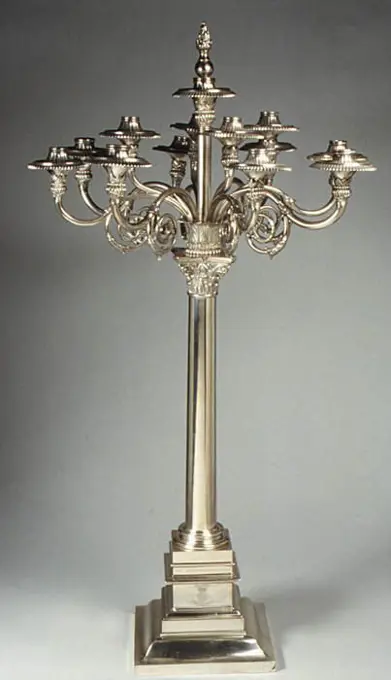
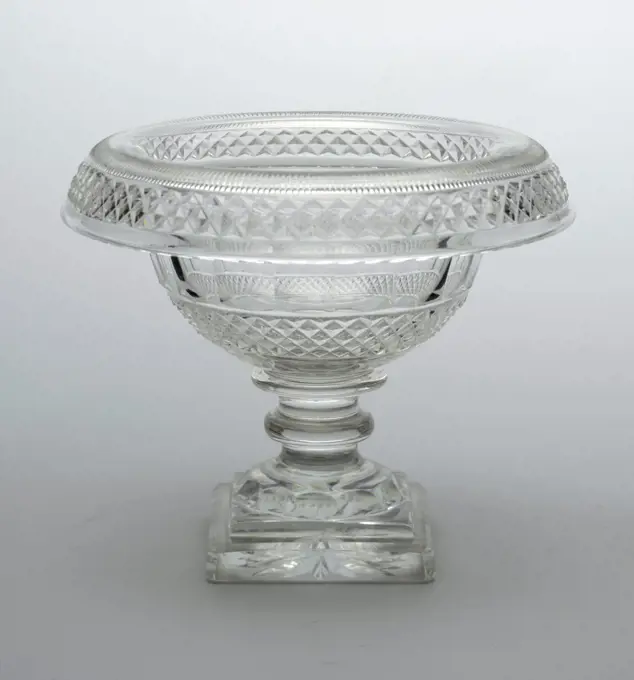
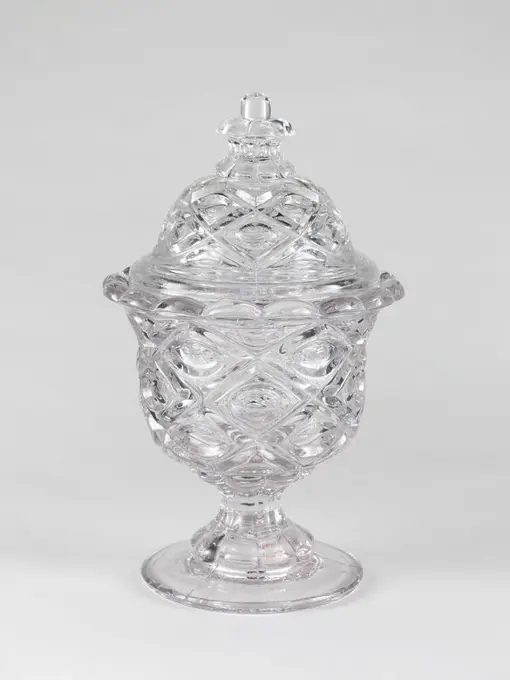
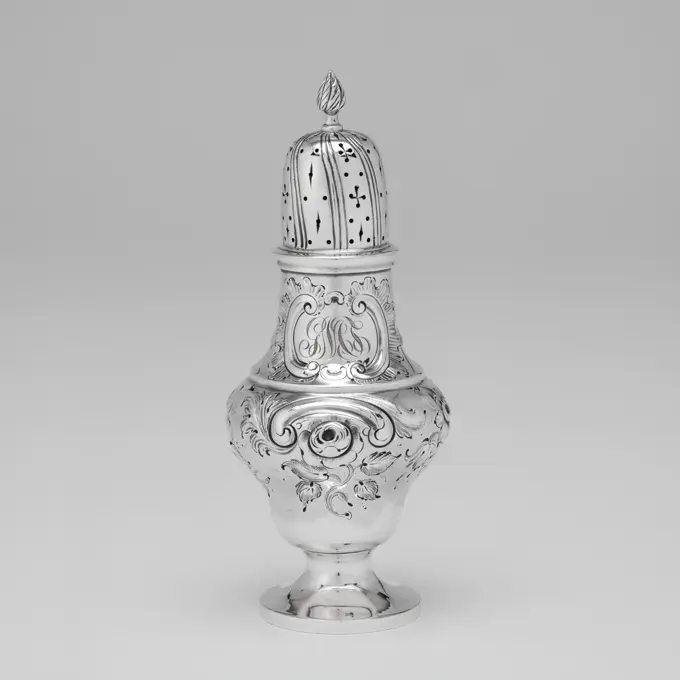
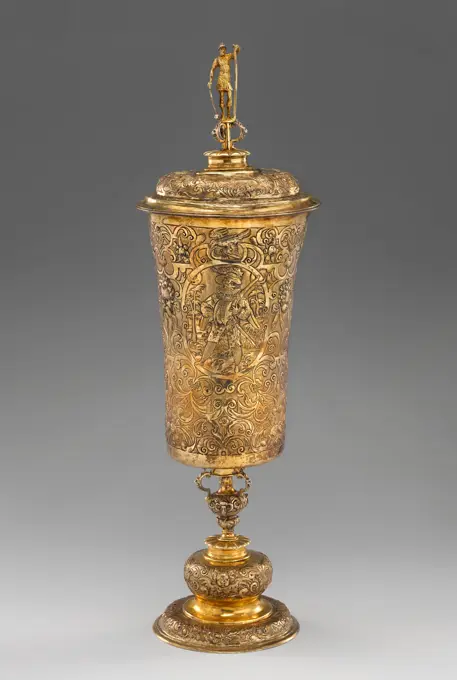
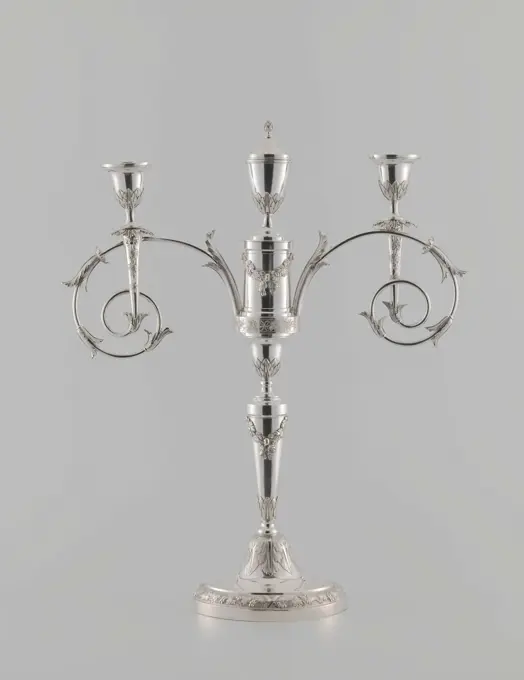
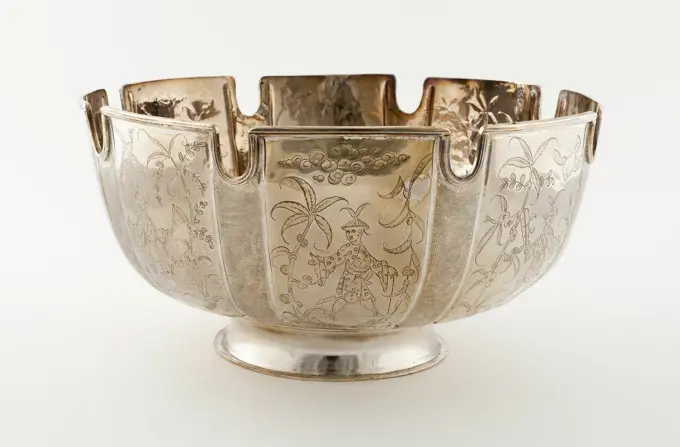
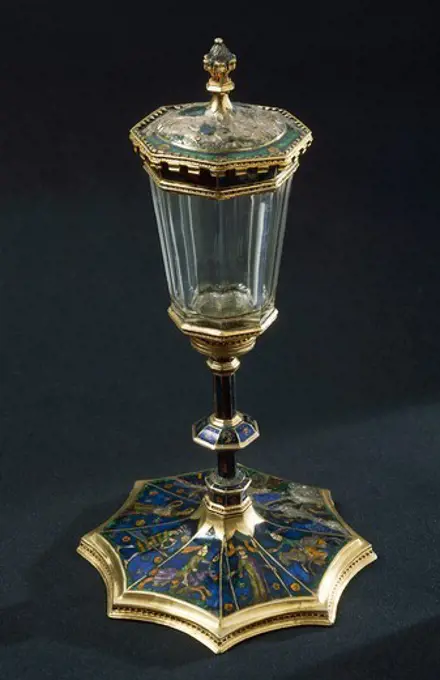
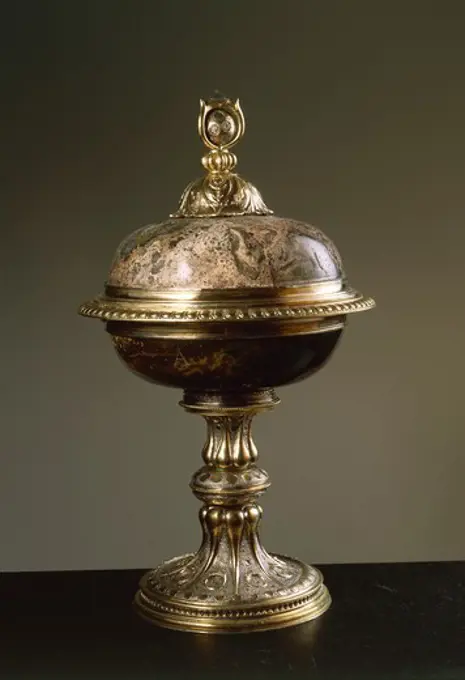
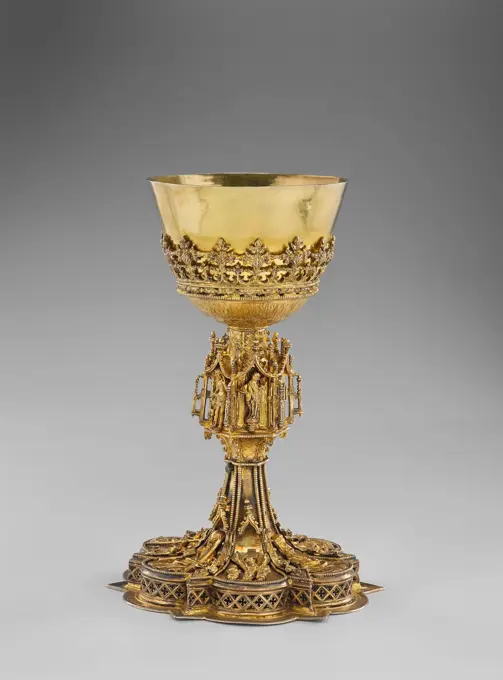
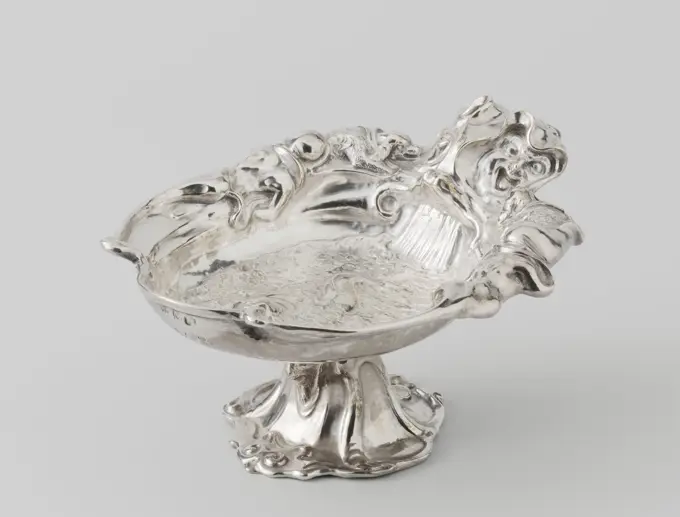
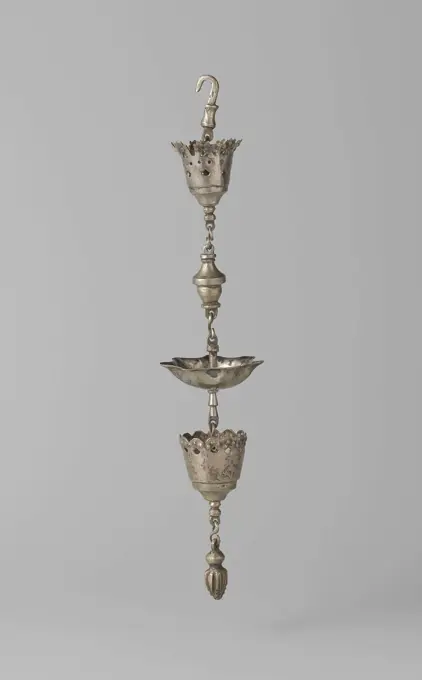
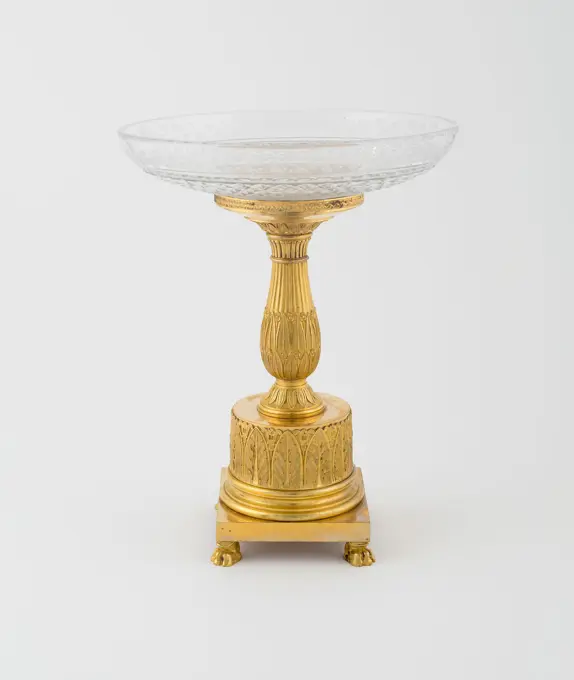
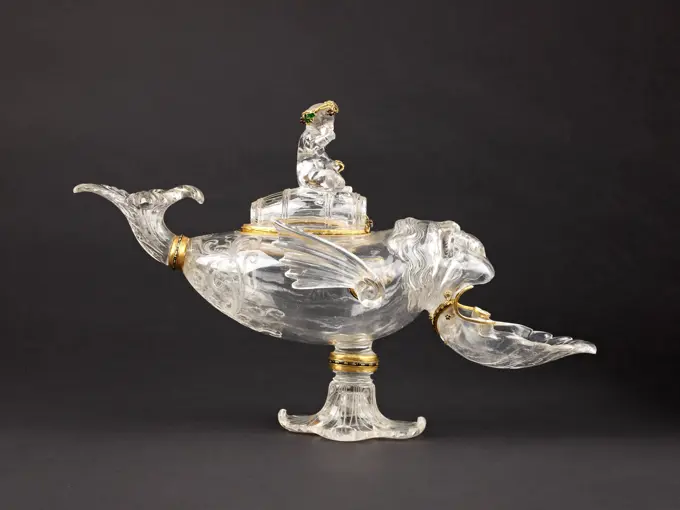
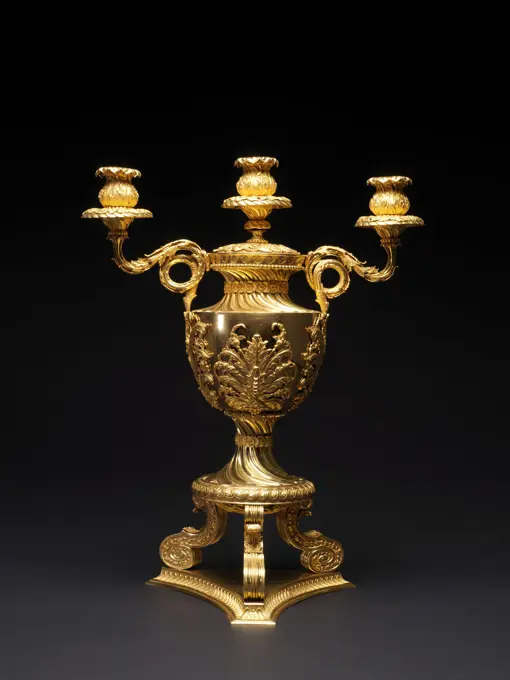
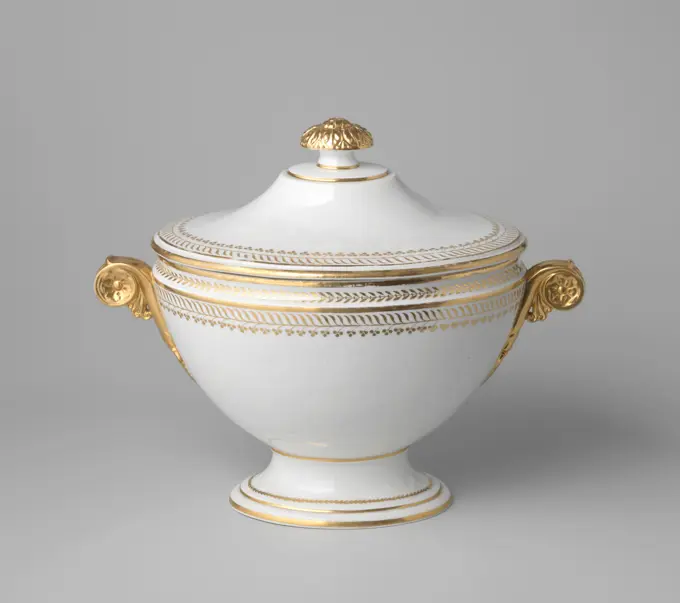
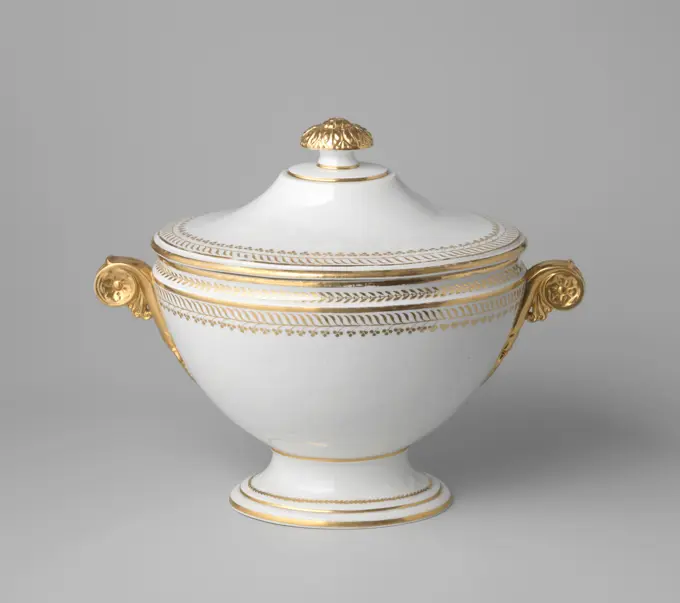
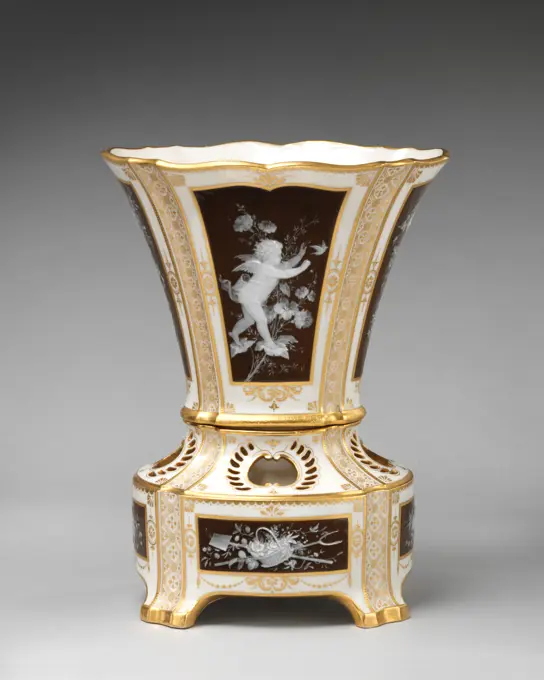
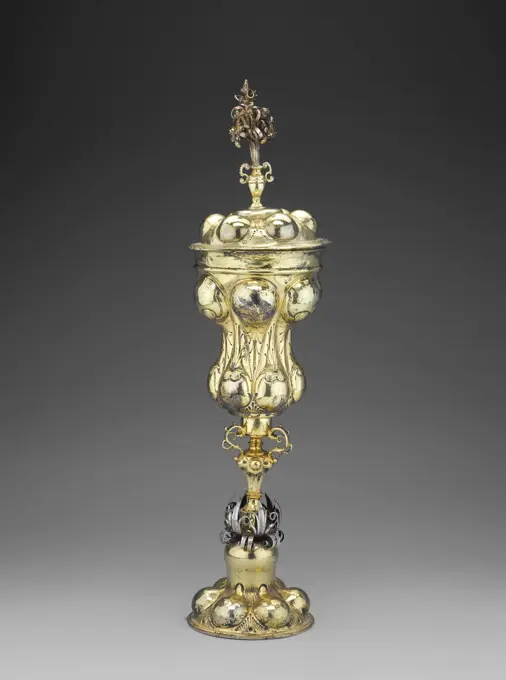
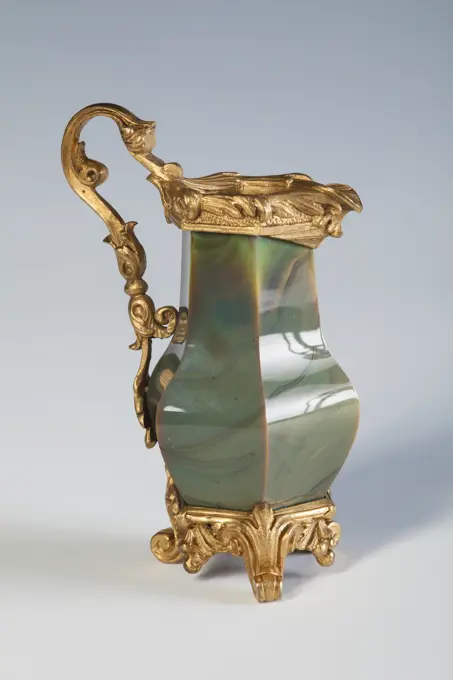
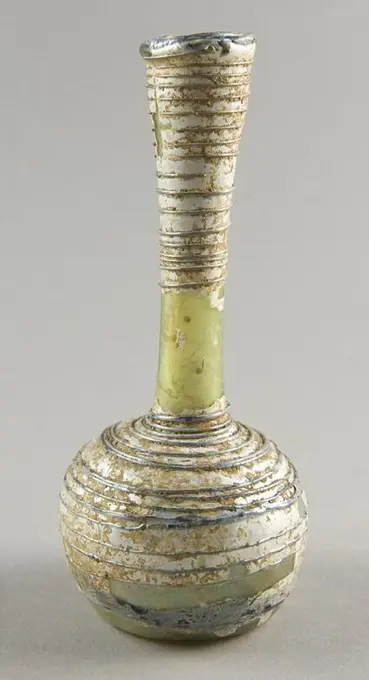
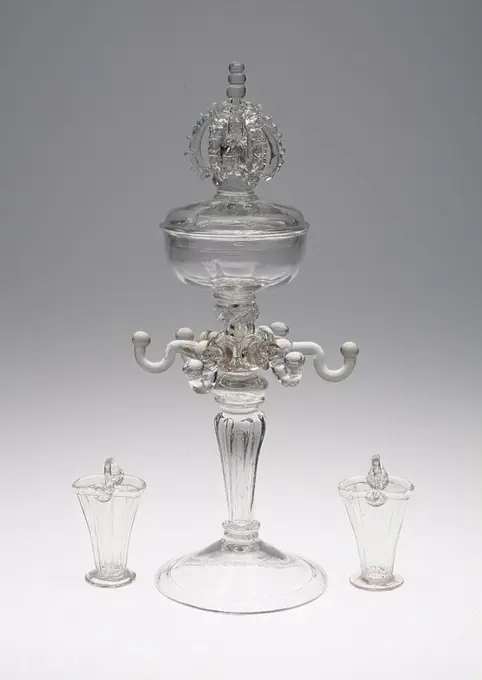
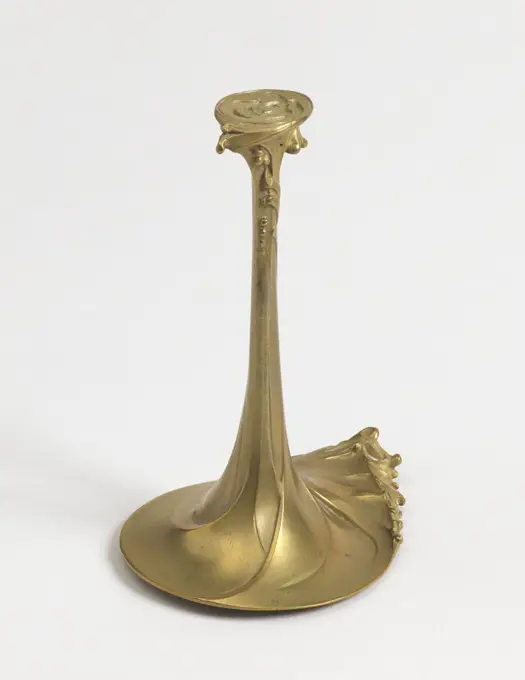
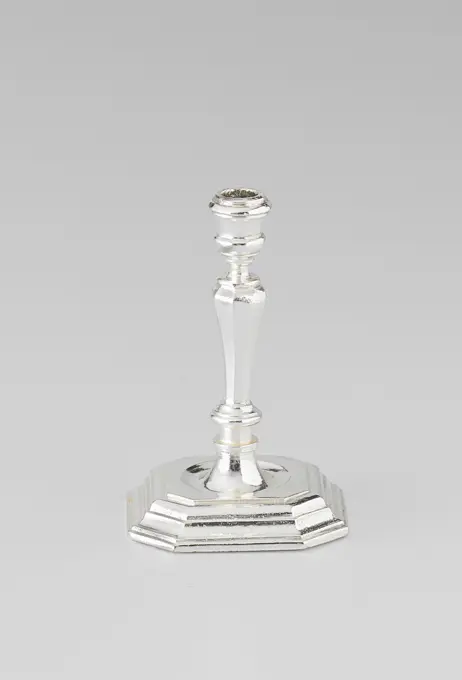
Sugar Bowl 1765-85 Thomas Shields. Sugar Bowl 2524Candlestick (one of a set of eight) John Romer British 1768/69 View more. Candlestick (one of a set of eight). British, London. 1768/69. Silver. Metalwork-SilverBowl with lid, crowned with a crown. Vaulted foot with beaten edge. Baluster-shaped, hollow strain with a disk and a knot occupied with four bramnops. Bell-shaped chalice with a glass wire imposed in a chain motif and a smooth wire. Vaulted lid with overrunning edge. The button in the shape of a crown with four brackets.Covered Goblet (Pokal). Germany, Potsdam or Berlin. Date: 1715-1725. Dimensions: 41.5 × 13.1 cm (16 3/8 × 5 1/16 in.). Blown and molded glass with engraved decoration and gilding. Origin: Germany. Museum: The Chicago Art Institute, Chicago, USA.COPA DE VIDRIO DE LA GRANJA. Location: MUSEE D'ARTS DECORATIFS. MADRID. SPANIEN.Urn with cover late 18th-early 19th century British or Irish. Urn with cover. British or Irish. late 18th-early 19th century. Glass. GlassGroup of Vases, Porcelinfabriek aan den Amstel, c. 1784 Vase of porcelain. The convex barrel is on a high foot. The top that spreads upwards is open. On either side s-shaped ears, and a gilded, openwork lid. Ouderkerk aan de Amstel porcelain Vase of porcelain. The convex barrel is on a high foot. The top that spreads upwards is open. On either side s-shaped ears, and a gilded, openwork lid. Ouderkerk aan de Amstel porcelainCup of cup on foot, anonymous, c. 1750 - c. 1800 A leaf ornament on the lid. The radgravure is gold -plated. Germany (possibly) glass glassblowing A leaf ornament on the lid. The radgravure is gold -plated. Germany (possibly) glass glassblowingDouble Cup , late 16th century. Italy, late 16th century (possibly 19th century forgery, or 16th and 19th century pastiche). Rock crystal set in enameled gold; overall: 11.8 cm (4 5/8 in.); part 1: 6.1 cm (2 3/8 in.).Kastanjevaas with gilded silver inner wall, visible by the openwork parts, Francois Marcus Simons, 1804 Round chestnut cheese with loose lid. In the interior of the vase there is a gilt silver inner wall, which is visible through the openwork parts. Marked and dated. The Hague silver (metal) casting Round chestnut cheese with loose lid. In the interior of the vase there is a gilt silver inner wall, which is visible through the openwork parts. Marked and dated. The Hague silver (metal) castingCandlestick of silver with square base and round trunk, candle holder and loose fat catcher., Johannes Henricus Pluygers, 1783 Candlestick consisting of a square base and a round trunk, candle holder and loose fat catcher. Marked and dated. The Hague silver (metal) casting Candlestick consisting of a square base and a round trunk, candle holder and loose fat catcher. Marked and dated. The Hague silver (metal) castingBell-shaped salt 1600/1601 T. S., London This bell salt was so named from the overall bell-like profile of the object as well as of each of the two superimposed sections. Salt was not an easy material to acquire in Europe. In England, it was obtained by the evaporation of seawater. Salt pans were located in towns beside the sea, where they could be flooded and carefully tended while the seawater evaporated. In parts of Europe, rock salt was extracted from mountainsides, where its presence was evidence that the area was once under sea.This bell salt is comprised of two containers and a pepper shaker. The unidentified maker's mark is known from other small household objects such as cups and salts dating to the early seventeenth century. The decoration is in reserve on a ring-punched ground, and consists of leaves of several types set in roundels or lozenges or elsewhere just set into the ring-punched ground. The effect is much like linen damask, with its contrast of shiny and dulled areaSoup vase with a lid and with a base. Bandau, Johann Georg I (fl. 1768-1816), goldsmithDragonfly; Bandau, Johann Georg II (1778-1828); around 1810 (1806-00-00-1815-00-00);Double loft. Double loft of bright, colorless glass with red wire decoration in stem and nodi. The foot is trumpet-shaped, the tribe faceted. The chalice runs forward to the wider and is decorated with blach cut moips and matted amors, palmets, etc.Old Candelabrum Old bronze girandole with enamel on isolated background Copyright: xZoonar.com/AndreyxSkatx 7801705Compote, One of a Pair, 18th-19th century, H.13 in., glass, silver, England, 18th-19th centuryDeksel van Urn, Manufacture of Mr. Duke, c. 1780 - C. 1790 Biscuit lid. Paris biscuit (porcelain, material) Biscuit lid. Paris biscuit (porcelain, material)Cup; Non -like Lona Huta; around 1740-1750 (1735-00-00-1755-00-00);French Empire Silver Tureen Antiques-Housewares Strooibus, Francois Marcus Simons, 1803 Round spray bus with loose lid. Marked and dated. The Hague silver (metal) casting Round spray bus with loose lid. Marked and dated. The Hague silver (metal) castingGoblet with cover.Miskelk, anonymous, 1840 - 1879 Silver bullshit, with gilded cuppa. Decorated with ornaments in relief against a partially punched soil. On the Cuppa, between symbols of wine and bread, in medallions: Christ, Maria and Joseph. France silver (metal). gilding (material) gilding Silver bullshit, with gilded cuppa. Decorated with ornaments in relief against a partially punched soil. On the Cuppa, between symbols of wine and bread, in medallions: Christ, Maria and Joseph. France silver (metal). gilding (material) gildingCandlestick ca. 1825 William Thomson. Candlestick 1329Dekselpot, anonymous, c. 1670 - c. 1680 Pot of silver, with lid. Driven on both sides in high relief, Mars and Venus and the Sabinian virgin robbery respectively. England (possibly) silver (metal) Pot of silver, with lid. Driven on both sides in high relief, Mars and Venus and the Sabinian virgin robbery respectively. England (possibly) silver (metal)Covered Urn 1805-1835 England. Glass . Waterford GlasshouseCandlestand (flambeau de jardin) with shade (one of a pair) ca. 1770 French The glass shades would prevent the candle from being extinguished in a draft and these so-called hurricane lamps were, therefore, not only decorative but also highly practical. The Vitruvian scrolls and laurel leaf swags are typical for the Neoclassical style fashionable during the Louis XVI period.. Candlestand (flambeau de jardin) with shade (one of a pair). French. ca. 1770. Gilt bronze; glass. Metalwork-Gilt BronzeTazza (footed drinking cup) with a Gathering of the Olympian Gods, attributed to Aelbert Verhaer, 1602Bokaal, Anonymous, c. 1690 - c. 1700 Part of a double box. The cup has a lid (BK-NM-2122-2), which is also a jar where a lid on rest (BK-NM-21122-3). Bohemia glass glassblowing  Zierikzee Part of a double box. The cup has a lid (BK-NM-2122-2), which is also a jar where a lid on rest (BK-NM-21122-3). Bohemia glass glassblowing  ZierikzeeDouble box with lid, anonymous, c. 1690 - c. 1700 Conical foot with turned around. The trunk made up of two knots and two discs. Cylindrian chalice with blown and modeled ribs at the bottom. Vaulted lid with blown and modeled ribs. The lid also serves as a base for the upper jar. The shape of this jar is identical to the bottom cup, but smaller. The vaulted lid is ribbed and has a knot with two discs. On the lower chalice, in an oval, a landscape with a farm under a bright sun. On the right a flower vend. Above the oval the inscription: Erwartte Nur der Zeit. A flower drink on the downside. A stylized leaf vank on the lid. On the top jar a continuous band with flowers, birds and a beehive in a landscape. On the lid also a stylized leaf vank. Bohemia glass glassblowing  Zierikzee Conical foot with turned around. The trunk made up of two knots and two discs. Cylindrian chalice with blown and modeled ribs at the bottom. Vaulted lid with blown and modeled ribs. The lid also serves as a basIce bucket. .. This exceptionally lavish cup is decorated with ancient cameos - relief carvings in banded or stratified quartz. The lid is set with images of Classical gods, while those on the goblet have profile portraits of ancient rulers and Roman emperors.Sugar bowl with a gothic arcade decoration, Perche, c. 1800 - c. 1899  Saint-Yrieix-la-Perche porcelain. glaze. cobalt (mineral). gold (metal) painting / gilding / vitrification  Saint-Yrieix-la-Perche porcelain. glaze. cobalt (mineral). gold (metal) painting / gilding / vitrificationThe Cup of the Guild of Rzeczników from Old Jate in Wroclaw; Heyner, Gottfried (Fl. 1682-1716); 1696 (1696-00-00-1696-00-00);Characteristics of the butchers (Wrocław-1375-), Marcus Valerius Corvus (CA 370 A.C.-Ca 270 A.C.), Characteristitis, features, guild emblems, panoplia (ornament), battle scenes, wolfkoma, ox (attribute)Masterpiece cup and cover, 1746, Johann Friedrich Baer, French, 1721-1795, 14 11/16 x 5 7/8 x 5 1/4 in. (37.31 x 14.92 x 13.34 cm), Silver, parcel-gilt inside, France, 18th centuryCup; Non -like Lona Huta; 2. PO. 19th century (1850-00-00-1900-00-00);Fuglewicz Joanna, DarCandlestick, painted multi-colored with a kakiemon decor. Candlestick of painted porcelain. The candlestick has a round, scalloped foot with a profiled strain with two nodi. The 'Altbrandenstein' pattern has been painted on the candle holder and the foot edge. A tiger is painted on the foot to a bamboo stalk in flowers. The candlestick is noticed.Waste Bowl ca. 1799 John McMullin. Waste Bowl. American. ca. 1799. silver. Made in Philadelphia, Pennsylvania, United StatesCelery vase 1827-35 Attributed to Boston & Sandwich Glass Company The development of pressed glass during the 1820s was the most innovative technological improvement since the invention of the blowpipe two thousand years earlier. Credited as an American development, it revolutionized glassmaking, taking the process out of the hands of the individual glass blower, and enabling the shape and decoration of an object to be made in a single swift process. Cut glass provides the patterns for the earliest pressed vessels, such as this celery vase. It features repeated designs of what appear to be tulip blossoms (although collectors often refer to this as the Cape Cod Lily) and leaves. The Boston and Sandwich Glass Company produced quantities of lacy pressed glass. Based upon fragments found at Sandwich factory site, the celery is attributed to that firm. It is one of a very few examples known.. Celery vase 1503Covered Beaker. Culture: Italian (vessel); Austrian (mounts). Dimensions: Overall: 8 1/4 x 3 3/8 in. (21 x 8.6 cm). Date: ca. 1325-50 (vessel); ca. 1340-60 (mounts).Hard-stone vessels such as this twelve-sided rock crystal example are among the most treasured products of the Middle Ages. This beaker was likely produced in Venice, known as an import center for the cutting and polishing of rock crystal. The silver-gilt mounts, however, compare closely with pieces produced in Vienna. The silver is inscribed in verse around the base in a German dialect: WER/HIEoV/oDR/INCE/EToW/INDE/RoMV/EZZ/EoIEM/ERoS/ELIG/SIN (He who drinks wine from me, ever shall happy be). That exhortation leaves little doubt that this vessel was intended for secular use. Museum: Metropolitan Museum of Art, New York, USA.Robert Hennell I, Sugar Basket, 1782/83, silver and blue glass.Bokaal with a forest face with three deer, Gebrüder Lorenz, c. 1920 - c. 1940 Flat, eight -lobe, faceted foot transferred to a faceted tribe and button. Convex chalice with funnel -shaped underside. A forest face with three deer is engraved on the chalice. Oval and circles cut on the underside of the chalice. Steinschönau glass glassblowing / grinding Flat, eight -lobe, faceted foot transferred to a faceted tribe and button. Convex chalice with funnel -shaped underside. A forest face with three deer is engraved on the chalice. Oval and circles cut on the underside of the chalice. Steinschönau glass glassblowing / grindingCoupe with medallions of figures of gods, Pierre Raymond, c. 1550 Coupe with copper lid, decorated with representation of email in grisaille on black and with golden accents. The foot of the cup is decorated with festons. The inside of the coupe has an image of Jupiter with Mercury on the right and to his left Venus with Amor. Around it are the signs of the zodiac. Four portrait medallions are shown on the top and bottom of the lid. On the top of the lid is right next to the button the sailing ship in red coat of arms, the city coat of arms of Paris. Limoges copper (metal). gold (metal) gilding Coupe with copper lid, decorated with representation of email in grisaille on black and with golden accents. The foot of the cup is decorated with festons. The inside of the coupe has an image of Jupiter with Mercury on the right and to his left Venus with Amor. Around it are the signs of the zodiac. Four portrait medallions are shown on the top and bottom of the lid. On the top of the lid is riUnknown, Céladon cracked vase (main title). Porcelain sandstone with cracked celadon covered, golden bronze frame (Louis XVI period). Petit Palais, Museum of Fine Arts of the City of Paris.Twelve-light candelabrum 1805/6 Matthew Boulton British Matthew Boulton, one of the fathers of the industrial revolution, established a manufactory in Birmingham to produce silver, ormolu, plate, coins, medals. He also entered into partnership with James Watt to produce the first commercial steam engines. This massive candelabra is based on a Roman triumphal column in Alexandria known as the column of Pompey. It bears the arms of Ernest Augustus, Duke of Cumberland, who became the colonel of the 15th Light Dragoons in 1802, which probably commissioned this candelabra as a gift.. Twelve-light candelabrum 202395Bowl, Glass, Round bowl with large turned-over rim on stem with 2 knops; high stepped square base with faceting cut around circular section top; sides of bowl cut with band of small diamonds, row of facets above and below, turned- over rim has small diamonds band and row of narrow fluting, star cut on bottom., Ireland or England, 1820-30, glasswares, Decorative Arts, BowlGalvanoplastic reproduction of a salt barrel with statuette of a warrior. Galvanoplastic reproduction of a salt barrel on podestal; On the upper part a statuette of a warrior. Gold plated.Standing cup early 17th century possibly Hungarian Related vessels from Augsburg or Nuremberg date between 1580 and 1620. Standing cups like this one are often depicted in still-life paintings and in views of ceremonial buffets or stepped sideboards. These images underline the prestige of this type of drinking vessel, characterized by tapering sides, waisted domed foot, and a baluster stem. Many of these cups have lids, though there is no sign that this example ever had one. Having served a secular function, standing cups might quite often be later donated to Protestant churches to be used for the communion. A base metal weight has been added to this example to give it extra stability, perhaps an indication of its change of function.LiteratureEuropean Silver / Pièces dorfèvrerie. Sale cat., Christies, Geneva, November 18, 1981, p. 28, no. 61.Judit H. Kolba. Hungarian Silver: The Nicolas M. Salgo Collection. London, 1996, p. 39, no. 17.ReferencesA cup with a similar vasiform stem was Sweetmeat jar. Culture: American. Dimensions: H. 9 in. (22.9 cm); Diam. 5 3/8 in. (13.7 cm). Date: 1850-70.With the development of new formulas and techniques, glass-pressing technology had improved markedly by the late 1840s. By this time, pressed tablewares were being produced in large matching sets and innumerable forms. During the mid-1850s, colorless glass and simple geometric patterns dominated. Catering to the demand for moderately-priced dining wares, the glass industry in the United States expanded widely, and numerous factories supplied less expensive pressed glassware to the growing market. At the Exhibition of the Industry of All Nations at New York's Crystal Palace in 1853, for example, the New England Glass Company exhibited 130 pieces of one design, "consisting of bowls, tumblers, champagnes, wines, and jelly glasses." This object belongs to one such service. Although the glass manufactory is not known, the glassware is very typical of the large services that were very Caster ca. 1840 William Forbes. Caster 1466Footed beaker. Culture: Hungarian, Brass. Dimensions: Overall: 8 1/2 x 5 1/8 in. (21.6 x 13 cm). Maker: Jeremias Jekel (master 1618, died 1667). Date: ca. 1600.This beaker documents the adaptation of styles and motifs created thousands of miles apart. The vessel is covered in a sophisticated ornamental system of dense scrollwork with abundant fruit clusters, and suspended baldachins--the ultimate symbol of royal or ecclesiastical power-surmount the three oval reserves. The three figures engraved in separate ovals represent the theological virtues Faith, Hope, and Charity. They derive from prints by Jacob Matham (Dutch, 1571-1631), who engraved drawings by Henrick Goltzius (Dutch, 1558-1617).LiteratureTihamr Gyrfs. A brassai tvssg trtnete. Brass, 1912, p. 103, no. 148.Gold Boxes, Objects of Vertu and European Silver. Sale cat., Sotheby's, London, July 6, 1981, p. 42, no. 161.Judit H. Kolba. Hungarian Silver: The Nicolas M. Salgo Collection. London, 19Bokaal from Zwischengoldglas, with a powder barrel with weapon trophy and a flower basket, anonymous, c. 1720 - c. 1740 Flat base with turned around, cut at the bottom with oval interspersed with a line. Double cuff under a facetized baluster -shaped tribe. Versatile faceted, funnel -shaped, curved chalice at the bottom. In the bottom of the chalice a gilded medallion with windows surrounded by a border palmets. On the chalice, between a golden leaf vank and a trim in silver, red, brown and green, a powder barrel with weapon rophing on one and a flower basket on the other. The medallion in the soil repeats itself in the lid. Kit edges approx. 1 cm below the edge of the chalice. Bohemia glass glassblowing / grinding / lacquering Flat base with turned around, cut at the bottom with oval interspersed with a line. Double cuff under a facetized baluster -shaped tribe. Versatile faceted, funnel -shaped, curved chalice at the bottom. In the bottom of the chalice a gilded medallion with windowRenaissance cup with covers Wroclaw Strzelecki Brotherhood; Koch, Veit (Fl. 1580-1619), Goltzius, Hendrick (1558-1617); 1604 (1604-00-00-1604-00-00);Blankenburg, Johann Heintz von - Founder, Schlesisches Museum für Kunstgewerbe und Altertümer (Wrocław - 1899-1945) - collection, Wrocław (Strzelec Brotherhood), Strzeleckie Brotherhood, Herby, Renaissance (Style), Soldiers. Candlestick with foot consisting of 5 parts and a bobèche. Signature and dated.Monteith 1685-1686 London. Before the advent of modern refrigeration, wines could only be kept cool by storing them in well-insulated cellars, or in basins filled with ice and water. Monteiths, essentially large bowls with notched rims, were used to cool wine glasses. They first appeared in the 1680s, making this example one of the earliest of its kind. The notches were used to hang the foot of the glasses, with the bowls of the glasses dangling in the cool water. The term monteith is thought to be derived from an eccentric Scotsman named Monteith, who wore a coat with scalloped edges similar to the notches on this kind of bowl.The monteithís decoration features delicate chinoiserie elements (Western interpretations of Chinese-style motifs). Figures and birds are interspersed with textured panels where the silver has been repeatedly punched in imitation of shagreen, or sharkskin. The botanical ornaments on the panels are most likely bamboo. Although Chinese motifs were already popular Goldsmith's art, France, 14th century. Tournament cup or Coupe du Tournoi, in gold, enamel, rock crystal. Height cm. 25.Silversmith's art, Italy, 15th century. Yellow jasper, silver gilt double cup. Height cm. 30.5 Signed LAV.R.MED.Gothic chalice. unknown, authorDrinking Bowl, Christiaen van Vianen, 1627 Coupe of driven silver. The flat asymmetrical coupe rests on a low foot. The cuppa represents a water basin with dolphin. Along the edge of people and animal figures moving into lobe ornament. Utrecht silver (metal) Coupe of driven silver. The flat asymmetrical coupe rests on a low foot. The cuppa represents a water basin with dolphin. Along the edge of people and animal figures moving into lobe ornament. Utrecht silver (metal)Bokaal (Vasenpokal), Anonymous, 1875 - 1899 Bokaal with flat foot and baluster -shaped trunk with four lion masks and four discs. Vertically ribbed chalice, consisting of a wide, round, flattened bottom piece, transferring to an almost cylindrical neck, the edge of which is slightly bent. Three studs on the chalice. Pointed lid with a button on top and three studs. The entire glass and the lid engraved with the diamond in a pattern of stylized twigs. Venice glass glassblowing Bokaal with flat foot and baluster -shaped trunk with four lion masks and four discs. Vertically ribbed chalice, consisting of a wide, round, flattened bottom piece, transferring to an almost cylindrical neck, the edge of which is slightly bent. Three studs on the chalice. Pointed lid with a button on top and three studs. The entire glass and the lid engraved with the diamond in a pattern of stylized twigs. Venice glass glassblowingHanging together by S-shaped spacers three burners that are different from form and a baluster-shaped nodus. There is a knob-shaped pendant at the bottom. The Sabbath lamp has been marked with a sword.Candelabra, one of a pair, c. 1800, 18 1/4 x 17 3/8in. (46.4 x 44.1cm), Sheffield plate, England, 18th-19th centuryFour-light candelabrum ca. 1790 probably Indian, Murshidabad Solid ivory furniture, ornaments, and candlesticks after English models were produced in the Bengal district of Murshidabad beginning in the second half of the eighteenth century. They were commissioned by nawabs to furnish their reception rooms for the convenience of their English guests or sometimes presented as gifts to esteemed East India Company officials. This candelabrum exhibits numerous elements of English Neoclassical style but handled in an Indian manner.. Four-light candelabrum. probably Indian, Murshidabad. ca. 1790. Ivory. Natural Substances-IvoryLidded goblet and Table Bell, J.M. van Kempen (firma), 1849 The round bell has a handle. The clock is interrupted by an octagonal part. The upper smooth part forms the transition to the octagonal handle. The stem widening upwards is closed above a constricted part by a sphere and crowned by a button. All surfaces are engraved with Rococo leaf motifs. Utrecht silver (metal). copper (metal) The round bell has a handle. The clock is interrupted by an octagonal part. The upper smooth part forms the transition to the octagonal handle. The stem widening upwards is closed above a constricted part by a sphere and crowned by a button. All surfaces are engraved with Rococo leaf motifs. Utrecht silver (metal). copper (metal)Ornamental Finial, early 1800s. France, early 19th century. Bronze; overall: 9 x 5.8 cm (3 9/16 x 2 5/16 in.).. Kandelaber of silver, resource-style resources in Louis, with ten as elongated, curled leaves designed arms on which candle holders are resting.Pair of Compotiers 1800-1850 Paris. Bronze gilt and crystal . Jean Baptiste Claude Odiot. The exterior of this cup has been polished to a smooth finish. The interior is decorated with carved medallions that become visible only when the lid is removed and light shines through the wall."Ewer" in the Form of a Sea Monster Ridden by Bacchus ca. 1860-1907, probably with later additions German (Aachen) or French (Paris). "Ewer" in the Form of a Sea Monster Ridden by Bacchus 460505Small pomander with six sections. Culture: possibly Dutch. Dimensions: Height: 1 3/4 in. (4.4 cm). Date: first half 17th century. Museum: Metropolitan Museum of Art, New York, USA.Bottle, anonymous, c. 1675 - c. 1700 Inserted soul with pontil brand. Spherical body, long slender neck with imposed ring around the neck. Six ribbed ribs were laid on the body. Flower and vines are engraved between these ribs. A vine is engraved on the neck. A gilt metal tire is attached around the neck. The bottle closes with a cork, caught in a gilded metal stop. glassblower: Low CountriesNorthern Netherlands glass. stop: metal gilding / glassblowing Inserted soul with pontil brand. Spherical body, long slender neck with imposed ring around the neck. Six ribbed ribs were laid on the body. Flower and vines are engraved between these ribs. A vine is engraved on the neck. A gilt metal tire is attached around the neck. The bottle closes with a cork, caught in a gilded metal stop. glassblower: Low CountriesNorthern Netherlands glass. stop: metal gilding / glassblowing2005.4465.1. Anderson Candelabra, 1765-70. Ormolu Candelabra - one of a pair. Manufacture attributed to Diederich Nicholas Anderson.. Design attributed to James 'Athenian' Stuart. One of a pair of George III ormolu three-branch candelabra, see also 2005.4465.2Cover of tureen with stylized floral scrolls, anonymous, c. 1800 - c. 1810 Cover of a porcelain terrine, painted on the glaze in gold. On the edge a strap of stylized leaf and flower vines. Lid button in the shape of a flower. France porcelain. glaze. gold (metal) painting / gilding / vitrification Cover of a porcelain terrine, painted on the glaze in gold. On the edge a strap of stylized leaf and flower vines. Lid button in the shape of a flower. France porcelain. glaze. gold (metal) painting / gilding / vitrificationTureen with stylized floral scrolls, anonymous, c. 1800 - c. 1810 Oval terrine of porcelain on high, spreading base and with two handles of curl and leaf vines with a rosette in the curl. The edge is slightly indenting. Painted on the glaze in gold. On the edge and below that a strap of stylized leaf and flower vines. On the foot gold lines and a leaf vank. France porcelain. glaze. gold (metal) painting / gilding / vitrification Oval terrine of porcelain on high, spreading base and with two handles of curl and leaf vines with a rosette in the curl. The edge is slightly indenting. Painted on the glaze in gold. On the edge and below that a strap of stylized leaf and flower vines. On the foot gold lines and a leaf vank. France porcelain. glaze. gold (metal) painting / gilding / vitrificationBeaker and Cover 1745-1755 Flecken Zechlin. Glass; engraved and gilt decoration .Candlestick of silver with square base and round trunk, candle holder and loose fat catcher., Johannes Henricus Pluygers, 1783 Candlestick consisting of a square base and a round trunk, candle holder and loose fat catcher. Marked and dated. The Hague silver (metal) casting Candlestick consisting of a square base and a round trunk, candle holder and loose fat catcher. Marked and dated. The Hague silver (metal) castingRoemer with four rows of Braamnoppen, Anonymous, c. 1650 - c. 1700 Large Roemer with inserted bottom on high, concave, spun from a wire. The bowl -shaped chalice blown as a whole with the trunk, which is set with four rows of brambles. The transition from the chalice to the trunk indicated by a ribbed thread Low Countries glass glassblowing Large Roemer with inserted bottom on high, concave, spun from a wire. The bowl -shaped chalice blown as a whole with the trunk, which is set with four rows of brambles. The transition from the chalice to the trunk indicated by a ribbed thread Low Countries glass glassblowingBulb Vase (one of a pair) 1889 Minton(s) This pair of vases by Mintons are based on a model developed at Sèvres in the eighteenth century. Their manufacture just before the turn of the twentieth century points to Victorian Englands fascination with the revival of historical styles such as the French Rococo, a topic studied by the early feminist author Emilia Dilke.. Bulb Vase (one of a pair). British, Stoke-on-Trent, Staffordshire. 1889. Pte-sur-pte on bone china with gilding. Ceramics-PotteryGoldsmith's art, Bohemia, 16th century. Bloodstone jasper and enamelled gold cup. Height cm. 12. Prague, 1550-1599.Cup with a cover. Weber, Hans (fl. 1588-1634), goldsmithChalice. Culture: German. Dimensions: Overall: 8 x 6 7/8 in. (20.3 x 17.5 cm). Date: ca. 1230-50.This chalice is one of an ensemble containing some of the elements needed for the celebration of the Eucharist: the paten for the bread (acc. no. 47.101.27), the chalice to hold the wine, and, exceptionally, a straw to sip the wine (acc. no. 47.101.28). The decoration of this chalice juxtaposes scenes from the life of Christ with those of Old Testament events that were considered to prefigure the New. The twelve apostles encircle the bowl of the chalice. The representation of Saint Trudpert on the paten indicates that the ensemble was made for the monastery dedicated to him near Freiburg im Breisgau, where he was martyred. Museum: Metropolitan Museum of Art, New York, USA.OilLampVase. unknown, craftsmanSmall jugMiniature cruet with cover 1738 S. A.. Miniature cruet with cover. Dutch, Amsterdam. 1738. Silver. Metalwork-Silver-MiniatureStanding Cup and Cover, 1593. London, England, late 16th century. Silver, partially gilt; overall: 19.3 x 7.4 cm (7 5/8 x 2 15/16 in.). Produced during the last years of the Tudor dynasty (1485-1603), this vessel exemplifies the symmetrical patterns, horizontal designs, and clear division of space typical of English silverwork at the time. The functional shape and ornamental designs characteristic of standing cups made them ideal for ceremonial occasions.Roemer with two rows of Braamnoppen, Anonymous, c. 1690 - c. 1800 Small Roemer with inserted bottom on Concave, spun from a wire. The bowl -shaped chalice blown as a whole with the trunk, which is set with two rows of brambles. The transition from the chalice to the trunk indicated by a ribbed thread. Low Countries glass glassblowing Small Roemer with inserted bottom on Concave, spun from a wire. The bowl -shaped chalice blown as a whole with the trunk, which is set with two rows of brambles. The transition from the chalice to the trunk indicated by a ribbed thread. Low Countries glass glassblowing. A confidante of the Russian empress commissioned this 140-piece service, several items of which are displayed here. Silversmith Odiot, the painter Prudhon and the architect Cavelier proudly presented the new models at the 1819 French national exhibition of decorative art. Notable are the kneeling angels supporting the soup tureen, which are characteristic of the late Empire style.Anonymous. Petit Palais, Museum of Fine Arts of the City of Paris.Jar and cover, glass, Urn shaped body with cushioned, domed cover. Flat flutes on stem and lowerportion of jar, band of diamond cuts, and wide band containing garland. Repeated in cover. Tall, faceted finial. Square pedestal base., Europe, ca. 1795, glasswares, Decorative Arts, Jar and coverBottle. Roman; Levant or Syria. Date: 301 AD-1000. Dimensions: 16.2 × 7 × 7 cm (6 3/8 × 2 3/4 × 2 3/4 in.). Glass, blown technique. Origin: Syria. Museum: The Chicago Art Institute, Chicago, USA. Author: ANCIENT ROMAN.Merchandise. Among the merchandise intended for the Asian market were pewter salt-cellars and a splendidly ornamented ewer. The pewter medallions in wooden frames were meant to serve as wall decorations.Standing cup (half of a double cup) early 17th century Michael Czikos de Tarcal The punched intersecting lines on this silver cup are inspired by the Renaissance glass pattern reticello (meaning netlike), in which narrow opaque white glass rods form a fine lattice design with tiny air bubbles at the center of each diamond. In metalwork, the intersecting lines are punched with a light-catching dot. The tall lip indicates that the cup was originally one half of a double cup, like an intact pair in the Museum's collection, acc. no. 2010.110.68a, b. When displayed, its pair would be placed upside down on top of it like an enormous lid.LiteratureCatalogue of Fine European Silver. Sale cat., Sothebys, Geneva, November 10, 1981, p. 67, no. 170.Judit H. Kolba. Hungarian Silver: The Nicolas M. Salgo Collection. London, 1996, p. 35, no. 13.ReferencesJános Visegrádi. “Egyházi ötvösművek Zemplén vármegyéből.” Múzeumi és könyvtári értesítő 6 (1912), p. 30.Elemér Kőszeghy. Magyarországi ötvösjegyek. Porcelain vase, painted multi-colored with flowers, a bouquet and two parrots on a branchBlack-Glaze Rattling Kantharos. UnknownSweetmeat Stand. England. Date: 1695-1705. Dimensions: H. 38.3 cm (15 1/16 in.). Glass. Origin: England. Museum: The Chicago Art Institute, Chicago, USA.Incense burner. Incense burner with lid, consisting of a ribbed pot of three legs decorated with rocaille volutes and leaves in relief. The jar is decorated with multicolored stripes. Not noticed.Seal of Adeline Guimard Seal; Designed by Hector Guimard ((French, 1867-1942)); Founded by Paul Philippon (French, active 1893 - 1919); France; bronze, goldKandelaar, Anonymous, Before 1704 Candlestick on square, turned foot. The trunk is more, profiled and baluster -shaped. The candlestick is not marked. The candlestick belongs to an identical candlestick (invnr. BK-NM-11177-140). Netherlands silver (metal) Candlestick on square, turned foot. The trunk is more, profiled and baluster -shaped. The candlestick is not marked. The candlestick belongs to an identical candlestick (invnr. BK-NM-11177-140). Netherlands silver (metal)Komfoor with openwork, bulb -round container in twelve sections, Louis Nicolas Seraphim van Voorst, c. 1850 The Komfoor component from a number of parts is on a pedestal with three legs, has a nodus and a bulb -round container, which is divided into twelve sections. These have an engraved and sawn ornament, with the name L.N.S. van Voorst. The extended edge, to which the handle is attached, has four lips on the inside for the missing grid. Utrecht brass (alloy) casting / sawing / engraving The Komfoor component from a number of parts is on a pedestal with three legs, has a nodus and a bulb -round container, which is divided into twelve sections. These have an engraved and sawn ornament, with the name L.N.S. van Voorst. The extended edge, to which the handle is attached, has four lips on the inside for the missing grid. Utrecht brass (alloy) casting / sawing / engraving