Elegant Silverware and Vases

Fine silver and porcelain pieces, including trays and vases, showcasing intricate decorations and historical craftsmanship.

Wall arm of gilded bronze with a bust of a Chinese, Anonymous, c. 1750 - c. 1760 Gilt bronze wall arm, with two arms. The trunk is formed by a bust of a Chinese man or woman, surrounded by C-shaped rocaillem motifs. The arms show C and S-shaped leaf motifs. See also: BK-16898-A/C. Paris bronze (metal) gilding Gilt bronze wall arm, with two arms. The trunk is formed by a bust of a Chinese man or woman, surrounded by C-shaped rocaillem motifs. The arms show C and S-shaped leaf motifs. See also: BK-16898-A/C. Paris bronze (metal) gilding
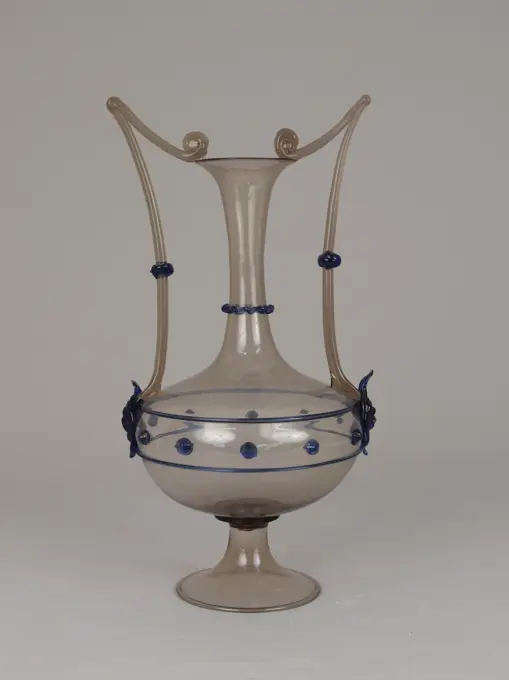
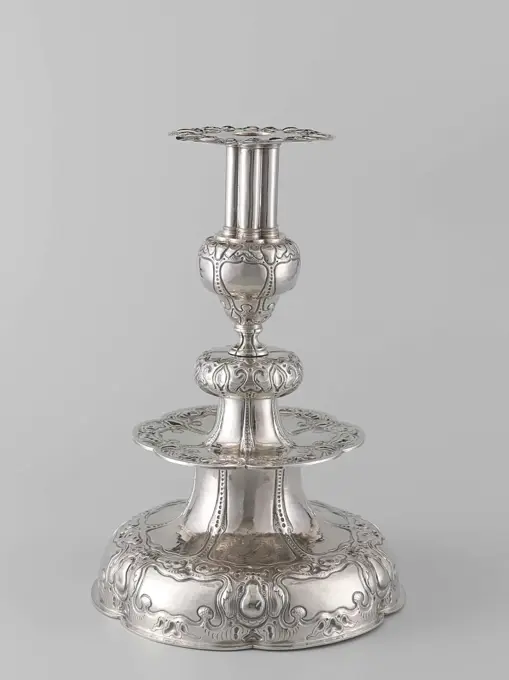
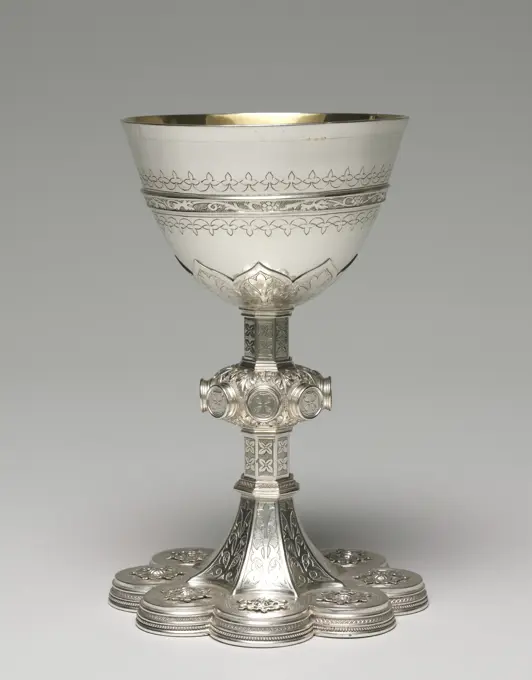
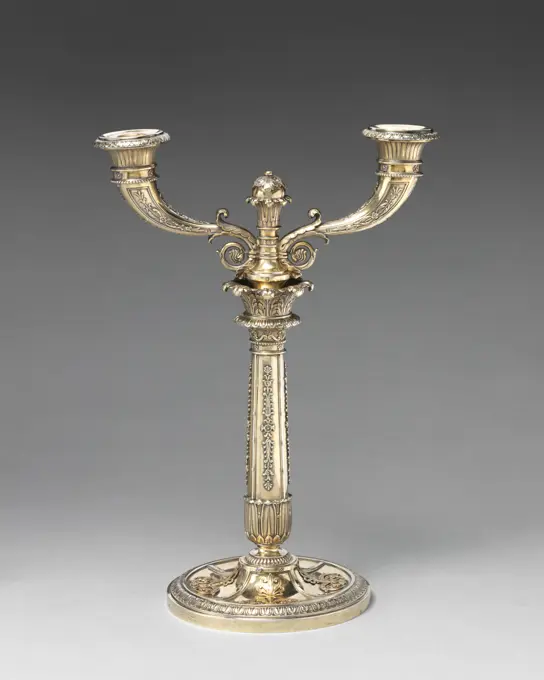
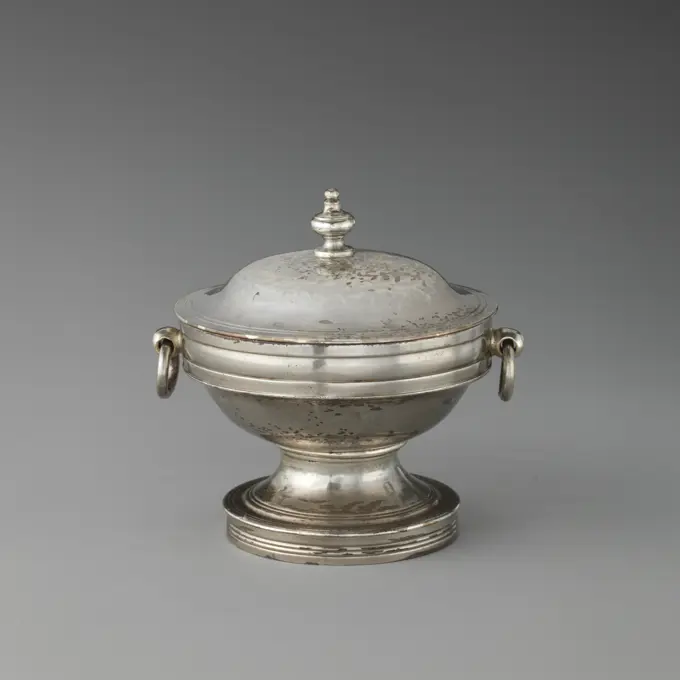
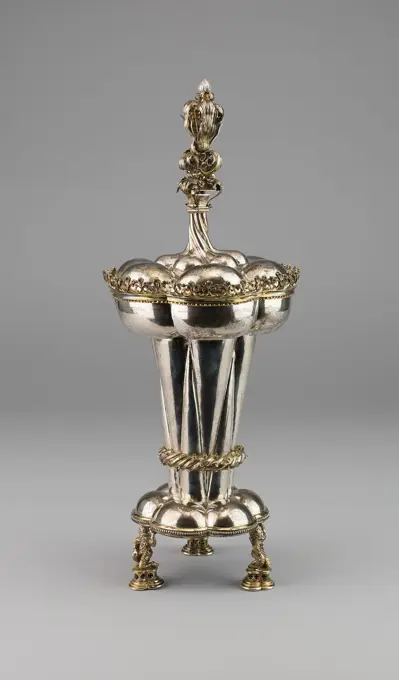
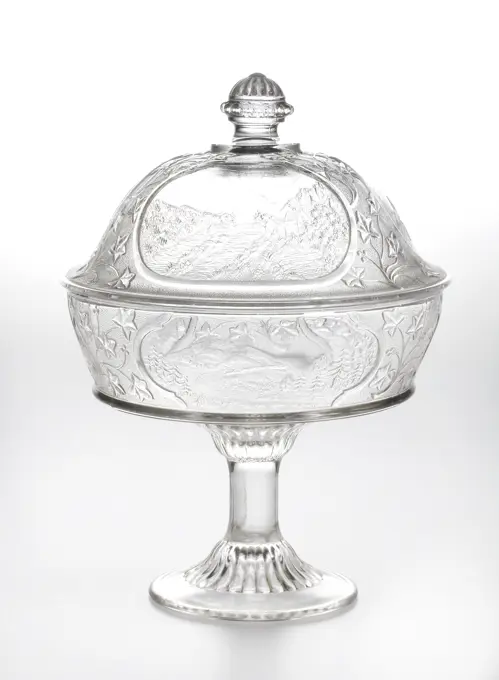
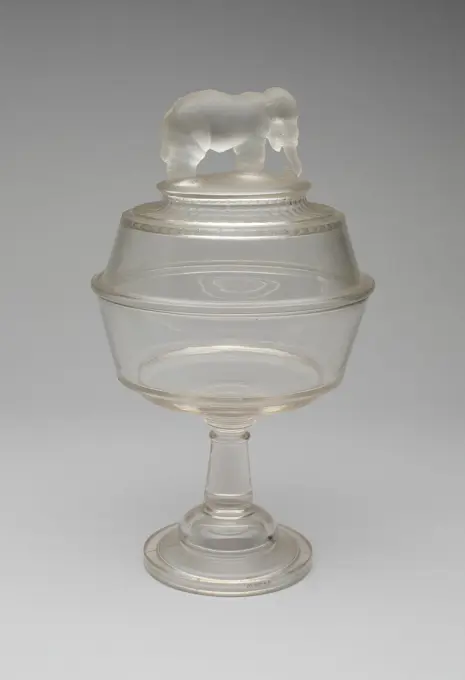
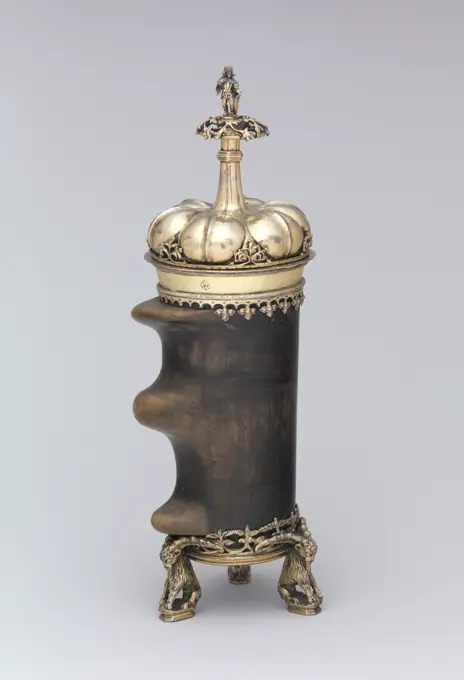
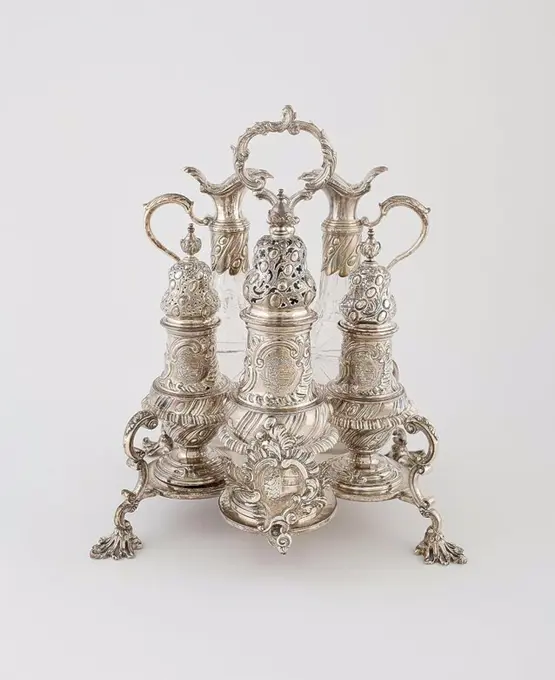
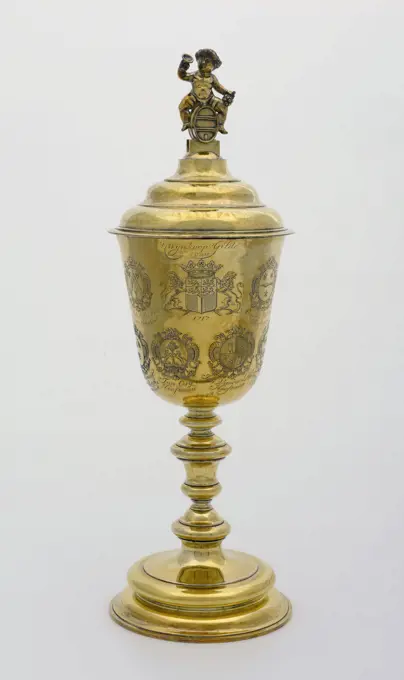
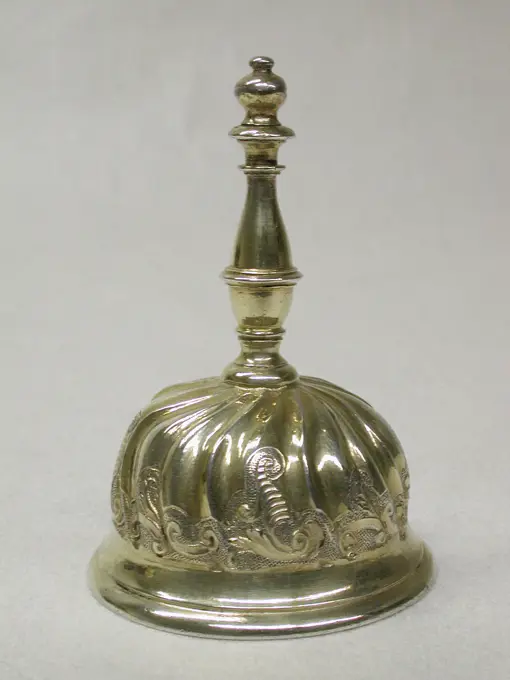
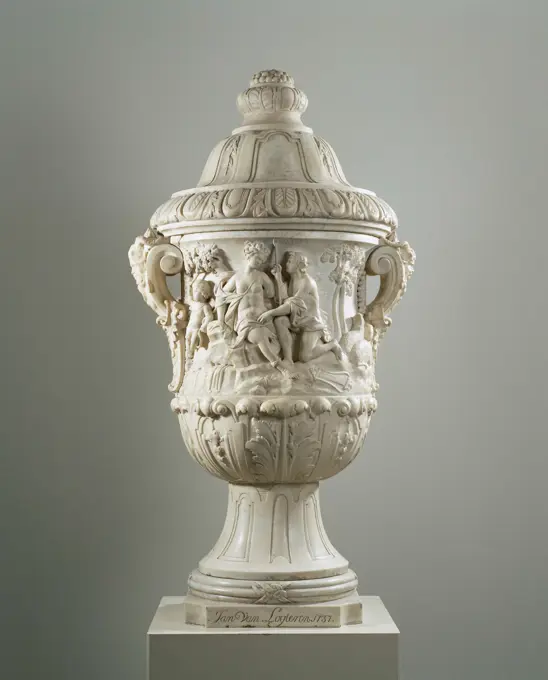
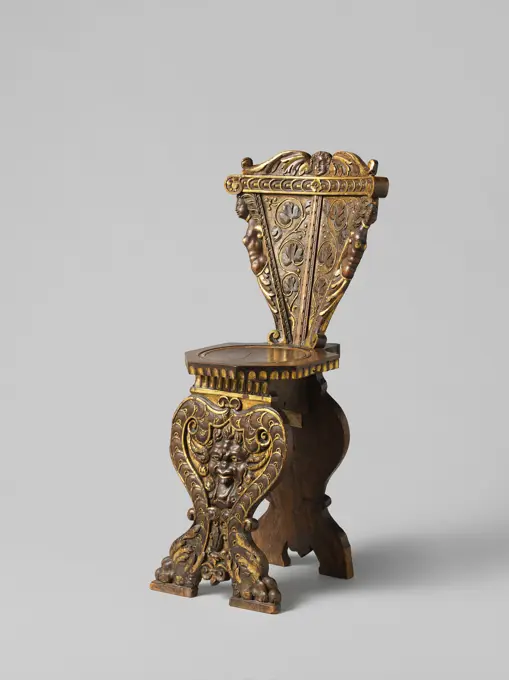
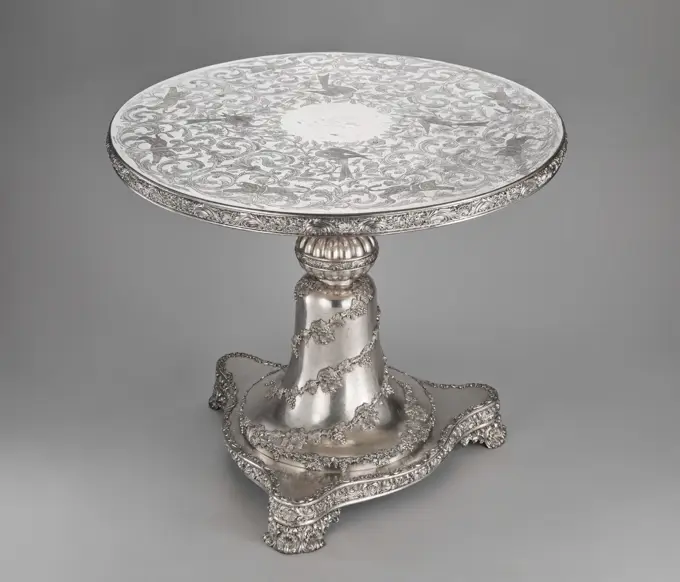
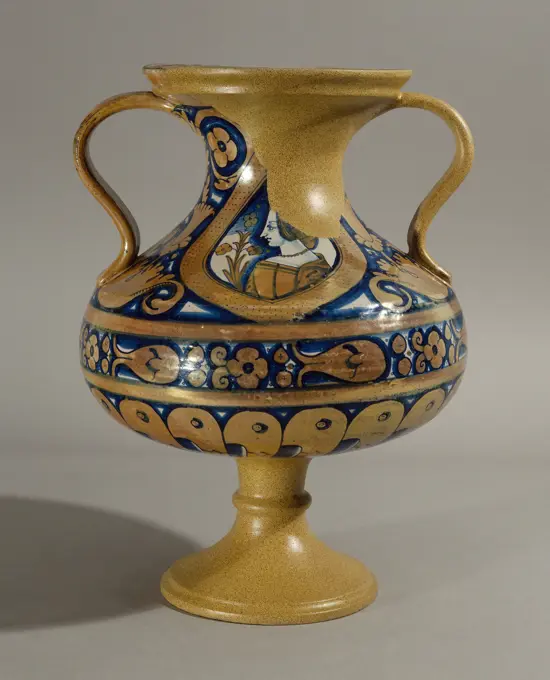
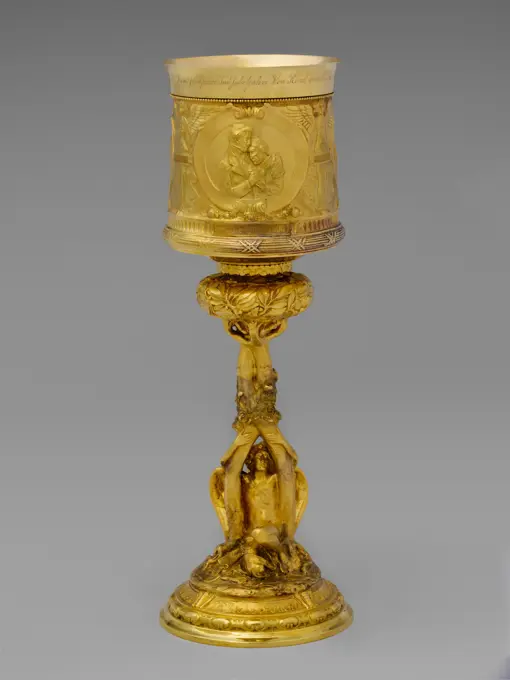
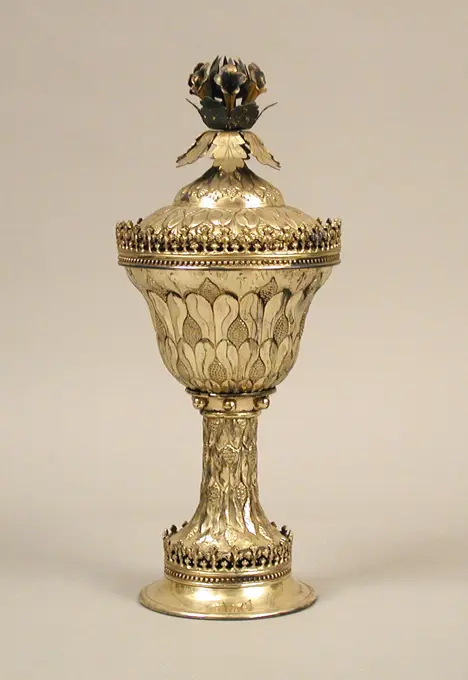
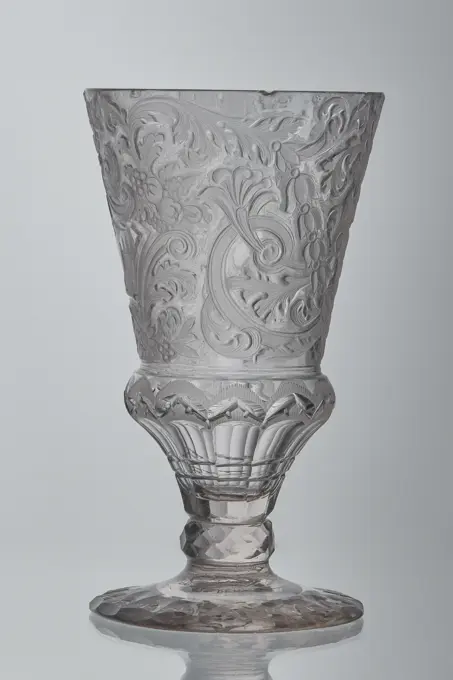
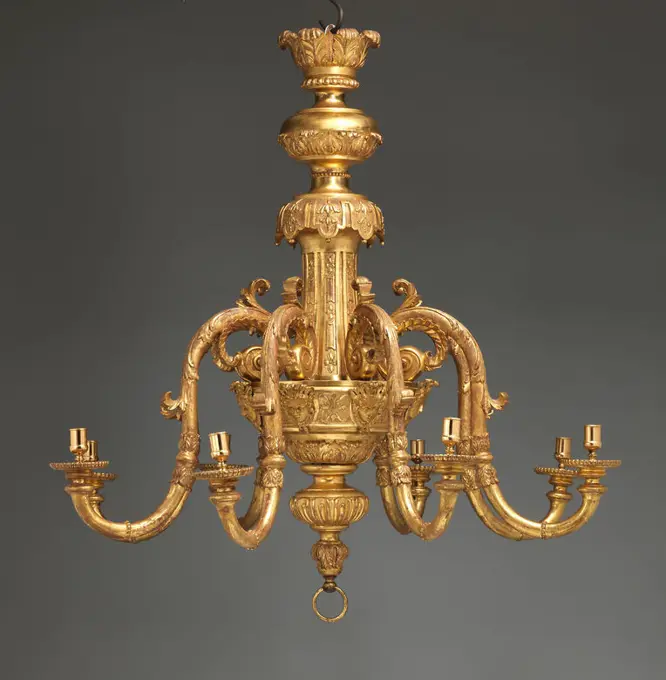
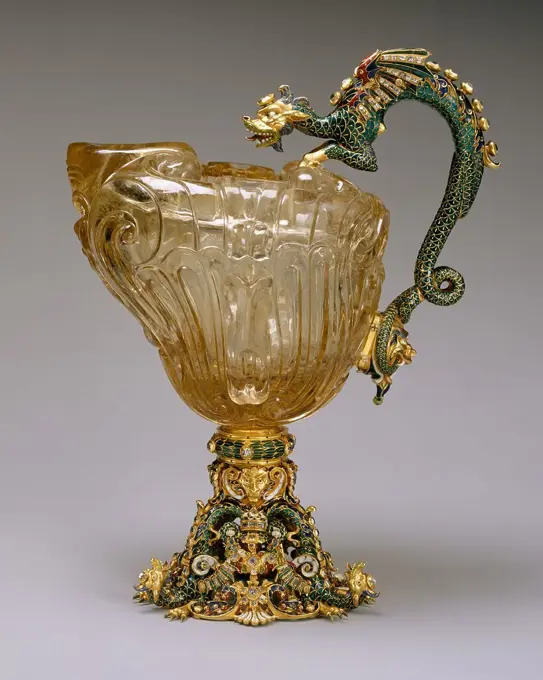
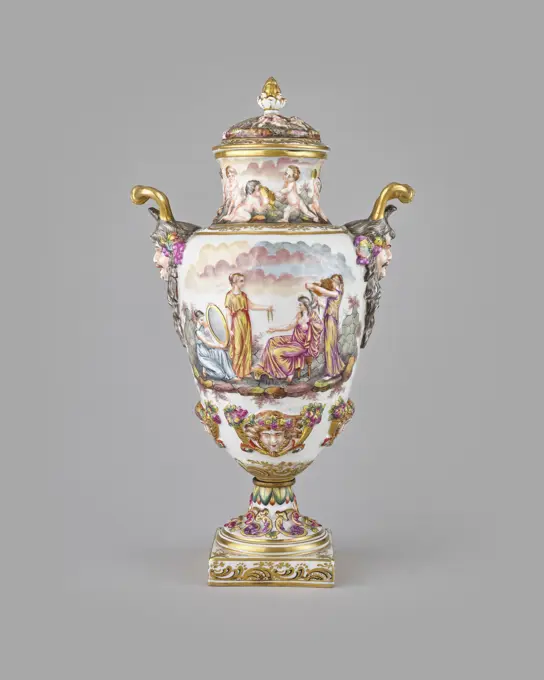
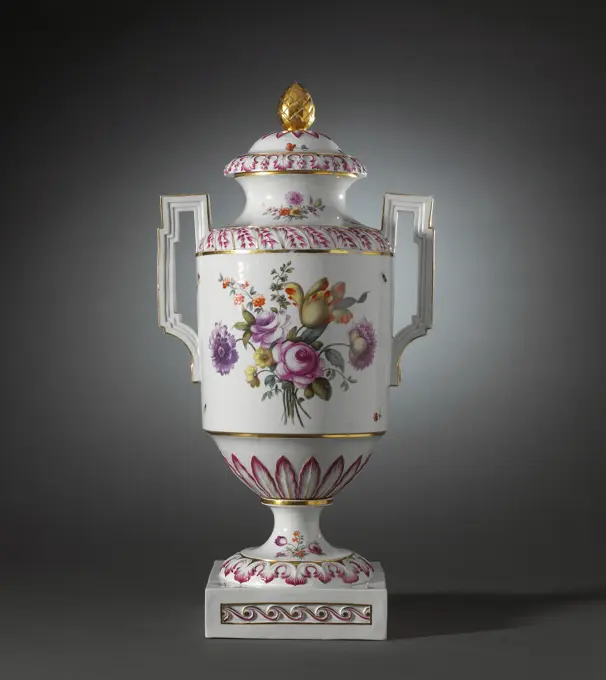
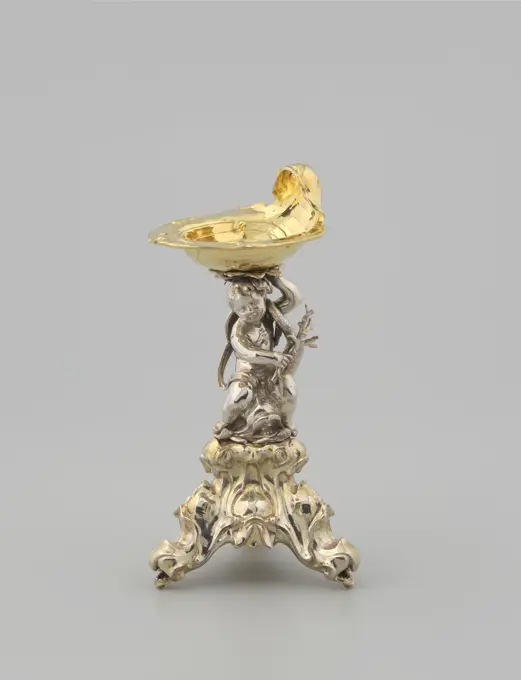
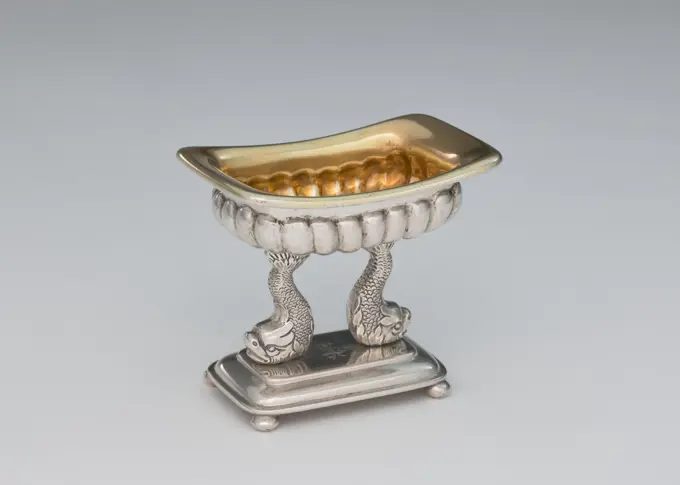
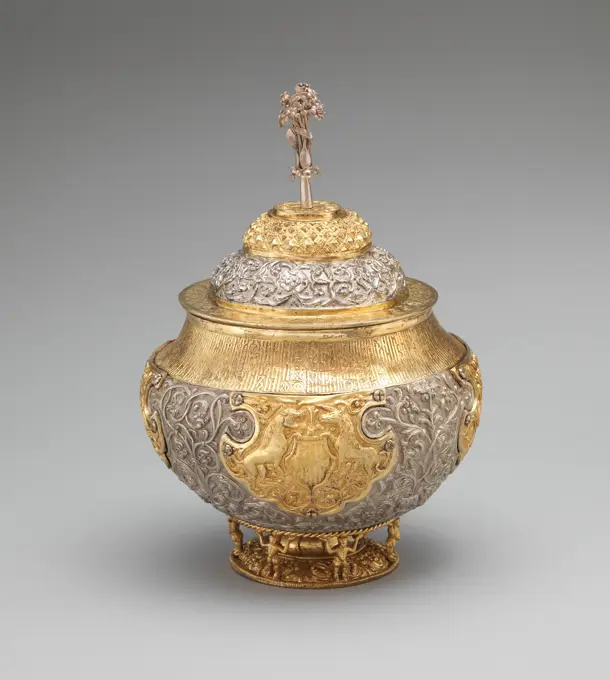
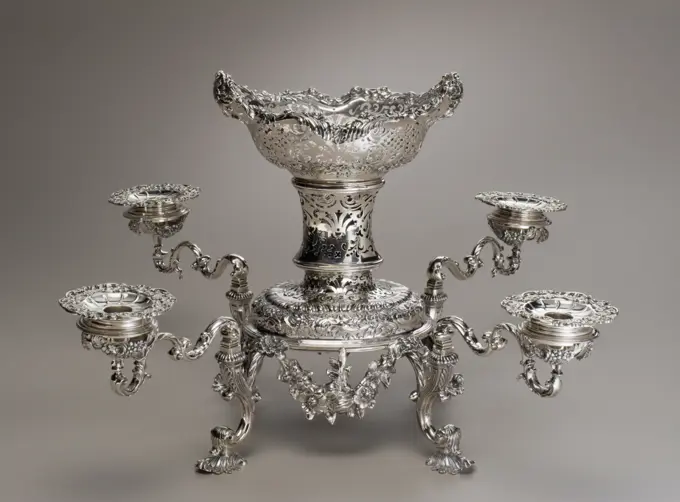
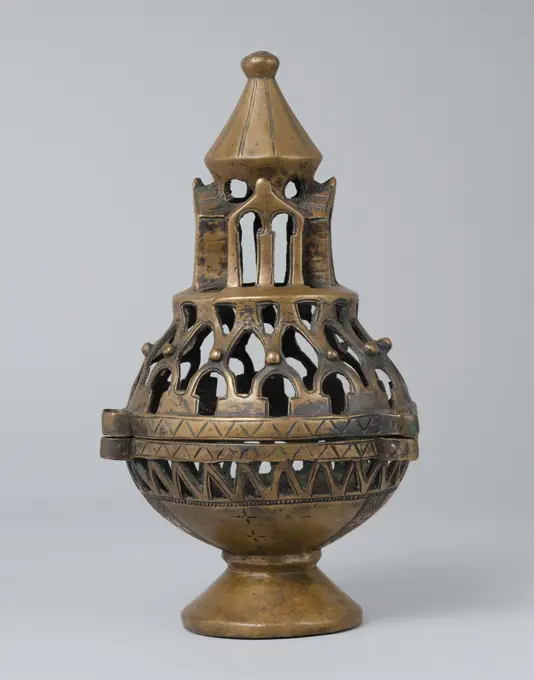
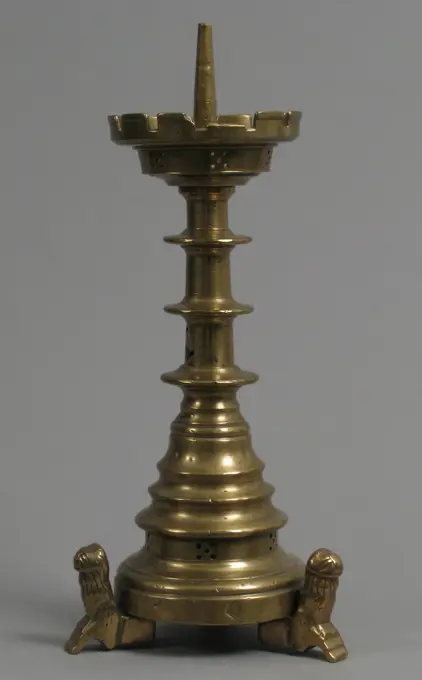
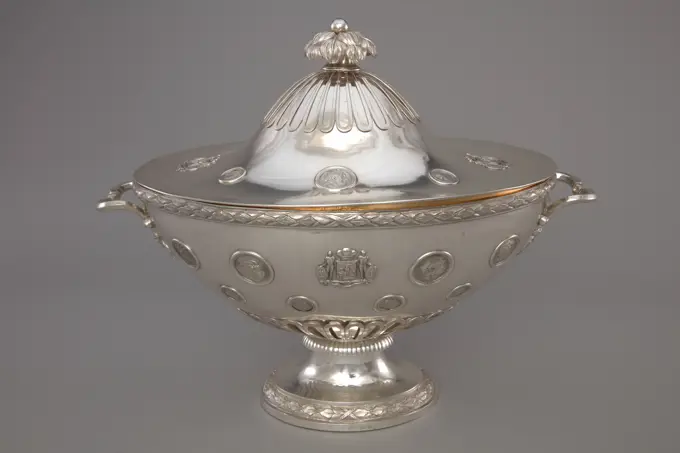
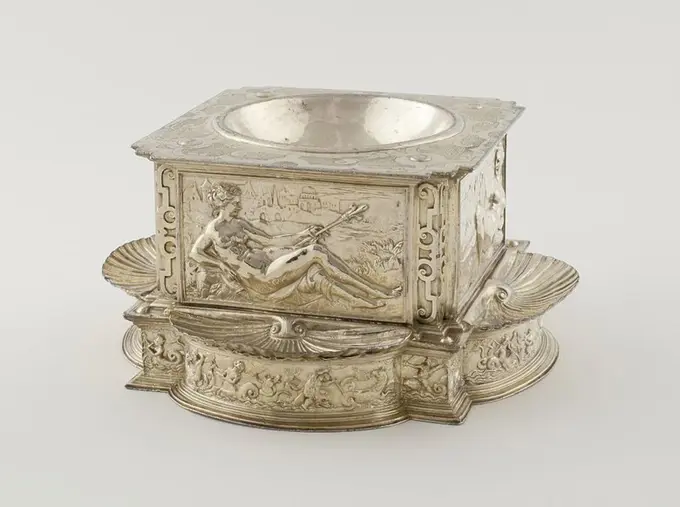
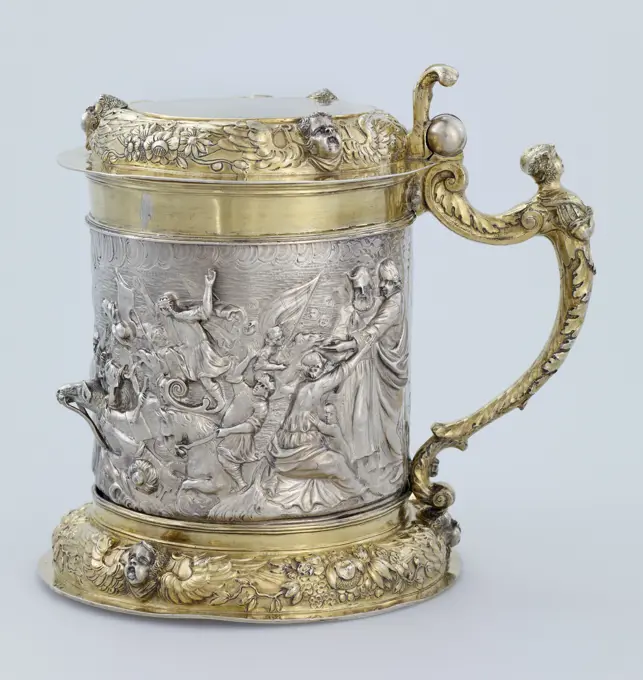
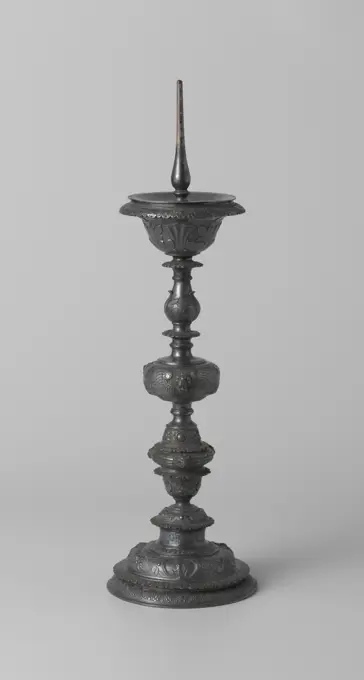
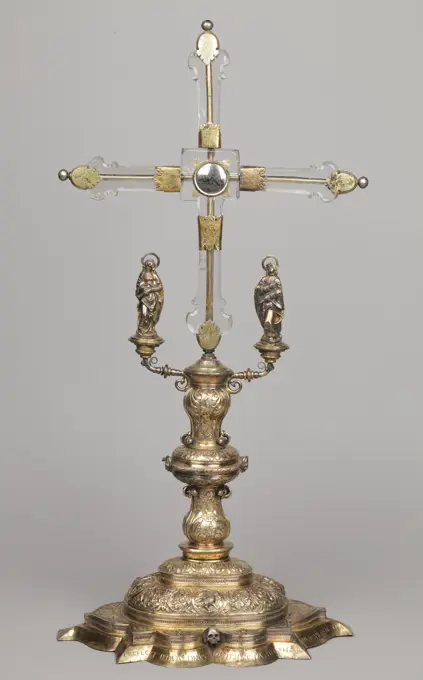
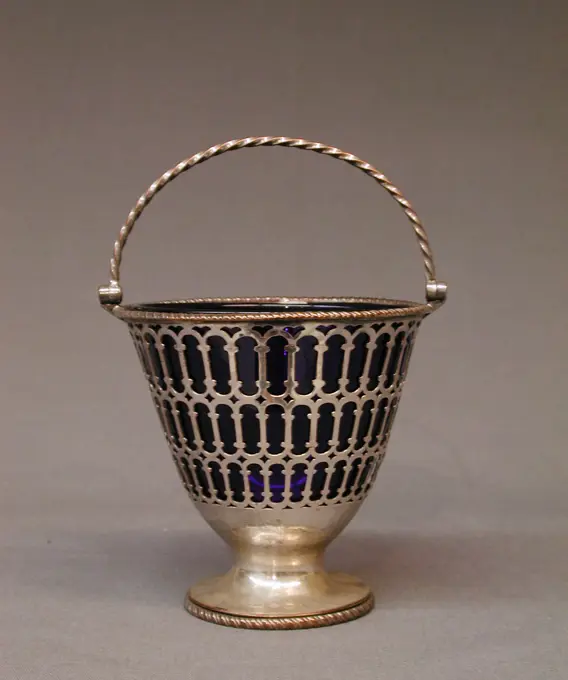
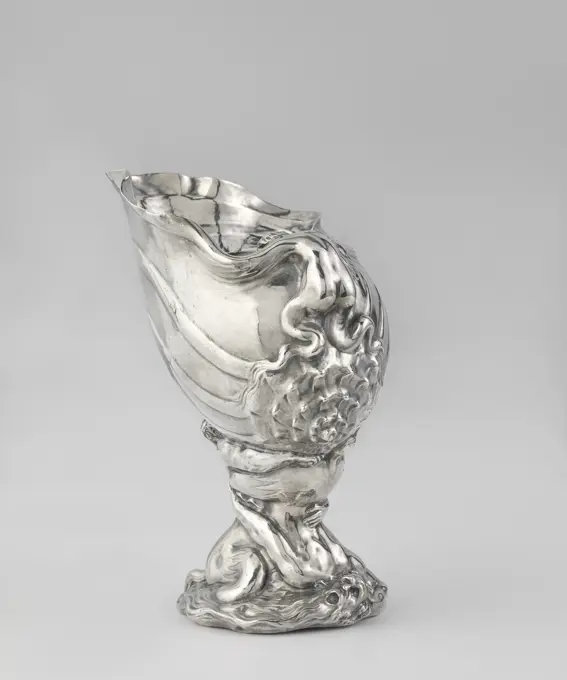
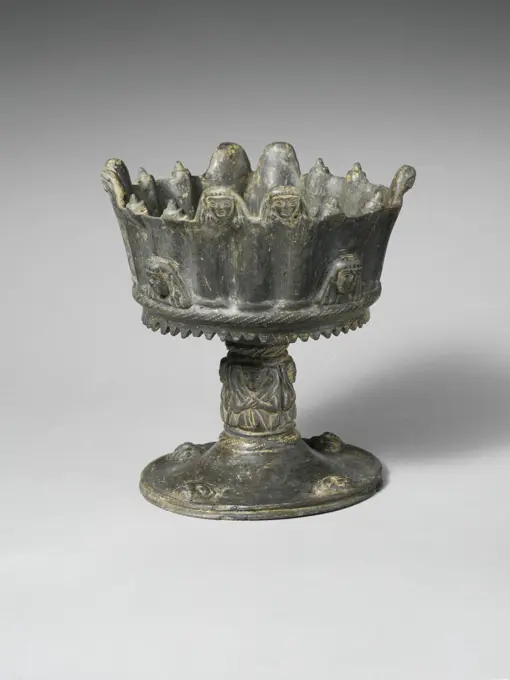
Candy tray. The elongated octagonal container has two ears with hinged handles. The base is made up of a scalloped, vaulted, rejuvenating portion, resting on a low base, and a smooth, inland portion that forms the connection with the vessel, which is turned again. The wall of the barrel is first sphere and then hollow up. The convex portion has an engraved decoration of flower bells and volutes on scalloped, roughened fields. The hollow part has a faded decoration of symmetrical patterns, made up of volutes, impeller shapes and other elements. Both the engraved and the cut-out decorations are always equal to the two short sides and on the four sides on the corners. The outer edge has interrupted an imposed, molded decoration of volutes, in the middle of each of the four sides through an inward curly leaf motif. The ears and the hanging handles, all cast, are made up of volutes with curly lips.. This is not just any service. These objects belong to a huge coffee and tea service that originally comprised more than a thousand pieces. The Russian tsar Nicholas I bought it from the French silversmith Biennais in 1817. The pieces are double gilded, so they look like they are made of solid gold. The geometric shapes and type of rims are typical of the early Empire style.. Porcelain factory on the Amsteloper-Amstel, c. 1784-1809Hard-Paste PorcelainVase ca. 1860 Dr. Antonio Salviati Company The handles are an antique, classicizing note on a form of Islamic inspiration, whereas the applied mask and prunt decoration are references to Renaissance glass.. Vase. Italian, Venice (Murano). ca. 1860. Glass. GlassCup with cover. Artist: Finial figure after a composition by Abraham Lotter the Elder (died 1612). Culture: German. Designer: Reinhold Vasters (German, Erkelenz 1827-1909 Aachen). Dimensions: Height: 10 1/2 in. (26.7 cm). Date: 19th century.The design for the entire covered cup, crystal included, is by Reinhold Vasters. The drawings for it exist at the Victoria and Albert Museum, London. The finial figure, Caritas, has been derived from a similar composition on the Hausaltar of Albrecht V at the Schatzkammer in Munich, made by Abraham Lotter the Elder, 1573-74. Museum: Metropolitan Museum of Art, New York, USA.Silver candlestick. Candlestick of silver. The round, lobed foot, is decorated with driven lobe ornaments. The alliance weapon with wedding knot of Gerard Meerman and Agneta Deutz is engraved on the foot.Anonymous. Vase mounted. Marble, gilded bronze, 1780-1790. Paris, Cognacq-Jay museum. 79923-28 Bronze Dore, Marble, Vase Monte, 18th 18th 18th 1! Eme 18 18th 18th centuryChalice, 1849. Augustus Welby Northmore Pugin (British, 1812-1852). Silver, cup interior gilded, with applied and chased decoration; overall: 22 cm (8 11/16 in.).Two-branch candelabra 1887-1911 André Aucoc. Two-branch candelabra. French, Paris. 1887-1911. Silver gilt, mother-of-pearl. Metalwork-SilverWall arm of gilded bronze with a bust of a Chinese, Anonymous, c. 1750 - c. 1760 Gilt bronze wall arm, with two arms. The trunk is formed by a bust of a Chinese man or woman, surrounded by C-shaped rocaillem motifs. The arms show C and S-shaped leaf motifs. See also: BK-16898-A/C. Paris bronze (metal) gilding Gilt bronze wall arm, with two arms. The trunk is formed by a bust of a Chinese man or woman, surrounded by C-shaped rocaillem motifs. The arms show C and S-shaped leaf motifs. See also: BK-16898-A/C. Paris bronze (metal) gildingVase, Meissener porcelain manufactory, c. 1730 - c. 1735 Hexagonal vase of painted porcelain. The vase has a high base on which a nodus -like part and the vase body floating upwards. The foot is decorated with colorful Indianic blums, the nodus with multicolored Höroldt chinoiseries. The ribs are decorated with flower candelabers in gold. The body fields are decorated with Höroldt chinoiseries on gold consoles in which a saved oval with a harbor face. The vase is marked. Float porcelain Hexagonal vase of painted porcelain. The vase has a high base on which a nodus -like part and the vase body floating upwards. The foot is decorated with colorful Indianic blums, the nodus with multicolored Höroldt chinoiseries. The ribs are decorated with flower candelabers in gold. The body fields are decorated with Höroldt chinoiseries on gold consoles in which a saved oval with a harbor face. The vase is marked. Float porcelainMiniature tureen with cover ca. 1790 Possibly by Thomas Howell. Miniature tureen with cover. British, London. ca. 1790. Silver. Metalwork-Silver-MiniatureBeaker with Cover 1490-1510 Germany. Parcel-gilt silver .Compote - Burlington Glass Works Burlington Glass WorksJumbo /Elephant pattern covered compote on pedestal c 1883-1885 Canton. Glass . Canton Glass Company (Manufacturer)Covered SugarBowlSilversmith's Art, Great Britain 18th century. Silver tureen decorated with volutes and vegetable motifs.Goblet with Cover 1695-1725 Potsdam. Glass .Lidded cup of the Unie Society. The Unie Society of Amsterdam commissioned a cup for its tenth anniversary. It was decorated with a variety of techniques by Amsterdams then leading silversmith, Philippe Metayer. The lively band of weapons surrounded by masks has been chased (with a hammer and punch) as well as chiselled (with a hammer and chisel). The small branches behind the coats of arms were engraved (with a burin).Candlestick. Culture: British, Birmingham, after British, London original. Dimensions: Overall (confirmed): 17 7/8 × 14 3/16 × 14 3/16 in. (45.4 × 36 × 36 cm). Manufacturer: Elkington & Co. (British, Birmingham, 1829-1963). Date: 19th century, after 1663-64 original.This electrotype is after a seventeenth-century original (1663-64) in the Treasury of the Kremlin, Moscow. It was a gift to Tsar Alexei by the ambassador Charles Howard from King Charles II in 1664. Museum: Metropolitan Museum of Art, New York, USA.Standing Cup with Neptune on a Seahorse second half 19th century probably German. Standing Cup with Neptune on a Seahorse. probably German. second half 19th century. Green agate and silver gilt.Sugar bowl 1850-70 American With the development of new formulas and techniques, glass-pressing technology had improved markedly by the late 1840s. By this time, pressed tablewares were being produced in large matching sets and innumerable forms. During the mid-1850s, colorless glass and simple geometric patterns dominated. Catering to the demand for moderately-priced dining wares, the glass industry in the United States expanded widely, and numerous factories supplied less expensive pressed glassware to the growing market. At the Exhibition of the Industry of All Nations at New Yorks Crystal Palace in 1853, for example, the New England Glass Company exhibited 130 pieces of one design, "consisting of bowls, tumblers, champagnes, wines, and jelly glasses." This object belongs to one such service. Although the glass manufactory is not known, the glassware is very typical of the large services that were very popular with Americas middle class in the nineteenth century.. Sugar bowl. AmerBeaker ca. 1480 Attributed to Hans Greiff German Miniature golden ibexes serve as the feet of the goblet fashioned from ibex horn. The goldsmith cleverly placed the characteristic ridges of the horn so that they provided natural hand grips for the drinker. Did this allow the owner to imbibe to excess without losing hold of the beaker Underlying this artistic nod to Europe’s prized mountain goat is the medieval belief that ibex horn—like the horn of the unicorn—possessed magical and medicinal properties, including the ability to detect poison. As a result, the alpine ibex was hunted to near extinction, much like the rhinoceros today.. Beaker. Attributed to Hans Greiff (German, active ca. 1470-died 1516 Ingolstadt). German. ca. 1480. Horn, gilded silver mounts and cover. Made in Ingolstadt, Bavaria, GermanyCruet Set. John Delmester; English, active 1755-c. 1763; London, England. Date: 1762-1763. Dimensions: Overall: 28.6 x 28.9 cm (11 1/4 x 11 3/8 in.). Silver and glass. Origin: London. Museum: The Chicago Art Institute, Chicago, USA.ZUN type vase;  19th century () (1801-00-00-1900-00-00);CETRO DE ISABEL LA CATOLICA - SIGLO XV - ARTES DECORATIVAS. Location: CATEDRAL-CAPILLA REAL-INTERIOR. GRANADA. SPAIN.. Instead of a foot, this glass has a mounted silver sphere containing a dice. The glass was used in a drinking game, in which it had to be emptied the number of times indicated on the dice. The engraving on the bowl was done with a diamondtipped stylus. It is one of the earliest instances of the use of this originally Venetian technique in the Netherlands.Pair of candlesticks, De Metaale Pot, c. 1760 - c. 1775 FaaMence candlestick, blue painted in the glaze. Delft . FaaMence candlestick, blue painted in the glaze. Delft .Silversmith: Jesaias van Engauw, Gilt silver cup from the Rotterdam Wine Merchant Guild, goblet cup drinking utensils tableware holder silver gold, hammered engraved molded gilded Foot shank chalice lid Profile baluster arms Bacchus wijnton inscription. IHE in oval with pearl rim and city coat of arms' s-Gravenhage climbing lion year letter re-mark Rotterdam 1795 (afw) Rotterdam heraldry Winemakers guilds 1717 1718 1720 1721 1723 1733Bell ca. 1743-45 Abraham Drentwett IV. Bell 231589. .Chocolate head, painted with Chinese style figures, Meissener Porzellan Manufaktur, c. 1730 - c. 1735 Chocolate head of painted porcelain. The head is decorated in gold with scenes with Chinese style figures on consoles. The head has two gilded ears. The head is not marked. porcelain company: MeissenAugsburg porcelain Chocolate head of painted porcelain. The head is decorated in gold with scenes with Chinese style figures on consoles. The head has two gilded ears. The head is not marked. porcelain company: MeissenAugsburg porcelainMughal Workshop / 'Agate tazza with gold sprays and rubies'. 1580 - 1620. Agate, Gold, Ruby. Museum: Museo del Prado, Madrid, España.Foot, tribe and part of the chalice of a flute glass (with the English weapon and a muzzled bear), anonymous, c. 1600 - c. 1700 Originally engraved with a decorated knot and on the chalice on one side the English weapon (quoted one and four, three lilies and three crawling lions); On the other side a muzzled bear, standing against a tree on which it is chained. Around both weapons the saying "Honi soit, qui mal y pense". Between the weapons a flower ornament, with tires decorated below and above. The foot is decorated with loose sheets. The weapon is probably Warwick, possibly for Ambrose Dudley, Earl of Warwick (1561-1590).  glass Originally engraved with a decorated knot and on the chalice on one side the English weapon (quoted one and four, three lilies and three crawling lions); On the other side a muzzled bear, standing against a tree on which it is chained. Around both weapons the saying "Honi soit, qui mal y pense". Between the weapons a flower ornament, with tires decorated belChair of partially plated walnut. Chair of partially plated walnut, placed in spread position, front and rear plate. Among other things, the front plate shows a devil mask in low relief, flanked by S volutes, ending in animal craques with acanthus sheet. The back has the shape of a reverse-like triangle, with two panels decorated with leaf rights. Against the corners, women's figures are as Caryatids, whose lower life in Acanthus leaf ends and full. Ter award a challenged attachment with cobblestone and voluten.Round table. Fraget, Józef (Warszawa ; Fabryka Wyrobów Srebrnych i Platerowanych ; 1824-1945), goldsmiths companyGalvanoplastic reproduction of a Tazza with a representation of Diana and Aktaeon, Fa. Elkington & Co., after 1875 - Before 1880 Galvanoplastic reproduction of a Tazza. Da Stam built from three semi -figures separated by maskerons; The scale is decorated with band work, maskerons and fruit and has the main performance Diana and Aktaeon. Gilded. London copper (metal). silver (metal) gilding Galvanoplastic reproduction of a Tazza. Da Stam built from three semi -figures separated by maskerons; The scale is decorated with band work, maskerons and fruit and has the main performance Diana and Aktaeon. Gilded. London copper (metal). silver (metal) gildingPomade jar with cover (from toilet service) 1726-27 François de Villers. Pomade jar with cover (from toilet service) 200166Balustrous vase with two handles: woman's bust, Italian majolica of Deruta, 1st half of the 16th century (view on the 2 side). Museum of Fine Arts of the City of Paris, Petit Palais. 27014-10 Anse, bust woman, ceramic, two, Italy, majolica of deruta, Italian renaissance, dishes, baluster vaseStanding Cup ca. 1900 Designed by Karl Theodore Bitter American, born Austria This chalice epitomizes Beaux-Arts sensibilities, particularly in its classical vocabulary and meticulous carved and repoussé ornament. It was made for the golden wedding anniversary of Marcus and Bertha Goldman, the donor's grandparents, and the scenes in the medallions chronicle the couples married life. Eros, embracing the trunks of two intertwined trees, is seated on the base as a symbol of the couples enduring love.. Standing Cup. American. ca. 1900. Gold. Made in Concord, New Hampshire, United StatesCompote -Cup and Cover early 20th century (original dated ca. 1480) British. Cup and Cover 463504Beaker with Apes. Culture: South Netherlandish. Dimensions: Overall: 7 7/8 x 4 5/8 in. (20 x 11.7 cm). Date: ca. 1425-50.One of the finest surviving examples of medieval enamel created for a princely table, this beaker was probably made for the Burgundian court. It illustrates a popular legend that remarks on the folly of man. A peddler is robbed by a band of apes as he sleeps. The peddler, seen just above the base, fails to stir even as the apes strip away his clothes. Other apes, having taken his goods, cavort in the branches overhead. The beaker, which originally had a cover, is decorated with "painted" enamel, so called because the material was applied freely over the silver, without the grooves that separate the colors in champlevé enameling or the incised patterns that provide guidelines for the application of translucent enamels. The unusual and adept grisaille (shades of gray) enamel technique is found on several other surviving objects, all of which have been associated with Three vases, part of a garniture. Meissener Porzellan Manufaktur, after paintings by Jean Antoine Watteau (1684-1721), Meissen, c. 1735-1740, hard-paste porcelain, gilt bronzeWaza for soup with cover; Bandau, Johann Georg I (1734-1812); 1790-1795 (1790-00-00-1795-00-00);Small cup. Kotlina Jeleniogórska (ośrodek rytownictwa ; ca 1600- ), creator, Weiberberge (huta szkła ; post 1702-ante 1754), creator, Weissbach (huta szkła ; 1617-ante 1754), creatorChandelier. Culture: British. Dimensions: Overall: 46 × 46 in. (116.8 × 116.8 cm). Maker: Attributed to John Gumley (Britsh, ca. 1670-1726); Attributed to James Moore (British, died 1729). Date: ca. 1710-15.This is one of a pair of chandeliers commissioned about 1710 by James, third Viscount Scudamore (1684-1716), for the state apartments at Holme Lacy, Herefordshire.1 They may have been ordered to celebrate his marriage in 1710. In the richly decorated Baroque plasterwork of the saloon and dining room where they were hung, the chandeliers were a particularly harmonious addition. Holme Lacy later descended to the earls of Chesterfield; it was sold in 1910 by the tenth earl, who in 1917 moved many of the contents to Beningbrough Hall, North Yorkshire, where the chandeliers remained until 1958.2With its eight acanthus-scroll branches, its lambrequined octagonal stem, and its gilt-metal mounts in the form of feather-plumed masks, the chandelier is in the French "arabesque" manner ofBeaker, Chased and parcel-gilt silver, Spreading domed foot on three balls. Flaring body in three sections with three rings attached to upper band, two of them with lozenge-shaped pendants (third missing). Lower section engraved with oval ornaments; middle section, engraved with hunting scene, the upper with three spread eagles and scrolls. Rim, foot and bands gilt., Bergen, Norway, 1767, metalwork, Decorative Arts, BeakerBokaal with lid with the weapons of Diderik Dicx and the inscription Hoogh Bailliuw van Kennemerland, Anonymous, 1708 Flat. Facet cut, baluster -shaped tribe with a knot and four writing. The conical chalice, with vertical facets, has a rounded soil. The facet cut, vaulted lid with facet -cut crown, consisting of a button that is crowned by a sphere. On the chalice, between leaf vines, flowers and two naked men, each with a horn of abundance, the weapon of Diderik Dicx (deceased 1719) is surrounded by symmetrical vines within a canopy. Around the weapon the initials DD and the inscription Hoogh Bailliuw van Kennemerland. Under the medallion two symmetrical leaf volutes held together by a mascaron. On the other side, in an identical environment, the weapon of the Seven United Provinces with under the motto: Eendragt Maekt Magt. A zigzag line runs on the underside of the wall. On the lid flower and leaf vines and rosettes. Glassblower: BOHEEMSHIERBER GRIVERS glass grinding / glassblowingEwer; China; porcelain about 1662 - 1722; mounts about 1700 - 1710; Porcelain and gilt bronze mounts; 45.7 x 35.2 x 13.7 cm (18 x 13 7,8 x 5 3,8 in.)Basin with tray. Culture: British, Birmingham, after Moldovan original. Dimensions: Overall (.96a): 4 × 15 1/2 × 15 1/2 in. (10.2 × 39.4 × 39.4 cm);Overall (.96b): 3/4 × 13 9/16 × 13 9/16 in. (1.9 × 34.4 × 34.4 cm). Manufacturer: Elkington & Co. (British, Birmingham, 1829-1963). Date: 19th century, after 17th century original. Museum: Metropolitan Museum of Art, New York, USA.Lid of Roemer. Vaulted lid with a solid button constructed from two nodi.Dish with a cover;  19th century (1801-00-00-1900-00-00);Cup with two handles and cover ca. 1680 British, London The taste for such luxuriant pierced silver cups, lined with a gilt sleeve, had its origins in Germany and the Baltic countries, and was short-lived in England. Many of the surviving cups, made by foreigners who worked "under the table," are unmarked. The delicate naturalism of this cup is the work of a highly trained chaser.. Cup with two handles and cover 205042Censer;  19th century (1801-00-00-1900-00-00);Two lidded cups, anonymous, 1604 Gilded cup with lid. The cup is built from loose parts, which are connected by screws. The cup consists of the following parts; A: Round foot, resting on three sitting lions. The edge of the foot is decorated with a godron list. Above that a narrow vertical decorative frame. In addition, an excellent list of small godrons. On the curve in relief three masks in Rolwek cartouches. In between fruit bundles on rusted soil. B: A constricted ring, decorated with godrons. On the outside three attached grotesque volutes. C: A vase -shaped part. A six -leaf rosette on the bottom. In addition, godron lists and a convex list of hippocamps, driven by naked men. On this list, animal masks are attached with rings in the mouth. Grotesque volutes are attached to the outside of this part. D: A small part with nagging top and downstairs. E: such a vase shape, but larger and flatter. Above frames with large and small godrons, a convex list of three excellent animal masks Covered Sauceboat ca. 1860-66 Chinese, for American market. Covered Sauceboat 2457Ewer. Culture: Bohemian, Prague with French, Paris mounts. Dimensions: Height: 9 7/8 in. (25.1 cm). Maker: Attributed to the workshop of Ferdinand Eusebio Miseroni (working 1656-84). Date: ca. 1680 and early 19th century.William Beckford purchased this ewer from the London antiques dealer Edward Baldock in 1819. Modern connoisseurship permits the attribution of the ewer to the Prague workshop of Ferdinand Eusebio Miseroni (active 1656-84), but by reason of the technology employed in the working of the gold, the setting of the diamonds, and the assembling of the parts, the mounts cannot have been made very long before Baldock sold the ewer to Beckford. Museum: Metropolitan Museum of Art, New York, USA.Beer mug (stein) with personifications of seasons. Petrus, Andreas (fl. ca 1629-1630), goldsmithHandbell, Johannes Schiotling, 1778 The bell -shaped bell has a baluster -shaped handle with a spherical button. Along the underside of the bell runs a smooth profile with an engraved border of two flared ribbons for a band with a sling line against an in glossy stitched background. This edge is flanked by narrower tires with similar arcing. The upper part of the bell is driven with two layers of Acanthus leaves. Reds are installed in glossy stitch along the top and top of the cast steel; Two runs over the widest part, a band with a winding line flanking. Steel and button are separated by a constricted connection whose lower part has turned Canelures. The spherical button is decorated along top and bottom with a zigzag line and is crowned by a vaulted, rejuvenating, channeled pedestal with a ball. Amsterdam silver (metal) The bell -shaped bell has a baluster -shaped handle with a spherical button. Along the underside of the bell runs a smooth profile with an engraved border of two flarJar and cover, glass, Ovoid jar and cover on plain, short stem and square pedestal base all overs step cutting cover has notch for spoon. Mushroom finial with radial cutting., Ireland, ca. 1820-30, glasswares, Decorative Arts, Jar and coverEwer and stand (présentoir) 1758 Martin Gizl Austrian The hunting of the Alpine Ibex, an endangered wild goat species, was restricted to the prince-archbishops of Salzburg, and artworks made of Alpine Ibex horn were sent to foreign courts as diplomatic gifts. The ensemble refers to ibex horn in a pharmaceutical context; allegedly it possessed the ability to prevent poisoning and evil, as well as aphrodisiac properties and an intrinsic value worth its weight in gold. The manipulation of this delicate material thus represented mans conquest over nature, and depictions of the hunt as a courtly pastime dominate the decoration. The patron of the set, Count Philipp Carl von Seinsheim, was a nephew of four bishops of the Schönborn dynasty, the main art patrons of Franconia and the Rhineland in the 18th century.. Ewer and stand (présentoir) 239478. Can be covered from quartz frying with an alkali acid on which a decoration of people, animals and decorative elements are painted in luster.Jug, anonymous, c. 1600 Can be on a low base of rock crystal with a raised edge with spout and a high-rising s-shaped ear. Gold frame with black enamel. Decorated with rank ornament in matt grinding work. Malib gold (metal). Can be on a low base of rock crystal with a raised edge with spout and a high-rising s-shaped ear. Gold frame with black enamel. Decorated with rank ornament in matt grinding work. Malib gold (metal).Tureen 1852 New York City. Silver . William Gale, & SonUnknown, vase with cover (title of the whole). Porcelain, polychrome enamels, gilding. Petit Palais, Museum of Fine Arts of the City of Paris.. Porcelain lid, painted multily with flowers and insects.Urn from biscuit, Louis XVI, white with straight ears. Urn from biscuit, Louis XVI, white with straight ears. Part of a few. Brand pressed on side foot: Ma (Nubactu) Re de Mer Le Duc d'Angouleme a Paris.. .. Meissen porcelain manufactory ice cream, c. 1730-1735Hard paste porcelainChalice, goldsmithing and textile art from the 16th to the 20th century, St., Sankt, SaintTwo Salt-Cellars, Johannes Lutma (1584-1669), 1639 The salt vessels (A and B) are made up of a cast pedestal and trunk and a driven dish. The triangular, high -rising gilded pedestal is completely decorated with whimsical, soft ornaments, including crushing open. These are particularly visible at the base of the legs, the underside of which is designed as a stylized frog. The trunk has the shape of a boy, sitting on a dolphin with a rotated tail, who falls over one of the child's shoulders. At A the boy supports the scale with his lifted right hand, while holding a shell in the left hand. At B he supports the scale with his left hand, while holding a coral branch in the right. The head of both children is adorned with foliage. The oval, deepened gold -plated scale has a wide, slightly roared edge that is decorated with whimsical ornaments, including folds from which molluscs stick. The deepened part is divided into two halves by means of curved lines and is reminiscent of an open shellSalt shaker on dolphins;  Ernicki, Franciszek (Ca 1801-1855); 1930s (0-00-00-0-00-00);Kadzielnica (kôro) with covers;  2. PO. 19th century (1868-00-00-1899-00-00);Bulb Vase (one of a pair) 1889 Minton(s) This pair of vases by Mintons are based on a model developed at Sèvres in the eighteenth century. Their manufacture just before the turn of the twentieth century points to Victorian Englands fascination with the revival of historical styles such as the French Rococo, a topic studied by the early feminist author Emilia Dilke.. Bulb Vase (one of a pair). British, Stoke-on-Trent, Staffordshire. 1889. Pte-sur-pte on bone china with gilding. Ceramics-PotteryBratina with cover 19th century, after first quarter 17th century original Elkington & Co. British This electrotype is after a first quarter of the seventeenth-century original in the treasure of the Kremlin, Moscow.. Bratina with cover 186615Garden Vase, anonymous, c. 1700 - c. 1725  Northern or Southern Netherlands marble (rock)   Castle Enguizen  Northern or Southern Netherlands marble (rock)   Castle EnguizenHenri Husson / Adrien-Aurélien Hébrard. Vase. Bronze, silver applications. 1909-1914. Museum of Fine Arts of the City of Paris, Petit Palais. 75295-2 APPLICATION ARGENT, BRONZE, VASEWilliam Cripps, Epergne, 1753, silver.Cup with the four seasons. Fridge-shaped cup of silver on a vaulted foot. Decorated with engravings of four allegorical figures, the four seasons presented.Monteith.  Maker: John Coney, American, 1655-1722Censer 13th century German. Censer. German. 13th century. Copper alloy. Metalwork-Copper alloyCandlestick, Pricket 15th century South Netherlandish. Candlestick, Pricket 467947Waza to the soup with a cover Berg, Carl JohannFlute glass with the crowned weapon of the Republic of the United Netherlands, Anonymous, 1600 Flat base with turned around and pontil brand. Hollow, baluster -shaped trunk with two flat discs. Blown the baluster in the shape in the motif of two Leeuwmaskers, trimmed with a border on the bottom and top. High, funnel -shaped chalice, on which the crowned weapon of the Republic of the United Netherlands, six orange apples and twice the year 1600 are engraved. Under the weapon the spell 'Concordia res parvae crescunt' (in translation: 'Eendracht makes power'). The lower part of a second weapon can still be seen on the chalice. Under the weapons a broad band of leaf ornament between two braid edges. On the trunk remains of gilding. glassblower: Low CountriesNorthern Netherlands glass. gilding (material) gilding / glassblowing Flat base with turned around and pontil brand. Hollow, baluster -shaped trunk with two flat discs. Blown the baluster in the shape in the motif of two Leeuwmaskers, t. Terrine of silver, with lid and subset, decorated with pilasters and leafguird builds.Salt. Netherlands. Date: 1575-1600. Dimensions: 10.3 × 21.4 × 21.4 cm (4 1/16 × 8 7/16 × 8 7/16 in.). Silver gilt. Origin: Netherlands. Museum: The Chicago Art Institute, Chicago, USA.Tankard, about 1690, Nathanial Schlaubitz, Polish, 1662-1726, 8 1/2 in. (21.6 cm), Silver, parcel-gilt, Poland, 17th-18th century, Schlaubitz was the foremost silversmith of his age in Gdansk, a major trading port on the Baltic Sea. The tankard is adorned with the biblical scene of Moses crossing the Red Sea, which would have had special significance for a patron in a city dominated by maritime economy.Jug 19th century, after 17th century original British, after German, Danzig original This electrotype is after a seventeenth-century original in the Chéréméteff collection, St. Petersburg, at the time of reproduction. The form is derived from similarly dated examples of Raeren stoneware.. Jug 186646Galvanoplastic reproduction of the scale with Andreas and Hieronymus from the Lüneburg Ratssilber. Galvanoplastic reproduction of a scale on foot. In the middle of the scale representations embossed from Andreas and Hieronymus on a green enamelled hill. Partially plated.Drinkschaal, anonymous, 1568 Silver scale, round pedestal. Decorated with driven, palmets radiating from the middle between which increased points on guily -driven soil. Coat of arms with year 1583. marked. City choir of Leiden; W; Unclear sign. Male weapon of Swieten; not to identify female weapon. Leiden silver (metal) gilding  Leiden Silver scale, round pedestal. Decorated with driven, palmets radiating from the middle between which increased points on guily -driven soil. Coat of arms with year 1583. marked. City choir of Leiden; W; Unclear sign. Male weapon of Swieten; not to identify female weapon. Leiden silver (metal) gilding  LeidenUrn 1776-1777 Frankenthal. Hard-paste porcelain, black monochrome, and gilding . Porzellanmanufaktur FrankenthalGalvanoplastic reproduction of an altar scandard decorated with fruits, flowers and angelenkopjes.galvanoplastic reproduction of an altar candlestick decorated with driven fruits, flowers, masks and angel heads.Pax Bem, Jan, Birgk, JerzySugar bowl ca. 1775-85 British, Sheffield. Sugar bowl. British, Sheffield. ca. 1775-85. Sheffield plate. Metalwork-SilverplateFooted cup. The bowl of this cup is shaped like a large shell. The base consists of two entwined mermen engaged in a fight to the death. They battle for the favour of a Nereid, a sea nymph, who escapes by climbing up the shell and diving into the bowl.Terracotta chalice. Culture: Etruscan. Dimensions: H.: 7 1/4 in. (18.4 cm). Date: ca. 550 B.C..This highly ornate type of drinking vessel is common at Vulci. The identical heads on the bowl and the truncated figures on the stem may all represent the Mistress of the Animals, who is usually associated with the goddess Artemis. Museum: Metropolitan Museum of Art, New York, USA.Pair of candelabra French late 18th century View more. Pair of candelabra. French. late 18th century. Gilt bronze. Metalwork-Gilt BronzeTerracotta chalice ca. 550 B.C. Etruscan This highly ornate type of drinking vessel is common at Vulci. The identical heads on the bowl and the truncated figures on the stem may all represent the Mistress of the Animals, who is usually associated with the goddess Artemis.. Terracotta chalice 246155Vase with a lid. Kaendler, Johann Joachim (1706-1775), sculptor, Eberlein, Johann Friedrich (1695-1749), sculptor, Koenigliche Porcellain Fabrique, Meissen (1710-1763), factory