Elegant Silverware Collection

A variety of historical silver items including salt cellars and sugar bowls, showcasing intricate designs and craftsmanship from different centuries.
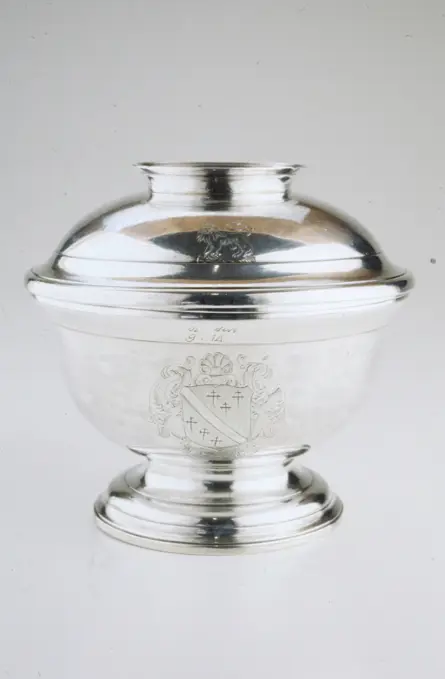
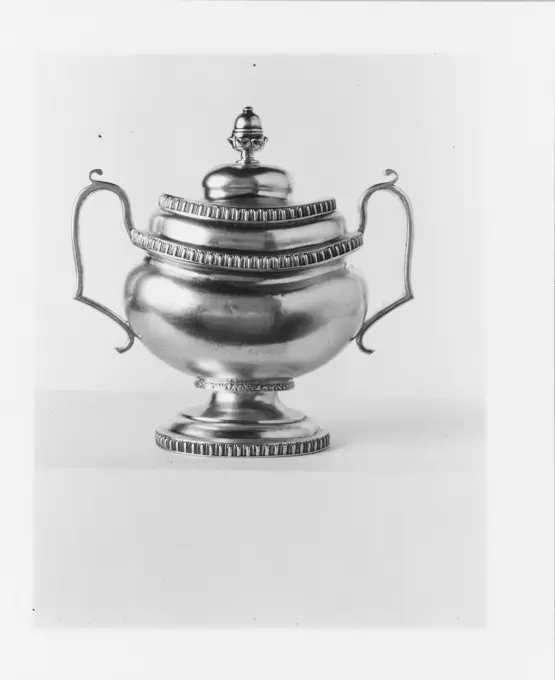
Covered sugar bowl, c. 1730-1740, Jacob Hurd, American, 1703-1758, 4 in. (10.16 cm), Silver, United States, 18th century
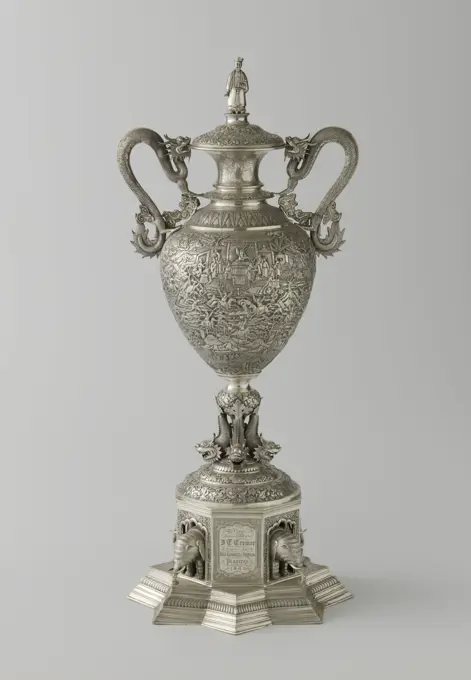
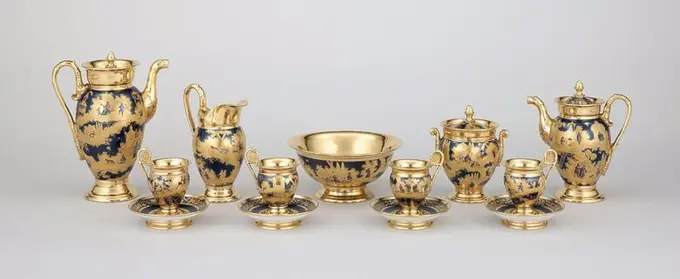
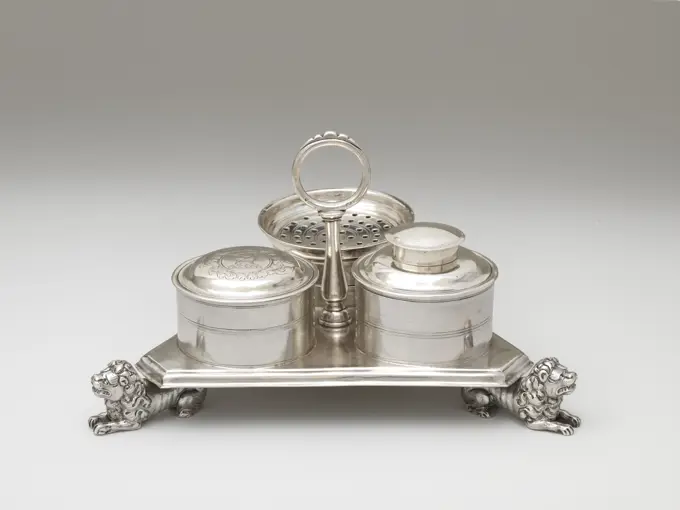
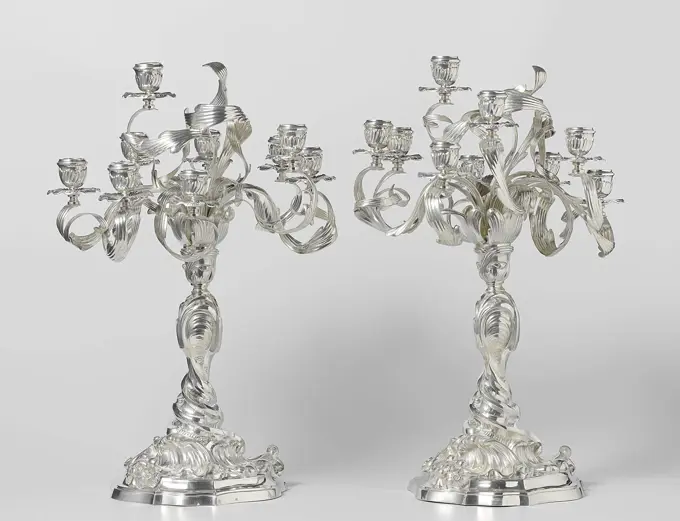
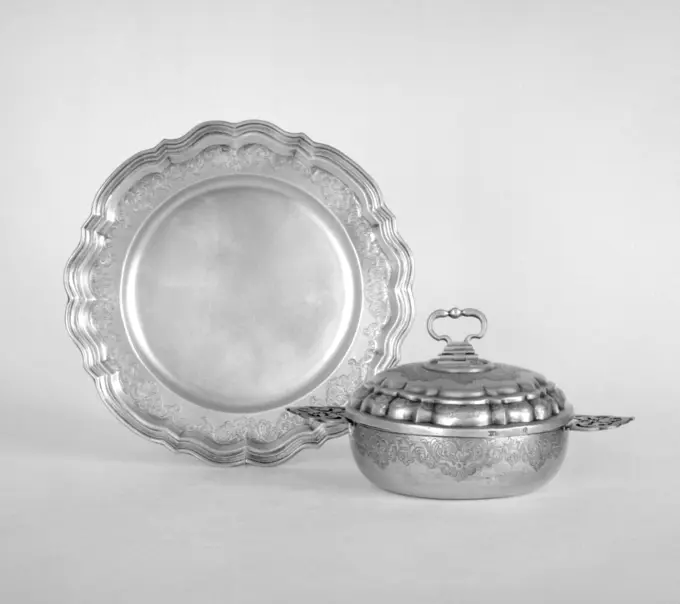
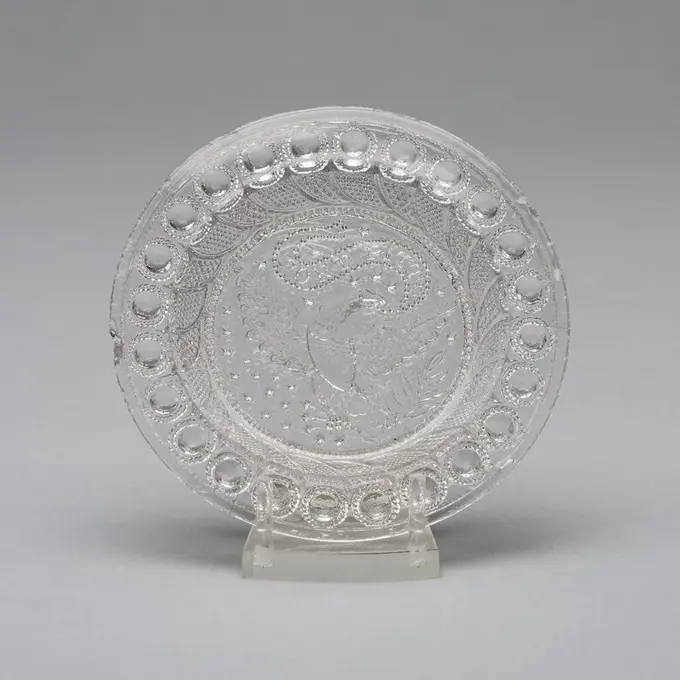
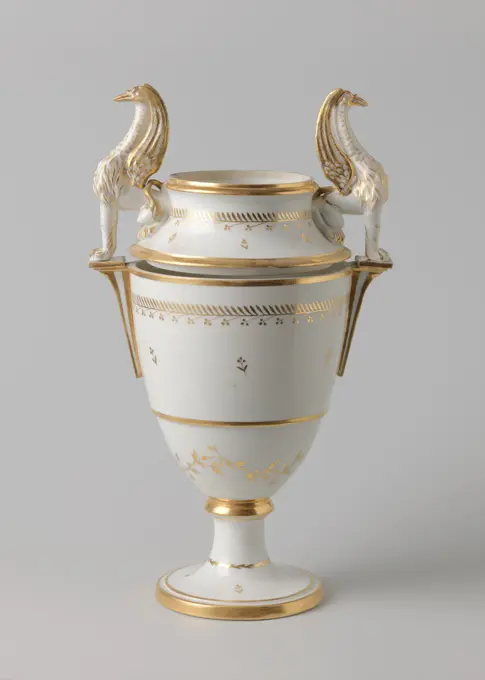
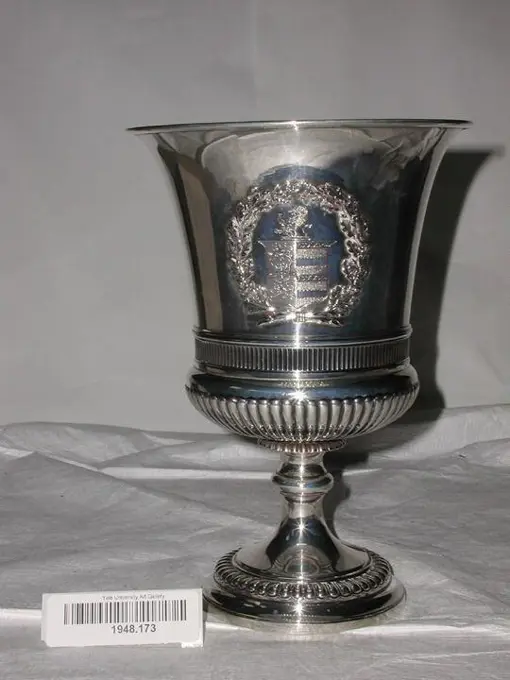
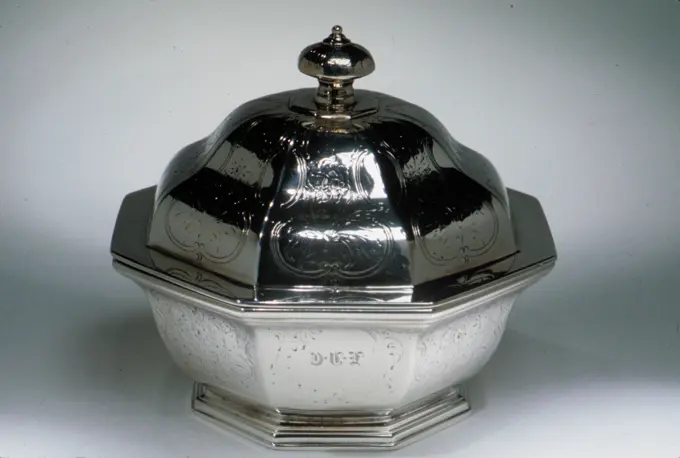
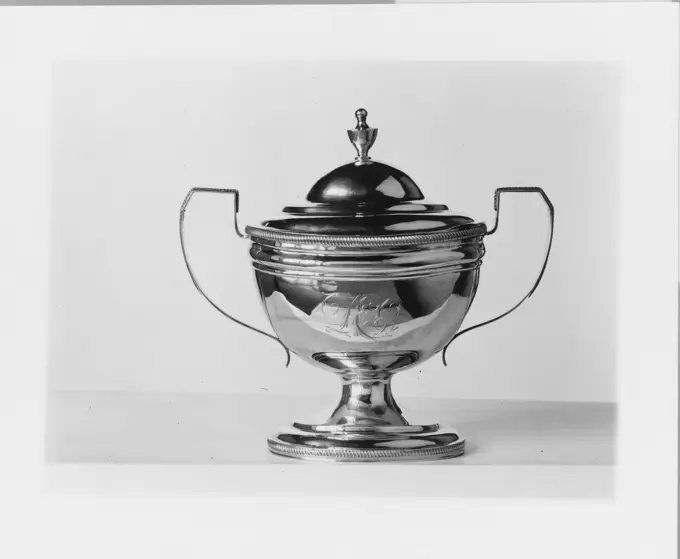
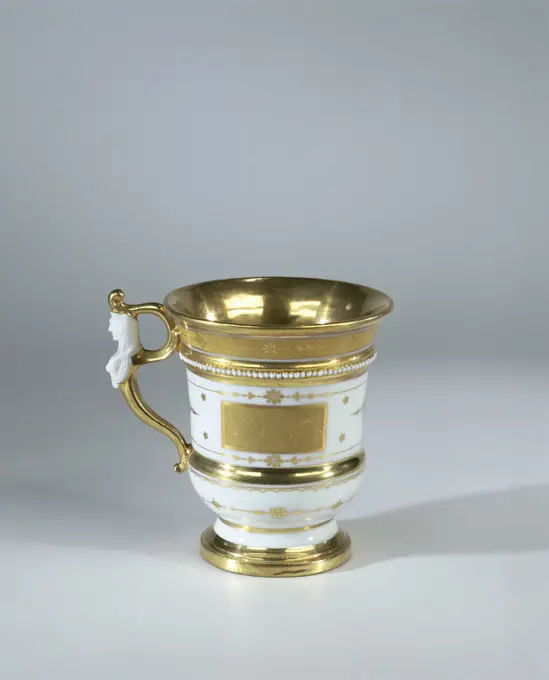
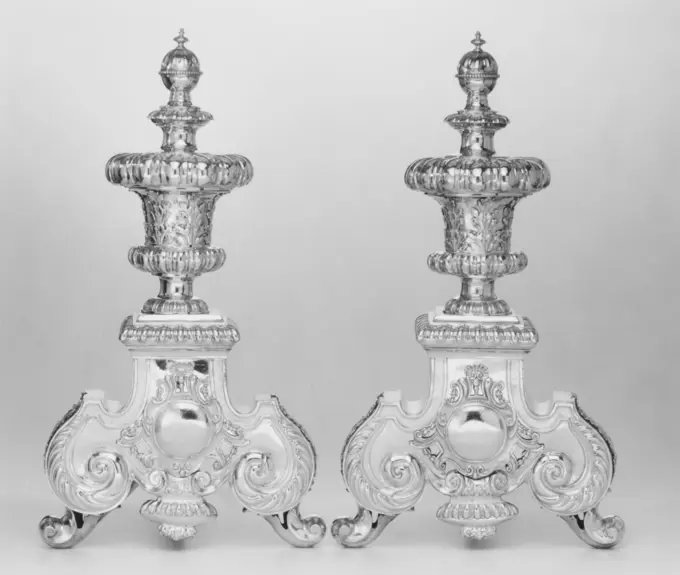
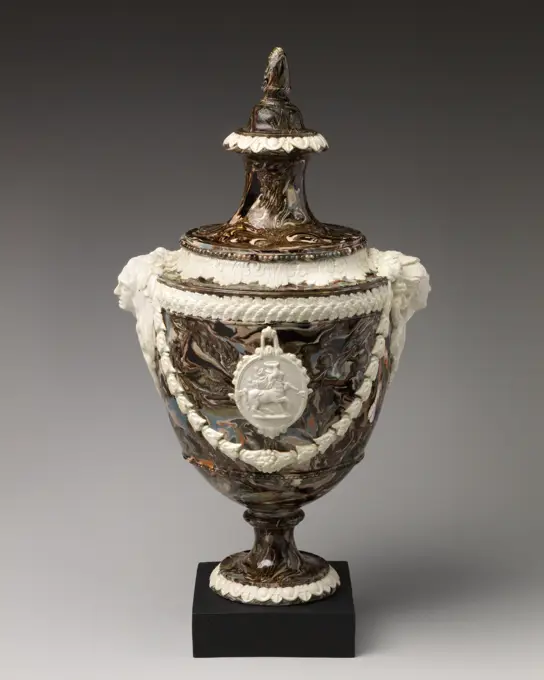
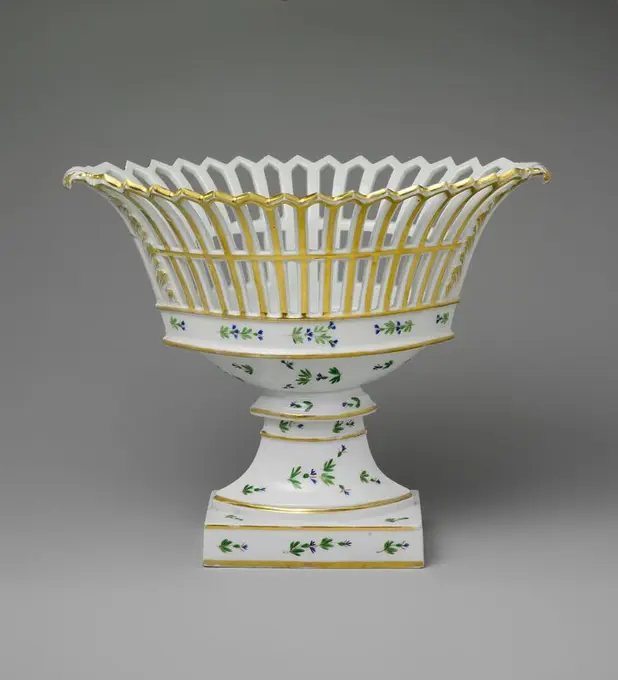
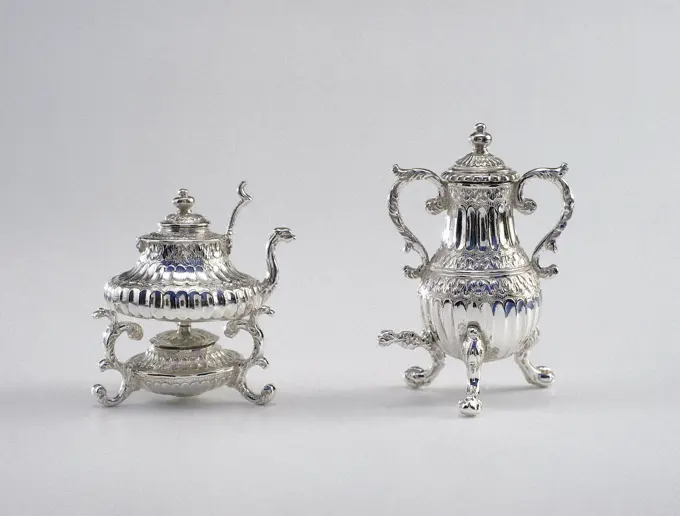
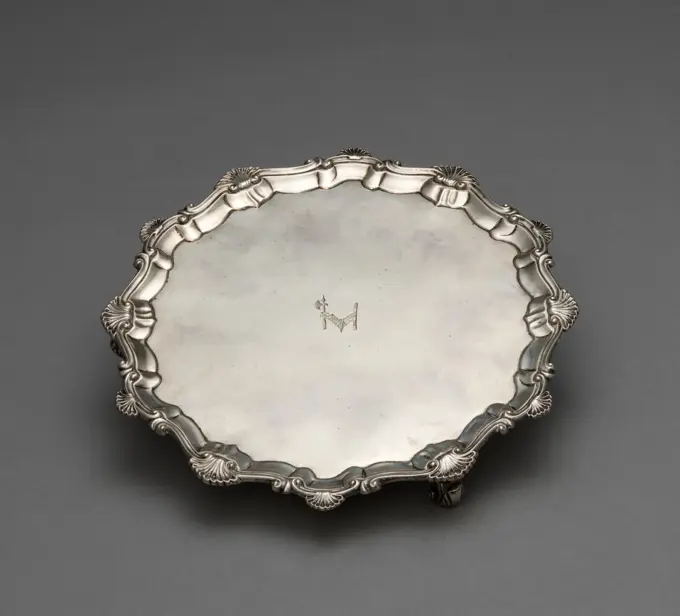
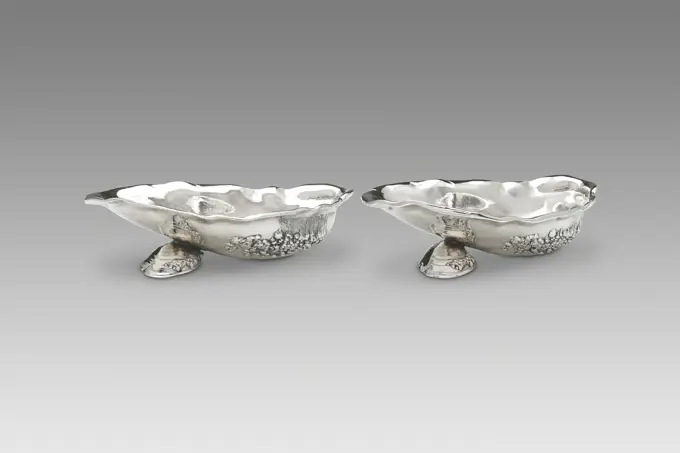
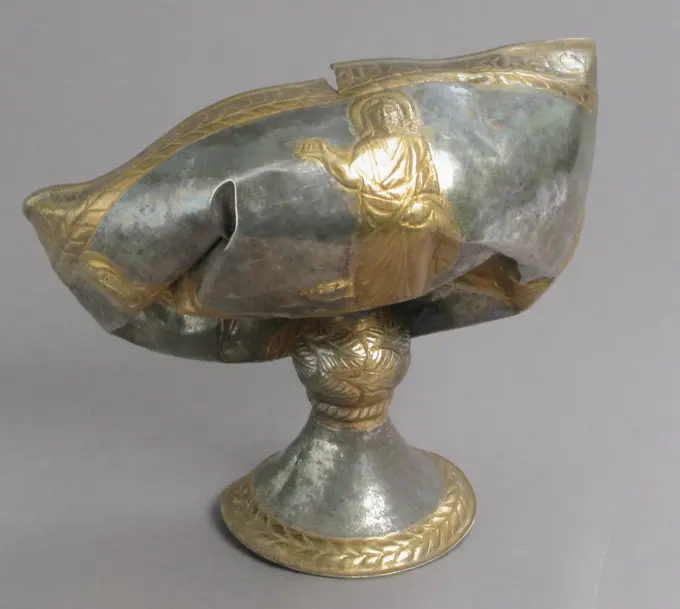
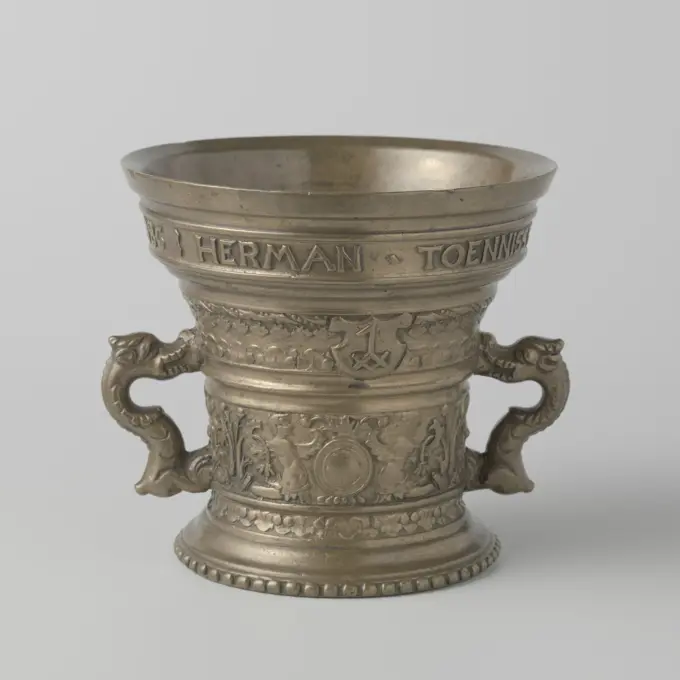
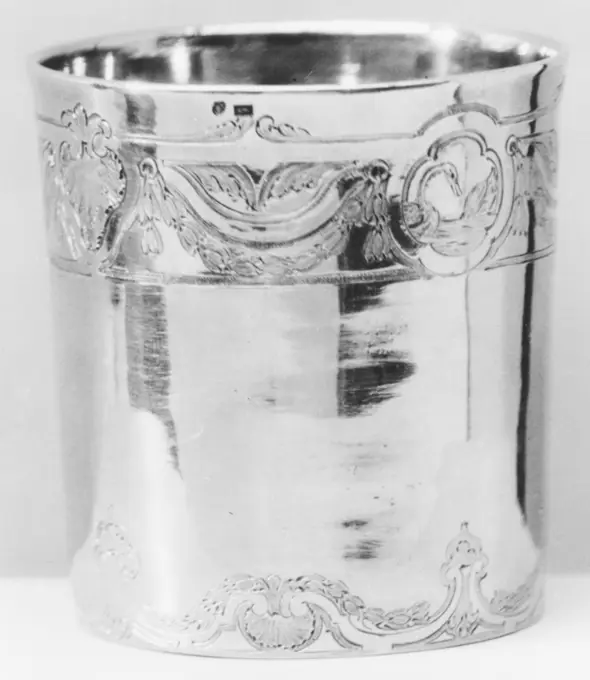
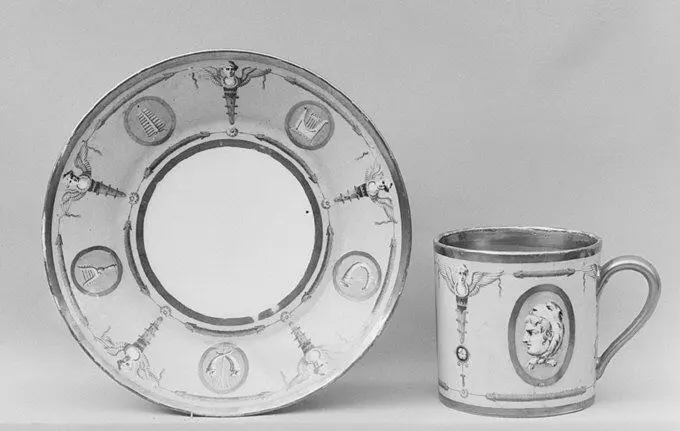
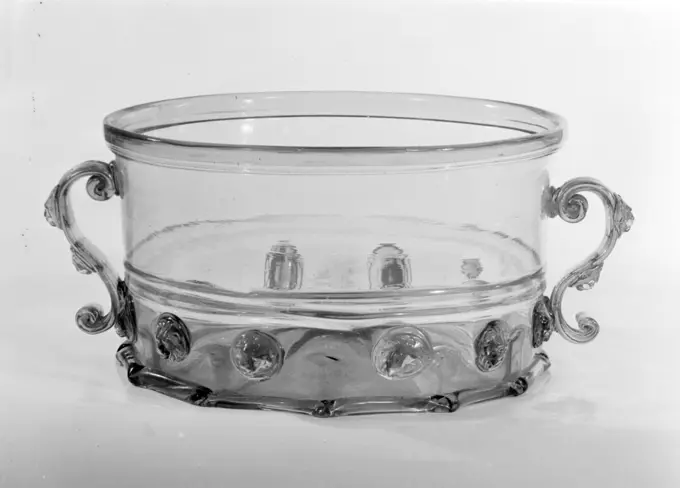
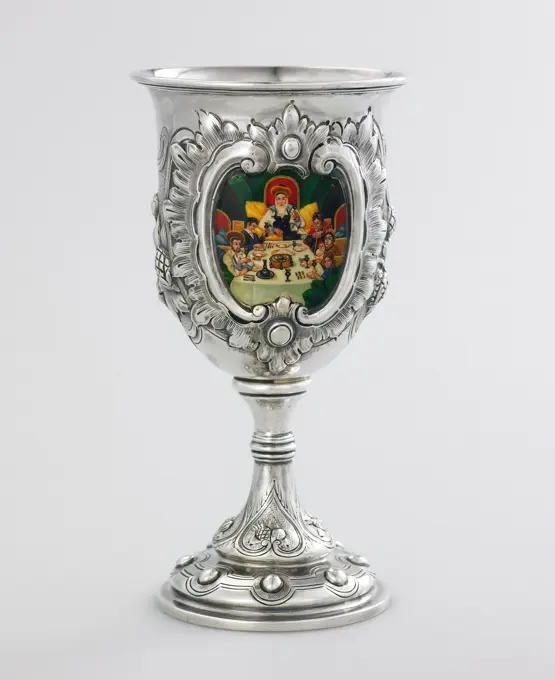
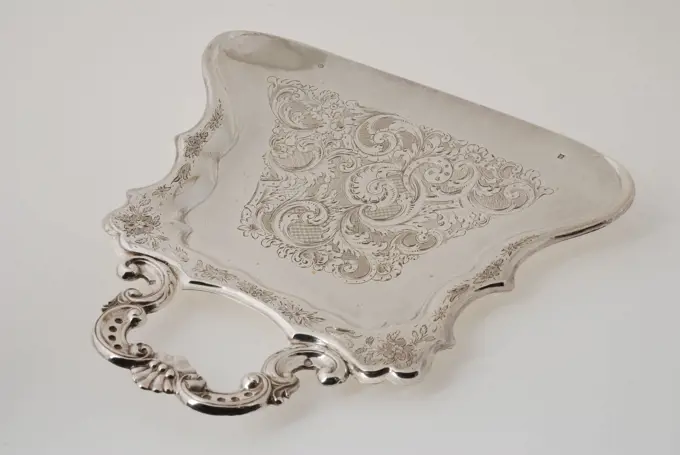
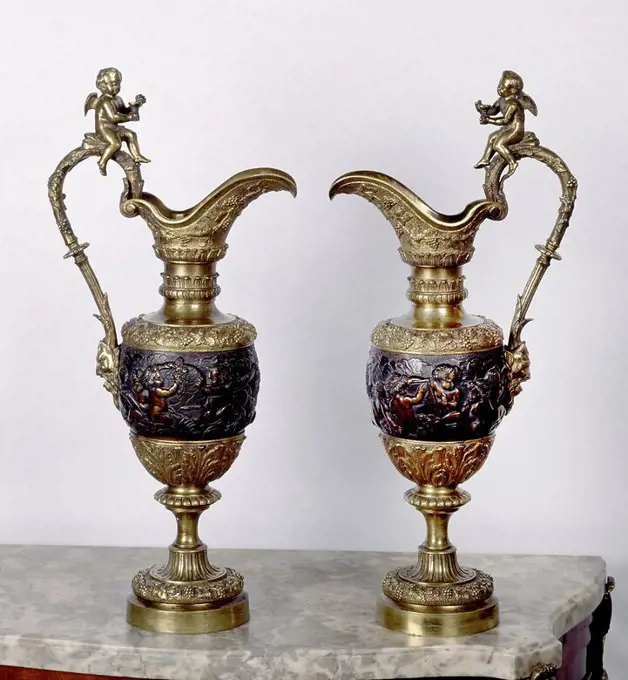
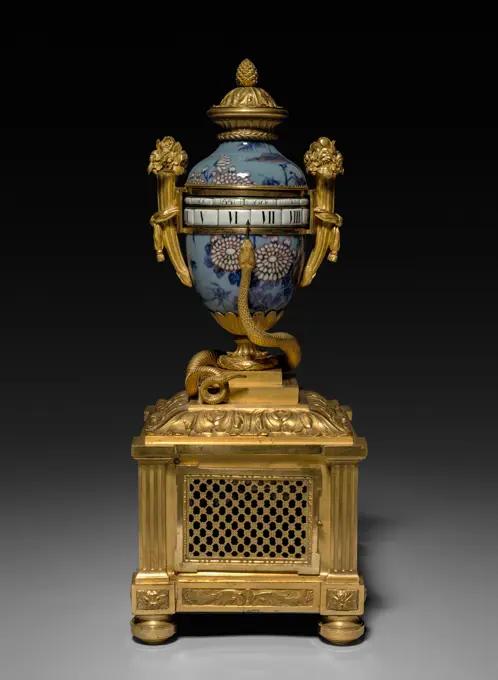
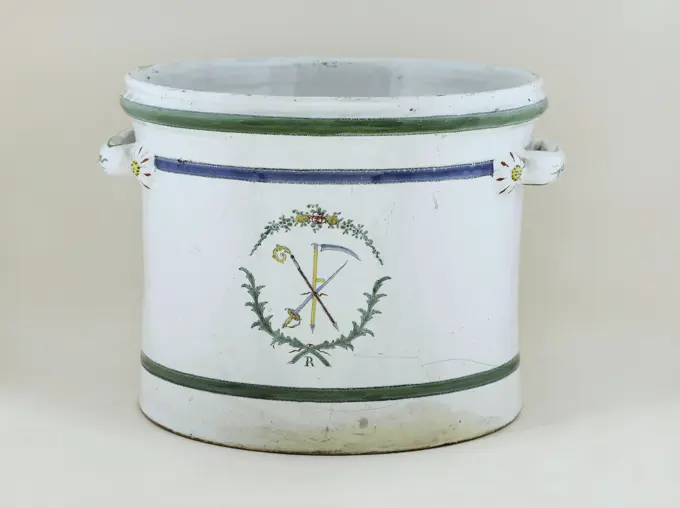
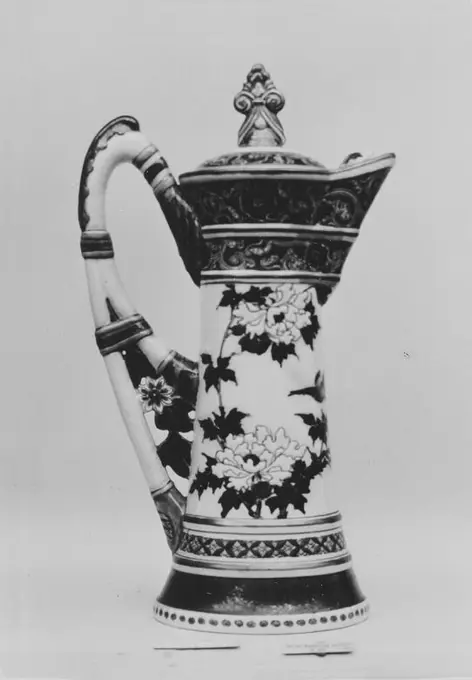
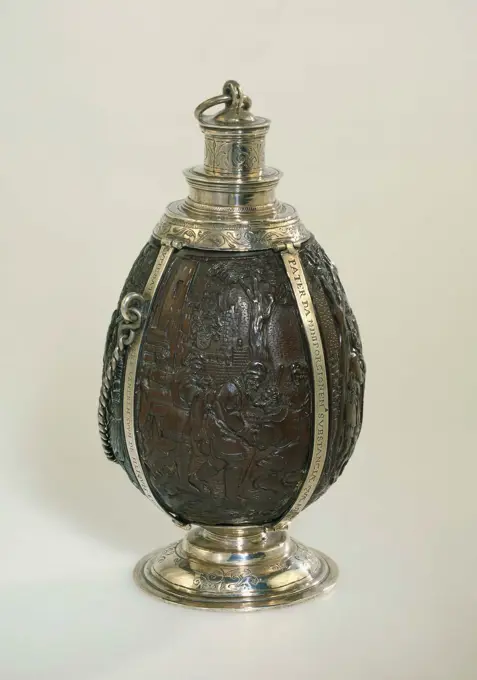
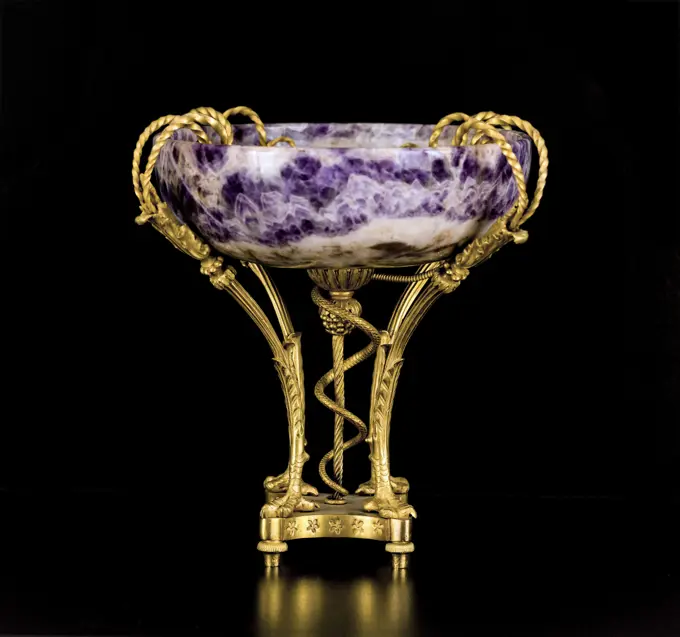
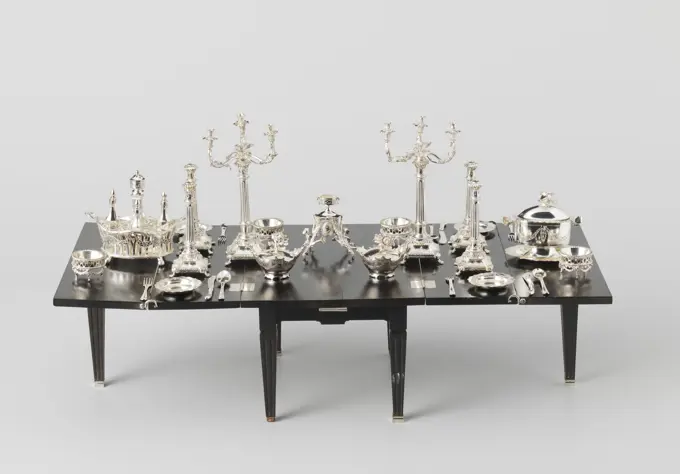
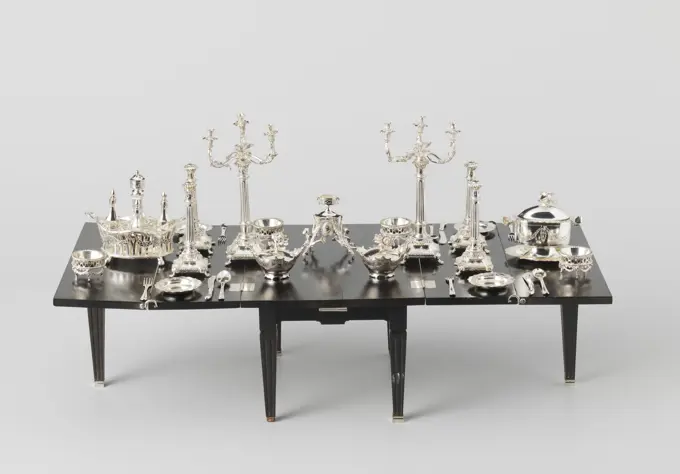
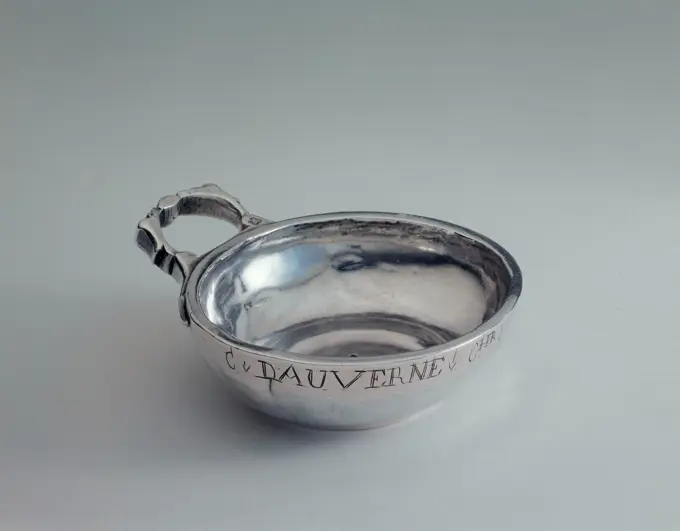
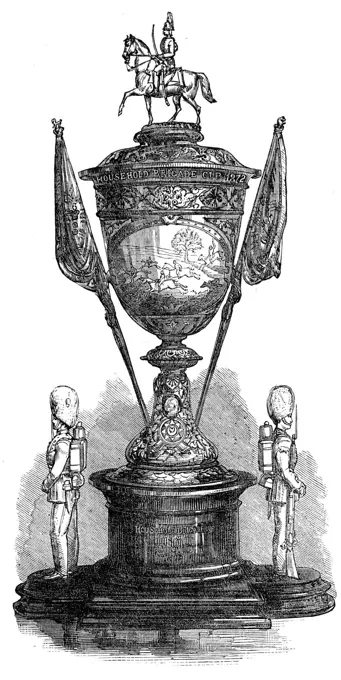
Sugar Bowl ca. 1825 Garrett Eoff. Sugar Bowl 7989Silversmith: Cornelis Schermbeek, Silver pipe bowl on legs, pipe bowl smokeware silver, sawn cast Round casserole pivoting sawn edge on three hollow molded volute-shaped legs bottom bottom (smashed) smoke lightingSilver vase on pedestal, c. 1880 - 1883 table piece Silver vase on pedestal. Together with a lid forms a table piece with Chinese scenes. China silver (metal)   China. SumatraTea and Coffee Service. Denuelle Porcelain Manufactory (1818-1829); France, Paris. Date: 1815-1825. Dimensions: Variable per object. Hard-paste porcelain, polychrome enamels, and gilding. Origin: Paris. Museum: The Chicago Art Institute, Chicago, USA.Inkstand 1710-20 John Coney This rare triangular inkstand on cast lions feet belonged to the colonial governor Jonathan Belcher.. Inkstand 4433. .Écuelle with cover and stand ca. 1730 German, Augsburg. Écuelle with cover and stand 206187Cup plate. Fort Pitt Glass Works; American, 1827-c. 1903; Pittsburgh, Pennsylvania. Date: 1830-1835. Dimensions: diam. 9.4 cm (3 11/16 in.). Pressed glass. Origin: Pittsburgh. Museum: The Chicago Art Institute, Chicago, USA.Oval dish 1761-63 Johann Martin Satzger I. Oval dish 206232Thai Bowl on on white background.The cuppa of a chestnut cheese decorated with griffins, Porceleinfabriek aan den Amstel, c. 1810  The cuppa of a chestnut cheese decorated gold -colored edges and leaf vines. Netherlands porcelainLargeCup.   Maker: Paul Storr, British, 1771-1844Ewer rock crystal second half 16th century, cover, foot and mounts 19th century Cover, foot and mounts by Alfred André French. Ewer. Italian. rock crystal second half 16th century, cover, foot and mounts 19th century. Rock crystal, gold, enamel, rubies. Natural Substances-Rock CrystalInkwell 18th century Bohemian. Inkwell. Bohemian. 18th century. Glass. GlassSalt Dishes, early 1600s. Jean Limousin (French, 1528-c. 1610). Painted enamel on copper; overall: 8.6 x 14.2 x 14.2 cm (3 3/8 x 5 9/16 x 5 9/16 in.).Butter Dish ca. 1840 William Forbes. Butter Dish. American. ca. 1840. Silver. Made in New York, New York, United StatesBasket Myer Myers American 1770-76 American baskets for bread, cake, or fruit are extremely rare. The monogram on the interior is for Susannah and Samuel Cornell. Myers made several objects for these wealthy patrons from New York and New Bern, North Carolina. According to the inscription on the underside of the basket, the Cornells later gave it to their daughter Hannah, who married Herman LeRoy on October 19, 1786.Tea and Coffee Service. Francis W. Cooper; American, active 1840-1851; New York, New York. Date: 1840-1851. Dimensions: Coffee Pot: 32.4 × 12.7 cm (12 3/4 × 5 in.); Teapot: 31.8 × 12.1 cm (12 1/2 × 4 3/4 in.); Milk Pot: 24.1 × 8.9 cm (9 1/2 × 3 1/2 in.); Sugar Basin: 27.9 × 11.4 cm (11 × 4 1/2 in.); Water Pitcher: 33 × 13.7 cm (13 × 5 3/8 in.); Water Kettle: 37.5 × 18.4 cm (14 3/4 × 7 1/4 in.). Silver. Origin: United States. Museum: The Chicago Art Institute, Chicago, USA.Dish 1772-74 Paul Segay. Dish 200345Sugar Bowl 1800-1830 American. Sugar Bowl. American. 1800-1830. SilverSilversmith's Art, Italy 20th century. Mario Buccellati, Pair of chiselled silver vases with deeply embossed decoration evoking the embellishment of Palazzo Strozzi in Florence. Milano-Roma-Firenze, 1929.Nappy - Diamond Sunburst pattern Burlington Glass Works Burlington Glass WorksCup with musical instruments and weapons, La Courtille Parijs, c. 1790 - c. 1820  Porcelain head on high foot and s-shaped ear with a female bust, partially covered with gold. On the belly a decorative band with a window, rosettes and stars. In between twice a rectangular compartment, with a decoration ingrifted in gold. One course with musical instruments and the other box with a helmet and weapons. The lower part of the wall is slightly thickened and decorated with a stylized flower drink. Marked on the underside with the two crossed arrows. Paris porcelain. glaze. gold (metal) painting / gilding / vitrificationMetallic mug and Turkish crystal glasses on a circular flag with black backgroundMATE DE PLATA CINCELADA ARGENTINO. Location: MUSEO DE AMERICA-COLECCION. MADRID. SPAIN.Pair of andirons 1697-98 Benjamin Pyne Fire dogs, or andironsa term that in England is reserved for hand irons such as the poker, tongs, and shovel for use on the hearthhave a strong, raised projection behind and across which logs are laid in an open, wide-chimney fireplace. The generous silver fronts on these andirons are not functionally necessary, but would have been used in a great room and reveal their period by the volume and strength of the short scroll legs and scrolled-edged platform, which supports a vase of grandiose weight, the shoulder much wider than the base and the central body enlivened by a row of acanthus-leaf tips in high relief.When ornamented, fire dogs made of iron were fronted with brass or, occasionally, enamel on brass. These pieces by Benjamin Pyne are two rare survivals in silver. Pyne had a long career as a goldsmith in London and much of his work for municipalities and churches has survived; in 1715, he was appointed Subordinate Goldsmith for the coronatSalt.   Maker: Paul Revere, American, 1735-1818. Around colander on three legs with two lying C-shaped handles. The colander has been labeled: STK. = Amsterdam, JRL. = D (1738) and an unreadable femaline sign.Candy dish -Crater;  KON. XVIIIW. (1785-00-00-1790-00-00);golden winner cup over whiteOrnamental agate creamware vase ca. 1770-80 James Neale This vase is probably from the 1778-80 transitional period of the Neale factory when the London businessman James Neale took over his brother-in-law Humphrey Palmers factory in Hanley, Staffordshire. At one point the rival of Wedgwood in the production of black basalt ornamental vases, certain features are trademark decorations of Neale wares, such as simulated handles in the form of female heads and a central medallion suspended from an illusionistic loop. Although wares made under the ownership of Neale demonstrate a more restrained use of ornament and form than Palmer, vestiges of the factorys earlier experiments are evident in unusual forms, such as the high relief female heads turned slightly to the side. Such elements add an exaggerated Baroque sense of movement to a form otherwise inspired by the rediscovery of classical antiquity.. Ornamental agate creamware vase. British. ca. 1770-80. Agateware, creamware; basalt. CeramCompote. Culture: French. Dimensions: 11 3/8 x 14 1/4 x 7 3/8 in. (28.9 x 36.2 x 18.7 cm). Date: 1815-30. Museum: Metropolitan Museum of Art, New York, USA.A pair of czaret; Mappin & webb LTD (company Z Otnicz, Platernicza, seller; Fl. 1859-); 1908/09 (1908-00-00-1909-00-00);Eugène leaves (1870-1916). "Chalice". OPAQUE EMALS on silver and translucent partitioned enamels up to date. 1st quarter of the twentieth century. Museum of Fine Arts of the City of Paris, Petit Palais. 123543-7Komfoor with round burner, on three legs, Christiaan Warenberg (attributed to), c. 1700 - c. 1710 KUMFOOR with three S-shaped supports, decorated the container with cracks and rosette on the bottom, loose lid with button. Amsterdam silver (metal) KUMFOOR with three S-shaped supports, decorated the container with cracks and rosette on the bottom, loose lid with button. Amsterdam silver (metal)Kraantjeskan van Zilver with (originally three) cranes, Christiaan Warenberg (attributed to), c. 1700 - c. 1710 Lap of silver with (originally three) faucets in the form of spuwer with rotating buttons; pear-shaped vase decorated with grunts and aphids, with two S-shaped handles and standing on three legs in the form of lions claws; (loose lid) with grunts. Amsterdam silver (metal) Lap of silver with (originally three) faucets in the form of spuwer with rotating buttons; pear-shaped vase decorated with grunts and aphids, with two S-shaped handles and standing on three legs in the form of lions claws; (loose lid) with grunts. Amsterdam silver (metal)Table, by Sicily workmanship, drawing Mugnai Giovanni, 18th Century, . Italy: Sicily: Palermo: Royal Palace. Whole artwork. Table zoomorphic legs paws shoots acanthus leaves garlands heads ram slab marble top friezeSalver, 1769-1770. Ebenezer Coker (British). Silver; overall: 32.4 x 31.8 cm (12 3/4 x 12 1/2 in.).Oval toilet can; Pitts, Thomas I (Fl. 1755-Ca 1793); 1780/81 (1780-00-00-1781-00-00);Ashtray; Care, brothers (Warsaw; Wytwórnia Z Otnicz; 1884-1944); End of the 19th century (1891-00-00-1900-00-00);shells, neoorokoco (style), purchase (provenance)Pair of Shell-Shaped Dishes 1887 Providence. Silver . Gorham Manufacturing Company (Maker)The Attarouthi Treasure - Chalice 500-650 Byzantine These well-wrought liturgical objects-chalices, censers, a strainer, and a representation of the dove of the Holy Spirit-were among the possessions of a Christian church in the affluent merchant town of Attarouthi in Syria, then one of the richest lands of the Byzantine empire. The chalices, censers, and strainer were used for the Divine Liturgy, or Eucharist service, in which Christians take consecrated wine and bread in commemoration of the Last Supper and Christ's death. According to their inscriptions, written in Greek with several spelling variants, many of the objects were offerings of local citizens to the major church of the town, which was dedicated to Saint Stephen, and to a smaller church dedicated to Saint John (probably Saint John the Baptist). In the early seventh century, Syria fell first to the Sasanian Persians and then to the armies of Islam. These works were probably buried in haste in a protective container at someMustard pot probably 1753 Pierre-Louis Du Floo. Mustard pot 200125Silversmith's Art, England 18th century. Pair of sheffield plate sauce boats with rhope-like decoration and overturned cornucopia-shaped handles, 1790-1800.Cup probably 18th century Italian or German. Cup 187345Compote - Grape & Vine pattern Humphreys Glass Company Humphreys Glass CompanyVijzel with inscription: Herman Wijnissz and Sin Hvisfrov Ano 1586, Willem Wegewart (I) (attributed to), 1586 The cast round mortar extends upwards, has a high -protruding profiled edge and a flared profiled foot. On the edge in Latin Majuskels the inscription Herman Wijnissz and Sin Hvisfrov Ano 1586 with punctures consisting of a window (six times) and two windows. The upper Frisian has a shield with a private label (one with twice at the bottom of the letter X together), a wounded pearl and cord edge, hanging stylized wingerd leaves and stylized acanthus leaves. The lower Frisian has three times the motif of a round shield between a winged male and a female tenant, of whom the tail decorated with a nodus, among other things, turns into stembled flowers. Below that an edge of stylized acanthus leaves. The foot is decorated with a pearl edge. The ears have the shape of dragons with hind legs. Deventer bronze (metal) casting The cast round mortar extends upwards, has a high -protrudingBeaker (Timbale) 1769-70 French, Paris. Beaker (Timbale) 209214Tobacco box with tamper, c. 1790, 5 x 5 3/4 x 4 1/2 in. (12.7 x 14.61 x 11.43 cm) (overall), Sheffield plate (silver fused to copper), England, 18th centuryJoseph Anthony Jr., Bowl, c. 1785, silver.Cup (tasse litron) and saucer 1807 Sèvres Manufactory French. Cup (tasse litron) and saucer 188643 Factory: Svres Manufactory, French, 1740present, Cup (tasse litron) and saucer, 1807, Soft-paste porcelain, Height (cup .94): 2 3/8 in. (6 cm); Diameter (saucer .95): 5 1/8 in. (13 cm). The Metropolitan Museum of Art, New York. Gift of Alfred Duane Pell, 1902 (02.6.94, .95)Beaker Dutch, Dordrecht 1634 View more. Beaker. Dutch, Dordrecht. 1634. Silver. Metalwork-SilverBread basket, the wall open with flower and leaf vines, fruit and corners, Reynier Brandt (attributed to), 1770 The oval, flat bottom is contained in the cast bottom edge, which is made up of S and C-Voluten, four of which are curling down to form the legs. In the middle of each side, a stretched C-Volute bears a number of fruits, including a bunch of grapes, a pineapple and a pomegranate with granuers, including a melon and a pear on a bed of to leaf through. From this, flowers bloom over the vaulted wall, one on both short sides and two on both long sides. With their chalices they interrupt the upper edge of the basket. The wall is fully opened with volutes, garlands, flowers, fruits, ears, rocailles and grille work with and without rosettes, all engraved and together form an asymmetrical pattern, which, however, on the two long sides and on the two short sides virtually the same is (recovered or missing in some places). The cast fruits and flowers are imposed on this. The cast top eESCRIBANIA DE PLATA CON TINTEROS. Location: CONGRESO DE LOS DIPUTADOS-OBJETOS. MADRID. SPAIN.Vase with cover (Vase en ivoire) (one of a pair) ca. 1786 French, Paris Ivory-turning had been a fashionable pastime at European courts during the sixteenth and early seventeenth centuries, and it was revived in France and elsewhere during the second half of the eighteenth century. Louis XV worked the lathe himself, and his daughters received instruction in this art form. His grandson the dauphin, the future Louis XVI, also took lessons, as did his brothers. A group of ivory vases was recorded at the Chteau de Versailles on the eve of the Revolution, possibly created by members of the royal family. It is more likely, however, that Michel Voisin (1729-1786), turning master to Louis XVI, or his son François was responsible for these precious, lacelike objects. A series of engraved designs by the younger Voisin, entitled Nouveau Cahier de vases, composés par Voisin Fils, includes a vase that is similar to but more elaborate than the Museums pair. The chief difference is that the body anBowl 16th century Italian, Venice (Murano) During the Renaissance, Venetian glassmakers, working on the island of Murano, were celebrated across Europe for their fine and sparkling work. Called cristallo” emulating the clarity of rock crystal, in the hands of the most skilled glassblowers the medium could be delightfully manipulated, variously stretched paper-thin flat, or playfully twisted, or blown into molds with spectacular patterns.. Bowl. Italian, Venice (Murano). 16th century. Glass. GlassTeapot.   Maker: William B. Heyer, 1776-1828Zoutvat, 1821 Silver salt barrel. The barge -shaped container rests on a square pedestal on four bol legs. The sides are decorated with lion heads. Amsterdam silver (metal) gilding Silver salt barrel. The barge -shaped container rests on a square pedestal on four bol legs. The sides are decorated with lion heads. Amsterdam silver (metal) gildingCompote - William Davenport & Company, 1835-1881 William Davenport & Company, 1835-1881Elijah cup, 20th century, 7 x 3 3/4 in. (17.78 x 9.53 cm), Silver, hand-painted enamel, United States, 20th century, This is an Elijah cup, which is set out for the prophet Elijah during the Passover seder. Elijah is said to visit the seder of every Jew.Entree Dish with Cover from the Hood Service 1806-1807 London. Sterling silver . Paul StorrPlate, one of twelve, c. 1807, William Sumner, English, -1807, Silver, England, 19th centurySilversmith: J. van Vorst, Silver table tin with carved edges and leaf, table tin dustpan equipment silver, cast casted Accumulated side edges handle top surface along outer edge: cleaning tableware neorococoInkpot belonging to inkstel, Laurens Potmans, c. 1773 - c. 1782 Silver ink set. The leaf is bent straight and at the front at the front. The ink jar and sand spreader are melon -shaped. The pear -shaped table bell is applied between the two melons. Middelburg silver (metal) Silver ink set. The leaf is bent straight and at the front at the front. The ink jar and sand spreader are melon -shaped. The pear -shaped table bell is applied between the two melons. Middelburg silver (metal)Cream Pitcher ca. 1881-90 George Duncan and Sons. Cream Pitcher 14268Tureen with Cover 1875-1885 Birmingham. This tureen and the accompanying ladle, starkly modern and devoid of ornamentation, were produced in two sizes in both silver and electroplated silver; the set became one of Christopher Dresserís most well-known designs. Dresser was heavily influenced by Japanese metalwork, which he began importing into London in 1879 following an extended visit to Japan. Both the look of the silver brackets that grip the tureenís handles and the angled stem of the ladle are indebted to Japanese designs.. Electroplated silver and ebony . Christopher DresserPAREJA DE JARRONES CON ANGELOTES. Location: CONGRESO DE LOS DIPUTADOS-OBJETOS. MADRID. SPAIN.Dish (one of a graduated set of seven) 1741-42 Paul de Lamerie British. Dish (one of a graduated set of seven) 202061Sugarbowl.   Maker: John Targee, American, ca. 1774-1850Clock for a Garniture Set, 1736-1770. Chinese hard-paste porcelain, gilt bronze, enameled metal; overall: 54 x 20.2 x 20.2 cm (21 1/4 x 7 15/16 x 7 15/16 in.). The fascination with Chinese porcelain among aristocratic circles increased during the reign of Louis XV. In reaction to the perceived excesses of elaborate naturalistic ornament of the 1750s, mount makers increasingly turned to neoclassical designs, known as Goût Grec (Greek taste) in the 1760s and 1770s. These beautifully chased gilt-bronze mounts feature classical Greco-Roman motifs such as lion masks, acanthus and laurel leaves, and pilasters.Shoe buckles 1795 British. Shoe buckles 102468Porringer c. 1800-1825 , Bowls Tableware. The Massachusetts WPA Federal Art Project Photograph CollectionAnonymous. Flag stove. Earthenware. 1792-1793. Paris, Carnavalet museum. 72787-3 Cache, butt, painted decor, speech, rebellious faience, false, object, revolution 1789, French revolution, three orders, daily life, 18th 18th 18th 18th centuryInkstand late 18th century British, Sheffield. Inkstand 191272Jean-Nicolas Boulanger, Dish and Cover with Plate, 1798-1809, silver.Plate. Round eating sign with scalloped edge. Guirlandes are engraved on the edge. A flower is engraved in the middle of the board. The plate has been marked: stk. = Amsterdam, jrl. = X (1782) and mt. = Foot 430. The plate is a copy of a set consisting of 36 identical plates (BK-NM-11177-189 up to / m. NM-11177-224).Ewer with Cover. Culture: Japan. Dimensions: H. (with cover) 14 1/4 in. (36.2 cm). Date: 1835. Museum: Metropolitan Museum of Art, New York, USA.. Schroeffles, consisting of a coconut in a silver frame. Four scenes from the history of the lost son are cut in the note.Anonymous. Vase mounted. Amethyst, golden bronze, 1775-1785. Paris, Cognacq-Jay museum. 79923-1 Amethyst, bronze gilded, vase monte, 18th 18th 18th 18th 18th 18th centuryCandlestick, Anonymous, 1782 Candlestick on square foot. The foot has beveled corners and stands on four claw legs. The trunk has the shape of a scanning column with a capital. The candlestick is marked: stk. = Amsterdam, Jrl. = X (1782) and an unknown Mastert sign. Amsterdam silver (metal) Candlestick on square foot. The foot has beveled corners and stands on four claw legs. The trunk has the shape of a scanning column with a capital. The candlestick is marked: stk. = Amsterdam, Jrl. = X (1782) and an unknown Mastert sign. Amsterdam silver (metal)Lepel, anonymous, c. 1775 - c. 1800  Netherlands silver (metal)  Netherlands silver (metal)Desserttrommel, Hendrik Duller, 1789 Rectangular drum with a sloping lid. The button of the lid is formed by a flower branch. Shiringes are engraved on the walls of the drum. The drum is marked: stk. = Amsterdam, Jrl. = E (1789) and Mt. = Hendrik Duller. The drum belongs to a round drum with invnr. BK-NM-11177-257. Amsterdam silver (metal) Rectangular drum with a sloping lid. The button of the lid is formed by a flower branch. Shiringes are engraved on the walls of the drum. The drum is marked: stk. = Amsterdam, Jrl. = E (1789) and Mt. = Hendrik Duller. The drum belongs to a round drum with invnr. BK-NM-11177-257. Amsterdam silver (metal)Jean soldier. "Taste-vin". Money. 1785. Museum of Fine Arts of the City of Paris, Petit Palais. 74385-17 Silver, silverware, bottleneck, TastevinNational Sporting Trophies Exhibition At HutchinsonDerby Gold cup loaned by Lord Derby a gilt cup and cover won by Lord Derby's "Gourd' in 1906. The inscription on the 22 inch high Vane states " This Cup was formed from the boxes presented by several cities and corporations in Ireland to George Marquis of Buckingham, Lord Lieutenant of that Kingdom 1789". April 28, 1951. (Photo by Fox Photos).Anefo photo collection. English silver exhibition. April 19, 1966Three-handledcup.  Manufacturer: Gorham Manufacturing Company, American, founded 1831The Household Brigade Steeplechase Cup, 1872. 'A handsome silver cup has been manufactured by Messrs. Widdowson and Veale, to commemorate the steeplechases between officers of the Guards, which took place at Windsor last March. The cup, which is beautifully chased and stands 31 in. high, has "flag" handles representing the colours of the several regiments. The cover is surmounted by a mounted officer of the Horse Guards; the panels illustrate the steeplechase in oxydised silver; and on each side at the base, on an ebony stand, is a figure of a Grenadier Guard done in frosted silver,Baking machine of the 1950s, Industrial Museum Lauf an der Pegnitz, Middle Franconia, Bavaria, Germany, Europe