Elegant Tableware

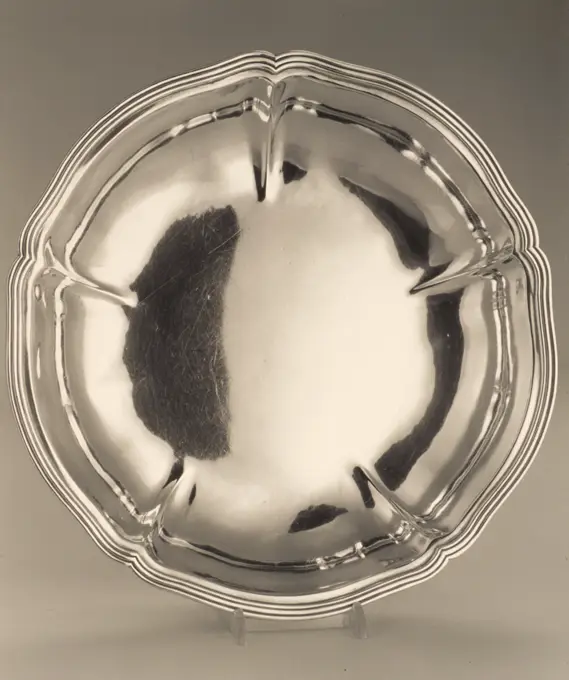
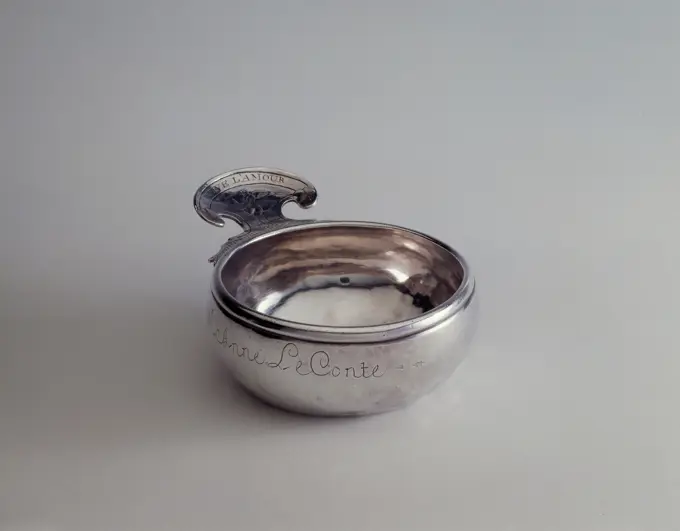
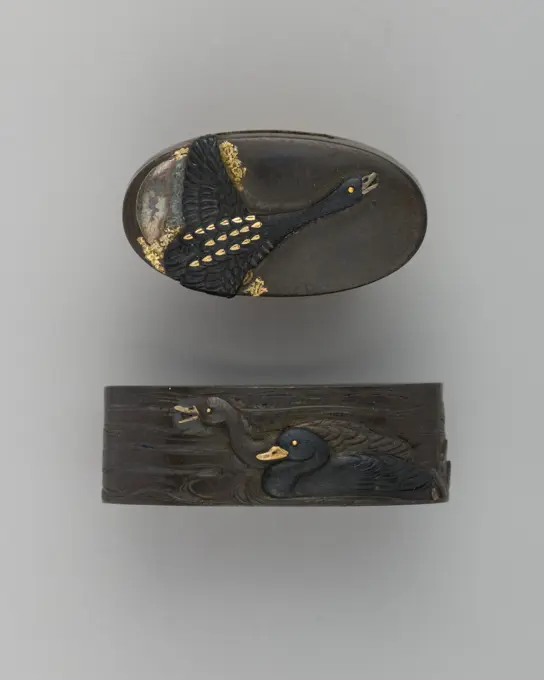
An assortment of antique and vintage tableware, including chinaware plates, a silver center bowl, and a decorative snuffbox, highlighting craftsmanship and luxury.
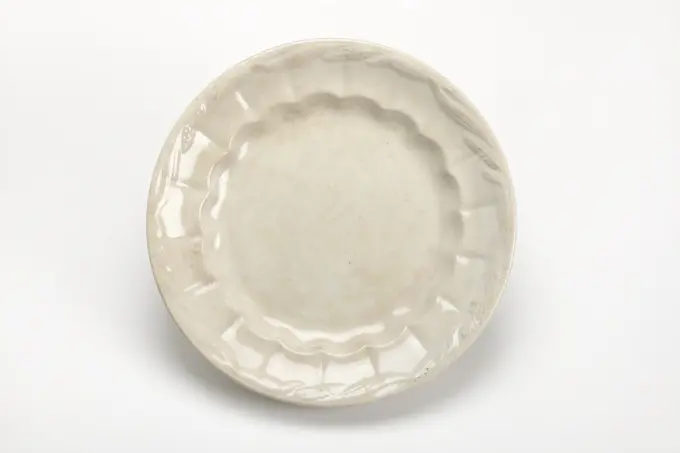
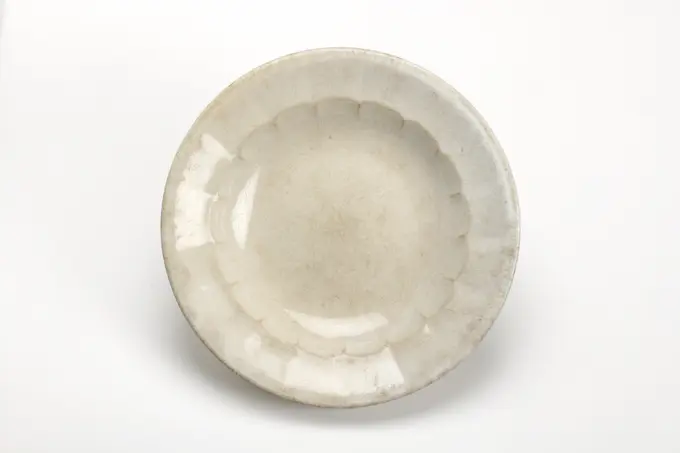
Plate - St. Johns Stone Chinaware Company (founded 1873) St. Johns Stone Chinaware Company (founded 1873)
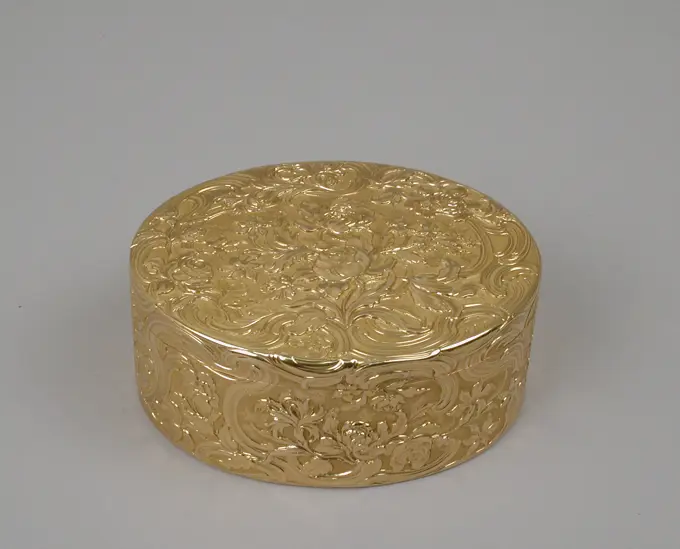
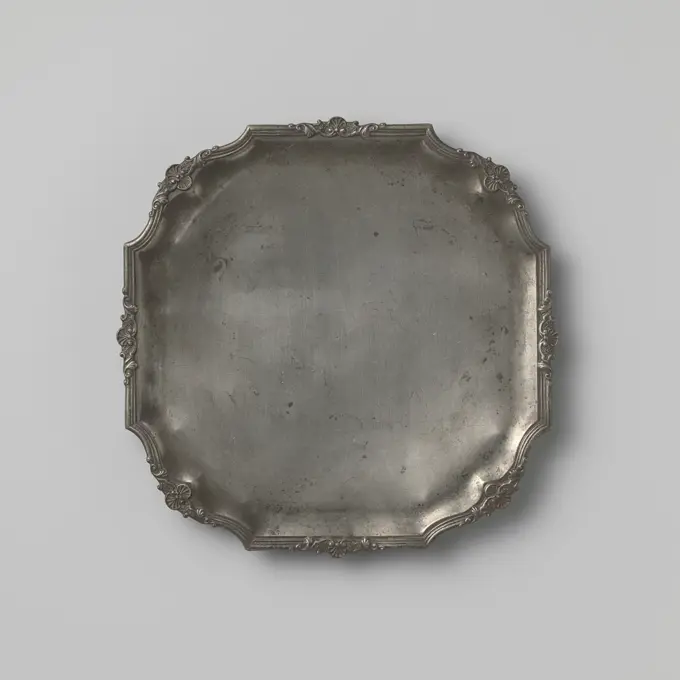
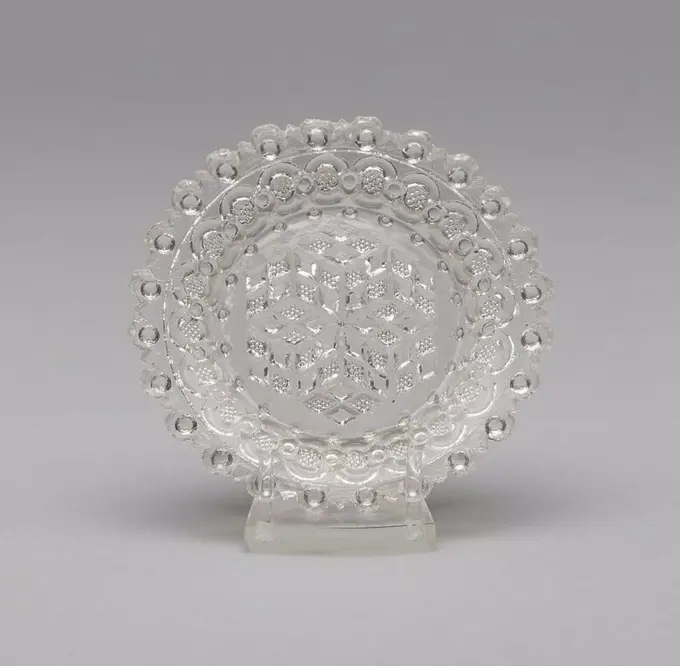
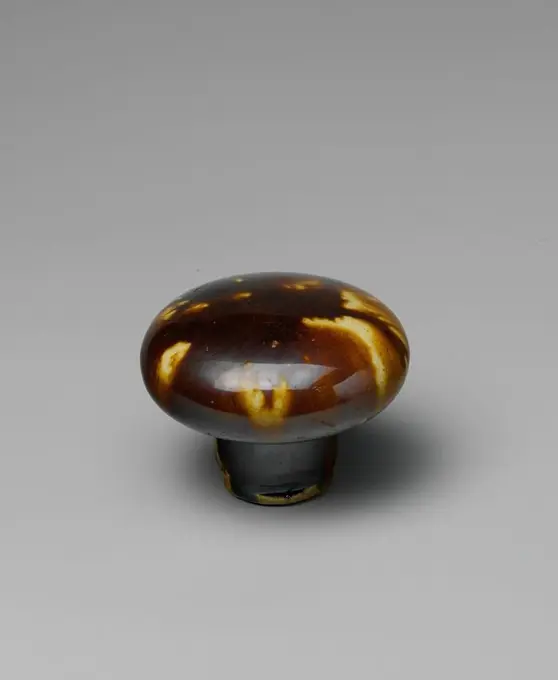
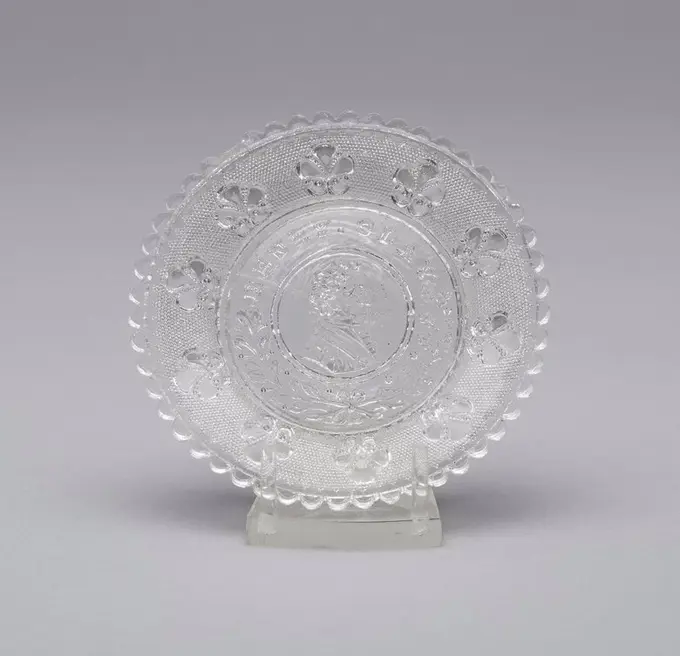
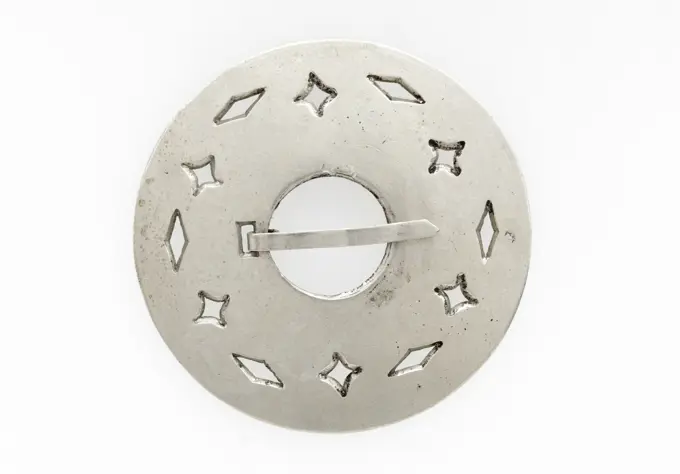
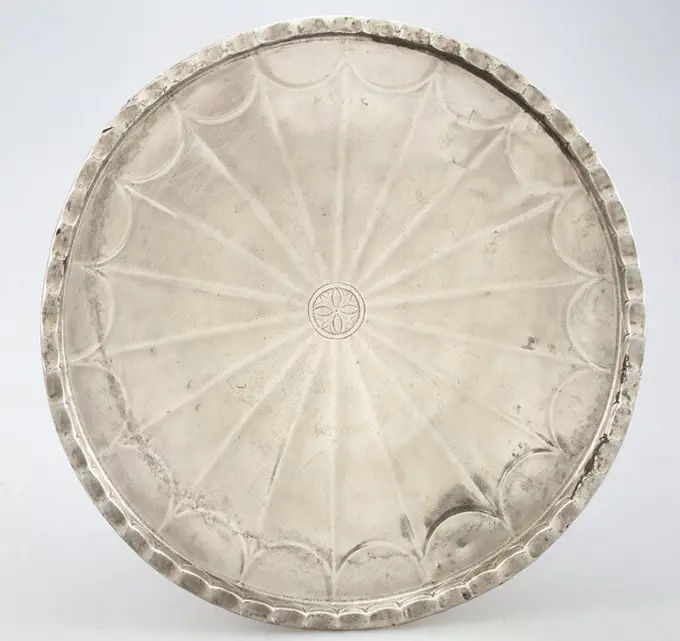
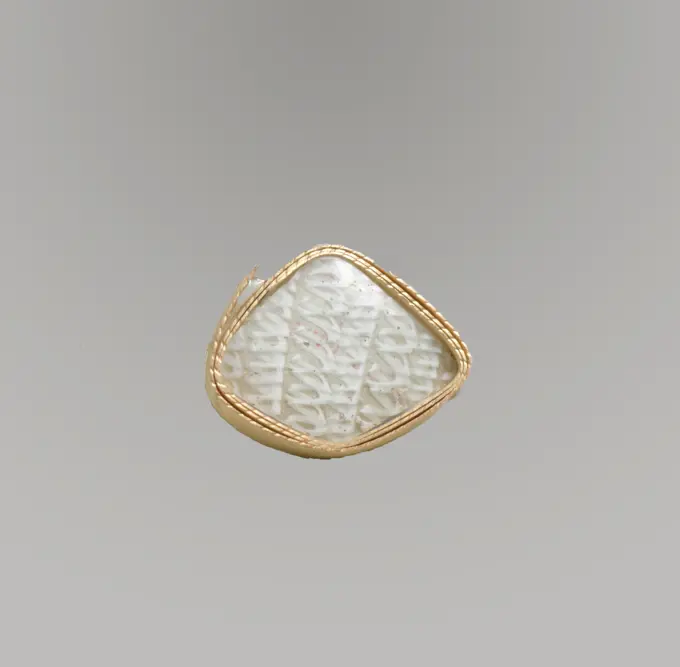
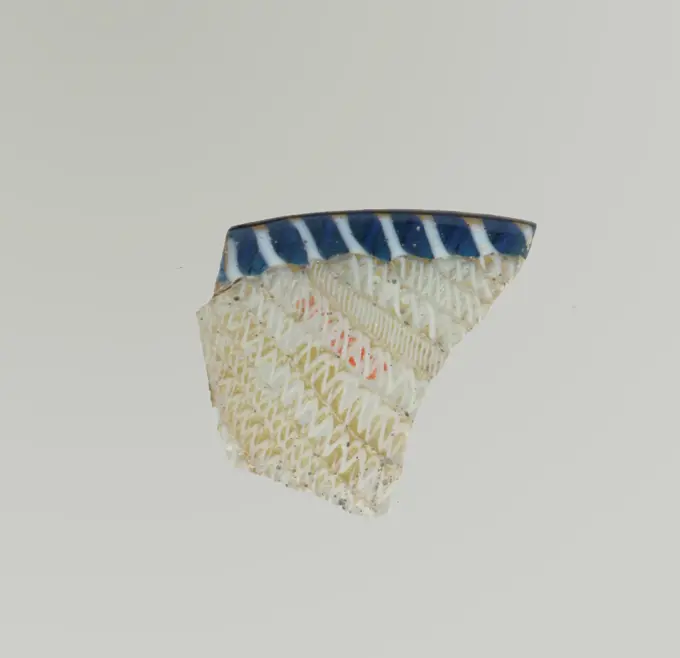
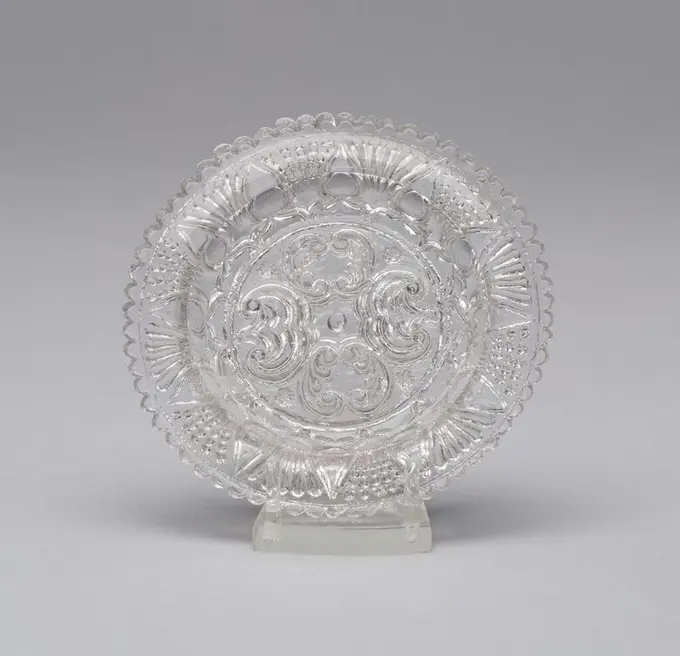
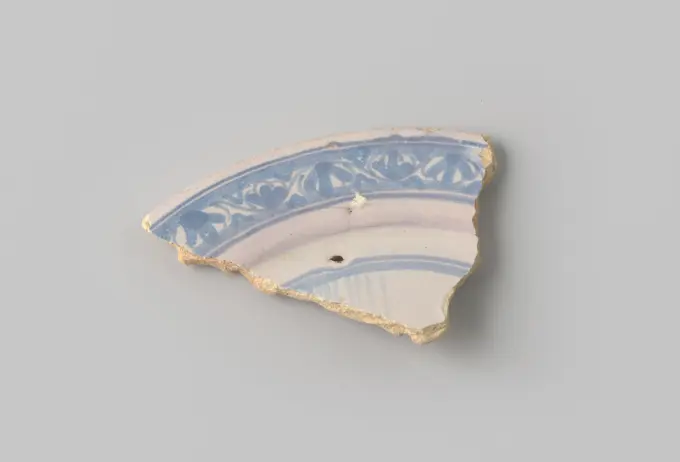
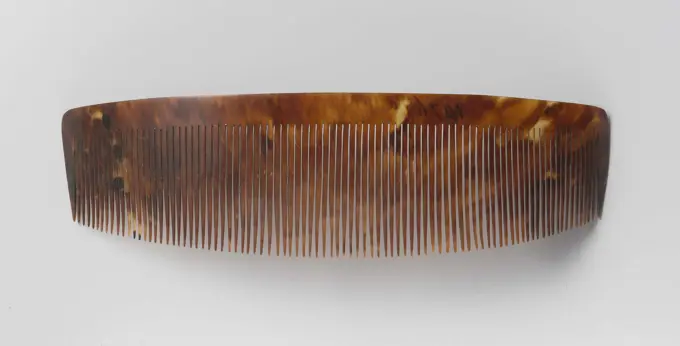
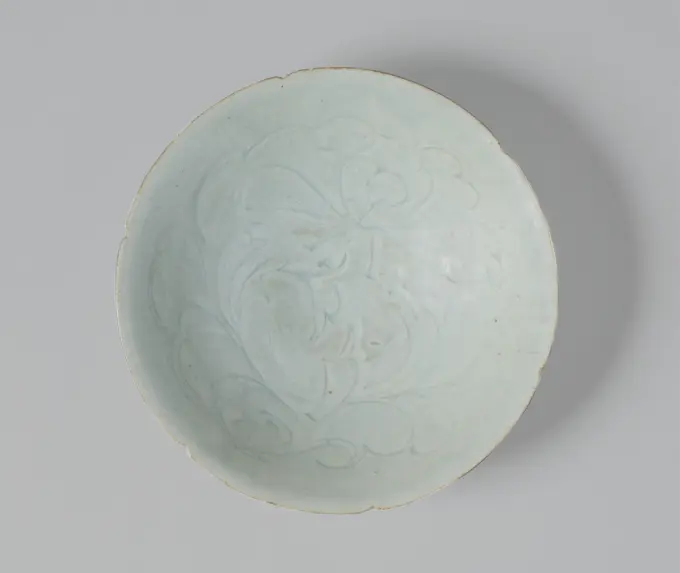
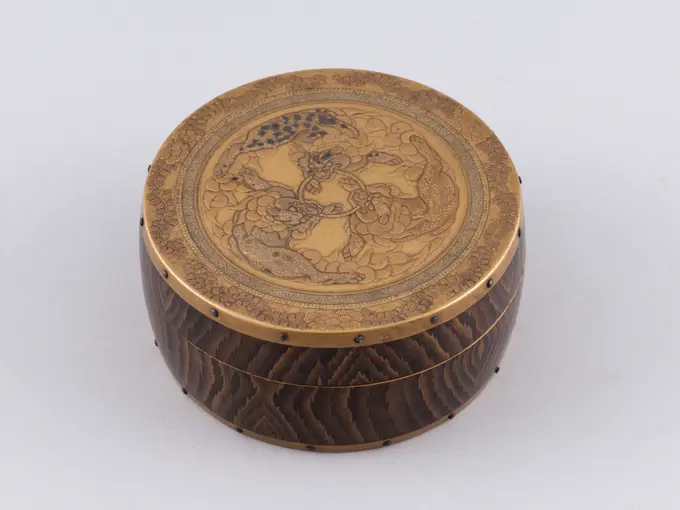
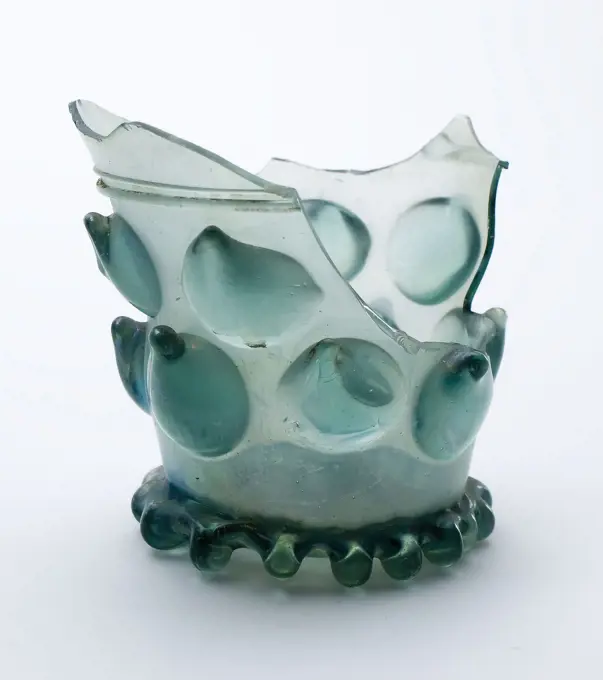
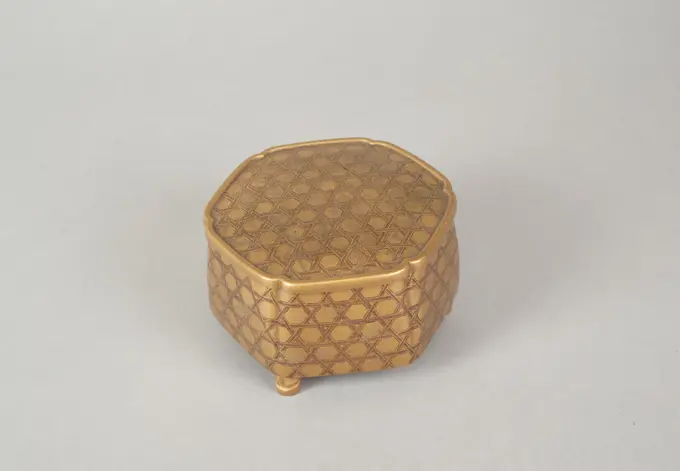
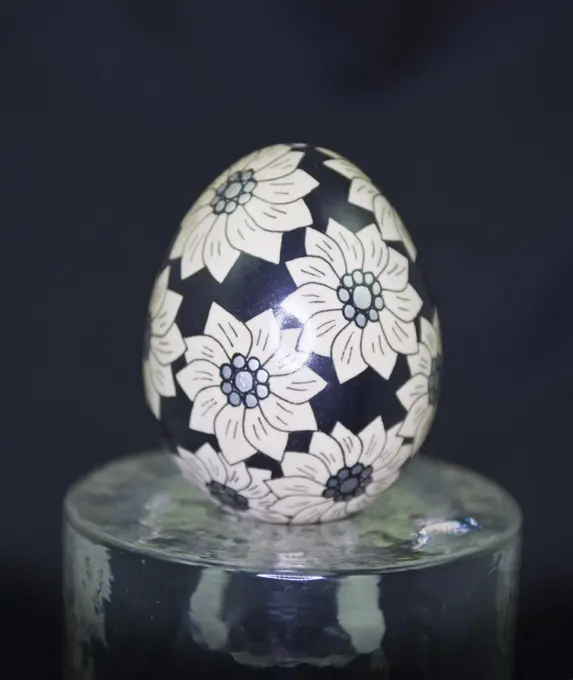
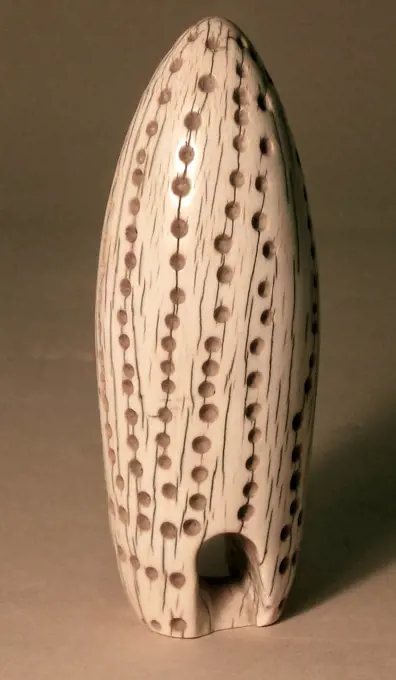
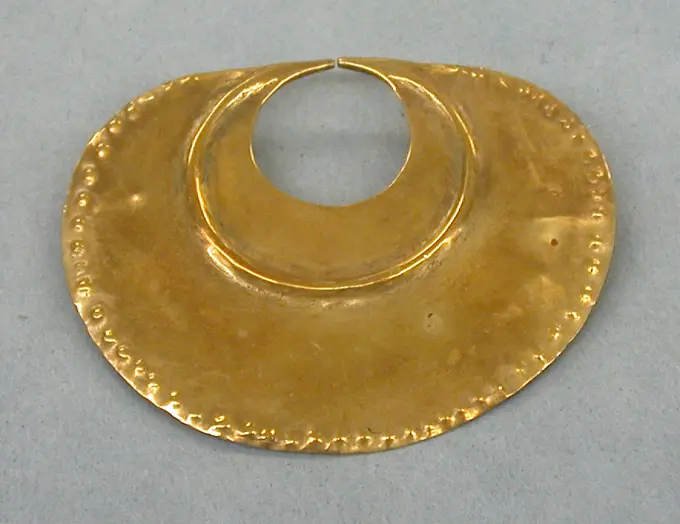
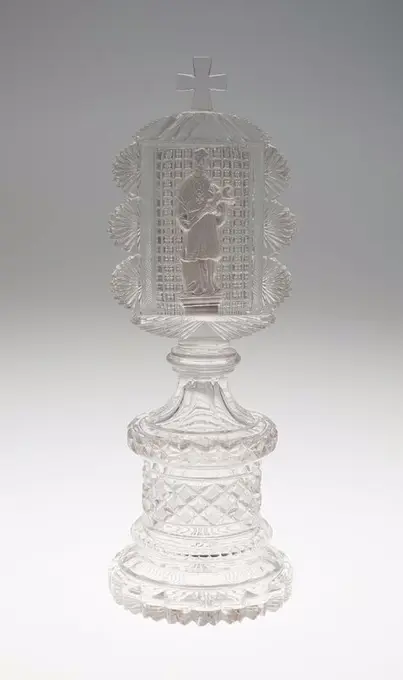
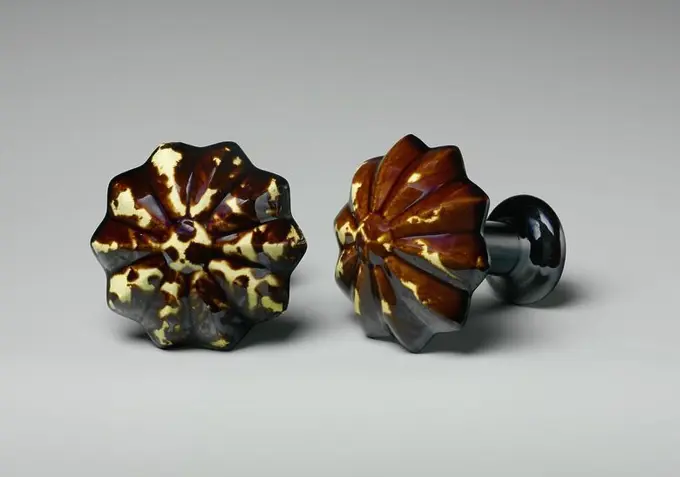
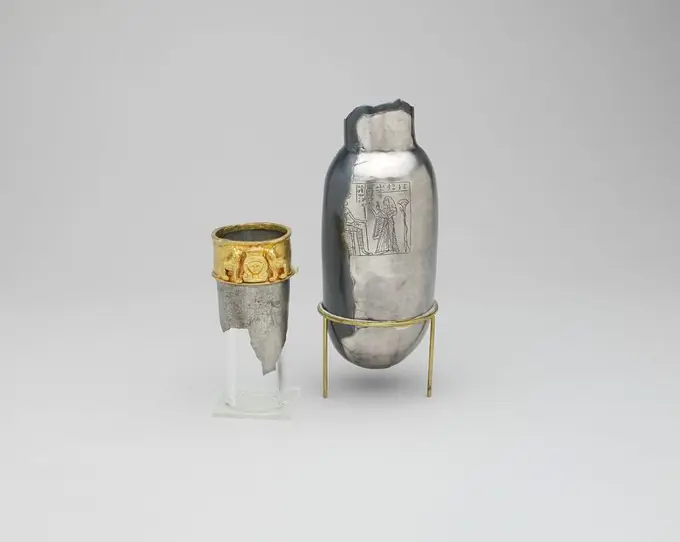
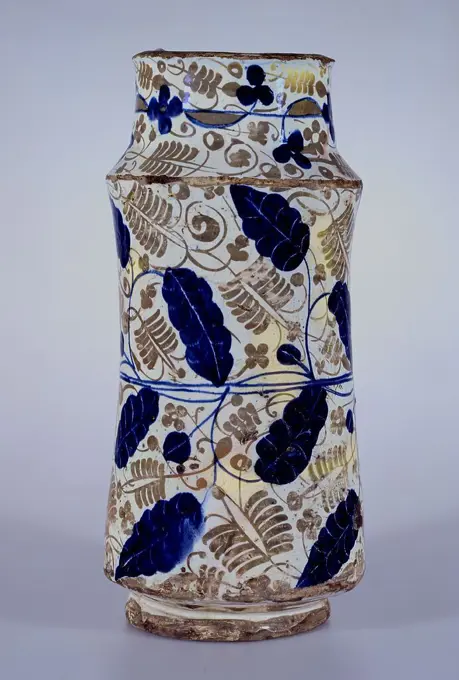
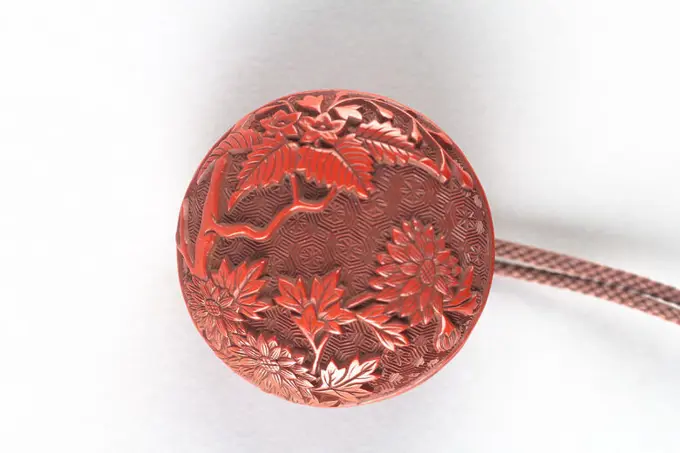
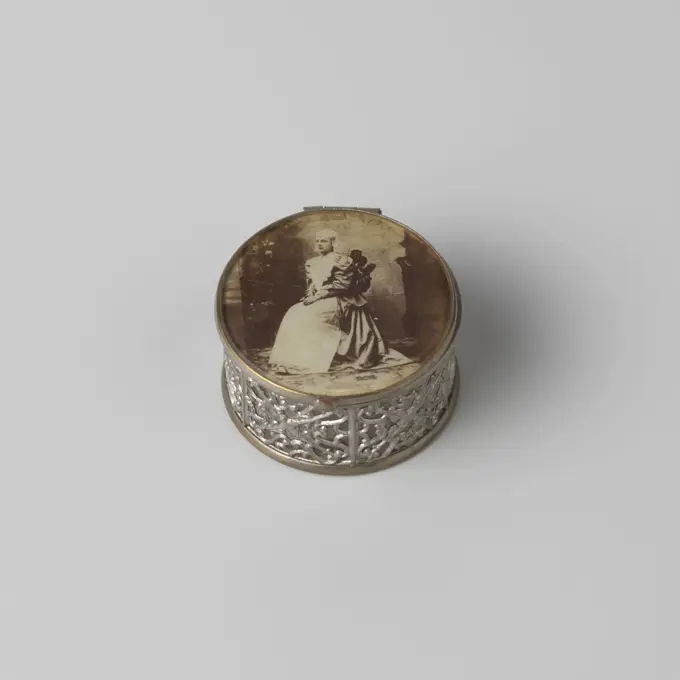
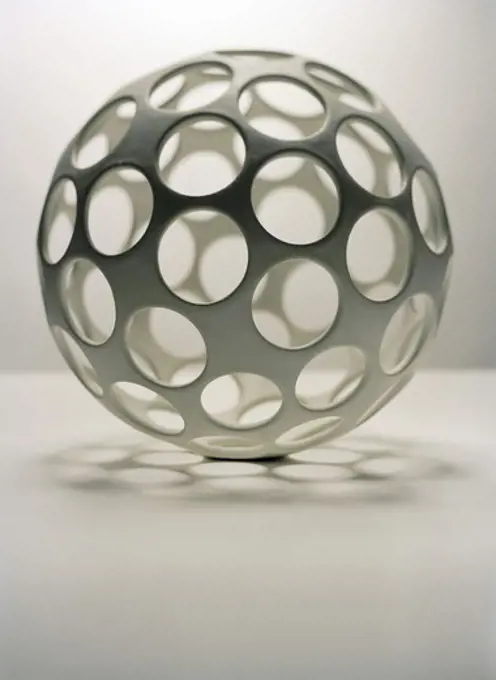
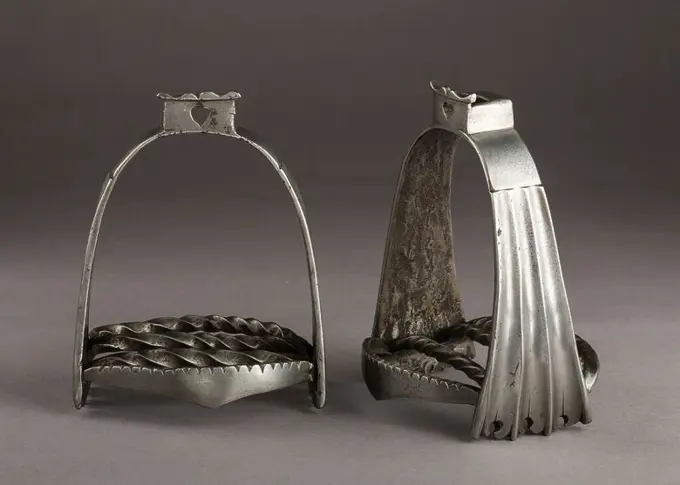
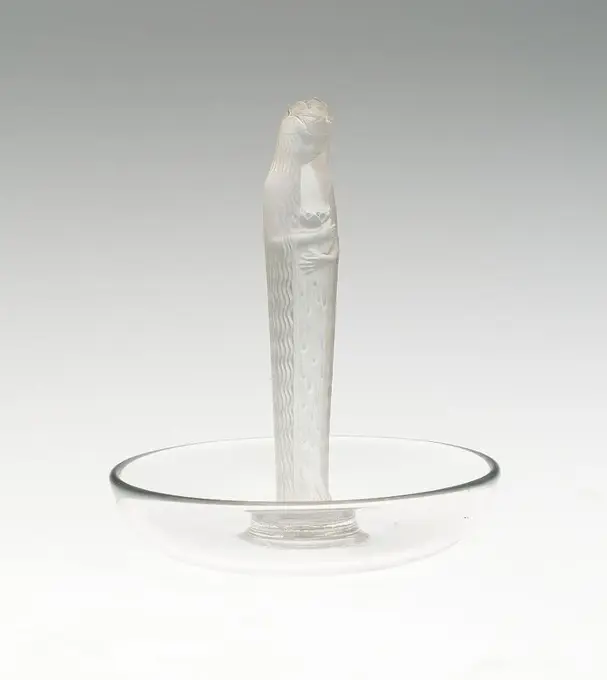
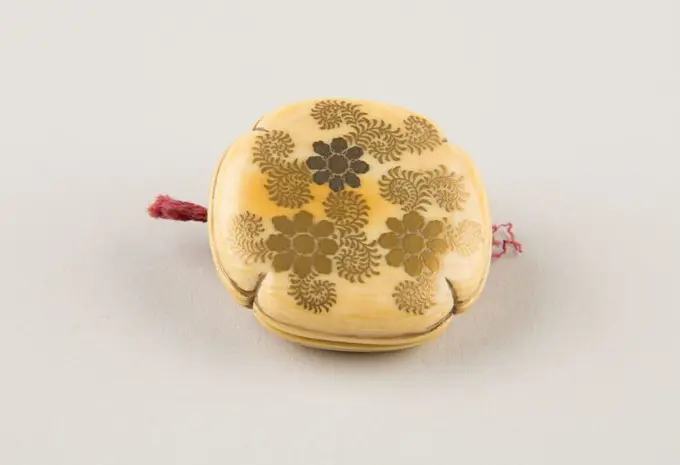
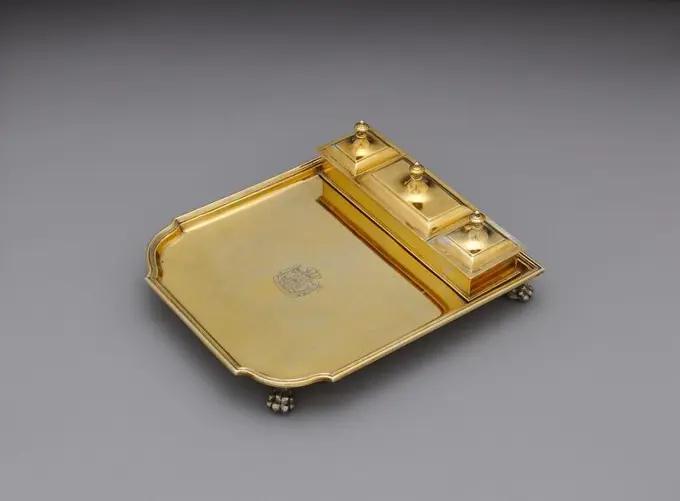
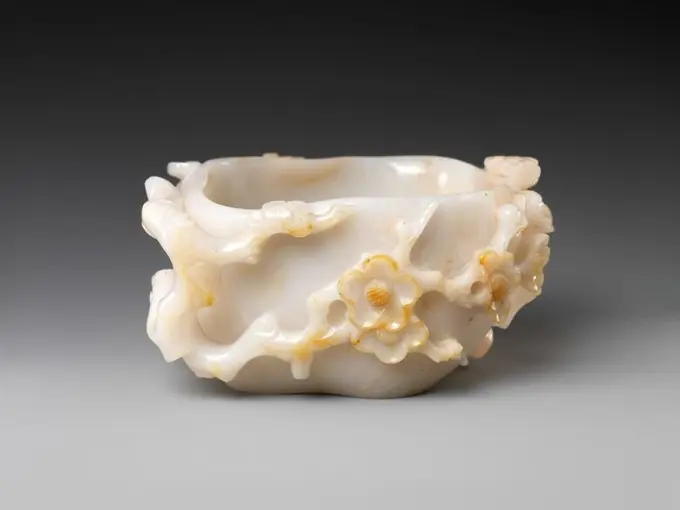
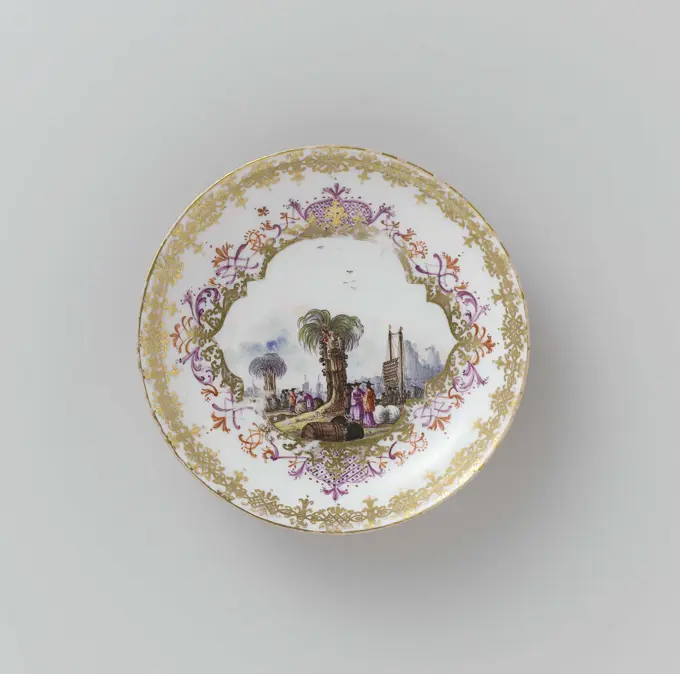
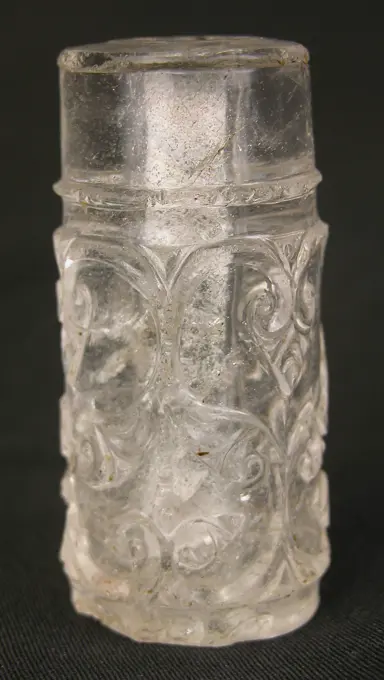
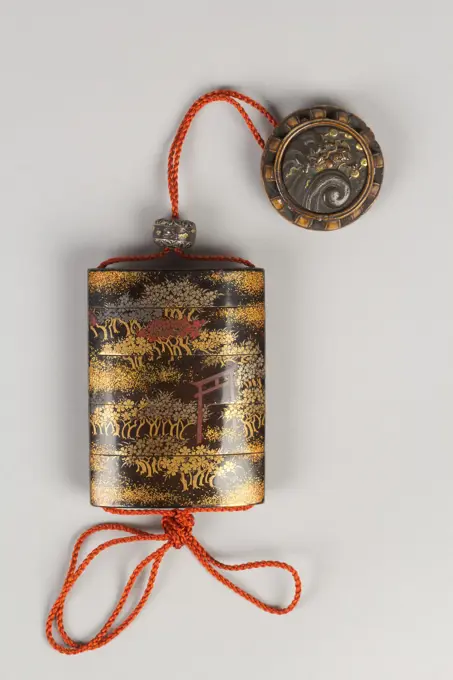
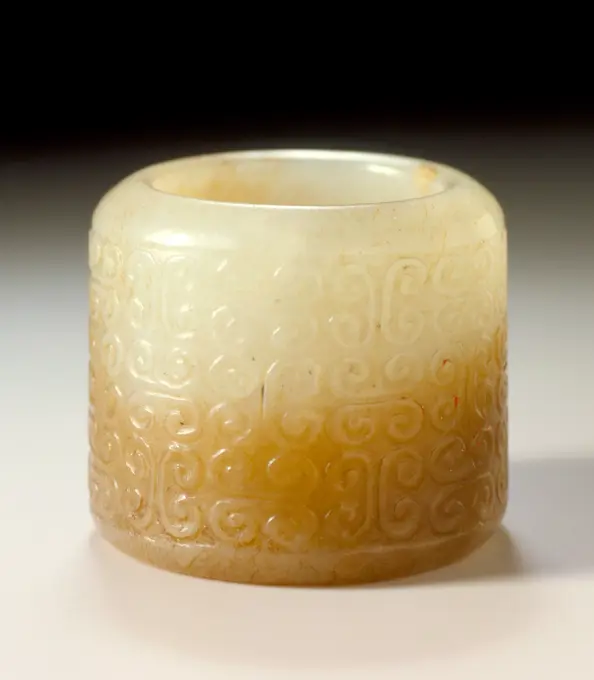
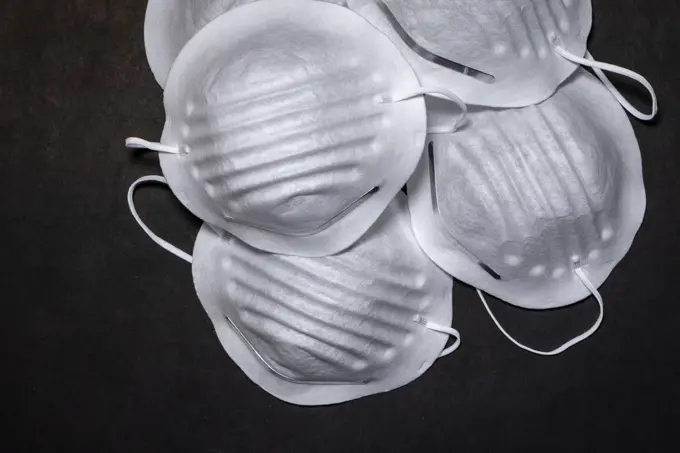
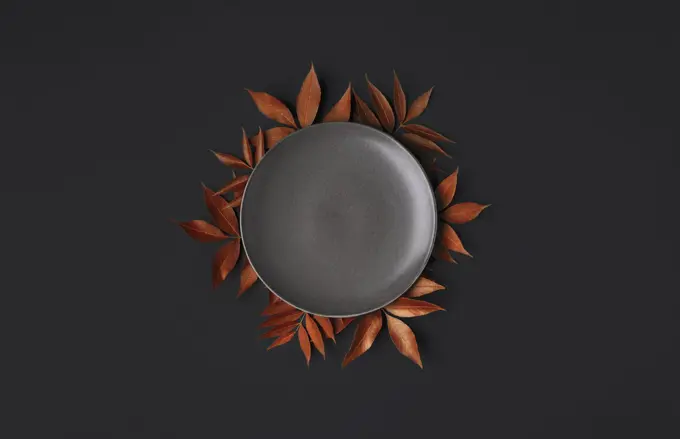
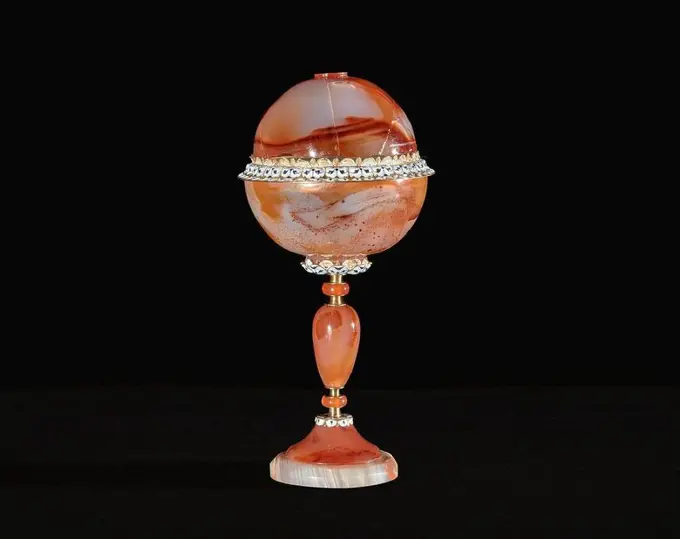
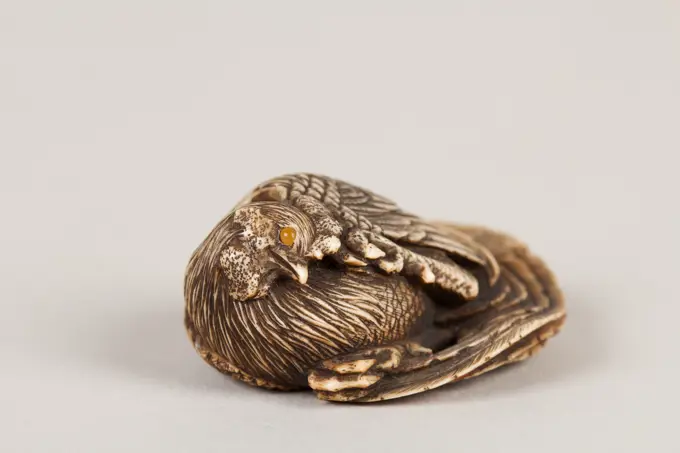
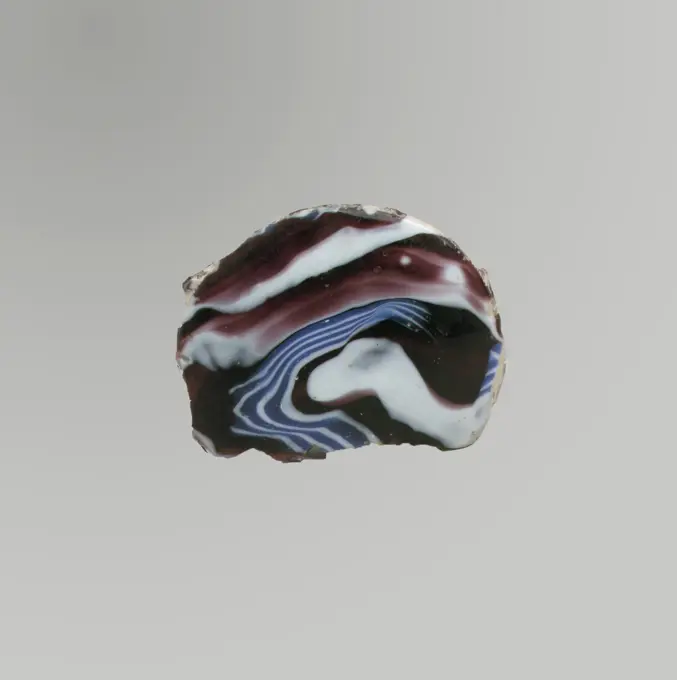
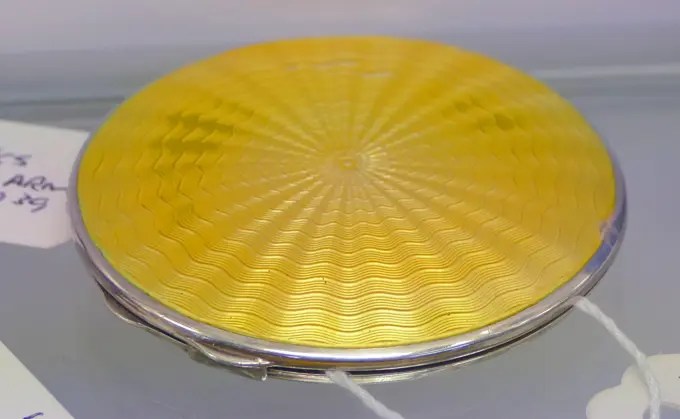
Soup plate - St. Johns Stone Chinaware Company (founded 1873) St. Johns Stone Chinaware Company (founded 1873)Plate - St. Johns Stone Chinaware Company (founded 1873) St. Johns Stone Chinaware Company (founded 1873)Lluís Masriera / Boceto para centro de plata, siglo XX. Colección privada. Author: LLUÍS MASRIERA I ROSÉS.Scale on foot (broken) with painting in Schwarzlot, with musicians and companies, Anonymous, c. 1725 - c. 1750 Solid, baluster -shaped, facets -sharpened trunk, decorated with rolling work, three -pass flowers and dots. Chalice with oval cross -section, sharpened in vertical, flat and concave ribs. The chalice is decorated all around with balustrades on which flower pots, with Akanthus fillets and other rolling work. In cartouches on the narrow sides, two musicians, one with an viola, the other with a guitar; On the wide sides an elegant pair sitting on a table, on one side with a game card, on the other in lively conversation. Details such as Haren, Akanthusblas, the edges of Jaspapes and chair legs are accentuated with the engraving needle. Bohemia glass glassblowing / grinding / engraving Solid, baluster -shaped, facets -sharpened trunk, decorated with rolling work, three -pass flowers and dots. Chalice with oval cross -section, sharpened in vertical, flat and concave ribs. The chalSnuffbox 1750-51 Jean Moynat In eighteenth-century Europe, Paris led the production of high-quality luxury goods. Parisian goldsmiths made a wide range of small, personal articles such as snuffboxes; étuis to hold sealing wax, tweezers, or utensils for sewing; souvenirs, which contained thin ivory tablets for note taking; and shuttles for knotting lace. Gold snuffboxes and boxes decorated with portrait miniatures were prized and frequently given as royal gifts, often to ambassadors or members of the court in lieu of cash payments for their services. Coveted and admired, these boxes were produced from a variety of materials. The best were skillfully made of gold and embellished with diamonds, enameled decoration, lacquer, and other luxurious materials. By the middle of the century, the taking of snuff had become an entrenched social ritual, and the snuffbox, too, had become an important social prop. Snuffboxes were considered highly fashionable accessories, with some merchants advertisiCarnavalet Museum, Medals CollectionPalace Ware bowl ca. 8th-7th century B.C. Assyrian. Palace Ware bowl 324349Poster sheet of tin. Poster sheet of tin on four legs. The square base form has broken angles. The edge is profiled and has a shell motif on each side and in the corners.Box (without cover)Lamp or burnt-up. Ivory transparent coverage protogres. Pink paste; incised decor. Cernuschi Museum, Asia Museum of Asia in the city of Paris.Transparent hyaluronic gel on a beige background. Close-up texture.Cup plate. American; Probably Pittsburgh, Pennsylvania. Date: 1830-1835. Dimensions: diam. 8.9 cm (3 1/2 in.). Pressed glass. Origin: Pittsburgh. Museum: The Chicago Art Institute, Chicago, USA.Glass in shape of a gun. Flask and walk from a smooth tube. A rosette-shaped kolf cap at the bottom. The excess sharing - radlot, lock plate, bracket and tractor - are solid. The mouth of the loop is finished with a tin frame.Anonymous. Gold lacquer perfume box appearing 2 shells. Lacquer. Museum of Fine Arts of the City of Paris, Petit Palais. Perfume box, shell, lacquer object, goldBasket (England); pierced and glazed earthenware (creamware). Box of silver in the shape of a curved cabinet.Doorknob. Culture: American. Dimensions: Diam. 2 1/4 in. (5.7 cm). Date: ca. 1850. Museum: Metropolitan Museum of Art, New York, USA.Jar And Cover (Ireland); glassBowl 'Hansel in the cellar', anonymous, c. 1700 - c. 1724 Bell -shaped bowl of porcelain on three feet and with an octagonal, lobed edge, painted in underlaze blue. In the bowl a hollow, round elevation, in which a separate porcelain figure is placed. This figure comes up when liquid is poured into the bowl, a so -called 'Hansje in the basement'. A decorative band on this increase; The inner edge with a strap with flower branches. The outside with painted leaf grant. Some chips in the edge. Blue White. China porcelain. glaze. cobalt (mineral) painting / vitrification Bell -shaped bowl of porcelain on three feet and with an octagonal, lobed edge, painted in underlaze blue. In the bowl a hollow, round elevation, in which a separate porcelain figure is placed. This figure comes up when liquid is poured into the bowl, a so -called 'Hansje in the basement'. A decorative band on this increase; The inner edge with a strap with flower branches. The outside with painted leaf grant. Some chips iHexagonal Covered Box with Lions in Relief: Qingbai Ware (lid), 1300-1325. China, Jiangxi province, Jingdezhen kilns, Yuan dynasty (1271-1368). Glazed porcelain with molded and applied decoration; overall: 6.1 x 9.8 cm (2 3/8 x 3 7/8 in.).Cup plate. American; Sandwich, Massachusetts. Date: 1830-1840. Dimensions: diam. 8.6 cm (3 3/8 in.). Pressed glass. Origin: Sandwich. Museum: The Chicago Art Institute, Chicago, USA.Brooch -Papboat.   Maker: Alexander Rumrill, Jr., American, 1806-1894Retailer: Robert Rait, active ca. 1830-55Ribbed Plate 659-662/3 Byzantine During the early Byzantine period, the state controlled the silver industry. From the late fifth century through the reign of Constans II (641-68), imperial portraits or monograms were stamped on silver, usually on the back, to guarantee its purity.. Ribbed Plate 466166undefined. 1913 - 1921. NARA's Pacific Alaska Region (Seattle, WA). Negative. Department of Commerce. Bureau of Fisheries. Division of Alaska Fisheries. 1913-7/1/1939. Pribilof Islands Glass Plate NegativesBonbonnière. Culture: French, Paris. Dimensions: Diameter: 2 7/8 in. (7.3 cm). Date: ca. 1800.Precious boxes made for confections and sweets were known as drageoirs or bonbonnières. Unlike snuff containers, the lids of such boxes, which are usually circular, are not hinged. Here, the charming chinoiserie decoration painted in gold and platinum on a black ground clearly imitates lacquer. It may have been inspired by the "black lacquer" porcelain made at Sèvres during the 1790s. Museum: Metropolitan Museum of Art, New York, USA.Glass network mosaic fragment late 1st century B.C.-early 1st century A.D. Roman Body fragment.Colorless, with opaque white.Convex curving side.Seven parallel canes decorated with double spirally twisted threads.Many pinprick bubbles; exterior polished; pitting of surface bubbles; creamy iridescent weathering on interior; weathered edges.. Glass network mosaic fragment. Roman. late 1st century B.C.-early 1st century A.D.. Glass; cast. Early Imperial. GlassGlass network mosaic bowl fragment late 1st century B.C.-early 1st century A.D. Roman Rim fragment.Translucent blue, opaque white, and colorless.Applied coil rim with vertical, rounded lip; slightly convex curving side, tapering downward. Rim in blue with white spiral thread; body decorated with eleven colorless canes, slanting from top left to bottom right, decorated with various patterns of double spirally twisted white threads.Pinprick bubbles; exterior polished, with pitting of surface bubbles; dulling, iridescence, and creamy weathering on interior; jagged, weathered edges.. Glass network mosaic bowl fragment. Roman. late 1st century B.C.-early 1st century A.D.. Glass; cast. Early Imperial. GlassCup plate. Fort Pitt Glass Works; American, 1827-c. 1903; Pittsburgh, Pennsylvania. Date: 1830-1835. Dimensions: Diam. 9.7 cm (3 13/16 in.). Pressed glass. Origin: Pittsburgh. Museum: The Chicago Art Institute, Chicago, USA.Sharf of yellowish baking earthenware, with white glaze, with a decorative border in blue, anonymous, 1600 - 1650  Northern Netherlands earthenware. glaze majolica  Northern Netherlands earthenware. glaze majolicaIncense Box late 19th century Japan. Incense Box. Japan. late 19th century. Lacquer. Meiji period (1868-1912). LacquerBox with scene depicting Roman hero Gaius Mucius Scaevola before the Etruscan king Lars Porsena 1741 P R British The rhythmic composition of the chased scene on this large snuffbox is the work of one of Londons most skilled goldsmiths, George Michael Moser. Moser had a prominent place in the diverse artistic community of the mid-1700s and was one of the founders of the Royal Academy. The scene on the box depicts the Roman hero Mucius Scaevola, who demonstrated his bravery to his captors by holding his hand in a blazing fire. The circumstances of its commission are unknown. Listen to experts illuminate this artwork's story Listen Play or pause #413. Retail Value. High and Low Supported by Bloomberg Philanthropies We're sorry, the transcript for this audio track is not available at this time. We are working to make it available as soon as possible.. Box with scene depicting Roman hero Gaius Mucius Scaevola before the Etruscan king Lars Porsena 206423. Hair comb or comb of fine turtle and horn, with a long row of narrow teeth.Bowl (common name). Cernuschi Museum, Asia Museum of Asia in the city of Paris.Anonymous. Round box forming drum, in gold lacquer imitating wood; Interior containing tray and 8 small perfume boxes in gold lacquer. Closed box. Lacquer. Museum of Fine Arts of the City of Paris, Petit Palais. Round box, closer, wood imitation, lacquer object, gold, perfume, drumFragment berkemeier with foot, largest part stem with thorn buds and very small part of the calyx, berkemeier drinking glass drinking utensils tableware holder soil find glass forest glass, free blown and formed glass application Fragment of foot edge bottom part of trunk and small part chalice of berkemeier in clear green glass (forest glass) All-round pinched glass thread as stand ring Pontil mark under raised bottom (1.5 cm) Stem with two rows each with seven flat thorn buds missing from the top row two Open transition to calyx with smooth glass thread around Slight parts of smooth calyx archeology Rotterdam City Triangle Drink job Soil discovery Pathway 18 March 1940 .Sunbonnet ca. 1885 American. Sunbonnet 169495Curtain Knob, one of a pair, 19th century, 5 x 3 1/2 x 3 1/2in. (12.7 x 8.9 x 8.9cm), Glass, United States, 19th centuryCosmetic Box late 19th century Japan. Cosmetic Box. Japan. late 19th century. Lacquer. Meiji period (1868-1912). LacquerBottle;  IX-XII century (801-00-00-1200-00-00);gift (provenance)Ashtray. Łopieńscy, Bracia (Warszawa ; wytwórnia złotnicza ; 1884-1944), factoryAltes with ink painted Easter egg on glass base old with ink painted Easter egg on GlassockelScale in the shape of a basket. Scale on corrugated stand ring. Body in the form in a braid pattern. Mounted, ribbed edge. Two ears of a corrugated thread. On the body two opask white flowers with a purple heart and green, purple growing leaves.African ivory pendant, made from the tusk of a young African elephant. Said to have belonged to a witch-doctor.Glass mosaic fragment late 1st century B.C.-early 1st century A.D. Roman Body fragment.Translucent turquoise blue, partially layered with opaque yellow and appearing green, purple, opaque white and yellow, and colorless.Shallow curving side or bottom.Composite mosaic pattern formed from polygonal sections of three canes: one in a purple ground with a hollow white circle and a central white rod; a second in a colorless ground with a large white spiral around a central purple ground containing a yellow rod, and the third in a turquoise blue ground with a yellow spiral.Polished exterior; deep pitting of surface bubbles on exterior; dulling, pitting, and iridescent weathering on interior and jagged edges.. Glass mosaic fragment 245586Manufactures of the South Staffordshire (n. - d.), Etui in the shape of a pink background (main title), 1770. enameled copper, pink background. Petit Palais, Museum of Fine Arts of the City of Paris.Pearl button mounted with clear glass disc,1800-1820... Foliate design in gilt, on dark blue.. Produced in Birmingham. .Hammered Gold Nose Ornament 13th-16th century Colombia. Hammered Gold Nose Ornament 310168Stand with St. John Nepomuk. Bohemia, Czech Republic; Harrachov Glassworks (founded 1831). Date: 1827-1837. Dimensions: 27.9 × 9.5 cm (11 × 3 3/4 in.). Glass. Origin: Bohemia. Museum: The Chicago Art Institute, Chicago, USA.Candlestick (Ireland); glassShards of Kommen from V.O.C. ship De 'Witte Leeuw', Before 1613 bowl Shards of Kommen from V.O.C. ship De 'Witte Leeuw'. Jingdezhen porcelain   Sint-HelenaArthur J. Stone, Bowl, 1908-36, Hand-cast silver.Basin, early 17th century, 3 x 18 x 18 in. (7.6 x 45.7 x 45.7 cm), Pewter with gilt and brass decoration, China, 17th century, Large metal washbasins supported on wooden stands must have been common in prosperous Ming dynasty households. This one, with its shaped flange rim and gilt decorated interior, is rather luxurious. The rim is embellished with a variety of potted flowers while the floor of the vessel is decorated with a gilded scene of a lady, her maid, and a gentleman in a garden-like setting. The figures seem to float on clouds amongst flowering trees and terraced pavilions. Through the center an arched tree appears sprouted with several cloud-shaped 'sacred fungi' called ling-chih, a plant symbolic of immortality.Curtain Knob. Culture: American. Dimensions: H. 4 1/4 in. (10.8 cm); Diam. 3 3/4 in. (9.5 cm). Date: ca. 1850. Museum: Metropolitan Museum of Art, New York, USA.Pierre Deshays. "Taste-vin". Money. 1775-1781. Museum of Fine Arts of the City of Paris, Petit Palais. 74384-20 Silver, silverware, bottleneck, TastevinBrooch 19th century American or European. Brooch 102509Poke bonnet 1830-40 American. Poke bonnet 105526Cap ca. 1840 American. Cap 117726Silver bottle with offering scene naming Meritptah. Dimensions: h. 17 cm (6 11/16 in). Dynasty: Dynasty 19. Reign: Ramesses II or slightly later. Date: ca. 1279-1213 B.C.. Museum: Metropolitan Museum of Art, New York, USA.Ladies hat, cylindrical without border, different types of band straw with garnishing gray-green crin With transparent beads, awning hat headgear women's clothing clothes straw hair horsehair glass, to cover 56.0 textile woman dress headVessel for bow ties, with a lid; Koenigliche Porcellain Fabrique, Meissen (1710-1763); approx. 1750 (1750-00-00-1770-00-00);POT O BOTE CON HOJAS DE HELECHO Y LANCEOLADAS - MANISES - SIGLO XV. Location: INSTITUTO VALENCIA DE DON JUAN-COLECCION. MADRID. SPAIN.Netsuke with Chrysanthemum Design. Culture: Japan. Dimensions: H. 3/4 in. (1.9 cm); Diam. 1 3/4 in. (4.4 cm). Date: 19th century. Museum: Metropolitan Museum of Art, New York, USA.Box with portrait of Queen Wilhelmina in Frisian traditional costume, 1892 - c. 1903 photograph. box  Leeuwarden iron (metal). silver (metal). baryta paper. glass gelatin silver print queen. historical persons LeeuwardenTile clock. Lichty, Jan Jakub (fl. 1738-1758), watchmakerBall with round holes on white backgroundPair of Stirrups. Culture: German or Netherlandish. Dimensions: 42.50.448; H. 6 3/4 in. (17.1 cm); W. 5 1/2 in. (14 cm); D. 5 in. (12.7 cm); Wt. 1 lb. 7.8 oz. (674.7 g); 42.50.449; H. 7 in. (17.8 cm); W. 5 1/4 in. (13.3 cm); D. 5 in. (12.7 cm); Wt. 1 lb. 7.4 oz. (663.4 g). Date: ca. 1600.This very common shape of stirrups, evolved from 16th-century German types, also became very popular in several other countries in the first decades of the 17th century, like in the Netherlands, Northern Italy and Spain. Museum: Metropolitan Museum of Art, New York, USA.Fountain Statuette (Statuette de la Fontaine). Designed by René Lalique (French, 1860-1945); Manufactured by Lalique et Cie (French, founded 1885). Date: 1925. Dimensions: 11.6 x 9.8 cm (4 9/16 x 3 7/8 in.). Glass; colorless, mold pressed and acid etched. Origin: Paris. Museum: The Chicago Art Institute, Chicago, USA.Matthew Linwood, Caddy Spoon, 1807, silver.Game Piece. Egypt, 1st Dynasty (circa 3050 - 2850 BCE). Fragments. MarbleNetsuke with Floral Decoration. Culture: Japan. Date: 19th century. Museum: Metropolitan Museum of Art, New York, USA.Caddinet. Culture: German, Augsburg. Dimensions: Overall (confirmed): 3 1/8 x 9 3/4 x 8 3/8 in., 35.778oz. (7.9 x 24.8 x 21.3 cm, 1014.3g). Maker: Attributed to Gottlieb Menzel (1676-1757, master 1709). Date: 1718.The caddinet was reserved for the sovereign and his immediate family. The instructions for setting the table for a banquet at Dresden Palace on September 3, 1719, read: "On the table is to be placed in front . of the king and the . queen the so-called caddinet, . in which are salt, pepper, and other spices in diverse compartments." The tray held the private royal cutlery and a specially folded napkin that covered bread rolls; hence the object's name BrodtTeller (bread tray) in contemporary inventories. Augustus the Strong (1670-1733) must have seen this rare expression of royal etiquette in use at the court in Versailles, where he visited in 1687. The pagoda-shaped lids recall the roof line of the king's summer palace, Pillnitz, near Dresden, introducing a touch of the eGold and rock crystal pendant, by Unknown artist, 4th Century, . Italy: Puglia: Taranto: Taranto: National Archaeological Museum. Whole artwork. View pendant ornamental rock crystal grancio gold filigreeRound Covered Box, 17th century, 3 5/16 x 6 11/16 x 6 11/16 in. (8.4 x 17 x 17 cm), Painted lacquer with 'filled-in' decoration (tian-ch'i), China, 17th century, Densely patterned with painted polychrome lacquer, this small round box is rich in traditional Chinese symbolism. Inspired by repeat patterns found in silk brocades, the top is painted with auspicious yellow chrysanthemum flower heads within hexagons outlined in black interspersed with small swastikas. The side is engraved with three shou characters and ling-chih fungus lacquered in green and brown representing long life. There is a border of swastika trellis pattern on the rims. The swastika, a rebus for ten thousand, can be seen as a sort of multiplier for the shou and ling chih longevity symbols increasing the wish for a long life ten thousand times. Painted below the borders in green, brown, and black lacquer can be found the Eight Buddhist Emblems with the foot rim painted in a similar palette with lotus petal panels, a sBrush washer with plum blossoms and feline dragons. Culture: China. Dimensions: H. 2.03 in. (5.2 cm); W. 3.16 in. (8 cm); Diam. 3.88 in. (9.9 cm). Date: 19th century. Museum: Metropolitan Museum of Art, New York, USA.Bead 9th-11th century. Bead. 9th-11th century. Amethyst; cut. Excavated in Iran, Nishapur. Stone. Subdamer painted porcelain. The saucer is covered with an orange-red fond, in which braco-shaped four passes are saved with (water) landscapes with European figures, sometimes with bales and ships. The dish has been marked.Perfume Crysterl BottleSalver 18th century French. Salver 189080 French, Salver, 18th century, Pewter, No dimensions recorded. The Metropolitan Museum of Art, New York. Rogers Fund, 1906 (06.751)Decorative Element 9th-10th century This carved crystal element may have contained perfume. Rock crystal carving, an art requiring great skill and manual dexterity, reached its peak during the Fatimid period, when large quantities of the raw material were imported to Cairo from the East African coast. Fatimid rulers valued objects made of rock crystal and included them in their treasuries. Many fine examples also entered European courts and were used as reliquaries in churches.. Decorative Element. 9th-10th century. Rock crystal; carved. Attributed to Egypt. StoneCase (Inr) with Design of Cherry Trees with a Shint Shrine 19th century Japan. Case (Inr) with Design of Cherry Trees with a Shint Shrine. Japan. 19th century. Colored lacquer, and gold, silver, blue, and red togidashi on black lacquer. Edo period (1615-1868). InrArcher's Ring. China, Qing dynasty, 1644-1911. Jewelry and Adornments; rings. Abraded jadeHair comb or ridge of solid fine imitation turtle, with a long row of narrow teeth.standard masks for virus protection with black backgroundJewelry set: necklace, brooch, a pair of earrings in the caseThanksgiving table with an empty grey plate and orange leaves decoration on a black background. Autumn food background. Above view of an empty dish.basket Miniature; Holland; silverChildren's cap;  early XIXW. (1915-00-00-1920-00-00);Anonymous / 'Small agate and cornelian cup'. 1670 - 1700. Agate, Alabaster, Cowry, Enamel, Gold. Museum: Museo del Prado, Madrid, España.Five tumors and five beadsNetsuke of Chicken 19th century Japan. Netsuke of Chicken 59199Flower-shaped cup. unknown, craftsmanGlass mosaic bowl fragment late 1st century B.C.-early 1st century A.D. Roman Bottom fragment.Translucent purple, cobalt blue, and opaque white.Thick convex curving bottom.Ribbon mosaic pattern formed from sections of a single cane in a purple ground with irregular white splashes and wavy white and blue threads in parallel lines.Polished exterior; pitting of surface bubbles on exterior; creamy iridescent weathering covering most of interior; iridescence on edges. Possibly reworked into a disk in antiquity.Probably part of the concave base of a ribbed bowl.. Glass mosaic bowl fragment. Roman. late 1st century B.C.-early 1st century A.D.. Glass. Early Imperial. GlassOrnament; wood, painted and gildedWhite protective light helmet for karate do, for training and competition. New mandatory requirement in some clubs. White helmet for karateMetal globe surrounded by barbed wireSilver and enamel Compaq, English 1940Sword-Hilt Collar and Pommel (Fuchigashira) ca. 1615-1868 Japanese A fuchigashira is a pair of matching sword fittings comprising the fuchi (collar at the base of the grip of the sword hilt) and kashira (pommel cap at the end of a sword hilt).. Sword-Hilt Collar and Pommel (Fuchigashira). Japanese. ca. 1615-1868. Copper-silver alloy (shibuichi), copper-gold alloy (shakud), gold. Sword Furniture-Fuchi-KashiraLarge plate Glassworks HydrangeaNetsuke of Water and Chrysanthemum (Kikusui). Culture: Japan. Dimensions: H. 3/4 in. (1.9 cm); Diam. 1 11/16 in. (4.3 cm). Date: 19th century. Museum: Metropolitan Museum of Art, New York, USA.