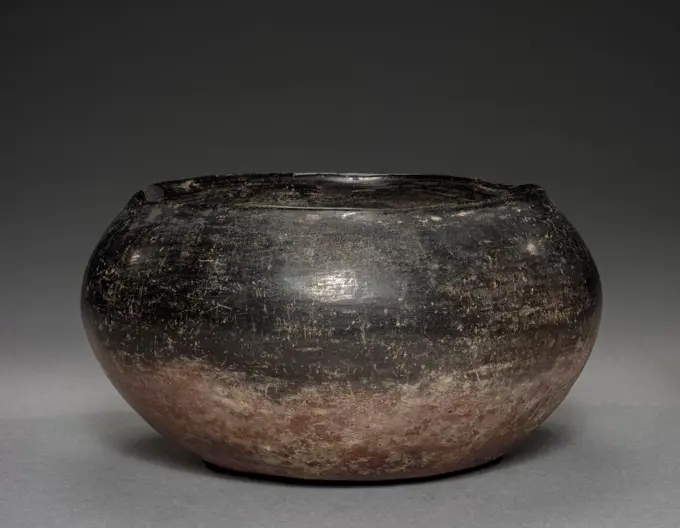
Elegant Tea Bowls

Artisan stoneware tea bowls with varied glazes and elegant designs, emphasizing craftsmanship from different cultures and historical periods.
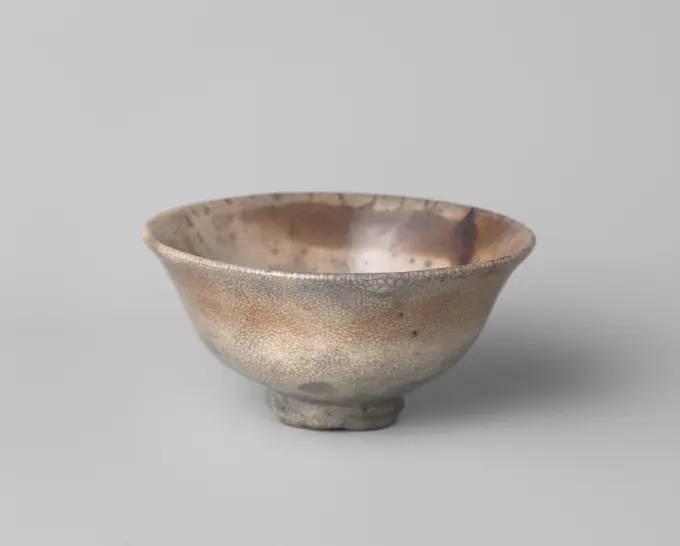
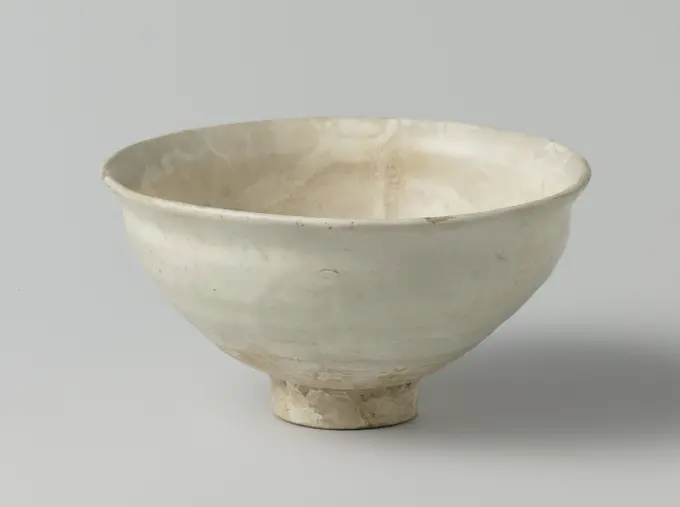
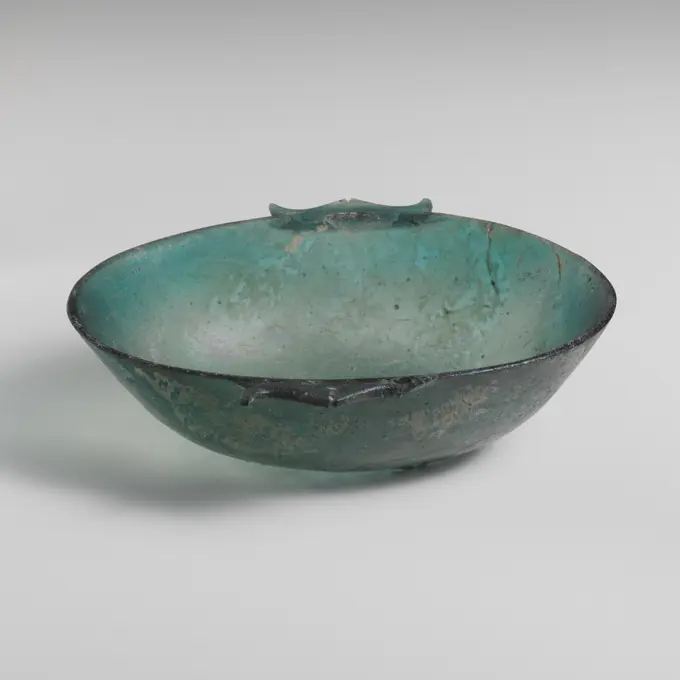
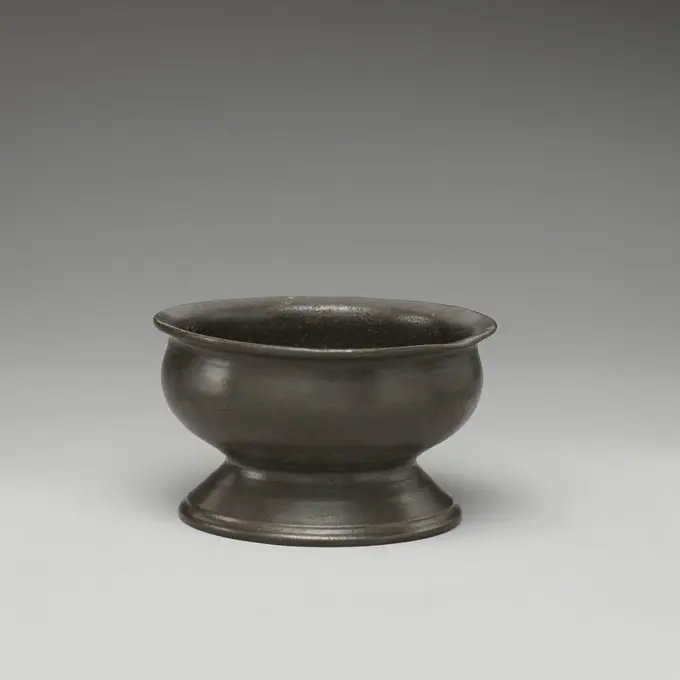
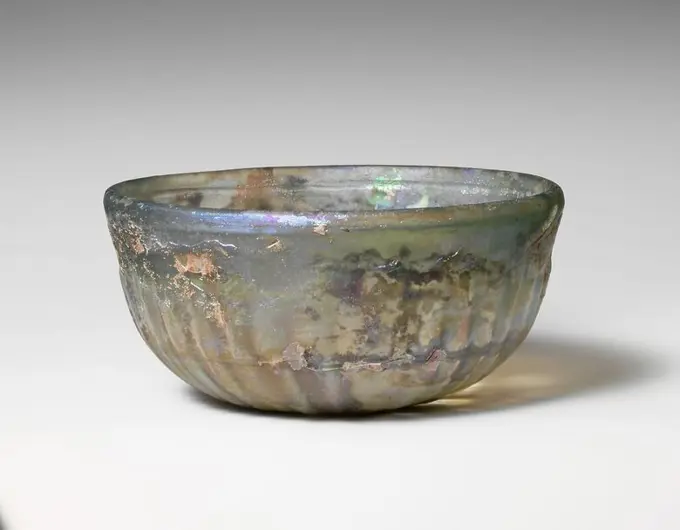
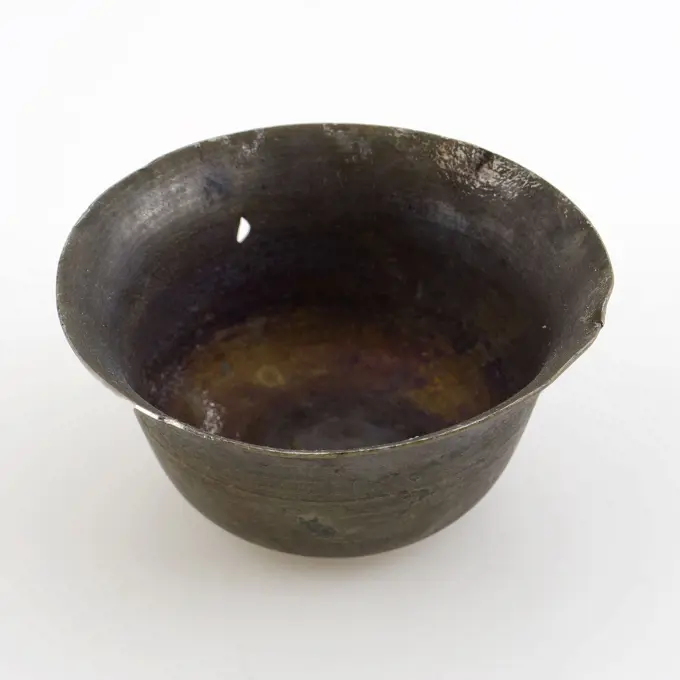
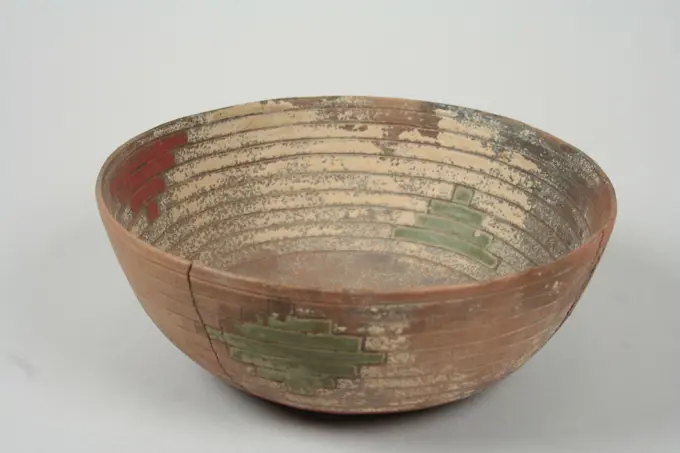
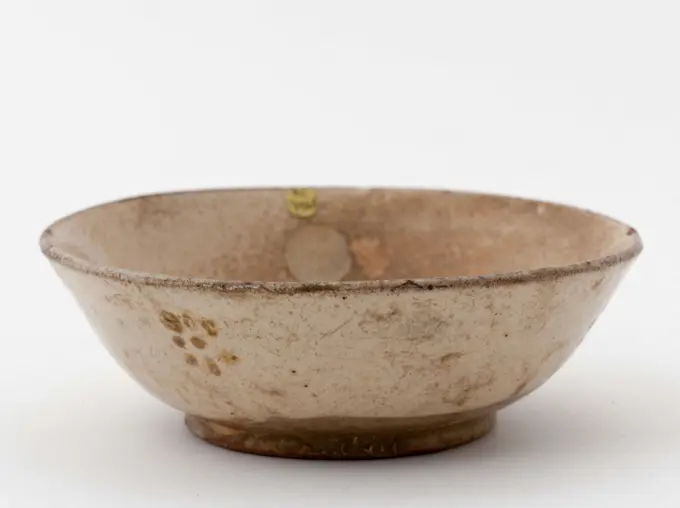
Bowl with a greyish brown spotted cream glaze, anonymous, c. 1600 - c. 1699 Come from stoneware, covered with a cracked cream -colored glaze with gray -brown spots. Five prenes on the bottom. Korea stoneware. glaze vitrification Come from stoneware, covered with a cracked cream -colored glaze with gray -brown spots. Five prenes on the bottom. Korea stoneware. glaze vitrification
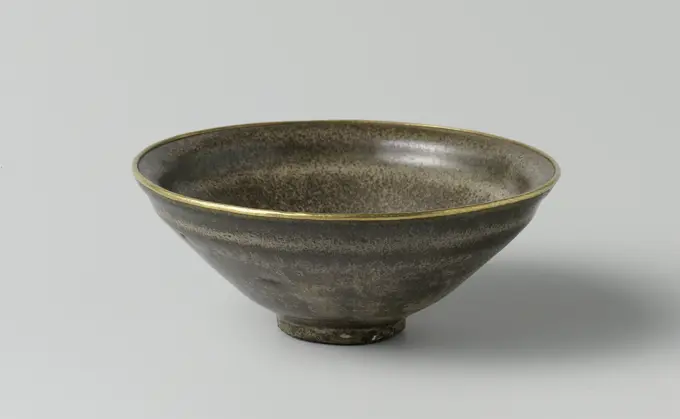
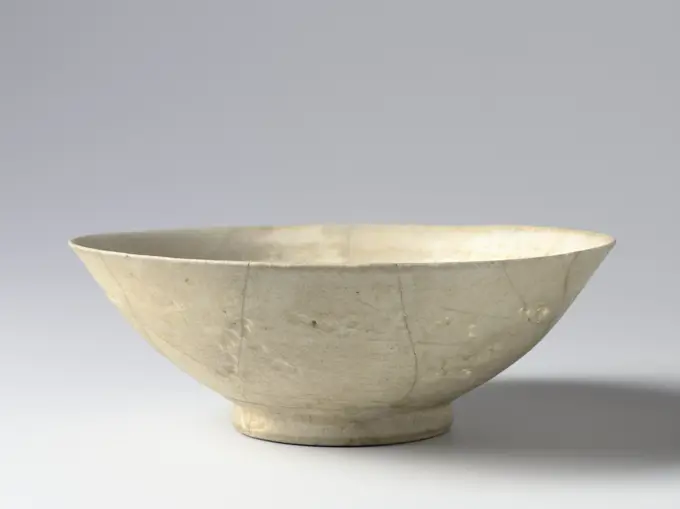
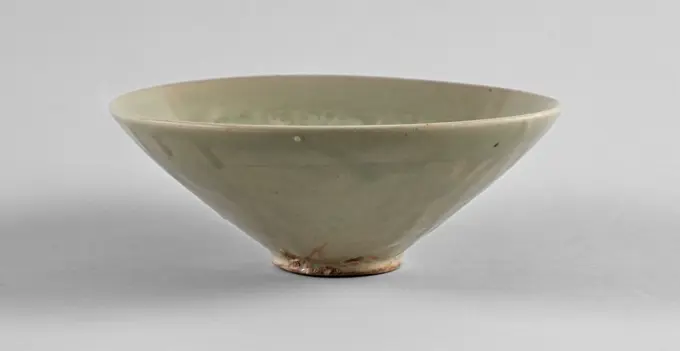
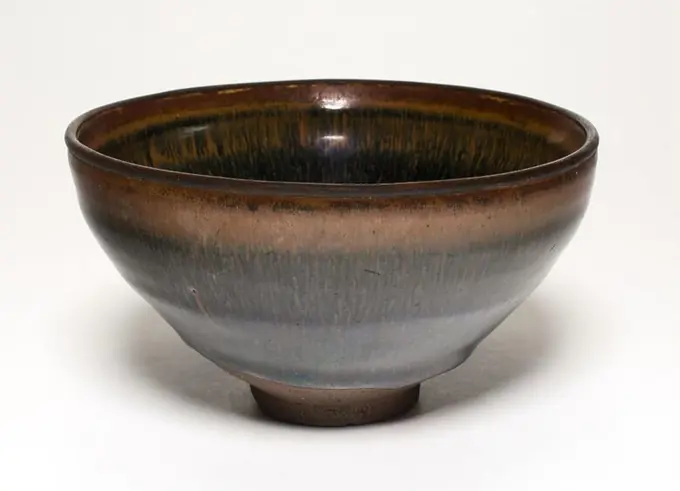
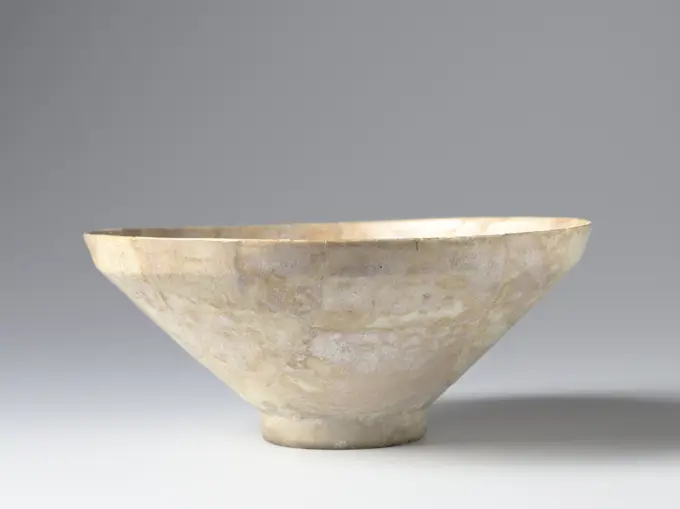
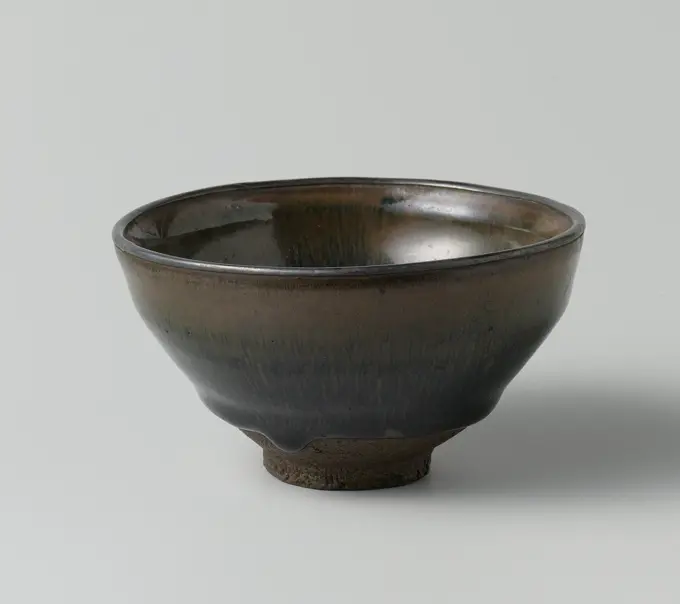
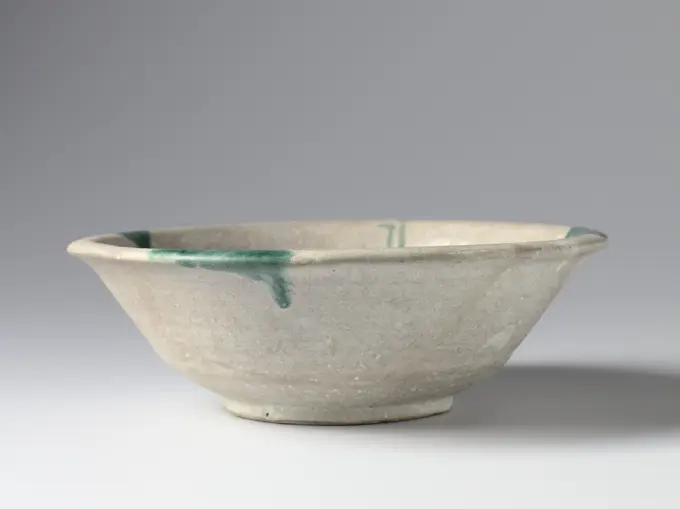
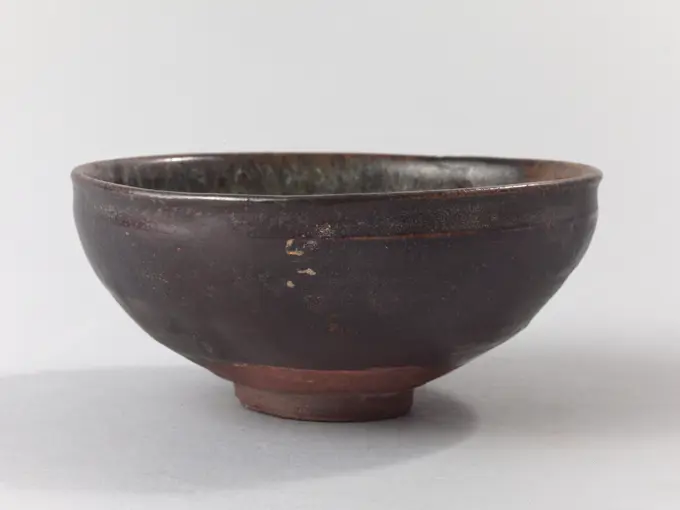
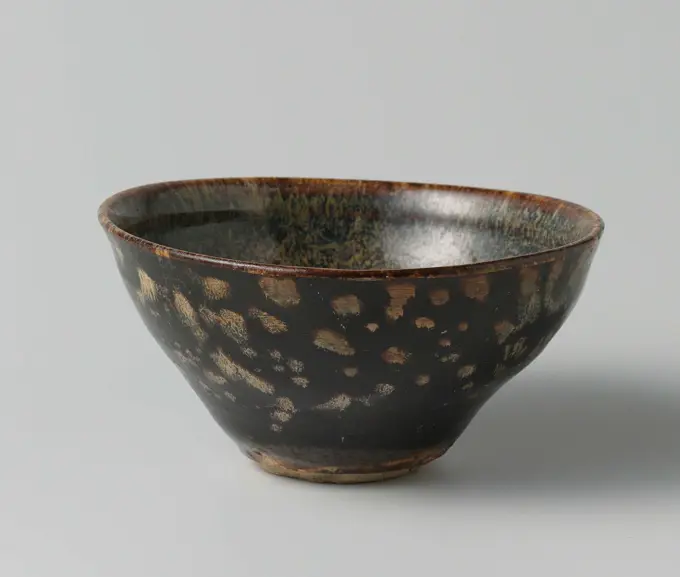
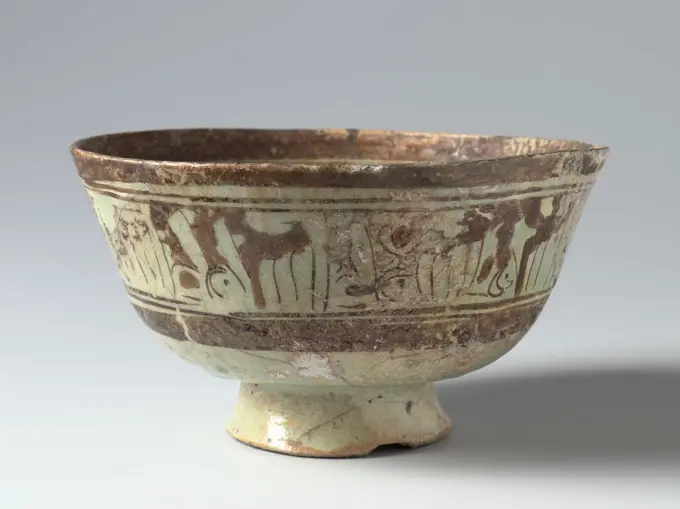
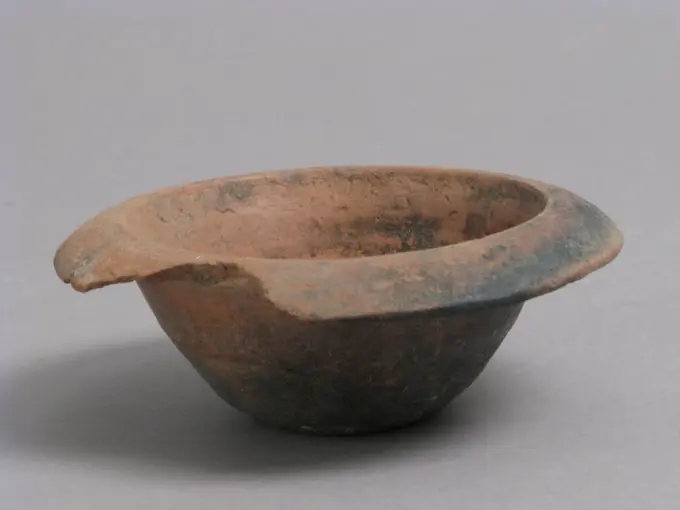
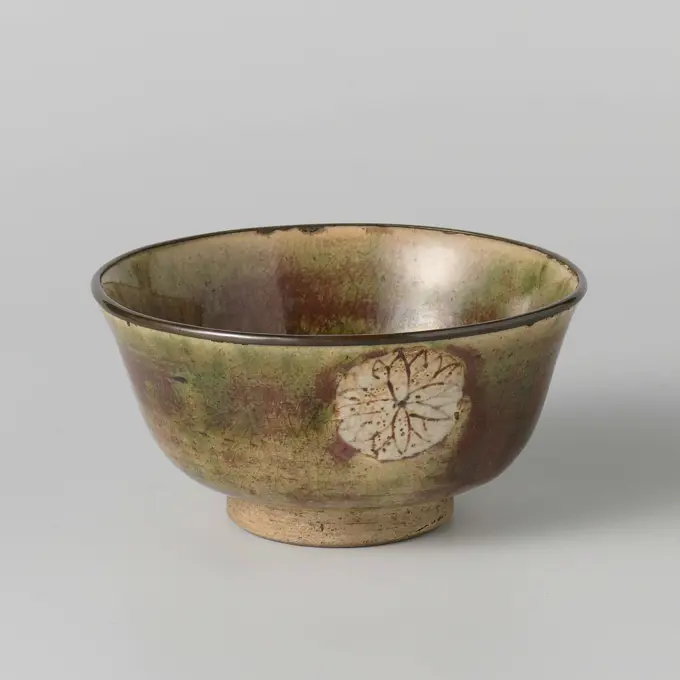
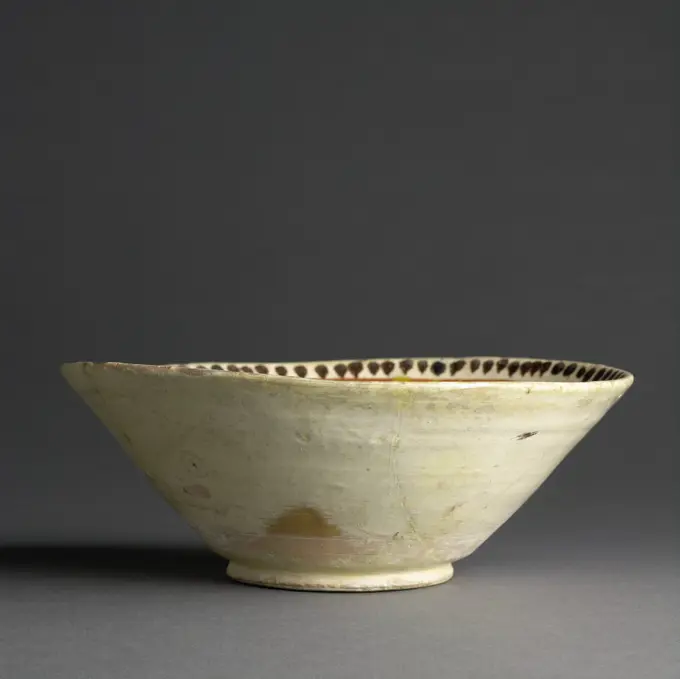
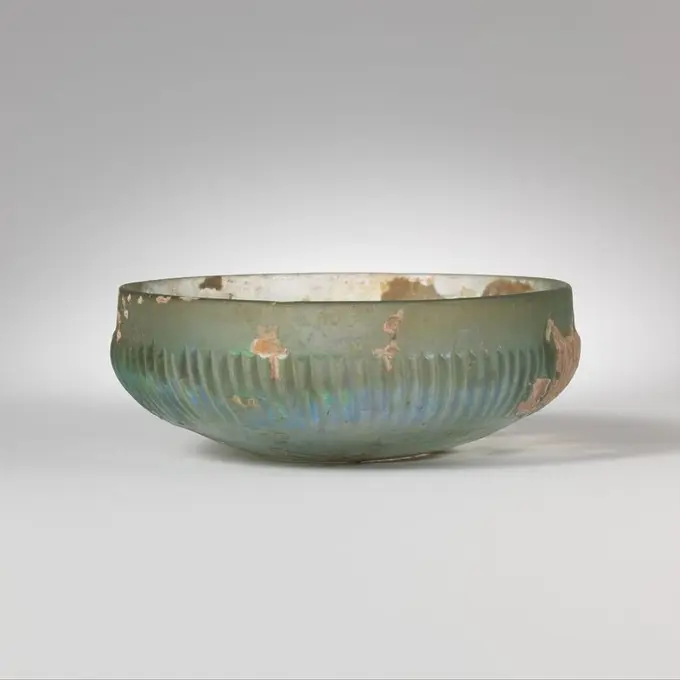
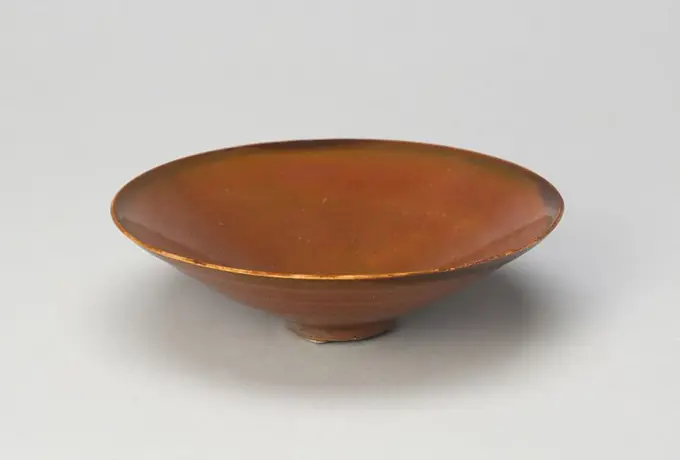
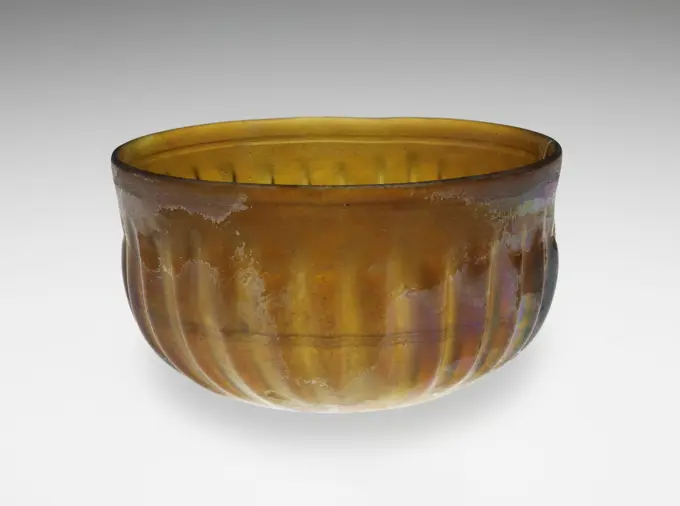
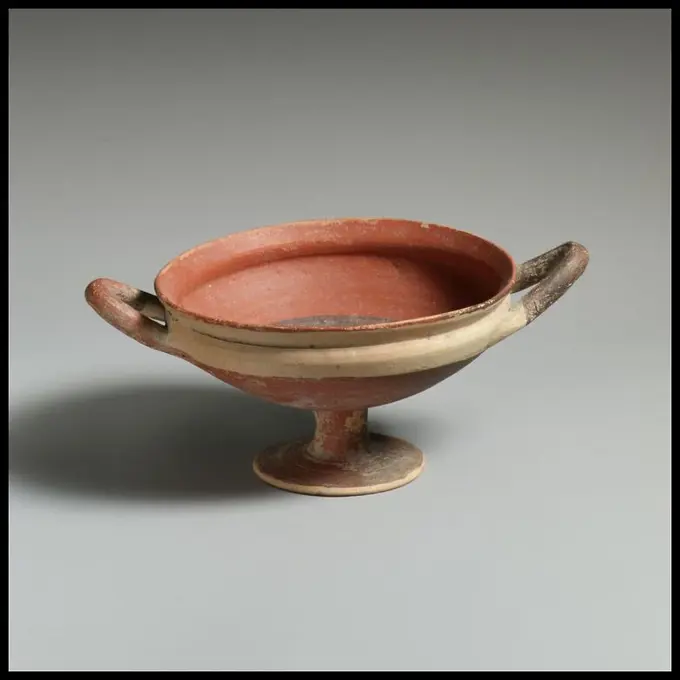
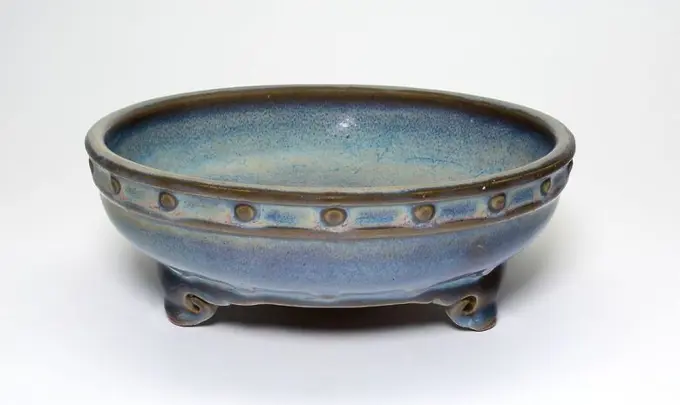
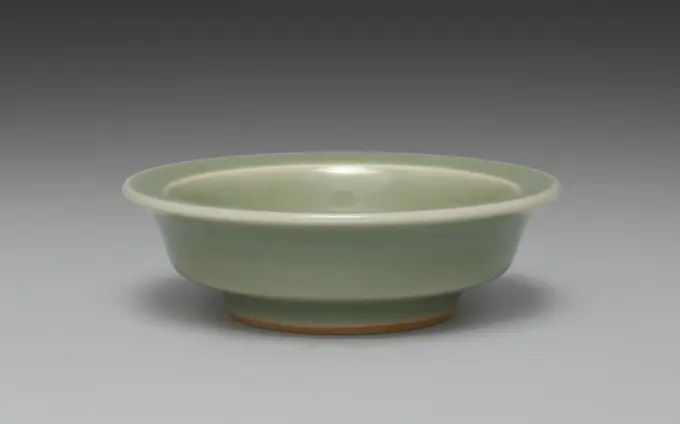
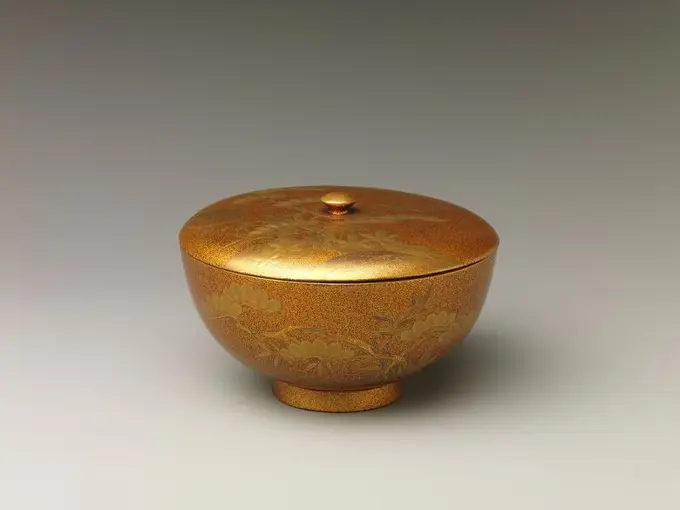
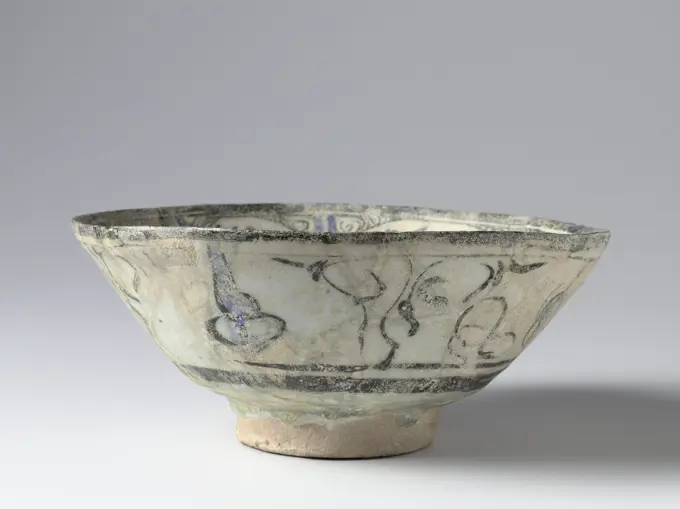
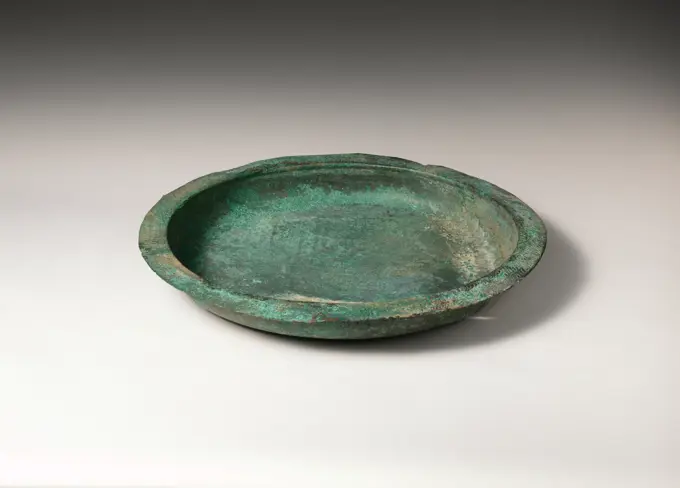
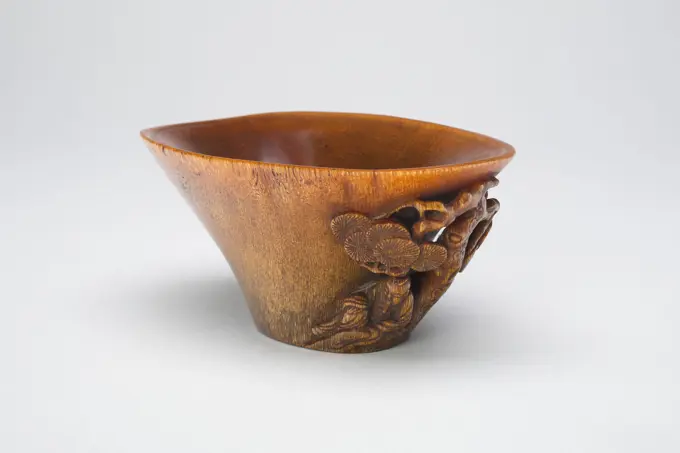
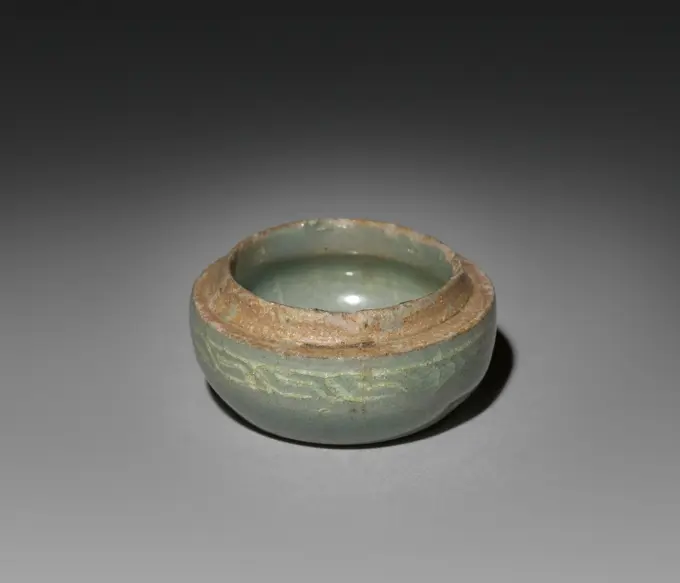
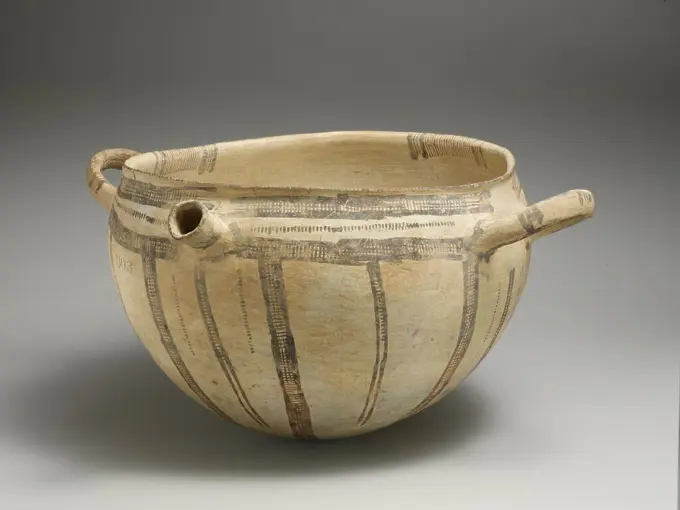
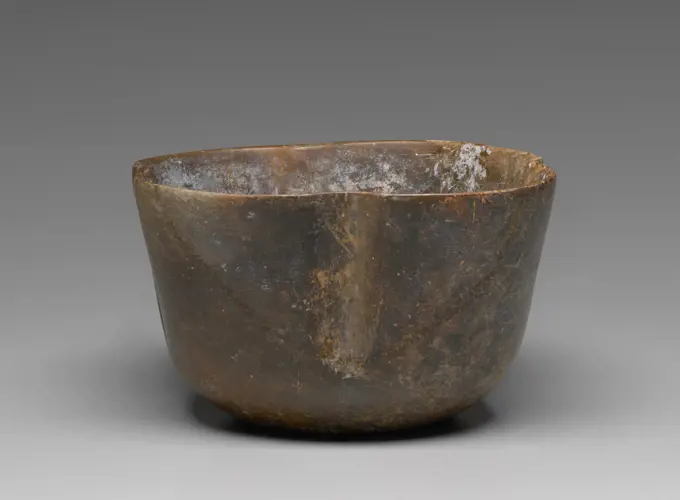
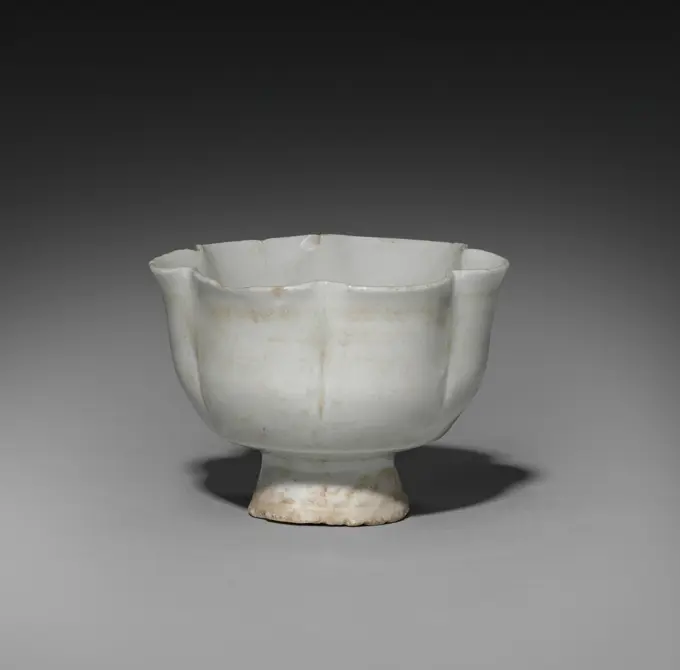
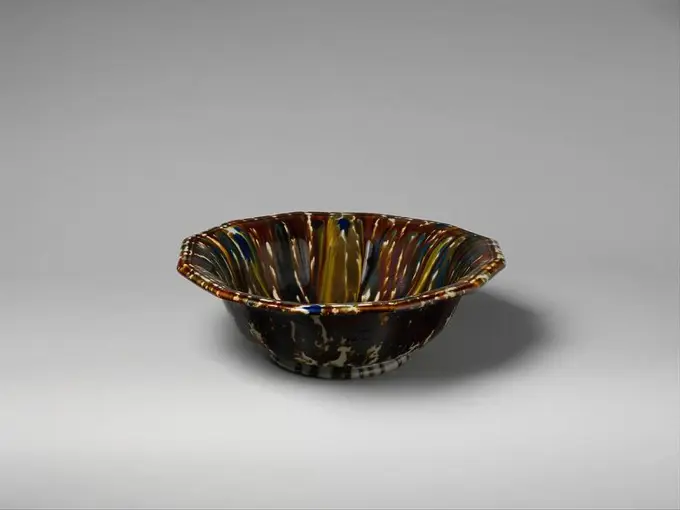
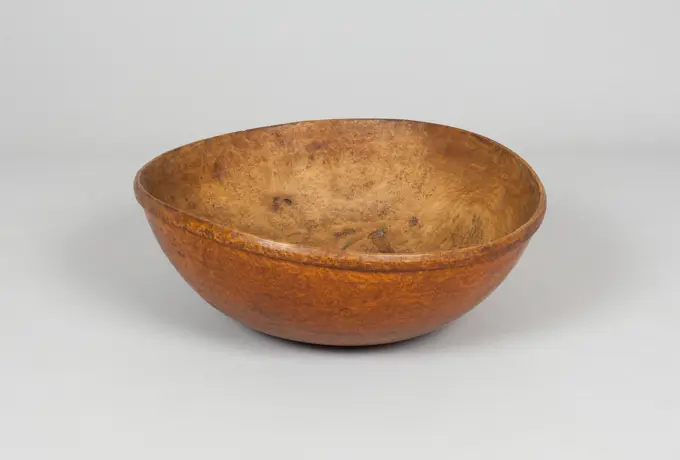
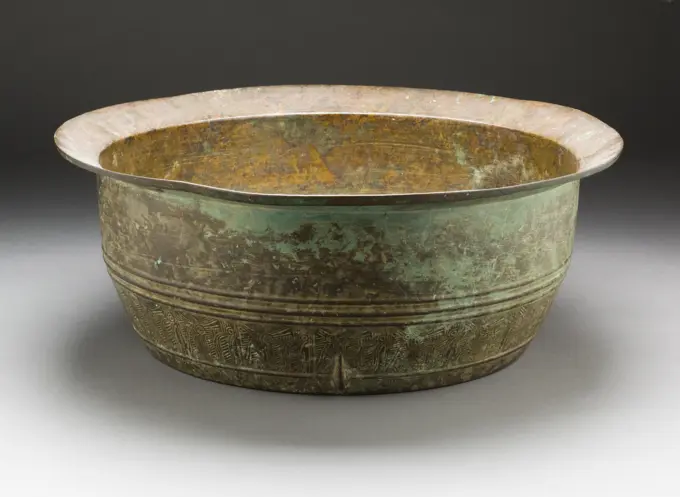
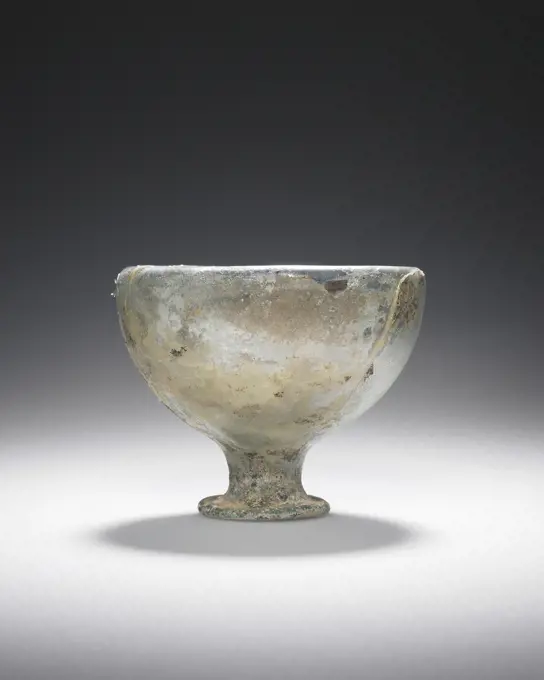
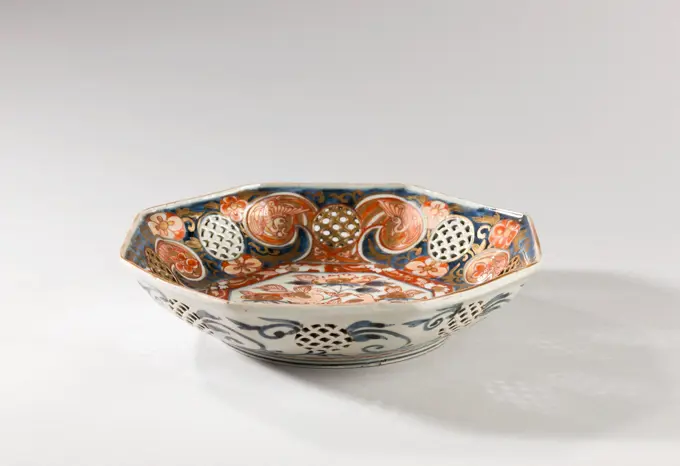
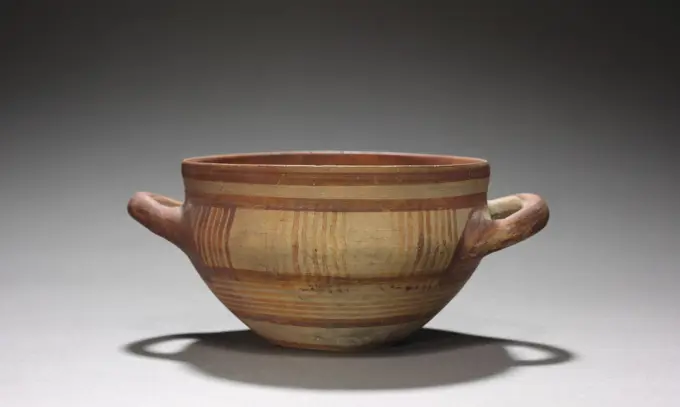
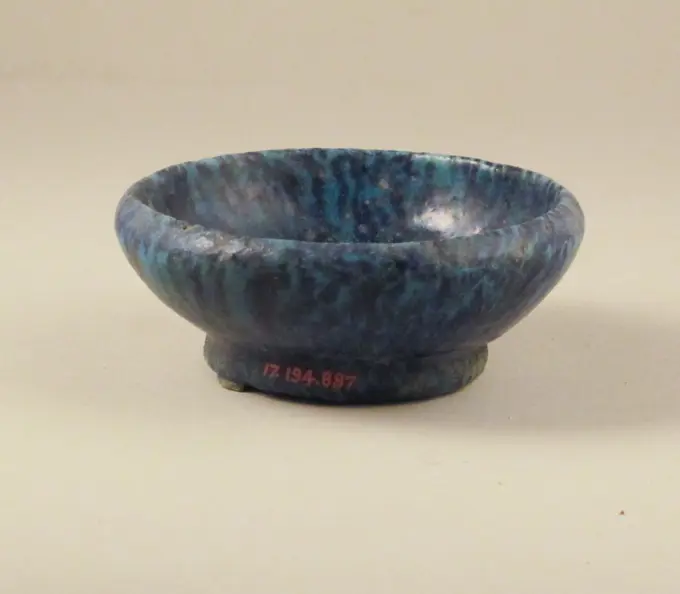
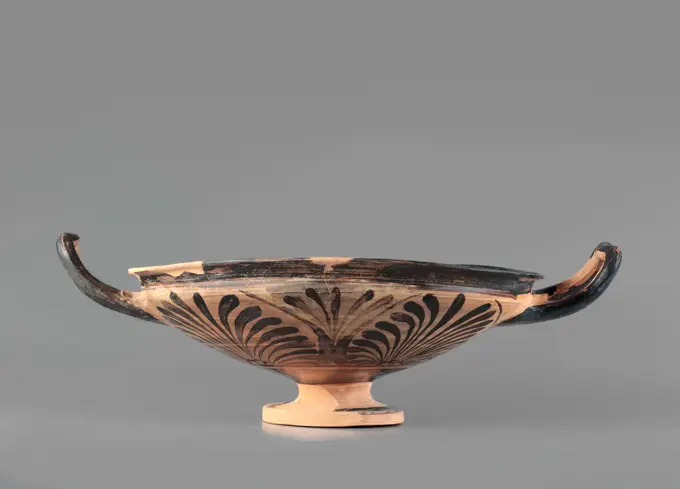
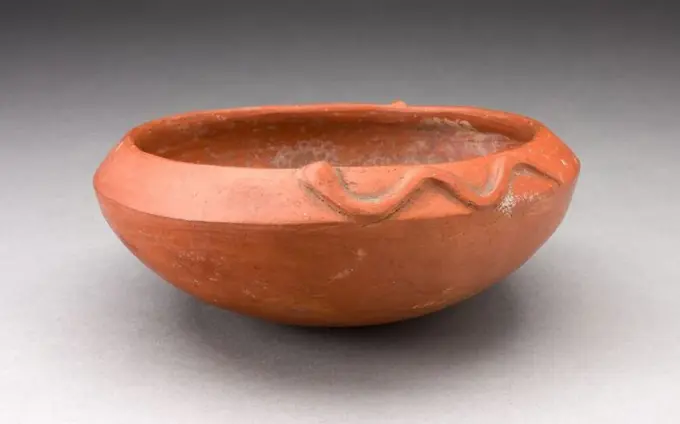
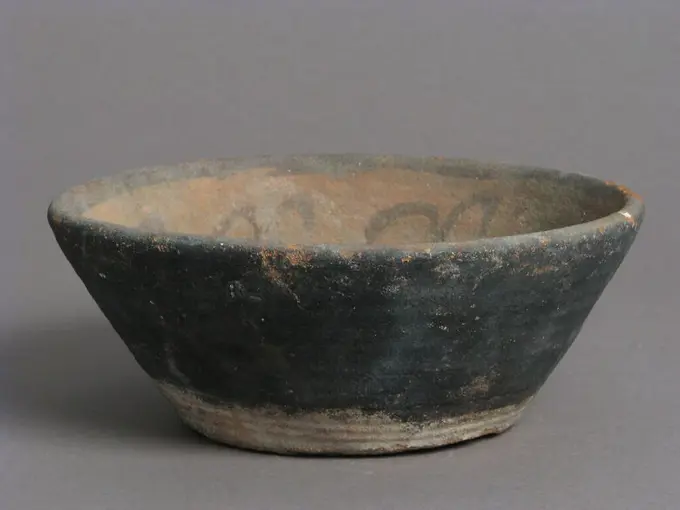
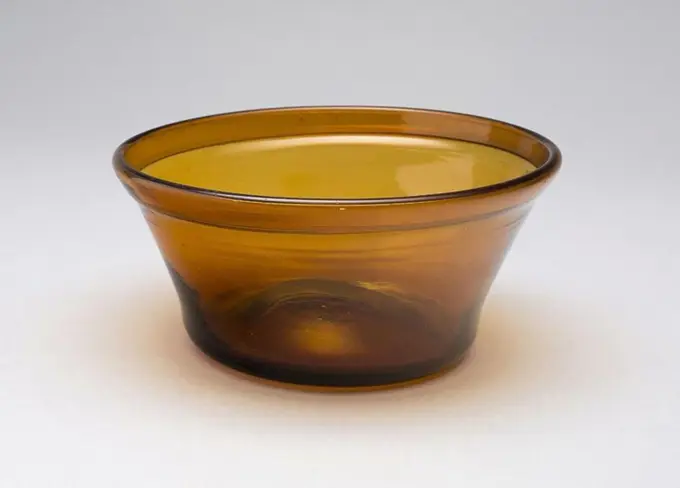
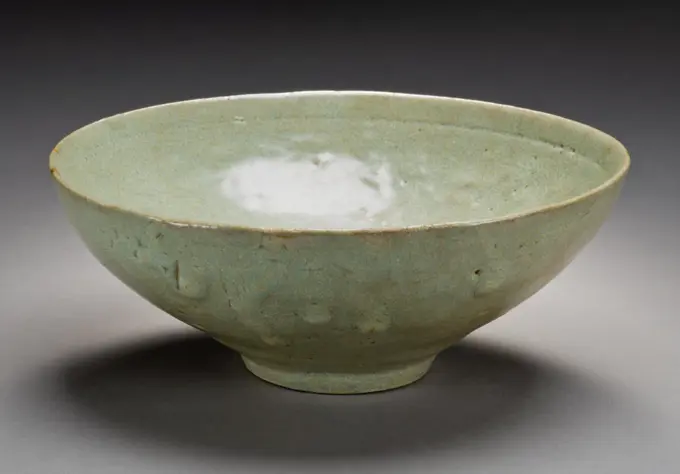
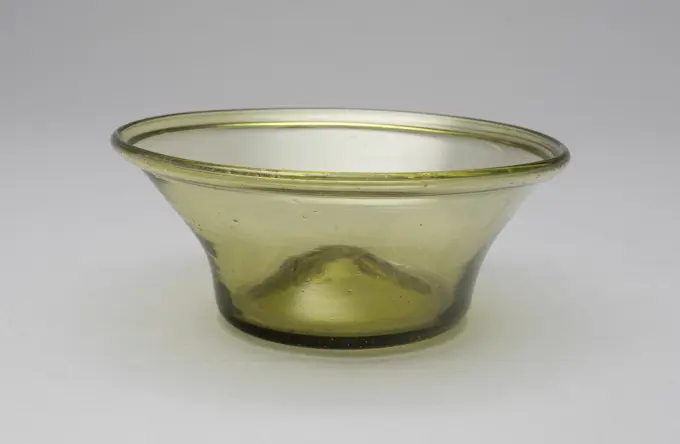
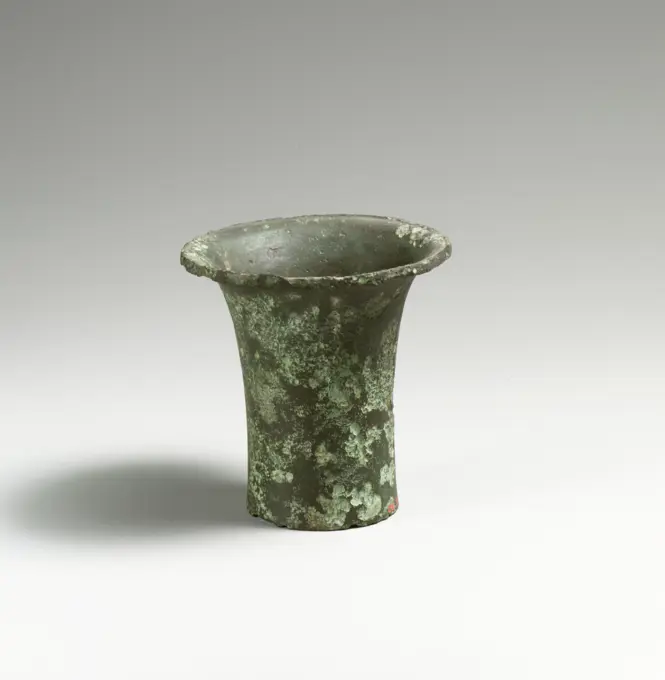
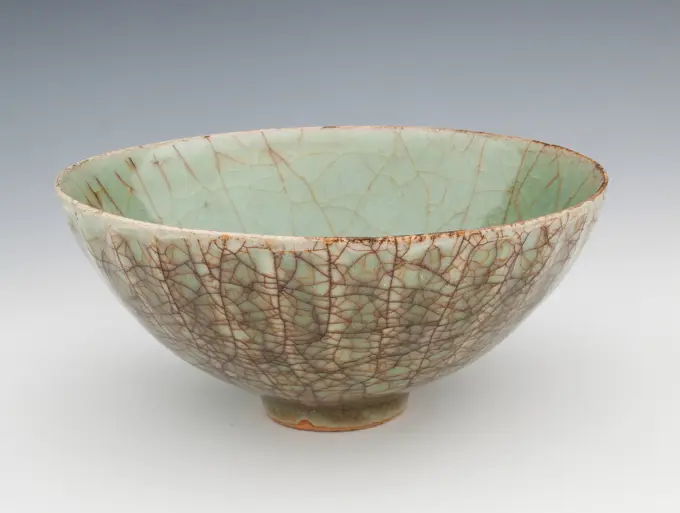
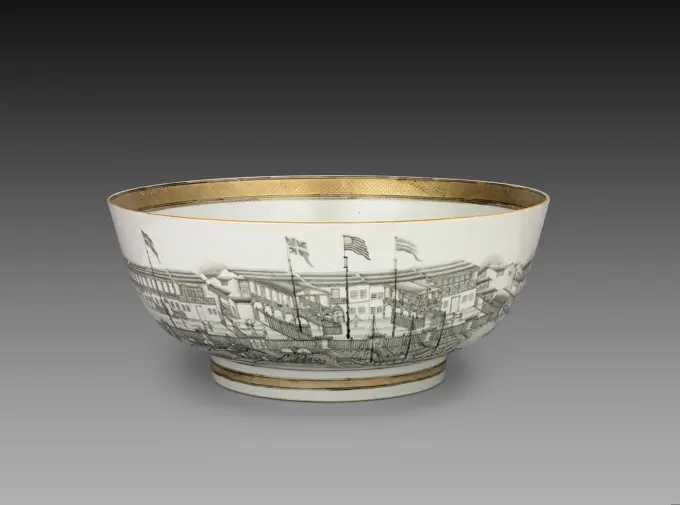
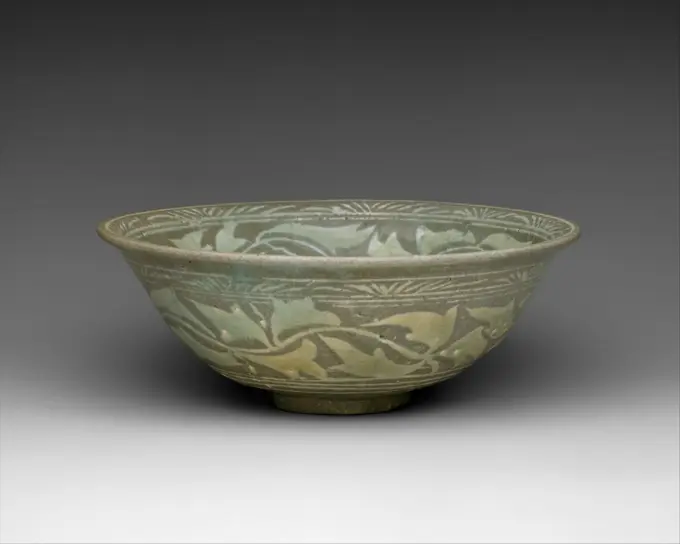
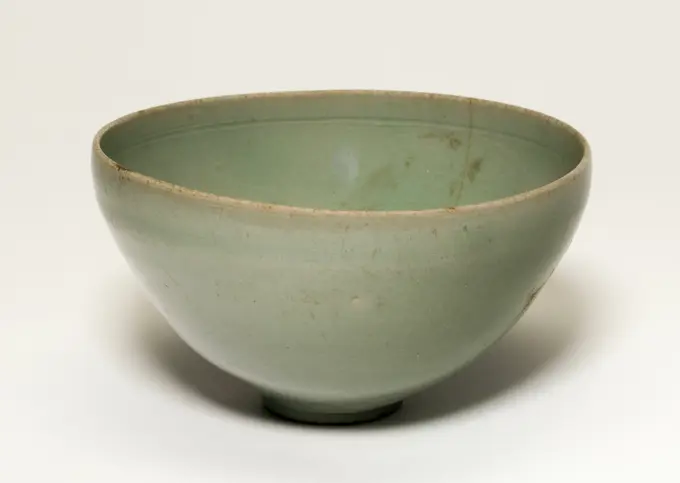
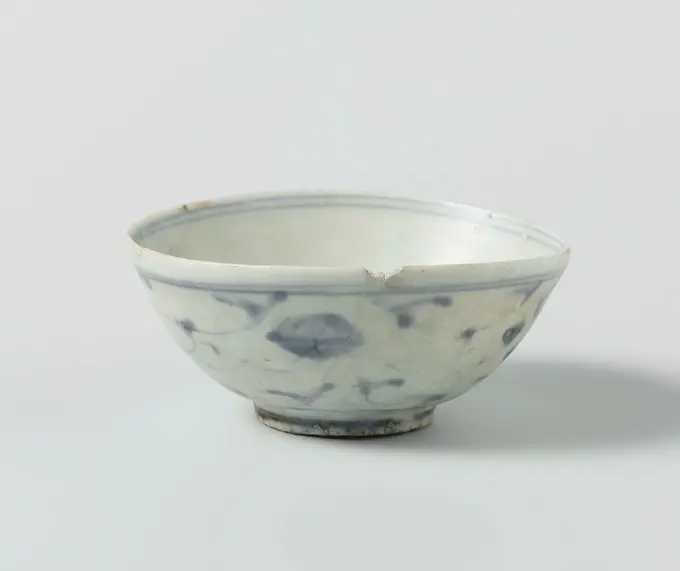
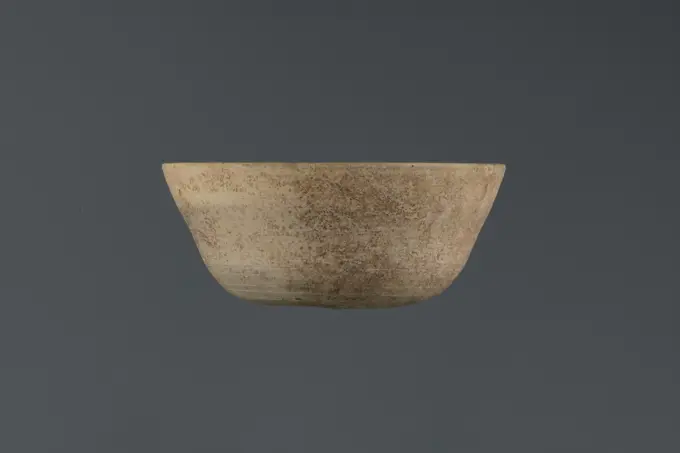
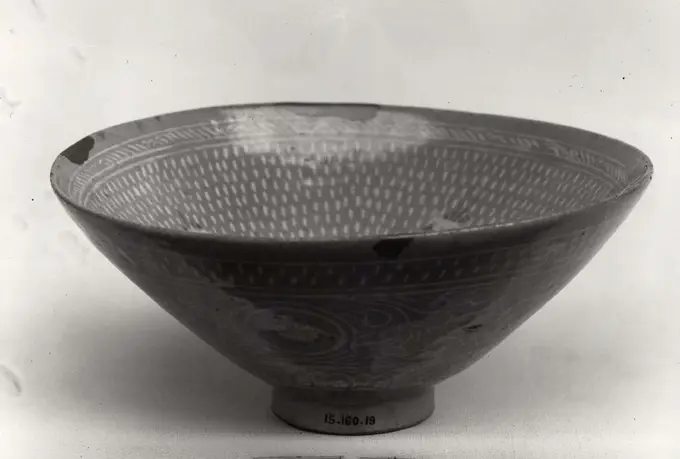
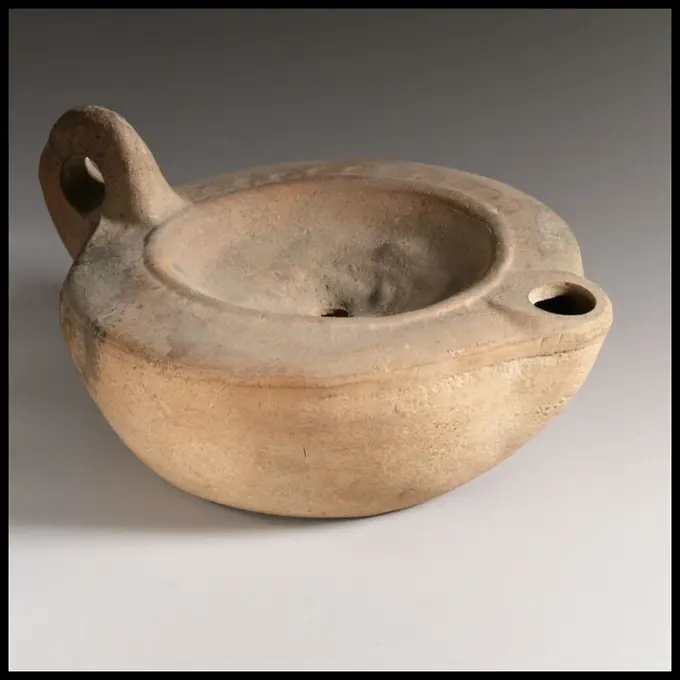
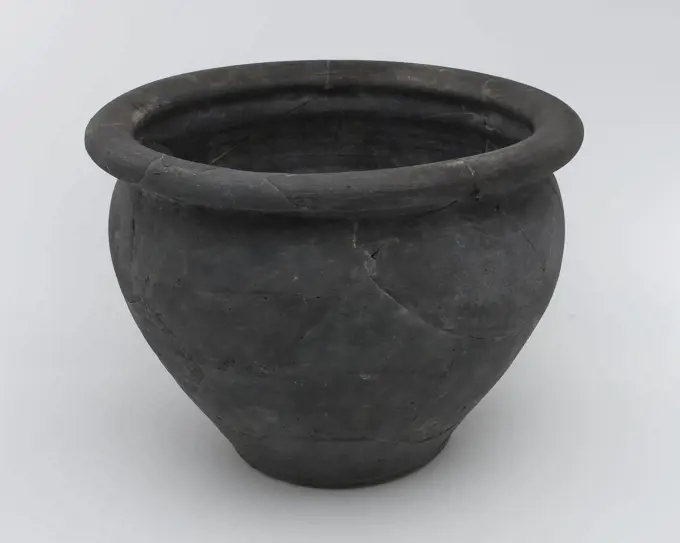
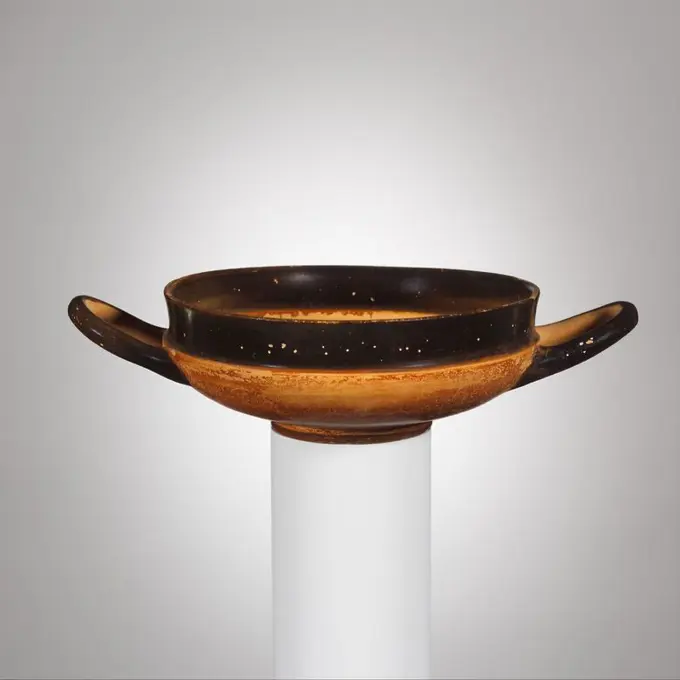
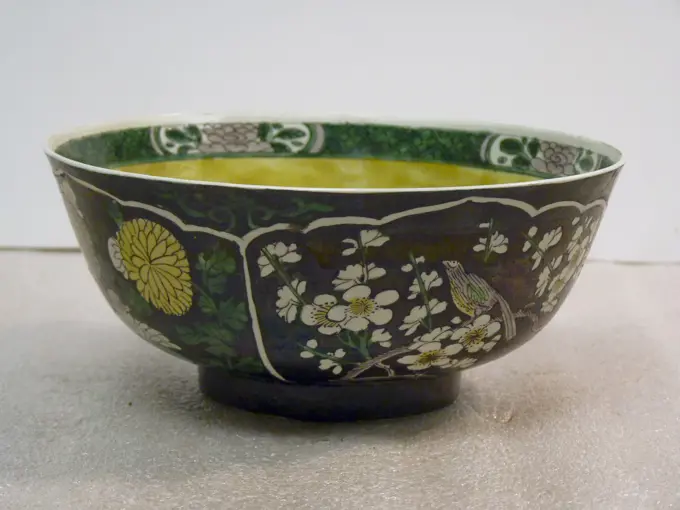
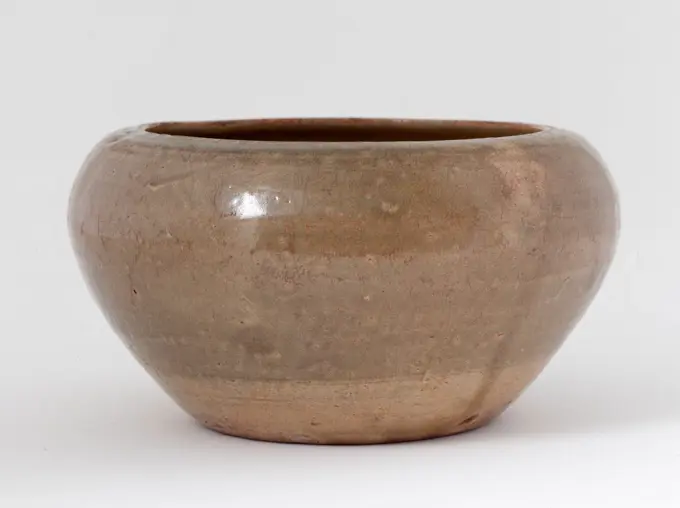
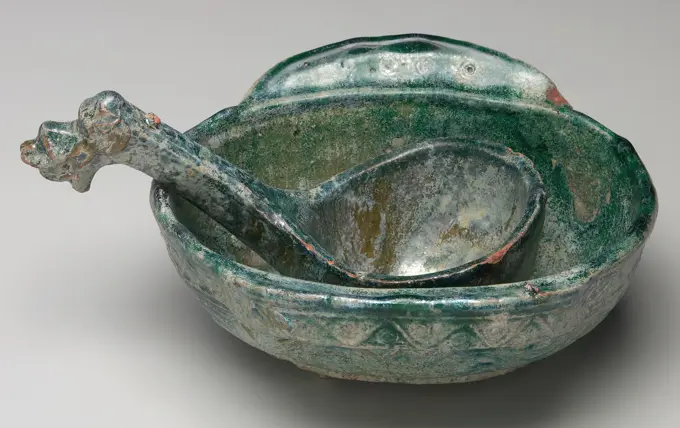
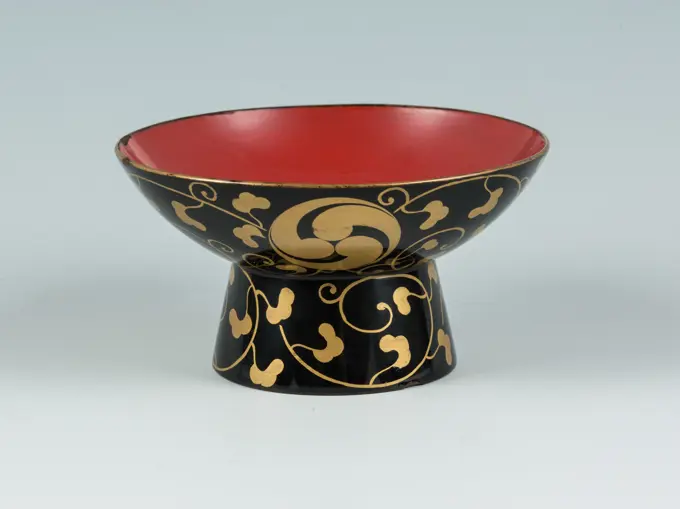
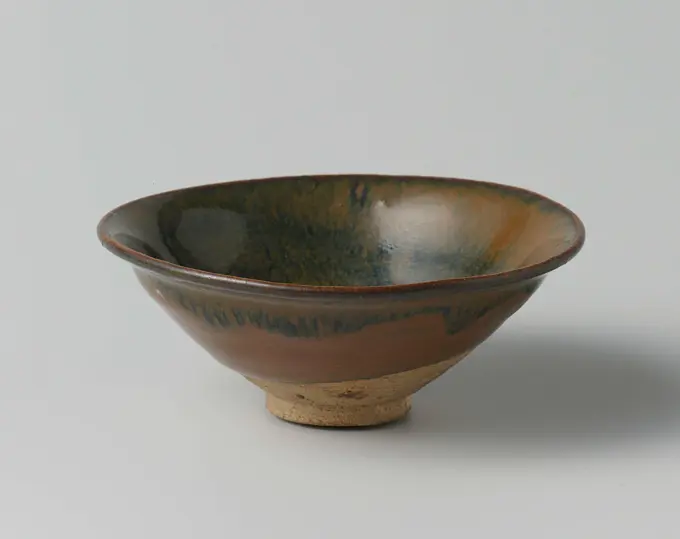
. Tea bowl of stoneware, partly covered with a brown glaze with dark blue spots. The lower half of the bowl is unglazed.Tea bowl with a grey brown glaze, anonymous, c. 960 - c. 1279 Teaom of stoneware, partially covered with a gray -brown glaze. The center is raised and the edge is contained in a gold -colored metal strap. The underside of the bowl is unglazed. Old label on the bottom with 'W020'. Jian. China stoneware. glaze. rand: gold (metal) vitrification Teaom of stoneware, partially covered with a gray -brown glaze. The center is raised and the edge is contained in a gold -colored metal strap. The underside of the bowl is unglazed. Old label on the bottom with 'W020'. Jian. China stoneware. glaze. rand: gold (metal) vitrificationBowl with incised floral scrolls, anonymous, c. 1100 - c. 1199 Come from quarter-fritgoed, decorated with frightened flowers and curls and porters about which transparent albumlaze. Iran earthenware. glaze engraving / perforating / vitrification Come from quarter-fritgoed, decorated with frightened flowers and curls and porters about which transparent albumlaze. Iran earthenware. glaze engraving / perforating / vitrificationDeep bowl, Jun ware. Artist: Chinese , Jin/Yuan Dynasty. Culture: Chinese. Dimensions: Diameter: 8 5/8 in. (22cm.). Date: 13th-14th century. Museum: Metropolitan Museum of Art, New York, USA.Bol (usual name), 1115. Céladon covered sandstone. Cernuschi Museum, Asia Museum of Asia in the city of Paris.Bowl with a greyish brown spotted cream glaze, anonymous, c. 1600 - c. 1699 Come from stoneware, covered with a cracked cream -colored glaze with gray -brown spots. Five prenes on the bottom. Korea stoneware. glaze vitrification Come from stoneware, covered with a cracked cream -colored glaze with gray -brown spots. Five prenes on the bottom. Korea stoneware. glaze vitrificationTea Bowl. China. Date: 960 AD-1279. Dimensions: H. 6.8 cm (2 11/16 in.); diam. 12.1 cm (4 3/4 in.). Jian ware; stoneware with dark brown "hare's fur" glaze. Origin: China. Museum: The Chicago Art Institute, Chicago, USA.Bowl with vertical lines, anonymous, c. 1100 - c. 1199 Come from Kwartsfritgoed with a transparent alternator. On the inner wall a bond with entered  Vertical lines. Iran earthenware. glaze engraving / vitrification Come from Kwartsfritgoed with a transparent alternator. On the inner wall a bond with entered  Vertical lines. Iran earthenware. glaze engraving / vitrificationBowl on a high footring with a white slip decoration, anonymous, c. 1127 - c. 1279 Come from stoneware on a high and narrow foot ring and a bell -shaped wall, partially covered with a white sludge. The underside and foot ring are unglazed. A crack in the wall. Cizhou (Juluxian). China stoneware. glaze vitrification Come from stoneware on a high and narrow foot ring and a bell -shaped wall, partially covered with a white sludge. The underside and foot ring are unglazed. A crack in the wall. Cizhou (Juluxian). China stoneware. glaze vitrificationTeabowl with a 'hare's fur' glaze, anonymous, c. 1127 - c. 1279 Theekom van Steengoed, partially covered with a black glaze with golden brown stripes (hare sheet). The lower half of the bowl is unglazed. The edge is caught in a metal band. Jian. Fujian stoneware. glaze. metal vitrification Theekom van Steengoed, partially covered with a black glaze with golden brown stripes (hare sheet). The lower half of the bowl is unglazed. The edge is caught in a metal band. Jian. Fujian stoneware. glaze. metal vitrificationBowl. Culture: China. Dimensions: H. 2 1/4 in. (5.7 cm); Diam. 5 in. (12.7 cm). Museum: Metropolitan Museum of Art, New York, USA.Bowl with (pseudo-)inscription and green spots, anonymous, c. 800 - c. 899 Come of earthenware decorated with (pseudo-) script and three spots in green on Engobe of white tinglaze, covered with a transparent lead glaze. Nishapur earthenware. glaze painting / vitrification Come of earthenware decorated with (pseudo-) script and three spots in green on Engobe of white tinglaze, covered with a transparent lead glaze. Nishapur earthenware. glaze painting / vitrificationBowl. "Hare fur" covered sandstone. Paris, Cernuschi museum. 78845-7 Asian art, table art, bowl, old ceramic, container, dishesCOPA CON PIE ACAMPANADA DE LA EDAD DE HIERRO. Location: MUSEO PIGORINI. Rome. ITALIA.Glass oval bowl first half of 1st century A.D. Roman Translucent turquoise blue green.Plain rim with ground upper edge; convex curving side, tapering downwards to flat oval bottom; two integral horizontal handles at rim on either long side, carved out in the shape of stylized palmettes with outward curving ends and a central projecting bud with incised groove on upper surface.Cracked on bottom and lower side with one patch of fill; many pinprick bubbles; dulling, pitting, and iridescent weathering.The unusual shape and color of this bowl suggest that it is the product of the early Roman glass industry in Italy. Since it is said to have been found near Nazareth in Roman Palestine, it can be seen as a rare example of a glass export from Italy to the eastern provinces of the Empire.. Glass oval bowl. Roman. first half of 1st century A.D.. Glass; cast and cut. Early Imperial, Julio-Claudian. GlassSaltcellar. Culture: possibly British. Dimensions: Height: 1 1/2 in. (3.8 cm);Diam. of rim: 2 5/8 in. (6.7 cm);Diam. of base: 2 1/4 in. (5.7 cm). Date: 18th century. Museum: Metropolitan Museum of Art, New York, USA.Conical bowl with three incised medallions, anonymous, c. 960 - c. 1279 Conical bowl of stoneware with a scalloped edge, covered with a transparent enamel with a light blue tint. On the inner wall three times an Ingrift Medallon with a decoration. Two cracks in the edge. Qingbai. China stoneware. glaze engraving / vitrification Conical bowl of stoneware with a scalloped edge, covered with a transparent enamel with a light blue tint. On the inner wall three times an Ingrift Medallon with a decoration. Two cracks in the edge. Qingbai. China stoneware. glaze engraving / vitrification1100. Céladon coverage sandstones. Cernuschi Museum, Asia Museum of Asia in the city of Paris.Glass ribbed bowl. Culture: Roman. Dimensions: H.: 2 1/8 x 4 5/8 in. (5.4 x 11.7 cm). Date: late 1st century B.C.-early 1st century A.D..Translucent pale blue green.Vertical rounded rim; deep sides with plain band around top, curving in to slightly concave bottom.On interior, one wide horizontal groove below rim, and two narrow, close-set grooves cut in a band around lower body; on exterior, thirty-eight shallow and slightly slanting ribs, tapering downwards and extending to edge of bottom.Intact, but some internal cracks; pinprick bubbles; dulling, deep pitting, and iridescence, with patches of thick creamy weathering.Rotary grinding marks on interior and on plain band around top of sides. Museum: Metropolitan Museum of Art, New York, USA.. Tea bowl of stoneware, partly covered with a black-brown glaze with stains crème colored on the outside (tortoiseshell). A saved flower on the bottom; The inner wall with twice a saved Feng Huang and twice a butterfly. The wall has been broken. Jizhou.Bowl 4th-7th century Coptic. Bowl 478856. Quartz frying goods bowl decorated with a inscription and tires with floral drinks in chocolate brown luster on substrate of transparent alkali-lead glaze.Bowl 4th-7th century Coptic. Bowl 478486Bowl 4th-7th century Coptic. Bowl 478821Bowl. Culture: Coptic. Dimensions: Overall: 1 5/8 x 4 1/4 in. (4.2 x 10.8 cm). Date: 4th-7th century. Museum: Metropolitan Museum of Art, New York, USA.. Tea bowl of stoneware, covered with a red-green (imitation peach bloom) Glaze. A saved and painted chrysanthemum on the wall. The edge is caught in an iron band. The underside of the bowl is unglazed. Kyoyaki.Bowl with stylized floral scrolls in green and yellow, anonymous, c. 900 - c. 999 Come of earthenware decorated with stylized flower vines in green, yellow and manganese -black sludge on Engobe from white sludge. Nishapur earthenware. lead glaze painting / vitrification Come of earthenware decorated with stylized flower vines in green, yellow and manganese -black sludge on Engobe from white sludge. Nishapur earthenware. lead glaze painting / vitrificationMarbled Bowl, 1100s. China, possibly Henan province, Xinwu, Dangyangyu, Northern Song dynasty (960-1127). Glazed stoneware; diameter: 7 x 13.3 cm (2 3/4 x 5 1/4 in.).Kylix. Artist: Painter of the Yale Cup, Greek, Attic, ca. 460-450 B.C.Bowl, 1st century BCE - 1st century CE, 3 1/2 x 7 5/16 x 7 3/16 in. (8.89 x 18.57 x 18.26 cm), Glazed ceramic, 1st century BCE - 1st century CEGlass bowl. Culture: Roman. Dimensions: H.: 2 1/4 in. (5.7 cm)Diam.: 4 1/4 x 2 7/16 in. (10.8 x 6.2 cm). Date: 2nd-3rd century A.D..Translucent pale blue greenRounded, thickened, vertical rim with slight indent below; vertical sides, then curving in to applied, solid base ring; almost flat bottom with pontil scar, uneven on interior with circular ridge caused by base ring and central, thickened boss.Complete, but one long crack from rim down side; many bubbles; pitting, iridescence, and weathering, with enamel-like brownish surface to interior. Museum: Metropolitan Museum of Art, New York, USA.Bowl 850-750 B.C. Cypriot Deep bowl with two handles and bands in black and red.. Bowl. Cypriot. 850-750 B.C.. Terracotta. Cypro-Geometric III . VasesBowl with Calligraphy, anonymous, c. 900 - c. 999 Come of earthenware decorated with red, manganese -brown, white and black sludge on Engobe from white sludge. The inner wall contains a difficult to read inscription in monumental chatter. Probably there is (repeated) 'Allah' or 'Al Yumn', which means 'happiness'. Nishapur earthenware. glaze painting / vitrification Come of earthenware decorated with red, manganese -brown, white and black sludge on Engobe from white sludge. The inner wall contains a difficult to read inscription in monumental chatter. Probably there is (repeated) 'Allah' or 'Al Yumn', which means 'happiness'. Nishapur earthenware. glaze painting / vitrificationSmall tin bowl or bowl, bowl bowl cup holder soil find tin metal, cast pewter bowl on stand ring. Protruding upper edge Unmarked archeology Rotterdam Soil discovery Rotterdam.Cup; Eastern Mediterranean; 2nd - 3rd century; Glass; 4 x 8.5 cm (1 9,16 x 3 3,8 in.)Bowl with Textured Surface Decoration 850 CE-1050 New Mexico. Ceramic and pigment . Ancestral Pueblo (Anasazi)Dish (usual name). Celadon coverage sandstone. Cernuschi Museum, Asia Museum of Asia in the city of Paris.Circular Dish, 12th Century. China, possibly Liao Kingdom, Northern Song dynasty (960-1127). White porcelain; diameter: 13.2 cm (5 3/16 in.).Painted Bowl 6th-4th century B.C. Paracas. Painted Bowl 310224Tea bowl unknownBowl - Brantford Pottery  , William Erastus Welding, 1872-1894  Brantford Pottery  , William Erastus Welding, 1872-1894Vase Bbnowski, Wacaw (1865 1945)Bowl Roman Blackish dish with flaring sides.. Bowl. Roman. Terracotta. VasesGlass ribbed bowl. Culture: Roman. Dimensions: 1 7/16 × 4 1/4 in. (3.7 × 10.8 cm)Diam. of rim: 4 1/8 in. (10.5 cm). Date: 1st century A.D..Translucent pale blue green.Vertical rim with rounded top edge; plain, almost vertical band around top of sides, then bulging outward before curving in sharply to flat bottom.On interior, three concentric grooves around outer edge of bottom and small, broader circle at center; on exterior, eighty-five vertical ribs of slightly varying length and width, with tops ground off, arranged around bulging middle section of body.Intact; a few pinprick bubbles; deep pitting, dulling, and brilliant iridescence with patches of thick creamy weathering.Rotary grinding marks on plain band around top of sides.Greenish ribbed bowl. Museum: Metropolitan Museum of Art, New York, USA.Conical Bowl. China. Date: 1100-1127. Dimensions: H. 3.7 cm (1 7/16 in.); diam. 12.9 cm (5 1/16 in.). Northern black ware, Cizhou type; stoneware with reddish-brown glaze. Origin: China. Museum: The Chicago Art Institute, Chicago, USA.Bowl 50 BCE-50 CE Syria. Initially affordable only among the wealthy, glass was used in ancient Rome as containers for oils, perfume, and tablewares. The variety of glass-making techniques reveals the changing tastes and fashions over the centuries. During the 1st century A.D., cast glass was a novel form that was a luxury for the Roman household, but by the end of the century, the innovation of blown glass allowed for less labor-intensive and less expensive production, which meant people of lesser means could afford it. Blown glass became so popular it nearly supplanted ceramic and even bronze wares in the home.Ribbed bowls were a luxury ware and a recent development of Hellenized glass workshops in the Eastern Mediterranean that flourished, producing for a new Roman market after Romeís expansion.. Glass, cast (sagged ) . Ancient RomanBowl Cypriot. Bowl 244484Bronze patera (shallow bowl). Culture: Etruscan. Dimensions: H. 2 3/4 in. (7 cm); diameter 14 in. (35.6 cm). Date: late 4th century B.C..Shallow dish with a wide horizontal lip. "Suthina" in Etruscan letters is inscribed on the patera. Museum: Metropolitan Museum of Art, New York, USA.Covered Bowl with Painted Decoration, 1400s. Siam, Sawankhalok ware, 15th century. Stoneware; overall: 10.8 cm (4 1/4 in.).Kylix. Culture: Italic-Native, South Italian (Daunian). Dimensions: H. 8.00 cm. Diameter 12.29 cm.. Date: 5th century B.C.. Museum: Metropolitan Museum of Art, New York, USA.Terracotta shallow bowl ca. 2900-2300 B.C. Minoan The rolled rim is decorated with zigzag lines.. Terracotta shallow bowl. Minoan. ca. 2900-2300 B.C.. Terracotta; Dark-on-light ware. Early Minoan II. VasesCircular Flowerpot Stand with Three Cloud-Shaped Feet. China. Date: 1115-1234. Dimensions: H. 7.3 cm (2 7/8 in.); diam. 20.0 cm (7 7/8 in.). Jun ware; stoneware with purplish blue glaze. Origin: China. Museum: The Chicago Art Institute, Chicago, USA.Cup ". GRS covered ivory. Paris, Muse Cernuschi. Coupe Asian art, extreme-East art, Vietnamese art, ceramic, cut, gres, dishesSaucer, c. 1893-1914. Seifū Yohei III (Japanese, 1851-1914). One from a set of ten dishes; porcelain with green glaze; overall: 2.5 x 8 cm (1 x 3 1/8 in.).Covered Bowl with Design of Pine, Bamboo, and Cherry Blossom. Culture: Japan. Dimensions: H. 3 3/8 in. (8.6 cm); W. 5 5/8 in. (14.3 cm). Date: 19th century.This covered bowl, part of a wedding trousseau, comprised of thirty-one pieces, represents late Edo-period maki-e (decoration in gold and/or silver sprinkled powder) art at its finest. The Shimazu family, lords of Satsuma in Kyushu, ordered this traditional trousseau most likely for Taka-hime, who was married to Matsudaira Sadakazu, lord of Kuwana (Ise Province), around 1830.The items of the wedding set are decorated with various auspicious motifs. The evergreen pine represents longevity and also symbolizes renewal. The fast-growing, springy, but at the same time very strong and enduring bamboo also stands for longevity and represents endurance and strength. The plum blossoms are the first flowers of spring, representing the renewal of nature. The combination of the "Three Friends of Winter"--originating from China--is associated Bowl with two seated figures surrounded by a broad border with scrolls, anonymous, c. 1275 - c. 1324 Come from quartz-fritry goods painted in sludge, blue and green with two sitting figures surrounded by a wide band with tifles under a colorless laze. is the earthenware. glaze. cobalt (mineral) painting / vitrification Come from quartz-fritry goods painted in sludge, blue and green with two sitting figures surrounded by a wide band with tifles under a colorless laze. is the earthenware. glaze. cobalt (mineral) painting / vitrificationBronze patera (salver) ca. 550 B.C. Etruscan Shallow flat dish with a wide horizontal lip.. Bronze patera (salver) 247025Cup with Handle in the Form of a Scholar Seated Beneath a Pine Tree Made 1600-1799 China. Rhinoceros horn .Bowl China. Bowl 46019Box and Cover, 918-1392. Korea, Goryeo period (918-1392). Celadon; diameter: 3.7 cm (1 7/16 in.); overall: 1.2 cm (1/2 in.). Celadons, spoons, seals, and bronze mirrors were the most common burial objects in tombs during the Goryeo period (918-1392). Once used to contain color powder, rouge and eyebrow gel for makeup, this small container was one of the standard goods that furnished elites' tombs. Goryeo-period women and men used the grain powder of rice or millet for whitening their skin, safflower extract for rouge, and plant ash or soot for eyebrow gel. Yet, natural-looking make-up seems to have been the most favorable one in Korea according to the travelogue by Xu Jing (1091-1153), the Chinese diplomat who visited Korea in 1123.Terracotta two-handled bowl with spout. Culture: Cypriot. Dimensions: H. 8 in. (20.3 cm); diameter 11 in. (28 cm). Date: ca. 1600-1150 B.C..Lateral handles and tubular spout, lattice ornament. Museum: Metropolitan Museum of Art, New York, USA.Maker: Unknown, Bowl with PinchedSides, Ceramic, 16.51 × 16.51 cm (6 1/2 × 6 1/2in.), Made in Mexico, Mexico,Olmec, Early FormativePeriod, Containers -CeramicsCup and Stand, 918-1392. Korea, Goryeo period (918-1392). Pottery; diameter of top: 13.1 cm (5 3/16 in.); overall: 6.4 cm (2 1/2 in.).Basin. Culture: American. Dimensions: H. 4 3/8 in. (11.1 cm); Diam. 13 in. (33 cm). Maker: Lyman, Fenton & Co. (1849-52). Date: ca. 1849-58. Museum: Metropolitan Museum of Art, New York, USA.Bowl c 1800-1860 New England. Maple . Artist unknownBasin. Vietnam, Dongson Culture, circa 1st-2nd century A.D.. Tools and Equipment; basins. Copper alloyCup; Roman Empire; 4th - 5th century; Glass; 5.4 x 7 cm (2 1,8 x 2 3,4 in.)Bowl. Culture: Cypriot. Dimensions: 3 9/16in. (9.1cm)Other (mouth): 5 7/8in. (14.9cm). Date: 850-750 B.C..Deep bowl with two handles and bands in black and red. Museum: Metropolitan Museum of Art, New York, USA.Anonymous. Imari decor hollow plate. Porcelain. 18th century. Museum of Fine Arts of the City of Paris, Petit Palais. 112502-27Bowl, c. 750-600 BC. Cyprus, Cypro-Archaic I. White painted ware; overall: 6.2 cm (2 7/16 in.); diameter of base: 5 cm (1 15/16 in.); diameter of rim: 10.3 cm (4 1/16 in.).Painted Bowl 2nd-6th century Michoacán. Painted Bowl 310534Saucer Roman Pale blue glazed saucer with close darker blue veining.. Saucer. Roman. Terracotta; glazed ware. VasesKyliks czarnofigurowy. unknown, authorRedware Bowl with Molded Snake-like Form on Rim. Inca; South coast or southern highlands, Peru. Date: 1450-1532. Dimensions: . Ceramic. Origin: Peru, southern. Museum: The Chicago Art Institute, Chicago, USA.Jar ca. 9th century B.C. Iran. Jar. Iran. ca. 9th century B.C.. Ceramic. Iron Age II, Hasanlu Period IV. Iran, HasanluLarge bowl of red earthenware on stand fins, two sausage ears, pouring lip, internally glazed, bowl milk tableware holder earthenware pottery earthenware glaze lead glaze, hand-turned glazed fried Large bowl with wide shank. Red shard internally covered with lead glaze Round bottom Three fins, two of which are filled with gypsum Collared upper edge with double groove Two horizontal wrestling ears attached at the top edge slightly upwards. Very thick glaze layer with drops along the top edge archeology inn The Heart Geervliet Bernisse indigenous pottery cooking kitchen food preparation mixing cream milk dairy Soil discovery: Geervliet Dorpsplein 1 demolition Trouw put 5 city inn 't Hart 1985.Bowl. Culture: Coptic. Dimensions: Overall: 2 3/4 x 7 in. (7 x 17.8 cm). Date: 4th-7th century. Museum: Metropolitan Museum of Art, New York, USA.Bowl 1765-1775 Burslem. Stoneware (redware) . Wedgwood Manufactory (Manufacturer)Bowl. Culture: Aztec. Dimensions: H. 1 1/4 x Diam. 2 7/8 in. (3.3 x 7.4 cm). Date: 15th-early 16th century. Museum: Metropolitan Museum of Art, New York, USA.Pan. Mantua Glass Works; Manutua, Ohio, 1821-1829. Date: 1820-1830. Dimensions: H. 12.7 cm (5 in.). Blown glass. Origin: Mantua. Museum: The Chicago Art Institute, Chicago, USA.Bowl. Korea, Goryeo dynasty (918-1392), 12th century. Furnishings; Serviceware. Wheel-thrown stoneware with green glazePan c 1824-1832 Ohio. Blown glass . Artist unknownCup from a torch-holder Cypriot. Cup from a torch-holder. Cypriot. Bronze. BronzesDish;  early xxw (1915-00-00-1930-00-00);Glazed bowl with krakelra unknownPunch Bowl c 1789 China. Chinese officials limited all international trading to the city of Canton, and segregated the fan kwae (foreign devils) into a 15-acre area outside of the city wall. Decorated in grisaille, or monochrome, the exterior of this punch bowl shows the 13 trade buildings, known as hongs (foreign factories), that lined this restricted area. Each building was associated with a particular country, and they doubled as counting houses and living quarters, where agents resided during the fall trading season. In this view of the hongs, the American factory lies between those of the United Kingdom and the Netherlands, suggesting that this was an early rendering, made before the United States permanently established its factory next to Swedenís.. Porcelain . Chinese export porcelainBowl decorated with peony leaves and chrysanthemum 15th century Korea This bowls decoration highlights the peony plants leaves; the blossom is absent.. Bowl decorated with peony leaves and chrysanthemum 64881Bowl with Phoenix 1000-1035 Korea. Celadon-glazed stoneware with underglaze incised decoration .Come from v.o.c.-ship the 'white lion'. Come from v.o.c.-ship the 'white lion', 100%% present.Miseczka. nieznany warsztat północno mezopotamski (ca 2600-ca 2350 a.C.), workshopBowl 13th century Korea. Bowl 57416Bowl. Culture: Coptic. Dimensions: Overall: 1 9/16 x 4 3/16 in. (4 x 10.6 cm). Date: 4th-7th century. Museum: Metropolitan Museum of Art, New York, USA.Lamp. Culture: Roman. Dimensions: Length: 5 3/16 in. (13.2 cm)Height: 2 5/8 in. (6.7 cm). Date: 2nd century A.D.. Museum: Metropolitan Museum of Art, New York, USA.Black storage jar on standing surface, folded upper edge above constriction, storage jar pot holder soil find ceramic earthenware, hand-turned baked Black pot on stand. Stock pot with wide neck opening. Necking under the outstanding top edge Rounded and rounded top edge. waised black earthenware archeology Poortugaal Albrandswaard indigenous pottery import save store basement stock Grondvondst Poortugaal.Terracotta stemless kylix (drinking cup). Culture: Greek, Attic. Dimensions: H. 2 1/16 in. (5.3 cm); diameter 5 1/8 in. (13 cm). Date: ca. 500-475 B.C..Reddish clay with a black band around the rim. Museum: Metropolitan Museum of Art, New York, USA.Bowl late 17th-early 18th century China. Bowl 42277BO" bowl. Celadon coverage sandstone. China, Tang dynasty (618-907). Paris, Cernuschi museum. Chinese art, BO Bol, Chinese Ceramic, container, Tang dynasty, gres, container, terracottaLadle, 1st century, 5 1/2 x 2 5/8 in. (13.97 x 6.7 cm), Earthenware, glaze, China, 1st centuryCDK unknownBlack-Topped Bowl, 4000-3000 BC. Egypt, Predynastic Period, Early Naqada II. Nile silt; diameter: 14.6 cm (5 3/4 in.); diameter of mouth: 11.5 cm (4 1/2 in.); overall: 7.6 cm (3 in.).