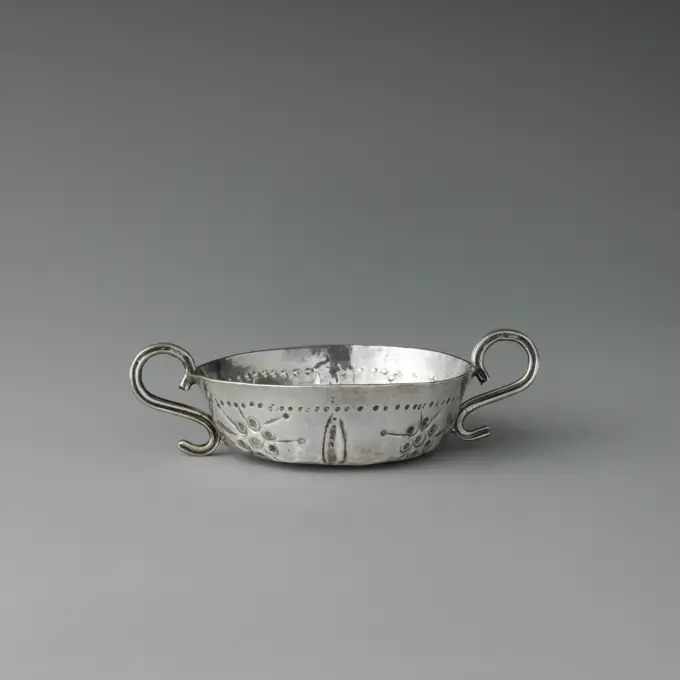
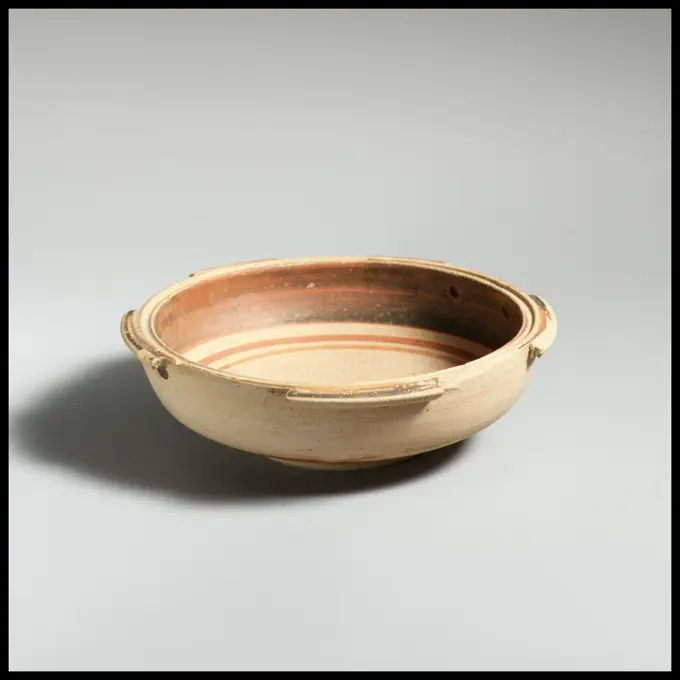
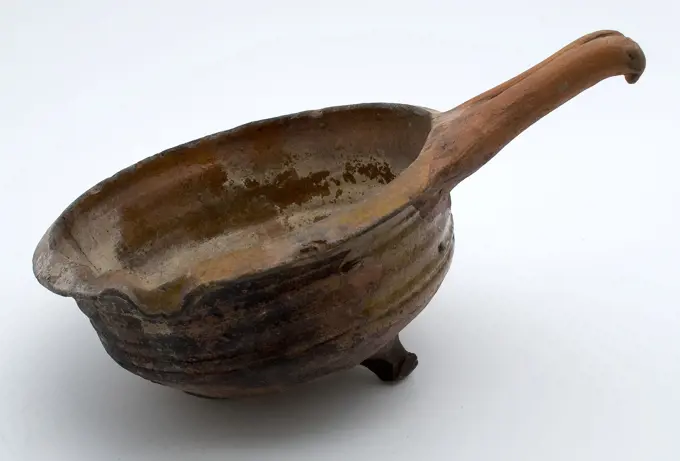
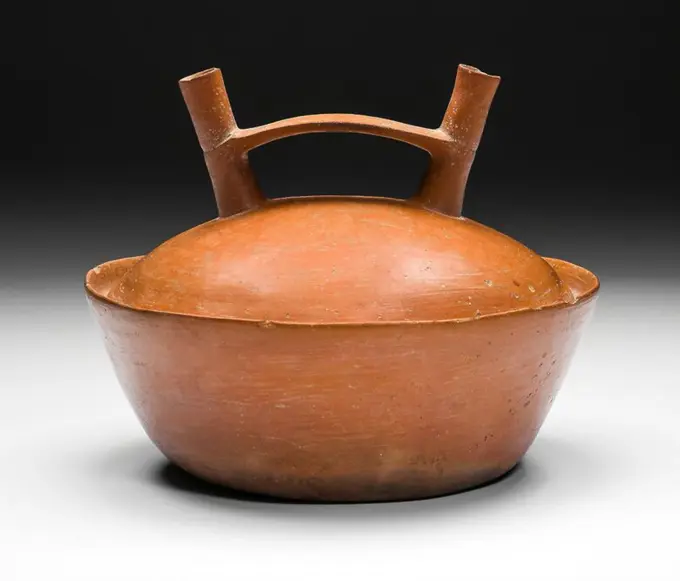
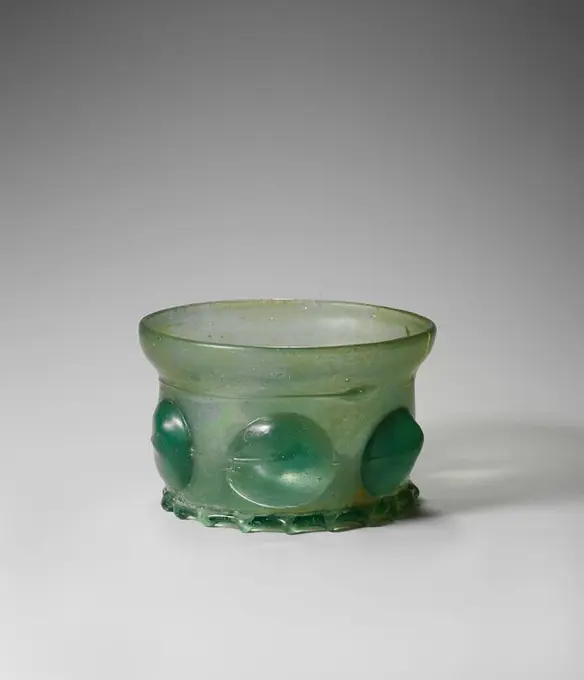
Elegant Tea Bowls

Artisan stoneware tea bowls with varied glazes and elegant designs, emphasizing craftsmanship from different cultures and historical periods.
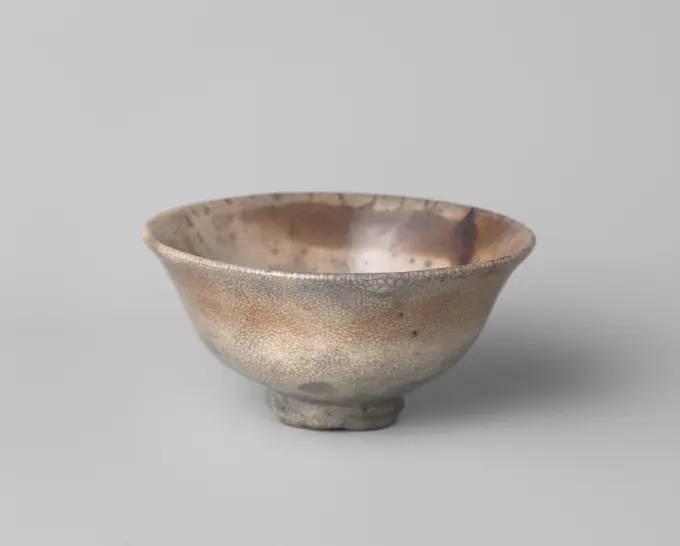
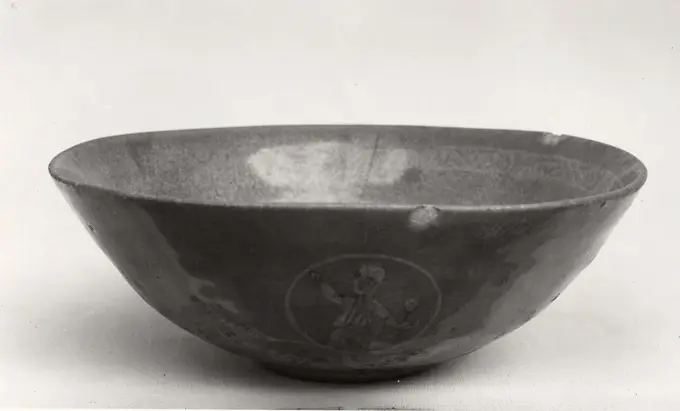
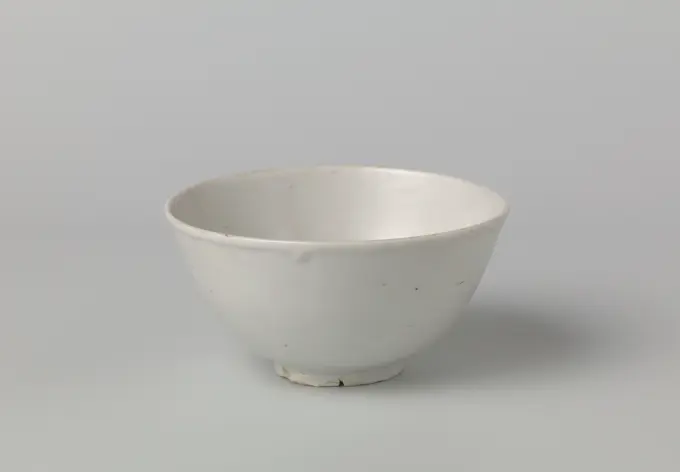
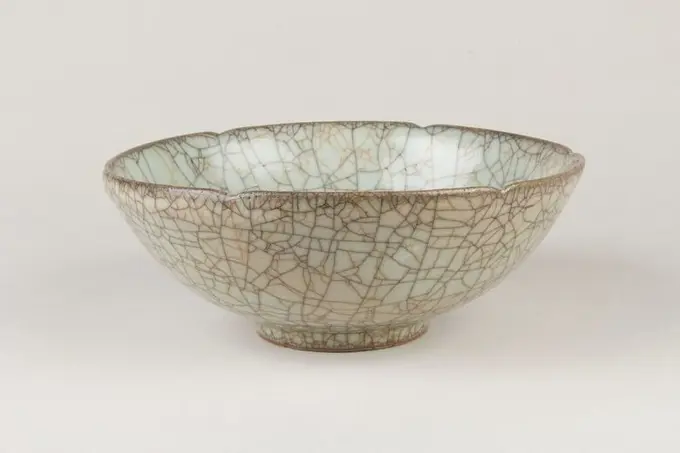
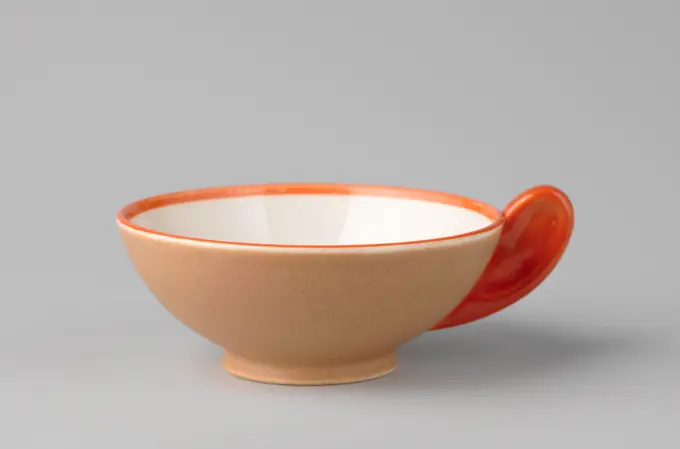
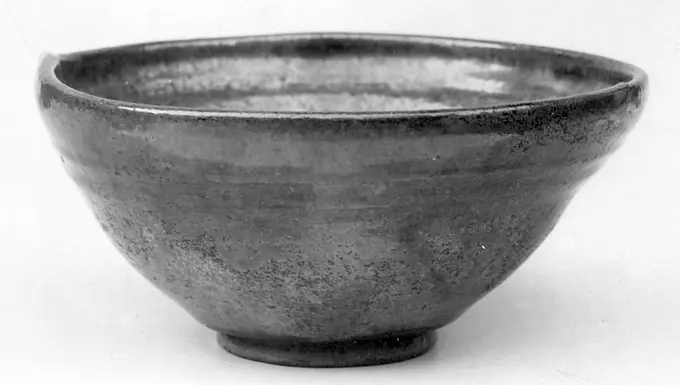
Bowl with a greyish brown spotted cream glaze, anonymous, c. 1600 - c. 1699 Come from stoneware, covered with a cracked cream -colored glaze with gray -brown spots. Five prenes on the bottom. Korea stoneware. glaze vitrification Come from stoneware, covered with a cracked cream -colored glaze with gray -brown spots. Five prenes on the bottom. Korea stoneware. glaze vitrification
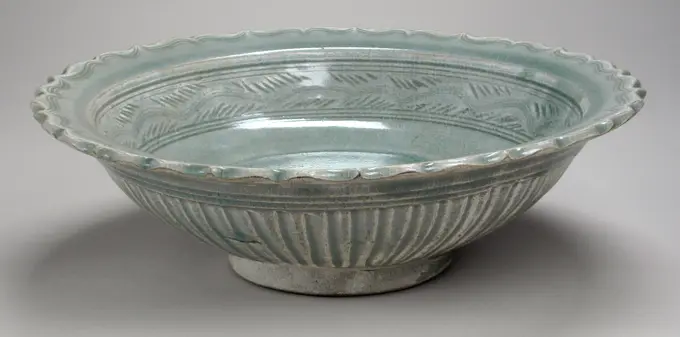
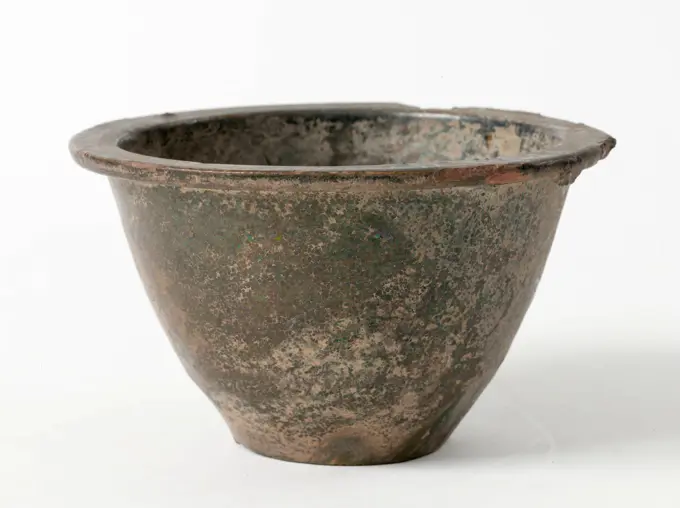
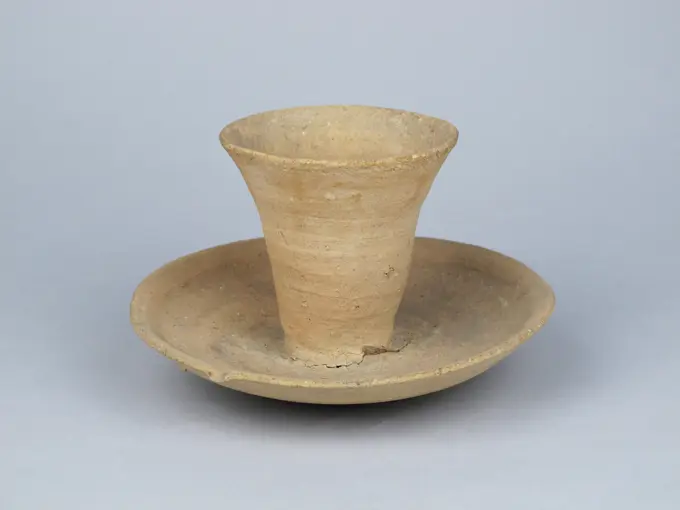
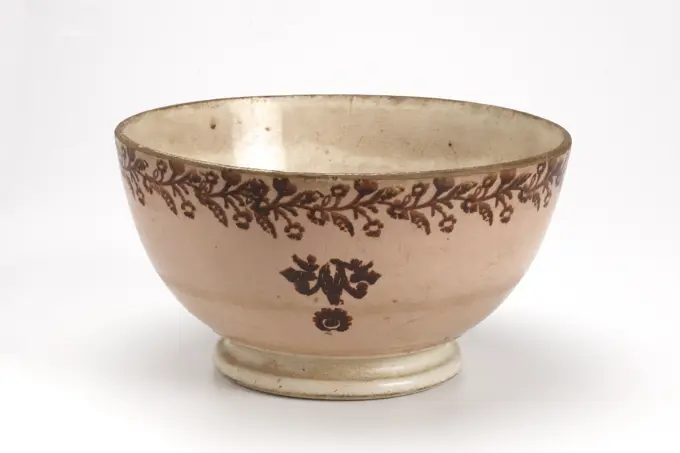
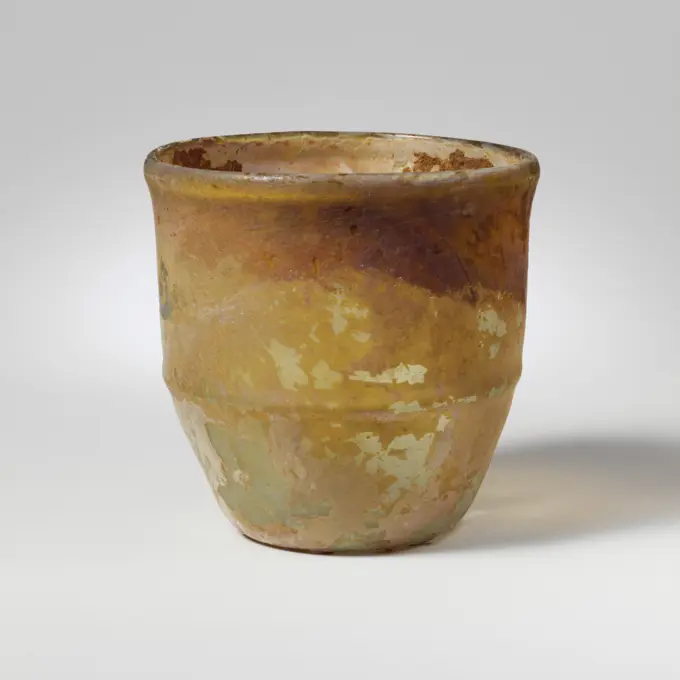
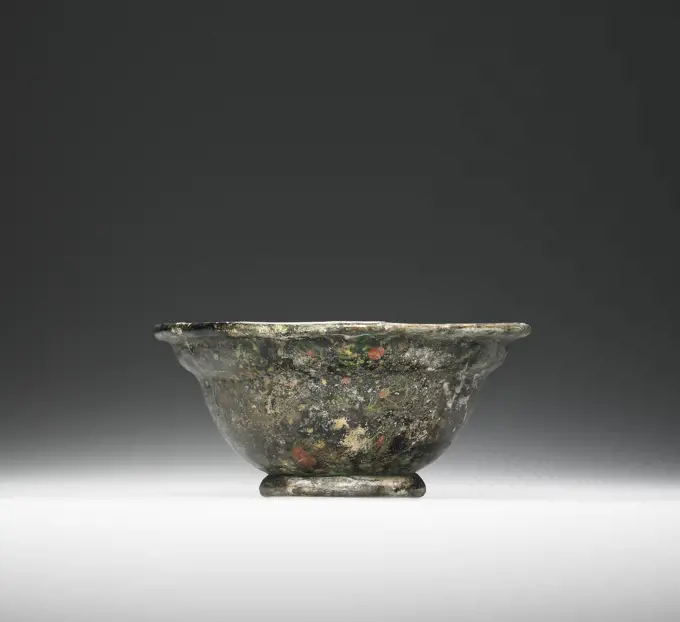
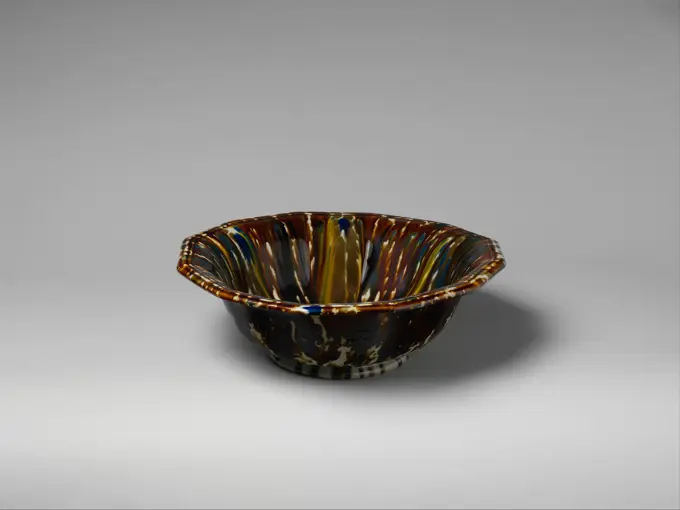
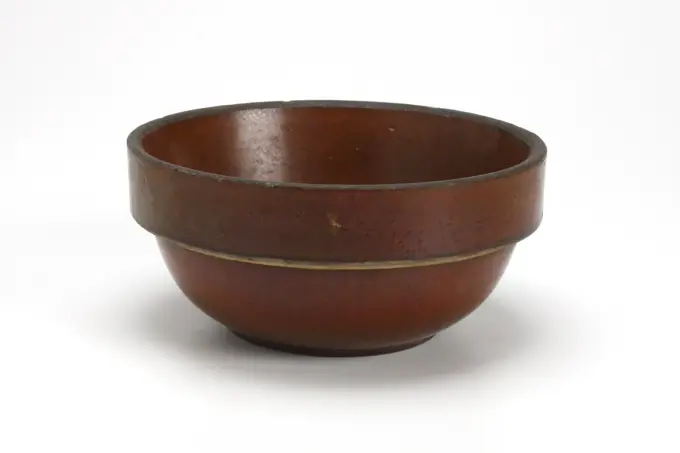
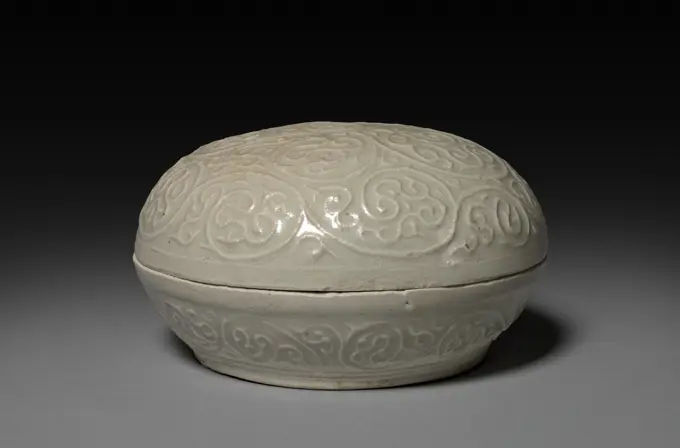
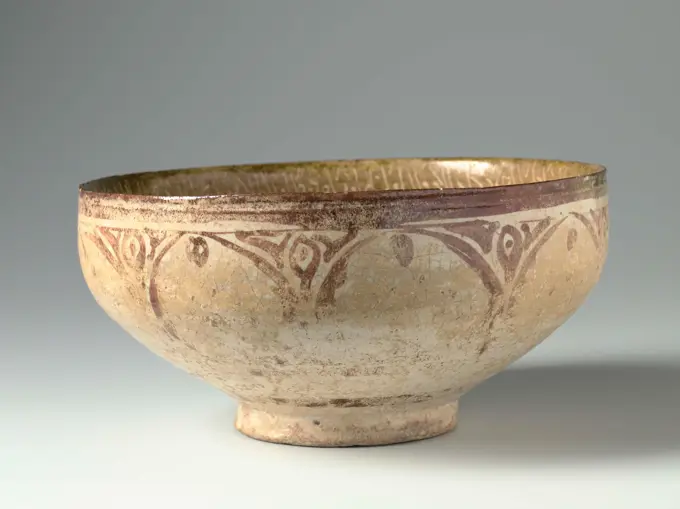
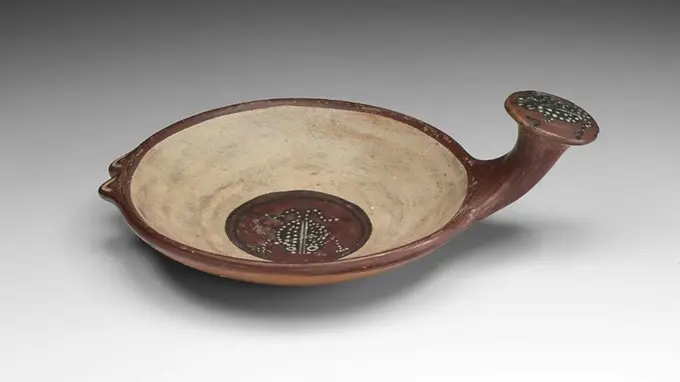
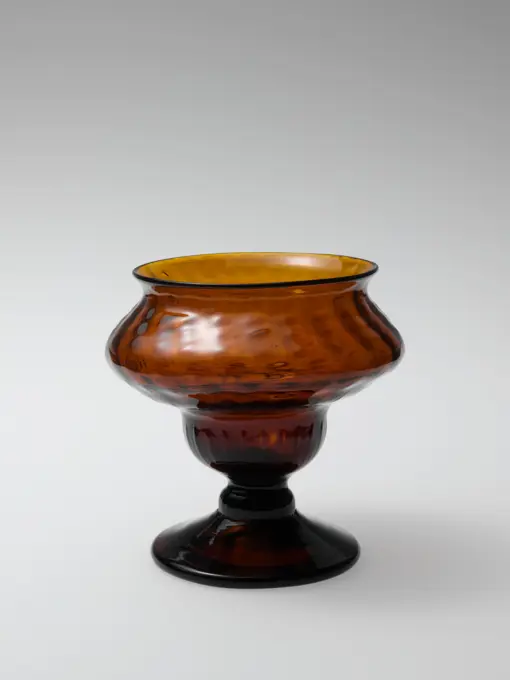
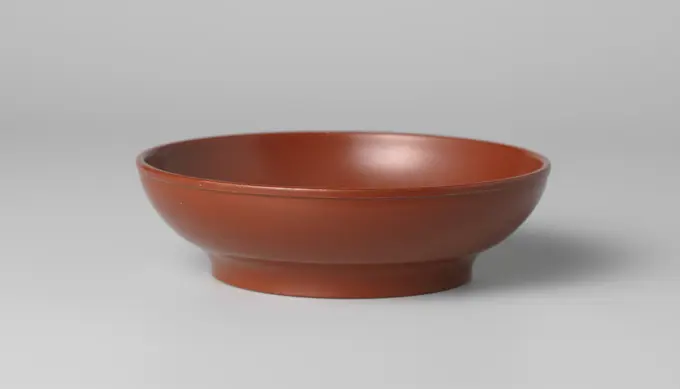
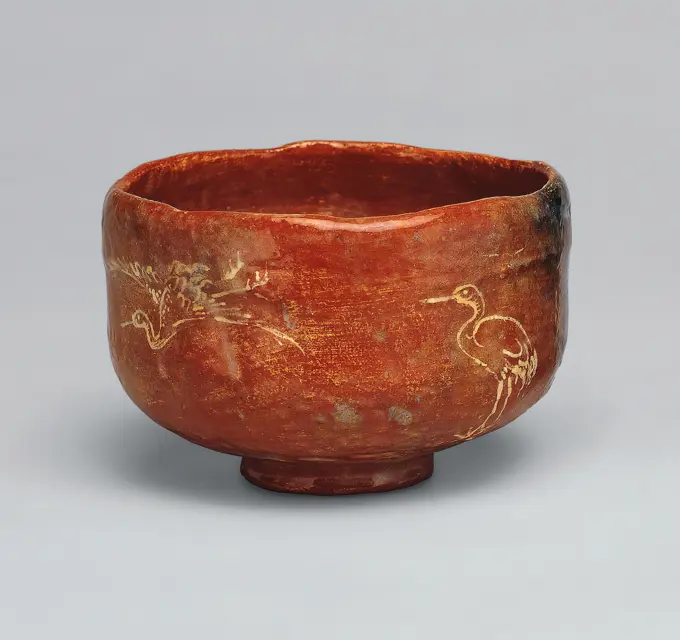
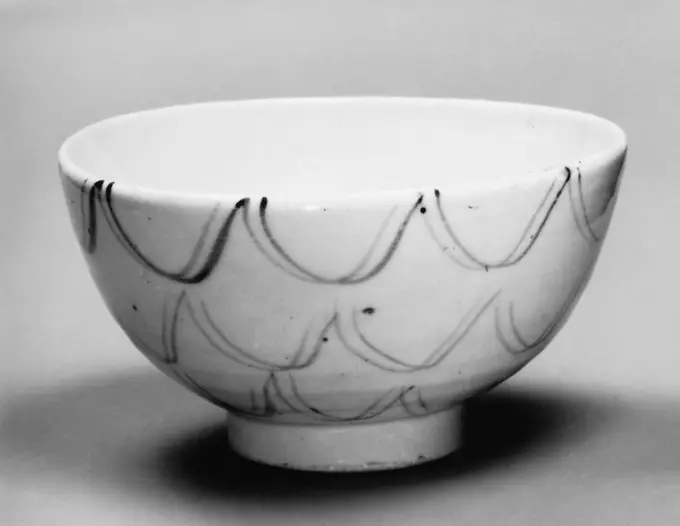
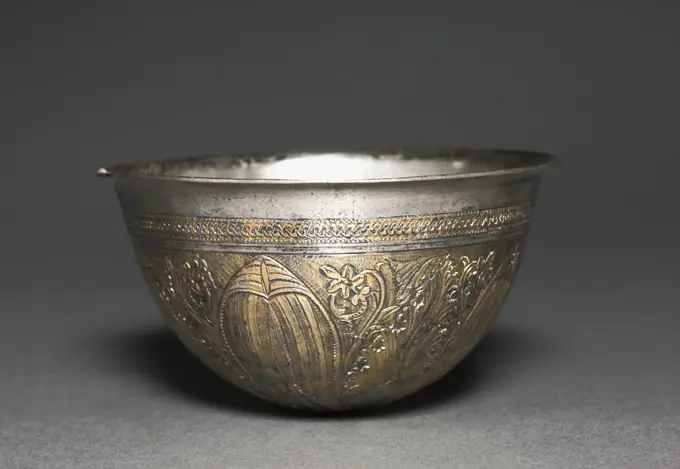
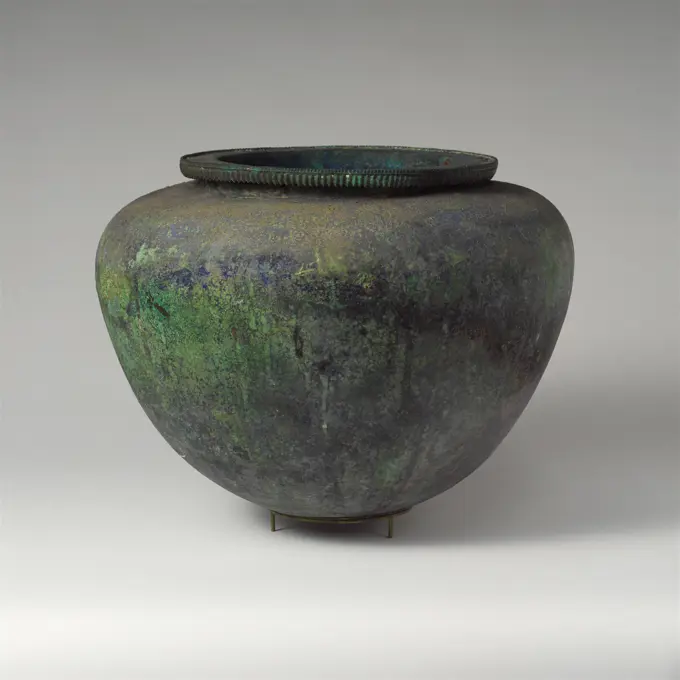
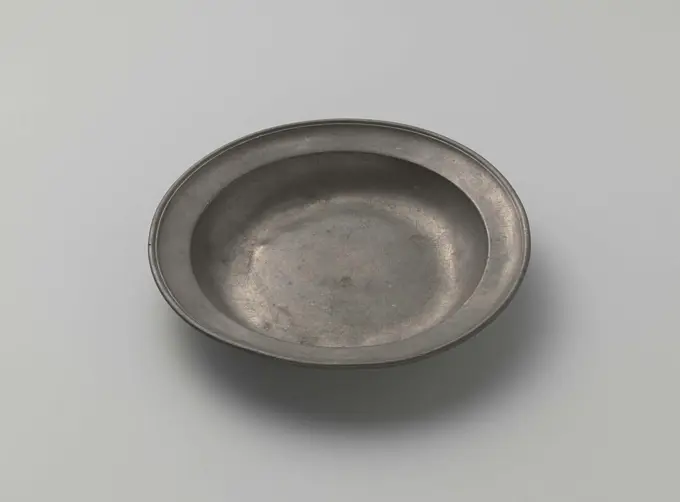
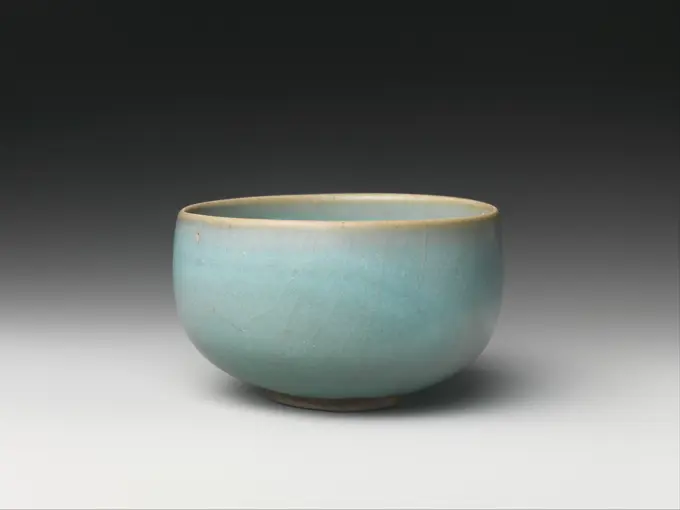
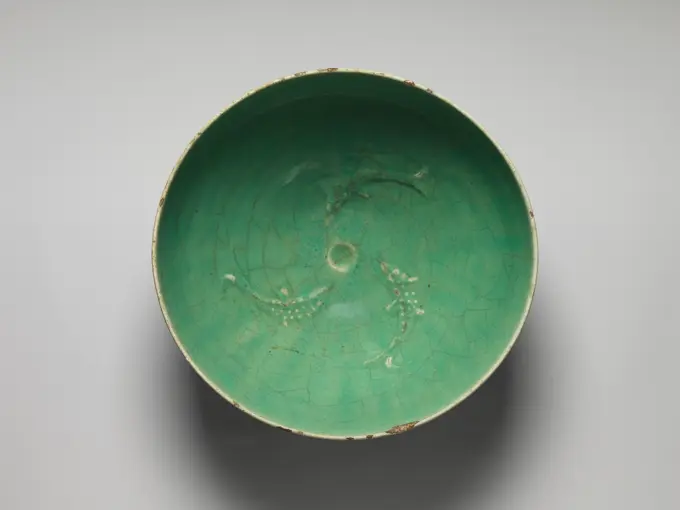
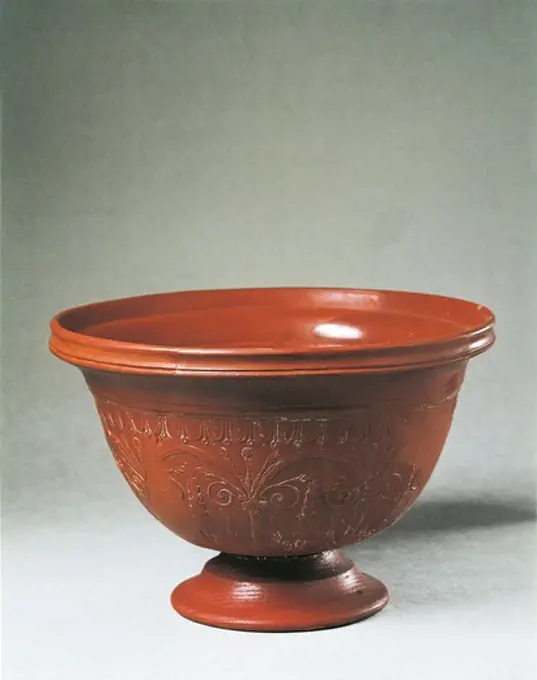
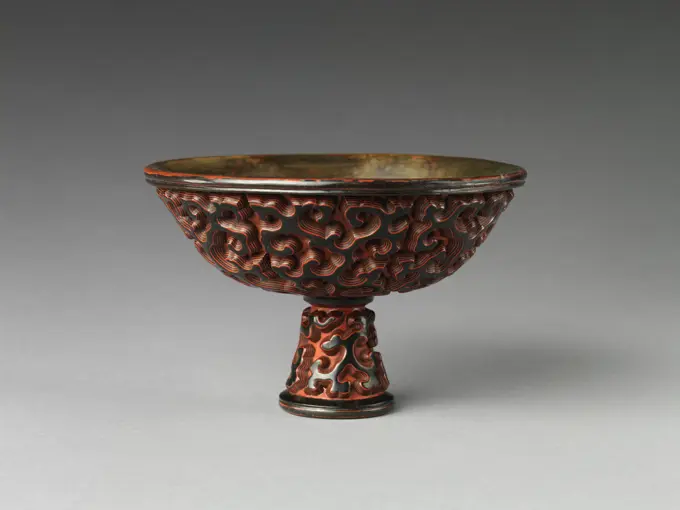
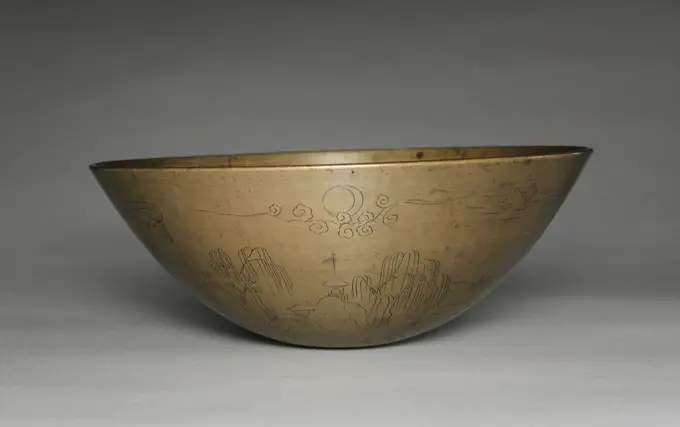
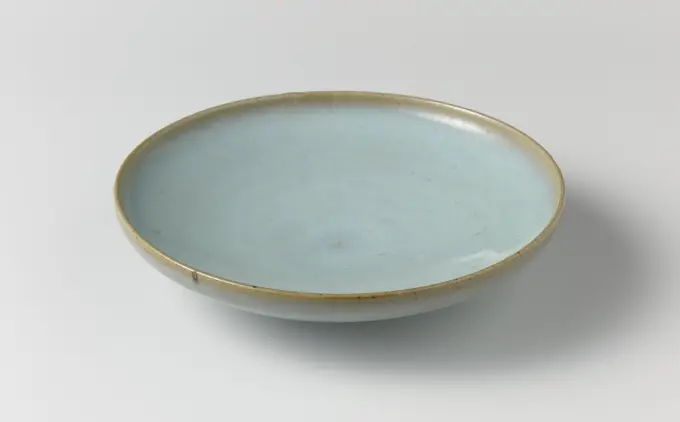
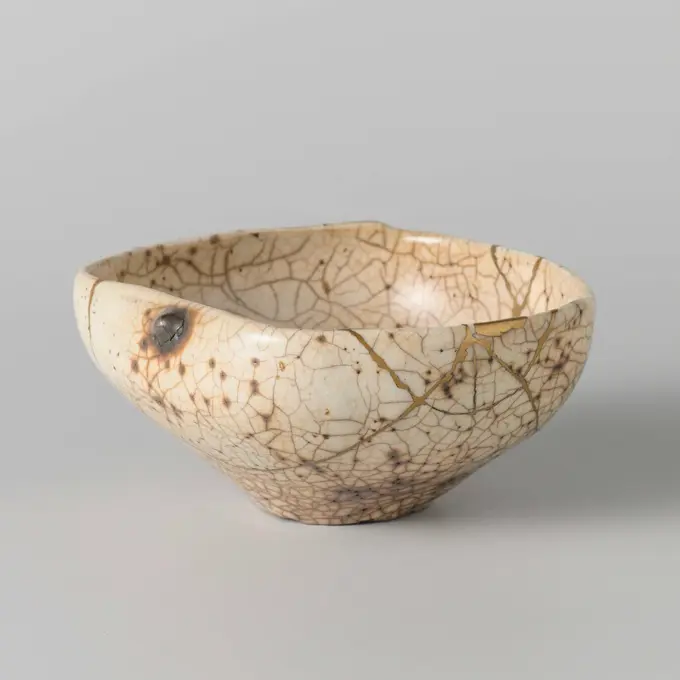
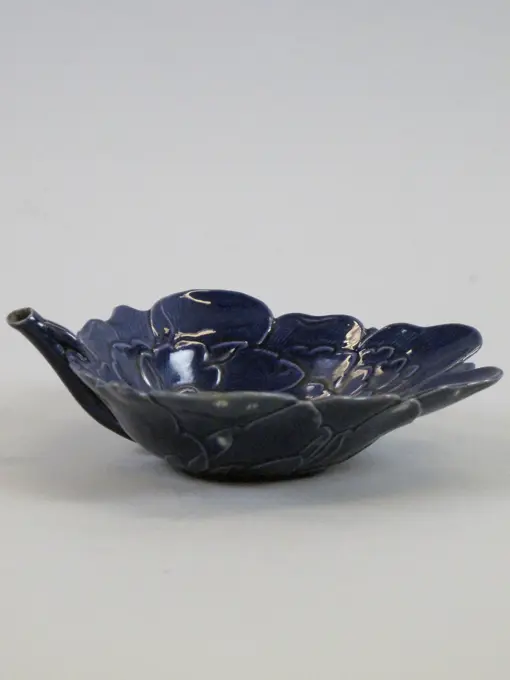
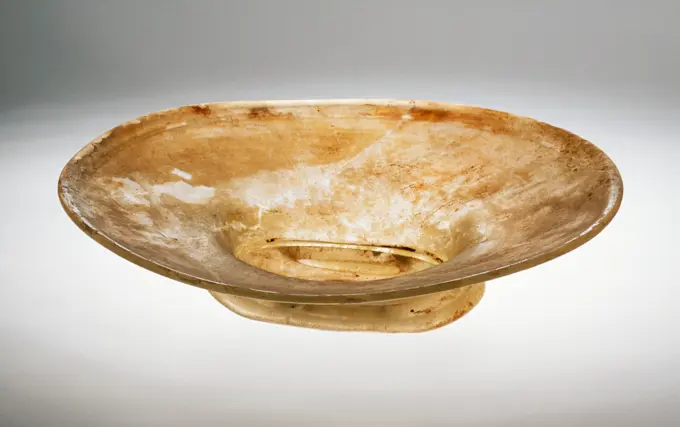
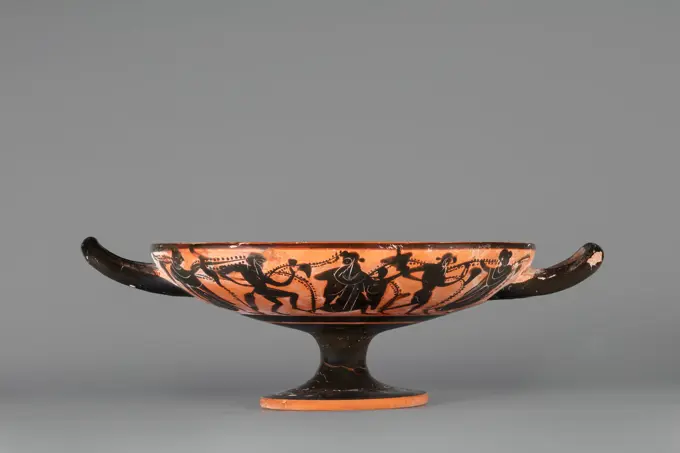
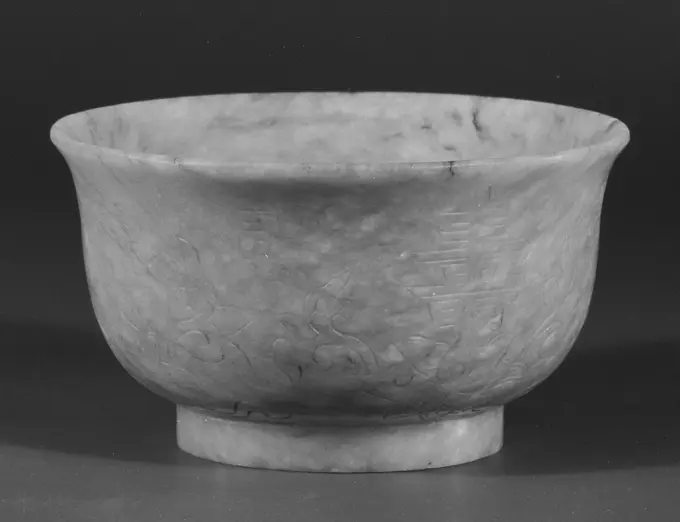
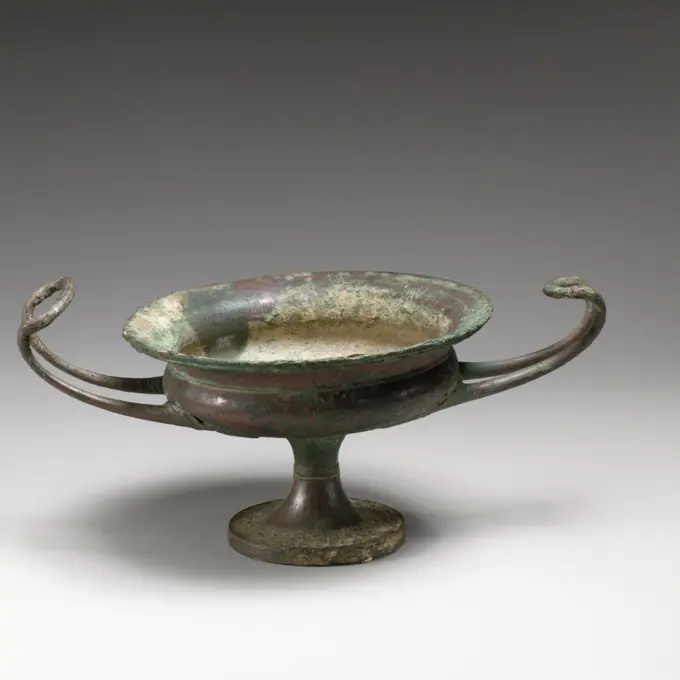
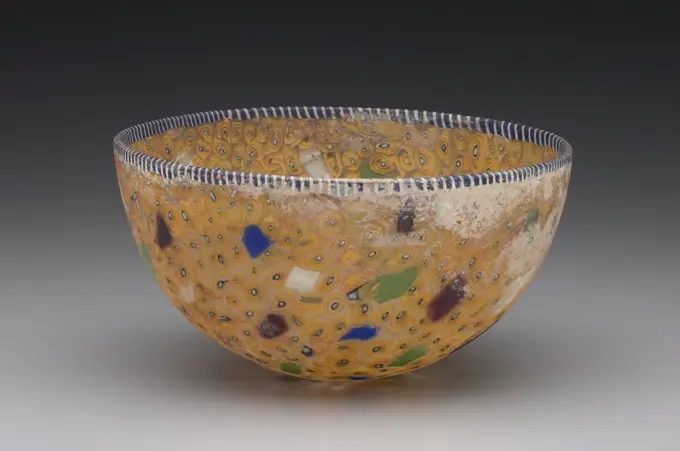
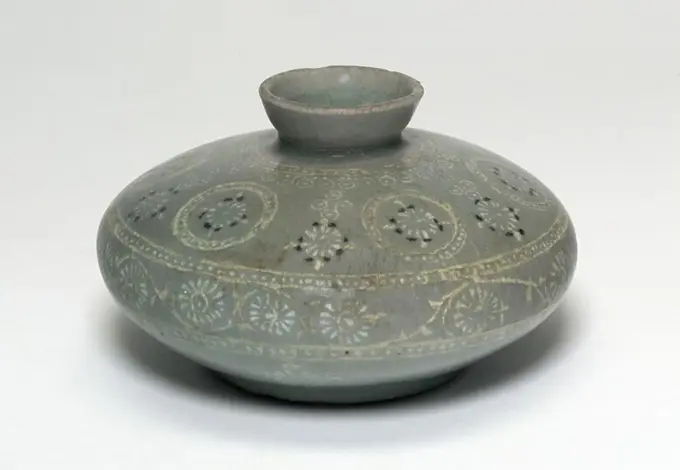
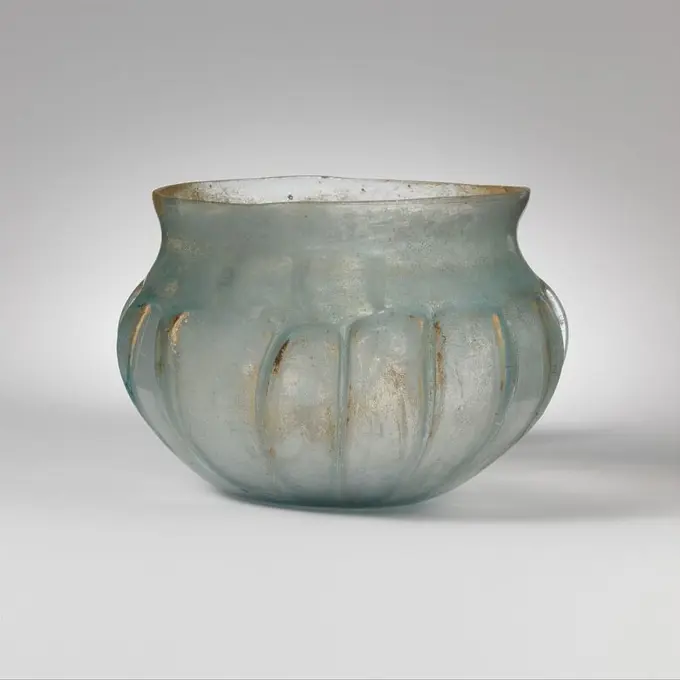
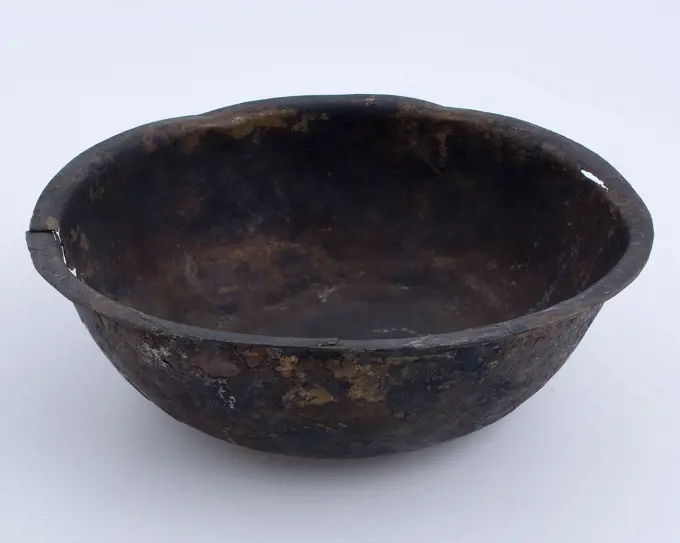
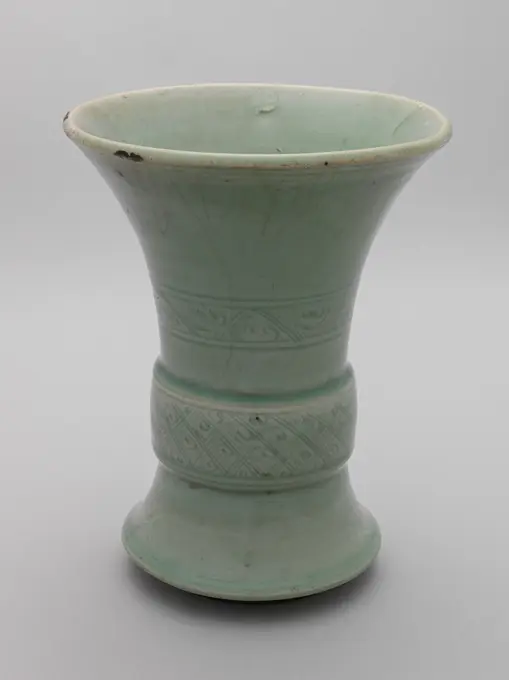
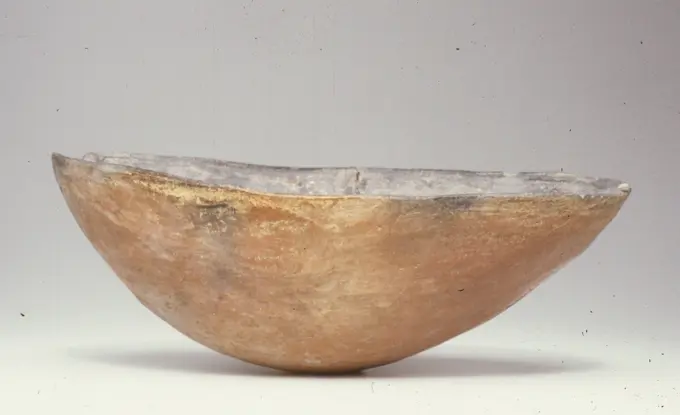
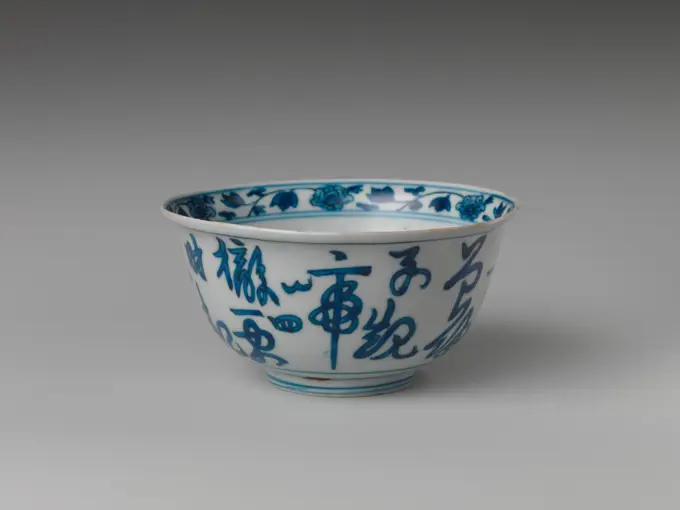
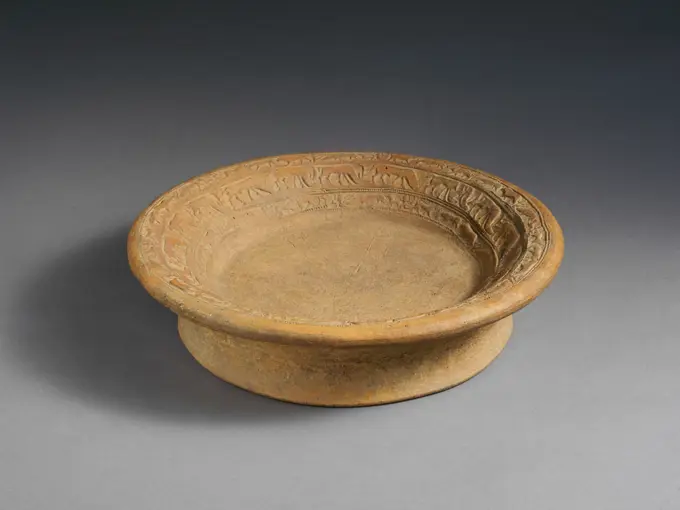
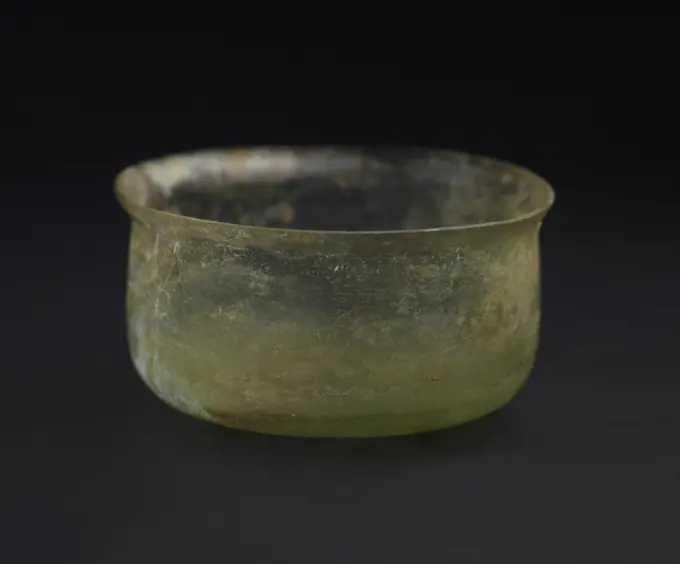
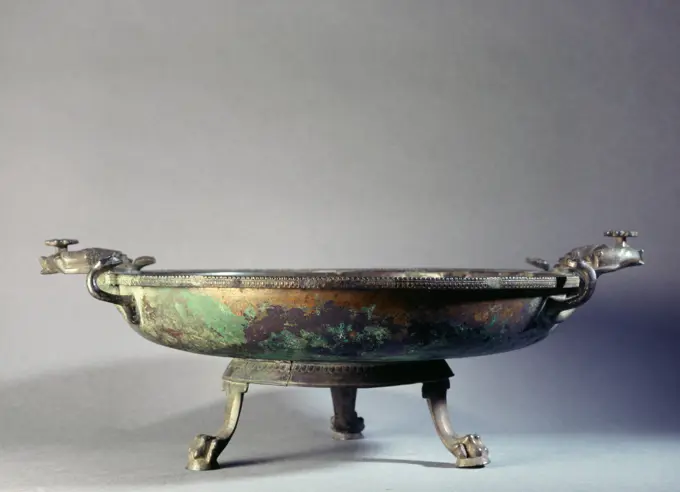
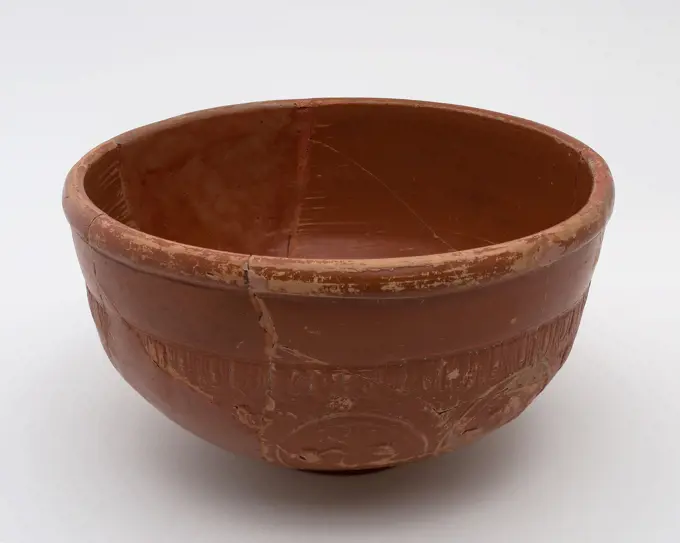
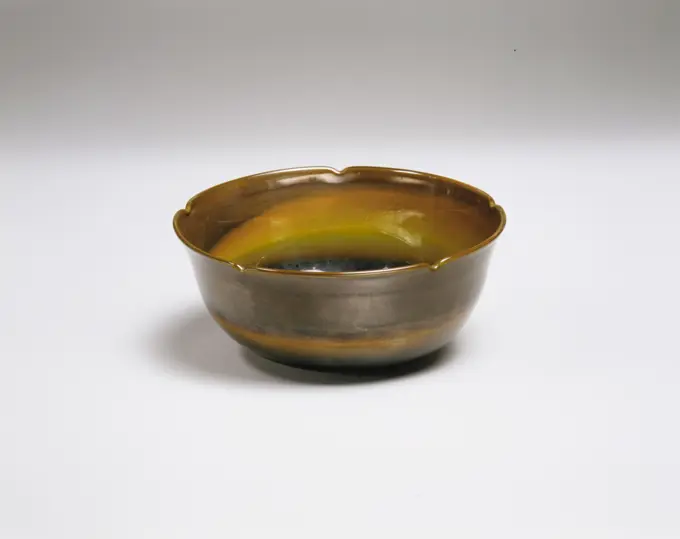
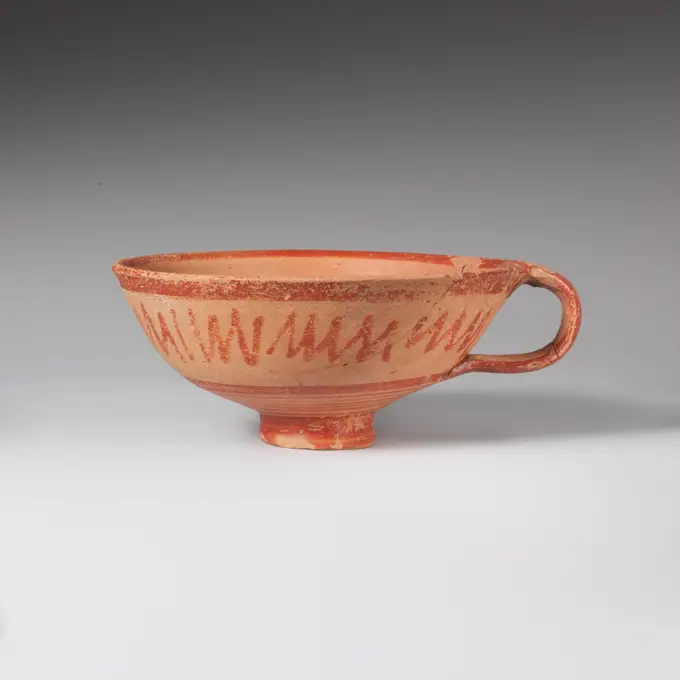
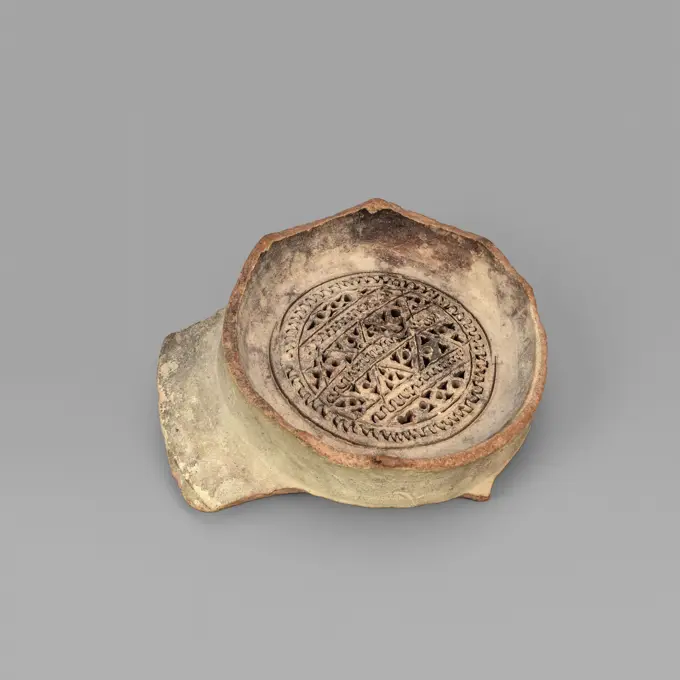
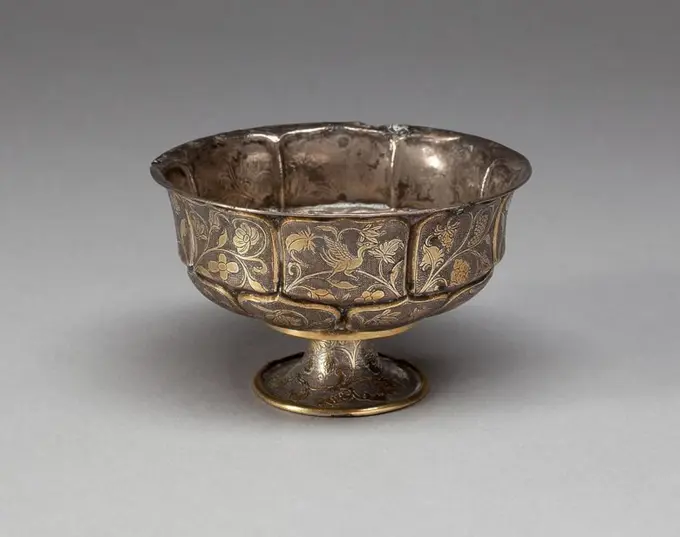
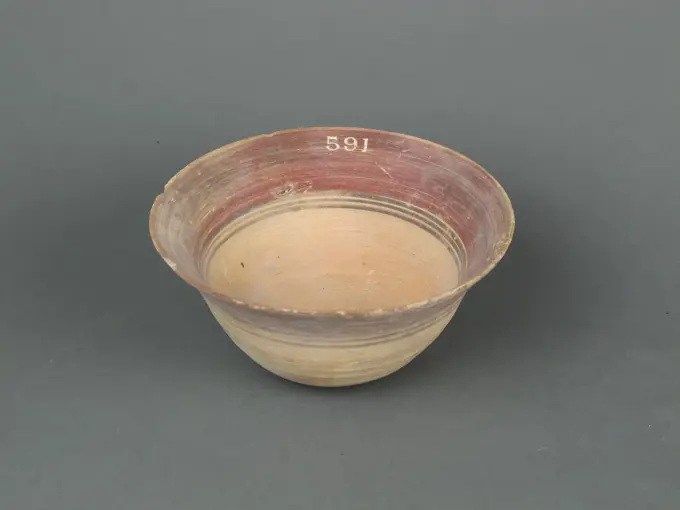
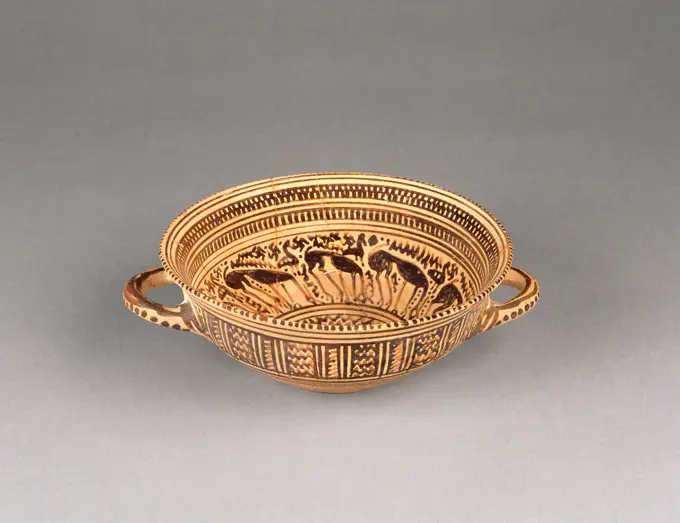
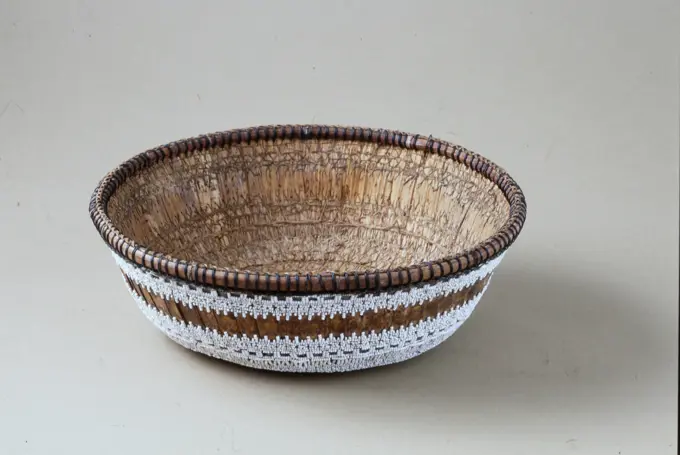
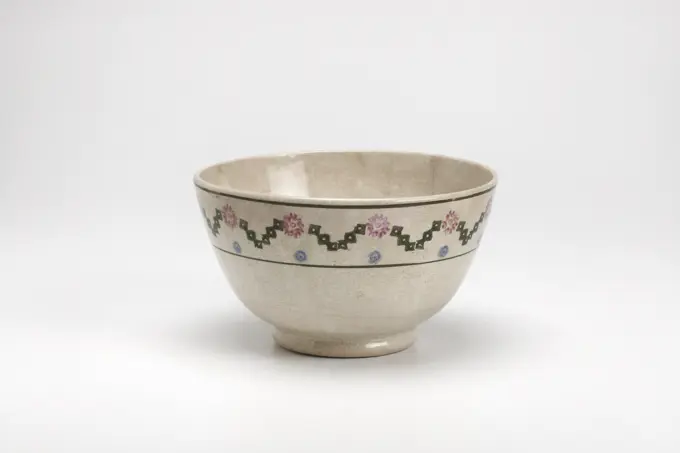
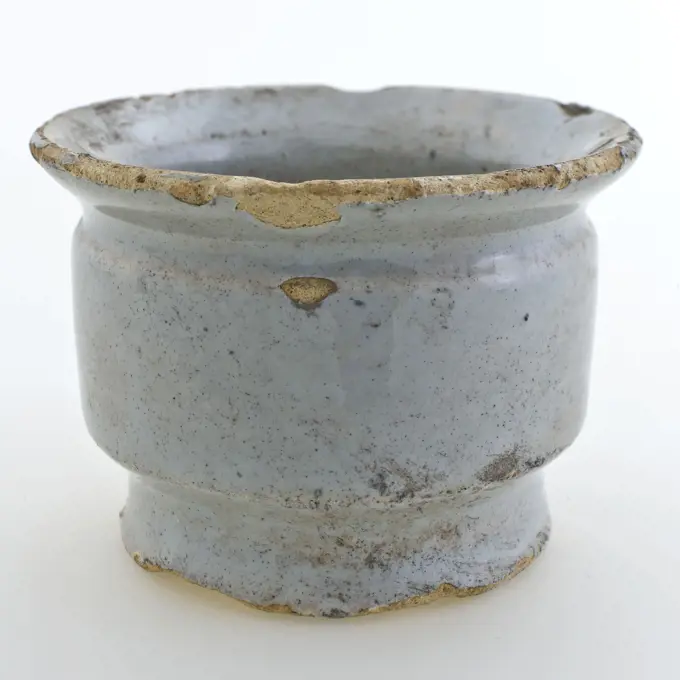
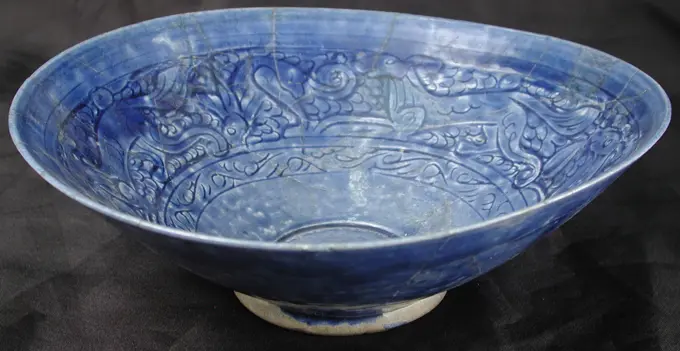
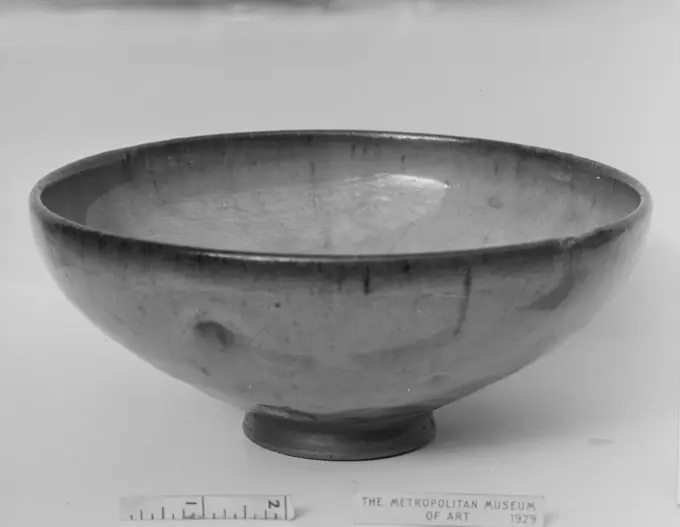
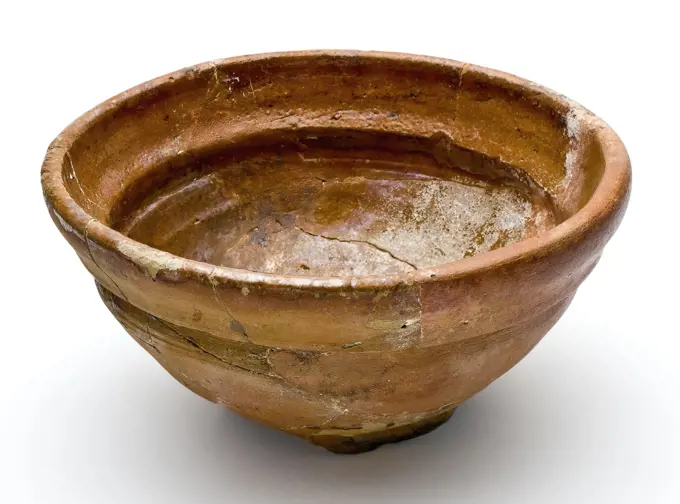
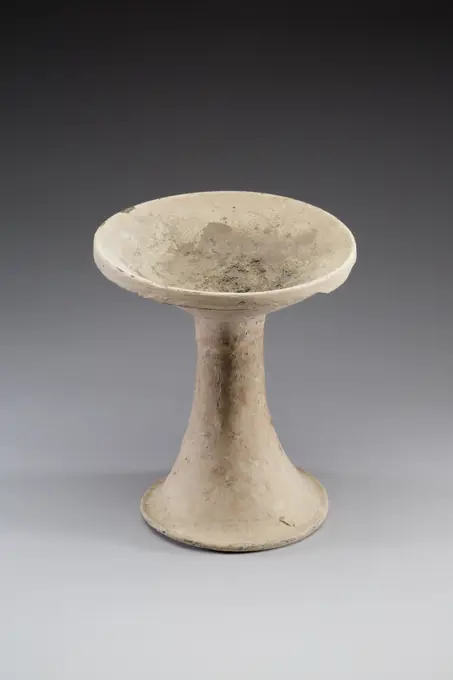
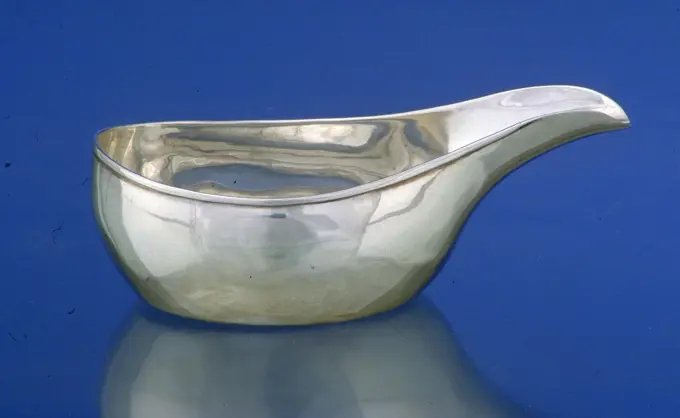
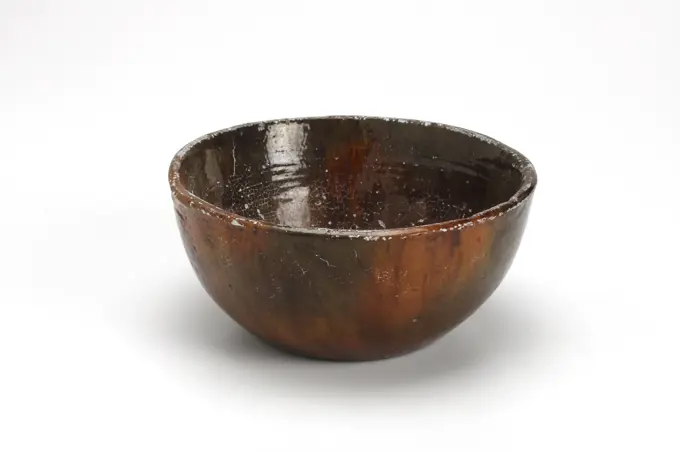
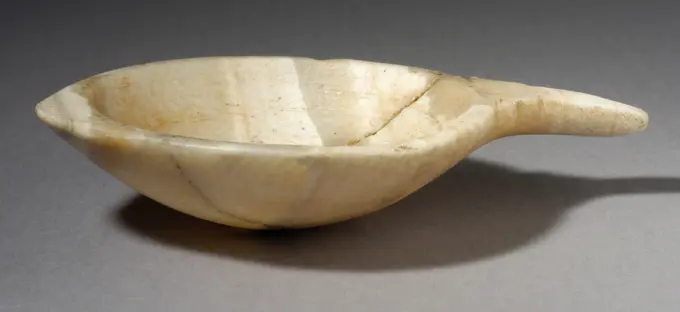
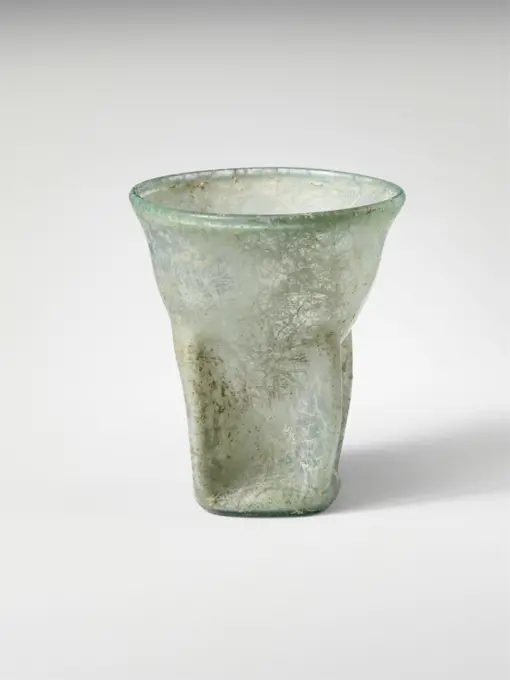
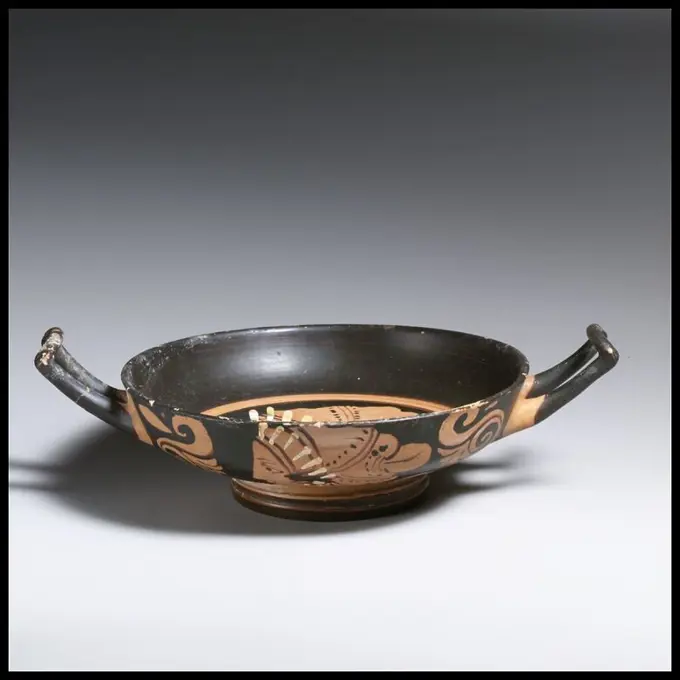
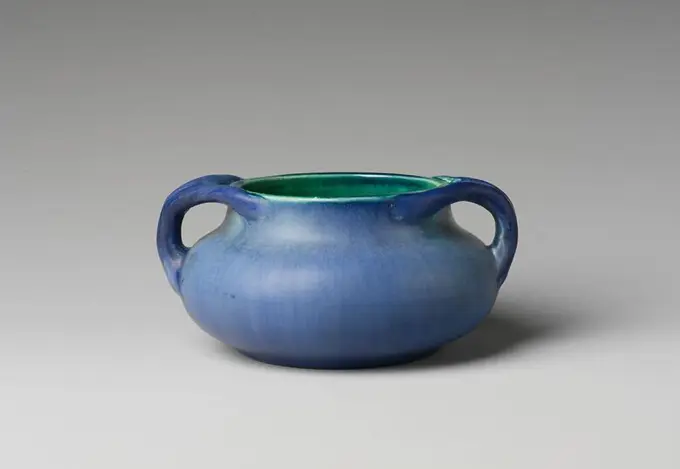
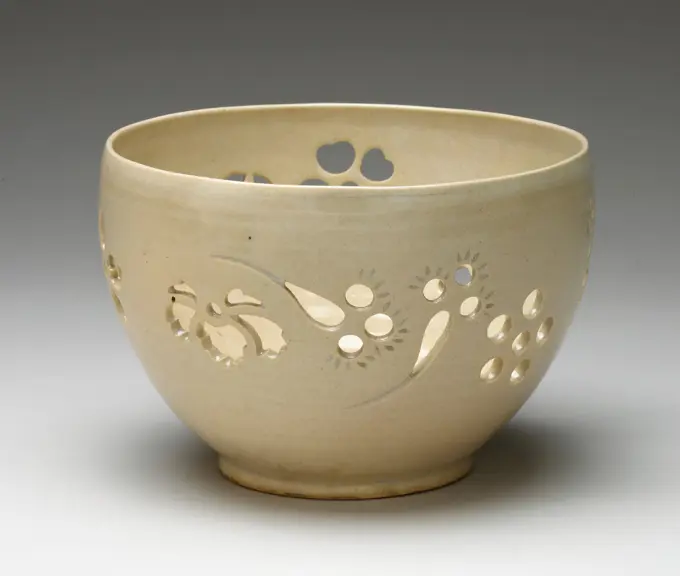
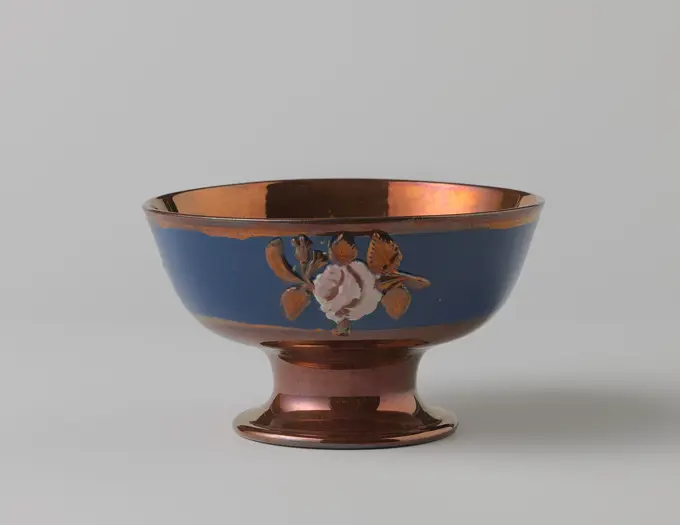
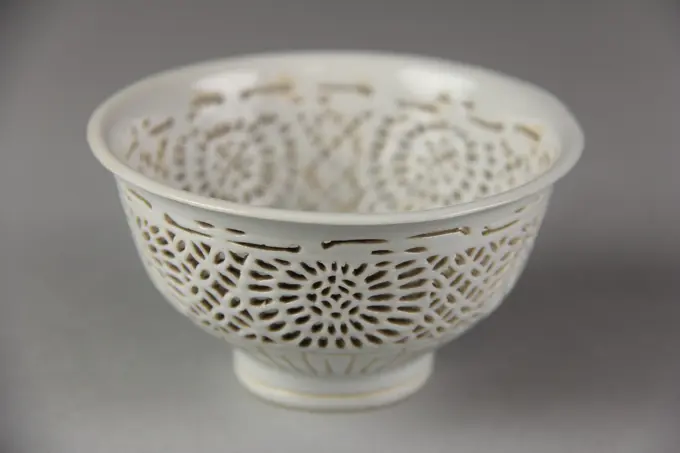
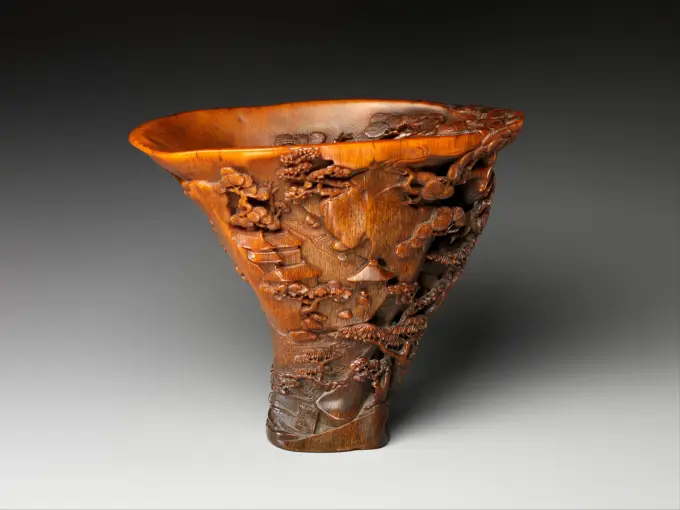
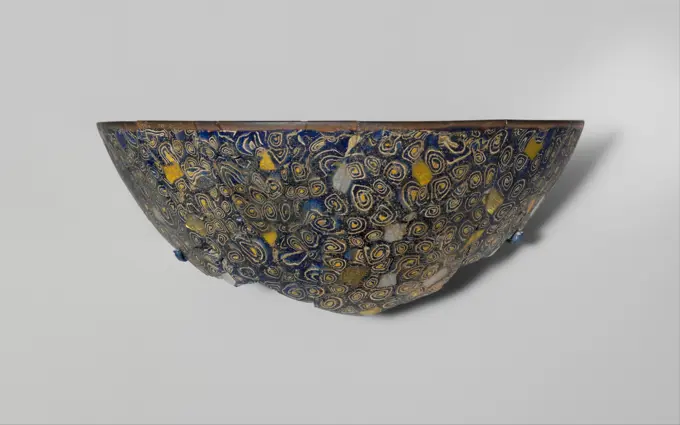
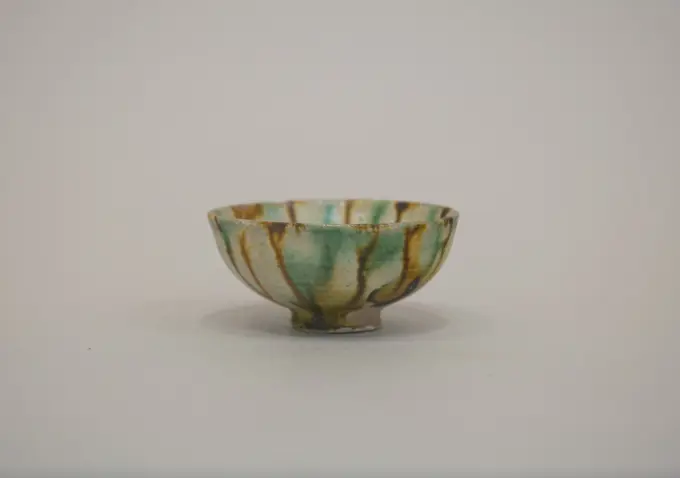
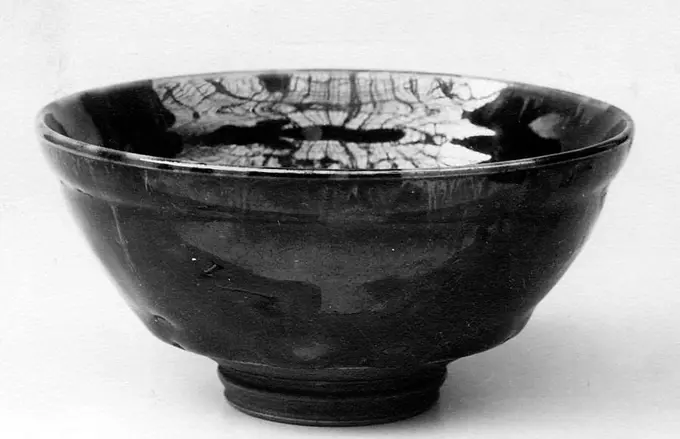
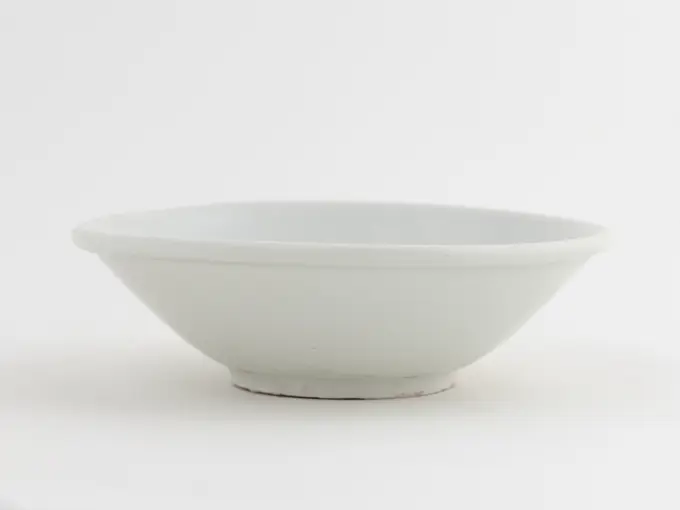
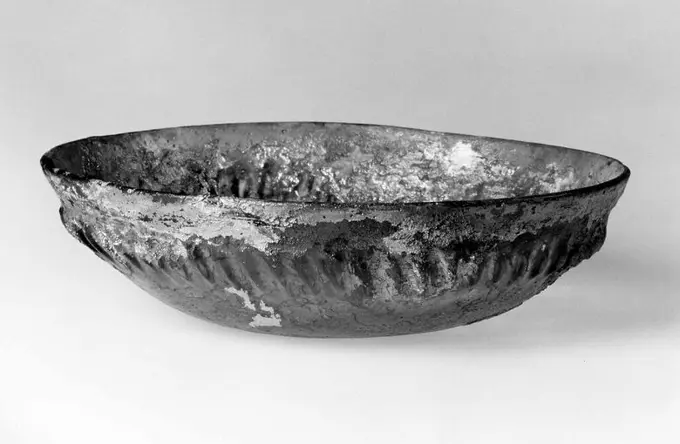
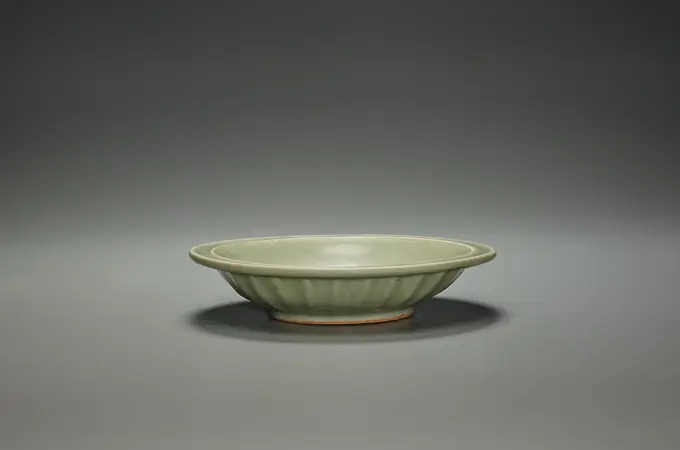
Dish with TwoFishBowl. Thailand, Sawankhalok, circa 1425. Furnishings; Serviceware. Stoneware with celadon glazeContainer to steam ". Terracotta with green lead glaze. Han dynasty (206 BC-220 AD). Paris, Cernuschi museum. Chinese art, table art, cook, steam cooking, han dynasty, han time, container, terracottaTorch-holder 6th-4th century B.C. Cypriot Without decoration.. Torch-holder. Cypriot. 6th-4th century B.C.. Terracotta. VasesBowl - Portneuf potteryGlass cup 2nd-3rd century A.D. Roman Colorless with blue green tinge.Rounded and thickened vertical rim; sides slighty tapering downward, then with a horizontal bulge (41 mm below rim), and then tapering at more acute angle to concave bottom.Intact; some pinprick bubbles and blowing striations; dulling and iridescent weathering, with patches of creamy weathering and accretion on interior.. Glass cup 239809Mosiac Bowl; Eastern Mediterranean; end of 1st century B.C. - 1st century A.D; Glass; 4 x 9 cm (1 9,16 x 3 9,16 in.)Basin ca. 1849-58 Lyman, Fenton & Co.. Basin 346Bowl -Round Covered Box with Floral Scrolls in Relief: Qingbai type Ware, 1300s. China, Fujian province, Anxi xian, Yuan dynasty (1271-1368). Glazed porcelain with slip decoration; overall: 8.6 x 15.5 cm (3 3/8 x 6 1/8 in.).. Bowl of quartz frying with high stand ring, painted in luster with palmets on the outside and on the inside medallions with birds inside hexagons and two tires with arabic script. Old label on the bottom with 'Collection A. Vecht'.Mold-blown cup. Possibly from the Workshop of Ennion (Greek , active about 1 - 50)Bowl with Feline Design 7th-4th century B.C. Paracas. Bowl with Feline Design 308442Miniature Tray Depicting a Frog. Inca; South coast or southern highlands, Peru. Date: 1450-1532. Dimensions: 6.5 × 19.2 cm (2 9/16 × 7 9/16 in.). Ceramic and pigment. Origin: Southern Highlands. Museum: The Chicago Art Institute, Chicago, USA.Salt 1815-35 American. Salt. American. 1815-35. Blown-molded glass. Probably made in Zanesville, Ohio, United StatesRinse bowl of red hard-baked pottery, children's toys .. half ball-shaped rinsing bowl of red hard-baked pottery. The bowl has a stand ring. The bowl is embossed with garlands with garlands of leaves and fruits. The flushing bowl belongs to a miniature tea service (BK-15429-A to BK-15429-D).Tea bowl with cranes, late 18th - early 19th century, Raku Ryōnyū, Japanese, 1756 - 1834, 3 5/8 × 4 3/4 × 4 3/4 in. (9.21 × 12.07 × 12.07 cm), Raku ware; stoneware with red glaze, Japan, 18th-19th century,  Raku wareBowl 18th century Japan. Bowl 63704Bowl, 2nd-1st Century BC. Greece, late Hellenistic period. Silver gilt; diameter: 13.7 cm (5 3/8 in.); overall: 7.5 cm (2 15/16 in.).Bronze cauldron 5th century B.C. Greek, South Italian, Campanian Such vases, which originally would have been supported on a stand and often had a lid, served numerous purposes. They frequently appear in representations of symposia (drinking parties). They also had a funerary function, which was probably the ultimate use of this example.. Bronze cauldron 251368 Greek, South Italian, Campanian, Bronze cauldron, 5th century B.C., Bronze, 10 7/8in. (27.6cm) Other (diameter of shoulder): 14 1/4in. (36.2cm) Other (diameter of rim): 9 7/16in. (24cm). The Metropolitan Museum of Art, New York. Rogers Fund, 1923 (23.160.24)Round plate. Round plate of tin. The thin edge has turned.Bowl mid-12th century Korea. Bowl 57415Bowl first half of the 12th century China Kilns producing Jun ware, which were based in north China, are listed among the kilns that made wares for the court during the Northern Song dynasty (960-1127). The light blue color of the glaze on this elegant bowl typifies some of the finest Jun wares produced during this period.. Bowl. China. first half of the 12th century. Stoneware with blue glaze (Jun ware). Northern Song dynasty (960-1127). CeramicsBowl with Fish Motifs first half 14th century Ilkhanid-period potters in Iran imitated the range of green glazes of imported Chinese celadon wares, though they did not always succeed in duplicating their colors. This bowl is one of the more accomplished attempts. Its color, shape and decoration of three playful fish relate closely to wares produced in the kilns of Longquan, China during the Song period (960-1279).. Bowl with Fish Motifs. first half 14th century. Stonepaste; molded and glazed. Attributed to Iran. CeramicsTerracotta samian ware (glossy red pottery)Stem cup with stylized clouds 14th century China. Stem cup with stylized clouds. China. 14th century. Carved black and red lacquer (tixi). Yuan dynasty (1271-1368). LacquerAlms Bowl with Celestial Design, 1900s. Korea, late Unified Silla period (668-935) or early Goryeo Period (918-1392). Bronze with incised decoration;Saucer-dish with a lavender blue glaze, anonymous, anonymous, c. 1100 - c. 1124 Scale of stoneware, covered with a light blue, slightly crawling glaze. To the edge the color changes to a yellow -brown tint. The foot ring is unglazed. Jun. China stoneware. glaze vitrification Scale of stoneware, covered with a light blue, slightly crawling glaze. To the edge the color changes to a yellow -brown tint. The foot ring is unglazed. Jun. China stoneware. glaze vitrification. Tea bowl of stoneware, covered with a crackled, creamy glaze. The bowl has been broken and repaired with gold lacquer. Old label on the bottom with 'W682'. Kyoyaki.Lotus cup 19th century China. Lotus cup 47898Floral-shaped Cup Stand with Inlaid Chrysanthemum Design, 1100s. Korea, Goryeo period (918-1392). Inlaid and glazed porcelain; overall: 6.1 cm (2 3/8 in.). As early as the seventh century, the practice of drinking tea and wine became an important part of elite culture in Korea. Elites of the Goryeo period commissioned a variety of types of utensils and vessels including this delicate-looking cup stand, not only to make their drinking experience more exciting, but also to show their refined taste.Footed Dish. Egypt or Syria-Palestine, 3rd-4th century. Furnishings; Serviceware. Clear glass with yellow tintBowl China. Bowl 52672Bowl with a white glaze, anonymous, c. 1600 - c. 1699 Come from porcelain, covered with a white glaze. White porcelain, monochromes. South China porcelain. glaze vitrification Come from porcelain, covered with a white glaze. White porcelain, monochromes. South China porcelain. glaze vitrificationKyliks czarnofigurowy z przedstawieniem orszaku dionizyjskiego. nieznany warsztat attycki, workshopCup 18th century China. Cup. China. 18th century. Jade. JadeBronze kylix (drinking cup) late 4th century B.C. Greek This bronze kylix follows in shape and proportions the same fashion also encountered in silver cups and black-glaze terracotta kylikes made under the influence of metal vases. The type was very popular and has been found in many areas of the Hellenistic world.. Bronze kylix (drinking cup) 248006Miniature wine taster or mustard dish 17th century C S British. Miniature wine taster or mustard dish. British. 17th century. Silver. Metalwork-SilverBowl ca. 550-450 B.C. Italic-Native, South Italian (Daunian). Bowl 255186 Italic-Native, South Italian (Daunian), Bowl, ca. 550450 B.C., Terracotta, H. 4.39 cm. Diameter 14.81 cm.. The Metropolitan Museum of Art, New York. Rogers Fund, 1965 (65.11.5)Pottery saucepan, red shard with sparing lead glaze, pouring lip, on three legs, saucepan pan crockery holder kitchenware soil discovery ceramics earthenware glaze lead glaze, hand turned fried glazed Pottery saucepan red shard with sparing lead glaze pouring lip three legs carbon footprints archeology indigenous pottery food prepare cooking eat cuisineDouble-Spouted Orangeware Bottle. Paracas; Possibly Cerro Blanco, Ocucaje area, Ica Valley, south coast, Peru. Date: 650 BC-150 BC. Dimensions: 15.4 × 19.5 cm (6 1/16 × 7 11/16 in.). Ceramic. Origin: Cerro Blanco. Museum: The Chicago Art Institute, Chicago, USA.BowlBowl. Culture: China. Dimensions: H. 2 7/8 in. (7.3 cm); Diam. 7 1/2 in. (19.1 cm); Diam. of rim 7 1/2 in. (19.1 cm); Diam. of foot 2 3/4 in. (7 cm). Museum: Metropolitan Museum of Art, New York, USA.Oil Bottle with Chrysanthemum Flower Heads. Korea. Date: 1265-1299. Dimensions: H. 4.6 cm (1 13/16 in.); diam. 7.8 cm (3 1/16 in.). Celadon-glazed stoneware with underglaze inlaid decoration of black and white clays. Origin: Korea. Museum: The Chicago Art Institute, Chicago, USA.Bowl. Culture: China. Dimensions: H. 2 3/8 in. (6 cm); Diam. 4 3/4 in. (12.1 cm). Date: ca. 13th-14th century. Museum: Metropolitan Museum of Art, New York, USA.Tripod Incense Burner (Censer) 1100-1234 China. Jun ware; stoneware .Glass ribbed bowl. Culture: Roman. Dimensions: H.: 3 in. (7.6 cm)Diam.: 4 3/8 in. (11.1 cm). Date: mid-1st century A.D..Translucent light blue green.Knocked-off, uneven, ground rim; concave neck; globular body curving in to thick, flat bottom.Side tooled into fifteen irregular, vertical ribs, with arched projections around shoulder above tops.Intact; pinprick bubbles; dulling, patches of brownish weathering, and faint iridescence.Greenish ribbed bowl. Museum: Metropolitan Museum of Art, New York, USA.Small bronze shell on standing surface with outstanding, flat upper edge, bowl bowl soil found bronze metal, casted bronze bronze stand. Flat and outstanding top edge. Oblique curved side walls. Partly covered with green copper oxide archeology Valckensteyn Poortugaal Albrandswaard serving serve storage Soil discovery: castle Valckensteyn in Poortugaal the convenience of the donjon now Albrandswaard 1961-1962.Vase (usual name). Sandstone, celadon, incised decor. Cernuschi Museum, Asia Museum of Asia in the city of Paris.Black-topped red ware bowl ca. 3850-2960 B.C. Predynastic Period. Black-topped red ware bowl. ca. 3850-2960 B.C.. Pottery. Predynastic Period. From Egypt, Southern Upper Egypt, Hierakonpolis (Nekhen), MMA excavationsBowl with inscription late 16th century China Porcelain produced during the short reign of the Longqing emperor is rare. The elegantly written inscription quotes from the Song of the Lady with the Silk Worms, a poem by the famed Xie Fangde (1226-1289), and reads in part: Not only does the moon shine through the willows before the storied house but pretty girls continue to dance and sing ...take heed lest the silkworms have not enough leaves.”. Bowl with inscription. China. late 16th century. Porcelain painted in underglaze cobalt blue (Jingdezhen ware). Ming dynasty (1368-1644), Longqing mark and period (1567-72). CeramicsTerracotta brazier ca. 600-530 B.C. Etruscan One of the braziers (96.18.96, ca. 600 B.C.) is decorated with two different cylinder stamps, one showing a standard animal procession, the other depicting a boar hunt that is known only from five examples excavated at San Giovenale. The other brazier (19.192.53, ca. 550 B.C.) is stamped with a scene of a man and two dogs chasing a hare into a net held by a second man. Such friezes were popular on Protocorinthian vases and Etruscan Pontic ware. The fragment (23.160.94, ca. 540-530 B.C.) depicts pairs of lions attacking a bull and a doe, a subject that was adapted by the Etruscans from Near Eastern and Greek prototypes and that also appears on the Monteleone Chariot (03.23.1), which is on view in this gallery.. Terracotta brazier 246610BowlAnonymous. "Podaniptere" (tripod basin). Metal, bronze. -550/500 BC .. Museum of Fine Arts in the city of Paris, Petit Palais. 99935-3 Antiquity, bronze, ieme half of the life VI 6th 6th 6 century before av. JC, metal, ancientDeep roman bowl on stand ring, terra sigillata, embossed with niches and medallions, bowl bowl tableware holder soil find ceramic pottery clay engobe, made into shape deep bowl of red pottery on stand ring. Roman. Terra sigillata Semi-circular bottom and straight sidewall. Embossed on the outside with broad frieze in which nissenband heart motifs and round medallions In the medallions mythical fangs with red tails orange shard archeology Poortugaal Albrandswaard indigenous pottery terra sigillata import serve serve mythology archaeological find in the soil Poortugaal.Bowl 1893-96 Designed by Louis Comfort Tiffany American. Bowl. American. 1893-96. Favrile glass. Made in New York, United StatesTerracotta cup with one handle ca. 1600-1050 B.C. Mycenaean One-handled.. Terracotta cup with one handle. Mycenaean. ca. 1600-1050 B.C.. Terracotta. Late Bronze Age. VasesSitko - a fragment of the neck jug for water;  XI-XII century (1001-00-00-1200-00-00);Arabian (culture), ceramics, gift (provenance), art of IslamStem Cup. China. Date: 618 AD-906 AD. Dimensions: H. 4.8 × diam. 7.8 cm; (3.1 × 1.9 in.). Silver with parcel gilt decoration. Origin: China. Museum: The Chicago Art Institute, Chicago, USA.Bowl 600-480 B.C. Cypriot Deep cup of thin ware with broad red band on edge of lip, black bands below.. Bowl. Cypriot. 600-480 B.C.. Terracotta. Cypro-Archaic II. VasesLate Geometric Cup. UnknownTemple Basket, 20th century, 3 1/2 x 10 1/4 x 10 1/4 in. (8.9 x 26.04 x 26.04 cm), Fiber, beads, Indonesia, 20th centuryBowl - Portneuf potteryPottery ointment jar, mortar model, white glazed, ointment jar pot holder soil find ceramic earthenware glaze tin glaze, delfts white hand turned glazed baked Pottery ointment jar mortar model wide low form with two smooth nips along the outside of the kettle Slanted outwards outstanding edge. White glazed with light blue tint. Stand surface with deducting traces archeology health care indigenous pottery pharmacy packing medicine drug sell craft storeBowl 12th-13th century. Bowl. 12th-13th century. Earthenware; glazed. Made in Iran. CeramicsBowl China. Bowl. China. Earthenware (soft Jun type). Yuan dynasty (1271-1368). CeramicsEarthenware comes on three stand fins with necking under the outer edge, bowl bowl crockery holder soil find ceramic earthenware glaze lead glaze, hand-turned glazed fried Bowl or bowl red earthenware internal glazed thickened and slightly outgoing edge with below it necking along the outside three pinched stand lobes Deep and hemisphere model archeology Capelle aan den IJssel House in Capelle castle native pottery crockery kitchenware tableware cooking kitchen food preparation Soil discovery: house in Capelle Capelle aan den IJssel.Brazier from the Burial of Amenhotep ca. 1479-1458 B.C. New Kingdom In the small tomb of a boy named Amenhotep (36.3.153), a group of jars (36.3.161, 36.3.162, 36.3.164) and this small brazier were found on either side of the coffin. The gray ashy material inside the bowl of the brazier are the remains of incense or a burnt offering that was probably made during the burial ceremony as seen in a detail from one of the Museum's facsimiles (see photo above and 30.4.56).. Brazier from the Burial of Amenhotep. ca. 1479-1458 B.C.. pottery. New Kingdom. From Egypt, Upper Egypt, Thebes, Sheikh Abd el-Qurna, below the Tomb of Senenmut (TT 71), burial of Amenhotep, Brazier F, MMA excavations, 1935-36. Dynasty 18Pap-boat.   Maker: William Thomson, American, 1777-1833Bowl -Open Spouted Bowl or Dish. Egypt, early Dynastic (circa 3050 - 2687 BCE). Furnishings; Serviceware. CalciteGlass beaker 3rd-4th century A.D. Roman Translucent blue green.Thickened rim, with slightly inverted, rounded lip; side tapering downwards on upper body, and then shaped into a rough square with hollow projecting corners; roughly square, concave bottom.On lower body, four deep indents, forming a star-like shape to interior.Intact; few bubbles; soil encrustation and root marks covering most of surfaces.. Glass beaker 245355Terracotta stemless kylix (drinking cup). Culture: Greek, South Italian, Campanian. Dimensions: H. with handles 3 1/4 in. (8.3 cm); width 11 in. (28 cm); diameter 8 1/16 in. (20.4 cm). Date: ca. 330-300 B.C..Interior, head of a woman wearing a diadem and a saccos. Exterior, A and B, head of a woman. Museum: Metropolitan Museum of Art, New York, USA.Bowl. Culture: American. Dimensions: 2 1/4 x 4 3/4 in. (5.7 x 12.1 cm). Maker: William P. Jervis (American (born England), Stoke-on-Trent 1851-1925 Sparta, New Jersey); Jervis Pottery (1908-12). Date: 1908-12. Museum: Metropolitan Museum of Art, New York, USA.Bowl with Reticulated Designs, 18th century, Unknown Japanese, 5 5/16 x 7 7/16 x 7 7/16 in. (13.49 x 18.89 x 18.89 cm), Kyōyaki ware, Ko-Kiyomizu type; glazed stoneware, Japan, 18th century, Ceramics with reticulated (cut-out) designs were first produced in Japan in the early 17th century, probably by émigré potters from Korea where this decorative technique had a long history. The famous Kyoto potter Nonomura Ninsei also used the technique in the mid-17th century, thus popularizing it among artisans within Japan's cultural capital. The floral and vegetable motifs seen here are known as mon-chirashi, or 'scattered crests,' referring to the stylized family crests that became popular among all levels of society during Japan's Edo period (1615-1868).Come from hard baked earthenware (New Castle), Anonymous, c. 1820 - c. 1860 Half -ball -shaped bowl of hard baked pottery. The bowl is on a concave of cylindrical tribe and has a round foot. The bowl is covered with Goudluster, which saves a blue border with three red roses in relief. Newcastle upon Tyne (possibly) earthenware Half -ball -shaped bowl of hard baked pottery. The bowl is on a concave of cylindrical tribe and has a round foot. The bowl is covered with Goudluster, which saves a blue border with three red roses in relief. Newcastle upon Tyne (possibly) earthenwareTeaBowlOval bowl.The desire to make earthenware objects with a black ground was probably prompted by the popularity of Asian lacquerware. But black enamel was very difficult to apply, so black-glazed Delft earthenware is extremely rare.Bowl with floral pattern 18th century China. Bowl with floral pattern. China. 18th century. Poecelain with reticulated decoration (Jingdezhen ware). Qing dynasty (1644-1911). CeramicsCup with figures in a landscape 18th century China The gateway at the base of the cup is most likely part of a private estate or large garden set in a remote but beautiful location. The branches and needles of one of the pine trees carved along the side and in the interior attest to the skill of the anonymous artist who made this object.. Cup with figures in a landscape. China. 18th century. Rhinoceros horn. Qing dynasty (1644-1911). HornMirror Greek, Cypriot. Mirror 244305Beaker (Krautstrunk). Culture: German or Netherlandish. Dimensions: 2 1/8 × 3 1/4 in. (5.4 × 8.3 cm). Date: 1480-1510.In this beaker, the Krautstrunk ("cabbage stalk") decoration has been truncated, contracting the prunts to a single row. Museum: Metropolitan Museum of Art, New York, USA.Earthenware saucepan with stem and pouring lip, saucepan casserole tableware container kitchenware earth discovery ceramics earthenware glaze lead glaze, hand turned hand shaped glazed baked saucepan on lens base Red shard. Upright sidewall with pouring lip and scalloped handle as handle Internal glazed archeology Rotterdam Kralingen Muted Slaak underground pit indigenous pottery baking kitchen cooking food preparation nutrition Soil discovery Muted Slaak.Undecorated painted bowl with straight sides 6th-3rd century B.C. () Paracas. Undecorated painted bowl with straight sides 308343Tea head, part of a tea set, Petrus Regout & Co., 1934 Tea head of earthenware, part of a tea set. Brown distance on the outside, with red buttons, spouts, ears and edges. Marked with sphinx stamp; Petrus Regout & Co Maastricht in a lying rectangle; Made in Holland. Maastricht earthenware Tea head of earthenware, part of a tea set. Brown distance on the outside, with red buttons, spouts, ears and edges. Marked with sphinx stamp; Petrus Regout & Co Maastricht in a lying rectangle; Made in Holland. Maastricht earthenwareStemmed Sherbet Dish (USA); Designed by Louis Comfort Tiffany (American, 1848-1933); favrile glassBowl 12th-9th century B.C. Olmec. Bowl 310447Teabowl ca. 1800 Japan. Teabowl 63183Bowl Early Dynastic Period ca. 3100-2900 B.C.GUI censer; Hu, Wenming (Fl. CA 1583-1614); XVII century (1701-00-00-1800-00-00);Paderewski, Ignacy Jan (1860-1941), Paderewski, Ignacy Jan (1860-1941)-collection, qing (style), Chinese (culture), gift (provenance), Chinese artBowl. Culture: Veracruz (). Dimensions: Height: 4 3/4in. (12.1cm)Diameter: 6 1/8in. (15.5cm). Date: 9th-2nd century B.C. (). Museum: Metropolitan Museum of Art, New York, USA.Gold-glass mosaic bowl fragment early 2nd century B.C. Greek Colorless, colorless with purple tinge, translucent cobalt blue, opaque white, opaque yellow, and gold leaf.Hemispherical bowl fragment with flaring rim with rounded edge; convex curving side.Composite mosaic pattern formed from polygonal sections of a single composite cane in a blue ground with a white spiral and central dot in yellow; interspersed with this cane are numerous irregular segments, one in solid white, the second in solid yellow, and the thrid in gold leaf snadwiched in colorless glass; a purplish coloress cane is attached as a rim.Broken and repaired from twenty-two fragments, with several small holes in side; dulling, pitting, and faint iridescent weathering.. Gold-glass mosaic bowl fragment 249509Czarka  cobalt decoration made of stylized flagellas and flowers unknownDrinking Bowl 15th century British. Drinking Bowl. British. 15th century. Mazer wood with silver and engraved silver mounts. Metalwork-SilverMiniature bowl 8th century China. Miniature bowl. China. 8th century. Earthenware with polychrome glaze (Sancai ware). Tang dynasty (618-907). CeramicsTeabowl ca. 1850 Japan. Teabowl 63160Cup ". Ceramic. China, Dynasty of Song. Paris, Cernuschi Museum. 72685-50 Chinese, white, ceramic art, cup, Song dynastyTorch-holder 6th-4th century B.C. Cypriot Shaped like large candlestick standing in wide saucer. Without decoration.. Torch-holder. Cypriot. 6th-4th century B.C.. Terracotta. VasesBowl 7th-4th century B.C. Paracas. Bowl 308432Ribbed bowl. Culture: Roman. Dimensions: H. 3.9 cm; diam. 15.5 cm. Date: 1st century. Museum: Metropolitan Museum of Art, New York, USA.