Elegant Tea Bowls

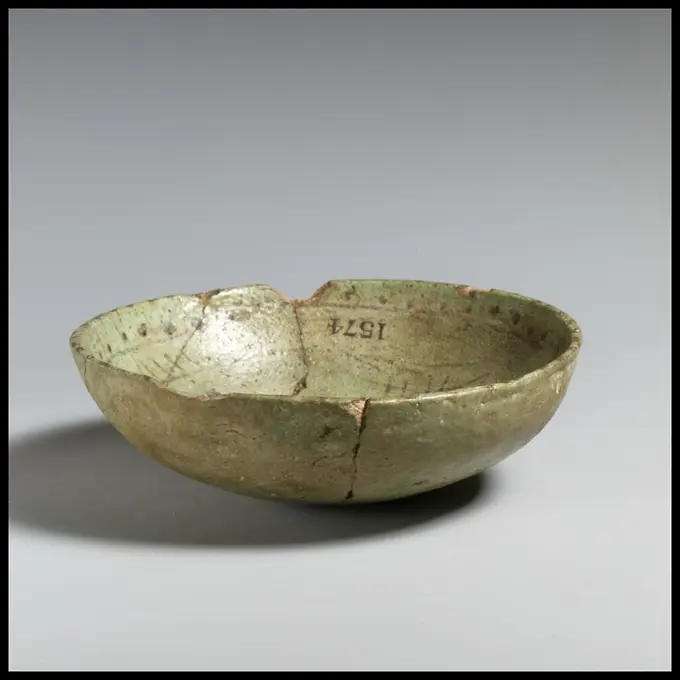
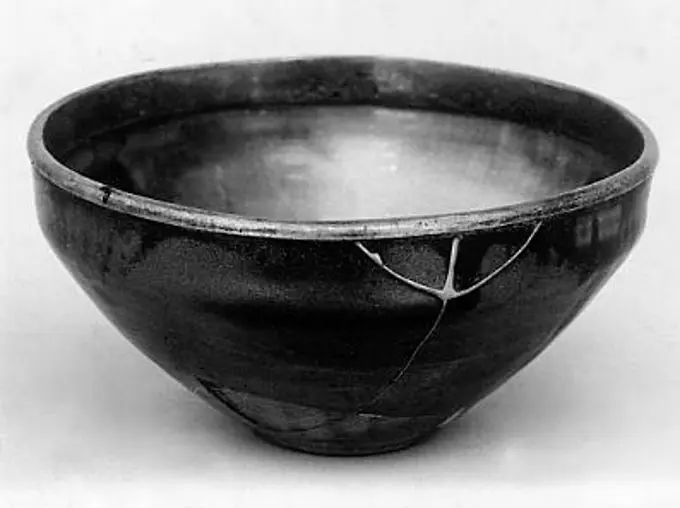
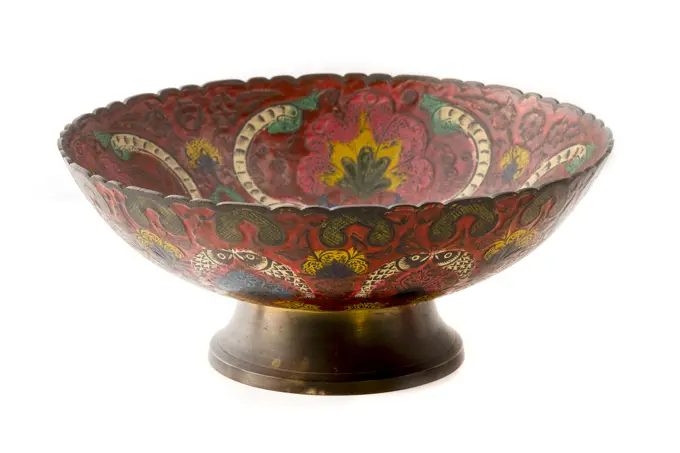
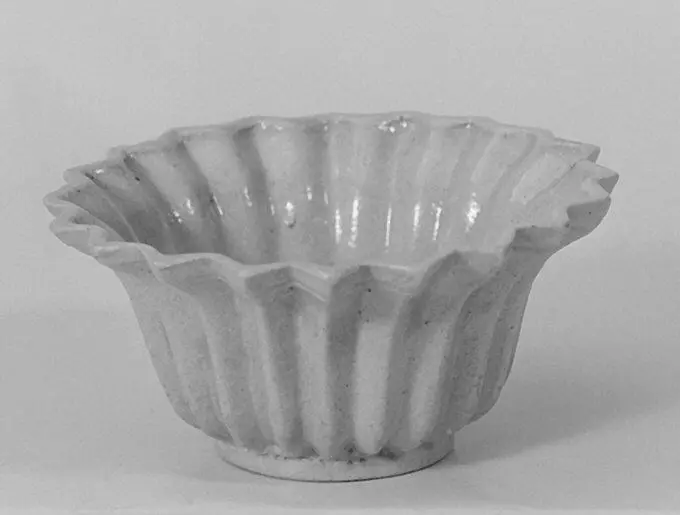
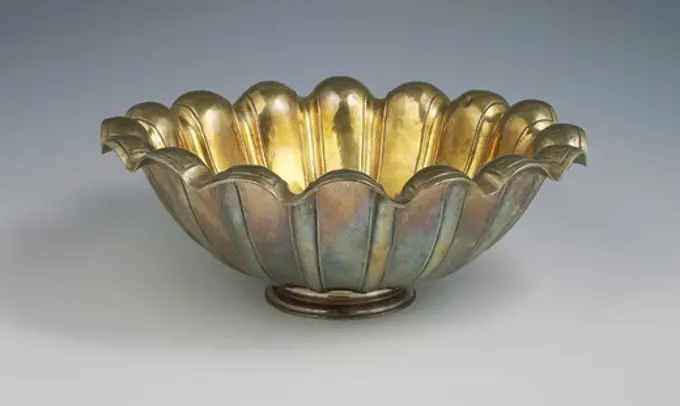
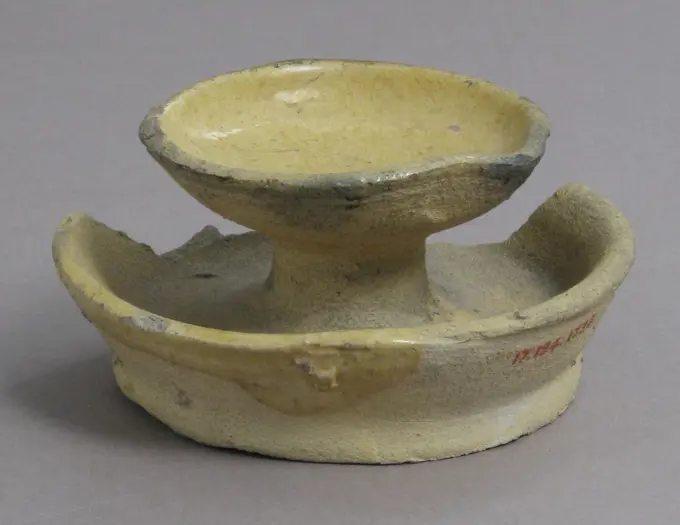
Artisan stoneware tea bowls with varied glazes and elegant designs, emphasizing craftsmanship from different cultures and historical periods.
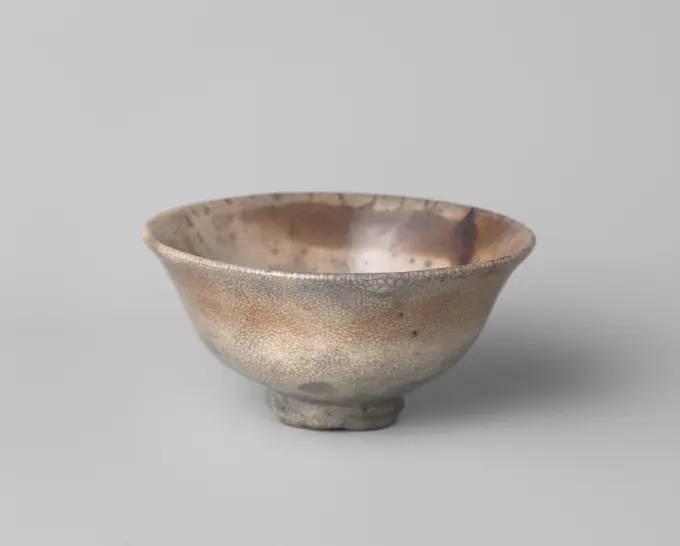
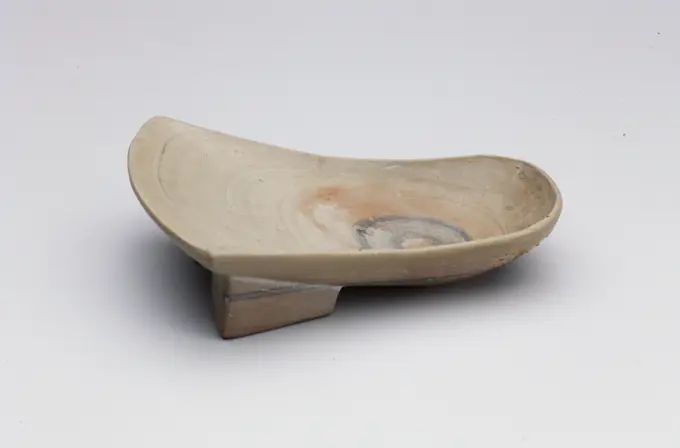
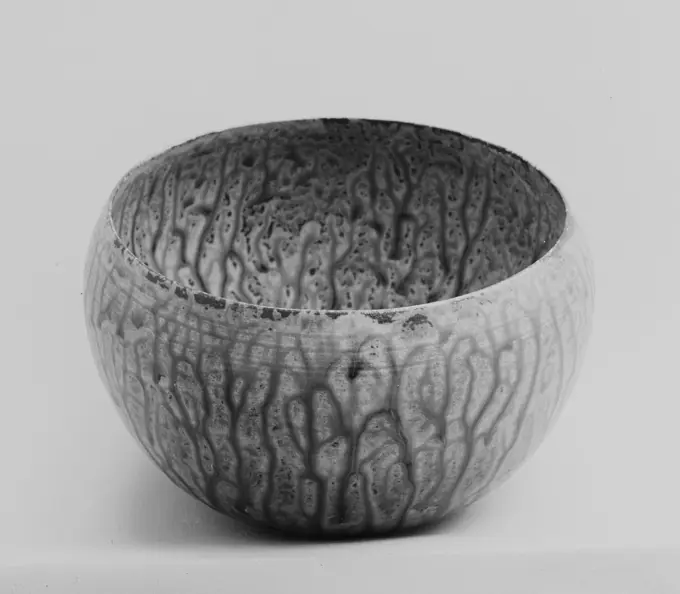
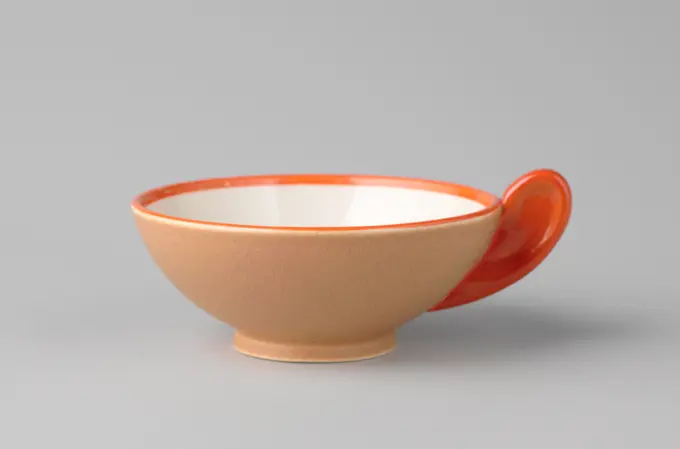
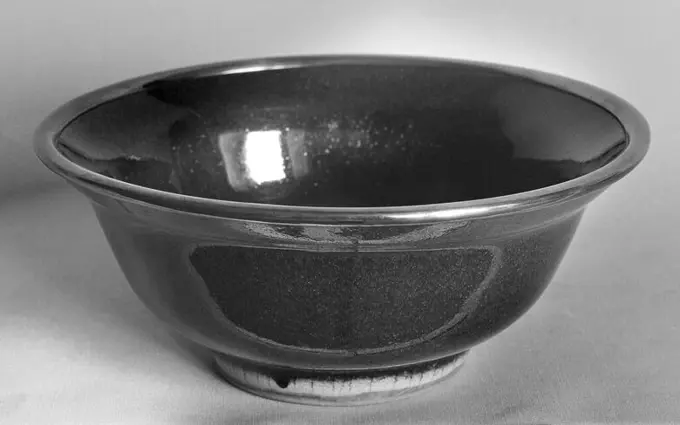
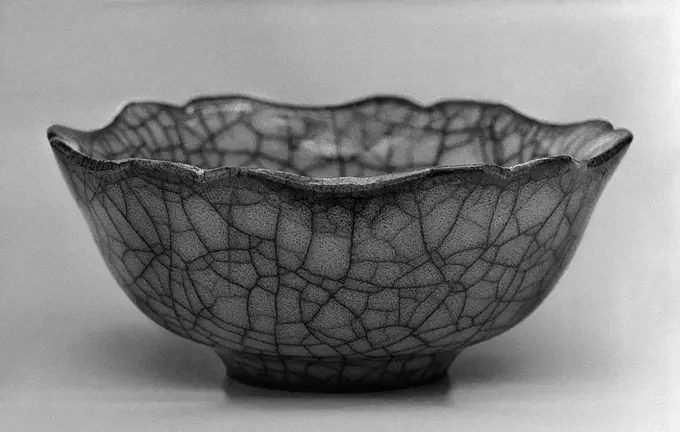
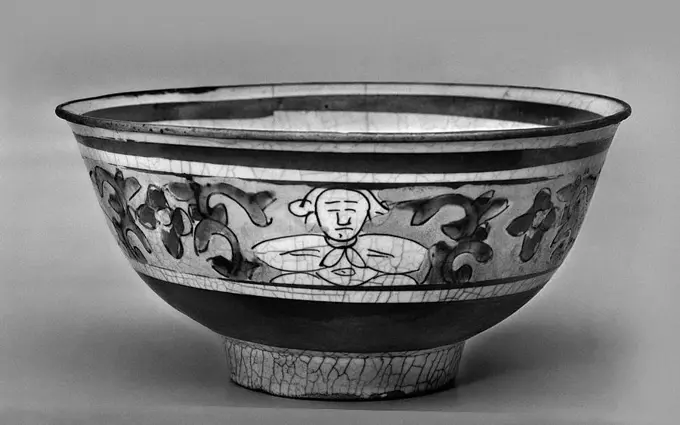
Bowl with a greyish brown spotted cream glaze, anonymous, c. 1600 - c. 1699 Come from stoneware, covered with a cracked cream -colored glaze with gray -brown spots. Five prenes on the bottom. Korea stoneware. glaze vitrification Come from stoneware, covered with a cracked cream -colored glaze with gray -brown spots. Five prenes on the bottom. Korea stoneware. glaze vitrification
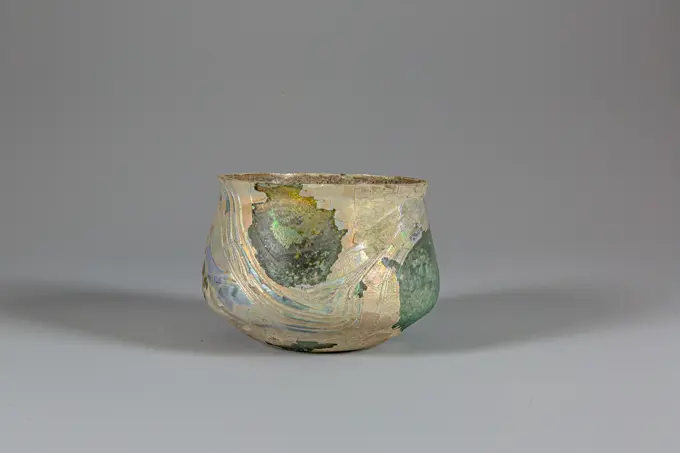
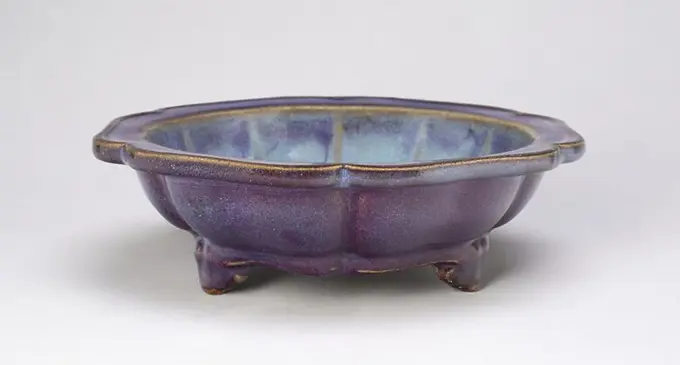
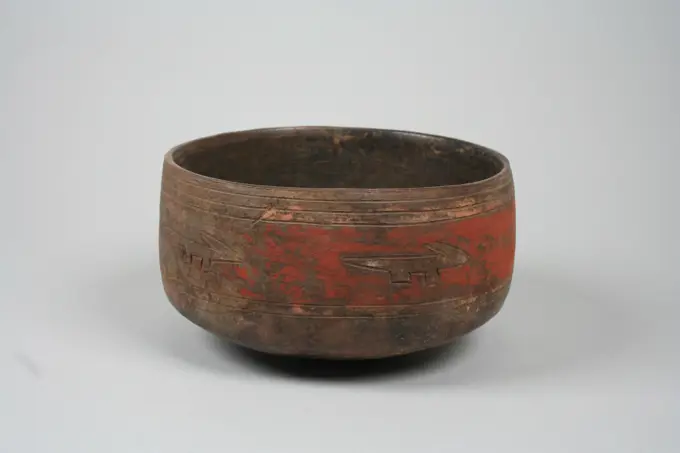
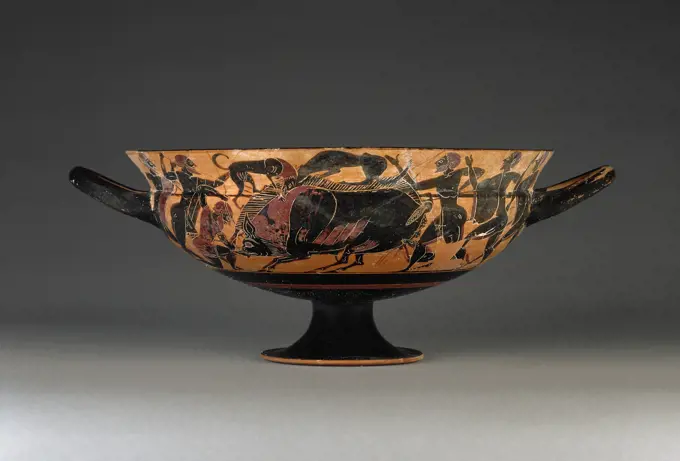
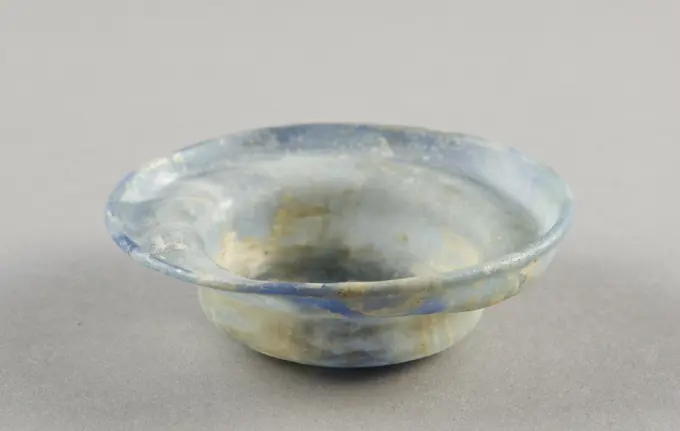
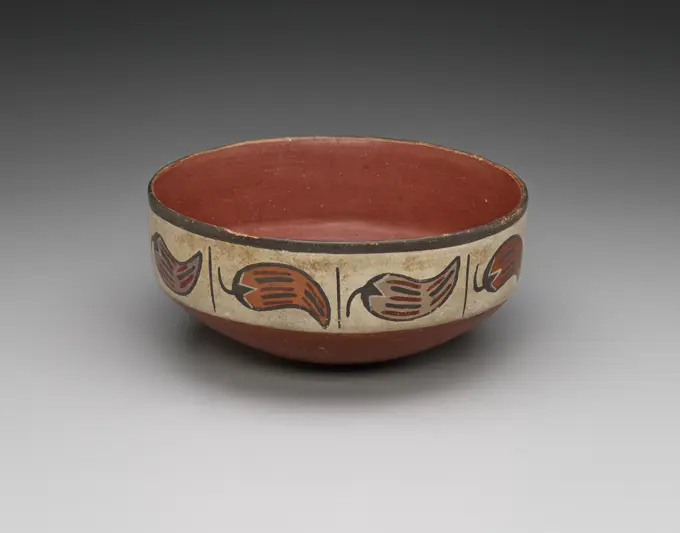
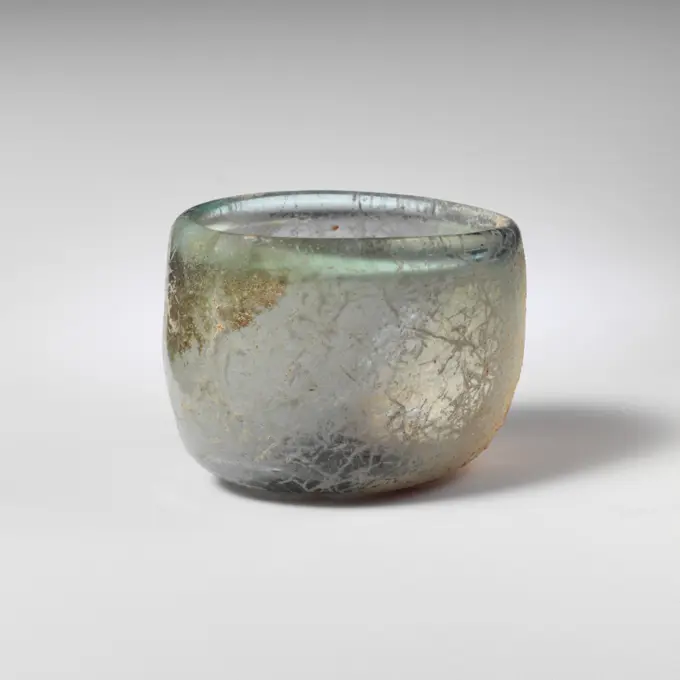
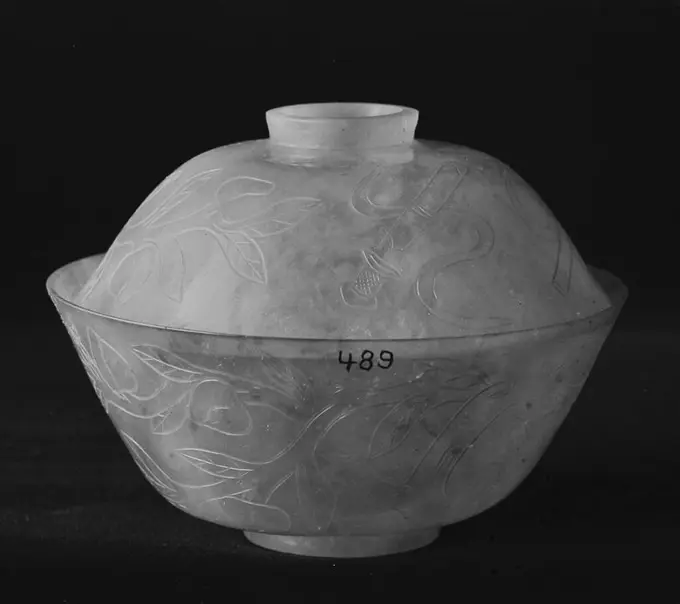
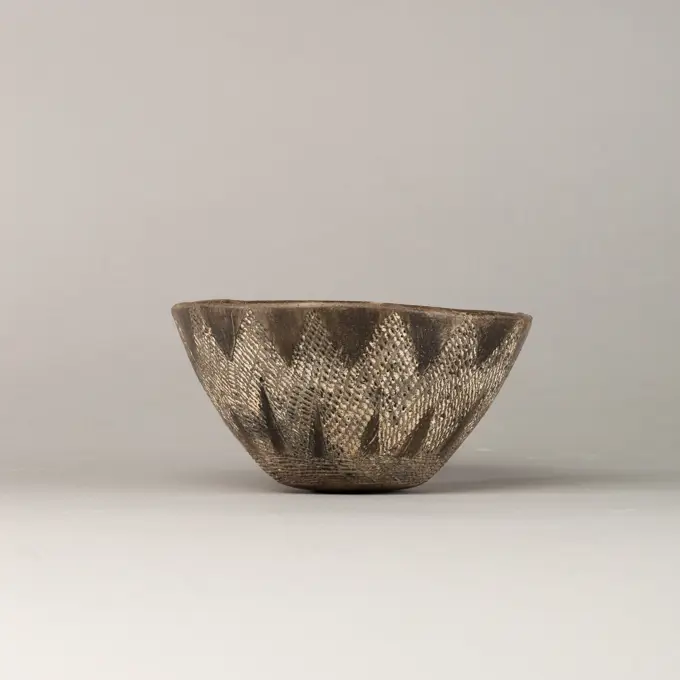
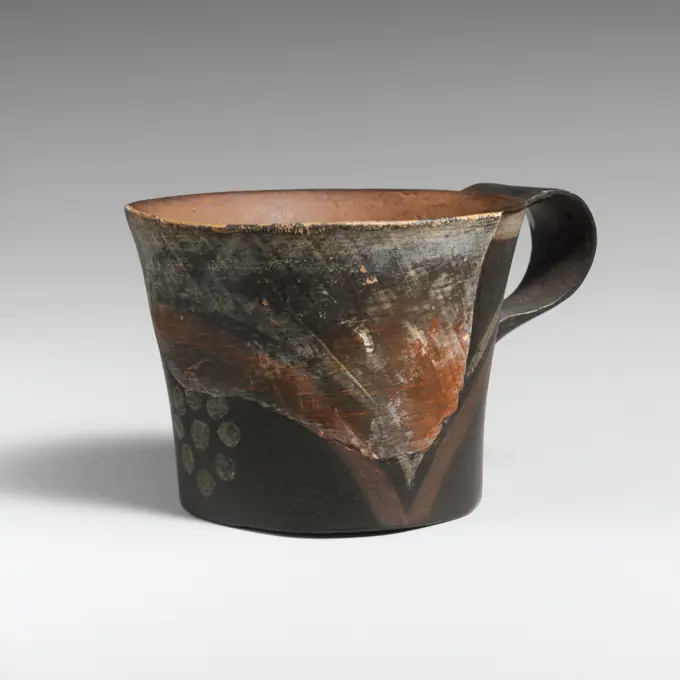
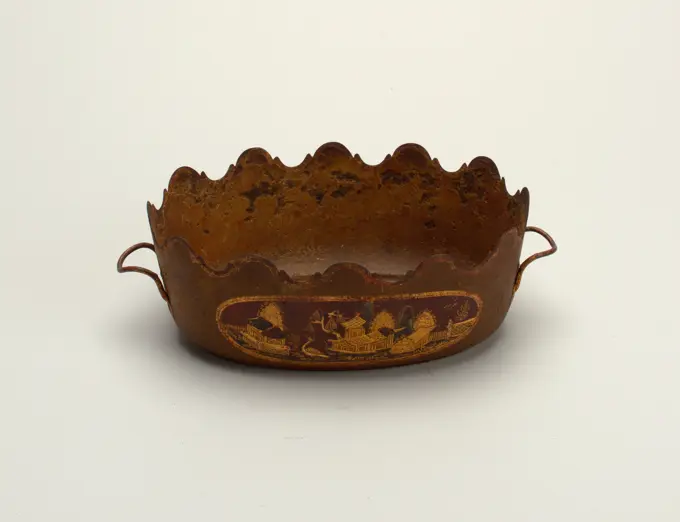
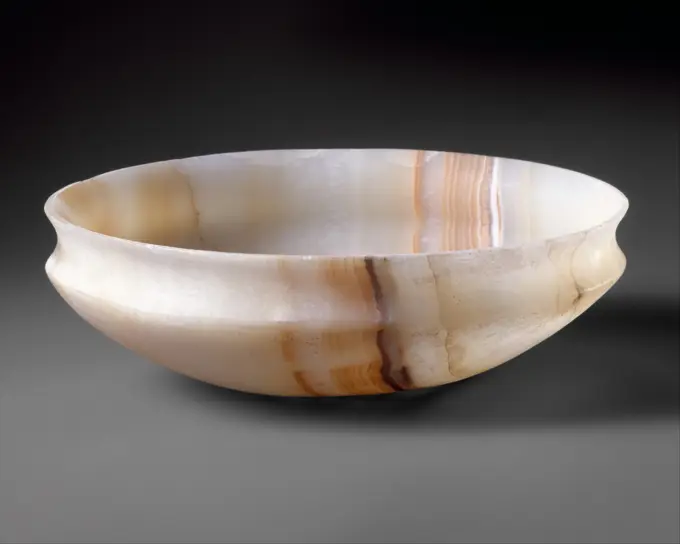
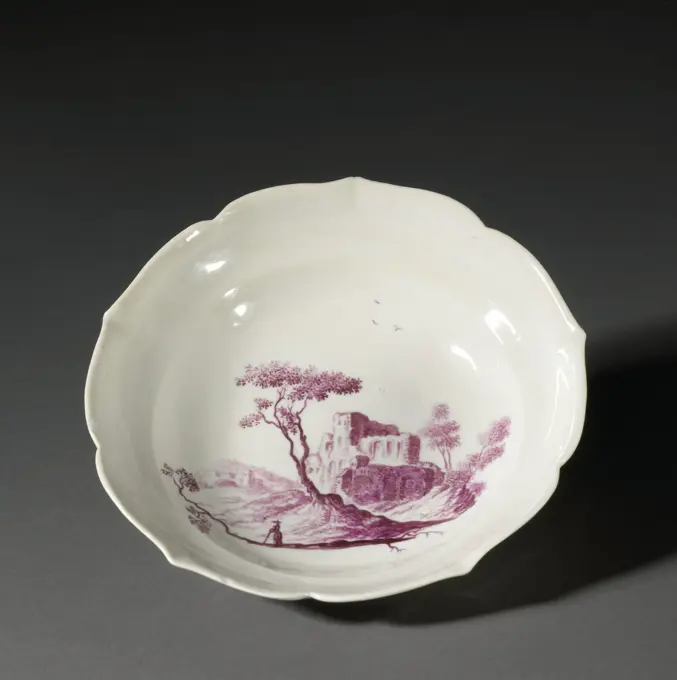
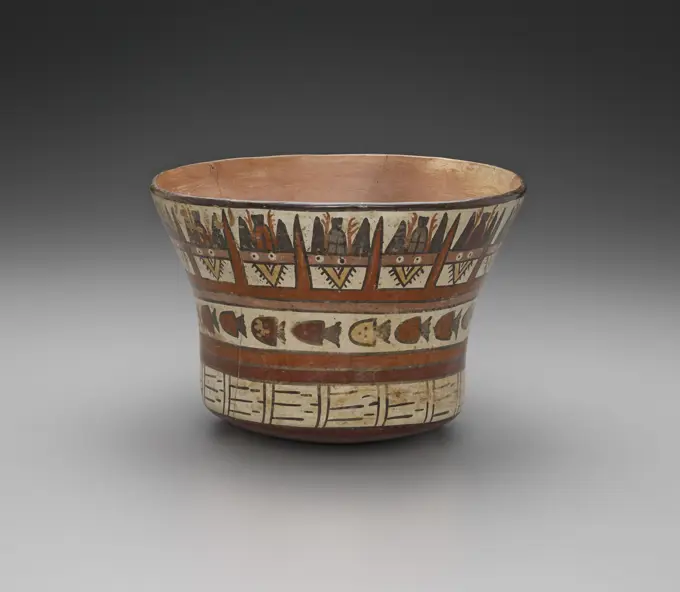
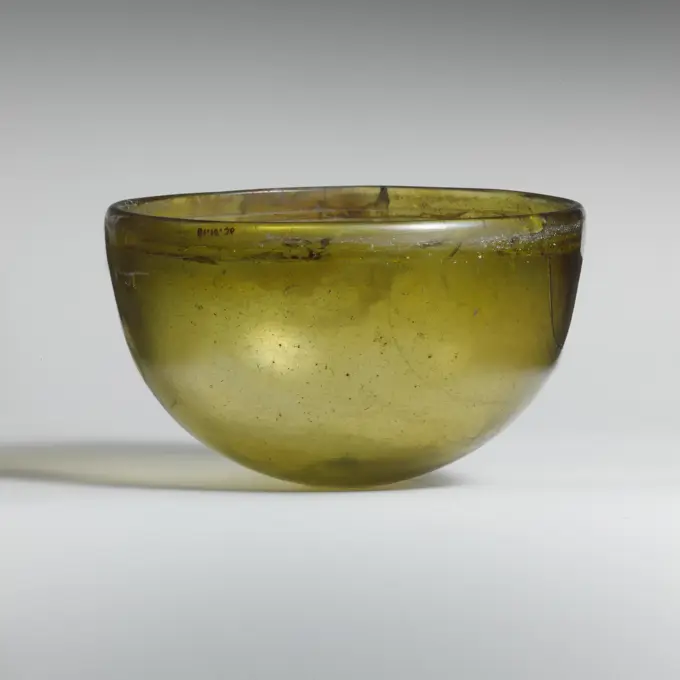
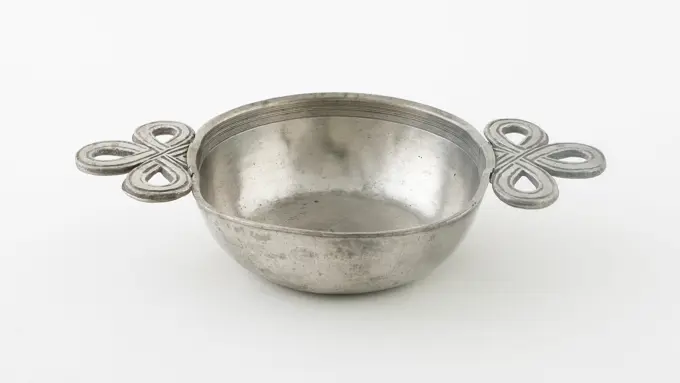
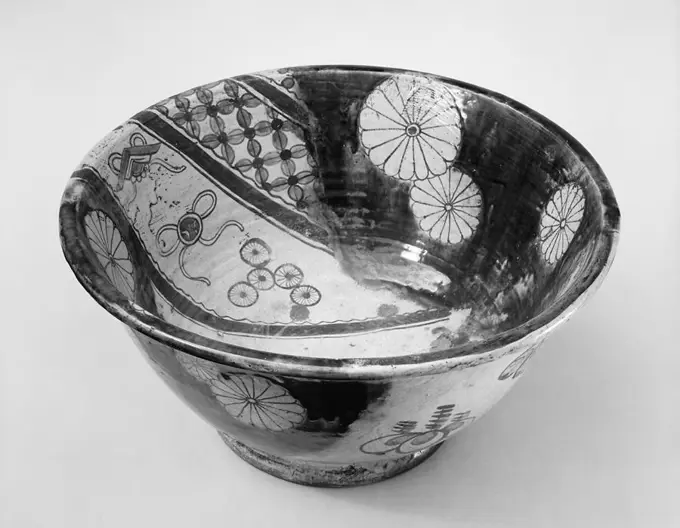
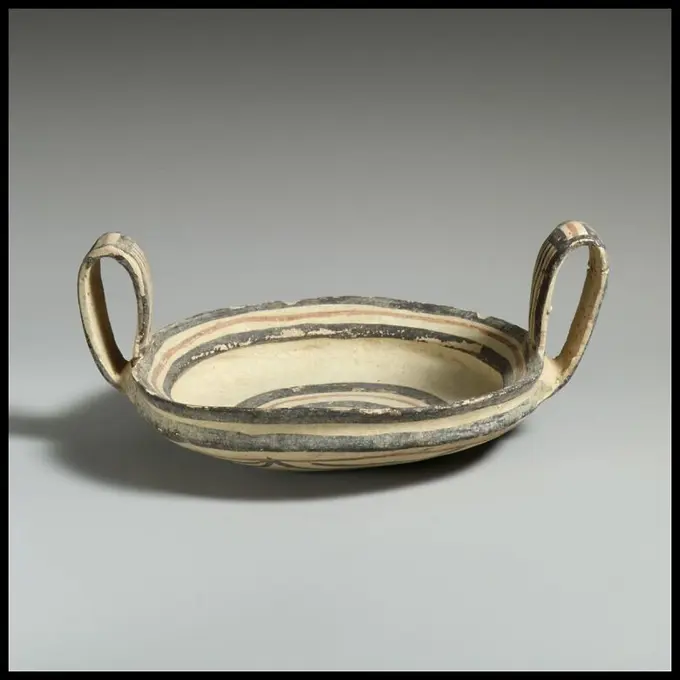
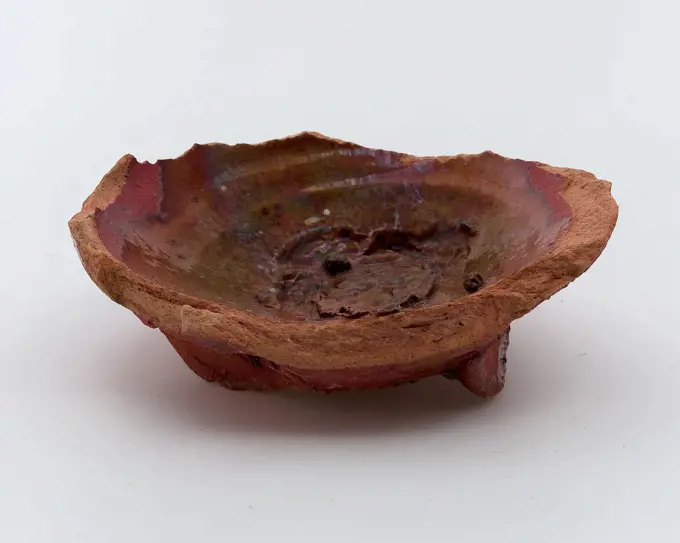
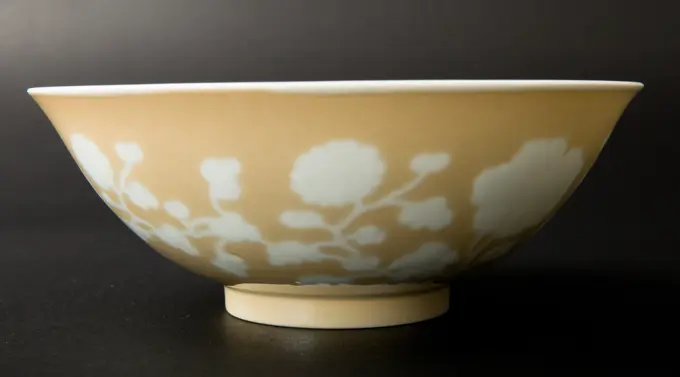
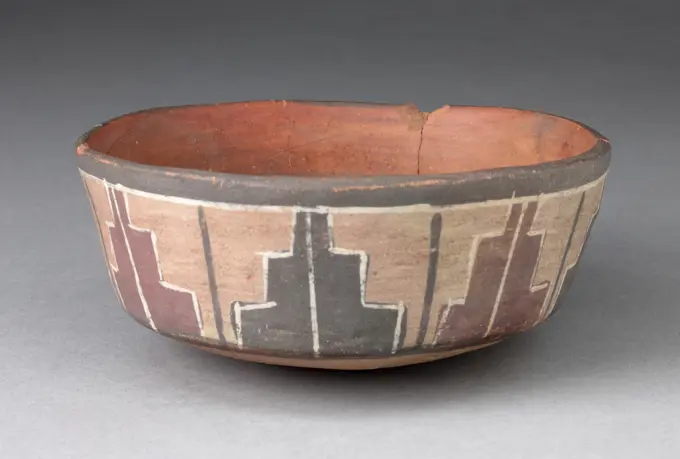
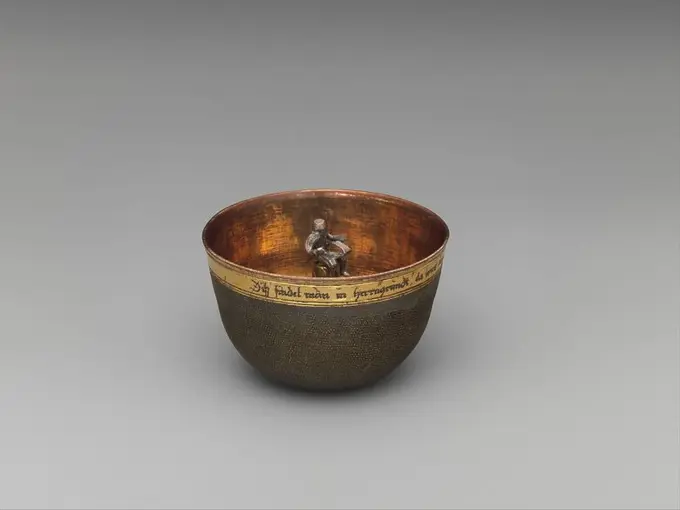
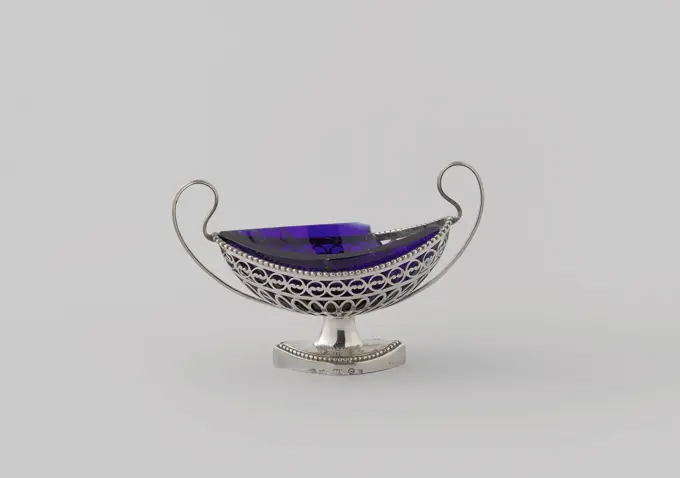
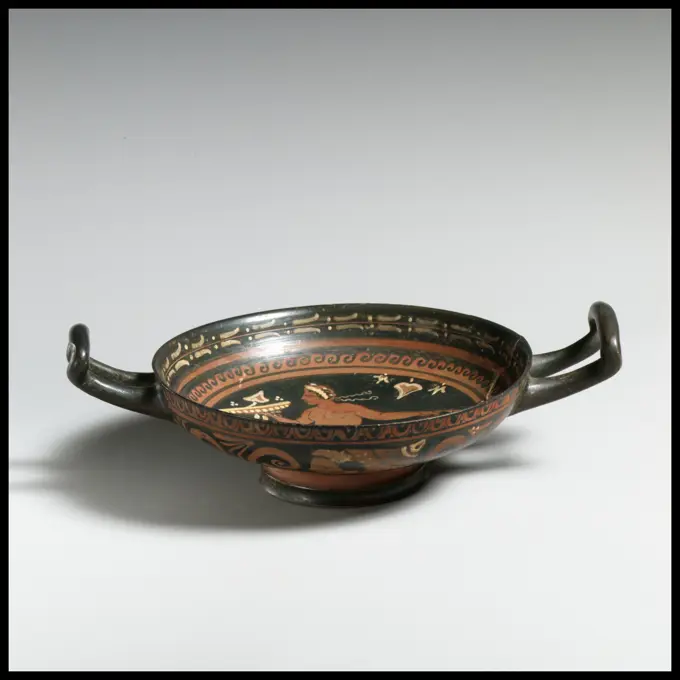
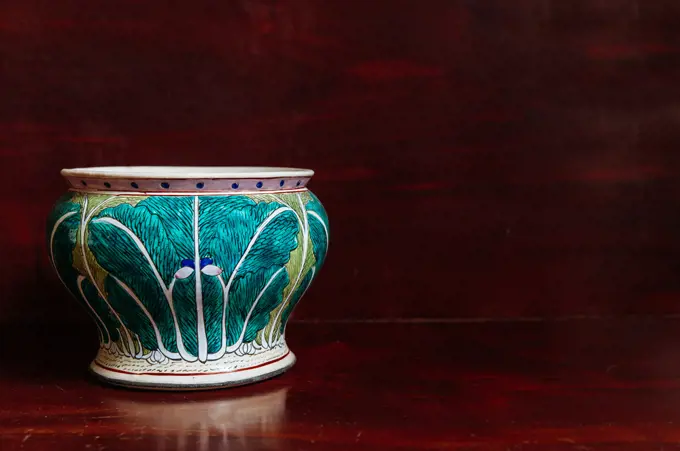
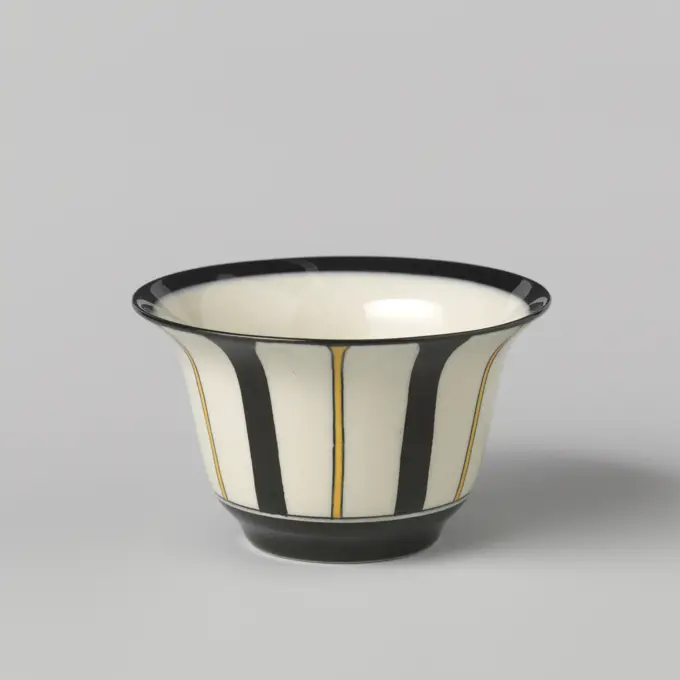
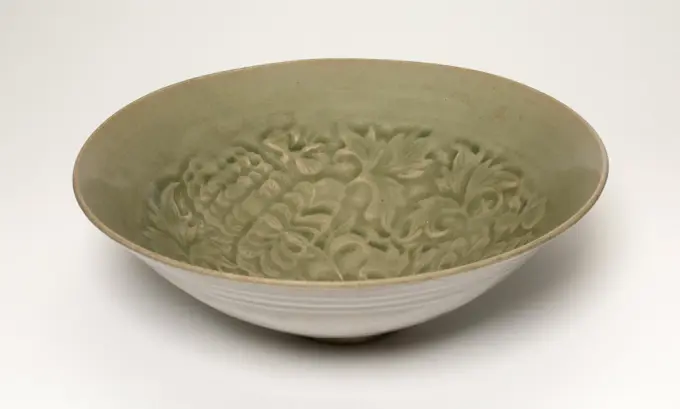
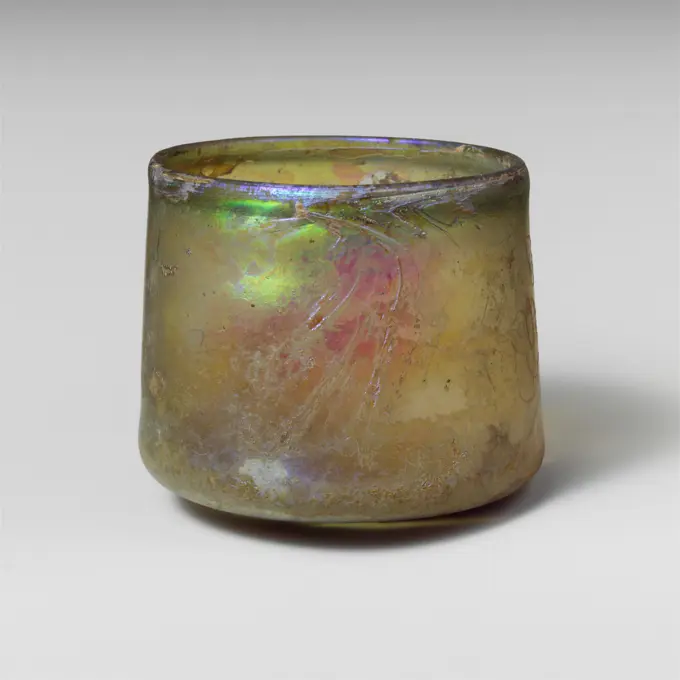
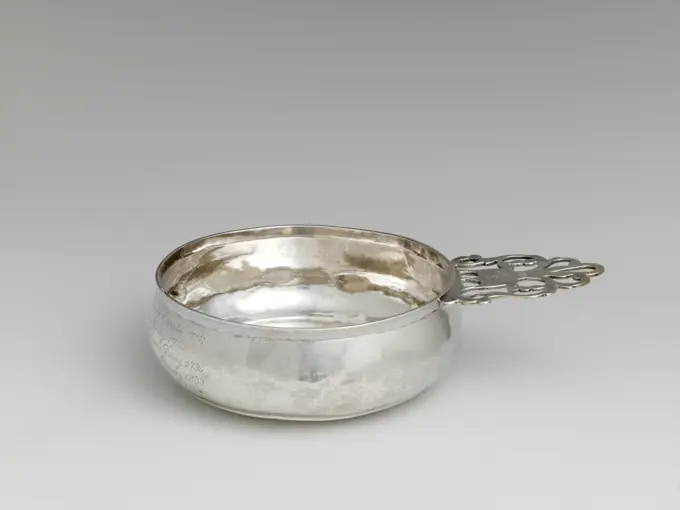
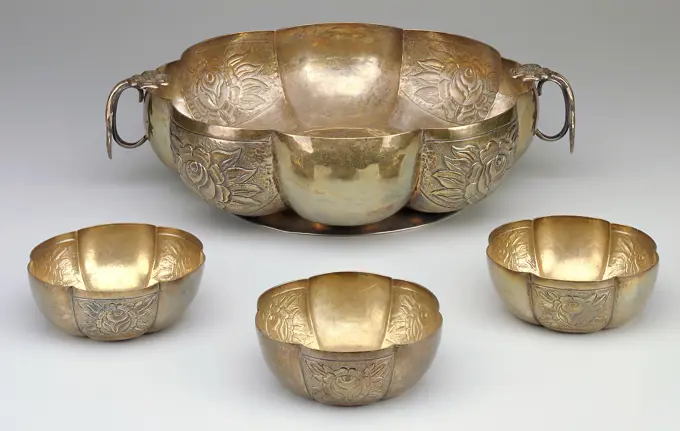
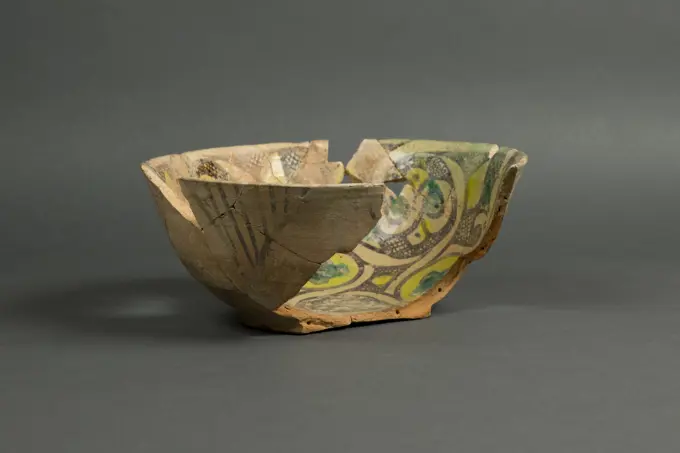
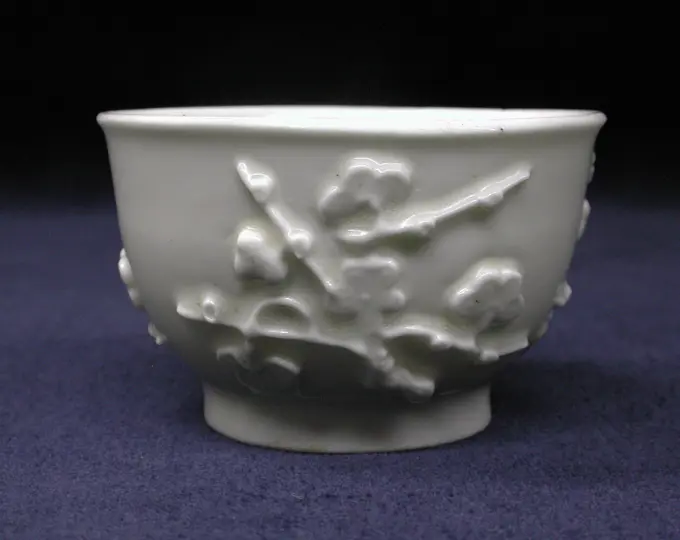
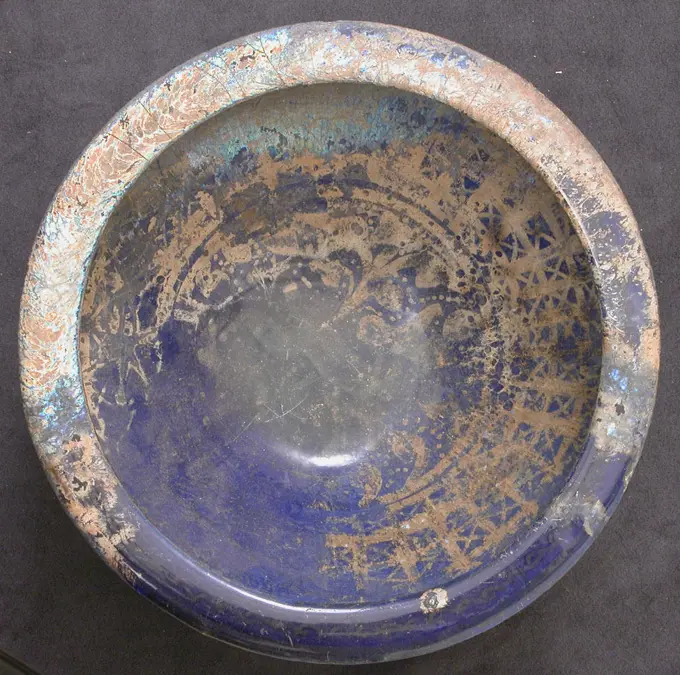
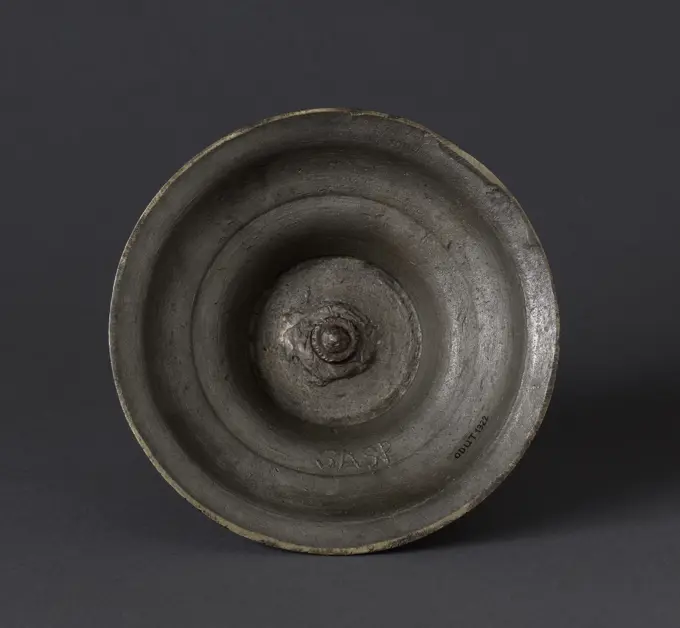
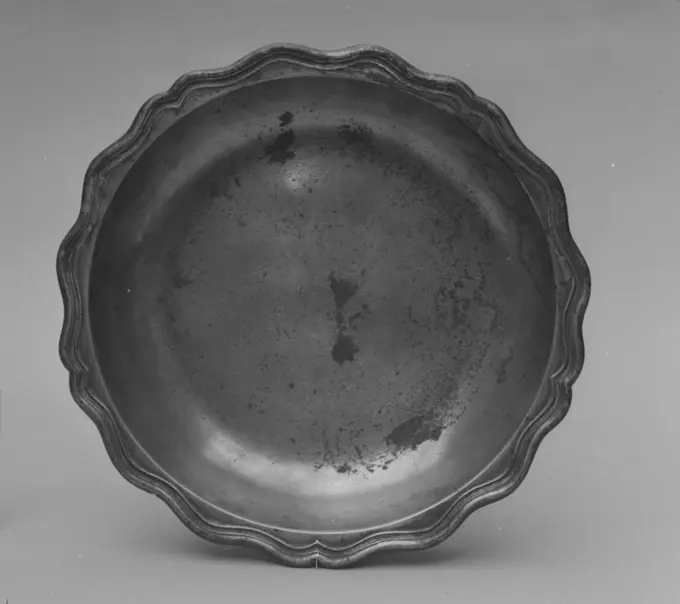
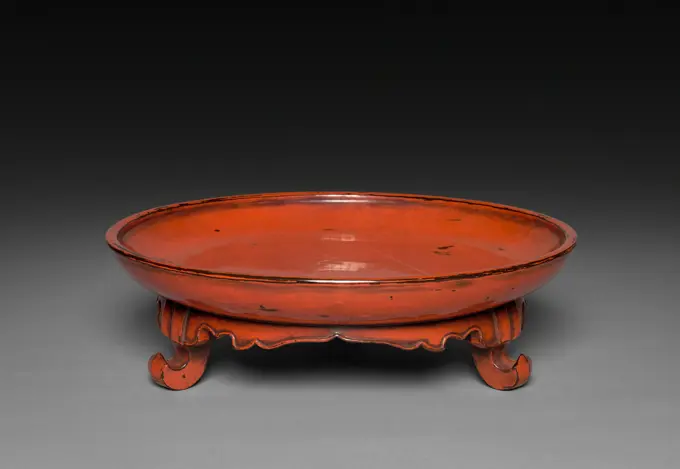
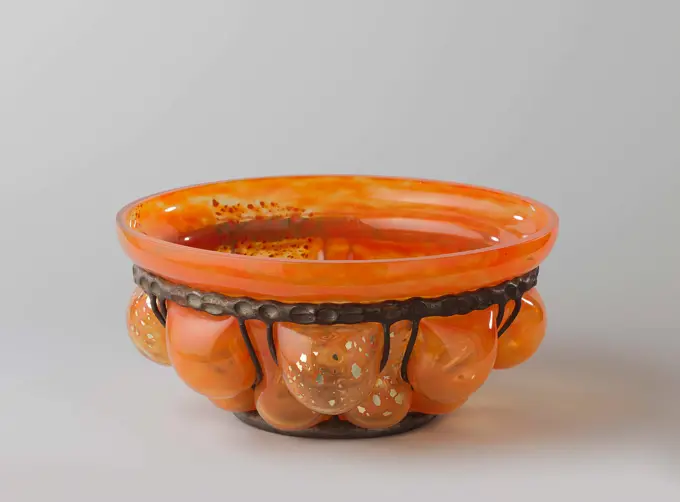
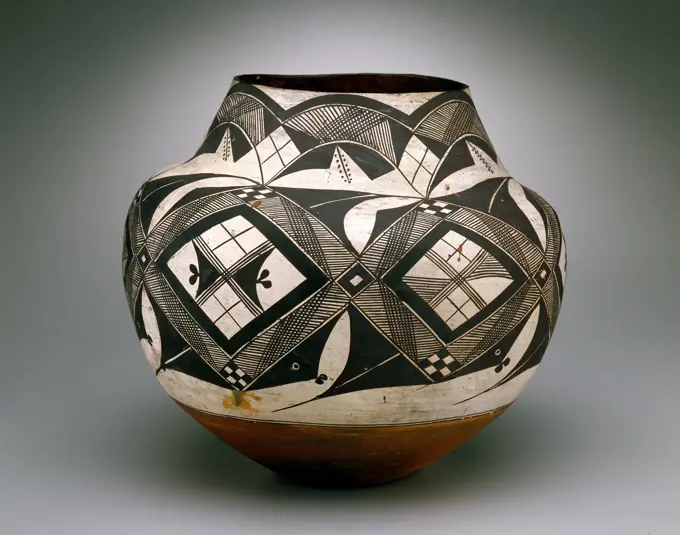
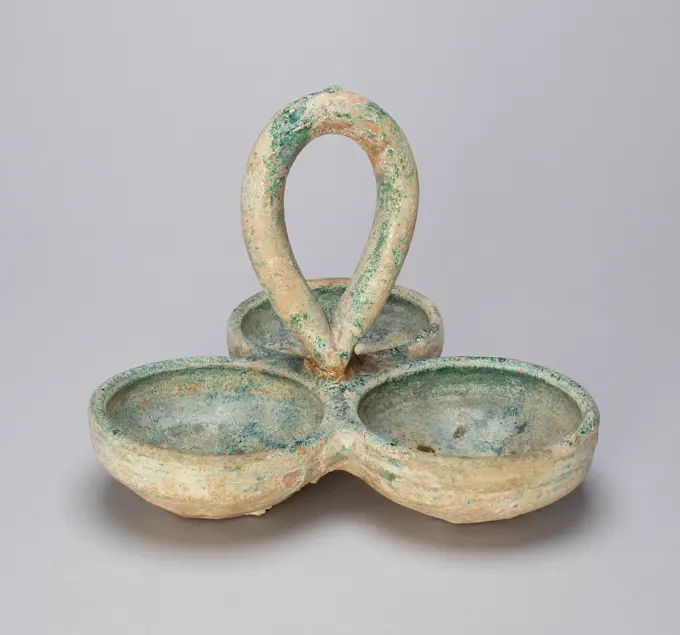
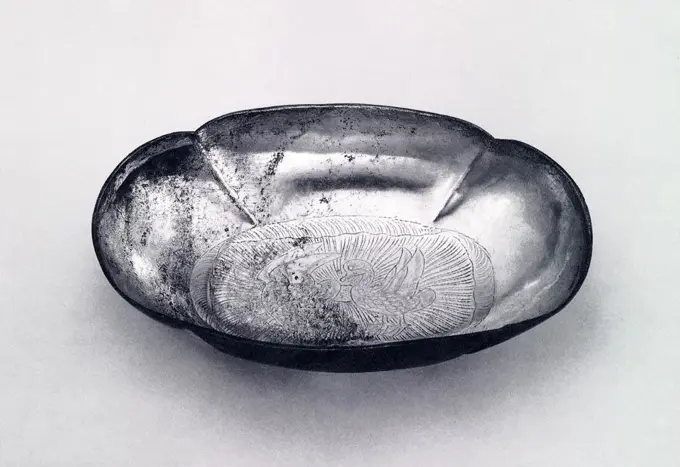
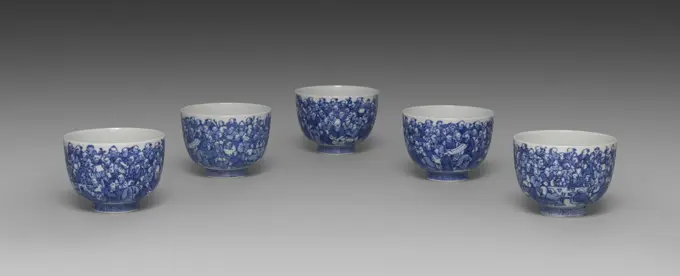
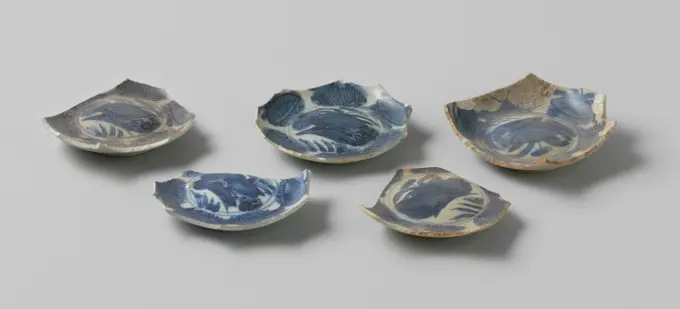
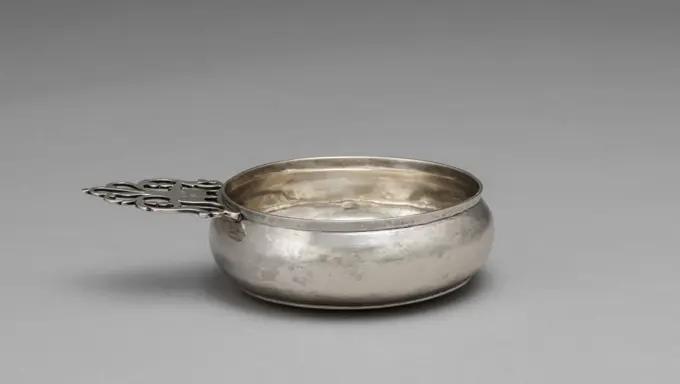
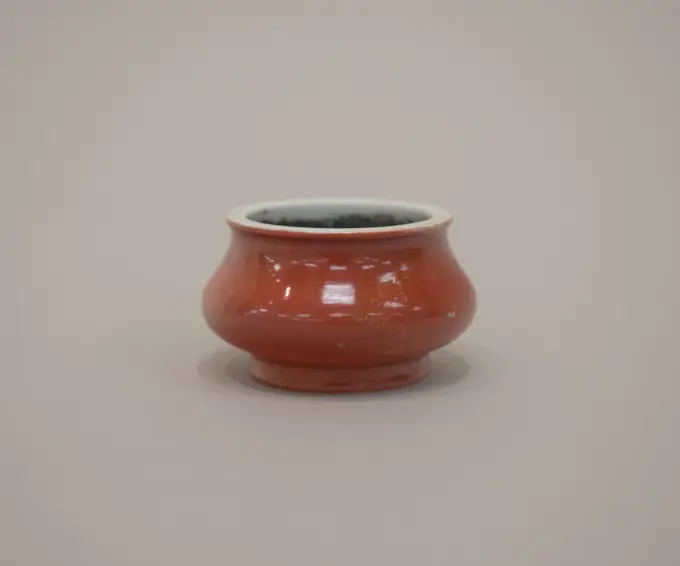
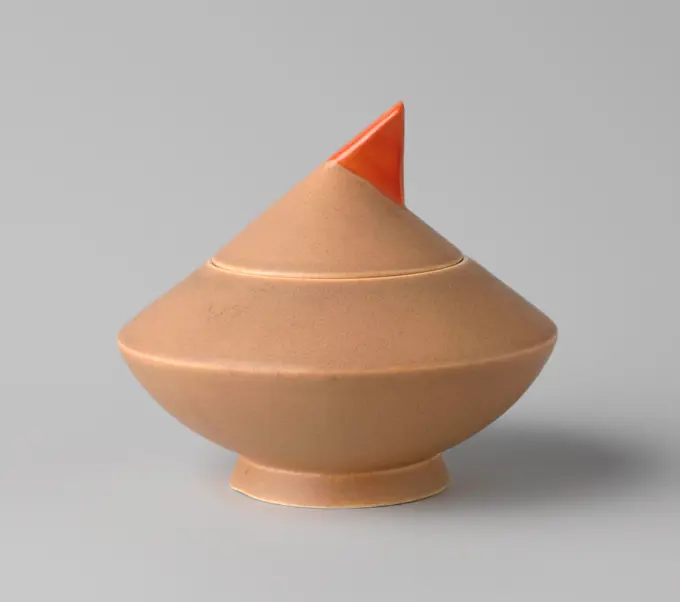
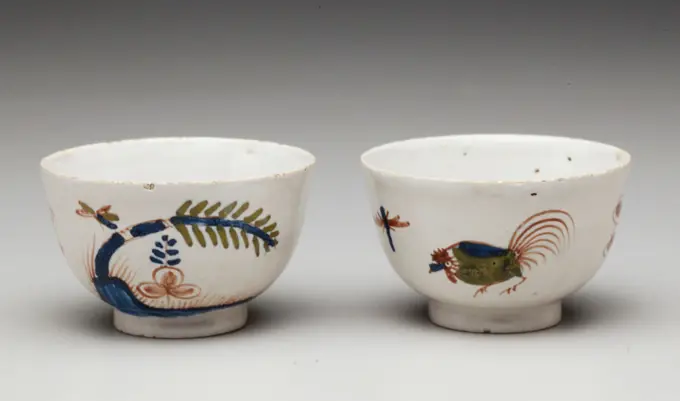
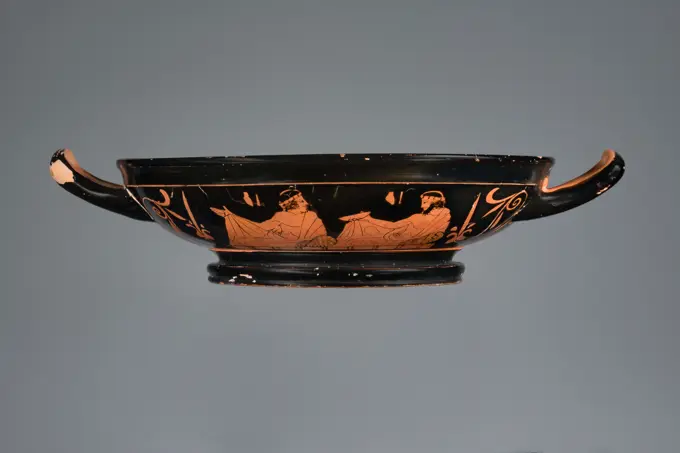
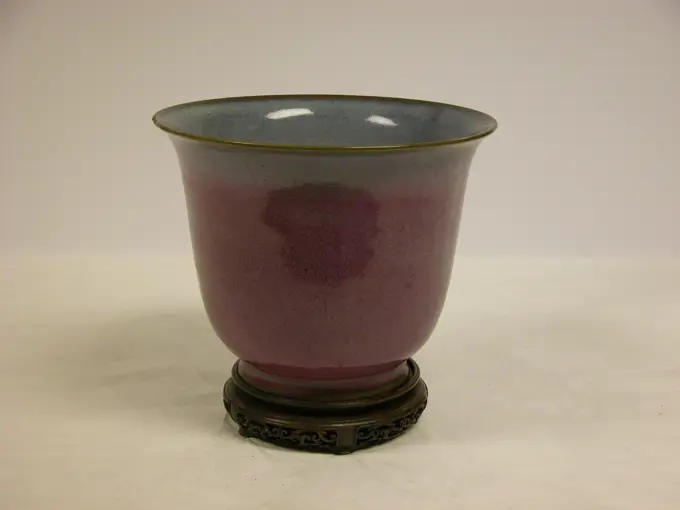
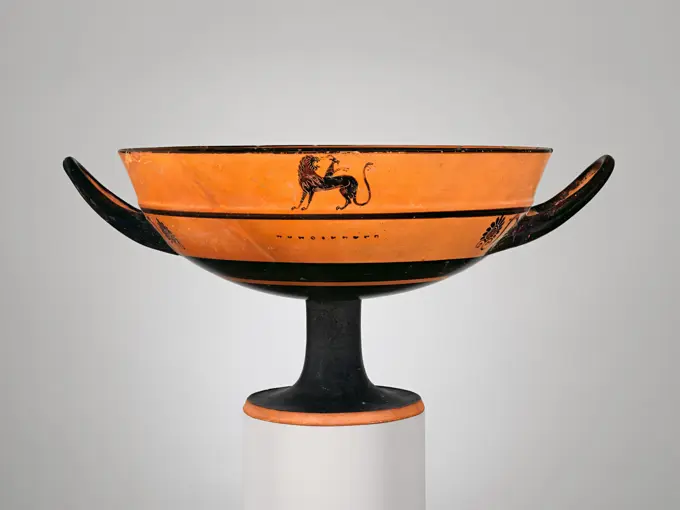
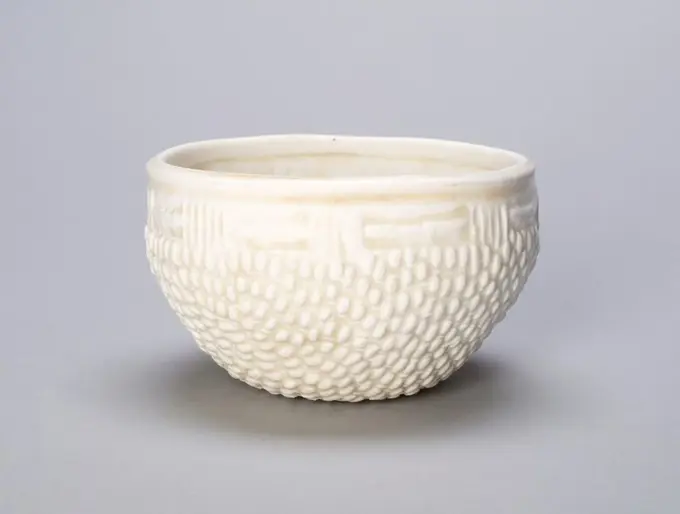
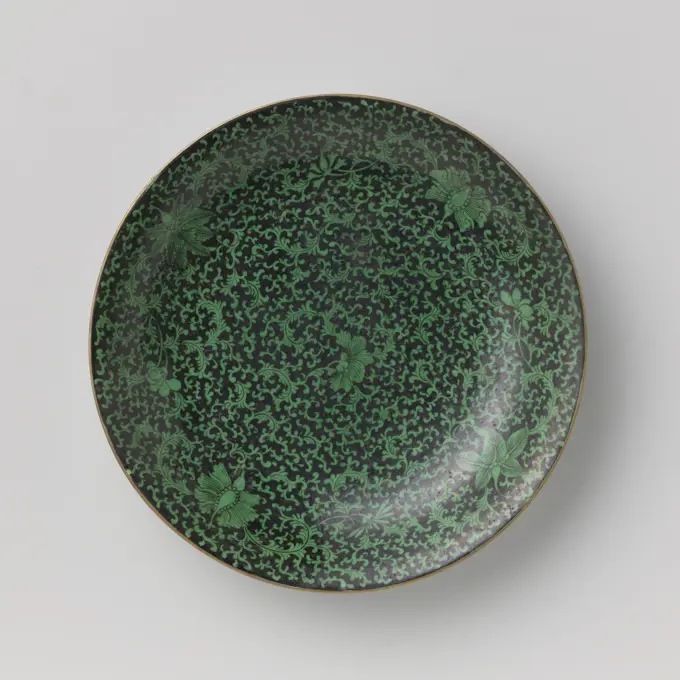
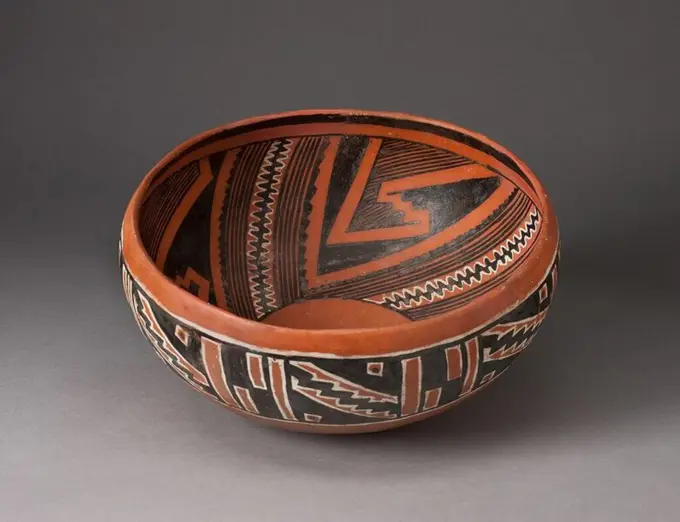
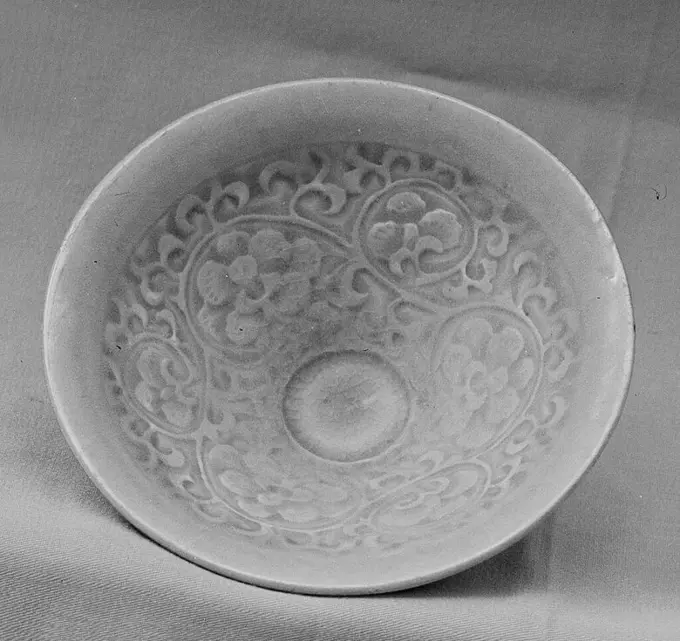
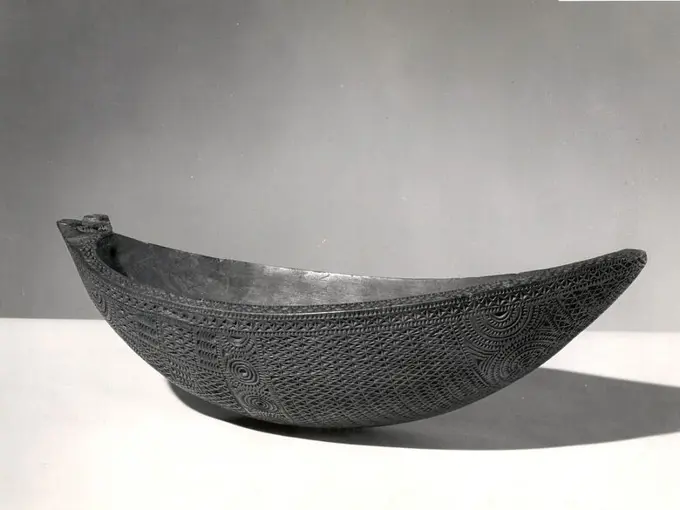
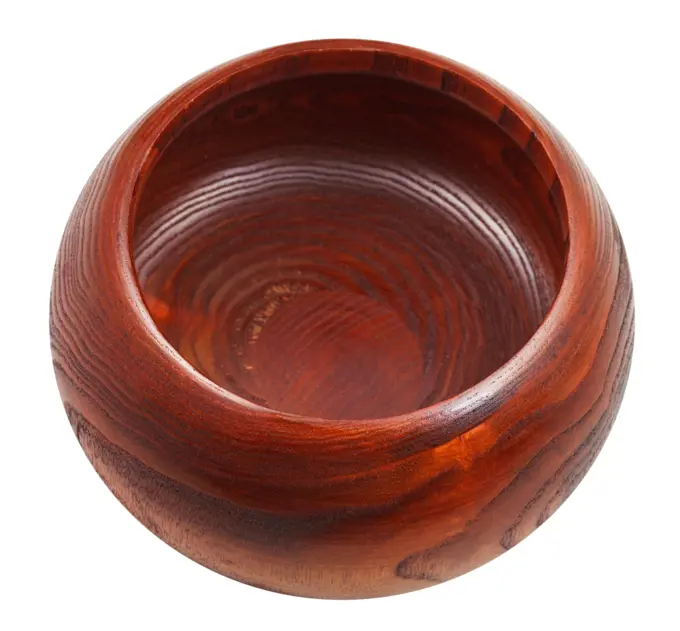
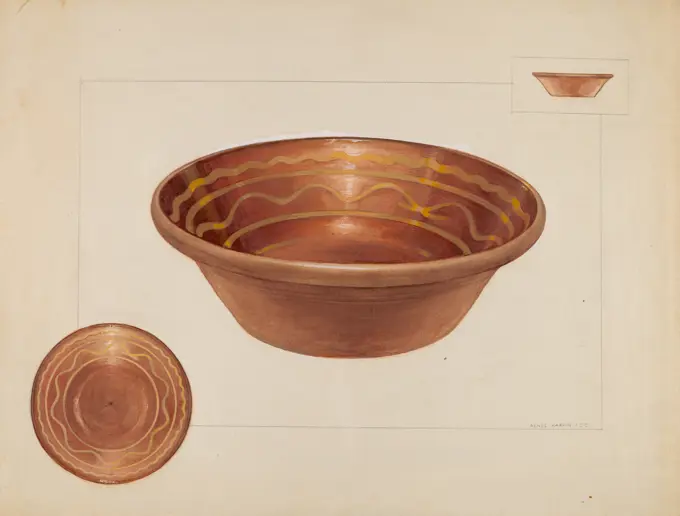
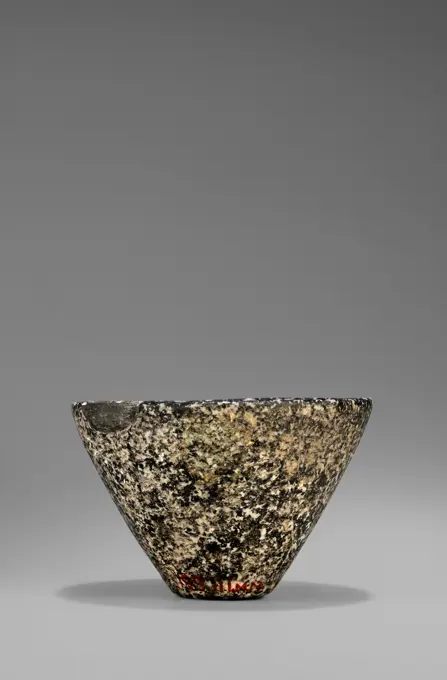
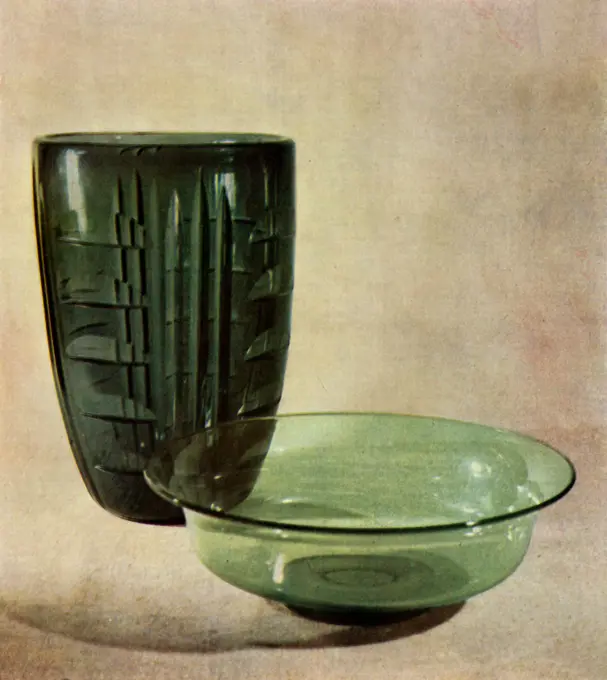
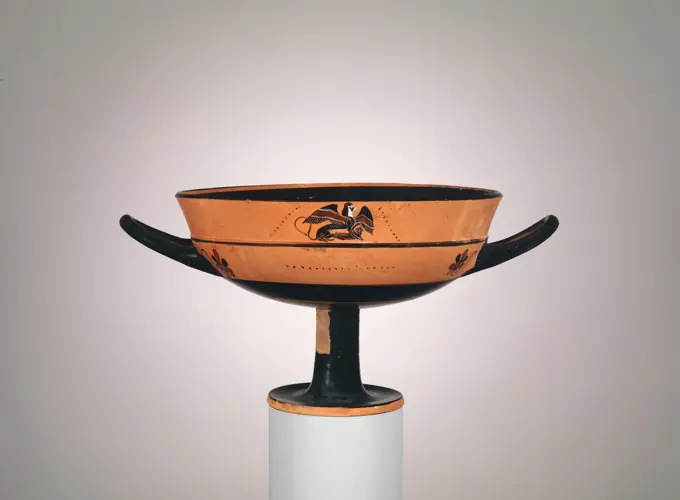
Terracotta Little Master cup ca. 565-550 B.C. Greek, Attic, black-figure, 03.24.31: exterior, obverse and reverse, sphinx standing over a nude manThe larger cup demonstrates the basic decorative format of this popular shape. Here, the inscriptions are meaningless strings of letters framing the figural composition, but on other examples, they accurately record the artist's name, label characters depicted, or offer greetings. Little Master cups can be dated more precisely than most Etruscan vases and so are important indicators of the date of this tomb.. Terracotta Little Master cup 247100Glass cup 1st-2nd century A.D. Roman Translucent pale blue.Flaring rim, with uneven, cracked-off edge; side expands downwards, then slants inwards; slightly concave bottom.One horizontal wheel-abraded line immediately below rim, with more bands on body above point of greatest diameter.Intact, except for weathered chip in rim; many pinprick bubbles and blowing striations; deep pitting and weathering, with areas of soil encrustation, dulling, thick creamy weathering, and brilliant iridescence.. Glass cup. Roman. 1st-2nd century A.D.. Glass; blown and cut. Early to Mid Imperial. GlassLobed Basin for Flowerpot. China. Date: 1400-1499. Dimensions: H. 6.1 cm (2 3/8 in.); diam. 19.2 cm (7 9/16 in.). Jun ware; stoneware with opaque pale-blue and reddish-purple glaze. Origin: China. Museum: The Chicago Art Institute, Chicago, USA.Incised Painted Bowl 5th-2nd century B.C. Paracas. Incised Painted Bowl 308661Bowl ca. late 8th-7th century B.C. Israelite. Bowl 323165Cup, c. 1915-40. Seifū Yohei IV (Japanese, 1872-1951). Porcelain; overall: 6.5 x 9 cm (2 9/16 x 3 9/16 in.).Unknown (n. - d.), Green family dish (main title). Ceramics, porcelain, high fire enamels. Petit Palais, Museum of Fine Arts of the City of Paris.Wine Cup with a Boar Hunt; Painter of Boston C.A; Athens, Greece; about 560 B.C; Terracotta; 12.9 × 33.8 × 26.2 cm (5 1,16 × 13 5,16 × 10 5,16 in.)Ink Stone, 618-906, 1 1/8 x 2 13/16 x 3 7/8in. (2.9 x 7.1 x 9.8cm), Tuan stone, China, 7th-10th century, This elegantly fashioned, early ink stone is carved in the form of a winnowing basket, a favored shape during Tang. The artisan has cleverly carved the light-grained stone to reveal a dark striation in the center of the well which simulates puddled ink. The small scale and fine condition suggest that this was an object made exclusively for burial.Cup 1 CE-100 CE Syria. Glass, blown technique . Ancient RomanBowl. UnknownBird Feeder 14th-15th century French. Bird Feeder. French. 14th-15th century. Lead. Metalwork-LeadBowl with ChiliPeppers.  Artist: UnknownGlass bowl 2nd-3rd century A.D. Roman Miniature bowl or jarTranslucent blue green.Rounded and thickened rim with inner lip; convex sides to cylindrical body; flat bottom with small, central kick and traces of large pontil scar.Intact; few bubbles; pitting, dulling, and iridescent weathering.. Glass bowl 239820Cup with cover. Culture: China. Dimensions: H. 3 1/16 in. (7.7 cm); W. 4 1/8 in. (10.4 cm). Museum: Metropolitan Museum of Art, New York, USA.Black Incised Ware Bowl ca. 3850-2960 B.C. Predynastic Period. Black Incised Ware Bowl. ca. 3850-2960 B.C.. Pottery. Predynastic Period. From EgyptFaience bowl. Culture: Cypriot. Dimensions: H. 1 9/16 in. (4 cm)diameter 5 1/2 in. (14 cm). Date: ca. 1200 B.C..The figure of the woman in the interior of the cup is depicted in an Egyptian style. Museum: Metropolitan Museum of Art, New York, USA.Bowl 17th century () Japan. Bowl. Japan. 17th century (). Clay covered with glaze (Shidoro style). Edo period (1615-1868). CeramicsTerracotta straight-sided cup ca. 1800-1700 B.C. Minoan Decorated with a rosette and bands in white and orange.. Terracotta straight-sided cup. Minoan. ca. 1800-1700 B.C.. Terracotta; Kamares ware. Middle Minoan IIB-IIIA. VasesTeabowl 19th century Japan. Teabowl. Japan. 19th century. Clay covered with glaze and overglaze; metal ring around the lip. Edo (1615-1868) or Meiji period (1868-1912). CeramicsJardiniere (England); enameled tôleShallow bowl with a recurved rim ca. 2500-2400 B.C. Old Kingdom This round-bottomed vessel with flaring recurved rim belongs to the type called Meidum bowls. It is made from veined Egyptian alabaster with a band of irregularly spaced streaks of reddish brown that vary in intensity.. Shallow bowl with a recurved rim 543887Scale with scalloped edge, painted on the flat in purple with a landscape with ruins., Weesper porcelain factory, c. 1759 - c. 1771 Scale with scalloped edge and on the flat purple painted with a landscape with ruins. Marked with two crossed swords and three bulbs in under -glaze blue and Ingangrift II. Weesp porcelain Scale with scalloped edge and on the flat purple painted with a landscape with ruins. Marked with two crossed swords and three bulbs in under -glaze blue and Ingangrift II. Weesp porcelainEarthenware baking pan with handle, internally glazed, casserole casserole dishes holder kitchen utensils earthenware ceramics earthenware glaze lead glaze, twisted glazed fried flat pan red earthenware thickened round rim pouring clip inside glazed flat handle with thickened edge rotations. Baking pan rather high side wall archeology Capelle aan den IJssel House in Capelle castle crockery tableware cooking baking frying food preparation Soil discovery: canal south side house in Capelle ± 1395 - ± 1500 Capelle aan den IJssel 1963.Covered Jar (stand), 1573-1620. China, Jiangxi province, Jingdezhen kilns, Ming dynasty (1368-1644), Wanli reign (1573-1620).Tea head, part of a tea set, Petrus Regout & Co., 1934 Tea head of earthenware, part of a tea set. Brown distance on the outside, with red buttons, spouts, ears and edges. Marked with sphinx stamp; Petrus Regout & Co Maastricht in a lying rectangle; Made in Holland. Maastricht earthenware Tea head of earthenware, part of a tea set. Brown distance on the outside, with red buttons, spouts, ears and edges. Marked with sphinx stamp; Petrus Regout & Co Maastricht in a lying rectangle; Made in Holland. Maastricht earthenwareFlaringbowl.  Artist: UnknownGlass hemispherical bowl mid-2nd-early 1st century B.C. Greek, Eastern Mediterranean Translucent yellow green.Rounded, slightly inverted rim; hemispherical body with convex curving side; convex bottom.On interior, two narrow horizontal grooves cut in a band below rim; on exterior, a single lightly abraded small circular groove around bottom.Complete, but large crack in one side and strain cracks around most of body below rim; some pinprick bubbles; isolated patches of pitting and iridescent weathering on exterior.Rotary grinding marks on interior.Yellow glass bowl with two cut bands round the rim.. Glass hemispherical bowl. Greek, Eastern Mediterranean. mid-2nd-early 1st century B.C.. Glass; cast and cut. Late Hellenistic. Glass. Pewter .Bowl early 19th century Japan. Bowl 62007Bowl. Culture: China. Dimensions: H. 3 in. (7.6 cm); Diam. 7 in. (17.8 cm). Museum: Metropolitan Museum of Art, New York, USA.Bowl. Culture: Italic-Native, South Italian (Daunian). Dimensions: H. w/ handles 8.51 cm. Diameter 16.51 cm.. Date: ca. 550-450 B.C.. Museum: Metropolitan Museum of Art, New York, USA.Cup. Culture: China. Dimensions: H. 1 1/2 in. (3.8 cm); W. 2 5/8 in. (6.7 cm). Date: 18th century. Museum: Metropolitan Museum of Art, New York, USA.Bottom of small pot on stand lobes, red pottery, pot holder soil find ceramic earthenware clay engobe glaze lead glaze, hand turned hand shaped glazed baked Fragment of small pot on three stand fins Probably decorated in sludge technology spatter white engobe on the side. Very coarse formed on the inside and not finished. The correct function of this pot (or jug) is unknown Red pottery on the top partly covered with lead glaze archeology Rotterdam City Triangle Groenendaal underground pit pottery store food preparation prepare underground pit Groenendaal from cesspool Rotterdam.Tray on a High Foot with Birds, Flowers, and Grapevines. Ryukyu Islands, about 1700-1800. Furnishings; Serviceware. Red and black lacquer on wood core with painted decorationPair of Bowls with Xiwangmu and Attendants, 1662-1722. China, Jiangxi province, Jingdezhen, Qing dynasty (1644-1911), Kangxi reign (1662-1722), but Chenghua mark (1465-87). Porcelain with famille verte overglaze enamel decoration; diameter: 14.3 cm (5 5/8 in.); overall: 17.8 cm (7 in.); vessel: 14.4 cm (5 11/16 in.). Xiwangmu is the name for the Queen Mother of the West, an ancient Chinese goddess.Bowl  white chrysanthemums on a pale yellow background unknownBowl with Repeated Stepped Motif 180 BCE-500 CE Peru. Ceramic and pigment . NazcaBeaker. Culture: Hungarian, Úrvölogy (formerly Herrengrund). Dimensions: Overall: 1 15/16 x 3 1/8 x 3 1/8 in. (5 x 8 x 8 cm). Date: early 18th century.This beaker, and a similar one in the museum's collection, 2010.110.66, is in tumbler form with a gilded lip above punched snakeskin decoration. Each show a silver figure of a miner seated on a column rising from the center of the bowl. The figures are made of silver that can be polished. When the bowl was filled with wine the tiny statuette's image would be reflected on the surface of the "golden" beverage, the color of which was intensified by the gilded interior. Copper vessels in this form were popular souvenirs from Herrengrund, at that time in Northern Hungary, now in present-day Slovakia, extolling the seemingly magical qualities of the water in the region, which has unusually high concentrations of copper sulphate. Iron scraps left in pools of water did not actually transform into copper, but collected on their surface consideraZoutvat, Spitsovaal, with openwork wall and pearl lists, Christiaan Mensink, 1803 The striker ovale, curved vessels, who have slightly raised walls on the sides, rest on a striker ovale, also rising on the sides, upwards strongly rejuvenating foot on a straight -walled base. The body is opened with cracks and circles built from two C-volutes. Pearl lists run around the foot and along the top of the body. The highly rising, curved ears are grooved on the outside. Inner trays fit in the vessels, those of blue glass. Amsterdam silver (metal). glass The striker ovale, curved vessels, who have slightly raised walls on the sides, rest on a striker ovale, also rising on the sides, upwards strongly rejuvenating foot on a straight -walled base. The body is opened with cracks and circles built from two C-volutes. Pearl lists run around the foot and along the top of the body. The highly rising, curved ears are grooved on the outside. Inner trays fit in the vessels, those of blue glass. Amsterdam Slop Bowl 1848-56 Attributed to Charles Cartlidge and Company. Slop Bowl. American. 1848-56. Porcelain. Made in Brooklyn, New York, New York, United StatesCzarka; Sumner, William I (Fl. 1773-Ca 1807); 1804/05 (1804-00-00-1805-00-00);Terracotta stemless kylix (drinking cup) ca. 340-320 B.C. Close in style to the Amphorae Painter Interior, seated nude youth holding a phiale and a wreath.Exterior, obverse and reverse, head of a woman.. Terracotta stemless kylix (drinking cup) 254605 : Close in style to the Amphorae Painter, Terracotta stemless kylix (drinking cup), ca. 340320 B.C., Terracotta, H. 1 3/4 in. (4.5 cm); diameter 5 1/4 in. (13.3 cm). The Metropolitan Museum of Art, New York. Gift of Mrs. Frank S. Williams, 1948 (48.118)Colourful cabbage pattern painted China ware, Old vintage Chinese porcelain vaseCup with image from Van Speijk. One of two virtually identical cups of pressure pottery, printed on the inside and outside in black; Soil inside: bust of a man (J.C.J. van Speijk), inner edge four weapons (from Utrecht, Friesland, Gelderland and the generalism) between the explosion ship in kind of cartouche; On the outside Diem, this time weapons from Zeeland, Holland, Overijssel and Groningen. The prints are not entirely right. NOTE: See NG-1069-B.Head with line decor in yellow and black on Crème Fond, N.V. Plateelbakkerij Ram, c. 1925 Head of pottery with line decor in yellow and black on cream fond. The mouth and foot edge are black. Marked with circular stamp in black: Colenbrander "Ram" Arnhem-Holland around a Ramskop, 110. Arnhem earthenware Head of pottery with line decor in yellow and black on cream fond. The mouth and foot edge are black. Marked with circular stamp in black: Colenbrander "Ram" Arnhem-Holland around a Ramskop, 110. Arnhem earthenwareBowl with Peonies 960 CE-1279 China. Celadon-glazed stoneware with underglaze molded decoration .Glass beaker 2nd-3rd century A.D. Roman Uncertain, probably colorless with pale blue green tinge.Thickened, rounded, vertical rim with slight inner lip; straight sides expanding downwards, then turned in at sharp angle to uneven bottom with shallow kick at center.Intact; pinprick bubbles and blowing striations; dulling, pitting, and brilliant iridescence, with whitish weathering on bottom of interior.. Glass beaker 244610Porringer 1700-1730 Samuel Vernon. Porringer 6725Bowl (one of a pair) China. Bowl (one of a pair). China. Painted enamel. Qing dynasty (1644-1911), Qianlong period (1736-95). EnamelsFingerbowl, from a set of 12, c. 1929-1930, 1 5/8 x 4 9/16 x 4 9/16 in. (4.1 x 11.6 x 11.6 cm), Silver, Mexico, 20th centuryDish China. Dish 48119Bowl late 8th-first half 9th century View more. Bowl. late 8th-first half 9th century. Earthenware; polychrome decoration under transparent greenish glaze (buff ware). Excavated in Iran, Nishapur. CeramicsTeabowl and saucer ca. 1710-20 Saint-Cloud factory The gift of the Hans Syz Collection in 1995 endowed the Museum with nearly three hundred examples of European and Asian ceramics meticulously acquired by Swiss-born collector Dr. Syz (1894-1991) to chart the migration of models and patterns from East to West. Documenting a continuous process of influence and adaptation, these pieces provide a discriminating review of the nuances of stylistic change resulting from three centuries of trade.. Teabowl and saucer 208404Bowl 14th century. Bowl 446896Vintage mid century brass enameled middle eastern vaseJelly mold ca. 1750 British, Staffordshire. Jelly mold. British, Staffordshire. ca. 1750. Salt-glazed stoneware. Ceramics-PotterySilversmith's art, Italy, 17th century. Corinzio Colleoni (1579-1656), gilded silver basin, Rome, 1618-1623.Lamp, Oil 1st-3rd century Roman. Lamp, Oil 465832 Roman, Lamp, Oil, 1st3rd century, Earthenware, glazed, Overall: 1 13/16 x 3 9/16 x 3 3/8 in. (4.6 x 9.1 x 8.5 cm). The Metropolitan Museum of Art, New York. Gift of J. Pierpont Morgan, 1917 (17.194.1736)Gaspare Macri. Candlestick (detail of the back of the base with the signature). Bronze, 16th century. Museum of Fine Arts of the City of Paris, Petit Palais. 35945-14 BRONZE, CHANDELIER, ENVERS, SIGNATURE, baseDish 18th century Jean-Jacques Bruckner. Dish. Jean-Jacques Bruckner (German, 1712-1795, master 1738). German, Mulhausen. 18th century. Pewter. Metalwork-PewterBox and cup. Silverware from the late Tang period is one of the most refined productions of Chinese applied art. The craftsmanshipis unparalleled: every dot was individually punched into the surface. Here, flower sprays and animal motifs have been executed with minute attention to detail and elegantly distributed over the surface.Tray, 1392-1573. Japan, Muromachi period (1392-1573). Negoro lacquer on wood; diameter: 39.4 cm (15 1/2 in.); overall: 11.5 cm (4 1/2 in.). Negoro is a lacquer technique (named after the Negoro temple in Japan) in which several layers of red lacquer are applied over a black lacquer undercoating. Through years of handling, a natural surface of red and black random patterns results.Wide Bowl. Egypt (), Roman Period (30 BCE - 395 CE) or later. Furnishings; Serviceware. BronzeBowl of orange glass is blown out in a bowl of wrought iron. Flat bottom. Low foot. The kick-shaped body of orange glass is blown out in a bowl of wrought iron. Curved edge, sharpened at the top. With the orange glass mass, pieces of gold leaf are blown up in some places. On the bottom the signature L. Majorelle, Daum, Nancy, France and the Lorraine Cross.Pot (Olla), c. 1860, 12 x 13 3/8 x 7 1/4 in. (30.48 x 33.97 x 18.42 cm), Clay, pigments, United States, 19th-20th centuryDish 1800-1830 Lewis Fourniquet. Dish 3293Cup. Culture: China. Dimensions: H. 2 1/2 in. (6.4 cm); W. 3 1/4 in. (8.3 cm). Museum: Metropolitan Museum of Art, New York, USA.Bowl with Feline Design. Culture: Paracas. Dimensions: Overall: 1 1/2 in. (3.81 cm)Other: 5 7/8 in. (14.91 cm). Date: 7th-4th century B.C.. Museum: Metropolitan Museum of Art, New York, USA.Basin first half 14th century The shape of this basin, both in metal and glass, was popular in the Ayyubid and Mamluk periods. From its elegant profile and inscribed titles it is evident that it was made for an important commander of the Mamluk army.. Basin 444587Concept, kasora clay bowl cup of baked on white background India Copyright: xNirmalaxMishra/DinodiaxPhotoxBowl 9th-10th century. Bowl. 9th-10th century. Earthenware; red slip, brown glaze. Excavated in Iran, Nishapur. CeramicsThree-Cupped Dish with Loop Handle 25 CE-99 CE China. Earthenware with lead green glaze .Bowl (China); glassPottery saucepan, toy, red shard, inside covered with lead glaze, shank, stem, saucepan pan tableware holder kitchenware toy relaxant soil find model ceramics pottery glaze lead glaze, hand turned fried glazed Pottery saucepan (toy model) red shard inside covered with lead glaze pouring stick steal archeology native pottery food prepare cooking play kitchen childWine cup with two ducks 8th-9th century China West Asian depictions of two birds facing one another may have helped to inspire the representation of the two mandarin ducks in the interior of this cup. In Chinese culture the ducks are a longstanding symbol for marital happiness.. Wine cup with two ducks 44635Kitchen utensils: single empty wooden bowl, isolated on white background. Single empty wooden bowlTeacups with a Hundred Sages, c. 1893-1914. Seifū Yohei III (Japanese, 1851-1914). Set of five teacups; porcelain with underglaze blue; height (each): 6.5 cm (2 9/16 in.); diameter (each): 9 cm (3 9/16 in.).Fragments of dishes from V.O.C. ship De 'Witte Leeuw', Before 1613  Fragments of dishes from V.O.C. ship the 'Witte Leeuw'. Soil clips. Jingdezhen porcelain   Sint-HelenaPorringer, 1725-1730. William Jones (American, 1694-1730). Silver; overall: 5.1 x 19.4 cm (2 x 7 5/8 in.); without handle: 13.7 cm (5 3/8 in.).Dish with scalloped edge and with olives and almonds tiled. Round, white dish with olives and almonds of multicolored painted faience. The dish has a scalloped edge and mounted almonds and olives on the dish, four of which are missing.Minature incense burner late 18th century China. Minature incense burner. China. late 18th century. Porcelain with coral red glaze (Jingdezhen ware). Qing dynasty (1644-1911), Qianlong period (1736-95). CeramicsSugar Pot, part of a tea set, Petrus Regout & Co., 1934 Sugar bowl of earthenware, part of a tea set. Brown distance on the outside, with red buttons, spouts, ears and edges. Marked with sphinx stamp; Petrus Regout & Co Maastricht in a lying rectangle; Made in Holland. Maastricht earthenware Sugar bowl of earthenware, part of a tea set. Brown distance on the outside, with red buttons, spouts, ears and edges. Marked with sphinx stamp; Petrus Regout & Co Maastricht in a lying rectangle; Made in Holland. Maastricht earthenwareWooden bowls, Northern Canadian Eskimo, Eskimo artTea Bowl, one of a pair, 1730-1740, 1 13/16 x 2 15/16 in. (4.6 x 7.46 cm), Ceramic, delftware, England, 18th centuryKyliks czerwonofigurowy. Malarz Londyn E 122 (ca 430 a.C), authorBowl late 18th-19th century China. Bowl 46184Flower Pot 15th century China. Flower Pot. China. 15th century. Stoneware with blue glaze ( "numbered Jun" ware). Ming dynasty (1368-1644). CeramicsTerracotta kylix: lip-cup (drinking cup) ca. 550-540 B.C. Greek, Attic Exterior, obverse and reverse, chimaera; below, meaningless inscriptionThe chimaera combines the body of a lion, the forepart of a goat, and the tail of a snake. It belongs to the menagerie of mythological creatures introduced from the East during the late eighth and seventh centuries B.C. Accomplished though the painter of this cup was, he was probably illiterateas were most peoplebecause the "inscription" here consists of letters conveying no meaning.. Terracotta kylix: lip-cup (drinking cup). Greek, Attic. ca. 550-540 B.C.. Terracotta; black-figure. Archaic. Vases"Basketweave" Bowl. China. Date: 1000-1099. Dimensions: H. 5.4 cm (2 1/8 in.); diam. 9 cm (3 9/16 in.). Ding-type ware; porcelain with underglaze molded decoration. Origin: China. Museum: The Chicago Art Institute, Chicago, USA.Saucer-dish with flower scrolls on a black ground, anonymous, c. 1800 - c. 1899 Porcelain bowl with round wall, painted in under -glaze blue, on the biscuit black and green and red on the glaze. The front of the dish is completely covered with a black glaze with green flower vines in reserve; The back with three bamboo branches. Marked on the underside with the six-character brand in the seal of Keizer Qianlong. Email sur biscuit with family noire colors. China porcelain. glaze. cobalt (mineral) painting / vitrification Porcelain bowl with round wall, painted in under -glaze blue, on the biscuit black and green and red on the glaze. The front of the dish is completely covered with a black glaze with green flower vines in reserve; The back with three bamboo branches. Marked on the underside with the six-character brand in the seal of Keizer Qianlong. Email sur biscuit with family noire colors. China porcelain. glaze. cobalt (mineral) painting / vitrificationBowl with Geometric Black-and-White Motifs on Interior and Exterior Survace. Cibola, Four Mile Polychrome or Pinedale Polychrome; Cibola region, east-central Arizona, United States. Date: 1300-1400. Dimensions: Diam. 23.5 cm (9 1/4 in.). Ceramic and pigment. Origin: Arizona. Museum: The Chicago Art Institute, Chicago, USA.Bowl. Culture: China. Dimensions: Diam. 4.5 in. (11.4 cm). Date: 11th-12th century. Museum: Metropolitan Museum of Art, New York, USA.Bowl. Culture: Austral Islanders. Dimensions: H. 4 5/16 x W. 6 1/2 x D. 13 1/8 in. (10.9 x 16.5 x 33.3 cm). Date: ca. 1820-40. Museum: Metropolitan Museum of Art, New York, USA.empty Wild Chinese Jujube Date Wood bowl isolated on white backgroundAgnes Karlin, Bowl, 1935 1942 BowlMiseczka. unknown, authorBowl. Culture: Japan. Dimensions: H. 2 in. (5.1 cm); Diam. 3 1/2 in. (8.9 cm). Date: 1800. Museum: Metropolitan Museum of Art, New York, USA.Nappy -Glass vase and bowl designed by Keith Murray, c1946. Murray worked as a ceramics, glass and metalware designer for Wedgwood in the Staffordshire Potteries area of England, in the 1930s and 1940s. He is considered one of the most influential designers of the Art deco style. From "English Glass', by W. B. Honey. Collins, London, 1946