Elegant Tea Bowls

Artisan stoneware tea bowls with varied glazes and elegant designs, emphasizing craftsmanship from different cultures and historical periods.
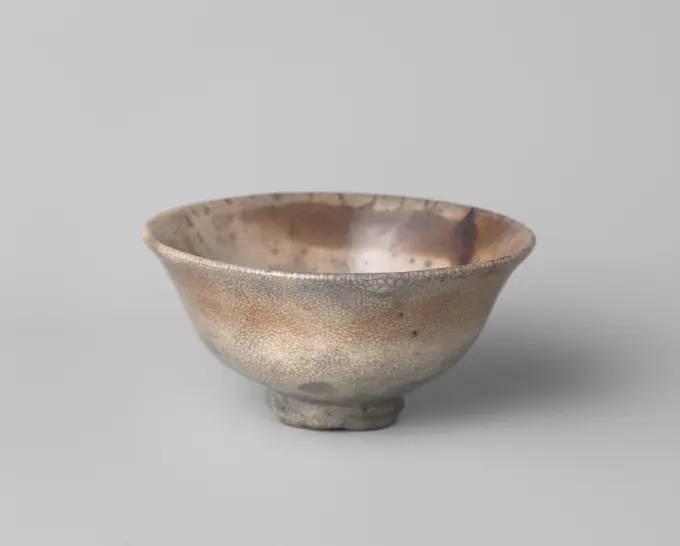
Bowl with a greyish brown spotted cream glaze, anonymous, c. 1600 - c. 1699 Come from stoneware, covered with a cracked cream -colored glaze with gray -brown spots. Five prenes on the bottom. Korea stoneware. glaze vitrification Come from stoneware, covered with a cracked cream -colored glaze with gray -brown spots. Five prenes on the bottom. Korea stoneware. glaze vitrification
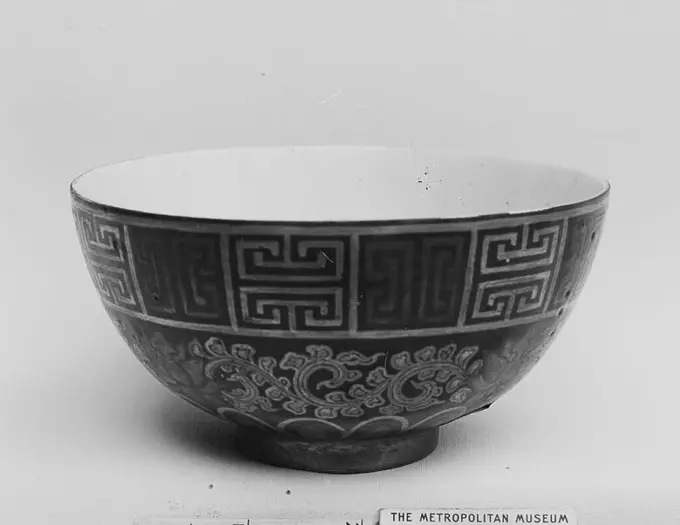
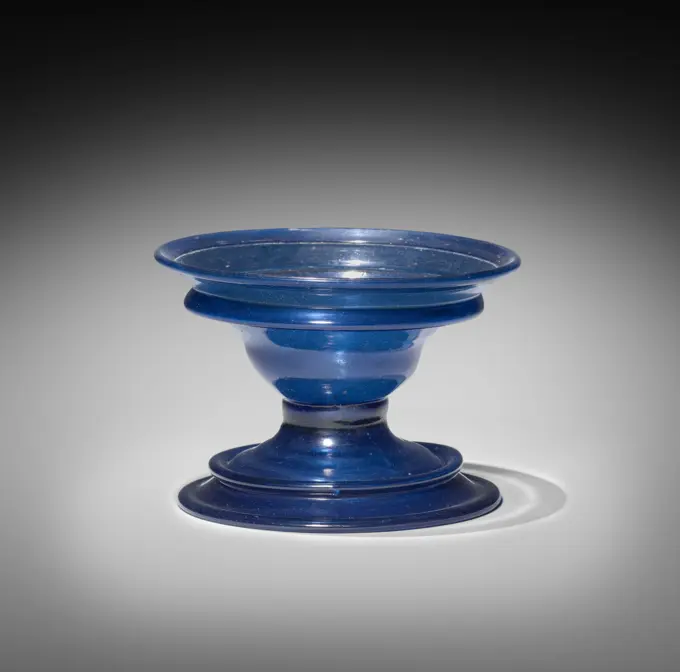
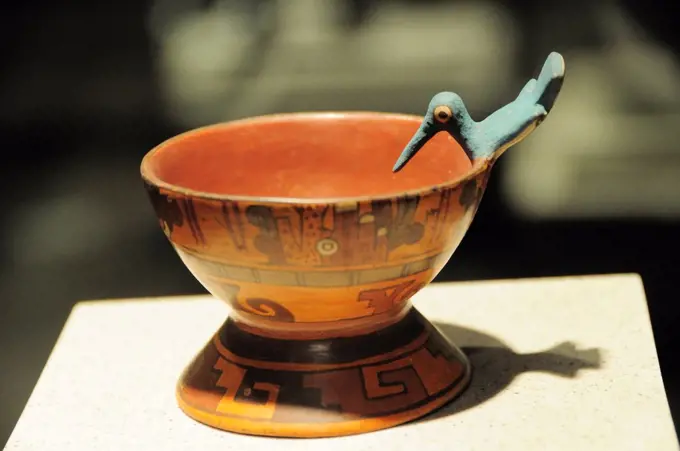
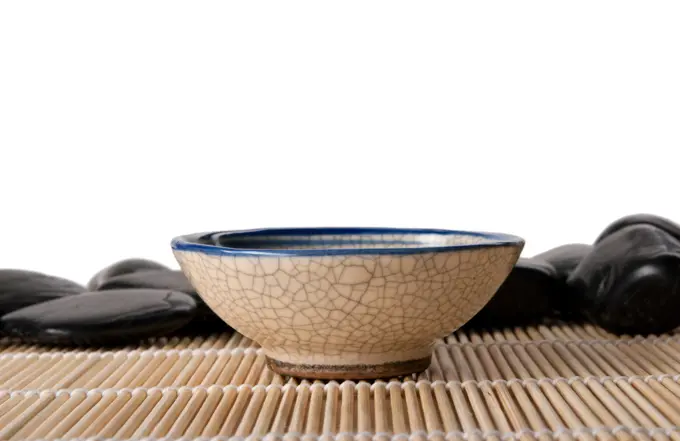
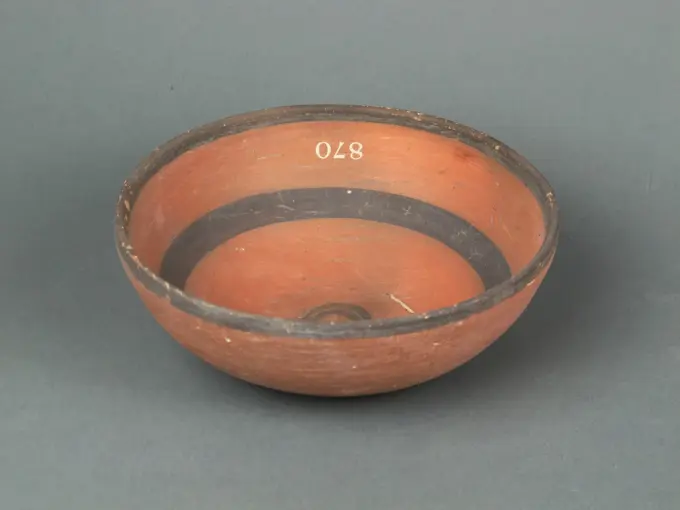
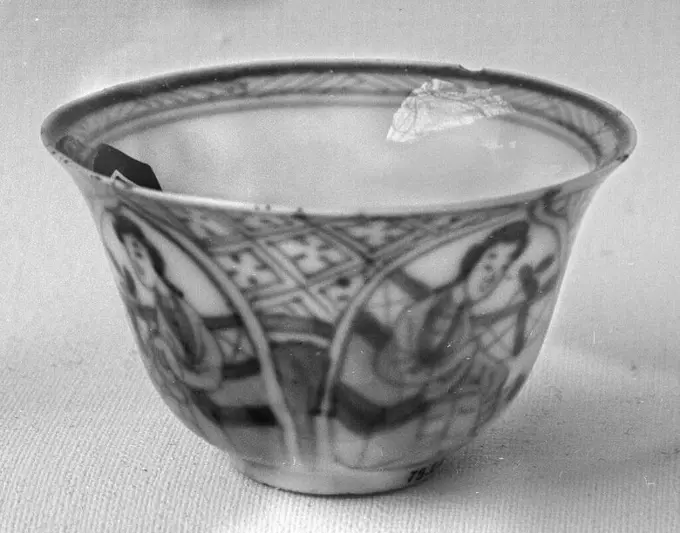
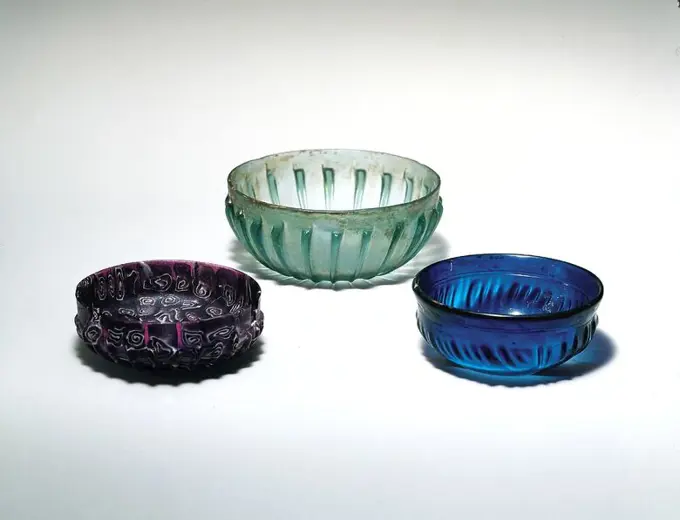
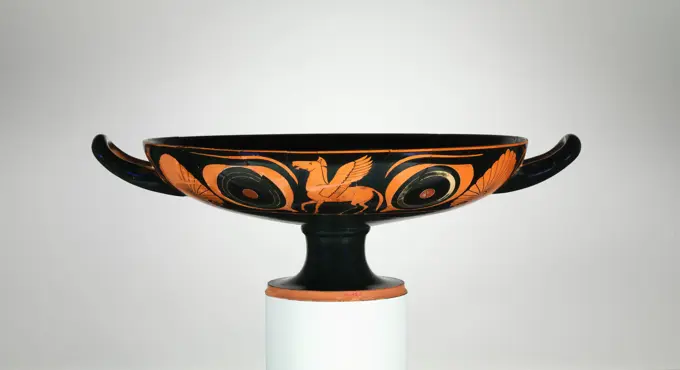
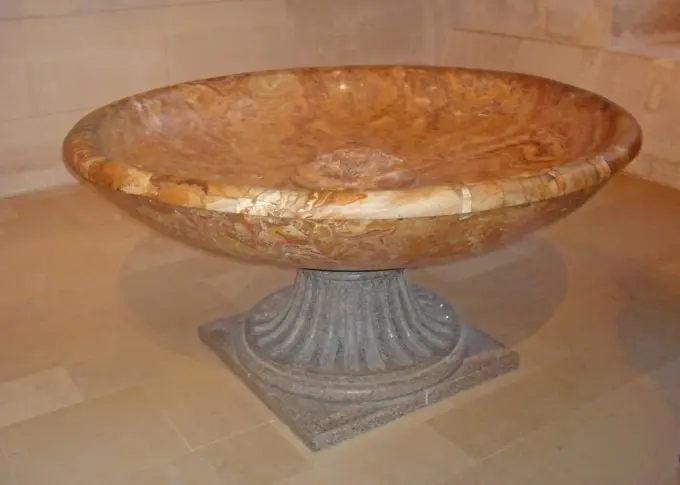
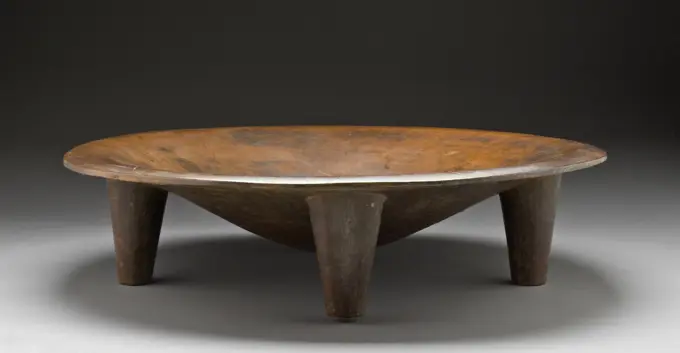
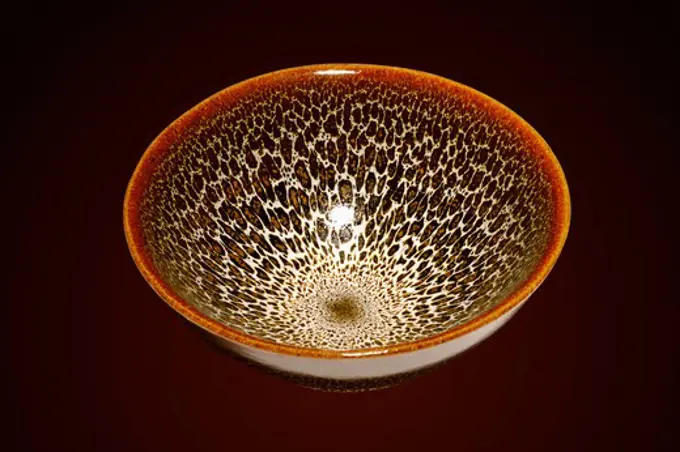
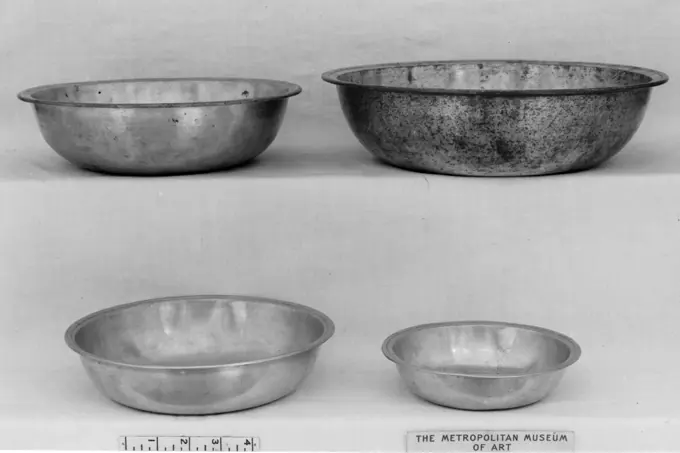
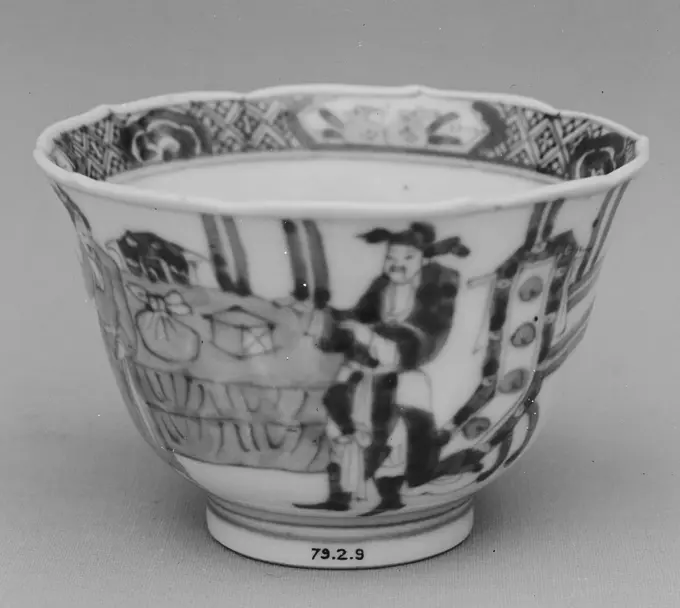
Cup early 18th century China. Cup. China. early 18th century. Porcelain painted in underglaze blue. Qing dynasty (1644-1911), Kangxi period (1662-1722). CeramicsOval Dish China. Oval Dish 43758Cup. Culture: Japan. Dimensions: H. 2 1/2 in. (6.4 cm); Diam. 4 3/4 in. (12.1 cm). Date: 1700. Museum: Metropolitan Museum of Art, New York, USA.Bowl with Stand (stand), 100-400. Syria, Roman, 2nd-3rd Century. Glass;Mexico, Federal District, Mexico City, Museo Nacional de Antropologia Painted hummingbird goblet 800-1521 AD.Cup for tea and some stones lie on mat Cup for tea and some stones lie on mat ,model released, Symbolfoto Copyright: xZoonar.com/AndreyxZametalovx 7528031 ,model released, Symbolfoto ,property releasedBowl Cypriot Broad bands and concentric circles in center.. Bowl. Cypriot. Terracotta. Iron Age. VasesCup. Culture: China. Dimensions: H. 1 in. (2.5 cm); Diam. 1 5/8 in. (4.1 cm). Date: late 17th-early 18th century. Museum: Metropolitan Museum of Art, New York, USA.Glass ribbed bowl. Culture: Roman. Dimensions: H. 2 13/16 in. (7.1 cm); diameter 6 5/8 in. (16.8 cm). Date: 1st half of 1st century A.D..Translucent pale blue green.Uneven vertical rim with rounded top edge and vertical plain band below; deep convex side curving in to slightly concave bottom.On interior, a broad band of fine abraded lines on lower part of side; on exterior, twenty-two long, slender ribs, some vertical, others slightly slanting, with flattened and tooled tops, tapering downwards and extending onto bottom.Intact; many pinprick bubbles; on interior, patches of creamy brown weathering, and faint iridescence on exterior.Vertical tooling indents to one side of tops of some ribs.These examples of a very common and widespread type of early Roman cast tableware represent the three main varieties--mosaic, deep monochrome, and naturally-colored translucent glass.Gift of J. Pierpont Morgan, 1917 (17.194.561). Museum: Metropolitan Museum of Art, New York, USA.Terracotta kylix (drinking cup) ca. 520 B.C. Attributed to Psiax Interior (black-figure), two birds and snakeExterior (red-figure), obverse, between eyes, Pegasos; reverse, between eyes, nose and the name PsiaxSeveral works by Psiax have inscriptions, and at least two identify him as painter. This is one of two cups on which hisname appears without a verb. Bilingual vases are particularly interesting because they juxtapose the old, black-figure, and the new, red-figure manner of decoration on the same piece.. Terracotta kylix (drinking cup) 248908Basin 11th Century A.D.Kava BowlClose-up of a decorative pottery bowl in unique patternBowl 18th century British or Scottish. Bowl. British or Scottish. 18th century. Pewter. Metalwork-Pewter