Elegant Teapots and Jugs

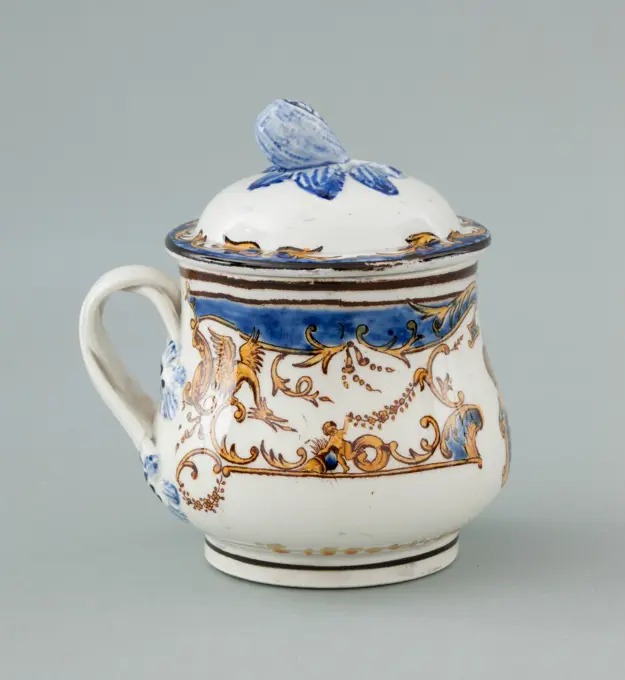
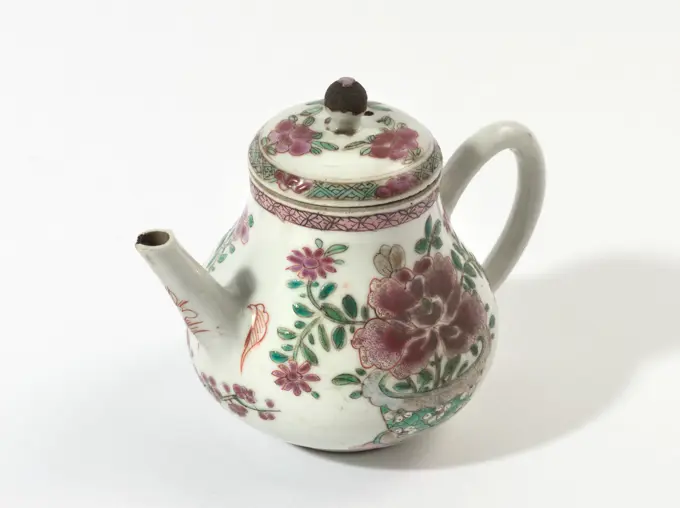
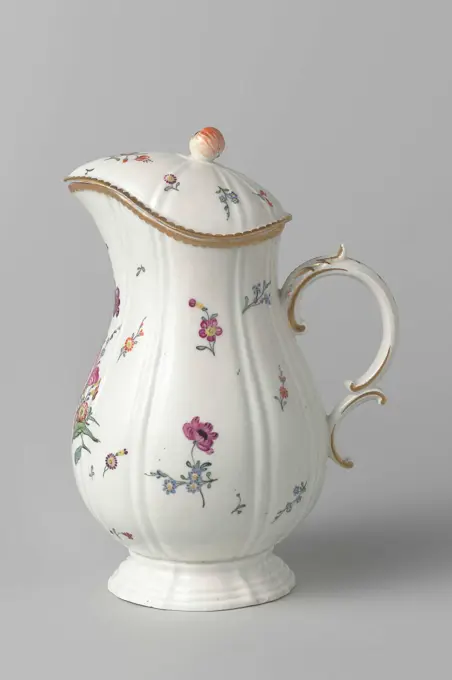
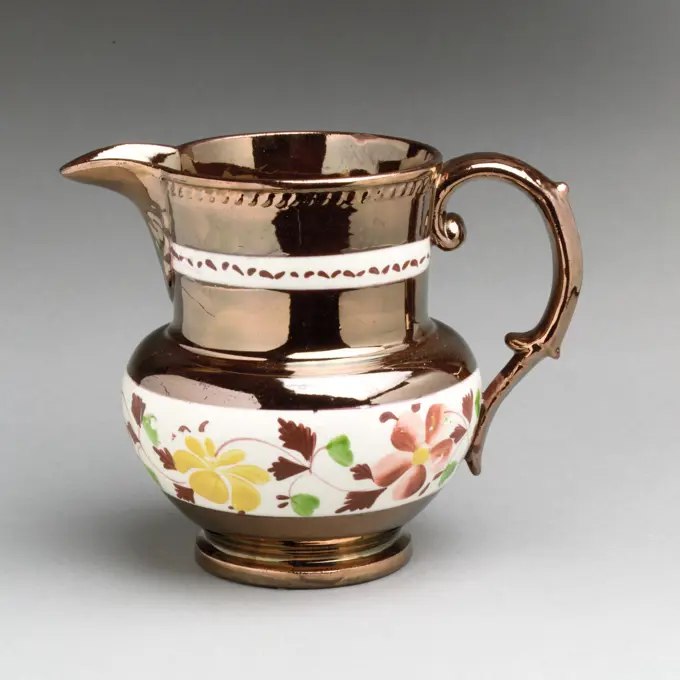
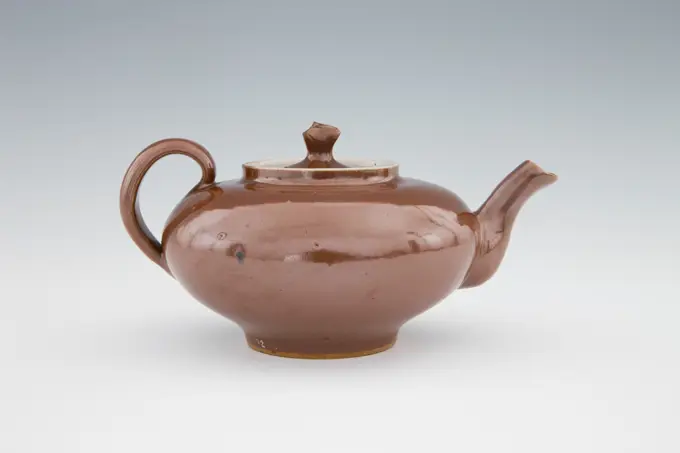
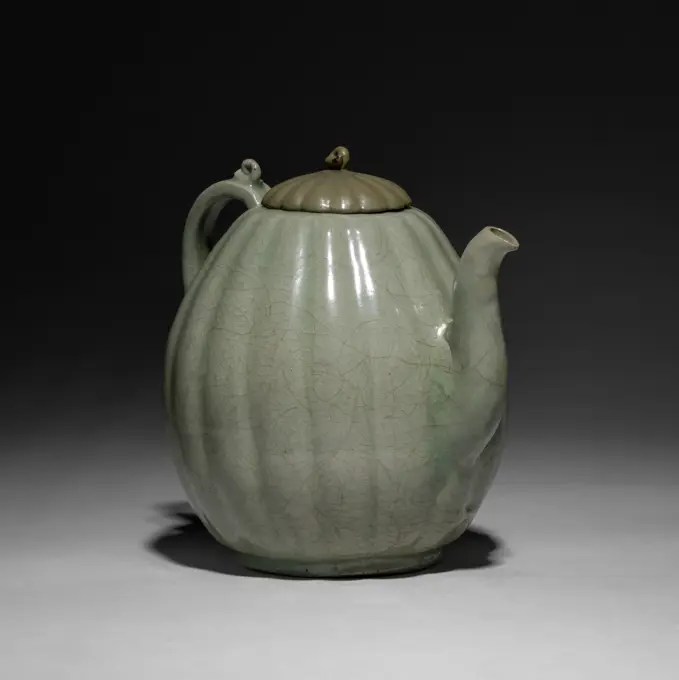
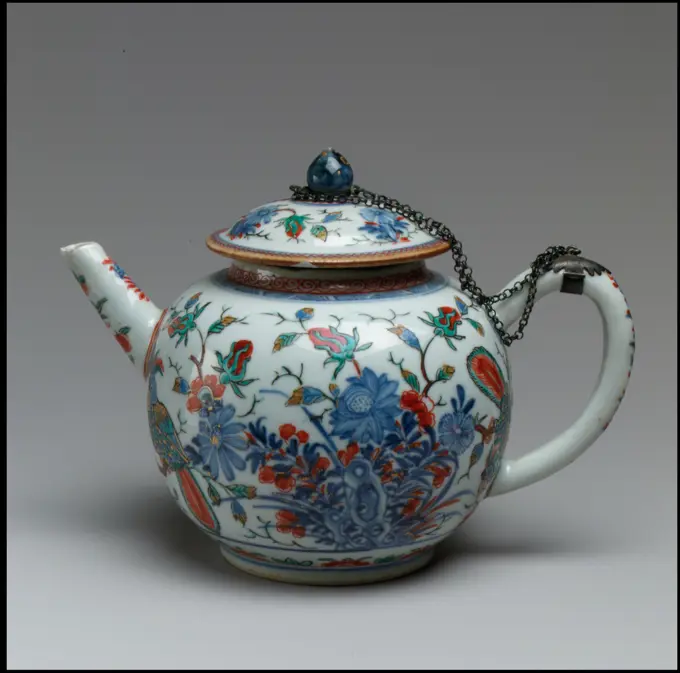
Decorative teapots and jugs made from porcelain, adorned with floral patterns and elegant detailing, illustrating classic ceramic art.
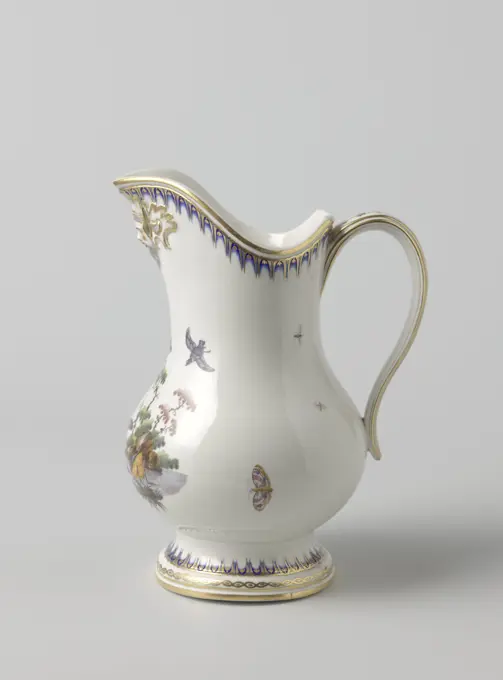
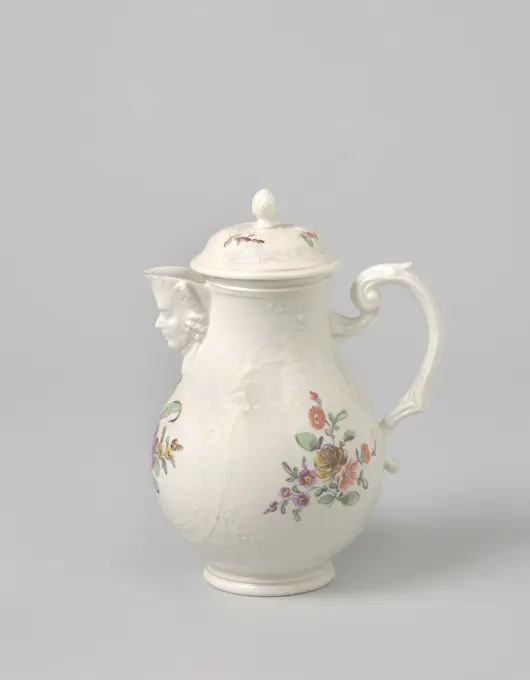
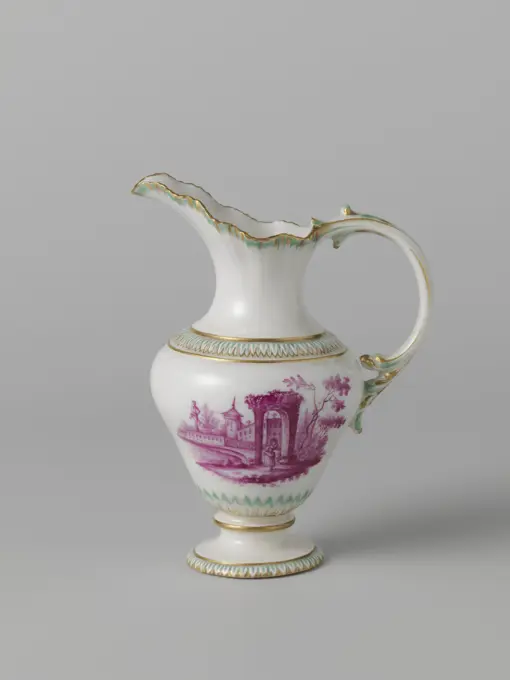
KAN, Porcelain factory The Hague, 1777 - 1790 Can with spout in the form of a men's mask, pear -shaped on a round -profiled foot. Under the spout birds in a landscape. Along the Rocaille ornament. Marked with a stork in blue on the glaze. N.B. Doornik's soft porcelain painted in The Hague. The HaguePorlaine Company: Doornik porcelain Can with spout in the form of a men's mask, pear -shaped on a round -profiled foot. Under the spout birds in a landscape. Along the Rocaille ornament. Marked with a stork in blue on the glaze. N.B. Doornik's soft porcelain painted in The Hague. The HaguePorlaine Company: Doornik porcelain
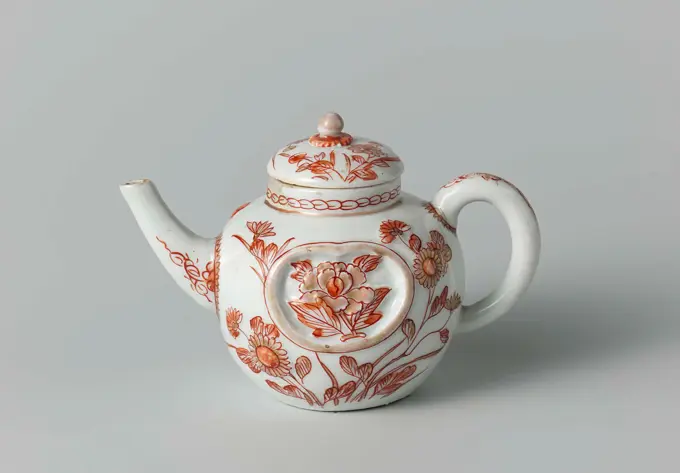
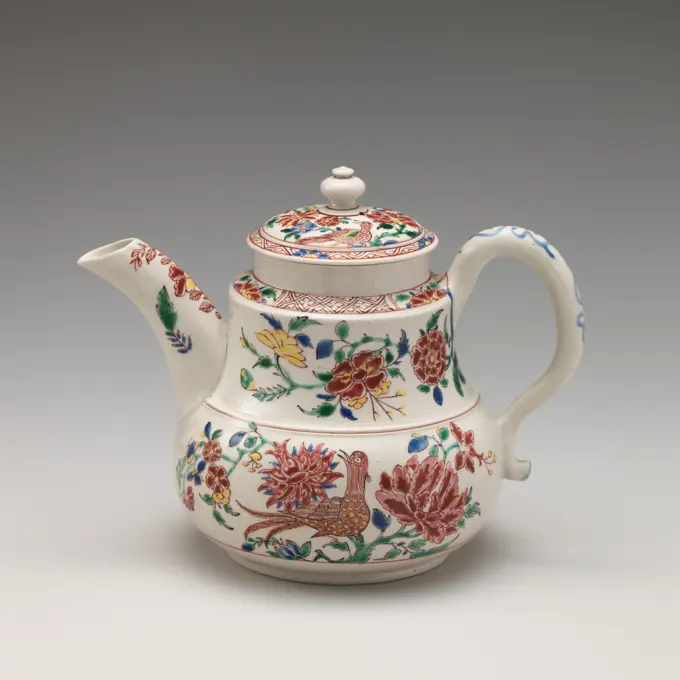
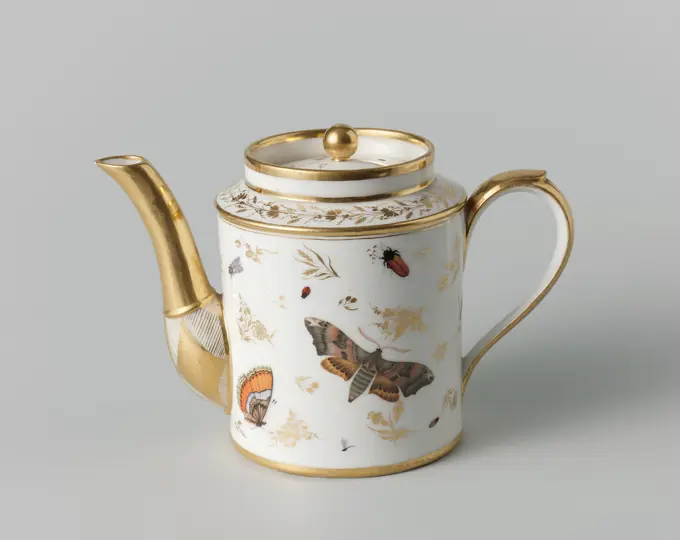
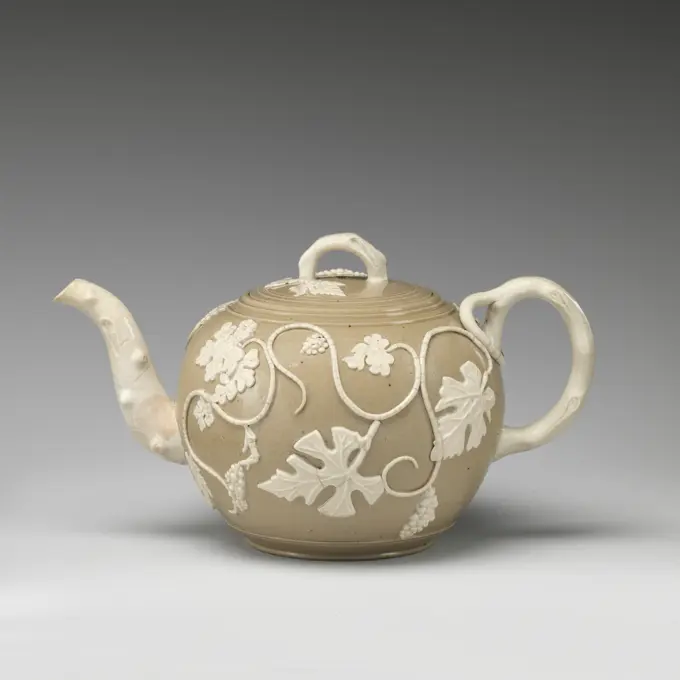
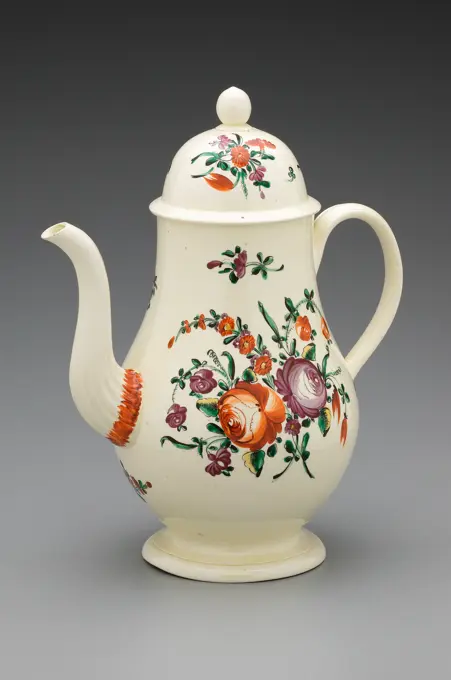
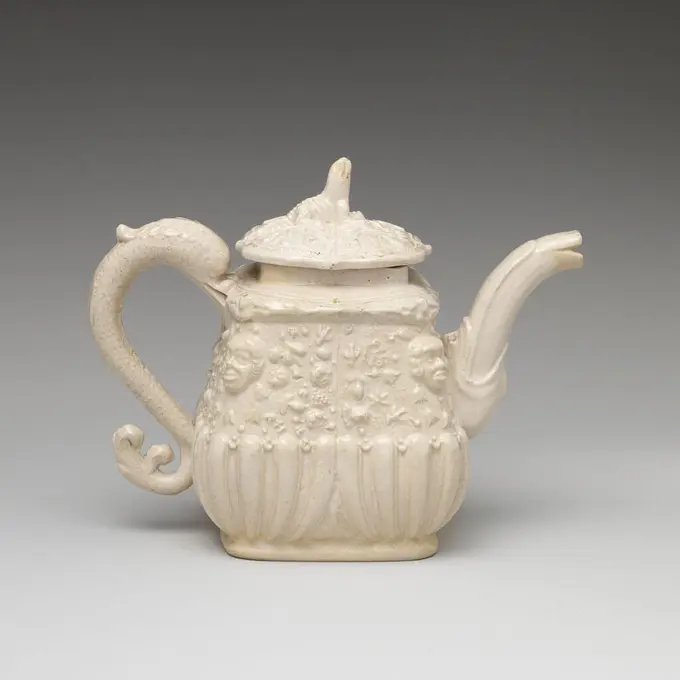
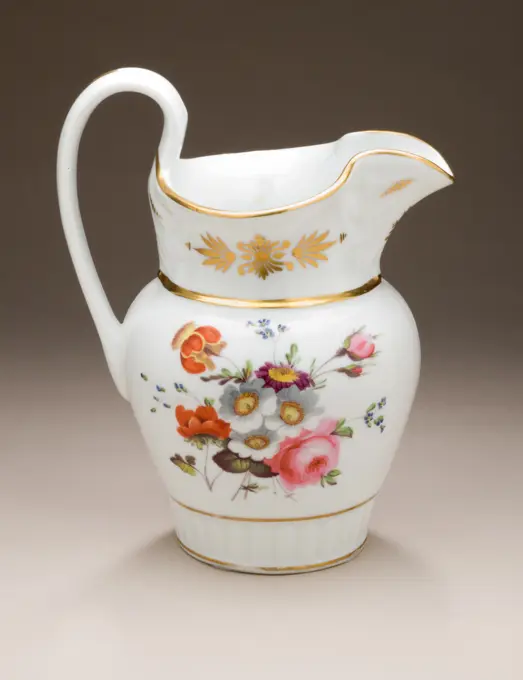
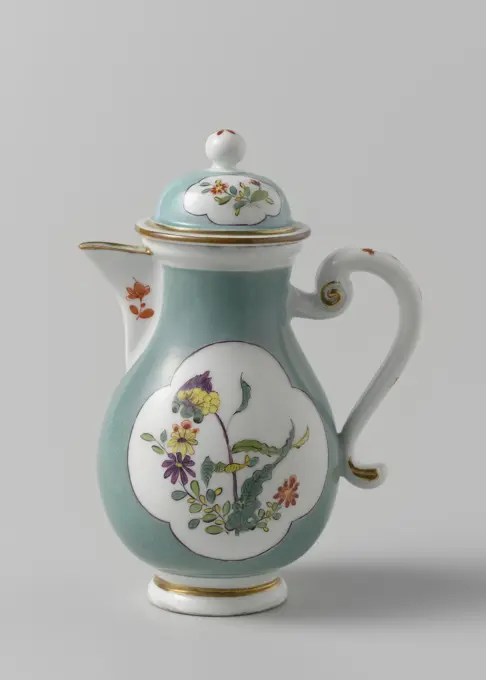
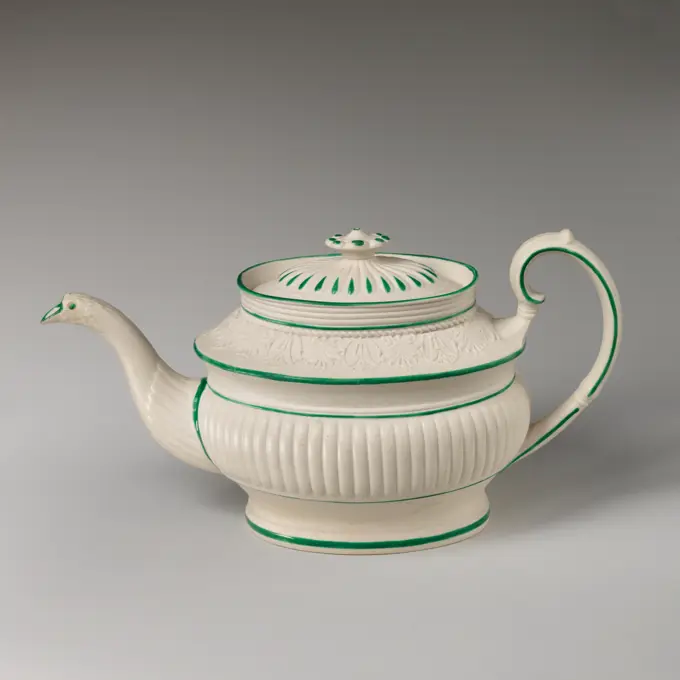
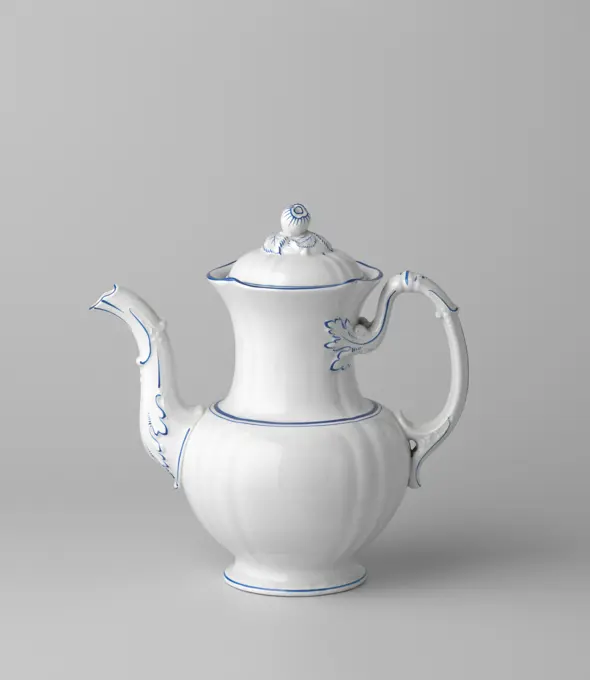
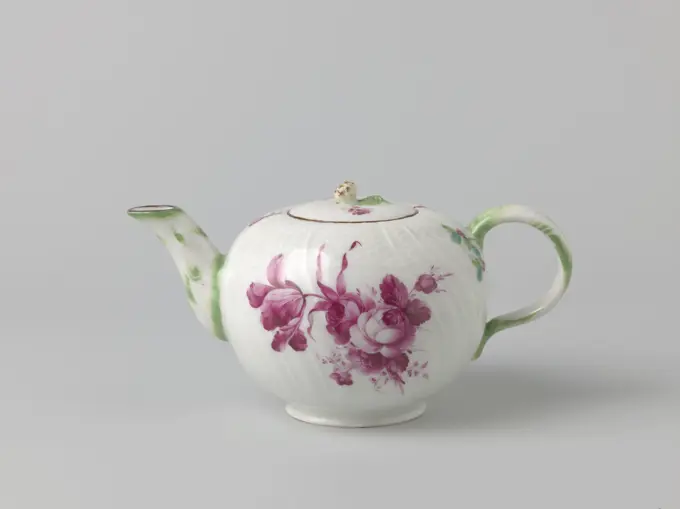
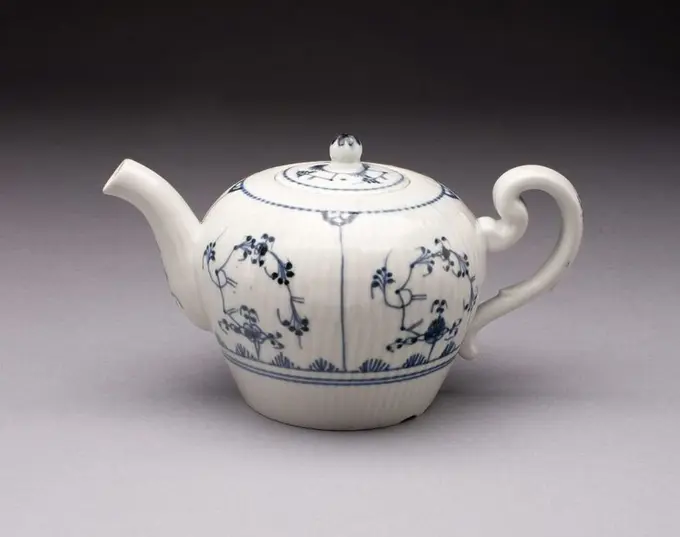
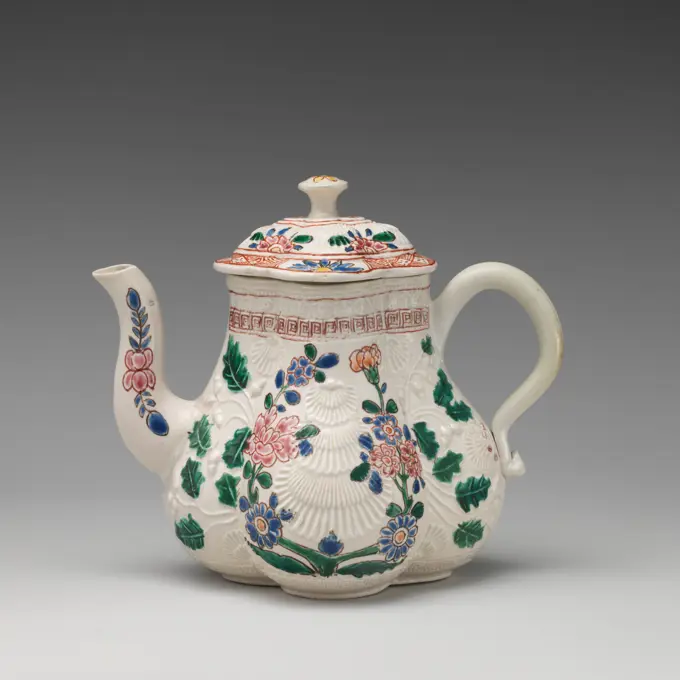
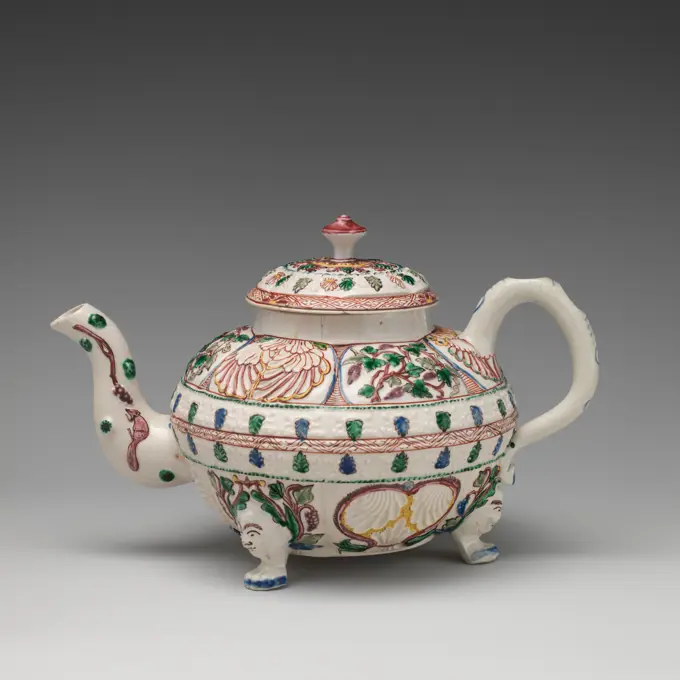
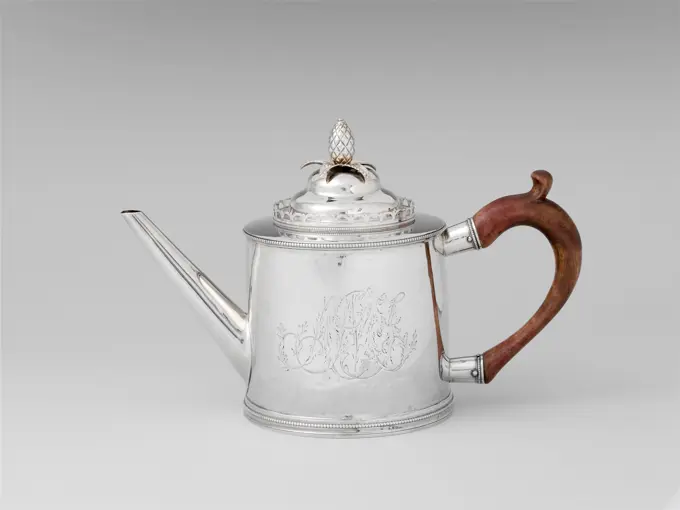
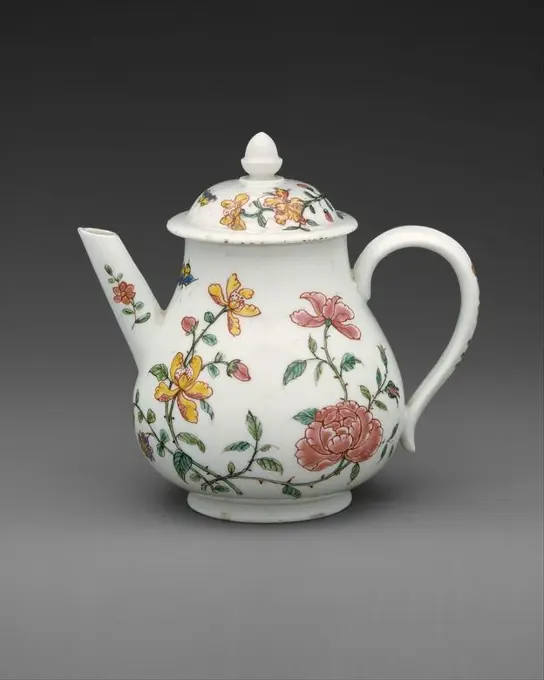
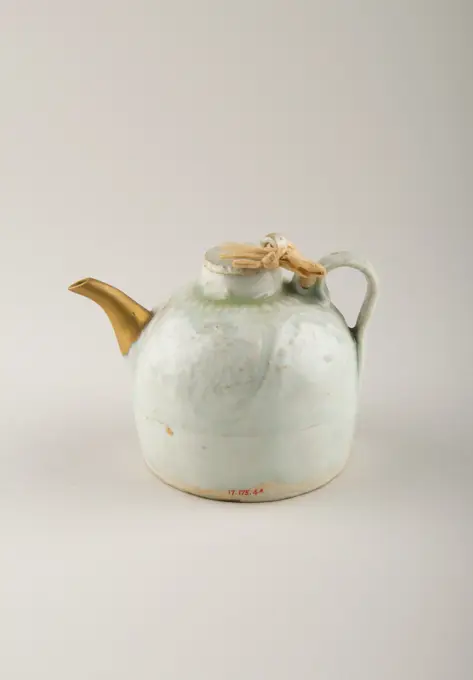
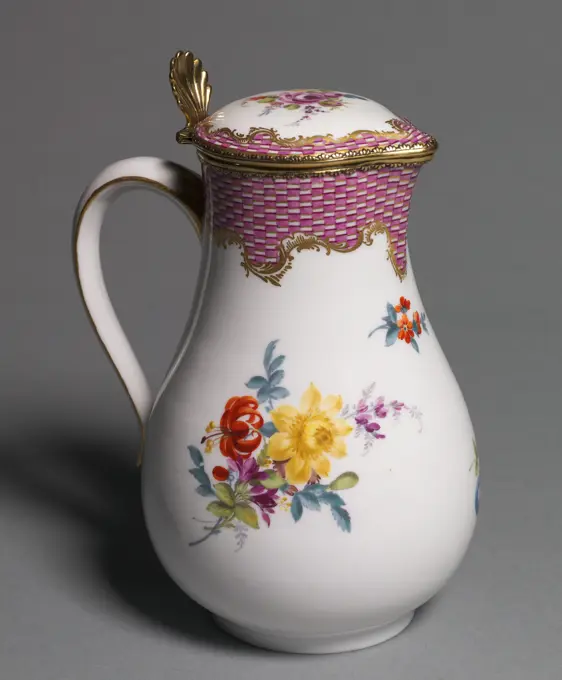
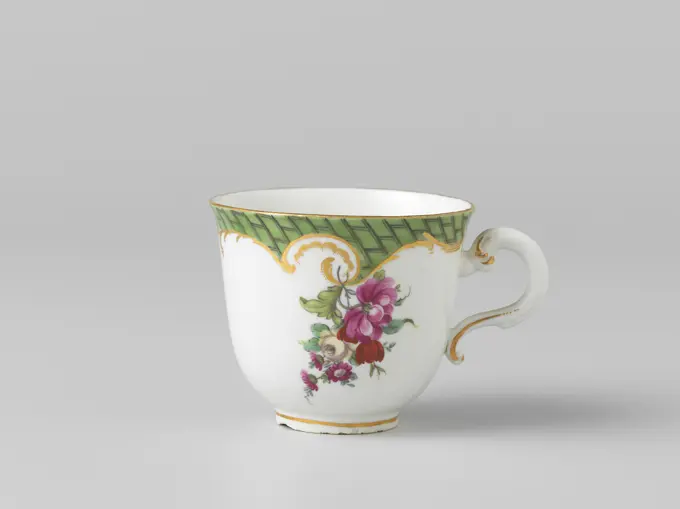
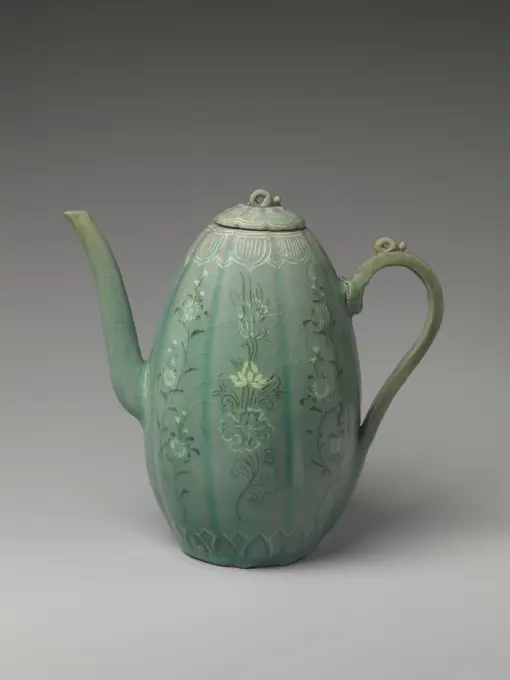
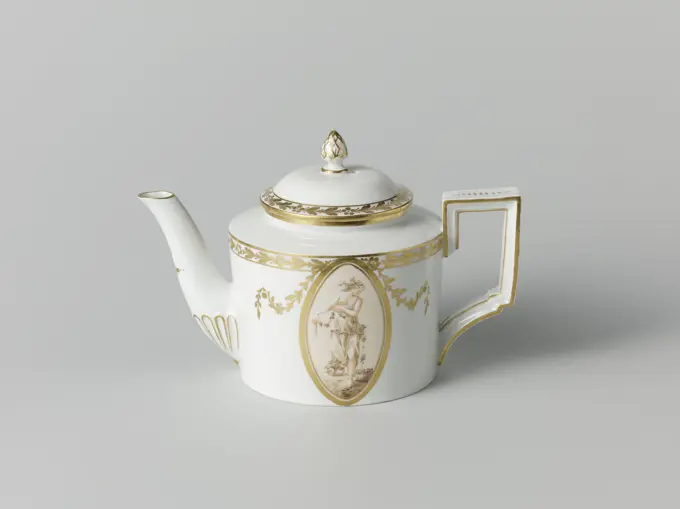
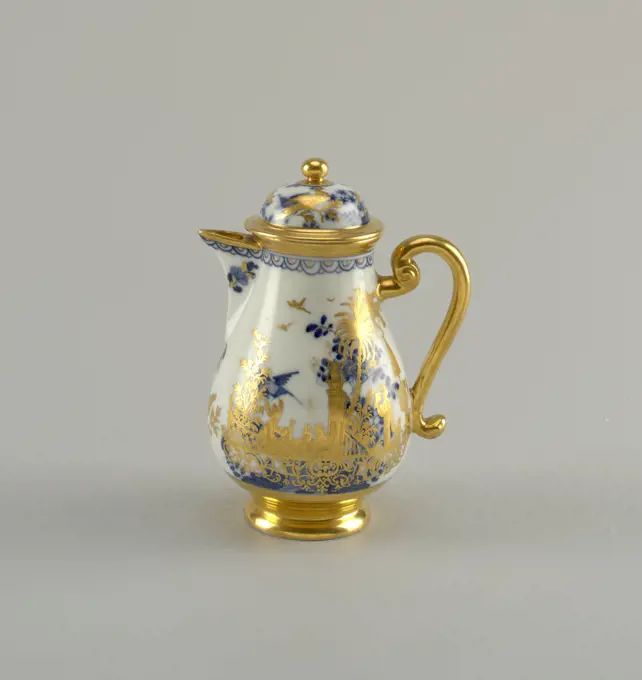
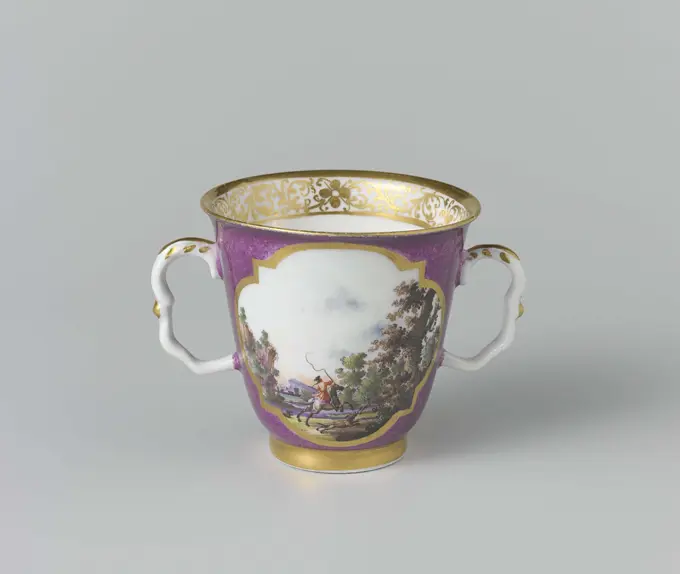
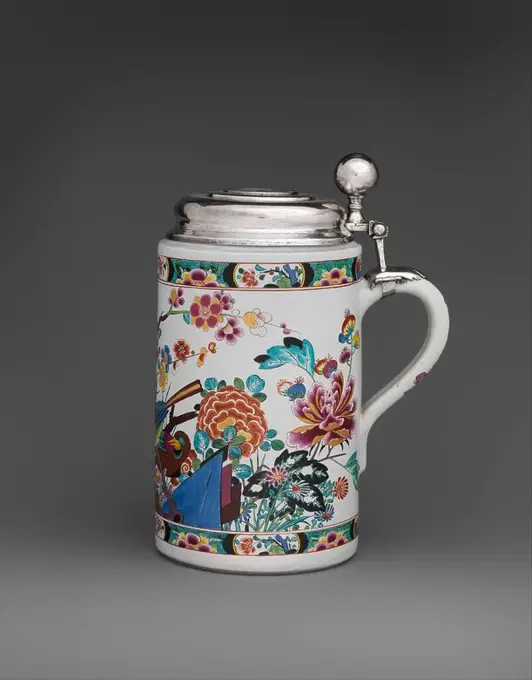
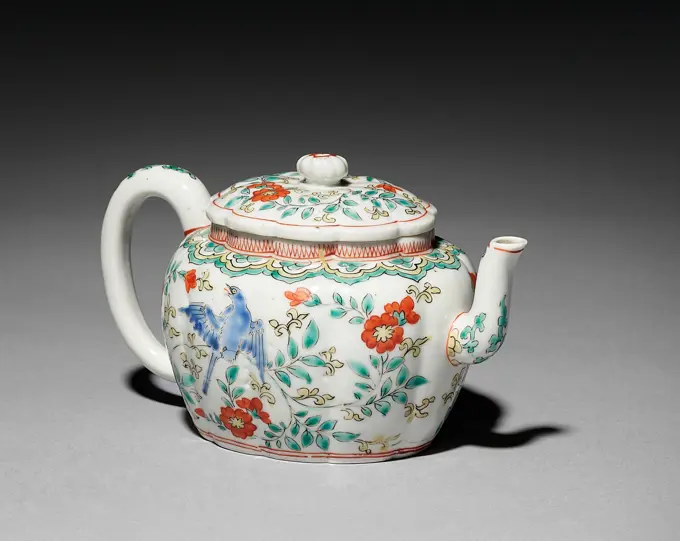
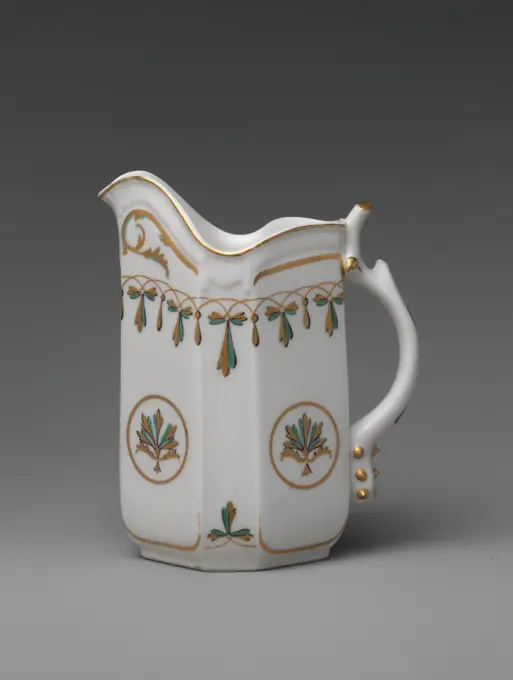
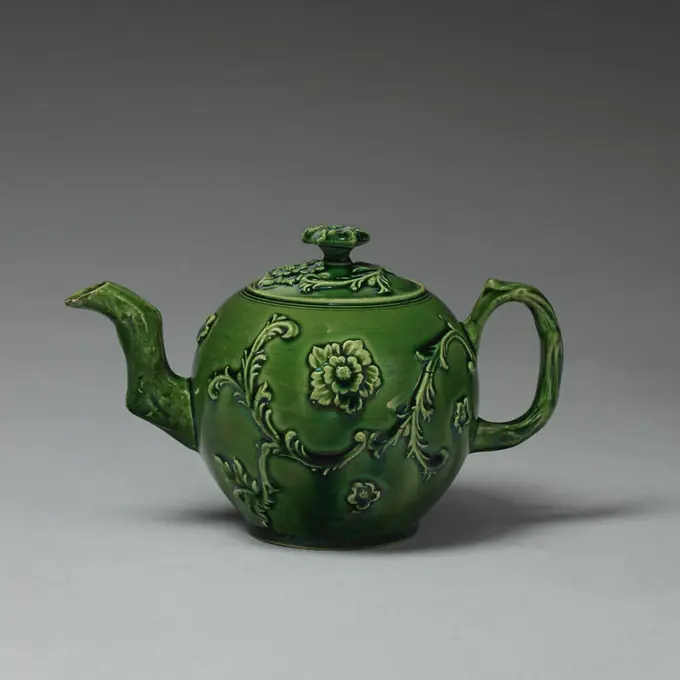
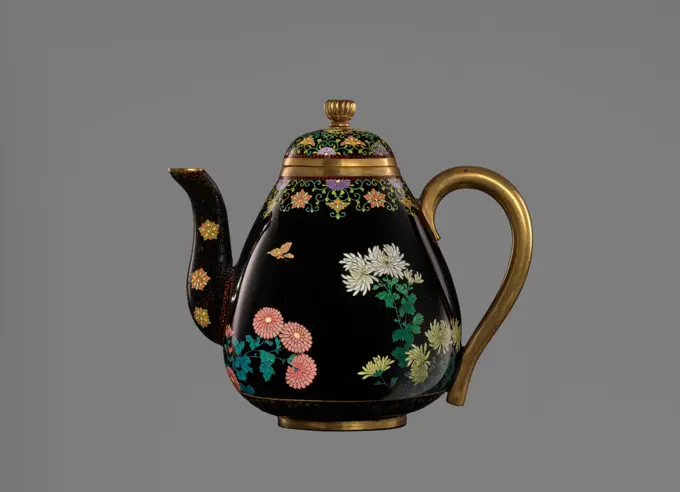
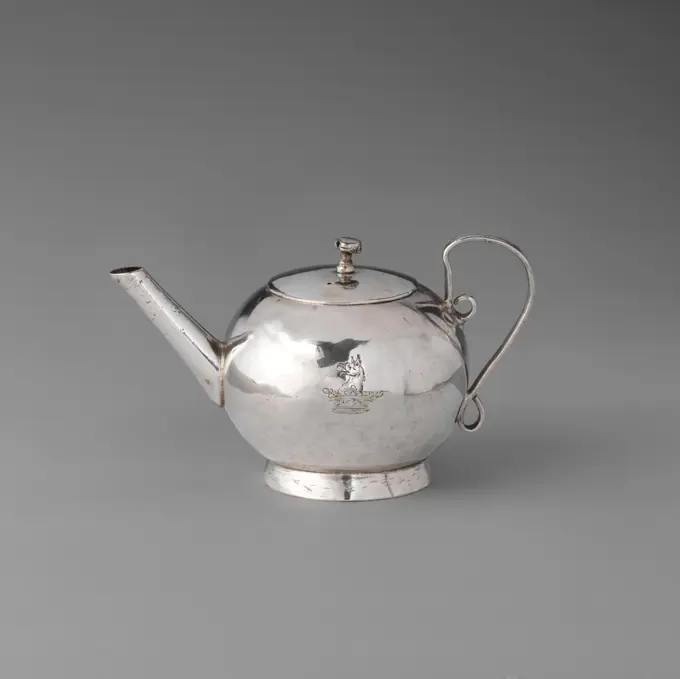
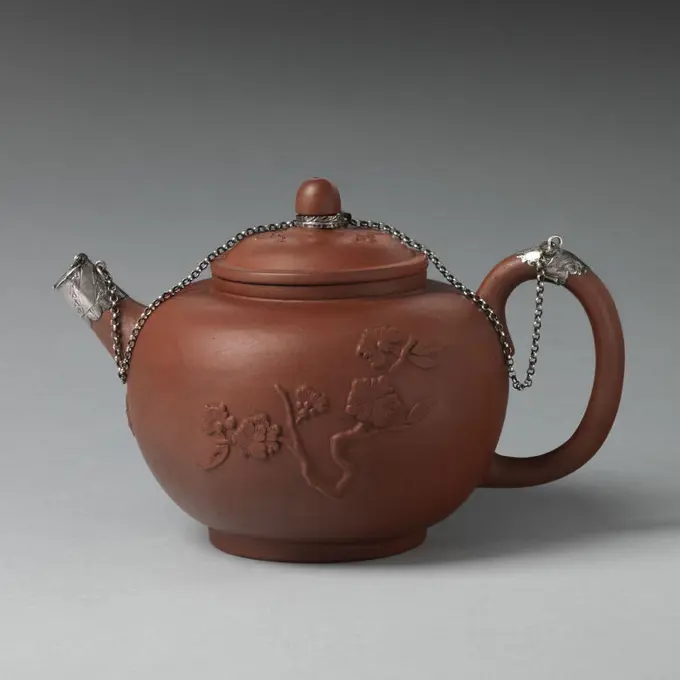
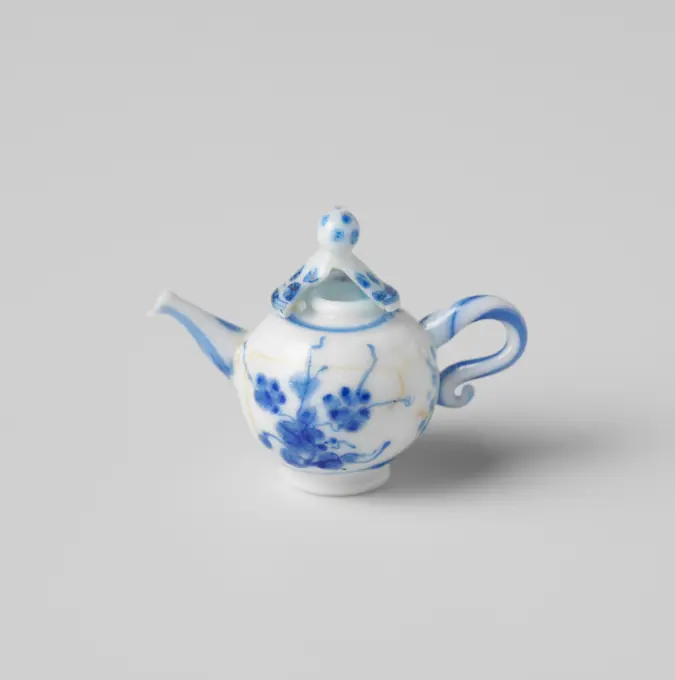
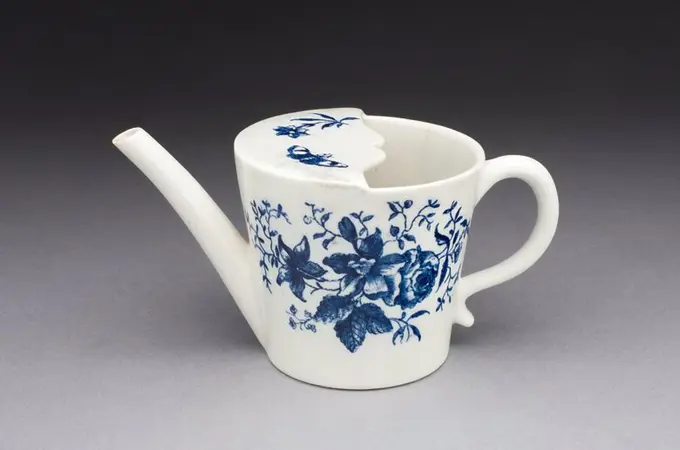
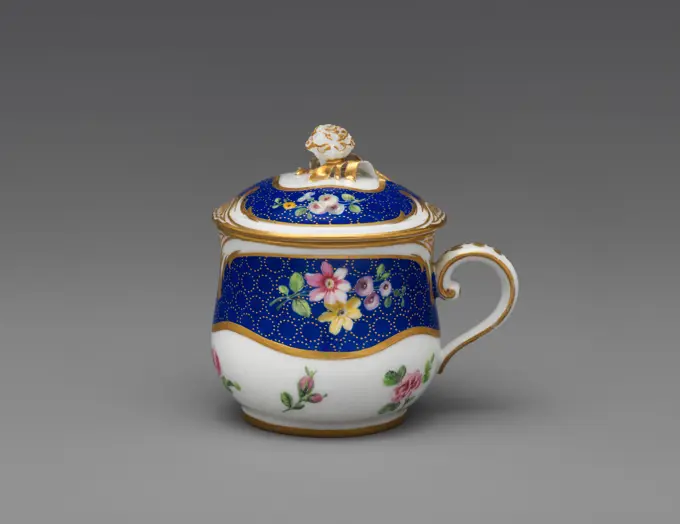
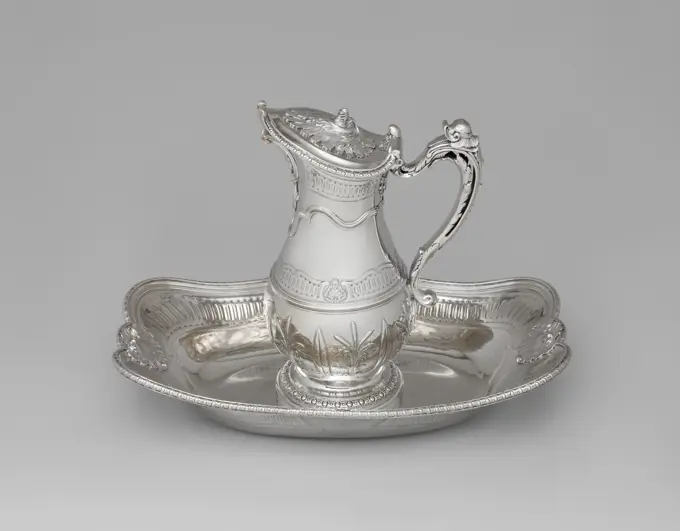
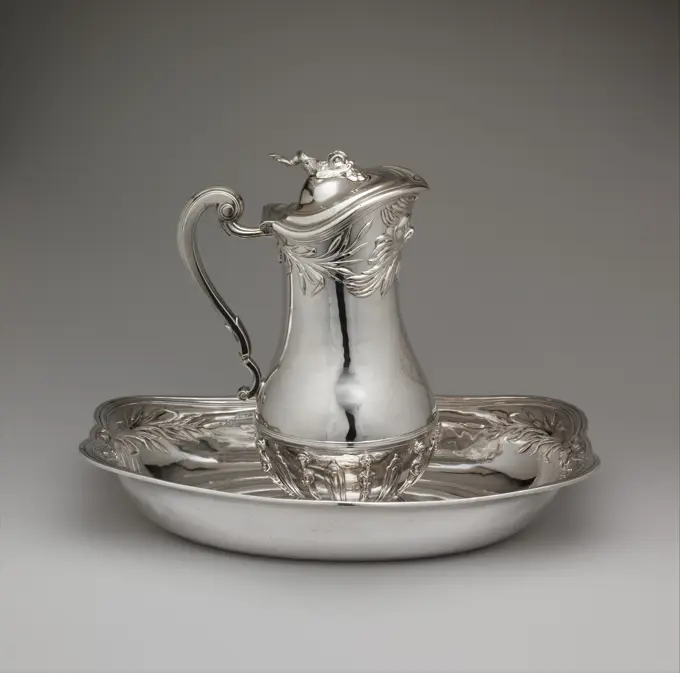
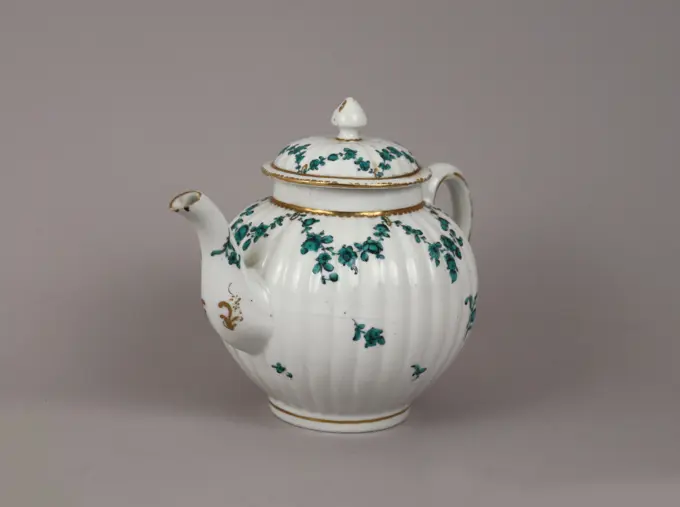
Teapot ca. 1775 Possibly made at Chelsea Porcelain Manufactory. Teapot. British, Chelsea-Derby. ca. 1775. Soft-paste porcelain. Ceramics-PorcelainA pot with a lid GoneCan of Würzburg porcelain, decorated with flower branches and flower garlands. Can from Würzburg porcelain, multicolored with flower branches and flower garlands. The trout mouth in the form of a men's head. Signature: L / M stamped and w enroll. Würzburg porcelain.Tea-pot. Porcelain with enamels decor "pink family", Qing dynasty (1644-1912). Provenance: China. Paris, Cernuschi museum. 78836-5 Asian art, Chinese art, art of living, Ceramic Fine, Decor Emaille, Ching Dynasty, Qing dynasty, Tsing dynasty, porcelain, Emaillee porcelain, service to the, theiere, dishesTwo lidded jugs. Porzellanmanufaktur FrankenthalFrankenthal, c. 1765-1775hard-paste porcelainTea Pot With Flowering Plants, A Cock and a Chicken. Teapot of porcelain with a spherical body, curved spout and C-shaped ear, painted on the glaze in red and gold. On the wall twice a recessed cartouche with a pouring branch or a chicken and a rooster in embossed. To the cartouche flowering plants (Peony, Prachtanjer, Aster). The edge with a bond with curl. Flower drinks on the spout and the ear. The lid with flowering plants. Milk and blood.KAN, Porcelain factory The Hague, 1777 - 1790 Can with spout in the form of a men's mask, pear -shaped on a round -profiled foot. Under the spout birds in a landscape. Along the Rocaille ornament. Marked with a stork in blue on the glaze. N.B. Doornik's soft porcelain painted in The Hague. The HaguePorlaine Company: Doornik porcelain Can with spout in the form of a men's mask, pear -shaped on a round -profiled foot. Under the spout birds in a landscape. Along the Rocaille ornament. Marked with a stork in blue on the glaze. N.B. Doornik's soft porcelain painted in The Hague. The HaguePorlaine Company: Doornik porcelainPitcher 1828-38 Tucker Factory. Pitcher 5851Teapot ca. 1750-60 British, Staffordshire Listen to experts illuminate this artwork's story Listen Play or pause #407. Teapots Supported by Bloomberg Philanthropies We're sorry, the transcript for this audio track is not available at this time. We are working to make it available as soon as possible.. Teapot. British, Staffordshire. ca. 1750-60. Salt-glazed stoneware with enamel decoration. Ceramics-PotteryTeapot with insects, flower sprays and grapevines, Rue Thiroux Parijs, c. 1797 - c. 1798 service (set) Porcelain teapot with an S-shaped spout and C-shaped ear, painted on the glaze in enamel colors and gold. Decorated with colored insects (butterflies, beetles, dragonflies, etc.) and in gold flower branches and grape vines. Golden edge, ear and spout. Marked on the underside with the worn 'GB/ Rue Thiroux/ à Paris'. Paris porcelain. glaze. gold (metal) painting / gilding / vitrificationTeapot ca. 1750-60 British, Staffordshire Listen to experts illuminate this artwork's story Listen Play or pause #407. Teapots Supported by Bloomberg Philanthropies We're sorry, the transcript for this audio track is not available at this time. We are working to make it available as soon as possible.. Teapot. British, Staffordshire. ca. 1750-60. Salt-glazed stoneware. Ceramics-PotteryManufacture of Sèvres. Cabaret cup. Tender porcelain. 18th century. Museum of Fine Arts of the City of Paris, Petit Palais. 112501-26Coffeepot, porcelain, gold, China, late 18th century, ceramics, Decorative Arts, coffeepot, coffeepotTeapot of hard baked pottery with a multicolored decoration on the glaze, creamware, anonymous, c. 1770 - c. 1790 pot Spherical teapot made of hard baked pottery. The teapot has a braided ear an S-shaped spout. The teapot is painted in red, black and green with small stylized flowers. The spout has leaves () In relief. England earthenwarePastiepot, round, with lid and ear, belonging to a crockery with flung ribbon motif with leaf branches, flower bouquets and stripped flower branches, manufacture Oud -Loosdrecht, 1780 - in or before 1820 PasteiPot, round, with lid and ear, belonging to a porcelain service with a thrilled motif in purple and gold with green leaf branches, flower bouquets and sprinkled flower branches. Borders light golf with decoration in gold with purple leaf motif between which green crossed leaf motif. Marked: M.O.L. and Amstel. Series of eleven pieces. Lid button is missing. Loosdrecht Amsterdam porcelain PasteiPot, round, with lid and ear, belonging to a porcelain service with a thrilled motif in purple and gold with green leaf branches, flower bouquets and sprinkled flower branches. Borders light golf with decoration in gold with purple leaf motif between which green crossed leaf motif. Marked: M.O.L. and Amstel. Series of eleven pieces. Lid button is missing. Loosdrecht Amsterdam porcelainTeapot with lid of stoneware with salt glaze; Staffordshire .. teapot of stoneware with salt glaze. The teapot is octagonal and has on the eight sides relief decorations, consisting of trees, figures, animals and a weapon. The lid has a lion or dog as a button. The spout has a flower branch on both sides.Teapot Teapot; Manufactured by Nymphenburg Porcelain Factory (Germany); hard paste porcelain, vitreous enamel, goldStand With Flowering Plants and Foliate Scrolls. Komfoor of porcelain on three feet with three modeled buttons and three s votes on top to which the boiler rests. Painted in underglaze blue. On the wall reflection and lambrequins. Blue White.Teapot (part of a set) ca. 1765 Meissen Manufactory German. Teapot (part of a set) 187670 Factory: Meissen Manufactory, German, 1710present, Teapot (part of a set), ca. 1765, Hard-paste porcelain, Height: 3 5/8 in. (9.2 cm). The Metropolitan Museum of Art, New York. Gift of Henry G. Marquand, 1894 (94.4.28a, b)CoffeepotCoffee Pot 1750-1760 Worcester. Soft-paste porcelain, underglaze blue . Worcester Royal Porcelain Company (Manufacturer)Teapot. Culture: British, Staffordshire. Dimensions: Height: 5 in. (12.7 cm). Date: ca. 1745. Museum: Metropolitan Museum of Art, New York, USA.Pitcher. William Ellis Tucker Factory (United States, Pennsylvania, Philadelphia, 1826-1838). United States, circa 1830. Furnishings; Serviceware. PorcelainLid of milk jug, multicolour painted with flower branches on a sea green stock, Meissener Porzellan Manufaktur, c. 1737 Lid of milk jug, made of multicolored painted porcelain. A rosette on the lid button. Some parts are gilded. Float porcelain Lid of milk jug, made of multicolored painted porcelain. A rosette on the lid button. Some parts are gilded. Float porcelainSmall jug. Korzec (manufaktura porcelany ; 1790-1832), factoryCoffee pan with lid, painted with flowers and ladder motif. Porcelain coffee pot. Painted with flowers and a ladder motif in bright colors.Teapot ca. 1800 British. Teapot. British. ca. 1800. Stoneware. Ceramics-PotteryCoffee pot, white, with blue piping. Coffee pot of pottery, belonging to a coffee and tea set, white, with blue piping.Coffee pot. Manufacturing former loose ruderecht, c. 1778-1782Hard-Paste PorcelainSmall covered wine pot or teapot 1662-1722 Chinese. Small covered wine pot or teapot 460670Cover of teapot, manufacture Oud-Loosdrecht, c. 1778 - c. 1782 Lid covered with a braid pattern with ribs in relief. The lid button in the shape of a flower on stem with leaves is painted in green, yellow and beet red. The lid edge has a brown piping. Loosdrecht porcelain Lid covered with a braid pattern with ribs in relief. The lid button in the shape of a flower on stem with leaves is painted in green, yellow and beet red. The lid edge has a brown piping. Loosdrecht porcelainTeapot. Weesp Porcelain Factory; Dutch 1757-1814. Date: 1761-1764. Dimensions: H. 11.1 cm (4 3/8 in.). Hard-paste porcelain with underglaze blue decoration. Origin: Weesp. Museum: The Chicago Art Institute, Chicago, USA.Teapot, painted with a landscape with cattle, Royal Porcelain Factory Dommer & Co., c. 1809 - c. 1814 Teapot painted with landscape with cattle. Marked: Amstel in blue. Nieuwer-Amstel porcelain Teapot painted with landscape with cattle. Marked: Amstel in blue. Nieuwer-Amstel porcelainJug with a lid. Markgraeflich Feine Porcelain Fabrique, Ansbach, factoryPear-shaped milk jug with a crowned, illegible monogram surrounded by two flower sprays, anonymous, c. 1750 - c. 1774 Pear-shaped milk can of porcelain with C-shaped ear and triangular spout, painted on the glaze in blue, red, pink, green, yellow, black and gold. On the belly a crowned, illegible monogram surrounded by two flower branches; around the ear a cartouche with a river landscape; For the cartouche flower ranks with four medallions with plants. European performance in email colors. China porcelain. glaze. gold (metal) painting / gilding / vitrification Pear-shaped milk can of porcelain with C-shaped ear and triangular spout, painted on the glaze in blue, red, pink, green, yellow, black and gold. On the belly a crowned, illegible monogram surrounded by two flower branches; around the ear a cartouche with a river landscape; For the cartouche flower ranks with four medallions with plants. European performance in email colors. China porcelain. glaze. gold (metal) painting / gildin. Salt-glazed stoneware .Teapot ca. 1750 British, Staffordshire Listen to experts illuminate this artwork's story Listen Play or pause #407. Teapots Supported by Bloomberg Philanthropies We're sorry, the transcript for this audio track is not available at this time. We are working to make it available as soon as possible.. Teapot. British, Staffordshire. ca. 1750. Salt-glazed stoneware with enamel decoration. Ceramics-PotteryTeapot, multi -colored painted with flowering branches and insects, Meissener Porzellan Manufaktur, c. 1725 - c. 1750 Spherical teapot made of painted porcelain, painted with flowering branches and insects. The pot is not marked. porcelain company: MeissenNetherlands porcelain Spherical teapot made of painted porcelain, painted with flowering branches and insects. The pot is not marked. porcelain company: MeissenNetherlands porcelainFooted teapot ca. 1750-55 British, Staffordshire Listen to experts illuminate this artwork's story Listen Play or pause #407. Teapots Supported by Bloomberg Philanthropies We're sorry, the transcript for this audio track is not available at this time. We are working to make it available as soon as possible.. Footed teapot. British, Staffordshire. ca. 1750-55. Salt-glazed stoneware with enamel decoration. Ceramics-PotteryTeapot 1780-1800 Abraham Dubois. Teapot 8365Teapot, painted with a landscape with cattle, Royal Porcelain Factory Dommer & Co., c. 1809 - c. 1814 Teapot with loose lid painted with landscape with cattle. Marked: Amstel in blue. Nieuwer-Amstel porcelain Teapot with loose lid painted with landscape with cattle. Marked: Amstel in blue. Nieuwer-Amstel porcelainSugar Bowl and Lid, c. 1800-1825. England. Earthenware; overall: 14.7 x 22.6 x 13.7 cm (5 13/16 x 8 7/8 x 5 3/8 in.).Teapot with cover. Culture: German, Meissen, with Dutch decoration. Dimensions: Height: 4 7/8 in. (12.4 cm). Factory: Meissen Manufactory (German, 1710-present). Date: ca. 1720-30.The gift of the Hans Syz Collection in 1995 endowed the Museum with nearly three hundred examples of European and Asian ceramics meticulously acquired by Swiss-born collector Dr. Syz (1894-1991) to chart the migration of models and patterns from East to West. Documenting a continuous process of influence and adaptation, these pieces provide a discriminating review of the nuances of stylistic change resulting from three centuries of trade. Museum: Metropolitan Museum of Art, New York, USA.. Beer mug from porcelain with a C-shaped ear, painted in underglaze blue and on the glaze red and gold. The body of the can be covered with raised blue dots with a worn gold decoration on every dot. Around the foot a band underglaze blue with curl work in gold. A flower with curl work on the ear. The form is in imitation of german stoneware. European forms.Teapot (part of a set) ca. 1735-40 Meissen Manufactory German. Teapot (part of a set) 199165Coffee Pot, Weesper Porseleinfabriek, c. 1759 - c. 1771 Coffee pan with a fruit as a button on the lid. The spout is decorated with rocaille ornament in relief. On the lid and under the spout a landscape with figures. Along the edge of the lid a golden trim. Marked with two crossed swords and three bulbs in under -glaze blue. Weesp porcelain Coffee pan with a fruit as a button on the lid. The spout is decorated with rocaille ornament in relief. On the lid and under the spout a landscape with figures. Along the edge of the lid a golden trim. Marked with two crossed swords and three bulbs in under -glaze blue. Weesp porcelainEwer and Basin, Manufactuur Oud-Loosdrecht, c. 1778 - c. 1782 Can from porcelain. The jug has a plastic ear, aphid frysts in relief Anger's foot edge, at the bottom of the body and on the shoulder, all decorated in green and gold, as well as the wavy scalloped mouth edge. On the body in beet red on one side a man and woman at trees with a round building in the background, on the other hand a female figure for a gate with a palace with a statue in the background. Golden piping along the edges. Loosdrecht porcelain Can from porcelain. The jug has a plastic ear, aphid frysts in relief Anger's foot edge, at the bottom of the body and on the shoulder, all decorated in green and gold, as well as the wavy scalloped mouth edge. On the body in beet red on one side a man and woman at trees with a round building in the background, on the other hand a female figure for a gate with a palace with a statue in the background. Golden piping along the edges. Loosdrecht porcelainMilkkan of multicolored painted faïence with the backdrop of a landscape, anonymous, c. 1760 - c. 1790 Milkkan of multicolored painted Faïence with a backdrop of a landscape within a wreath. Delft . Milkkan of multicolored painted Faïence with a backdrop of a landscape within a wreath. Delft .Bottle and cover China (). Bottle and cover 48809Chocolate Pot, late 1700s. Royal Porcelain Manufactory, Berlin (German). Porcelain; overall: 22.4 x 15 x 12 cm (8 13/16 x 5 7/8 x 4 3/4 in.).Teapot Made 1760-1770 Staffordshire. Lead-glazed earthenware (creamware) .Covered Milk Jug, c. 1765. Meissen Porcelain Factory (German). Porcelain with gilt metal mounts; overall: 20.5 x 15.5 x 12.3 cm (8 1/16 x 6 1/8 x 4 13/16 in.).Cup with ear, painted with flowers and ladder motif. Cup with porcelain ear. Multicolored painted with flower bouquets and a ladder motif along the edges.Wine Ewer with Chrysanthemums and Lotus Flowers first half of the 13th century Korea The inlaid patterns that decorate this ewer were created by etching the motifs into a body, filling in the carved space with black and/or white slip, and then firing the entire vessel with a celadon glaze.. Wine Ewer with Chrysanthemums and Lotus Flowers 50356Teapot with a woman in a medallion, Fürstenberg, c. 1785 - c. 1795 Teapot of porcelain with a cylindrical body, bent spout and angular ear, painted on the glaze in sepia and gold. On the belly twice a medallion with a classically dressed woman, one with a flower garland and the other leaning on a column. Above the medallions a garland with a bond with a leaf shelf above it. The base of the spout is modeled in a flower, with a painted rosette above it. The ear with golden lines, dots and floral motifs. Golden line on the neck. Lid with a leaf vank and lid button in the shape of a pine cone. Marked on the bottom with F-I and Bö and D2. Fürstenberg porcelain. glaze. gold (metal) painting / gilding / vitrification Teapot of porcelain with a cylindrical body, bent spout and angular ear, painted on the glaze in sepia and gold. On the belly twice a medallion with a classically dressed woman, one with a flower garland and the other leaning on a column. Above the medallions a garland with a bonJug with medallions, anonymous, c. 1650 - c. 1724 Jug of stoneware on a high base with a spherical body and short, wide neck. The C-shaped ear is attached to the neck and shoulder. Profiles on the neck and foot. Partly covered with cobalt blue on the glaze. The jug is decorated with a relief decoration in which the abdomen is largely covered with printed, imposed medallions with a flower rosette against a blue background. Blue lines on the neck and foot. Westerwald. Westerwald stoneware. glaze. cobalt (mineral) vitrification Jug of stoneware on a high base with a spherical body and short, wide neck. The C-shaped ear is attached to the neck and shoulder. Profiles on the neck and foot. Partly covered with cobalt blue on the glaze. The jug is decorated with a relief decoration in which the abdomen is largely covered with printed, imposed medallions with a flower rosette against a blue background. Blue lines on the neck and foot. Westerwald. Westerwald stoneware. glaze. cobalt (mineral) viMiniature teapot with cover (part of a set). Culture: British, London. Dimensions: Height: 1 1/2 in. (3.8 cm). Maker: David Clayton (British, active 1689). Date: late 17th-early 18th century.The tea kettle and teapot are based on Chinese hot-wine pots. The tea bowls are modeled after Japanese forms. Museum: Metropolitan Museum of Art, New York, USA.Coffeepot with 'Hausmaler' Decor, Meissen Porcelain Manufactory, German, active from 1710 to the present, hard paste porcelain, vitreous enamel, gold, brass, Pear-shaped, on rounded flaring circular foot; scrolled handle, simple triangular spout, domed cover with flat circular finial. Solid gilding on foot, handle, lip, edge of pot and of cover, and finial. Underglaze decoration of floral sprays and birds; overglaze gilding representing a Chinoiserie scene of figures in landscape. Edge of pot and of cover mounted in gilded brass (missing)., Germany, 1725-1735, ceramics, Decorative Arts, coffeepot, coffeepot. Chocolate head from painted porcelain. The cup-shaped head has two ears and is on the ears and the inside after covered with a violet fond. Two bracelet-shaped four passes have been saved in the foundation in which figures are painted in a landscape. Along the inner edge of the cup a strip with leaves and rosettes runs in gold. The head is noticed.Pear-Shaped Milk Jug with Stylized Flowers on a Feather or Scale Ground and Scrolls. Lid of pear-shaped porcelain milk jug, painted on the glaze in red and gold. Three stylized flowers depicted against a soil with spring or scaffold. Lid has been broken; Lid knob broken off, apart from two modeled leaves. Part of a tea service. European forms with email colors.Kettle; Radke, Emil (Fl. 1830-Ca 1867); Thirties-forty of the 19th century (1830-00-00-1849-00-00);Pitcher British 19th centuryWorcester Porcelain Manufactory, Mug, c. 1765-70, soft-paste porcelain.Milkus with lid of multicolored painted faïence with decor of a landscape. Milkus with lid of multicolored painted faïence with a decor of a landscape inside a wreath.Milk jug of multicolored painted faïence with decor of a landscape. Milkus of multi-colored painted faïence with a decor of a landscape inside a wreath.Lampetkan, driven with flower vines, Jonas Gutsche (attributed to), 1670 Lampetkan, driven with flower vines. The jug, which has a smooth -ranging ear with a curl at the bottom, stands on a round border surrounded by a leaf, above which a down -tendency rosette forms the transition to the floral vessel, which is closed above a smooth lip edge by a flat vaulted valve cover. On this, flowers are surrounded by flowers in small the monogram of the scale: the letters tes (m) AIVB. Marked as the scale. The Hague silver (metal) Lampetkan, driven with flower vines. The jug, which has a smooth -ranging ear with a curl at the bottom, stands on a round border surrounded by a leaf, above which a down -tendency rosette forms the transition to the floral vessel, which is closed above a smooth lip edge by a flat vaulted valve cover. On this, flowers are surrounded by flowers in small the monogram of the scale: the letters tes (m) AIVB. Marked as the scale. The Hague silver (metal)Teapot MieleówWine Jug. Can from mountain crystal.Melon-shaped Wine Ewer with Incised Chrysanthemum Design, 918-1392. Korea, Goryeo period (918-1392). Pottery; vessel only: 17.8 cm (7 in.). As early as the seventh century, the practice of drinking tea and wine became an important part of elite culture in Korea. Elites of the Goryeo period commissioned a variety of types of utensils and vessels including this elegant pot, not only to make their drinking experience more exciting, but also to show their appreciation of nature.Teapot 18th century, decorated ca. 1730-40 Chinese with Dutch decoration, for European market The gift of the Hans Syz Collection in 1995 endowed the Museum with nearly three hundred examples of European and Asian ceramics meticulously acquired by Swiss-born collector Dr. Syz (1894-1991) to chart the migration of models and patterns from East to West. Documenting a continuous process of influence and adaptation, these pieces provide a discriminating review of the nuances of stylistic change resulting from three centuries of trade.. Teapot. Chinese with Dutch decoration, for European market. 18th century, decorated ca. 1730-40. Hard-paste porcelain. Ceramics-Porcelain-ExportBell-shaped teapot with flower sprays, anonymous, c. 1700 - c. 1724 Small, bell-shaped porcelain teapot with an S-shaped spout and curved C-shaped ear, painted in under-glaze blue. Flower branches on the wall. The shoulder with a decorative band with leaf motifs and windows. On the neck a band with curl. The spout and the ear with a flower branch. The lid with the same decoration. Blue White. China porcelain. glaze. cobalt (mineral) painting / vitrification Small, bell-shaped porcelain teapot with an S-shaped spout and curved C-shaped ear, painted in under-glaze blue. Flower branches on the wall. The shoulder with a decorative band with leaf motifs and windows. On the neck a band with curl. The spout and the ear with a flower branch. The lid with the same decoration. Blue White. China porcelain. glaze. cobalt (mineral) painting / vitrificationTankard. Culture: German, Fulda. Decorator: Adam Friedrich von Löwenfinck (German, 1714-1754). Dimensions: Height: 9 1/4 in. (23.5 cm). Date: 1741-44. Museum: Metropolitan Museum of Art, New York, USA.Teapot 1838-50 American Pottery Manufacturing Company. Teapot 8369Wine Ewer with Birds and Flowers, late 1600s. Japan, Edo period (1615-1868). Porcelain, molded, with overglaze enamel decoration (Hizen ware, Kakiemon type); overall: 13.3 x 7.8 cm (5 1/4 x 3 1/16 in.).Cream Pitcher 1887 Union Porcelain Works Union Porcelain Works was one of the most important and inventive American porcelain manufacturers in the second-half of the nineteenth century. In addition to their imaginative works designed by the German-born artistic director, Karl H. L. Müller, the firms mainstay was the production of heavy porcelain hotel dinnerware. This extensive service was made by Thomas Carll Smith, head of the Union Porcelain Works, as a gift to his daughter, Pastora Forest Smith Chace. The neoclassical decoration of the gilt bellflower and basket motif is complimented by turquoise enamel. Unlike the firms more eccentric and lavish designs created for their display at the Philadelphia Centennial Exposition in 1876, the pottery favored a more restrained classical style for their dinner services. This service descended in the Chace family.. Cream Pitcher 2707Milk; Malcz, Karol (1797-1867); 1930s (1830-00-00-1839-00-00);Teapot, painted with flower bouquets. Teapot of porcelain. On round profiled foot above which Godrewers embossed with gold-plated edges. The ear has the shape of a completely gold-plated hose, the spout ends in a partly gold-plated animal head and is decorated embossed with scales, painted in beet red and gold. On the shoulder of the pot is a wreath of oak leaves with fucks painted in two colors of green, gray and brown, of which a multi-colored flower bouquet depends on both sides.Teapot. Culture: British, Staffordshire. Dimensions: Height: 4 1/4 in. (10.8 cm). Maker: Style of Whieldon type or; Style of Wood. Date: ca. 1760. Museum: Metropolitan Museum of Art, New York, USA.Teapot (kyûu) with a cover; Namikawa, Yasuyuki (1845-1927); around 1890-1905 (1890-00-00-1905-00-00);Lid jug; Koenigliche Porzellan Manufaktur (KPM; Berlin; 1763-1918); 1780-85 (1775-00-00-1780-00-00);Teapot with lid, white, with blue piping and pear-shaped lid knob. Teapot with a lid of pottery, belonging to a coffee and tea set, white, with blue piping and pear-shaped lid knob.Miniature teapot 18th century possibly Dutch. Miniature teapot. possibly Dutch. 18th century. Silver. Metalwork-Silver-MiniatureTeapot. Culture: Dutch, Delft. Dimensions: Overall (confirmed): 4 3/4 × 7 5/16 × 4 7/8 in. (12.1 × 18.6 × 12.4 cm). Maker: Factory of Arij de Milde. Date: 1671-1708.The teapot was made by the Delft factory of Arij de Milde, known for its red wares made in imitation of Chinese Yixing wares. In the Netherlands, the practice of tea drinking became popular among the nobility and wealthy merchant class beginning in the late 1660s and 1670s, creating demand for imported Chinese redware teapots. The factory of Arij de Milde was one of three Dutch pottery works established to create domestically-made redwares. Museum: Metropolitan Museum of Art, New York, USA.Teapot with lid, white, painted with flowers in blue. Teapot of milk glass with blue email paint painting of flowers; Hollow blown. With lid, hollow spout and curled handle; Imitation Chinese blue porcelain.Teapot. China, Ming Dynasty, circa 1645. Furnishings; Serviceware. PorcelainTeapot, white, with blue piping, Peter Regout, c. 1860 - c. 1890 Teapot of earthenware, belonging to a coffee and tea set, white, with blue piping. Maastricht . Teapot of earthenware, belonging to a coffee and tea set, white, with blue piping. Maastricht .Winepot from the V.O.C.-ship the 'Witte Leeuw', anonymous, before 1613  Porcelain boiler from V.O.C. ship De 'Witte Leeuw', 100 percent present. Boiler with a slightly printed convex shape, an S-shaped spout, a standing handle and a bell-shaped lid with lid button. Decorated in underlaze blue with flowering plants (peony) on the wall and happiness symbols (artemisia leaf, rolls) and on the shoulder and lid swastikas with small fields with flower branches. The decorative motifs are not completely filled with blue, but shaded with parallel lines. The shard is glassy white and has little ingrained dirt. The bottom is glazed and the foot ring is straight and faceted. Crack porcelain in blue and white. Jingdezhen porcelain. bone china (material). glaze. cobalt (mineral) painting / vitrification flowers ~ ornament Sint-HelenaLidded kettle. unknown, craftsmanLid of teapot, painted with spreading flowers. Lid of a teapot ribbed with a blue spreading pattern of flowers under the glaze.Feeding Mug. Lowestoft Porcelain Factory; English, 1757-1802. Date: 1775-1785. Dimensions: 7.9 x 15.9 cm (3 1/8 x 6 1/4 in.). Soft-paste porcelain with blue transfer-printed decoration. Origin: Lowestoft. Museum: The Chicago Art Institute, Chicago, USA.Cover. Culture: American. Dimensions: H. 3 5/8 in. (9.2 cm); Diam. 3 5/8 in. (9.2 cm). Date: 1770-1800. Museum: Metropolitan Museum of Art, New York, USA.Branches; Manufaktura M.P.Radziwi  A in Nieborów; 19th century (1801-00-00-1900-00-00);Chocolate cup with a monogram of flowers in a circle with a bow. Chocolate head decorated with a monogram of flowers in a circle with a bow. The edges are painted with a blue bond with a zigzag motif closed by seed beads in gold. Marked with a stork in underglazing blue. N.B. Doorniks Soft porcelain painted in The Hague.Teapot early 19th century British, Staffordshire. Teapot. British, Staffordshire. early 19th century. Pottery. Ceramics-PotteryCup with cover (pot à jus) 1771 Sèvres Manufactory French. Cup with cover (pot à jus). French, Sèvres. 1771. Soft-paste porcelain. Ceramics-PorcelainBean pot c 1849-1858 Bennington. Earthenware . Lyman, Fenton & Co.Cup with handle with a crowned, illegible monogram surrounded by two Flower sprays. Porcelain earhead, painted on the glaze in blue, red, pink, green, yellow, black and gold. On the outside wall a crowned, unreadable monogram surrounded by two flower branches; Around the ear flower drinks with a cartouche in it with a landscape and four medallions with plants. European performance in email colors.Ewer and basin 1739-42 Jean Fauche Before the eighteenth century, custom called for the washing of hands at the table in a grand household. Often one servant held a basin for the diners while another poured water from a ewer. This practice was particularly important before the use of forks became widespread (see also 48.187.214, .215), but by the early eighteenth century, sets of matching forks, knives, and spoons were in common use. Thus, after about 1700 largescale ewers and basins were produced primarily for display purposes and would have been housed on a sideboard or a tiered buffet. By contrast, smaller ewers and basins such as this example were made for use as part of the toilette, the daily bathing and grooming ritual that took place in the bedroom.The undulating line of the molded band at the neck of the ewer, the irregularly shaped cartouche beneath the spout, the molded swirling leaves on its cover, and the sinuous lines of the pierced handle show how the formal, highly orgaCan be done with lid. Decorated in gold with the letter L. can be done on a solid and with porcelain lid. Decorated in gold with l in a wreath. Signature: The letters CP above which two slightly curved stripes above which three arrow-shaped signs.Basin 1745-46 Marc Bazille A ewer with its accompanying basin was among the most important components of the washing and grooming ritual known in France as la toilette. The ewer would have held water; the basin served as a small, portable sink. The intended function of this ewer and basin is made clear by the aquatic motifs chosen to decorate them. Beneath the spout of the ewer is a dolphin mask framed by bullrushes, and the finial of the hinged cover is formed by a dolphin whose tail serves as a thumbpiece. Bullrushes also decorate the inner sides of the basin.This ewer and basin are among the Museum's finest pieces of French Rococo silver. The sinuous lines of the ewer and its handle are a hallmark of the Rococo style, and the dolphin, appearing both in mask and finial form, was a frequently used motif.t. Basin 202117