Elegant Teapots and Jugs

Decorative teapots and jugs made from porcelain, adorned with floral patterns and elegant detailing, illustrating classic ceramic art.
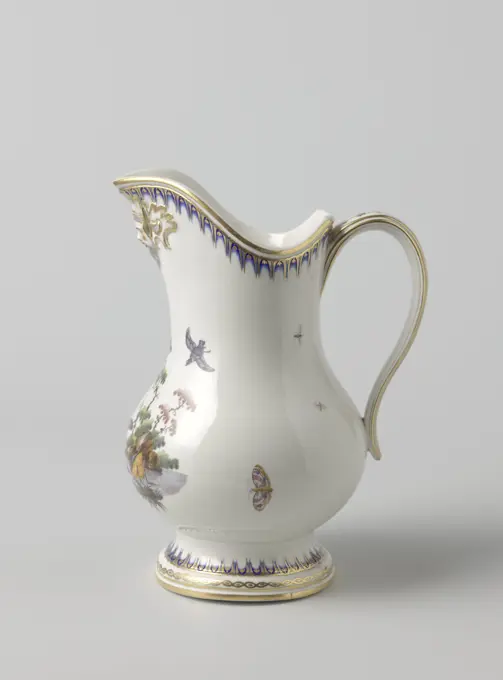
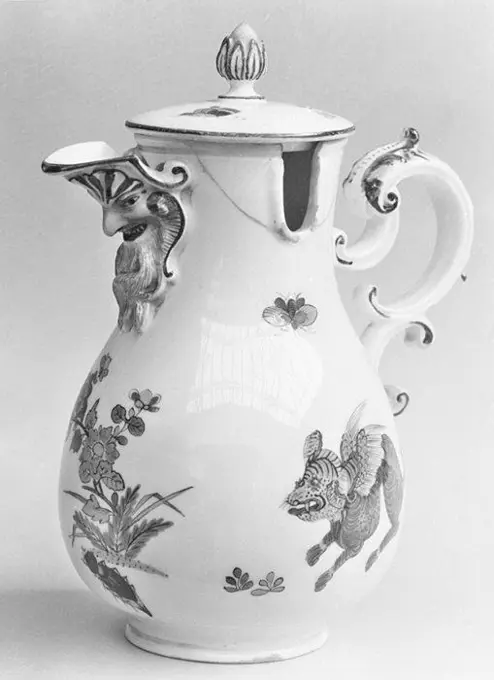
KAN, Porcelain factory The Hague, 1777 - 1790 Can with spout in the form of a men's mask, pear -shaped on a round -profiled foot. Under the spout birds in a landscape. Along the Rocaille ornament. Marked with a stork in blue on the glaze. N.B. Doornik's soft porcelain painted in The Hague. The HaguePorlaine Company: Doornik porcelain Can with spout in the form of a men's mask, pear -shaped on a round -profiled foot. Under the spout birds in a landscape. Along the Rocaille ornament. Marked with a stork in blue on the glaze. N.B. Doornik's soft porcelain painted in The Hague. The HaguePorlaine Company: Doornik porcelain
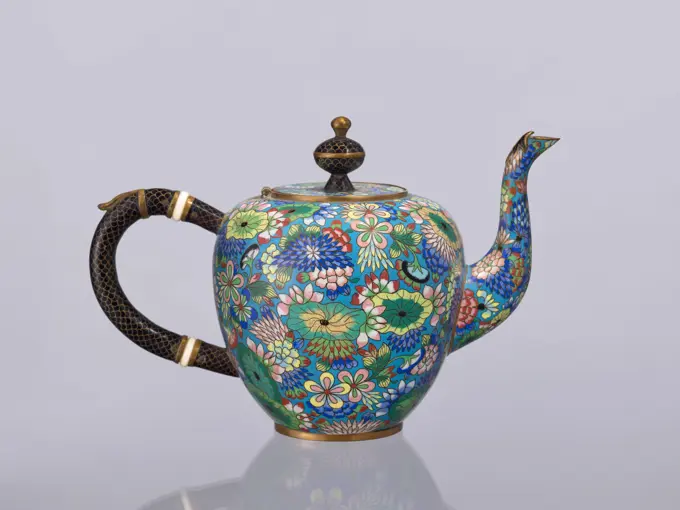
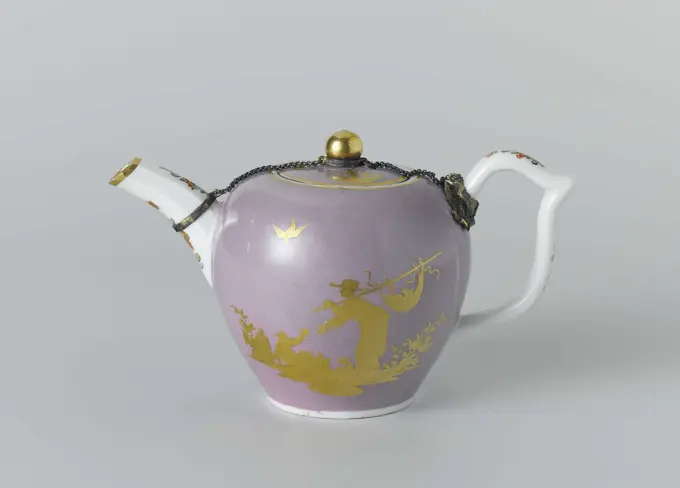
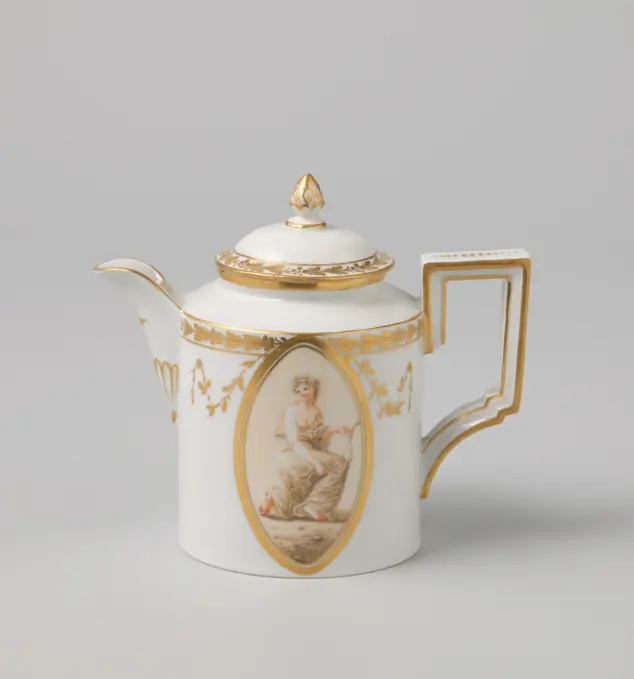
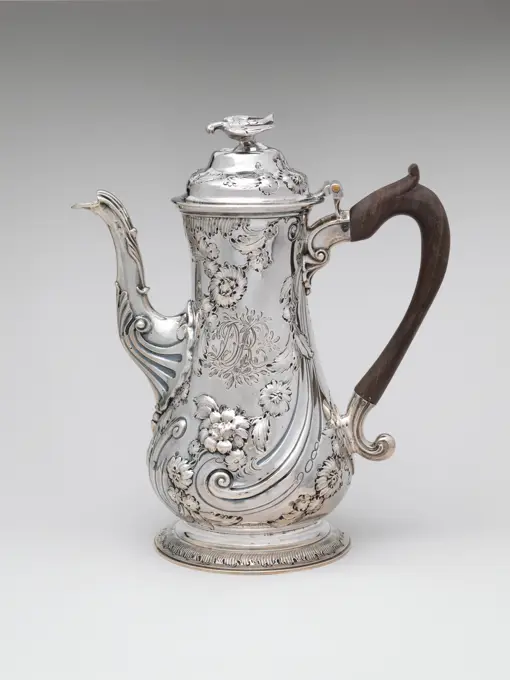
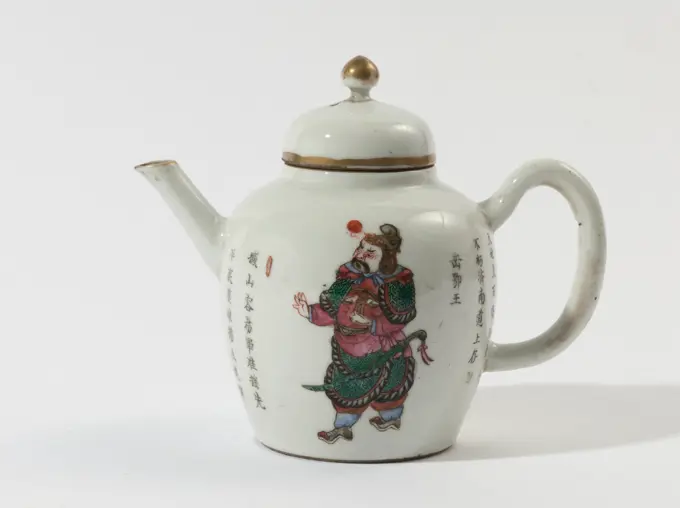
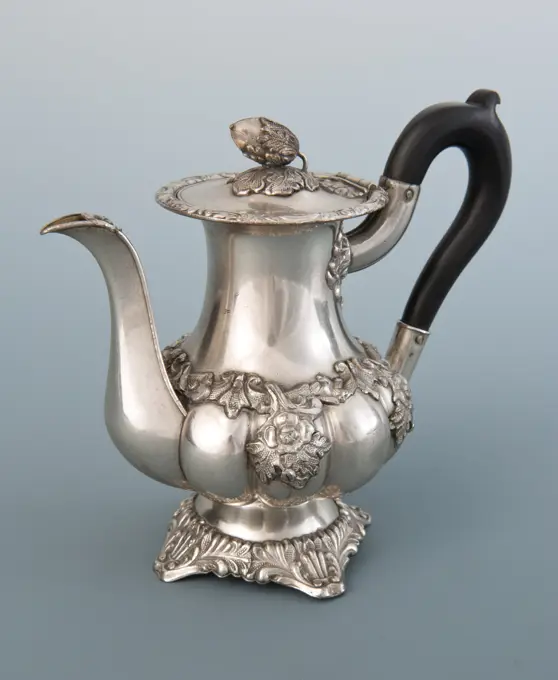
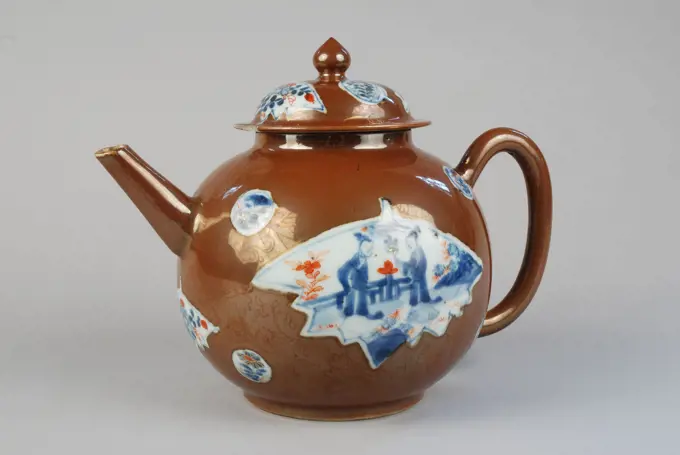
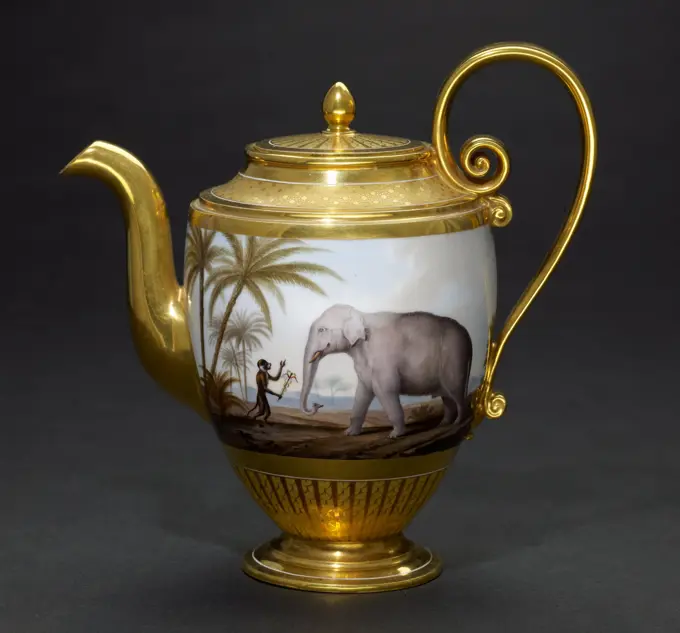
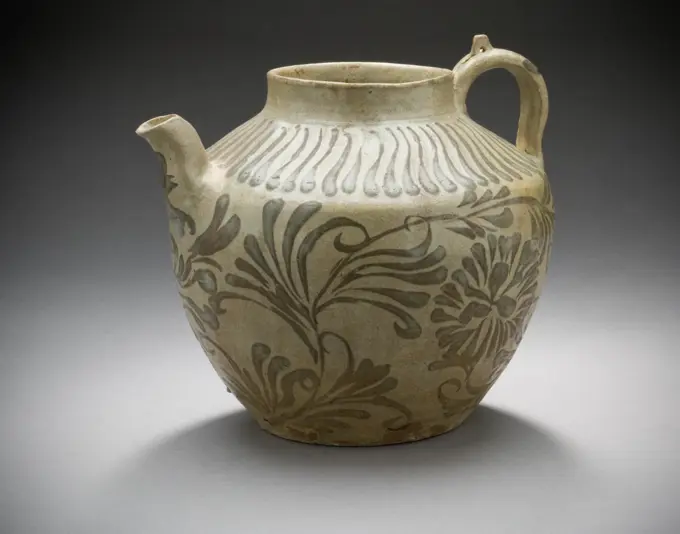
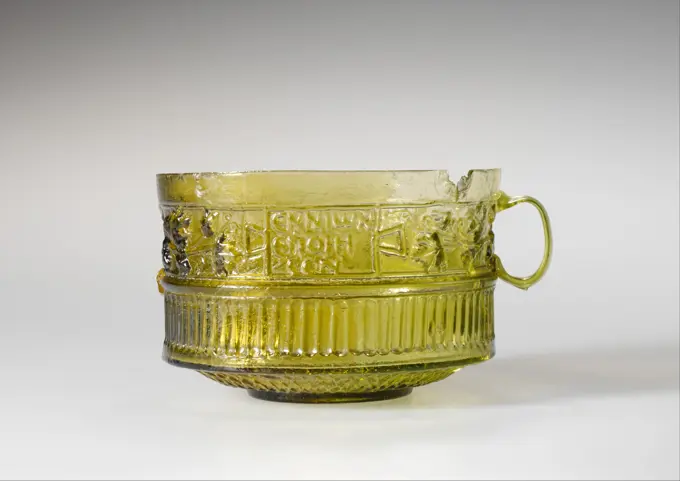
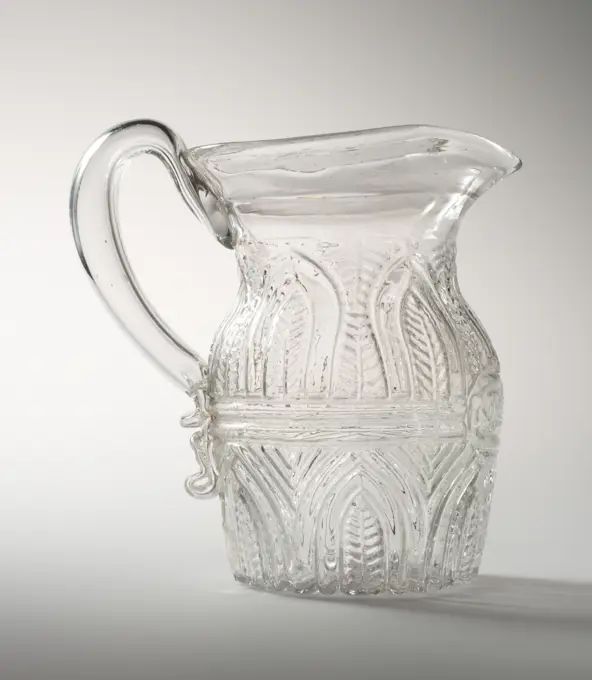
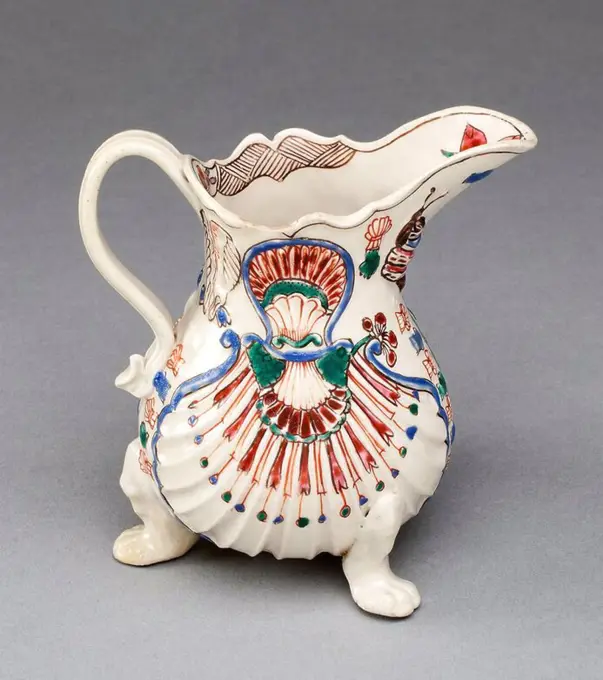
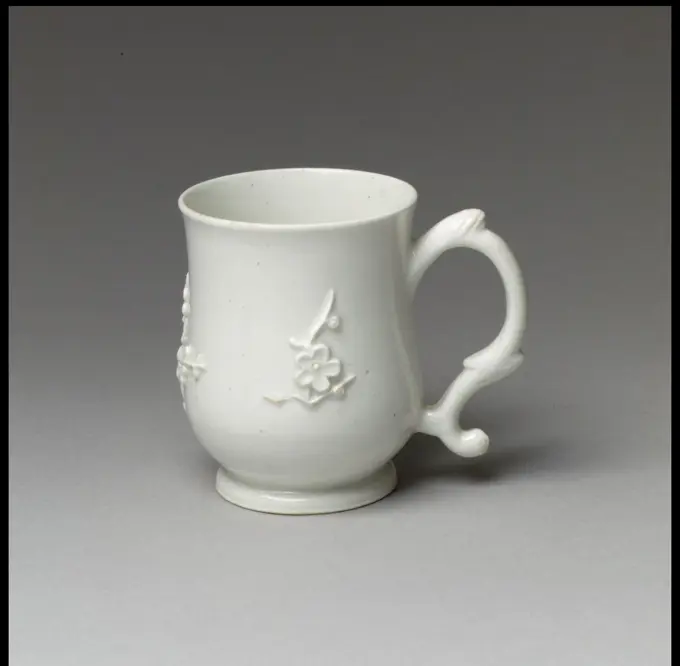
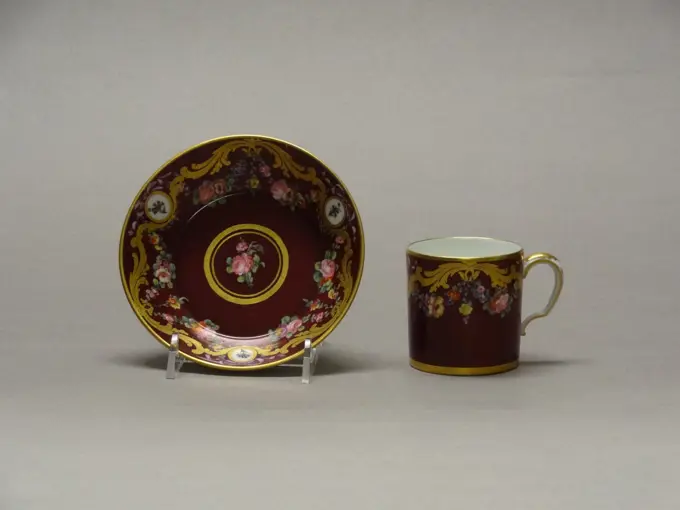
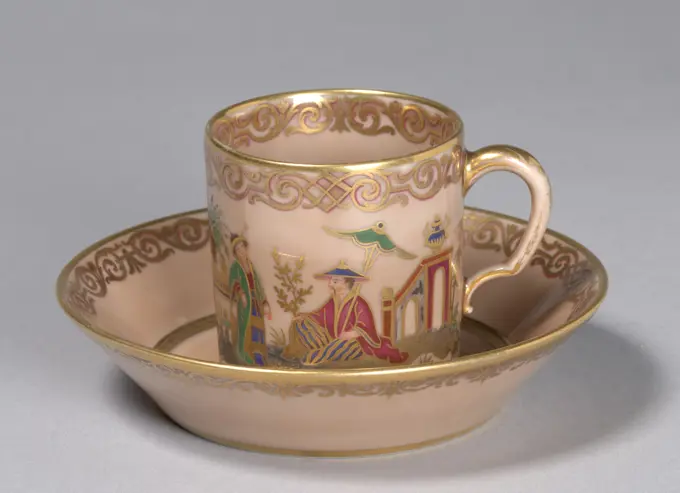
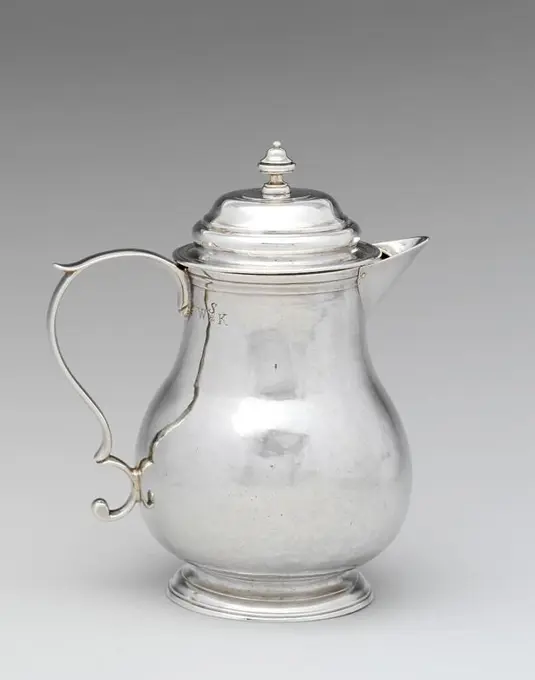
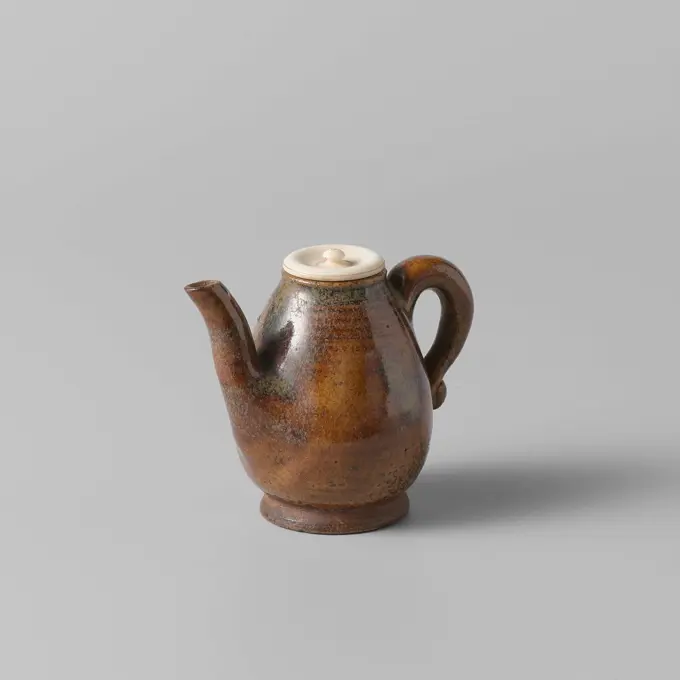
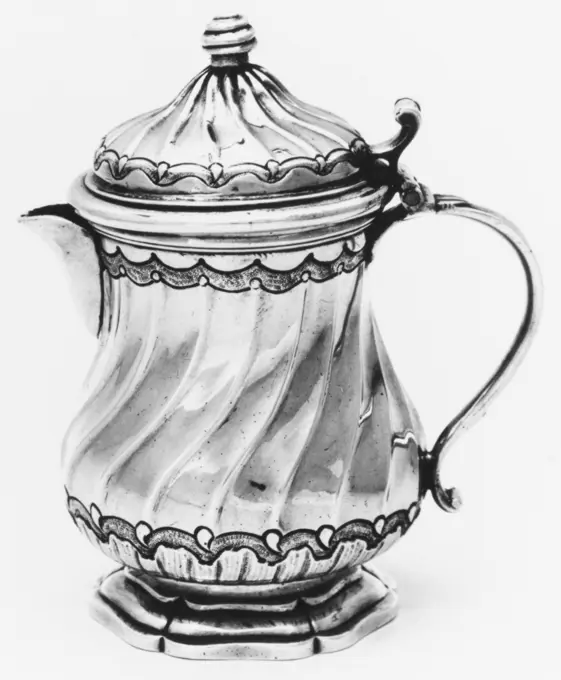
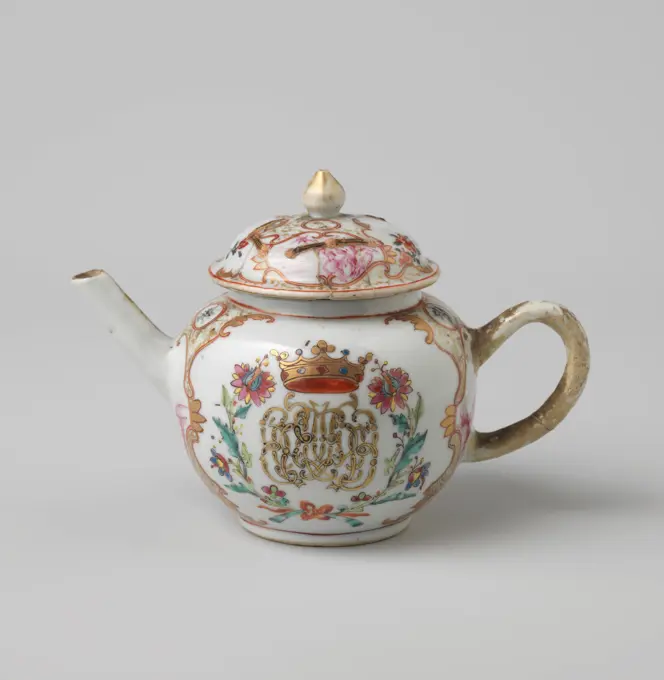
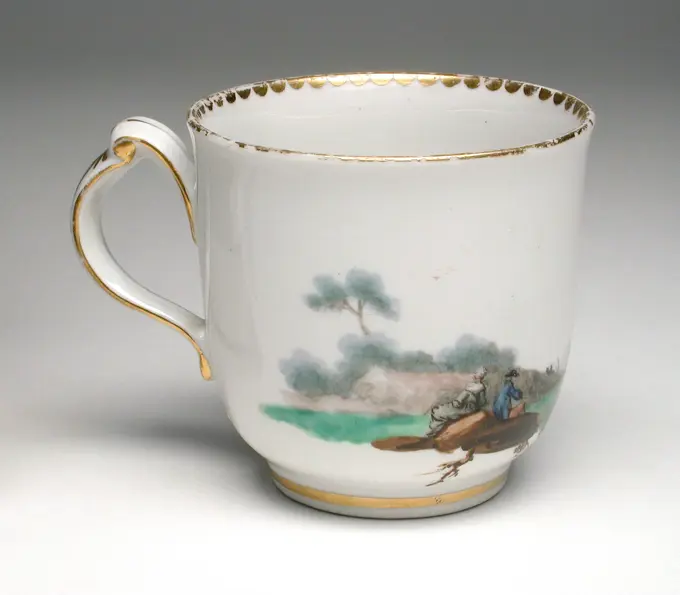
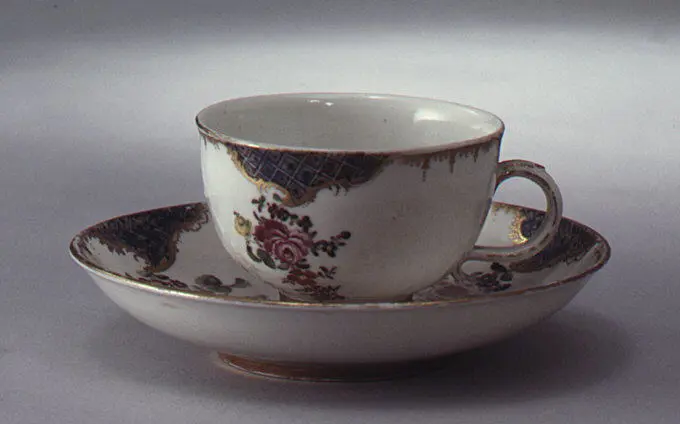
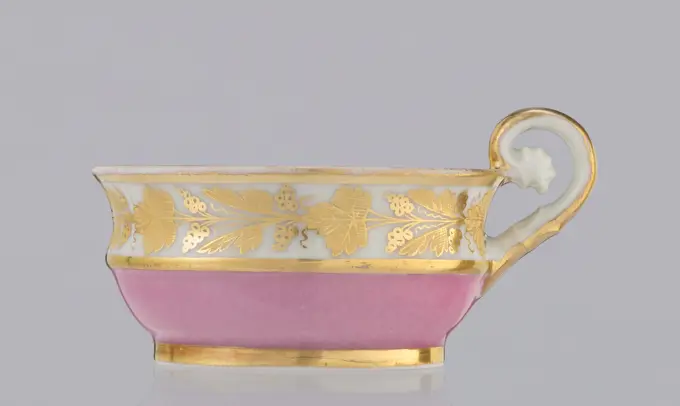
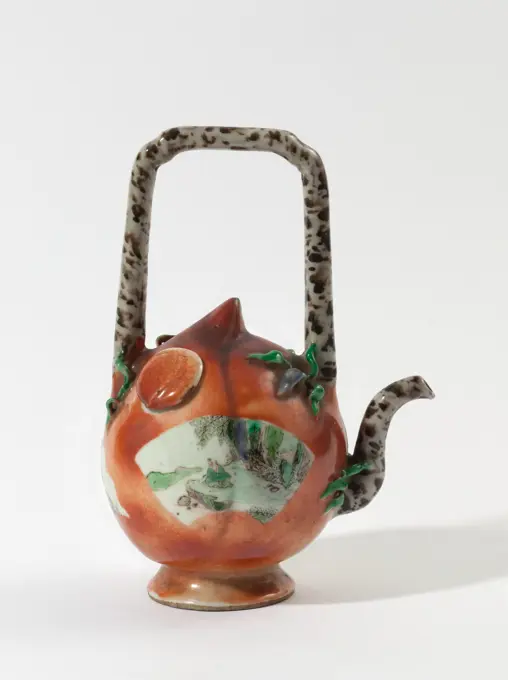
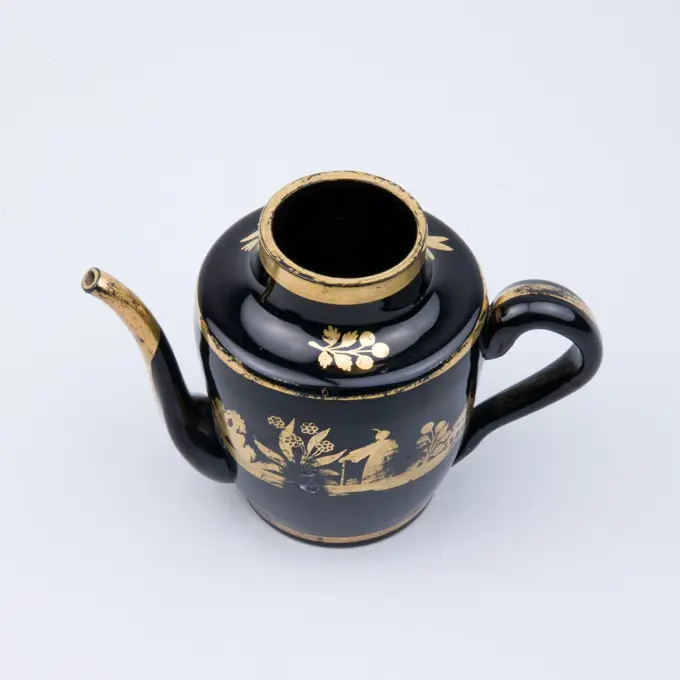
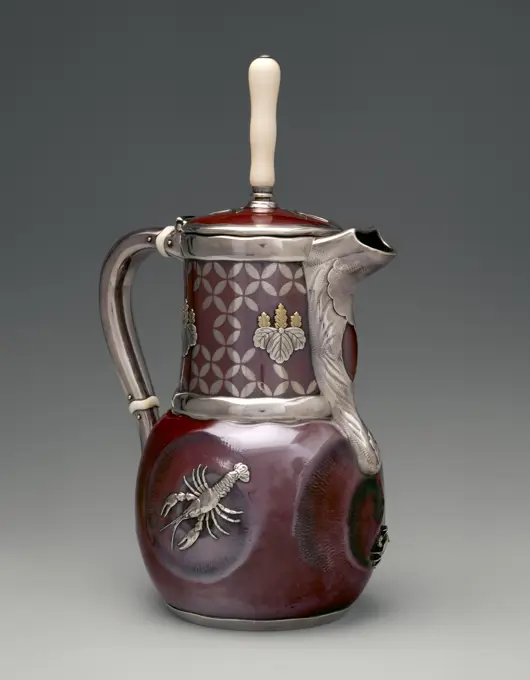
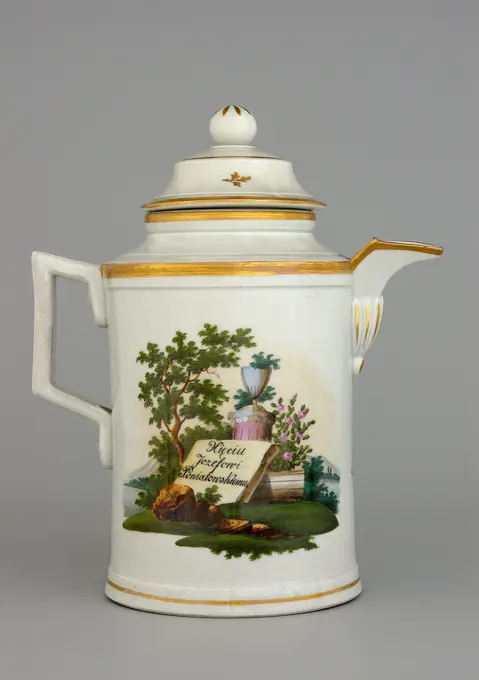
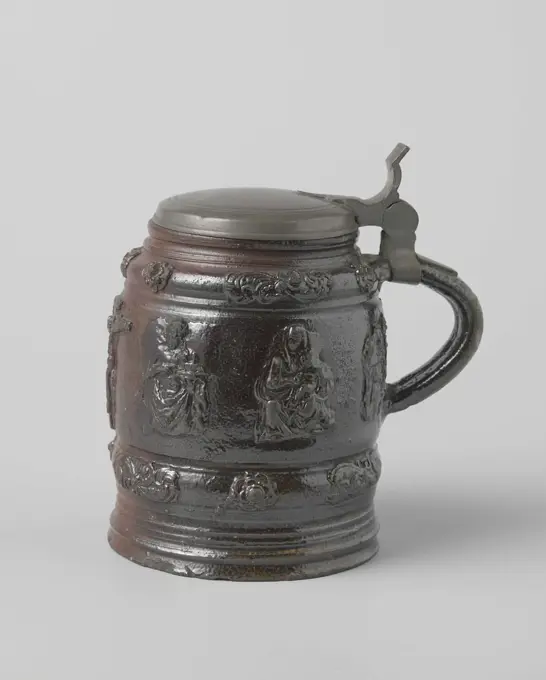
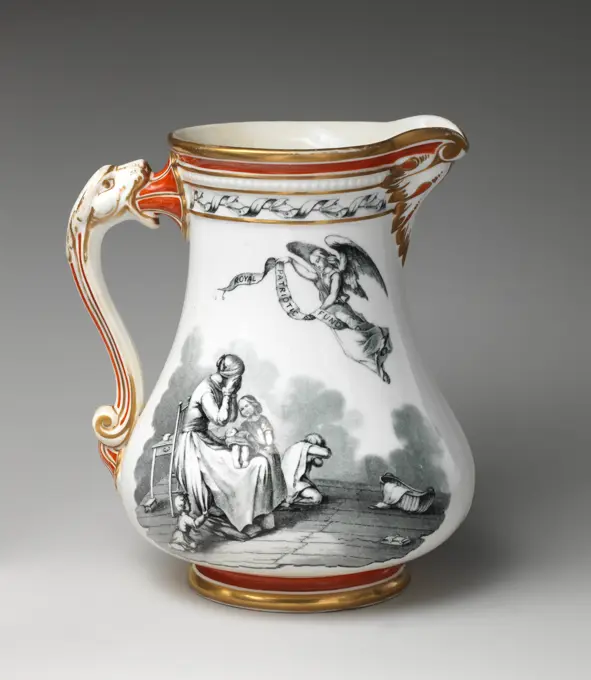
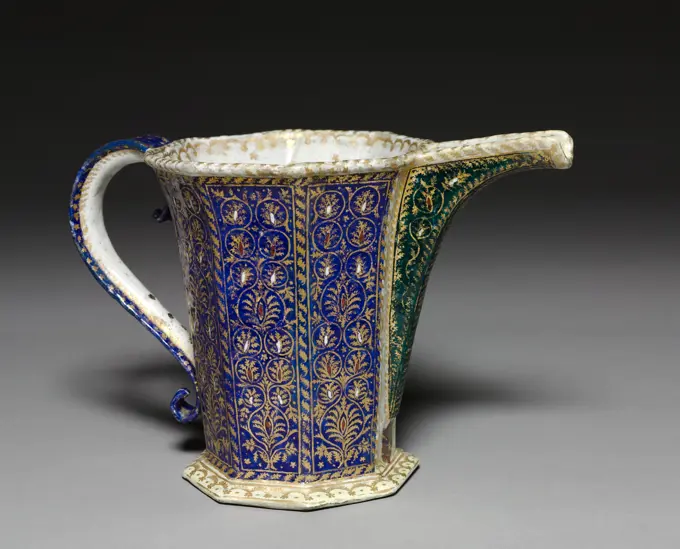
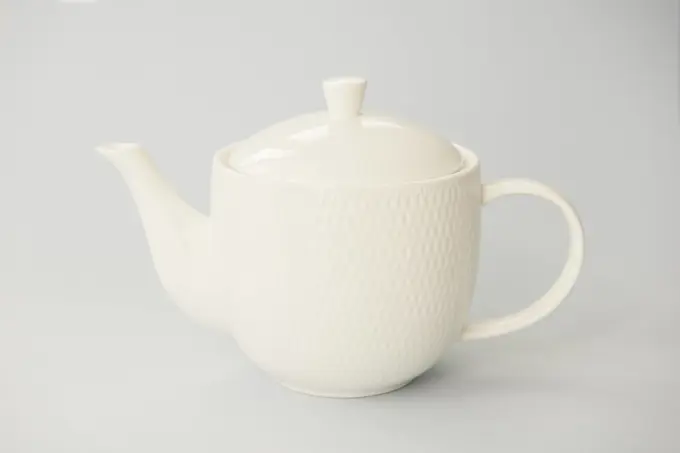
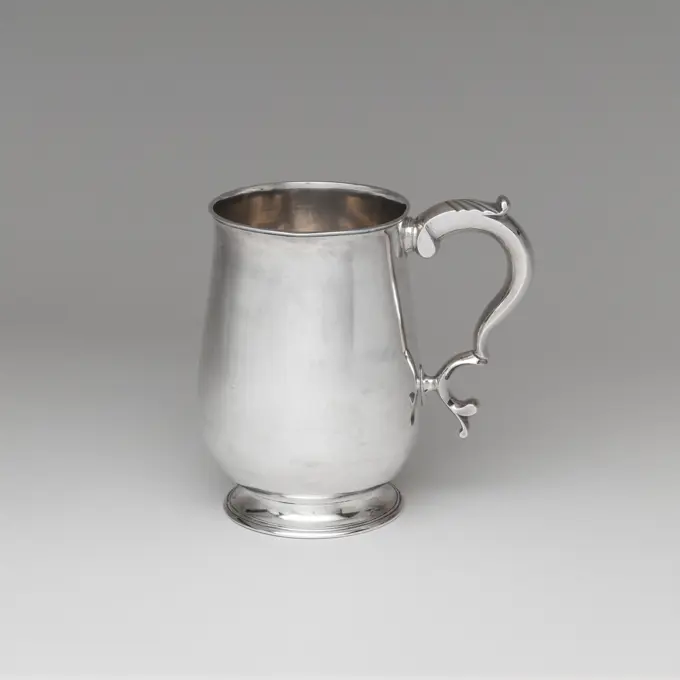
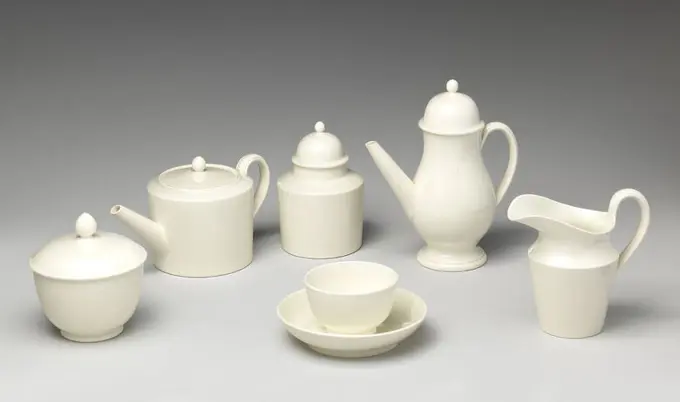
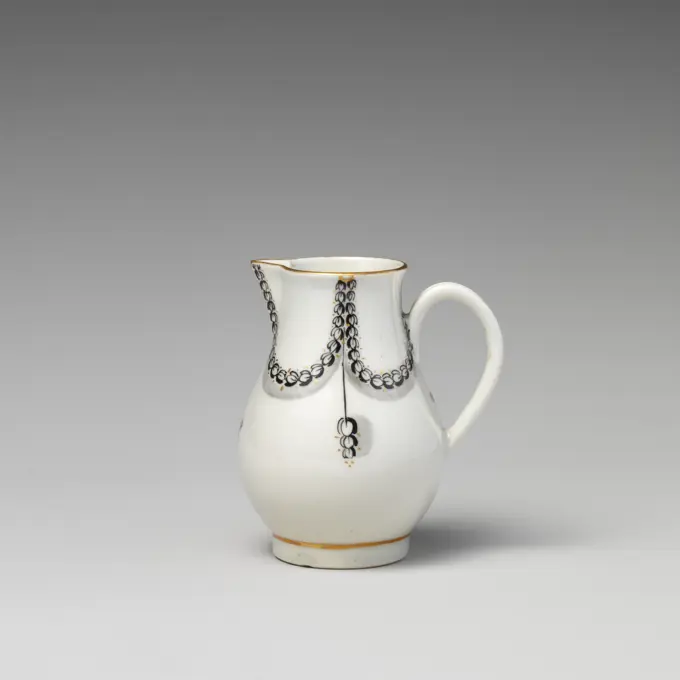
Cream pitcher (part of a service) ca. 1780-90 Caughley Factory Listen to experts illuminate this artwork's story Listen Play or pause #407. Teapots Supported by Bloomberg Philanthropies We're sorry, the transcript for this audio track is not available at this time. We are working to make it available as soon as possible.. Cream pitcher (part of a service). British, Caughley. ca. 1780-90. Soft-paste porcelain with enamel decoration and gilding. Caughley Factory (British, ca. 1772-1799). Ceramics-PorcelainMustard Pot 1830-70 American. Mustard Pot 5397Jug with a coat of arms among floral scrolls, anonymous, c. 1692 - c. 1720 Can of stoneware on high foot with a pear -shaped body and wide neck. The C-shaped ear is attached to the neck and shoulder. Profiles on the neck and the foot. On the belly in relief a printed and imposed weapon between flower vines. To the weapon the edge script 'EVG Cas GZ LW V V M H S B HV N', consisting of illegible abbreviations. Above the weapon the date '1692'. The flower vines consist of stealing with flowers in relief. Attached to the ear a pewter frame with lid. On the inside a brand with 'XXX'. Westerwald. Westerwald Stoneware. Glaze. frame: tin (metal) vitrification Can of stoneware on high foot with a pear -shaped body and wide neck. The C-shaped ear is attached to the neck and shoulder. Profiles on the neck and the foot. On the belly in relief a printed and imposed weapon between flower vines. To the weapon the edge script 'EVG Cas GZ LW V V M H S B HV N', consisting of illegible abbreviations. AboSugar bowl with lid, blue, with leaves and flowers in relief, Peter Regout, c. 1801 - c. 1879 Sugar bowl with bluestone lid, with relief leaves and flowers over the entire surface. The top edge of the pot is sculpted. The curved lid, with leaves and flowers in relief, is crowned by a flower bud. Maastricht earthenware Sugar bowl with bluestone lid, with relief leaves and flowers over the entire surface. The top edge of the pot is sculpted. The curved lid, with leaves and flowers in relief, is crowned by a flower bud. Maastricht earthenwareEwer. Korea. Date: 1100-1135. Dimensions: H. 21.1 cm (8 5/16 in.); diam. 16.8 cm (6 5/8 in.). Celadon-glazed stoneware with gold repair. Origin: Korea. Museum: The Chicago Art Institute, Chicago, USA.Kettle with a cover;  beginning of the 20th century (1901-00-00-1910-00-00);Paderewski, Ignacy Jan (1860-1941) - collection, Chinese (culture), gift (provenance), Chinese artMelkus lid painted with the Krokus decor. Milk jug lid from painted porcelain.. Meissen porcelain manufactory ice cream, c. 1730-1735Hard Paste Porcelain, SilverCover of a milk jug with a foliate scroll, Fürstenberg, c. 1785 - c. 1795 Cover of a porcelain milk jug, painted on the glaze in gold. Decorated with a leaf vank and lid button in the shape of a pine cone. Fürstenberg porcelain. glaze. gold (metal) painting / gilding / vitrification Cover of a porcelain milk jug, painted on the glaze in gold. Decorated with a leaf vank and lid button in the shape of a pine cone. Fürstenberg porcelain. glaze. gold (metal) painting / gilding / vitrificationCover of milk can be painted with the crocus decor, Meissener Porzellan Manufaktur, 1896 Lid of milk jug of painted porcelain. Float porcelain Lid of milk jug of painted porcelain. Float porcelainCan of multicolored faience painted. Slim Converted Baluster Shaped Can Of Multicolor Painted Faience. The can have a stand ring and a C-shaped ear. On the can be in the colors manganese, yellow, green and blue, a house painted where around vertical and horizontal lines.Gravy boat (part of a service) ca. 1800-1805 Chinese, for Portuguese market. Gravy boat (part of a service) 201106. Chocolate head of multicolored painted porcelain. The head lacks one of the two ears that are decorated at the top with a leaf in relief. The head is decorated on both sides with a four-pass with golden edges within which a höroldt chinoiserie consisting of two figures in a garden. The foot and mouth edge are gold-plated, the inside is on the mouth edge with a fries-like ornament in gold. The head is noticed.Coffeepot 1761-62 Robert Peaston British The New York silversmith Myer Myers made the sugar bowl, creampot, and tongs (2012.244.2-.4) to accompany this English coffeepot, echoing its repoussé Rococo ornament of sinuous C-scrolls and floral motifs. All four objects bear the initials of Dorothy Remsen, who married Abraham Brinckerhoff of New York in 1772. Such commissions were an important way for domestic silversmiths to familiarize themselves with the prevailing European styles.. Coffeepot 2144TEAPOT and MILK JUG, Royal Porcelain Factory Dommer & Co., c. 1800 - c. 1805 Porcelain cylindrical teapot, painted with two river landscapes with farms surrounded by trees, and some figures on the water. The edges are deposited with gold. The ear is meander -shaped. Marked under the glaze in blue: Amstel. Ouder-Amstel porcelain Porcelain cylindrical teapot, painted with two river landscapes with farms surrounded by trees, and some figures on the water. The edges are deposited with gold. The ear is meander -shaped. Marked under the glaze in blue: Amstel. Ouder-Amstel porcelainTea-pot. Porcelain with enamels decor "pink family", Qing dynasty (1644-1912). Provenance: China. Paris, Cernuschi museum. 78838-23 Asian art, Chinese art, art of living, Ceramic Fine, Decor Emaille, Ching Dynasty, Qing dynasty, Tsing dynasty, porcelain, Emaillee porcelain, service to the, theiere, dishesSuction Silver and Plated Products Factory J. FragetChamber Pot; Chantilly Porcelain Manufactory (French, active about 1725 - about 1792); Chantilly, France; about 1740; Soft-paste porcelain with polychrome enamel decoration; 9.8 x 19.7 x 11.7 cm (3 7,8 x 7 3,4 x 4 5,8 in.)Teapot with portrait of the Young Pretender, Prince Charles Edward Stuart (1720-1788) ca. 1765 British, Staffordshire Listen to experts illuminate this artwork's story Listen Play or pause #407. Teapots Supported by Bloomberg Philanthropies We're sorry, the transcript for this audio track is not available at this time. We are working to make it available as soon as possible.. Teapot with portrait of the Young Pretender, Prince Charles Edward Stuart (1720-1788). British, Staffordshire. ca. 1765. Salt-glazed stoneware with enamel decoration. Ceramics-PotteryTeapot, brown with saved fields in which representations in red and blue on white background, teapot tableware holder earthenware ceramic porcelain glaze, ring 10.3 hand turned molded glazed painted teapot Round belly and short oblique upright spout straight and conical. Oval ear. Whole surface brown glazed in which saved fields in which flowers and long roses at balustrade in landscape in red and blue against white background tea tea serve tea serve serve China capuchin brown Chinese cafe au lait feuille morte Tzu ChinTeapot from a tea service for twelve, 1807-08, Christophe-Ferdinand Caron; Manufacturer: Sèvres Porcelain Factory, French (Sèvres), French, 1774-1831, 8 x 8 x 4 1/4 in. (20.32 x 20.32 x 10.8 cm), Porcelain, enamel, gilt, France, 19th century, The Emperor Napoleon commissioned this service in 1807 and presented it to Prince William of Prussia in September, 1808. Each piece of the set, called a cabaret, is decorated with at least one scene derived from Jean de la Fontaine's (1621-95) Fables. The high quality of all the painted scenes marks this service as one of Christophe-Ferdinand Caron's greatest achievements while working as an animal painter at Sevres between 1792 and 1815. Caron studied plants at the botanical gardens in Paris as well as books on various animals and birds to create detailed scenes of the fables. Stories illustrated on the set include the tortoise and the hare and the fox and the stork.Teapot 1775 Chinese, for European market. Teapot 193189Coffeepot andLid. Designer Richard S. Latham, American, 1920-1991 Designer Raymond Loewy, American, 1893-1986 Manufacturer: Rosenthal, German, founded 1890. Hard-paste porcelain, monochrome black (Schwartzlot), polychrome enamels, and gildingTeapot ca. 1720-30 probably Chinese, Dehua with European decoration. Teapot 200932Ewer with Chrysanthemum Scroll Design in Underglaze Iron. Korea, Korean, Goryeo dynasty (918-1392), 13th-14th century. Furnishings; Serviceware. Wheel-thrown, modeled, and applied stoneware with underglaze brown painted decorationTeapot of hard baked earthenware; Whieldon Ware, Cauliflower Ware., Anonymous, c. 1765 - c. 1775 Spherical teapot made of hard baked pottery. The pot has an S-shaped spout. The ear is missing. The teapot has the appearance of a cauliflower due to the decoration in relief and the colors green and white. The teapot includes a milk jug with invnr. BK-NM-13200-A. England earthenware. lead glaze Spherical teapot made of hard baked pottery. The pot has an S-shaped spout. The ear is missing. The teapot has the appearance of a cauliflower due to the decoration in relief and the colors green and white. The teapot includes a milk jug with invnr. BK-NM-13200-A. England earthenware. lead glazeGlass cup 1st half of 1st century A.D. Roman Translucent yellow green with same color handles.Unworked vertical rim of varying thickness; cylindrical body with vertical sides; bottom with S-shaped curve around outer section, then a projecting circular base with raised outer band but concave with slight kick in center; two loop handles attached to sides over upper decorative frieze.Body decorated with a plain band below rim above two horizontal friezes in relief; on the upper, which is bounded above and below by a fine raised line, two Greek inscriptions, each within a tabula ansata; one flanked by ivy sprays with leaves and berries and the other by vine sprays with leaves and bunches of grapes; both sets of foliage issuing from two vertically fluted colonettes with base and Ionic capital, set at sides near handles; dividing the upper from the lower frieze, a broad projecting horizontal ridge; on the lower frieze, close-set vertical flutes, rounded at both ends; on outer section of bottTeapot ca. 1787-1799 Jeronimus Alstyne. Teapot 8356Candlestick KorzecThis tea set with orchids has a side-handled pot called a kysu, used for steeping, straining, and serving tea. Seif Yohei III’s painting teacher, Tanomura Chokuny (1814-1907), made a visual record of famous sencha events that shows how these kinds of porcelains fit with objects such as a stove and kettle to form a complete set of utensils for tea preparation, and with ensembles of decorative objects meant to inspire creativity. Teapot from Tea Set with Orchids, c. 1893-1914. Seifū Yohei III (Japanese, 1851-1914). Porcelain with underglaze blue;Ceramic white teapot with blue flower ornament on white backgroundprobably Boston and Sandwich Glass Works, Pitcher, c. 1826-40, colorless lead glass.Teapot, orivit, c. 1905 Silver teapot. Almost cylindrical but narrowing upwards. On the sides, a palmet from below expand to the upper edge. A straight spout and angular ear. Germany silver (metal) Silver teapot. Almost cylindrical but narrowing upwards. On the sides, a palmet from below expand to the upper edge. A straight spout and angular ear. Germany silver (metal)Creamer. Staffordshire, England. Date: 1755-1765. Dimensions: 9.5 x 8.9 x 7.6 cm (3 3/4 x 3 1/2 x 3 in.). Salt-glazed stoneware, polychrome enamels. Origin: Staffordshire. Museum: The Chicago Art Institute, Chicago, USA.Jug (England); glazed stonewareMug ca. 1750-55 Bow Porcelain Factory British The gift of the Hans Syz Collection in 1995 endowed the Museum with nearly three hundred examples of European and Asian ceramics meticulously acquired by Swiss-born collector Dr. Syz (1894-1991) to chart the migration of models and patterns from East to West. Documenting a continuous process of influence and adaptation, these pieces provide a discriminating review of the nuances of stylistic change resulting from three centuries of trade.. Mug 208412Teapot with a wooden ear; Zamoyski, Adam (fl. 1824-1842); 1824-42 (1824-00-00-1842-00-00);Pitcher. Culture: American. Dimensions: 13 3/8 x 7 9/16 x 9 3/8 in. (34 x 19.2 x 23.8 cm). Maker: Attributed to Gloucester Porcelain Company. Date: ca. 1860. Museum: Metropolitan Museum of Art, New York, USA.Sèvres Porcelain Manufactory, Cup and Saucer, 1781, hard-paste porcelain.Cup and Saucer, 1778. Sèvres Porcelain Factory (French, est. 1756). Hard-paste porcelain; diameter: 12.9 cm (5 1/16 in.); overall: 6 cm (2 3/8 in.).Milk Pot. Culture: American. Dimensions: Overall: 5 5/8 x 4 11/16 in. (14.3 x 11.9 cm); 8 oz. 17 dwt. (275.7 g)Foot: Diam. 2 5/8 in. (6.7 cm)Pot: H. 4 7/16 in. (11.3 cm); 7 oz. 3 dwt. (221.8 g)Cover: H. 1 5/8 in. (4.1 cm); Diam. 2 9/16 in. (6.5 cm); 1 oz. 15 dwt. (53.9 g). Maker: William Homes Sr. (1716/17-1785). Date: 1750-75. Museum: Metropolitan Museum of Art, New York, USA.Pitcher British 19th century. Miniature pour or oil oil from stoneware with an ivory lid, curved spout and C-shaped ear, partially covered with a light brown glaze. The lower part of the can be unglazed. Ki Seto.Mustard pot 1753-54 Ennemond Ruynat. Mustard pot 200164Stoneware room comfort, glazed, decorated with lions and medallions, pot holder sanitary soil found ceramic stoneware glaze salt glaze, hand turned glazed baked Stoneware room pot glazed decorated with lions and medallions and blue bands Wide vertical ear at the top edge archaeological site Rotterdam City center Stadsdriehoek Oudehaven indigenous pottery import toilet article bed sleeping room Soil discovery: Oude Haven Rotterdam.Cover of a sugar bowl with stylized floral motifs, Parthénon (possibly), c. 1900 - c. 1905 Cover of a porcelain sugar bowl with upright handle, painted on the glaze in green and red. Stylized flower branches on the lid, continuously on the handle. Designed by Maurice Dufrêne, manufactured for La Maison Moderne, possibly by Le Parthénon, Paris. Paris porcelain. glaze. painting / vitrification Cover of a porcelain sugar bowl with upright handle, painted on the glaze in green and red. Stylized flower branches on the lid, continuously on the handle. Designed by Maurice Dufrêne, manufactured for La Maison Moderne, possibly by Le Parthénon, Paris. Paris porcelain. glaze. painting / vitrificationCup with handle with three women in a panel on a ground of scrolls, anonymous, c. 1750 - c. 1774 Small porcelain ear head, painted on the glaze in blue, red, pink, green, yellow, black and gold. The wall is covered with curls and tendrils containing a cartouche with three women around a table with vases and happiness symbols next to them; A twig on the bottom. Famle Rose. China porcelain. glaze. gold (metal) painting / gilding / vitrification Small porcelain ear head, painted on the glaze in blue, red, pink, green, yellow, black and gold. The wall is covered with curls and tendrils containing a cartouche with three women around a table with vases and happiness symbols next to them; A twig on the bottom. Famle Rose. China porcelain. glaze. gold (metal) painting / gilding / vitrificationTeapot with a crowned, illegible monogram surrounded by two flower sprays, anonymous, c. 1750 - c. 1774 Porcelain lid of teapot with spherical body, C-shaped ear and straight spout, painted on the glaze in blue, red, pink, green, yellow, black and gold. On the lid of flower vines and cartouches with landscapes or flower branches. Lid and ear have been broken. European performance in email colors. China porcelain. glaze. gold (metal) painting / gilding / vitrification Porcelain lid of teapot with spherical body, C-shaped ear and straight spout, painted on the glaze in blue, red, pink, green, yellow, black and gold. On the lid of flower vines and cartouches with landscapes or flower branches. Lid and ear have been broken. European performance in email colors. China porcelain. glaze. gold (metal) painting / gilding / vitrificationTeapot with lid, yellow, anonymous, c. 1750 - c. 1800 Teapot of yellow -lacked alabaster. The pot is hollow with a not fully fitting lid with twisted profile edges and a high button. The pot is on three legs and has a handle and spout. Germany (possibly) alabaster (mineral) lacquering Teapot of yellow -lacked alabaster. The pot is hollow with a not fully fitting lid with twisted profile edges and a high button. The pot is on three legs and has a handle and spout. Germany (possibly) alabaster (mineral) lacqueringTea Set (Coffee Cup). Fidelle Duvivier (Belgium, Tournai, 1740 - after 1796)New Hall (England, Staffordshire, 1782-1835). England, circa 1785-1790. Furnishings; Serviceware. Porcelain, enamelsLid of Bouilloire, fa. Diemont, 1817 The lid has a low straight wall and is flattened at the top. Amsterdam silver (metal). knop: ebony (wood). hengsel: ebony (wood) The lid has a low straight wall and is flattened at the top. Amsterdam silver (metal). knop: ebony (wood). hengsel: ebony (wood)Maker Unknown, Pitcher, c. 1830-50, aquamarine glass.Creamer Isaac Hutton American 1810-30Cup and saucer ca. 1755-60 Frankenthal Porcelain Manufactory. Cup and saucer 189005 Factory: Frankenthal Porcelain Manufactory, German, Factory director: Paul Hannong, 17551759, Cup and saucer, ca. 175560, Hard-paste porcelain, Height (cup .365a): 1 7/8 in. (4.8 cm); Diameter (saucer .365b): 5 in. (12.7 cm). The Metropolitan Museum of Art, New York. Rogers Fund, 1906 (06.365a, b). Teapot of stoneware with a straight diamond and stalk-shaped ear, covered with a white sludge and painted in underglaze blue. On the wall a mountain landscape with trees, a pavilion, birds and two boats. The ear is sitting on the side of the pot. The bottom is unglazed. Spout has been partially demolished. Blue White.Mug 1765-1775 Worcester. Soft-paste porcelain, polychrome enamels and gilding . Worcester Royal Porcelain Company (Manufacturer)Cup. Baranówka (manufaktura porcelany ; 1804-post 1900 ), factoryTea-pot. Porcelain with enamel decor, Qing dynasty (1644-1912). Provenance: China. Paris, Cernuschi museum. 78837-15 Asian art, Chinese art, art of living, Ceramic Fine, Decor Emaille, Ching Dynasty, Qing dynasty, Tsing dynasty, porcelain, Emaillee porcelain, service to the, theiere, dishesSuctionChocolate Pot 1879 Tiffany & Co. This chocolate pot exemplifies the unprecedented innovation and creativity that characterized Tiffany & Co.'s work during the 1870s and 80s. Under the direction of Edward C. Moore (1827-1891), Tiffany's produced exquisitely wrought and highly original silver, which in turn attracted many of the finest craftsmen and designers to the firm. Indeed, Charles Osborne (1847-1920), who is credited with designing this chocolate pot, left his position as chief designer at one of Tiffany's competitors, the Whiting Manufacturing Company, in order to learn from and work with Moore at Tiffany's. The silver that resulted from this mentorship and collaboration is among the finest produced during the second half of the nineteenth century. The spiral motifs accenting the pot's body together with the masterfully chased leaves wrapping the spout are signatures of Osborne's work. The lifelike cast ornaments of crawfish and crabs further demonstrate technical virtuosity and Maker Unknown, Cream Pitcher, c. 1840-70, dark amber glass.Jug with a lid. falsyfikat Korca, factory, Korzec (manufaktura porcelany ; 1790-1832), factoryBeer mug. Brunette beer mug with pewter lid. Decorated with Christ on the cross and Renaissance ornamentation in relief.Jug 1855 George Edward Eyre British. Jug. British, Burslem, Staffordshire. 1855. Porcelain. Ceramics-PorcelainTeapot, Joseph A. Schirsand, pewter, Pyriform body with vertical gadrooning and horizontal moldings. Curved spout, wide at bottom and narrow in upper part. Domed, hinged cover. Scrolled star handle with small spur., Czech Republic, ca. 1760, metalwork, Decorative Arts, teapot, teapotWine Jug 1700-1725 Gmunden. Tin-glazed earthenware (faience) and pewter .Cup with gold borders on a red ground, anonymous, c. 1800 - c. 1824 Porcelain head on spreading foot and with a high, curled ear, covered on the glaze with red and gold. The outer wall is covered with red and the foot, edge, ear and part of the inner wall with gold. On the outer edge a flower vank in one of the golden tires. Empire. France (possibly) porcelain. glaze. gold (metal) painting / gilding / vitrification Porcelain head on spreading foot and with a high, curled ear, covered on the glaze with red and gold. The outer wall is covered with red and the foot, edge, ear and part of the inner wall with gold. On the outer edge a flower vank in one of the golden tires. Empire. France (possibly) porcelain. glaze. gold (metal) painting / gilding / vitrificationEwer, c. 1500. Italy, Venice, 16th century. Painted enamel on copper; overall: 18.8 x 26.7 cm (7 3/8 x 10 1/2 in.).Cup (part of a set) ca. 1765 Royal Porcelain Manufactory, Berlin. Cup (part of a set) 194901Rein weiße Teekanne auf grauem Hintergrund. Nahaufnahme Pure white teapot on grey background. Close up LicenseRF Copyright: xZoonar.com/IrinaxPavlovax 23302225Water jug in the form of a lotus flower, anonymous, c. 1700 Can of porcelain in the form of a lotus plant on three short legs, painted on biscuit in green, yellow and black. The body in the form of a lotus spell with seeds on the flat top; the spout and handle in the shape of stem with a small leaf on the top and both sides; The flat, non -matching lid with a water bird as a button. One of the leaves damaged; glued lid. Email sur Biscuit. China porcelain. glaze. painting / vitrification Can of porcelain in the form of a lotus plant on three short legs, painted on biscuit in green, yellow and black. The body in the form of a lotus spell with seeds on the flat top; the spout and handle in the shape of stem with a small leaf on the top and both sides; The flat, non -matching lid with a water bird as a button. One of the leaves damaged; glued lid. Email sur Biscuit. China porcelain. glaze. painting / vitrificationCann ca. 1810 Shepherd and Boyd. Cann 5366Pitcher ca. 1730-35 Chantilly The gift of the Hans Syz Collection in 1995 endowed the Museum with nearly three hundred examples of European and Asian ceramics meticulously acquired by Swiss-born collector Dr. Syz (1894-1991) to chart the migration of models and patterns from East to West. Documenting a continuous process of influence and adaptation, these pieces provide a discriminating review of the nuances of stylistic change resulting from three centuries of trade.. Pitcher 208337Teapot ca. 1745 British, Staffordshire. Teapot. British, Staffordshire. ca. 1745. Salt-glazed stoneware. Ceramics-PotteryCoffee Pot with Lid. China; Chinese, made for the American market. Date: 1790-1800. Dimensions: 24.5 × 20.6 × 12.4 cm (9 5/8 × 8 1/8 × 4 7/8 in.). Porcelain and enamel. Origin: United States. Museum: The Chicago Art Institute, Chicago, USA.Penny Woodens' Tea Set, 1913-1917, S. Fielding and Company; Maker: Railway Pottery; Maker: Devon Pottery, 3 7/16 x 11 11/16 x 9 3/4in. (8.7 x 29.7 x 24.8cm), Railway pottery, devon pottery, England, 20th centuryCoffee Pot, Fa. Ash. Bonebakker and Son, 1838 The round, constricted foot, rests on a straight -walled base. A smooth profile has been installed along the bottom edge of the base and a cable edge runs in the middle of the wall. The eighty -lace body is made up of a cavemen's shape, a bulging, wide wide band and a cavemen, rejuvenating neck. The curved spout is applied at the height of the tire, the lower part of which is decorated with cracks. The ebbenhouten, C-shaped bent ear with thumb support has a silver stand at the top in the form of a snake head with scalloped body, resting on an acanthus volute. The slightly curved, round lid with a button in the shape of a rolled hose fits in an opening in the top of the pot, which is surrounded by a cable edge. Amsterdam silver (metal). The round, constricted foot, rests on a straight -walled base. A smooth profile has been installed along the bottom edge of the base and a cable edge runs in the middle of the wall. The eighty -lace body is mMiniature tea and coffee set. Culture: British. Dimensions: See individual components for measurements. Date: ca. 1800. Museum: Metropolitan Museum of Art, New York, USA.Jug with foliate scrolls and colored borders, c. 1600 - c. 1699 Jug of stoneware on high foot with an egg -shaped belly and wide, short neck. The C-shaped ear is attached to the neck and shoulder. On the neck and the foot profiles. Partly covered with cobalt blue and mangangan purple. On the abdomen vertical ties with leaf vines pressed and imposed in relief, interspersed with a blue or purple band. On the foot and neck blue lines. Some pieces of relief are missing. Westerwald. Westerwald stoneware. glaze. cobalt (mineral). manganese oxide vitrification Jug of stoneware on high foot with an egg -shaped belly and wide, short neck. The C-shaped ear is attached to the neck and shoulder. On the neck and the foot profiles. Partly covered with cobalt blue and mangangan purple. On the abdomen vertical ties with leaf vines pressed and imposed in relief, interspersed with a blue or purple band. On the foot and neck blue lines. Some pieces of relief are missing. Westerwald. Westerwald stoneware.Miniature kettle with cover, stand, and lamp ca. 1720-30 David Clayton British. Miniature kettle with cover, stand, and lamp. David Clayton (British, active 1689). British, London. ca. 1720-30. Silver, wood. Metalwork-Silver-MiniatureMiniature teapot (part of a set) ca. 1800 British. Miniature teapot (part of a set). British. ca. 1800. Soft-paste porcelain. Ceramics-PotteryTea Service, c. 1790-1810. Anne Bateman (British, 1748-1813), Peter Bateman (British, 1740-1825), William (I) Bateman (British, 1774-1850). Silver on copper;Hot milk pot ca. 1740 Meissen Manufactory German. Hot milk pot 199181Miniature cake basket 1799-1800 Possibly by Nicolas Hearnden. Miniature cake basket. British, London. 1799-1800. silver. Metalwork-Silver-MiniatureCan on Bolle, constricted foot, with a long giving clip and painted in blue, anonymous, 1700 - 1750 Can be painted on a convex, constricted base with a long paving clip in blue with birds, flower and leaf vines on a pink stock. Bayreuth . Can be painted on a convex, constricted base with a long paving clip in blue with birds, flower and leaf vines on a pink stock. Bayreuth .. Salt-glazed stonewareCup with the portrait of Maarten Harpertszoon Tromp, anonymous (attributed to), after Jan Gerritsz. Visser, after 1794 service (set) Porcelain head, painted on the glaze in sepia and gold. A medallion with a portrait on the outside wall. A bond with a leaf rank and the inscription 'Tromp' around the medallion. Golden edge and a leaf vank on the ear. Marked on the bottom with 103-N and 12. porcelain company: Schwarzburgafter print by: Amsterdam porcelain. glaze. gold (metal) painting / gilding / vitrificationCream jug ca. 1750 British, Staffordshire. Cream jug 197570Thomas Mason, Teapot, 1723/24, silver.Mustard pot, Silver, glass, Cylindrical cage (a) with animals and birds among leafy scrolls, in cut-out silver. Strap handle, flat on top. Hinged cover with shell thumbrest, and hole for spoon. Cylindrical, dark blue glass insert (b)., London, England, late 18th century, metalwork, Decorative Arts, Mustard potTeapot with pottery lid, Neale & Palmer Black Basalt, Neale & Palmer (Hanley), c. 1790 - c. 1825 Spherical teapot with pottery lid, black basalt. The teapot has a raised edge with a wavy top edge, a C-shaped ear, a straight spout and a lid with a button in the shape of a grieving woman. The teapot is decorated with two ribbed tires between which a band with a silver -colored leaf vank. Hanley earthenware Spherical teapot with pottery lid, black basalt. The teapot has a raised edge with a wavy top edge, a C-shaped ear, a straight spout and a lid with a button in the shape of a grieving woman. The teapot is decorated with two ribbed tires between which a band with a silver -colored leaf vank. Hanley earthenwareCup and saucer with the portrait of Philips, Count of Flanders, royal porcelain manufactory, c. 1867 Porcelain head and saucer, painted on the glaze in enamel colors and gold. The outer wall of the head is divided into four courses with a medallion with the portrait of Philip, Count of Flanders, signed 'A. Ambronn '. On both sides of this in relief a classic performance: Hercules with the lion and Europe with the bull. The ear is in the form of a winged, classically dressed person, kneeling on curl work that runs out in leaf vines upside down. The figure leans with both arms on a coat of arms with the alliance weapon of the couple with the motto 'Nichts Ohne Gott'. The front of the dish is covered with gold with a saved medallion on the flat with the crowned monogram of Philip from Belgium. On the wall a decoration in the gold and the edge with a tire leaf vines in relief. Marked on the underside with the scepter including a medallion with the eagle, a scepter and a globe in his claws.Tankard 1725-1735 Germany. Glass with silver cover .Milk jug, blue, with scalloped wall, interrupted by a smooth horizontal band, Peter Regout, c. 1860 - c. 1890 Earthenware milk jug, bluestone. The scalloped wall is interrupted by a smooth horizontal tire. The outside of the pour out has been smoothed. Maastricht . Earthenware milk jug, bluestone. The scalloped wall is interrupted by a smooth horizontal tire. The outside of the pour out has been smoothed. Maastricht .Coffee and tea service. Königliche Porzellan ManufakturBerlin, c. 1795hard-paste porcelainTankard ca. 1700 Mounts by Johann Heel The Nuremberg goldsmith Johann Heel was also active as a painter of glass and faience, as well as a maker of ornamental prints.. Tankard 206278Coffeepot (part of a set) ca. 1735-40 Meissen Manufactory German. Coffeepot (part of a set) 199164two crockery teacups and teapot two crockery teacups and teapot on white Copyright: xZoonar.com/chrisxwilllemsenx 6669784Jug ca. 1810 John W. Forbes American. Jug 4581