Elegant Teapots and Jugs

Decorative teapots and jugs made from porcelain, adorned with floral patterns and elegant detailing, illustrating classic ceramic art.
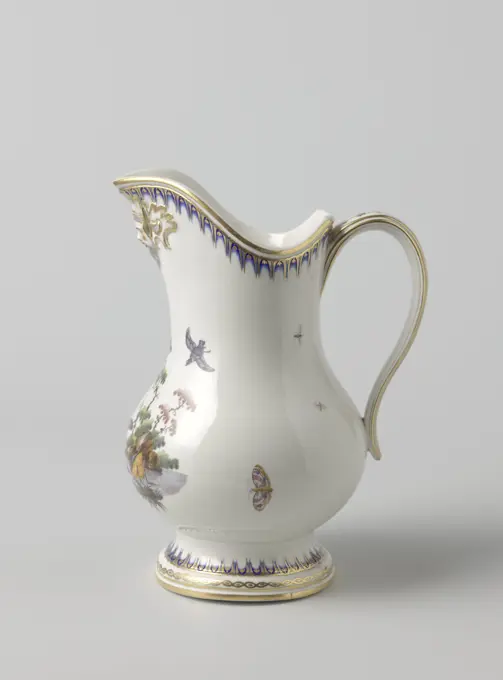
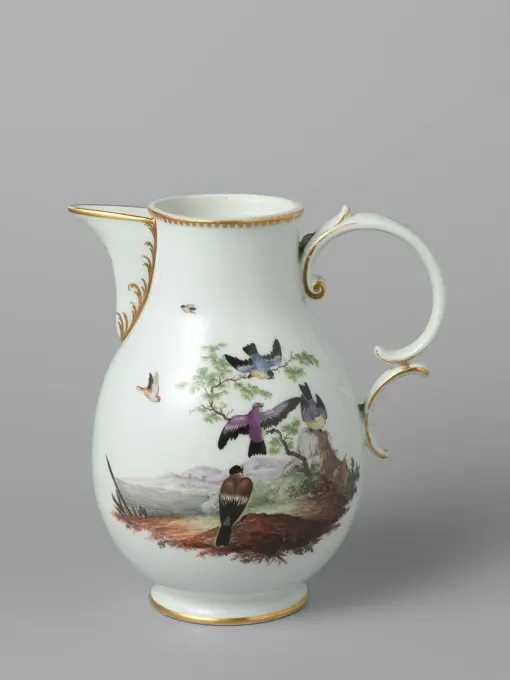
KAN, Porcelain factory The Hague, 1777 - 1790 Can with spout in the form of a men's mask, pear -shaped on a round -profiled foot. Under the spout birds in a landscape. Along the Rocaille ornament. Marked with a stork in blue on the glaze. N.B. Doornik's soft porcelain painted in The Hague. The HaguePorlaine Company: Doornik porcelain Can with spout in the form of a men's mask, pear -shaped on a round -profiled foot. Under the spout birds in a landscape. Along the Rocaille ornament. Marked with a stork in blue on the glaze. N.B. Doornik's soft porcelain painted in The Hague. The HaguePorlaine Company: Doornik porcelain
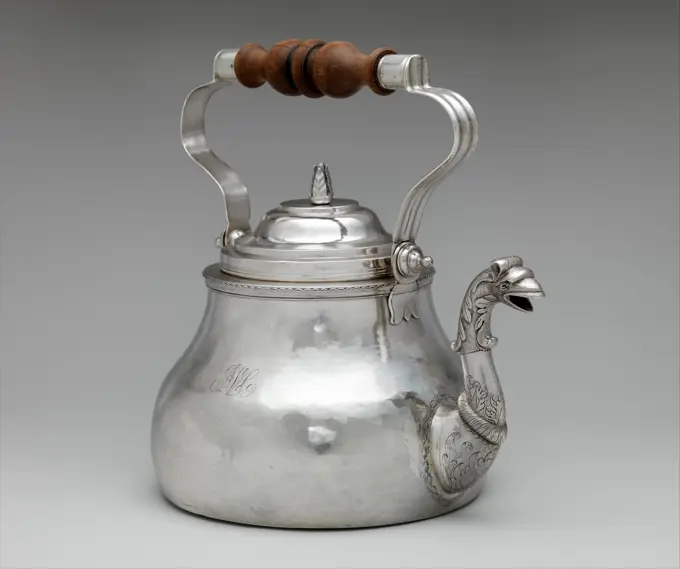
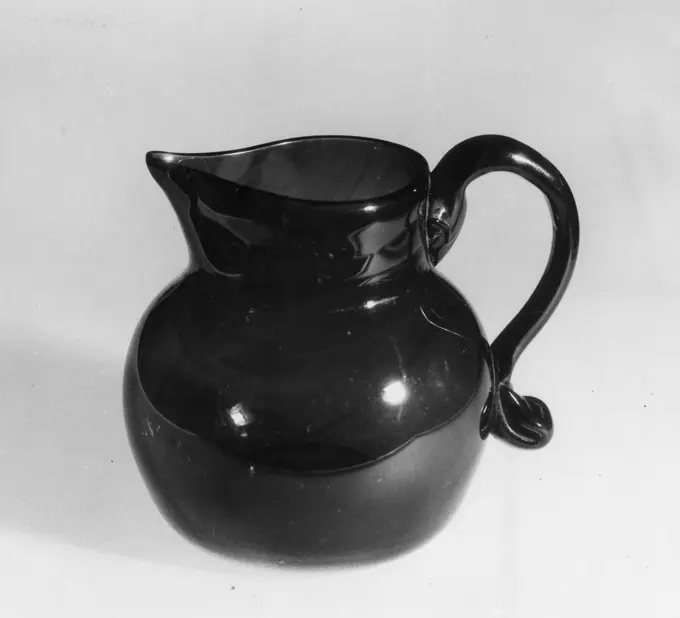
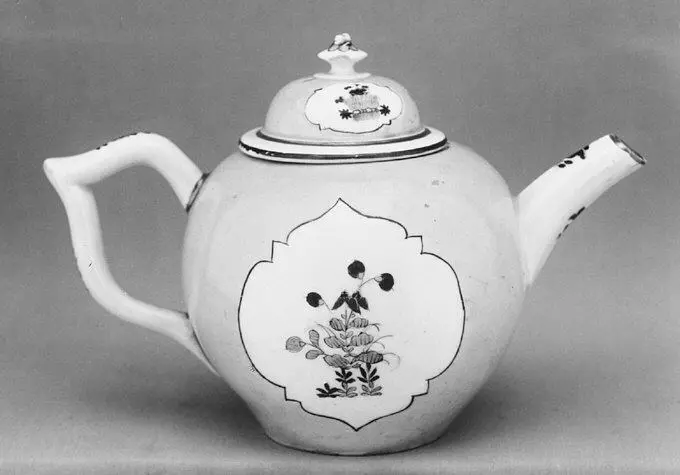
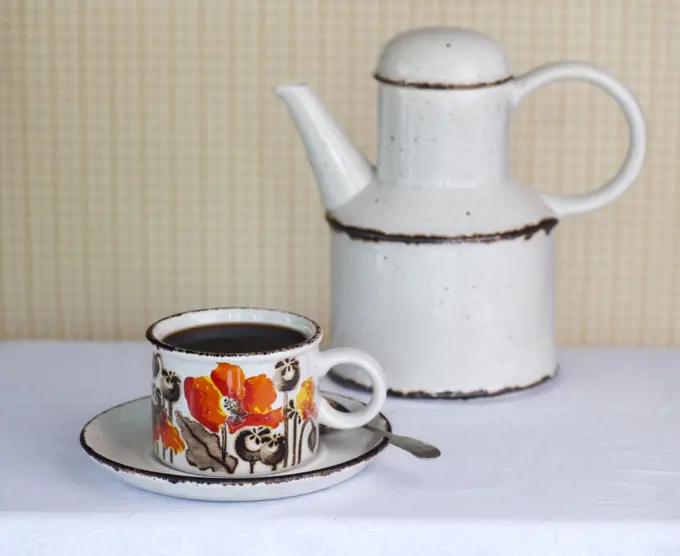
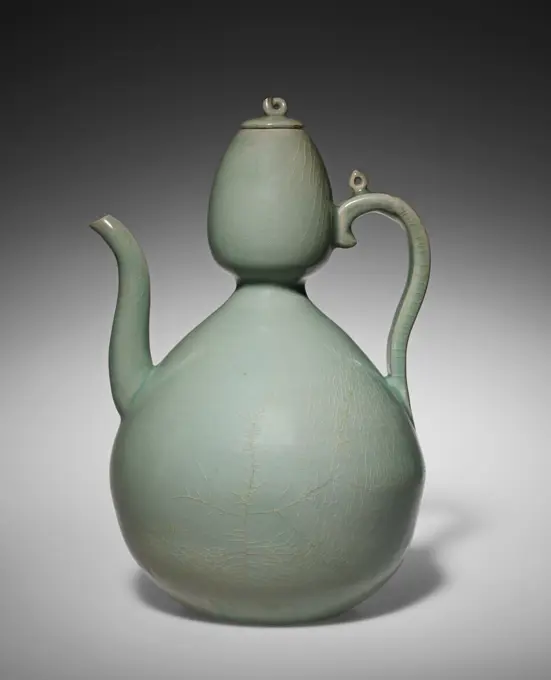
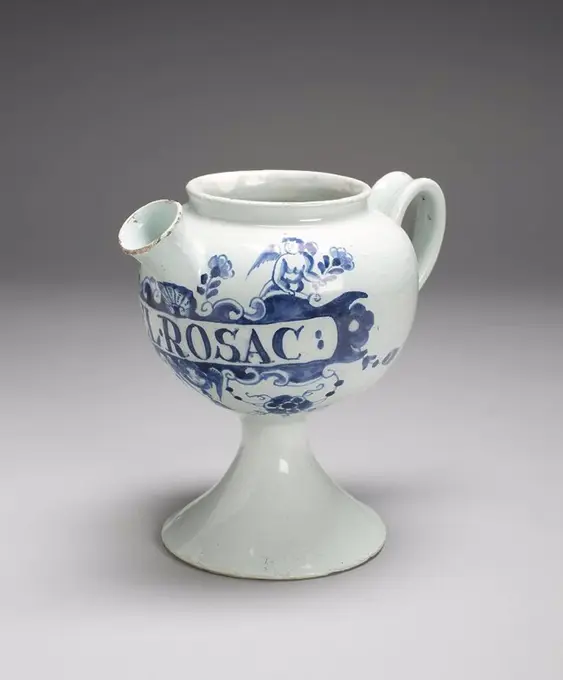
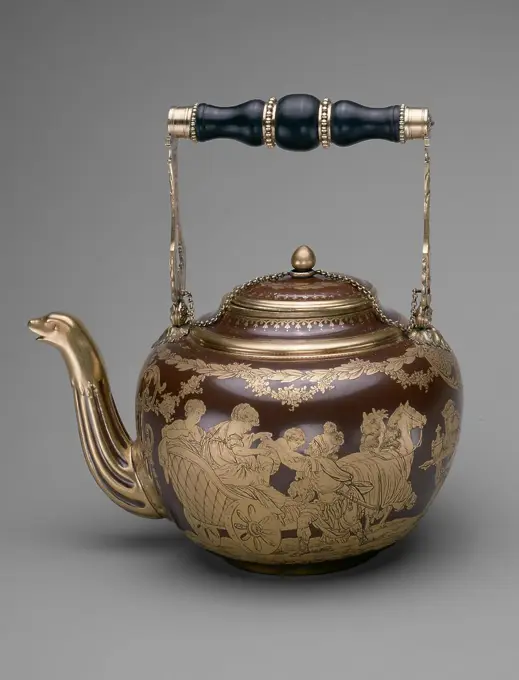
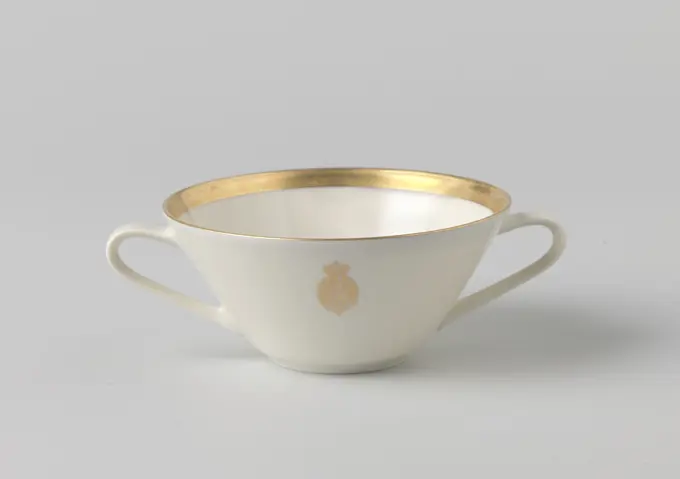
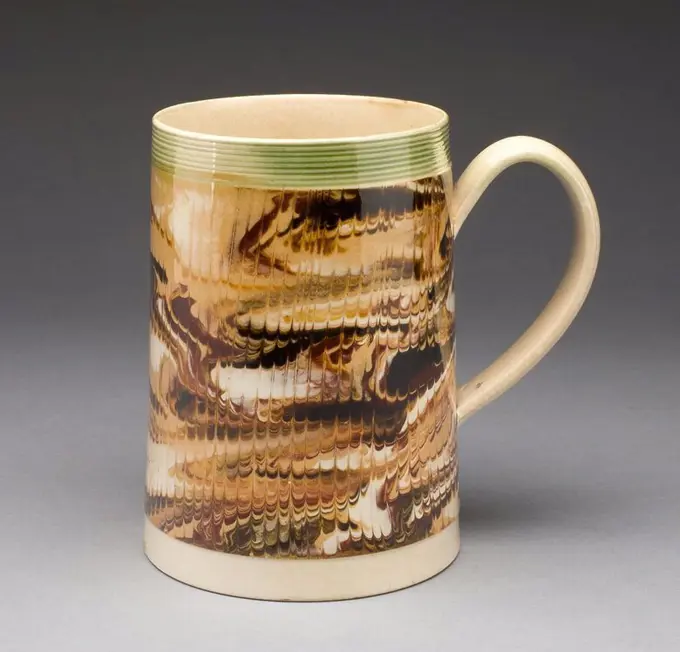
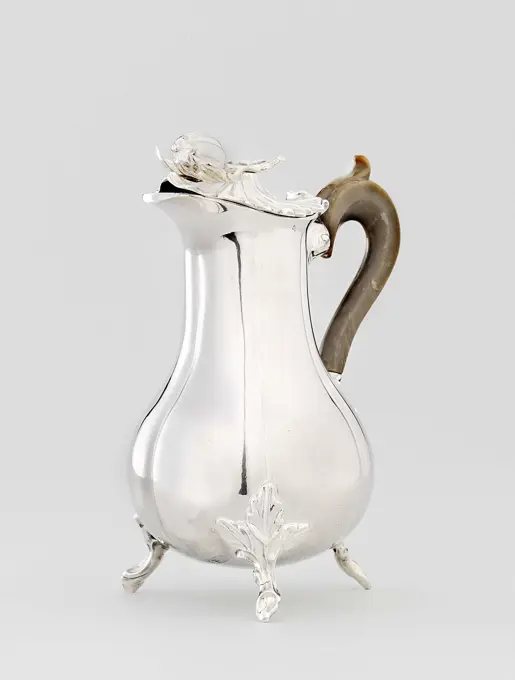
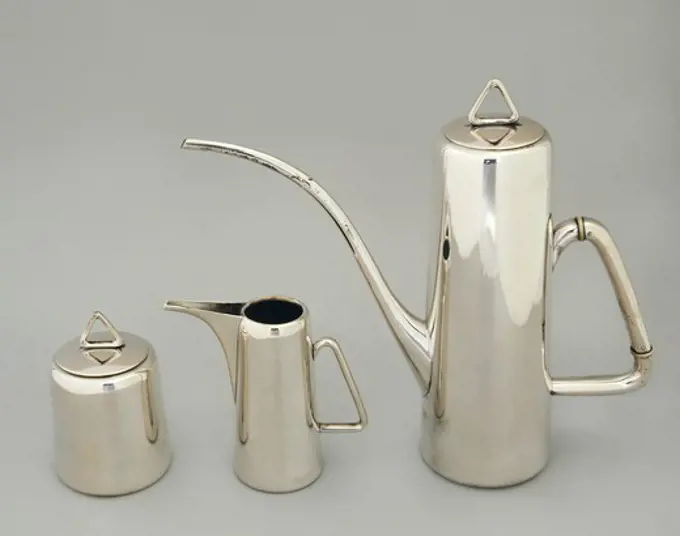
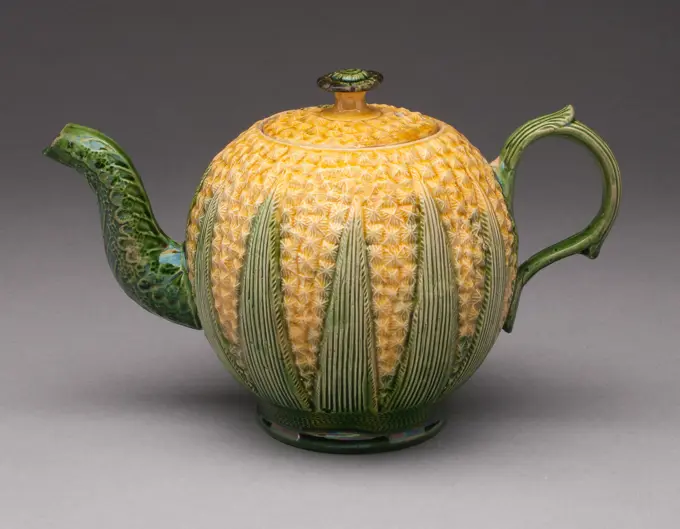
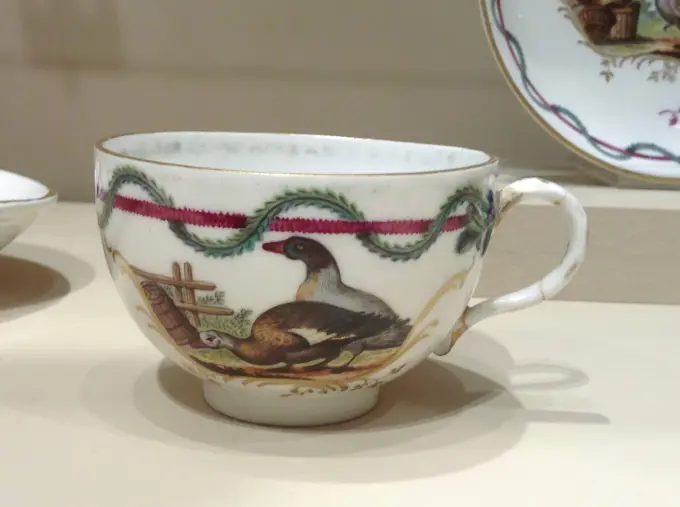
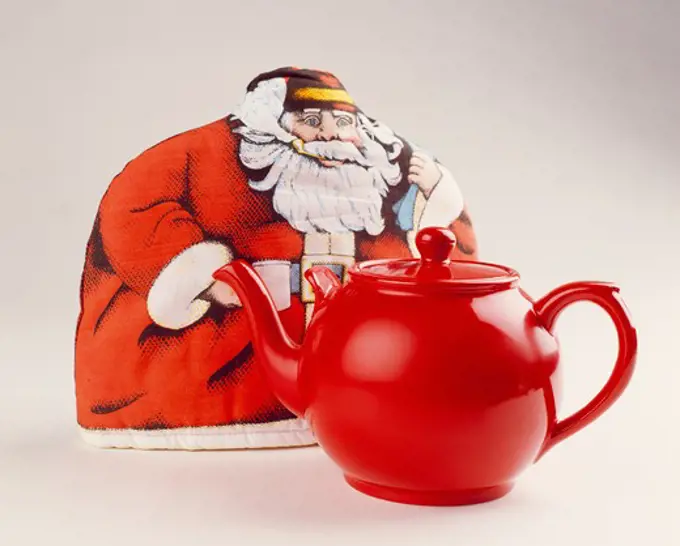
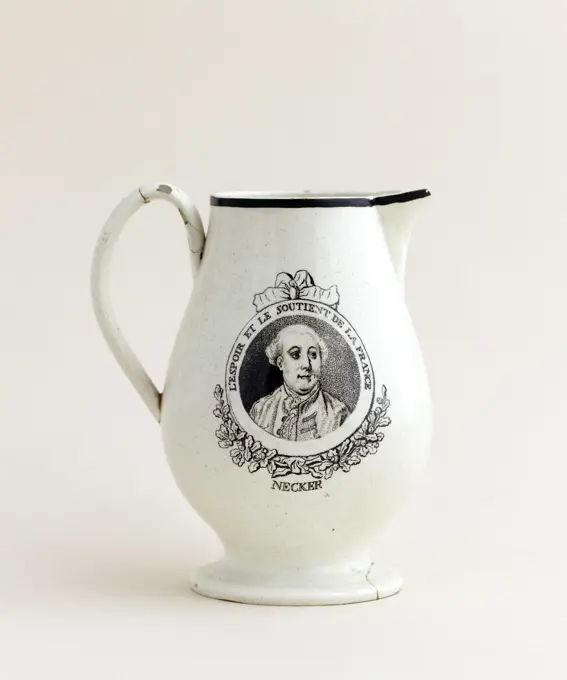
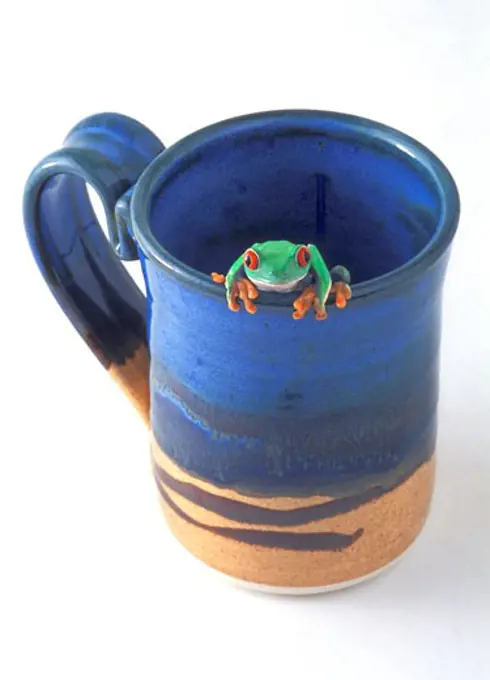
Enamel jugTeakettle 1710-20 Cornelius Kierstede American As in England and the Netherlands, tea drinking became increasingly popular in colonial America, creating a demand for specialized tea equipment such as teapots, sugar bowls, and creampots. This bold, pear-shaped teakettle with bail handle is an extremely rare form in American silver. Its decorative bird's-head spout, distinctively Dutch in inspiration, enlivens the unadorned body, which probably sat on an accompanying spirit-lamp stand. The kettle descended in the de Peyster family to Anne (Stevenson) Van Cortlandt (1774-1821)whose initials are engraved in script on the side of the bodyand, ultimately, to the donor.. Teakettle 8322Pitcher. Can of faience. White glazed. A pewter hinge on the lid.Vase with cover China. Vase with cover 43815Teapot body ca. 1725, decoration ca. 1730-35 Meissen Manufactory German. Teapot. German, Meissen. body ca. 1725, decoration ca. 1730-35. Hard-paste porcelain. Ceramics-PorcelainCup with ear, painted multi-colored with a representation of the month of February. Cylindrical cup with S-shaped ear, painted porcelain. The cup is painted with a leaf and network cart shower within which the roast of meat on a fire and above the name February. On either side of the cartouche is a dwarf with a violin and one with a member of music painted. The cup has been marked.Cup with flower and vines. Cup of porcelain, decorated with flower and vines in gold and blue. Signature in gold: B.S. Paris. With associated dish (B).Jug 18th century Spanish. Jug. Spanish. 18th century. Glass. Glass. Member: Meissener Porzellan Manufakturpot: Porcelainfabriek aan den Amstelmanufacture Oud-Loosdrechtoper-Amstel and Loosdrecht, c. 1784-1809Hard-Paste PorcelainA Cup of Coffee, With Coffee Pot, 1970’s StyleCupTankard Made 1805-1815 Staffordshire. Lead-glazed earthenware (marble pearlware) .Ewer in the shape of a gourd, 12th century, Unknown Korean, 11 3/4 x 7 1/8 x 7 1/2 in. (29.85 x 18.1 x 19.05 cm), Porcelaneous stoneware under celadon glaze, Korea, 12th century, The organic forms they encountered in the natural world inspired Korean potters of the Koryo dynasty (918-1392). They fashioned tea pots and wine vessels in the shape of a pumpkin-squash, a peach, and in this case, a gourd. In fact, dried gourds had long been used as storage containers and decanters. Because of the gourd's natural durability, it was believed that drinking liquid from a gourd would help insure a long life. And because ripe gourds contain hundreds of seeds, they also became symbols of fertility and bountiful offspring.Teaspoon, from a children's tea service, c. 1875, James Tuff, 1 7/8 x 1/2 in. (4.76 x 1.27 cm), Silver plated pewter, United States, 19th centuryCreamer Creamer; Designed by Christian Johannes van der Hoef (Dutch, 1875 - 1933); Manufactured by Amphora Factory (Netherlands); Netherlands; earthenwareHalf Gallon Wine Measure. England. Date: 1775-1785. Dimensions: 26.7 × 19.1 cm (10 1/2 × 7 1/2 (incl. handle) in.). Pewter. Origin: England. Museum: The Chicago Art Institute, Chicago, USA.Creamer. Culture: American. Dimensions: H. 4 3/4 in. (12.1 cm). Date: 1800-1850. Museum: Metropolitan Museum of Art, New York, USA.Teacup. Manufacture nationale de porcelaine de Sevres (1756-), factory, Sevres, factoryMug, Raised and cast silver, Straight-sided mug with three bands of reeding; handle possibly later addition. Monogram J. E B later., London, England, 1783, metalwork, Decorative Arts, MugDrug Pot. England, Bristol. Date: 1720-1740. Dimensions: 19.7 × 21.6 cm (7 3/4 × 8 1/2 in.). Tin-glazed earthenware. Origin: Bristol. Museum: The Chicago Art Institute, Chicago, USA.Tankard. London, England. Date: 1680-1681. Dimensions: 16.8 x 19.7 x 13 cm (6 5/8 x 7 3/4 x 5 1/8 in.). Silver. Origin: London. Museum: The Chicago Art Institute, Chicago, USA. Author: C. K.Kettle and milk Philip Ashberry & SonsSugar bowl, from a five-piece set, c. 1940s, 2 3/4 x 5 13/16 x 2 7/16 in. (6.99 x 14.76 x 6.19 cm), Silver, Iraq, 20th centuryKettle. Sèvres Porcelain Manufactory (French, founded 1740); Painting attributed to Charles-Eloi Asselin (French, active 1712-1803); Mounts attributed to Jean-Nicolas Bastin (French, died 1785). Date: 1783-1784. Dimensions: 20.3 × 19 cm (7 15/16 × 7 1/2 in.). Hard-paste porcelain, brown ground (fond laque), black enamel, and gilding; silver-gilt and ebony mounts. Origin: Sèvres. Museum: The Chicago Art Institute, FLORENCIA, USA. Author: Manufacture nationale de Sevres.VaseFrankenthal (Palatinate) Porcelain Manufactory, Cup and Saucer, 1771, hard-paste porcelain.Soup bowl used in the House of Representatives of the Netherlands at official receptions, Hutschenreuther, c. 1900 - c. 1974  Porcelain soup bowl with two ears, painted on the glaze in gold. Decorated with a golden inner edge and the crowned weapon of the House of Representatives with the inscription 'Second Chamber of the States General' on the outer wall. Marked on the underside with the factory brand. Possibly decorated in The Hague. porcelain company: BeierenThe Hague porcelain. glaze. gold (metal) painting / vitrification  The HagueMeissen Porcelain Manufactory, Cup and Saucer, c. 1740-41, hard-paste porcelain.Object from a Dessert Service 'The Razumovsky Service', made from soft-paste porcelain. Dated 18th CenturyCooking pot decorated with three stylized vegetative motifs and French lilies. The object does not show a casting seam. The hull is bullet-shaped and decorated with three stylized vegetative motifs, of which details ending spirally and two were awarded by a French lily. The transition from hull to neck is enlivened by a rib. There is a protrusion at the front, which might be connected to the original spout. The lip edge is somewhat flat at the top and to the outside and narrow. The pot stands on three claw legs, which are more or less five-sided in diameter. The handle that connects the hull with the lip edge is formed by a bird, the tail of which ends in a dragon head. On that a French lily closes on the trunk. A dragon head can be recognized in the spout placed opposite. Attensions on handle and spout are two protrusions on the lip edge, which have the form of man heads. Two holes are applied to confirm the handle. This is made of wrought iron, which is twisted and that has a round oRebecca Emes and Edward Barnard I, Tankard, 1811/12, silver.Head, the ribs alternately blue and white, separated by golden piping, c. 1775 - c. 1800  Head, ribbed, the edges were serrated. The ribs separated by vertical gold piping. The Cavities Dark Blue (Blue du Roi), the ribs white, on which a decoration of leaf work and braid tire. The ear once kinked. The edges gilded, gilding inwards. Marked in underlaze blue. Worcester earthenware vitrificationAncient lamp isolated on the whitea decorative vintage  tea pot on white backgroundCoffee cup and saucer (part of a service) ca. 1760 Worcester factory. Coffee cup and saucer (part of a service) 204816White cup on small doily White cup on small doily with lace Copyright: xZoonar.com/AndreyxGuryanovx 1952617crock isolated on a white background                                    Jug. Worcester Porcelain Factory; Worcester, England, founded 1751. Date: 1757-1761. Dimensions: H. 17.8 cm (7 in.). Soft-paste porcelain, transfer printed decoration. Origin: Worcester. Museum: The Chicago Art Institute, Chicago, USA. Author: Worcester Royal Porcelain Company.Cup and Saucer Cup And Saucer; Designed by Christian Johannes van der Hoef (Dutch, 1875 - 1933); Manufactured by Amphora Factory (Netherlands); Netherlands; earthenwareMug 18th century British. Mug. British. 18th century. Soft-paste porcelain. Ceramics-PorcelainCup of the coffee and tea service 'Saxonia'. Cup of porcelain, painted in blue and gray. The head is part of the Saxonia coffee and tea service. The head is noticed.Tankard. England, Staffordshire. Date: 1805-1815. Dimensions: H. 15.6 cm (6 1/8 in.); diam. 10.2 cm (4 in.). Lead-glazed earthenware (marble creamware). Origin: Staffordshire. Museum: The Chicago Art Institute, Chicago, USA.3d rendering of an asian japanese teapot isolated in studio backgroud 3d rendering of an asian japanese teapot isolated in a studio backgroud Copyright: xZoonar.com/HugoxKurkx 146825423-piece teaservice.   Maker: Chaudron’s and Rasch, American, active ca. 1809 - 1812. Silver milk jug. Pear-shaped and four vertical grooves lobby rests on three branches with leaves at the turn. The leaf-shaped lid has a lying branch with fruit. The curved ear is made of ebony.Silversmith's Art, Italy 20th century. Silver coffee-service. Designer Eros Genazzi for the 11th Milan Triennial, 1957.Teapot Made 1750-1770 Staffordshire. Lead-glazed earthenware (creamware) .Cup and saucer from Solitaire Set, c. 1785, Höchst Porcelain Factory, Höchst am Main, Germany, 1746-1796, 2 1/8 x 5 in. (5.4 x 12.7 cm), Porcelain, Germany, 18th centuryCup, polychrome painted with a landscape with ruin. Cup of porcelain, polychrome painted with a landscape with ruin. With associated dish (B).Nursery mug with abolitionist image and poem, c. 1825, Lead-glazed earthenware.Cup, 1807-1813. Worcester Porcelain Factory (British, established 1751). Porcelain; overall: 6.1 x 8.3 cm (2 3/8 x 3 1/4 in.).Jug c 1800-1810 Liverpool. Most Liverpool jugs featured black transfer printing, but this one utilizes polychromatic decoration. After the American Revolution, Liverpool became a regular port of call for American merchant vessels. The Liverpool packet depicted on this jug was a private schooner that likely traded between Liverpool and the United States. Under the spout, the names of the presumed owners of the jug, Mr. and Mrs. Roberson, are inscribed; below the inscription is the Herculaneum Pottery mark that was used for the American marketóan eagle surrounded by stars.. Earthenware (creamware) with transfer decoration . Herculaneum Pottery Co.Terracotta skyphos (deep drinking cup). Culture: Greek, Attic. Dimensions: H. 3 1/8 in. (7.9 cm)diameter 4 1/2 in. (11.4 cm). Date: ca. 470-460 B.C..Obverse, TheseusReverse, the MinotaurMany red-figure artists eliminated the narrative element from mythological representations and, instead, highlighted the protagonists. Here, with one protagonist on each side, Theseus's pursuit of the Minotaur becomes timeless and eternal. Museum: Metropolitan Museum of Art, New York, USA.Red teapot with father christmas tea cosyHead, painted with a landscape with cattle, c. 1809 - c. 1814 Head, painted with landscape with cattle. Marked: Amstel in blue. Nieuwer-Amstel porcelain Head, painted with landscape with cattle. Marked: Amstel in blue. Nieuwer-Amstel porcelainAnonymous. Necker's image jar. Earthenware. Around 1789. Paris, Carnavalet museum. 72430-47 Effigy, Revolutionary Eriode, Faience, Milk Pot, Reunion, French Revolution, three ordersA frog in a mugSimple colorful metallic watering cans on blue backgroundItaly, Positano. Colorful hand-painted ceramic pitchers and mugs.Beaker. Germany, Berlin or Dresden; Carl von Scheidt (German, 19th century). Date: 1816. Dimensions: 10.2 × 9.1 cm (4 × 3 9/16 in.). Glass; colorless, blown, cut, stained and enameled. Origin: Berlin. Museum: The Chicago Art Institute, Chicago, USA.