Elegant Vases and Bottles

A collection of decorative vases and bottles in various styles, including porcelain and glass, showcasing intricate designs and historical craftsmanship.

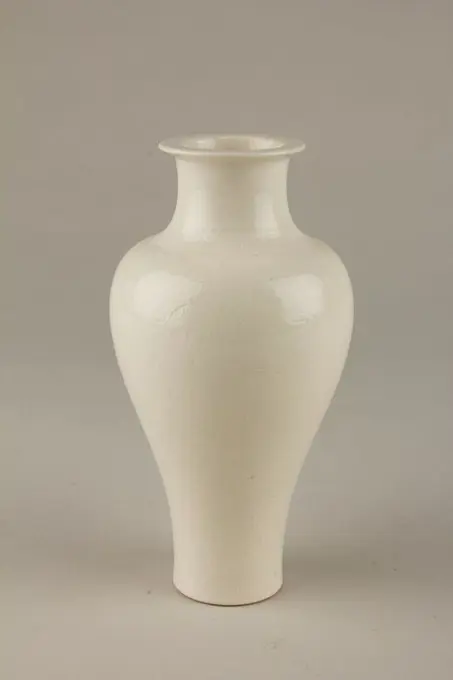
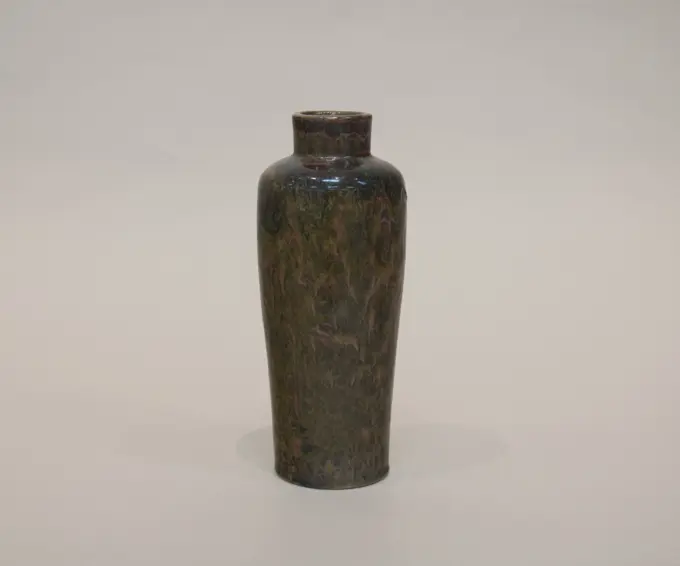
Vase, 1662-1722, H.8-1/2 in., Porcelain with celadon glaze, China, 17th-18th century
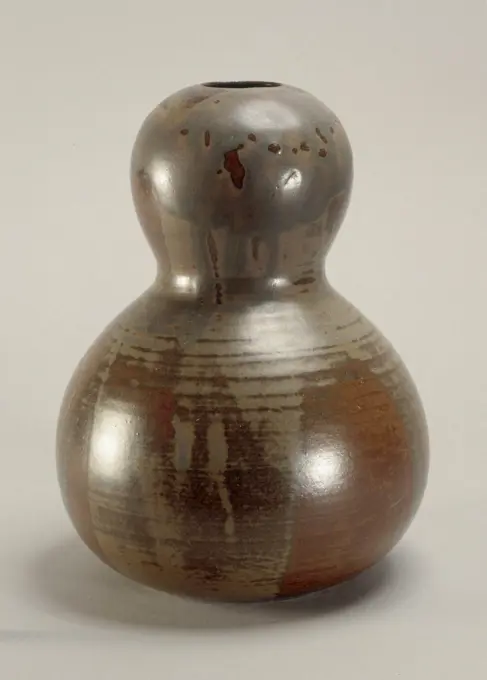
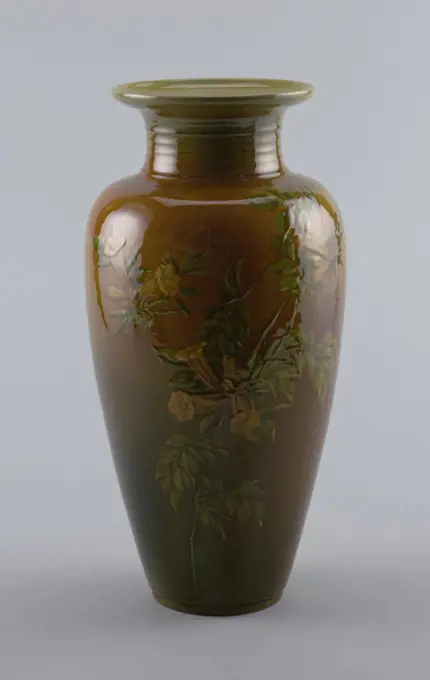
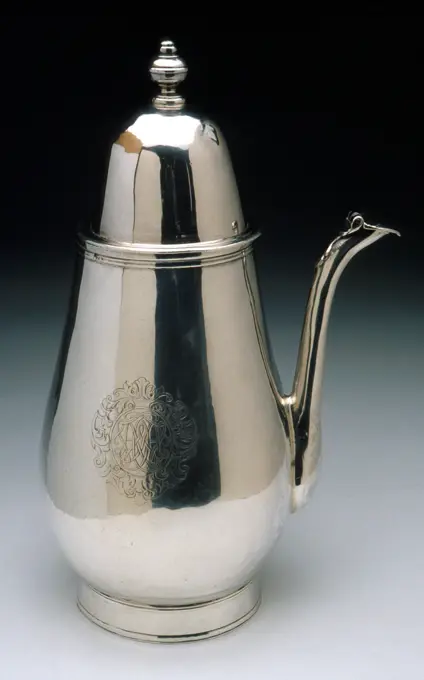
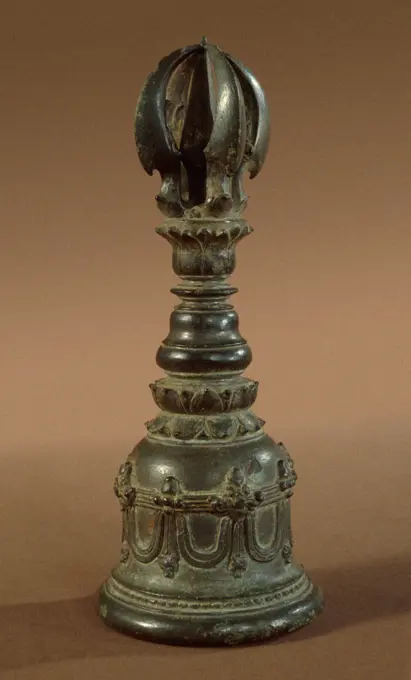
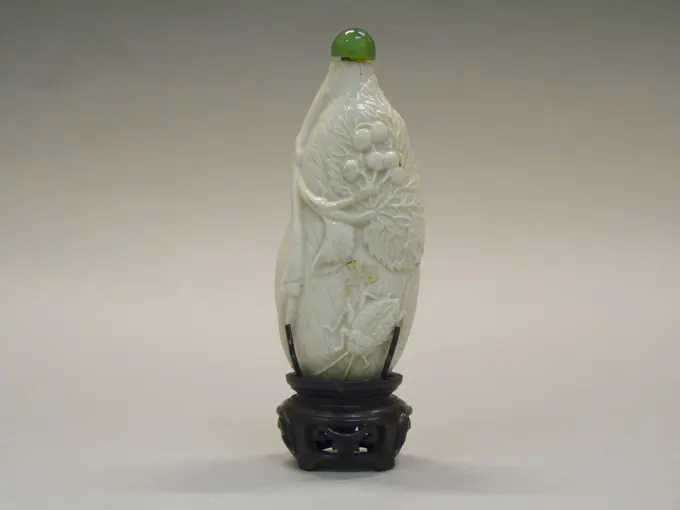
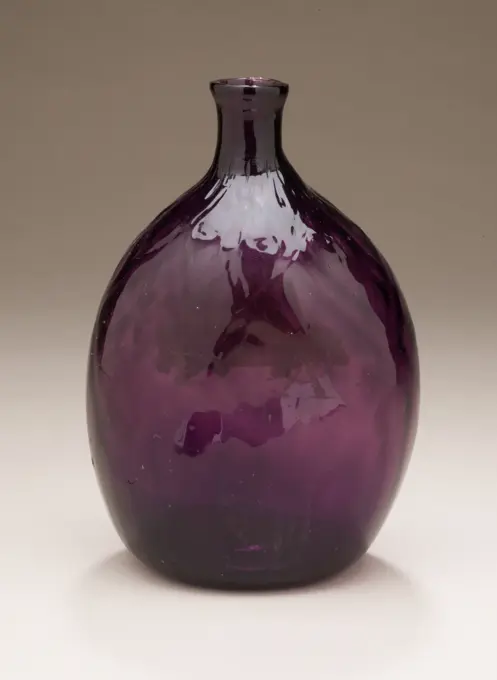
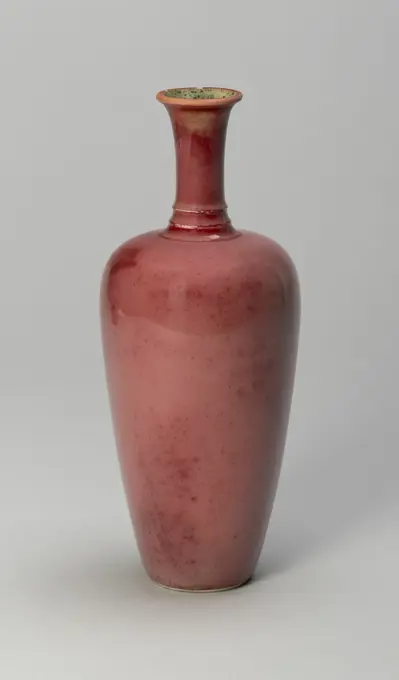
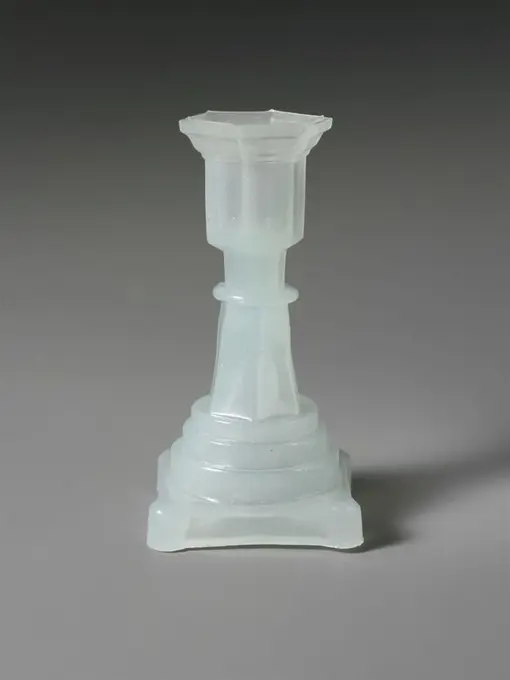
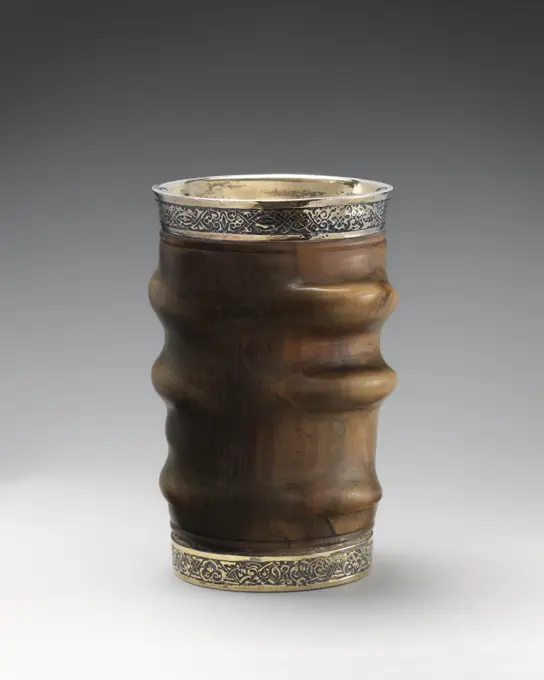
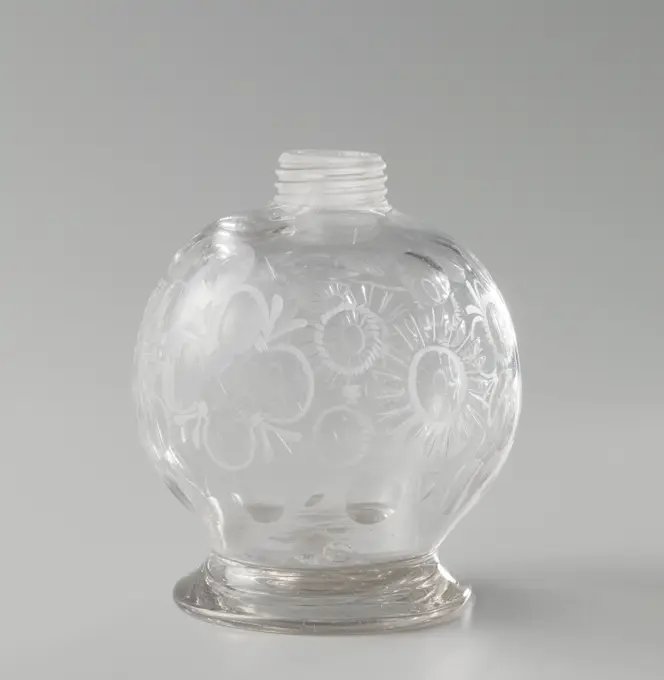
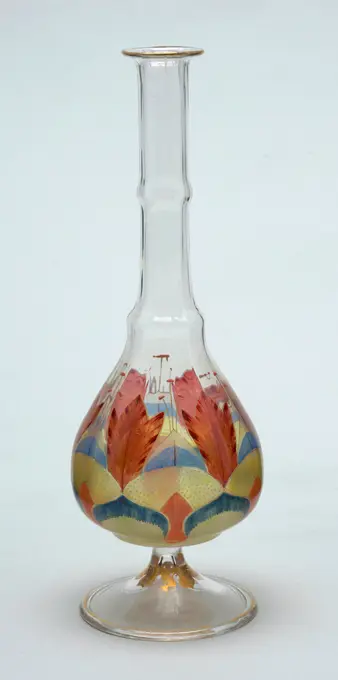
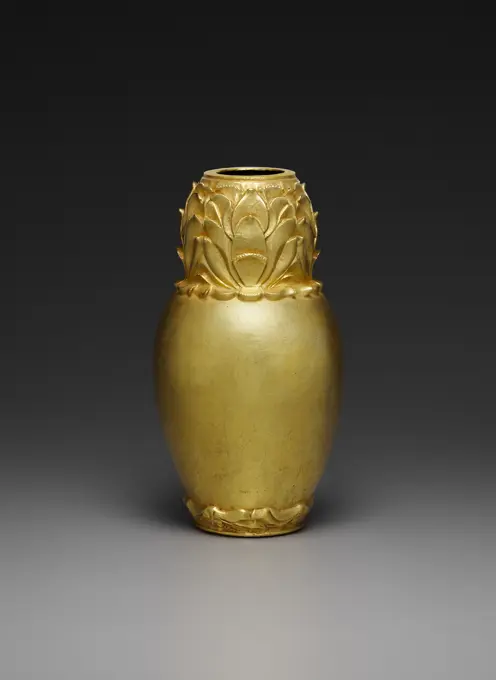
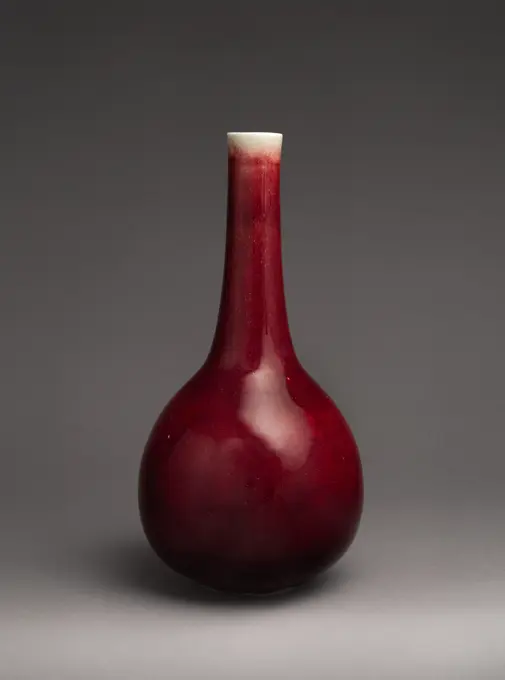
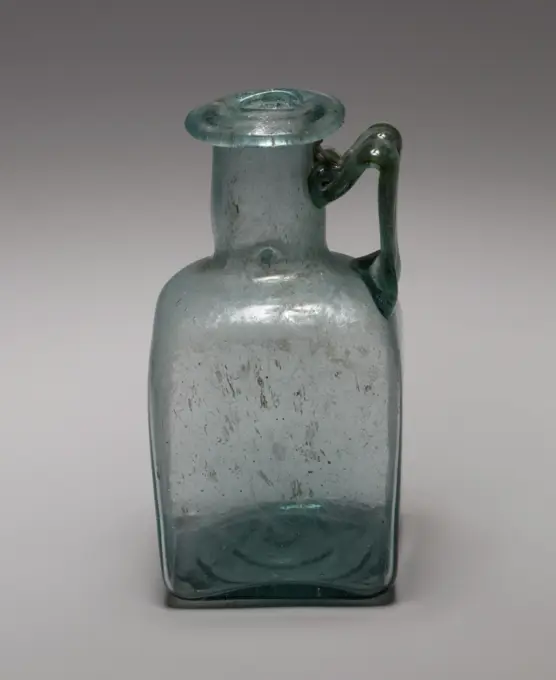
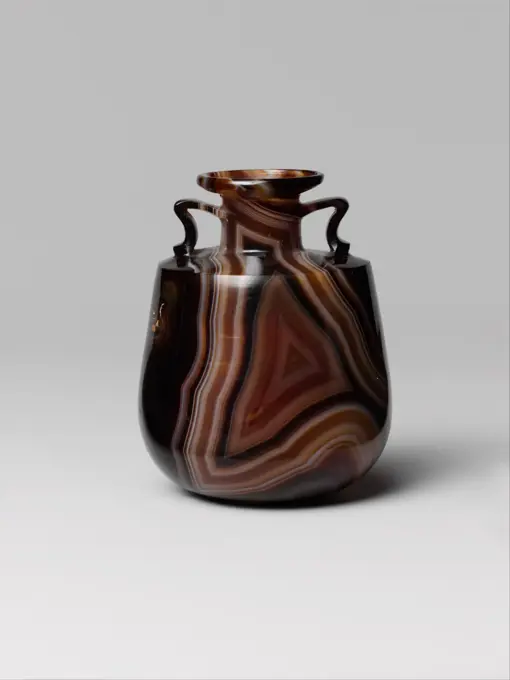
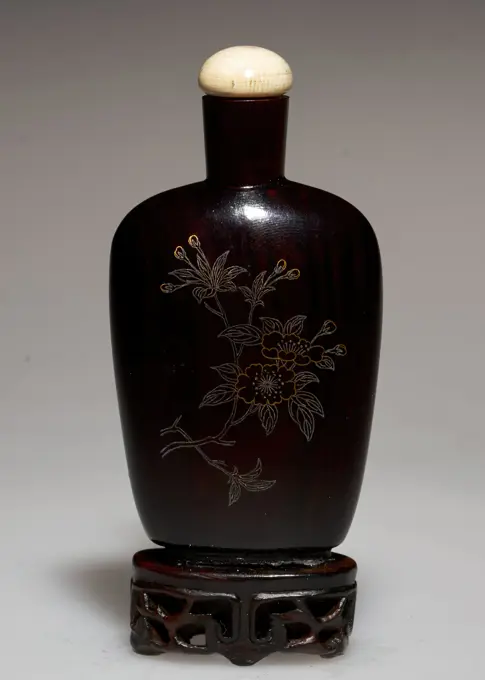
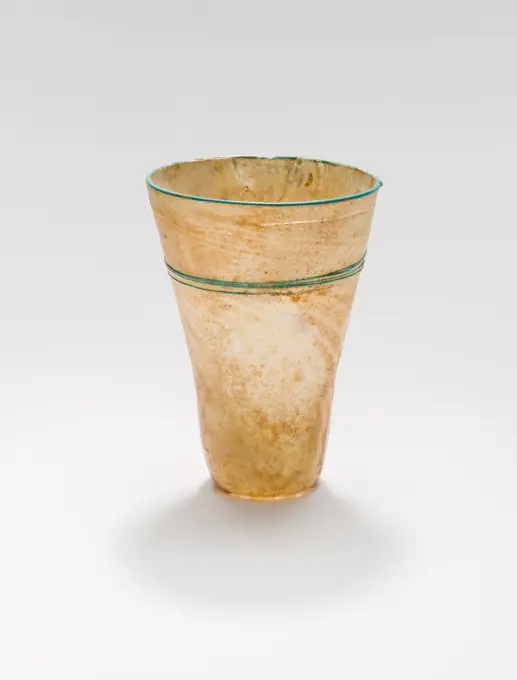
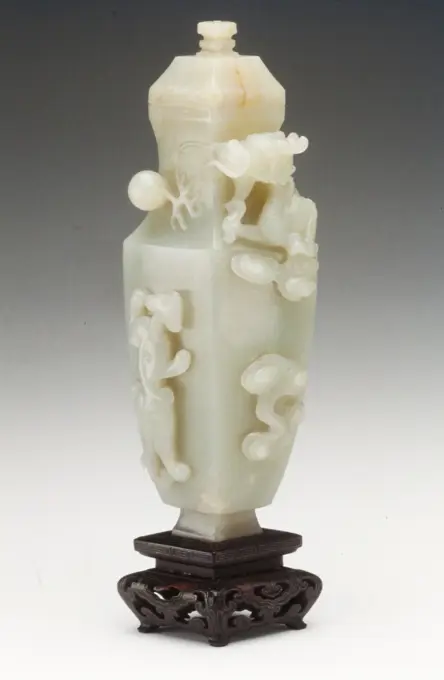
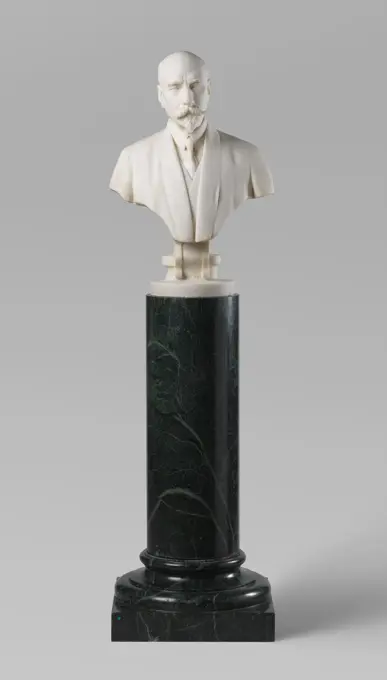
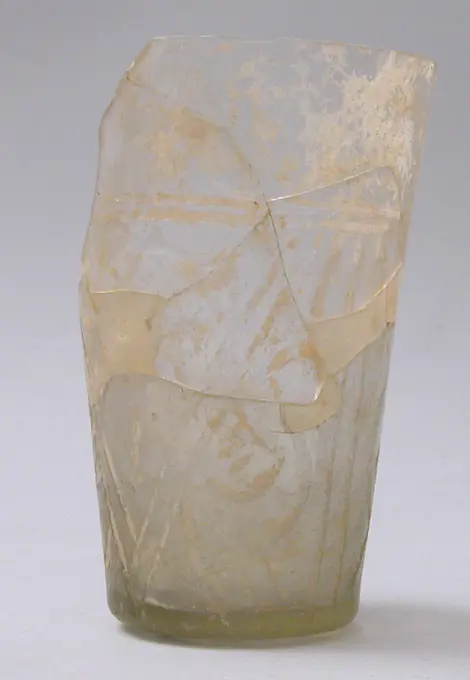
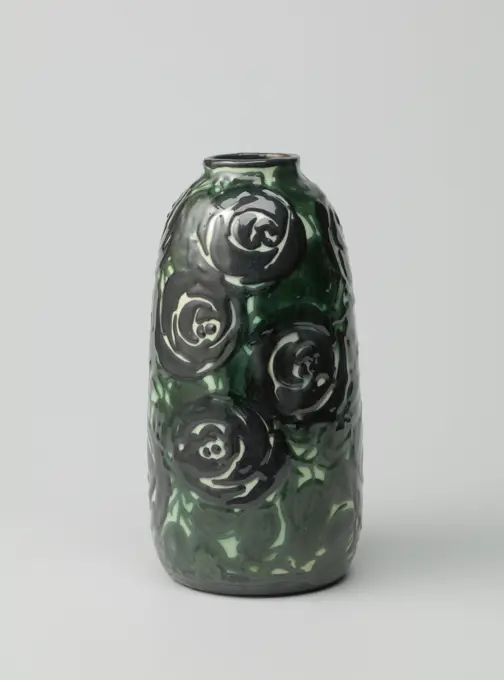
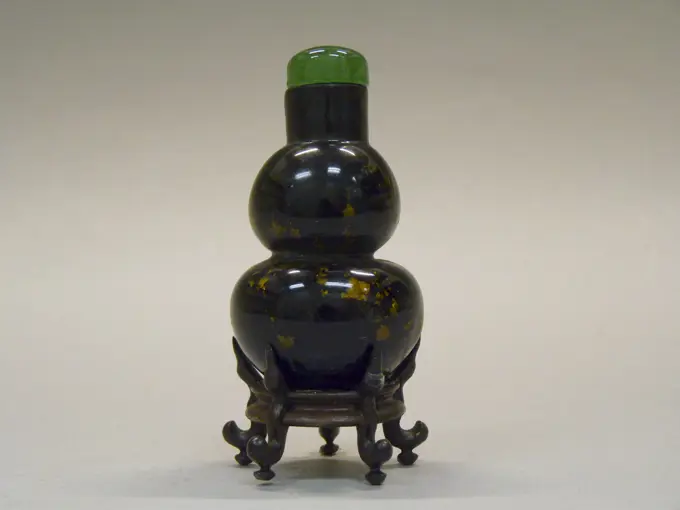
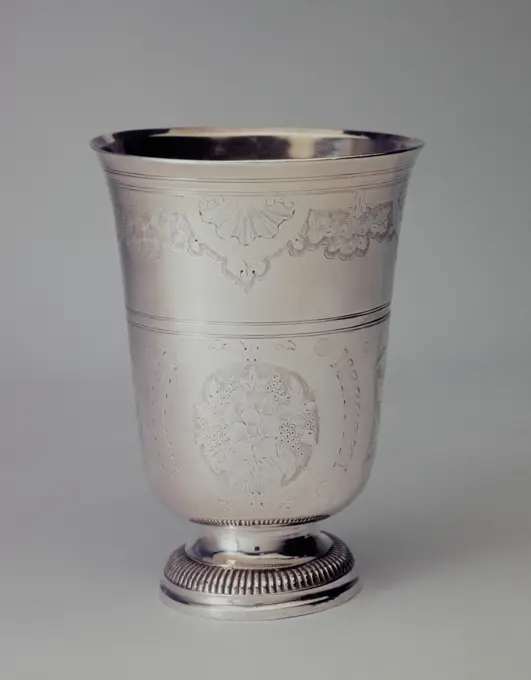
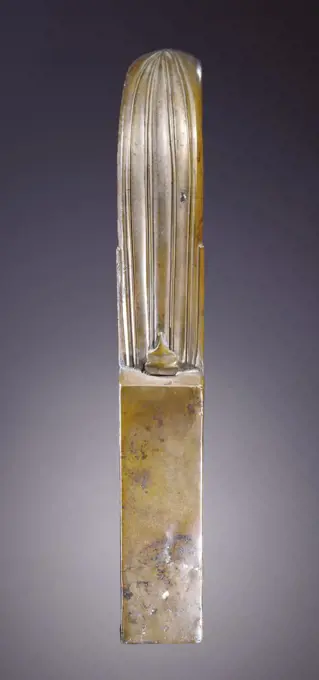
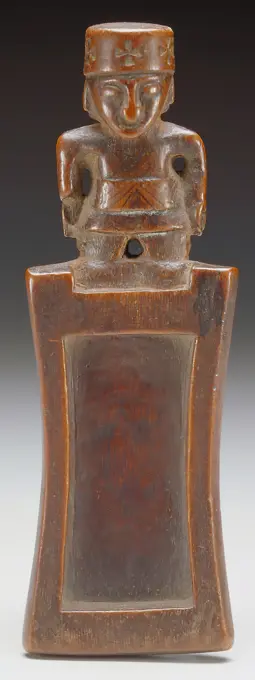
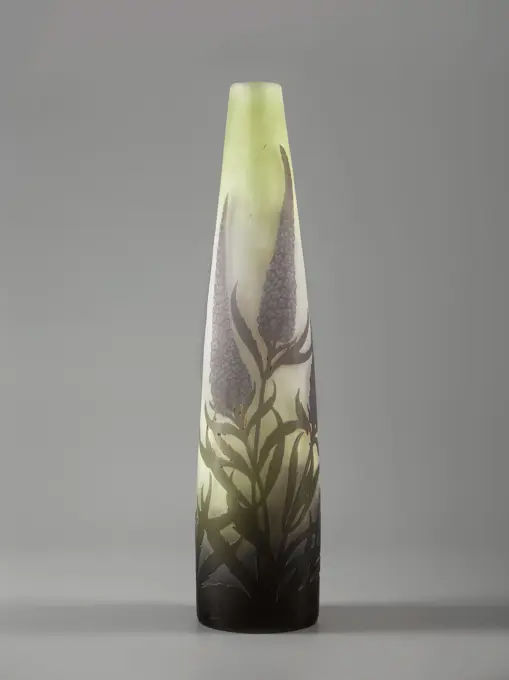
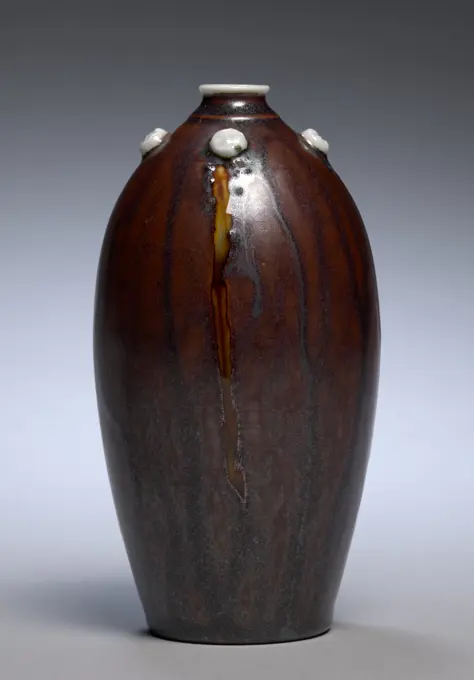
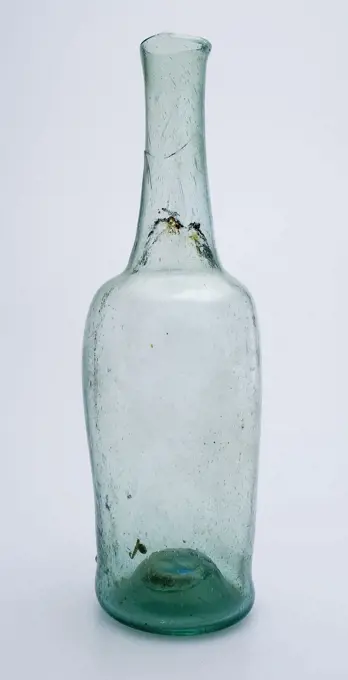
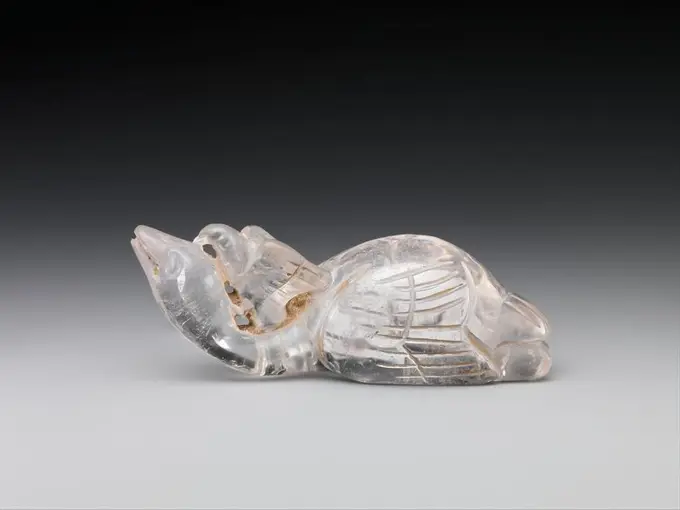
Vase, 1662-1722, H.8-1/2 in., Porcelain with celadon glaze, China, 17th-18th centuryBottle Stopper (possibly Ireland); glassBottle, glass, Oviform body on splayed foot, with flared lip and pouring spout; cut diamond-band center, flat vertical facets above, twisted flutes below, scalloped lip rim; cut spiral fluting top of stopper., Ireland, ca. 1810, glasswares, Decorative Arts, bottle, bottleVase. Culture: China. Dimensions: H. 6 1/4 in. (15.9 cm). Museum: Metropolitan Museum of Art, New York, USA.Vase;  1736-1795 (1736-00-00-1795-00-00);Paderewski, Ignacy Jan (1860-1941), Paderewski, Ignacy Jan (1860-1941)-collection, Qianlong (style), Qing (style), Chinese (culture), gift (provenance), Chinese artDecanter with Rose, Thistle, and Shamrock, Cut and engraved blown glass, Bulbous lightly blown body, 2 neck rings-knotched, everted lip, row of everted lip, row of faint molded vertical fluting bottom of sides, above engraved with a rose, thistle and shamrock; target-shaped stopper with waffle pattern; pontil mark surrounded by makers mark (faint) and light fluting to edges., Ireland, ca. 1800, glasswares, Decorative Arts, decanter, decanterVase (USA); Manufactured by Dedham Pottery; Made by Hugh Cornwall Robertson (1845 - 1908); glazed stonewareBottle, glass, Oviform body on splayed faceted foot, with flared lip and pouring spout; cut diamond band center, flat vertical facets above, twisted flutes below, scalloped lip rim; cut spiral fluting top of stopper., Ireland, ca. 1810, glasswares, Decorative Arts, bottle, bottleStop of oil and vinegar bottle consisting of two glass bottles and a pepper bus in a holder, Jan Hendrik Middelhuysen (attributed to), 1783 Stop bottle, decorated with various sharpening. The narrow neck ends in a wide spout. The straight ear runs from the top of the neck to the belly of the bottle. Amsterdam glass Stop bottle, decorated with various sharpening. The narrow neck ends in a wide spout. The straight ear runs from the top of the neck to the belly of the bottle. Amsterdam glassWhale Oil Lamp 1830-40. Whale Oil Lamp 5438Bottle 100 BCE-1 BCE Syria. Glass, blown technique . Ancient RomanJug 17th-18th century possibly Spanish. Jug. possibly Spanish. 17th-18th century. Glass. GlassBottle vase 18th century China. Bottle vase. China. 18th century. Porcelain with light yellow glaze (Jingdezhen ware). Qing dynasty (1644-1911). CeramicsBeaker. Nieokreślona huta, factoryJean Carriès (1855-1894). "Small depression pot". Enamelled sandstone and golden drips. Museum of Fine Arts of the City of Paris, Petit Palais. 24203-20 Ceramic, golden flow, depression, emaille gres, small potCan. Round can of unforded faience, on a stand ring. The wall of the can be slightly lobbed by diagonal incense lights and the narrow cylindrical neck has a slightly sneb. The ear is C-shaped.Jug. Bolesławiec (ośrodek ceramiczny ; ca 1400- ), potter's workshop, Altmann, Johann Gottlieb (1780-1851), ceramistPIEZA DE VIDRIO DE LA GRANJA. Location: MUSEE D'ARTS DECORATIFS. MADRID. SPANIEN.Jean Carriès (1855-1894). "Gourd". Enameled sandstone. Museum of Fine Arts of the City of Paris, Petit Palais. Gouge Ceramic, Ceramic, Enamed Stoneware, Flask, Gourde, Gres EmailleCruet 1885-90 American. Cruet 2752VaseVase, Rookwood Pottery, American, 1880 - 1967, Glazed and hand-painted earthenware, Elongated ovoid body, yellow-brown ground shading into olive green at base and neck and lip; body decorated with clusters of yellow trumpet flowers with green leaves and stems; neck encircled by six bands with chevron pattern; flaring, upturned lip; brilliant glaze. Sketch for group of unfinished trumpet flowers on upper portion of body., Cincinnati, Ohio, USA, 1888, ceramics, Decorative Arts, VasePurportedly John Fletcher, Coffeepot (spurious), probably late 19th-early 20th century, silver.Example of Roman glass during the 2nd Century ADSmall Vase. Culture: China. Dimensions: H. 5 3/4 in. (14.6 cm). Date: late 18th-early 19th century. Museum: Metropolitan Museum of Art, New York, USA.Buddhist Priest's Bell. Indonesia, Central Java, circa 9th century. Tools and Equipment; musical instruments. Copper alloyJar and Cover, 1859-75. Lead glass. Designer: Philip Webb. Manufacturer: James Powell & Sons .Covered Goblet with Landscapes. Silesia, possibly Warmbrunn, circa 1750-1760. Furnishings; Serviceware. Glass, giltPhial; Non -like Lona Huta; 1. W. 18th century (1700-00-00-1725-00-00);Vase. Culture: China. Dimensions: H. 8 3/4 in. (22.2 cm); W. 4 3/4 in. (12.1 cm). Museum: Metropolitan Museum of Art, New York, USA.Snuff Bottle China. Snuff Bottle 41612Pocket Bottle. Attributed to Henry William Stiegel (Germany, Cologne, active United States, Pennsylvania, 1729-1785). United States, Lancaster, Pennsylvania, 1763-1774. Furnishings; Accessories. Pattern-molded blown glassChestnut Flask, 19th century, 7 x 5 1/4in. (17.8 x 13.3cm), Glass, United States, 19th centuryThree-String Bottle Vase 1662-1722 China. Porcelain with copper-red (peachbloom) glaze and underglaze molded decoration .Pair of Urns. UnknownCovers; Non -like Lona Huta; 2. W. 18th century (1725-00-00-1750-00-00);Candlestick. Culture: American. Dimensions: H. 5 1/8 in. (13 cm). Date: 1840-60. Museum: Metropolitan Museum of Art, New York, USA.Glass - Krautrunk; Non -like Lona Huta; 16th century (1500-00-00-1600-00-00);Ibex beaker with engraved base ca. 1600 German, the mounts probably Salzburg The hunting of the alpine ibex, a wild goat species endangered as early as the eighteenth century, was restricted to the court of the prince-archbishops of Salzburg. Ibex horn is also significant in a pharmaceutical context: it allegedly possessed the ability to prevent poisoning and evil, as well as having aphrodisiac properties. Exuberant works of art made from ibex horn were sent to foreign courts as diplomatic gifts. The entry on the animal published in 1744 in Johann Heinrich Zedlers Universal-Lexicon notes, “Spoons, small bowls, or drinking vessels made out of ibex are incomparably healthy against poison and epilepsy.” This cup is exactly such a type.. Ibex beaker with engraved base. German, the mounts probably Salzburg. ca. 1600. Ibex horn, carved, turned and polished; gilded silver, etched. Metalwork-Gold and PlatinumBolf lesson with screw closure, with four passes and sunflowers, c. 1725 - c. 1750 Bolf lesson with screw closure. Vierpassen engraved on the body, interspersed with sunflowers. The glasses () Dop is missing. Bohemia glass grinding / glassblowing Bolf lesson with screw closure. Vierpassen engraved on the body, interspersed with sunflowers. The glasses () Dop is missing. Bohemia glass grinding / glassblowingVase. unknown, craftsmanVase. Culture: China. Dimensions: H. (with stand) 5 1/8 in. (13 cm); W. 2 in. (5.1 cm). Date: late 18th century. Museum: Metropolitan Museum of Art, New York, USA.Calebas's gourd with the characters of four Luohan;  1796 (1796-00-00-1796-00-00);depositsVase, 18th century, 13 x 7 9/16 x 7 9/16 in. (33.02 x 19.21 x 19.21 cm), Porcelain, China, 18th centuryDecanter (Austria); blown glassDouble-Handled Flask 301 CE-400 CE Levant. Glass . Ancient RomanFlask. UnknownBottle (Kuttrolf) probably 17th century German. Bottle (Kuttrolf). German. probably 17th century. Glass. GlassFiligrane glass lid, anonymous, c. 1650 - c. 1700 Vaulted lid with overhanging edge and twisted button with one disc. Lid and button of filigree glass A Fili and A Retortoli. Low Countries glass glassblowing Vaulted lid with overhanging edge and twisted button with one disc. Lid and button of filigree glass A Fili and A Retortoli. Low Countries glass glassblowingGoblet with Cover. Germany. Date: 1736. Dimensions: H. 28.1 cm (11 1/16 in.). Glass. Origin: Germany. Museum: The Chicago Art Institute, Chicago, USA.Berkmeier with the coat of arms of the Grave family, Anonymous, c. 1680 - c. 1700 Berkmeier with the weapon and arms spell of the Grave family. The weapon spell is: Ingu i n. Passe. LA. Force. glassblower: Low CountriesNorthern Netherlands glass glassblowing Berkmeier with the weapon and arms spell of the Grave family. The weapon spell is: Ingu i n. Passe. LA. Force. glassblower: Low CountriesNorthern Netherlands glass glassblowingContainer with LotusPetalsVase China. Vase. China. Porcelain. Qing dynasty (1644-1911), Kangxi period (1662-1722). CeramicsPrzeszo Przyszoci Schneider, Christian Gottfried (1710 1773)Glass square bottle 1st-3rd century A.D. Roman Translucent blue green; handle in same color.Rim folded out, down, round and in, forming a circular constricted mouth with a beveled upper surface; cylindrical but slightly convex neck with a horizontal tooled indent around the base; sloping shoulder with rounded corners; square body with flat sides slightly tapering downward; slightly concave bottom; flattened two-rib handle applied as a long pad to shoulder, drawn up vertically, then bent in and down, and attached to neck with upward trail.On bottom, pattern in relief from base mold, comprising four small V-shaped brackets at corners, two concentric circles and a central boss; on one side between circles a raised segment, possibly of blurred letters.Intact; many pinprick and some larger bubbles, handle streaked with black impurities, and one white glassy impurity in neck; thin patches of weathering and faint iridescence.Rectangular, with round neck and mouth.. Glass square bottle. Roman.Kan, anonymous, c. 1750 Can on Concave Voet. Spherical body transfer in a slender neck with a bent spout, optically blown with vertical ribs. C-shaped Venice (possibly) glass glassblowing Can on Concave Voet. Spherical body transfer in a slender neck with a bent spout, optically blown with vertical ribs. C-shaped Venice (possibly) glass glassblowingMaker Unknown, Cologne Bottle or Cruet and Stopper, c. 1820-c. 1840, cobalt blue glass.QuartBottle. Maker, probably by: Kensington Vial and Bottle Works of Sheets and DuffyGlass punch bowl from the 1950s, Industrial Museum Lauf an der Pegnitz, Middle Franconia, Bavaria, Germany, EuropeCarafe in the form of an eagle, anonymous, c. 1800 - Before 1875 Vase -shaped body with thick ribs, mounted in the shape of an eagle, with two legs, a tail and an eagle's head of gilded silver. Tail, neck and head are engraved with scales; The tail, neck and head with feathers. Germany (possibly) Glass. frame: Silver (Metal) glassblowing / gilding / engraving Vase -shaped body with thick ribs, mounted in the shape of an eagle, with two legs, a tail and an eagle's head of gilded silver. Tail, neck and head are engraved with scales; The tail, neck and head with feathers. Germany (possibly) Glass. frame: Silver (Metal) glassblowing / gilding / engravingPear-shaped vase with chilong dragon and stand, anonymous, c. 1650 - c. 1699 Pear -shaped vase of porcelain, covered with a translucent white glazuur. The body of the vase runs strongly downwards, the neck with a thickening under the edge; On the neck a winding chilong (polled dragon). The standard with three curved legs and a raised edge where the foot ring of the vase fits. Blanc the Chine. China porcelain. glaze vitrification Pear -shaped vase of porcelain, covered with a translucent white glazuur. The body of the vase runs strongly downwards, the neck with a thickening under the edge; On the neck a winding chilong (polled dragon). The standard with three curved legs and a raised edge where the foot ring of the vase fits. Blanc the Chine. China porcelain. glaze vitrificationTin Communion Cruet. Found at Weoley Castle, Birmingham, a Birmingham Museums Trust heritage siteSnuff Bottle with Antiquarian Design late 18th-early 19th century China. Snuff Bottle with Antiquarian Design 41737Beaker. Culture: American. Dimensions: Overall: 5 3/8 in. (13.7 cm); 7 oz. 6 dwt. (227.3 g)Lip: Diam. 4 1/8 in. (10.5 cm)Base: Diam. 3 7/16 in. (8.7 cm). Maker: John Hull (1624-1683); Robert Sanderson Sr. (ca. 1608-1693). Date: ca. 1670. Museum: Metropolitan Museum of Art, New York, USA.Jug - Eberhardt & Halm Eberhardt & HalmBottle 20th century China. Bottle. China. 20th century. Porcelain with ox-blood glaze. CeramicsPedim made of wood, c. 1900 Pedestment made of wood. The pedestal belongs to a vase.  wood (plant material) Pedestment made of wood. The pedestal belongs to a vase.  wood (plant material)Banded agate amphoriskos (perfume bottle) late 1st century B.C.-early 1st century A.D. Roman In Hellenistic and Roman times, vessels made in semiprecious stone were much sought after as symbols of wealth and sophistication. They were used as diplomatic gifts or treasured as heirlooms, and many of them found their way into royal tombs or imperial collections, both in antiquity and later. Their rarity also encouraged imitations in both glass and pottery.. Banded agate amphoriskos (perfume bottle). Roman. late 1st century B.C.-early 1st century A.D.. Banded agate. Early Imperial, Augustan or early Julio-Claudian. Miscellaneous-Stone VasesTripod Base, 100-1 BC. Italy, Roman, 1st Century BC. Bronze; overall: 77 x 32.3 x 28 cm (30 5/16 x 12 11/16 x 11 in.).Camel-Back Bottle 19th century Thick glass bottles such as this example were used for transporting liquids across distances. The thickness of the body rendered them sturdy and virtually unbreakable. A unique feature of such bottles is that they were not intended to stand on a surface but were packed, perhaps in saddle bags, and carried on the back of an animal such as a camel, horse or a donkey.. Camel-Back Bottle. 19th century. Glass; applied decoration. Made in Iran, Shiraz. GlassFlaskSnuff bottle, 19th century, 3 in. (7.6 cm), Lacquer, jade, China, 19th centuryBeaker late 13th-early 14th century German or Swiss. Beaker 479463Beaker. Eastern Mediterranean, 12th-13th century. Glass. Glass, free-blown and tooled, with applied decorationCovered Bottle, 19th century, 8 1/4 in. (21cm), Foam green jade, China, 19th centuryBust of Mr. M.P. Voûte with pedestal, 1927 Frontal bust of a bare gentleman with mustache and sikbaard, and the head slightly nodded sideways, resting on volute -shaped support, which ends in a round -step foot. Inscription on the volute: Paul Voute and Signed: Fecit Maja Serger van Panhuys, Roma 1927; The bust includes a dark green marble column with a copper inscription plate: united Klattensche Cultuurmaatschappij to Haren President Mari Paul Voûte offered on the occasion of his seventieth birthday 6 June 1926. Rome marble (rock) Frontal bust of a bare gentleman with mustache and sikbaard, and the head slightly nodded sideways, resting on volute -shaped support, which ends in a round -step foot. Inscription on the volute: Paul Voute and Signed: Fecit Maja Serger van Panhuys, Roma 1927; The bust includes a dark green marble column with a copper inscription plate: united Klattensche Cultuurmaatschappij to Haren President Mari Paul Voûte offered on the occasion of his seventieth birthdCylindrical (wine) bottle, clock model, bottle holder soil find glass, free blown and molded in mold blown glass application Cylindrical (wine) bottle in clear green glass clock model. Pontil mark under broad upset bottom Straight body to convex shoulders and slightly rejuvenated neck with irregular irregular glass thread and sloppy flattened lip to which large (approx. 2.2 cm) chip missing archeology packagingBeaker 10th century The decoration on this beaker is divided into two rectangular panels, each with a large double-line V that cuts the field into triangles. There are plantlike motifs in the central triangles and stylized birds in the flanking ones. These patterns were created with a rotary, abrasive-fed tool after the beaker had been shaped and cooled. During this process, most of the glass surface was ground away so that the design would stand out in relief against the background.. Beaker 453851Stem of goblet, slender stem with long bubble, pontilmark, drinking glass drinking utensils tableware holder fragment soil find glass, free blown Stems of chalice. Clear and colorless glass. Iridescence oily discoloration Slender trunk with irregularly shaped air bubble Pontil mark archeology Valckensteyn Poortugaal Albrandswaard drinking wine serving serving Soil discovery: castle Valckensteyn in Poortugaal now Albrandswaard 1961-1962.Vase with decor of black flowers and green leaves in relief against a white stock, tonwerke kanern, c. 1909 Vase with decor of black flowers and green leaves in relief against a white stock. Marked: Stamp from the Tonwerke Kanernn factory and the number 455. maker: Kandernmaker: Karlsruhe earthenware Vase with decor of black flowers and green leaves in relief against a white stock. Marked: Stamp from the Tonwerke Kanernn factory and the number 455. maker: Kandernmaker: Karlsruhe earthenwareSnuff Bottle 19th century China. Snuff Bottle 41553Vase. Culture: China. Dimensions: H. 16 5/8 in. (42.2 cm). Date: late 18th-first half of the 19th century. Museum: Metropolitan Museum of Art, New York, USA.Jean Carron. "Cup". Money. 1789. Museum of Fine Arts of the City of Paris, Petit Palais. 74381-21 Money, silverware, gobletRosewater sprinkler or bottle vase with light brown and precious object and antiquities, anonymous, c. 1700 Rose water dripper or porcelain porcelain with pear-shaped body, covered with a cafe-au-lait glaze and painted in underly glaze blue. The lower part of the body is covered with a light brown enamel above which a strap with a thick naem -colored glaze; the upper part in underly glaze blue with servetwork interspersed with a flower in a medallion, above it valuables (pearl, window) and antiques (vase, tripod, scepter, books); The neck with pointed leaf motifs. Monochrome brown with blue and white. China porcelain. glaze. cobalt (mineral) painting / vitrification Rose water dripper or porcelain porcelain with pear-shaped body, covered with a cafe-au-lait glaze and painted in underly glaze blue. The lower part of the body is covered with a light brown enamel above which a strap with a thick naem -colored glaze; the upper part in underly glaze blue with servetwork interspersed with a Eight sideboard with diamond shaped metalloons and leaf ornament. Flat bottom. Octagonal body, flat shoulder and a low mouth with stretched thread. On the wide sides two diamond-shaped medallions with in gold leaf, engraving and red transparent paint protection a cupid and two pigeons. Under and above the windows in Radgravure stylized leaf ornament, on the corners a flower branch. Kit edges around the medallions.Strigil; Unknown; Roman Empire; 1st century; Bronze; Object: L: 22.3 x W (of handle): 3.1 x D (greatest): 11 cm (8 3/4 x 1 1/4 x 4 5/16 in.)Bottle. Culture: China. Dimensions: H. 7 in. (17.8 cm). Museum: Metropolitan Museum of Art, New York, USA.Bed Post Top. Dated: c. 1938. Dimensions: overall: 48.3 x 35.1 cm (19 x 13 13/16 in.) Original IAD Object: 10" high. Medium: watercolor and graphite on paper. Museum: National Gallery of Art, Washington DC. Author: Henry Murphy.Vessel late 16th century Italian, Milan or German The mounts are very similar to those of the mirror produced by the Sarachi brothers before 1580, which is in the Grüne gewölbe in Dresden. See also 17.190.534.. Vessel 198801Snuff tablet, 600-1000, 5 3/4 x 2 x 13/16 in. (14.61 x 5.08 x 2.06 cm), Wood, Bolivia, 7th-11th century, Tiwanaku was a powerful pre-Inka state centered on the southern shore of Lake Titicaca, near the border of todays Peru and Bolivia. At its height from 600-1000, an elite class of merchants traded in alpaca wool and used their amassed wealth to commission buildings, monuments, and personal objects to reflect their status. Hallucinogenic plants were pulverized into snuff on tablets like this one and taken to combat illness and fatigue and during religious ceremonies.Tea caddy (one of apair).   Maker: John Wolfe Forbes, American, 1781-1864Vase. Gallé, Emile (1846-1904), glassmaking companyVase, 1901. Sèvres Porcelain Factory (French, est. 1756), Taxile Maximin Doat (French, 1851-1939). Porcelain; overall: 17.5 x 8 x 8 cm (6 7/8 x 3 1/8 x 3 1/8 in.).Flower Vase late 18th century Japan. Flower Vase. Japan. late 18th century. Pottery covered with mottled glaze (Satsuma ware). Edo period (1615-1868). CeramicsCylindrical bottle, medicine bottle bottle holder soil find glass, free blown and molded in mold blown Cylindrical (medicine bottle in clear green glass (light in weight) Pontil mark under slightly raised bottom Bottom of body sagged after removal from mold Convex shoulders to rejuvenated sloppily finished neck (3.0 - 1.7 cm) with tension lines, mouth partly not finished archaeological packagingDrinking Vessel Shaped As a Deer Head. Western Iran, 1350-800 B.C.. Furnishings; Serviceware. CeramicMrs. Miniver Golf Tournament” Trophy.  Manufacturer: Meriden Britannia Company, American, 1852-1898 Manufacturer: International Silver Company, American, founded 1898Toggle in Shape of Hawk Attacking a Swan. Culture: China. Dimensions: H. 1 in. (2.5 cm); W. 1 in. (2.5 cm); L. 3 in. (7.6 cm). Date: 10th-11th century. Museum: Metropolitan Museum of Art, New York, USA.Teacaddy, late 1700s. Wedgwood Factory (British). Cream-colored earthenware; overall: 14.3 cm (5 5/8 in.).Minimalist White Ceramic Vase Against Wooden cladding A textured white vase stands on a polished wood table, complemented by the diagonals of a wooden cladding Copyright: xZoonar.com/KHALEDxELADAWYx 21459856