Elegant Vases and Bottles

A collection of decorative vases and bottles in various styles, including porcelain and glass, showcasing intricate designs and historical craftsmanship.

Vase, 1662-1722, H.8-1/2 in., Porcelain with celadon glaze, China, 17th-18th century
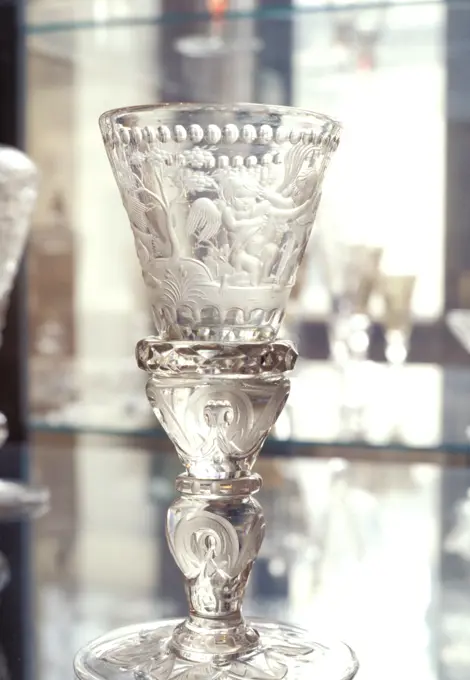
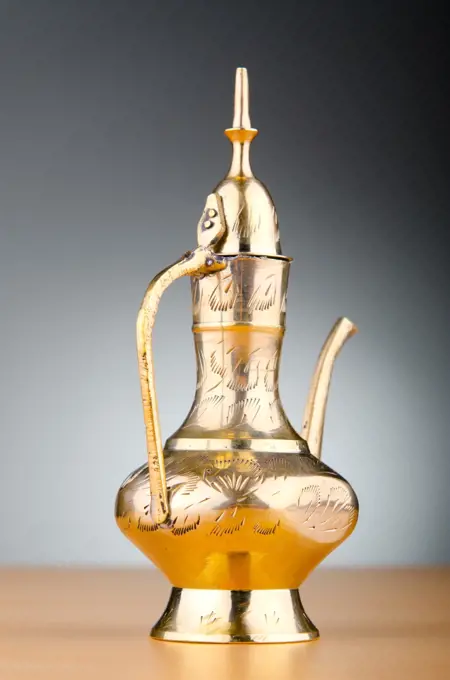
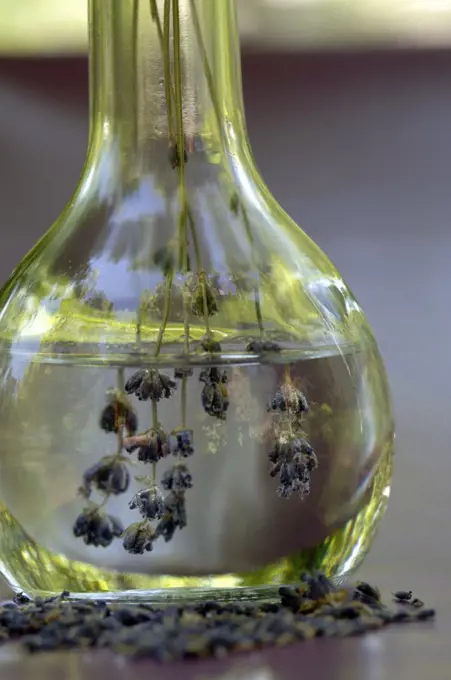
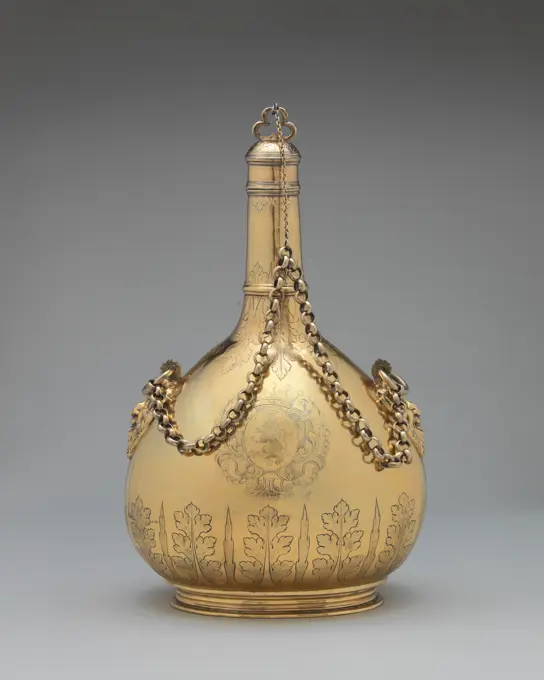
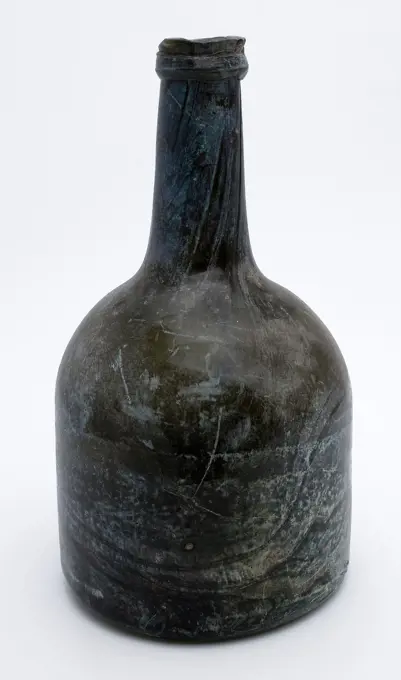
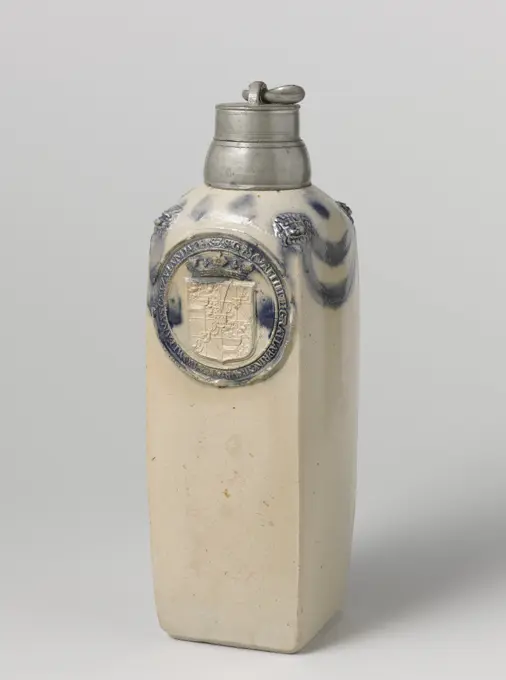
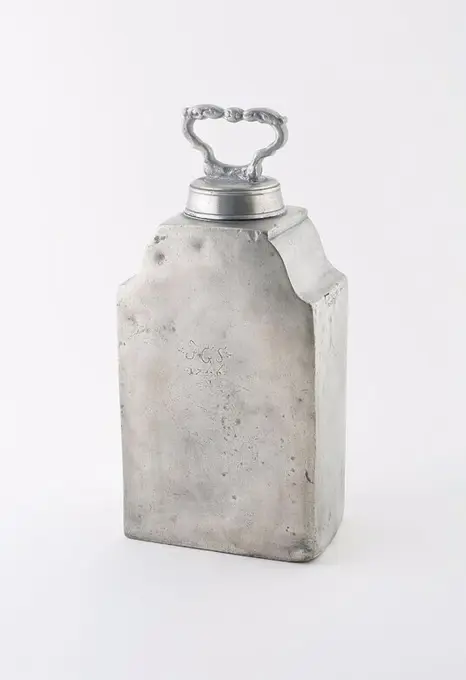
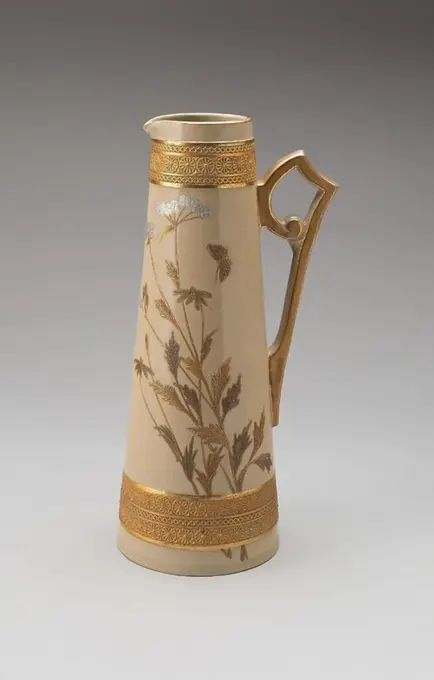
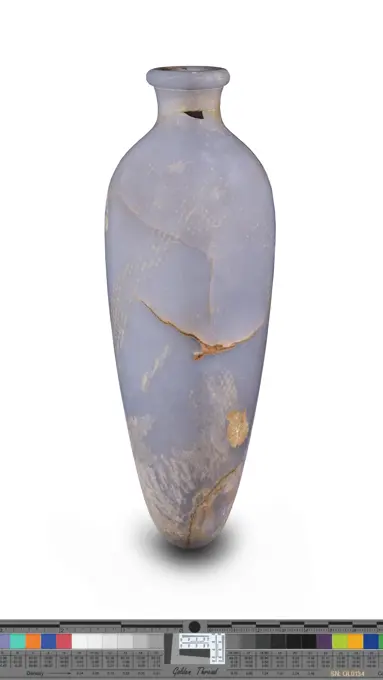
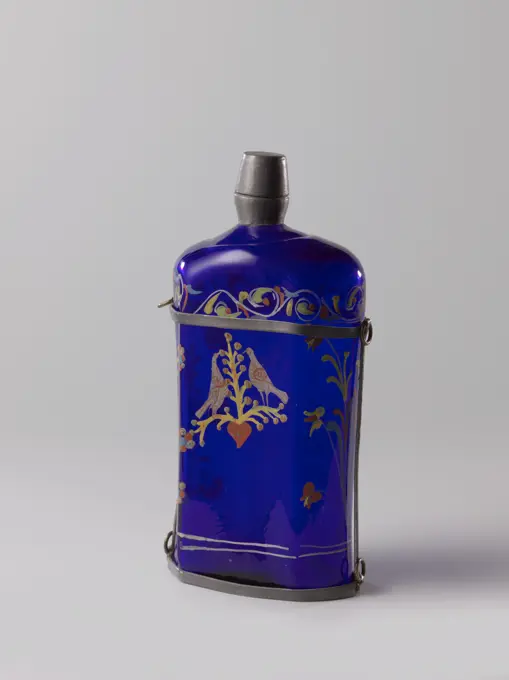
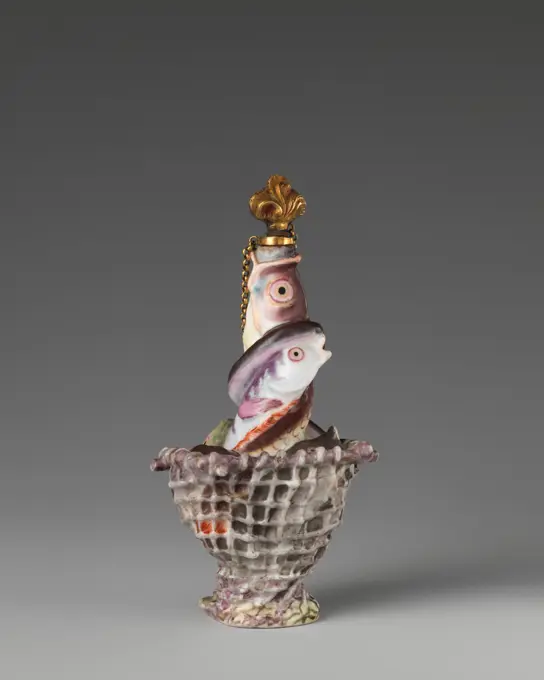
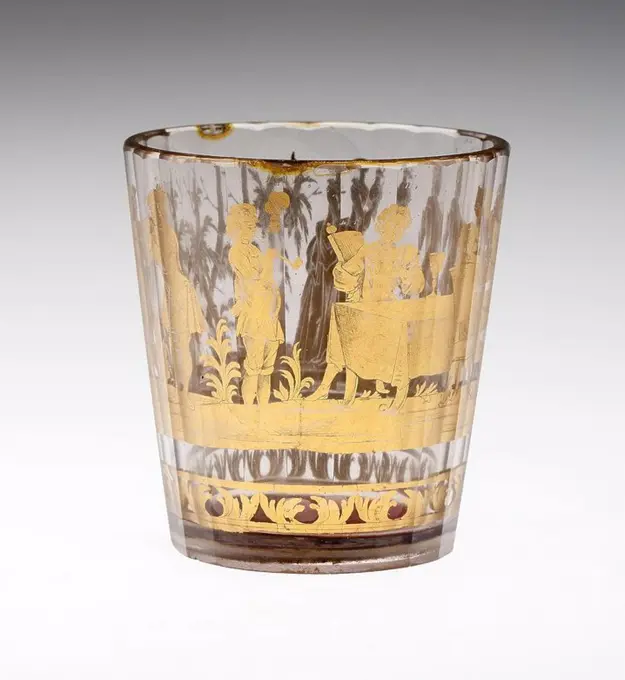
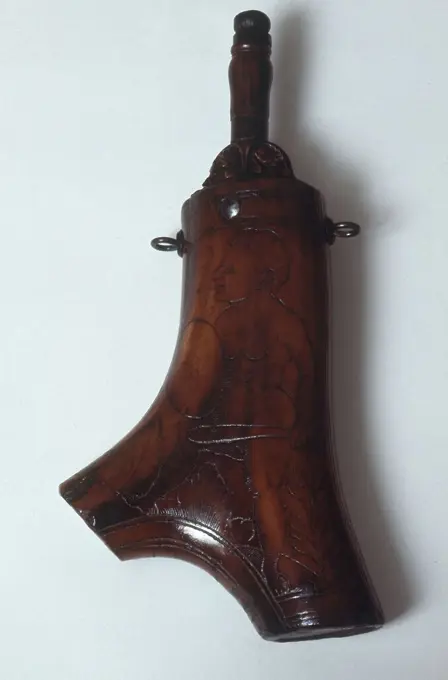
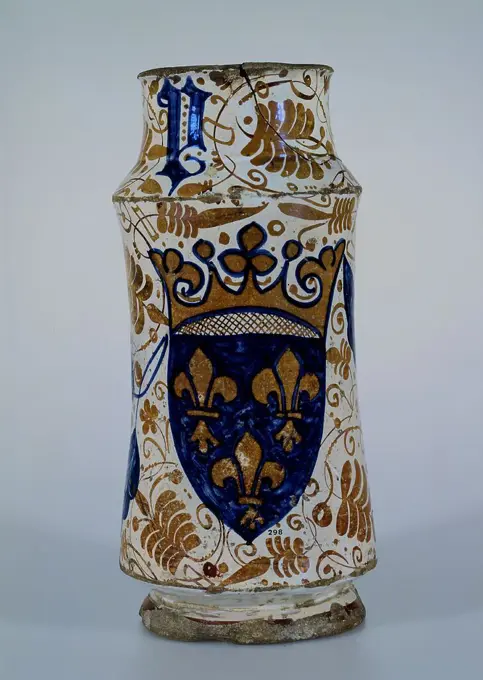
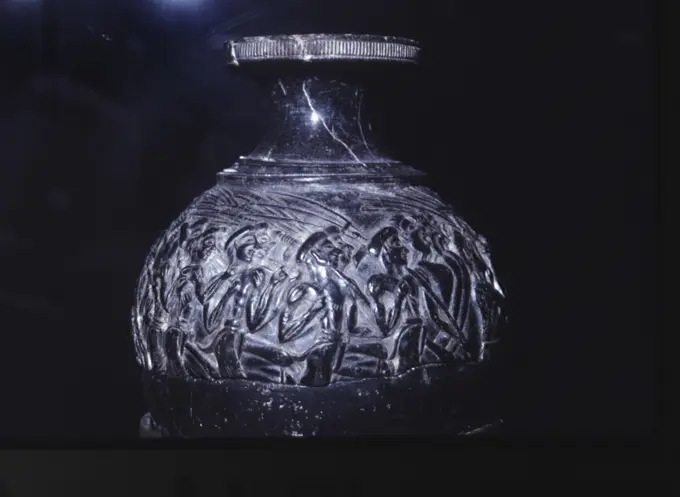
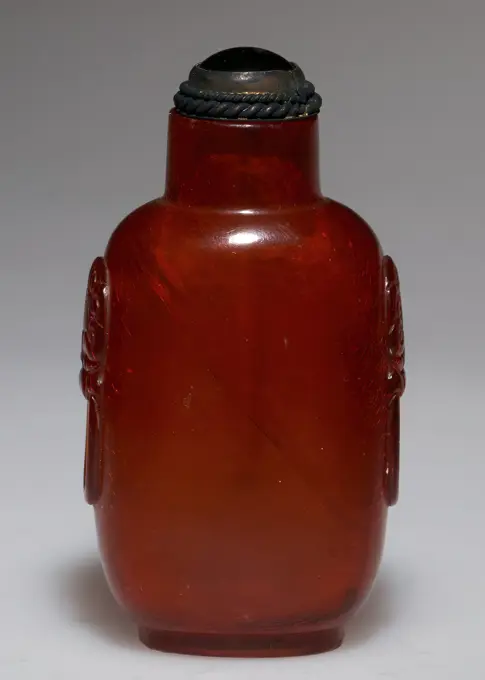
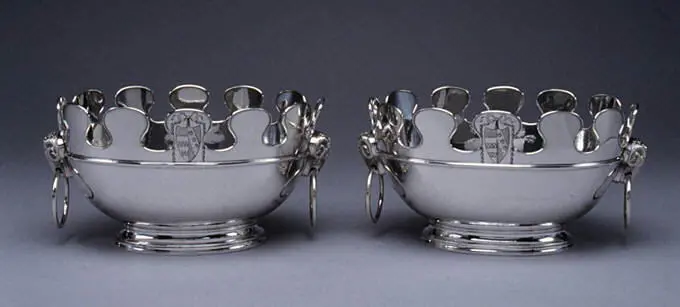
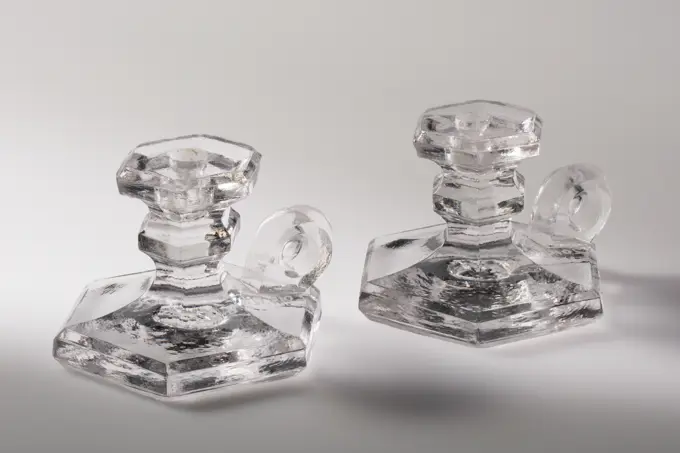
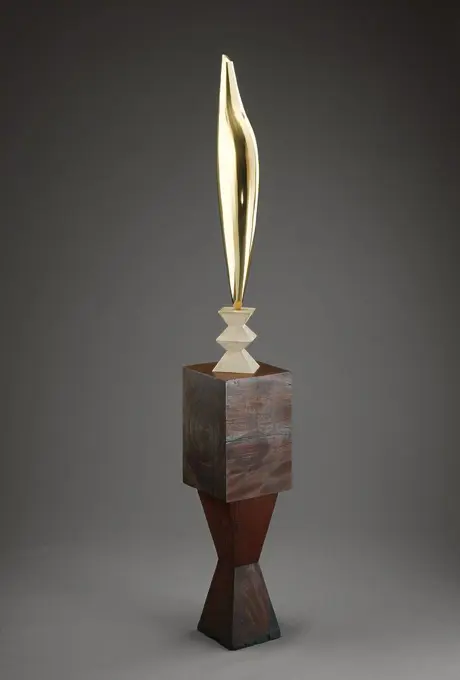
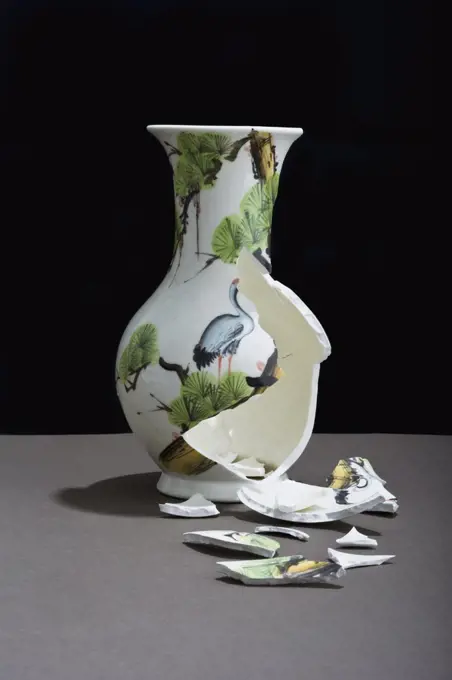
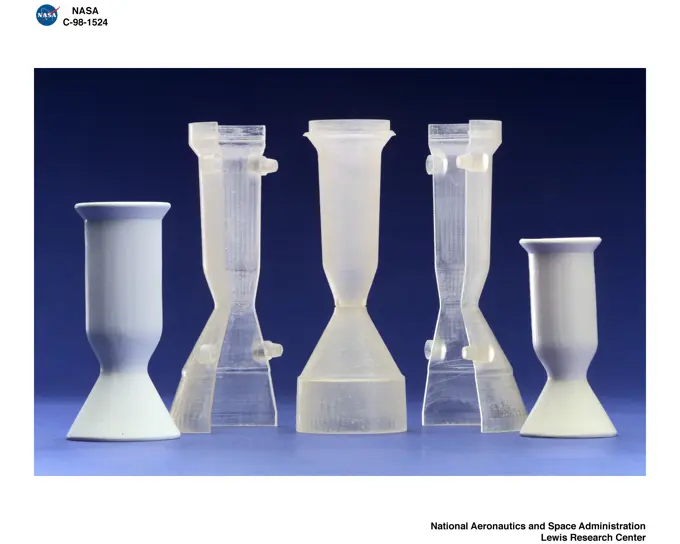
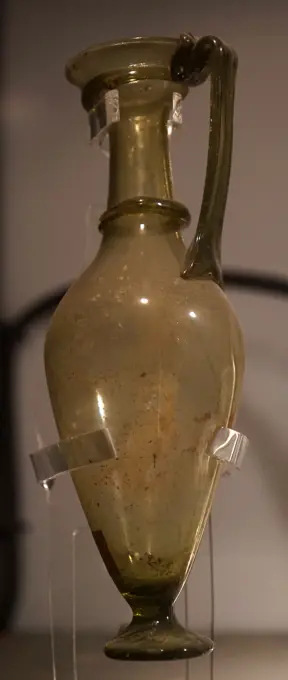
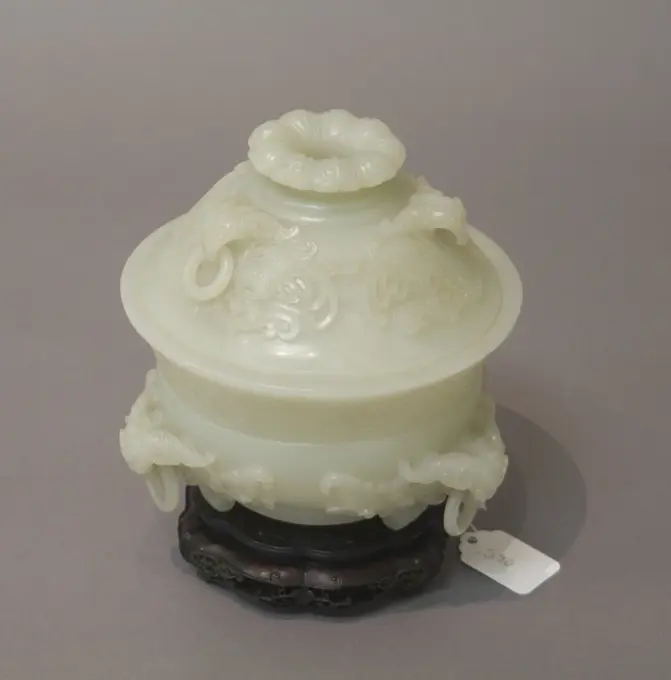
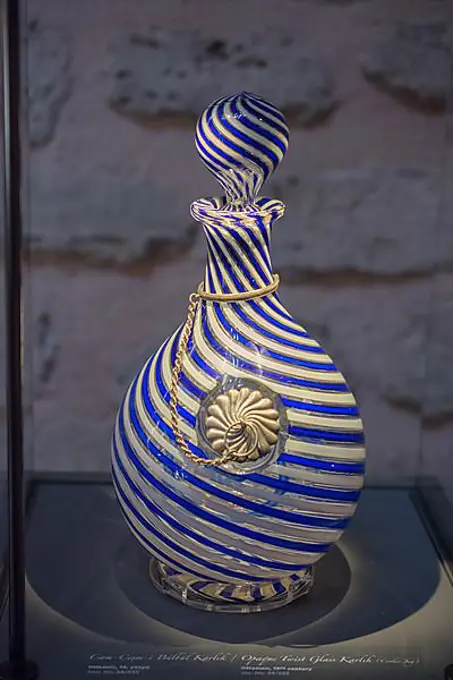
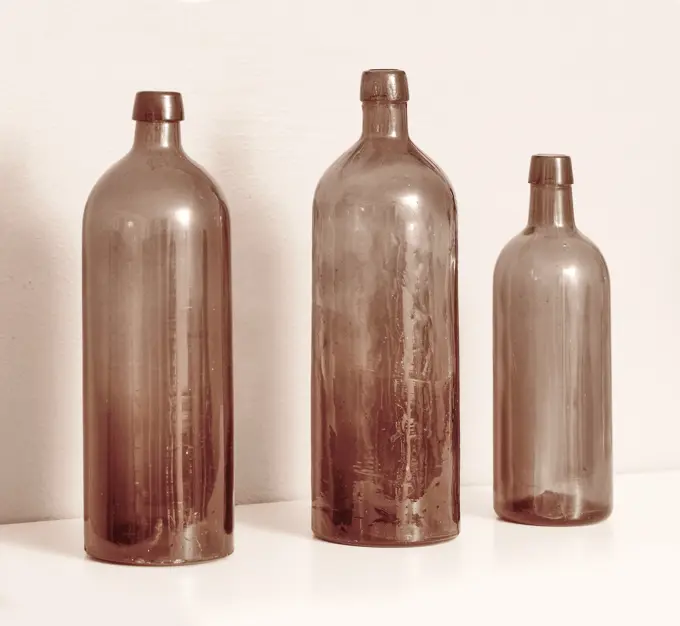
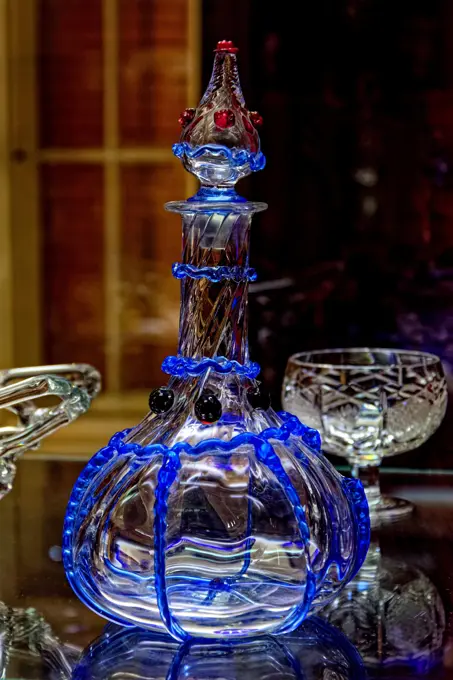
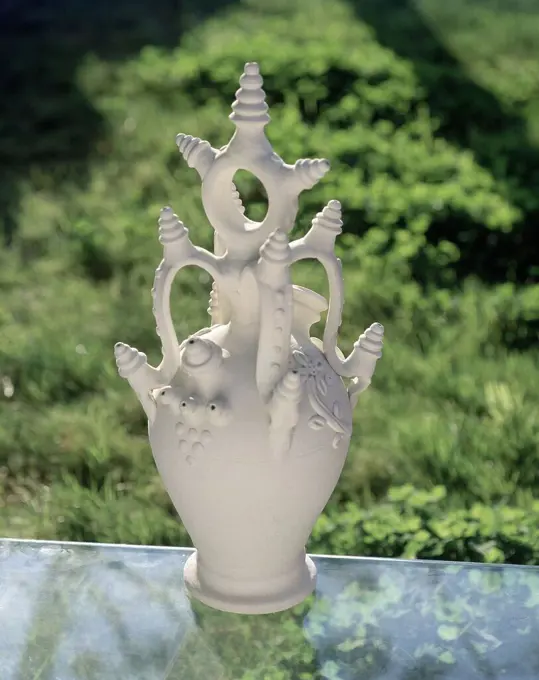
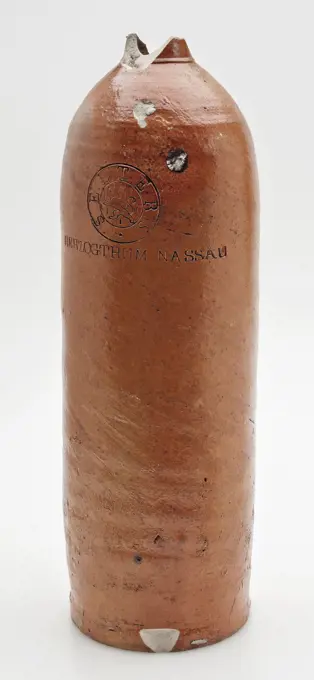
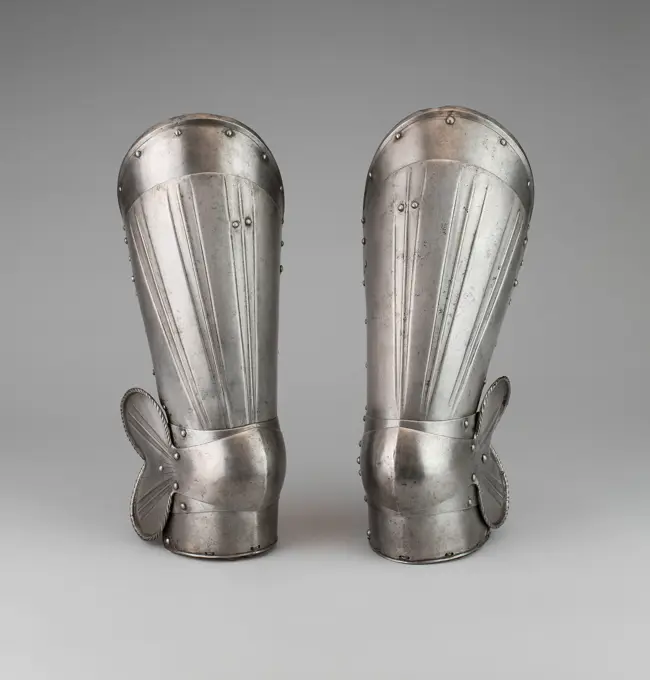
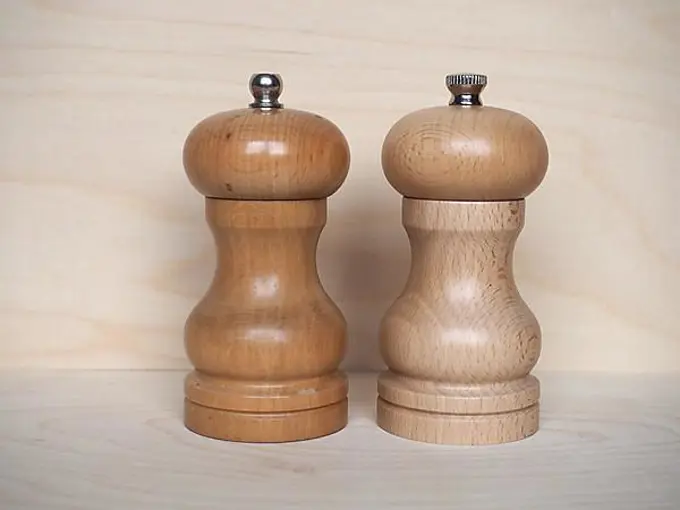
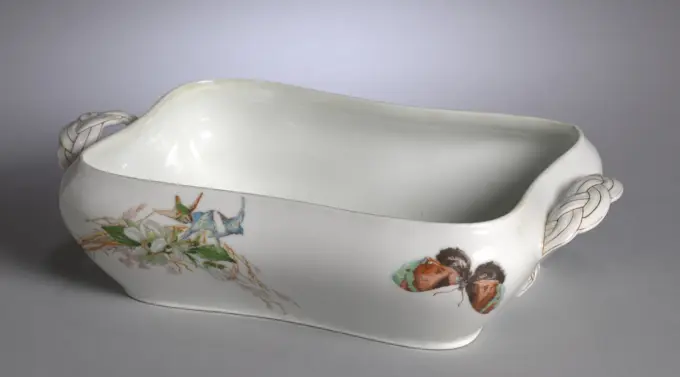
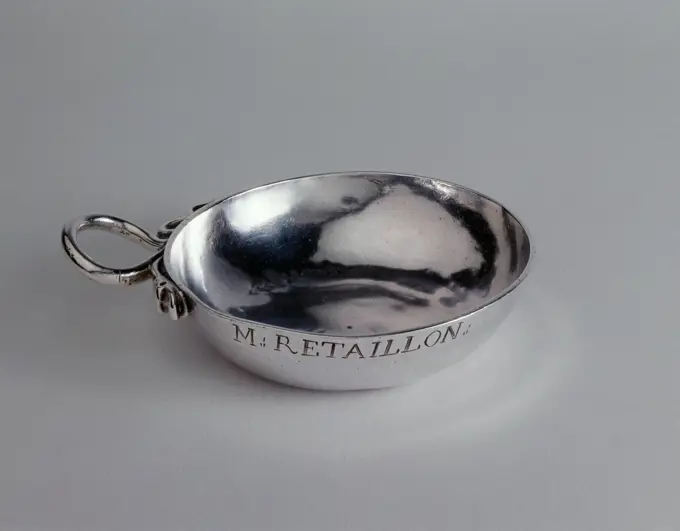
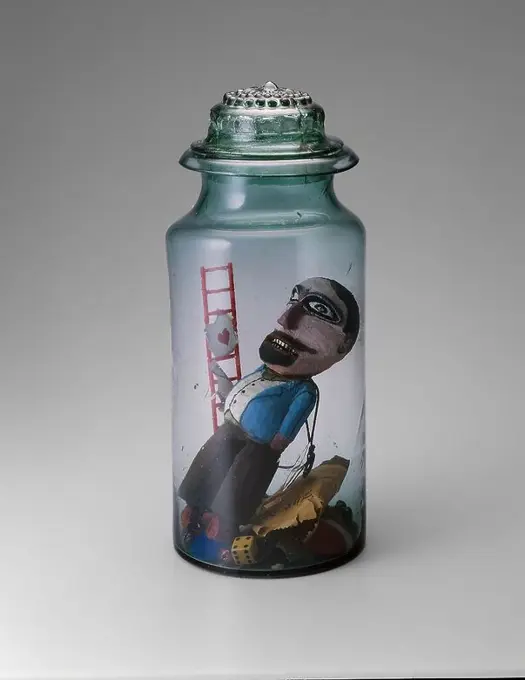
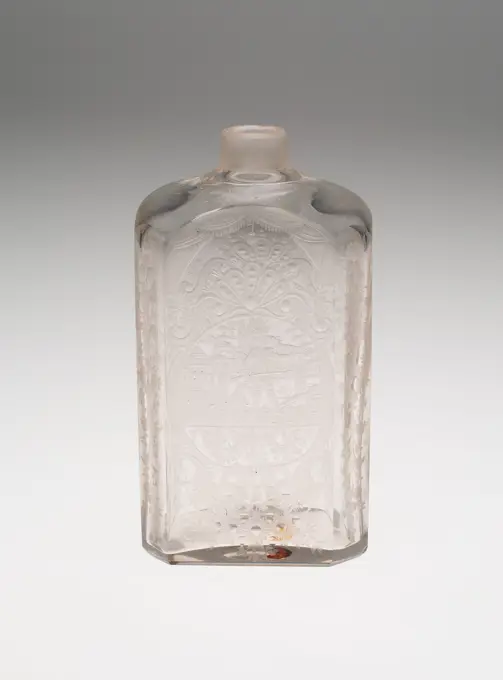
Bottle 1700-1725 Bohemia. Glass .Chess Piece, Pawn 8th-11th century. Chess Piece, Pawn 452334Europe, Czech Republic, Prague. Museum of Decorative Arts, Bohemian glassSugar bowl &creamer.   Maker: John and Peter Targee, active ca. 1809 - 1814Snuff Bottle China. Snuff Bottle 41381Vaginal speculumVase 1880-90. Vase 9529Lluis Ventós / "Diosa" (Goddess), 2005, Sculpture (black Belgian marble), 24,5 x 9,5 x 10,5 cm.Ancient lamp against gradient backgroundLavender oil in bottle, close-upChinese, Snuff Bottle, porcelain.Water vessel (Càntir) 18th century Spanish, Catalonia This distinctively Catalan form of communal drinking vessel evolved during the seventeenth century, although the very fine examples shown here are later. One spout is for filling and the other for drinking without having the vessel touch the mouth.. Water vessel (Càntir). Spanish, Catalonia. 18th century. Glass. GlassSnuff Bottle with Antique Vessels late 18th-early 19th century China. Snuff Bottle with Antique Vessels 41236Glass bottle with trailed ornament around the neck. Dated 18th CenturyPilgrim bottle (one of a pair) ca. 1690 British This bottle and its pair (68.141.226) are engraved with the arms and coronet of Evelyn Pierrepont (1665-1726), fifth Earl of Kingston-upon-Hull, later Marquess and Duke of Kingston.. Pilgrim bottle (one of a pair). British. ca. 1690. Silver gilt. Metalwork-SilverVase China. Vase 43860Beautiful decoration Plant in small pot. Green plant in small pot placed as room decorations and interior decor. for content backgroundsTwo bedside lampsCylindrical wine bottle, clock model, wine bottle bottle holder soil find glass, free blown and shaped in blown glass application Cylindrical (wine) bottle in clear green glass clock model. Pontil mark under broad upset bottom Straight body to convex shoulders and slightly rejuvenated neck with all round irregular sharp glass thread and sloppy flattened lip archeology packagingBottle with the coat of arms of prince Maurits, anonymous, after 1618 - c. 1625 Bottle of stoneware on the standing surface with a square body, slightly round shoulder and a narrow neck. On the belly in relief a printed and imposed medallion with the weapon of Prince Maurits and the edge of the Sig Mavritii dei Gratia. Princip Avraicae Commit.a Nas Catz.viand Moersz '. On every corner of the shoulder a lion's head in relief, connected by painted festons in blue. The neck is caught in a pewter frame. Westerwald. Westerwald Stoneware. Glaze. Cobalt (Mineral). frame: tin (metal) vitrification Bottle of stoneware on the standing surface with a square body, slightly round shoulder and a narrow neck. On the belly in relief a printed and imposed medallion with the weapon of Prince Maurits and the edge of the Sig Mavritii dei Gratia. Princip Avraicae Commit.a Nas Catz.viand Moersz '. On every corner of the shoulder a lion's head in relief, connected by painted festons in blue. The neck is caugWine Can. Germany. Date: 1756. Dimensions: 31.8 x 15.2 x 8.9 cm (12 1/2 x 6 x 3 1/2 in.). Pewter. Origin: Germany. Museum: The Chicago Art Institute, Chicago, USA.Engraved Glasswork of Amy West and Luigi Camozzo, of the famous glasswork; Island of Murano, Venice, ItalySaffron Box. Dated: c. 1941. Dimensions: overall: 29.3 x 17.3 cm (11 9/16 x 6 13/16 in.) Original IAD Object: 2 13/16" wide; 5 7/8" high. Medium: watercolor, graphite, and gouache on paperboard. Museum: National Gallery of Art, Washington DC. Author: Charles Henning.Pitcher. D.F. Haynes and Company; Chesapeake Pottery (1882-1887); Baltimore, Maryland. Date: 1880-1890. Dimensions: 29.2 × 14.9 cm (11 1/2 × 5 7/8 in.). Earthenware. Origin: Baltimore. Museum: The Chicago Art Institute, Chicago, USA.Bottle with stopper ca. 1880-90 Emile Gallé French. Bottle with stopper 487945ROMAN ART - SUCTION CUPS - 100 AD - ANTRONIZED.Bottle. Egypt, New Kingdom, 1550-1070 BCE. Furnishings; Accessories. AnhydriteBlue glass bottle with a few lovebirds and the inscription "Lieb du Mich Allin Oder Lasz Gar Sein", Anonymous, 1730 Flat ground. Sexible, body blown in the shape, with in red, white, yellow green and blue a few lovebirds on a stylized branch above a heart on the front The inscription "Lieb du Mich Allin Oder Lasz Gar Sein" and the year 1730 on the back . A stylized flower branch on the narrow sides. The underside of the show trimmed with a double piping, the top with a single piping and a border stylized tendrils. Middle Europe glass. tin (metal) glassblowing Flat ground. Sexible, body blown in the shape, with in red, white, yellow green and blue a few lovebirds on a stylized branch above a heart on the front The inscription "Lieb du Mich Allin Oder Lasz Gar Sein" and the year 1730 on the back . A stylized flower branch on the narrow sides. The underside of the show trimmed with a double piping, the top with a single piping and a border stylized tendrils. Middle Europe glass. tin (metaFish in net ca. 1755 Chelsea Porcelain Manufactory Listen to experts illuminate this artwork's story Listen Play or pause #413. Retail Value. High and Low Supported by Bloomberg Philanthropies We're sorry, the transcript for this audio track is not available at this time. We are working to make it available as soon as possible.. Fish in net. British, Chelsea. ca. 1755. Soft-paste porcelain. Chelsea Porcelain Manufactory (British, 1745-1784, Red Anchor Period, ca. 1753-58). Ceramics-PorcelainCup late 19th century Italian, Venice (Murano). Cup. Italian, Venice (Murano). late 19th century. Glass. GlassThe Portland Vase. Cameo glass, probably made in Rome about 15 BC - AD 25. The Portland Vase is one of the finest surviving pieces of Roman glass, and is named after the Dukes of Portland who owned it from 1785 to 1945.Beaker. Bohemia, Czech Republic. Date: 1725-1735. Dimensions: 7.6 × 7 cm (3 × 2 3/4 in.). Glass with engraved gold leaf decoration. Origin: Bohemia. Museum: The Chicago Art Institute, Chicago, USA.POLVORERA DE MARFIL. Location: PRIVATE COLLECTION. MADRID. SPAIN.Cup plate 1801-1900 United States. Pressed glass . Artist unknownRufus Greene, Porringer, c. 1730, silver.Green pottery Single green pottery jar isolated over white Copyright: xZoonar.com/IvonnexWierinkx 7122011TIBOR JAPONES DE PORCELANA. Location: PALACIO TOPKAPI-MUSEO. ISTANBUL. TURQUIA.BOTE O POT DECORADO CON HELECHOS Y UN ESCUDO CORONADO CON LAS TRES LISES DE FRANCIA - MANISES - SIGLO XV. Location: INSTITUTO VALENCIA DE DON JUAN-COLECCION. MADRID. SPAIN.Pitcher, c. 1850, 8 1/2in. (21.6cm), Blown and molded glass, United States, 19th centuryLamp. Dated: 1938. Dimensions: overall: 30 x 23.1 cm (11 13/16 x 9 1/8 in.) Original IAD Object: 9 3/4" high. Medium: watercolor, graphite, and gouache on paperboard. Museum: National Gallery of Art, Washington DC. Author: John Dana.BOTIJO DE GALLO-TIERRA ROJA VIDRIADA-ARTE POPULAR S XX. Location: ALFARERIA. SPAIN.Glass Nursing Bottle. Dated: c. 1936. Dimensions: overall: 30.1 x 20.8 cm (11 7/8 x 8 3/16 in.). Medium: watercolor, graphite, and pen and ink on paper. Museum: National Gallery of Art, Washington DC. Author: Hebilly West and Pauline Fish.Harvester's Vase from Aghia Triada, 1500 BC. Minoan. Bronze Age. Steatite. GREECE.Snuff Bottle, 17th-19th century, 2 3/8 x 1 1/4in. (6 x 3.2cm), Amber, China, 17th-19th centuryPair of verrières ca. 1775 British Verrières were used to cool wineglasses by immersing them in ice water. The foot of the inverted glass rested outside the notches of the verrière's rim. The low, oval, French form of verrière was usual in the second half of the eighteenth century. This form evolved from the monteith, the original deep, round bowl with notched rim that appeared in England in the 1680s. Verrières were often made in porcelain and silver as part of dinner services and were more common on the Continent than in England. Our pair in Sheffield plate is particularly rare. The style is that of Neoclassical, Greek-taste silver works of the 1770s and 1780s, with rams' heads supporting the ring handles. Although the silver plating is substantial and the pieces are very well made, they were not marked by the manufacturer, a practice usually followed voluntarily by the makers of Sheffield plate in emulation of the marks legally imposed on gold- and silversmiths. The arms engraved onVase. Acquired from the Rookwood Pottery at the World's Fair 1900Snuff Bottle, 2 1/2 x 1 1/2in. (6.4 x 3.8cm), Crystal, carnelian, ChinaUnbranded perfume bottle standing on stone podium. Perfume presentation on the black background. Mockup. Trending concept in natural materials. Women’s and men’s essence. Natural cosmetic. Unbranded perfume bottle standing on stone podium. Perfume presentation on the black background. Mockup. Trending concept in natural materials. Women’s and men’s essence. Natural cosmetic.Snuff Bottle 19th century China. Snuff Bottle 41413Maker Unknown, Pair of Toy Chambersticks, colorless lead glass.Silversmith's art, 17th century. Silver-gilt drinking vessel decorated with engraved figures of Diana and Endymion among vegetal volutes, circa 1690.Vase.  Maker: John Bennett, American, 1840-1907Case (Inr) with Pheonix and Paulownia Tree 19th century Japan. Case (Inr) with Pheonix and Paulownia Tree. Japan. 19th century. Gold lacquer with gold and colored makie and mother-of-pearl. Edo period (1615-1868). InrDouble Snuff Bottle 19th century China. Double Snuff Bottle 41378WineglassSeal (Austria); gold, mother-of-pearl; Overall: 7 x 3.2 x 3.5 cm (2 3/4 x 1 1/4 x 1 3/8 in.); Bequest of Joan W. Leidesdorf; 1997-62-8Golden Bird. Constantin Brancusi; French, born Romania, 1876-1957. Date: 1919-1920. Dimensions: 86 × 11 3/4 × 11 3/4 in. (217.8 × 29.9 × 29.9 cm). Bronze, stone, and wood. Origin: France. Museum: The Chicago Art Institute, USA.High Angle View of Old-Fashioned Desk Lamp with Frosted Glass ShadesA broken vaseTrayFlask. Dated: c. 1936. Dimensions: overall: 29.9 x 22.5 cm (11 3/4 x 8 7/8 in.). Medium: watercolor, graphite, and gouache on paperboard. Museum: National Gallery of Art, Washington DC. Author: Charles Caseau.Double Vessel, Figure 14th-15th century Chimú. Double Vessel, Figure 310617CAST CERAMIC THRUSTERSLamp. antique crysyal lamp.Sample of Roman glass. Dated 2nd CenturyIncense burner with cover China. Incense burner with cover 43869. Can of milk glass with blue email paint painting, imitation Chinese blue porcelain; Decoration of flowers in boxes; Model and node bottle on stand ring with spout and S-shaped handle, turned on with decoration of two volts; Mouth squeezed in six points.Robert Shepherd and William Boyd, Beaker, c. 1820, silver.Very old style glass ewer water jar in viewStriped Jug, John Phillip (Aberdeen, Scotland, 1817 - 1867)ESCRIBANIA DE PLATA DEL DESPACHO DE LA PRESIDENCIA DE LA CAMARA. Location: CONGRESO DE LOS DIPUTADOS-OBJETOS. MADRID. SPAIN.Showcase with objects of (noble) metal; Halls of crafts July 1962..Turbo Sarmaticus Shell on black background Turbo Sarmaticus Shell on black background Copyright: xZoonar.com/SerhiixZarevx 22956426little japanese vaseBeautiful Glowing Selenite Lamp Positive Vibes. Selenite lamp detail in the darkOld empty glass bottles used for decoration or vases on a table against a white wall. Collection of three brown disposable and transparent vintage containers in different sizes to recycle or reuseKristall Weinbehälter mit blauer Verzierung aus Ajka *** Crystal Wine containers with Blue Decoration from Ajka 1033902581Fish Gem, c. 250-350. Early Christian, Syria() or Asia Minor, 3rd-4th Century. Rock crystal; overall: 3.5 x 7.5 cm (1 3/8 x 2 15/16 in.).BOTIJO DE BODA - CERAMICA SIN VIDRIAR - S XX. Location: ALFARERIA. Ocaña. Toledo. SPAIN.Unbranded perfume bottle standing on stone podium. Perfume presentation on the white background. Mockup. Trending concept in natural materials. Women’s and men’s essence. Natural cosmetic. Unbranded perfume bottle standing on stone podium. Perfume presentation on the white background. Mockup. Trending concept in natural materials. Women’s and men’s essence. Natural cosmetic.Green glass vessels, Eastern Mediterranean from Tel Shosh and Akko, from the 1st-6th century.Stoneware mineral water pitcher, cylindrical with round shoulder, sausage ear and short neck, mineral water pitcher jar product packaging container soil find ceramic stoneware glaze salt glaze approx., hand turned glazed baked Stoneware mineral pitchers cylindrical with round shoulder short neck and sausage ear. Stand area with traces of deduction and soul. brown glazed. Marked under the ear and marked on the front with medallion and text. Chalkboard in medallion: SELTERS in the midfield leftwing claw lion archeology Rotterdam Kralingen-Crooswijk Struisenburg Oostmaaslaan Boslaan Buizengat advertising indigenous pottery import drinking water drinking medicine medicine packaging Soil discovery: Buizengat Oostmaaslaan Boslaan Rotterdam an old landfill of urban waste.Tea Caddy, Meissen Porcelain Manufactory, German, active from 1710 to the present, hard paste porcelain, vitreous enamel, Rectangular, with rounded shoulders and collar about circular opening. Silver stopper-cap., Germany, mid- 18th century, ceramics, Decorative Arts, tea caddy, tea caddyObra de vidrio de Javier Vidal, siglo XXI. Author: JAVIER VIDAL (S. XX).Pair of Cuisses and Poleyns 1450-1550 Germany. Steel .Salt and pepper grindersVegetable Bowl, c. 1890-1910. France, Limoges, 19th century. Porcelain; overall: 9.6 x 28 x 16.9 cm (3 3/4 x 11 x 6 5/8 in.).PitcherJean the Court. "Taste-vin". Money. 1778. Museum of Fine Arts of the City of Paris, Petit Palais. 74385-11 Silver, silverware, bottleneck, TastevinA grenade on a shiny surface, black backgroundClose-up of blue glasses with blue wine-glasses on small perspex tableVials of perfume oils in old fragrance labThe Gambler. Richard Lindner; American, born Germany, 1901-1978. Date: 1947-1957. Dimensions: 14 5/8 × 6 in. (37.2 × 15.2 cm). Green glass jar with molded glass stopper, painted wood figure, dice, plastic poker chips, newspaper, torn pieced of playing cards, string, plastic ladder, metal bells, and a penny. Origin: United States. Museum: The Chicago Art Institute, Chicago, USA.Tankard - Drink faire Dont Swaire 1760  Doulton & Company, 1854-1899 Doulton & Company, 1854-1899Close-up of a wine jar at a market stall, Tai´an, Shandong Province, ChinaContent of 2 Ned Kop.gedraaid wooden content of 2 liters.