Elegant Vintage Clothing

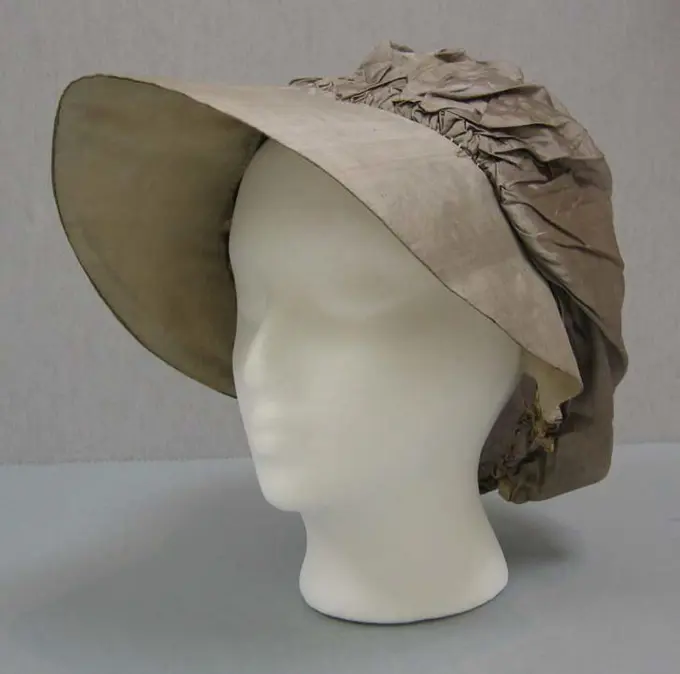
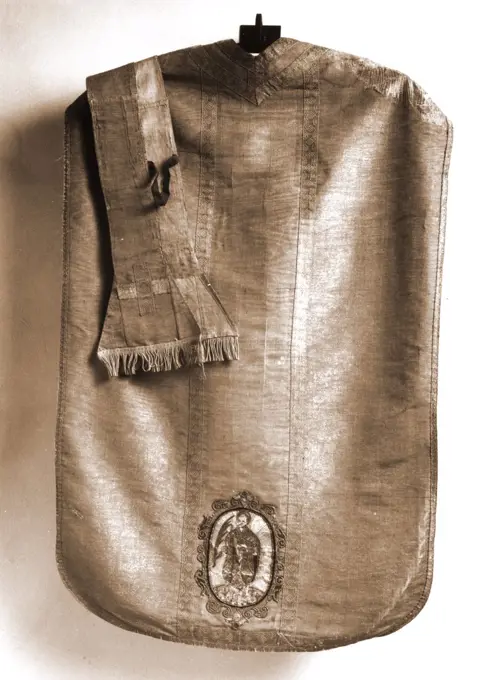
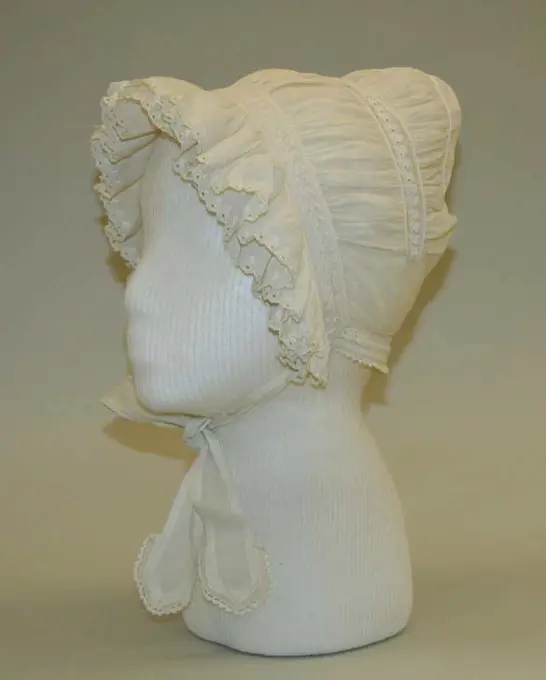
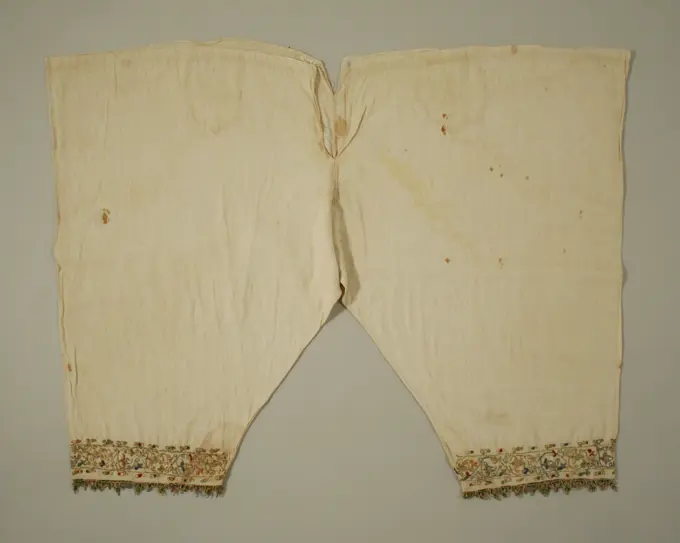
An assortment of finely tailored garments including satin vests, baby covers, and lace-trimmed bonnets, reflecting 18th to early 19th century fashion.

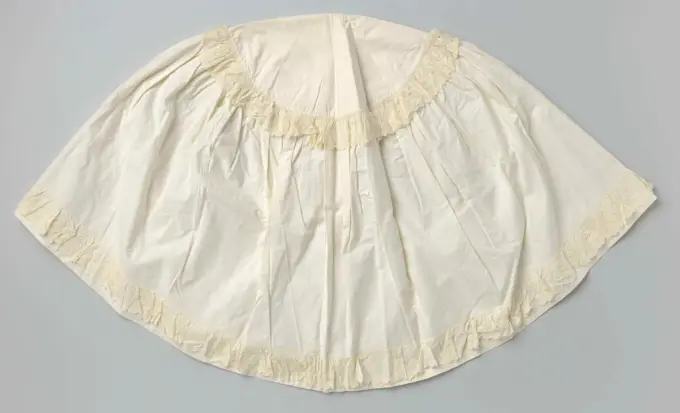
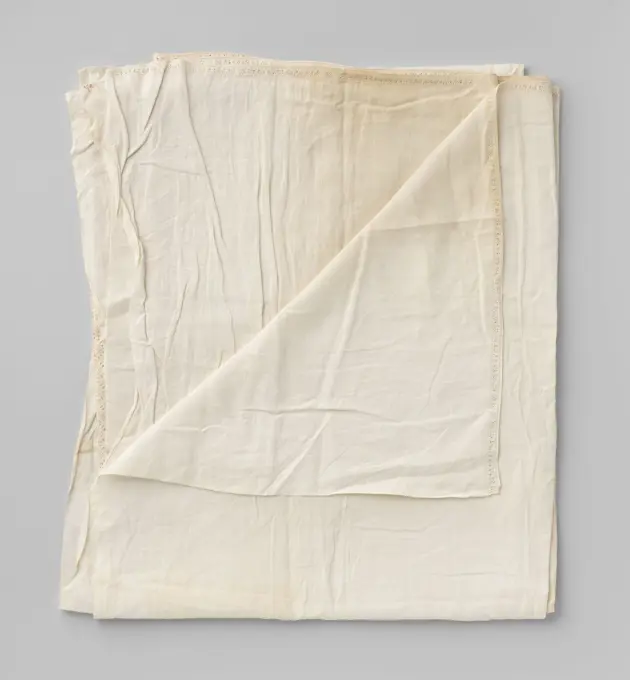
Fontaneldoek of white linen with lace; marked in Red Cross stitch: LH8, Anonymous, c. 1750 - c. 1900 12 linen fontanelletjes with different side deposited, 4 marked LH8, 3 gem. H8, 5 Gem. HVS (Gr. Hoogenhuize "1772-1852" tr. 1802 S.E. von Schmid "1771-1843"). 1 of Damast gem. HH6 (W.R. Hoogenhuize "1747-1804" TR 1787 W. Helmerich "1752"). Europe linen (material). 12 linen fontanelletjes with different side deposited, 4 marked LH8, 3 gem. H8, 5 Gem. HVS (Gr. Hoogenhuize "1772-1852" tr. 1802 S.E. von Schmid "1771-1843"). 1 of Damast gem. HH6 (W.R. Hoogenhuize "1747-1804" TR 1787 W. Helmerich "1752"). Europe linen (material).
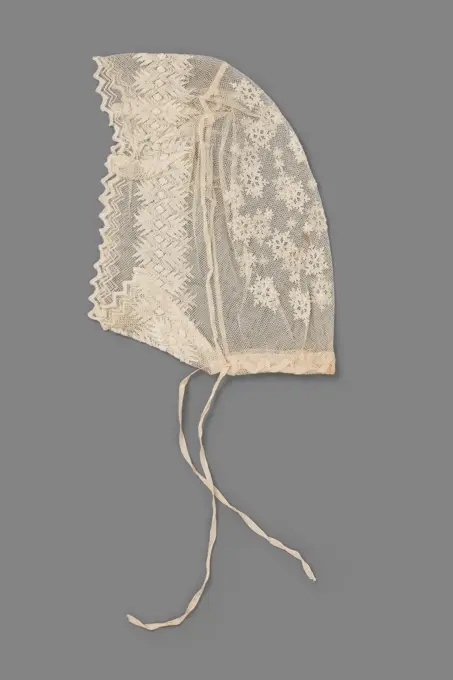
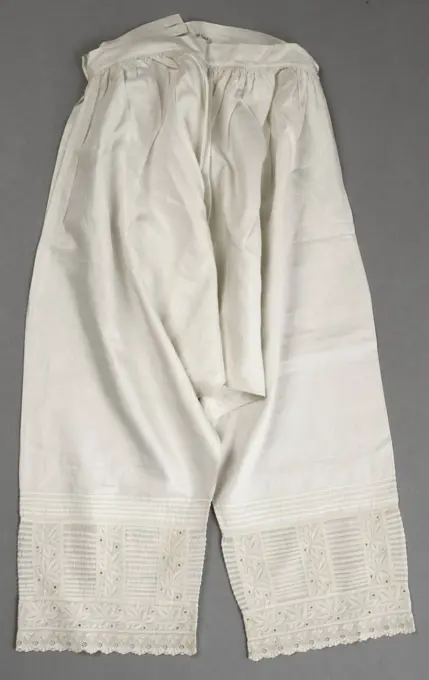
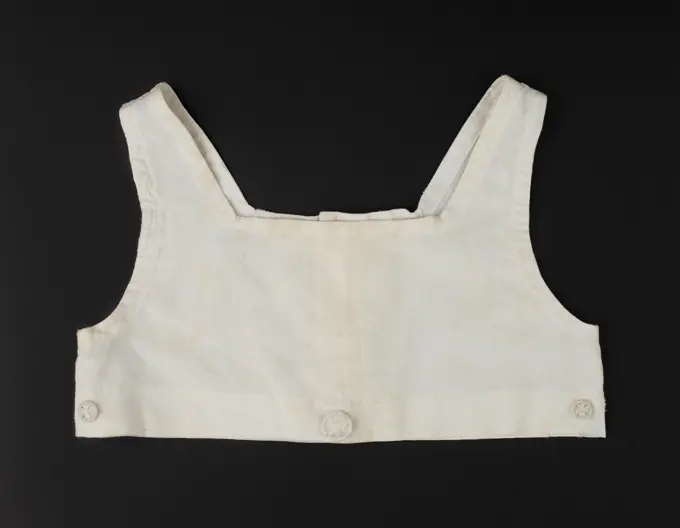
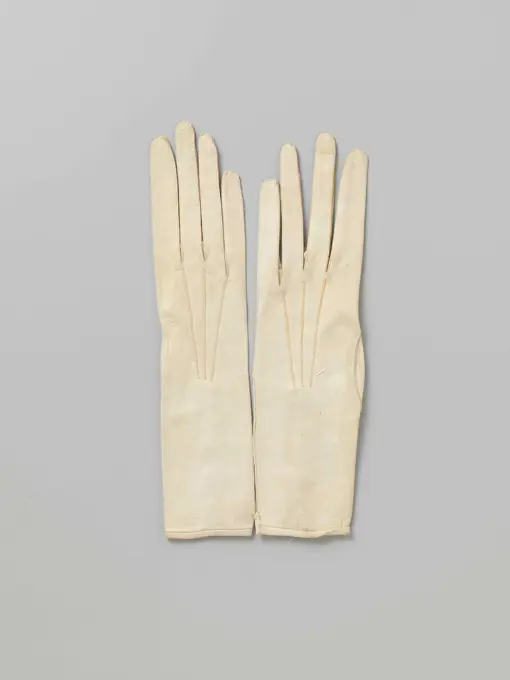
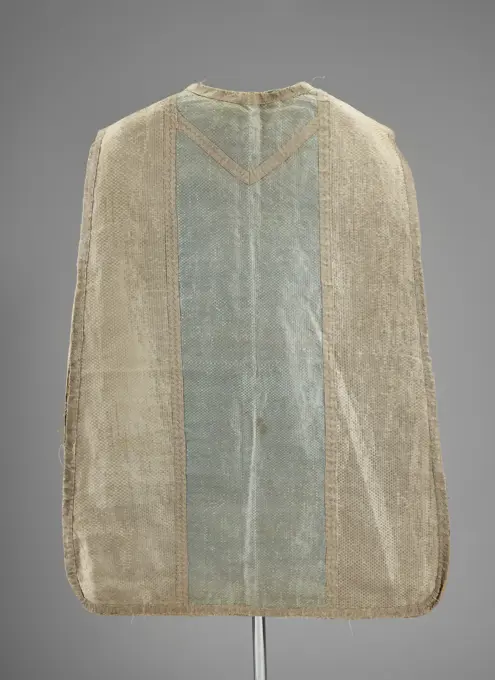
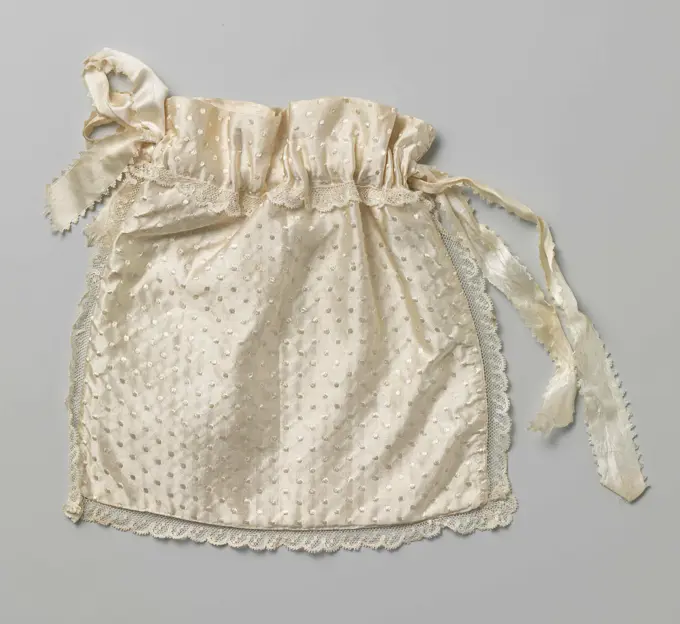
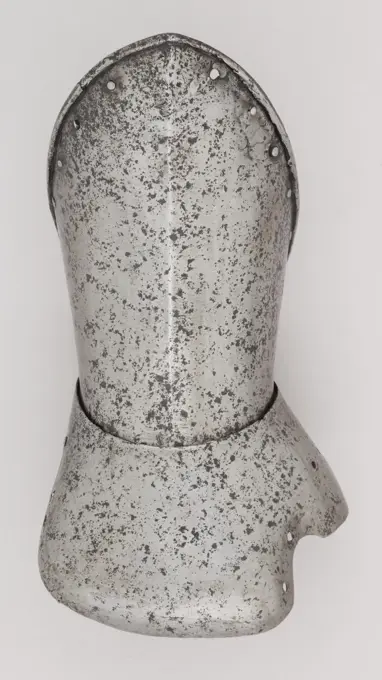
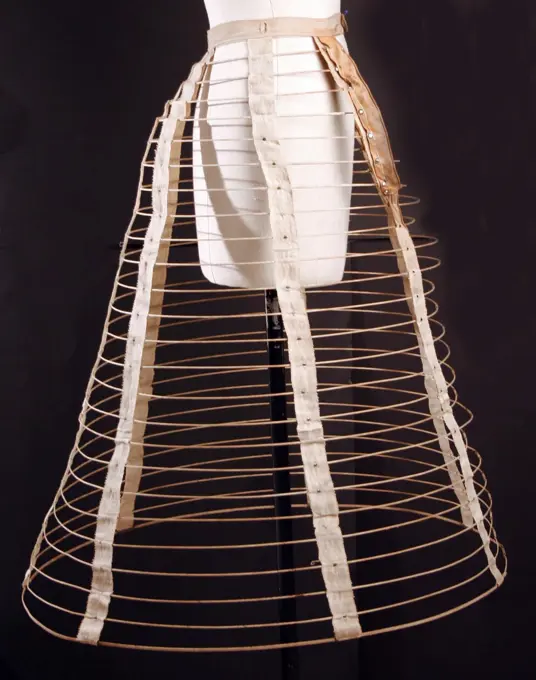
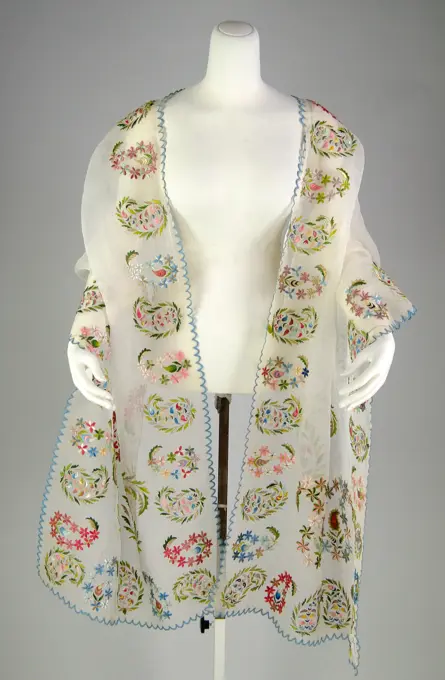
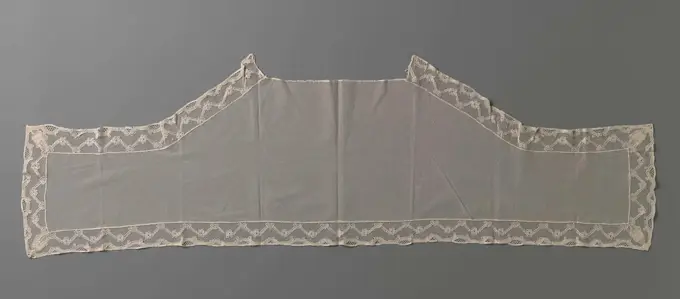
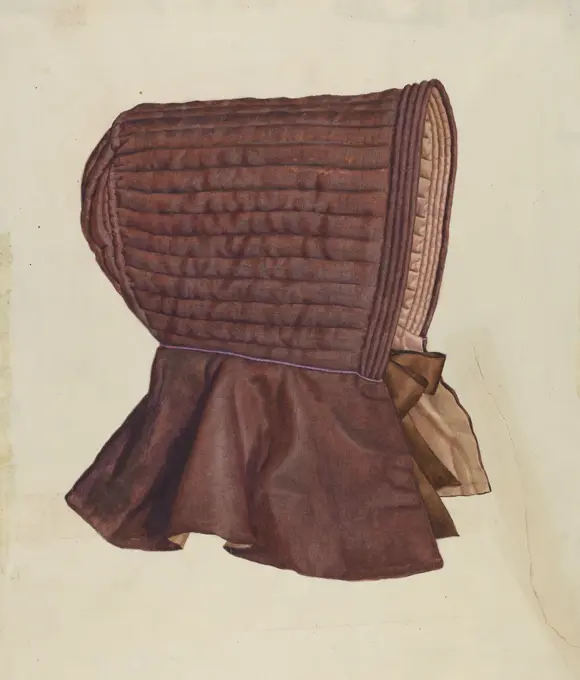
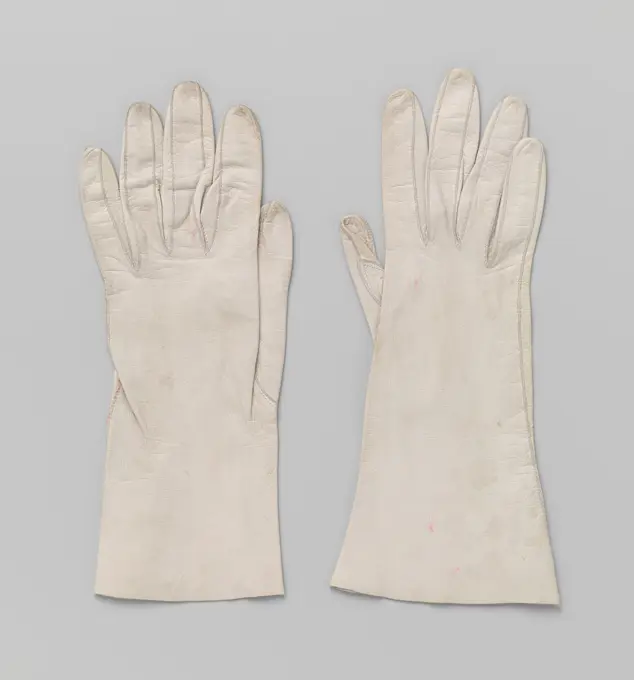
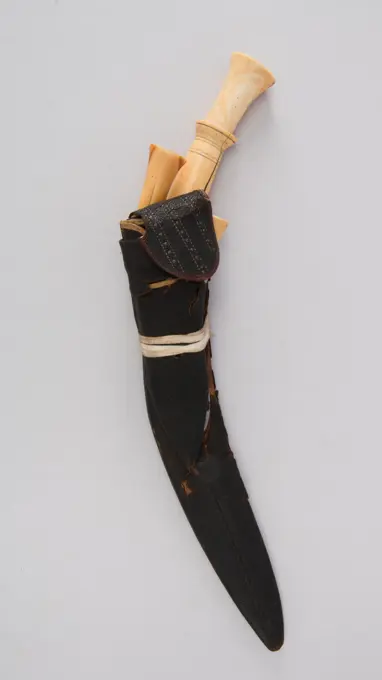
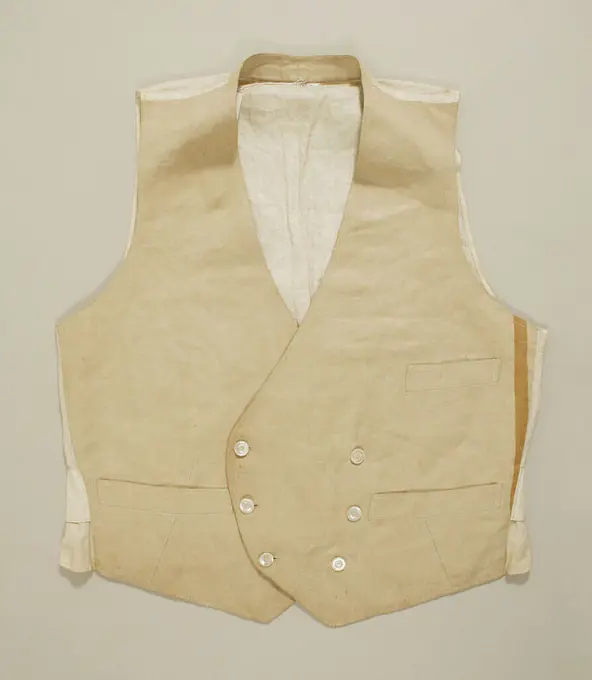
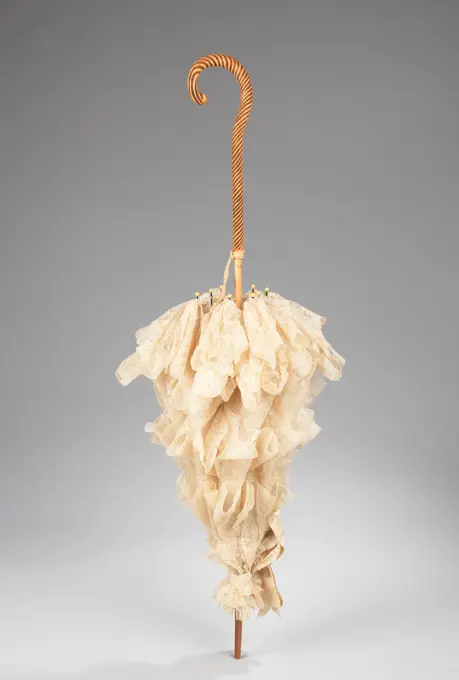
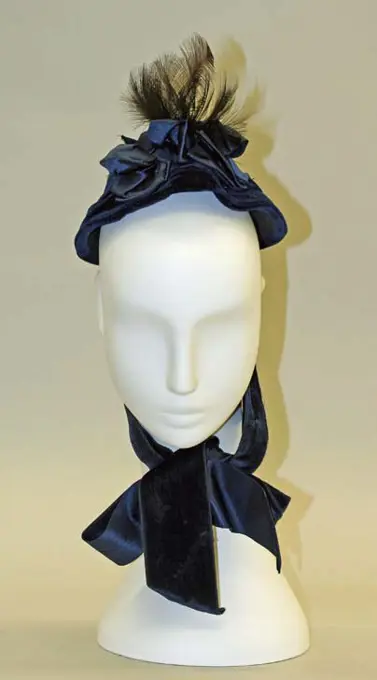
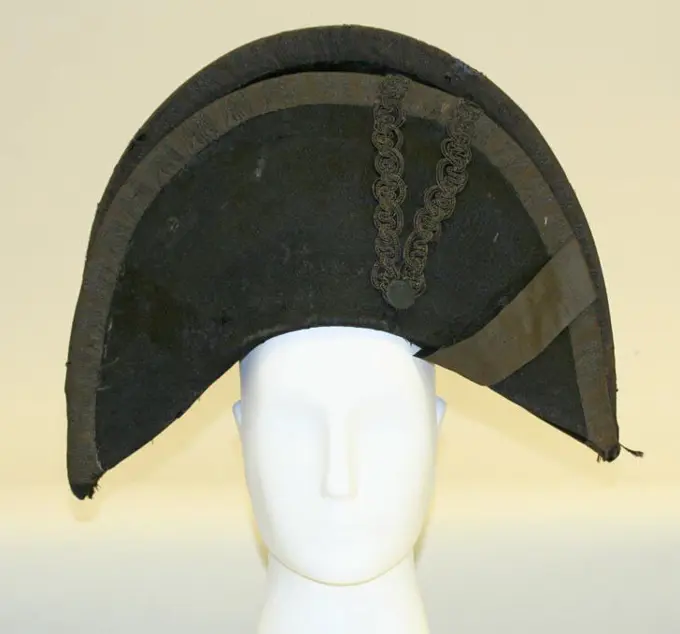
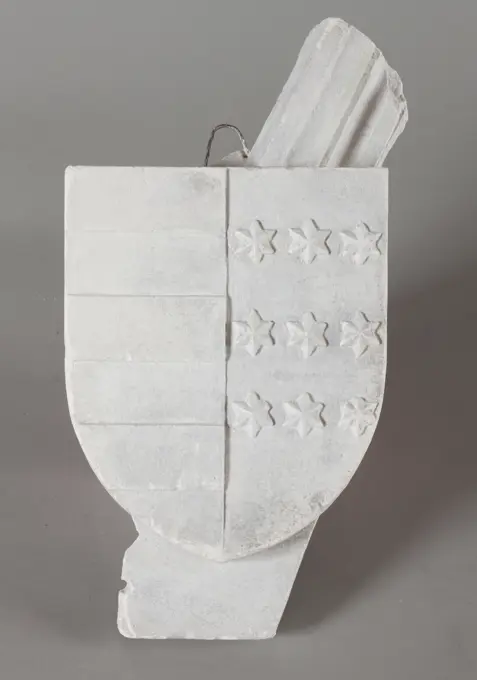
Card-colored satin with high upright collar, slanted front fronts and sewn pocket valves, decorated with leaf and floral motifs embroidered in cream-colored silk., Anonymous, c. 1800 - c. 1825 Card-colored satin with high raised collar, slanted front buildings and sewn pocket valves, decorated with leaf and floral motifs embroidered in the cream-colored side. Model: Closure in the middle by means of seven embroidered buttons of the same satin. First knot at 14.5 cm below the neckline. False pocket valves completely sewn up. Back of linen with lacing. Linen lining with satin siege along the front buildings and in the board. Board made up of three parts: two embroidered on both sides with an ungobulated middle behind. Decoration: A border with diagonally placed heart -shaped leaves along the front buildings. In addition, a 3.5 cm wide edge of leaf and floral motifs. Pocket valves also completely decorated with floral motifs. Furthermore, a spreading motif of heart -shaped leaves between Rokvest from white piqué, anonymous Rokvest of white piqué.  pique Rokvest of white piqué.  piqueBaby covers with ramps and ajour work, trimmed with Mechelen side, anonymous, c. 1700 - c. 1800 Baby covers with ramps and ajour work, fell with Mechelen side. Europe linen (material). Mechlin (lace) Baby covers with ramps and ajour work, fell with Mechelen side. Europe linen (material). Mechlin (lace)Hat van Tulle Doorstop, Anonymous, c. 1900 Hat van Tulle Doorstop. The pattern has scattered "snow crystals" on the hat -ball, a double zigzag on the edge. The hat can be raced by means of a thread. The hat includes a vest with invnr. BK-1967-108-B. Netherlands . Hat van Tulle Doorstop. The pattern has scattered "snow crystals" on the hat -ball, a double zigzag on the edge. The hat can be raced by means of a thread. The hat includes a vest with invnr. BK-1967-108-B. Netherlands .Drawers 1860-68 American or European. Drawers. American or European. 1860-68. cottonMantle;  2. PO. 19th century (1850-00-00-1900-00-00);Peniuar;  early 20th century (1900-00-00-1910-00-00);Drawers 1874 American. Drawers 109241Glove of fine crepe -colored artificial side with closing of two press studs, anonymous, c. 1900 - c. 1920 Left glove made of fine crepe -colored artificial side with closing two beige press buttons and three -rout cords on the back. West-Europa whole: district Left glove made of fine crepe -colored artificial side with closing two beige press buttons and three -rout cords on the back. West-Europa whole: districtFontaneldoek of white linen with lace; marked in Red Cross stitch: LH8, Anonymous, c. 1750 - c. 1900 12 linen fontanelletjes with different side deposited, 4 marked LH8, 3 gem. H8, 5 Gem. HVS (Gr. Hoogenhuize "1772-1852" tr. 1802 S.E. von Schmid "1771-1843"). 1 of Damast gem. HH6 (W.R. Hoogenhuize "1747-1804" TR 1787 W. Helmerich "1752"). Europe linen (material). 12 linen fontanelletjes with different side deposited, 4 marked LH8, 3 gem. H8, 5 Gem. HVS (Gr. Hoogenhuize "1772-1852" tr. 1802 S.E. von Schmid "1771-1843"). 1 of Damast gem. HH6 (W.R. Hoogenhuize "1747-1804" TR 1787 W. Helmerich "1752"). Europe linen (material).Vitrage of machining with protruding flower and leaf raft within shelter beads. Vitrage of machining. The pattern has ascending flower and leaf reflections within three shelter beads. The net curve has sudden rings.Girls underpantsAccessory set 1700-1942 American. Accessory set. American. 1700-1942. cottonChildren's hat of strongly stamped cotton () With very fine white embroidery in the form of stylized leaf vines and a scatter motif; Behind two bow tires, anonymous Children's hat of strongly stamped cotton () With very fine white embroidery in the form of stylized leaf vines and a scatter motif; Behind two bow tires.  cotton (textile) embroidering Children's hat of strongly stamped cotton () With very fine white embroidery in the form of stylized leaf vines and a scatter motif; Behind two bow tires.  cotton (textile) embroideringSleeve with cuff with whitework, anonymous, c. 1850 - c. 1930 Two metal brackets are attached to the inside of the cuff. Europe Textile Materials. brackets: Metal Two metal brackets are attached to the inside of the cuff. Europe Textile Materials. brackets: MetalSubmit of application side with curly flower branches under a wavy flower garland. Lower natural applicationant: Carrickmacross side. Ballonous model. The sleeve has been wrinkled to the tight-fitting cuff. Both the cuff and the lower part of the underwood is decorated with application embroidery in the form of a regularly wavy flower garland including loose curly flower branches. The pendulum and branches are designed in the same way with a thin 'stem' with drip-shaped small leaves on either side, occasionally a large flower and further smaller simple round flowers with open heart. In the flower hearts of the largest flowers, an ornamental ground has been realized with stitches through the tulle. The cuff is trimmed off with a boundary ground of flowers and C volutes, and can be closed by means of two buttons.Vitrage of machining with ascending flower and leaf reflections within three shelter beads. Vitrage of machining. The pattern has ascending flower and leaf reflections within three shelter beads. The net curve has sudden rings.Joseph L Boyd, Cape, c 1938 CapeCap 1860s American. Cap 116795Two pairs of gloves with buttons. Right glove from white corner leather with three pearly nuts. Adorned on the hand with three stitched thickened lines.Engageante consisting of two layers, scalloped, and embroidered with large flowers of wavy stems, c. 1700 - c. 1850  Engageante consisting of two layers, sculpted, and embroidered with large flowers of wavy stems. Netherlands linen (material) embroideringGlove from white leather. White leather glove with three lines on the back. At the wrist a split with three buttons whose pearl-colored the other two worn down.Bliżej Kultury unknownChasuble made of silk fabrics unknownMitaine from white knitted cotton. Mitaine from white knitted cotton with a knitted pattern of wide and narrow zigzig straps and snow stars. The part falling over the palm is subdivided into five tubes. No thumb.Fall of batist with machining, for a taboo. Batist Trap With a Mechanical Side for a Taboo in a Boudoir.Collar 1830-40 American. Collar 119207Glove of white chamois leather with artificial mother -of -pearl knot, anonymous, c. 1900 - c. 1915 Left glove of white chamois leather with artificial pearl bright knot. West-Europa (possibly) whole: Chamois (Animal Material). button: Left glove of white chamois leather with artificial pearl bright knot. West-Europa (possibly) whole: Chamois (Animal Material). button:Glove of gray -blue knitted silk and wool, anonymous, c. 1800 - c. 1850 Left glove of coarse light gray knitted silk and wool. Ran inside. West-Europa whole: Wool. whole: Silk knitting Left glove of coarse light gray knitted silk and wool. Ran inside. West-Europa whole: Wool. whole: Silk knittingChildren's hat of white damask with wide edge, anonymous, c. 1685 - c. 1715 A dams of baby hat with a horseshoe -shaped ball, on which a wide edge. The edge is lined with a wide strip of linen. Closure by means of two cotton straps. Marked. Netherlands cotton (textile). linen (material) damask A dams of baby hat with a horseshoe -shaped ball, on which a wide edge. The edge is lined with a wide strip of linen. Closure by means of two cotton straps. Marked. Netherlands cotton (textile). linen (material) damaskGaiters 1882 Greek. Gaiters 86083Nightshirt. Culture: British. Date: ca. 1825. Museum: Metropolitan Museum of Art, New York, USA.Vestee 1850s European. Vestee 119088Drawstring purse with ribbons. Embroidery was a favourite pastime among wealthy women at the beginning of the 19th century. Frivolité -a kind of tatting with cotton thread using little shuttles - was particularly popular. The women preferred to worktogether in groups. When they visited each other, they would bring along their needlework in this kind of bag.. Right gloves of leather with two mother-of-pearl press buttons and on the back three radiating cords.Curtain of Blauw Wit Striped Linnamast, Anonymous, 1880 - 1899 Curtain of blue white striped Linnamast. The white and blue stripes both have a running pattern of winding flower vines; The white have a white, the blue a light blue colored pattern. The curtain belongs to three curtains (BK-1992-26-A to BK-1992-26-D) and two strips (BK-1992-26-E and BK-1992-26-F). EnglandFrance linen (material) damask Curtain of blue white striped Linnamast. The white and blue stripes both have a running pattern of winding flower vines; The white have a white, the blue a light blue colored pattern. The curtain belongs to three curtains (BK-1992-26-A to BK-1992-26-D) and two strips (BK-1992-26-E and BK-1992-26-F). EnglandFrance linen (material) damaskGlove of light gray wash, c. 1900 - c. 1950 Right glove of light gray wax leather. Three radiating cords on the back. Set with a white leather trim. With the plit three gray art fabric press studs. West-Europa (possibly) whole: Chamois (Animal Material). press studs: Right glove of light gray wax leather. Three radiating cords on the back. Set with a white leather trim. With the plit three gray art fabric press studs. West-Europa (possibly) whole: Chamois (Animal Material). press studs:Fichu mid-19th century American or European. Fichu. American or European. mid-19th century. piña clothWaistcoat. unknown, authorShirt, anonymous, c. 1750 - c. 1800 A long shirt (for man, woman, child) Of coarse cotton and sloppy. Netherlands cotton (textile) A long shirt (for man, woman, child) Of coarse cotton and sloppy. Netherlands cotton (textile)Bliżej Kultury unknownBustle 1870s American. Bustle 105040Slip;  19th/20th century (1880-00-00-1920-00-00);Gauntlet for the Right Hand ca. 1450-60 Italian, probably Milan This is part of a large find of medieval armor discovered in 1840 in the ruins of the fortress of Chalcis, on the Greek island of Euboea (then a Venetian colony called Negroponte). The fortress had been captured and destroyed by the Turks in 1470. Now divided largely between the Ethnological Museum, Athens, and The Metropolitan Museum of Art, the Chalcis hoard contains many rare and unusual elements of fourteenth- and fifteenth-century armor. Of particular importance are the variety of headpieces and the many fragments of brigandines (armor for the torso constructed of small plates riveted to layers of fabric), some of which retain portions of their original velvet covering. The Chalcis armor provides a unique picture of the armament used in the Aegean, one of the easternmost military outposts of the Venetian empire.. Gauntlet for the Right Hand 35851Woman's Bonnet. England or United States, late 1850s. Costumes; Accessories. Silk taffetaCage crinoline 1860s American. Cage crinoline 108684Woman's ManteletNégligé hat of Buckram (cotton) Decorated with lace, anonymous, c. 1905 Négligé-hat from Buckram with Moesjes, trimmed with lace. A large sphere is wrinkled on a tight headband; A lace lane is slightly wrinkled on it. Right over the ball are set three times, from front to back, narrow sides. The headband is made of machine -embroidered batist with ribbons cracks and floral wreaths. On the headband, a recommended strip of mechanical valenciennes side has been put. Belgium (possibly) buckram Valenciennes lace Négligé-hat from Buckram with Moesjes, trimmed with lace. A large sphere is wrinkled on a tight headband; A lace lane is slightly wrinkled on it. Right over the ball are set three times, from front to back, narrow sides. The headband is made of machine -embroidered batist with ribbons cracks and floral wreaths. On the headband, a recommended strip of mechanical valenciennes side has been put. Belgium (possibly) buckram Valenciennes laceBliżej Kultury unknownCloth decorated with bobbin and Fils -Tirés., Anonymous, 1700 - 1800 Cloths of linen consisting of two lanes, which are attached to each other in length due to an intermediate creature from Kloskant. On the two short sides an edge of Fils-Tirés.  linen (material). bobbin lace Cloths of linen consisting of two lanes, which are attached to each other in length due to an intermediate creature from Kloskant. On the two short sides an edge of Fils-Tirés.  linen (material). bobbin laceCap ca. 1830 American. Cap 169849Stole third quarter 19th century probably Chinese. Stole 170046Shawlkraag met rand van kloskant met zigzaglijn.Strip natural colosside: Parisian side. A rectangular center piece of machine tulle is completely deposited on three sides, and on a long side partially with a straight strip of clamping side, which shows a symmetrical pattern on a closed pin stroke ground. A zigzag line with hearts and rosettes is followed by inward shelters along the straight outside. The motifs are made in linen stroke with a thicker and shiny contour wire. A rose soil has been applied as ornamental ground.Glove of white glacé leather with two press studs of plastic, decorated with three radiating cords, anonymous, c. 1900 - c. 1925 Left glove made of white glacé leather with two leg -colored plastic snaps. Three stitched thickened lines on the back of the hand. Grenoble (possibly) whole:. Buttons: Left glove made of white glacé leather with two leg -colored plastic snaps. Three stitched thickened lines on the back of the hand. Grenoble (possibly) whole:. Buttons:Evening cap ca. 1885 American. Evening cap 169159Glove of white knitted cotton with ajour tissue, anonymous, c. 1925 - c. 1935 Left glove made of white cotton with ajour mechanical knitting; so-called "kulier" tissue. West-Europa whole: Cotton (textile). knitting Left glove made of white cotton with ajour mechanical knitting; so-called "kulier" tissue. West-Europa whole: Cotton (textile). knittingJacket, ChinaFire Mand, Anonymous, 1700 - 1799 Fire basket with dress from (originally) green damask. With pillow (BK-NM-10979-1).  Fire mand dress: Silk. Assets: Leather damask Fire basket with dress from (originally) green damask. With pillow (BK-NM-10979-1).  Fire mand dress: Silk. Assets: Leather damaskCap ca. 1825 American. Cap 169704Glove of gray leather, c. 1950 - c. 1970 Right glove of gray leather. Three radiating cords on the hand. France whole: Leather Right glove of gray leather. Three radiating cords on the hand. France whole: LeatherStockings ca. 1860 C. Pecker & Sons. Stockings 174767Shine of white half side with on the latch and rubbed embroidery stitches, always two rows of five dots, c. 1870 White half -side, with on the latch and rubbed embroidery stitches, always two rows of five dots. Seam in the middle. Netherlands (possibly) whole: knitting / embroidering White half -side, with on the latch and rubbed embroidery stitches, always two rows of five dots. Seam in the middle. Netherlands (possibly) whole: knitting / embroideringElizabeth Moutal, Shaker Woman's Bonnet, c 1936 Shaker Woman's BonnetGlove of white cotton tricot, anonymous, c. 1950 - c. 1960 Left glove of white cotton jersey. Three radiating cords on the back. Netherlands whole: Cotton (textile). Left glove of white cotton jersey. Three radiating cords on the back. Netherlands whole: Cotton (textile).Glove from white leather. Left glove from white leather.Knife (Kukri) with Sheath, Two Small Knives and Pouch 19th century Indian or Nepalese, Gurkha. Knife (Kukri) with Sheath, Two Small Knives and Pouch 31628Glove of white jersey, c. 1900 - c. 1930 Right glove made of white jersey, with set piece of open -worked jersey. Netherlands (possibly) whole:. whole: Cotton (textile). top: knitting Right glove made of white jersey, with set piece of open -worked jersey. Netherlands (possibly) whole:. whole: Cotton (textile). top: knittingUnder sleeve, balloon -shaped, decorated with ajour cross bars and embroidered wheels and berries, anonymous, c. 1850 - c. 1875 Batist lower sleeve, balloon -shaped. The sleeve is wrinkled to the cuff, and has a decoration in the form of ajour cross bars. The cuff is decorated with white embroidery in the form of berries and wheels. Two knots on the cuff. Netherlands Completely: Batiste. Button: Glass embroidering Batist lower sleeve, balloon -shaped. The sleeve is wrinkled to the cuff, and has a decoration in the form of ajour cross bars. The cuff is decorated with white embroidery in the form of berries and wheels. Two knots on the cuff. Netherlands Completely: Batiste. Button: Glass embroideringApron, from a four-piece set, 12 3/4 x 13 1/2 in. (32.39 x 34.29 cm) (without ties), Cotton, metal studs, ChinaCrinoIIne cage unknownPair of two-tone gloves, c. 1900 - c. 1915 Right glove of beige laundry leather. Disappeared with decorative edge of brown wax leather. Three lines on the back. Stitched with brown wire. maker: Buenos AiresNetherlands whole: Chamois (Animal Material) Right glove of beige laundry leather. Disappeared with decorative edge of brown wax leather. Three lines on the back. Stitched with brown wire. maker: Buenos AiresNetherlands whole: Chamois (Animal Material)Ensemble. Culture: British. Date: 1860-75. Museum: Metropolitan Museum of Art, New York, USA.Cap 1810-35 probably American. Cap 139666Abruzzo, L'Aquila, Celano, Museum, Italy, 20th century, photo, photography, Europe. After the French Revolution (1789), the three-cornered hat (tricorne) - the symbol of the previous governmentknown as the Ancien Régime - fell out of favour. However, a large two-cornered model, the bicorne, remained fashionable until around 1810. It was also called a corsair after its most famous wearer, Napoleon Bonaparte, who came from Corsica. This hat is made of beaver fur felt, which was expensive and very popular.Cap ca. 1812 American. Cap 116429Glove of natural laundry leather with two mother -of -pearl snaps, anonymous, c. 1900 - c. 1950 Left gloves made of natural laundry leather with two mother -of -pearl press buttons, three -radiating cords on the back. Netherlands (possibly) whole: Leather. Buttons: Mother of Pearl Left gloves made of natural laundry leather with two mother -of -pearl press buttons, three -radiating cords on the back. Netherlands (possibly) whole: Leather. Buttons: Mother of PearlGlove from beige silk jersey. Left glove from beige silk jersey. Three radiating cords on the back.Head coverning, early-mid 20th century, 24 1/4 x 17 1/2 in. (61.6 x 44.45 cm) (including shell fringe), Cotton, shells, buttons, beads; needlework, Yemen, 20th centuryTrousers 16th century Italian. Trousers. Italian. 16th century. linen, silk and metal threadLamp Stromy 5 team (Żygulska, Żątowska, Karbowska)Hat 1880s American. Hat 113296Children's hat of linen with lace strips, anonymous Hat of linen with lace strips.  linen (material). Hat of linen with lace strips.  linen (material).Fan mid-19th century American or European. Fan 138636Trapper's Jacket. Dated: c. 1937. Dimensions: overall: 35.2 x 27.4 cm (13 7/8 x 10 13/16 in.) Original IAD Object: 36" wide; 40" long. Medium: watercolor and graphite on paper. Museum: National Gallery of Art, Washington DC. Author: Ellen Duncan.Womans hatBonnet 1880s R.H. Stearns Company. Bonnet 113300Parasol ca. 1885 Follmer, Clogg & Company American Featured is the quintessential 1880s parasol that would have been carried to compliment the exaggerated bustle of the period. Made by a renowned umbrella and parasol maker, Follmer, Clogg & Company, the handle is particularly attractive. Perhaps what makes this parasol special is its size, which relates well to the volume of the dresses popular in the period.. Parasol 157128Gloves of deer leather () With wide, cut caps decorated with a symmetrical stitched in relief motif, men's model, anonymous, c. 1650 - c. 1700 Left gloves of deer leather () With wide, clamped caps decorated with a symmetrical stitched in relief, men's model. Netherlands (possibly) whole: Leather embroidering Left gloves of deer leather () With wide, clamped caps decorated with a symmetrical stitched in relief, men's model. Netherlands (possibly) whole: Leather embroideringUnderpants of Hendrik Casimir I. Underwear is worn directly on ones body and therefore is rarely kept. This 17th-century pair of underpants is therefore exceptional. Only one other (royal) pair of underpants, of white silk, has been preserved, in England. The underpants in this display case were worn by Hendrik Casimir, more of whose belongings are displayed in this gallery. Notably, this undergarment is made of white linen - most were madeof coloured wool.Children's hat of white linen, decorated with an openwork edge, a lace edge and initials TA in Red Cross stitch; Three Striklinten, two wounded with red wire, Anonymous Children's hat of white linen, decorated with an openwork edge, a lace edge and initials TA in Red Cross stitch; Three striking ribbons, two wounded with red thread. In the hat is a second song: A67 ().  linen (material). Children's hat of white linen, decorated with an openwork edge, a lace edge and initials TA in Red Cross stitch; Three striking ribbons, two wounded with red thread. In the hat is a second song: A67 ().  linen (material).Fragment 16th century Italian. Fragment 230268Hat of knitted cotton, with along the forehead a strip with finer structure, anonymous, c. 1800 - c. 1900 Hat of knitted cotton. The ball of is trimmed along the forehead with a strip with finer structure. For day or undertaking. Friesland whole: Cotton (textile) knitting Hat of knitted cotton. The ball of is trimmed along the forehead with a strip with finer structure. For day or undertaking. Friesland whole: Cotton (textile) knittingAlb. Culture: Italian. Dimensions: L. 144 x D. 6 inches (365.8 x 15.2 cm). Date: early 17th century.Punto in aria--literally, "stitches in the air"--is one of the earliest styles of needle lace, which is itself developed from cutwork of primarily geometric design. When lacemakers transitioned to using a foundation of threads laid out according to a pattern drawn on parchment, they were able to incorporate more fluid lines and curves into their designs. Museum: Metropolitan Museum of Art, New York, USA.Bonnet ca. 1871 French. Bonnet 113340Cuff made of linen with a strip of Rijssel side, c. 1880 Linen cuffly trimmed with a strip of Rijssel side. The lace has a flower shell and moesjes. The closure consists of two hooks and eyes. West-Europa linen (material). Lille lace Linen cuffly trimmed with a strip of Rijssel side. The lace has a flower shell and moesjes. The closure consists of two hooks and eyes. West-Europa linen (material). Lille laceBicorne 1790-1810 American. Bicorne 112656The coat of arms of the Sandomierz voivodship  a canopy, tomb of King Władysław Łokietek, Wawel Cathedral, KrakowGlove of beige chamois leather, anonymous, c. 1900 - c. 1915 Left glove of beige chamois leather. Decorated with three lines on the back. West-Europa whole: Chamois (Animal Material) Left glove of beige chamois leather. Decorated with three lines on the back. West-Europa whole: Chamois (Animal Material)Hat van Buckram with three onto stripe decorations filled with cord and wrinkled strips, anonymous, c. 1850 - c. 1875 Hat van Buckram with three on, with cord -filled stripe decorations. The hat consists of a round hat floor to which wrinkled strips are attached. The scalloped strips are trimmed with a feston stitch. West-Europa whole: Buckram Hat van Buckram with three on, with cord -filled stripe decorations. The hat consists of a round hat floor to which wrinkled strips are attached. The scalloped strips are trimmed with a feston stitch. West-Europa whole: Buckram