Elegant Vintage Clothing

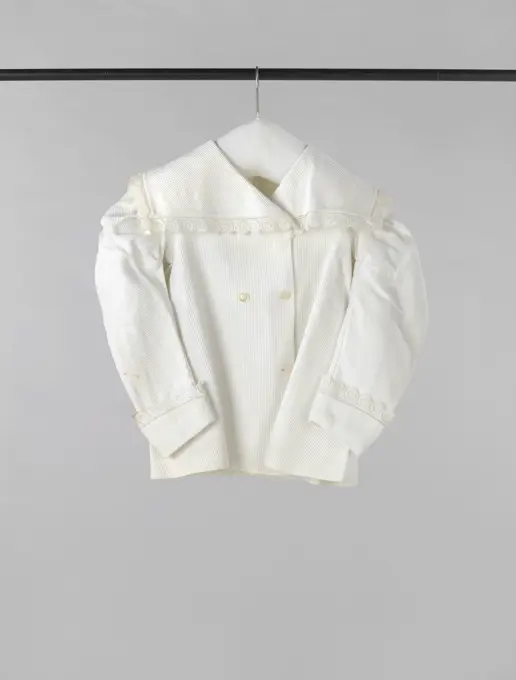
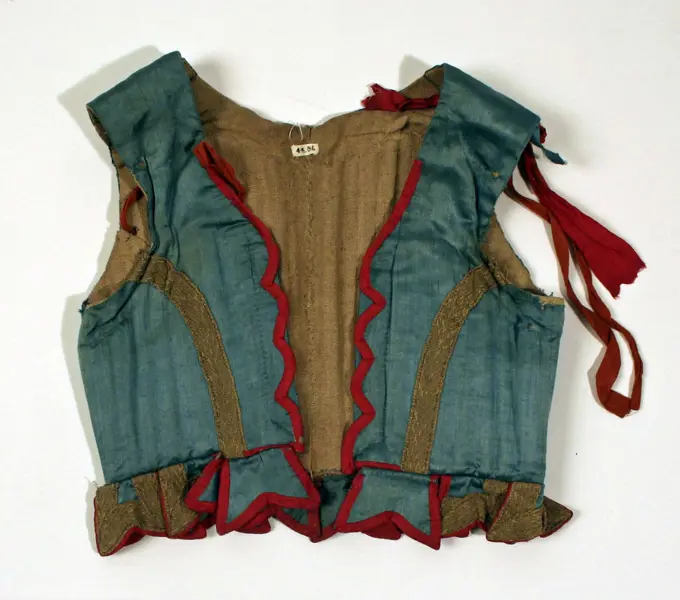
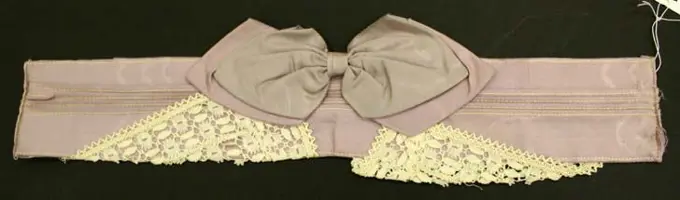
An assortment of finely tailored garments including satin vests, baby covers, and lace-trimmed bonnets, reflecting 18th to early 19th century fashion.

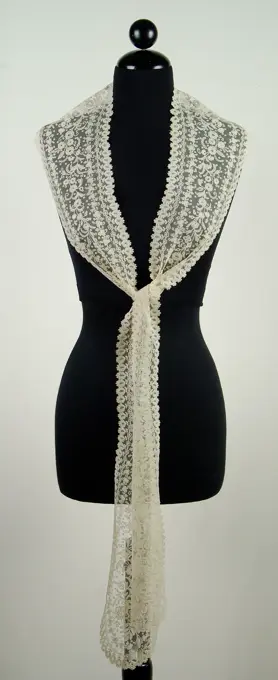
Fontaneldoek of white linen with lace; marked in Red Cross stitch: LH8, Anonymous, c. 1750 - c. 1900 12 linen fontanelletjes with different side deposited, 4 marked LH8, 3 gem. H8, 5 Gem. HVS (Gr. Hoogenhuize "1772-1852" tr. 1802 S.E. von Schmid "1771-1843"). 1 of Damast gem. HH6 (W.R. Hoogenhuize "1747-1804" TR 1787 W. Helmerich "1752"). Europe linen (material). 12 linen fontanelletjes with different side deposited, 4 marked LH8, 3 gem. H8, 5 Gem. HVS (Gr. Hoogenhuize "1772-1852" tr. 1802 S.E. von Schmid "1771-1843"). 1 of Damast gem. HH6 (W.R. Hoogenhuize "1747-1804" TR 1787 W. Helmerich "1752"). Europe linen (material).
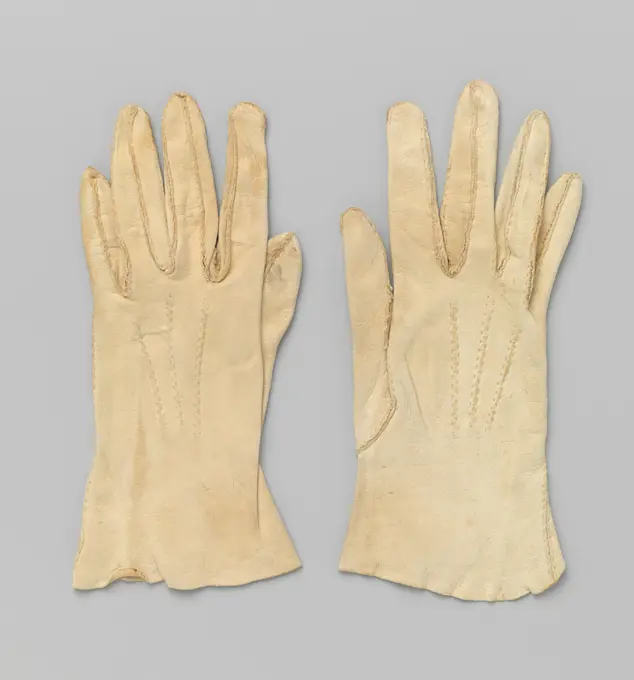
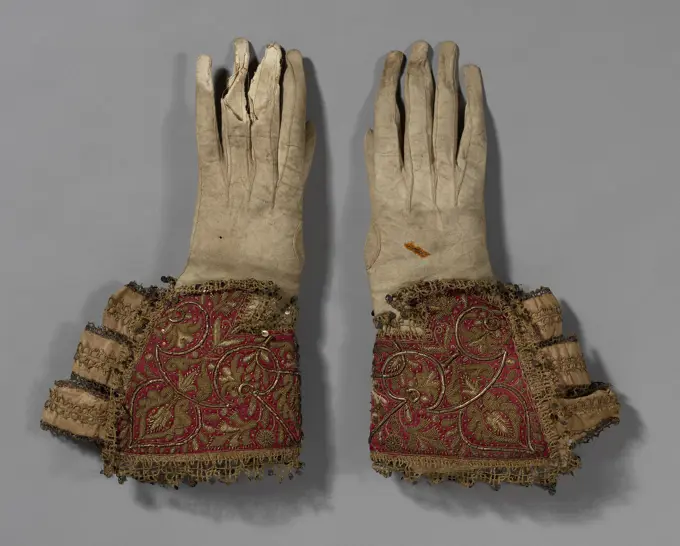
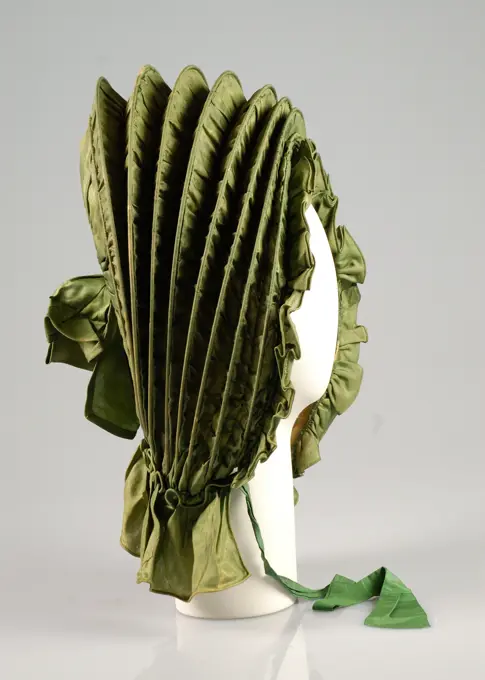
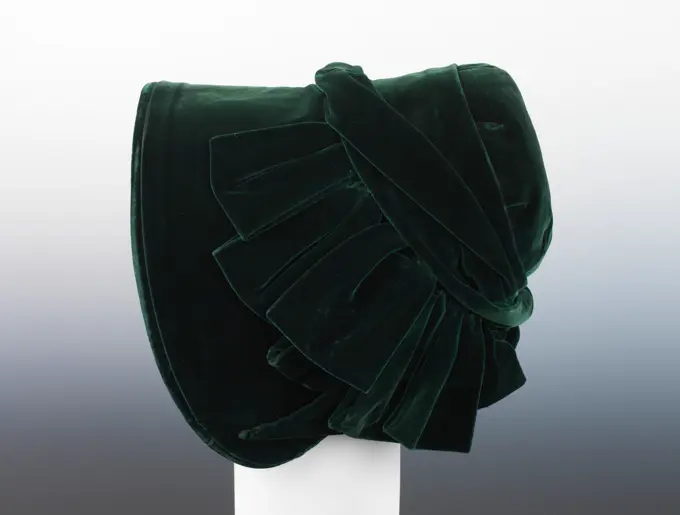
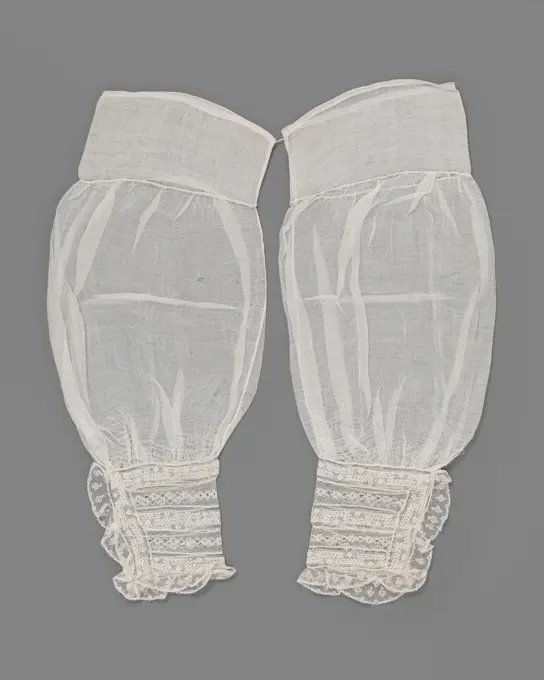
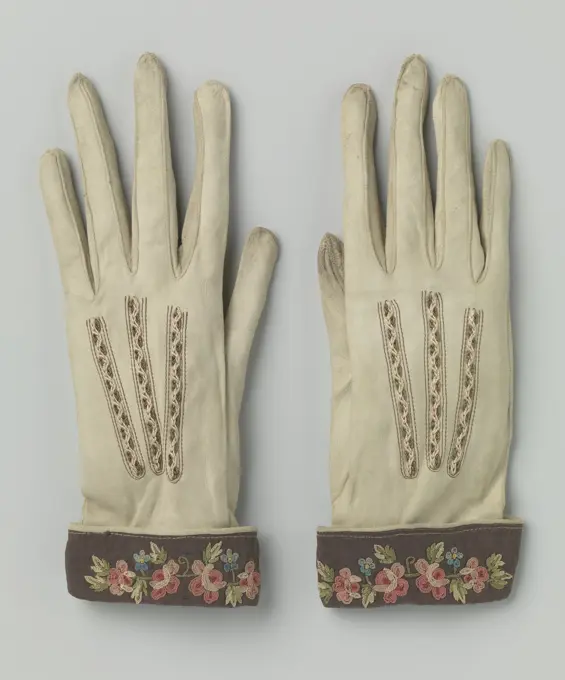
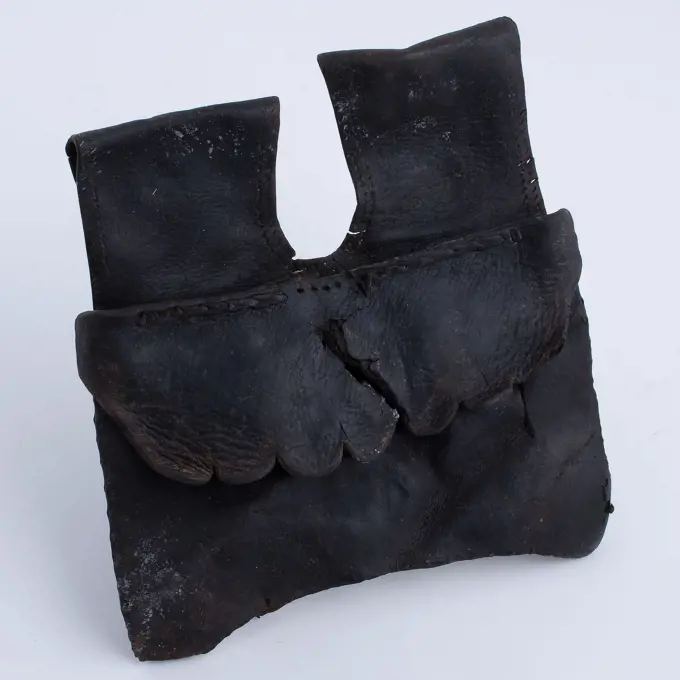
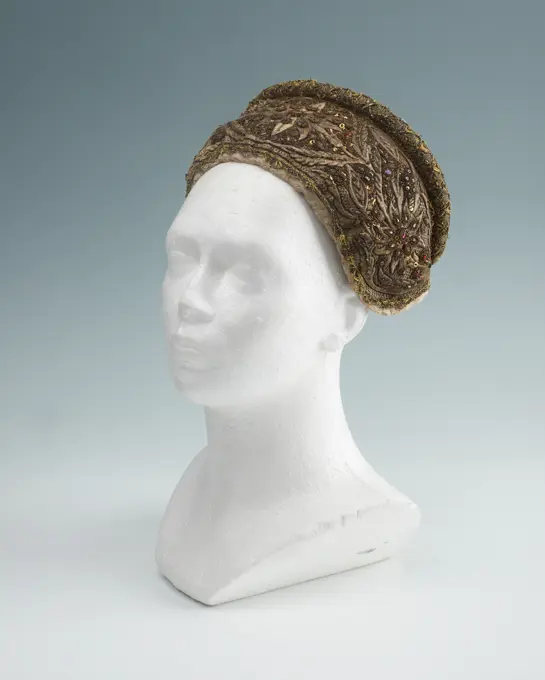
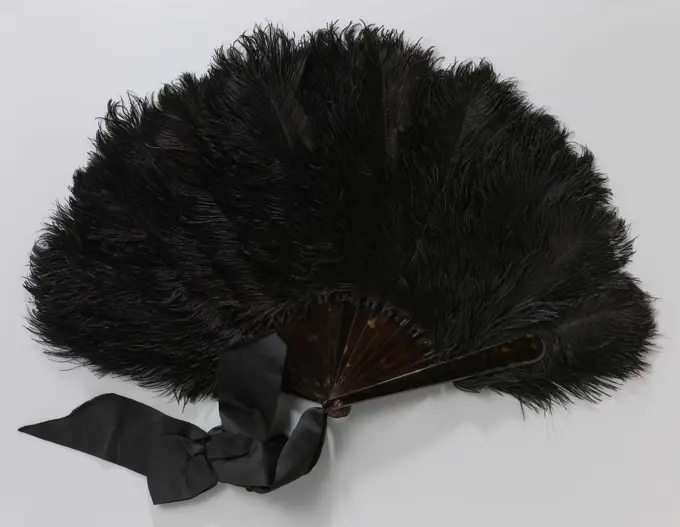
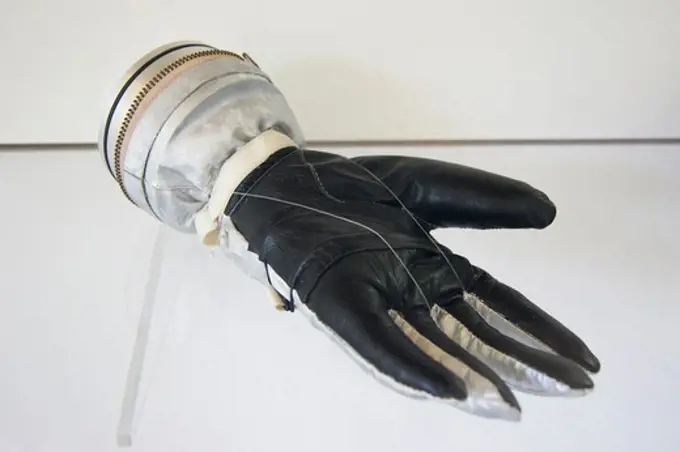
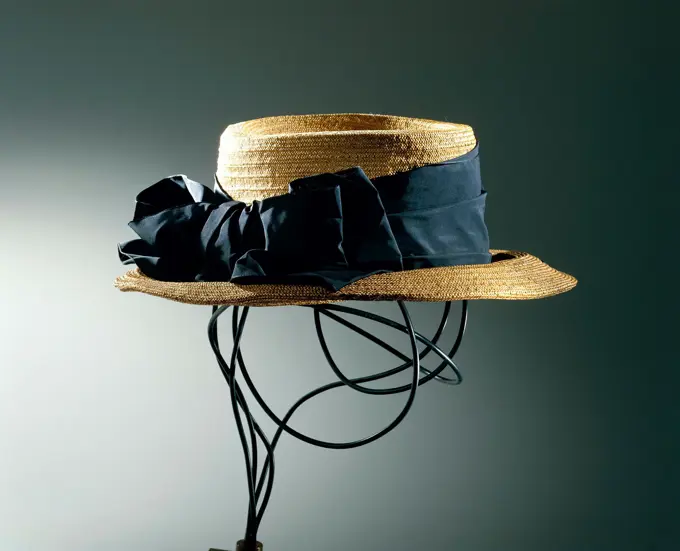
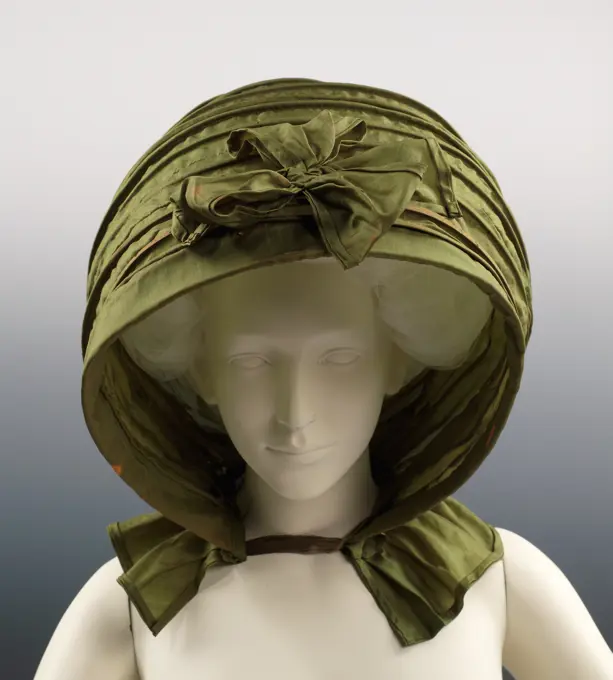
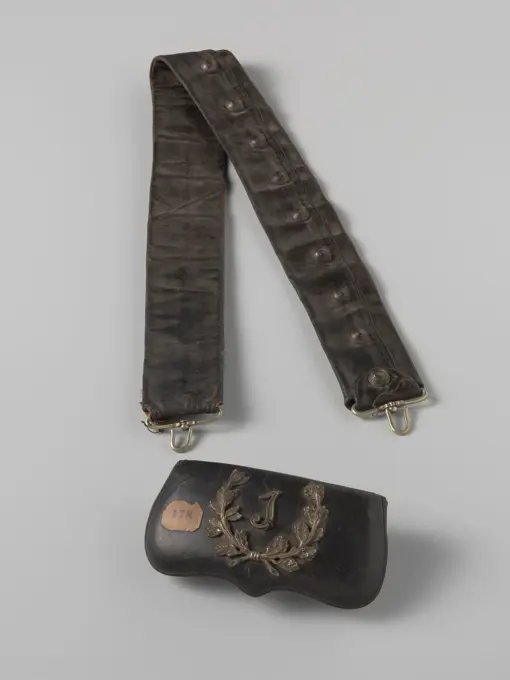
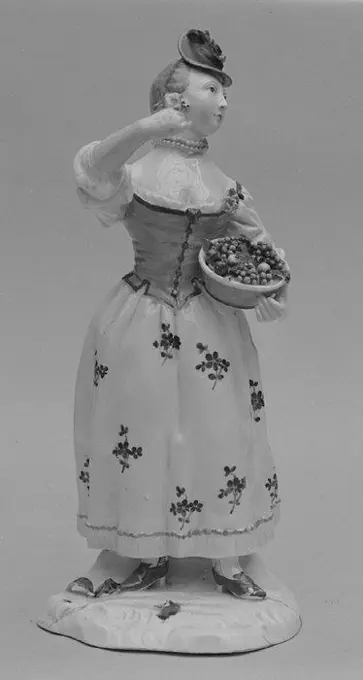
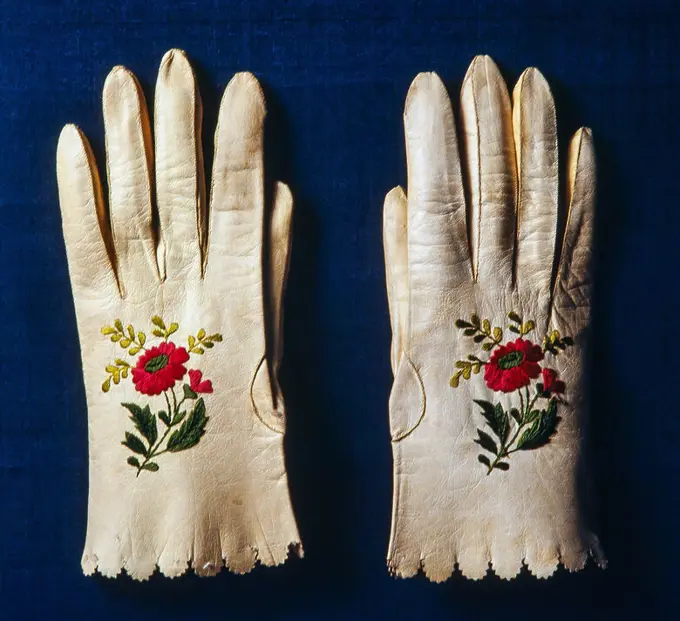
Sleeve of white cotton printed with spreading motif in Magenta and ocher, anonymous, c. 1700 - c. 1800 Sleeve, lined, white cotton printed with spreading motif of flowers and leaves in Magenta and ocher. The lining is green. The cuff has been cut. Netherlands cotton (textile) printing Sleeve, lined, white cotton printed with spreading motif of flowers and leaves in Magenta and ocher. The lining is green. The cuff has been cut. Netherlands cotton (textile) printingCravat 1800-1815 probably French. Cravat. probably French. 1800-1815. silkGlove of white cotton, perlfil, c. 1950 - c. 1970 Left glove made of white cotton. Faced pair with brand label attached to it and price tag of the Bijenkorf available. Netherlands whole: Cotton (textile) Left glove made of white cotton. Faced pair with brand label attached to it and price tag of the Bijenkorf available. Netherlands whole: Cotton (textile)Mail Shirt 1500-1550 Europe. Steel .Glove from beige corner leather. Left glove from beige corner leather. Decorated with three stitched lines on the back.Apron ca. 1890 American. Apron. American. ca. 1890. cottonPair of Men's Gloves Made 1600-1650 England. Gloves leather; Gauntlets silk, satin weave; embroidered with linen, gilt-metal-coiled wire and strips, and gilt-metal-strip-wrapped silk in couching and padded couching; ribbons of silk, plain weave; edged with gilt-metal-strip-wrapped silk, bobbin straight lace; metal spangles .Calash ca. 1830 American. Calash 169701Evening bonnet ca. 1847 American The bonnet of the 1840s was a scaled-down version of the flamboyant 1830s model with its exaggerated brim and heavy ornamentation. The style seen here relies on rich color and manipulation of fabric to achieve visual interest. The maker, New York City milliner Margaret Swan, who worked on McDougal Street, wrapped and folded the velvet at the crown and added a mass of self loops to the side, taking full advantage of the effects of light on the rich green velvet nap.Accession record notes: "This bonnet was made by the great-aunt of the donor, Margaret Swan, who was a milliner and worked on McDougal Street, New York City.". Evening bonnet 156338Girls' mantle of sturdy twill cotton, anonymous, c. 1895 - c. 1899 Girls' mantle of sturdy twill cotton. Netherlands cotton (textile) Girls' mantle of sturdy twill cotton. Netherlands cotton (textile). Folding fan of white ostriching on a closed, unprocessed pearl frame. The frame counts 16 contiguous legs, to which a metal fan ring and a pearl disc at the closing pin.Doll bib - Doll-E-Feeder Amsco Toys Amsco ToysCrinoline mid-19th century American or European. Crinoline 108687Vlasbatist with embroidery and lace, anonymous, c. 1860 - c. 1880 Vlasbatist forefront. The straight cuff is decorated with three strips of batist on which white embroidery in the shape of leaves, and two intermediate sorts of Rijsselse Kloskant. The cuff is trimmed with a Mechelen side. The closure consists of three white glass buttons. West-Europa Batiste. cuff:. Button: Glass Mechlin (Lace) / Lille Lace Vlasbatist forefront. The straight cuff is decorated with three strips of batist on which white embroidery in the shape of leaves, and two intermediate sorts of Rijsselse Kloskant. The cuff is trimmed with a Mechelen side. The closure consists of three white glass buttons. West-Europa Batiste. cuff:. Button: Glass Mechlin (Lace) / Lille LaceGloves made of chamois leather, with narrow -knocked roofs of liver -colored ripszijde brochaged with flowers, c. 1890 - c. 1910 Right gloves made of chamois leather, with liver -colored sides () Narrowly knocked back. Close the inside with a push button. On the hand three embroidered lines consisting of garlands in Rose and Green. A thin garnish of brown stitching stitches around it. Four pink/red florets with leaves on the hoods. Address (a stamp in the left glove): Made in France, (in the left glove the stamps): Vallet Paris / Made in France / 6. Paris whole: Leather. whole: Chamois (Animal Material). whole: Silk. Right gloves made of chamois leather, with liver -colored sides () Narrowly knocked back. Close the inside with a push button. On the hand three embroidered lines consisting of garlands in Rose and Green. A thin garnish of brown stitching stitches around it. Four pink/red florets with leaves on the hoods. Address (a stamp in the left glove): Made in France, (in the left glHeaddress fourth quarter 19th century Austrian This grand headdress was worn as part of festival dress worn in the Carinthian state in the Eastern Alps of Austria. The long winters in Carinthia limit outdoor activities, leading to the production of elaborate costume pieces.. Headdress. Austrian. fourth quarter 19th century. cotton, metalLeather belt bag or money bag with two wide hanging loops, pouch bag soil find leather, tanned cut Belt bag or money pouch made of leather. Elongated model with two wide hanging loops at the top. Wide shifting flap. Not known if the interior of the bag is present archeology Rotterdam Stadscentrum Stadsdriehoek Groenendaal indigenous learning work save money pay transport Soil discovery Rotterdam corner Mariniersweg Groenendaal 1983.Cape. Culture: American. Date: 1892. Museum: Metropolitan Museum of Art, New York, USA.Czepiec unknownStays 1700-1799 probably American. Stays 102913Pair of Gloves with Radiating Cords. Left glove from dark red leather with three radiating cords on the back.Close-up of purple straw hatCollar 1700-1945 American or European. Collar 119265Miser's Purse (France); silk, steel; L: 30.5 cm (12 in.). Range of black ostriching on a closed, turtle frame (17 legs) to which - through the fan ring - a black satin bow.USA, California, Los Angeles, California Science Center, Mercury spacesuit glove. Hat of braided band straw with straight globe and wide, dependent edge, decorated with stretched ribbon of black grosgrain. Model: The sphere and edge are both made of double band straw. Between the sphere and the edge an extra reinforcement of Tarlatan. Liner of beige artificial silk, deposited in the sphere with black ripping ribbon. Decoration: around the sphere a 14.5 cm wide black ribbon of fine grosgrain, which ends on the right in a flat bow.Elderly Lady's Bonnet. Dated: c. 1937. Dimensions: overall: 44.5 x 37.2 cm (17 1/2 x 14 5/8 in.). Medium: watercolor and pen and ink on paper. Museum: National Gallery of Art, Washington DC. Author: Al Curry.Przeszo Przyszoci Mi Nia (Meissen)Green muslin blanket for kids on white backgroundBonnet 1860s American or European. Bonnet 113103Calash ca. 1790 American. Calash 157763Vertical view of leather brown construction gloves on scratched metallic surface building conceptCoin Purse. Dated: c. 1940. Dimensions: overall: 35.7 x 25.1 cm (14 1/16 x 9 7/8 in.). Medium: watercolor, graphite, and gouache on paper. Museum: National Gallery of Art, Washington DC. Author: Ruth M. Barnes.Cap, 1800s. Netherlands, 19th century. Lace ; overall: 42 x 20 x 23 cm (16 9/16 x 7 7/8 x 9 1/16 in.).Gloves. Culture: French. Date: 1824.Fashion designates geography, and memories of place are embodied in clothing. A portable art, clothing establishes a sense of locale by means of description, mapping, and memory. We cannot transport or transplant the place (or the experience), but we can use our wardrobes as odysseys and souvenirs. These gloves portray Lafayette and may commemorate his visit to the United States in 1824. Museum: Metropolitan Museum of Art, New York, USA.. Canopy hat from white machining tulle on coarse mesh, trimmed with white rips silk and decorated with docking side, cotton flowers and satin ribbon. Model: Coast of coarse mesh tulle reinforced with Laitondraad and ribs. Slot off with RIPSCINT. Both inside and outside coated with crepe Georgette, which is wrinkled on the outside over the hood. Decoration: 'Bavolette' (strip in the neck) of ... Anjer-like flowers with chenille stamens and chalice of green. Stalk ribbons of satin.Patternas Cavalerie 1st Regiment Officers, Royal Netherlands Army with Giberneriem, Officer of Artillery Royal Dutch Indian Army, ca. 1880, Anonymous, c. 1830 - c. 1880 cartridge pouch Steel, slightly curved rectangular bag. Open at the top. Covered with black patent leather. Leather accolade -shaped, stricted valve with belt. On the valve a white metal 1 with copper wire surrounded with a white metal wreath of an olive and an oak branch, which are bound at the bottom. The valve continues at the rear in a piece of stitched leather. Secured at the bottom with a white metal knot. Inside of the valve is finished with half a piece of black leather. Black leather belt consisting of top and bottom with transhipment. Slightly cut around with 18 semicircular copper knots with grenades. At the ends each a copper hook. Netherlands silver (metal). copper (metal). leather. iron (metal)Bib with vertically woven stripe, around which a white embroidered zigzagrand and decorated with Valenciennes side, embroidery and rough, anonymous, c. 1880 A bavarty (bib) of piqué with intermediate sorts of Valenciennes side and machine embroidery, trimmed with a batist strip with Valenciennes side. Netherlands batiste. Bobbi lace / embroidering / valenciennes lace A bavarty (bib) of piqué with intermediate sorts of Valenciennes side and machine embroidery, trimmed with a batist strip with Valenciennes side. Netherlands batiste. Bobbi lace / embroidering / valenciennes lace162.epsFan 1890s American or European. Fan 107436Fichu mid-19th century Belgian. Fichu 169956Photo collection of anefo. Unknown. Assignment MeJuFrum Biegel Wand Color Now. 180. June 1, 1949. The stocking is knitted from white linen, with a garnish piece, a small and a large heel, a calf, a seam and a diamond pattern in bone stitch.Gardener's companion (one of a pair) ca. 1765 Fulda Pottery and Porcelain Manufactory. Gardener's companion (one of a pair) 201843Fragile Glass A Package with Fragile warning sticker. Copyright: xZoonar.com/J.xSandvikx 2918914Bliżej Kultury unknownLeather safety gloves on vintage wooden board construction conceptGuantes femeninos confeccionados en Barcelona, siglo XIX. Museu Textil i d'Indumentaria de Barcelona.Close-up of embroidered purple handSecond World War (1939-1945). Stutthof Nazi concentration camp (Sztutowo, Poland), the first concentration camp built by the Nazi regime outside Germany. Personal belongings of prisoner K. Vike: a jacket and a spoon. The jacket was sewn with a red, non-inverted triangle made of cloth. This badge signified that the prisoner was a military prisoner. Latvian War Museum. Riga. Latvia.