Elegant Vintage Jug Collection

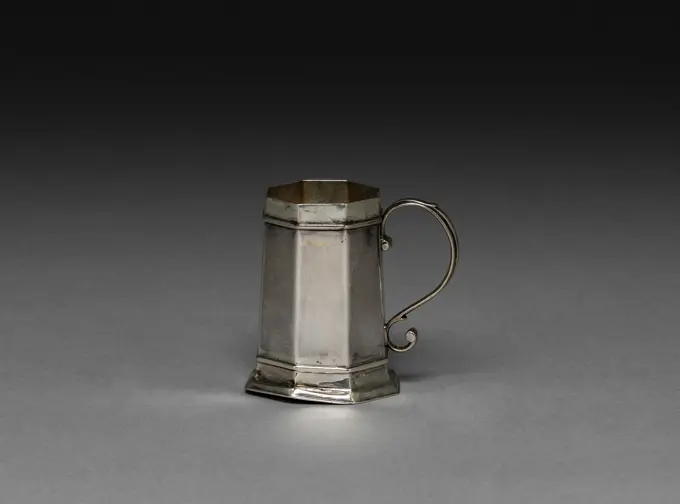
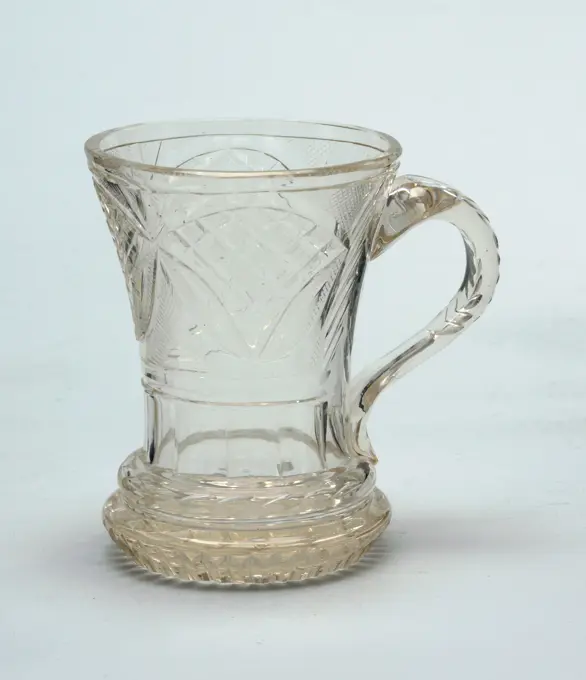
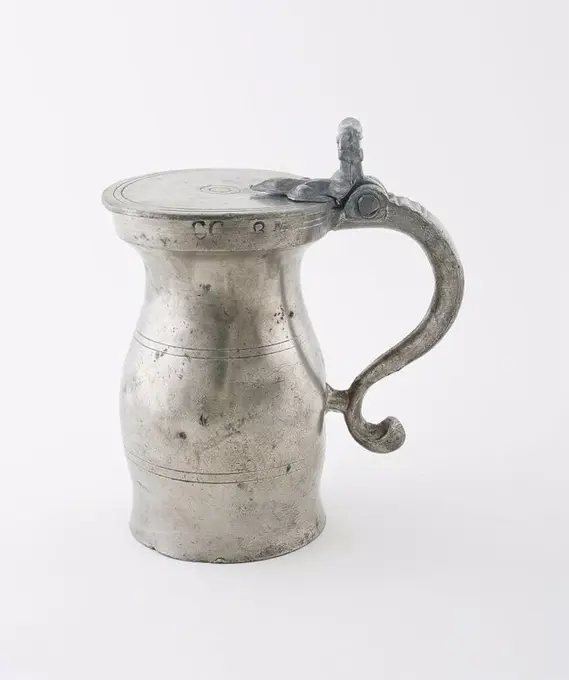
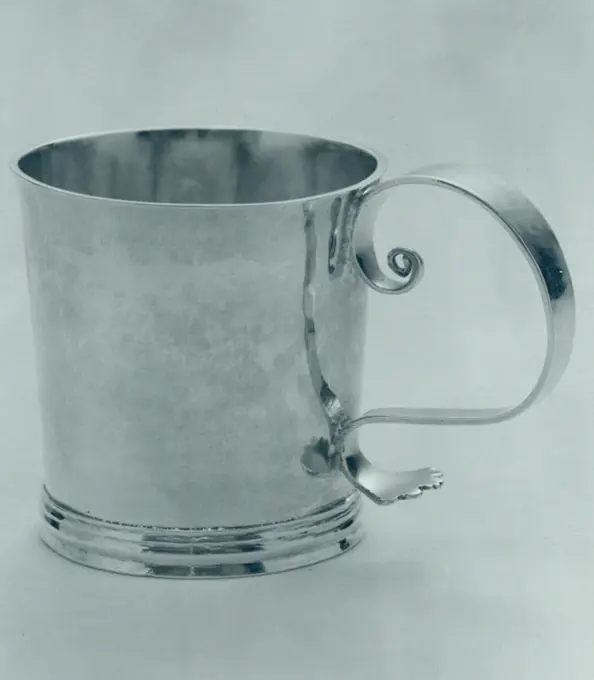
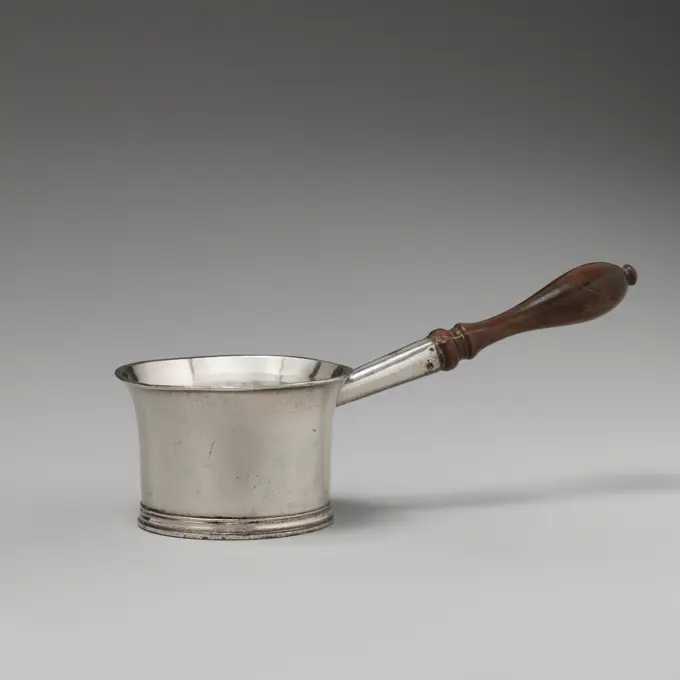
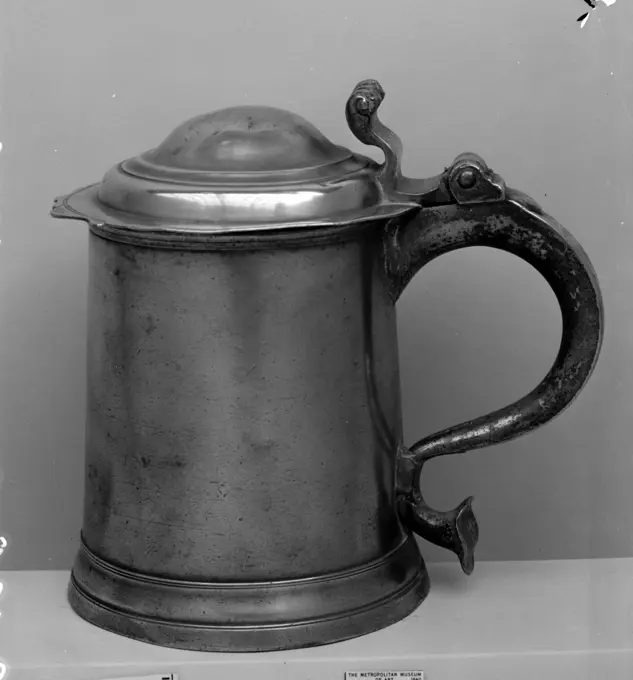
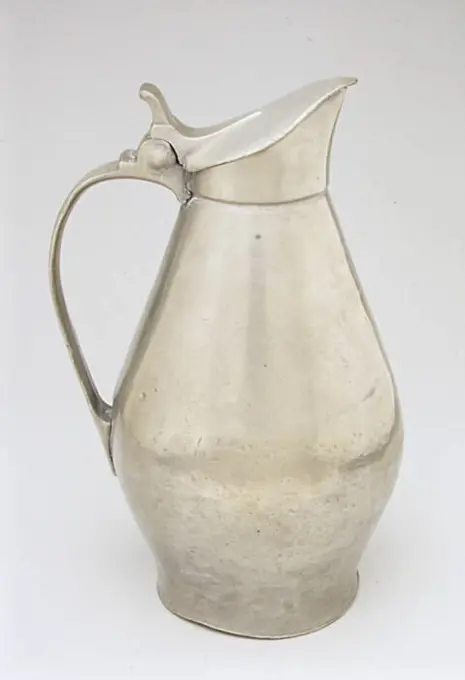
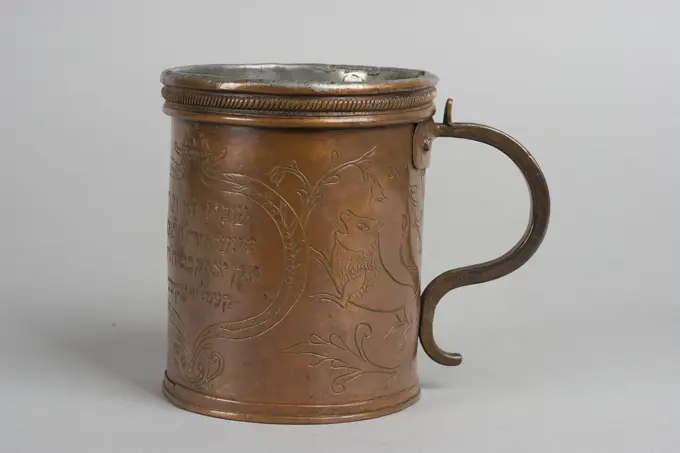
A selection of antique jugs and tankards made of silver and pewter, showcasing exquisite craftsmanship and historical significance.

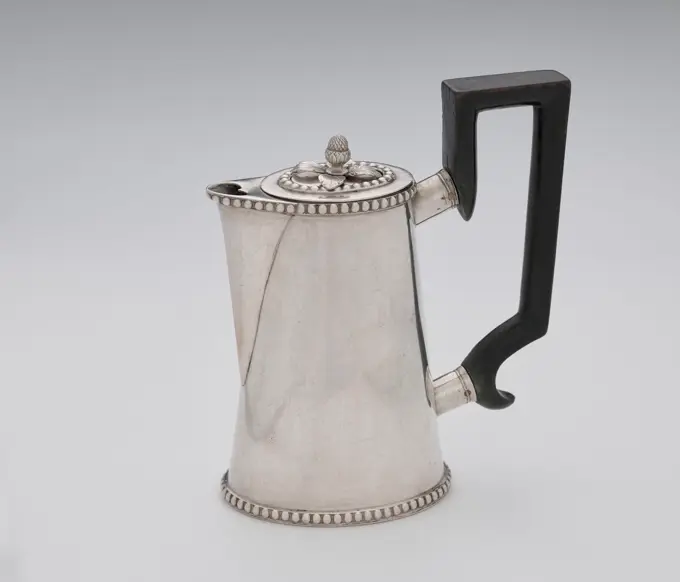
Jug; Wiehr; 19th century (1885-00-00-1890-00-00);
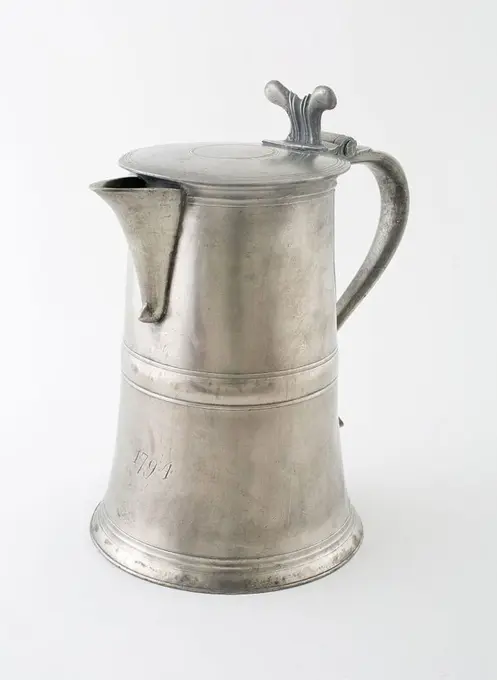
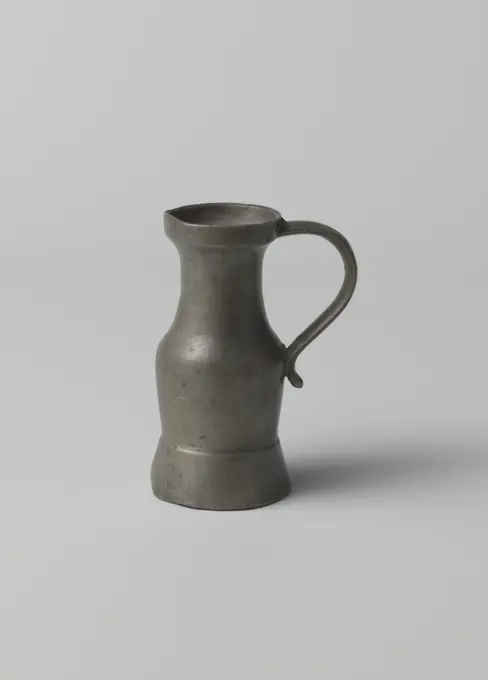
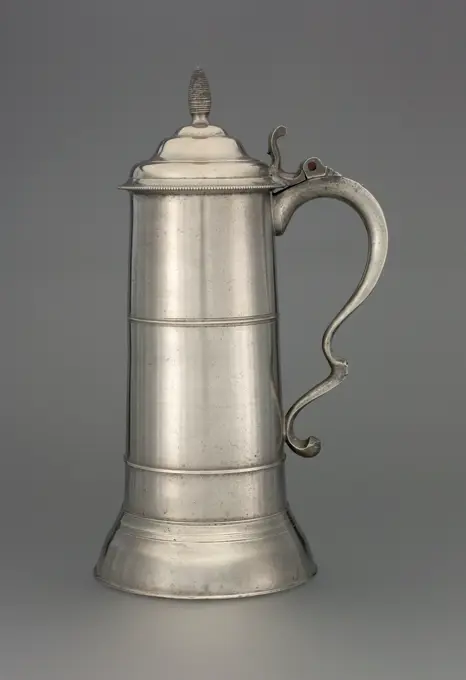
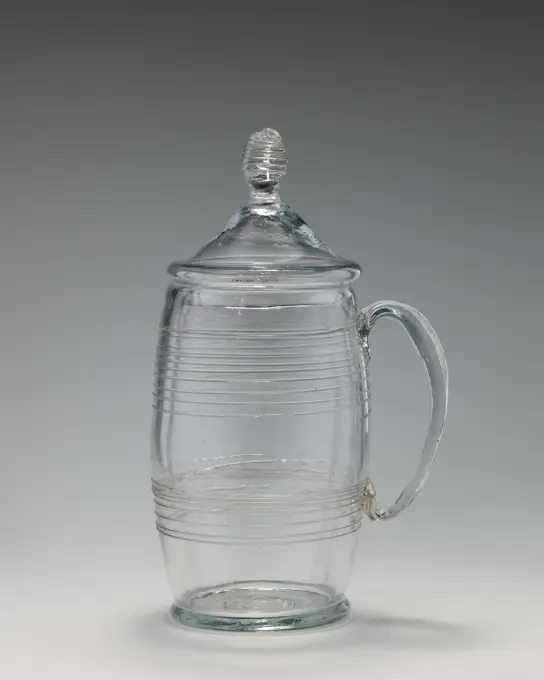
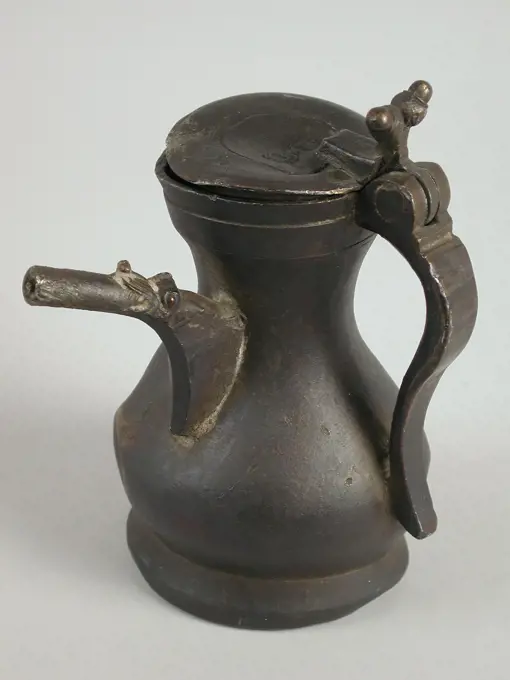
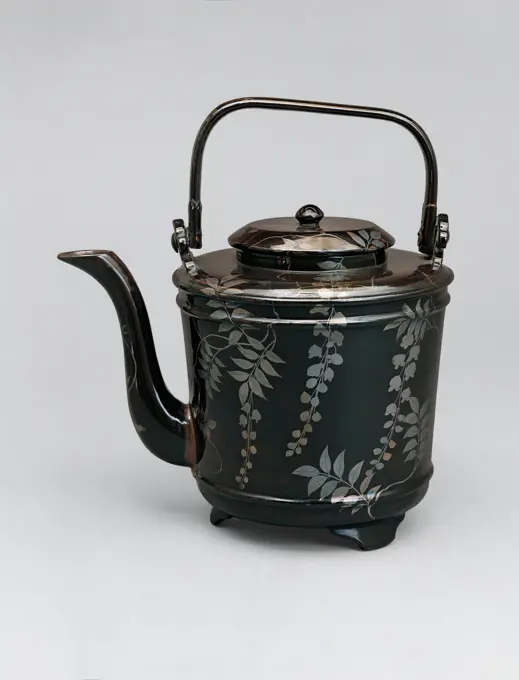
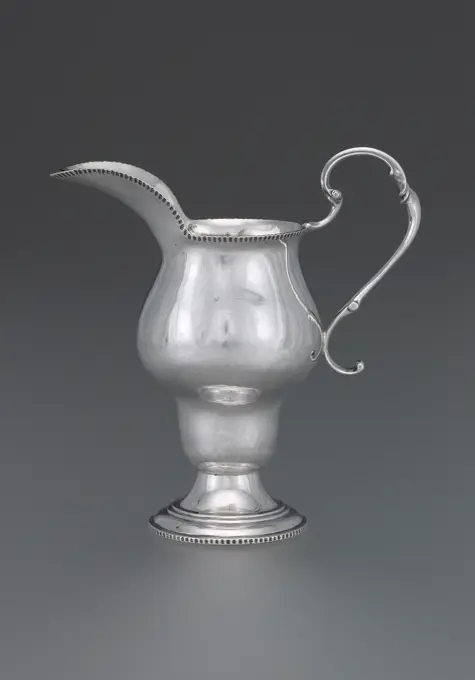
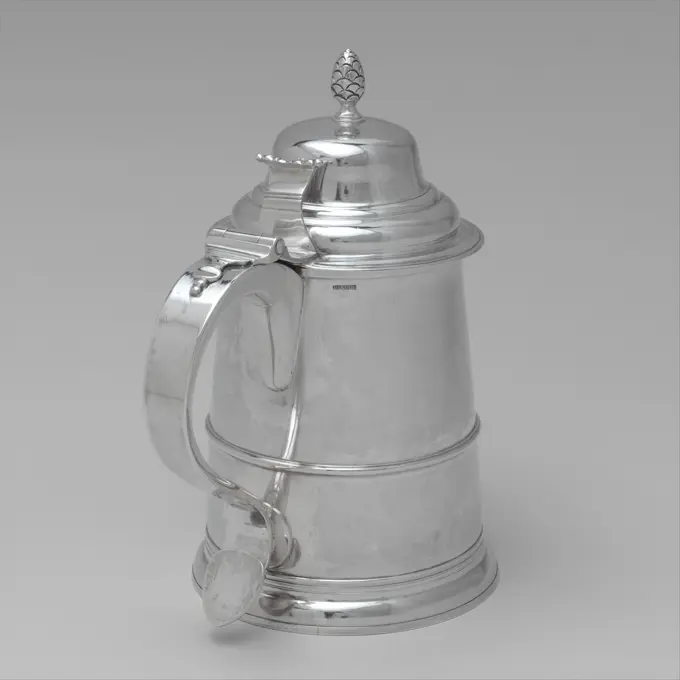
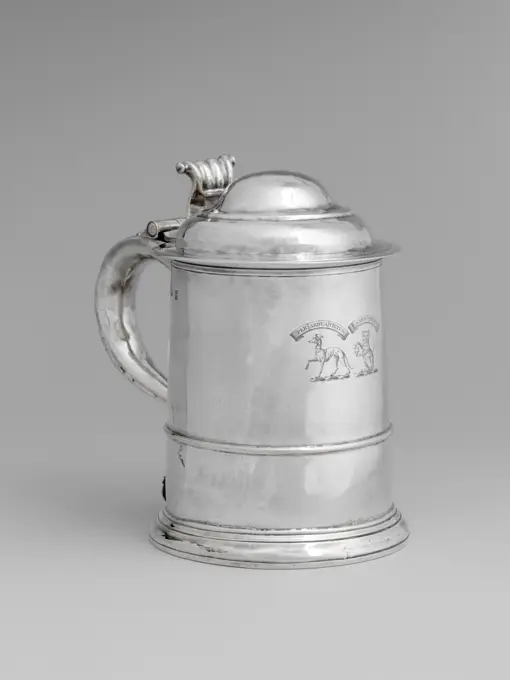
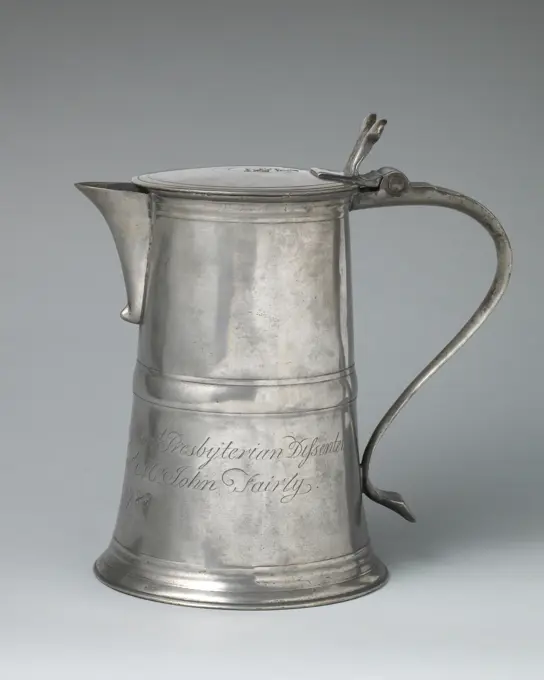
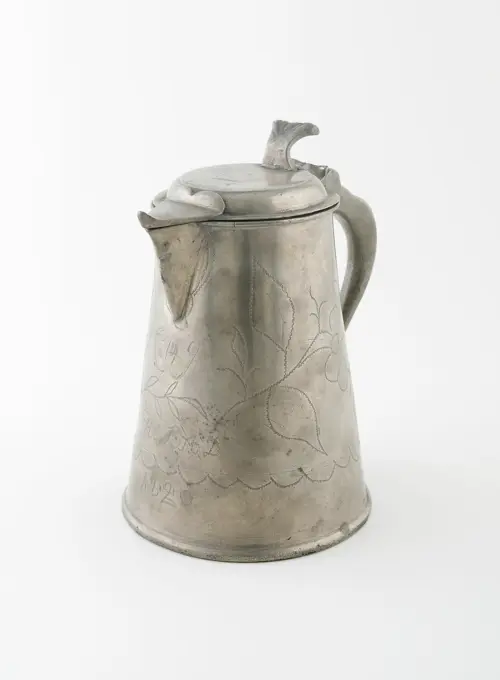
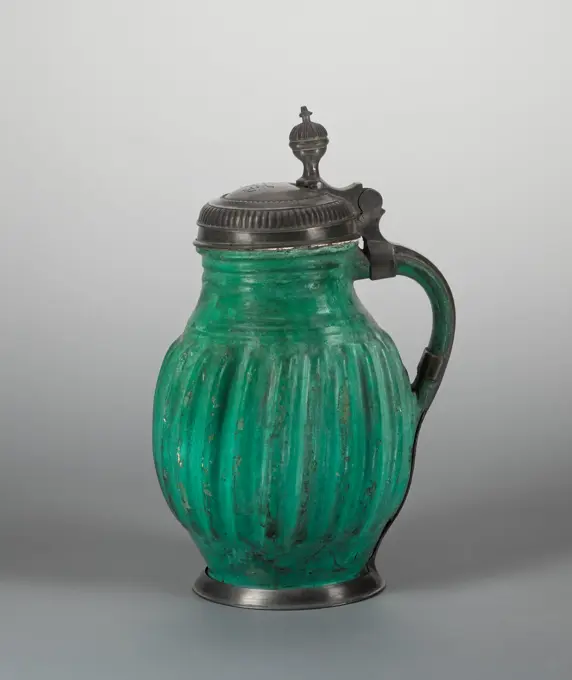
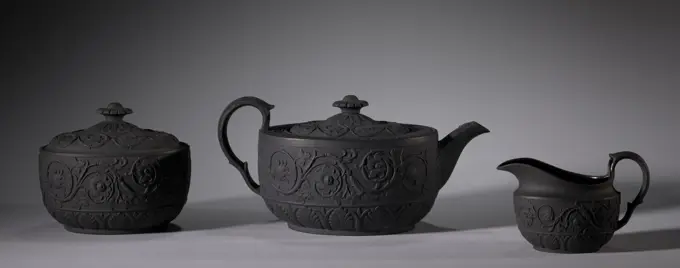
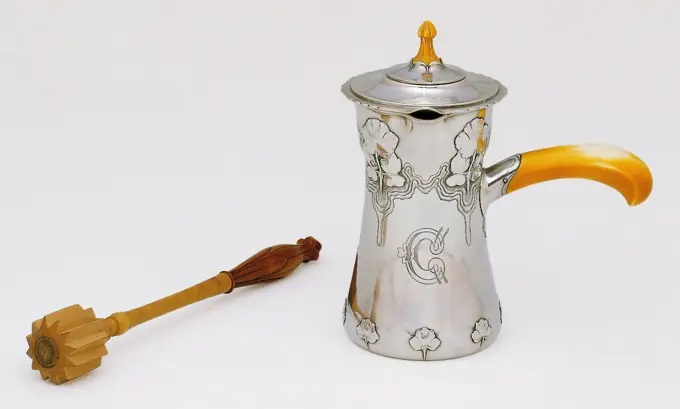
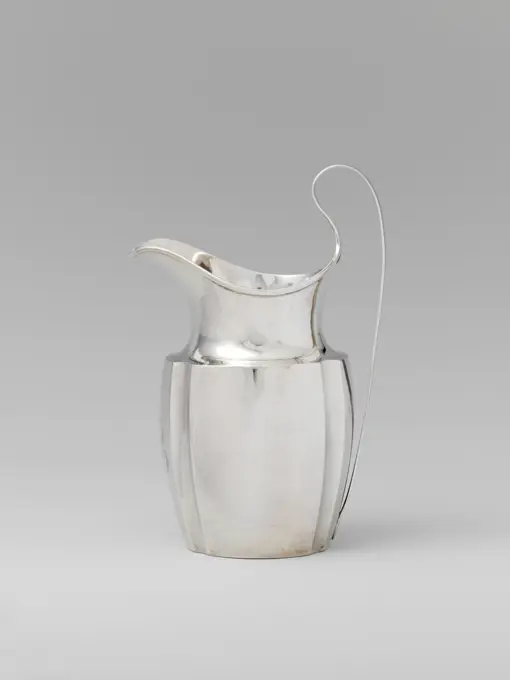
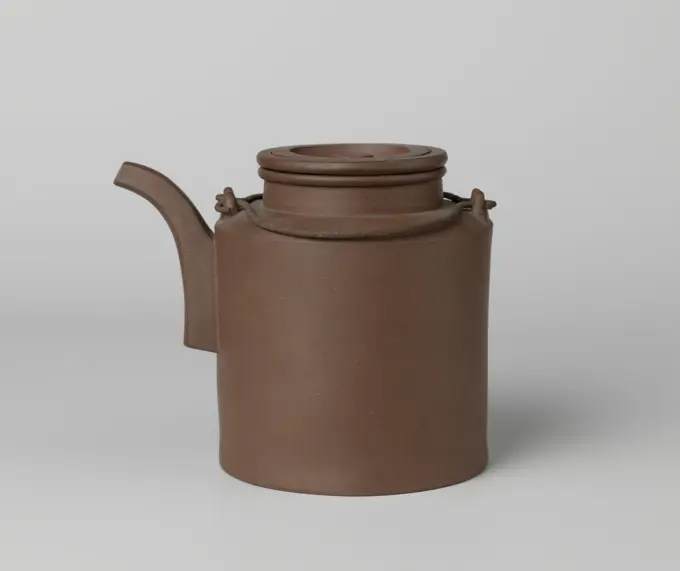
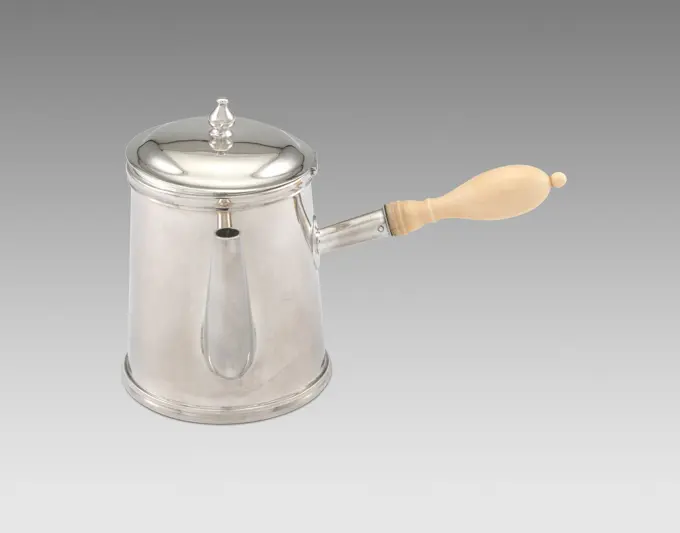
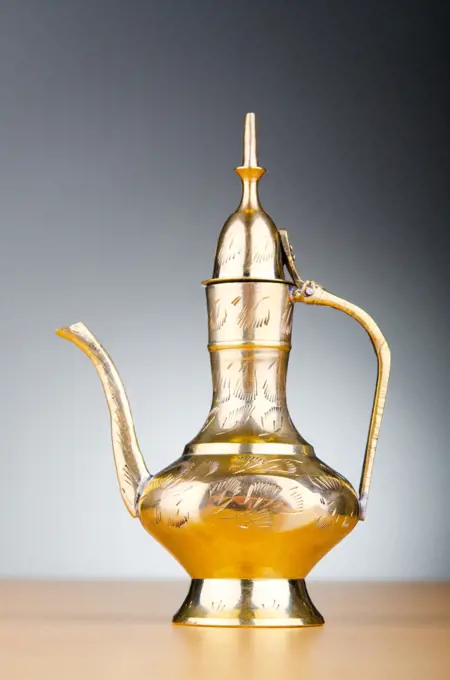
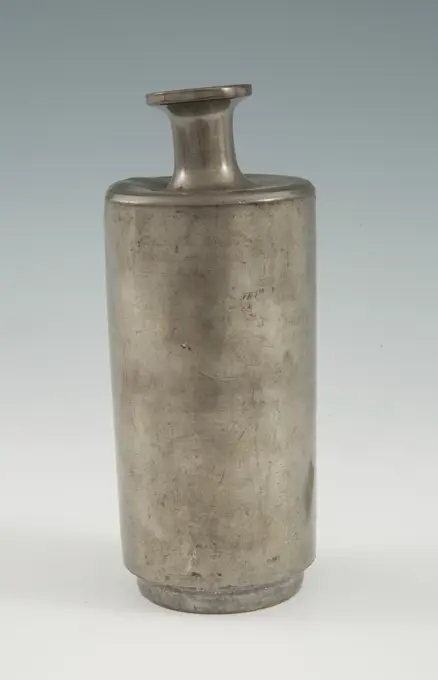
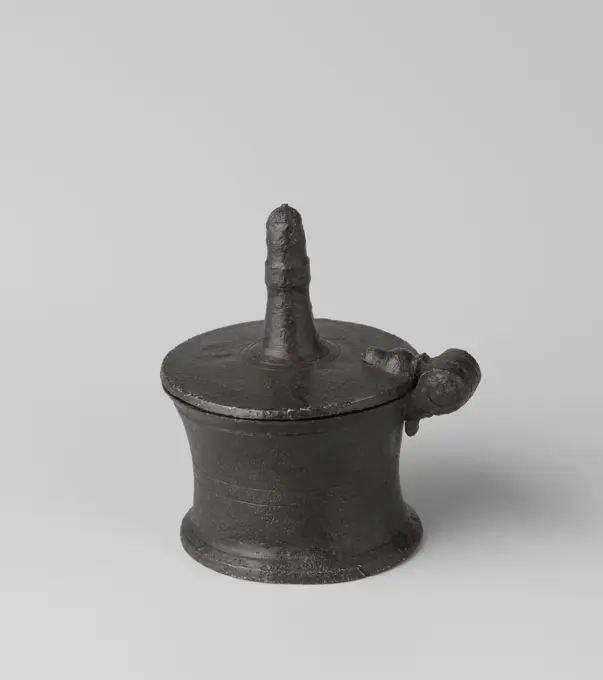
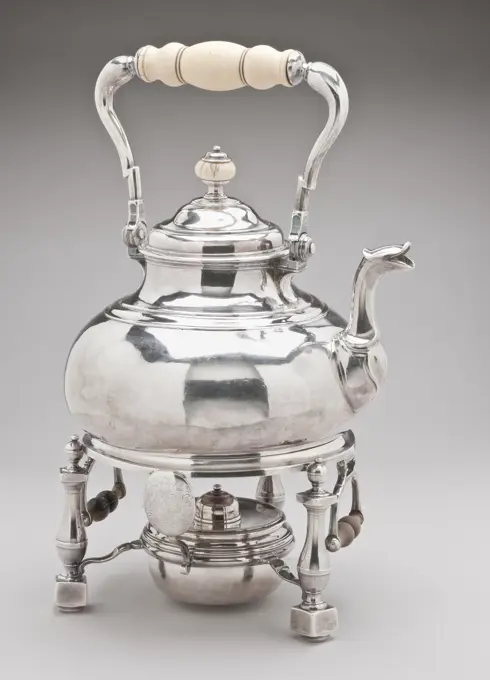
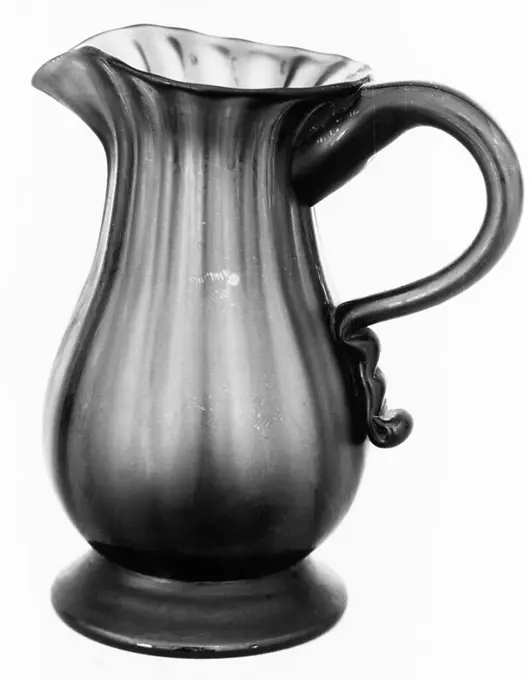
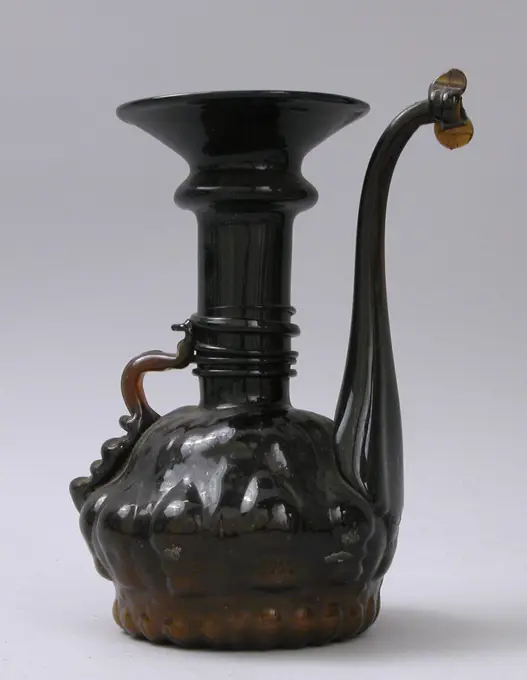
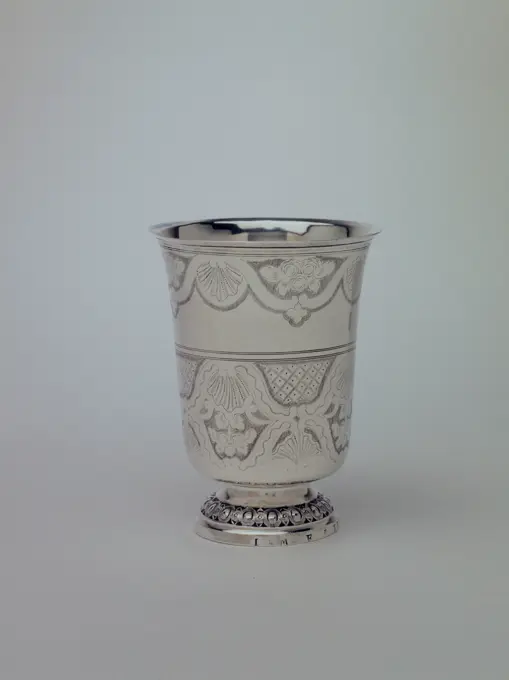
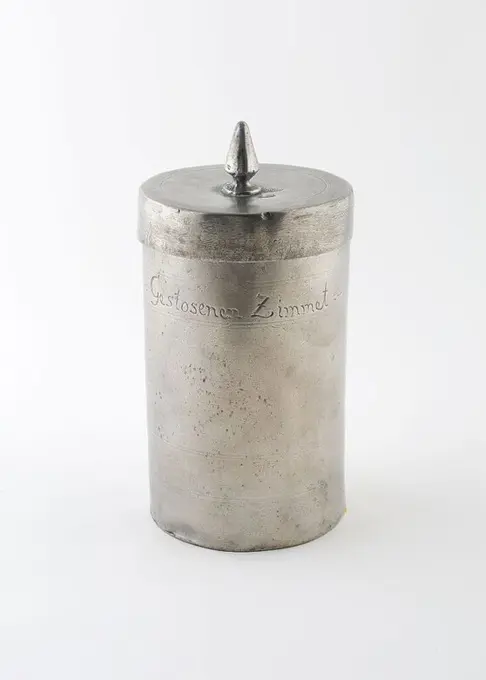
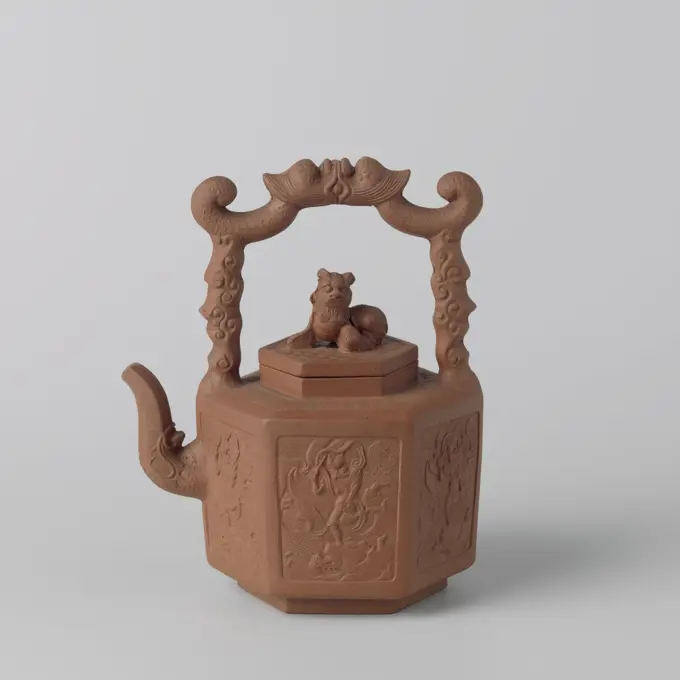
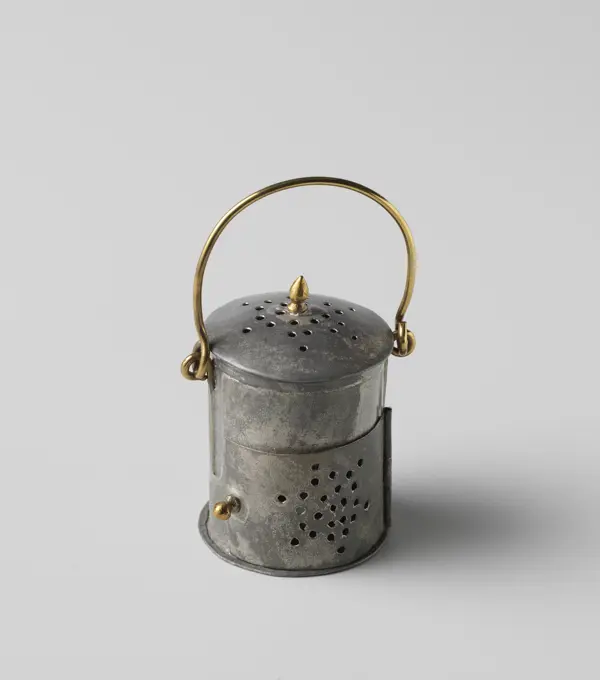
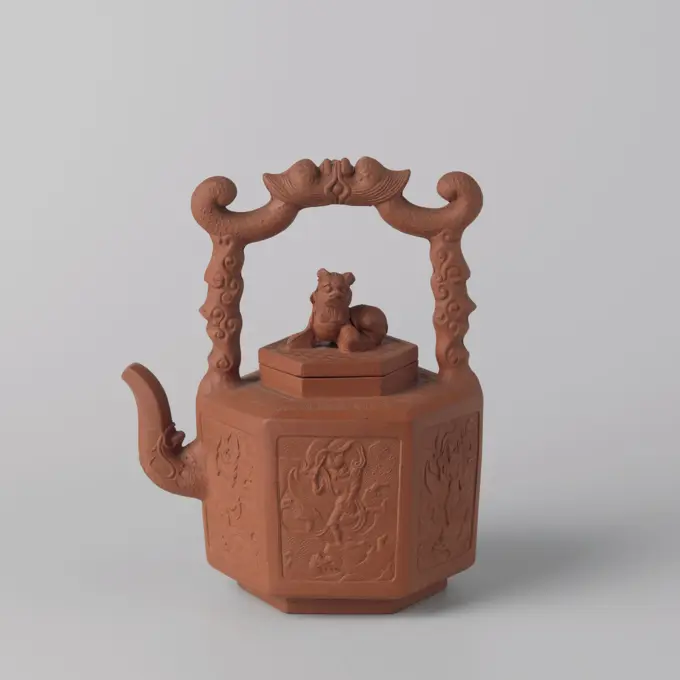
Coffee jug; Hahn, Jakub Gustaw (1756-1824); The nine years of the 18th century (1790-00-00-1799-00-00);Covered Communion Flagon with Spout. Stephen Maxwell; Scottish, active c. 1781-c. 1800; Glasgow, Scotland. Date: 1782-1792. Dimensions: 25.4 x 15.9 x 23.5 cm (10 x 6 1/4 x 9 1/4 in.). Pewter. Origin: Glasgow. Museum: The Chicago Art Institute, Chicago, USA.Jug; Wiehr; 19th century (1885-00-00-1890-00-00);Tankard ca. 1785-95 Possibly by David Tyler. Tankard 8229Tankard.   Maker: Peter Young, American, 1749-1813. The plain jug and cups on view here were used in the Westerkerk in Amsterdam, one of four churches built in the city for Protestant worship during the first half of the 17th century. Protestants repudiated what they feltwas the sinful, ostentatious display of wealth in the Catholic Church. They favoured highly austere objectseven for the solemn celebration of communion.Small jug of tin, anonymous (attributed to), 1700 - 1800 Small jug from Tin. There is a undecorated, baluster -shaped jug on the high stand ring. The handle via at the bottom of the lip edge to the most convex part of the abdomen, after which the light curls out. Paris tin (metal) casting Small jug from Tin. There is a undecorated, baluster -shaped jug on the high stand ring. The handle via at the bottom of the lip edge to the most convex part of the abdomen, after which the light curls out. Paris tin (metal) castingFlagon.  Maker: Samuel Danforth, American, 1774-1816Tankard late 18th century British. Tankard. British. late 18th century. Glass. GlassCaster, 1743. Jacob Hurd (American, 1702-1758). Silver; with handle: 9.5 x 7.4 cm (3 3/4 x 2 15/16 in.).Mug; glassPint Wine Measure. England. Date: 1775-1785. Dimensions: 15.9 × 14 cm (6 1/4 × 5 1/2 (incl. handle) in.). Pewter. Origin: England. Museum: The Chicago Art Institute, Chicago, USA.Boiler. Oval, straight kettle with lid and handle. Along the edges of engravings. The center piece of the handle is straight. The boiler has been marked: unreadable characters and a crowned O.Maker: Nathaniel Morse, 1685-1748, SpoutCup, ca.1715-25, Silver, 5 1/8 in. (13 cm), Made in Boston, Massachusetts, American, 18thcentury, Containers -MetalsJug of tin (Rembrandtkan). Jug of tin, a so-called Rembrandtkan. A round band runs on the foot. Double profiling on the abdomen and profiled to the transition from neck to lip edge. The jug is closed with a sphere vaulted, profiled lid. Thumbs rest all over a double hinge in the handle, which bends slightly down.Maker Unknown, Cup, c. 1690, silver.Tin beer mug. Tin beer mug. The barrel-shaped pulse is closed with a vaulted lid. Above the ear a double hinge with crossbar as a thumb trust. The handle runs at the top of the outside.probably Boston and Sandwich Glass Works, Cream Pitcher, c. 1825-40, mold-blown glass.Tankard.   Maker: Frederick Bassett, American, 1740-1800Drinking jug or shelf jug, pipe jug drinkware holder soil find tin, ear 9.5 cast Vertical soldered hollow cupped plinth pear shaped body narrowing neck flat lid with one-piece hinge two acorns as thumb-rest band-shaped ear far out of body stinging narrow round pipe that runs through to the bottom inside of the container Gold patina two concentric rings on board and one on lid halfway pipe thickening in form of bird's head with beak. mark on lid: two squares with Gothic letters I (trademark) ... serve archeology alcoholMug.   Maker: T. D. and S. Boardman, American, 1810-1850Thomas Warner, Pitcher, c. 1805, silver.Coffeepot.   Maker: Charles Le Roux, 1688-1748Nathaniel Hurd, Tankard, c. 1770, silver.Ewer for hot water with wisteria, late 16th - early 17th century, Unknown Japanese, 9 13/16 × 8 15/16 × 6 7/16 in. (24.92 × 22.7 × 16.35 cm), Black lacquer with traces of red lacquer and silver and gold maki-e, Japan, 16th-17th century, In the late 16th century, the nobility began to add elegant hot-water ewers like this to their tableware. Later, such a ewer might have been used for the light meals that precedes chanoyu, the ceremonial preparation of powdered green tea.Maker: John Hastier, American, 1692-1771, Tankard, ca.1725-40, Silver, 6 5/8 in. (16.8 cm), Made in New York, New York, American, 18thcentury, Containers -MetalsGustavus Byrne, Mustard Pot (blue glass liner), 1795/96, silver.Creampot.  Maker: Elias Pelletreau, 1726-1810Ewer 1727-29 Léopold Antoine. Ewer. French, Paris. 1727-29. Silver. Metalwork-SilverMilk Pot 1750-75 William Homes Sr.. Milk Pot 2424Cup.   Maker: William H. Ewan, American, active ca. 1849-59Tankard ca. 1795 Paul Revere Jr. American Mid-eighteenth-century Boston tankards tended to be tall and tapered, with domed covers and horizontal midbands. By the end of the century, when the vogue for these drinking vessels had begun to wane, they grew even taller, with a more exaggerated dome to the cover. This one is especially large. The script monogram "S E B" engraved on its front stands for Samuel and Elizabeth Bradley, who were married on September 2, 1784. It appears in Paul Revere's account book for the year 1795, where he lists a three-pint tankard under Bradley's name.. Tankard 8218Tankard 1720-21 Thomas Mason British. Tankard 195233Wantwater bucket, round, anonymous, c. 1500 - c. 1600 The object is composed of the following parts: the bucket (cast and turned), the handle (cast and accorded), the eye (cast). The round bucket (with center hole at the bottom in the bottom) has a hollow round profiled hollow base and a hollow round neck. In the vertically standing square on the three -sided edge, the somewhat stretched at the top of the Round Hengel is attached, in which two animal heads are extended and sounded at the top of the eye. The bucket is decorated with a hol round rib in the middle and with ring profiles at the foot and neck. The handle and the eye are replacements from a later time. Neurenberg (possibly) brass (alloy) casting The object is composed of the following parts: the bucket (cast and turned), the handle (cast and accorded), the eye (cast). The round bucket (with center hole at the bottom in the bottom) has a hollow round profiled hollow base and a hollow round neck. In the vertically standing squFlagon 1788 Stephen Maxwell The inscription on this flagon indicates that it and a pewter chalice (65.199.5) belonged to the same congregation under the ministry of John Fairly.. Flagon. Scottish, Glasgow. 1788. Pewter. Metalwork-PewterCovered Flagon with Spout 1820 Sweden. Pewter .Green pitcher, zinc cover; Boles 1. PO. 19th century; around 1830 (1801-00-00-1850-00-00);Bolesławiec Kamionka, kanelles, monogramsTeapot.   Maker: Thomas Danforth II, American, 1731-1782  Maker: Thomas Danforth III, American, 1756-1840Teapot. Malcz, Karol (1797-1867), goldsmithMug 1718-85 Francis Bassett, I. Mug. American. 1718-85. Pewter. Made in New York, New York, United StatesToddy warmer 1720-21 William Fleming. Toddy warmer. British, London. 1720-21. Silver. Metalwork-SilverSugar bowl, brown with light spots. Sugar bowl pottery with brown feather mast. Light spots on the belly.Tankard 1719-58 Possibly William Bradford Jr.. Tankard. American. 1719-58. Pewter. Made in New York, New York, United StatesTankard (schnelle) with three coats of arms, H. Hilgers, 1590 Jug (schnelle) of stoneware with cylindrical, tapered body and C-shaped ear. Profiles under the edge and above the foot. On the body in relief three times a printed and imposed, elongated box with a weapon. On the left the Wapen van Zweden, with the inscription 'Kvninck van Sweden'; In the middle a weapon with the inscription 'Balsgrave am Rehn'; On the right the coat of arms of the Duke of Saxony, 'Horzvg Zo Saxen'. In all medallions the date '1590' and the brand 'H.H.'. The weapons are surrounded by flower ranks. The jug is caught in a pewter frame with lid. Siegburg. Siegburg Stoneware. Glaze. frame: tin (metal) vitrification Jug (schnelle) of stoneware with cylindrical, tapered body and C-shaped ear. Profiles under the edge and above the foot. On the body in relief three times a printed and imposed, elongated box with a weapon. On the left the Wapen van Zweden, with the inscription 'Kvninck van Sweden'; In the middle a wCider measure French, Normandy 19th centuryFlagon.   Maker: Boardman and Company, American, 1825-27Teapot. Lilpop, Karol Jerzy (fl. 1820-1833), goldsmithMug.   Maker: Samuel Danforth, American, 1774-1816Cup for ritual washing (quart)Pair of Teapots and Creamer Set , c. 1810. Elijah Mayer & Son. Black basalt;Mug.   Maker: John Coney, American, 1655-1722Butter Churn. Dated: c. 1937. Dimensions: overall: 27.1 x 22.5 cm (10 11/16 x 8 7/8 in.) Original IAD Object: 10 " high; 5" in diameter. Medium: watercolor and graphite on paper. Museum: National Gallery of Art, Washington DC. Author: Charlotte Sperber.Silversmith: Balthasar Levit, Silver teapot with lid and ivory ear, teapot tableware holder silver ivory, driven cast Inverted pear shaped body with driven twisting grooves on four leaf legs short spout with long bulging starter hinged lid in form of inverted wide open flower with diagonally abweviated stalk as bud ivory thorny ear bottom underside (smashed) serve tea drink drink tea setWine Can. Germany. Date: 1695-1705. Dimensions: 27.9 x 15.9 cm (11 x 6 1/4 in.). Pewter. Origin: Germany. Museum: The Chicago Art Institute, Chicago, USA.Chocolatière (chocolate pot), c. 1900, Lucien Bonvallet, French, 1861-1919, 6 x 5 7/8 in. (15.24 x 14.92 cm) (at handle), Silver and gold vermeil, wood and ivory (stirrer), France, Art Nouveau, Chocolate pots were frequently used in the early 19th century when chocolate was at its height of popularity. Due to rather primitive refining processes it had to be stirred continously so the rich sediment wouldn't settle. The small hole and sliding cover in the lid accommodated a stirrer (spun between both hands). It was exhibited at the 1900 Exposition Universelle in Paris, but despite what appears to be a worn ivory handle (then considered to be an aesthetic enhancement) the work has never been used.Bouiloire, Oval, with Filetranden, Fa. Diemont, 1817 The oval boiler rests with a vaulted foot on a low straight -walled base. The vaulted, broadening body and the swiveled neck run up on the sides higher. The spout is s-shaped bent. The hinged handle consists of two flat, almost straight, upright parts, connected by a slightly curved ebony handle with silver ends, quadrangular in diameter. The upright parts, which are somewhat rejuvenated, both rest on a vaulted lower part and are closed on top and bottom by a spherical button within a double raised edge. The oval, convex ebbenhout button is crowned by a silver ball. File traces run along the base, the upper edge of the foot, the top edge of the body, the wall of the lid and the outside of the raised parts of the handle. Amsterdam silver (metal). knop: ebony (wood). hengsel: ebony (wood) The oval boiler rests with a vaulted foot on a low straight -walled base. The vaulted, broadening body and the swiveled neck run up on the sides highTankard.  Maker: Peter David, American, 1691-1755Creamer ca. 1800 Joseph Moulton. Creamer 2689Mug 1700-1800 American. Mug. American. 1700-1800. Free-blown amber glass. Possibly made in New York, United StatesCharles Caseau, Jug for Molasses, c 1938 Jug for MolassesThreeCanns.  Maker: Benjamin Burt, 1729-1805Mug 1761-93 Henry Will. Mug. American. 1761-93. Pewter. Possibly made in Albany, New York, United States; Possibly made in New York, New York, United StatesJug WedgwoodTeapot of red stoneware with filter and wire handles, anonymous, c. 1800 - c. 1899 Teapot of red stoneware with curved spout and iron handles. The high, cylindrical pot has a filter and a flat lid. Marked on the underside with a printed seal brand. Yixing. China stoneware. iron (metal) Teapot of red stoneware with curved spout and iron handles. The high, cylindrical pot has a filter and a flat lid. Marked on the underside with a printed seal brand. Yixing. China stoneware. iron (metal)Chocolate Pot c 1846-1853 Boston. Silver and ivory . Jones, Ball, and Poor (Maker)Maker's mark TH crowned, probably for Thomas Harris II, Two-Handled Cup, 1683/84, silver.Ancient lamp against gradient backgroundBagCDK unknownTin salt barrel with insignia on the bottom, anonymous, 1500 - 1600 Tin salt barrel. On a wider stand ring is the Light Concave Vat, which is halfway decorated with two profiled lines. The lip edge bends a little further out. The top is closed with a flat lid with a high, hollow button in the middle, which has a slightly thicker band halfway. On the lid around the button two profiled circles. The lid is attached to the lip edge of the salt barrel via a one -a -cacky hinge. On the inside, an insignia has been applied to the bottom with a French lily in a cross and around text in a circular shape. Netherlands tin (metal) casting Tin salt barrel. On a wider stand ring is the Light Concave Vat, which is halfway decorated with two profiled lines. The lip edge bends a little further out. The top is closed with a flat lid with a high, hollow button in the middle, which has a slightly thicker band halfway. On the lid around the button two profiled circles. The lid is attached to the lip edge oKettleCreamer. Culture: American or British. Dimensions: H. 5 in. (12.7 cm). Date: 1780-1820. Museum: Metropolitan Museum of Art, New York, USA.Quickly with Judith, Esther and Lucretia, and the year 1566. Quickly from Stoneware. Cylindrical and decorated with 3 reliefs, the entire height filling, representing Judith, Esther and Lucretia. At the top of a banderole with the names of the proposed figures and the year 1566.Bucket. Bucket with handle. Five lines are engraved in the bucket. The bucket has been labeled: stk. = Amsterdam, jrl. = 1757, mt. = Johannes van Geffen.Coffeepot.   Maker: Nathaniel Lock, British, 1665-1749Ewer probably 18th-19th century. Ewer 443132Teapot of Red Stoneware with filter and wire handles. Lid of teapot of red stoneware. Plat lid with lowered center from which the button comes up again. Marked on the underside with a printing mark. Yixing.Antoine-Henri Dubois. "Cup". Money. 1798-1809. Museum of Fine Arts of the City of Paris, Petit Palais. 74382-1 Money, silverware, gobletWijwater bucket, five -sided, anonymous, c. 1475 - c. 1525 The object is composed of the following parts: the bucket with the attachments (cast), the handle (cast). The upper edge of the attachments is served by ciseling. Four sides of the bucket have a profiling derived from the architecture, the fifth is smooth and forms the back. The bucket is heading towards the upper edge and at the hollow foot. The horizontal surface edge has a rectangular attachment on either side with an eye for the handle. This is executed as a three -pass and has the shape of a flat hexagon in diameter. Southern Netherlands brass (alloy) casting The object is composed of the following parts: the bucket with the attachments (cast), the handle (cast). The upper edge of the attachments is served by ciseling. Four sides of the bucket have a profiling derived from the architecture, the fifth is smooth and forms the back. The bucket is heading towards the upper edge and at the hollow foot. The horizontal surface edTankard 1761-99 Frederick Bassett. Tankard 8181Canister for Cinnamon. Martin Boeckmann; German, active 18th century; Tübingen, Germany. Date: 1769-1779. Dimensions: 19.1 x 9.5 cm (7 1/2 x 3 3/4 in.). Pewter. Origin: Tübingen. Museum: The Chicago Art Institute, Chicago, USA. Author: Martin Boockmann.JARRA DE VINO VIDRIADA - ARTE POPULAR S XX. Location: ALFARERIA. Aranda de Duero. BURGOS. SPAIN.Aluminum kettle Old aluminum kettle with wooden handle isolated on white background Copyright: xZoonar.com/AndreyxEreminx 5654062Creampot.   Maker: Bancroft Woodcock, 1732-1817Hexagonal tea pot with a figure on a dragon's head amid waves, anonymous, c. 1700 - c. 1749 Hexagonal teapot made of red stoneware with a curved spout and upright handle. On the wall six courses containing a representation in relief of Kuixing, the god of literature, standing on a dragon's head between waves. On the shoulder a band with stylized leaf motifs. The base of the spout is formed by a dragon's head in relief. The uprights of the handle are in the form of cloud motifs; The layer is formed by two dragons. The lid button is in the form of a shishi (lion dog). Yixing. China stoneware Hexagonal teapot made of red stoneware with a curved spout and upright handle. On the wall six courses containing a representation in relief of Kuixing, the god of literature, standing on a dragon's head between waves. On the shoulder a band with stylized leaf motifs. The base of the spout is formed by a dragon's head in relief. The uprights of the handle are in the form of cloud motifs; The layer isWater vessel;  2. PO. 19th century (1801-00-00-1900-00-00);Margaret Stottlemeyer, Candlestick, c 1937 CandlestickStew heater, cylindrical, hinged door and lid with holes. Glance stew; cylindrical, with loose lid with holes and a copper button on it; On the front a hinged door, also with holes and a copper button. Inside a loose grid with holes on three legs. Copper handle.Hexagonal tea pot with a figure on a dragon's head amid waves, anonymous, c. 1700 - c. 1749 The lid button is in the form of a shishi (lion dog). Yixing. China stoneware The lid button is in the form of a shishi (lion dog). Yixing. China stonewareOld galvanized watering can Old galvanized watering can isolated on white background. Copyright: xZoonar.com/aarrowsx 4058051Black Basalt Teapot with Sybil Finial Teapot And Cover; Manufactured by Wedgwood (United Kingdom); England; stonewareTeapot. Culture: China. Dimensions: H. incl. finial 5 in. (12.7 cm); H. w/o finial 3 3/4 in. (9.5 cm); W. from spout to handle 6 in. (15.2 cm); Diam. of base 3 3/8 in. (8.6 cm). Date: 19th century. Museum: Metropolitan Museum of Art, New York, USA.Beaker 1770-90 Jacob Jacobse Lansing. Beaker 423Cylinder with a distance; Annaberg (ceramic family; 16th-19th century); around 1663 (1658-00-00-1668-00-00);Fragment of shoulder, neck, lip and handle of pouring bottle or decanter, pouring bottle bottle holder soil find glass, attached to the top with convex glass wire laid horizontally around the neck for decoration or reinforcement at the bottom upwards folded double arched archeology Rotterdam rail tunnel drink pour Soil discovery: rail tunnel Rotterdam.Creampitcher.   Maker: Zachariah Brigden, 1734-17871 Pond boomolie.Size of 1 pound of tree oil (approx. 0.51 liters) with handle. Marked, scratched and labeledChristopher Hughes, Pair of Canns, c. 1775, silver.Teapot.   Maker: William Hollingshead, American, 1700-1785Teapot ca. 1842-51 James Dixon & Sons British. Teapot. British, Sheffield. ca. 1842-51. Britannia metal; bone. Metalwork-Base Metal